Blog

  • Florida Vacation Outfits for Sun and City

    Florida Vacation Outfits for Sun and City

    Florida asks more of a wardrobe than many travelers expect. The light is brighter, the air is heavier, and a day that begins at the beach often ends with dinner, a city stroll, or a resort terrace. The best florida vacation outfits are not simply pretty in photos; they must handle heat, humidity, sudden rain, long walks, and the constant shift between relaxed beachwear and polished resort wear. A thoughtful suitcase matters here, because the right pieces do more than coordinate. They breathe well, move easily, flatter the body in warm weather, and transition without fuss.

    A strong Florida vacation wardrobe is built on a few dependable ideas: lightweight fabrics, clean silhouettes, practical footwear, and accessories that work as hard as the clothes. Dresses, maxi dresses, linen sets, sandals, cover-ups, hats, and sunglasses appear again and again for good reason. They suit the climate, simplify packing, and create outfits that feel effortless rather than overworked. The key is knowing how to combine them with enough structure and versatility that each look works in real life, not only on a mood board.

    Florida vacation outfits: adult woman in a linen shirt dress walking a sunny boardwalk with sandals, sunglasses, and a woven tote
    A refined linen capsule look captures effortless Florida travel style, complete with sandals, UV sunglasses, and a woven tote.

    Why dressing for Florida is its own style exercise

    Florida style begins with climate. Heat and humidity change how fabric sits on the body, how much layering feels tolerable, and which silhouettes remain comfortable after several hours outdoors. Pieces that feel perfectly fine elsewhere can become stiff, clingy, or heavy here. That is why breathable fabrics and relaxed but intentional shapes matter more than trend chasing. A dress that skims rather than grips, linen trousers with movement, or a cover-up that can double as daywear will serve you better than anything too fitted or overly complicated.

    There is also a regional shift in mood. Miami suggests a more urban, polished energy. Orlando often requires practical walking outfits. Coastal destinations such as 30A lean into softer resort dressing with beach-to-brunch versatility. Even within one trip, you may move between poolside, boardwalk, city dining, and casual sightseeing. Packing with only one version of “vacation style” usually leads to gaps. The more useful approach is to build a small capsule that can adapt to different settings while still feeling cohesive.

    Woman in coastal cafe wearing linen layers and sandals, showcasing florida vacation outfits for hot, humid days
    A sunlit coastal café moment highlights breathable linen layers and polished accessories for effortless Florida vacation style.

    The capsule that makes most Florida trips easier

    If you buy only a few things before a trip, start here. The most reliable Florida packing list outfits come from a compact group of pieces that mix naturally: a linen shirt dress, a maxi dress, one linen set, a breezy pair of shorts, a tank, a romper or jumpsuit, swimwear, a cover-up, coastal sandals, and sun accessories. This is enough variety to create beach outfits, casual daytime looks, and elevated evening combinations without overpacking.

    • A linen shirt dress in a neutral tone
    • A maxi dress that can work for day or dinner
    • A matching linen set for easy coordination
    • Breezy shorts and a clean tank top
    • One romper or jumpsuit for quick polish
    • Swimwear plus a beach cover-up
    • Flat sandals and one pair of walking-friendly sneakers
    • A wide-brim hat, UV sunglasses, and a practical day bag

    This kind of capsule works because each piece carries more than one role. The linen shirt dress can be worn as a daytime dress, open over swimwear, or belted for dinner. A maxi dress can shift from beachside lunch to an evening meal with only a change of sandals and accessories. A linen set looks considered together but gives you two separate styling tools when broken apart. That is the difference between packing many items and packing intelligently.

    Linen, maxi dresses, and the pieces worth investing in

    If budget matters, invest first in the items that solve the most problems. In Florida, that usually means a well-cut maxi dress, a breathable linen set, and comfortable sandals. These pieces carry the highest styling return. A maxi dress creates length, keeps fabric away from the body, and suits many settings. For petite frames, choose a cleaner line with less excess volume so the dress does not overwhelm. For taller builds, a fuller sweep or stronger print can feel balanced. For curvier figures, a defined waist or softly shaped bodice often creates better proportion than a completely shapeless cut.

    Linen deserves its popularity because it aligns with both climate and style. It wrinkles, yes, but in Florida that slight texture can read refined rather than messy when the silhouette is simple and the color is calm. Soft neutrals, coastal whites, muted stripes, and subtle tropical prints all sit naturally within a Florida wardrobe. If you want a more polished look, keep the palette controlled and let the fabric provide the ease.

    The easiest affordable alternatives

    You do not need an expensive suitcase to dress well. If a full linen wardrobe is out of reach, prioritize one elevated item and recreate the rest with simple basics. A modest cotton or rayon-blend sundress, clean flat sandals, and a structured beach tote can look far more expensive than an overdesigned outfit in less breathable fabric. The styling principle is clarity: fewer details, better shape, and accessories that feel intentional.

    Retailer-led vacation collections and brand content often center on staples such as UPF dresses, casual sets, and resort-ready basics. Pieces like these are useful because they answer practical Florida concerns directly. If sun exposure is a priority, a UPF dress is not only functional but also more realistic for extended outdoor hours than a delicate outfit that requires constant adjustment.

    Florida vacation outfits laid out on a bed with beachwear, sandals, sunglasses, and a straw hat in bright natural light
    A stylish selection of Florida vacation outfits is arranged with beach essentials for an effortless coastal look.

    Beach days need more than just swimwear

    Beachwear is one of the core ideas in florida vacation outfits, but the most successful beach looks are built around transition. A bikini with no thoughtful layer may work only on the sand. A complete beach outfit should move from ocean to café to a short walk through town without feeling underdressed. That is where cover-ups, kaftans, slip dresses, and practical sandals do their best work.

    The slip dress beach set

    A slip dress layered over or alongside swimwear creates one of the cleanest beach-to-city outfits. The reason it works is balance: the swimwear brings function, while the slip dress brings line and polish. Choose a version with enough movement to avoid cling in humidity. If you are petite, a slightly shorter or less voluminous slip shape can feel more proportionate. If you are curvy, look for a cut that skims rather than stretches across the body. Add sandals, UV sunglasses, and a beach tote, and the look is complete without needing much else.

    The maxi beach look with a cover-up

    For travelers who prefer more coverage, a maxi dress and cover-up pairing is often more useful than carrying separate beachwear and lunch clothes. Use the cover-up as the practical layer and the maxi dress as the more presentable outer silhouette. A wide-brim hat gives the outfit a finished line while adding sun protection. This combination is especially effective on longer days when you want to stay shaded, comfortable, and still prepared for a casual restaurant stop.

    The bikini and kaftan duo

    A kaftan is often overlooked in packing lists, but it solves several problems at once. It allows airflow, adds modesty, and makes basic swimwear feel like a complete outfit. For tall frames, a longer kaftan can create elegant verticality. For petites, a lighter fabric and less overwhelming width can keep the silhouette from swallowing the figure. The most refined approach is to keep the print, if any, balanced with simple sandals and understated accessories rather than adding too many competing details.

    Tip: if your beach outfits always feel unfinished, the issue is usually not the swimsuit. It is the missing third piece. A cover-up, shirt dress, or kaftan is what turns swimwear into resort wear.

    From city strolls to dinner: the Florida outfits that transition well

    Florida travel rarely stays on the sand all day. Brunch, shopping, casual dining, and city stroll outfits need a different kind of polish: still breathable, still relaxed, but less explicitly beach-focused. This is where tailored structure becomes valuable. Not heavy structure, but enough to define the outfit and keep it from drifting into shapelessness.

    Linen trousers and a breezy blouse

    This is one of the strongest city-to-beach combinations because it offers ease with a little authority. Linen trousers create length and sophistication, while a breezy blouse softens the look. It is a wise choice for Miami, where urban energy often invites a slightly more polished silhouette than a pure beach look. For petite women, a higher waist and a more abbreviated blouse length can help preserve proportion. For taller women, a wider trouser leg can feel especially elegant. Curvier shapes often benefit from a blouse with drape rather than stiffness, as it falls more naturally in humidity.

    Sundress and sandals for dinner

    A sundress remains one of the safest answers to what to wear in Florida vacation settings because it does not ask much of you and still looks intentional. The smarter version is one with a defined silhouette, either through the waist, neckline, or hemline. Pair it with sandals that feel slightly more refined than beach slides. This is the outfit to choose when you want something that looks dressed without feeling dressed up. It is also one of the easiest looks to recreate on a budget, since the success comes more from cut and styling than from labels.

    The resort-ready jumpsuit

    A jumpsuit or romper is the practical answer for travelers who do not want to think too much once they arrive. The one-piece format simplifies mornings, travels well, and often feels more modern than a standard casual outfit. For dining or a resort evening, choose a version with clean lines rather than too many ruffles or cutouts. Add a durable day bag by day, then switch to a more minimal carry option at night. The ease is what makes it convincing.

    Tip: if you want your vacation outfits to look more expensive, focus on silhouette contrast. Pair a relaxed fabric with a cleaner shape, or a simple dress with sharper accessories. Florida style looks best when ease is controlled.

    Adult woman in linen dress, hat and tote walking a coastal town boardwalk, showcasing florida vacation outfits in bright sun
    A woman strolls through a sunlit coastal town in airy linen layers, blending café-to-boardwalk ease with polished vacation style.

    Regional mood matters: Miami, Orlando, 30A, and the wider Florida rhythm

    Not every Florida destination asks for the same visual language. Regional nuance is one of the most underused ways to improve a travel wardrobe, because it helps you avoid packing outfits that feel disconnected from where you actually are.

    Miami and South Florida

    South Florida style often rewards cleaner polish. Lightweight layers matter because humidity is persistent, but the overall look can lean slightly more urban. Think linen trousers, slip dresses, refined sandals, sunglasses, and one strong resort piece rather than a suitcase of overtly beachy looks. Tropical prints can work beautifully here, but keep them disciplined. One printed piece grounded by neutrals usually feels more sophisticated than a full head-to-toe statement.

    Orlando and walking-heavy days

    Orlando-style practicality is often underestimated. If your days include long walks, casual sightseeing, or theme-park style movement, choose breathable fabrics, shorts with ease, tanks that layer well, sneakers, and a day bag that can handle heat and sudden weather shifts. This is where sandals versus sneakers becomes a genuine decision rather than a fashion detail. Save flat sandals for shorter outings and city dinners; choose sneakers when the itinerary is ambitious.

    30A, coastal towns, and softer resort dressing

    In coastal areas and beach communities, resort wear tends to feel softer and more relaxed. Shirt dresses, breezy sets, cover-ups, and maxi dresses fit naturally. Nautical stripes and subtle coastal tones often feel at home here. This is also the setting where a beach tote, sandals, and a hat can carry you through most of the day without looking underdone. If your wardrobe skews minimalist, these destinations are especially forgiving because repetition reads as curation rather than lack of variety.

    The Panhandle and quick-dry practicality

    For Panhandle conditions and rain-prone days, quick-dry fabrics become more useful than purely decorative choices. A beautiful outfit that stays damp or heavy quickly becomes irritating. If rain is part of the forecast, swap out anything too stiff or slow to dry and rely more heavily on easy dresses, practical sets, and water-tolerant sandals.

    Fabrics decide whether an outfit actually works

    Many travel wardrobes fail at the fabric level. The silhouette may be right, the color appealing, the idea sound, but if the material traps heat or collapses awkwardly in humidity, the outfit stops working after an hour. Florida clothing should breathe, move, and recover gracefully. Linen is the obvious hero, but cotton and rayon blends also earn their place when they offer lightness and ease.

    Breathable fabrics for heat

    Breathable fabrics are not just about comfort; they also affect visual polish. Fabrics that allow airflow tend to fall more beautifully in high heat because they are not fighting the climate. Linen shirts, airy dresses, soft tanks, and relaxed trousers all benefit from this. If you are shopping on a budget, fabric composition is one of the most important details to check first. A simpler garment in the right fabric will usually outperform a more fashionable one in the wrong material.

    Wrinkle resistance and travel reality

    Some wrinkling is inevitable, especially with linen, and trying to avoid it entirely can lead to heavier choices that are less comfortable. The better question is whether the wrinkle pattern looks natural within the outfit. Linen sets, shirt dresses, and casual trousers can tolerate texture more elegantly than a very tailored piece. If you want a neater look straight from the suitcase, choose relaxed shapes that still look intentional with minor creasing.

    Tip: do not judge Florida packing pieces only in the mirror. Ask whether they will still feel comfortable after a humid afternoon, a restaurant chair, and a short walk back to the hotel. The best travel clothes survive movement.

    Accessories that pull Florida vacation outfits together

    Accessories in Florida are not optional finishing flourishes. They are part of how the outfit functions. Hats and sunglasses handle sun exposure. Bags need to work around sand, water, and daytime movement. Shoes must suit the surface underfoot, whether that means a boardwalk, city pavement, or a casual resort setting. Choosing them well will save more outfits than buying another dress.

    Sun hats and UV sunglasses

    A wide-brim hat frames the face, protects from sun, and gives softer outfits more presence. UV sunglasses do something similar on a smaller scale. Together, they make even basic vacation wear feel composed. If your clothing palette is neutral, accessories can be where you add a touch of character. If your outfit already includes tropical prints or nautical stripes, keep the hat and eyewear more restrained.

    Beach totes and water-resistant day bags

    A beach tote is a recurring favorite for good reason. It accommodates the realities of Florida days: sunscreen, a cover-up, sunglasses, and whatever else moves with you from beach to brunch. For city-heavy itineraries, a more compact day bag may be better, especially if you want the outfit to feel less casual. The most versatile strategy is to bring one larger daytime bag and one smaller evening option rather than multiple in-between bags that do neither job well.

    Sandals versus sneakers by activity

    Footwear decisions shape the whole day. Sandals are ideal for beach towns, dinners, and lighter sightseeing. Sneakers make far more sense for extended walking, Orlando days, or travel-heavy plans. A common mistake is packing only pretty sandals and then buying emergency shoes on the trip. If you know you will be on your feet, plan for it from the start. A refined sneaker with clean lines can still sit comfortably within a polished vacation wardrobe.

    • Choose flat sandals for beach days, resort lunches, and relaxed dinners
    • Choose sneakers for walking-heavy itineraries and sightseeing
    • Avoid shoes that rub, slip on wet surfaces, or require constant adjustment
    • Keep shoe colors versatile so they work across dresses, sets, and shorts

    Prints, color, and the difference between lively and overwhelming

    Florida invites more color than many wardrobes wear at home, but that does not mean every outfit should be loud. Tropical prints and nautical stripes are both common vacation references because they suit the setting. The important question is scale and restraint. A tropical print maxi dress can be striking, but it usually looks best with simple sandals and quiet accessories. Nautical stripes work particularly well in shorts-and-tank or coastal-day combinations because they bring a classic structure to otherwise relaxed pieces.

    Soft neutral tones are often the easiest route for versatility. White, sand, beige, soft blue, and muted coastal shades mix naturally with each other and allow accessories to carry the visual interest. This is helpful if you want a small capsule wardrobe where nearly everything coordinates. It also makes budget shopping easier, because your pieces do not need to match perfectly to work together.

    Tip: if you are unsure whether to choose a print or a solid, buy the solid first. It will almost always deliver more outfit combinations, especially in a seven-day packing plan.

    What travelers often get wrong

    The most common styling mistakes in Florida are surprisingly consistent. People overpack statement pieces, underpack practical layers, ignore footwear demands, and choose fabrics that look good in a fitting room but perform poorly outdoors. Another frequent issue is bringing outfits that only work in one setting. A dress that cannot handle a beach breeze or a pair of sandals unsuitable for walking quickly becomes dead weight in the suitcase.

    • Packing too many special outfits and not enough repeatable basics
    • Choosing heavy or clingy fabrics that fight humidity
    • Forgetting a cover-up or shirt dress for beach transitions
    • Relying on one pair of shoes for every activity
    • Bringing only very casual beachwear with nothing polished for dining
    • Ignoring sun-protective pieces such as hats, sunglasses, or UPF options

    A more intelligent approach is to pack around scenarios rather than categories. Instead of thinking only “dresses” or “swimwear,” think beach morning, city afternoon, dinner out, rain-prone sightseeing, or resort lounging. That method leads to wardrobes with fewer blind spots.

    A seven-day wardrobe rhythm that packs light

    The most practical Florida packing strategy is repetition with variation. A seven-day trip does not require seven entirely separate statements. It requires a small set of flattering, breathable pieces styled in different ways. This keeps luggage lighter and outfits more coherent. It also saves money, because you are buying staples that can live beyond one vacation.

    • Day 1: linen set with sandals for travel and a casual arrival meal
    • Day 2: swimwear, cover-up, and beach tote for a beach day
    • Day 3: shorts, tank, sneakers, and sunglasses for walking or sightseeing
    • Day 4: maxi dress and hat for brunch or coastal shopping
    • Day 5: shirt dress over swimwear by day, belted for dinner later
    • Day 6: sundress and refined sandals for a city stroll and meal out
    • Day 7: jumpsuit or romper for an easy final-day outfit

    This kind of rhythm leaves room for reality. If the weather shifts, your shirt dress can replace the sundress. If your dinner plans become more casual, the maxi dress can repeat with different accessories. The versatility is the point.

    Brands, labels, and where they fit into a practical Florida wardrobe

    Florida travel style does not depend on brand names, but certain labels and retailer approaches can help clarify what to look for. Bealls Florida highlights vacation outfits and product categories such as UPF dresses and casual sets, which underscores how useful sun-aware basics can be. NINETY CLOTHING CO appears in that retailer context as part of a resort-ready offering. The Jacket Maker approaches Florida dressing from a fashion-brand perspective, emphasizing dress versus casual balance and seasonal options. GAP appears in the broader brand mentions around this space as a familiar source for simple staples, which is often exactly what a Florida wardrobe needs.

    The best way to use brand inspiration is not to chase labels for their own sake, but to identify the categories that keep appearing: linen sets, dresses, sandals, beach totes, and weather-aware pieces. A good wardrobe is more about consistent choices than logo recognition. Great style comes from thoughtful composition, not from loading a suitcase with disconnected purchases.

    How to adapt Florida outfits for different body proportions

    Vacation style becomes more wearable when you think in terms of line and balance rather than idealized body rules. Florida clothing is often airy and relaxed, which is comfortable, but too much looseness can erase shape. The goal is not tightness; it is proportion. One area of definition, whether at the waist, shoulder, neckline, or hem, usually makes an outfit more flattering and easier to wear.

    • For petite frames, choose less overwhelming volume, slightly shorter hemlines, or clearer waist definition
    • For tall frames, lean into maxi lengths, fuller drape, and longer lines that feel elegant rather than abbreviated
    • For curvy figures, look for fabrics that skim and silhouettes that create shape without clinging
    • If you prefer more coverage, shirt dresses, kaftans, and maxi dresses are often more comfortable than layering many separate pieces

    If an outfit feels off, the fix is often simple. Switch a wide top for a tank under a cover-up. Belt the dress. Trade a bulky tote for a cleaner bag. Replace thick sandals with a lighter shoe. Small adjustments restore proportion quickly.

    Final styling notes for a wardrobe that feels polished, not overpacked

    The strongest florida vacation outfits share a few quiet qualities. They respect the climate. They repeat useful shapes. They move easily between beachwear, city stroll outfits, brunch, and dining. They use dresses, linen sets, sandals, cover-ups, and accessories as a system rather than isolated pieces. They also leave enough space for real life, because vacations involve walking, heat, changing plans, and the occasional need to look pulled together quickly.

    If you are deciding what to buy first, begin with the items that multiply your options: a maxi dress, a linen set, a cover-up that can pass as daywear, practical sandals, and a hat. If you are deciding what to avoid, skip anything that is heavy, overcomplicated, or usable only once. Florida rewards clothing that looks effortless because it is functional, not because it is careless. That distinction is what makes a travel wardrobe feel refined.

    Woman walking coastal resort walkway in linen dress and tote, showcasing florida vacation outfits in sunlit Florida.
    A breezy coastal stroll captures polished linen styling and effortless accessories for florida vacation outfits.

    FAQ

    What are the best florida vacation outfits to pack first?

    Start with the pieces that work across multiple settings: a maxi dress, a linen set, swimwear with a cover-up, comfortable sandals, and one walking-friendly pair of sneakers. These create the broadest range of beach, city, and dining outfits without overpacking.

    What fabrics work best in Florida heat and humidity?

    Linen, cotton, and light rayon blends are the most practical choices because they breathe well and feel more comfortable in heat. The goal is fabric that allows airflow and still looks presentable after a full day of movement.

    Can I wear the same dress for the beach and dinner?

    Yes, if the dress has enough structure and you style it properly. A maxi dress or shirt dress can work for both when paired with a cover-up and beach tote by day, then refined sandals and simpler accessories for dinner.

    Should I pack sandals or sneakers for Florida?

    You usually need both. Sandals are best for beach days, resort wear, and casual dinners, while sneakers are more practical for long walks, sightseeing, and Orlando-style days with more time on your feet.

    How do I make Florida vacation outfits look more expensive on a budget?

    Choose simple silhouettes in breathable fabrics, keep the color palette cohesive, and avoid too many competing details. A clean sundress, structured tote, and well-chosen sandals often look more polished than trend-heavy pieces that do not sit well in the heat.

    What should I wear in Miami versus 30A or Orlando?

    Miami usually suits slightly more polished city-to-beach outfits such as linen trousers, slip dresses, and refined sandals. 30A and coastal towns lean more naturally toward breezy resort wear, while Orlando often calls for practical walking looks with breathable basics and supportive footwear.

    Are tropical prints and nautical stripes still good choices for Florida?

    Yes, both work well in a Florida wardrobe when used with restraint. A single tropical print dress or a striped top can add personality, but keeping the rest of the outfit simple prevents the look from feeling busy.

    What are the most common mistakes people make with Florida packing list outfits?

    The biggest mistakes are packing too many one-time outfits, ignoring breathable fabrics, forgetting a beach cover-up, and bringing shoes that are not suited to the itinerary. Florida dressing works best when every item can handle both the weather and the day’s activities.

    How can I dress for Florida if I want more coverage?

    Shirt dresses, kaftans, maxi dresses, wide-leg linen trousers, and UPF dresses are all strong options. They offer more coverage without sacrificing comfort, and they often feel cooler than trying to layer several tighter pieces in humid weather.

  • European Fall Outfits With City Polish

    European Fall Outfits With City Polish

    By the time the air turns cooler and city sidewalks begin to fill with coats, leather shoes, and softly layered knits, european fall outfits start to feel less like a trend category and more like a visual language. The appeal is immediate: polished but never stiff, practical without losing elegance, and shaped by the rhythm of cities such as London, Paris, and Milan where outerwear, footwear, and proportion matter as much as color.

    The mood is city-chic with restraint. A trench coat moving over straight-leg denim, a wool coat balanced with heeled boots, a midi skirt sharpened by ballet flats, a scarf that gives depth rather than decoration alone—these are the details that define the aesthetic. It is often worn in urban settings, on travel days, at work, during café afternoons, and in the in-between moments when weather shifts through the day and style has to keep up.

    European fall outfits street style: woman in camel trench, scarf and ankle boots walking near a café on a cool city street.
    A refined European street-style moment featuring intelligent layering in controlled neutrals beside a cozy café and stone architecture.

    What makes this approach so enduring is its intelligence. European-inspired fall dressing favors layering, neutral tones, clean silhouettes, and accessories that finish a look with quiet confidence. Rather than chasing fast statements, it builds atmosphere through coats, boots, bags, and thoughtful combinations that can move from casual city walks to a more polished evening with very little adjustment.

    The visual code behind european autumn style

    At its core, European fall style is built on composition. The silhouette usually begins with a strong outer layer—a trench coat, oversized coat, or tailored wool coat—then softens through knitwear, skirts, dresses, or denim underneath. Nothing feels isolated. Each piece supports another, which is why even simple formulas read as refined.

    Layering is not only practical here; it is the main styling device. A coat over a sweater and white jeans creates one expression of the mood, while a midi dress under a structured coat with ballet flats creates another. The common thread is balance: tailored structure meeting relaxed texture, neutral palettes punctuated by a darker boot or a softly draped scarf, and footwear chosen with city movement in mind.

    London tends to push the urban trench-and-boot combination, Paris often leans into polished restraint with flats, coats, and feminine lines, and Milan sharpens the palette through cleaner monochrome dressing and more sculpted footwear. Across these cities, however, the through line remains the same: elegance comes from proportion and editing.

    European fall outfits: woman in camel trench and scarf leaving a corner café onto a rain-damp autumn street
    A stylish woman steps out of a cozy corner café in a camel trench and scarf, capturing effortless European fall layering after rain.

    Look: London urban layers

    This is one of the clearest expressions of the European fall aesthetic: brisk, composed, and made for movement. The silhouette is long through the coat, close enough through the knit, and grounded by ankle boots that can handle a full day in the city. It feels purposeful without looking overworked.

    A classic trench coat leads the look, and this is where the Burberry association naturally enters the conversation, since the trench remains one of the most recognizable symbols of London-adjacent fall dressing. Underneath, a cashmere knit or fine sweater keeps the line smooth rather than bulky. Straight trousers or denim hold the outfit in a practical register, while cocoa-tone or black ankle boots keep the finish sharp. A scarf can be added if the weather shifts, but it should drape rather than dominate.

    • Key garments: trench coat, cashmere knit, straight-leg trousers or denim
    • Footwear: ankle boots
    • Accessories: scarf, structured bag

    Why it works: London-inspired dressing thrives on outerwear authority. The trench creates immediate structure, while boots give the look enough weight to feel appropriate for fall instead of transitional. This is an especially useful formula for commuters, travelers, and anyone who wants polish without formality.

    Style tip: keep the layers slim under the trench

    A trench loses some of its elegance when everything underneath is too bulky. If the goal is authentic city-ready layering, keep the knit close to the body and let the coat provide the movement. The result is cleaner and more versatile from morning to evening.

    Look: Parisian café classic

    The Paris interpretation of european fall outfits often feels softer but no less disciplined. The mood is refined, slightly romantic, and understated enough to work from daytime meetings to a lingering café stop. The silhouette usually combines one tailored layer with one fluid element, which keeps the outfit elegant rather than precious.

    A tailored coat over a midi dress or midi skirt creates that balance immediately. Ballet flats, a recurring footwear idea in current fall dressing, shift the look away from severity and toward ease. The palette works best in neutrals—cream, camel, black, deep brown, soft gray—because these shades allow the shape of the outfit to speak more clearly. A modest bag and a scarf complete the story without interrupting the line.

    Why it works: The coat provides polish, while the midi length and ballet flats soften the mood. It is a strong formula for those who want european chic fall looks that feel feminine without relying on ornate details. It also translates well for work, lunches, and travel days when comfort matters as much as presentation.

    Photograph of european fall outfits featuring layered coats, scarves, and ankle boots on a city street
    Layered textures and warm neutrals define these European fall outfits captured in crisp city street style.

    How to recreate the effect

    Focus first on proportion, not decoration. A streamlined coat, a skirt or dress with fluid movement, and flats with a clean profile will communicate the aesthetic more effectively than adding too many accessories. In this kind of outfit, restraint is what creates the sophistication.

    Look: Milanese monochrome crispness

    Milan brings a more distilled kind of drama. The mood is crisp, polished, and confident, often relying on monochrome or near-monochrome dressing to create impact. Instead of many visible layers, the emphasis is on a strong vertical line, a sharper coat shape, and footwear with more presence.

    A wool coat in black, charcoal, camel, or deep espresso can anchor the outfit. Underneath, a knit and tailored trousers in closely related tones produce a seamless effect. Heeled boots add definition and make the coat feel more architectural. This is a look that benefits from minimal interruption, so accessories should stay concise: a structured bag, a belt if the silhouette needs emphasis, and perhaps understated jewelry rather than anything too busy.

    • Key garments: wool coat, tonal knit, tailored trousers
    • Footwear: heeled boots
    • Accessories: belt, structured bag, understated jewelry

    Why it works: monochrome dressing sharpens even familiar pieces. In fall, that matters because coats and boots already carry visual weight. Keeping the palette controlled allows texture—wool, knit, smooth leather—to create the depth instead of contrasting colors.

    European fall outfits on a stylish woman in a trench coat walking past a café on a quiet autumn street in Europe
    A polished street-style moment captures effortless layering in refined neutrals on a quiet European autumn street.

    Look: white jeans in a European palette

    White jeans are one of the more distinctive styling anchors within fall dressing because they brighten a season often dominated by darker tones. In a European context, they are not treated as summery leftovers. Instead, they are grounded by substantial outerwear, richer neutrals, and footwear that gives the look seasonal credibility.

    The most convincing version pairs white jeans with a coat and boots, supported by a sweater in beige, gray, camel, or black. The outerwear is what keeps the outfit aligned with autumn rather than drifting into transition-season uncertainty. A longer coat especially helps, because it contrasts the clean brightness of the denim with a more enveloping silhouette above.

    Why it works: white jeans bring lightness to fall color stories without breaking the mood of the season. They are especially useful if your wardrobe already leans neutral, since they pair easily with trench coats, wool coats, scarves, and both ankle boots and loafers. The main caution is practicality—this look reads best in settings where the day is urban and polished rather than wet or rugged.

    Key pieces for this aesthetic

    • White jeans with a clean straight or slim silhouette
    • A coat substantial enough to feel seasonal
    • A knit in a muted neutral tone
    • Boots or loafers that add visual weight

    Look: Nordic minimal city layers

    Among the most modern interpretations of European-inspired fall outfits is the Nordic minimal approach. The mood is clean, quiet, and functional, but not cold. The silhouette typically relies on straight lines, measured layering, and a neutral palette that feels intentional rather than plain.

    A wool blend coat or simple jacket layered over a knit and tailored trousers forms the foundation. A functional bag makes sense here, not as an afterthought but as part of the overall visual logic. Footwear can shift between boots and loafers depending on the day, while the palette stays disciplined—stone, cream, charcoal, taupe, black. The effect is less romantic than Paris and less dramatic than Milan, but it is deeply wearable.

    Why it works: minimalism allows texture and silhouette to take center stage. In real life, this also makes dressing easier. A tightly edited neutral wardrobe creates more outfit combinations, which is one reason this aesthetic appeals to travelers and anyone building a practical capsule wardrobe for Europe in fall.

    Look: soft weekend knit dressing

    Not every European fall look needs the precision of city tailoring. There is also a softer weekend version of the aesthetic—still polished, but gentler in movement and mood. This look suits slower mornings, neighborhood walks, museum afternoons, or a casual lunch where comfort matters but a fully relaxed outfit would feel too informal.

    An oversized coat over knitwear creates the right amount of ease. The lower half can move toward a skirt, dress, or easy trousers, depending on how fluid you want the silhouette to feel. Boots ground the softness, while a scarf and bag bring the outfit back into a more considered register. Earth tones work especially well here: camel, cocoa, olive-adjacent neutrals, cream, and gray.

    Why it works: the oversized outer layer gives visual comfort, while the boots prevent the look from becoming shapeless. It is a good reminder that relaxed dressing still benefits from one strong anchor piece. In this case, the coat provides the architecture.

    Look: ballet flats with a fall wardrobe

    Ballet flats can look surprisingly current in fall when they are styled with enough seasonal texture around them. Instead of treating them as a spring shoe, the more elegant approach is to place them inside a layered outfit where coats, sweaters, and midi lengths create contrast. The resulting look is light on the foot but still appropriate for autumn.

    A coat with a sweater and midi skirt is one of the strongest pairings. A dress can work as well, especially when the outer layer is tailored enough to keep the outfit from drifting too soft. Because ballet flats lack the visual weight of boots, the surrounding pieces need a little more structure. A bag with a defined shape and a scarf with substance help stabilize the outfit.

    • Best pairings: midi skirts, dresses, fine sweaters, tailored coats
    • Most flattering palettes: black, cream, camel, gray, tonal neutrals
    • Best setting: milder days, indoor-heavy city plans, polished casual wear

    Why it works: ballet flats introduce comfort and polish at once. They are particularly compelling for readers drawn to Parisian style or those who want an alternative to boots without sacrificing refinement. The limitation is weather. On colder or wetter days, boots remain the more practical choice.

    Outerwear that shapes the entire outfit

    In most european autumn outfits, the coat is not the final addition; it is the starting point. Outerwear determines line, mood, and often the level of formality. That is why the same knit and trousers can feel entirely different under a trench coat than they do under an oversized wool coat.

    The trench coat is the sharpest bridge between practicality and iconography, especially in London-coded dressing and in looks influenced by European fashion influencers. Wool coats bring greater softness and depth, particularly for Milan-inspired monochrome dressing or more polished city evenings. Jackets can work for lighter layering, but they tend to create a less elongated silhouette than a full coat.

    Choosing the right outerwear mood

    • Choose a trench coat when you want movement, urban polish, and easy layering.
    • Choose a wool coat when you want a richer, more structured fall presence.
    • Choose an oversized coat when your outfit needs softness and visual ease.
    • Choose a simpler jacket when the day is milder and your underlayers deserve more visibility.

    The reason outerwear matters so much in this aesthetic is simple: in fall, the coat is often the most visible garment. An excellent coat can make basic pieces look elevated, while an unconsidered coat can flatten even a carefully composed look.

    Footwear logic: boots, loafers, and flats

    Footwear in European fall dressing is rarely random. It needs to support city walking, suit variable weather, and visually complete the outfit. That practical layer is part of the aesthetic itself, which is why ankle boots, heeled boots, loafers, and ballet flats appear so consistently across European style references.

    Ankle boots are the most adaptable. They work with trenches, coats, dresses, skirts, white jeans, and tailored trousers. Heeled boots shift the mood toward a more Milanese sharpness. Loafers are ideal when you want polish without the delicacy of a flat, and ballet flats offer a softer finish on milder days or in more indoor-oriented settings.

    The key is weight. If the rest of the outfit is light and fluid, a stronger shoe can bring balance. If the coat and knitwear already feel substantial, a flatter or simpler shoe can keep the overall impression from becoming too heavy.

    Color stories that make the aesthetic feel expensive

    Color is one of the quiet forces behind why European fall outfits often look so cohesive. The strongest palettes are built around neutrals and earth tones: camel, cream, black, charcoal, gray, brown, and muted tonal combinations that allow texture and silhouette to lead. Even when a look is simple, this palette gives it depth.

    Neutrals also make layering easier. A camel trench over a gray sweater and white jeans feels intentional because each tone supports the next. A black wool coat over tonal tailoring feels sleek because the visual field stays disciplined. Scarves, bags, and boots can either blend into that palette or create a subtle punctuation point, but rarely should they interrupt it too dramatically if the goal is classic European elegance.

    Texture matters as much as color

    When a palette is restrained, texture becomes more visible. Knitwear, tweed, wool, cashmere, corduroy, and even touches of velvet can deepen a fall outfit without making it louder. This is one of the most reliable ways to create sophistication: not more color, but more material contrast.

    Accessories that elevate rather than crowd

    In this style category, accessories should complete the composition, not compete with it. Scarves, belts, bags, and understated jewelry all have a role, but the best European-inspired outfits use them with restraint. The accessory should sharpen the outfit’s mood or soften its transition between pieces.

    A scarf can bridge the gap between coat and knit while adding movement near the face. A belt can define shape when an oversized coat or looser silhouette needs more structure. Bags often work best when they are clean-lined and practical enough for city use, especially in travel-focused outfits. Jewelry should usually stay in the background unless the outfit itself is highly minimal.

    This is why accessories are so effective in European fall styling: they are not filler. They solve proportion, temperature, and finish all at once.

    City-ready fall outfits for travel

    Travel changes the demands of fall dressing. A look may need to handle walking, changing temperatures, café stops, and a long day that includes transit as well as sightseeing. The best city-ready formulas for Europe combine style with repetition-friendly practicality, which is why coats, boots, scarves, and versatile knits appear so often in travel style guides.

    For Paris, Prague, London, or similar city settings, the most reliable approach is to anchor the wardrobe in one coat, one pair of boots, and a compact neutral palette. A traveler might rotate a sweater with white jeans one day, then switch to a midi skirt and flats the next while keeping the same coat and bag. That continuity is not only efficient; it also preserves the visual coherence associated with European dressing.

    Packing framework for a fall city wardrobe

    • One strong coat, preferably a trench or wool coat
    • One versatile knit and one lighter sweater
    • One pair of boots and one alternate shoe such as loafers or ballet flats
    • One pair of trousers or denim, potentially white jeans if conditions suit
    • One midi dress or skirt for variation
    • One scarf and one practical bag

    This kind of capsule approach works because it mirrors the styling intelligence behind the aesthetic itself. Fewer, better-coordinated pieces almost always look more refined than an overpacked suitcase full of isolated outfits.

    Where the aesthetic can go wrong

    European fall style is often described as effortless, but the effortlessness comes from editing. The most common misstep is trying to force too many ideas into one look: a dramatic coat, a heavy scarf, a busy bag, trend-forward shoes, and contrasting colors all at once. The result can feel crowded rather than polished.

    Another issue is mismatched seasonal weight. White jeans with a thin top and no substantial outerwear can feel out of sync with autumn, just as ballet flats with overly heavy layers may create imbalance. Likewise, an oversized coat needs either a defined shoe or a cleaner underlayer so the silhouette remains intentional.

    The correction is usually simple. Remove one visual element, strengthen the outerwear, or bring the palette back into a more neutral conversation. In this aesthetic, refinement often comes from subtraction.

    How to adapt the look for work, casual days, and evenings

    One of the real strengths of european fall outfits is that the same visual language can be adapted across settings. For work, tailored coats, trousers, loafers, and knitwear create a polished base that feels professional without becoming corporate. For casual days, the coat remains important, but the underlayers can shift toward denim, softer sweaters, and flatter shoes.

    Evening dressing in this aesthetic does not require a dramatic departure. Milan offers the best cue here: deepen the palette, streamline the silhouette, and switch to heeled boots or a more sculpted coat. A monochrome look becomes especially useful after dark because it reads sharper under low light and needs very little embellishment.

    Practical styling insight

    If you want the wardrobe to stretch further, choose pieces that can shift mood by changing only the shoes and accessories. A midi dress with ballet flats and a tailored coat can feel daytime Parisian, then move toward evening with a darker coat, a belt, and heeled boots. This kind of flexibility is central to the appeal of the style.

    Why European fashion influencers remain such a strong reference point

    European fashion influencers continue to shape how fall dressing is interpreted because they show the aesthetic in motion—on city streets, in layered weather, and through combinations that feel lived-in rather than purely conceptual. Their influence often centers less on novelty and more on consistency: trench coats reappearing in London, polished neutrals in Paris, sharper tonal dressing in Milan.

    This matters because the aesthetic is not built from one hero garment alone. It is built from relationships between pieces: coats and boots, scarves and outerwear, dresses and flats, white jeans and autumnal knits. Seeing these combinations repeated across European city contexts reinforces why they work so reliably in real wardrobes.

    A final note on building the mood instead of copying the formula

    The most compelling version of this style does not come from replicating one exact outfit. It comes from understanding the atmosphere behind it: city-aware layering, controlled color, strong outerwear, practical shoes, and accessories that refine rather than distract. Whether your preference leans London trench elegance, Parisian softness, Milanese precision, or Nordic minimal restraint, the aesthetic remains cohesive because it values composition over excess.

    That is why the look continues to resonate. It can be adapted to travel, work, weekends, and evenings without losing its identity. Start with one excellent coat, one dependable pair of shoes, and a palette of neutrals and earth tones, then let proportion and texture do the rest.

    European fall outfits street style: woman in camel trench leaving a Paris cafe on an autumn street
    A stylish woman steps out of a quiet Paris café in refined European fall layers, captured in cinematic overcast light.

    FAQ

    What defines european fall outfits?

    They are usually defined by layered dressing, strong outerwear, neutral or earthy color palettes, and practical but polished footwear such as ankle boots, loafers, and ballet flats. The overall effect is refined, city-ready, and based on silhouette and texture rather than loud styling.

    How do I layer for variable fall weather in Europe?

    Start with a light knit or sweater, add a trench coat or wool coat as the main outer layer, and finish with a scarf if needed. The most effective approach is to keep the underlayers relatively slim so the outfit remains comfortable indoors while still feeling substantial enough for cooler streets.

    Are white jeans appropriate for European fall fashion?

    Yes, especially when they are styled with autumnal pieces such as coats, sweaters, and boots. White jeans work best when the rest of the outfit has enough seasonal depth to keep the look aligned with fall rather than feeling leftover from summer.

    What coat works best for a European-inspired fall wardrobe?

    A trench coat is one of the most versatile choices because it suits city dressing, layering, and both casual and polished outfits. A wool coat is equally useful if you prefer a richer, more structured fall look, especially for monochrome or evening-leaning outfits.

    Can ballet flats work in fall, or should I stick to boots?

    Ballet flats can work very well on milder days, especially with midi skirts, dresses, sweaters, and tailored coats. Boots are still the better option for colder or wetter conditions, but flats offer a polished alternative when the day is more indoor-focused or the weather is relatively gentle.

    Which cities most influence this aesthetic?

    London, Paris, and Milan are the clearest reference points, with Nordic minimalism also offering a strong variation. London often suggests trench coats and ankle boots, Paris leans toward tailored coats with softer feminine lines, and Milan favors monochrome dressing with sharper structure.

    How can I make european fall outfits work for travel?

    Build around a compact capsule of versatile pieces: one coat, one pair of boots, one alternate shoe, a few knits, and bottoms or dresses that share the same palette. This keeps the wardrobe cohesive, practical for city walking, and easy to restyle across several days.

    What colors are most common in European autumn style?

    Neutrals and earth tones dominate, including camel, cream, gray, black, brown, and other muted shades. These colors create a cohesive base and allow texture, layering, and silhouette to carry the look.

    What accessories matter most in this aesthetic?

    Scarves, bags, and belts are the most useful because they improve both function and finish. A scarf adds warmth and movement, a bag supports the city-ready mood, and a belt can refine the silhouette when coats or layers feel oversized.

    How do I make the style feel authentic rather than costume-like?

    Focus on one strong outer layer, one controlled palette, and a few quality-looking basics instead of trying to include every recognizable European style cue at once. The aesthetic feels most convincing when it is edited, practical, and built around proportion rather than obvious styling signals.

  • Aruba Vacation Outfits for Shore to Dinner

    Aruba Vacation Outfits for Shore to Dinner

    By the time a suitcase lands on the bed for Aruba, most travelers are already balancing two style instincts that look similar on paper but behave very differently in real life: pure beachwear and resort casual. Both belong in the conversation around aruba vacation outfits, and both rely on light fabrics, relaxed silhouettes, and sun-ready accessories. Yet one is built for salt air, pool decks, and easy cover-ups, while the other asks for a more composed line, a cleaner finish, and enough polish for dinners, town walks, and sunset drinks.

    That overlap is exactly why the styles are often confused. A sundress can read effortless beachwear in one setting and refined resort casual in another. A linen shirt can feel like a breezy daytime layer or a deliberate evening piece, depending on what sits beneath it and what footwear anchors it. In Aruba, where beach days, island exploring, and dinner plans often happen within the same stretch of hours, understanding the distinction matters more than simply packing more clothes.

    Aruba vacation outfits styling with linen cover-up, sun hat and woven tote on a beach-to-cafe promenade walk
    A breezy Aruba promenade moment showcases a linen cover-up layered over a sleek one-piece, finished with straw accessories.

    This guide breaks down the key style approaches behind an Aruba wardrobe, compares how they differ visually and practically, and shows how to compose outfits that feel elegant rather than random. The aim is not to create a long shopping list, but to explain the styling logic that makes beachwear, resort casual, and beach-to-dinner dressing work in Aruba’s warm climate, breezy conditions, and casual-but-considered social rhythm.

    The three style languages that shape Aruba wardrobes

    Most successful Aruba packing strategies are built from three related but distinct aesthetics: beachwear, lightweight daywear, and resort casual. They share breathable fabrics, easy movement, and a relaxed Caribbean mood, but each one solves a different style problem. The first protects comfort at the shore, the second supports daytime movement through town and sightseeing, and the third answers the question of how to look polished in the evening without fighting the climate.

    Style overview: beachwear

    Beachwear is the most relaxed of the three. Its defining characteristics are functional swimwear, easy cover-ups, sandals, sunglasses, and sun protection such as hats and sunblock. The silhouettes are uncomplicated: bikinis, bathing suits, rash guards, loose cover-ups, and airy layers that slip on and off without interrupting the day. Visually, the mood is light, practical, and a little carefree, designed for beach access, pool time, and water activities rather than structured social settings.

    Style overview: lightweight daywear

    Lightweight daywear sits between the beach and the evening. This is where sundresses, rompers, skirts, shorts, linen shirts, and breathable daytime separates come into focus. The silhouettes remain relaxed, but they are more complete and intentional than simple beach layers. The color palette often leans soft, bright, or sun-washed, and the fabrics matter: lightweight, breathable textiles keep the look composed even in heat and humidity. The mood is casual, mobile, and versatile enough for Oranjestad, Palm Beach areas, or a long lunch after a morning in the sun.

    Style overview: resort casual

    Resort casual is the polished end of Aruba dressing. It still favors comfort, but the pieces become more refined: dresses with cleaner lines, linen shirts styled with intention, skirts that feel elevated rather than purely practical, and sandals chosen as part of the composition rather than just for convenience. The overall mood is effortless but considered. It is less about overt glamour and more about balance, proportion, and a silhouette that can move from sunset cruise to dinner without feeling either overdressed or underprepared.

    Aruba vacation outfits on a seaside terrace with woman in linen cover-up styling tote, hat and sandals at golden hour
    A golden-hour Aruba terrace moment showcases effortless linen layers and woven accessories for chic, packable resort style.

    Why Aruba changes the way these styles behave

    Aruba’s climate is the reason these categories blur so easily. Warm temperatures, humidity, strong sun, and sea breeze all reward clothing that is breathable, quick to wear, and uncomplicated in shape. A heavy or rigid outfit may look attractive in theory, but in practice it can feel misjudged after twenty minutes outdoors. That is why top Aruba wardrobes keep returning to the same core entities: swimwear, cover-ups, sundresses, lightweight fabrics, sandals, hats, and sunglasses.

    At the same time, Aruba is not a one-setting destination. A traveler may move from a catamaran tour to town, from a snorkeling stop to a casual dinner, or from a day at the beach to an evening venue where resort casual makes more sense than beachwear. The most successful aruba vacation outfits are therefore not the loudest or most trend-driven. They are the most adaptable, with pieces that shift smoothly across the island’s rhythms.

    That is also why beach-to-dinner dressing appears so often in Aruba style conversations. It is not a trend phrase so much as a practical reality. The challenge is to make that transition feel intentional rather than improvised.

    Where beachwear ends and resort casual begins

    The easiest mistake in Aruba packing is assuming all lightweight clothing belongs to the same category. It does not. Beachwear and resort casual may use similar materials and a similarly relaxed spirit, but the line between them is visible in structure, finish, and social appropriateness.

    • Beachwear prioritizes function first, style second. Resort casual keeps comfort, but gives equal weight to presentation.
    • Beachwear relies on swim-centered foundations such as bathing suits and cover-ups. Resort casual begins with complete ready-to-wear pieces such as dresses, skirts, or linen shirts paired more deliberately.
    • Beachwear welcomes obvious sun utility: hats, rash guards, flat sandals, and large sunglasses. Resort casual uses accessories more selectively to frame the outfit rather than dominate it.
    • Beachwear often tolerates looser shape and less definition. Resort casual benefits from clearer proportion, cleaner hemlines, and a more finished silhouette.

    In practical terms, a cover-up worn open over a swimsuit belongs to beachwear. A breezy dress worn with polished sandals and sunglasses after changing out of swimwear belongs to resort casual. A linen shirt can sit in either category, but the styling decides its role: unbuttoned over swimwear, it acts as beachwear; neatly composed with shorts or a skirt, it becomes daywear or evening resort casual.

    Aruba vacation outfits for a stylish beach getaway, featuring breezy resortwear by the ocean
    Breezy, sun-kissed resortwear captures the effortless charm of Aruba vacation outfits by the sea.

    Silhouette, proportion, and the visual grammar of Aruba style

    Aruba dressing works best when proportions remain easy but not shapeless. The climate encourages volume, but too much volume can make an outfit feel unfinished. This is where the strongest difference between style approaches becomes visible.

    Beachwear silhouettes

    Beachwear tends toward looseness layered over a close base. The swimsuit provides the structure, while the outer layer stays fluid. A loose cover-up over a bathing suit, or a breezy shirt over a bikini, creates a simple contrast that feels natural on the shore. The proportions are forgiving because the setting itself is informal.

    Lightweight daywear silhouettes

    Daywear benefits from a little more line. Sundresses, rompers, shorts with lightweight tops, and skirts all need enough shape to look intentional while still remaining comfortable. Clean lines matter here. A relaxed dress can still look polished if the silhouette is coherent and the accessories do not compete with it. This is especially useful for island exploring, town life, and travel outfits that need to carry the wearer from airport transitions into the day.

    Resort casual silhouettes

    Resort casual asks for slightly more definition. Not stiffness, but clarity. Dresses tend to look stronger when they fall cleanly rather than billow excessively. Linen shirts work best when they balance relaxed texture with a more refined outline. The overall effect should feel airy yet edited, as though every piece belongs in the same visual sentence.

    Aruba vacation outfits: adult woman in linen cover-up, sun hat and woven tote on a seaside promenade by pastel buildings
    A breezy linen cover-up, woven tote, and polished sandals create an effortless resort look on Aruba’s sunlit promenade.

    Fabric tells the truth faster than color

    Many travelers focus first on color palette, but in Aruba the real distinction between styles often comes from fabric behavior. Lightweight and breathable fabrics are not just a comfort preference; they shape how an outfit moves, drapes, and photographs across beach, town, and evening settings.

    Beachwear welcomes fabrics that dry quickly, layer easily, and tolerate salt, wind, and sunscreen. Swimwear, rash guards, and uncomplicated cover-ups belong here. Lightweight daywear introduces breezier woven textures, especially linen shirts and easy dresses that let air circulate while keeping the look complete. Resort casual keeps those same breathable priorities but chooses textiles that hold their line slightly better, so the outfit still reads polished at dinner.

    UV-protective fabrics and moisture-wicking textiles also make sense in the Aruba context because sun exposure is part of daily dressing, not an afterthought. Even when a traveler prefers a style-led wardrobe, sun protection remains part of the composition through hats, sunglasses, sunblock, lip balm, and in some cases rash guards for water activities.

    A comparison of everyday outfit situations in Aruba

    The clearest way to understand Aruba style is to compare how each wardrobe approach answers the same real-life moment. The clothes themselves may overlap, but the intention behind them changes.

    Casual beach morning

    A beachwear interpretation begins with swimwear as the true outfit. A bikini or bathing suit sets the base, then a cover-up, sandals, sunglasses, and a hat handle movement to and from the water. The look is practical first. By contrast, a lightweight daywear interpretation of the same morning might still include swimwear underneath, but the visible outfit becomes a sundress or airy shirt-and-shorts combination that can sit comfortably at a café or continue into town without feeling half-dressed.

    Snorkeling or catamaran day

    For water-centered activities, beachwear has the advantage because it understands movement, sun, and quick changes best. Rash guards, swimwear, and easy cover-ups make sense here. Resort casual would feel too precious for this context, while daywear can work only if it is built around pieces that layer cleanly over water-ready foundations. The lesson is simple: let the activity decide the hierarchy of the outfit.

    Oranjestad or town exploring

    Town dressing needs more visual completeness than beachwear. A cover-up that looks perfect at the shore can feel too informal when the day shifts toward shopping, walking, or lunch. Lightweight daywear is strongest here: sundresses, skirts, shorts, and linen shirts create an easy silhouette that still looks composed. Resort casual can also work, especially if the day flows into evening, but daytime Aruba style generally feels better when it remains relaxed rather than overly formal.

    Sunset cruise and dinner

    This is where resort casual becomes essential. Beachwear can imitate evening dressing only to a point, and that point arrives quickly. A polished dress, a refined skirt, or a thoughtfully styled linen shirt gives the outfit enough structure for a sunset cruise or dinner setting. The goal is not dramatic formality. It is a quiet shift in finish: cleaner footwear, fewer overtly beach-specific elements, and a silhouette that looks complete once the sun goes down.

    The role of accessories: utility versus finish

    Accessories in Aruba have a double function. They protect, and they define the outfit category. A sunhat, sunglasses, sandals, and sunblock are practical pieces in any island wardrobe, but they carry different visual weight depending on whether the look is beachwear or resort casual.

    • In beachwear, accessories are primarily utilitarian. The hat shields, the sunglasses protect, the sandals move easily across sand and pool areas.
    • In lightweight daywear, those same pieces begin to support the outfit’s balance. A sundress with simple sandals and sunglasses feels deliberate rather than merely prepared.
    • In resort casual, accessories become more restrained. The outfit usually benefits from cleaner styling, where footwear and eyewear complement the silhouette instead of announcing a beach day.

    This is also why over-accessorizing can weaken Aruba dressing. The island’s style language tends to reward ease. Even when the look is elevated, it should still feel breathable and unfussy.

    An Aruba capsule wardrobe: the most versatile balance

    For many travelers, the most intelligent approach is not choosing one style over another, but building a compact capsule where beachwear, daywear, and resort casual share the same visual vocabulary. Aruba’s casual dress norms support this strategy well. A small edit of strong pieces usually performs better than an overpacked suitcase full of narrowly useful options.

    A functional Aruba capsule might center on repeated categories rather than rigid outfits: swimwear, cover-ups, sundresses, one or two linen shirts, lightweight skirts or shorts, comfortable sandals, evening-ready dresses, and sun protection accessories. The strength of this approach lies in transition. Each item should either stand alone in its own setting or help another piece shift from beach to town to dinner.

    Tips for building a refined Aruba packing edit

    • Choose pieces that layer naturally over swimwear but still look complete once dry land plans begin.
    • Favor breathable fabrics over heavily structured garments that may feel misjudged in heat and humidity.
    • Pack at least one evening look that is clearly separate from beachwear, even if the silhouette stays relaxed.
    • Let sandals, sunglasses, and hats serve more than one role so the suitcase stays light.
    • Use linen shirts and easy dresses as bridge pieces between categories, since they move well across Aruba’s casual rhythm.

    The beach-to-dinner transition, properly understood

    Beach-to-dinner style is often treated as a vague travel fantasy, but in Aruba it is simply a question of editing. Very few outfits can move directly from the water to dinner without adjustment. What makes the transition successful is not magical versatility. It is knowing which element needs to change so the entire silhouette shifts category.

    Sometimes that change is the base layer: replacing visible swimwear with a dress. Sometimes it is the outer layer: swapping a beach cover-up for a linen shirt or a more refined piece. Sometimes it is the accessories: removing the beach hat, keeping the sunglasses only if they still suit the setting, and choosing cleaner sandals. A traveler who understands this shift can pack less while dressing better.

    In style terms, the principle is simple. Resort casual should feel like an outfit that happens to be in Aruba. Beachwear should feel like an outfit made specifically for the beach. Confusing the two rarely looks effortless, even when the individual pieces are beautiful.

    A seven-day style rhythm for Aruba

    Rather than planning seven isolated looks, it is more useful to think in wardrobe modules that repeat with variation. This keeps packing realistic and preserves cohesion across the trip.

    • Days centered on the beach or pool should prioritize swimwear, cover-ups, sandals, hats, and sunglasses.
    • Days built around snorkeling or a boat tour benefit from swim-first dressing, with rash guards or easy layers that cope with sun and movement.
    • Town or island exploring days call for sundresses, skirts, shorts, or linen shirts with practical footwear and sun protection.
    • At least two evenings should be anchored by clear resort casual pieces such as dresses or polished separates that are distinct from daytime beach layers.
    • Travel days work best with comfortable, versatile outfits that can move from airport to arrival without feeling heavy or fussy.

    This rhythm reflects how people actually use clothing on an Aruba trip. The wardrobe does not need endless novelty. It needs enough variation to suit activity, enough polish to respect evening settings, and enough consistency that every piece feels connected to the next.

    What often goes wrong with Aruba vacation outfits

    Even stylish travelers can misread Aruba if they pack as though every hour belongs to the beach or, just as commonly, as though every evening requires a separate statement look. The island rewards flexibility, not excess.

    Common styling mistakes

    • Relying too heavily on beachwear and discovering there is not enough that feels appropriate for dinners or town settings.
    • Packing fabrics that are visually appealing but too heavy for Aruba’s heat, humidity, or sea breeze.
    • Skipping sun protection accessories, which can leave even a good outfit feeling impractical after a long day outdoors.
    • Confusing casual dress norms with total informality and arriving without a polished option for upscale venues.
    • Overpacking single-purpose items instead of choosing versatile dresses, cover-ups, linen shirts, and sandals.

    The remedy is rarely more clothing. It is better category balance. Once swimwear, daywear, and resort casual are each represented properly, the wardrobe becomes easier to wear and easier to trust.

    Venue mood matters: beach bars, dining rooms, and everything between

    One of the subtler distinctions in Aruba style is venue mood. Casual beach bars naturally accept a more relaxed interpretation of island dressing. Here, daywear can stay loose, and a simple sundress or linen shirt outfit feels entirely right. As the setting becomes more polished, the same relaxed spirit should remain, but the finish should sharpen.

    For higher-end restaurants or more upscale dinner plans, resort casual is the safer and more elegant choice. That does not mean heavy styling or formal tailoring. It means avoiding pieces that still read as beach items, even if they are attractive. A cover-up is not automatically a dress, and sandals chosen for sand are not always the same sandals that complete an evening look well.

    This awareness becomes especially useful in areas such as Palm Beach or around dinner plans connected to a sunset cruise. The surrounding mood helps determine the outfit’s final level of polish.

    Local context, island mood, and the appeal of understated color

    Although many Aruba outfit guides focus most on categories of clothing, there is also a broader style atmosphere worth noticing. The island setting naturally supports easy color, soft brightness, and pieces that feel open to light and movement. Caribbean style influence is often expressed less through dramatic costume and more through ease, fluidity, and sun-friendly confidence.

    That is why Aruba wardrobes tend to look strongest when they avoid overcomplication. A simple dress in a breathable fabric, a well-cut cover-up, or a linen shirt with clean sandals can often feel more refined than a heavily styled outfit. Great travel style here comes from composition: how the silhouette breathes, how the textures respond to wind and heat, and how one piece transitions into the next setting.

    Practical tips from a real packing perspective

    There is a difference between clothes that look right in a suitcase and clothes that keep working after several long days of sun, swimming, walking, and evening plans. Aruba rewards honesty in packing. Pieces that wrinkle into untidiness, cling uncomfortably, or require constant adjustment usually lose their appeal quickly once the trip begins.

    Tips for making the wardrobe function day after day

    Choose dresses and cover-ups that can tolerate repeated wear without feeling fragile. Let linen shirts act as a bridge piece over swimwear by day and with skirts or shorts later on. Keep one lightweight layer available for evenings, since some travelers prefer a little coverage once the day cools or breezes pick up. If laundry is part of the plan, it becomes easier to pack light and repeat strong foundational pieces instead of overpacking backups.

    Travel outfits also deserve thought. A comfortable airport look that still works on arrival helps the trip start smoothly, particularly if the first day moves quickly toward beach or town plans. Versatility matters from the first hour, not only after unpacking.

    How to combine the styles without looking undecided

    Mixing beachwear and resort casual can work beautifully, but only when one style clearly leads. The problem is not combination itself; it is visual confusion. A refined Aruba wardrobe often borrows the ease of beachwear and the polish of resort casual, yet the final outfit should still have a dominant identity.

    For example, a lightweight dress with sandals and sunglasses can nod to beach ease while remaining fully resort casual if the silhouette is complete and no overt swim element is visible. A linen shirt worn over swimwear can feel elevated beachwear if the swim base is still clearly part of the look. The styling succeeds because the eye understands the outfit immediately.

    The strongest travel wardrobes do not force a choice between comfort and elegance. They refine comfort until it looks intentional.

    Final style perspective

    The core distinction in Aruba dressing is not between casual and dressy in the usual sense. It is between clothes designed for the beach and clothes designed to move beyond it. Beachwear is easy, sun-led, and functional. Lightweight daywear adds completeness and mobility. Resort casual introduces polish without sacrificing breathability or ease.

    Once that framework is clear, aruba vacation outfits become far easier to compose. You can identify each style by its silhouette, its fabric behavior, its accessory logic, and its suitability for the setting. And because Aruba encourages versatility, the most elegant wardrobe often combines all three approaches through a few thoughtful pieces: swimwear, cover-ups, sundresses, linen shirts, sandals, hats, sunglasses, and one or two refined evening options that complete the picture.

    Aruba vacation outfits on an adult woman in a linen button-up, sun hat and woven tote on a beachside promenade at golden hour
    A breezy linen layer, polished sandals, and woven accessories create an effortless Aruba-ready capsule look from beach to town.

    FAQ

    What should I wear in Aruba during the day?

    During the day, Aruba dressing usually works best with swimwear for beach or pool time and lightweight daywear for town or casual exploring. Sundresses, shorts, skirts, linen shirts, sandals, sunglasses, and a hat all fit the climate well, especially when the fabrics are breathable and easy to move in.

    What is the difference between beachwear and resort casual in Aruba?

    Beachwear is built around swimwear, cover-ups, and sun-focused practicality, while resort casual is more polished and complete for dinners, sunset cruises, and refined daytime settings. Both are relaxed, but resort casual has cleaner structure and a more finished silhouette.

    Is linen appropriate for Aruba?

    Linen is one of the most useful fabrics for Aruba because it is lightweight, breathable, and easy to style across multiple settings. A linen shirt can work over swimwear during the day or as part of a more refined outfit for town and evening plans, depending on how it is styled.

    Do Aruba restaurants require a dress code?

    Aruba generally leans casual, but dining settings can vary. Beach bars and relaxed venues suit easy daywear, while upscale restaurants are better approached with resort casual outfits such as polished dresses, skirts, or a neatly styled linen shirt rather than obvious beachwear.

    How many outfits should I pack for a 7-day Aruba trip?

    A seven-day Aruba wardrobe does not need a separate outfit for every moment if the pieces are versatile. Most travelers do well with a balance of swimwear, cover-ups, lightweight daywear, and two or more resort casual evening options, especially if some pieces can repeat across beach, town, and dinner plans.

    What shoes work best for Aruba vacation outfits?

    Sandals are the most practical foundation because they suit beachwear, casual daytime dressing, and many resort casual looks. The key is choosing pairs that match the setting: simple, easy sandals for the beach and cleaner, more refined sandals for dinner or evening plans.

    What should I wear for snorkeling or a catamaran tour in Aruba?

    For snorkeling or a catamaran tour, swimwear should lead the outfit. Rash guards, cover-ups, sandals, sunglasses, and strong sun protection make the most sense because these activities prioritize comfort, movement, and time in direct sun rather than a polished resort casual finish.

    Can I wear a cover-up to dinner in Aruba?

    A cover-up is usually best reserved for beach and pool settings unless it is styled in a way that clearly reads as a complete dress rather than a beach layer. For most dinner situations, especially upscale ones, a proper resort casual outfit will look more intentional and feel more appropriate.

    What accessories are essential for Aruba?

    The essentials are sunglasses, a hat, sandals, and dependable sun protection such as sunblock and lip balm. These are not only practical in Aruba’s sun and breeze, but also central to how beachwear and lightweight daytime outfits come together visually.

    What is the smartest way to pack light for Aruba?

    The smartest approach is to pack by clothing category rather than by single-use outfits. Focus on versatile swimwear, cover-ups, sundresses, linen shirts, a few lightweight separates, and a small number of evening-ready resort casual pieces so each item can serve more than one part of the trip.

  • Luxury Resort Wear for Polished Days and Sunlit Nights

    Luxury Resort Wear for Polished Days and Sunlit Nights

    Luxury resort wear sounds straightforward until you actually have to dress for it. A week in Palm Beach, a long weekend in Riviera Nayarit, a resort show atmosphere in Menorca, or even an alpine stay in Courchevel all ask for something slightly different. The challenge is rarely just looking polished. It is finding clothes that hold their shape through heat, travel, changing settings, and the shift from poolside ease to dinner-level refinement without feeling overworked.

    This is where many wardrobes become inconsistent. Pieces may be beautiful on their own yet impractical in motion, too delicate for repeated wear, too informal for a luxury setting, or too styled for daytime comfort. Luxury resort wear solves that problem when it is built around fabric intelligence, elegant silhouettes, and a clear understanding of destination and occasion.

    Luxury resort wear editorial photo of a woman in linen caftan and wide-leg trousers on a Mediterranean terrace by the sea
    A sunlit Mediterranean terrace frames an elegant luxury resort wear look in flowing linen, soft neutrals, and refined accessories.

    The most useful approach is not to chase a single resort fantasy, but to compose a wardrobe that moves well between environments. From French-inflected polish associated with ERES Paris to the swimwear heritage of Vilebrequin, the handcrafted mood of Jodi Melissa, the conscious luxury of Verandah, and the beach-focused ease of Seaspice Resortwear, the strongest looks are those that balance beauty with purpose. This guide breaks down how to do exactly that.

    The real styling problem behind resort dressing

    Resort dressing tends to fail when people treat every vacation setting as visually identical. In practice, resort environments vary widely. A Palm Beach lunch, a Shopbop launch setting linked to Coniglio Palm Beach, a design-focused hotel atmosphere like Rosewood Mandarina in Riviera Nayarit, or the alpine glamour associated with Rosewood Courchevel all demand different proportions, fabrics, and levels of structure.

    Weather is only one part of the equation. Comfort matters because resort days are long and often involve movement between sun, shade, interiors, terraces, and evening dining. Practicality matters because pieces need to travel well, layer easily, and still feel refined after hours of wear. The balance between style and function becomes especially important in luxury resort wear, where elegance is expected but effort should never look visible.

    That tension explains why resort wardrobes often become either too casual or too theatrical. The answer is not more clothing. It is sharper editing: better fabrics, clearer silhouettes, and a stronger sense of how each piece serves more than one moment of the day.

    Luxury resort wear tips on a golden-hour terrace with a woman adjusting linen layers beside a straw hat and travel bag
    At golden hour on a refined coastal terrace, she adjusts airy linen layers for an effortlessly polished resort look.

    What defines luxury resort wear in 2026

    Luxury resort wear is best understood as a category built on three pillars: craftsmanship, destination-aware design, and versatility. It includes resort wear collections that feel elevated enough for premium travel settings but relaxed enough to support real movement and comfort. That distinction separates it from mass-market vacation dressing.

    Craftsmanship appears first in the way fabrics behave. Linen blends, silk, cotton voile, and other breathable materials create a cleaner drape than stiffer or overly synthetic alternatives. They catch air, soften the line of the body, and help a garment move from daytime brightness into evening with less effort. A caftan, a maxi dress, or wide-leg pants only feel luxurious when the fabric allows the silhouette to breathe rather than collapse.

    Destination-aware design is equally important. French chic, as seen in the language around ERES, is different from the handcrafted and eco-conscious mood attached to Jodi Melissa, or the Indian design roots and hand-illustrated prints associated with Verandah. None is automatically better. The right choice depends on whether your destination calls for coastal ease, city-resort polish, or mountain-luxe composure.

    Versatility is the final marker. The strongest luxury resort wear for women does not require a full outfit change for every event. It creates a smooth transition between swimwear, cover-ups, day dressing, and dinner. That is why the best pieces are usually not the most dramatic ones, but the ones with enough shape and presence to work across settings.

    Luxury resort wear outfit on a stylish model by the pool at a tropical hotel, perfect for upscale vacation style.
    A refined luxury resort wear look captured poolside at a tropical retreat, blending effortless comfort with elegance.

    Key dressing principles that solve the resort wardrobe problem

    Before building outfits, it helps to establish the logic behind them. Luxury resort dressing becomes simpler when every decision supports proportion, comfort, and adaptability.

    • Choose breathable fabrics first. Linen blends, silk, and cotton voile tend to support movement and keep silhouettes elegant rather than heavy.
    • Build around transition pieces. Cover-ups, maxi dresses, and wide-leg pants work best when they can move from poolside to lunch or from afternoon to dinner.
    • Balance relaxed textures with controlled shape. A fluid dress may need a cleaner neckline or sharper shoulder line to avoid looking too undone.
    • Use layering with restraint. Resort layering should refine the outfit, not burden it. Think of a light outer layer or a polished cover-up rather than heavy contrast pieces.
    • Let destination guide styling. Menorca, Palm Beach, Miami, and Courchevel do not speak the same visual language, even within the same category.

    These principles matter because resort style is often read as much through silhouette and ease as through labels. Even recognized brands such as Alémais, Vilebrequin, ERES, Seaspice, Jodi Melissa, Coniglio Palm Beach, and Verandah gain their appeal from how clearly they communicate a setting and a mood.

    Luxury resort wear styling on a sunlit seaside hotel terrace, woman in airy linen caftan with woven tote and sunhat
    On a sunlit seaside terrace, refined luxury resort wear layers bring effortless polish with a relaxed, travel-ready ease.

    How leading brands shape different versions of resort style

    Understanding brand language helps solve a practical question: what kind of luxury resort wear actually fits your trip? The category is broad, and the brands that define it do not all solve the same wardrobe problem.

    Vilebrequin and the swimwear-led approach

    Vilebrequin is strongly tied to luxury swimwear and vacation lifestyle, with heritage cues linked to Amalfi and France and a visible U.S. retail presence through American Manhasset. This makes it especially useful for wardrobes built around pool, beach, and sun-focused destinations. If your trip revolves around water, begin here conceptually: strong swim foundations, then layer outward with cover-ups and refined day pieces.

    ERES and French resort polish

    ERES Paris offers a distinctly French interpretation of resortwear, one centered on seasonal silhouettes, fabric and fit, and a quieter form of elegance. This approach works well for travelers who want clean lines, subtle sophistication, and outfits that never feel over-embellished. In practical terms, ERES-inspired styling suits city-resort settings and evenings where restraint reads as more luxurious than ornament.

    Alémais and event-driven resort fashion

    Alémais enters the conversation through resort show energy, celebrity and influencer attention, and a setting in Menorca at Illa de Ri. This is useful for travelers dressing for social visibility: launches, parties, fashion-conscious dinners, or any resort setting where expressive style is part of the experience. The lesson here is not to dress louder, but to make sure one part of the outfit carries a clear visual identity.

    Coniglio Palm Beach and location-specific glamour

    Coniglio Palm Beach, especially in the context of its Shopbop launch, reflects a Palm Beach mood that is polished, resort-aware, and socially legible. It helps solve the problem of daytime dressing in destinations where the environment expects composure, not just comfort. A wardrobe inspired by this angle should feel bright, considered, and ready for both lunch and late afternoon gatherings.

    Verandah and conscious luxury with design roots

    Verandah stands apart through sustainable fabrics, hand-illustrated prints, embroideries, and Indian design roots. This offers a useful solution for readers who want resort wear with story and craftsmanship, but not at the expense of practicality. In styling terms, Verandah suggests that print and artisanal detail work best when anchored by a silhouette with enough simplicity to let those elements breathe.

    Jodi Melissa and handcrafted, eco-aware dressing

    Jodi Melissa brings handcrafted luxury and eco-friendly materials into the category. For travelers who prioritize softness, individuality, and destination-inspired pieces, this approach suits slower itineraries and longer stays where repetition matters. The advantage is emotional as well as practical: handcrafted resort wear often feels more personal, which makes outfit repetition look intentional rather than limited.

    Seaspice Resortwear and coastal ease

    Seaspice Resortwear is closely aligned with beach vacations, lifestyle styling, and coastal luxury. It addresses the common need for outfits that feel breezy without looking unfinished. If your destination centers on beach days and open-air evenings, this perspective is useful because it keeps the wardrobe relaxed while still giving it structure through curated resortwear pieces.

    Fabrics, silhouettes, and why they matter more than trends

    One of the clearest ways to solve a resort wardrobe problem is to focus less on trend language and more on material behavior. In high temperatures and travel-heavy conditions, fabric determines whether an outfit looks refined at noon and still wearable by dinner.

    The fabrics that support luxury resort wear

    Linen blends offer breathability with a touch more control than pure linen, making them useful when you want ease without too much collapse. Silk introduces fluidity and light-catching softness, ideal for evening transitions or destination dinners. Cotton voile is especially effective in daytime heat because it feels light while still maintaining enough presence for layered resort looks. These materials help garments drape rather than cling, which is usually the difference between effortless and uncomfortable.

    The silhouettes that do the most work

    Caftans, maxi dresses, and wide-leg pants appear repeatedly in the luxury resort wear conversation because they solve several problems at once. They allow circulation, flatter without rigidity, and move elegantly across different settings. A caftan works when you need coverage and ease. A maxi dress handles a day-to-night shift with minimal adjustment. Wide-leg pants create polish without the severity of tailoring that feels too urban for a resort setting.

    Care and longevity are part of style

    Care is not a separate issue from aesthetics. The best resort wardrobes are not disposable. They are curated. When a piece travels well and holds shape over repeated wear, the entire wardrobe feels more cohesive. That is especially important for premium resort fashion, where visual ease depends on garments retaining their drape, color balance, and finish.

    Tip: when evaluating a piece, imagine it after several hours in heat, after a car transfer, and after a seat at dinner. If the fabric and cut seem likely to become limp, creased beyond charm, or restrictive in movement, it is not solving the real-life problem the category is supposed to address.

    Outfit solutions for the most common resort scenarios

    The following outfit ideas are designed to answer real travel situations rather than offer abstract inspiration. Each one uses the logic of luxury resort wear to solve a specific dressing need.

    Outfit solution: the poolside-to-lunch transition

    Begin with luxury swimwear as the foundation, especially if your trip leans toward the Vilebrequin school of resort dressing. Add a lightweight cover-up with a clean vertical line, then finish with a polished resort-ready layer that can remain on at lunch. This combination works because it removes the need for a full costume change while still giving enough coverage and structure for a social setting beyond the pool.

    The key is proportion. If the swim silhouette is fitted, the cover-up should be fluid rather than tight. If the cover-up carries print or embroidery, keep the rest restrained. This is where the mood of Seaspice Resortwear or the refined fit language associated with ERES can be especially instructive.

    Outfit solution: the Palm Beach day look

    For a setting with Palm Beach polish, a maxi dress or coordinated resortwear piece with a refined silhouette is often more effective than casual separates. The look should feel sunlit and composed, not beach-only. This is the kind of dressing that connects naturally to Coniglio Palm Beach and its launch energy with Shopbop: social, elegant, and ready for movement between lunch, shopping, and terrace time.

    Why it works: the long line of a maxi dress creates instant finish, while a breathable fabric keeps the outfit practical. If the day extends into late afternoon, the same silhouette can remain intact with only minor adjustments. It is a strong answer for readers who want simplicity without sacrificing polish.

    Outfit solution: the Menorca fashion dinner

    For an occasion with a more visible style element, such as a resort show atmosphere connected to Alémais in Menorca and Illa de Ri, choose one expressive feature and keep the rest of the composition calm. That might mean a statement resort dress balanced with minimal layering, or an artisanal print with a quietly elegant silhouette inspired by Verandah.

    This solves a common mistake in luxury resort wear: confusing evening style with excess. In a destination-driven setting, clothes should register as intentional, but still light. Resort elegance tends to look strongest when visual interest is concentrated rather than spread across every element at once.

    Outfit solution: the relaxed weeklong island capsule

    For a seven-day island stay, build around a small group of pieces that repeat well: swimwear, a cover-up, one or two maxi dresses, and wide-leg pants with tops that can shift mood through styling. This approach is practical because island travel often exposes weak wardrobes quickly. If every outfit only works once, packing becomes heavy and dressing becomes fragmented.

    Jodi Melissa and Seaspice Resortwear are useful reference points here because they support a softer, more lifestyle-oriented version of luxury resort wear. Handcrafted pieces, eco-friendly materials, and destination-inspired design can create a wardrobe that feels rich without looking overplanned.

    Outfit solution: the city-resort balance

    City-resort dressing asks for more structure than beach dressing. This is where French chic and clean fit become especially helpful. Think of the ERES approach: silhouettes that stay elegant in interiors, at hotel bars, and during dinners without relying on obvious resort tropes. A streamlined dress, controlled layering, and careful fabric choice create a modern silhouette that feels appropriate across more formal spaces.

    Why it solves the problem: city-resort environments often expose outfits that are too casual. A slightly sharper line gives presence without making the look heavy. The result is a wardrobe that remains calm, composed, and unmistakably refined.

    Outfit solution: the mountain-luxe retreat

    Resort style is not limited to beaches. The atmosphere around Rosewood Courchevel in Courchevel 1850, with design language linked to Tristan Auer and alpine luxury, calls for a different interpretation. Here, resort-chic becomes mountain-luxe: more texture, more layering discipline, and a stronger relationship between comfort and design.

    The outfit logic changes accordingly. Instead of relying on beach ease, use soft but controlled layers and silhouettes that feel elevated in cooler settings. A fluid but substantial dress, or wide-leg pants with a refined top and an elegant outer layer, works because it echoes the sophistication of the setting while preserving movement. It is still resort wear, but translated for climate and architecture rather than coastline.

    Destination matters more than many wardrobes acknowledge

    One of the strongest ways to improve luxury resort wear is to think geographically. Different resort towns and travel backdrops create different expectations around color, fabric, and formality. Miami suggests a bolder boutique perspective, reflected in the positioning of Eltenaj and its vacation-outfit focus. Palm Beach often leans toward polished daytime glamour. Riviera Nayarit, especially in the atmosphere of Rosewood Mandarina, invites clothing that sits comfortably between natural ease and editorial refinement.

    Menorca carries a more fashion-conscious event mood, particularly when linked to a resort show setting and influencer or celebrity presence. Courchevel shifts the conversation entirely, asking for alpine chic rather than beachwear high-end. Travelers who ignore these distinctions often end up with wardrobes that are technically attractive but visually disconnected from their surroundings.

    Tip: if you are unsure how formal or relaxed your resort wardrobe should be, study the destination through its social rhythm. Ask whether your days are centered on beach clubs, hotel terraces, quiet long lunches, launch events, or design-led evening spaces. That answer usually reveals whether your wardrobe should lean toward swim-led ease, handcrafted softness, or city-level polish.

    Sustainable luxury and why transparency changes how you buy

    Sustainable luxury has become an important part of the resortwear conversation, particularly through brands such as Verandah and Jodi Melissa. In practical terms, sustainability matters because resort wardrobes are often edited wardrobes. The ideal pieces are re-worn across seasons and destinations, which makes material quality and production values more meaningful than fast novelty.
    Transparency also helps shoppers make calmer decisions. Responsible production, local craftsmanship, and clearer materials language support trust, especially when a piece is priced as luxury. Certifications such as GOTS and OEKOTEX, as well as broader sustainability signals discussed within the category, matter because they give structure to an area that can otherwise feel vague.

    This does not mean every sustainable piece is automatically the right one. The garment still has to function. It still has to fit the destination, move comfortably, and offer styling range. The most successful eco-resort wear does both: it aligns with values and solves wardrobe problems in real life.

    Practical tips for shopping luxury resort wear without overpacking

    Buying well for resort travel often means buying less, but with more intention. A strong resort wardrobe is usually built around categories rather than isolated impulse pieces: swimwear, cover-ups, dresses, and separates that can shift from day to evening. Brand-direct shopping can be useful when you want the clearest expression of a label’s fit and story, while retailers such as Shopbop can help when comparing capsule launches and resort-brand collaborations in one place.

    • Start with your trip type: island getaway, city-resort stay, or mountain-luxe retreat.
    • Choose one visual language: French chic, coastal luxury, handcrafted eco-fashion, or social Palm Beach polish.
    • Prioritize repeatable silhouettes over single-use statement pieces.
    • Use fabric and fit as your deciding factors when two options feel equally appealing.
    • Check whether each piece can work with at least two others in your suitcase.

    Another useful guideline is to think in transitions rather than occasions. Instead of packing for breakfast, lunch, pool, dinner, and drinks as separate categories, build for movement between them. That is how resort wear outfits for vacation become lighter, more polished, and far less stressful.

    Common mistakes that make resort wardrobes feel less luxurious

    Most resort dressing mistakes come from misunderstanding what luxury looks like in motion. It rarely means more decoration, more changes, or more trend references. It means clarity.

    • Choosing fabrics that photograph well but wear poorly in heat or travel.
    • Relying on beach-only pieces that cannot move into social daytime settings.
    • Adding too many statement elements at once, which weakens silhouette and proportion.
    • Ignoring destination context and dressing the same way for Miami, Menorca, and Courchevel.
    • Buying without considering care, repeat wear, or how a piece interacts with the rest of the wardrobe.

    The correction is usually simple: edit the outfit down, improve the fabric, and make sure one piece carries the mood while the others support it. That creates the kind of effortless finish associated with premium resort fashion far more effectively than constant styling complexity.

    A more elegant way to think about resort style

    The best luxury resort wear is not defined by excess, but by composure. Whether the reference point is the French ease of ERES Paris, the swimwear heritage of Vilebrequin, the social brightness of Coniglio Palm Beach, the event-driven energy of Alémais, the artisanal roots of Verandah, or the handcrafted softness of Jodi Melissa, the principle remains the same: clothes should respond intelligently to place, climate, and movement.

    Once you understand that, the category becomes easier to navigate. You stop asking what looks expensive and start asking what travels well, layers well, flatters in motion, and still feels appropriate from one part of the day to the next. That is the shift that turns resort dressing from a packing problem into a polished, repeatable system.

    Luxury resort wear editorial photo of a woman in a linen caftan and wide-leg trousers on a sunlit terrace with text overlay
    An elegant luxury resort wear moment unfolds on a sunlit terrace, pairing a flowing linen caftan with wide-leg trousers and effortless polish.

    FAQ

    What is considered luxury resort wear?

    Luxury resort wear refers to elevated vacation dressing built around quality fabrics, refined silhouettes, and destination-appropriate styling. It usually includes categories such as swimwear, cover-ups, maxi dresses, and polished separates designed to move easily between poolside, daytime social settings, and evening occasions.

    Which luxury resort wear brands are most associated with the category?

    Several brands stand out in this space, each with a distinct point of view. Vilebrequin is closely linked to luxury swimwear, ERES to French resort polish, Alémais to resort show visibility, Coniglio Palm Beach to Palm Beach glamour, Verandah to conscious luxury and Indian design roots, Jodi Melissa to handcrafted eco-aware dressing, and Seaspice Resortwear to coastal vacation style.

    How do I build a luxury resort wear capsule wardrobe for vacation?

    Start with versatile foundations rather than many separate outfits. A practical capsule usually includes swimwear, a cover-up, one or two maxi dresses, and wide-leg pants or similar separates that can shift from day to evening. The goal is to create repeatable combinations that suit your destination, whether that is an island stay, a city-resort trip, or a mountain-luxe retreat.

    What fabrics work best for luxury resort wear?

    Linen blends, silk, and cotton voile are especially useful because they support breathability, elegant drape, and comfort across long resort days. These fabrics tend to move well and create a polished effect without feeling too heavy, which is essential when outfits need to transition between climates and occasions.

    Is luxury resort wear only for beach vacations?

    No. While beachwear high-end dressing is a major part of the category, luxury resort wear also extends to city-resort settings and alpine environments. A destination such as Courchevel, for example, calls for a mountain-luxe interpretation with more layered elegance, while places like Palm Beach or Riviera Nayarit lean toward warmer-weather silhouettes and resort-ready fabrics.

    How can I make resort wear look polished instead of too casual?

    Focus on silhouette control and fabric quality. A fluid piece looks more refined when it has a clean line, a balanced proportion, and enough structure to hold shape. The easiest upgrade is often replacing overly casual beach-only items with a better cover-up, a stronger maxi dress, or wide-leg pants in a more elegant material.

    What is the difference between resort wear and luxury resort wear?

    Resort wear is the broader category of vacation clothing, while luxury resort wear places greater emphasis on craftsmanship, premium materials, destination-aware styling, and wardrobe versatility. The difference is often visible in how garments drape, how they transition between settings, and how well they hold up through travel and repeated wear.

    Are sustainable luxury resort wear options available?

    Yes. Sustainable luxury is an increasingly visible part of the category, especially through brands such as Verandah and Jodi Melissa. Shoppers may also look for broader transparency signals such as responsible production, local craftsmanship, and certifications including GOTS and OEKOTEX when assessing materials and brand practices.

    Where should I shop for luxury resort wear?

    That depends on how you prefer to buy. Brand-direct shopping can offer the clearest view of a label’s fit, story, and seasonal resort wear collections, while multibrand retailers such as Shopbop can be useful for comparing launches, collaborations, and styling directions in one place. The most effective route is usually the one that lets you evaluate fabric, silhouette, and destination fit most clearly.

  • Plus Size Vacation Outfits That Travel Well

    Plus Size Vacation Outfits That Travel Well

    Vacation dressing often sounds effortless until the suitcase is open and the decisions become more exacting. Warm weather asks for breathable fabrics, long travel days demand comfort, and every itinerary—from beach afternoons to resort dinners to city wandering—requires clothes that move well and still feel polished. For many women, the challenge with plus size vacation outfits is not a lack of choice, but knowing which pieces truly work together across climate, comfort, and silhouette.

    The most successful vacation wardrobe is rarely the largest one. It is a considered mix of dresses, swimwear, cover-ups, jumpsuits, separates, and accessories chosen for versatility, ease, and proportion. A good resort-wear plan also reduces the usual friction points: overheating, overpacking, uncertain fit, and the feeling that daytime pieces do not transition gracefully into evening.

    Plus size vacation outfits on a Mediterranean hotel terrace, adult woman in linen midi dress with cover-up and woven bag.
    A refined side-profile moment captures an adult woman in breezy resort layers on a sunlit Mediterranean terrace above the sea.

    This guide approaches the subject as a styling problem worth solving well. Rather than treating vacation shopping as a rush of trend pieces, it focuses on fabric behavior, flattering silhouettes, destination-specific capsules, and practical outfit logic so you can build a wardrobe that feels refined, functional, and genuinely enjoyable to wear.

    Why vacation wardrobes can feel harder than everyday dressing

    Vacation clothing has to perform in a way daily clothing often does not. Heat and humidity can change how fabric sits on the body by midday. A swimsuit may need to work under a cover-up for lunch, then under a kaftan for a walk back from the beach. A dress that looks beautiful in a hotel room can become impractical if it clings in warm weather or restricts movement during sightseeing. The styling challenge is not just aesthetic; it is logistical.

    There is also the pressure of variety. Many trips include beach time, dinners, travel days, poolside lounging, casual exploring, and perhaps a dressier evening. That creates a common packing mistake: bringing isolated outfits instead of a connected wardrobe. Resort wear becomes easier when each category—maxi dresses, jumpsuits, swimwear, cover-ups, sandals, and bags—supports the others rather than competing for space.

    For curvy and plus-size travelers, fit adds another important layer. Vacation clothes are often lighter, drapier, and more revealing than everyday pieces, which means proportion, support, and fabric choice matter more. The goal is not to hide the body. It is to choose silhouettes and materials that create ease, confidence, and flexibility across the day.

    Plus size vacation outfits on an adult woman in linen set on a Mediterranean resort terrace at golden hour with travel accessories.
    A calm golden-hour terrace moment highlights polished plus size vacation outfits with breezy linen textures and travel-ready accessories.

    The dressing principles that make plus size resort wear work

    Start with breathable fabrics, not just pretty prints

    Fabric is the foundation of a good vacation outfit. Linen, cotton, jersey, chiffon, and lightweight blends appear again and again in strong resort wardrobes because they support airflow and movement. Linen outfits for plus size travel are especially useful when the itinerary includes heat and humidity, while cotton vacation dresses and soft jersey pieces are often easier for long wear days. Prints can add personality, but comfort begins with how the textile behaves on the body.

    Think in silhouettes that skim rather than fight the climate

    Flattering silhouettes for vacation usually have a certain generosity: a maxi dress with movement, a jumpsuit with room through the leg, a cover-up that layers cleanly over swimwear, or a two-piece set that allows the top and bottom to be worn separately. Fitted pieces are not off limits, but they work best when balanced with breathable construction and enough flexibility to sit, walk, and travel comfortably.

    Build around categories that serve more than one moment

    The most useful plus size vacation outfits usually come from a small group of core categories: dresses, swimsuits, cover-ups, jumpsuits, separates, and travel-friendly accessories. A dress can move from breakfast to evening with a change of sandals and jewelry. A swimsuit can double as a base layer under a skirt or linen pants. A coordinated set can be worn together for impact or split into separate looks. This kind of overlap is what gives a compact wardrobe real range.

    Plus size vacation outfits styled on a curvy woman in a breezy resort setting, perfect for summer travel.
    A chic, comfortable look showcases effortless plus size vacation outfits ideal for warm-weather getaways.

    The essential wardrobe categories worth prioritizing

    • Dresses: often the easiest vacation solution, especially midi and maxi lengths that feel polished with minimal effort.
    • Swimwear: one-pieces and other supportive options that work under cover-ups and can anchor beach and pool days.
    • Cover-ups: a practical bridge between swimwear and the rest of the day, whether in kaftan, shirt, or draped styles.
    • Jumpsuits and rompers: useful for sightseeing or dinners when you want a single-piece outfit with more structure than a dress.
    • Co-ord sets and separates: especially effective for creating multiple outfits from fewer items.
    • Accessories: sandals, bags, hats, sunglasses, and simple jewelry that finish the look without adding excess.

    Retailers such as Nordstrom, ASOS Curve, Macy’s, Yours Clothing, Catherine’s, King Size, Kiyonna, Xpluswear, and Fashion Nova all cluster around these categories for a reason: they form the backbone of vacation dressing. The difference is not in owning every version, but in choosing the versions that support your destination and schedule.

    Destination logic matters more than trend logic

    A common mistake in resort shopping is buying for an idea of vacation rather than the actual destination. Beach vacation outfits for plus size travelers should not be packed the same way as a Mediterranean city-and-resort itinerary or a cruise. Climate, movement, and day-to-night transitions all influence what will feel right once you arrive. Thoughtful style is always contextual.

    For Hawaii-style beach getaways

    Prioritize pieces that move from sand to café to evening stroll without needing a full change. This is where tropical prints, breezy maxi dresses, easy swimwear, and soft cover-ups earn their place. A floral maxi dress works especially well because it photographs beautifully, allows airflow, and can be dressed up or down with almost no effort. Kaftans also make sense here, particularly for hotel, pool, and beach transitions.

    For Mediterranean resort towns such as Greece or Italy

    The visual language tends to feel slightly more polished, so this is an ideal setting for linen combos, clean separates, modern jumpsuits, and dresses with a stronger line. Neutral colors, crisp cotton, and refined silhouettes help create that balance of ease and structure associated with European resort dressing. You want pieces that feel light in the heat but still intentional when you step into a restaurant or walk through a town center.

    For Caribbean or cruise vacations

    Versatility becomes crucial. Cruise dressing and island itineraries often ask for compact wardrobes with strong day-to-night potential. Two-piece sets are particularly effective here because they can be reworn in different combinations. A pair of relaxed bottoms can work with a swimsuit by day and a polished top by evening. A jumpsuit can solve dinner dressing without requiring much styling. This is also the kind of trip where packable cover-ups and easy sandals matter more than complicated statement pieces.

    Plus size vacation outfits on a Mediterranean hotel terrace, woman in linen set with woven bag and travel essentials
    A sunlit Mediterranean terrace scene showcases effortless plus size vacation outfits with breezy linen layers and resort-ready accessories.

    Outfit solution: the beach-to-lunch combination that avoids a full change

    One of the most useful vacation formulas begins with swimwear, then layers intelligently. Start with a one-piece swimsuit that feels supportive and comfortable enough to wear for several hours. Over it, add a cover-up with enough structure to read as clothing rather than an afterthought. A kaftan, draped shirt-style layer, or lightweight beachwear piece works well because it softens the transition from poolside to restaurant terrace.

    This combination works because it solves three problems at once: it keeps the body cool, creates enough coverage for movement beyond the beach, and reduces the need to return and change before lunch. Add sandals, a roomy handbag, sunglasses, and a sunhat, and the outfit feels complete rather than improvised. If your trip includes frequent beach breaks, this formula deserves to be repeated in more than one color or print.

    Outfit solution: the daytime dress that handles heat without looking too casual

    A plus size day dress is often the cleanest answer to vacation mornings that turn into full afternoons. Look for a silhouette that skims rather than clings, with enough ease through the waist and hip to stay comfortable during walking, sitting, and warm weather. Cotton and linen blends are especially useful here, and midi or maxi lengths usually feel more elegant and practical than something too abbreviated.

    The strength of this outfit is its simplicity. A single dress eliminates the visual interruption that can happen when separates pull or shift in heat. It also creates a longer line, which feels refined in photographs and in motion. Pair it with travel-friendly sandals and a woven or structured bag, and the result is polished enough for sightseeing, a casual lunch, or resort shopping. If you tend to overpack, this is one of the most efficient categories to prioritize.

    Outfit solution: the co-ord set that multiplies your suitcase

    Two-piece sets and co-ord separates are among the smartest choices in plus size vacation outfits because they create visual cohesion while also expanding your styling options. Worn together, they read as a complete, intentional look. Split apart, they become building blocks for several more outfits. A coordinated shorts set, linen top-and-bottom combination, or soft matching separates can cover travel days, casual dinners, and laid-back resort afternoons.

    What makes this approach especially effective is proportion control. Matching pieces naturally create continuity, which can feel sleek and modern. At the same time, having two separate garments allows you to adapt to temperature and fit preferences more easily than a single all-in-one look. If a dress feels too formal for your trip, sets often provide the same elegance with more flexibility.

    Outfit solution: the jumpsuit for city breaks and resort dinners

    A jumpsuit occupies a useful middle ground between casual daywear and evening resort wear. It has the convenience of a one-piece outfit but often feels more tailored than a dress, particularly in Mediterranean resort towns or city-break settings. For plus-size travelers, a jumpsuit with a relaxed leg and a defined but not restrictive waist can create a strong silhouette without sacrificing movement.

    This look works best when the fabric remains light and the accessories stay controlled. Flat sandals can keep it daytime-ready, while a more refined bag and simple jewelry can shift it toward dinner. If you are packing for a trip that includes both urban wandering and evenings out, a jumpsuit can replace multiple less useful garments.

    Outfit solution: the evening resort look that still feels easy

    Evening dressing on vacation should feel elevated, not overworked. A plus size evening dress in a fluid maxi silhouette, a refined jumpsuit, or a well-cut set in a more dramatic print often does the job best. This is where resort wear can be slightly bolder—bright colors, tropical motifs, or more striking drape—while still relying on the same principles of ease and breathability.

    The reason this formula succeeds is that it respects the atmosphere of vacation. Rather than introducing heavy structure that fights the climate, it refines what already works by day: movement, softness, and confidence. For a destination wedding guest moment or a more formal resort dinner, a flowing dress with clean lines and a strong neckline is often enough. The styling should feel composed, not burdened.

    A compact capsule for plus-size travel wardrobes

    If you want a practical plus size travel wardrobe for vacation, think in modules rather than individual outfits. The goal is to pack a set of pieces that can repeat gracefully. This reduces decision fatigue and usually results in better-dressed days because everything already belongs to the same visual story.

    • 2 dresses: ideally one daytime style and one evening-leaning option
    • 1 jumpsuit or romper for structure and variety
    • 2 swimsuits for rotation and comfort
    • 2 cover-ups, including one that can pass as beachwear beyond the pool
    • 1 co-ord set or a few separates that can be mixed together
    • 1 pair of travel-friendly sandals
    • 1 bag for day and 1 option that feels cleaner for evening if space allows
    • sunhat, sunglasses, and a small selection of jewelry

    This kind of capsule works across a beach vacation, a cruise, or a resort town itinerary because it respects the realities of heat, movement, and repetition. More importantly, it avoids the common problem of packing impressive single-use pieces and neglecting the practical ones you need every day.

    Fit considerations that matter more on vacation

    Swimwear should be measured, not guessed

    Swimwear is one of the categories most likely to create stress before a trip, especially if fit is left until the last minute. A plus size swimsuit sizing guide is useful because resort pieces often fit differently from regular clothing. Measure carefully, and pay attention to support, coverage preferences, and how the suit feels when moving rather than only when standing still. If your priority is tummy or underarm coverage, that should guide the cut you choose instead of trend pressure.

    Cover-ups should layer cleanly over the pieces you actually packed

    A cover-up may look beautiful on its own but still fail if it catches awkwardly over your swimsuit or feels too sheer for your comfort level. Try vacation layers together at home. A good cover-up should allow you to move from the beach to a public setting without feeling underdressed or overheated.

    Returns and trying at home are part of the styling process

    Because vacation wear often relies on drape, stretch, and lighter fabrics, trying pieces at home matters more than many shoppers expect. Retailers such as Nordstrom, ASOS, Macy’s, Catherine’s, Yours Clothing, and others often build shopping around categories, but the most useful test is still your own: sit down, walk around, layer the pieces, and assess whether they solve the trip you are actually taking. A good return policy simply gives you room to make a better decision.

    The fabric conversation: why materials shape the whole experience

    Vacation style is often discussed in terms of silhouettes and prints, but fabric deserves equal attention. Linen remains one of the strongest resort wear materials because it feels light and visually relaxed, which suits beach destinations and European resort towns alike. Cotton offers softness and practicality, especially in dresses and separates. TENCEL and Lyocell blends bring another dimension for travelers who want breathable fabrics with a smooth drape.

    This matters not only for comfort but for visual balance. A fluid fabric helps a plus-size silhouette move elegantly rather than appearing rigid or overworked. It also supports layering. A cover-up over swimwear, a lightweight dress under evening accessories, or linen separates worn as a coordinated look all depend on fabrics that fold, breathe, and recover well enough to survive a suitcase.

    There is also growing interest in sustainable resort wear and eco-friendly materials tailored for plus sizes. If that matters to your wardrobe, focus on the same criteria first: breathability, comfort, and wearability. Sustainability is most persuasive when the garment is also practical enough to be worn repeatedly, not just purchased for one trip.

    Accessories that finish the look and improve function

    Accessories in vacation dressing should earn their place. The best ones do two jobs at once: they complete the outfit and make the day easier. Sandals need to be comfortable enough for real walking, not only poolside posing. Bags should accommodate the practical rhythm of travel, whether that means sunscreen, sunglasses, or a light layer. Hats and sunglasses are not decorative extras in a warm-weather wardrobe; they often determine how comfortable the outfit feels over several hours.

    • Choose sandals that suit both resort paths and casual town walking.
    • Use one day bag that can hold essentials without looking bulky against lighter outfits.
    • Add a sunhat when the itinerary includes beach or open-air sightseeing.
    • Keep jewelry minimal so fabrics and silhouette remain the focus.
    • If you are packing tightly, use packing cubes or garment bags to protect lighter fabrics and keep outfits organized.

    Travel gear can be part of style logic too. Packing cubes and garment bags are not glamorous, but they support a more efficient wardrobe by protecting linen, keeping sets together, and helping you rotate outfits without unpacking the entire suitcase each morning.

    A real-world way to plan day-to-night dressing

    One of the most reliable ways to pack well is to imagine an actual vacation day from beginning to end. Picture a Caribbean itinerary: breakfast on a terrace, a few hours by the water, an informal lunch, a rest period, then dinner. Instead of packing five separate looks, begin with one swimsuit, one cover-up, one daytime dress or set, and one evening layer or accessory shift. This is how experienced vacation dressing becomes lighter and more refined.

    The same logic applies to a Greece or Italy trip built around resort towns and walking. A linen set can carry the afternoon, while a dress or jumpsuit takes over in the evening. If you are heading on a cruise, build around compact pieces that can repeat under different accessories. This is not about limiting style; it is about making style more coherent.

    Common mistakes that make vacation outfits harder than they need to be

    The first mistake is buying only statement pieces. Bold prints and bright colors have a place in resort wear, especially from trend-driven shops like Fashion Nova or in standout pieces across broad catalogs such as ASOS and Nordstrom, but a wardrobe made entirely of standout items can become difficult to mix. A stronger approach is to pair one or two expressive pieces with quieter foundations.

    The second mistake is underestimating cover-ups. They are often treated as secondary, yet they solve one of the most common vacation problems: how to move gracefully between the beach, the hotel, and public spaces. A weak cover-up leaves the rest of the day feeling unresolved.

    The third mistake is ignoring climate in favor of silhouette alone. A dress can look flattering on a hanger and still feel wrong in humidity. A jumpsuit can seem elegant and still become impractical if the fabric is too heavy. Good styling begins with the destination, then refines from there.

    Practical tips for making your vacation wardrobe feel more polished

    Keep your color story narrow enough that pieces naturally combine. This does not mean dressing only in neutrals. It means allowing tropical prints, bright shades, and soft basics to relate to one another so the suitcase feels like a wardrobe rather than a collection of disconnected purchases.

    Choose at least one piece that feels camera-friendly and one that feels movement-friendly, then look for overlap. Maxi dresses, flowing kaftans, linen sets, and clean jumpsuits often perform well because they photograph with ease but also function in real weather. That dual purpose matters on vacation, where style is often tested by long days and changing plans.

    If you are comparing options across retailers, pay attention to each brand’s emphasis. Kiyonna leans into flowy silhouettes such as kaftans and maxi dresses. Catherine’s often speaks more directly to comfort and coverage. Xpluswear highlights two-piece sets and floral maxis. Nordstrom and Macy’s offer broad resort assortments, while ASOS Curve and Fashion Nova tend to support trend-led choices. Knowing that can help you shop with more precision rather than collecting duplicates of the same idea.

    Style confidence comes from wardrobe logic, not excess

    The best plus size vacation outfits rarely depend on novelty alone. They work because dresses, swimwear, cover-ups, jumpsuits, and accessories have been selected with a clear understanding of climate, movement, and proportion. Once those fundamentals are in place, personal style has room to breathe—through tropical prints, clean neutrals, a dramatic maxi, or a well-cut set that makes the entire trip feel more effortless.

    Approach future packing the same way: start with destination, choose breathable fabrics, build around versatile categories, and let each piece connect to at least one other. That is how vacation dressing becomes less stressful and far more elegant.

    Plus size vacation outfits on a Mediterranean terrace, woman in neutral linen set with woven tote in warm afternoon light
    A relaxed, refined resort look in warm neutrals captures effortless coastal style for plus size vacation outfits.

    FAQ

    What are the most useful plus size vacation outfits to pack first?

    Start with the categories that solve the most situations: one or two dresses, supportive swimwear, at least one cover-up, a jumpsuit or coordinated set, comfortable sandals, and a practical bag. These pieces usually give the best balance of comfort, polish, and repeat wear across beach days, sightseeing, and resort dinners.

    How do I choose breathable fabrics for a warm-weather trip?

    Look for fabrics repeatedly associated with resort wear and hot climates, such as linen, cotton, jersey, chiffon, and lightweight blends. The key is not only softness but how the fabric moves, layers, and performs in heat and humidity over several hours.

    What is the easiest way to build a plus size travel wardrobe for vacation?

    Think in a capsule rather than isolated outfits. Choose pieces that can repeat and combine easily, such as a maxi dress, a matching set, a swimsuit that layers under a cover-up, and accessories that work across several looks. This usually creates a more refined wardrobe with less overpacking.

    Are dresses or sets better for plus size resort wear?

    Both can work well, but they solve different problems. Dresses are often the simplest one-step option and feel especially useful in heat, while sets offer more flexibility because the pieces can be worn together or separately. If suitcase space is limited, sets usually provide more styling range.

    How should I approach plus size swimsuit sizing before a trip?

    Measure rather than guess, and focus on support, movement, and your preferred level of coverage. Swimwear fit is especially important on vacation because the piece often functions as the base of multiple outfits, not just as something worn in the water.

    What works best for plus size beach vacation outfits that go beyond the beach?

    A swimsuit paired with a strong cover-up is usually the most practical base, especially when finished with sandals, a bag, and sunglasses. Add a breathable dress or easy set for later in the day, and you can move from poolside lounging to lunch or casual sightseeing without a full wardrobe change.

    How can I make vacation outfits feel polished without packing too much?

    Limit the wardrobe to pieces that share a similar visual language in color, fabric, and silhouette. A narrow but flexible mix of maxi dresses, linen separates, one jumpsuit, and simple accessories usually looks more elegant than a larger suitcase filled with unrelated statement items.

    Where can I find plus size resort wear and vacation categories online?

    Well-known options in this space include Nordstrom, ASOS Curve, Macy’s, Yours Clothing, Kiyonna, Catherine’s, King Size, Xpluswear, and Fashion Nova. Each tends to emphasize slightly different strengths, from broad resort assortments to trend-led sets, comfort-focused staples, or flowy silhouettes such as kaftans and maxi dresses.

    What accessories matter most for vacation dressing?

    Prioritize accessories that improve both style and function: comfortable sandals, a bag that holds essentials, sunglasses, and a sunhat. Packing cubes or garment bags can also be surprisingly helpful because they protect lighter fabrics and keep coordinated outfits organized during the trip.

  • Trendy Airport Outfits With Quiet Luxury

    Trendy Airport Outfits With Quiet Luxury

    Airport style sits at an interesting crossroads in modern fashion. The demand for trendy airport outfits has made travel dressing more nuanced than the old split between “comfy” and “put together.” In practice, most women are choosing between two closely related aesthetics: the relaxed athleisure-led airport look and the polished, elegant travel uniform built around tailoring, coats, and refined accessories.

    These styles are often discussed together because both answer the same travel problem. You need ease of movement, comfort through changing terminal temperatures, and enough visual polish to feel composed from check-in to arrival. Yet the visual language is quite different. One relies on lounge wear, matching sets, sneakers, and soft layers; the other leans on trench coats, loafers, structured pants, and a more deliberate silhouette.

    Trendy airport outfits editorial photo of a stylish traveler in athleisure and trench coat walking through a bright terminal
    A refined traveler blends cozy athleisure with a tailored trench in a sunlit airport lounge for effortless polish.

    This comparison breaks down how each approach works, where they overlap, and how to build a travel wardrobe that feels current rather than costume-like. Along the way, it will also explore celebrity airport outfits, capsule wardrobe logic, practical layering, and the accessories that make airport fashion function in real life.

    The two airport aesthetics shaping travel fashion now

    Most stylish airport looks today fall into two broad categories. The first is the athleisure crossover: soft, coordinated, and intentionally casual. The second is the elevated airport uniform: more structured, more tailored, and closer to classic city dressing. Both can be trendy. The difference lies in proportion, fabric behavior, and the kind of polish each one projects.

    Style overview: relaxed athleisure airport dressing

    This style is built around lounge sets, tracksuits, oversized hoodies, leggings, stretchy jeans, sneakers, and practical jackets. The silhouette is easy and mobile, often slightly oversized on top with a streamlined base. Color palettes usually stay within neutrals, monochrome, or quiet sporty tones, which helps casual pieces look considered rather than improvised.

    The mood is effortless, modern, and comfort-forward. It reflects the editorial preference for “comfy-but-cool” dressing seen across airport style coverage, where the goal is to look relaxed without appearing underdressed. A matching set under a trench coat, for example, captures the heart of this aesthetic: lounge wear refined by strong outerwear.

    Style overview: polished and elegant airport dressing

    This approach draws from classic travel elegance and celebrity airport style. It favors coats, trench coats, blazers, cardigans, wide-leg trousers, sleek black pants, white tops, loafers, handbags, and minimal jewelry. The silhouette is cleaner and more deliberate, with more structure through the shoulders, hemline, or trouser shape.

    The mood is refined and composed. It often echoes the kind of practical polish associated with celebrity examples such as Margot Robbie, Nicole Kidman, and Zendaya, where even simple pieces gain authority through tailoring and proportion. A The Row trench or Saint Laurent-inspired line does not change the logic of the outfit; it simply sharpens the message.

    Trendy airport outfits: stylish woman walking in a sunlit terminal with trench coat, sneakers, coffee, boarding pass and suitcase
    A stylish traveler strides through warm morning light in a modern terminal, capturing cozy-luxe trendy airport outfits made for chilly flights.

    Why these styles are frequently confused

    The confusion comes from shared priorities. Both aesthetics value comfortable footwear, layering, and a compact travel capsule. Both rely on versatile pieces that can move through security, long flights, and changing terminal climates. And both increasingly blur the old boundary between loungewear and city dressing.

    A woman in white sneakers, a neutral knit, and a crossbody bag could belong to either camp. The distinction depends on what surrounds those pieces. Pair the sneakers with joggers or a sweatsuit and the look reads athleisure. Pair them with structured pants and a trench coat and the outfit shifts into elegant airport territory.

    This is why airport fashion is best understood through composition rather than individual items. Sneakers are not inherently casual. A trench coat is not automatically formal. In trendy airport outfits, the real difference is how softness and structure are balanced.

    What makes an airport outfit feel trendy in 2026

    In 2026 airport fashion, trendiness is less about novelty and more about edited balance. The most current travel looks combine comfort, mobility, and polish without overcomplicating the outfit. Matching sets, polished loungewear, elegant coats, practical sneakers, and clean accessories all fit into this framework.

    Comfort, mobility, and polish

    A trendy travel look must move well. This is where breathable base layers, stretchy bottoms, ponte knit, and lounge sets become useful rather than merely casual. They support sitting, walking, and long-haul wear. But movement alone does not create style. The visual finish matters too, which is why a polished outer layer, neat footwear, or a disciplined monochrome palette often elevates the outfit immediately.

    Layering for variable terminal climates

    Airports and planes rarely hold one temperature, so layering has become one of the clearest markers of thoughtful airport style. A breathable tee under a knit, topped with a jacket, cardigan, blazer, or trench coat, feels more modern than a single bulky layer. It also explains why so many airport outfits center on capsule pieces rather than statement garments alone.

    Trendy airport outfits: stylish traveler wearing a chic layered look with carry-on luggage in a modern terminal
    A stylish traveler showcases a polished, comfortable look with carry-on luggage in a bright modern airport terminal.

    Core differences between athleisure airport style and elegant airport style

    Silhouette and structure

    Athleisure airport dressing tends to prefer softness: joggers, leggings, oversized sweatshirts, and tracksuits that skim rather than define the body. The shape often feels cocooning. Elegant airport style, by contrast, introduces sharper lines through trousers, a blazer, a trench coat, or more intentional shoulder structure. Even when the outfit remains comfortable, the silhouette appears more controlled.

    Color palette and visual restraint

    Both styles often rely on neutrals, but they use them differently. Athleisure looks are strongest in tonal sets, monochrome lounge wear, and simple high-low combinations. Elegant airport looks use neutrals to frame contrast: a white knit with black pants, a beige trench over darker layers, or a soft cardigan against structured tailoring. The polished version usually looks more deliberate in its color balance.

    Level of formality

    The relaxed travel outfit is intentionally informal, even when styled well. Its sophistication comes from cleanliness and proportion rather than dressiness. The elegant approach sits closer to business-casual or understated city style. It is still practical for airports, but it holds more shape and authority, especially when loafers, handbags, or structured coats are involved.

    Styling philosophy

    Athleisure asks how comfort can look chic. Elegant airport style asks how tailoring can remain easy enough for travel. They solve the same problem from opposite directions. One starts with softness and adds polish; the other starts with polish and relaxes it through wearable fabrics and comfort-first footwear.

    Typical wardrobe pieces

    • Athleisure side: matching sets, leggings, oversized hoodies, lounge wear, sneakers, caps, crossbody bags
    • Elegant side: trench coats, blazers, cardigans, wide-leg pants, black trousers, white tops, loafers, handbags

    There is natural overlap, of course. White sneakers may appear in both. So can a knit, a tote, or a jacket. The distinction lies in whether the outfit is anchored by sporty ease or tailored refinement.

    Trendy airport outfits on stylish travelers walking through a bright modern terminal, blending athleisure and polished layers.
    Two stylish travelers move through a bright terminal, balancing relaxed athleisure with polished layers for modern airport ease.

    The visual breakdown: how each style reads in real life

    In everyday airport settings, these styles create very different impressions before anyone notices the individual garments. The athleisure traveler looks intentionally relaxed, often in soft textures and simple shapes that create a fluid outline. The elegant traveler looks more vertical and composed, with cleaner lines and greater separation between layers.

    Layering approach

    The relaxed approach usually layers from inside out: a tee, sweatshirt, and practical outerwear such as a jacket or trench. The layers are soft on soft, which keeps the outfit cohesive. The elegant approach layers through contrast: perhaps a fine knit under a structured blazer, or sleek pants under a trench coat. Here the outer layer is not only practical but architectural.

    Garment proportions

    Athleisure often uses volume to create ease, such as an oversized hoodie with leggings or a roomy sweatshirt set with streamlined sneakers. Elegant airport style uses proportion with more discipline. Wide-leg trousers are balanced by a fitted knit. A trench coat falls over a relatively neat column beneath. Even softness is edited.

    Accessories and finish

    Accessories often reveal the styling intention most clearly. Crossbody bags, caps, and minimal sporty finishing touches reinforce a lounge-inspired look. Handbags, sunglasses, and restrained jewelry shift the outfit toward a more refined mood. Neither is inherently better; they simply speak different visual languages.

    Footwear choices

    Sneakers dominate both categories because comfortable footwear remains central to airport outfits. The difference is in context. In athleisure, sneakers blend naturally into the softness of the outfit. In elegant dressing, sneakers act as a practical counterbalance to coats, black pants, or tailored pieces. Loafers belong more strongly to the polished camp, especially in celebrity-inspired travel looks.

    The airport capsule: where both styles meet

    The most useful way to think about trendy airport outfits is through a travel capsule. This is the point where editorial style meets practical wardrobe planning. A compact capsule allows you to move between relaxed and elegant dressing depending on route, climate, and travel purpose.

    A strong airport capsule typically includes a few proven foundations: a tee or breathable base layer, a knit, stretchy or breathable bottoms, a midweight outer layer, comfortable footwear, and one efficient bag. From there, the capsule can tilt sporty or polished depending on what you add.

    • For an athleisure capsule: sweatshirt set, black leggings, white sneakers, oversized hoodie, crossbody bag
    • For an elegant capsule: trench coat, blazer or cardigan, black pants or wide-leg trousers, loafers or sleek sneakers, structured handbag
    • For a hybrid capsule: neutral knit, white tee, streamlined jacket, monochrome base, practical tote or crossbody

    This is also where capsule wardrobe thinking becomes especially valuable. Neutral tones, repeated silhouettes, and travel-friendly textures make outfit-building faster on early departures and less visually cluttered in transit.

    Celebrity references and what they actually teach

    Celebrity airport outfits are useful not because they should be copied exactly, but because they clarify styling logic. Margot Robbie, Nicole Kidman, and Zendaya are often cited in elegant airport coverage because they show how simple travel pieces can look authoritative when the silhouette is controlled and the outerwear is strong.

    A The Row trench coat, for instance, signals minimalism and clean structure. Saint Laurent references often sharpen the same idea through sleekness and polish. But the lesson is broader than the label. A well-cut trench over a soft base instantly creates hierarchy in the outfit. Loafers, a handbag, or a refined coat change the reading of even the most basic knit-and-pants combination.

    What celebrity airport style gets right

    • It uses one dominant statement, usually outerwear or tailoring, rather than many competing details.
    • It keeps the palette controlled, often through black, white, beige, or other neutrals.
    • It treats accessories as finishing tools, not decoration.
    • It understands that comfort can remain visible without looking careless.

    That logic can be translated at any level, whether the outfit begins with lounge wear and sneakers or with wide-leg trousers and a cardigan.

    Example comparisons: the same travel situation, two different style answers

    Early morning domestic flight

    The athleisure interpretation starts with a matching sweatsuit or lounge set, likely in a neutral tone, with white sneakers and a crossbody bag. The logic is simple: softness for a sleepy departure, clean lines through color coordination, and enough layering to deal with a cold terminal.

    The elegant interpretation might begin with black pants, a white tee or knit, and a trench coat, finished with loafers or sleek sneakers. This version still feels practical, but its structure makes it suitable for a traveler moving directly from airport to a lunch, meeting, or hotel check-in.

    Long-haul flight with changing temperatures

    The relaxed version works well with leggings or stretchy bottoms, a breathable base layer, a knit or oversized sweater, and easy sneakers. It prioritizes flexibility and softness, which matters on a long-haul route where sitting comfort becomes part of the style decision.

    The polished version might use wide-leg trousers in a comfortable fabric, a fine knit, and a cardigan or blazer layered under a coat. The silhouette remains composed, but the success of this outfit depends on fabric choice. If the materials are too stiff, the look may feel elegant at check-in and frustrating in-flight.

    Business-casual arrival

    Athleisure can answer this briefly through elevated basics: perhaps a monochrome set under a structured jacket with minimal sneakers. It works best when the casual foundation is exceptionally clean and the outerwear adds authority.

    The elegant approach is naturally stronger here. A blazer, black trousers, white top, loafers, and a handbag create a travel look that transitions directly into a business-casual environment without requiring a full change. This is where classy airport outfits tend to outperform softer lounge wear.

    Fabric, comfort, and the hidden logic behind a successful travel outfit

    One of the clearest gaps in airport fashion conversations is fabric behavior, yet it often decides whether an outfit remains stylish after several hours. A look can appear polished in a mirror and still fail in transit if it traps heat, wrinkles poorly, or restricts movement.

    Why technical comfort matters

    Breathable fabrics, moisture-wicking blends, merino wool, anti-odor materials, and temperature-regulating layers are particularly relevant for long travel days. These details matter because airports involve walking, waiting, air-conditioning, and long seated periods. Trendy airport outfits work best when comfort is designed into the garment, not added as an afterthought.

    How the two styles use fabric differently

    Athleisure relies naturally on stretch, softness, and forgiving textures. That gives it an advantage for long-haul comfort. Elegant airport dressing needs more careful fabric choices to avoid stiffness. Ponte knit, soft tailoring, and easy knits are often better suited to travel than rigid suiting or heavy fabrics that lose their shape after several hours.

    Tips for balancing comfort with polish

    • Choose a breathable base layer first, then build visual interest through outerwear.
    • Let one layer provide structure, rather than forcing every piece to look tailored.
    • Use sneakers for long walking routes, and reserve loafers for shorter travel days or more polished arrivals.
    • If wearing wide-leg pants, keep the top layer neater to preserve shape through movement.

    Climate changes the outfit more than trend does

    Airport style is never separate from climate. A look that works beautifully in a mild terminal can fail completely between a hot departure city and an aggressively air-conditioned cabin. This is why the strongest airport outfits are climate-smart rather than trend-dependent.

    Summer travel looks

    In hot or humid conditions, the athleisure approach often excels because breathable fabrics and simple layers prevent visual and physical heaviness. A button-down over a base layer, paired with stretchy jeans or lighter bottoms and sneakers, keeps the outfit practical. The elegant version should stay lighter too, relying on a soft shirt, sleek pants, and a manageable outer layer rather than a heavy coat.

    Winter travel looks

    Cold airports favor layering and make polished outerwear particularly effective. This is where trench coats, jackets, cardigans, and structured coats become central. Athleisure can still work beautifully, especially with an oversized hoodie under a coat, but the elegant traveler often has an easier time achieving warmth without sacrificing shape.

    Transitional routes and unpredictable terminals

    For mixed conditions, the best answer is a three-layer composition: a breathable base, an insulating mid-layer, and a travel-friendly outer layer. This formula suits both aesthetics. It allows the relaxed dresser to remain functional and the polished dresser to keep visual structure, all while adapting to changing temperatures from city to airport to plane.

    The accessories that separate a good airport look from a complete one

    Travel accessories are not decorative extras in airport fashion. They affect movement, security, and the final balance of the outfit. A crossbody bag supports ease through terminals; a structured tote or handbag makes a tailored look feel coherent. Sunglasses, hats, and minimal jewelry finish the outfit, but they work best when they reinforce the overall mood rather than compete with it.

    Bags, organizers, and airport practicality

    Practical accessories are one of the most underused style advantages in travel dressing. Anti-theft bags, compact tech organizers, and tech-friendly pockets make the outfit function more smoothly. In visual terms, they also create discipline. The traveler who does not need to juggle loose essentials immediately looks more composed, whether she is wearing lounge wear or a blazer.

    Minimal jewelry and finishing touches

    Airport style tends to favor restraint. Minimal jewelry, sunglasses, and a cap can all work, but the finishing touches should align with the outfit’s direction. A cap belongs more naturally with sporty layers and sneakers. Sunglasses and a handbag feel more at home with structured outerwear and elegant silhouettes.

    Common airport styling mistakes

    Even a strong wardrobe can produce weak airport outfits when the styling logic is off. The most common problem is imbalance: too much softness with no visual anchor, or too much structure with no room for movement.

    • Wearing overly rigid pieces for long-haul travel and mistaking formality for refinement
    • Layering bulky garments that distort proportion and become inconvenient in terminals
    • Adding too many accessories, which interrupts the clean line that travel outfits need
    • Choosing footwear based only on appearance and ignoring walking distance or flight length
    • Ignoring the role of climate and relying on trend alone

    The fix is usually straightforward. Simplify the base, improve the outer layer, and make sure one element is doing the visual heavy lifting. In most successful airport outfits, that element is either the coat, the silhouette, or the discipline of the color palette.

    When to choose each airport style

    The relaxed athleisure look is often the stronger choice for long-haul flights, very early departures, and trips where comfort is the dominant priority. It also suits travelers who prefer lounge wear, need maximum flexibility, or want an easy airport capsule that can be repeated often.

    The elegant airport uniform works particularly well for shorter travel days, business-casual itineraries, city arrivals, or moments when you want your outfit to transition beyond the airport without feeling changed solely for travel. It is also useful when a traveler values polish as part of feeling prepared.

    For many wardrobes, the most realistic answer is not strict allegiance to one side but a hybrid approach. A trench coat over a matching set, or sleek black pants with comfortable sneakers and a knit, allows you to borrow the strengths of both. That is often where the most modern airport fashion lives: between the ease of athleisure and the clarity of tailoring.

    A more thoughtful way to build trendy airport outfits

    Good travel style is rarely about chasing novelty. It comes from understanding what your route, climate, and schedule demand, then answering that need with proportion, fabric intelligence, and a composed capsule. Whether your instinct leans toward tracksuits and oversized hoodies or toward trench coats and loafers, the goal is the same: comfort shaped into a polished everyday look.
    Airport outfits become truly modern when they acknowledge reality. You may be walking through large terminals, sitting for hours, or heading straight into a meeting, hotel lobby, or dinner. A refined airport wardrobe respects those transitions. It uses elevated basics, practical layers, and subtle finishing touches to make style feel intelligent rather than forced.
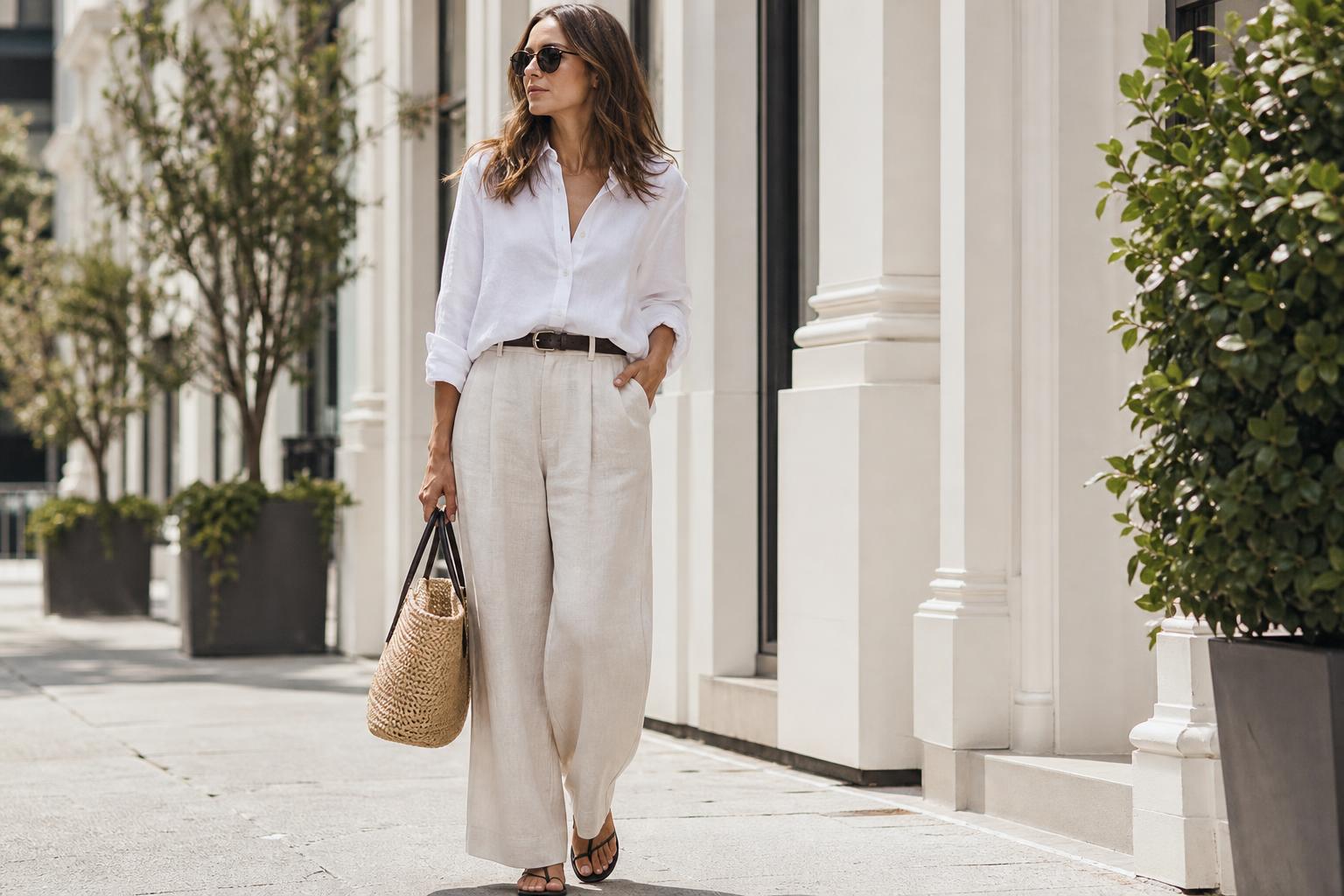
    The clearest distinction, then, is simple. Athleisure airport dressing begins with ease and adds structure. Elegant airport dressing begins with structure and softens it for movement. Once you can see that difference, it becomes much easier to identify each style, adapt it to your own wardrobe, and combine elements from both with confidence.

    Trendy airport outfits editorial photo of a stylish woman in luxe athleisure walking through a modern terminal with carry-on
    A stylish traveler moves through a contemporary terminal in quietly luxurious layers, capturing the ease of elevated airport dressing.

    FAQ

    What are the most trendy airport outfits right now?

    The most current airport looks sit between polished loungewear and elegant travel dressing. Matching sets, sneakers, trench coats, black pants, soft knits, and refined accessories are especially relevant because they combine comfort, layering, and a clean silhouette.

    Are sneakers always the best choice for airport outfits?

    Sneakers are the most versatile option because they support walking and work across both athleisure and elegant airport looks. That said, loafers can be a strong alternative for shorter travel days or more polished itineraries, provided comfort and route length are realistic considerations.

    Can jeans work for a stylish airport outfit?

    Yes, especially stretchy jeans or softer denim that allows movement. Jeans sit comfortably in the middle ground between lounge wear and tailoring, but they usually work best when paired with practical layers and comfortable footwear rather than stiff or overly formal pieces.

    How do I make a comfortable airport outfit look more polished?

    The easiest way is to add one structured element such as a trench coat, blazer, or disciplined handbag, and keep the palette controlled. A monochrome base, clean sneakers, and minimal accessories can make even soft lounge wear look more considered.

    What should be in an airport capsule wardrobe?

    A useful airport capsule usually includes a breathable tee, a knit, comfortable bottoms, a versatile outer layer, reliable sneakers or loafers, and one efficient bag. From there, you can tilt the wardrobe toward athleisure with matching sets and leggings or toward elegance with a trench coat and tailored pants.

    Which fabrics are best for long flights?

    Breathable and travel-friendly fabrics tend to perform best, including moisture-wicking blends, merino wool, anti-odor materials, ponte knit, and other temperature-regulating layers. These matter because long flights involve changing cabin temperatures, extended sitting, and a need for softness without losing shape.

    How should I dress for airports in summer versus winter?

    In summer, lighter layers and breathable fabrics are more important than heavy visual structure, so button-downs, lighter bottoms, and sneakers tend to work well. In winter, coats, jackets, cardigans, and layered knits become essential, but the best outfits still avoid bulk by balancing warmth with proportion.

    Are celebrity airport outfits realistic for everyday travel?

    They are realistic when treated as styling references rather than exact shopping lists. Celebrity looks from figures such as Margot Robbie, Nicole Kidman, and Zendaya are useful because they demonstrate proportion, strong outerwear, and restrained accessories, all of which can be translated into a real wardrobe.

    What accessories actually improve an airport outfit?

    Useful accessories include crossbody bags, handbags, compact tech organizers, anti-theft bags, sunglasses, and minimal jewelry. The best ones improve movement and organization while reinforcing the style direction of the outfit rather than distracting from it.
    Is athleisure or elegant airport style better for travel?

    Neither is automatically better; each suits a different kind of travel day. Athleisure is often stronger for long-haul comfort and very casual itineraries, while elegant airport style is especially effective for polished arrivals, business-casual needs, and travelers who want their outfit to transition beyond the terminal.

  • Italy Vacation Outfits for City-to-Coast Chic

    Italy Vacation Outfits for City-to-Coast Chic

    There is a particular elegance to planning italy vacation outfits well. The mood is never overly styled, yet it is never careless either: breathable linen, clean tailoring, sun-softened neutrals, and a wardrobe that can move from Roman streets to a Milan aperitivo, from a Venice canal walk to an Amalfi Coast terrace without losing its sense of refinement.

    The appeal of this aesthetic lies in balance. Italian travel style is practical enough for long walking days, museum visits, and changing weather, but it still carries a polished visual identity. Comfortable shoes matter, so do lightweight fabrics, but so does proportion: a structured blazer over an easy dress, wide-leg trousers with a soft knit, a scarf carried not as decoration alone but as a useful layer for churches and cooler evenings.

    Sunlit editorial street style in Italy featuring chic italy vacation outfits with linen dress, straw bag, and terrace view
    A sunlit Italian side street frames an effortless city-to-coast look with linen, espadrilles, and a woven bag.

    That is why the most convincing italy vacation outfits feel less like trend-driven packing and more like wardrobe composition. They rely on versatile silhouettes, city-aware dressing, and thoughtful transitions between day and night. The result is effortless in appearance, but never accidental.

    Why destination-led dressing works so well in Italy

    Italy asks more of a travel wardrobe than many destinations do. In one trip, you may move between historic city centers, religious sites, elegant shopping districts, coastal towns, galleries, boat days, and dinner settings that feel relaxed but still visually considered. A single packing formula rarely covers all of that well.

    A destination-focused approach solves the problem. Instead of packing random vacation pieces, you build around location, occasion, and climate: Rome calls for strong walking shoes and light layers, Milan benefits from tailored structure, Venice favors breathable daywear that remains polished, and the Amalfi Coast invites sun-ready pieces that still work beyond the beach. This is where a true Italy packing list becomes more intelligent than a simple pile of outfits.

    The most successful wardrobe for Italy also respects versatility. A linen dress should work for sightseeing with sandals, then shift into evening with a blazer and sunglasses swapped for a woven bag and more refined accessories. Wide-leg trousers should feel comfortable in the day but composed enough for dinner. In practical terms, this keeps luggage lighter. In visual terms, it creates cohesion.

    Italy vacation outfits laid out on a sunlit Italian terrace as a woman arranges linen dress, trousers, hat, and espadrilles
    A sunlit Italian terrace scene captures a traveler arranging a refined capsule wardrobe of airy linens and coastal accessories.

    The foundation: fabrics, silhouettes, and the shape of an Italian travel wardrobe

    Breathable fabrics that still look composed

    Linen and cotton appear repeatedly in the strongest outfit ideas for good reason. They breathe well in warm weather, layer easily in spring, and carry the soft, unforced texture that suits Italian travel. Silk blends also have a place when you want a more fluid line, especially for pieces that need to move between daytime culture and evening dining.

    Fabric choice matters because Italy is often experienced on foot. Heat, movement, museum interiors, church visits, and coastal shifts all affect how clothing performs. Lightweight fabrics are not just a style preference; they support comfort over long days while still preserving an elevated appearance.

    Silhouettes with longevity

    The silhouettes that recur most naturally are also the ones that travel best: midi dresses, wide-leg trousers, tailored blazers, cardigans, trench coats for spring, and easy skirts balanced by fitted or softly structured tops. These shapes are flattering without feeling restrictive, and they hold up visually in cities where style tends to favor polish over excess.

    Comfortable footwear is equally central. Sandals, espadrilles, loafers, and well-considered walking shoes do more than support practicality; they anchor the mood of the outfit. The right shoe keeps a relaxed look intentional rather than underdressed.

    Key pieces for this aesthetic

    • linen dress in a neutral or sea-soft tone
    • wide-leg trousers in cotton or a breathable blend
    • tailored blazer for Milan-inspired structure
    • light cardigan or cream knit set for spring mornings
    • comfortable sandals or espadrilles
    • scarf for layering and church modesty
    • straw hat, sunglasses, and a woven accessory for coastal settings

    Together, these pieces create an Italian vacation wardrobe that feels city-chic rather than overpacked. Each item carries its own function, but more importantly, each one can connect to several destinations and occasions.

    City mood matters: how Rome, Milan, Venice, and the Amalfi Coast shape the look

    One of the clearest patterns in strong Italy outfit ideas is that the clothing changes subtly with the city. Not dramatically, but enough to respect the setting. The texture, structure, and finish of a look often say as much as the pieces themselves.

    Italy vacation outfits laid out on a bed with a sundress, sandals, straw hat, and sunglasses in soft morning light
    A chic flat lay of Italy vacation outfits featuring breezy staples and timeless accessories for effortless travel style.

    Rome: polished ease for long walking days

    Rome asks for stamina and restraint. The visual mood is lightly refined rather than overtly fashion-forward: airy fabrics, comfortable walking shoes, soft layers, and enough coverage for churches and cultural site visits. The best Rome outfits understand that beauty matters, but mobility matters just as much.

    A scarf, lightweight cardigan, or easy button layer becomes especially useful here. It can soften a sleeveless look, provide modest coverage for religious site visits, and help transition into cooler morning or evening hours. In Rome, practicality is not separate from style; it is part of the look.

    Milan: tailored lines and day-to-night composure

    Milan shifts the emphasis toward sharper composition. A blazer, wide-leg trousers, a clean dress, or a fitted top with a polished skirt all make sense in a city associated with fashion and more structured dressing. The mood is modern, composed, and slightly more directional, even when the palette stays neutral.

    This is where daytime sightseeing can blend into aperitivo or dinner without a full outfit change. A tailored layer or a better-cut trouser creates that bridge. Milan outfit ideas work best when they feel deliberate, with proportion doing most of the visual work.

    Venice: soft romance with practical movement

    Venice lends itself to slightly more fluid styling. Canal walks, galleries, and long days outdoors suit dresses, midi skirts, knit sets, and breathable fabrics that move easily. There is room for a touch of romance here, but the look still needs enough practicality for walking and changing surfaces.

    A cream knit set, a cardigan with a white midi skirt, or an easy dress with comfortable sandals all capture the atmosphere well. Venice works beautifully with subtle texture and lighter tonal dressing.

    Amalfi Coast and Lake Como: relaxed luxury without excess

    On the Amalfi Coast and around Lake Como, the mood becomes more sunlit and resort-leaning. Linen dresses, kaftan cover-ups, sandals, sunglasses, hats, and woven accessories all feel natural. Still, the most effective coastal looks are not simply beachwear. They should carry enough structure to move into town, lunch, or evening dining.

    This is also where Mediterranean color accents work especially well. Sea-blue, terracotta, and warm neutrals can add character to a mostly understated wardrobe. The silhouette can stay simple; texture and palette do the atmospheric work.

    Look: Roman daywear with lightweight layers

    This look captures the practical elegance that Rome rewards. The silhouette is easy through the body, with enough structure to feel polished in photographs and enough softness to remain comfortable through museum visits, piazza stops, and long city walks. It reads thoughtful rather than dressed up.

    A breathable midi dress in linen or cotton forms the base, grounded by comfortable walking shoes or refined flat sandals. Over the shoulders, a lightweight scarf or cardigan provides flexibility for churches and cooler interiors. The color palette stays quiet: cream, stone, soft tan, or muted olive, finished with sunglasses and a simple day bag.

    Why it works: Rome often involves shifting between exposed outdoor heat and culturally sensitive interiors. This kind of look respects both realities without sacrificing the clean, elevated line that makes Italian travel style feel distinct.

    Woman in linen dress and blazer on an Italian side street, showcasing italy vacation outfits with woven bag and sunglasses
    A candid sunlit street moment in Italy captures an elegant capsule look designed for effortless city-to-coast days.

    Style tip

    If a sleeveless dress is your most useful sightseeing piece, the easiest way to make it more versatile is not to replace it but to add a scarf. In an Italy packing list, that single item often does the work of both styling and practicality.

    Look: Milan tailored minimalism

    Milan favors sharpness, but not stiffness. This interpretation leans into a tailored silhouette with fluid movement: polished enough for the city’s fashion-aware atmosphere, yet relaxed enough to feel believable during daytime exploring. It has the confidence of understatement.

    Wide-leg trousers in a breathable fabric create the base, paired with a fitted top or clean blouse and a tailored blazer. Loafers or sleek sandals keep the line modern and wearable. A neutral palette of ivory, black, taupe, or soft gray allows the cut to lead, though a subtle contrast between matte cotton and smoother fabric brings depth.

    • key garments: tailored blazer, wide-leg trousers, fitted top
    • footwear: loafers or minimal sandals
    • accessories: sunglasses, structured bag, light scarf if needed

    Why it works: Milan chic daytime outfits rely less on decoration and more on proportion. The blazer adds clarity, the trousers create movement, and the entire look transitions naturally into an evening aperitivo without feeling costume-like.

    Look: Venice canal-soft elegance

    In Venice, a softer visual language feels right. The silhouette here is gently romantic, shaped by movement and lightness rather than sharp tailoring. It suits canal walks, gallery visits, and slow afternoons where the outfit should feel composed but not rigid.

    A cream knit set is one refined option for spring, especially on cooler mornings. Another is a gray cardigan over a white midi skirt, finished with espadrilles or comfortable sandals. The textures do most of the work: knit against cotton, soft structure against fluid hemline, pale neutrals catching the light in a way that feels natural to Venice.

    Why it works: Venice outfit ideas often benefit from softness, but softness alone can become vague. A defined waist, a midi length, or a cardigan with clear shape keeps the look elegant and grounded.

    Look: Amalfi Coast beach-to-town refinement

    This is the version of coastal dressing that remains chic once you leave the shoreline. The mood is bright, relaxed, and sun-aware, but never too casual to step into a terrace lunch or town dinner. The silhouette should skim rather than cling, allowing air, movement, and a sense of ease.

    A linen dress or a kaftan cover-up layered over a clean base works especially well, paired with sandals, a straw hat, sunglasses, and a woven accessory. Sea-blue, white, sandy beige, and terracotta are natural palette choices here. If the garment is loose, the accessories can stay minimal; if the look is very simple, texture becomes important.

    Why it works: Amalfi Coast beach-to-town outfits succeed when they bridge resort wear and real dressing. The goal is not to look ready only for the beach, but ready for the rhythm of the day.

    How to recreate the look

    Start with one breathable hero piece, usually a linen dress. Add only the accessories that support the setting: a hat for sun protection, sandals suitable for walking, and sunglasses that complete the line. Then ask whether the look can move into town without needing a total change. If yes, it belongs in your suitcase.

    Look: Spring city layers with trench and wide-leg trousers

    For spring travel, one of the most reliable formulas is the trench coat with wide-leg trousers. It has enough polish for Milan, enough practicality for Rome, and enough visual lightness to avoid feeling heavy in transitional weather. The silhouette is elongated, modern, and quietly cinematic.

    A light trench over breathable trousers and a simple top gives structure without bulk. Cotton and soft blends keep the outfit wearable through shifting temperatures. Neutral shades work best here: oat, stone, cream, and light gray. The effect is elegant because it relies on shape rather than embellishment.

    Why it works: spring in Italy often asks for layering that can be removed easily. The trench brings cohesion to an otherwise simple base, and the wide-leg trouser keeps the outfit refined while allowing movement through long travel days.

    Look: Museum morning in a cardigan and midi skirt

    Not every Italy vacation outfit needs a blazer or dress to feel elevated. Sometimes the strongest look is quieter: a cardigan, a white midi skirt, and footwear chosen for comfort rather than display. The mood is intelligent, understated, and ideal for museum days or gallery-heavy itineraries.

    The cardigan should feel soft but not shapeless, the skirt fluid but not flimsy. A gray cardigan gives subtle contrast to a white skirt, while sandals or espadrilles keep the outfit seasonally appropriate. The palette remains calm, allowing texture and proportion to lead.

    Why it works: this combination offers coverage, movement, and polish in equal measure. It also layers well with a scarf, making it especially useful for church visits or cooler starts to the day.

    Look: Celebrity-inspired Euro vacation polish

    There is a reason Bella Hadid-inspired vacation dressing continues to resonate in this space. The aesthetic combines linen dresses, vintage-leaning sandals, sunglasses, woven accessories, and a kind of effortless confidence that feels aligned with Italy’s resort and city settings alike. The best interpretation, however, is not mimicry. It is selective adaptation.

    Think of this look as affordable luxury in wardrobe form. A simple linen dress, a strong pair of sunglasses, and clean accessories create a polished travel image without requiring heavily statement-driven pieces. The color story tends to stay restrained, which is why the result reads chic rather than busy.

    Why it works: celebrity-inspired travel wardrobes are most successful when they use clear formulas. Here, the formula is simplicity plus finish. It can be recreated with accessible shopping finds from places like Zara or Nordstrom, but the real lesson lies in keeping the styling disciplined.

    Practical note on budget-friendly styling

    Luxury impact does not come only from price. In italy vacation outfits, the sharper difference usually comes from fit, fabric behavior, and whether the pieces work together tonally. A well-cut neutral dress can feel more elevated than several trend-led items competing for attention.

    Look: Evening aperitivo with a city-smart edge

    Evening in Italy rarely requires dramatic occasionwear for a traveler’s itinerary, but it does benefit from a little more precision. This look is built for aperitivo, dinners, and that transitional hour when daytime clothing needs a more intentional finish. The silhouette should feel leaner, cleaner, and slightly more defined than a daytime sightseeing look.

    A fitted top with a midi skirt, or a blazer layered over an easy dress, creates the right mood. Long-sleeve tops, checked or printed mini skirts, and even a more fitted jeans-and-boots combination can work in cooler conditions, especially if your trip leans into transitional seasons. The key is moderation: one tailored element, one relaxed element, and accessories that sharpen rather than overload.

    Why it works: the best day-to-night outfits in Italy are not entirely different wardrobes. They are refined variations on the same aesthetic language, adjusted with proportion and a little more structure.

    Color palettes that feel at home in Italy

    The strongest visual palettes for Italy tend to be grounded in neutrals first, then lifted by place-driven accents. Cream, white, stone, tan, black, and soft gray provide a stable wardrobe foundation. They mix easily, photograph well, and allow tailoring and texture to stand out.

    To keep the wardrobe from feeling flat, Mediterranean tones can be introduced selectively. Terracotta echoes sun-warmed architecture, sea-blue works naturally in Venice or along the Amalfi Coast, and muted olive or sandy beige supports a more understated city look. The goal is not to build every outfit around color, but to let color support atmosphere.

    This is especially useful when packing a capsule wardrobe. If most pieces live in the same tonal family, repeating shoes, blazers, hats, or scarves becomes much easier without making the outfits feel identical.

    What often goes wrong with Italy travel style

    The most common mistake is treating the trip as one uninterrupted beach vacation or, on the other extreme, as a purely fashion-image exercise. Italy usually contains too much variety for either approach to work. A suitcase full of very casual resort wear will struggle in cities and churches. A wardrobe built only around statement looks may become uncomfortable by the second day of walking.

    Another frequent issue is ignoring layer logic. Even in a warm-weather trip, mornings, interiors, and evenings can make a one-note wardrobe feel incomplete. This is why a light cardigan, trench, blazer, or scarf appears so often in strong packing guidance. They are not extras; they make the wardrobe functional.

    Finally, footwear is often underestimated. Stylish sandals may be enough in some settings, but city itineraries with museums, galleries, and long walking routes demand shoes that can hold up for hours. In practice, the best travel wardrobe is the one you do not need to fight with halfway through the day.

    Tips for avoiding overpacking

    • choose one consistent palette so layers and accessories repeat easily
    • pack pieces that can shift from day to night with one styling change
    • balance dresses with separates such as wide-leg trousers and a skirt
    • bring at least one modesty layer for churches and religious sites
    • limit shoes to pairs that genuinely fit your itinerary

    A capsule approach to an Italy packing list

    A capsule wardrobe for Italy is not about reducing personality. It is about increasing coherence. When every item supports multiple settings, the entire trip feels more fluid. You spend less time changing and more time simply adjusting the same visual language to the moment.

    A practical structure often includes a dress or two, one polished trouser, one skirt, one layering piece with shape, one softer knit or cardigan, walking-friendly shoes, sandals, and accessories that support sun protection and evening polish. This works especially well for mixed itineraries that include Rome, Milan, Venice, and coastal stops.

    The advantage of this method is not only efficiency. It also creates stronger personal style. When the wardrobe is edited, each look appears more intentional, and that editorial quality is exactly what makes Italian travel dressing feel so compelling.

    Tips for building a city-to-coast capsule

    Begin with city pieces first, then soften for the coast. In other words, pack the blazer, the wide-leg trouser, the cardigan, and the comfortable day shoes before you add the hat, woven bag, or kaftan. This prevents a beautiful coastal wardrobe from leaving you underprepared in Rome or Milan.

    Shopping perspective: accessible finds versus polished wardrobe logic

    There is a strong shopping angle around italian vacation fashion finds, especially through accessible retailers such as Zara and Nordstrom. That can be useful, particularly if you want affordable ways to capture the Lake Como or Amalfi mood. Still, the stronger perspective is not to chase an entire vacation through new purchases alone.

    Great style here comes from composition. A budget-friendly blazer can work beautifully if the trousers have enough drape and the shoes suit the day. A simple dress can feel luxurious if the accessories are restrained and the fit is balanced. Even celebrity-inspired looks only translate well when the wardrobe formula is understood first.

    If you do shop before the trip, prioritize pieces with real repeat value: a linen dress, a trench, a cardigan, or wide-leg trousers. These are not only useful for Italy; they are the backbone of the entire aesthetic.

    Destination-specific dressing details that make a difference

    Small decisions often determine whether a travel wardrobe feels effortless or slightly off. In Rome, the ability to cover shoulders quickly for churches matters. In Milan, the line of the outfit matters more than ornament. In Venice, a look needs enough practicality for walking while still feeling light and elegant. On the Amalfi Coast or near Lake Como, the challenge is making resort-inspired pieces polished enough for town.

    These nuances are why city-specific outfit planning tends to work better than generic packing. A traveler heading to museums and galleries may choose a cardigan and midi skirt over a beach-led dress. Someone moving from a Venice canal walk to dinner may rely on a knit set that stays composed all day. A Milan itinerary may need one blazer more than a second casual dress.

    When you think in this way, every outfit becomes attached to a realistic use case rather than an abstract style fantasy. That is the point where travel style becomes truly convincing.

    How to adapt the aesthetic to your own wardrobe

    You do not need a completely new closet to achieve this mood. The essential shift is in editing and pairing. Look for pieces you already own that fit the core language: breathable fabrics, clean silhouettes, neutral tones, one or two Mediterranean accents, and accessories with a purpose. Then begin combining them with more discipline than usual.

    If your style is more minimal, lean into Milan with wide-leg trousers, blazers, and structured simplicity. If you prefer softness, take your cues from Venice with knits, skirts, and fluid dresses. If you want something more sunlit and relaxed, focus on the Amalfi Coast formula of linen, sandals, hats, and woven textures. The aesthetic remains the same; only the emphasis changes.

    That is what makes italy vacation outfits so enduring. They are not one fixed uniform, but a family of looks shaped by climate, destination, and a consistent sense of polished ease. Once that principle is clear, the wardrobe becomes far easier to build.

    Stylish woman leaning on a stone wall in Italy wearing linen and blazer, with text overlay for italy vacation outfits
    A stylish woman pauses in warm Italian light, showcasing effortless city-to-coast italy vacation outfits with quiet elegance.

    FAQ

    What should I wear in Italy for sightseeing?

    For sightseeing, focus on breathable fabrics such as linen and cotton, comfortable walking shoes, and light layers that can adapt throughout the day. Midi dresses, wide-leg trousers, cardigans, and scarves work especially well because they balance comfort, polish, and flexibility for museums, galleries, and long city walks.

    How do I dress for churches in Italy?

    Dressing for churches usually means planning for modest coverage, especially around the shoulders. A scarf, light cardigan, or easy layer is one of the most useful additions to an Italy packing list because it allows sleeveless or lighter daytime outfits to remain appropriate for religious site visits without needing a full outfit change.

    What are the best fabrics for italy vacation outfits?

    Linen, cotton, and breathable blends are the most useful choices, especially for spring and summer travel. They help with comfort in warm weather, move well through long walking days, and create the easy, refined texture that suits Rome, Milan, Venice, and the Amalfi Coast.

    How can I make my outfits work from day to night in Italy?

    The easiest approach is to build around versatile silhouettes such as a linen dress, a midi skirt, or wide-leg trousers, then change the finish rather than the whole look. Adding a blazer, switching to more polished accessories, or sharpening the proportions with a fitted top can make a daytime outfit feel right for aperitivo or dinner.

    What should I wear in Rome versus Milan?

    Rome usually calls for practical elegance: comfortable shoes, breathable pieces, and layers useful for churches and long walking days. Milan tends to suit more tailored structure, such as blazers, clean dresses, and wide-leg trousers, with a stronger emphasis on polished day-to-night dressing.

    Are dresses or trousers better for an Italy trip?

    Both are useful, and the best wardrobe usually includes each. Dresses are ideal for warm weather and easy day-to-night transitions, while trousers bring structure and versatility, especially for Milan, cooler spring travel, or itineraries with more urban settings and evening plans.

    What shoes are best for Italy vacation outfits?

    Comfortable walking shoes, sandals, espadrilles, and loafers are the most practical options depending on the season and destination. The right choice depends on how much walking your itinerary includes, but the key is selecting shoes that support long days without disrupting the polished, balanced look of the outfit.

    Can I create chic italy vacation outfits on a budget?

    Yes, because the overall effect depends more on fit, fabric, and styling than on price alone. Accessible finds from retailers such as Zara and Nordstrom can work well when you focus on strong basics like a linen dress, a blazer, wide-leg trousers, and simple accessories rather than buying too many trend-led pieces.

    What colors work best for an Italian vacation wardrobe?

    Neutrals such as cream, white, tan, stone, black, and soft gray create the strongest foundation because they mix easily and keep the wardrobe cohesive. Mediterranean accents like terracotta and sea-blue can then be added selectively to reflect the atmosphere of places such as Venice, Lake Como, or the Amalfi Coast.

    How many outfits should I pack for Italy?

    It is usually more effective to pack a small capsule wardrobe than a separate outfit for every moment. A few dresses or separates, one tailored layer, one softer knit, practical shoes, and versatile accessories can cover sightseeing, museums, dinners, churches, and coastal stops far better than an overpacked suitcase full of disconnected looks.

  • Hawaii Vacation Outfits For A Chic Escape

    Hawaii Vacation Outfits For A Chic Escape

    The most successful hawaii vacation outfits are rarely the ones with the most pieces. They are the ones that understand the rhythm of the islands: a morning at the beach, an afternoon market, a breezy walk through Waikiki, a hike that begins in sun and ends in humidity, a dinner that asks for polish without stiffness. Dressing well in Hawaii is less about performance dressing and more about balance. You want ease, but not carelessness; color, but not costume; comfort, but not at the expense of proportion. A thoughtful vacation wardrobe makes every part of the trip simpler, from packing to getting dressed after a swim to moving from a luau to a late dinner without feeling either underdone or overdressed.

    Across Hawaii, the most useful pieces repeat for a reason: swimsuits, maxi dresses, cover-ups, linen shirts, sandals, aloha shirts, shorts, mini dresses, kaftans, beach pants, and lightweight layers. What changes is how you compose them. Oahu and Waikiki often call for sharper day-to-night versatility. Maui favors a softer beach-to-dinner flow. Kauai leans practical for trails and town. The Big Island benefits from a wardrobe that can move from casual daytime exploring to a luau or nightlife setting with minimal effort. The smartest approach is a capsule wardrobe built around breathable fabrics, flattering silhouettes, and a color palette that works across beaches, dining, hiking, and cultural experiences.

    Hawaii vacation outfits: woman in white linen shirt and neutral pants with straw tote walking a sunlit resort market walkway
    A breezy linen layer, neutral resort pants, and a straw tote capture effortless Hawaii vacation style in warm island light.

    How to think about Hawaii style without overpacking

    A good Hawaii wardrobe begins with one practical question: will this piece work at least twice in different settings? That standard immediately improves your packing list. A one-piece swimsuit can double as a bodysuit under linen pants. A maxi dress can move from breakfast to a luau with a change of sandals and jewelry. A graphic tee and jeans, often overlooked in tropical packing, can be useful for travel days or cooler evenings when you want something familiar and grounded.

    This is why a capsule wardrobe appears so often in Hawaii travel planning. The idea is simple: fewer items, more combinations. It is especially effective in a destination where the visual mood is relaxed, fabrics are lightweight, and many occasions do not require highly specific dress codes. Rather than packing separate wardrobes for beach days, hikes, dining, and sightseeing, you build one coherent set of pieces that can be adjusted through layers, accessories, and footwear.

    From a styling perspective, this approach also makes outfits look more refined. Repeating colors, textures, and silhouettes creates a sense of intention. That matters more than chasing trend-heavy tropical looks that may feel right in a single photo but awkward in real life.

    Woman packing hawaii vacation outfits on a rumpled bed in a sunlit Hawaii hotel room by an open balcony
    In a softly sunlit Hawaii boutique-hotel room, she packs a breezy capsule of hawaii vacation outfits by the open balcony.

    The core capsule wardrobe that makes Hawaii dressing easy

    If you want a practical starting point, build around 12 to 15 pieces that can create at least 20 outfits. This is enough for a weeklong trip without making the suitcase unmanageable. It also helps you spend more intelligently, because you can invest in the pieces that do the most work and save on the items that play a supporting role.

    • 2 to 3 swimsuits, including at least one one-piece
    • 1 maxi dress for day-to-night wear
    • 1 mini dress or simple beach dress
    • 1 kaftan or relaxed cover-up
    • 1 sarong or pareo-style wrap
    • 1 linen button-down shirt
    • 2 tops, such as a graphic tee and a light tank
    • 2 bottoms, such as shorts and linen pants or beach pants
    • 1 lightweight layer for evenings or travel
    • 1 pair of flat sandals
    • 1 pair of practical walking shoes for hikes or longer sightseeing days
    • 1 straw tote or beach-friendly bag
    • 1 hat and sunglasses

    If your budget is limited, buy the swimsuit, linen shirt, sandals, and one strong dress first. Those are the highest-value pieces because they shape the most outfits. If you have room to invest in one item, make it the dress that can move across multiple settings. A well-cut maxi dress earns its place quickly in Hawaii because it works for beachside lunches, shopping, casual dinners, and luaus with only slight styling changes.

    Swimwear that does more than stay at the beach

    Swimwear is not just functional in Hawaii; it is often the base layer of the day. Bikini sets are useful if you prefer mixing tops and bottoms or need better fit flexibility. A one-piece swimsuit offers even more versatility because it can act like a sleek bodysuit beneath shorts, beach pants, or a sarong. If you want a wardrobe that feels elevated rather than overly casual, the one-piece plus wrap combination is one of the easiest ways to achieve it.

    For curvier figures, a one-piece with a defined waist effect tends to feel balanced under an open linen shirt. For petite frames, a higher-cut leg line or a cleaner, less busy print keeps the silhouette from looking visually shortened. If you are tall, long fluid wraps and maxi layers often look especially natural and proportional.

    Why maxi dresses keep appearing in every good packing list

    Maxi dresses are one of the most reliable categories in Hawaii vacation clothing because they solve several problems at once. They create instant polish, offer airflow, photograph beautifully in tropical settings, and can shift between casual and dressier moments depending on sandals and accessories. A flowy floral maxi dress works well when you want visual softness. A cleaner solid-color version is better if you prefer understated resort wear or want more flexibility with jewelry, hats, and bags.

    If you are packing only one dress, choose a maxi with enough movement to feel relaxed but enough shape to avoid looking oversized. A dress with a simple waist definition or a long vertical line is usually more flattering and more useful than one that is heavily ruffled or highly specific in styling.

    Linen, natural fibers, and the value of relaxed structure

    Linen shirts and linen pants appear repeatedly in Hawaii outfit ideas for a reason. They offer breathability, easy layering, and a visual texture that instantly makes simple outfits feel more expensive. A linen button-down over swimwear is one of the most versatile combinations you can pack. It gives coverage without heaviness, works on the beach, and transitions well into town when paired with white shorts or beach pants.

    Natural fibers generally support the relaxed elegance that suits Hawaii best, though quick-dry synthetics also have a place if you are planning active days. The practical decision is to divide your wardrobe into two tracks: pieces that look refined for dining and strolling, and pieces that dry quickly for beach and hike days. Some overlap is useful, but not every garment needs to do everything.

    Hawaii vacation outfits laid out with tropical prints, sandals, and sun hat for a stylish island getaway
    A curated selection of breezy tropical essentials captures the effortless style of a Hawaii escape.

    The outfits that actually work by setting and time of day

    The easiest mistake in vacation dressing is planning for isolated moments instead of real days. In Hawaii, a single day may include sand, sun, shopping, walking, and dinner. Clothes that can evolve across those settings make the trip smoother and reduce the need for full outfit changes.

    Beach mornings that still look considered

    A bikini or one-piece under a kaftan, cover-up, or oversized linen shirt is the classic formula because it accommodates the day’s first transition well. Add flat sandals, sunglasses, and a straw tote, and the outfit feels complete enough for a coffee stop or casual breakfast. If you want to avoid the common mistake of looking too poolside away from the beach, choose a cover-up with some shape or add shorts under the shirt so the outfit reads as intentional clothing rather than purely swimwear layering.

    Hikes and active afternoons

    For hikes, utility matters more than visual drama. Think lightweight tops, shorts or practical pants, and shoes you can actually walk in. This is where a relaxed linen piece may not be the best main choice if you expect a more active route. Instead, keep the styling clean and simple, then save your more fluid resort wear pieces for the hours afterward. The goal is not to force a beach editorial into a setting where movement, comfort, and changing conditions matter more.

    If your day includes both a hike and town afterward, pack a dress or clean shirt in your tote so you can change one visible layer. That small adjustment can completely shift the outfit from functional to polished without requiring a full reset.

    Market strolls, lunch, and casual sightseeing

    This is where the simplest combinations often look the best: a Hawaiian print shirt with white shorts, a mini dress with sandals, a graphic tee with jeans on a milder day, or linen pants with a swimsuit worn as a top. The reason these outfits work is proportion. One statement element, such as a tropical print shirt, needs a quieter companion, such as white shorts or neutral sandals. Too many competing vacation elements at once can make an outfit feel themed rather than refined.

    Evening dinners and nights out in Waikiki

    Waikiki often calls for more deliberate day-to-night dressing than a purely beach-centered itinerary. A maxi dress, a coordinated two-piece set, or a one-piece swimsuit under wide beach pants can all work well. The line between relaxed and polished matters here. Nights out usually suit cleaner silhouettes, neater sandals, and accessories that feel more composed than beach casual. If your daytime look is very loose, define the evening version with shape: tuck the shirt, trade the tote for a more compact bag, and switch from a floppy cover-up to a dress or matching set.

    Hawaii vacation outfits editorial photo of woman in linen shirt and white shorts with straw tote at a breezy resort walkway
    A breezy resort look pairs a crisp linen shirt, white shorts, and a straw tote for effortless Hawaii style.

    Island-by-island dressing: the wardrobe shifts that make sense

    Hawaii is not one uniform backdrop, and the best outfits respond to location. This does not mean packing a completely different wardrobe for each island. It means understanding which pieces deserve priority depending on your itinerary.

    Oahu and Waikiki: versatile, polished, and easy to transition

    Oahu, and Waikiki in particular, rewards outfits that move cleanly between beach time, city walking, dining, and nightlife. You are likely to get the most use from dresses, elevated cover-ups, shorts paired with a crisp shirt, and sandals that can manage more than a few steps. A loose floral maxi can work, but so can a more pared-back resort wear silhouette in a clean print or bright solid color. If you like matching sets, this is one of the strongest settings for them because they look intentional without feeling overdone.

    Maui: beach to dinner without a hard costume change

    Maui dressing often feels best when it stays soft and fluid. Think maxi dresses, cover-ups that can pass as outer layers, and linen shirts over swimwear. The ideal Maui wardrobe is not fussy. It should let you return from the beach, refresh quickly, and head to dinner with only minor changes. This is where kaftans and beach dresses earn their place, especially if they have enough shape to feel complete once you add sandals and a simple bag.

    Kauai: practical pieces with a relaxed finish

    Kauai outfit planning benefits from realism. If your days include trails, casual town stops, and shifting weather, prioritize pieces that stay comfortable and do not feel precious. Shorts, easy dresses, simple tops, and lightweight layers are sensible here. You can still keep the overall wardrobe visually attractive through color consistency and texture, but it helps to avoid garments that wrinkle excessively or require careful handling throughout the day.

    The Big Island: room for contrast

    The Big Island often suits a wardrobe with broader range. You may want easy daytime pieces alongside a slightly more composed outfit for a luau or nightlife setting. This makes a coordinated tropical two-piece set especially useful. Worn together, it feels dressed enough for evening. Separated, it multiplies into several daytime looks. Aloha shirts also work well here, particularly when paired with tailored shorts or relaxed linen pants rather than overly sporty basics.

    What to wear to a luau and other cultural experiences

    Luau outfits should feel festive but respectful. The most reliable choices are dresses, maxi dresses, mini dresses with modest ease, or an aloha shirt paired with polished shorts or light pants. Tropical prints and bright colors are welcome, but they look best when the silhouette stays balanced. In practice, that means choosing either a lively print in a simple shape or a more distinctive silhouette in a quieter fabric. Doing both at once can tip into excess.

    For women, a dress with movement but not too much volume is often the strongest option because it feels appropriate in photos, comfortable in warm conditions, and refined enough for dining. For men, an aloha shirt works well when the fit is relaxed but not oversized and the rest of the outfit remains clean. If you are traveling as a couple or family, matching family outfits can be charming when the coordination is subtle. Repeating a color family or print direction tends to look more polished than identical head-to-toe matching.

    For cultural sites and experiences, err on the side of considered coverage rather than beachwear. This does not require heavy clothing. It simply means choosing complete outfits over swim-adjacent dressing. A linen shirt, dress, or longer wrap layer is often enough to bring the right tone.

    Fabric, print, and color: the styling logic behind tropical dressing

    Breathable fabrics matter in Hawaii, but so does how fabric behaves visually. Linen, cotton, rayon, and quick-dry materials each create a different effect. Linen gives airy structure and a quiet luxury finish. Rayon and other fluid fabrics offer movement, which works beautifully in maxi dresses and cover-ups. Quick-dry materials are practical for activity-heavy days. The most polished vacation wardrobes mix these categories rather than relying on only one.

    Print is equally important. Floral prints, tropical patterns, and Hawaiian print shirts are core to island wear, but they require restraint in styling. If the print is vivid, keep the accessories simple. If the garment is loose, avoid adding too many oversized layers. A clean line somewhere in the outfit helps balance the softness and color associated with resort wear.

    Color also influences how outfits read in strong sun. Bright colors can feel lively and appropriate, while softer neutrals give the wardrobe longevity and make it easier to mix pieces. A very useful strategy is to choose one print family and one neutral base. For example, floral dresses and aloha shirts can sit comfortably beside white shorts, natural-toned sandals, and a straw tote. This creates a wardrobe that looks coordinated in photographs and practical in daily use.

    Tip: how to make tropical outfits look more expensive

    The answer is usually not more decoration. It is cleaner composition. Choose fewer colors per outfit, repeat one texture across the wardrobe, and let one piece lead. A linen button-down with simple swimwear and flat sandals often looks more refined than a heavily accessorized beach outfit. Likewise, a floral maxi with understated jewelry and a neutral bag has more presence than a dress competing with loud sandals and multiple patterns.

    Accessories that earn their suitcase space

    Accessories in Hawaii should support comfort, movement, and longevity. This is one of the easiest areas to overpack, yet a few well-chosen pieces do nearly all the work. Hats, sunglasses, sandals, pareos, straw totes, and simple jewelry are the most useful accessory cluster because they move between beach days and casual dinners without much friction.

    • A hat is worth packing if it works with both swimwear and dresses.
    • Flat sandals are better than highly delicate pairs if you expect long walks or mixed terrain.
    • A straw tote is more versatile than a tiny bag because it handles beach, market, and sightseeing needs.
    • A pareo or sarong is one of the best budget items because it can work as a cover-up, wrap skirt, or light layer.
    • Sunglasses and UPF sun-protective clothing are practical additions when your itinerary is heavily outdoors.

    If you are deciding where to save and where to spend, save on novelty accessories and invest in footwear that remains comfortable. Few things undermine a vacation outfit faster than sandals that look right in the room and fail after an hour outside.

    Seasonality and weather: how to adjust without changing your whole aesthetic

    Seasonal Hawaii outfit planning is less about dramatic wardrobe change and more about subtle recalibration. Year-round resort wear still works, but lightweight layers become more important when trade winds, humidity, or island-specific shifts affect comfort. This is where a capsule wardrobe proves its value again. Instead of reinventing the suitcase, you add or subtract one or two practical pieces.

    In warmer, more beach-centered stretches, lean into swimsuits, cover-ups, beach dresses, and breathable separates. When you expect more wind, more movement, or a broader mix of activities, bring an extra shirt layer, choose dresses with slightly more structure, and make sure at least one pair of bottoms is suitable beyond the beach. A graphic tee and jeans may not be the visual center of a tropical vacation, but on a travel day or cooler evening they can bring needed comfort and proportion.

    The key is not to panic-pack for every possibility. Build around stable warm-weather pieces, then add one lightweight layer and one sturdier outfit. That is usually enough to keep your wardrobe functional without losing the relaxed feel that suits Hawaii best.

    Family, couples, and group dressing without looking forced

    Family-oriented Hawaii outfit planning appears often because the destination lends itself to shared photos, luaus, beach dinners, and island-hopping itineraries. The challenge is creating cohesion without stiffness. Matching family outfits can work beautifully when they rely on a shared print, color palette, or fabric mood rather than exact replication across every person.

    For couples, the easiest route is tonal coordination. An aloha shirt that echoes the colors in a partner’s maxi dress or cover-up feels intentional without looking arranged. For children, island vacation outfits should stay simple and movement-friendly. Swimsuits, shorts, soft dresses, and easy shirts are more useful than highly styled looks that restrict play or need constant adjustment. PatPat’s family-focused approach reflects this practical mindset: the strongest family vacation wardrobes are the ones that work in motion.

    If you are packing for adults, kids, and possibly babies, create mini capsules within the larger family wardrobe. Repeating the same two or three colors across everyone’s outfits simplifies shopping, improves photo cohesion, and prevents overbuying.

    Brand references and what they reveal about the overall style direction

    Several recognizable names shape the current conversation around Hawaii resort wear and vacation dressing, and each points to a slightly different interpretation of island style. ROXY leans into practical beach-driven categories such as bikini sets, maxi dresses, kaftans, cover-ups, graphic tees, and versatile casual separates. ClubModaUSA emphasizes aloha style through bikinis, kaftans, maxi dresses, cover-ups, and mini dresses, often with a more overt tropical print and bright-color approach.

    PatPat expands the conversation into family travel, Oahu-specific outfit ideas, matching sets, aloha shirts, and the capsule wardrobe concept. VANLEVE highlights seasonal outfit tips and year-round resort wear. Editorial-style sources such as MS Belle Mode, Everyday Vibe, She for Style, and What’s My Shape bring in matching tropical two-piece sets, one-piece swimsuits with sarongs, crochet textures, linen button-downs, straw totes, sandals, and general women’s styling inspiration. Vacation Waikiki contributes a highly useful local framing: beach days, hikes, nights out, and dress-code awareness in Waikiki.

    The practical takeaway is that you do not need to dress like one brand or one editorial source. Instead, notice the repeated wardrobe logic beneath them: swimwear as base layer, dresses for day-to-night ease, linen for breathable polish, prints used strategically, and enough versatility to handle beach, town, dining, and cultural experiences in one cohesive suitcase.

    Common mistakes that make Hawaii outfits harder to wear

    Vacation wardrobes often fail not because the pieces are wrong individually, but because they do not work together. Hawaii makes that obvious quickly. If your clothes cannot handle walking, heat, beach transitions, or casual dining, they become dead weight in the suitcase.

    • Packing too many highly specific dresses that only work at night
    • Choosing prints on every major piece instead of balancing them with solids or neutrals
    • Bringing sandals that are decorative but uncomfortable
    • Using swim cover-ups that only make sense at the pool and nowhere else
    • Ignoring the need for one practical hike or activity outfit
    • Overpacking accessories and underpacking useful layers
    • Building separate mini wardrobes instead of one cohesive capsule

    A subtler mistake is assuming relaxed means shapeless. In practice, the most flattering Hawaii outfits usually combine ease with some visual structure. That may be a defined waist, a longer vertical line, a shirt worn open over a fitted swimsuit, or shorts balanced by a draped top. Silhouette is what prevents resort wear from slipping into carelessness.

    Tip: what to buy first if your suitcase and budget are both limited

    Start with one strong swimsuit, one linen shirt, one dress, one pair of sandals, and one versatile bottom. From there, add a cover-up or sarong, then a second swimsuit if needed. This order gives you the highest number of wearable combinations with the lowest chance of regret. It also keeps you from overspending on decorative extras before the wardrobe foundation is in place.

    Photo-ready style without sacrificing real-life comfort

    Good vacation outfits should photograph well, but they should first function well. In Hawaii, the most photogenic looks are often the ones with clear color contrast, fluid movement, and simple composition. A maxi dress catching breeze, a white short paired with a Hawaiian print shirt, or a one-piece swimsuit with a sheer sarong all create visual clarity without needing excessive styling.

    If photos matter to you, think in terms of contrast and outline. Bright tropical prints stand out against beach and greenery settings, while neutral linen tones bring a quieter, more editorial result. Avoid stacking too many visual elements in one look. A dress with movement, a clean sandal, and a straw tote is usually enough. For group photos, tonal coordination across outfits tends to look far more elegant than exact matching.

    The larger style principle is worth remembering: the outfit that feels comfortable after hours of wear will almost always look more convincing than one that is constantly being adjusted. Ease reads as confidence, and confidence is what makes vacation dressing look polished.

    Putting it all together: a realistic 7-day Hawaii wardrobe flow

    A seven-day Hawaii capsule wardrobe works best when each day borrows from the same core pieces rather than introducing entirely new looks. You might wear a one-piece swimsuit and linen shirt for a beach morning, then pair that same shirt with white shorts for lunch. The next day, a maxi dress handles sightseeing and dinner. A Hawaiian print shirt appears once with shorts, then later open over swimwear. A sarong layers over a bikini for the beach and returns as a wrap over a simpler evening top. This repetition is not a compromise. It is what makes the wardrobe feel coherent, light, and genuinely wearable.

    If your itinerary includes Maui, Oahu, Kauai, and the Big Island, you do not need four separate fashion identities. You need one well-built wardrobe with subtle emphasis shifts. Add a stronger day-to-night piece for Waikiki, practical walking options for Kauai, easy beach-to-dinner dresses for Maui, and a slightly more expressive luau or nightlife look for the Big Island. The rest can remain beautifully consistent.

    That is ultimately the secret to Hawaii dressing: not more clothes, but better composition. A small wardrobe with smart proportions, breathable fabrics, tropical restraint, and genuine versatility will always outperform a suitcase full of disconnected outfit ideas.

    Stylish woman packing a capsule suitcase in a Waikiki hotel room, planning chic hawaii vacation outfits in warm light.
    A stylish traveler edits a capsule suitcase in a breezy Waikiki hotel room, building polished Hawaii looks without overpacking.

    FAQ

    What are the most essential pieces for hawaii vacation outfits?

    The most essential pieces are swimwear, a maxi dress, a linen button-down, a cover-up or kaftan, one versatile bottom such as shorts or linen pants, comfortable sandals, and a tote. These items create the strongest mix of beach, sightseeing, dining, and luau-ready outfits without overpacking.

    How many outfits should I pack for a 7-day Hawaii trip?

    A practical seven-day wardrobe usually needs about 12 to 15 pieces that can be mixed into many combinations rather than seven completely separate outfits. A small capsule works better because many Hawaii days include multiple settings, and the same dress, swimsuit, shirt, or sandals can often be restyled across the week.

    What should I wear in Waikiki during the day and at night?

    During the day, Waikiki suits beach-ready but polished looks such as swimwear under a linen shirt, white shorts with a Hawaiian print shirt, or an easy mini dress with sandals. At night, shift to a maxi dress, a coordinated two-piece set, or wide beach pants with a more composed top so the outfit feels more intentional for dining or nightlife.

    What is appropriate to wear to a Hawaii luau?

    A luau usually calls for a relaxed but respectful outfit such as a maxi dress, a simple mini dress with coverage, or an aloha shirt with polished shorts or light pants. Tropical prints and bright colors work well, but the overall silhouette should stay balanced and easy rather than overly dramatic or too beach-focused.

    Can I build a Hawaii capsule wardrobe on a budget?

    Yes, and a budget approach often works especially well because the most useful Hawaii wardrobe is based on versatility, not volume. Start with one swimsuit, one dress, one linen shirt, one bottom, and one pair of comfortable sandals, then add a sarong or cover-up. That foundation will give you more mileage than buying many separate statement pieces.

    What fabrics work best for Hawaii vacation clothing?

    Breathable fabrics such as linen, cotton, and fluid dress materials work well for general resort wear, while quick-dry materials are useful for active days and swim-based plans. The strongest wardrobe usually combines both, so you have polished options for town and dining as well as practical pieces for beaches and hikes.

    Are matching family outfits a good idea for Hawaii?

    They can work very well if the coordination is subtle. A shared print direction, color palette, or aloha-inspired mood looks more refined than exact matching on every person. The most successful family outfits in Hawaii still allow each person enough comfort and movement for real vacation activities.

    What shoes should I bring to Hawaii?

    Bring at least one pair of comfortable flat sandals for everyday wear and one practical shoe for hikes or longer walking days. Footwear should support the way Hawaii days actually unfold, which often means moving between beach areas, town streets, and casual dining without a full outfit change.

    How do I make tropical prints look polished instead of overwhelming?

    Use one printed focal piece and keep the rest of the outfit simple. A floral maxi dress needs understated accessories, while a Hawaiian print shirt works best with white shorts, neutral sandals, or linen pants. Clean lines and limited color competition make tropical pieces feel more refined.

    Do I need different outfits for Maui, Oahu, Kauai, and the Big Island?

    You do not need completely separate wardrobes for each island, but you should shift emphasis based on your itinerary. Oahu and Waikiki benefit from stronger day-to-night pieces, Maui rewards easy beach-to-dinner dressing, Kauai calls for more practical comfort, and the Big Island often suits a slightly broader mix that includes both casual daytime looks and polished evening options.

  • Casual Summer Outfits for a Chic, Minimalist Season

    Casual Summer Outfits for a Chic, Minimalist Season

    There is a particular ease to the best casual summer outfits: clean lines softened by movement, breathable fabrics that sit lightly on the body, and silhouettes that feel composed without appearing overworked. The mood is unfussy but never careless. A linen shirt left slightly open over tailored shorts, a flowing maxi dress grounded by flat sandals, a striped tee sharpened by white jeans—these combinations carry the quiet polish of an intentional wardrobe.

    This aesthetic lives comfortably across the season’s most familiar settings. It belongs at brunch, on a city stroll, on the route from beach to street, and in those long daylight hours when an outfit needs to move from afternoon casual to evening plans with minimal adjustment. Its appeal is easy to understand: summer dressing is most convincing when comfort, proportion, and texture work together. The result is a wardrobe built not on excess, but on elevated basics, thoughtful layering, and pieces that earn their place through versatility.

    Casual summer outfits street-style look with linen shirt, tank, white jeans and sandals in soft sunlit coastal town
    A candid street-style moment captures an airy linen-and-cotton look styled with white denim, sandals, and subtle accessories.

    That is why casual summer outfits continue to feel relevant year after year. Linen, cotton, matching sets, high-waisted shorts, sundresses, wide-leg trousers, lightweight blazers, sandals, tote bags, sunglasses, and simple jewelry all return in slightly different interpretations, yet the underlying formula remains timeless. Great summer style is rarely about one statement item; more often, it is about how a refined silhouette meets real weather, real movement, and real life.

    The foundation: fabrics that make summer style feel effortless

    Before silhouette, before color, before accessories, the success of a warm-weather wardrobe begins with fabric. In practical terms, linen, cotton, and other breathable fabrics shape how an outfit looks and how it behaves throughout the day. They affect drape, airflow, and whether a look still feels composed after a commute, a walk in full sun, or several hours outdoors. In visual terms, they also define the season’s signature softness: linen creates a relaxed texture, while cotton keeps lines crisp and easy.

    Linen tends to lend a slightly undone elegance to casual summer outfits. It works especially well in button-down shirts, wide-leg trousers, shorts, and matching two-piece sets because its natural texture gives simple shapes more character. Cotton, by contrast, is often the anchor for T-shirts, tank tops, sundresses, and lightweight shirts, offering a cleaner finish that suits both minimalist and more playful styling. When an outfit feels balanced in summer, it is often because the fabric supports the silhouette instead of fighting it.

    This is also where practical styling intelligence matters. A blazer can work in summer if it is lightweight and used as a strategic layer rather than a heavy statement. Jeans can remain in rotation when paired with airy tops and open footwear. A beach-to-city outfit feels convincing when the material transitions well, such as a button-down shirt worn over a swimsuit and then restyled with sandals, a tote, and sunglasses for an afternoon in town.

    Key pieces for this aesthetic

    • linen button-down shirts
    • cotton T-shirts and tank tops
    • maxi dresses and flowing midi dresses
    • high-waisted shorts
    • wide-leg trousers
    • matching linen sets and co-ords
    • white jeans and summer denim
    • flat sandals, sneakers, and espadrille-style footwear
    • straw hats, tote bags, sunglasses, and simple jewelry
    Casual summer outfits: woman in linen shirt and shorts walking past a sunny café terrace with tote, sunglasses, and sandals
    In warm late-morning light, she strolls past a café terrace in airy linen and cotton essentials with effortless polish.

    Look: relaxed minimal layers

    This look captures one of the most enduring summer moods: understated, airy, and quietly polished. The silhouette is intentionally loose but not oversized to the point of losing shape. A linen button-down worn over a tank top with wide-leg trousers creates clean vertical lines, while the open neckline keeps the outfit feeling light rather than severe.

    The palette works best in soft neutrals—white, cream, stone, or light beige—because these shades allow texture to do most of the visual work. Linen gives movement to the shirt and trousers, while a cotton tank provides structure beneath. Flat sandals keep the proportions grounded, and a tote bag adds function without compromising the mood. Sunglasses and delicate jewelry can finish the look with restraint.

    What makes this combination so effective is its balance between tailored structure and relaxed texture. It feels suited to a city morning, a casual lunch, or travel days when you want comfort without looking underdressed. Uniqlo’s summer edit leans into this kind of basics-led styling, while the broader appeal of the formula lies in how easily each piece can be reworn in different combinations.

    Style tip

    If the wide-leg trouser feels too fluid for your frame, choose a slightly more tailored waist or tuck the tank top cleanly to define the silhouette. Summer polish often comes from that one point of structure.

    Look: striped ease with white denim

    Among casual summer outfits, few combinations feel as perennial as a striped tee with white jeans. It has a crisp, coastal clarity but remains entirely wearable away from the beach. The visual effect is simple: the horizontal rhythm of the stripe introduces energy, while white denim brightens the outfit and keeps it seasonal.

    A classic cotton striped T-shirt is the natural starting point. Pair it with white jeans in a straight or slightly relaxed cut, then add sandals for a softer finish or sneakers for a more urban interpretation. A tote bag, sunglasses, and perhaps a lightweight blazer carried rather than worn can extend the look into cooler evening hours. The color palette stays close to white, navy, black, or tan, which helps the outfit read as intentional rather than busy.

    This look works because it combines familiarity with sharpness. White jeans can feel fresher than standard blue denim in high summer, yet they still provide the structure that shorts sometimes lack. The striped tee prevents the look from becoming too plain, and the overall result sits comfortably between East Coast preppy ease and city practicality.

    Casual summer outfits with a light linen shirt, denim shorts, and sandals on a sunny city street
    Effortless casual summer outfits come to life in breathable linen, classic denim, and easy sandals under bright sunshine.

    Look: soft weekend linen set

    Matching sets and co-ords have become one of the clearest expressions of modern summer ease. A linen two-piece set—perhaps a sleeveless top with high-waisted shorts, or a relaxed shirt with matching trousers—creates an immediately composed impression without requiring complicated styling. The mood is calm, tonal, and refined.

    The appeal of this look lies in its continuity. When both pieces share the same fabric and color, the body line appears longer and more fluid. Soft neutrals work especially well, though gingham and subtle floral interpretations can also fit within a more playful version of the same aesthetic. Sandals are the obvious footwear choice, while a straw hat and woven tote bring in the summer accessory story without making the look feel costume-like.

    WhoWhatWear’s emphasis on co-ords and classic seasonal staples reflects why this formula has such longevity: it offers ease, flexibility, and a polished finish. Worn together, the set looks complete. Split apart, each piece becomes useful elsewhere in a capsule wardrobe. That dual function is exactly what makes it worth relying on all season.

    How to recreate the look

    • Choose linen or a similarly breathable fabric.
    • Keep the color palette tonal for a more elongated silhouette.
    • Add only one or two accessories, such as sunglasses and a tote bag.
    • Use flat sandals for day; introduce a more polished sandal if the setting becomes more dressed.
    Woman in linen shirt and white jeans walking sunlit street in casual summer outfits with tote, sandals, and sunglasses
    A sunlit, candid city-to-beach moment showcasing casual summer outfits with airy linen layers and timeless basics.

    Look: tank top and high-waisted shorts, refined

    This is one of the simplest warm-weather formulas, but it is also one of the easiest to misjudge. The polished version relies on proportion. A fitted or neatly cut tank top paired with high-waisted shorts creates shape at the waist and keeps the outfit from feeling too casual or too exposed. The effect should be athletic in ease, not careless in execution.

    Fabric matters here. Cotton tanks tend to offer the cleanest line, while shorts in linen or a tailored cotton blend bring enough structure to elevate the outfit. The palette can move between classic white and tan, black and cream, or softer seasonal shades. Sandals make the look feel more relaxed; sneakers shift it toward city casual. Add sunglasses, a belt if needed, and a practical tote bag to complete the composition.

    Its strength lies in versatility. This look suits everyday errands, a coffee run, a weekend market, or a low-key brunch. It also proves an important styling principle: casual summer outfits become memorable not through complexity, but through fit, breathable materials, and accessories that align with the setting.

    Where summer denim still works

    There is a tendency to think denim belongs to cooler months, yet summer jeans outfits remain relevant when styled intelligently. The key is contrast. Denim should be paired with lighter visual and physical elements: a tank top, a breezy shirt, open sandals, or a stripped-back palette that prevents the look from feeling heavy.

    White jeans offer the easiest route into this idea, but classic blue denim also has a place in warm-weather dressing. A straight or relaxed jean with a sleeveless top and flat sandals can feel entirely appropriate for city days and casual evenings. A striped tee, a cotton tank, or even a one-shoulder top gives summer denim a fresher edge. The addition of sunglasses and a lighter tote keeps the look aligned with the season.

    What matters is recognizing the limitation as well as the benefit. Denim provides structure and an everyday chic quality, but in extreme heat it may not be the best first choice. For long outdoor days, linen trousers or a sundress may feel more practical. For air-conditioned interiors, travel, or day-to-night plans, jeans can be one of the most useful anchors in a summer wardrobe.

    Look: beach-to-street shirt layering

    Some of the best casual summer outfits are transitional by design. A button-down shirt worn over a swimsuit has become a reliable beach-to-street solution because it is both functional and visually relaxed. The shirt introduces coverage and movement, while still preserving the ease of the original beach look.

    Linen is particularly effective here because it dries quickly enough for practical wear and brings that rumpled, effortless texture that suits the setting. Add sandals, a straw hat, a roomy tote bag, and sunglasses, and the look shifts naturally from shoreline to lunch stop or afternoon strolling. A shirt in white, pale blue, or a soft stripe keeps the palette clean and sunlit.

    This look fits the summer aesthetic because it is based on real movement through the day. It acknowledges that an outfit may need to adapt across locations rather than remain fixed to a single context. That adaptability is one of the strongest arguments for investing in light outer layers and simple accessories that can recast a look quickly.

    Practical note for hot weather

    When dressing for especially bright, high-heat days, prioritize breathable fabrics, easy coverage, and accessories that support comfort, such as a hat and sunglasses. The goal is not simply to look summery, but to stay at ease while doing so.

    Look: flowing maxi dress with quiet structure

    The maxi dress is one of summer’s most persuasive silhouettes because it offers ease, movement, and visual completeness in a single piece. Yet the most elegant casual version does not overwhelm the frame. It moves freely, but the neckline, straps, or waistline provide just enough definition to keep the shape refined.

    Light cotton or linen-based fabrication helps the dress skim the body rather than cling to it. Neutral tones create serenity, while florals or gingham can shift the mood toward a more romantic interpretation. Flat sandals keep the look grounded and daytime appropriate. A straw hat and understated jewelry add texture without distracting from the dress itself.

    This is the kind of look that succeeds almost anywhere informal summer dressing is welcome: brunch, vacation afternoons, city sightseeing, or a casual dinner that does not require full evening wear. Its effectiveness comes from simplicity. The dress does the visual work, leaving accessories to support rather than compete.

    Look: slip dress and sandals for understated evening ease

    For day-to-night dressing, the slip dress occupies a very useful middle ground. It is lighter and more fluid than structured daywear, but less formal than event dressing. In casual summer outfits, it works best when the styling remains restrained: flat or minimal sandals, a soft tote or smaller shoulder bag, and jewelry that catches light without dominating the look.

    The silhouette should feel easy against the body, with a clean line rather than excess volume. A lightweight blazer can be added in the evening, especially in a city setting where indoor temperatures change quickly. Stick to tones such as black, cream, soft earth shades, or gentle florals if you want the dress to integrate easily into a broader summer capsule wardrobe.

    The beauty of this look lies in its adaptability. During the day, it can feel relaxed and almost minimal. At night, the same dress becomes sharper with a blazer, sunglasses swapped for jewelry, and a more deliberate finish. It demonstrates a recurring truth of summer style: the most useful pieces are often the ones that shift mood through styling rather than replacement.

    Look: oversized tee with biker shorts, modern street balance

    Not every summer aesthetic has to be soft or overtly feminine. The oversized tee with biker shorts offers a more street-style interpretation of casual summer outfits, with a silhouette that plays on contrast: volume on top, close fit below. It is direct, comfortable, and distinctly contemporary when handled with intention.

    A cotton oversized T-shirt in white, gray, black, or a muted tone keeps the look clean. Biker shorts create the fitted counterpoint, while sneakers rather than sandals often make more sense here, especially for city movement. A lightweight blazer layered over the tee can sharpen the look dramatically, and sunglasses or a simple cross-body alternative to a tote introduce structure.

    This formula appears repeatedly in visual summer styling because it solves a practical problem: how to stay cool while preserving a strong silhouette. It may not suit every wardrobe identity, particularly if you prefer softer tailoring, but for urban casual dressing it brings energy and clarity. The key is making sure the oversized top looks deliberate rather than simply large.

    Look: one-shoulder top with denim skirt

    A one-shoulder top introduces asymmetry, which can be very effective in summer when much of the wardrobe leans simple. Paired with a denim skirt, the result feels slightly more styled than a basic tank-and-shorts combination, while still staying within the casual category. The visual mood is playful but not overly trend-driven.

    The denim skirt adds familiarity and structure; the one-shoulder top adds movement and interest around the neckline. Choose sandals to keep the look easy, or a sleek sneaker if you want a more street-oriented approach. Jewelry should remain minimal because the neckline already acts as a focal point. A tote or compact day bag keeps the styling functional.

    This look works particularly well for warm afternoons that carry into evening, when you want something more expressive than a T-shirt but still practical enough for walking, sitting outdoors, or moving between venues. It is a useful reminder that elevated casual often depends on one subtle styling decision rather than a full wardrobe shift.

    Look: cargo or parachute-inspired ease, softened for summer

    Utility-leaning silhouettes such as cargo pants and parachute-inspired shapes can have a place in summer dressing when the rest of the outfit remains light and balanced. These pieces bring volume and a slightly directional edge, so they benefit from being styled with simpler tops and cleaner accessories. The overall effect should feel intentional, not heavy.

    A crop top or fitted tank can offset the looser line of the trouser, while sandals or sleek sneakers maintain comfort. Keep the color palette restrained—olive, stone, white, black, or soft neutrals—so the silhouette remains the point of interest. Sunglasses and a compact bag work better than too many layered accessories, which can make the look feel visually crowded.

    This is a more specialized branch of casual summer outfits, but it offers variety for those who prefer a stronger street-style language. It demonstrates how proportion can create aesthetic interest even when the palette stays minimal. The caution is practical: in very high heat, choose the lightest possible fabric and avoid excess layering.

    A capsule approach to casual summer dressing

    A summer capsule wardrobe is not about reducing style to uniformity; it is about making each piece work harder. In this context, the most effective casual summer outfits tend to come from a concise group of staples that can be combined across settings. A linen shirt, a cotton tee, a tank top, high-waisted shorts, white jeans, a flowing dress, wide-leg trousers, a matching set, sandals, sneakers, a tote, sunglasses, and one lightweight outer layer can generate a surprising range of looks.

    Woman & Home’s capsule approach and the basics-focused language seen in Uniqlo’s women’s summer edit both reflect the same broader principle: neutrals and breathable fabrics increase flexibility. A striped tee can work with white jeans, shorts, or a denim skirt. A linen button-down can function as a shirt, a layer, or a beach cover-up. A matching set can be worn together or separated. This is how summer wardrobes become elegant rather than overfilled.

    Capsule pieces worth repeating

    • one linen shirt in white or a soft stripe
    • one cotton tank and one cotton T-shirt
    • one pair of high-waisted shorts
    • one pair of white jeans or relaxed summer denim
    • one pair of wide-leg trousers
    • one maxi or midi dress
    • one matching set or co-ord
    • flat sandals, plus sneakers if your routine is city-based
    • a tote bag, sunglasses, and a hat

    The point is not to own exactly these items, but to understand the wardrobe logic behind them. They cover the recurring settings of summer while maintaining visual continuity.

    Accessories that complete the aesthetic without overpowering it

    Accessories can either refine casual summer outfits or push them into unnecessary clutter. In a season already rich with texture—linen, cotton, denim, straw, woven materials—the strongest accessory choices often feel selective rather than excessive. Sandals define the mood first: flat sandals read as relaxed and polished, while sneakers shift an outfit toward practical city wear. Espadrille-style options can sit between the two.

    Tote bags are particularly important because they align with the season’s functionality. They suit brunch, errands, beach transitions, and travel days without looking out of place. Straw hats and sunglasses bring both style and usefulness, especially in bright heat. Jewelry should remain light and layered only to the point where it complements the neckline and fabric textures already present.

    The most common mistake is to treat accessories as separate statements instead of part of the outfit’s balance. A fluid linen set with oversized jewelry, a heavy bag, and ornate footwear can quickly lose its effortless quality. Summer style tends to be strongest when accessories echo the clothing’s simplicity.

    Tip: choose footwear by setting, not only by outfit

    Sandals are ideal for beach days, resort casual moments, and relaxed lunches, while sneakers often make more sense for city walking, travel, and long days on your feet. One of the simplest ways to make casual summer outfits feel convincing is to let the footwear match the rhythm of the day.

    Regional moods: California ease, East Coast polish, urban minimalist summer

    Casual summer style is not completely uniform across settings. California casual often leans into beach-to-street practicality: open shirts, sandals, tote bags, cotton basics, and silhouettes that feel sun-faded and relaxed. East Coast preppy interpretations tend to sharpen the same formula through striped tees, white jeans, classic shirting, and a more defined structure around the waist and shoulder line.

    Urban minimalist dressing, often associated with a Copenhagen- or city-minded sensibility, can move toward matching sets, oversized shirts, biker shorts with blazers, or streamlined dresses with strong accessories. None of these moods requires a separate wardrobe. They are variations built from the same core entities: breathable fabrics, polished basics, easy layers, and practical footwear.

    Understanding these subtle differences can help a reader adapt casual summer outfits to personal taste. If florals and gingham feel too romantic, lean into neutral linen and clean cotton. If a minimal palette feels too quiet, introduce a print through a co-ord, sundress, or striped knit. The aesthetic remains coherent when the silhouette and fabric story stay consistent.

    Day-to-night shifts without changing the entire outfit

    One of the most useful summer style skills is learning how to transition an outfit instead of replacing it. This matters in real life: a city day may begin with errands, continue through lunch, and end with dinner outdoors. Casual summer outfits that support this rhythm tend to include one adaptable layer, one reliable accessory switch, and a silhouette that still looks polished after hours of wear.

    A slip dress can be transformed by adding a lightweight blazer. White jeans and a striped tee can become evening-ready with more deliberate jewelry and a cleaner sandal. A linen matching set can look sharper simply by buttoning the shirt differently and reducing the number of daytime accessories. The point is not dramatic reinvention, but subtle recalibration.

    Brands such as J.Crew are often referenced in this context because polished summer styling frequently depends on color coordination, clean tailoring, and capsule-friendly staples. Still, the lesson is broader than any one label. A successful day-to-night wardrobe relies on composition: one breathable foundation, one structured accent, and accessories chosen with restraint.

    A small styling framework that works

    • Start with a breathable base: dress, linen set, or denim-and-tank formula.
    • Add one structured element: blazer, tailored short, or defined waist.
    • Refine the finish in the evening: simpler bag, sharper sandal, more intentional jewelry.

    What often goes wrong with casual summer outfits

    The most common problem is not lack of inspiration but loss of balance. A silhouette that is loose everywhere can feel shapeless. A look that is too fitted in heavy fabric can feel uncomfortable and visually tense. Too many accessories can compete with the ease that summer clothing naturally wants to express. Even the most classic combination—tank top and shorts, striped tee and jeans, dress and sandals—depends on proportion.

    Another issue is ignoring context. Sandals that work beautifully for a beach town afternoon may be less practical for a full day of city walking. White jeans can be ideal for dinner or a polished daytime setting, but not always for long, high-heat outdoor plans where linen trousers would feel lighter. A blazer can elevate an outfit, but only if the fabrication is genuinely suitable for summer.

    Stylists and editors consistently return to the same recommendation because it remains true: choose a clear focal point. It may be a flowing maxi silhouette, a crisp striped tee, a matching linen set, or a strong one-shoulder neckline. Once that element is established, let everything else support it.

    Building your own week of summer looks

    The easiest way to make this aesthetic practical is to think in rotations rather than isolated outfits. A week of casual summer outfits does not need seven entirely different formulas. It needs a handful of trusted pieces styled with variation. A linen shirt can appear over a swimsuit one day, with white jeans the next, and over tailored shorts later in the week. A maxi dress can stand alone for brunch, then return with a lightweight layer for evening.

    For a city-based wardrobe, you might rely more heavily on sneakers, white jeans, and blazers. For resort casual or beach-led dressing, sandals, straw hats, airy dresses, and matching sets will naturally do more work. The goal is to recognize your setting and build around it, rather than copying every summer idea equally. That is what gives a wardrobe coherence.

    Casual summer style is at its most compelling when it feels personal but disciplined. Thoughtful repetition is not a failure of creativity; it is often the mark of a strong wardrobe. Rewearing the right pieces in new compositions is precisely how the aesthetic becomes convincing.

    Conclusion

    The enduring charm of this aesthetic lies in its clarity. Linen, cotton, denim, matching sets, dresses, sandals, and understated accessories come together to create casual summer outfits that feel refined, wearable, and visually calm. Whether your instinct is minimal, preppy, beach-led, or slightly more street-oriented, the formula remains the same: breathable fabrics, balanced silhouettes, and styling choices that respect both comfort and proportion.

    Adapt the mood to your own wardrobe by starting with pieces you will genuinely rewear, then shaping them around your summer routine. A polished outfit rarely depends on having more; it depends on understanding what works, why it works, and how to make it feel like your own.

    Woman adjusting straw tote at a moody city café wearing casual summer outfits with linen shirt, sandals, and iced drink
    A candid, sunlit city-terrace moment captures effortless casual summer outfits in breathable linen and warm, understated luxury.

    FAQ

    What fabrics are best for casual summer outfits?

    Linen and cotton are the most dependable starting points because they are breathable, light, and visually suited to warm weather. Linen brings relaxed texture and movement, while cotton often provides a cleaner, slightly crisper finish for T-shirts, tank tops, shirts, and dresses.

    How can I make casual summer outfits look more polished?

    Focus on proportion, fabric, and restraint. A tailored short with a simple tank, a striped tee with white jeans, or a linen set with minimal accessories will usually look more refined than a trend-heavy outfit with too many competing details. One structured element, such as a defined waist or lightweight blazer, often makes the biggest difference.

    Can I still wear jeans in summer?

    Yes, especially if you balance denim with lighter pieces such as a cotton tank, striped tee, or open sandals. White jeans are particularly useful because they feel brighter and more seasonal, though any summer denim works best when the rest of the outfit stays airy and uncomplicated.

    What shoes work best with casual summer outfits?

    Flat sandals are the most versatile for relaxed summer dressing, especially for brunch, beach-to-street looks, and vacation settings. Sneakers are often better for city days, travel, and long periods on your feet. The strongest choice usually depends on where you are wearing the outfit, not just how the clothing looks on its own.

    How do I build a summer capsule wardrobe around these looks?

    Start with a few repeatable staples: a linen shirt, a cotton tank, a T-shirt, high-waisted shorts, white jeans or relaxed denim, wide-leg trousers, one dress, one matching set, sandals, and a tote. The goal is to choose pieces that can be worn in multiple combinations across beach, city, brunch, and casual evening settings.

    What are the easiest day-to-night summer outfit formulas?

    A slip dress with sandals and a lightweight blazer is one of the most reliable options. White jeans with a striped tee or tank top also transition well when you sharpen the finish with more deliberate jewelry or a cleaner sandal. The most effective shifts come from layering and accessories rather than a full change of clothes.

    Are matching sets good for hot weather?

    Yes, especially when they are made from linen or similarly breathable fabrics. Matching sets feel composed with very little effort, and they also work well in a capsule wardrobe because each piece can be styled separately with shorts, jeans, tanks, or dresses already in your rotation.

    How do I dress for very hot summer days without sacrificing style?

    Choose breathable fabrics, lighter layers, and practical accessories such as sunglasses and a hat. Silhouettes that skim rather than cling, like a maxi dress, linen shirt with shorts, or a soft matching set, usually feel more comfortable in heat while still looking polished.

    What accessories matter most for this aesthetic?

    Tote bags, sandals, sunglasses, hats, and simple jewelry do most of the work. They support the season’s relaxed mood and add finish without disturbing the clean, breathable quality that gives casual summer outfits their appeal.

  • Casual Day Outfits That Feel Refined

    Casual Day Outfits That Feel Refined

    Most wardrobes fail on ordinary days, not important ones. The real test comes on the morning of errands, a hybrid work schedule, a coffee meeting, a long walk across the city, or an afternoon that may turn into dinner without warning. Casual day outfits sound simple, yet they often become complicated because the clothes must do several things at once: feel comfortable, look considered, layer well, and adapt to changing weather and activity.

    That tension is exactly why so many everyday outfits feel either too relaxed or too polished. A tee and jeans can look unfinished if the proportions are off, while a blazer and trousers can feel too formal for a low-key daytime plan. The solution is not to chase more pieces, but to understand how silhouette, fabric, layering, and context work together.

    Woman in cream cardigan and jeans leaving a cafe, modern street style inspiration for casual day outfits
    A woman steps out of a corner café in a cream cardigan and jeans, capturing an effortless casual day outfit with quiet city polish.

    This guide approaches casual daywear as a practical style problem with elegant answers. From capsule wardrobe staples and smart-casual combinations to footwear, color stories, and activity-based outfit ideas, the focus is on building casual day outfits that feel effortless, refined, and realistic for daily life.

    Why everyday dressing feels harder than it should

    The challenge with everyday casual outfits is that they sit in the most nuanced part of a wardrobe. Formalwear announces itself. Occasion dressing comes with obvious cues. Casual dressing, by contrast, asks for judgment. You need enough ease for movement and comfort, but enough structure to avoid looking accidental.

    Weather makes the decision more layered. Spring may require a jacket in the morning and none by noon. Summer asks for breathable fabrics without sacrificing polish. Autumn favors texture and layering, while winter demands warmth without too much bulk. On top of that, a single day may include commuting, sitting, walking, and social plans, so the outfit has to perform rather than merely look good in a mirror.

    There is also the matter of functionality. Shoes that work for a short coffee run may not suit a full day of walking. A soft knit may feel ideal at home but appear too relaxed on a video call. Casual chic and polished casual dressing depend on reading these details correctly. That is why the best casual day looks are usually built from versatile pieces rather than trend-led one-offs.

    Woman in cozy coffee shop doorway wearing casual day outfits with knit cardigan, straight-leg jeans, sneakers, and crossbody bag
    A warm, candid city moment shows a refined capsule look—knit cardigan, jeans, sneakers, and crossbody—made for casual day outfits.

    The dressing principles that make casual daywear work

    Start with comfort, but define it properly

    Comfort is not only about softness. In practical styling, comfort means freedom of movement, temperature balance, and ease over several hours. Cotton, jersey, denim, linen, knitwear, wool, and silk all play different roles depending on season and context. A relaxed silhouette can feel comfortable, but so can a lightly tailored shape if the fabric has enough drape and the proportions are balanced.

    Use layering to create flexibility, not bulk

    Layering appears again and again in strong casual day outfits because it solves real problems. A cardigan over a tee, a structured blazer over a knit top, or a lightweight jacket over a dress gives the outfit dimension and allows you to respond to shifting temperatures. The mistake is adding layers without considering line and weight. Each added piece should either sharpen the silhouette, soften it intentionally, or provide practical coverage.

    Balance relaxed pieces with tailored structure

    The easiest way to avoid looking underdressed is to pair one easy element with one more defined one. Denim and sneakers become more polished with a blazer. Loose trousers feel modern with a simple fitted tee. A soft dress gains shape from a belt or clean outerwear. This is the logic behind casual elegance: low-key pieces arranged with enough structure to feel deliberate.

    Dress for context, not just for category

    Not all casual outfits serve the same purpose. Everyday errands, hybrid office days, shopping, brunch, and travel-day dressing all sit under the casual umbrella, but each one asks for a different balance of polish, practicality, and comfort. A good outfit should acknowledge where you are going, how much you will walk, and whether the day includes transitions between settings.

    The casual day capsule that solves most wardrobe problems

    A capsule wardrobe approach is especially useful for casual daywear because it removes friction from daily decisions. Instead of inventing a new look every morning, you build around a small group of pieces that combine naturally. The goal is versatility, not strict minimalism.

    The core pieces worth relying on

    • Simple tees in clean colors for layering and easy contrast
    • Jeans or denim in a shape that works with sneakers, loafers, and jackets
    • Trousers that feel relaxed but still read as polished
    • A dress that can be worn alone or under outerwear
    • A cardigan or knit as a soft middle layer
    • A blazer or jacket for structure
    • Footwear such as sneakers, loafers, sandals, or boots depending on season

    These staples appear repeatedly in everyday casual looks because they can move across moods and settings. A tee can anchor denim for a coffee run, but the same tee under a blazer becomes hybrid-work appropriate. That is the value of wardrobe staples: they do not limit style, they create coherence.

    Building color stories that feel polished

    Color coordination is one of the clearest ways to make simple outfits look intentional. Soft neutral tones tend to create an effortless foundation, while deeper tones in autumn and winter bring weight and richness. In spring and summer, lighter color palettes and fresh pastels keep casual day outfits airy. Texture matters here as much as color. Cotton with denim, silk with knitwear, or linen with a structured jacket creates visual interest without excessive styling.

    A useful rule is to keep the outfit anchored by one calm base and then introduce contrast through either texture or one accent tone, not both in equal force. This prevents an everyday look from feeling busy.

    Casual day outfits on a woman in a bright city street, featuring a relaxed tee, jeans, and sneakers.
    A relaxed yet polished casual day outfit pairs a soft tee, classic denim, and clean sneakers for effortless style.

    Outfit solutions for the moments that cause the most indecision

    Outfit solution: the polished errand uniform

    A tee, straight or relaxed jeans, clean sneakers, and a cardigan or lightweight jacket form one of the strongest casual day outfits for real life. It works because every piece serves a purpose. The tee keeps the look uncomplicated, denim adds everyday ease, sneakers support walking, and the extra layer gives the outfit enough finish to avoid looking flat.

    To make this combination feel refined rather than generic, pay attention to silhouette. If the jeans are loose, the tee should either tuck slightly or sit with intention. If the top is more relaxed, choose denim with a cleaner line. A crossbody bag keeps the look practical and leaves your hands free, which matters more on an errand day than many people expect.

    Outfit solution: smart-casual for work-from-home and hybrid days

    Hybrid schedules often require casual office outfits that sit between home comfort and public polish. One of the most reliable answers is a knit top or simple shirt with tailored trousers, finished with a blazer and loafers or minimal sneakers. This formula gives you clean lines on video calls and enough ease for the less formal rhythm of the day.

    The blazer is central here, not because it makes the outfit formal, but because it introduces structure. Worn over denim, it creates casual chic. Worn with trousers, it turns elevated basics into something more work-appropriate. If the day includes commuting, choose shoes that can manage movement; if it remains home-based, you can lean more on soft knitwear and lighter layering.

    Outfit solution: daytime social plans without overdoing it

    Brunch, shopping, and meeting friends call for a different kind of ease. A dress with sandals and a crossbody bag is often the simplest answer, especially in warm weather. The appeal is that a dress resolves the outfit quickly while still looking composed. Add a cardigan or jacket if the day begins cool or if the setting shifts indoors.

    If dresses are not your default, try trousers with a refined top and understated jewelry. The objective is polished casual rather than occasion dressing. You want enough softness for daytime, enough interest for social plans, and enough practicality to sit, walk, and move through the day comfortably.

    Outfit solution: a denim-centered look that always feels current

    Denim is one of the most consistent motifs in casual daywear because it adapts easily to changing style cues. A denim base with a t-shirt and blazer is especially effective when you want casual elegance rather than plain basics. The denim keeps the outfit grounded, the tee prevents it from becoming stiff, and the blazer sharpens the outline.

    This combination also handles day-to-evening movement well. Swap sneakers for loafers if the schedule is more polished, or keep sneakers if walking is a priority. The intelligence of the outfit lies in its contrast: relaxed fabric below, tailored structure above.

    Outfit solution: soft knitwear for a chill day that still looks considered

    On days built around comfort, knitwear becomes essential. A soft sweater or cardigan with denim and sneakers creates the familiar chill-day silhouette, but it looks stronger when you think about proportion. A slightly shorter knit can define the waistline visually, while a more fluid knit over slim or straight bottoms creates a calm, elongated shape.

    This is the kind of outfit that suits coffee runs, a casual lunch, or a low-key travel day. The beauty of it is that it does not pretend to be formal. Instead, it uses texture and color pairing to elevate comfort into a complete look.

    Outfit solution: spring layers for unpredictable weather

    Spring casual outfits succeed or fail on layering strategy. Start with a tee or light knit, add trousers or jeans, and finish with a jacket that can be removed easily. This is where polished everyday layers become useful. You need enough warmth for early hours, but not so much that the outfit feels heavy by midday.

    Color coordination can make spring layering feel more intentional. Fresh colors and softer tones keep the look seasonal, while denim or a structured jacket grounds it. The result should feel practical first, graceful second, and never overworked.

    Outfit solution: summer ease with a capsule mindset

    Summer daywear often becomes either too bare or too fussy. A better approach is the summer capsule wardrobe formula: breathable tops, easy skirts or shorts, simple dresses, and sandals or sneakers that fit the day’s activity. Linen and cotton matter here because they keep the silhouette light and breathable without sacrificing visual structure.

    What makes this approach elegant is repetition with variation. A shirt worn with shorts one day and over a dress the next creates consistency. You are not trying to build novelty; you are trying to make warm-weather dressing feel calm and reliable.

    Outfit solution: autumn and winter casual with depth

    Cooler months invite more texture, and texture is often what makes everyday outfits look rich. Knitwear, wool, jackets, boots, and deeper color palettes naturally create visual depth. The challenge is preventing the outfit from becoming bulky. A simple formula is one substantial piece, one smoother counterpoint, and one practical shoe choice.

    For example, a knit with trousers and boots works well when the trousers have a clean line. A jacket over a dress adds warmth while preserving shape. Autumn and winter dressing rewards attention to fabric weight; drape matters just as much as insulation.

    Stylish woman outside a city cafe in layered neutrals and jeans, adjusting crossbody bag—casual day outfits inspiration
    A quietly polished coffee-stop moment captures effortless casual day outfits in soft layers, denim, and clean sneakers.

    How footwear changes the success of casual day outfits

    Footwear is often treated as a finishing touch, but in daytime dressing it is part of the outfit’s logic from the start. The right shoe affects posture, pace, and how polished the entire look feels. This is especially important because many casual day outfits need to carry you through errands, commuting, or several hours away from home.

    • Sneakers are ideal when walking is central to the day, especially with jeans, trousers, or knitwear.
    • Loafers work well for hybrid workdays or smart-casual plans because they sharpen the outfit without feeling formal.
    • Sandals suit social daytime dressing and summer capsule looks, particularly with dresses and easy separates.
    • Boots bring weight and practicality in fall and winter, pairing especially well with denim, trousers, and layered outerwear.

    The key is matching the shoe to the activity, not just the aesthetic. A beautiful outfit loses credibility quickly if the footwear does not support the day you are actually having.

    Accessories that quietly solve styling problems

    Belts, earrings, handbags, hats, and jewelry are often described as extras, but in casual daywear they can provide the exact amount of polish that simple pieces need. A belt can define shape in a relaxed outfit. Earrings can bring light to a minimal look. A crossbody bag adds function while keeping the silhouette streamlined.

    The most effective accessory strategy is restraint. Because casual day outfits rely on versatility, accessories should clarify the look rather than compete with it. If the clothing already has texture through denim, knitwear, or layering, choose cleaner accessories. If the outfit is very simple, a belt or structured bag can add enough definition to complete it.

    Tip: build accessory clusters, not random add-ons

    It is easier to get dressed when you think in small groups. For example, denim with sneakers may pair naturally with a crossbody bag and simple earrings, while a dress with sandals may feel more complete with a belt and understated jewelry. These clusters reduce decision fatigue and make repeated outfits feel intentional rather than repetitive.

    Seasonal fabrics and color balance that make everyday outfits feel modern

    Spring and summer: lightness with enough shape

    Warm-weather casual daywear benefits from fabrics that breathe and move. Cotton and linen naturally support this, while silk can add a softer, more fluid contrast when you want the look to feel elevated. Pastels, lighter neutrals, and fresh color stories work best when grounded by straightforward shapes such as shirts, simple tops, shorts, skirts, or a clean dress silhouette.

    The strongest spring and summer outfits avoid two extremes: excessive layering that looks out of season, and overly bare styling that reads unfinished. A light layer, such as a cardigan or jacket, often solves this balance gracefully.

    Fall and winter: warmth without visual heaviness

    As temperatures drop, deeper tones and textured fabrics naturally come forward. Knitwear, wool, denim, and boots create a more grounded palette and silhouette. The trick is to maintain line. If the top layer is substantial, keep the rest of the look more streamlined. If you are wearing a softer dress, outerwear should add enough structure so the whole outfit does not collapse into bulk.

    Seasonal layering works best when the outfit still has contrast. Too many heavy pieces together can make even expensive clothing look flat. A tailored silhouette contrasted with relaxed textures usually feels more modern.

    A seven-item casual day capsule you can actually use

    For readers who want a concrete framework, a seven-item casual day capsule can simplify the week dramatically. The point is not to wear only seven things forever. It is to create a reliable rotation that covers errands, hybrid work, and social daytime plans with minimal friction.

    • Two tops: one tee and one refined shirt or knit top
    • Two bottoms: one pair of jeans and one pair of trousers
    • One dress for easy one-piece styling
    • One outer layer: blazer, cardigan, or jacket
    • One primary footwear choice suited to your routine, such as sneakers or loafers

    From this small edit, several combinations emerge naturally. The tee with jeans and sneakers handles errands. The shirt with trousers and a blazer suits hybrid office days. The dress with sandals or a jacket works for social plans. This is how a capsule wardrobe supports everyday chic: through repeatable combinations that still allow for mood and seasonal adjustment.

    A context-specific lens: city casual, coastal casual, and the mood of the day

    One useful way to refine casual day outfits is to think in day-out archetypes. This approach helps when your wardrobe feels correct in theory but not in atmosphere. The outfit may need a change in mood rather than a total change in clothes.

    City casual

    City casual tends to benefit from sharper lines, practical shoes, and layering that supports movement. Denim, blazers, sneakers, loafers, and a crossbody bag feel especially at home here. The look should be efficient, polished, and walkable.

    Coastal casual

    Coastal casual leans lighter in fabric and softer in mood. Linen, cotton, sandals, shirts, easy dresses, and fresh colors create the sense of openness this style needs. The silhouette is usually more fluid, though still composed.

    Tech-ready or schedule-heavy casual

    On days built around a packed calendar, hybrid work, or multiple transitions, the outfit should prioritize adaptability. Trousers, a knit top, a blazer, and footwear that can handle commuting are especially effective. The emphasis is not on statement dressing, but on sustained polish.

    These archetypes are useful because they shift attention from isolated garments to the full context of the day. That is often the missing link in everyday styling.

    Subtle mistakes that make casual outfits look less intentional

    Most casual dressing mistakes are not dramatic. They are small mismatches that weaken the outfit’s purpose.

    • Adding layers without considering proportion, which creates bulk rather than depth
    • Choosing footwear for appearance alone, even when the day requires walking or commuting
    • Wearing only relaxed pieces at once, so the outfit loses structure
    • Over-correcting with overly formal items that fight the casual mood
    • Ignoring fabric weight, especially during seasonal transitions
    • Using too many competing colors or textures in an everyday look

    In practice, the fix is usually simple. Introduce one tailored piece, remove one unnecessary layer, or switch to footwear that aligns with the day’s movement. Casual style improves quickly when each piece has a clear reason to be there.

    Practical styling tips that make getting dressed easier

    A strong everyday wardrobe is less about inspiration and more about repeatable logic. Once you understand what your routine asks for, getting dressed becomes more intuitive.

    Tip: keep a small rotation of proven formulas

    Instead of reinventing casual daywear every morning, keep three to five outfit formulas that already work for your schedule. Examples include denim with a tee and blazer, trousers with a knit top and loafers, or a dress with sandals and a cardigan. This approach creates consistency without monotony.

    Tip: let one piece do the elevating

    If an outfit feels too basic, do not add several new ideas at once. A structured jacket, a belt, polished loafers, or a refined bag is often enough. The best polished casual outfits are usually built from restraint.

    Tip: think about the longest part of your day

    Dress for the part of the schedule that places the most demand on your outfit. If you will be walking for hours, footwear should reflect that. If you have a video call, the top half needs definition. If weather shifts are likely, layering should be planned from the start rather than added as an afterthought.

    Tip: rely on texture when you want understated interest

    When you want everyday outfits to feel more editorial without becoming louder, use texture instead of excess detail. Denim with knitwear, silk with wool, or cotton with a structured blazer creates subtle sophistication and keeps the look timeless.

    Closing perspective

    The best casual day outfits are rarely the most complicated. They succeed because they solve the real demands of daytime dressing: movement, weather, comfort, and polish. Once you begin with those realities, the styling choices become clearer. Layering gains purpose, footwear becomes part of the plan, and wardrobe staples start to feel more versatile.

    Whether your version of casual daywear leans toward denim and sneakers, dresses and sandals, or blazers with elevated basics, the most useful principle remains the same: balance ease with intention. That is what turns simple clothes into a refined everyday look you can return to again and again.

    Modern woman in layered blazer and jeans on city errands, cinematic window light, casual day outfits text overlay
    A candid city-errands moment captures softly layered staples and calm polish, paired with the hook “7 casual day outfits for mornings when nothing feels easy.”

    FAQ

    What are the most essential pieces for casual day outfits?

    The most useful foundation includes simple tops, jeans or denim, relaxed but polished trousers, a dress, a cardigan or knit, a blazer or jacket, and practical footwear such as sneakers, loafers, sandals, or boots depending on season. These pieces combine easily and support layering, versatility, and everyday comfort.

    How can I make casual outfits look more polished?

    The easiest way is to pair one relaxed item with one structured element. A blazer over a tee, loafers with trousers, a belt on a soft dress, or a clean handbag with denim can sharpen the outfit without making it feel formal. Color coordination and thoughtful proportions also help simple outfits look intentional.

    What shoes work best for casual daywear?

    The best choice depends on activity. Sneakers are strongest for walking, errands, and city days. Loafers suit hybrid work and smart-casual settings. Sandals work well for warm-weather social plans, while boots are practical for fall and winter layering. The key is matching footwear to how much movement your day actually includes.

    How do I build casual day outfits for unpredictable weather?

    Start with a breathable base such as a tee or light knit, then add a removable layer like a cardigan, blazer, or jacket. This gives you flexibility without overcomplicating the outfit. Spring casual outfits especially benefit from light layering that can adjust throughout the day.

    Can jeans still look refined in everyday outfits?

    Yes, especially when denim is balanced with cleaner pieces. A t-shirt and blazer, a knit with loafers, or a refined shirt with minimal sneakers can make jeans feel polished and current. The finish depends less on the jeans alone and more on how the rest of the outfit shapes the silhouette.

    What is the difference between casual and smart-casual day outfits?

    Casual outfits prioritize ease and practicality, while smart-casual adds more structure and polish. In practice, smart-casual often includes pieces such as blazers, loafers, trousers, or sharper shirts, whereas relaxed casual may rely more on tees, denim, sneakers, and softer knitwear. Both can work for daytime dressing if the outfit suits the context.

    How do I use a capsule wardrobe for everyday casual looks?

    A capsule wardrobe works by narrowing your choices to versatile staples that combine easily. Focus on a few tops, bottoms, one dress, one outer layer, and footwear that matches your routine. This creates multiple casual day outfits without requiring constant new combinations or trend-led shopping.

    Which fabrics are best for casual day outfits?

    Cotton and jersey are dependable for comfort and layering, denim provides structure, linen is useful in warm weather, knitwear adds softness and warmth, wool supports cooler months, and silk can elevate simple combinations through drape and contrast. The best fabric depends on season, movement, and the level of polish you need.

    How can I avoid looking underdressed in casual clothes?

    Avoid wearing only soft or oversized pieces at once. Introduce one element that gives the outfit shape, such as a blazer, jacket, belt, clean footwear, or a more defined trouser line. Even a minimal outfit looks more put together when the silhouette is balanced and the accessories are considered.