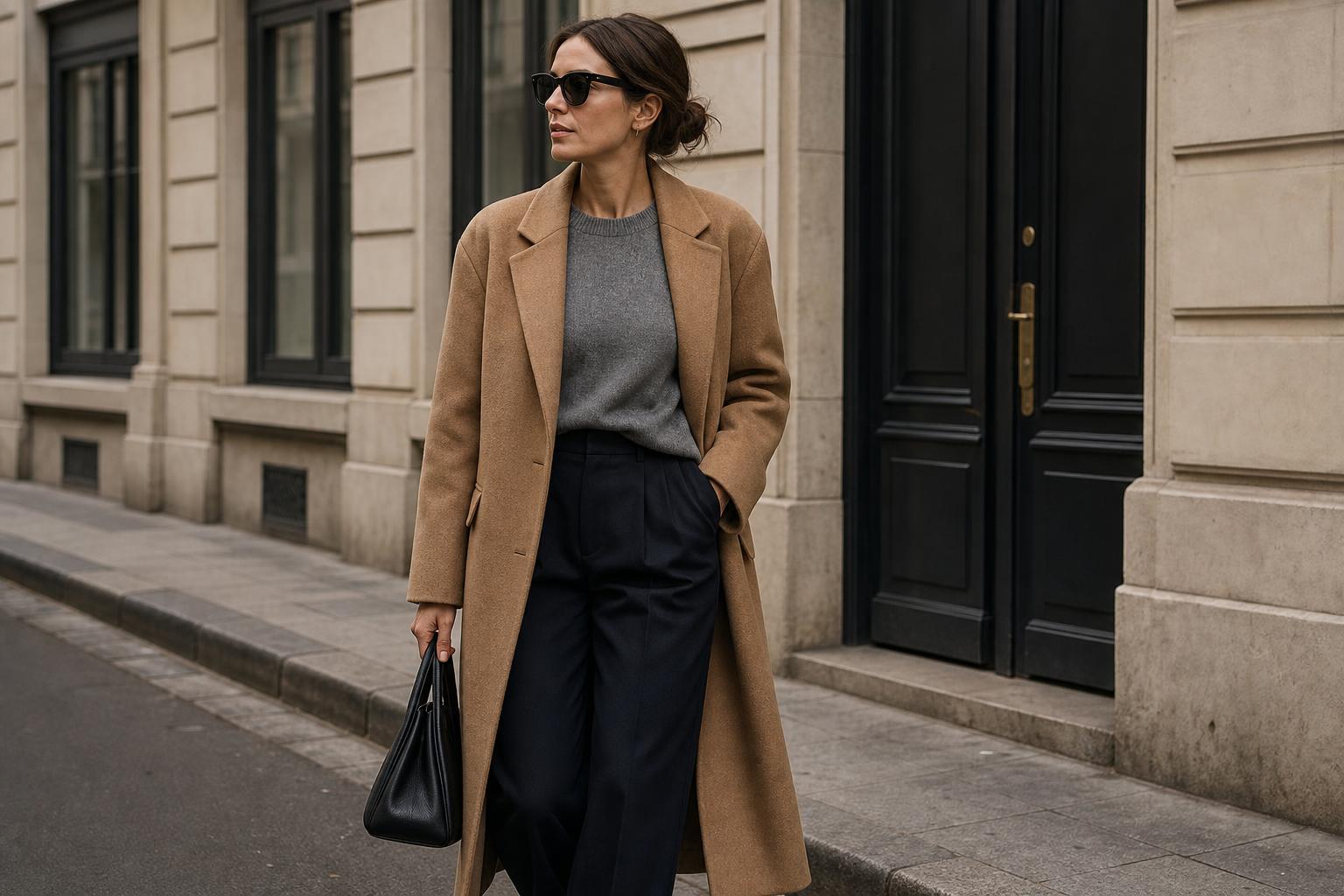
A cool style rarely comes from one dramatic piece. More often, it is the result of restraint, proportion, and the quiet confidence of knowing how to combine elevated basics with personality. The appeal sits somewhere between the polished ease associated with Paris, the precision of Milan, and the relaxed intelligence often seen in Copenhagen. Whether your reference points come from Who What Wear, MR PORTER, ASOS Style, Vogue, or The Coveteur, the principle is the same: the clothes should feel intentional without appearing overworked.
That matters in real wardrobes. Most people do not need a closet built for fashion week; they need pieces that work for commuting, dinners, weekends, travel days, and the occasional event where effort should be visible but never forced. A practical approach to cool style means choosing silhouettes that move well, layers that make sense in changing weather, and color combinations that can be repeated in multiple ways. It also means knowing what to buy first, where to invest, and which styling decisions create the strongest return on the pieces you already own.
The foundation of cool style is composition, not excess
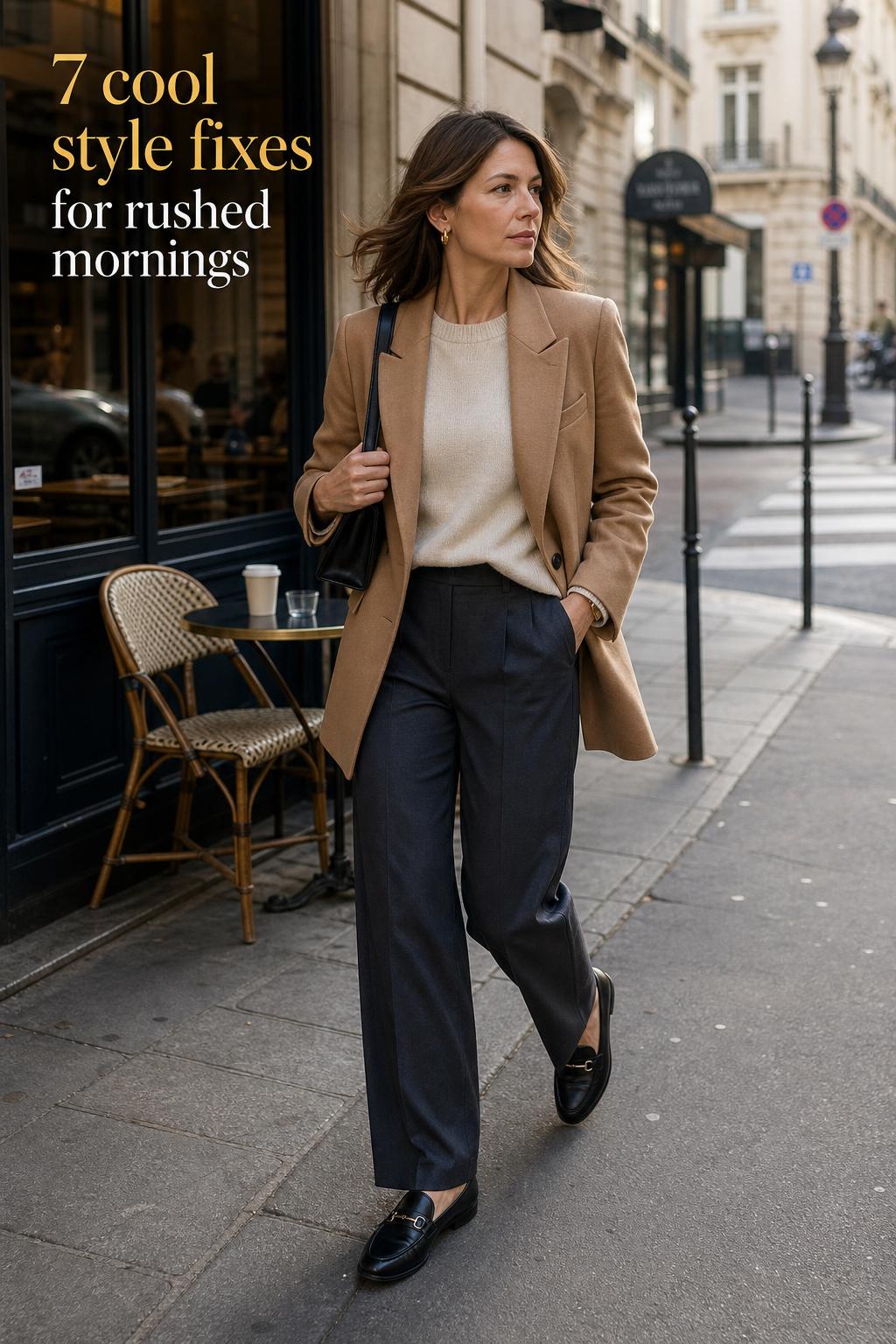
The most convincing wardrobes are built from a few clear visual ideas: clean lines, controlled contrast, and a balance between tailored structure and relaxed textures. A structured blazer layered over a simple top, for example, works because it gives the outfit an architectural frame. A wider trouser paired with a closer-fitting knit creates proportion. A soft neutral palette balanced with one darker anchor piece immediately reads more refined than a collection of unrelated statement items.
This is why cool style tends to age well. It does not depend on novelty alone. It relies on repeatable choices: sharp outer layers, useful shoes, dependable denim, knitwear with shape, and accessories that support rather than overwhelm. If your wardrobe currently feels inconsistent, begin by looking at silhouette before color or trend. Clothes that fit into a coherent line will always look more considered than expensive pieces worn without proportion in mind.
Your wedding has a lot of moving pieces. Your plan can still feel composed.
Zarellea organizes guests, vendors, budget, and timelines in one shared space — so you can make decisions with clarity, not stress.
What this looks like in practice
A polished everyday outfit might be as simple as straight-leg trousers, a refined knit, and a blazer with clean shoulders. For off-duty dressing, a relaxed shirt with jeans and strong footwear can achieve the same effect. In both cases, the success of the look comes from contrast: something tailored against something easy, something crisp against something soft. That interplay is where cool style begins to feel lived-in rather than staged.
The pieces worth buying first
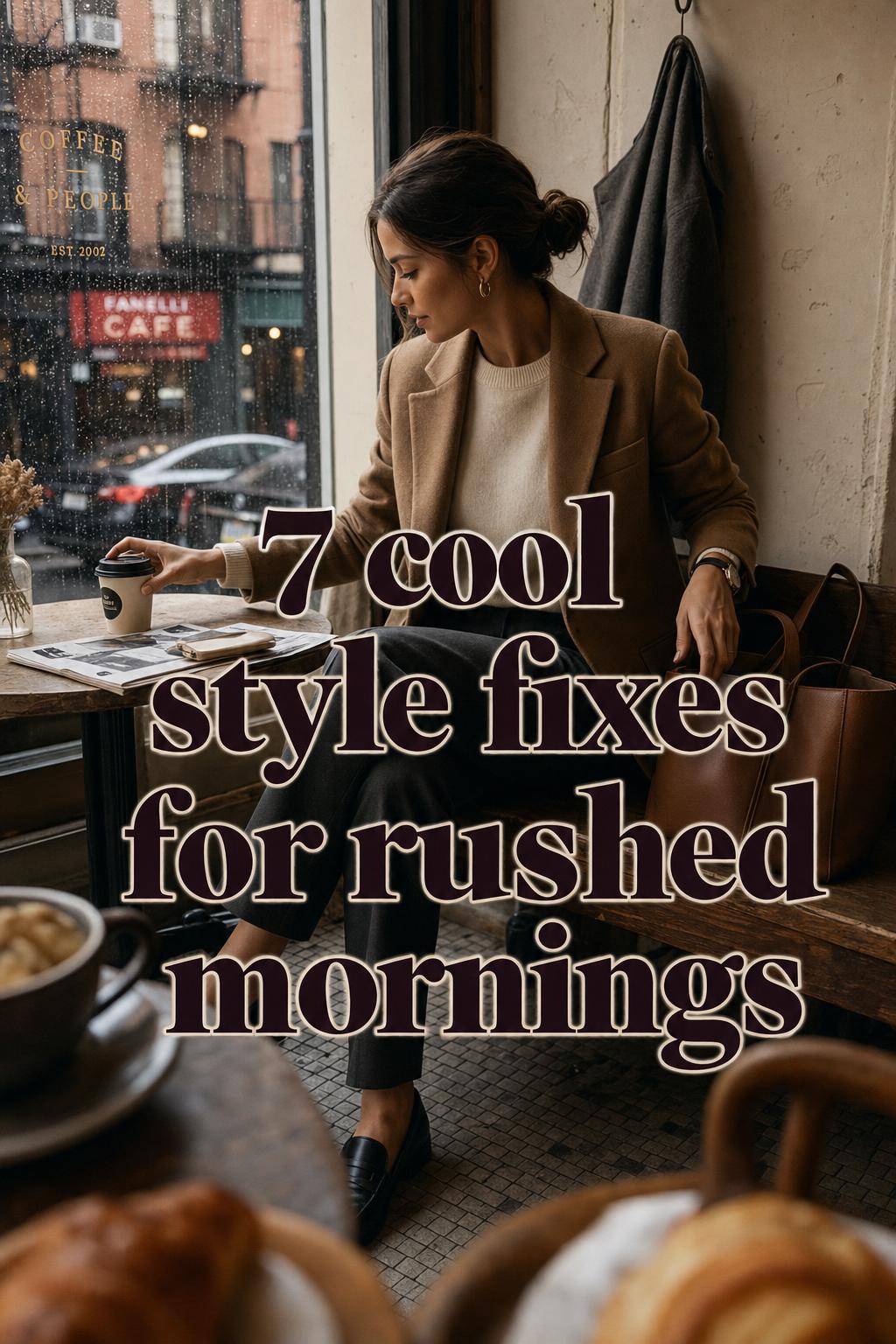
When building a wardrobe with longevity, it helps to prioritize the items that shape multiple outfits. This is especially useful if you want the look associated with fashion-led outlets like Who What Wear or Vogue without treating your wardrobe as a trend cycle. Start with pieces that can move across casual settings, travel, and smarter occasions with only minor adjustments.
- A structured blazer that holds its shape and layers comfortably over knits or shirts
- Straight or relaxed trousers in a neutral shade that work with flats, boots, or sneakers
- Denim with a clean leg line rather than excessive distressing or overly complicated details
- A refined knit in black, cream, gray, or navy for easy layering
- Footwear with visual clarity, whether sleek boots, minimal sneakers, or simple loafers
- A coat or jacket with enough presence to define the outfit from a distance
If your budget is limited, spend more carefully on outerwear, shoes, and bags if you carry one regularly. These pieces tend to influence the perceived quality of the entire outfit. Save on simple tops and layering basics, provided the fabric does not look thin or unstable. A modestly priced knit in a strong shape will often work harder than a trend-led item bought at a premium.
Investment versus affordable alternatives
Investment pieces are most sensible when they solve a repeated wardrobe problem. A blazer that works for meetings, dinners, and city weekends justifies more thought and budget than a highly specific statement item. Affordable alternatives are ideal for testing silhouettes before committing. If you are curious about a wider trouser, an oversized shirt, or a long coat, trying a more accessible version first can clarify whether the proportion suits your life and body before you spend more seriously.
Why the blazer remains central from Paris to Copenhagen
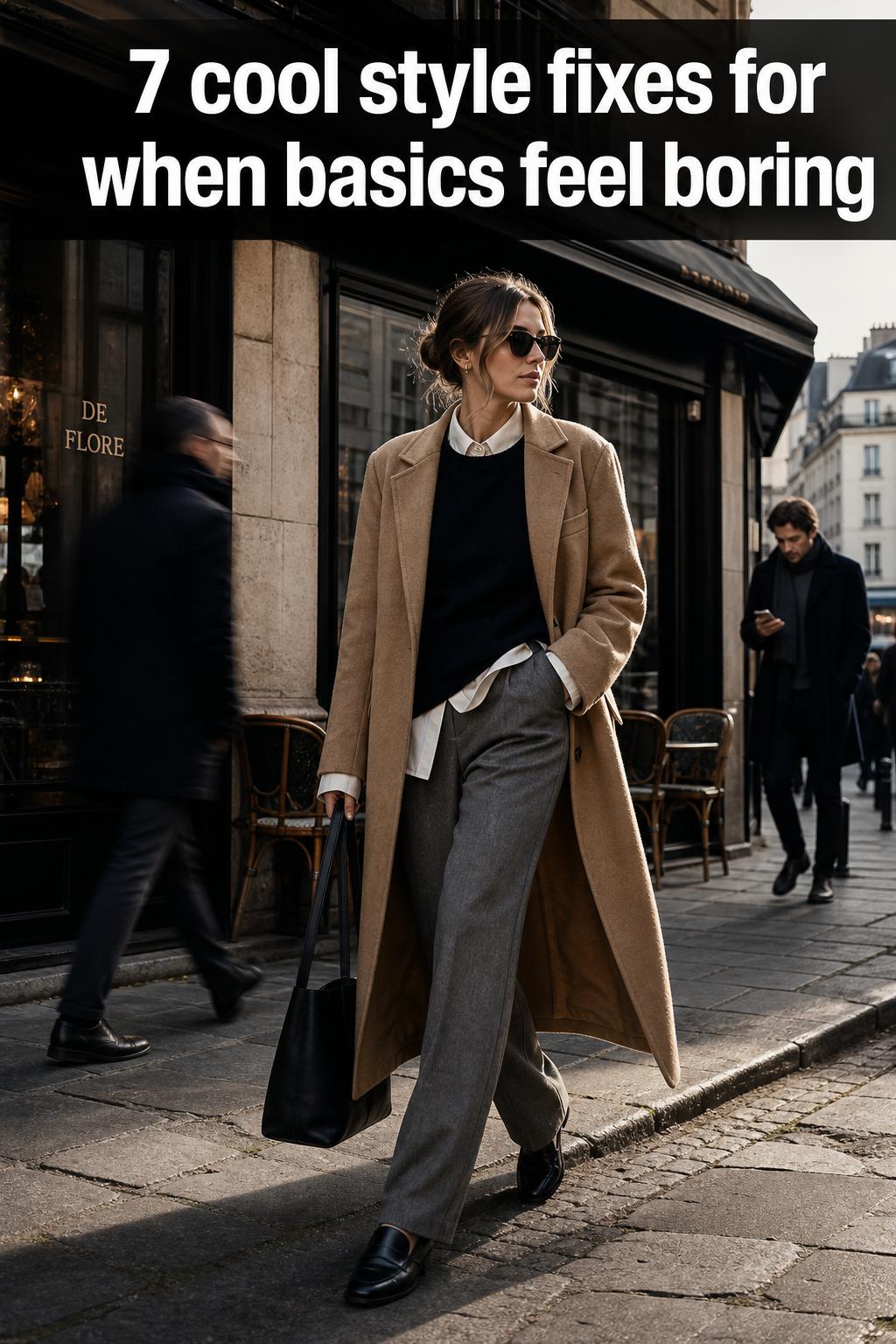
Across European style capitals, the blazer persists because it performs several tasks at once. It adds line, creates polish, and makes simple pieces feel purposeful. In Paris, it often appears with understated separates; in Milan, it can feel sharper and more sculpted; in Copenhagen, it is frequently styled with ease, allowing tailoring to meet comfort. The shared lesson is not to make the blazer formal, but useful.
For everyday life, choose a blazer with enough room through the shoulders and sleeves to layer lightly underneath. If it is too fitted, it will feel restrictive and look dated quickly. If it is too oversized without structure, it can overwhelm petite frames and dilute the outfit’s line. The ideal version gives presence without bulk and works open more often than closed.
How to style it for different situations
- For work: wear it with tailored trousers and restrained footwear for clarity and ease
- For travel: pair it with knitwear and comfortable pants to maintain structure without sacrificing movement
- For weekends: layer it over denim and simple shoes so the outfit feels composed but not formal
- For evening: let the blazer become the statement by keeping the rest of the look clean and tonal
One practical tip: if a blazer creases badly within an hour, it will likely frustrate you in real use. Cool style depends on a certain visual calm. Fabrics that collapse too easily can make even a well-planned outfit feel unsettled by midday.
Denim, trousers, and the line of the leg
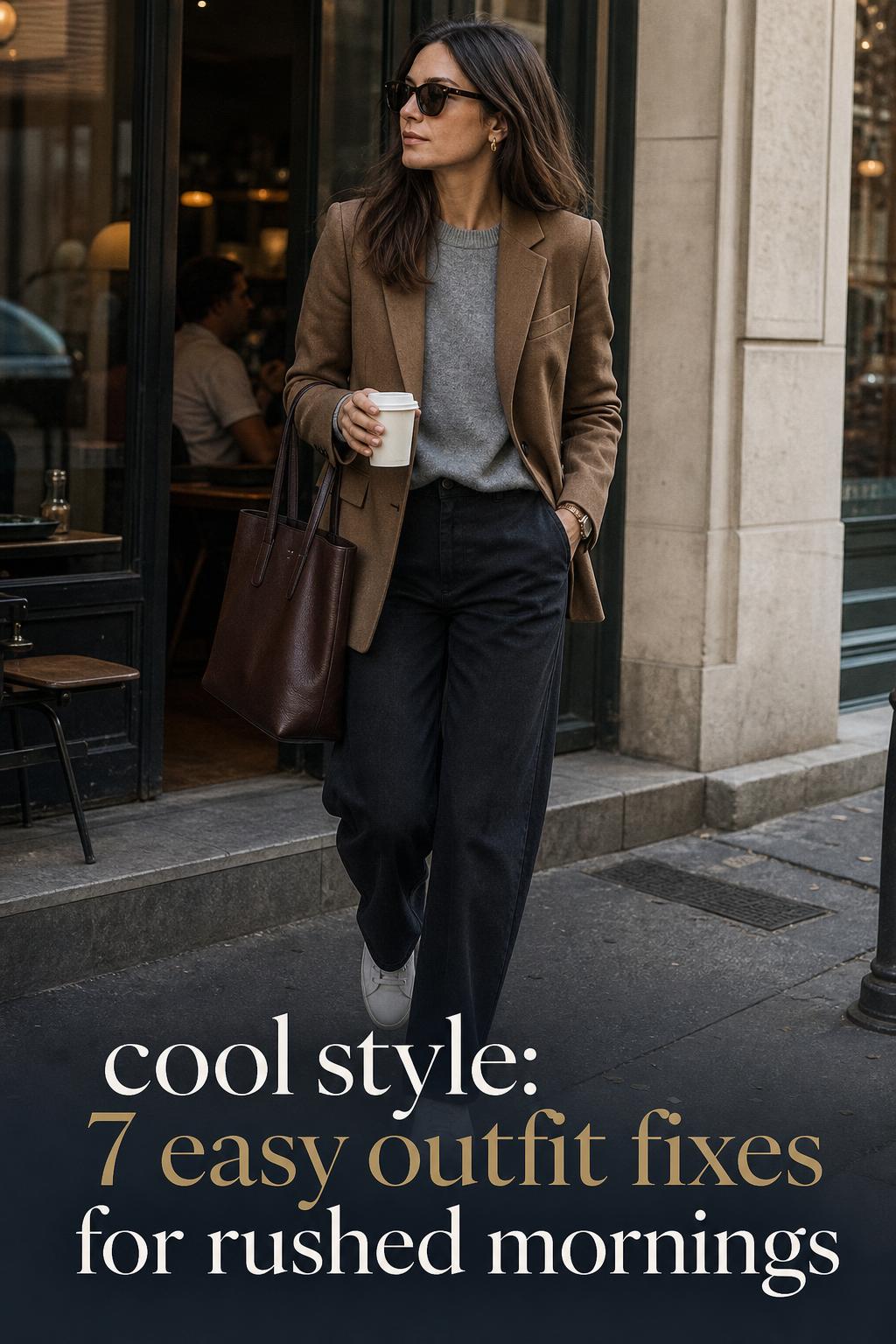
Leg shape changes an outfit more dramatically than many people realize. Slim cuts can still work, but the current appeal of cool style leans toward cleaner, straighter, or slightly relaxed lines because they create ease and make footwear choices more versatile. This does not mean every wardrobe needs volume. It means the leg should support the overall silhouette rather than interrupt it.
Straight-leg denim is often the easiest place to begin. It suits many wardrobes, pairs well with blazers and knitwear, and adapts across seasons. Relaxed trousers can feel even more polished, especially in neutral shades, because they introduce movement while preserving structure through the waist and hip. If you are curvy, look for a cut that follows the body through the top and eases from the thigh. If you are petite, avoid excessive pooling and keep the hem intentional. If you are tall, you can usually carry wider proportions with more ease, but balance them with enough shape at the top.
A simple proportion rule
The wider the pant, the more useful it is to define the upper body. That can mean a tucked knit, a shorter jacket, or a blazer that still shows the line of the waist when worn open. The closer the pant, the more you can introduce ease above with shirts, coats, or relaxed knitwear. This kind of proportion thinking creates a polished result even when the outfit itself is very simple.
Texture is what makes basics look editorial
One reason magazine styling from outlets such as Vogue or The Coveteur appears so compelling is not only the item selection, but the texture mix. Smooth tailoring, soft knitwear, crisp shirting, sturdy denim, and substantial outerwear create visual depth. Without texture, neutral outfits can fall flat. With it, even a restrained palette looks thoughtful.
This is particularly important when working with black, cream, gray, navy, or camel. A monochrome or near-monochrome outfit needs variety in finish to feel rich. A matte knit under a structured blazer, or denim against polished footwear, gives the eye something to read. That is often the difference between a simple outfit and a memorable one.
Tips for choosing fabrics by season
- In cooler months, lean into denser knits, wool-blend tailoring, and outerwear with body
- In transitional weather, use lighter layers that still hold shape rather than fabrics that cling
- For warmer days, choose breathable materials that drape cleanly and do not become transparent in sunlight
- If you want an outfit to look more expensive, prioritize fabrics that recover well after sitting and moving
Comfort matters here. A beautiful fabric that overheats quickly or wrinkles beyond reason will stay in the wardrobe. Cool style works best when elegance and usability are aligned.
Color balance: the quiet discipline behind a modern wardrobe
A cool wardrobe does not need constant color, but it does need consistency. Soft neutral tones balanced with darker anchors create an immediate sense of calm. This is one of the reasons wardrobes inspired by Paris, Milan, and Copenhagen often feel cohesive even when the individual pieces are simple. The colors speak to one another.
If you are unsure where to start, build from a base of two or three dependable neutrals. Black and cream are classic; navy and gray feel a touch softer; camel with white or off-white can read very polished. Once the base is stable, a single accent can add interest without disrupting the wardrobe. The point is not to be minimal for its own sake, but to make dressing easier and repetition more elegant.
How to avoid color mistakes
The most common issue is wearing several shades that compete rather than harmonize. If an outfit feels slightly off, it is often because the undertones are fighting each other. Another frequent problem is relying on one bright or trendy item to do all the work. A cooler result usually comes from balance: one expressive note supported by strong neutrals and clear shapes.
Making cool style work for real body proportions
Editorial dressing is only useful when translated to individual proportion. The same silhouette will not behave identically on every frame, and understanding that is far more valuable than copying an image exactly. The goal is to recreate the effect of cool style, not necessarily the exact formula.
For petite frames
Look for clean lines and avoid unnecessary volume in every area at once. A blazer can still work beautifully, but a slightly shorter length or a version with visible waist definition often helps maintain shape. Trousers should skim rather than swamp, and hems matter. When proportions are controlled, a petite frame can carry relaxed styling very well.
For curvy shapes
Cool style often looks strongest when the waist and hip relationship is acknowledged instead of concealed under shapeless layers. Trousers that fit properly through the top and fall cleanly afterward are more effective than sizing up too far. Structured outerwear can be especially flattering because it creates definition while preserving polish. Avoid fabrics that cling awkwardly; choose those with enough weight to glide over the body.
For tall frames
Tall figures can often handle dramatic lengths and wider proportions with ease, which makes long coats, broad trousers, and oversized shirting particularly compelling. Still, balance remains important. Too much uninterrupted volume can flatten the outfit. Breaking the line with a knit, belt, or tailored layer helps keep the look intentional.
A useful principle for any body type is this: if a piece changes your movement for the worse, it is probably not worth forcing. Confidence in cool style comes from ease as much as appearance.
From office to travel day: adapting the look without losing the point
The best wardrobes move fluidly between situations. A look influenced by MR PORTER’s precision or ASOS Style’s accessibility should not remain trapped in one context. Practical cool style keeps the same visual language while adjusting comfort, polish, and function.
For casual days
Keep the shapes clear and let the outfit breathe. Denim, a knit, and a sharp outer layer can do enough on their own. Casual style looks cooler when there is at least one structured element and one relaxed element. That tension prevents the outfit from looking accidental.
For work
Use tailoring to organize the look, but avoid making it rigid. Trousers with movement, a blazer with room, and understated shoes often create more authority than a severe outfit. If your workplace is conservative, cool style can still appear through fabric quality, silhouette, and restraint rather than through anything overt.
For travel
Travel reveals whether a wardrobe is truly functional. Choose layers that handle shifting temperatures and long hours of wear. A blazer or jacket that sits well over knitwear, pants with comfortable structure, and footwear suited to walking are more valuable than visually perfect but impractical pieces. The goal is to arrive looking composed, not exhausted by your own outfit.
What makes an outfit look more expensive
Looking refined is less about logo visibility and more about discipline. Clothes appear more elevated when the fit is stable, the palette is coherent, and the accessories support the silhouette rather than compete with it. This is one reason style imagery associated with fashion editors often feels persuasive: every element is edited.
- Choose fewer visible details and stronger overall shape
- Keep hemlines intentional and avoid bunching where possible
- Repeat colors across the outfit so nothing feels isolated
- Use one polished anchor, such as a blazer, coat, or shoe, to organize the look
- Avoid mixing too many trend signals at once
Another often overlooked factor is maintenance. A well-composed outfit can quickly lose its effect if fabrics pill, shoes are visibly tired, or the coat no longer holds shape. Cool style depends on clarity. The cleaner the line and finish, the more expensive the outfit tends to appear.
The common mistakes that dilute cool style
Many wardrobes miss the mark not because the pieces are wrong, but because the styling lacks restraint. Cool style is rarely improved by adding one more item. It is usually strengthened by removing what feels unnecessary and refining what remains.
Where outfits often go off course
- Wearing oversized pieces without enough structure anywhere else in the outfit
- Choosing shoes that conflict with the silhouette of the trouser or denim
- Relying on trends rather than understanding proportion
- Ignoring fabric behavior, especially wrinkling, cling, or heaviness
- Buying statement items before building dependable basics
A practical correction is to photograph your outfits before leaving the house. Not for performance, but for proportion. Often the issue becomes obvious in an image: a hem that cuts the leg awkwardly, a jacket that overwhelms the frame, or a color that interrupts the balance. This is one of the fastest ways to develop a sharper eye.
A small capsule built around cool style
If you want consistency without excess, think in terms of a capsule. The purpose is not limitation for its own sake, but easier composition. A compact wardrobe of useful layers, neutral foundations, and a few expressive details allows repetition without monotony.
A practical capsule might revolve around one blazer, one coat or jacket, two knits, one shirt, one pair of denim, one pair of trousers, and two versatile shoe options. From there, accessories can shift the mood. This kind of structure reflects the enduring appeal of style coverage from outlets like Who What Wear, MR PORTER, ASOS Style, Vogue, and The Coveteur: the most compelling looks are often based on a disciplined core rather than constant reinvention.
Tips for making a capsule feel less repetitive
Change texture before changing silhouette. Switch the shoe before abandoning the outfit formula. Add a sharper coat, a softer knit, or a different trouser length. Repetition becomes elegant when the fundamentals are strong and the variations are subtle.
Seasonal transitions and the art of layering
Transitional dressing is where cool style proves its intelligence. Anyone can assemble an outfit for a perfectly temperate day. The more interesting challenge is dressing when mornings are cool, afternoons are mild, and evenings require an extra layer. This is where the wardrobe habits associated with cities like Paris and Copenhagen become especially instructive: layers are chosen for shape as much as warmth.
Begin with a base that can stand alone indoors, then add a layer that sharpens the silhouette rather than hiding it. A knit under a structured blazer, or a shirt under a coat or jacket, gives flexibility without chaos. The key is to avoid layering pieces that all compete for attention. One should provide structure, one should provide softness, and one can simply support comfort.
How to transition the same outfit between seasons
- Replace a heavy coat with a blazer or light jacket while keeping the same trouser and shoe line
- Swap thick knitwear for a finer layer in the same color family
- Shift from boots to simpler footwear as the weather warms, keeping the silhouette clean
- Use color continuity so the outfit still feels composed even when the fabrics change
This approach saves money as well. Instead of rebuilding your wardrobe every season, you refine how the same pieces interact.
How to recreate the effect on a budget
A budget-conscious wardrobe can still look refined if the priorities are correct. Focus first on shape, then on fabric, then on finish. A simple coat with a strong line will usually outperform a trend-led piece with distracting details. The same is true for trousers, denim, and knitwear. Minimal visual noise gives affordable clothing more room to look polished.
The easiest pieces to recreate affordably are straightforward tops, uncomplicated knitwear, and relaxed separates in neutral colors. The items more worth patience and selectiveness are tailored outerwear and shoes, because poor construction shows quickly there. If you have to split your budget, place more care into what frames the outfit and less into what simply layers beneath.
A realistic shopping filter
Before buying, ask whether the item works with at least three outfits you would genuinely wear in the next month. If the answer is uncertain, the piece may be visually appealing but not functionally useful. Cool style depends on repetition with variation. The more a garment can move across your real life, the more successful the purchase is likely to be.
The lasting lesson behind fashion-editor cool
The strongest style never looks frantic. Whether your inspiration leans toward Parisian restraint, Milanese tailoring, or Copenhagen ease, the common thread is thoughtful composition. A cool style is not built through endless accumulation, but through sharper choices: better lines, more useful layers, cleaner color relationships, and a clearer understanding of what flatters your body and supports your routine.
That is what makes the aesthetic so enduring. It respects real life. It can carry you into work, across a city, onto a train or a flight, and out to dinner without requiring a costume change in identity. Once you understand the logic behind it, the wardrobe becomes simpler, more versatile, and far more persuasive.
FAQ
What is the easiest way to start building a cool style wardrobe?
Start with a structured blazer, clean denim or trousers, a refined knit, and versatile shoes in a neutral palette. These pieces create the line and balance associated with cool style and are easier to repeat across work, casual wear, and travel than trend-heavy items.
Would cool style actually work in everyday life?
Yes, provided you focus on practicality rather than costume. The most wearable version of cool style is built from elevated basics, comfortable layering, and strong proportions, which makes it suitable for commuting, weekends, dinners, and many workplaces.
How can I create cool style on a budget?
Prioritize shape over decoration and spend more carefully on outerwear and shoes, since they affect the whole outfit. Save on simple tops and layering pieces, and choose neutral colors with clean lines so affordable items look more polished and versatile.
What if I am petite, curvy, or tall?
The goal is to recreate the effect rather than copy an outfit exactly. Petite frames often benefit from controlled volume and intentional hems, curvy shapes usually look strongest in pieces that acknowledge waist and hip proportion, and tall frames can often carry longer or wider silhouettes as long as there is still visual balance.
Which pieces are the most versatile?
A blazer, straight or relaxed trousers, clean denim, a polished knit, and simple footwear tend to be the most versatile because they can be styled across seasons and occasions while still maintaining a refined silhouette.
How do I make my outfits look more expensive without buying luxury items?
Focus on fit, fabric behavior, and restraint. Coherent color combinations, clean hemlines, and one strong anchor piece such as a blazer or coat usually create a more elevated impression than visible trend details or overly busy styling.
What should I avoid if I want a cooler, more polished look?
Avoid combining too many trends, wearing oversized pieces without structure, or choosing fabrics that wrinkle or cling badly in real life. These details can weaken the calm, intentional quality that makes cool style feel convincing.
How can I transition cool style between seasons?
Keep the same general silhouette and change the weight of your layers. Replace heavy outerwear with a blazer or lighter jacket, switch thick knits for finer ones in similar colors, and adjust footwear while preserving the clean line of the outfit.
Do I need to follow trends to have cool style?
No. Trends can be added selectively, but cool style is more reliably built through silhouette, proportion, texture, and thoughtful repetition. A wardrobe with strong fundamentals usually looks better and lasts longer than one built around constant novelty.
Leave a Reply