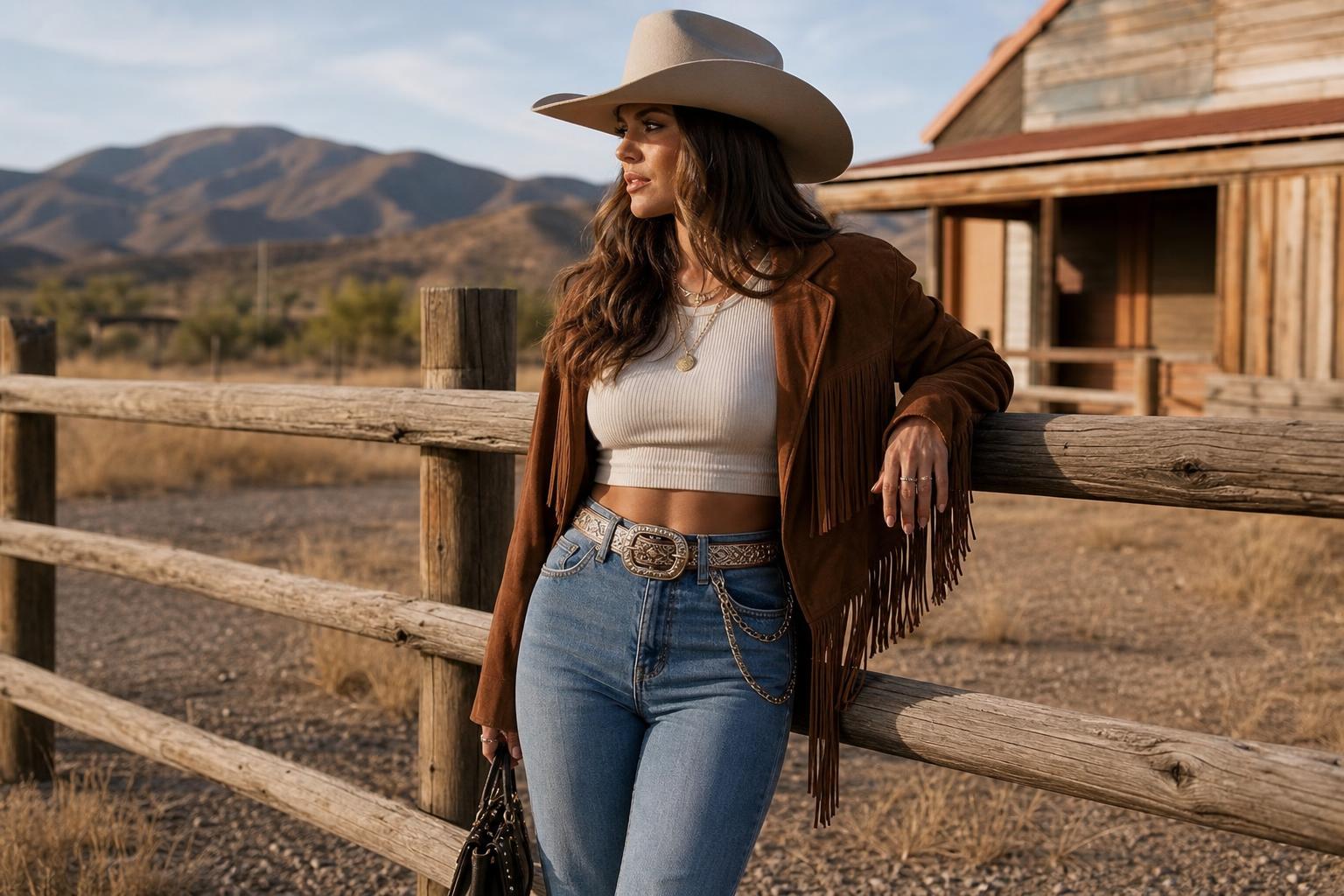
The appeal of baddie cowgirl outfits is easy to understand and surprisingly difficult to execute. The idea sounds straightforward: denim, boots, a hat, perhaps a belt with rhinestones or conchos. Yet in practice, many outfits fall too far in one direction. They either read as costume-heavy Western wear or lose the cowgirl identity entirely and become generic night-out dressing with a hat added at the end.
The real challenge is balance. A successful baddie cowgirl look has attitude, polish, and a clear Western reference, but it also needs to function in real life, whether you are dressing for a festival, a rodeo night, a concert, a street-style moment, or a late dinner in Nashville. Comfort matters, movement matters, weather matters, and proportion matters even more than trend.
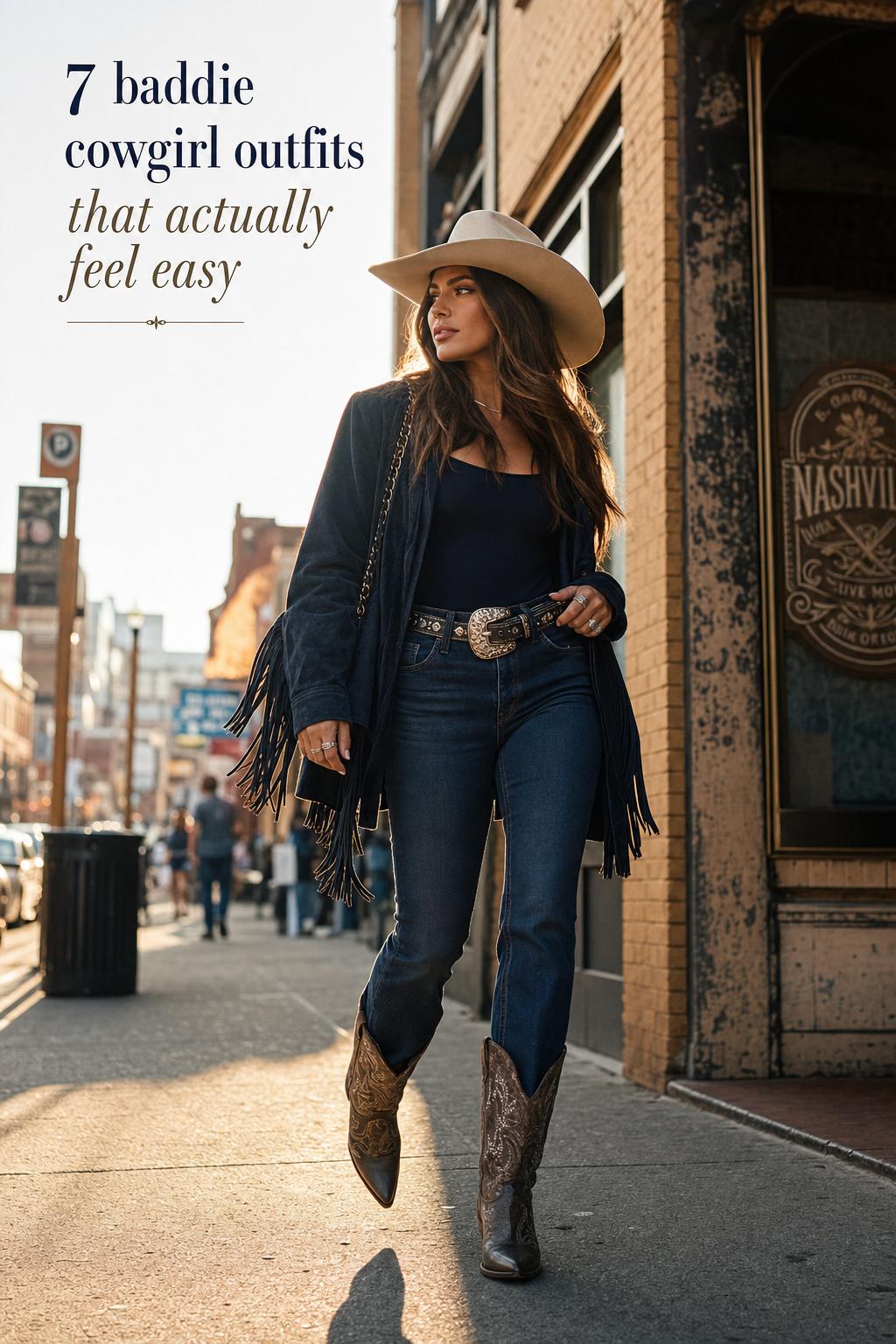
This guide approaches the subject as a styling problem worth solving well. Instead of offering a flat gallery of random combinations, it breaks down how baddie cowgirl outfits actually work: which core pieces anchor the look, how textures like leather, suede, fringe, and denim interact, and how to adjust the formula for different occasions, regions, and body types without losing the modern Western glam effect.
Why this style challenge is harder than it looks
The tension at the center of the trend is what makes it compelling. The cowgirl side suggests heritage, rugged structure, boots, hats, sturdy denim, and practical layers. The baddie side leans toward bold styling, fitted silhouettes, crop tops, statement accessories, confident attitude, and a more deliberate use of glamour. Bringing those two worlds together requires control.
Your wedding has a lot of moving pieces. Your plan can still feel composed.
Zarellea organizes guests, vendors, budget, and timelines in one shared space — so you can make decisions with clarity, not stress.
Weather adds another layer of complexity. Festival dressing often means heat during the day and cooler air at night, so a denim jacket or suede jacket has to be more than decorative. Rodeo and Western events may involve dust, standing, and long hours on your feet, which means heel height and fabric weight need careful thought. A night-out version of the look can hold more shine, leather, and rhinestones, but an everyday street-style outfit needs cleaner lines and less visual noise.
There is also the issue of styling discipline. Hats, belts, fringe, animal prints, leather accents, flare jeans, white chaps, bold zippers, and statement boots can all belong in the same fashion universe, but not always in the same outfit. The most convincing looks edit carefully. They do not pile on every Western signifier at once. They create one focal line and let the remaining details support it.
The foundation of a convincing baddie cowgirl look
Start with the four anchors
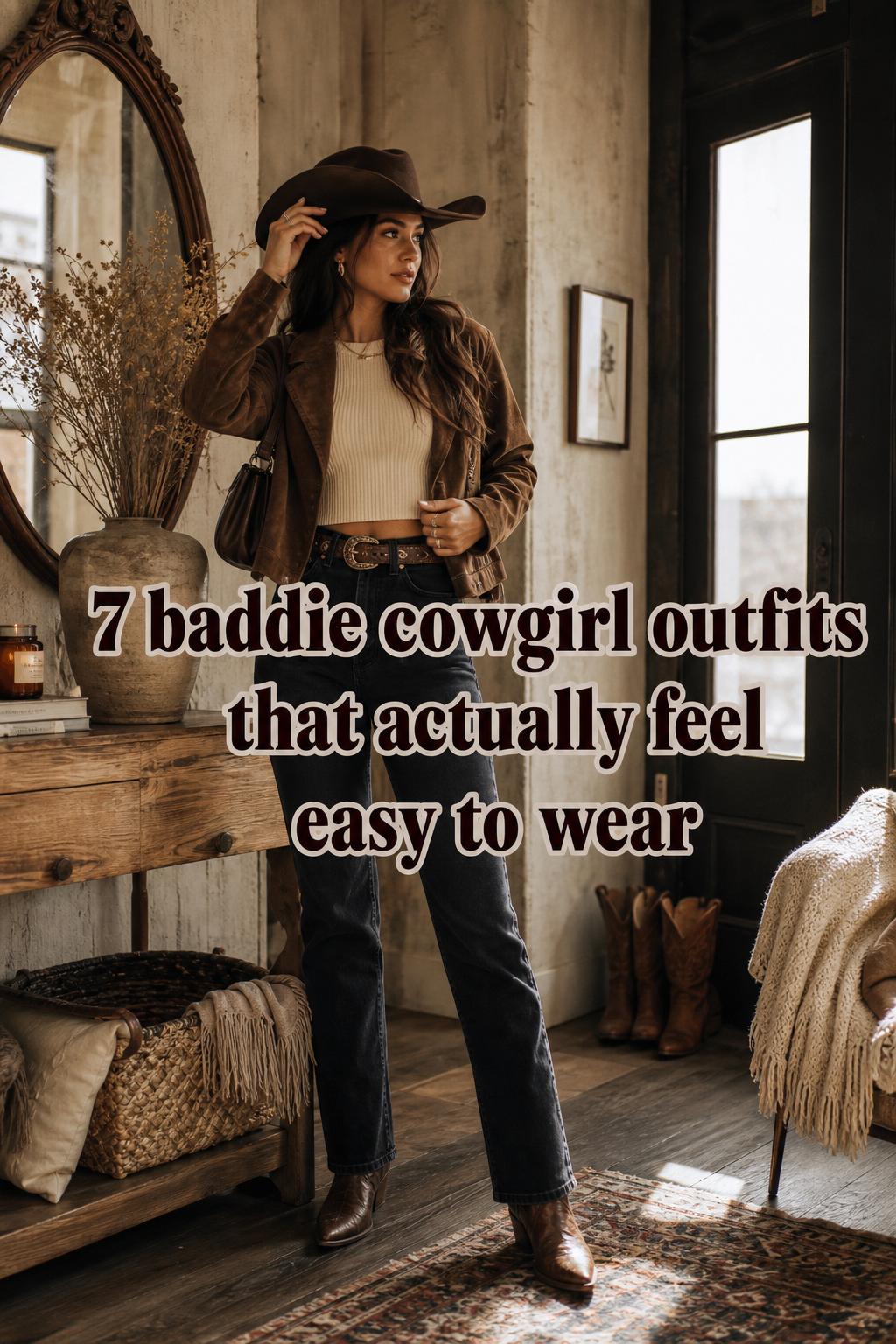
Most strong versions of this style are built around four core components: denim, boots, a belt, and a hat. These are not rigid requirements in every outfit, but they provide the clearest framework. Denim establishes the Western base, boots define the line from the ground up, belts sharpen the waist and reinforce the cowgirl identity, and hats add instant visual recognition when the setting calls for them.
Add baddie energy through silhouette, not excess
The baddie aesthetic is less about adding more pieces and more about refining the silhouette. A cropped top against high-rise jeans, a fitted denim top with flare jeans, or a structured jacket over a streamlined base can all create the desired energy. Confidence comes from proportion: a defined waist, a leg line that feels intentional, and accessories that sharpen rather than clutter the outfit.
Use texture to create modern Western glam
Texture often does more work than color. Leather accents toughen denim. Suede softens it. Fringe adds movement. Rhinestones catch light and shift the look toward festival or night-out territory. Concho belts and statement buckles bring heritage detail. Knit textures can calm the outfit when you want something wearable beyond an event setting. This is where Western glam becomes more sophisticated than a simple themed look.
Dressing principles that solve the problem
To build baddie cowgirl outfits that feel polished rather than improvised, it helps to follow a few consistent principles. These are not trend rules. They are composition rules that make the style easier to wear.
- Keep one hero piece in focus, such as a fringe jacket, a rhinestone belt, white chaps, or a strong cowboy hat.
- Balance fitted and structured elements. If the top is cropped and close to the body, let the denim provide shape rather than volume.
- Use accessories to define the look, not to rescue it. A hat and belt should reinforce a strong outfit base, not distract from a weak one.
- Dress for the event. A cowgirl rave outfit has different needs from a rodeo outfit or everyday street style.
- Think in layers when weather is uncertain. A denim jacket or suede layer is practical and visually coherent.
- Choose boots with the setting in mind. Long-standing events require more restraint than a brief dinner or photo-driven outing.
These principles matter because Western references are visually powerful. Even one wrong proportion can make the whole outfit feel heavy. The solution is usually not to remove the cowgirl identity, but to refine how each element relates to the others.
The fabric and accessory equation
Denim as the stabilizing element
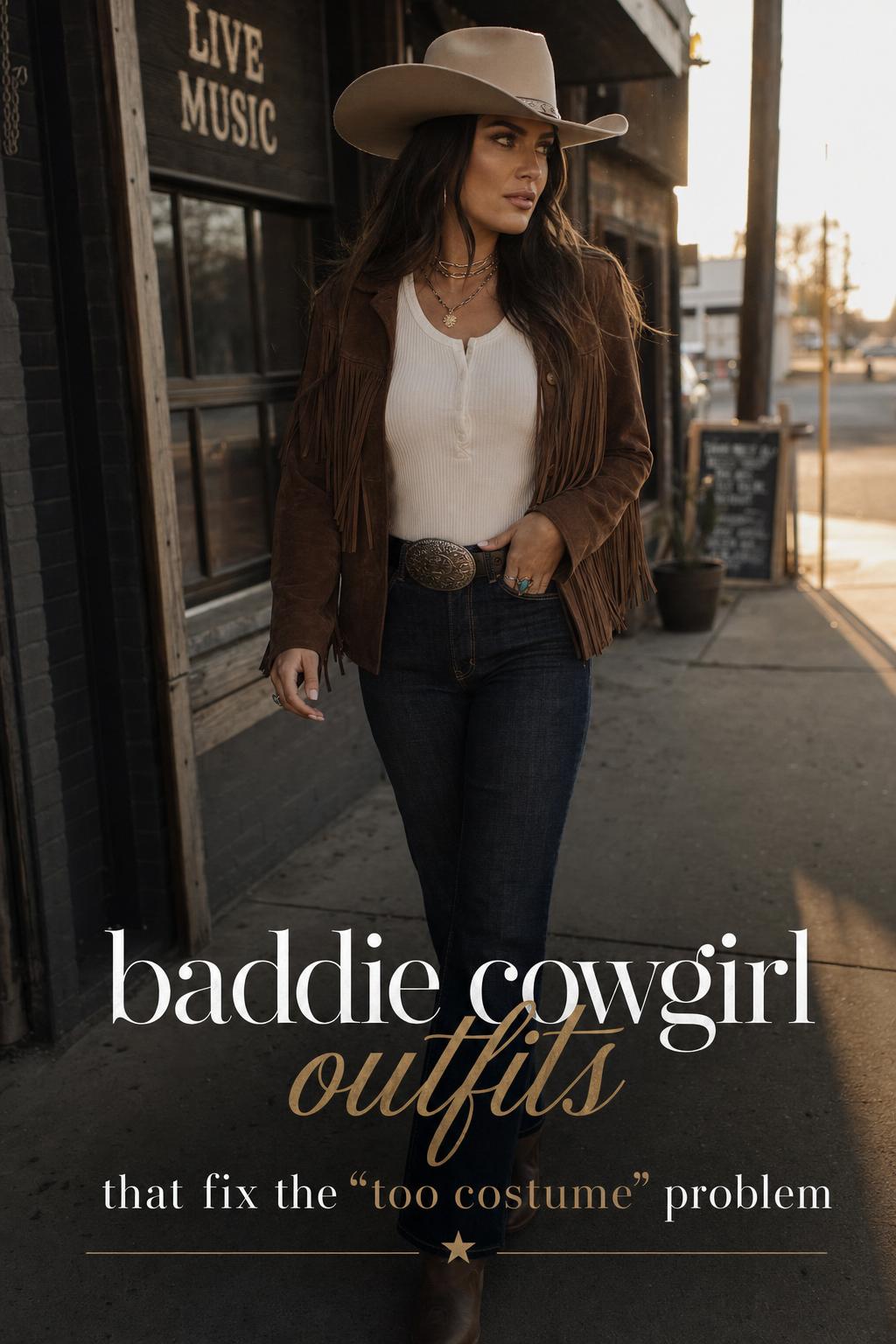
Denim appears across nearly every version of the trend because it grounds the look immediately. Distressed jeans, flare jeans, denim skirts, denim jackets, and denim tops all work, but they communicate different moods. Distressed jeans read more casual and edgy. Flare jeans nod to retro Western glamour and pair especially well with boots. A denim jacket offers practical layering and helps tie together softer pieces like crop tops or knits.
For readers trying to make the style wearable rather than theatrical, denim should usually carry the visual weight. Once that base is right, you can introduce fringe, leather, suede, or rhinestones in a measured way.
Boots and footwear decisions
Western boots are more than a theme marker. They shape the stance of the outfit. A slimmer boot line can make cropped tops and fitted denim feel sharper, while a more substantial boot can support a rugged rodeo-inspired look. For long events, comfort is not optional. If you are walking festival grounds or standing through a concert, a dramatic boot that limits movement will quickly undermine the outfit.
In styling terms, boots also control how trousers fall. Flare jeans need enough length to skim cleanly over the footwear. Distressed jeans can be styled more casually, but they still need a deliberate break line. Good cowgirl dressing often looks effortless because the hem and boot relationship has been quietly considered.
Belts, hats, and the finishing language
Belts are one of the easiest ways to make baddie cowgirl outfits feel complete. A rhinestone belt pushes the look toward night, concert, or festival styling. A concho belt introduces a more traditional Western note. A large buckle gives structure to simple combinations like jeans and a crop top. Hats have a similar function but greater visual impact. They suit photos, events, and destination dressing, but in everyday styling they should be used with restraint so the look still feels natural.
Jewelry and smaller accessories matter too, though they should not compete with the main line of the outfit. If the belt is already bright with rhinestones, keep the remaining accessories more controlled. If the look is built around a clean denim silhouette, a stronger hat and statement belt can be appropriate.
Outfit solution: the denim-and-fringe formula for festivals
This is one of the most reliable answers to the festival styling problem because it blends movement, practicality, and visual identity. Start with a denim base, either high-rise jeans or a denim skirt, and pair it with a cropped top that creates a sharp, modern line. Add a fringe jacket if the weather is changeable or if you want extra movement in photographs and while walking. Finish with boots and a belt that brings the waist into focus.
Why it works: the denim keeps the outfit grounded, while fringe delivers the Western note without requiring every accessory to work overtime. A cropped top introduces baddie energy and keeps the look from becoming too heavy. If you want more edge, leather accents can be added through a belt or outer layer rather than through multiple competing pieces.
This combination solves a common problem at festivals: how to look styled without feeling overdressed by midday. If the sun is strong, the jacket can be removed. If the evening turns cooler, the layer becomes useful. The outfit remains coherent in both versions.
Outfit solution: rodeo-ready polish without costume energy
For rodeo nights and Western events, the smartest approach is to lean slightly more traditional in the base and slightly more modern in the fit. A pair of well-cut jeans, a fitted denim top or structured shirt, Western boots, and a concho belt creates a clear cowgirl identity. From there, one glam detail is enough: perhaps a subtle rhinestone belt effect, a polished hat, or a jacket with fringe trim.
Why it works: rodeo settings reward authenticity in shape and material. Rugged denim and practical boots belong there. The baddie aspect should come through in confidence, body-conscious balance, and sharp accessory choices rather than through an overload of party elements. This is not the right setting for every dramatic idea at once.
Readers often make the mistake of dressing for the photo rather than the event. At a rodeo or long country evening, the outfit needs to carry you through hours of wear. A look that feels too tight, too fragile, or too dependent on constant adjustment will not hold up. Polished restraint looks better by the end of the night than visual excess at the start.
Outfit solution: a black cowgirl look with stronger edge
Black cowgirl outfit ideas have a different energy from classic blue denim styling. They tend to feel sharper, sleeker, and more urban, which makes them ideal for readers who want the baddie side of the trend to lead. A black base with cowgirl accessories can be especially effective: dark denim or fitted separates, black boots, a statement belt, and a hat used with intention rather than automatically.
The reason this works is visual control. Black reduces the rustic softness that sometimes comes with Western styling and creates a more directional line. Rhinestones become more visible against a dark base, and leather accents feel cleaner rather than rugged. This is a useful solution for concerts, evening events, or social content where you want the outfit to read modern first and Western second.
To keep the look refined, avoid loading black with too many separate statements. One belt, one pair of boots, one clear hat shape, and one clean silhouette will usually outperform a crowded outfit with animal print, fringe, and excess hardware all at once.
Outfit solution: Western glam for a night out
A night-out interpretation of baddie cowgirl outfits can carry more shine and stronger contrast. This is where a denim top with flare jeans, bold zippers, leather details, or a rhinestone belt can feel especially convincing. White chaps or overt statement pieces may suit fashion-forward settings, but they require confidence and a clear sense of context. For most wardrobes, the more wearable route is a structured denim or leather-based silhouette with one high-impact accessory.
Why it works: evening dressing allows glamour to move closer to the center of the outfit. Western references no longer have to be practical first. Instead, they can be selective and decorative. A strong belt under low light, a sharp boot line, or a hat worn as part of a complete silhouette can create the right amount of drama.
For readers inspired by cowgirl rave styling, the lesson is to translate the energy rather than copy every element directly. BADINKA’s cowgirl rave direction shows how bikini sets, triangle tops, gloves, and belt-driven styling can push the look into party territory. In daily life, that language can be adapted through a fitted top, statement belt, and confident boot pairing without requiring a full rave costume approach.
Outfit solution: everyday street style with Western references
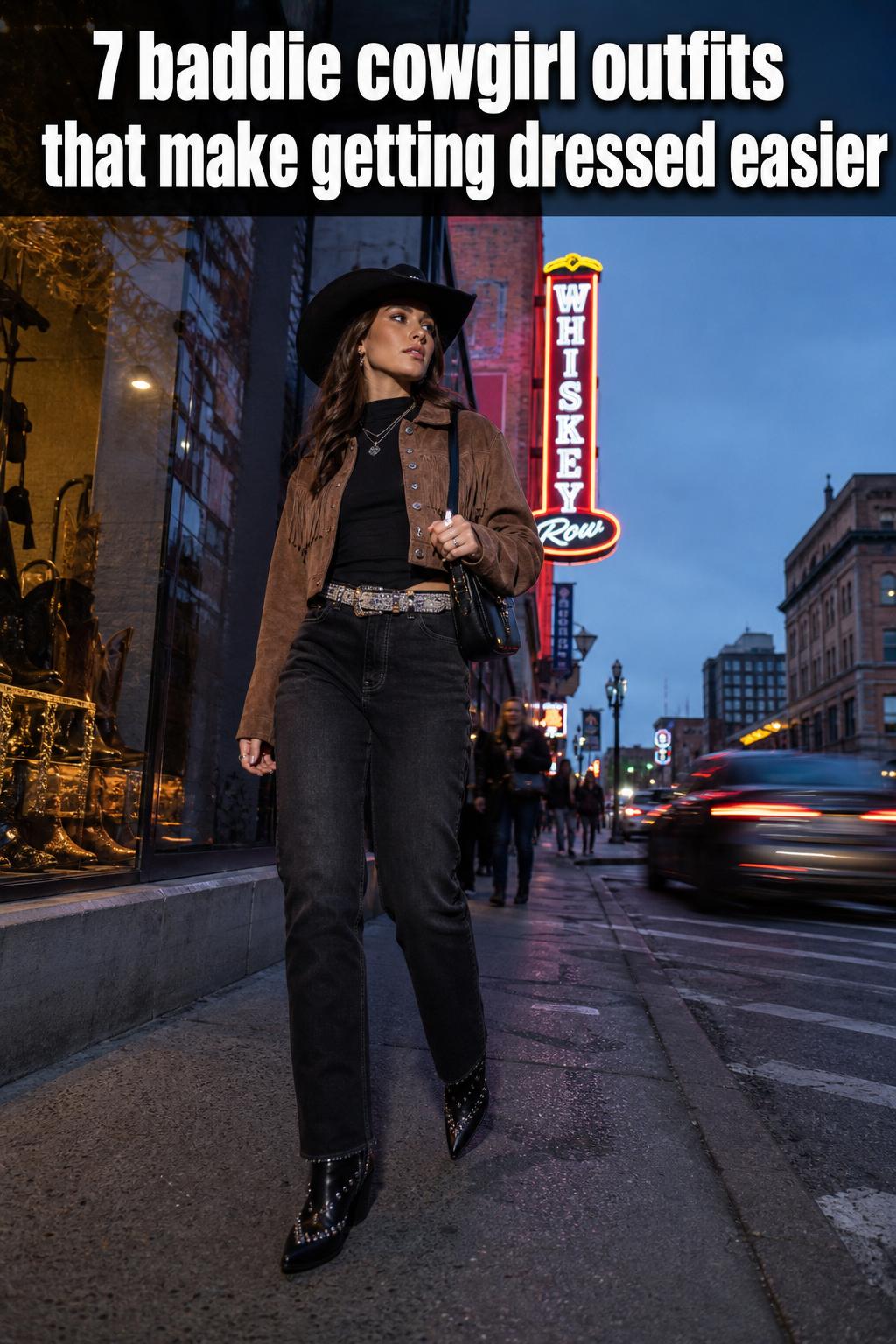
Not every reader wants a high-drama interpretation. For everyday wear, the most convincing answer is often a pared-back denim cowgirl baddie formula. Think jeans, a clean crop top or fitted knit, a denim jacket or leather layer, boots, and one decisive accessory such as a belt or hat. The mood should feel more street style than event dressing.
This works because it respects wardrobe reality. A knit texture softens the look. A cropped top keeps the silhouette modern. A leather jacket introduces edge without forcing a festival aesthetic into a daytime setting. The Western note remains present through the boots and belt rather than through a full spread of themed pieces.
It is also the easiest version to repeat. Once you understand the line of the outfit, you can rotate denim washes, switch between suede and leather outerwear, or alternate between a hat day and a no-hat day while keeping the same styling logic.
Regional variations: why Texas, Nashville, and the West Coast do not dress the same way
One of the most useful ways to improve baddie cowgirl outfits is to think regionally. The look is not static across the United States. Its styling cues shift with setting, event culture, and how closely the outfit sits to actual Western heritage.
Texas rodeo style
Texas-inspired dressing tends to benefit from stronger authenticity. Rugged denim, practical boots, concho belts, and a more grounded silhouette feel believable here. Glam can absolutely appear, but it lands best when attached to one polished feature rather than every part of the look. In this context, Western identity should feel lived-in, not borrowed for an hour.
Nashville rodeo nights
Nashville often welcomes a more overtly styled version of the trend. Rhinestones, fringe jackets, crop tops, and sharper night-out dressing can all fit comfortably, especially for concerts and social evenings. The balance still matters, but the threshold for visible glamour is higher. This is a strong setting for denim with sparkle, fitted tops, and more obvious accessory play.
West Coast festival vibes
West Coast interpretations tend to embrace experimentation. Y2K influence, leather accents, bolder silhouettes, and image-led combinations feel more natural in festival environments. This is where snake print, leopard print, or a more directional layering approach can work, provided the outfit remains breathable and movement-friendly.
Understanding these differences helps solve a common dressing mistake: wearing the right pieces in the wrong visual language. A look that feels perfect for a California festival may read overworked at a rodeo. A rodeo-true outfit may feel too restrained for a nightlife-heavy Nashville weekend. Context is part of style.
Pop culture and the Y2K shift
The current mood around denim cowgirl baddie styling owes something to pop culture energy, especially where Western glam meets Y2K confidence. Beyoncé is an important reference point in this conversation because the influence is less about copying one exact outfit and more about understanding the force of the silhouette: denim, attitude, stage-ready polish, and a cowgirl-inflected glamour that feels assertive rather than nostalgic.
That Y2K influence shows up in crop tops, fitted denim tops, bolder hardware, and a willingness to make the waistline and leg shape part of the statement. The risk, however, is treating Y2K and Western dressing as two separate costumes layered together. The stronger approach is integration. Let the Western elements anchor the look, then use Y2K cues to sharpen it.
Building a capsule wardrobe for repeatable Western glam
If you want baddie cowgirl outfits to become a reliable part of your wardrobe rather than a one-off experiment, a small capsule works better than a pile of novelty items. The goal is not quantity. It is repeatable composition.
- One strong denim base in blue or black
- One fitted top, ideally cropped or waist-defining
- One practical denim jacket or suede jacket
- One pair of Western boots you can actually wear for hours
- One belt with a clear personality, such as rhinestones, conchos, or a strong buckle
- One hat that suits your face, proportions, and real lifestyle
- One statement layer, such as fringe or leather
From there, outfit-building becomes easier. You can create festival cowgirl outfits, rodeo outfit ideas, a chic cowgirl outfit for a night out, or an everyday Western glam look simply by adjusting the intensity of the accessories and outer layer. This is the difference between trend-chasing and wardrobe intelligence.
Tips that make the difference in real life
A polished outfit is often decided by small practical choices rather than the headline pieces. Western-inspired dressing can look strong in still images but become difficult in motion if these details are ignored.
Choose denim weight according to the event. Heavy denim can give excellent structure, but in a hot festival setting it may become exhausting by afternoon. Save the more rigid pieces for shorter wear or cooler evenings. For long days, a softer denim base paired with a stronger belt can achieve the same visual effect with more comfort.
Pay attention to movement if you wear fringe. It should move cleanly and add rhythm to the outfit, not tangle around belts and bags. If the fringe jacket is dramatic, keep the rest of the silhouette clean so the texture remains intentional.
Use animal prints with care. Leopard or snake details can sharpen the baddie angle, but they work best as supporting notes rather than the central message of the outfit. A printed accent paired with denim and boots is often more refined than a full print-led composition.
Finally, think about the full duration of the event. A rodeo, concert, or festival outfit has to survive sitting, walking, temperature shifts, and long hours. The smartest styling choices are the ones you do not have to keep adjusting.
Where readers often go wrong
The most common mistake is over-signaling. Hat, fringe, rhinestones, bold zipper details, animal print, heavy jewelry, distressed denim, and statement boots can all be beautiful, but together they rarely look refined. The outfit stops reading as modern Western glam and starts reading as a collection of references.
Another frequent issue is ignoring proportion. Very fitted tops with very tight denim and very tall boots can flatten the silhouette instead of strengthening it. Likewise, oversized outerwear layered onto already bulky denim can erase the shape that gives the baddie aesthetic its confidence. Structure needs contrast.
There is also a practical mistake many readers make: choosing accessories before deciding on the base. In reality, the denim line, top shape, and boot relationship should come first. The belt and hat are finishing language. When they become the starting point, the outfit often feels forced.
A more inclusive way to approach the trend
One reason many readers struggle with baddie cowgirl outfits is that inspiration imagery often focuses on one narrow silhouette. In real wardrobes, the style becomes stronger when adapted to the wearer rather than copied exactly. Size-inclusive styling, petite considerations, and taller proportions all benefit from the same principle: keep the vertical line clear and let one area carry the statement.
For some, that may mean using a belt to define the waist over a cleaner denim column. For others, it may mean choosing flare jeans to elongate the leg line or relying on a cropped jacket instead of a longer one that cuts the frame awkwardly. The core idea remains the same. Western dressing is structured by nature, and structure can be adjusted intelligently.
Budget matters too. A thoughtful outfit built from a few strong pieces will usually look better than a more expensive look crowded with unnecessary extras. The visual authority of this trend comes from clarity, not from volume.
Heritage, modernity, and the best way forward
The reason this trend continues to resonate is that it sits at an interesting intersection. It draws on Western heritage motifs such as boots, hats, belts, fringe, and denim, then filters them through modern streetwear, Y2K influence, and a more image-conscious form of glamour. The best outfits respect both sides. They do not erase the heritage, and they do not treat it too literally.
If you are deciding what to wear for a festival, rodeo, country concert, or simply a Western-inspired night out, begin with the practical questions first: how long will you be out, what will the weather do, how much walking is involved, and how dressed-up is the setting? Then build the look around a clear denim base, supportive boots, and one or two defining accessories. That is how baddie cowgirl outfits move from trend idea to genuinely wearable style.
FAQ
What defines baddie cowgirl outfits?
Baddie cowgirl outfits combine classic Western pieces such as denim, boots, belts, and hats with a sharper, more body-conscious styling approach. The look usually feels more polished and confident than traditional cowgirl dressing, often using crop tops, leather accents, fringe, or rhinestone details to create modern Western glam.
How do I make a cowgirl outfit look modern instead of costumey?
The easiest way is to keep the silhouette clean and limit the number of statement elements. Start with a strong denim base and add one or two Western signifiers, such as boots and a belt or boots and a hat, rather than wearing every themed piece at once. Modernity comes from restraint, proportion, and texture balance.
What are the best pieces for a festival cowgirl outfit?
A practical festival formula includes denim, a cropped top, comfortable Western boots, and a light layer such as a fringe jacket or denim jacket for evening temperature changes. A rhinestone belt or statement hat can finish the look, but comfort and movement should guide the final choices.
Can I wear black for a baddie cowgirl look?
Yes, and black can be especially effective if you want a sleeker, more urban version of the trend. A black base with cowgirl accessories often feels sharper than classic blue denim styling, particularly for concerts, night-out dressing, or image-led looks where you want the baddie side of the outfit to stand out.
What accessories matter most in western baddie outfits?
The most useful accessories are belts, hats, and boots because they define the Western identity immediately. Rhinestone belts create a more glamorous effect, while concho belts lean more traditional. Hats have strong visual impact, so they work best when the rest of the outfit is already balanced.
How should I dress differently for a rodeo versus a night out?
For a rodeo, lean more heavily on practical denim, supportive boots, and a more authentic Western base, then add just one polished detail. For a night out, you can introduce more glamour through leather accents, rhinestones, bold zippers, or a more fitted silhouette, since the setting allows a stronger fashion statement.
Does Y2K styling work with cowgirl outfits?
It does, especially through fitted denim tops, crop tops, strong waist definition, and more directional hardware. The key is to let the Western pieces anchor the outfit first, then use Y2K details to sharpen the look. If both influences compete equally, the outfit can lose cohesion.
How can I build a small cowgirl capsule wardrobe?
Focus on a few repeatable pieces: a strong denim base, a fitted top, a jacket in denim, suede, or leather, one comfortable pair of Western boots, and a defining belt. Add a hat and one statement piece such as fringe if it suits your lifestyle. This gives you enough flexibility for festival, rodeo, and everyday styling without overbuying.
Are baddie cowgirl outfits wearable for everyday life?
Yes, if you tone down the event-specific details and keep the outfit grounded in wearable separates. Jeans, a fitted knit or crop top, boots, and one clear accessory such as a belt can create an everyday Western-inspired look that still feels refined and current.
Leave a Reply