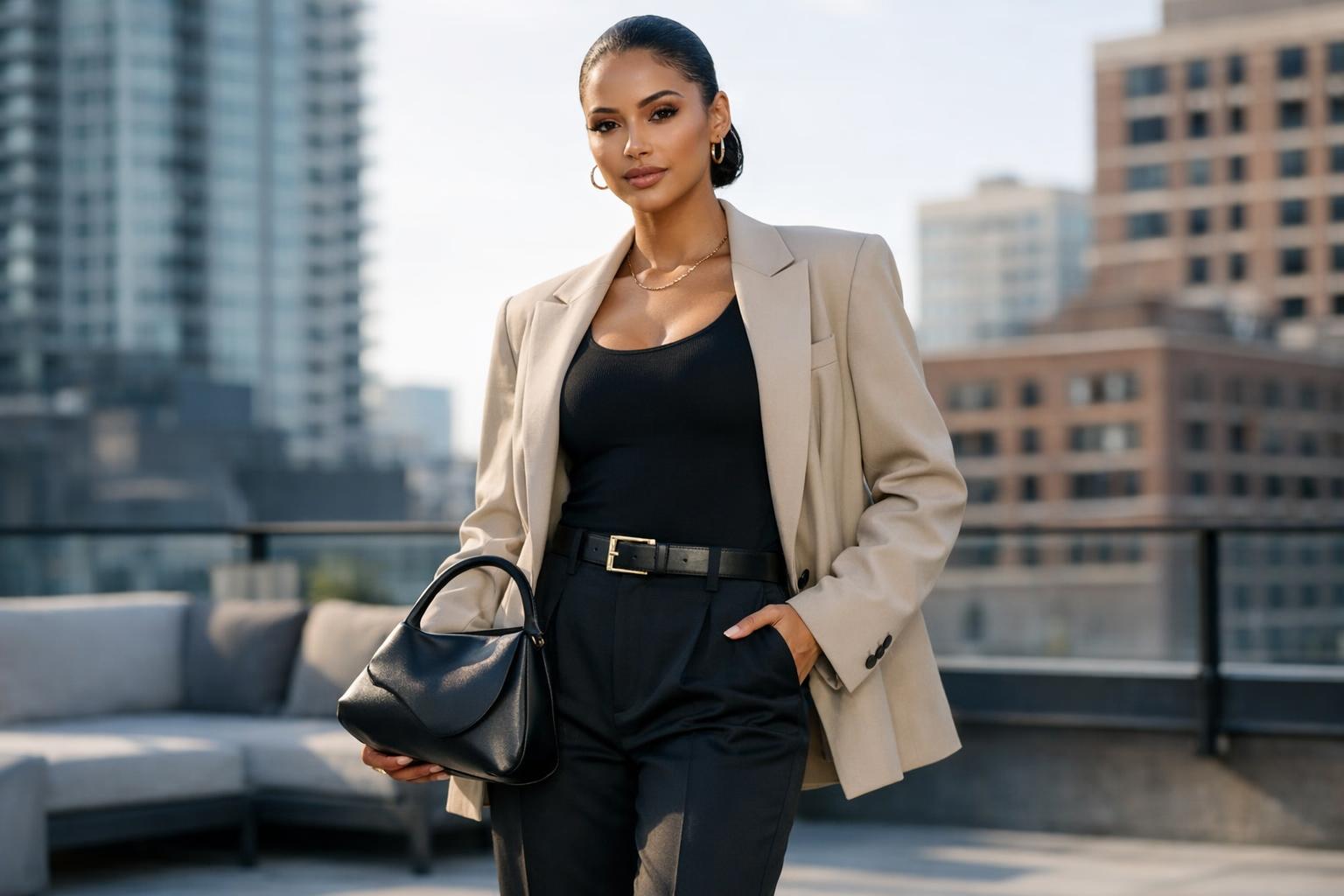
The baddie outfit, refined: a modern street aesthetic with polish
The baddie outfit lives in that charged space between composure and confidence—the kind of look that reads instantly in a mirror selfie, yet still holds up in daylight. It’s a visual identity built on deliberate contrast: clean lines with a sharp edge, softness balanced by structure, and silhouettes that feel intentional rather than accidental.
In the U.S., this aesthetic shows up wherever style has to multitask: city errands that become spontaneous plans, casual dinners that require a little presence, and weekend afternoons that still call for a camera-ready finish. It borrows the ease of street style outfits casual, but elevates it with proportion, texture, and a sense of control.
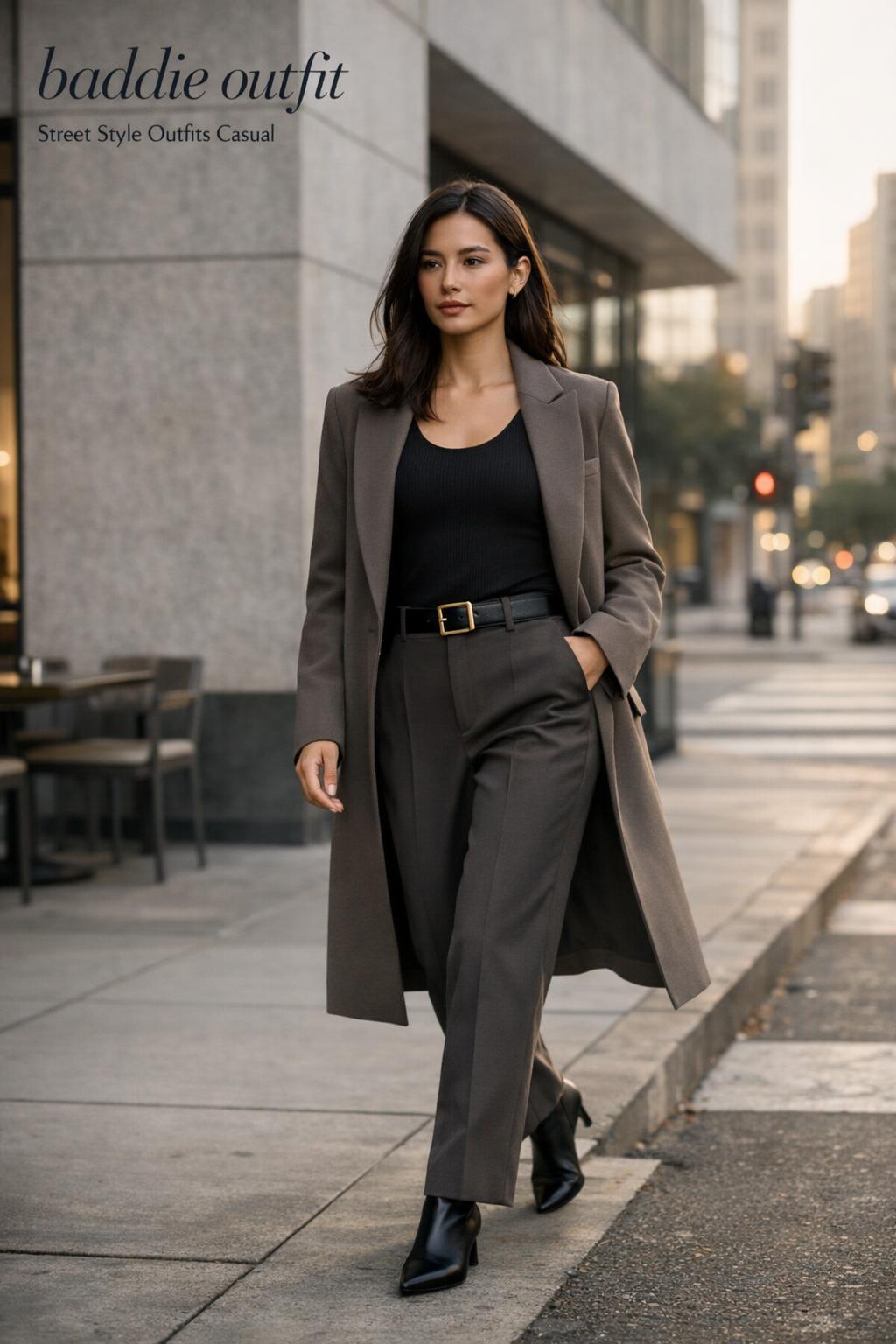
Part of the appeal is its adaptability. A baddie outfit can skew minimalist or expressive; it can nod to women y2k outfits or lean into modern tailoring. Either way, the throughline is clear: you’re not just wearing clothes—you’re composing a mood. Consider it look di moda for real life: refined enough to feel styled, practical enough to actually move through your day.
Understanding the aesthetic: mood, proportion, and the “finished” effect
Aesthetic outfits succeed when they communicate one clear idea. For the baddie outfit, that idea is controlled magnetism—an outfit that frames the body with intention, then punctuates the look with one or two decisive details. The result is not costume; it’s a cohesive silhouette that feels self-possessed.
Your wedding has a lot of moving pieces. Your plan can still feel composed.
Zarellea organizes guests, vendors, budget, and timelines in one shared space — so you can make decisions with clarity, not stress.
Proportion does the heavy lifting. A fitted top with a looser bottom creates ease without losing definition. A structured outer layer over a sleek base gives instant authority. Even within cute everyday outfits, this aesthetic asks for a “finished” effect: clean seams, crisp layers, and styling choices that look chosen, not default.
If you’re collecting outfit inspo casual, think less about chasing a single trendy item and more about building an outfit that holds its shape—visually and practically—through a full day. This is why the baddie outfit endures: it’s an approach to styling, not a fixed uniform.
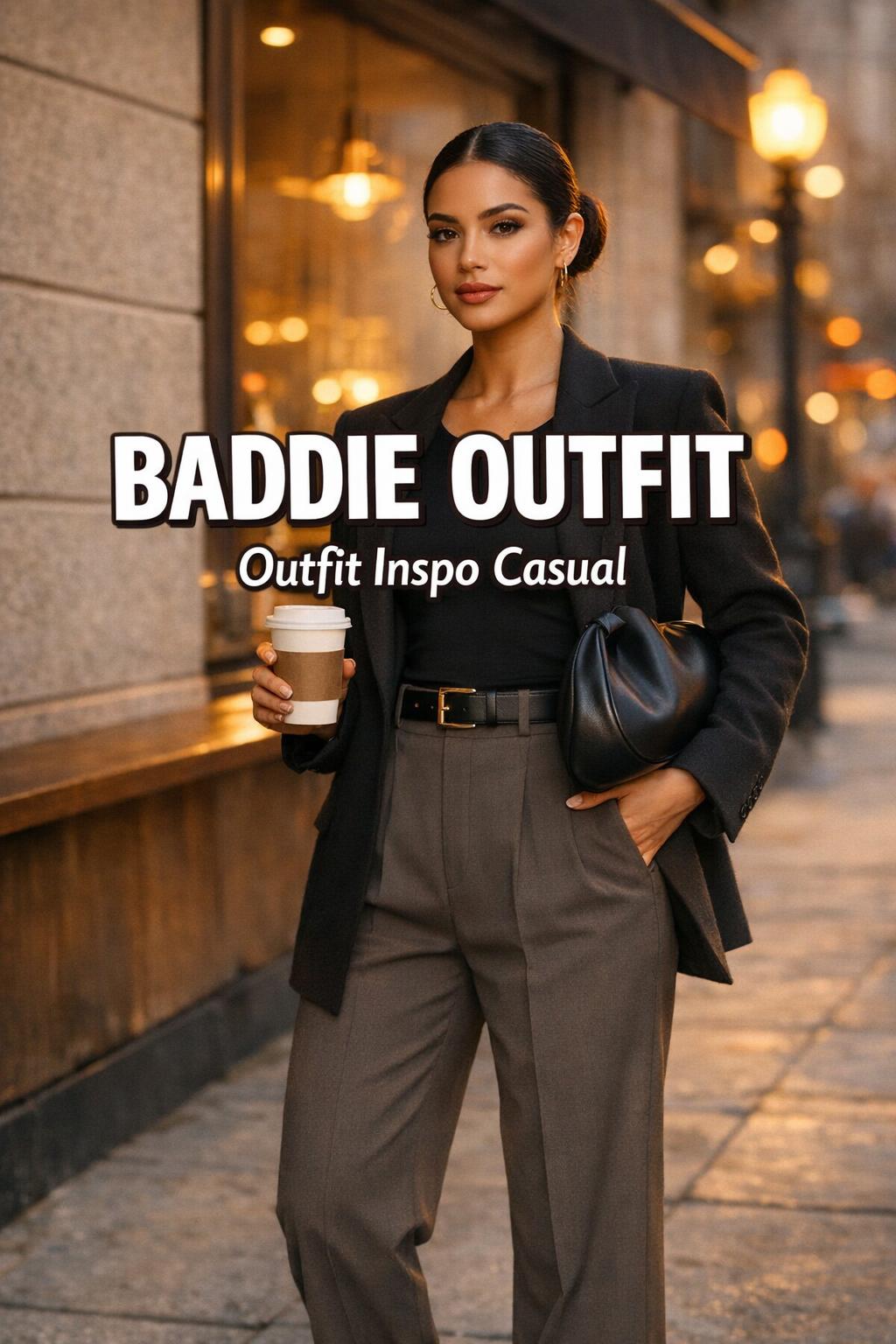
Look: tailored street authority (street style outfits casual, but sharpened)
This look is the baddie outfit at its most composed: a streamlined base framed by a structured layer. The mood is “downtown polished”—confident, self-edited, and subtly commanding. The silhouette relies on a clean vertical line, then breaks it with a precise shoulder or a defined waist.
Start with a fitted top in a smooth, stable fabric—something that skims rather than clings—paired with high-waisted pants that hold their shape. Over it, add a tailored outer layer that creates architecture: a blazer-like structure, a crisp jacket, or a coat with a sharp collar. Keep the palette disciplined: neutrals, deep tones, or a tight two-color story so the outfit reads intentional from every angle.
- Key garments: fitted top, high-waisted trousers, structured outer layer
- Footwear: a sleek, minimal shoe shape that elongates the leg line
- Accessories: one decisive element (a defined belt, a clean bag silhouette, or a single statement accessory)
Why it works: the structure does what styling should do—gives the outfit a backbone. Even when worn in casual settings, this look signals control and clarity, which is the essence of the baddie outfit without leaning on excess.
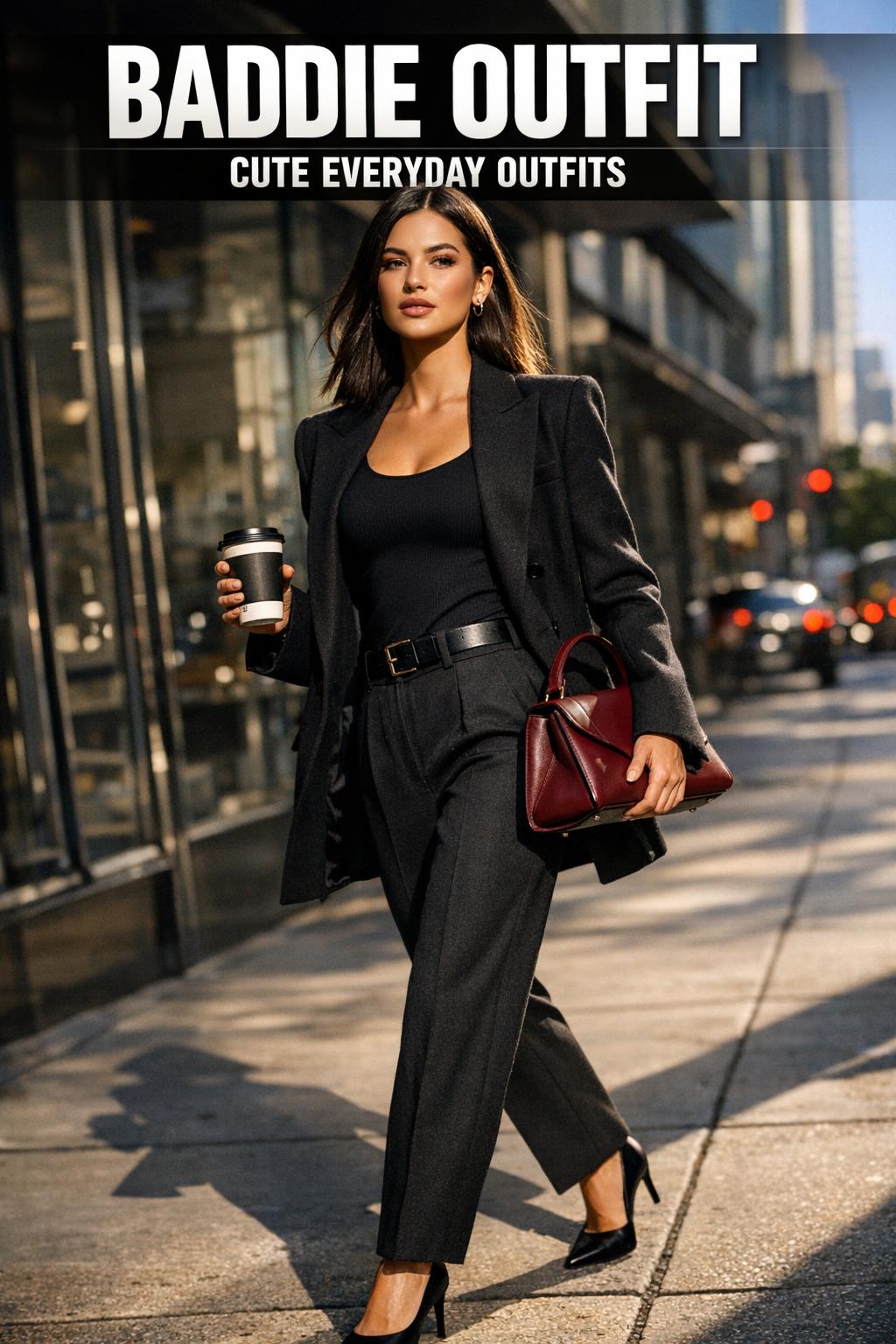
Look: soft power minimalism (cute everyday outfits with edge)
Not every baddie outfit needs to be loud. This version is quieter—still confident, but expressed through restraint. The mood is clean and modern, the kind of aesthetic you’d wear for a coffee run that turns into a workday or a low-key meet-up where you still want to look deliberate.
Build the silhouette around a sleek base that feels effortless: a refined knit or smooth jersey top paired with a skirt or pants that fall cleanly. The key is fabric behavior—choose pieces that drape with intention rather than collapsing. Keep the color palette soft-neutral or monochrome for that “editorial in motion” feel. Texture becomes the detail: matte paired with subtle sheen, or a compact knit against a crisp woven.
Styling insight: minimalism only reads as powerful when the fit is precise. If the top is close to the body, let the bottom offer a little movement. If the bottom is fitted, add softness at the shoulder with a slightly relaxed layer. This is how cute everyday outfits can still deliver a baddie outfit attitude—through proportion and finish, not noise.
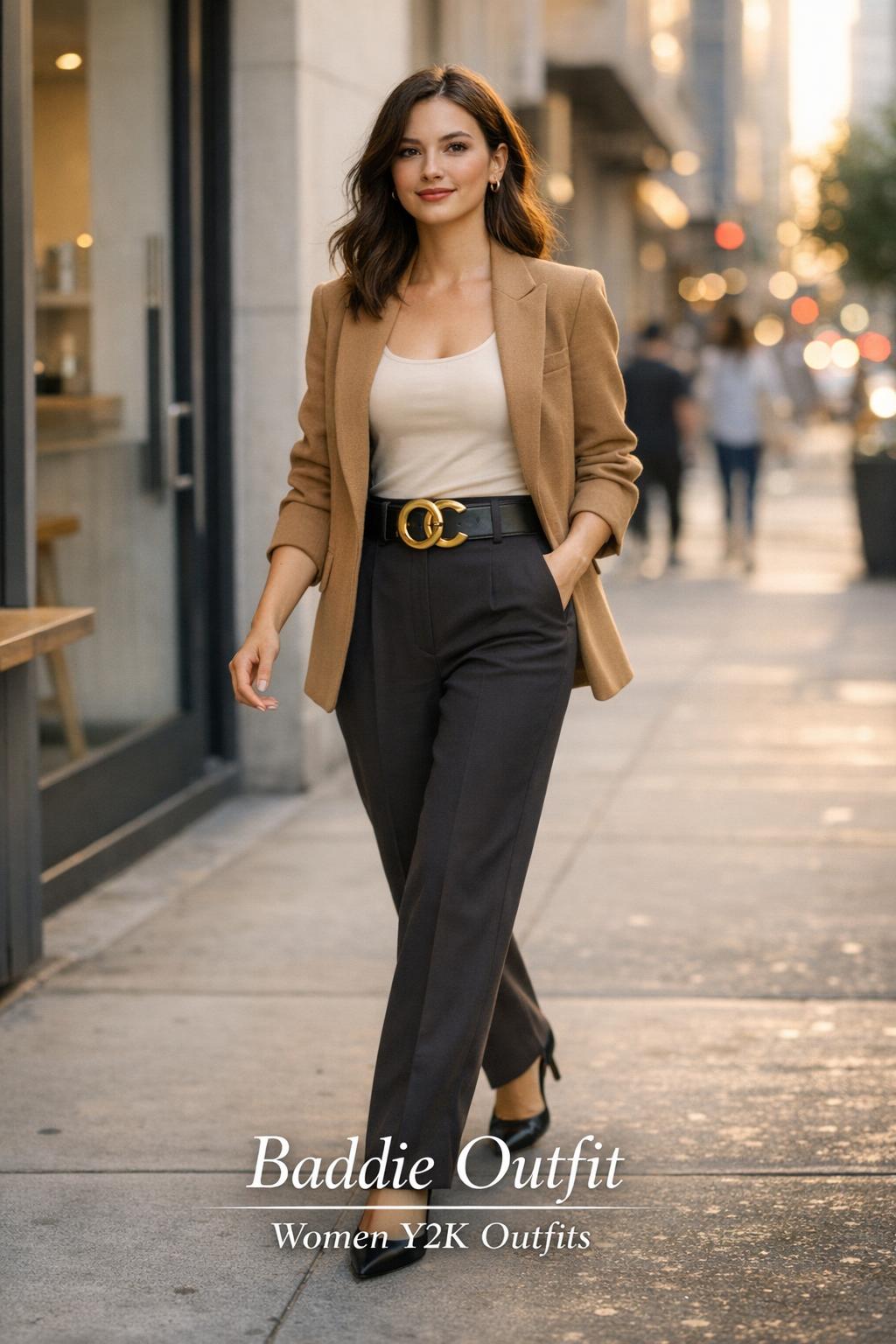
Style tip: the “one focal point” rule for a true baddie outfit
When a look feels “almost” right, it’s often because everything is competing. A reliable approach is to choose one focal point—either a strong silhouette (structured outer layer), a bold line (high waist, elongated leg), or a standout accessory—and keep the rest intentionally quiet. This prevents the outfit from tipping into clutter while still feeling expressive.
Look: women y2k outfits, edited for now
The baddie outfit has always had a flirtation with throwback energy, and women y2k outfits bring that nostalgic confidence—shorter lengths, sleeker fits, a slightly playful attitude. The modern version, though, is more controlled: less costume, more curated reference.
Anchor the look with one Y2K-leaning element—think a cropped proportion, a low-slung styling detail, or a body-skimming base—and balance it with a more grounded counterpart. If the top is shorter and fitted, choose a bottom with cleaner lines and enough structure to keep the silhouette refined. If the base is sleek, add a layer that suggests intention: a jacket that frames the shoulder, or an outer piece that adds shape without bulk. Keep the color story tight; Y2K reads most elevated when it’s not overly chaotic.
- Key garments: one Y2K-proportion piece, one structured balancing piece
- Footwear: sleek and streamlined to avoid visual heaviness
- Accessories: keep it selective—one accent rather than a pile-on
Why it works: the look respects the spirit of women y2k outfits while still landing in the present. The baddie outfit isn’t about reenactment; it’s about translating an attitude into a wearable, modern silhouette.
Look: off-duty street style (outfit inspo casual with a composed silhouette)
This is the version you reach for when comfort is non-negotiable, but you still want to look styled. The mood is relaxed yet intentional—an “off-duty” line that feels natural for U.S. weekends, travel days, and long afternoons that include plenty of walking.
Focus on a silhouette that reads clean from a distance: a fitted or semi-fitted top paired with a relaxed layer, or a relaxed top balanced by a sharper bottom. Keep fabrics practical—soft, wearable textures that still hold their form. The palette can be neutral, or it can lean into one strong tone anchored by calmer shades. The goal is ease without sloppiness, which often comes down to clean hems, coherent color, and a deliberate layer.
Styling insight: in street style outfits casual, the difference between “simple” and “styled” is often the final 5%. Adjust proportions—push sleeves up, define the waist subtly, and keep your lines clean. That’s how outfit inspo casual becomes a baddie outfit rather than just basics.
How to recreate the baddie outfit effect without overthinking it
When you want the aesthetic without the fuss, think in three layers of decision-making: silhouette, palette, and finish. Choose one silhouette idea (structured top line, defined waist, or long vertical line), commit to a palette that doesn’t fight itself, then add finish through one intentional detail.
- Silhouette: pick one “message” (tailored, body-skimming, or relaxed-but-clean)
- Palette: keep it to one family or two complementary tones for a cohesive read
- Finish: add one deliberate element (a crisp layer, a defined accessory, a clean shoe line)
This framework works especially well when you’re building cute everyday outfits: it keeps you from spiraling into too many options while still producing a look that feels designed.
Look: tonal neutrals and clean lines (look di moda, made wearable)
There’s a distinctly European sensibility to a tonal look: calm, cohesive, and quietly impactful. In a baddie outfit context, tonal dressing becomes a statement of discipline—no loud prints required, just a confident use of line and shade.
Choose a single neutral family—cream to sand, charcoal to black, or soft gray to deeper graphite—and build a head-to-toe gradient. The power comes from subtle variation: a matte base against a slightly smoother layer, or a soft knit paired with a crisp outer piece. Let the silhouette do the talking: a longer line on top with a narrower line below, or the reverse. This is look di moda as a daily practice—refined, not fragile.
Why it works: tonal styling makes the outfit read expensive and intentional, regardless of where the pieces came from. It’s one of the most reliable ways to make a baddie outfit feel elevated while staying grounded in real life.
Look: night-ready minimal glamour (a baddie outfit for last-minute plans)
Evening baddie energy doesn’t require sparkle to be effective. The strongest version is often minimal: a sleek base, a sharper outer line, and a deliberate finishing touch. The mood is confident and composed—the kind of look that feels right for a dinner reservation, a rooftop moment, or an event where you want presence without fuss.
Start with a streamlined foundation in a darker palette for instant polish. Add a layer that brings structure—something that frames the shoulders and cleans up the overall silhouette. Keep texture refined: smooth, compact, and clean to the eye. If you want contrast, introduce it through one element only: a slightly stronger neckline, a sharper hemline, or a single accessory that punctuates the look.
Styling insight: when you’ll be moving through a long evening, comfort is part of the aesthetic. Choose a silhouette you can sit and walk in without constant adjustment. The most convincing baddie outfit is the one you can forget about—because it stays in place and keeps its shape.
Common styling mistakes that dilute the baddie outfit aesthetic
The baddie outfit looks effortless when it’s actually well-edited. In practice, the aesthetic can fall flat when the outfit loses cohesion—either through competing elements or through proportions that don’t resolve into a clear silhouette.
- Too many statement pieces at once, which makes the look feel unfocused rather than confident
- Ignoring proportion—pairing oversized with oversized without a clean line or a defined point of structure
- Inconsistent palette, where colors and tones fight instead of blending into a single mood
- Over-reliance on trend cues without a grounding base, which can read dated quickly
- Neglecting finish—wrinkled layers, awkward hems, or constant adjusting that breaks the composed effect
A practical test: step back and ask what the outfit is “about.” If you can’t name the main idea in one phrase—tonal minimalism, structured street, edited Y2K—refine until you can.
Key pieces that make outfit inspo casual feel intentional
Great style comes from repeatable building blocks. Rather than chasing a perfect list, think in categories that support the aesthetic: one strong layer, one clean base, and one finishing element. This approach makes it easier to create street style outfits casual that still read as a baddie outfit, even on days when you’re working with minimal time.
Prioritize pieces that hold a line—items that don’t collapse after an hour of wear. The more your wardrobe contains stable silhouettes, the less you need to “try” to look polished. That’s where the baddie outfit becomes a habit rather than an occasional performance.
A U.S. wearability note: where this aesthetic fits in real life
A baddie outfit isn’t limited to one venue; it’s a styling language. You’ll see it translate seamlessly from daytime errands to casual meet-ups to evening plans because the underlying choices—clean palette, controlled silhouette, intentional finish—are versatile. This is also why it overlaps naturally with cute everyday outfits: the aesthetic doesn’t demand discomfort, it demands clarity.
If your day includes long walks, variable indoor temperatures, or hours of sitting, build your look around pieces that behave well. Structure should support you, not restrict you. A strong layer is useful not only visually but practically—adding warmth, creating shape, and giving you a polished “top line” even when your base is simple.
Closing perspective: baddie style as composition, not noise
The most compelling baddie outfit is rarely the most complicated one. It’s the look where proportion is intentional, color is coherent, and the finishing touches feel chosen. Whether you lean into women y2k outfits or keep it minimal and tonal, the aesthetic works because it’s built on composition. Treat each outfit as a small editorial—one clear idea, executed with restraint—and you’ll find the style adapts naturally to your wardrobe, your schedule, and your personal definition of confidence.
FAQ
What defines a baddie outfit in everyday life?
A baddie outfit is defined by a controlled, intentional silhouette, a cohesive color story, and a “finished” look created through clean layering and selective details; it can be worn as cute everyday outfits or elevated for evening as long as the outfit communicates one clear styling idea.
How do I make street style outfits casual look more baddie?
Sharpen the proportions (pair one fitted piece with one more relaxed piece), tighten the palette to one or two tones, and add a single structured layer or deliberate finishing detail so the outfit reads styled rather than simply comfortable.
Can a baddie outfit be minimal, or does it have to be bold?
It can absolutely be minimal; in fact, a restrained baddie outfit often looks more refined because the confidence comes from fit, structure, and texture rather than multiple statement elements competing at once.
How do women y2k outfits fit into the baddie aesthetic without looking like a costume?
Use one Y2K-leaning proportion as a reference and balance it with a modern, structured counterpart, keeping the color palette cohesive so the look feels like an edited nod rather than a full throwback recreation.
What’s the easiest way to find outfit inspo casual that still feels polished?
Look for outfits with a clear silhouette message—tailored, tonal, or relaxed-but-clean—then replicate the logic with your own pieces by keeping colors consistent and choosing at least one item that adds structure or a crisp line.
How do I keep a baddie outfit comfortable for a full day?
Prioritize fabrics that hold their shape without constant adjusting, build in a practical layer for temperature changes, and choose a silhouette you can walk and sit in easily so the outfit maintains a composed look from morning through evening.
What does “look di moda” mean in the context of a baddie outfit?
In this context, look di moda signals a refined, fashion-editorial finish achieved through tonal dressing, clean lines, and thoughtful composition—more about cohesion and silhouette than about loud or overly trendy elements.
What’s a common reason a baddie outfit looks “off” even with good pieces?
The most common issue is lack of cohesion—too many focal points, mismatched tones, or unresolved proportions—so the outfit doesn’t communicate a single clear idea; simplifying to one statement and refining the fit usually fixes it.
Leave a Reply