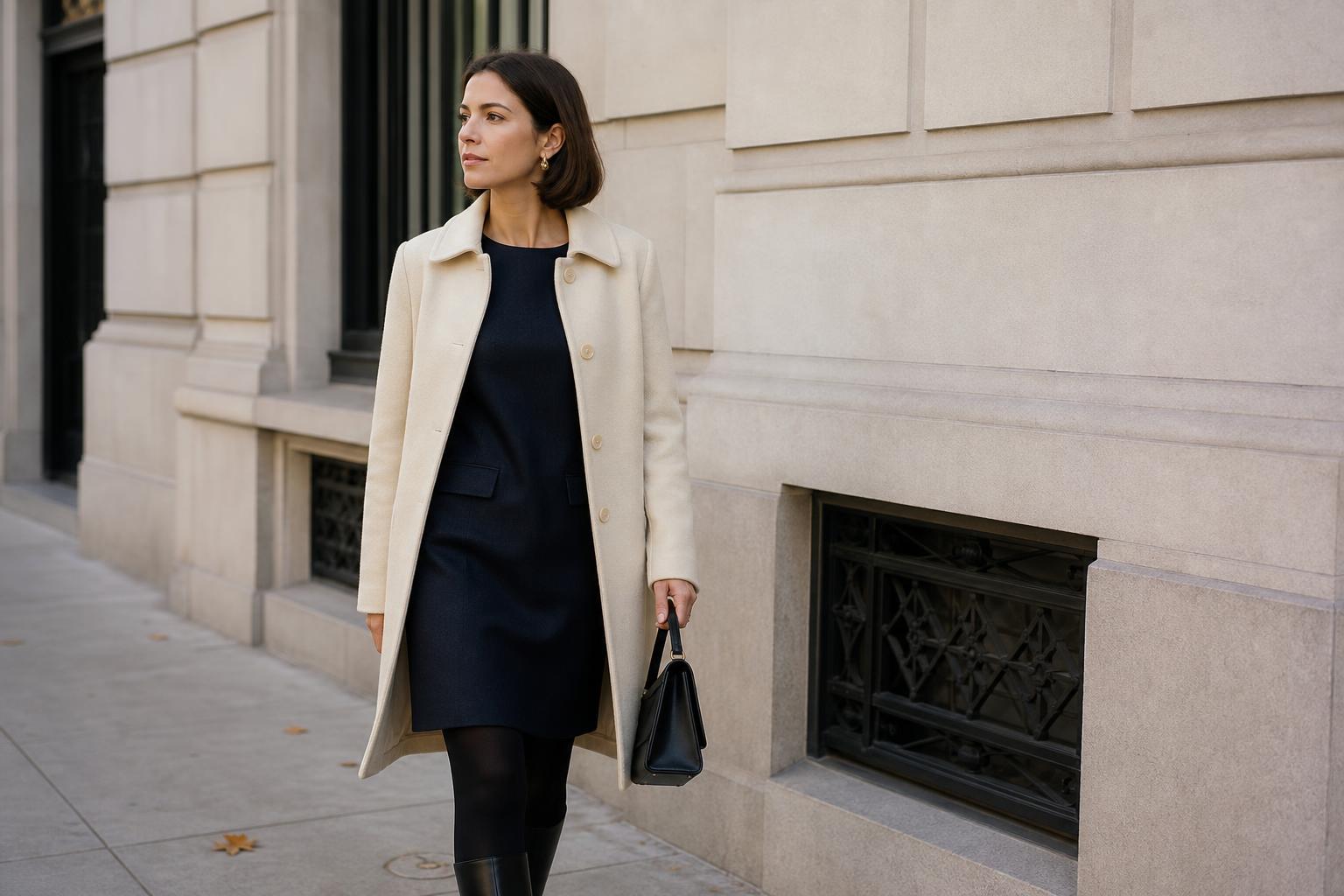
60s style without the costume effect
Few fashion references are as instantly recognizable as 60s style, and that is exactly why it can feel unexpectedly difficult to wear now. The decade carries strong visual codes, so one wrong proportion, one overly literal accessory, or one too-thematic print can push an outfit away from refined and into imitation.
The real challenge is not finding pieces that nod to the era. It is knowing how to translate the sharp geometry, youthful polish, and graphic confidence of the 1960s into a modern wardrobe that still feels practical for everyday life. Whether you are drawn to the clean lines associated with Paris, the polished energy often linked to Milan, or the playful cool of a more mod interpretation, the success of the look depends on restraint and composition.
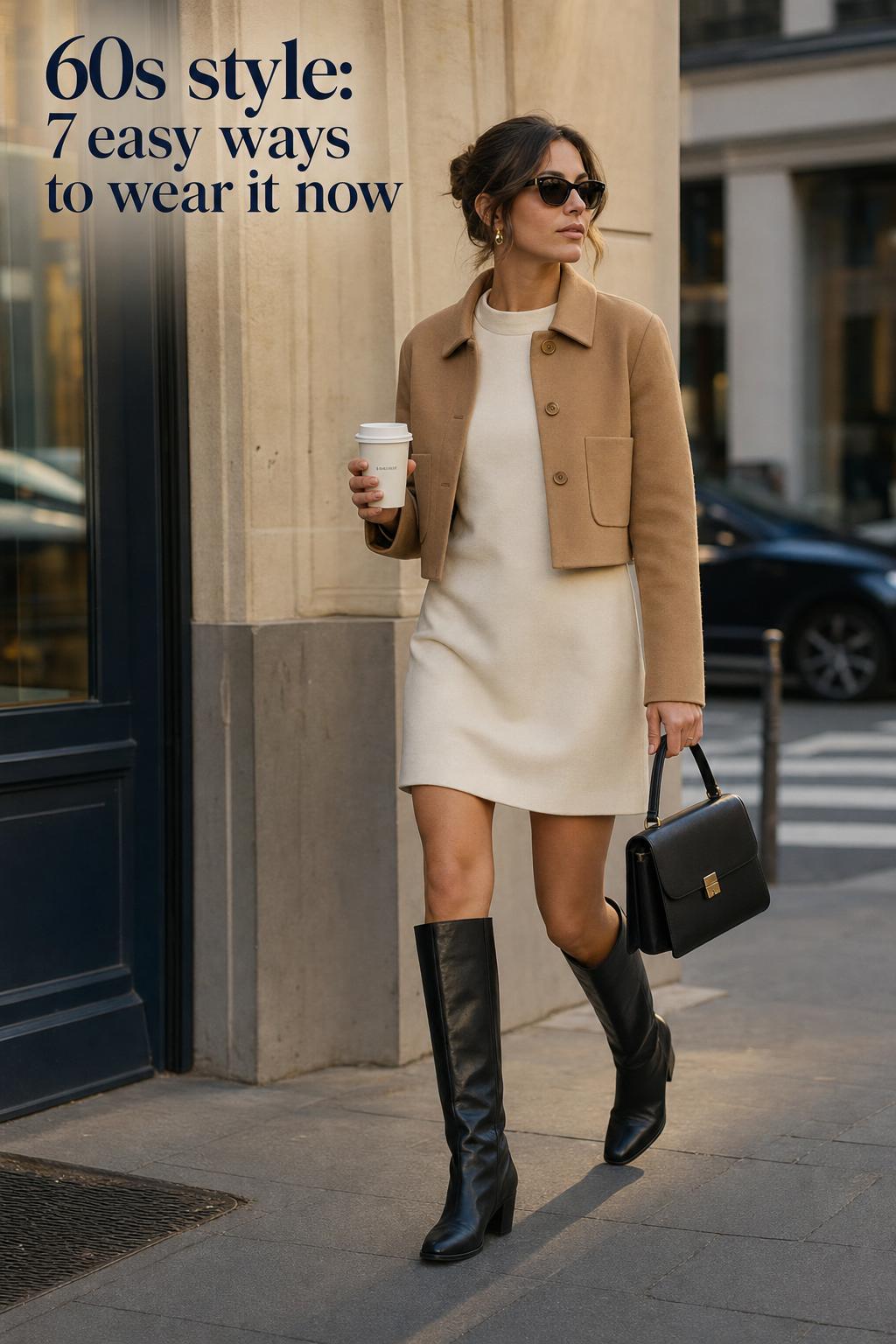
This guide approaches the decade as a styling problem worth solving thoughtfully. Instead of treating the 1960s as a set of obvious costume markers, it focuses on silhouette, balance, texture, and function, so you can wear the influence in a way that feels current, elegant, and easy to live in.
Why the 1960s can be hard to wear well today
The 1960s produced some of fashion’s most memorable shapes: abbreviated hemlines, neat tailoring, bold color blocking, streamlined coats, graphic prints, and a distinctly youthful line. Those elements are visually powerful, but modern wardrobes tend to be built around softer separates, relaxed proportions, and less formal daywear. That contrast is where the styling tension begins.
Your wedding has a lot of moving pieces. Your plan can still feel composed.
Zarellea organizes guests, vendors, budget, and timelines in one shared space — so you can make decisions with clarity, not stress.
There is also the issue of context. A true shift dress, a structured mini, or a sharply cropped jacket may look beautiful in an editorial image, but real life asks more from an outfit. You may need to commute, sit comfortably, walk through changing weather, or move between casual and polished settings in one day. Pieces inspired by the decade often need careful adjustment so they remain wearable rather than rigid.
Another common obstacle is proportion. The decade favored concise silhouettes: shorter lengths, compact jackets, slim knits, and precise accessories. If every element is equally neat and equally retro, the outfit can feel visually compressed. The solution is often to allow one part of the outfit to hold the 60s reference while another part introduces modern ease.
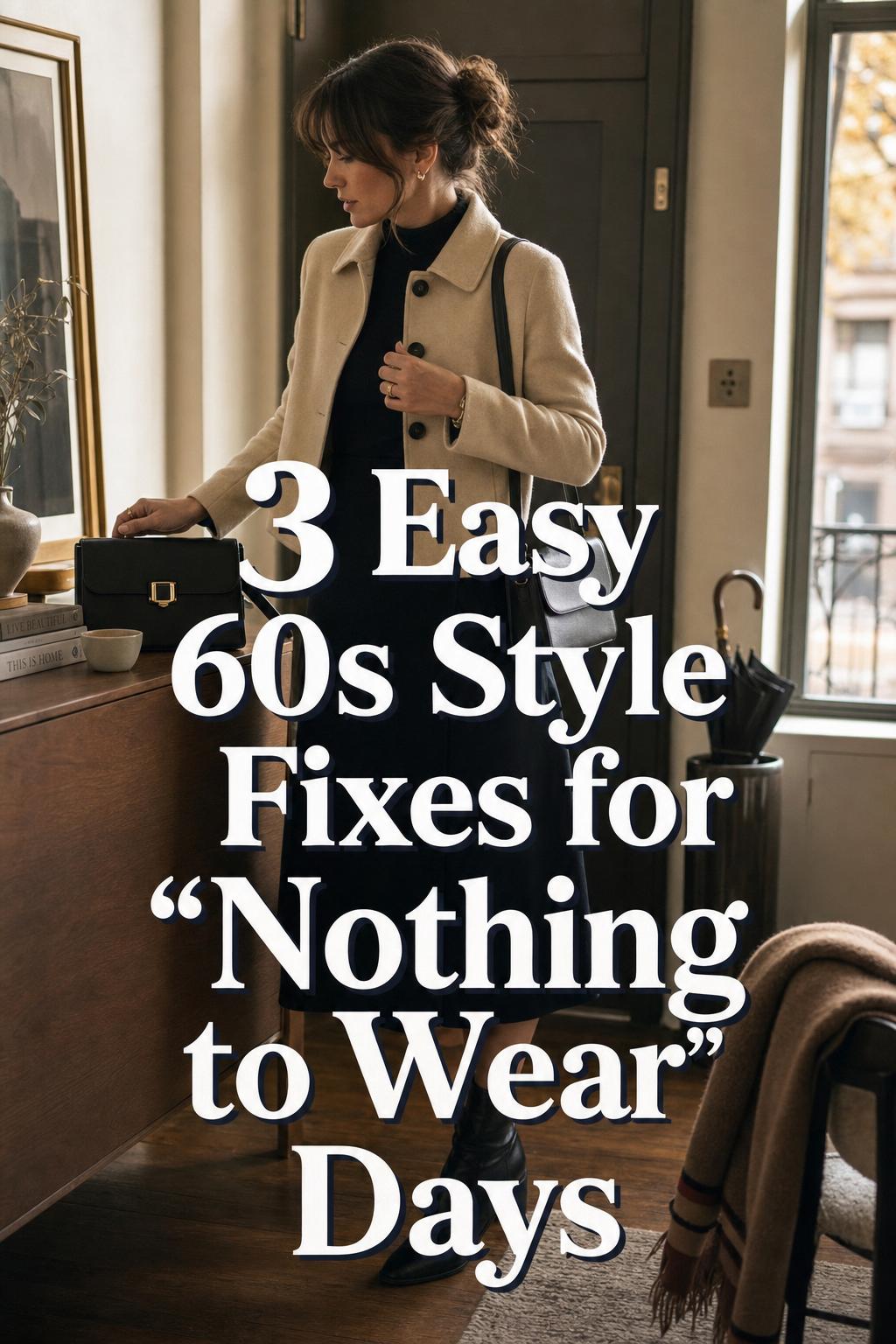
The styling logic that makes 60s references feel modern
The most reliable way to wear 60s style now is to think in terms of design language rather than exact reproduction. The era was defined by clarity: clean lines, deliberate shape, and visible intention. If you preserve that clarity while softening the more literal details, the result usually feels refined rather than theatrical.
Start with one defining shape
A-line skirts, shift dresses, cropped jackets, and structured coats all carry the spirit of the decade. Choose one of these as the anchor and keep the surrounding pieces simpler. A single strong silhouette gives the outfit direction without overwhelming it.
Use texture to soften graphic lines
The 1960s often relied on crisp finishes and bold surfaces. In a current wardrobe, that sharpness is easier to wear when balanced with textures that feel natural and comfortable. A tailored silhouette looks less severe when paired with a fine knit, a matte leather boot, or a softly structured coat rather than a fully rigid set.
Keep color intentional, not crowded
Graphic color was central to the decade’s visual identity, but too many high-contrast tones at once can make an outfit feel theatrical. A more polished approach is to work with one dominant tone, one neutral, and possibly one accent. That still captures the spirit of bold composition while preserving sophistication.
Balance short or neat proportions with modern ease
If the dress is abbreviated, let the outerwear be clean and slightly relaxed. If the jacket is cropped and boxy, pair it with a simpler lower half. The goal is to prevent the outfit from feeling too compact all over. Modern styling often benefits from one precise element and one calmer, more fluid one.
Choose accessories with discipline
Accessories can quickly decide whether a look reads as homage or costume. Instead of adding every recognizable detail, select one accent that reinforces the mood. A sleek boot, a structured bag, or a pair of understated statement sunglasses can suggest the era more effectively than a full set of obvious references.
What to keep in mind before building the outfit
Before dressing around a 1960s reference, consider where the outfit has to function. The same shift silhouette can be interpreted very differently depending on whether you are heading into the city, dressing for a dinner, or trying to create a polished daytime look with realistic comfort.
- Weather matters because short hemlines and lighter structures may need tights, boots, or layering to feel balanced and practical.
- Comfort matters because a neat silhouette should still allow movement, especially if you are walking or sitting for long periods.
- Practicality matters because some retro-inspired cuts require modern support pieces such as opaque hosiery, compact knit layers, or low stable heels.
- Style matters because the outfit should look intentional from head to toe, not like disconnected vintage pieces assembled without a line.
That is why successful 60s dressing is rarely about collecting era-coded items. It is about editing them into a coherent modern wardrobe, where each piece contributes either shape, polish, or contrast.
Outfit solution: the polished shift for everyday city wear
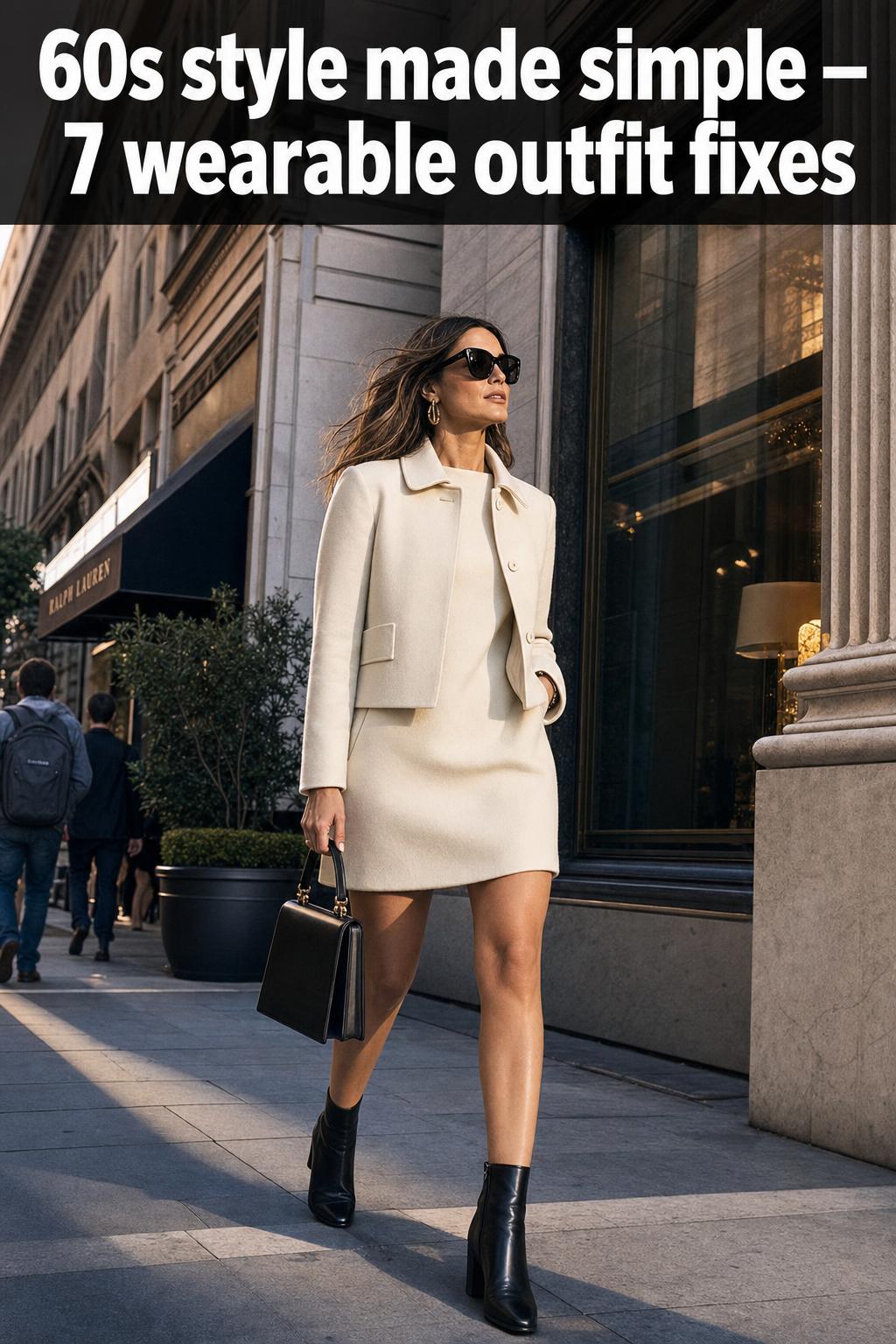
A simple shift dress remains one of the clearest routes into 60s style because it captures the decade’s directness without requiring heavy styling. The key is to choose one with a clean silhouette, a smooth finish, and enough structure to skim rather than cling. This keeps the line modern and flattering.
For a city-ready version, layer the shift under a streamlined coat with subtle tailoring. Add knee-high boots or sleek ankle boots depending on the season. The coat introduces vertical structure, which helps counter the shorter, neater line of the dress, while the boots ground the outfit and make it functional for movement.
Why it works is simple: the dress provides the historical reference, the outer layer provides modern polish, and the footwear adds practicality. This is especially effective when the color story stays controlled, such as cream with black, navy with tan, or a muted accent tone anchored by dark footwear.
Variation for cooler weather
Add opaque tights and a fine knit beneath the dress if the fabric allows. This preserves the concise shape while making the outfit more wearable during transitional months. The overall effect remains sleek rather than bulky, which is essential when working with a decade known for visual precision.
Outfit solution: the A-line skirt with tailored structure
For readers who like the spirit of the 1960s but do not want to commit to a dress, an A-line skirt offers an elegant middle ground. It carries the era’s geometry while giving more flexibility through separates. The most flattering versions sit cleanly at the waist and move lightly away from the body rather than flaring too dramatically.
Pair the skirt with a fitted knit or slim mock-neck top, then add a structured blazer layered over it. This interplay of close-fitting upper half and gently shaped lower half creates a polished everyday look with a clear silhouette. The blazer also introduces authority, making the outfit feel less nostalgic and more editorial.
This combination is particularly useful when you want the elegance of 60s style in a work-adjacent setting. The skirt references the decade, but the blazer reframes it through contemporary tailoring. Keep accessories spare so the line remains the focus.
Why the proportions feel right
The slight flare of the skirt benefits from a more controlled top half. If both pieces are loose, the outfit loses the decade’s signature crispness. If both are overly tight, it starts to feel forced. A tailored silhouette contrasted with relaxed textures often produces the most refined result.
Outfit solution: the mod-inspired mini handled with restraint
The mini is one of the most iconic symbols of the decade, but it is also where many modern interpretations go wrong. The issue is rarely the hemline itself. The problem is styling it too literally with every familiar mod detail at once.
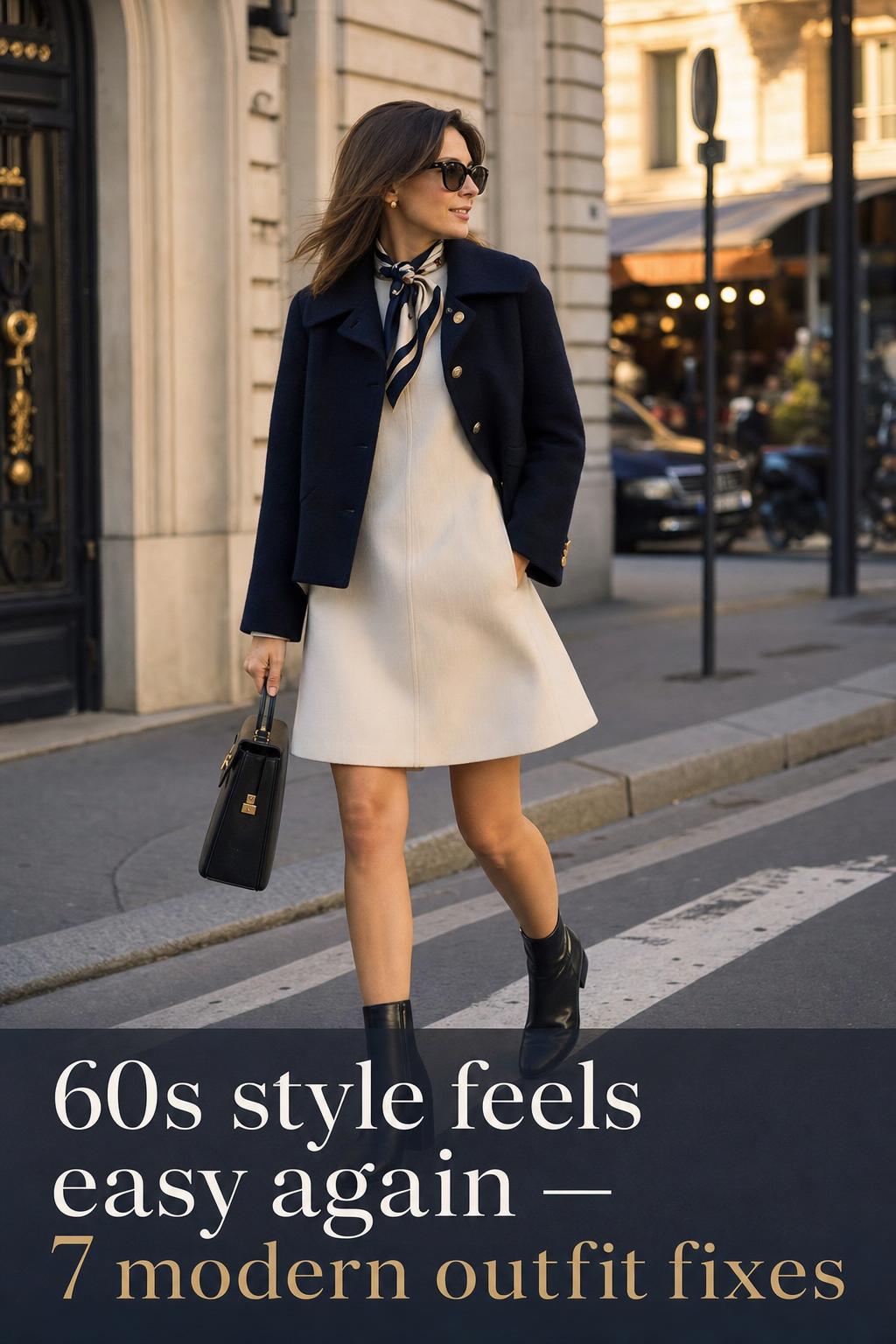
A more balanced approach starts with a simple mini dress or skirt in a solid color or restrained geometric design. Add a boxy jacket or compact coat, then finish with flat or low-heeled boots. The clean lines preserve the mod spirit, but the reduced ornament keeps the outfit sophisticated.
This look works best when you treat the mini as one element of a complete silhouette rather than the entire statement. The jacket should echo the shape without shrinking the frame, and the footwear should add confidence and practicality. In real life, this matters: a look inspired by the 1960s still needs to feel secure to walk, sit, and move in.
Tip: let the legs be one visual line
If you are styling a shorter hemline, keeping tights and boots within a related tonal range often creates a longer, more polished line. This is especially helpful if you want the mini to feel refined rather than abrupt.
Outfit solution: the cropped jacket and slim trouser balance
Not every interpretation of 60s style needs a dress or skirt. A cropped jacket paired with slim trousers can capture the decade’s sharpness in a way that feels especially wearable for those who prefer clean separates. The jacket should feel architectural rather than fussy, with a neat shoulder and a concise length.
Underneath, a simple knit or shell keeps the look uncluttered. Slim trousers create a continuous line that complements the shorter jacket, and low heels or polished flats maintain the look’s poised simplicity. This is one of the easiest ways to bring a 1960s mood into a wardrobe built around tailoring.
The strength of this outfit lies in its restraint. It references the decade through proportion, not through novelty. That makes it particularly suitable for readers who admire the era’s graphic elegance but want something understated enough for frequent wear.
Outfit solution: soft neutrals for a quieter take on the decade
Many people associate the decade with bold graphic contrasts, but 60s style does not have to rely on visual loudness. A softer interpretation built around cream, camel, navy, grey, or muted pastels can still feel period-aware while looking more subtle and modern.
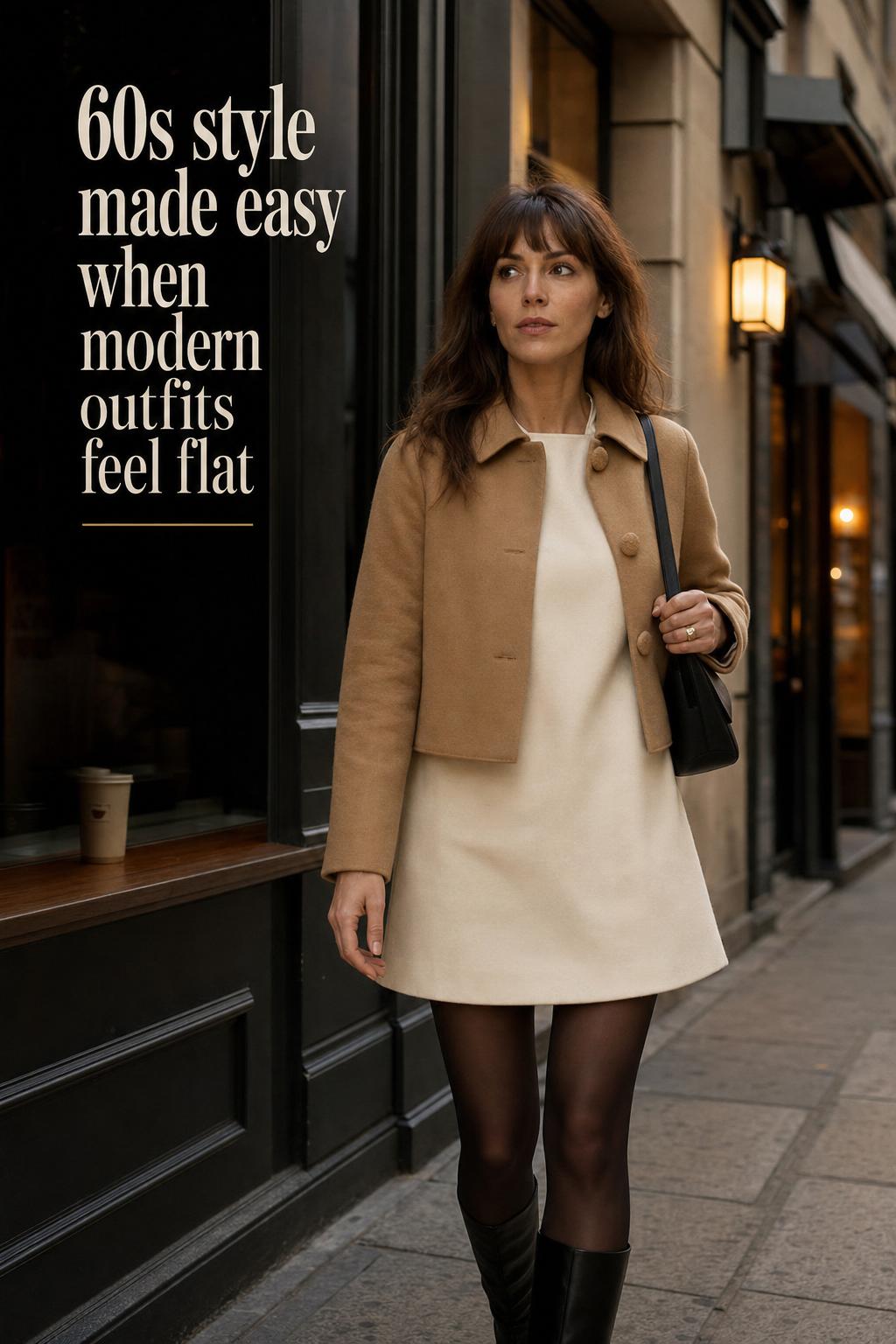
Imagine a softly structured A-line coat layered over a simple knit dress, finished with sleek boots and a compact bag. The silhouette carries the 1960s influence, but the palette keeps the look calm. This is particularly effective if your existing wardrobe is already minimal and you want the reference to blend in naturally.
Quiet color stories also help texture stand out. A matte wool coat, a smooth knit, and polished leather footwear can create visual interest without relying on print or contrast. The result feels polished, European, and easy to repeat.
Outfit solution: an evening interpretation with clean glamour
For evening, the decade is best approached through line and finish rather than excessive embellishment. A simple shift or neat column-adjacent silhouette with a short coat, polished heel, or elegant boot can evoke the era without becoming theatrical. The look should feel concise, graphic, and composed.
This is where fabric matters more. A cleaner surface tends to preserve the decade’s visual clarity better than overly busy decoration. If the dress has a strong shape, keep jewelry minimal. If the dress is simpler, let one accessory carry a touch of statement.
The reason this approach works is that 1960s eveningwear often feels strongest when the silhouette remains central. Rather than adding multiple dramatic elements, focus on one refined line and make sure every supporting piece reinforces it.
A note on styling for movement, weather, and long days
One of the easiest ways to make retro dressing feel irrelevant is to ignore the realities of wear. The most beautiful 60s-inspired outfit still needs to function across the day. That means checking whether the hemline allows confident movement, whether the outer layer can handle changing temperatures, and whether the shoes are realistic for the surfaces you walk on.
In colder conditions, the answer is not to abandon the aesthetic. It is to support it intelligently. Opaque tights, sleek boots, and tailored outerwear preserve the sharp visual line better than bulky layers thrown on at the last minute. In milder weather, lighter knits and compact jackets keep the outfit feeling polished without heaviness.
For travel days or long city hours, structured but manageable pieces tend to outperform anything too delicate or restrictive. This is where a refined shift, a neat coat, and practical boots can feel far more useful than a more literal outfit built only for visual impact.
Additional styling tips that make the look more convincing
- Choose fabrics that hold shape gently. Too much collapse can erase the decade’s crisp line, while too much stiffness can make the outfit feel rigid.
- Keep bags compact and structured when possible. A slouchy oversized tote can interrupt a clean 1960s silhouette.
- Use boots, flats, or low heels that support walking. The right shoe keeps the look grounded and wearable.
- Let one detail lead. If the outfit features a graphic dress, simplify the accessories. If the outfit is quiet, a strong coat or sharp boot can carry the mood.
- Pay attention to hem and coat interaction. A coat that is too long or too casual can weaken the neat proportion that makes the decade distinctive.
Tip: think in complete silhouettes
1960s dressing rarely looks persuasive when evaluated piece by piece. It succeeds when the outfit reads as one deliberate line. Before leaving the house, step back and assess the total shape: where the hem ends, where the coat falls, how the shoe finishes the look, and whether the color balance feels intentional.
Where modern wardrobes usually go wrong with 60s references
The most common mistake is over-translation. In trying to make the decade visible, readers often stack too many recognizable elements together: the mini, the bold print, the dramatic accessories, the heavy eyeliner mood, the obvious boot, the boxy jacket. Each item may fit the theme, but together they can collapse into imitation.
Another mistake is ignoring fit. Because many 1960s-inspired shapes are simple, poor tailoring becomes more obvious. A shift that pulls, a skirt that sits awkwardly at the waist, or a cropped jacket that cuts at the wrong point can undermine the entire look. The decade’s simplicity leaves little room for imprecision.
A third issue is neglecting contrast. If every piece is equally neat, short, and graphic, the outfit can feel stiff. Introduce one element of softness or modernity, whether through knit texture, a calmer palette, or slightly more relaxed outerwear. That contrast is often what makes the outfit feel lived-in rather than staged.
How to adapt the decade to your own style language
Not everyone wants the same version of 60s style, and that is where personal editing matters. If your wardrobe leans minimalist, focus on shape and monochrome contrast. If you prefer softer femininity, an A-line skirt and knit pairing may feel more natural than a strict mod mini. If your closet is tailored, a cropped jacket and slim trouser combination may be the cleanest entry point.
The most elegant approach is usually selective. Choose the aspect of the decade that genuinely aligns with how you already dress: perhaps the neat coat, the graphic line, the compact silhouette, or the polished boot. Once that element feels convincing, you can build subtle references around it rather than forcing a full transformation.
This way of dressing also has longevity. Thoughtful composition always outlasts novelty. When the decade is interpreted through silhouette, texture, and proportion instead of literal replication, the result becomes part of a real wardrobe rather than a one-time experiment.
FAQ
How can I wear 60s style without looking like I am in costume?
The easiest way is to choose one strong 1960s reference, such as a shift dress, an A-line skirt, or a cropped jacket, and keep the rest of the outfit modern and restrained. Clean lines, disciplined accessories, and a controlled color palette usually create a more polished result than stacking multiple obvious retro details together.
What is the easiest 60s-inspired piece to start with?
A simple shift dress is often the most approachable starting point because it captures the decade’s clean silhouette without requiring complicated styling. It can be worn with a tailored coat and boots for a practical daytime look or styled more simply for a refined evening interpretation.
Can I wear 60s style if I prefer trousers?
Yes, and a cropped jacket with slim trousers is one of the most wearable ways to interpret the decade. This combination reflects the era’s concise proportions while feeling current, polished, and easier to integrate into a wardrobe built around separates and tailoring.
Which shoes work best with 60s-inspired outfits?
Boots, polished flats, and low heels tend to work best because they support the neat, graphic quality of the outfit while remaining practical. The right footwear should reinforce the silhouette rather than compete with it, and it should also feel realistic for walking and all-day wear.
Do I need bold prints to create a 1960s look?
No, because the decade can be expressed just as effectively through shape and proportion. A-line coats, structured dresses, and cropped jackets in quieter tones can still suggest the era beautifully, especially when the silhouette is clear and the overall styling is precise.
How do I make a mini feel more refined?
Keep the rest of the outfit clean and controlled. A simple mini paired with a structured coat, tonal tights, and sleek boots usually feels more elegant than a heavily styled version with multiple statement elements. The refinement comes from balance, not from making the hemline less visible.
What colors work best for modern 60s style?
Strong contrast can work well, but many modern wardrobes benefit from a more edited palette. Cream, black, navy, camel, grey, and muted accent tones often create a sophisticated interpretation of the decade while still preserving its graphic sense of composition.
Is 60s style practical for everyday wear?
It can be, provided the outfit is adjusted for movement, weather, and comfort. Pieces such as shift dresses, A-line skirts, neat coats, and practical boots translate well into daily life when the fit is right and the styling remains thoughtful rather than overly literal.
What is the biggest mistake people make with 60s-inspired dressing?
The biggest mistake is trying to include every recognizable reference at once. Too many retro details can make the outfit feel staged, while a more selective approach usually looks more elegant. Strong style from this decade depends on editing, proportion, and clarity.
Leave a Reply