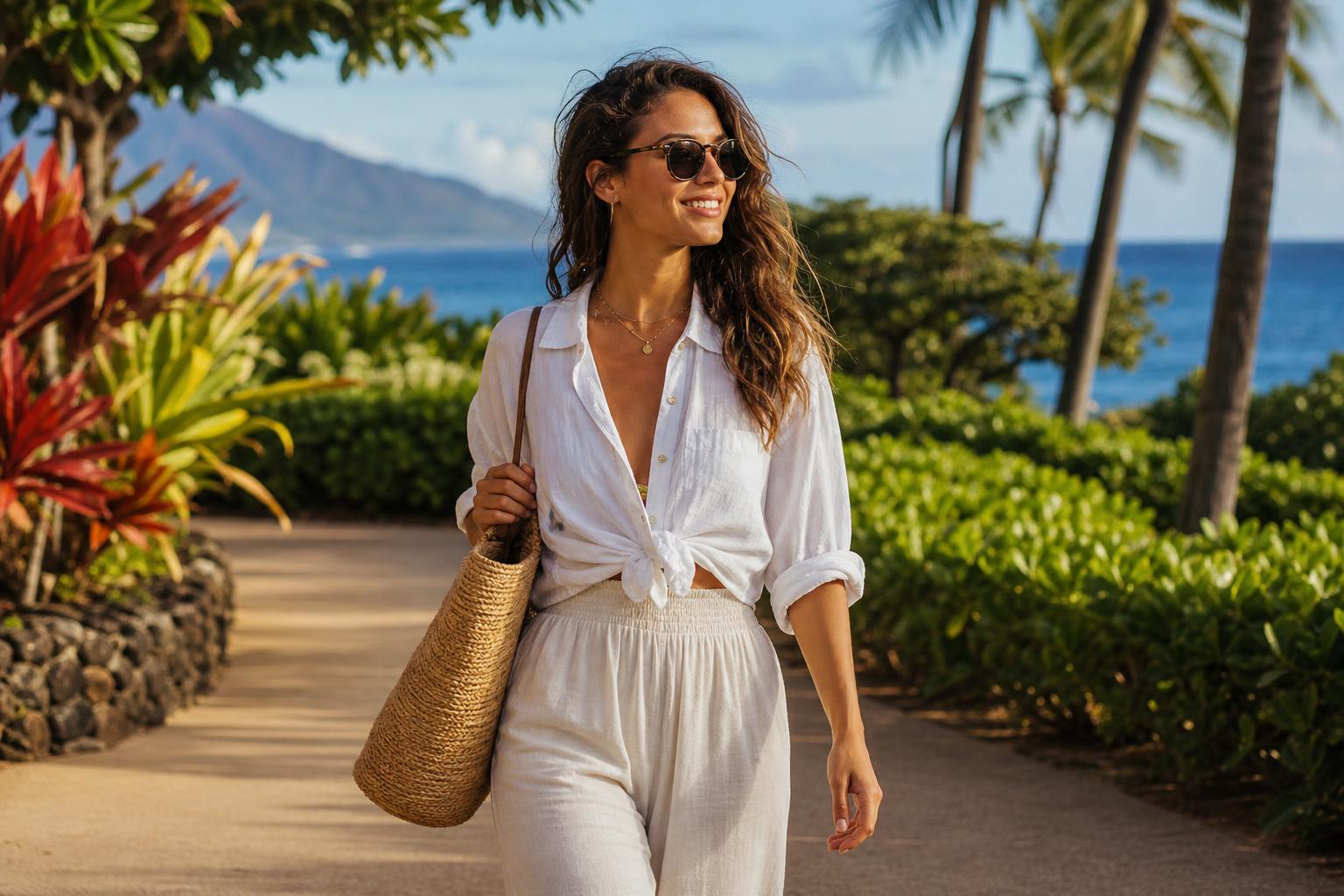
The most successful hawaii vacation outfits are rarely the ones with the most pieces. They are the ones that understand the rhythm of the islands: a morning at the beach, an afternoon market, a breezy walk through Waikiki, a hike that begins in sun and ends in humidity, a dinner that asks for polish without stiffness. Dressing well in Hawaii is less about performance dressing and more about balance. You want ease, but not carelessness; color, but not costume; comfort, but not at the expense of proportion. A thoughtful vacation wardrobe makes every part of the trip simpler, from packing to getting dressed after a swim to moving from a luau to a late dinner without feeling either underdone or overdressed.
Across Hawaii, the most useful pieces repeat for a reason: swimsuits, maxi dresses, cover-ups, linen shirts, sandals, aloha shirts, shorts, mini dresses, kaftans, beach pants, and lightweight layers. What changes is how you compose them. Oahu and Waikiki often call for sharper day-to-night versatility. Maui favors a softer beach-to-dinner flow. Kauai leans practical for trails and town. The Big Island benefits from a wardrobe that can move from casual daytime exploring to a luau or nightlife setting with minimal effort. The smartest approach is a capsule wardrobe built around breathable fabrics, flattering silhouettes, and a color palette that works across beaches, dining, hiking, and cultural experiences.
How to think about Hawaii style without overpacking
A good Hawaii wardrobe begins with one practical question: will this piece work at least twice in different settings? That standard immediately improves your packing list. A one-piece swimsuit can double as a bodysuit under linen pants. A maxi dress can move from breakfast to a luau with a change of sandals and jewelry. A graphic tee and jeans, often overlooked in tropical packing, can be useful for travel days or cooler evenings when you want something familiar and grounded.
This is why a capsule wardrobe appears so often in Hawaii travel planning. The idea is simple: fewer items, more combinations. It is especially effective in a destination where the visual mood is relaxed, fabrics are lightweight, and many occasions do not require highly specific dress codes. Rather than packing separate wardrobes for beach days, hikes, dining, and sightseeing, you build one coherent set of pieces that can be adjusted through layers, accessories, and footwear.
Your wedding has a lot of moving pieces. Your plan can still feel composed.
Zarellea organizes guests, vendors, budget, and timelines in one shared space — so you can make decisions with clarity, not stress.
From a styling perspective, this approach also makes outfits look more refined. Repeating colors, textures, and silhouettes creates a sense of intention. That matters more than chasing trend-heavy tropical looks that may feel right in a single photo but awkward in real life.
The core capsule wardrobe that makes Hawaii dressing easy
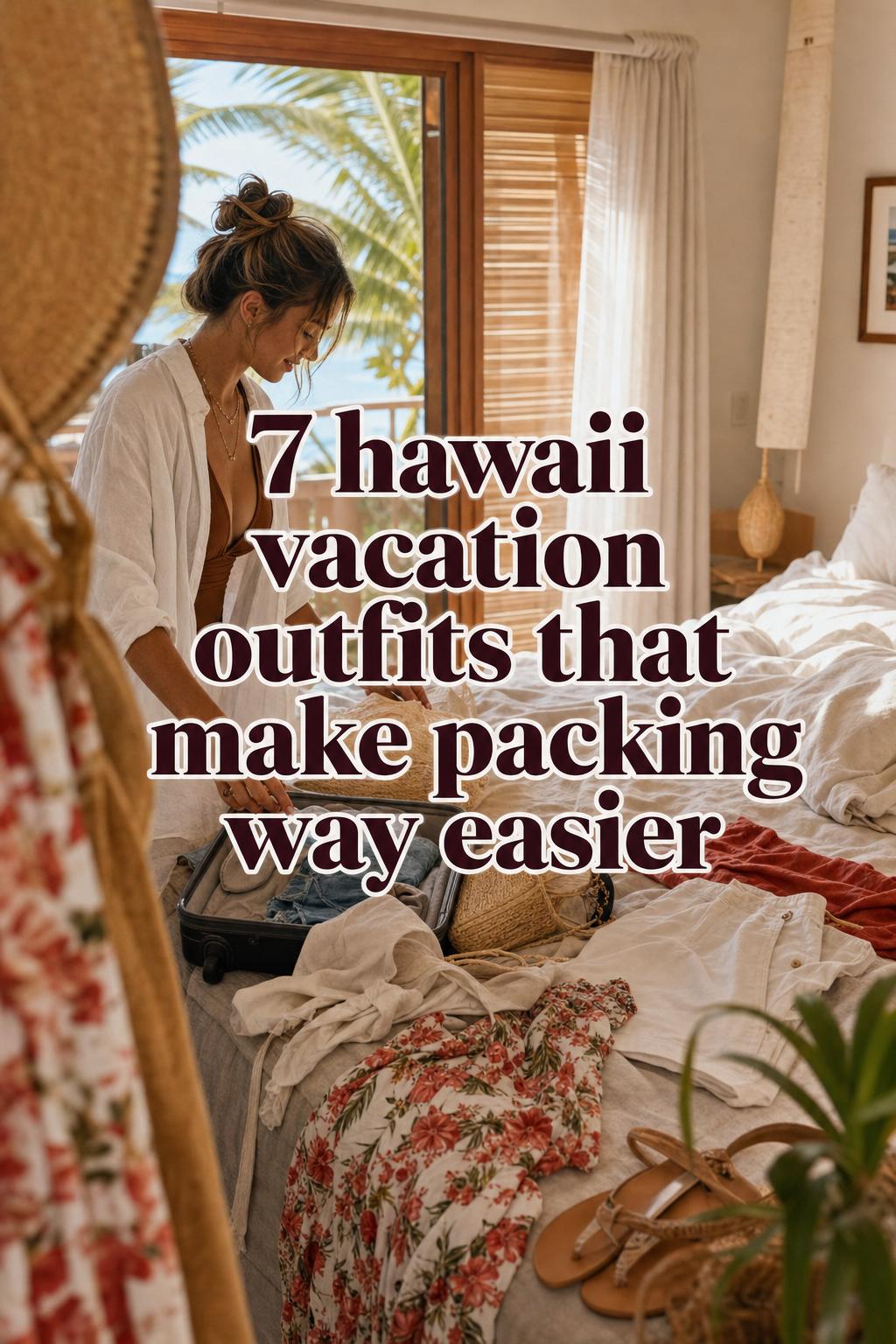
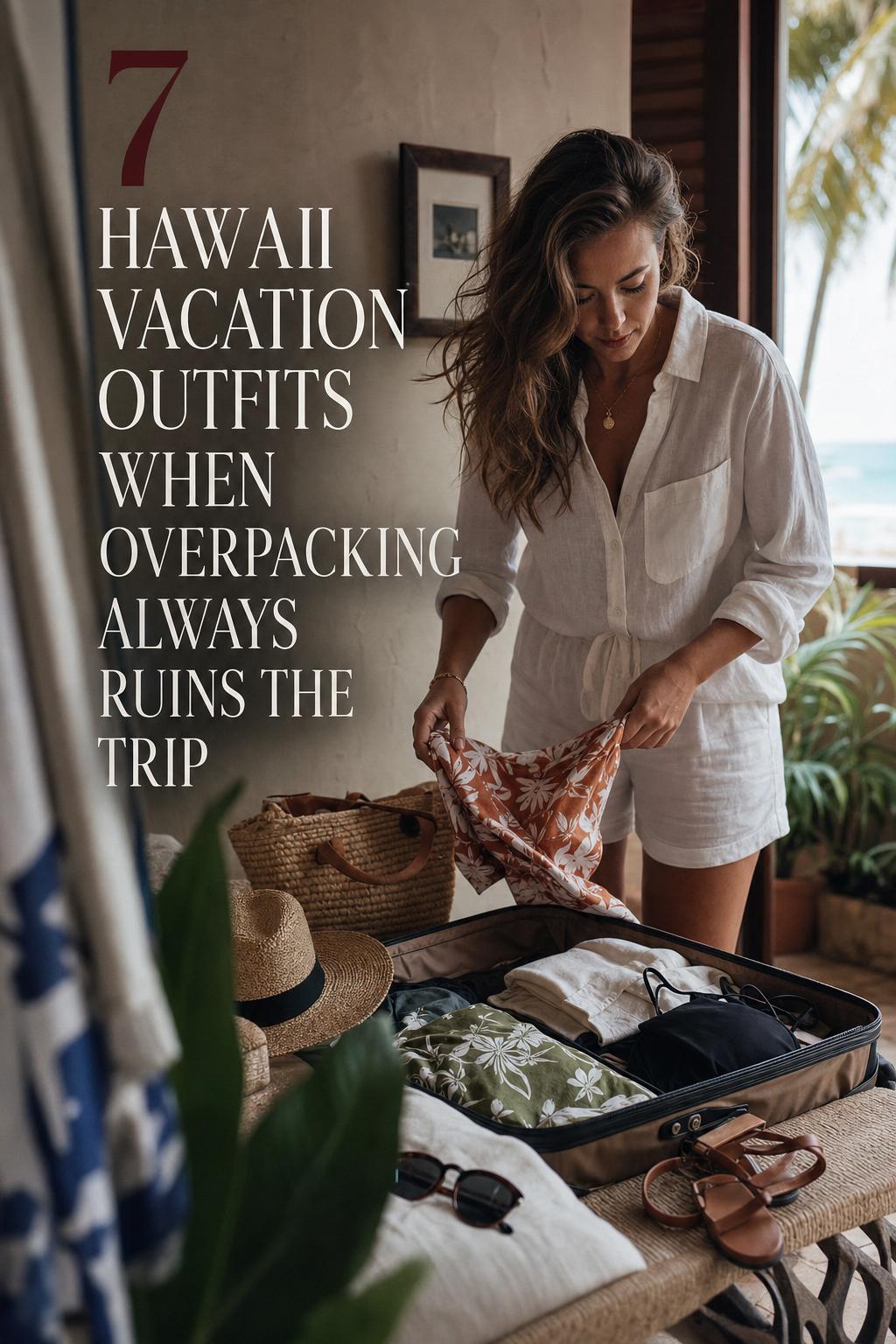
If you want a practical starting point, build around 12 to 15 pieces that can create at least 20 outfits. This is enough for a weeklong trip without making the suitcase unmanageable. It also helps you spend more intelligently, because you can invest in the pieces that do the most work and save on the items that play a supporting role.
- 2 to 3 swimsuits, including at least one one-piece
- 1 maxi dress for day-to-night wear
- 1 mini dress or simple beach dress
- 1 kaftan or relaxed cover-up
- 1 sarong or pareo-style wrap
- 1 linen button-down shirt
- 2 tops, such as a graphic tee and a light tank
- 2 bottoms, such as shorts and linen pants or beach pants
- 1 lightweight layer for evenings or travel
- 1 pair of flat sandals
- 1 pair of practical walking shoes for hikes or longer sightseeing days
- 1 straw tote or beach-friendly bag
- 1 hat and sunglasses
If your budget is limited, buy the swimsuit, linen shirt, sandals, and one strong dress first. Those are the highest-value pieces because they shape the most outfits. If you have room to invest in one item, make it the dress that can move across multiple settings. A well-cut maxi dress earns its place quickly in Hawaii because it works for beachside lunches, shopping, casual dinners, and luaus with only slight styling changes.
Swimwear that does more than stay at the beach
Swimwear is not just functional in Hawaii; it is often the base layer of the day. Bikini sets are useful if you prefer mixing tops and bottoms or need better fit flexibility. A one-piece swimsuit offers even more versatility because it can act like a sleek bodysuit beneath shorts, beach pants, or a sarong. If you want a wardrobe that feels elevated rather than overly casual, the one-piece plus wrap combination is one of the easiest ways to achieve it.
For curvier figures, a one-piece with a defined waist effect tends to feel balanced under an open linen shirt. For petite frames, a higher-cut leg line or a cleaner, less busy print keeps the silhouette from looking visually shortened. If you are tall, long fluid wraps and maxi layers often look especially natural and proportional.
Why maxi dresses keep appearing in every good packing list
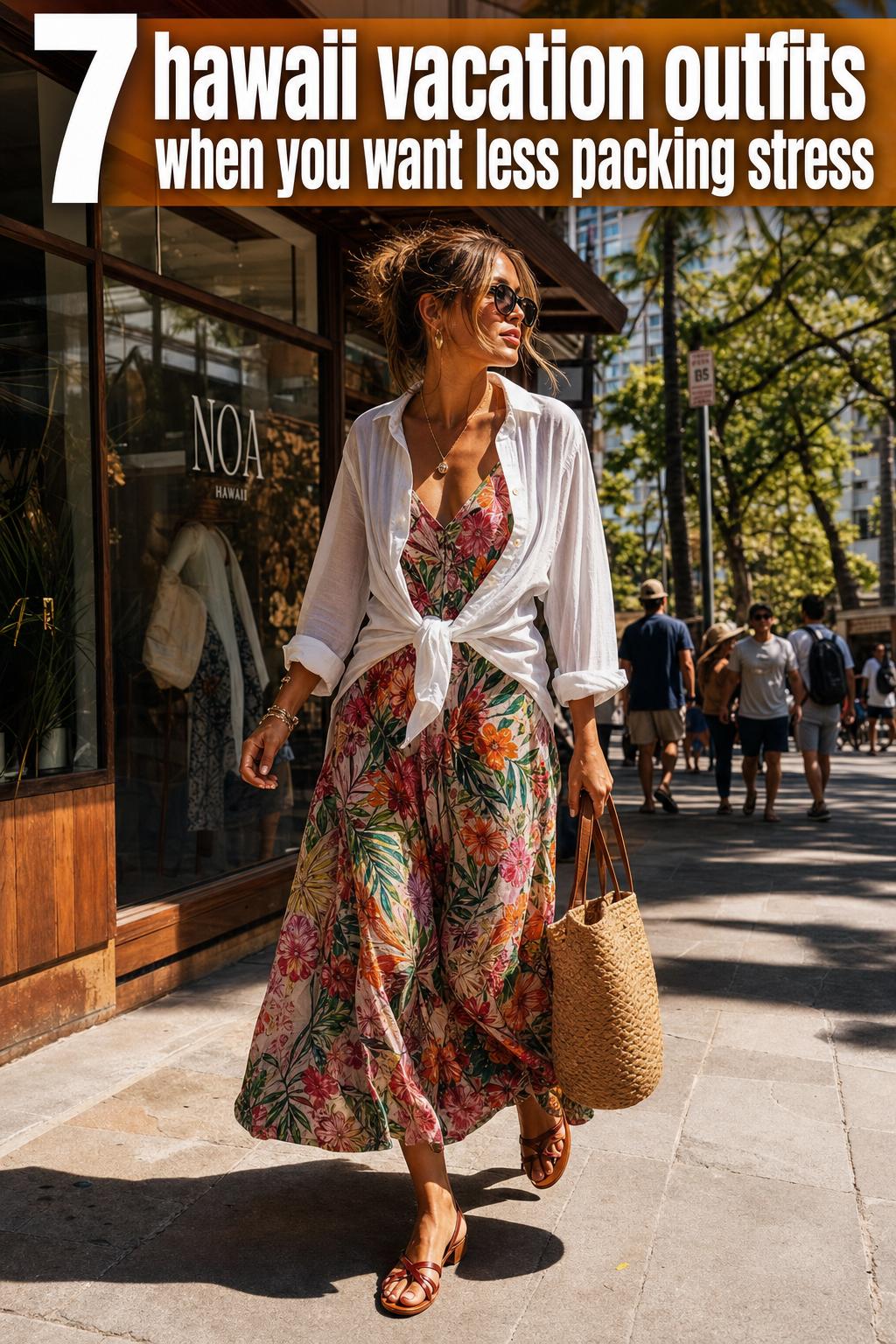
Maxi dresses are one of the most reliable categories in Hawaii vacation clothing because they solve several problems at once. They create instant polish, offer airflow, photograph beautifully in tropical settings, and can shift between casual and dressier moments depending on sandals and accessories. A flowy floral maxi dress works well when you want visual softness. A cleaner solid-color version is better if you prefer understated resort wear or want more flexibility with jewelry, hats, and bags.
If you are packing only one dress, choose a maxi with enough movement to feel relaxed but enough shape to avoid looking oversized. A dress with a simple waist definition or a long vertical line is usually more flattering and more useful than one that is heavily ruffled or highly specific in styling.
Linen, natural fibers, and the value of relaxed structure
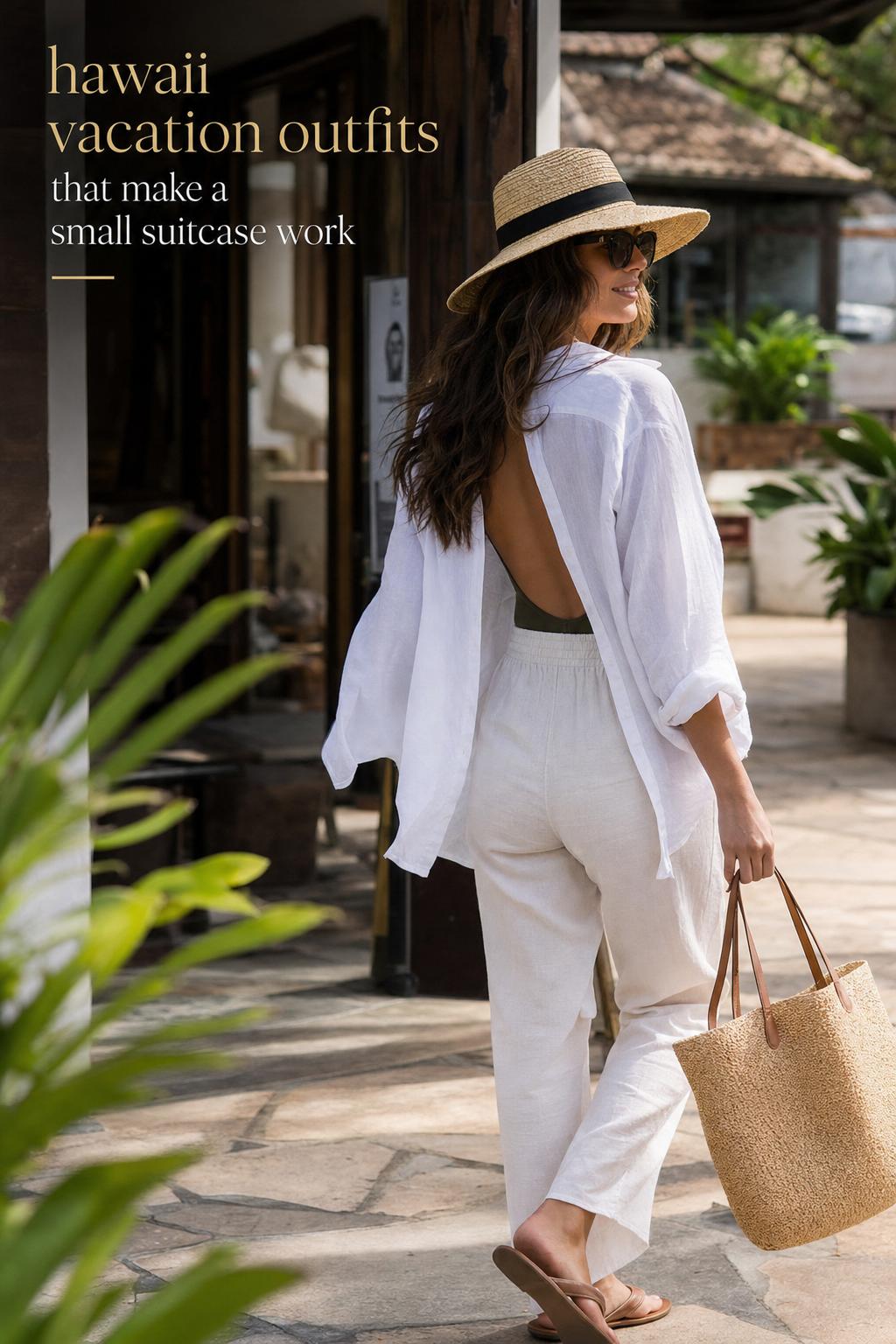
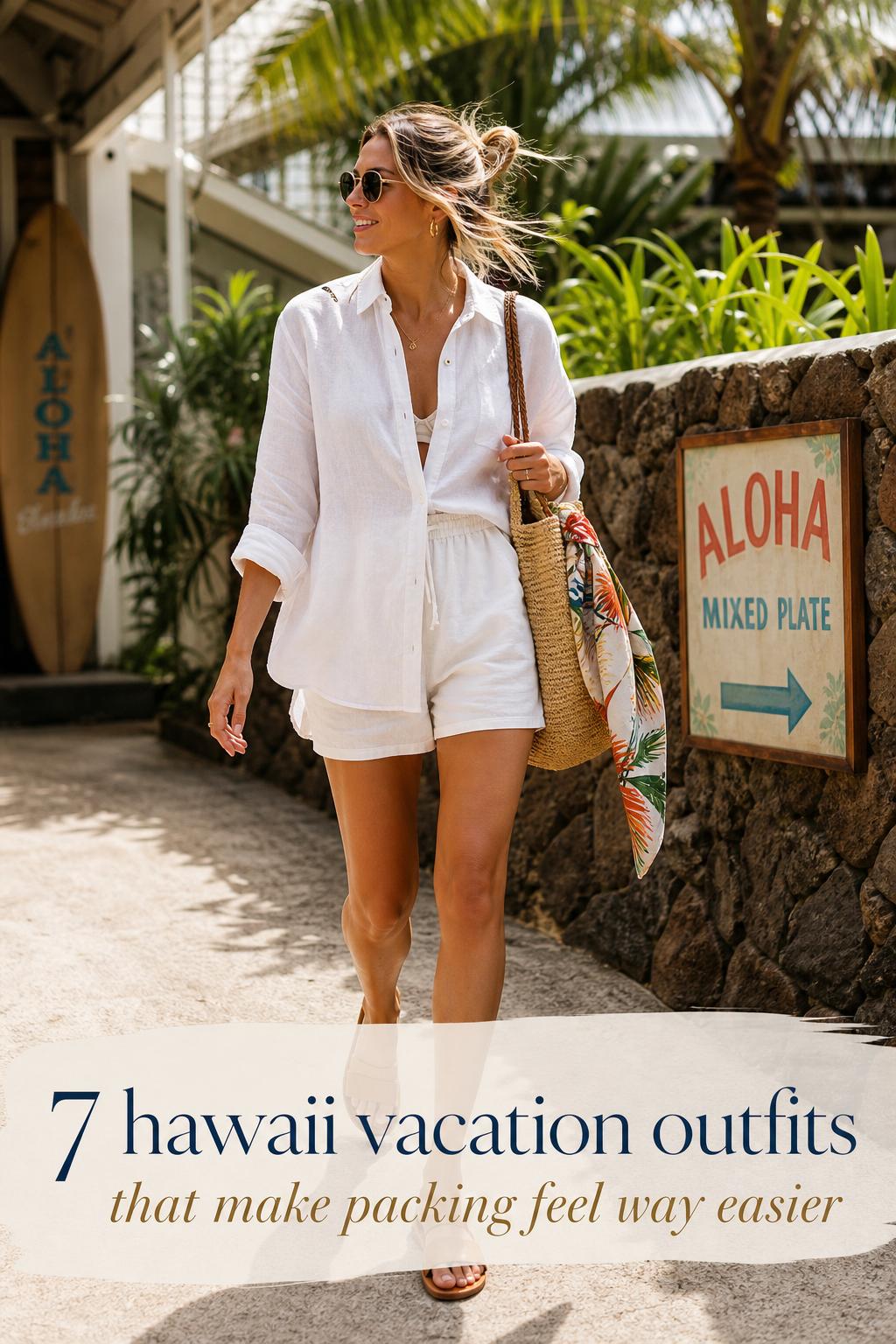
Linen shirts and linen pants appear repeatedly in Hawaii outfit ideas for a reason. They offer breathability, easy layering, and a visual texture that instantly makes simple outfits feel more expensive. A linen button-down over swimwear is one of the most versatile combinations you can pack. It gives coverage without heaviness, works on the beach, and transitions well into town when paired with white shorts or beach pants.
Natural fibers generally support the relaxed elegance that suits Hawaii best, though quick-dry synthetics also have a place if you are planning active days. The practical decision is to divide your wardrobe into two tracks: pieces that look refined for dining and strolling, and pieces that dry quickly for beach and hike days. Some overlap is useful, but not every garment needs to do everything.
The outfits that actually work by setting and time of day
The easiest mistake in vacation dressing is planning for isolated moments instead of real days. In Hawaii, a single day may include sand, sun, shopping, walking, and dinner. Clothes that can evolve across those settings make the trip smoother and reduce the need for full outfit changes.
Beach mornings that still look considered
A bikini or one-piece under a kaftan, cover-up, or oversized linen shirt is the classic formula because it accommodates the day’s first transition well. Add flat sandals, sunglasses, and a straw tote, and the outfit feels complete enough for a coffee stop or casual breakfast. If you want to avoid the common mistake of looking too poolside away from the beach, choose a cover-up with some shape or add shorts under the shirt so the outfit reads as intentional clothing rather than purely swimwear layering.
Hikes and active afternoons
For hikes, utility matters more than visual drama. Think lightweight tops, shorts or practical pants, and shoes you can actually walk in. This is where a relaxed linen piece may not be the best main choice if you expect a more active route. Instead, keep the styling clean and simple, then save your more fluid resort wear pieces for the hours afterward. The goal is not to force a beach editorial into a setting where movement, comfort, and changing conditions matter more.
If your day includes both a hike and town afterward, pack a dress or clean shirt in your tote so you can change one visible layer. That small adjustment can completely shift the outfit from functional to polished without requiring a full reset.
Market strolls, lunch, and casual sightseeing
This is where the simplest combinations often look the best: a Hawaiian print shirt with white shorts, a mini dress with sandals, a graphic tee with jeans on a milder day, or linen pants with a swimsuit worn as a top. The reason these outfits work is proportion. One statement element, such as a tropical print shirt, needs a quieter companion, such as white shorts or neutral sandals. Too many competing vacation elements at once can make an outfit feel themed rather than refined.
Evening dinners and nights out in Waikiki
Waikiki often calls for more deliberate day-to-night dressing than a purely beach-centered itinerary. A maxi dress, a coordinated two-piece set, or a one-piece swimsuit under wide beach pants can all work well. The line between relaxed and polished matters here. Nights out usually suit cleaner silhouettes, neater sandals, and accessories that feel more composed than beach casual. If your daytime look is very loose, define the evening version with shape: tuck the shirt, trade the tote for a more compact bag, and switch from a floppy cover-up to a dress or matching set.
Island-by-island dressing: the wardrobe shifts that make sense
Hawaii is not one uniform backdrop, and the best outfits respond to location. This does not mean packing a completely different wardrobe for each island. It means understanding which pieces deserve priority depending on your itinerary.
Oahu and Waikiki: versatile, polished, and easy to transition
Oahu, and Waikiki in particular, rewards outfits that move cleanly between beach time, city walking, dining, and nightlife. You are likely to get the most use from dresses, elevated cover-ups, shorts paired with a crisp shirt, and sandals that can manage more than a few steps. A loose floral maxi can work, but so can a more pared-back resort wear silhouette in a clean print or bright solid color. If you like matching sets, this is one of the strongest settings for them because they look intentional without feeling overdone.
Maui: beach to dinner without a hard costume change
Maui dressing often feels best when it stays soft and fluid. Think maxi dresses, cover-ups that can pass as outer layers, and linen shirts over swimwear. The ideal Maui wardrobe is not fussy. It should let you return from the beach, refresh quickly, and head to dinner with only minor changes. This is where kaftans and beach dresses earn their place, especially if they have enough shape to feel complete once you add sandals and a simple bag.
Kauai: practical pieces with a relaxed finish
Kauai outfit planning benefits from realism. If your days include trails, casual town stops, and shifting weather, prioritize pieces that stay comfortable and do not feel precious. Shorts, easy dresses, simple tops, and lightweight layers are sensible here. You can still keep the overall wardrobe visually attractive through color consistency and texture, but it helps to avoid garments that wrinkle excessively or require careful handling throughout the day.
The Big Island: room for contrast
The Big Island often suits a wardrobe with broader range. You may want easy daytime pieces alongside a slightly more composed outfit for a luau or nightlife setting. This makes a coordinated tropical two-piece set especially useful. Worn together, it feels dressed enough for evening. Separated, it multiplies into several daytime looks. Aloha shirts also work well here, particularly when paired with tailored shorts or relaxed linen pants rather than overly sporty basics.
What to wear to a luau and other cultural experiences
Luau outfits should feel festive but respectful. The most reliable choices are dresses, maxi dresses, mini dresses with modest ease, or an aloha shirt paired with polished shorts or light pants. Tropical prints and bright colors are welcome, but they look best when the silhouette stays balanced. In practice, that means choosing either a lively print in a simple shape or a more distinctive silhouette in a quieter fabric. Doing both at once can tip into excess.
For women, a dress with movement but not too much volume is often the strongest option because it feels appropriate in photos, comfortable in warm conditions, and refined enough for dining. For men, an aloha shirt works well when the fit is relaxed but not oversized and the rest of the outfit remains clean. If you are traveling as a couple or family, matching family outfits can be charming when the coordination is subtle. Repeating a color family or print direction tends to look more polished than identical head-to-toe matching.
For cultural sites and experiences, err on the side of considered coverage rather than beachwear. This does not require heavy clothing. It simply means choosing complete outfits over swim-adjacent dressing. A linen shirt, dress, or longer wrap layer is often enough to bring the right tone.
Fabric, print, and color: the styling logic behind tropical dressing
Breathable fabrics matter in Hawaii, but so does how fabric behaves visually. Linen, cotton, rayon, and quick-dry materials each create a different effect. Linen gives airy structure and a quiet luxury finish. Rayon and other fluid fabrics offer movement, which works beautifully in maxi dresses and cover-ups. Quick-dry materials are practical for activity-heavy days. The most polished vacation wardrobes mix these categories rather than relying on only one.
Print is equally important. Floral prints, tropical patterns, and Hawaiian print shirts are core to island wear, but they require restraint in styling. If the print is vivid, keep the accessories simple. If the garment is loose, avoid adding too many oversized layers. A clean line somewhere in the outfit helps balance the softness and color associated with resort wear.
Color also influences how outfits read in strong sun. Bright colors can feel lively and appropriate, while softer neutrals give the wardrobe longevity and make it easier to mix pieces. A very useful strategy is to choose one print family and one neutral base. For example, floral dresses and aloha shirts can sit comfortably beside white shorts, natural-toned sandals, and a straw tote. This creates a wardrobe that looks coordinated in photographs and practical in daily use.
Tip: how to make tropical outfits look more expensive
The answer is usually not more decoration. It is cleaner composition. Choose fewer colors per outfit, repeat one texture across the wardrobe, and let one piece lead. A linen button-down with simple swimwear and flat sandals often looks more refined than a heavily accessorized beach outfit. Likewise, a floral maxi with understated jewelry and a neutral bag has more presence than a dress competing with loud sandals and multiple patterns.
Accessories that earn their suitcase space
Accessories in Hawaii should support comfort, movement, and longevity. This is one of the easiest areas to overpack, yet a few well-chosen pieces do nearly all the work. Hats, sunglasses, sandals, pareos, straw totes, and simple jewelry are the most useful accessory cluster because they move between beach days and casual dinners without much friction.
- A hat is worth packing if it works with both swimwear and dresses.
- Flat sandals are better than highly delicate pairs if you expect long walks or mixed terrain.
- A straw tote is more versatile than a tiny bag because it handles beach, market, and sightseeing needs.
- A pareo or sarong is one of the best budget items because it can work as a cover-up, wrap skirt, or light layer.
- Sunglasses and UPF sun-protective clothing are practical additions when your itinerary is heavily outdoors.
If you are deciding where to save and where to spend, save on novelty accessories and invest in footwear that remains comfortable. Few things undermine a vacation outfit faster than sandals that look right in the room and fail after an hour outside.
Seasonality and weather: how to adjust without changing your whole aesthetic
Seasonal Hawaii outfit planning is less about dramatic wardrobe change and more about subtle recalibration. Year-round resort wear still works, but lightweight layers become more important when trade winds, humidity, or island-specific shifts affect comfort. This is where a capsule wardrobe proves its value again. Instead of reinventing the suitcase, you add or subtract one or two practical pieces.
In warmer, more beach-centered stretches, lean into swimsuits, cover-ups, beach dresses, and breathable separates. When you expect more wind, more movement, or a broader mix of activities, bring an extra shirt layer, choose dresses with slightly more structure, and make sure at least one pair of bottoms is suitable beyond the beach. A graphic tee and jeans may not be the visual center of a tropical vacation, but on a travel day or cooler evening they can bring needed comfort and proportion.
The key is not to panic-pack for every possibility. Build around stable warm-weather pieces, then add one lightweight layer and one sturdier outfit. That is usually enough to keep your wardrobe functional without losing the relaxed feel that suits Hawaii best.
Family, couples, and group dressing without looking forced
Family-oriented Hawaii outfit planning appears often because the destination lends itself to shared photos, luaus, beach dinners, and island-hopping itineraries. The challenge is creating cohesion without stiffness. Matching family outfits can work beautifully when they rely on a shared print, color palette, or fabric mood rather than exact replication across every person.
For couples, the easiest route is tonal coordination. An aloha shirt that echoes the colors in a partner’s maxi dress or cover-up feels intentional without looking arranged. For children, island vacation outfits should stay simple and movement-friendly. Swimsuits, shorts, soft dresses, and easy shirts are more useful than highly styled looks that restrict play or need constant adjustment. PatPat’s family-focused approach reflects this practical mindset: the strongest family vacation wardrobes are the ones that work in motion.
If you are packing for adults, kids, and possibly babies, create mini capsules within the larger family wardrobe. Repeating the same two or three colors across everyone’s outfits simplifies shopping, improves photo cohesion, and prevents overbuying.
Brand references and what they reveal about the overall style direction
Several recognizable names shape the current conversation around Hawaii resort wear and vacation dressing, and each points to a slightly different interpretation of island style. ROXY leans into practical beach-driven categories such as bikini sets, maxi dresses, kaftans, cover-ups, graphic tees, and versatile casual separates. ClubModaUSA emphasizes aloha style through bikinis, kaftans, maxi dresses, cover-ups, and mini dresses, often with a more overt tropical print and bright-color approach.
PatPat expands the conversation into family travel, Oahu-specific outfit ideas, matching sets, aloha shirts, and the capsule wardrobe concept. VANLEVE highlights seasonal outfit tips and year-round resort wear. Editorial-style sources such as MS Belle Mode, Everyday Vibe, She for Style, and What’s My Shape bring in matching tropical two-piece sets, one-piece swimsuits with sarongs, crochet textures, linen button-downs, straw totes, sandals, and general women’s styling inspiration. Vacation Waikiki contributes a highly useful local framing: beach days, hikes, nights out, and dress-code awareness in Waikiki.
The practical takeaway is that you do not need to dress like one brand or one editorial source. Instead, notice the repeated wardrobe logic beneath them: swimwear as base layer, dresses for day-to-night ease, linen for breathable polish, prints used strategically, and enough versatility to handle beach, town, dining, and cultural experiences in one cohesive suitcase.
Common mistakes that make Hawaii outfits harder to wear
Vacation wardrobes often fail not because the pieces are wrong individually, but because they do not work together. Hawaii makes that obvious quickly. If your clothes cannot handle walking, heat, beach transitions, or casual dining, they become dead weight in the suitcase.
- Packing too many highly specific dresses that only work at night
- Choosing prints on every major piece instead of balancing them with solids or neutrals
- Bringing sandals that are decorative but uncomfortable
- Using swim cover-ups that only make sense at the pool and nowhere else
- Ignoring the need for one practical hike or activity outfit
- Overpacking accessories and underpacking useful layers
- Building separate mini wardrobes instead of one cohesive capsule
A subtler mistake is assuming relaxed means shapeless. In practice, the most flattering Hawaii outfits usually combine ease with some visual structure. That may be a defined waist, a longer vertical line, a shirt worn open over a fitted swimsuit, or shorts balanced by a draped top. Silhouette is what prevents resort wear from slipping into carelessness.
Tip: what to buy first if your suitcase and budget are both limited
Start with one strong swimsuit, one linen shirt, one dress, one pair of sandals, and one versatile bottom. From there, add a cover-up or sarong, then a second swimsuit if needed. This order gives you the highest number of wearable combinations with the lowest chance of regret. It also keeps you from overspending on decorative extras before the wardrobe foundation is in place.
Photo-ready style without sacrificing real-life comfort
Good vacation outfits should photograph well, but they should first function well. In Hawaii, the most photogenic looks are often the ones with clear color contrast, fluid movement, and simple composition. A maxi dress catching breeze, a white short paired with a Hawaiian print shirt, or a one-piece swimsuit with a sheer sarong all create visual clarity without needing excessive styling.
If photos matter to you, think in terms of contrast and outline. Bright tropical prints stand out against beach and greenery settings, while neutral linen tones bring a quieter, more editorial result. Avoid stacking too many visual elements in one look. A dress with movement, a clean sandal, and a straw tote is usually enough. For group photos, tonal coordination across outfits tends to look far more elegant than exact matching.
The larger style principle is worth remembering: the outfit that feels comfortable after hours of wear will almost always look more convincing than one that is constantly being adjusted. Ease reads as confidence, and confidence is what makes vacation dressing look polished.
Putting it all together: a realistic 7-day Hawaii wardrobe flow
A seven-day Hawaii capsule wardrobe works best when each day borrows from the same core pieces rather than introducing entirely new looks. You might wear a one-piece swimsuit and linen shirt for a beach morning, then pair that same shirt with white shorts for lunch. The next day, a maxi dress handles sightseeing and dinner. A Hawaiian print shirt appears once with shorts, then later open over swimwear. A sarong layers over a bikini for the beach and returns as a wrap over a simpler evening top. This repetition is not a compromise. It is what makes the wardrobe feel coherent, light, and genuinely wearable.
If your itinerary includes Maui, Oahu, Kauai, and the Big Island, you do not need four separate fashion identities. You need one well-built wardrobe with subtle emphasis shifts. Add a stronger day-to-night piece for Waikiki, practical walking options for Kauai, easy beach-to-dinner dresses for Maui, and a slightly more expressive luau or nightlife look for the Big Island. The rest can remain beautifully consistent.
That is ultimately the secret to Hawaii dressing: not more clothes, but better composition. A small wardrobe with smart proportions, breathable fabrics, tropical restraint, and genuine versatility will always outperform a suitcase full of disconnected outfit ideas.
FAQ
What are the most essential pieces for hawaii vacation outfits?
The most essential pieces are swimwear, a maxi dress, a linen button-down, a cover-up or kaftan, one versatile bottom such as shorts or linen pants, comfortable sandals, and a tote. These items create the strongest mix of beach, sightseeing, dining, and luau-ready outfits without overpacking.
How many outfits should I pack for a 7-day Hawaii trip?
A practical seven-day wardrobe usually needs about 12 to 15 pieces that can be mixed into many combinations rather than seven completely separate outfits. A small capsule works better because many Hawaii days include multiple settings, and the same dress, swimsuit, shirt, or sandals can often be restyled across the week.
What should I wear in Waikiki during the day and at night?
During the day, Waikiki suits beach-ready but polished looks such as swimwear under a linen shirt, white shorts with a Hawaiian print shirt, or an easy mini dress with sandals. At night, shift to a maxi dress, a coordinated two-piece set, or wide beach pants with a more composed top so the outfit feels more intentional for dining or nightlife.
What is appropriate to wear to a Hawaii luau?
A luau usually calls for a relaxed but respectful outfit such as a maxi dress, a simple mini dress with coverage, or an aloha shirt with polished shorts or light pants. Tropical prints and bright colors work well, but the overall silhouette should stay balanced and easy rather than overly dramatic or too beach-focused.
Can I build a Hawaii capsule wardrobe on a budget?
Yes, and a budget approach often works especially well because the most useful Hawaii wardrobe is based on versatility, not volume. Start with one swimsuit, one dress, one linen shirt, one bottom, and one pair of comfortable sandals, then add a sarong or cover-up. That foundation will give you more mileage than buying many separate statement pieces.
What fabrics work best for Hawaii vacation clothing?
Breathable fabrics such as linen, cotton, and fluid dress materials work well for general resort wear, while quick-dry materials are useful for active days and swim-based plans. The strongest wardrobe usually combines both, so you have polished options for town and dining as well as practical pieces for beaches and hikes.
Are matching family outfits a good idea for Hawaii?
They can work very well if the coordination is subtle. A shared print direction, color palette, or aloha-inspired mood looks more refined than exact matching on every person. The most successful family outfits in Hawaii still allow each person enough comfort and movement for real vacation activities.
What shoes should I bring to Hawaii?
Bring at least one pair of comfortable flat sandals for everyday wear and one practical shoe for hikes or longer walking days. Footwear should support the way Hawaii days actually unfold, which often means moving between beach areas, town streets, and casual dining without a full outfit change.
How do I make tropical prints look polished instead of overwhelming?
Use one printed focal piece and keep the rest of the outfit simple. A floral maxi dress needs understated accessories, while a Hawaiian print shirt works best with white shorts, neutral sandals, or linen pants. Clean lines and limited color competition make tropical pieces feel more refined.
Do I need different outfits for Maui, Oahu, Kauai, and the Big Island?
You do not need completely separate wardrobes for each island, but you should shift emphasis based on your itinerary. Oahu and Waikiki benefit from stronger day-to-night pieces, Maui rewards easy beach-to-dinner dressing, Kauai calls for more practical comfort, and the Big Island often suits a slightly broader mix that includes both casual daytime looks and polished evening options.
Leave a Reply