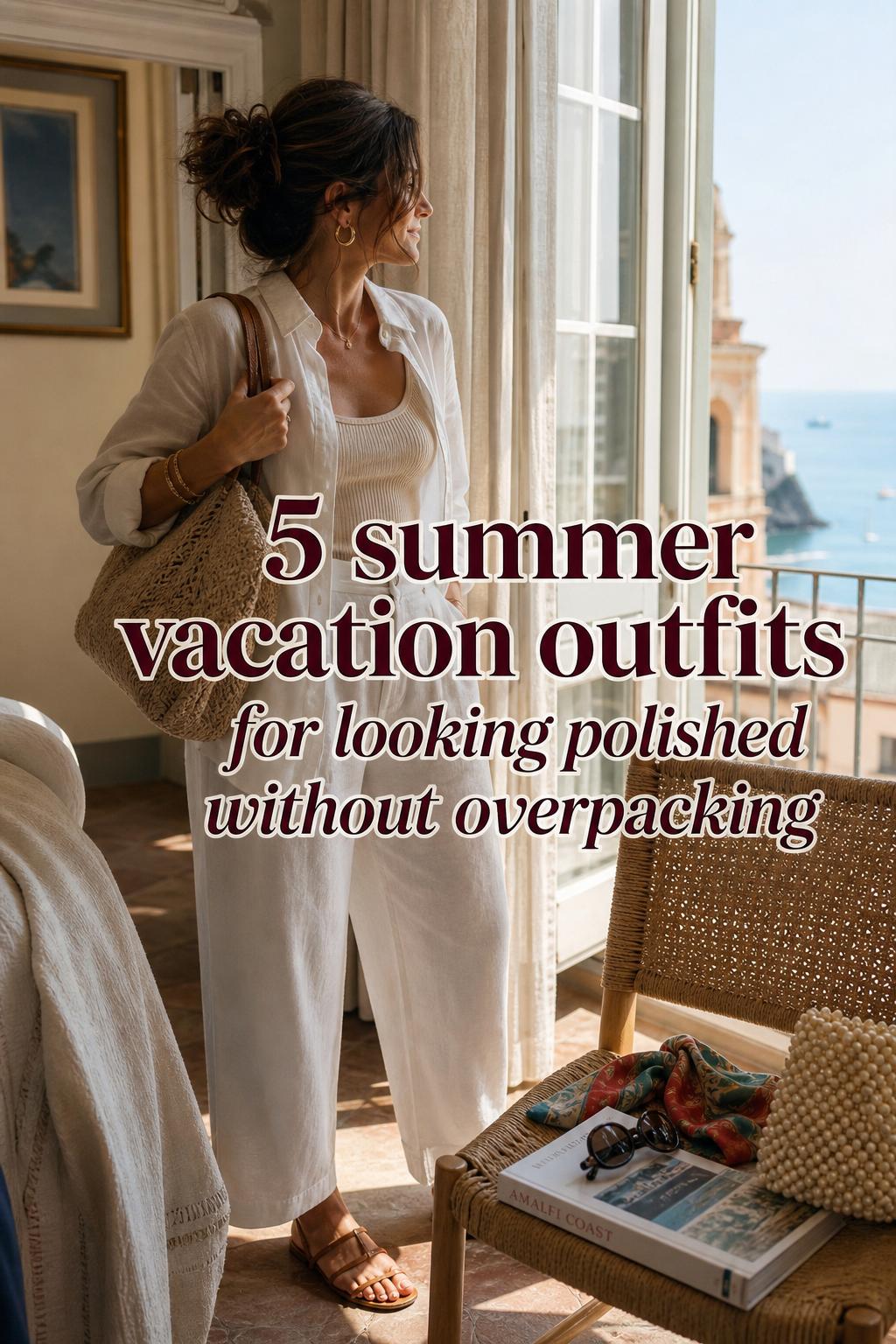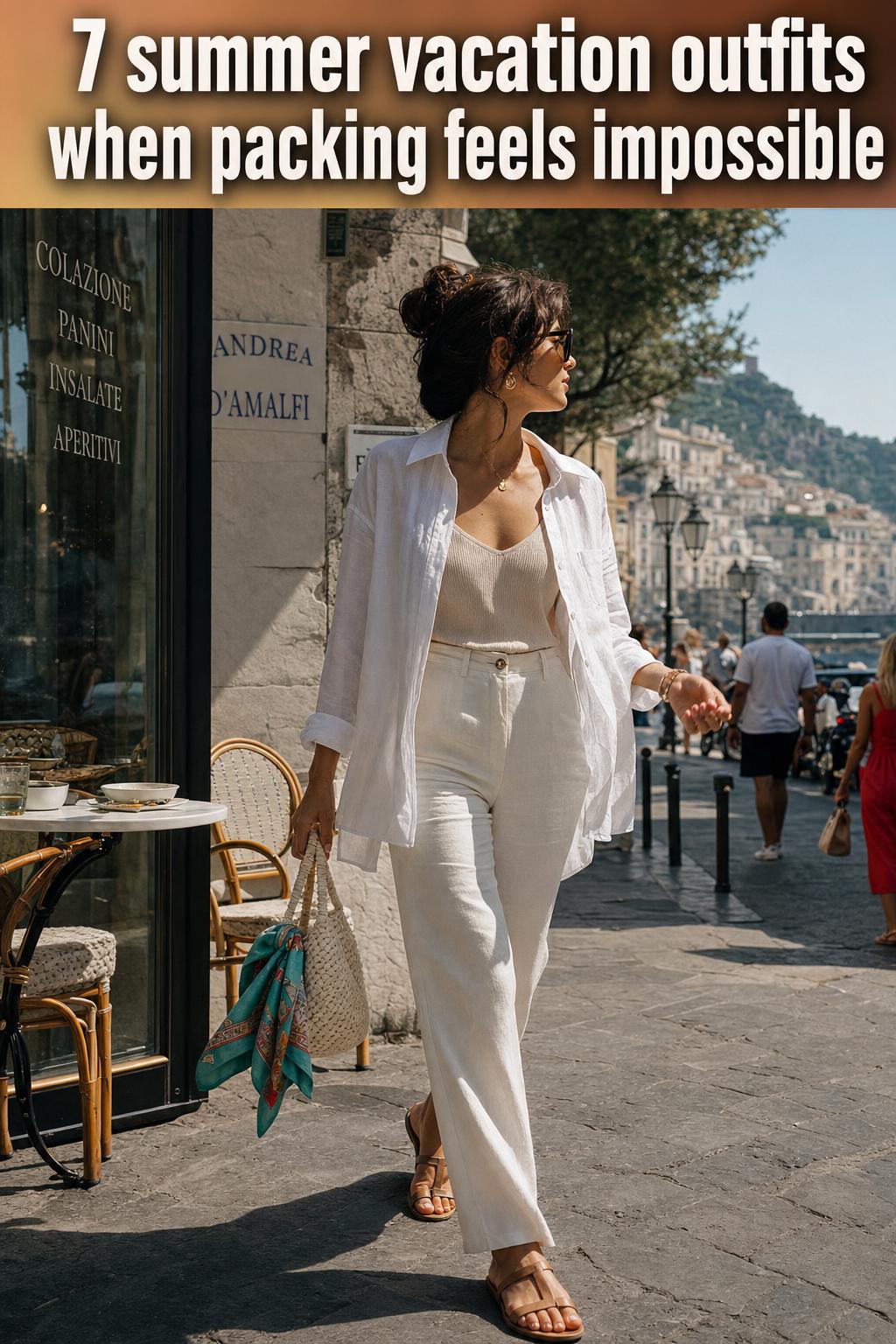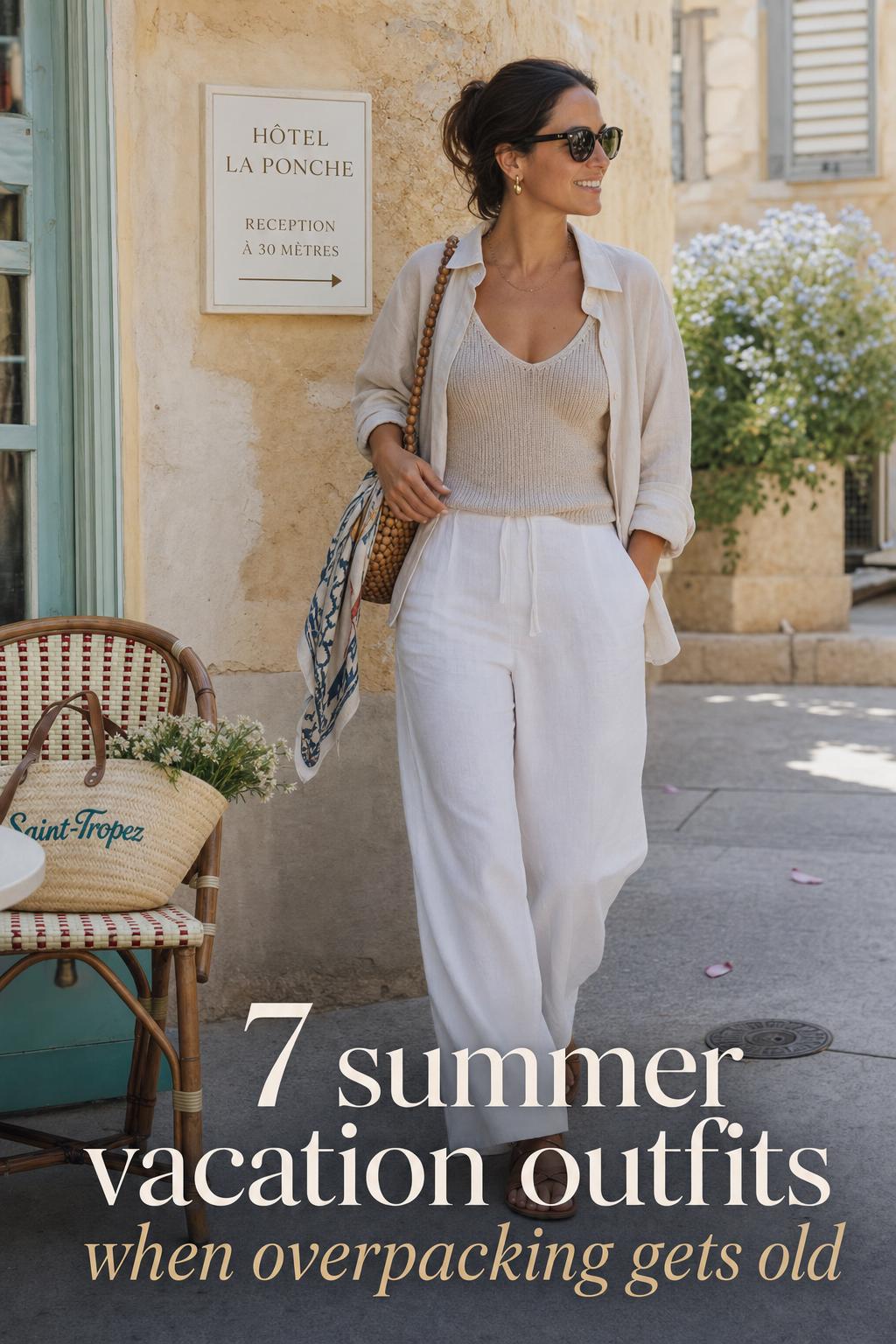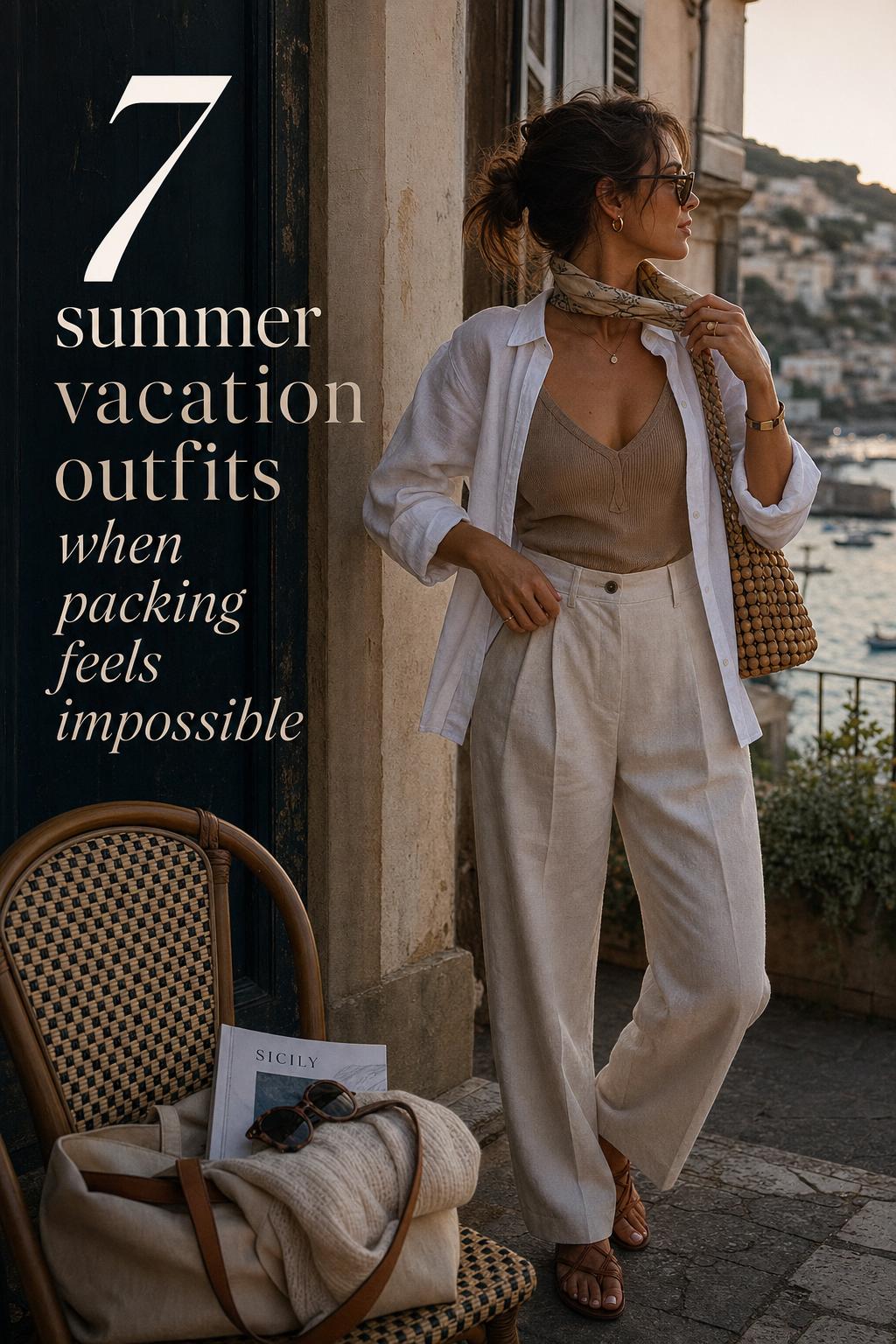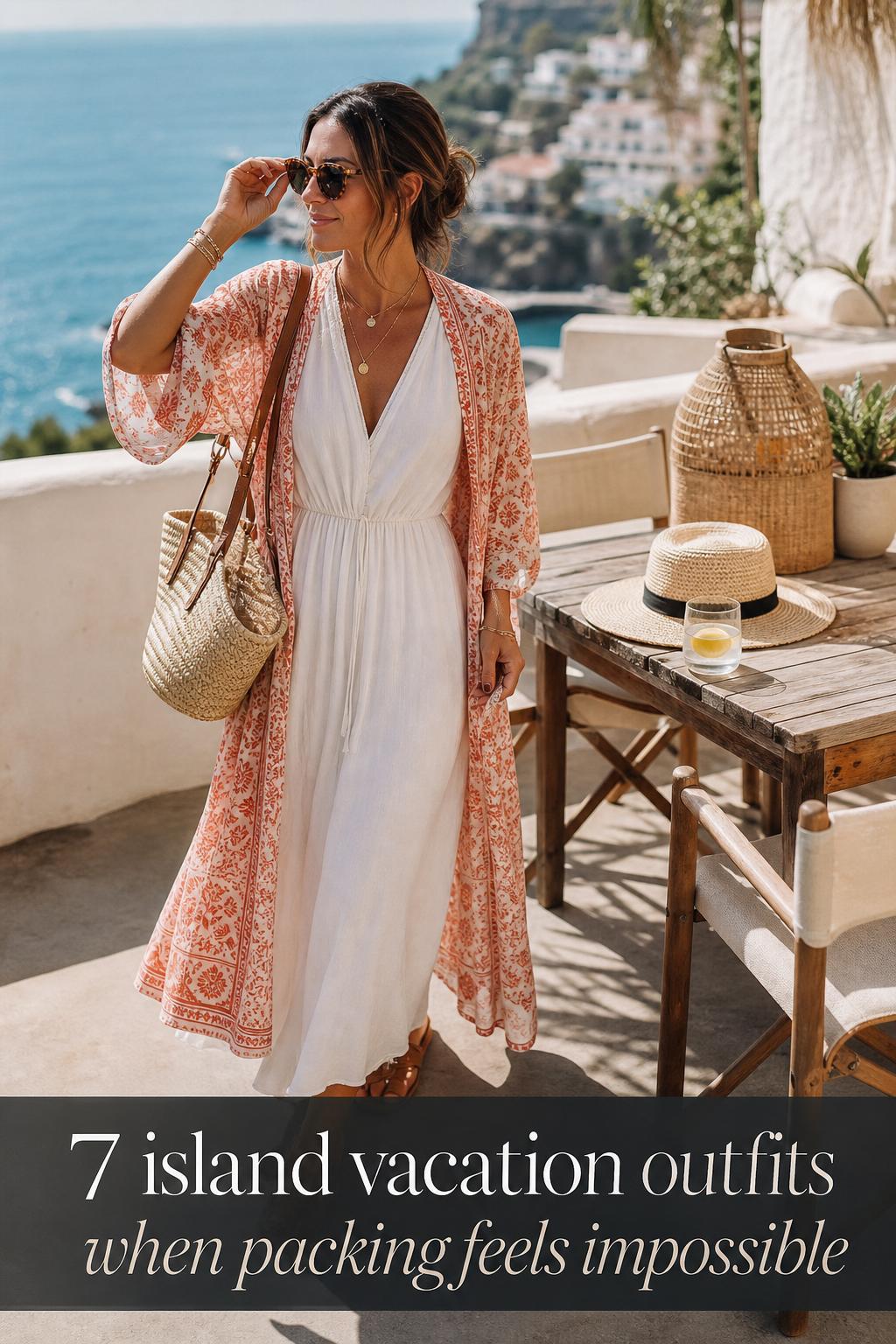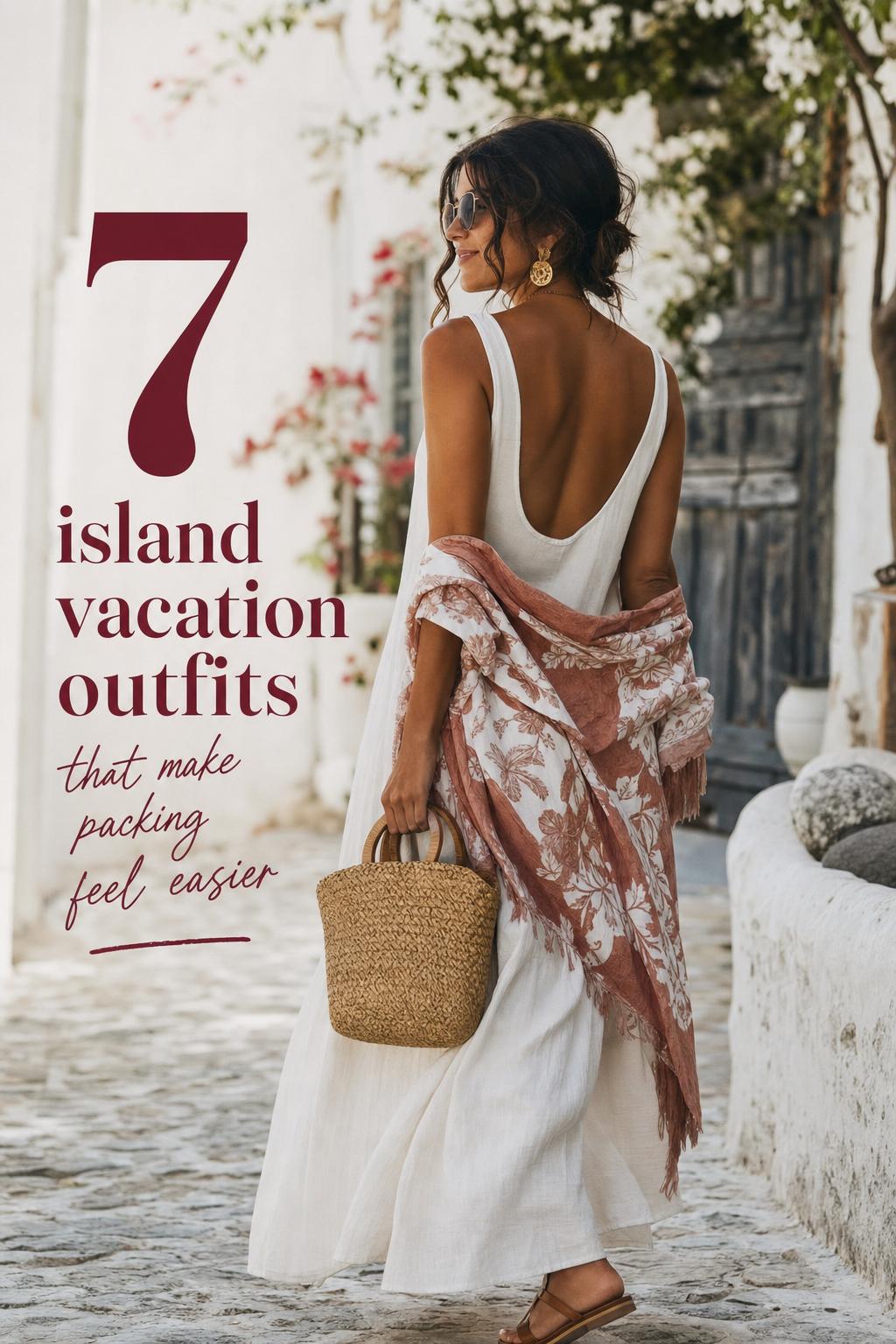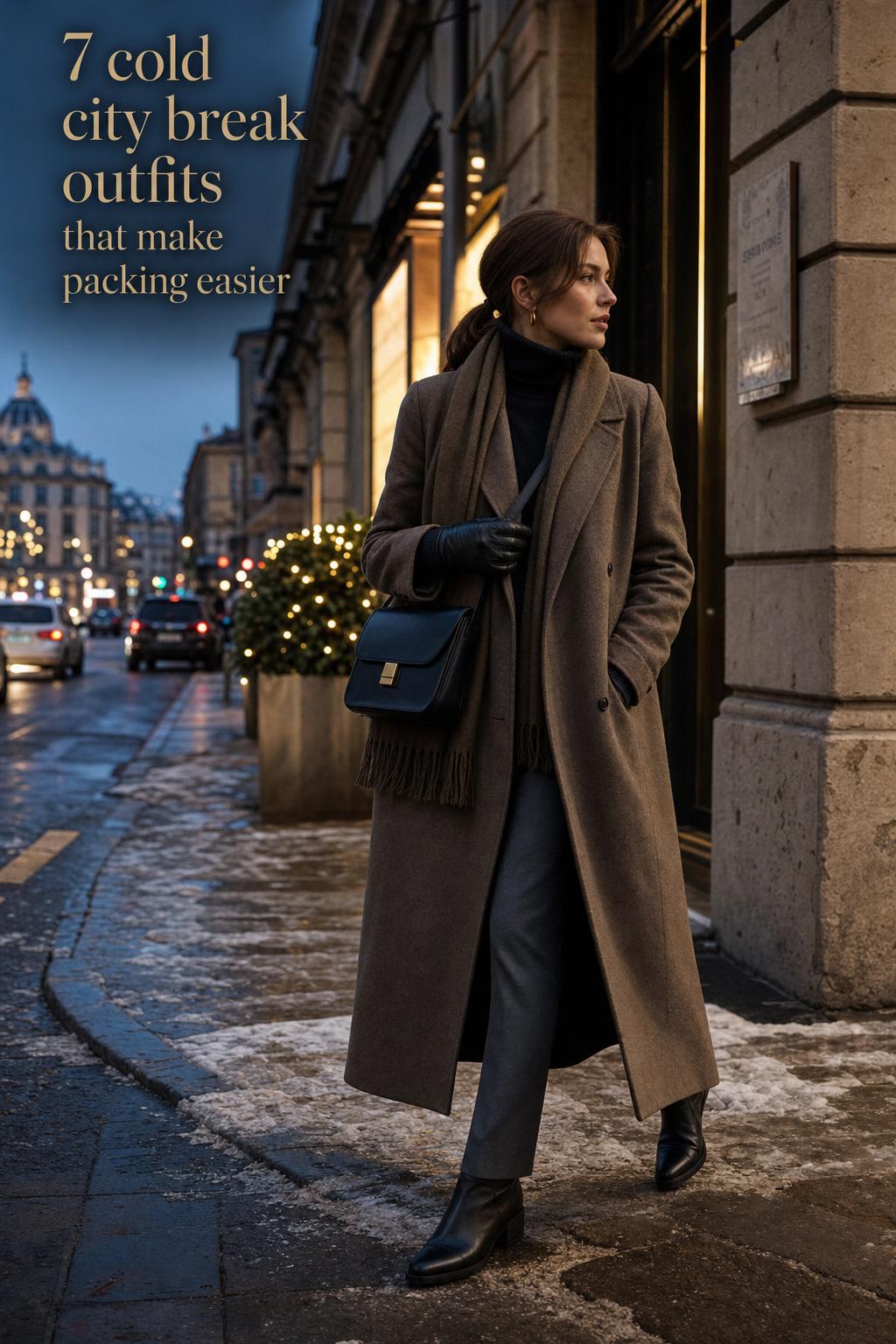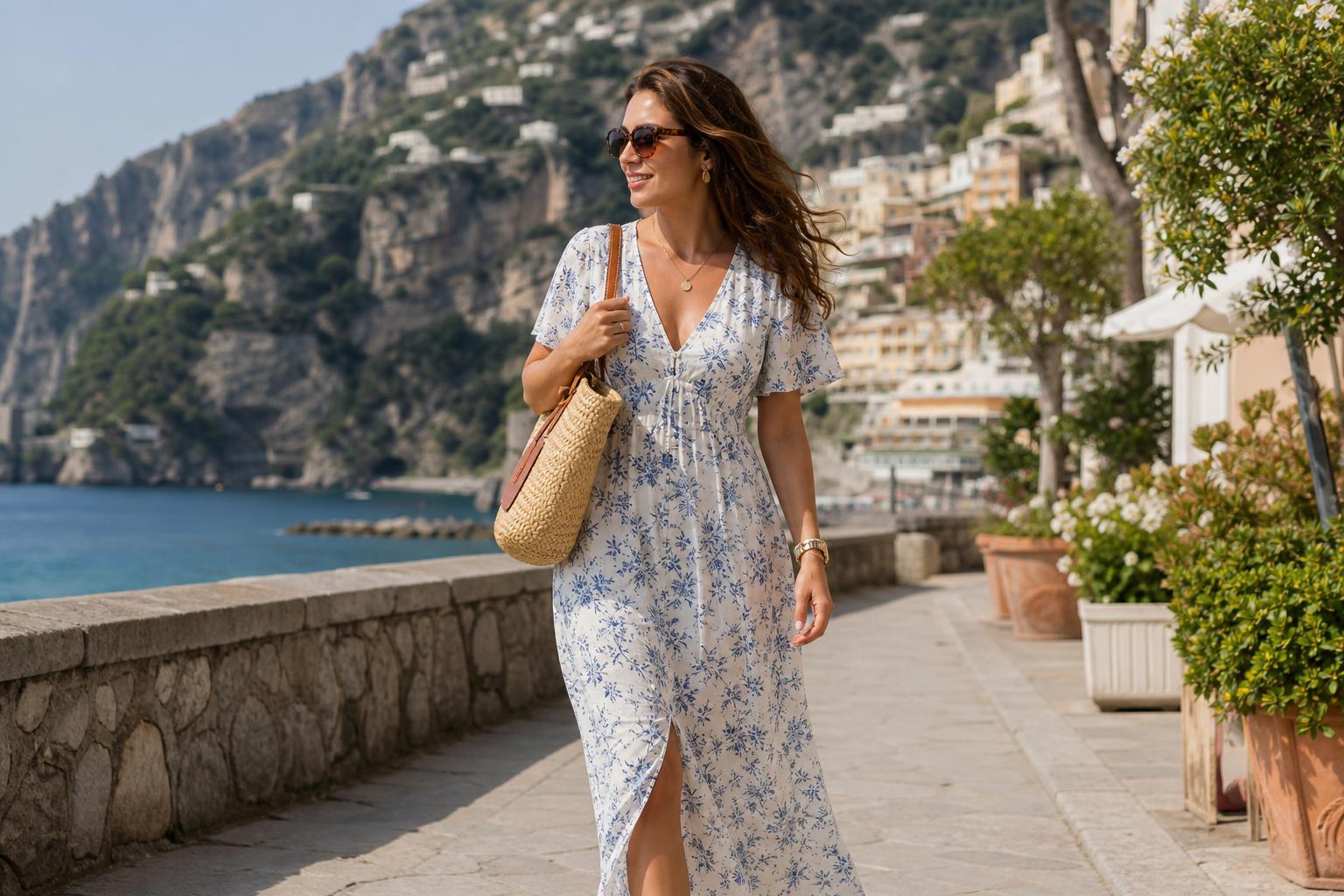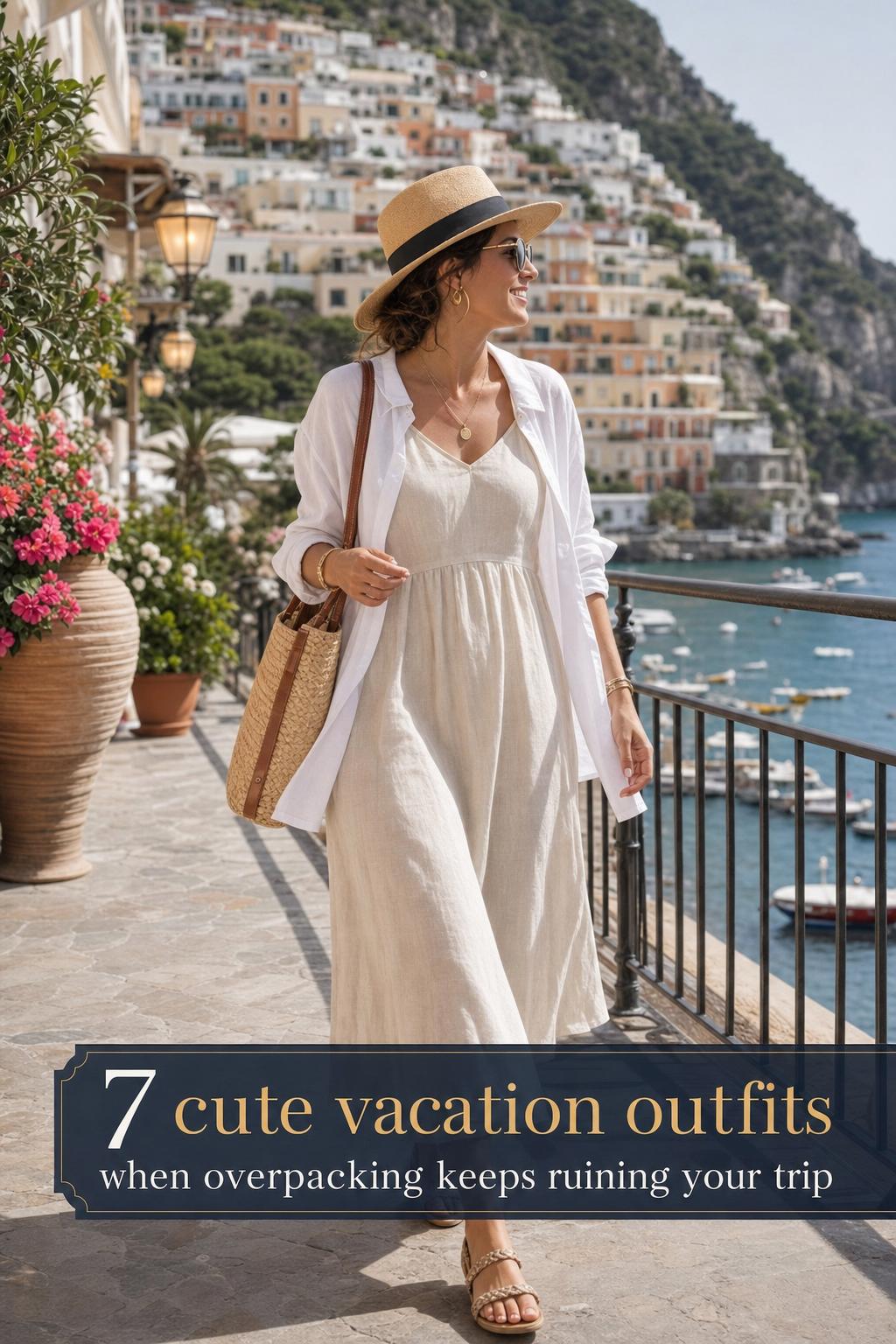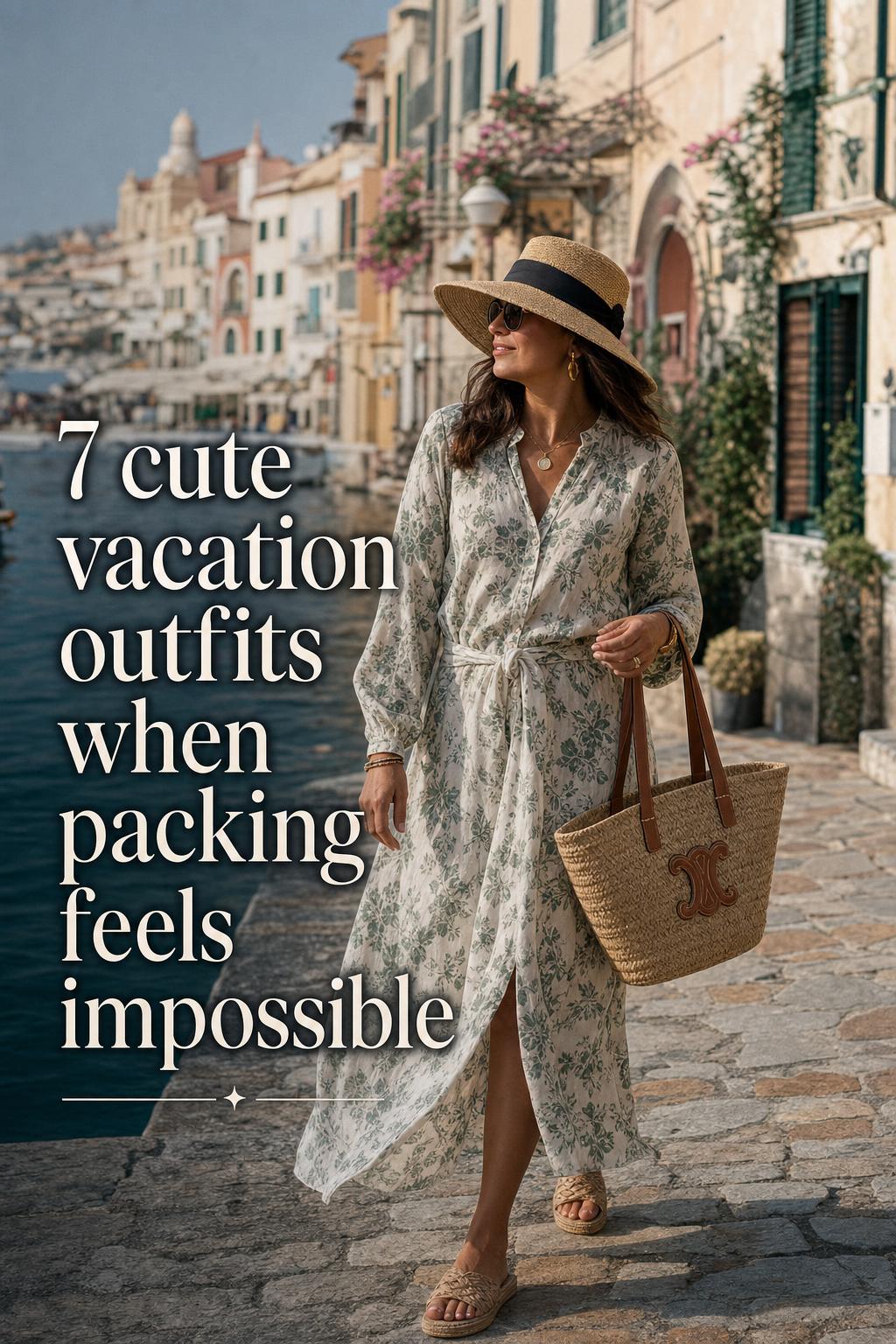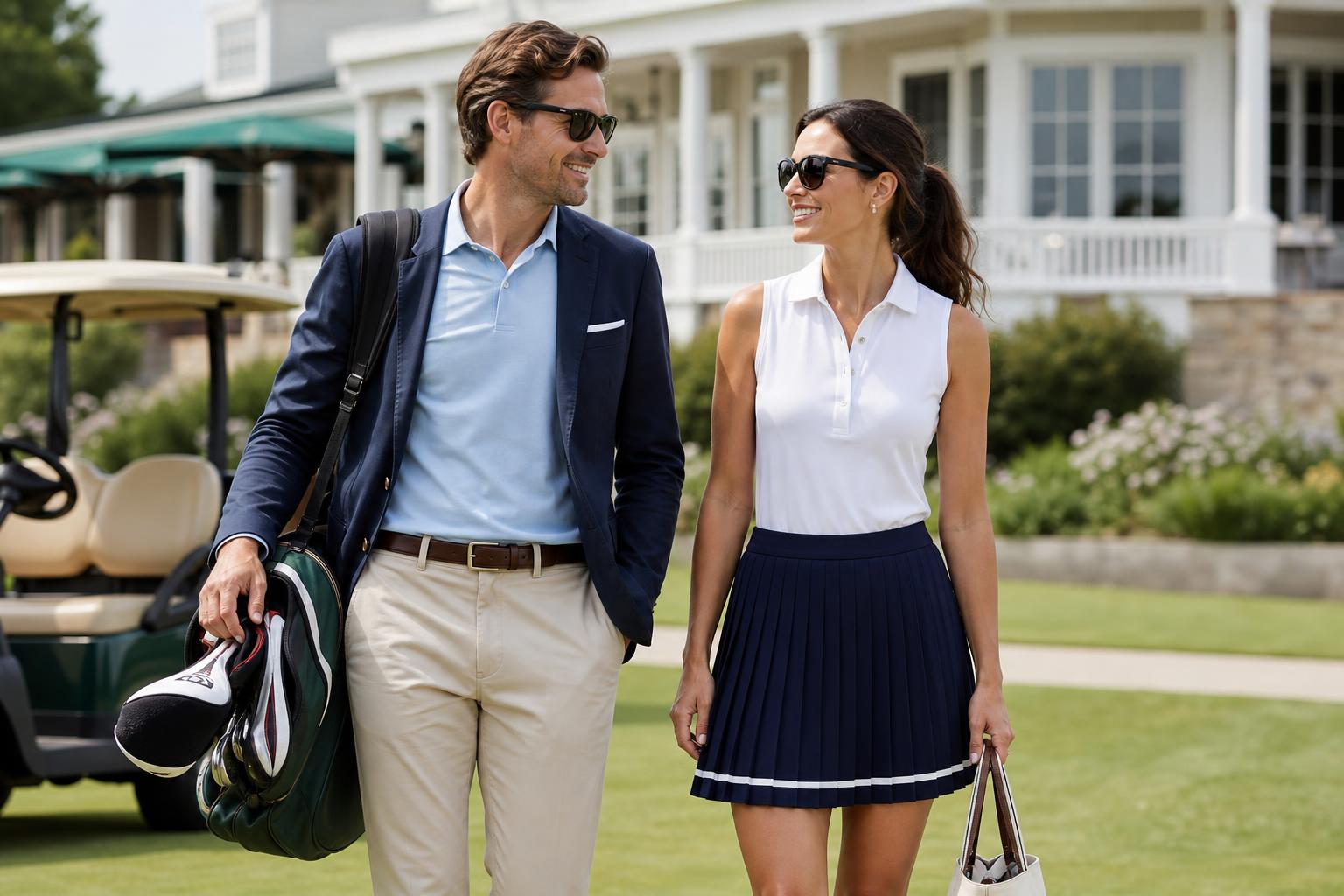
Category: Vacation Outfits

Planning your next getaway? Explore our Vacation Outfits collection for stylish and practical outfit inspiration for every destination. From breezy beach looks and resort wear to city-break ensembles and tropical vacation outfits, discover fashion ideas that help you look effortlessly put together while traveling.

Whether you’re packing for a summer holiday, weekend escape, cruise, or international adventure, you’ll find outfit ideas that combine comfort, versatility, and style. Browse vacation-ready dresses, matching sets, casual day looks, evening outfits, and travel essentials designed for different climates, destinations, and occasions.

Get inspired to create a travel wardrobe that feels fashionable, functional, and easy to wear wherever your journey takes you.

  • Country Club Outfits That Feel Polished and Modern

    Country Club Outfits That Feel Polished and Modern

    There is a particular pressure to getting country club outfits right. The setting asks for polish, but not stiffness; ease, but never carelessness. You may be heading to a clubhouse lunch, a daytime golf session, a member-guest tournament, or a formal dinner, and each moment calls for a slightly different reading of the same visual language: tailored silhouettes, clean fabrics, restrained accessories, and an understanding of dress code etiquette that feels instinctive rather than forced.

    The most successful country club wardrobe is not built around a single “perfect look.” It is built around versatile pieces that move gracefully between golf attire, smart-casual clubhouse dressing, and more formal events. A polo shirt with chinos and loafers, a structured blazer layered over tailored trousers, a refined dress with discreet jewelry, a skirt paired with a collared blouse—these combinations work because they respect the club setting while still leaving room for personal style. The key is to understand why each piece belongs, how to adapt it for season and body shape, and what to avoid when a polished impression matters.
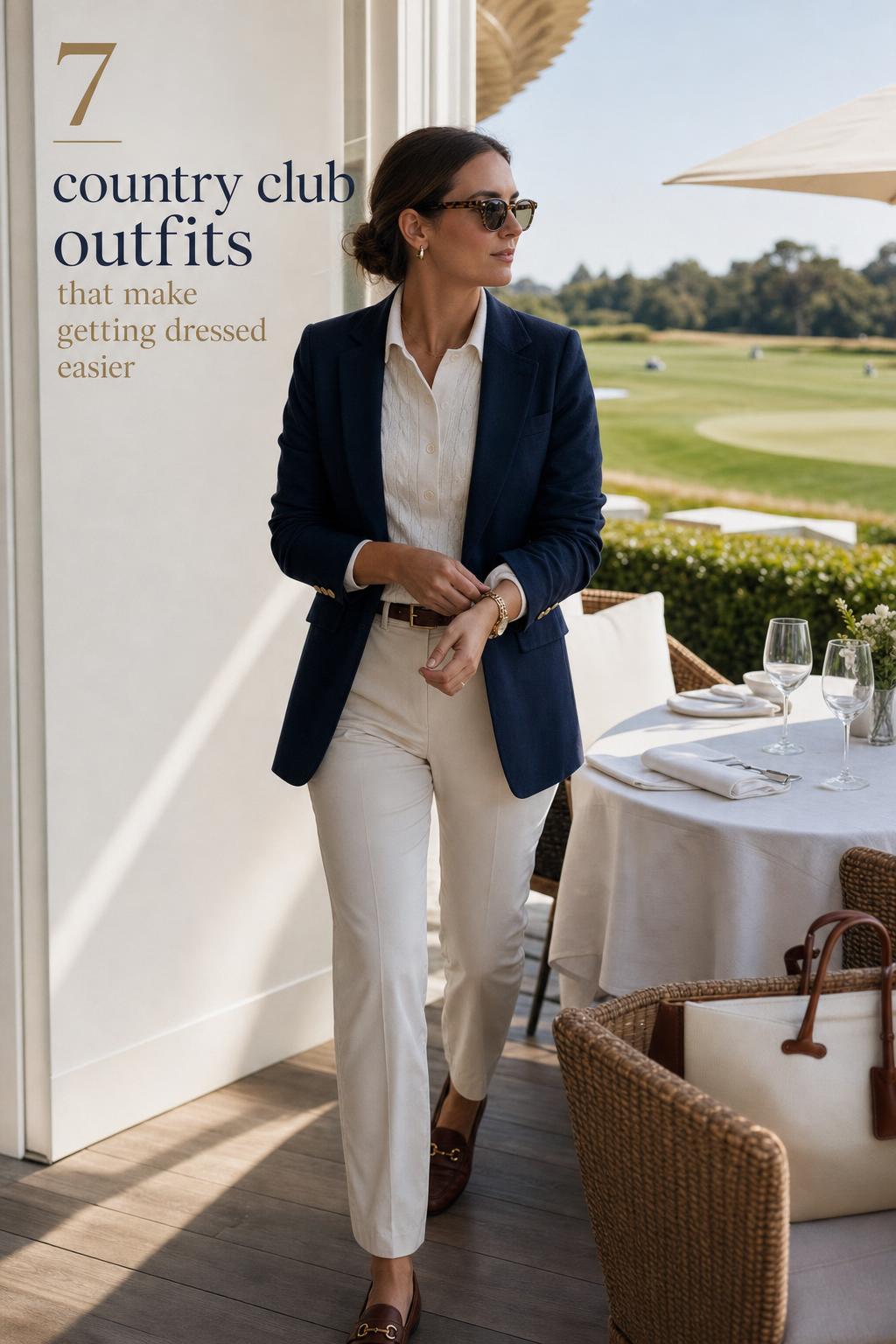
    Editorial photo of country club outfits on an elegant veranda by a sunny golf course, adult in blazer and chinos
    A polished yet relaxed country club look is captured mid-stride on a veranda beside a sunlit golf course.

    The dress code logic behind country club style

    Country club dress code is best understood as a spectrum rather than a single rule. Most clubs operate within three broad tiers: formal dining or gala dressing, clubhouse smart-casual, and golf or court attire. Once you recognize which tier you are dressing for, outfit decisions become simpler. The same wardrobe can be adjusted with a blazer, a change of shoes, or a more refined fabric story.

    Formal dining and gala settings usually call for the sharpest version of club style. For men, that often means a dress shirt or an OCBD, tailored trousers or chinos in a darker, cleaner finish, loafers or dress shoes, and a blazer. For women, a tailored dress, a blouse with a skirt, or elegant separates with a cardigan or blazer captures the right balance of refinement and restraint. The mood is elevated, but country club elegance still tends to favor understated composition over excessive drama.

    Clubhouse smart-casual is where most people need the most guidance because it sounds relaxed but still has boundaries. This is the realm of polo shirts, collared shirts, neat blouses, pleated skirts, tailored pants, loafers, and polished flats. The best smart-casual country club outfits look intentional from every angle. Nothing should read sloppy, overly tight, or too athletic, even when comfort is the priority.

    Golf and court attire introduces practical performance concerns, but polish still matters. Performance fabrics, moisture-wicking construction, and quick-dry materials are especially useful here because they support movement and heat management without abandoning the club’s expectation of a neat appearance. This is where the visual equation often becomes performance polo plus golf shorts or a golf skirt by day, then chinos, a blazer, or smarter footwear later for dinner.

    A practical way to read the room

    • If the event includes the words dinner, gala, or awards, lean toward a blazer, dress shirt, tailored dress, or more refined separates.
    • If you are simply meeting for lunch or afternoon drinks in the clubhouse, choose smart-casual pieces with structure: collared tops, trousers, skirts, dresses, loafers.
    • If your day begins on the golf course, prioritize performance fabrics first, then plan one polished layer for the clubhouse transition.
    • If the rules feel unclear, dress slightly more polished than you think necessary. In a club setting, restraint is usually rewarded.
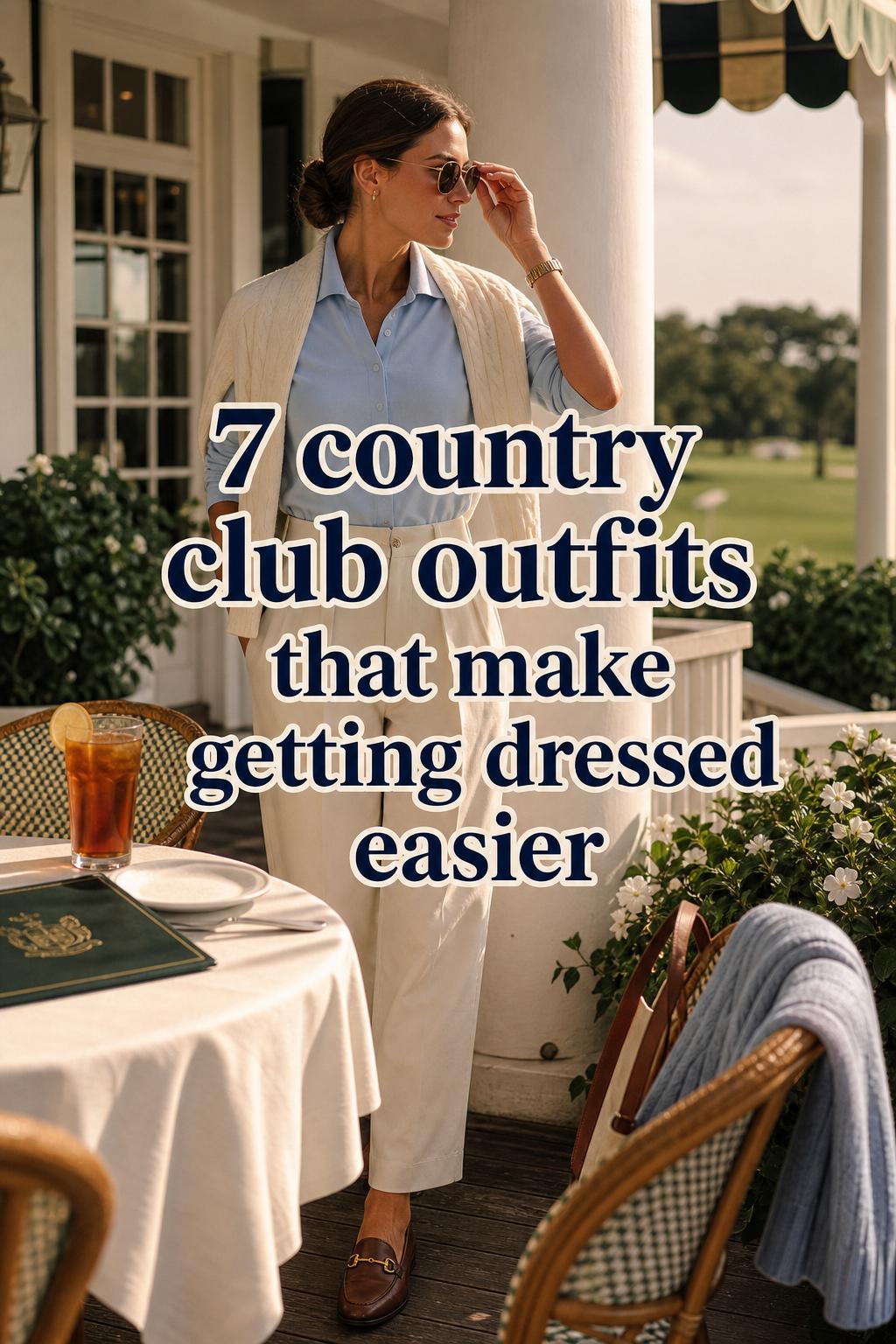
    Adult on a golden-hour clubhouse veranda wearing polished country club outfits with a navy blazer, loafers, and iced tea
    A candid golden-hour moment on a clubhouse veranda showcases refined country club styling with effortless polish.

    The country club wardrobe staples worth buying first

    A country club wardrobe becomes far more manageable once you stop thinking in terms of endless outfit ideas and start thinking in terms of a compact, interchangeable wardrobe. A few strong pieces do most of the work: a polo shirt, an OCBD or another crisp collared shirt, chinos, tailored trousers, a blazer, loafers, and for women, at least one reliable skirt or dress that can shift from daytime to evening with minor changes.

    If you are building from scratch or shopping with a budget in mind, start with the pieces that offer the highest versatility. For men, that is usually a well-fitting polo shirt in a neutral or classic shade, a pair of chinos that can handle both daytime and evening use, and loafers that feel polished but still comfortable enough for a long day. For women, a collared shirt or polished blouse, tailored pants or a pleated skirt, and a pair of loafers or refined flats create a strong foundation that can be worn in many combinations.

    The blazer is one of the smartest investments because it instantly changes the tone of an outfit. It can sharpen golf-to-dinner transitions, make tailored shorts feel more intentional when permitted, and give a simple dress or blouse-and-trouser combination the composure expected at a clubhouse dinner. If your budget only allows one elevated piece, choose a lightweight blazer with clean lines and reliable structure.

    The easiest pieces to recreate affordably

    Not every country club look requires expensive shopping. In fact, the style relies more on silhouette and condition than novelty. A neat polo shirt in a smooth fabric will outperform a trend-heavy top every time. Tailored pants with a straight, clean leg line can look far more expensive than they are if they fit well at the waist and hem. A simple cardigan or blazer in navy, cream, or another restrained neutral can also elevate basics without forcing you into a full wardrobe overhaul.

    • Buy first: polo shirt, chinos or tailored pants, loafers, blazer.
    • Add next: OCBD, pleated skirt, day-to-evening dress, cardigan.
    • Save money on trend pieces and invest more in shoes, tailoring, and fabrics that hold their shape.
    • Choose colors that mix easily: navy, cream, soft pastels, and other balanced neutrals.
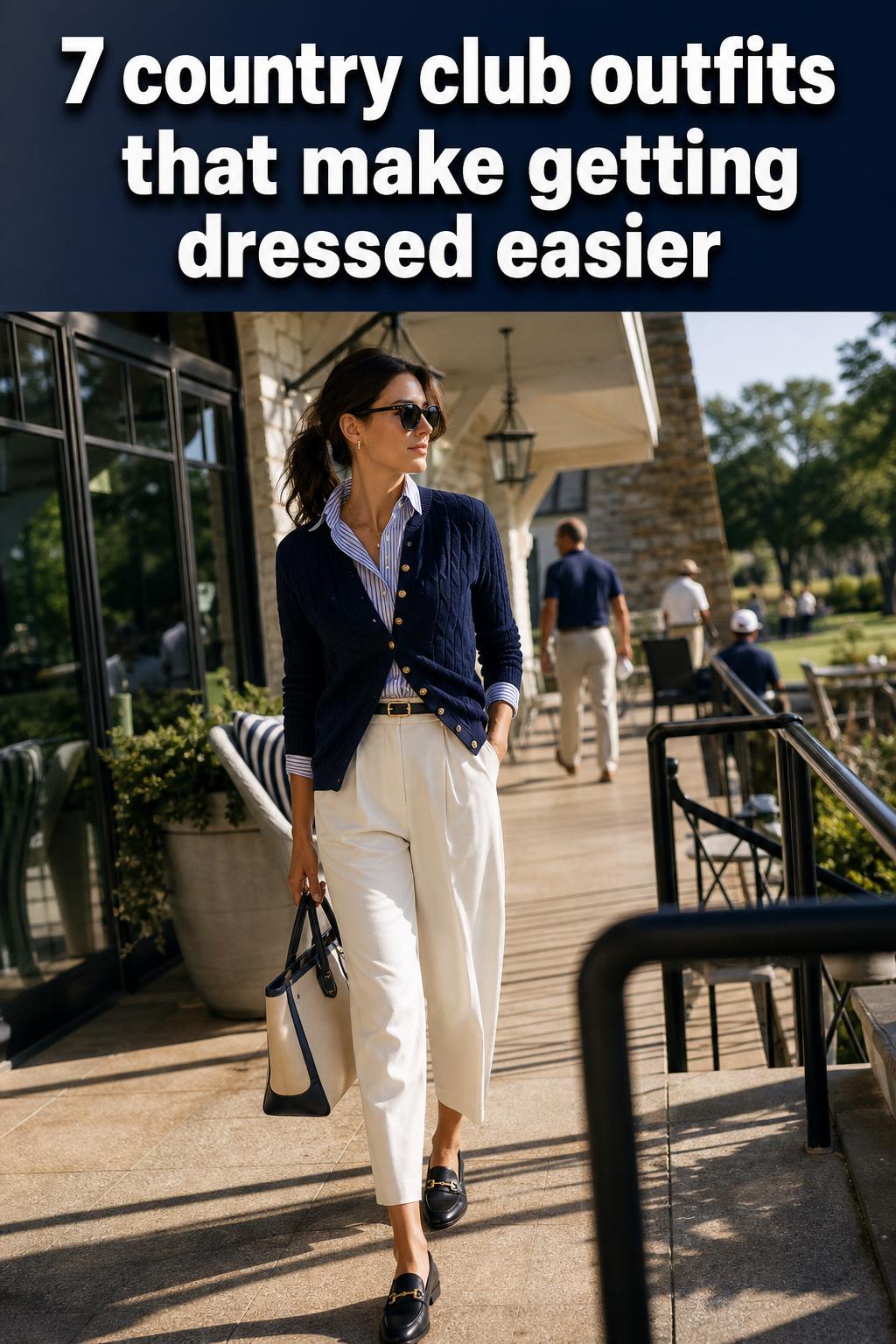
    Elegant country club outfits on well-dressed guests strolling by a manicured golf course on a sunny day
    Guests in elegant country club outfits stroll beside a sunlit fairway, capturing timeless resort-style sophistication.

    How country club outfits for men work in real life

    The strongest men’s country club attire is not complicated. It is simply composed with discipline. The classic formula—polo shirt, chinos, loafers—appears repeatedly because it solves several problems at once. It respects the dress code, feels comfortable for daytime movement, photographs well, and transitions cleanly with a blazer when the setting becomes more formal.

    Classic clubhouse smart-casual

    A collared shirt or polo paired with chinos creates the ideal clubhouse smart-casual base. This works especially well for men who want one dependable formula they can repeat in different colors. The reason it works is proportion: the shirt provides structure at the neckline, the chinos keep the lower half tailored without becoming rigid, and loafers finish the look with a subtle dress-code signal. If you are tall, this combination looks best when the trouser break is clean and not overly long. If you are shorter, a slightly slimmer line through the trouser can keep the silhouette sharper.

    Summer veranda dressing

    For warm-weather lunches or outdoor afternoons, lighter fabrics and softer color palettes matter. Cotton and linen blends help maintain polish without the heaviness of formal suiting fabrics. A lightweight collared shirt or polo in a pale tone, paired with chinos or tailored shorts where permitted, creates a composed summer look. The practical point here is breathability: the more comfortable you are, the less likely the outfit is to collapse into visible discomfort by midday.

    If shorts are allowed, keep them tailored and modest in spirit rather than overtly sporty. This is not the place for anything baggy or aggressively athletic. A clean hem, a structured waistband, and loafers or neat dress shoes keep the look anchored in the country club setting.

    Golf-to-dinner transitions

    This is one of the most useful styling scenarios to master. Begin with a performance polo and golf-appropriate bottoms during the day, then bring in chinos, loafers, and a blazer for the evening. The success of this transition depends on choosing daytime pieces that already look refined. A performance fabric can still appear polished if the cut is clean and the color is restrained. This approach is especially practical for member-guest tournaments or long club days when going home to change is unrealistic.
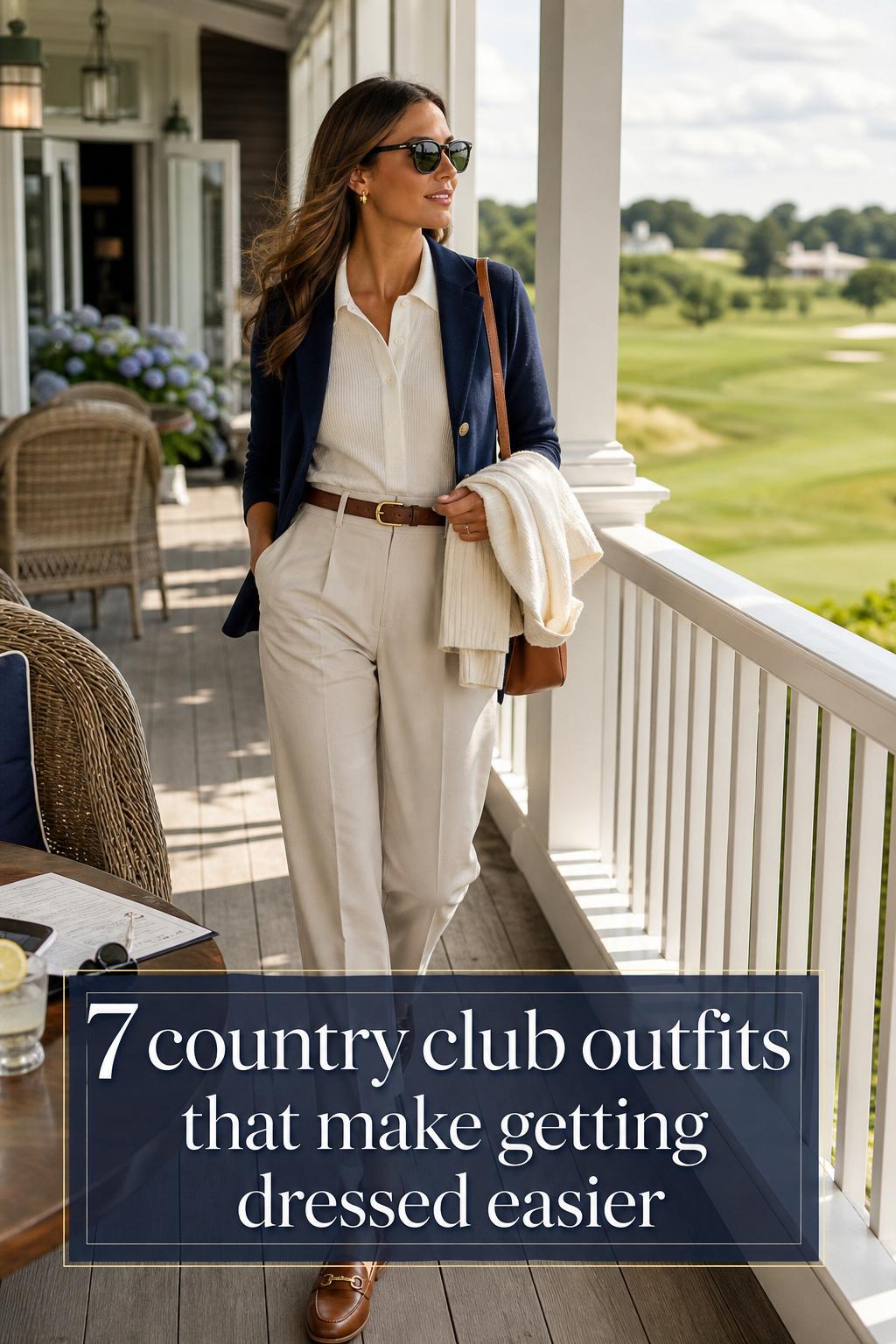
    Country club outfits styled on a refined woman walking a sunlit clubhouse veranda overlooking the golf course
    A refined, polished look captures effortless country club style on a bright veranda overlooking the greens.

    How country club outfits for women feel polished without becoming precious

    Country club outfits for women often work best when they balance a tailored silhouette with softness in fabric or color. Dresses, skirts, blouses, tailored pants, loafers, and cardigans recur for a reason: they create a refined line without looking severe. The visual language leans preppy and elegant, but the most modern versions avoid looking costume-like. The goal is not to imitate an editorial photo panel from a fashion site such as Fashion Gone Rogue or New York Style Guide; it is to translate that polished ease into a wardrobe that functions in daylight, movement, and real social settings.

    Polished smart-casual with dresses and skirts

    A dress is often the simplest answer for a clubhouse lunch or daytime event because it creates an instant sense of completion. A tailored dress with clean seams and a modest line requires very little styling beyond loafers, flats, or a light cardigan. For women who prefer separates, a pleated skirt with a collared shirt or blouse offers similar polish while allowing more flexibility in fit.

    This silhouette is especially flattering for readers who want definition without cling. A skirt that moves away gently from the body can feel balanced on curvier frames, while petite dressers often benefit from keeping the top more fitted so the proportions stay crisp. Taller readers can carry a slightly longer line with ease, especially when the blouse is tucked neatly to preserve waist definition.

    Tailored pants and chic separates

    Tailored pants are often the most versatile option because they can move from lunch to dinner with only a small shift in styling. A blouse in a smooth fabric, worn with tailored trousers and loafers, gives a quiet authority that suits the country club environment well. Add a blazer and the outfit becomes evening-ready. This is one of the strongest choices for anyone who values comfort, wants more coverage, or prefers a modern silhouette over dresses.

    For curvier body types, a trouser with a clean drape rather than too much stiffness can be more flattering and easier to wear for long periods. For petite frames, avoiding excessive fabric volume is useful; a tailored ankle or full-length trouser with a clean line tends to feel more controlled than a very wide shape. The country club setting rewards refinement, so tailoring matters more than trend.

    Summer and shoulder-season layering

    Summer country club outfits often rely on breathable fabrics, soft pastels, creams, and navies. A skort, skirt, or light dress can work beautifully in heat, but it still needs enough structure to avoid looking beachy. In shoulder season, a cardigan or lightweight blazer becomes essential. These pieces also solve a common practical problem: interiors can feel cooler than the terrace or golf course, and having one elegant layer keeps the outfit visually finished.

    Why fabric and color make the difference between polished and merely dressed

    Fabric is one of the most overlooked parts of country club dressing, yet it often determines whether an outfit holds its shape over a full day. Cotton and linen blends offer the right combination of breathability and polish for warm weather, especially for veranda lunches, golf-adjacent dressing, or daytime events. Performance fabrics bring another practical advantage: moisture-wicking and quick-dry qualities help maintain comfort and a neat appearance when the schedule includes activity.

    The most useful approach is to align fabric choice with the occasion. For sport-focused hours, performance materials make sense. For clubhouse dining, fabrics with a slightly more refined hand—smooth cotton, linen blend shirting, structured dresses, polished blouses—tend to read more elegant. If you want one wardrobe that bridges both, choose pieces that combine technical comfort with tailored lines.

    Color stories that feel classic, not flat

    Pastels, navy, cream, and balanced neutrals appear again and again in country club fashion because they feel light, clean, and appropriately restrained. The easiest way to make them look modern is through contrast in texture or proportion. A structured blazer over a soft blouse, cream trousers with a navy polo, or a pastel skirt grounded by loafers creates visual interest without disrupting the dress code.

    If you tend to look washed out in pale tones, place the lighter color away from your face or break it up with a stronger neutral. If you prefer a more minimal wardrobe, choose a narrow palette and repeat it. This makes packing, shopping, and outfit planning much easier while also making the final result look more considered.

    Tip: make simple pieces look more expensive

    In country club settings, expensive style is usually communicated through neatness, proportion, and fabric behavior rather than obvious branding. Steam the shirt. Hem the trousers properly. Choose loafers that are polished and in good condition. Keep the blazer shoulders clean and the fit controlled. Even affordable pieces gain authority when they sit correctly on the body and coordinate in tone.

    Accessories and etiquette: the finishing details that quietly matter

    Accessories should refine country club outfits, not dominate them. A belt can sharpen the line of chinos or tailored trousers. A watch adds structure to a simple polo-and-loafer combination. Discreet jewelry works well with dresses, blouses, and skirts because it contributes polish without competing with the clean lines of the outfit. The guiding idea is restraint.

    Hats and sunglasses can be practical in sunny clubs, especially for golf or outdoor daytime use, but they should still feel aligned with the rest of the look. A highly athletic accessory paired with a polished clubhouse outfit can create visual confusion. Bag choice matters too. A neat handbag or structured day bag supports the outfit better than anything overly casual or oversized for dining spaces.

    Etiquette is not separate from style here; it is part of style. The reason country club dress code places so much emphasis on collared shirts, tailored pants, dresses, skirts, loafers, and blazers is that these garments communicate care and situational awareness. They tell the room you understood the assignment.

    • Keep jewelry discreet rather than statement-heavy.
    • Use belts to define the waist or sharpen trouser looks.
    • Choose loafers or dress shoes that can handle several hours of wear.
    • Treat hats and sunglasses as practical daytime additions, not focal points.
    • Avoid accessories that push the outfit too far toward beachwear or gymwear.

    Real-world club scenarios and what actually works

    The most helpful way to think about country club attire is by scenario. Not every country club event demands the same degree of formality, and one reason people miss the mark is that they dress for an imagined aesthetic rather than the actual schedule ahead. A lunch on the terrace, a golf game followed by drinks, and a formal awards dinner each ask for different decisions around fabric, footwear, and layering.

    Daytime golf sessions

    Start with practical performance pieces that still look polished. For men, a performance polo with golf shorts or other permitted bottoms creates the right base. For women, a golf skirt or skort with a neat top offers comfort and movement. Keep colors controlled and the fit intentional. If you know the day will continue into social time, bring loafers, a cardigan, or a blazer so the outfit can be elevated quickly.

    Clubhouse lunches

    This is where smart-casual precision matters most. Men do well with collared shirts, chinos, and loafers. Women can rely on dresses, skirts with blouses, or tailored trousers with a polished top. The most common mistake here is dressing too casually because the event happens during daylight. Daylight does not automatically mean informal in a club context. Clean lines and a finished shoe make a visible difference.

    Formal dinners, galas, and awards evenings

    These events require the most elevated version of the country club wardrobe. A blazer, dress shirt, and dress shoes or loafers are strong choices for men. For women, tailored dresses, elegant skirts, or polished separates with a cardigan or blazer work beautifully. Fabrics should feel more refined than daytime sport pieces, and the overall composition should look composed in lower evening light as well as in photographs. This is also where understated elegance outperforms trend chasing.

    Regional and club-type nuance without overcomplicating your wardrobe

    Not every club interprets country club fashion in exactly the same way. A private club may read more traditional than a public-facing resort environment. A Northeast prep sensibility may lean more classic and structured, while a West Coast resort mood may feel lighter and more relaxed in color and fabric. The useful lesson is not to build entirely separate wardrobes, but to choose adaptable staples that can move slightly more formal or slightly more relaxed depending on the setting.

    For example, a navy blazer, cream trousers, and loafers can be styled toward a more traditional club environment with an OCBD or dress shirt, or softened for a resort-leaning atmosphere with a lighter polo and relaxed color palette. For women, a pleated skirt with a collared blouse can feel more classic, while a tailored dress in a soft pastel can feel more resort-oriented while still respecting the same code of polish.

    Location-specific style content from places such as New York Style Guide often emphasizes urban polish, while visually led pages and influencer-inspired edits from outlets like YesStyle may push a more trend-aware interpretation, occasionally drawing inspiration from figures such as Sabrina Carpenter. These references can be useful for mood, but the final test is still practicality: can the look handle the club’s expectations, the weather, and the length of the day?

    Common mistakes that make country club outfits fall flat

    The most frequent mistake is confusing “casual” with “anything goes.” Country club casual is still curated. Athletic wear that looks too gym-specific, denim where it is discouraged, or shoes that feel too informal can undermine even good pieces elsewhere in the outfit. Another common issue is forcing a fashion-forward idea into a setting that rewards subtlety. Editorial inspiration is useful, but it needs translating.

    Fit is another decisive factor. A blazer that pulls, a skirt that rides up, trousers that puddle, or a polo shirt that is too tight through the chest all shift the outfit away from the composed ease that country club attire requires. This is why tailoring often matters more than buying more. One well-fitted pair of tailored pants will serve you better than several mediocre substitutes.

    Finally, many readers overcomplicate the idea of preppy style. Country club fashion does not require costume-level styling. It is enough to work with collared tops, dresses, skirts, chinos, loafers, blazers, and a clean palette. The elegance lies in combination and proportion, not in collecting every visual cliché associated with the setting.

    Tip: what to avoid when you are unsure

    • Anything that looks more suited to the gym than the club.
    • Overly distressed, casual, or sloppy-looking garments.
    • Footwear that feels too beachy, too rugged, or too athletic for the clubhouse.
    • Outfits with no structure at the collar, waist, or hemline.
    • Too many trend pieces competing at once.

    Building a small country club capsule wardrobe

    A capsule approach works particularly well for country club dressing because the aesthetic is built on repetition with variation. Instead of trying to create endless new outfits, focus on a compact group of elevated basics that can rotate across lunch, travel, golf-adjacent plans, dinners, and seasonal transitions. This is also the most budget-conscious strategy because every new purchase has to work with multiple existing pieces.

    For men, a practical capsule might include two or three polo shirts, one OCBD or dress shirt, two pairs of chinos or tailored trousers, one pair of tailored shorts if allowed, loafers, and a blazer. For women, a refined capsule might include a collared shirt, a blouse, tailored pants, a pleated skirt, a day-to-evening dress, loafers or flats, and a cardigan or blazer. Once these are in place, the wardrobe becomes highly flexible.

    This kind of wardrobe also travels well. If your plans include a resort-style club weekend or several events over a few days, a tight color palette of navy, cream, pastels, and neutrals reduces packing stress and ensures every combination feels coherent. It is a quiet form of styling intelligence: fewer pieces, more possible outcomes.

    Where a few trusted names fit into the picture

    Some readers encounter country club style first through retail and editorial guides from names such as Nimble Made, Rihoas, Floradress, Tee to Toe, She Be Shine, Erthe Golf, Top Trends Guide, and YesStyle. These can be useful starting points for identifying silhouettes—collared shirts, pleated skirts, blazers, dresses, loafers, golf skirts, and polished separates—but the most important decision remains the same regardless of source: choose the version that fits your life, your proportions, and the formality of the club rather than buying into a single image.

    Styling insight: why these outfits work beyond the club

    One reason country club outfits remain so appealing is that they overlap with a broader wardrobe of elevated basics. A blazer that works at the clubhouse also works for casual work settings. Tailored pants and loafers travel beautifully. A collared shirt with a skirt can move from daytime social plans to dinner. A refined dress can be restyled with different accessories and layers in shoulder season. This makes country club dressing less of a niche challenge and more of an exercise in building a polished, versatile wardrobe.

    That is also why thoughtful composition matters more than buying for a single event. The goal is not simply to look appropriate at a private club or a public-facing resort; it is to own pieces that continue to serve you elsewhere. Great style, in this context, is not about excess. It is about choosing clean lines, balanced proportions, and fabrics with enough structure to hold up under real use.
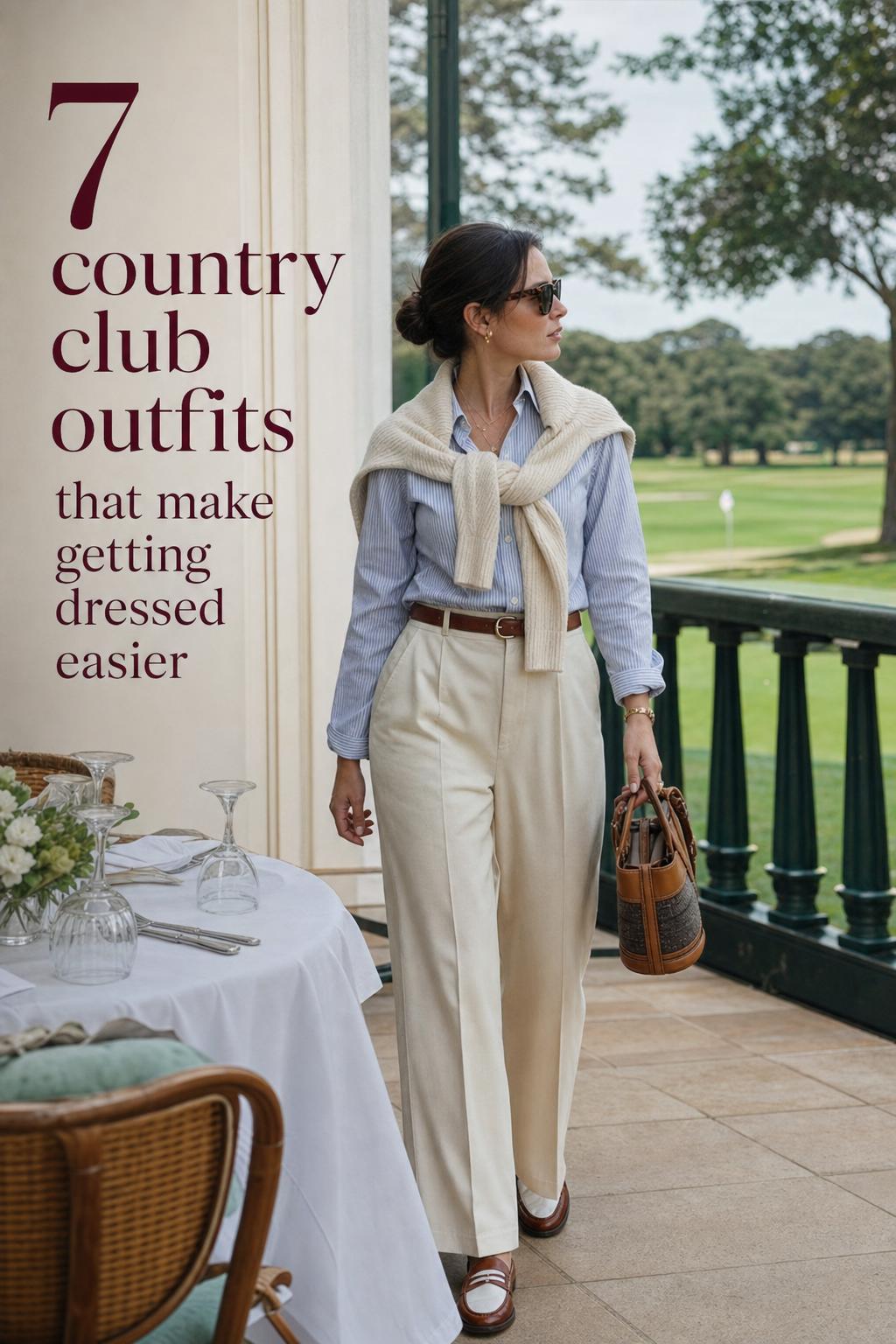
    Country club outfits on a sunlit clubhouse veranda, adult in polo and chinos adjusting cuff with golf course view and overlay text.
    A polished clubhouse veranda moment captures effortless country club outfits in warm late-afternoon light.

    FAQ

    What should I wear to a country club if I do not know the exact dress code?

    Choose polished smart-casual pieces that sit safely in the middle: a collared shirt or polo with chinos and loafers for men, or a dress, blouse with a skirt, or tailored pants with loafers or flats for women. Add a blazer or cardigan if the setting may become more formal.

    Are shorts allowed at a country club?

    Shorts may be allowed in some golf or daytime settings, but they should be tailored and neat rather than overly athletic or casual. If you are unsure, chinos or tailored trousers are usually the safer option.

    What are the best country club outfits for women?

    The most reliable options are tailored dresses, pleated skirts with collared shirts or blouses, and tailored pants with polished separates. Loafers, flats, a cardigan, or a blazer help complete the look without making it feel overdone.

    What are the best country club outfits for men?

    A polo shirt with chinos and loafers remains the most versatile formula, especially for clubhouse smart-casual. For more formal events, add a blazer and switch to a dress shirt or OCBD if needed.

    Can I wear performance fabrics to the country club?

    Yes, especially for golf and daytime activity, because performance fabrics support comfort through moisture-wicking and quick-dry function. The key is choosing pieces with clean tailoring so they still look polished in the clubhouse.

    How do I transition from golf attire to dinner at the club?

    Start with a refined performance polo or other neat daytime base, then change into chinos or more tailored bottoms, add loafers or dress shoes, and finish with a blazer or cardigan. This creates a smooth shift from sporty to evening-appropriate.

    Which shoes work best with country club attire?

    Loafers are the most adaptable choice because they work with polos, trousers, dresses, and skirts. Dress shoes suit formal events, while very casual or overly athletic footwear can feel out of place in clubhouse settings.

    How can I recreate country club fashion on a budget?

    Focus on a small capsule of versatile basics: a polo or collared shirt, tailored pants or chinos, loafers, and a blazer or cardigan. Prioritize fit, fabric condition, and a restrained color palette, since these details make affordable pieces look more elevated.

    What colors work best for country club outfits?

    Pastels, navy, cream, and other balanced neutrals are the easiest choices because they feel polished and classic. They also mix well together, which makes wardrobe planning and seasonal transitions much simpler.

    What should I avoid wearing to a country club?

    Avoid pieces that read too gym-specific, sloppy, overly distressed, or too casual for the clubhouse. When in doubt, choose clothing with structure at the collar, waist, and hem, and keep the overall look neat and restrained.
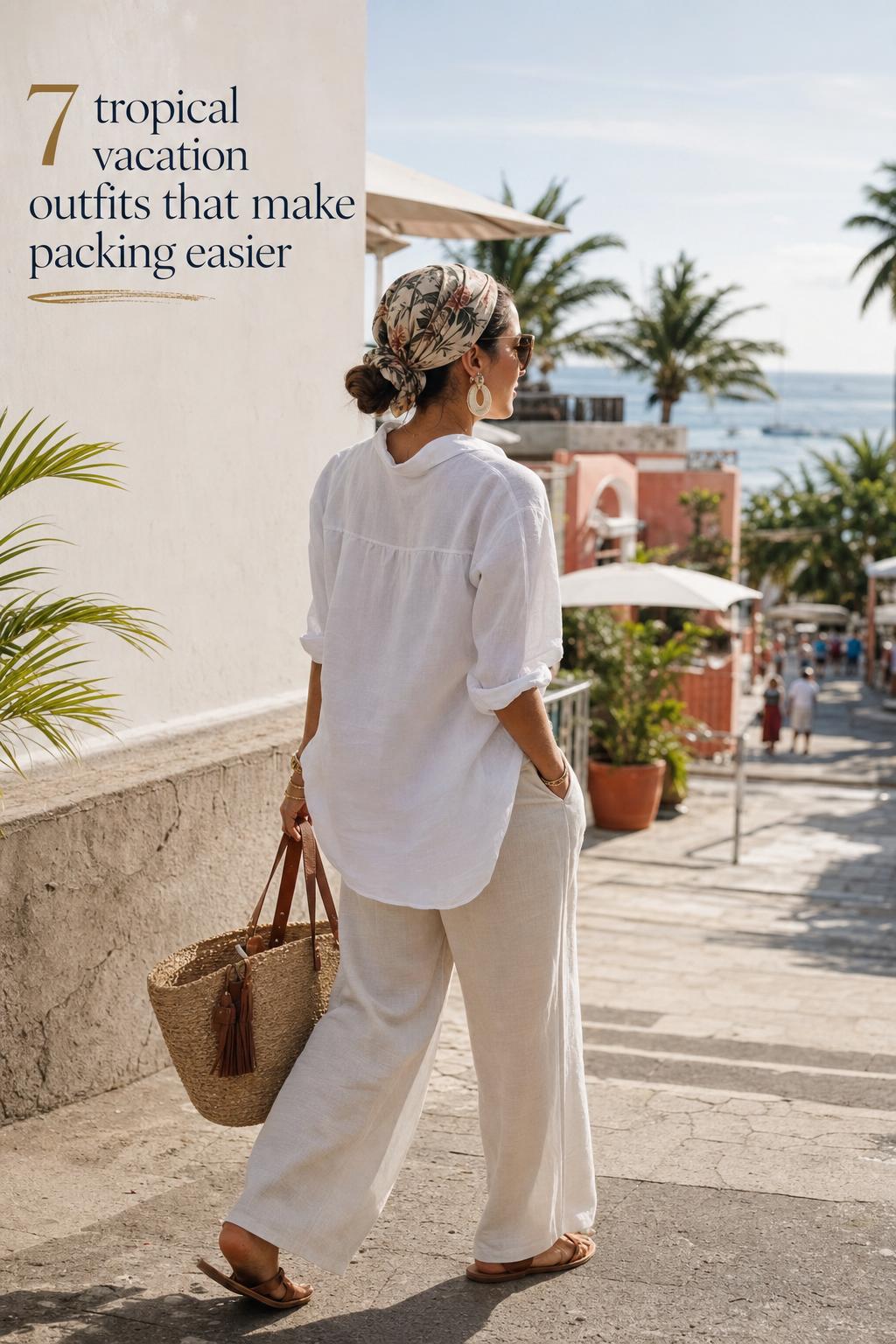
  • What to Wear: Tropical Vacation Outfits for Beach to Dinner

    What to Wear: Tropical Vacation Outfits for Beach to Dinner

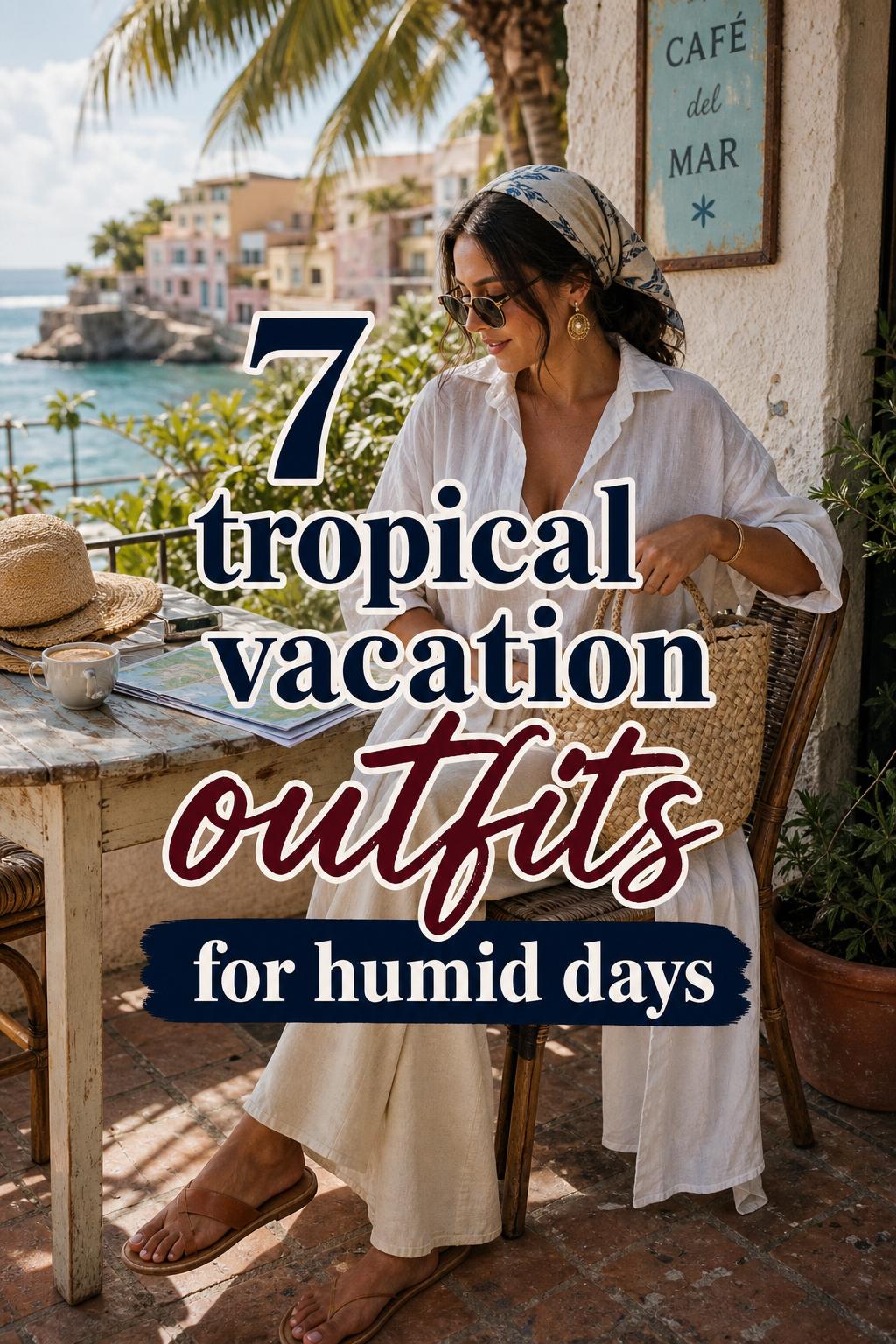
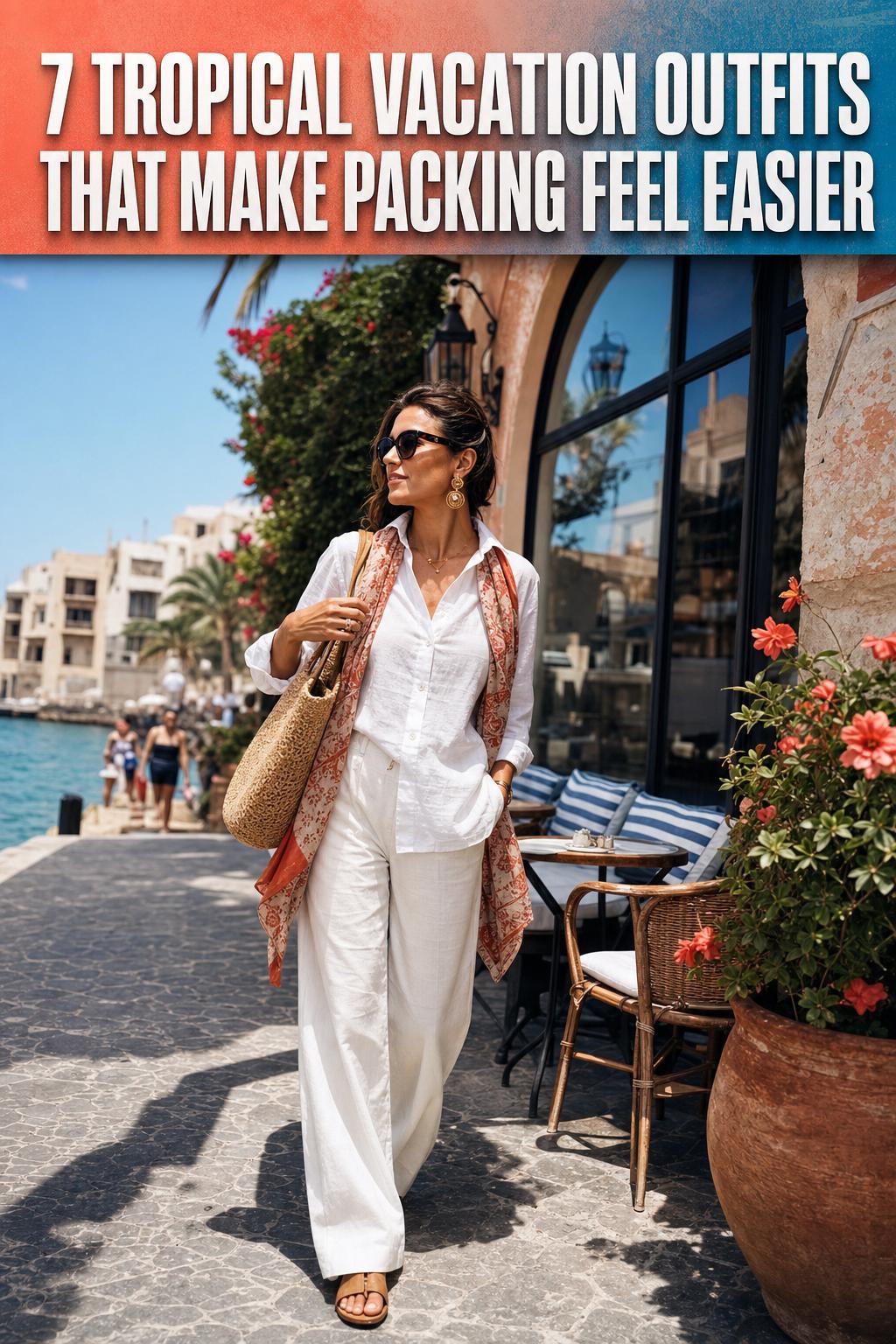
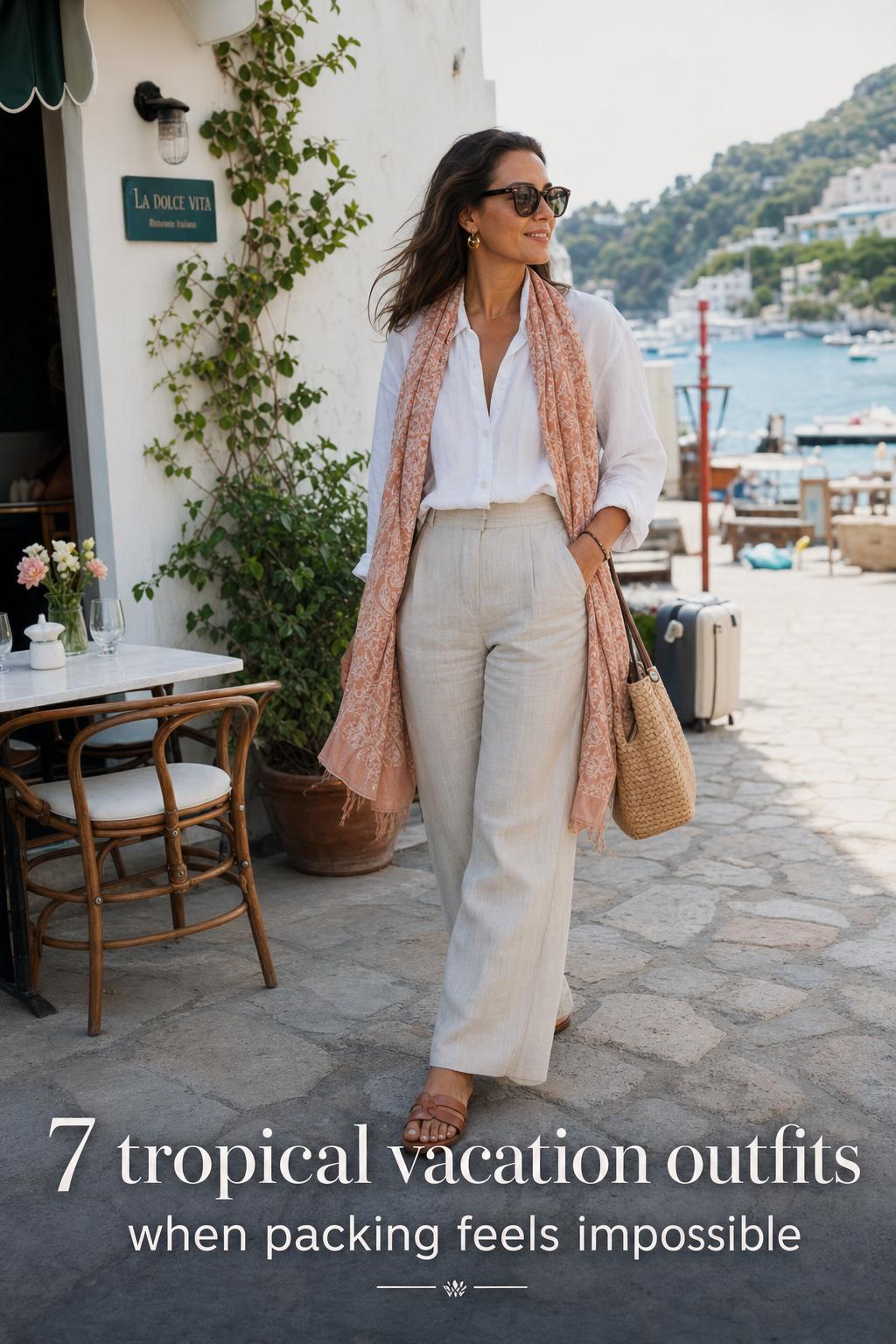
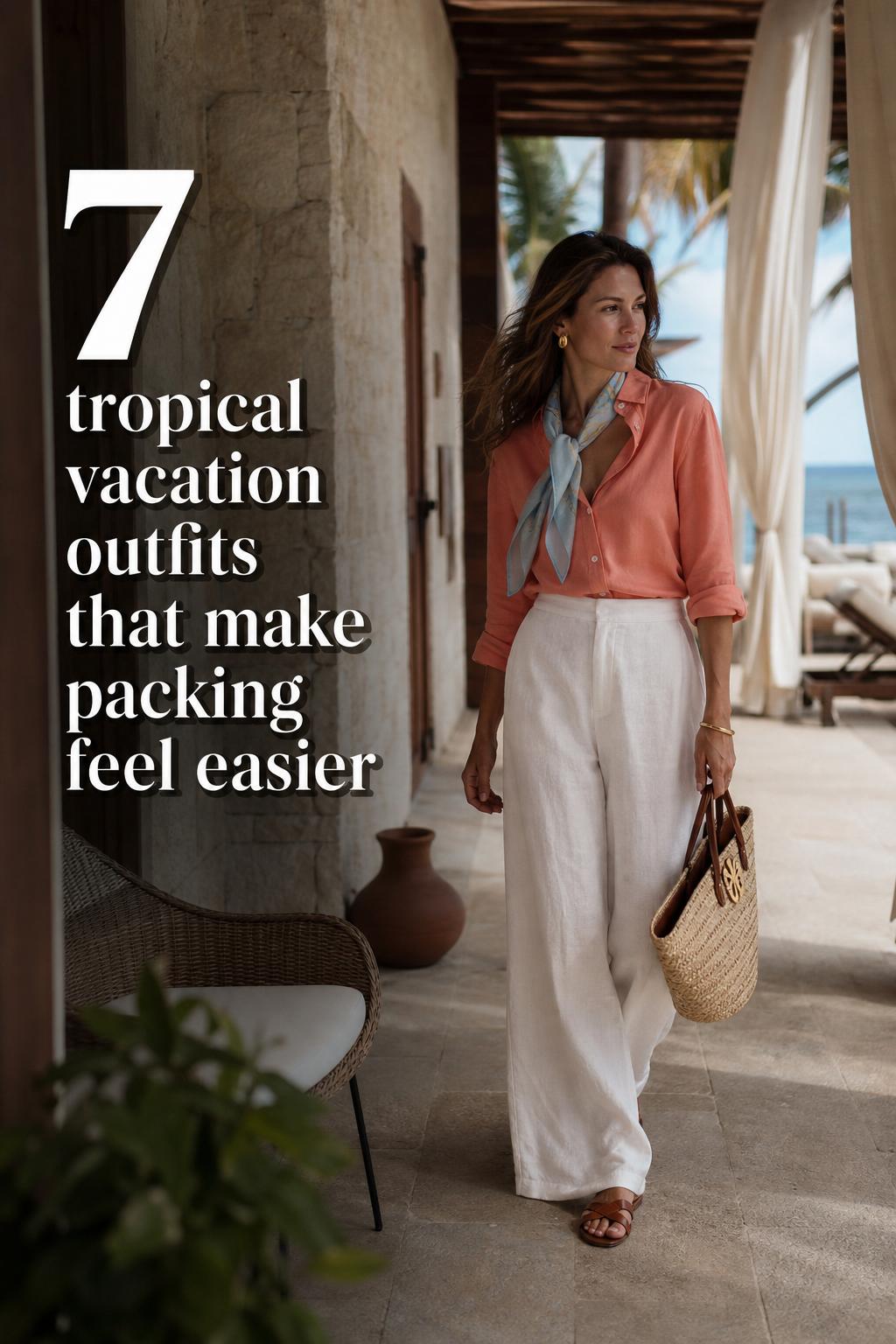
    There is a particular challenge at the center of tropical vacation outfits: the wardrobe has to look light, polished, and expressive while also surviving heat, humidity, bright sun, and the constant shift from beach to lunch to dinner. That is why several style approaches tend to overlap in this category. Resort wear, island vacation outfits, beach vacation outfits, and summer outfits are often grouped together, yet they do not behave in quite the same way once you consider fabric, silhouette, and occasion.

    The most useful comparison is not between isolated garments, but between styling philosophies. Some tropical looks are built around editorial resort glamour, with statement earrings, a white midi dress, and a straw bag that feels ready for a poolside terrace. Others lean into a practical capsule wardrobe, relying on linen shorts, breathable tops, quick beach coverups, and sandals that can move across a full day. Understanding the difference helps you pack better and dress with more intention.

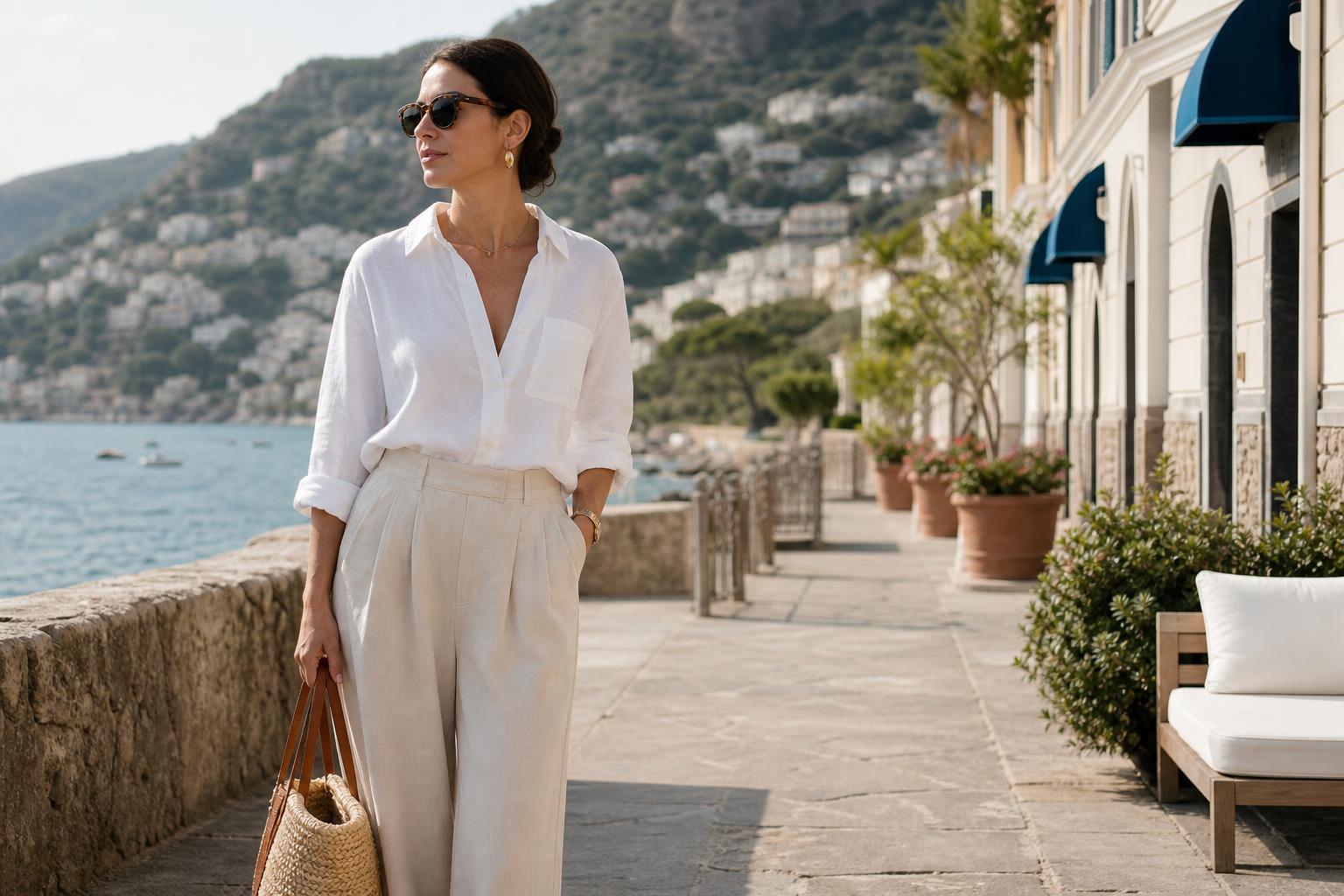
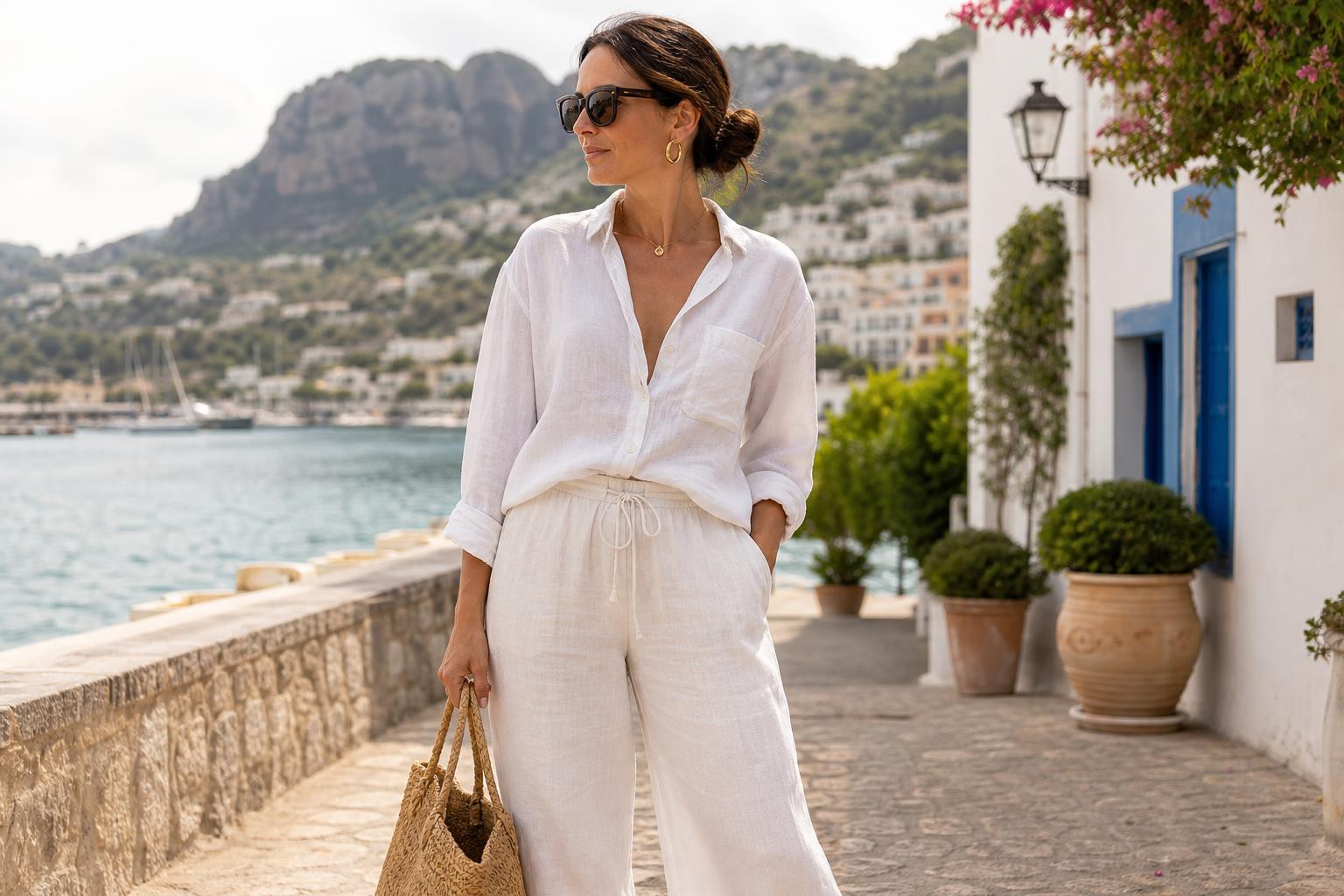
    Woman in airy linen and straw bag walking coastal town walkway, showcasing tropical vacation outfits in warm sun
    A woman in crisp linen layers strolls a sunlit coastal walkway, capturing polished tropical ease with practical resort accessories.

    This guide compares the leading approaches to tropical vacation outfits, explains how they differ visually and functionally, and shows how to choose between them for Caribbean escapes, Hawaii, Bali, Cancún, Ibiza, or an easy island getaway closer to home. The goal is not to chase every trend, but to understand why certain pieces work, when they do not, and how to build a wardrobe that feels both refined and realistic.

    The three tropical style directions worth knowing

    Most tropical wardrobes fall into three recognizable directions. They can overlap, and the strongest vacation wardrobes often borrow from all three, but each one has a different visual priority. Seeing those priorities clearly is the first step toward a more coherent suitcase.

    Style overview: polished resort wear

    Polished resort wear is the most editorial of the three. It favors breezy dresses, slip dresses, white maxi dresses, wide-leg trousers, and elevated jumpsuits styled with heeled sandals, kitten heel sandals, statement earrings, or a beaded bag. The mood is composed rather than casual. Fabrics still need to feel light, but the visual emphasis is on clean lines, color balance, and a beach-to-dinner transition that looks effortless from a hotel terrace to a dressier restaurant.

    Style overview: beach-led tropical dressing

    Beach-led tropical dressing begins with swimwear and builds outward. Printed swimwear, sheer coverups, crochet layers, tunics, jelly shoes, flip flops, straw bags, and sun hats shape the outfit. This approach is more relaxed, more exposed to the elements, and often more playful in color and print. It works particularly well for poolside glam, resort afternoons, and destinations where beach culture sets the tone of the day.

    Style overview: capsule-based island wardrobe

    The capsule-based island wardrobe is the most practical interpretation. It relies on repeatable pieces such as linen clothing, cotton tops, linen shorts, a maxi dress, a lightweight skirt, sandals, and one or two coverups that can cross multiple settings. UPF clothing and breathable fabrics matter more here than overt trend statements. The mood is still stylish, but the logic is efficiency: fewer pieces, more combinations, less packing stress.

    Tropical vacation outfits idea: woman in white linen blouse and wide-leg trousers at a sunny coastal cafe terrace
    A traveler in airy linen and woven accessories enjoys a sunlit coastal café moment, styled for humid island days.

    Why these styles are often confused

    They share many of the same garments. A white midi dress can sit comfortably in polished resort wear, in beach vacation outfits, and in a capsule packing list. A straw bag can look chic beside a slip dress at dinner or entirely natural over a printed swimsuit and cover-up by day. Sandals, tropical prints, florals, head scarves, and boho tops move easily between aesthetics.

    The difference is less about the item itself and more about composition. A white dress paired with pastel knit and flip flops reads differently from the same dress with statement earrings and heeled thong sandals. Linen shorts can feel softly tailored with a broderie anglaise top, or more casual with a bandana top and beach slides. Tropical style is not one visual language; it is a family of related ones.

    What separates resort wear from beach vacation outfits

    If there is one distinction that clarifies most packing decisions, it is this: resort wear is occasion-aware, while beach vacation outfits are environment-led. Resort wear asks where you are going next. Beach dressing asks what the climate and setting demand right now.

    Silhouette and structure

    Resort wear usually has a cleaner silhouette. Think a halterneck top with a midi skirt, a turquoise camisole with parachute trousers, or a red dress finished with a beaded bag. The lines are more deliberate, and the outfit often has one focal piece. Beach vacation outfits are looser by design. The swimsuit is frequently the base layer, with a coverup or tunic added only as much as needed. The outline is softer and less structured.

    Color palette and print use

    Beach-led looks tend to welcome stronger tropical prints, florals, matching sets, and the colorful ease associated with a coconut girl mood. Resort wear is more selective. It may still use tropical color palettes such as ocean blues, palm greens, or sunset corals, but often with greater restraint. A polished resort look might let one color or one texture carry the outfit, rather than layering several visual messages at once.

    Level of formality

    Resort wear can move into evening. Beach outfits rarely try to. A breezy dress, slip dress, or jumpsuit with refined sandals and jewelry is built to survive a dinner reservation. A swimsuit under a crochet coverup is built to survive sun, salt, and a long lunch near the water. Both belong on the same trip, but they solve different problems.

    Styling philosophy

    Resort wear often treats accessories as finishing tools: statement earrings, a head scarf, mesh flats, or a straw tote used with intention. Beach dressing treats accessories more functionally, even when they are stylish. The bag carries essentials. The coverup shields from sun. The sandals slip off easily. The beauty of this category is ease, not polish.

    Tropical vacation outfits laid out on a beach towel with sunglasses, sandals, and a straw hat for summer travel
    A curated set of tropical vacation outfits is styled with sunny essentials for an effortless beach-ready look.

    Where the capsule wardrobe approach differs from both

    The capsule method sits slightly apart because it is less an aesthetic than a discipline. It asks which pieces can do the most work across the trip. In practice, this often produces a cleaner, calmer suitcase than trend-driven packing.

    • A white maxi dress can function as daytime sightseeing wear, a beach coverup over swimwear, or a dinner look with statement earrings.
    • Linen shorts can work with a cotton top during the day and with a boho blouse in the evening.
    • Wide-leg pants or parachute trousers can double as airport dressing and resort nightwear depending on footwear and jewelry.
    • A straw bag can move from beach to town more easily than a heavily embellished evening bag.

    This approach is especially useful for 7-day, 10-day, or 14-day tropical trips where luggage space matters. It also suits travelers who want versatility rather than multiple single-use outfits. The limitation, of course, is that a tightly edited wardrobe can feel visually repetitive if color palette and accessories are not considered carefully.

    Fabric is where tropical style becomes practical

    Many tropical outfit guides focus on the image of the look rather than how the clothes behave. In reality, fabric determines whether an outfit feels refined after an hour in heat. Breathable cotton, linen, rayon blends, and moisture-conscious materials shape not only comfort, but drape, movement, and the overall success of the silhouette.

    Linen and cotton for a classic island wardrobe

    Linen clothing and breathable cotton are the foundation of the most dependable tropical wardrobes. They support the visual language people often associate with island vacation outfits: soft texture, a relaxed line, and a natural ease that works with sandals, straw bags, and sun-faded color palettes. Linen shorts, airy tops, and simple dresses do not need much styling to feel right in tropical heat.

    Rayon blends and moisture-aware options for movement

    For days that involve more activity, moisture-wicking blends and quick-dry materials become useful. These fabrics make more sense in travel outfits, sightseeing looks, or transitions between water activities and lunch. They may not always have the romance of broderie anglaise or crochet, but they often sit better in real life when the itinerary is active rather than decorative.

    UPF clothing and sun-conscious dressing

    UPF clothing enters the conversation when sun protection becomes part of the wardrobe logic. It tends to appear more often in practical island packing advice than in editorial outfit roundups, but it matters. A capsule-based traveler may prioritize a lightweight UPF layer or coverup precisely because it protects the outfit strategy of the rest of the suitcase. It is not necessary for every single look to be technical, but it is worth understanding when the destination involves long hours outdoors.

    Tropical vacation outfits inspiration with a woman in linen trousers walking by a waterfront cafe in a sunlit coastal town
    A relaxed coastal stroll captures breathable linen layers and effortless tropical vacation outfits with polished, packable ease.

    The visual difference in everyday outfits

    Once these styles are worn in daily vacation life, the contrasts become clearer. Tropical vacation outfits are not only about what appears in a flat lay; they are about how garments stack, shift, and breathe through the day.

    Layering approach

    Beach-led styling layers minimally. A printed swimsuit under a sheer coverup is usually enough. The outfit remains visually open. Resort wear layers with more intention: perhaps a pastel knit over a white dress for evening breeze, or a head scarf added to a halterneck and midi skirt combination. Capsule dressing layers strategically, often keeping one extra piece in play that can solve several situations rather than adding many separate layers.

    Garment proportions

    Resort wear often balances one fluid piece with another controlled one. A fitted camisole with wide trousers, or a refined top with a printed skirt, creates a modern silhouette that looks intentional. Beach outfits allow more looseness overall. Coverups, tunics, and matching sets tend to prioritize ease over shape. Capsule wardrobes often return to the most reliable proportions: a simple top with linen shorts, a maxi dress that needs little else, or wide-leg pants that work with multiple tops.

    Accessories and finishing pieces

    A beaded bag, statement earrings, and heeled thong sandals immediately move an outfit toward polished resort territory. Flip flops, jelly shoes, and a practical straw tote suggest a day built around beach movement. Head scarves and bandanas can move across both worlds, but their styling changes the message. Tied neatly with a midi skirt they feel considered; tied casually with swimwear they feel youthful and easy.

    Outfit comparisons that show the styling logic

    Beach lunch after a swim

    A beach-led interpretation starts with printed swimwear and a crochet or sheer coverup, then finishes with flat sandals and a straw bag. The logic is simple: the outfit respects the fact that water is still part of the day. A resort-wear version of the same lunch might skip visible swimwear entirely and choose a white midi dress with statement earrings and a refined sandal. The setting may be similar, but the styling assumes a sharper social frame.

    Casual afternoon in town

    The capsule approach would likely choose linen shorts, a cotton or boho top, and easy sandals, perhaps with a head scarf if the sun is strong. It is a practical, breathable answer that can handle walking and heat. A more trend-led tropical outfit might push toward a bandana top, bloomers, or a matching set with tropical prints. Both can work, but the first is grounded in repetition and comfort, while the second is built around visual personality.

    Resort dinner by the water

    Here the difference becomes decisive. Resort wear reaches naturally for a breezy dress, slip dress, or jumpsuit with jewelry and a beaded bag. Perhaps a red dress with mesh flats, or a halterneck top with a midi skirt and clean sandals. Beach-led dressing often struggles in this setting unless it is elevated substantially. The same coverup that looked ideal at noon may feel underdressed by evening unless replaced by a true dress or coordinated separates.

    Travel day and airport styling

    The best travel outfits usually come from the capsule philosophy. Wide-leg pants or a jumpsuit compress well, feel comfortable in transit, and can be reworn after arrival. Resort wear can look elegant at the airport, but it is not always the most forgiving in long transit conditions. Beach-focused styling rarely solves travel day well because swim-based pieces have too narrow a purpose.

    Destination matters more than many wardrobes admit

    One of the clearest differences between an average tropical suitcase and a thoughtful one is destination awareness. Tropical does not mean the same thing everywhere. Caribbean, Hawaii, Bali, Phuket, Fiji, Cancún, Puerto Rico, Jamaica, Waikīkī, Maui, San Juan, Punta Cana, and Ibiza all sit inside the same broad fantasy, yet their style cues can pull a wardrobe in slightly different directions.

    Caribbean rhythm: easy color and beach-to-dinner balance

    For a Caribbean island escape, tropical prints, sunset corals, ocean blues, and breezy dresses feel natural, but so do practical coverups and sandals that can handle movement. In places such as Cancún, San Juan, Jamaica, or Punta Cana, the wardrobe often needs to cross from bright daytime heat into a dinner setting without a full costume change. This is where the white maxi dress, the straw bag, and a simple switch in jewelry earn their place.

    Hawaii and the Pacific: print, ease, and soft structure

    In Hawaii, including Waikīkī and Maui, tropical dressing often benefits from softer structure. Aloha-inspired prints, airy dresses, and relaxed sets make sense, but they are strongest when balanced with simplicity. A single printed piece worn with clean sandals or a straw tote often feels more refined than several competing motifs. The atmosphere supports ease, yet overly formal resort dressing can look disconnected from the landscape.

    Bali, Phuket, and Fiji: lighter layers and fluid silhouettes

    For Bali, Phuket, or Fiji, fluid resort wear and beach-led dressing often meet in the middle. Coverups, tunics, wide-leg pants, lightweight skirts, and swimwear-based outfits all have a role. These destinations reward wardrobes that can absorb humidity while still feeling visually composed. Rayon blends, cotton, and linen become especially important here because heavy structure quickly loses its elegance.

    Ibiza: where boho and resort polish overlap

    Ibiza introduces a slightly different tropical-adjacent mood. Broderie anglaise tops, printed skirts, boho details, statement earrings, head scarves, and dressier sandals feel particularly at home. It is one of the clearest examples of how beachwear and resort wear can overlap. A sheer coverup alone may feel too unfinished for night, but bohemian textures styled with intention can move beautifully from day to evening.

    Color, print, and the mood of the outfit

    Color is one of the easiest ways to separate tropical styles without changing the whole wardrobe. Ocean blues, palm greens, sunset corals, white, and red all appear across vacation dressing, but they communicate different things depending on how they are used. White is often the cleanest bridge across all categories. It supports beach simplicity, polished resort wear, and capsule packing equally well.

    Tropical prints and florals create immediate atmosphere, but they require discipline. In a beach-led look, a printed swimsuit or matching set can carry the full story. In a resort look, a printed skirt or one statement top is often enough. The more vivid the print, the more useful it becomes to ground the outfit with natural texture such as linen, straw, or simple leather-like finishes in sandals and bags.

    Tips: if your suitcase already contains several bright pieces, keep accessories quieter. If your wardrobe is mostly white, beige, or soft neutral tropical shades, then a beaded bag, red dress, or turquoise camisole can create a sharper focal point without making the whole trip feel trend-driven.

    Accessories that reveal the style instantly

    • Straw bag: the most versatile across beach, town, and casual dinner settings.
    • Beaded bag: more directional and better suited to resort dinners or evening cocktails.
    • Flip flops and jelly sandals: strongest in beach-led wardrobes and casual daytime use.
    • Kitten heel sandals or heeled thong sandals: better for refined resort wear and dinner transitions.
    • Head scarf or bandana: useful in both practical and editorial styling, depending on how neatly it is integrated.
    • Statement earrings: a fast route to evening polish, especially with otherwise simple dresses.

    Accessories are where many outfits either sharpen or collapse. A common mistake is pairing a highly decorative bag with a highly decorative print and then adding ornate jewelry on top. Tropical dressing usually looks best when one element leads and the rest support. A straw tote with a white dress and clean sandals feels coherent because the textures speak softly to one another rather than compete.

    How trend details fit into a balanced tropical wardrobe

    Recent vacation styling has made room for 90s revival cues and boho details: bandana tops, bloomers, mesh flats, parachute trousers, and playful color contrasts. These pieces can absolutely belong in tropical vacation outfits, but they work best when surrounded by steadier garments. A bandana top feels more persuasive with linen shorts or a simple skirt than with several other trend-heavy pieces. Parachute trousers need a clean, breathable top to avoid looking overly styled for the climate.

    This is where brands frequently shape the mood even without dominating the wardrobe. In the broader resort conversation, labels such as Massimo Dutti, Sézane, H&M, Mango, COS, Free People, ASOS, Dior, Gucci, and Manolo Blahnik often appear as references for specific silhouettes, sandals, or accessories. What matters more than the label, however, is the styling lesson: one directional piece looks strongest when anchored by breathable basics and considered proportion.

    When to choose each approach

    Choose polished resort wear when the trip includes dressier evenings

    If your itinerary includes dinners, hotel bars, nightlife, or settings where a beach coverup would feel incomplete, polished resort wear should be the backbone of the wardrobe. It photographs well, adapts easily with jewelry, and creates a composed silhouette without requiring heavy fabrics.

    Choose beach-led tropical dressing when water and daytime leisure dominate

    If the trip is built around poolside hours, beach clubs, or long afternoons near the water, begin with swimwear and coverups. This is also the right choice when comfort, quick changes, and a playful mood matter more than evening refinement.

    Choose a capsule-based island wardrobe when versatility matters most

    If luggage space is limited, the trip is longer, or you prefer a calmer visual rhythm, the capsule approach is usually the most efficient. It is particularly effective for 10-day and 14-day packing, multi-stop travel, or vacations that mix airports, towns, beaches, and dinners.

    Tips: many travelers do best with a split wardrobe. Let the capsule pieces form the base, add two or three beach-led items for poolside use, and include one or two polished resort looks for evening. This prevents overpacking while still acknowledging that tropical trips rarely stay in a single style lane.

    A refined tropical capsule for 7, 10, or 14 days

    A strong capsule does not need endless variety. It needs thoughtful repetition. The goal is to create enough contrast through silhouette, fabric, and accessories that the wardrobe feels complete without becoming bulky.

    • 1 white maxi or midi dress
    • 1 breezy evening dress or jumpsuit
    • 2 to 3 lightweight tops, including one boho or embroidered option
    • 1 pair of linen shorts
    • 1 lightweight skirt or printed skirt
    • 1 pair of wide-leg pants or parachute trousers for travel and evening
    • 2 swimsuits, including one printed option
    • 1 to 2 coverups, ideally one sheer or crochet and one more practical
    • 1 straw bag and, if needed, 1 smaller beaded bag
    • 2 pairs of sandals, one flat and one more polished
    • 1 head scarf or bandana and a small selection of jewelry

    This framework allows beach-to-town movement, dinner dressing, and travel-day comfort without fragmenting the wardrobe. It also reduces the common packing problem of bringing too many special pieces that only work once.

    Common tropical styling mistakes

    Even beautiful individual items can struggle in a tropical setting if the styling logic is weak. The climate quickly exposes choices that looked good in theory but do not perform in wear.

    • Choosing visual drama over breathable fabrics and then feeling uncomfortable by midday.
    • Packing too many beach-only pieces and not enough dinner-ready options.
    • Relying on prints in every outfit so the wardrobe starts to feel repetitive rather than varied.
    • Ignoring footwear balance and bringing sandals that suit only one context.
    • Forgetting the role of coverups and UPF-aware layers on sun-heavy days.
    • Treating accessories as an afterthought instead of the tool that changes the formality of the outfit.

    The simplest correction is to evaluate each item against three questions: is it breathable, can it work in more than one setting, and does it contribute to an overall visual rhythm rather than a one-off statement. That is the difference between a wardrobe that merely looks tropical and one that functions beautifully on the trip.

    The most modern approach: blending the styles intelligently

    The best tropical wardrobes rarely belong entirely to one category. They borrow the elegance of resort wear, the ease of beach dressing, and the discipline of a capsule wardrobe. A white dress may serve as the anchor, while printed swimwear provides energy, linen separates supply practicality, and accessories dictate the shift in tone.

    This blended approach also explains why certain looks feel current without becoming disposable. A boho top, a head scarf, or even a 90s-leaning detail such as mesh flats can be integrated if the surrounding wardrobe remains grounded. Tropical style is strongest when it respects climate, movement, and setting as much as visual appeal.

    Ultimately, tropical vacation outfits are less about owning a fixed set of pieces and more about understanding what each style language is trying to achieve. Once that becomes clear, it is much easier to decide whether the day calls for a swimsuit and coverup, a white midi dress and straw bag, or a capsule combination of linen shorts and an airy top that can carry you almost anywhere.

    Adult woman in linen pants and blouse walking a coastal hotel corridor, showcasing tropical vacation outfits in late-afternoon light
    An elegantly dressed traveler strolls a sunlit coastal hotel corridor, showcasing effortless resort style in a refined tropical setting.

    FAQ

    What are the best fabrics for tropical vacation outfits?

    The most reliable choices are breathable cotton, linen, rayon blends, and other lightweight materials that manage heat well. Linen and cotton create the classic island look, while moisture-aware and quick-dry fabrics are especially useful for active days, travel outfits, or transitions between water activities and town.

    What is the difference between resort wear and beach vacation outfits?

    Resort wear is usually more polished and occasion-aware, with breezy dresses, jumpsuits, refined sandals, and jewelry that can move into evening. Beach vacation outfits are more environment-led, often built around swimwear, coverups, flat sandals, and practical accessories designed for daytime sun and water.

    Do I need UPF clothing for a tropical trip?

    Not every outfit needs to be technical, but UPF clothing can be useful if your trip includes long hours outdoors or repeated sun exposure. It is especially relevant in capsule packing because one lightweight UPF layer or coverup can support comfort and sun-conscious dressing without taking much luggage space.

    Are sandals appropriate for dinner at a tropical resort?

    Yes, but the style matters. Flat sandals, flip flops, and jelly shoes are better suited to beach-led daytime outfits, while kitten heel sandals or heeled thong sandals are more appropriate for resort dinners. The overall outfit should feel intentional rather than purely beach-based.

    How can I create beach-to-dinner tropical outfits without overpacking?

    Start with versatile core pieces such as a white maxi or midi dress, linen separates, and one polished evening option. Then use accessories to shift the mood: a straw bag for day, a beaded bag for evening, flat sandals for the beach, and more refined jewelry or footwear for dinner.

    What colors work best for tropical vacation outfits?

    White remains the most versatile, but ocean blues, palm greens, sunset corals, red, and tropical florals also work beautifully. The key is balance. A wardrobe becomes more refined when strong prints or bright tones are grounded by simple silhouettes, natural textures, or quieter accessories.

    How many outfits should I pack for a 7-day tropical trip?

    A compact but functional wardrobe usually includes a small rotation of dresses, tops, shorts or skirts, swimwear, coverups, and two pairs of sandals. The most effective 7-day packing list is built around repeatable pieces that can work across daytime, dinner, and travel rather than seven entirely separate looks.

    Can tropical prints and boho details work in a polished vacation wardrobe?

    Yes, particularly when they are used with restraint. A printed skirt, a broderie anglaise top, or a boho blouse can add character to a resort wardrobe, but they tend to look strongest when paired with clean silhouettes, breathable fabrics, and accessories that do not compete for attention.

    What shoes are best for tropical vacation outfits?

    The most practical combination is one flat pair for beach and daytime use and one more polished pair for evenings. Flip flops and jelly sandals suit relaxed settings, while heeled sandals or kitten heel styles bring a more refined finish to dinner and resort wear looks.

  • Spring Cute Sundresses With a Soft, Polished Feel

    Spring Cute Sundresses With a Soft, Polished Feel

    The soft charm of cute sundresses

    Some pieces carry an entire season in their silhouette, and cute sundresses do exactly that. Light, easy, and visually relaxed, they suggest sunshine, movement, and a kind of effortless polish that feels instinctive rather than overworked. The appeal is not only in sweetness, but in balance: a sundress can look romantic without becoming precious, casual without feeling unfinished, and feminine without losing practicality.

    The mood is open-air and uncomplicated. A sundress belongs in everyday life as much as it does on a weekend escape, moving easily from a city sidewalk to a quiet lunch, from a warm afternoon errand to an informal gathering where comfort matters as much as style. That flexibility is part of why the aesthetic remains so attractive. It offers a complete visual identity in one gesture: softness, ease, and a refined sense of summer dressing.

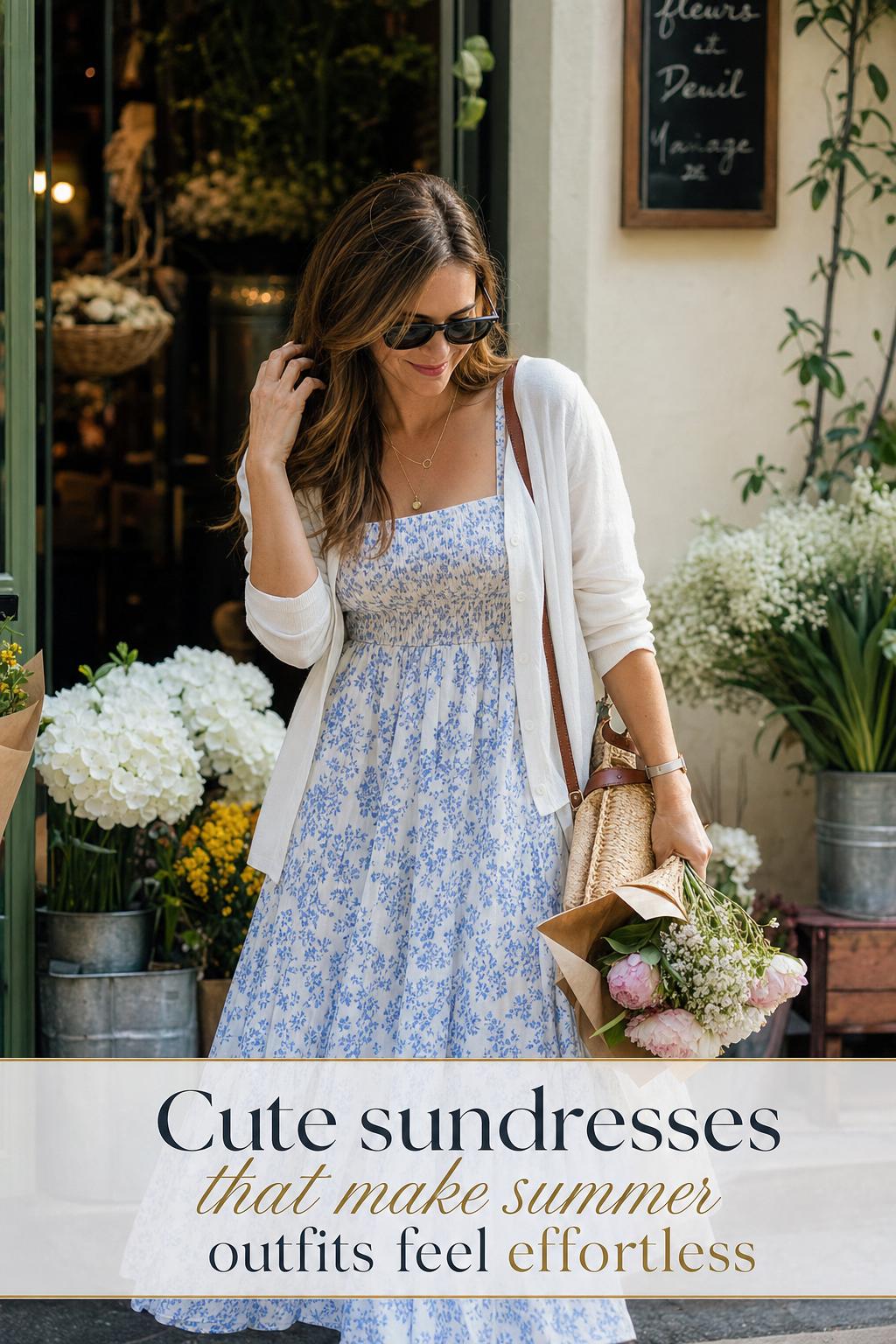
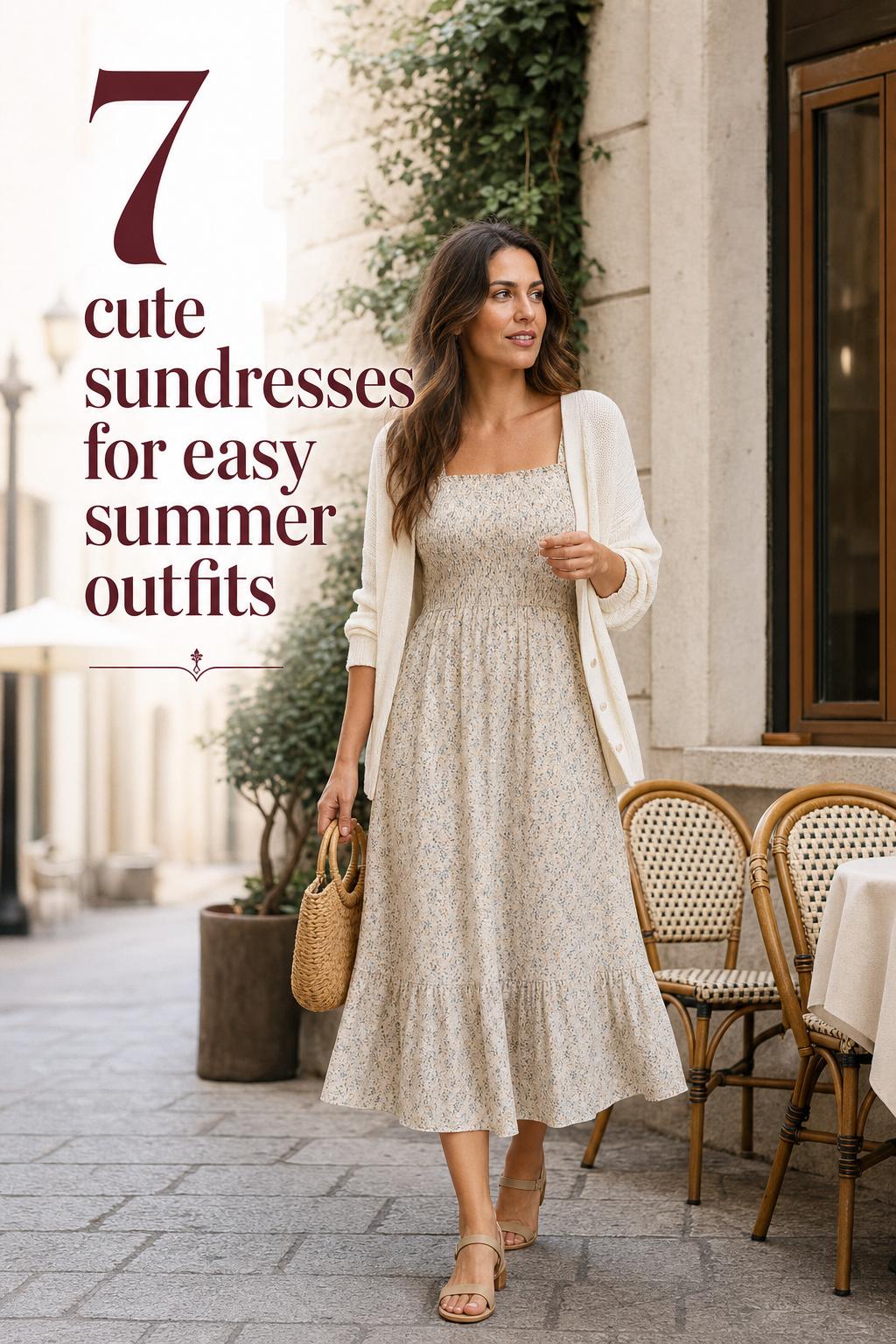
    Cute sundresses styled at a sunny outdoor city cafe, woman in a modest midi dress walking past chairs and greenery
    A softly lit city sidewalk café moment highlights a modest midi sundress in motion for effortless summer styling.

    What makes this category endure is its ability to shift with the wearer. The same idea can become crisp and minimal, romantic and airy, or slightly playful depending on fabric, line, and color. Rather than chasing novelty, the most compelling sundress styling comes from thoughtful composition, where proportion, texture, and mood create a finished look that feels personal.

    What defines the aesthetic

    A cute sundress is less about decoration alone and more about the atmosphere it creates. The defining qualities are lightness, ease of movement, and a silhouette that feels intentionally soft. Even when the shape is fitted through the bodice or more structured at the shoulder, the overall impression should remain breezy rather than rigid.

    That visual identity works because it responds well to real life. In warm weather, dresses that skim the body rather than cling tend to feel more wearable over the course of a long day. A good sundress also allows styling range: it can stand alone when the mood is simple, or support subtle accessories when a little more definition is needed.

    Key pieces for this aesthetic

    • Light dresses with soft movement
    • Simple footwear that does not overpower the line of the dress
    • Minimal accessories that preserve the airy feeling
    • Layers used lightly, only when they support the silhouette

    The most successful styling keeps the dress as the center of the composition. Cute, in this context, is not childish or overly embellished. It is graceful, fresh, and visually gentle, often defined by clarity of shape and a seasonally appropriate ease.

    Woman in cute sundresses outfit at outdoor cafe adjusting cardigan with iced coffee during golden hour
    In soft golden-hour light, she adjusts a draped cardigan at a quiet sidewalk café in an effortlessly polished sundress.

    Look: Soft weekend ease

    This interpretation leans into the most intuitive side of the sundress mood: unhurried, bright, and quietly romantic. The silhouette should move easily when walking, with enough volume to feel relaxed but not so much that the shape disappears. It is the kind of outfit that feels right for a slow morning, an outdoor café, or a daytime stroll where comfort matters, yet the look still appears composed.

    Choose a dress in a lightweight fabric that sits away from the body just enough to create air and softness. The palette works best when it remains gentle and readable, favoring light or muted tones that reinforce the openness of the style. Footwear should stay uncomplicated, and accessories should remain restrained so the dress carries the visual story.

    What makes this look fit the aesthetic is its clarity. There is no tension between practicality and beauty here. The softness of the dress does the work, while the minimal additions keep the overall impression polished rather than overstyled.

    Look: Clean daytime minimalism

    Not every cute sundress needs to read overtly romantic. A more pared-back interpretation can feel just as charming, especially for those who prefer clean lines and a quieter wardrobe. Here, the mood is modern and understated, with the dress acting as a refined summer base rather than a decorative statement.

    A simpler silhouette works especially well for this direction. Think of a dress whose shape is easy to understand at a glance: neat through the top, lightly fluid through the skirt, and free of anything too heavy or visually crowded. The texture should still feel soft, but the styling remains crisp. Neutral or restrained colors help sharpen the effect, while understated accessories preserve the minimal tone.

    This version works because it shows that sweetness can be expressed through proportion rather than ornament. A clean silhouette with a light fabric and balanced styling can still feel distinctly cute, but in a more grown and polished way.

    Cute sundresses hanging on a sunlit boutique rack, showcasing light floral summer dresses for warm weather
    A curated row of cute sundresses glows in warm sunlight, capturing effortless summer charm.

    Style tip

    If your wardrobe already leans minimal, the easiest way to make a sundress feel aligned with your personal style is to reduce contrast in the accessories. When the shoes and finishing pieces stay visually calm, the dress integrates naturally into a refined everyday rotation instead of feeling like a separate seasonal costume.

    Look: Garden-party softness without excess

    There is a version of the sundress aesthetic that feels a touch more occasion-ready while still remaining easy. The mood here is gentle and slightly dressed, suitable for a daytime gathering, an outdoor meal, or any setting where you want the look to feel special without crossing into formality. The silhouette benefits from movement and subtle shape, creating a softness that reads elegant rather than casual alone.

    The strongest approach is to let the fabric create interest. A dress with a graceful fall, a defined but not tight waist, and a skirt that moves with light structure tends to flatter this context. The palette can remain soft, but the overall finish should feel a little more deliberate through cleaner accessories and a slightly more considered balance of proportion.

    This interpretation fits the aesthetic because it expands the category without losing its core identity. Cute does not need to mean informal. When softness is paired with restraint, the sundress becomes a polished answer to daytime dressing that still feels warm and inviting.

    Adult woman in a breezy sundress on a sunny café street, showcasing cute sundresses style with effortless summer outfit vibes
    A sunlit street-style moment captures a refined, breezy look in cute sundresses with an effortless summer mood.

    Where the look naturally belongs

    Part of the lasting appeal of cute sundresses is that they are tied to everyday environments rather than a single dress code. They belong to casual summer wardrobes, but they also thrive in transitional social settings where people want to look intentional without appearing overdone.

    • Warm-weather daytime outings
    • Outdoor lunches and informal gatherings
    • Weekend city walks
    • Vacation packing where ease and versatility matter
    • Relaxed occasions that call for comfort with polish

    That wide range is precisely why the sundress remains useful. It offers a complete look in one piece, yet still leaves room for personal styling choices. In practical terms, that means less effort in dressing and more confidence in the finished result.

    Look: Sunlit city dressing

    In an urban setting, a sundress works best when the sweetness of the shape is balanced by a slightly sharper attitude. The mood is still light and feminine, but the overall line should feel composed enough for movement through a full day. This is where the aesthetic becomes especially modern: soft without looking fragile, relaxed without seeming careless.

    Choose a dress that keeps some structure through the upper half, then opens into a more fluid lower line. This proportion is useful in the city because it reads cleanly and avoids looking too delicate against a busier backdrop. Accessories should be intentional but restrained, reinforcing function as much as style. The color story can remain fresh, though a more edited palette often feels strongest here.

    The look works because it respects context. In a fast-moving environment, the best cute sundresses are those that maintain their softness while offering visual clarity. The result feels contemporary, effortless, and well judged.

    How to recreate the look

    Start with silhouette before anything else. If the dress already has a clear line and easy movement, the outfit will require very little to feel complete. Then add only what improves wearability: practical shoes, one or two simple accessories, and, if needed, a light layer that does not compete with the dress. The restraint is what keeps the final result elevated.

    Look: Vacation lightness with a refined finish

    On holiday, the charm of a sundress becomes even more obvious. It folds easily into the rhythm of travel because it feels complete, uncomplicated, and adaptable. The mood should stay airy and bright, with a silhouette that allows freedom of movement and enough polish to move from daytime wandering to an easy dinner without a total reset.

    The best version for this setting is uncomplicated in construction but visually soft. Lightweight fabric remains essential, because it supports comfort over long hours and warmer conditions. A relaxed line through the skirt can help with movement, while the upper shape should still feel neat enough that the dress does not become shapeless. Soft colors and tactile lightness make the entire look feel more intentional.

    This variation fits the aesthetic because it embraces the original promise of the sundress: beauty through ease. When styling for travel, simplicity is not a compromise. It is often what makes the look feel most elegant.

    The styling logic behind a good sundress outfit

    A sundress can appear simple, but the strongest outfits are usually built on careful visual balance. The first consideration is proportion. If the dress is very soft and floaty, accessories should usually stay grounded and minimal. If the silhouette is cleaner and more fitted, the look can tolerate slightly more texture or shape elsewhere without losing coherence.

    The second consideration is fabric behavior. Light materials create the signature movement associated with this style, but they also set the tone for everything added around them. Heavy accessories can break the atmosphere, while pieces with similar visual ease tend to support it. This is why thoughtful styling matters more than quantity. A complete outfit often comes from editing, not adding.

    Finally, the idea of cute works best when treated with precision. Too many sweet details at once can flatten the sophistication of the look. A better approach is to choose one main expression of charm, whether that is the silhouette, the color, or the texture, and let the rest of the outfit remain calm.

    Look: Romantic movement in a softer palette

    This is the most overtly dreamy interpretation of the aesthetic, but it still benefits from control. The mood is airy, tender, and slightly nostalgic, with a silhouette that catches movement beautifully. It suits settings where the atmosphere is relaxed and visual softness feels natural, yet it should still appear considered rather than costume-like.

    The dress should carry visual fluidity, with a fabric that responds gently to motion. A softer palette reinforces the romance, particularly when the accessories remain understated and tonal. Instead of creating contrast, the styling should build continuity, allowing the eye to move smoothly from dress to shoe to accessory without interruption.

    This look belongs to the sundress aesthetic because it captures its emotional side. Cute, here, is expressed through atmosphere and movement, not just through surface detail. That distinction is what keeps the outfit refined.

    Practical note on comfort

    Very delicate dresses can look beautiful in still moments but become less convincing if they require constant adjustment. In real wear, a sundress needs to move with the body, sit comfortably through long periods, and remain easy to style throughout the day. A look that appears effortless should also function effortlessly.

    Look: Casual daytime charm

    There is a particularly appealing version of the sundress that feels almost instinctive: the dress you reach for when you want to look good quickly without sacrificing ease. The silhouette is relaxed but not loose to the point of losing shape, and the overall mood feels bright, approachable, and entirely wearable.

    The pieces around it should remain quiet. A simple shoe, a small accessory, and a palette that does not fight the softness of the dress are usually enough. If the dress has more visual interest, the rest of the styling should become even more edited. The point is not to decorate every element, but to allow the dress to create a complete impression.

    This look works so well because it reflects how people actually dress in warm weather. It values comfort, mobility, and ease, yet still understands line and composition. That is often the difference between merely wearing a sundress and styling one well.

    Common mistakes that weaken the aesthetic

    Because sundresses feel easy, it is tempting to assume they require little thought. In reality, small styling choices can shift the entire effect. The most common mistake is adding too many elements that compete with the dress. If the silhouette is already expressive, excess accessories can make the outfit feel busy rather than charming.

    Another issue is ignoring proportion. A very light dress styled with visually heavy pieces can interrupt the softness that defines the category. On the other hand, a dress with almost no structure at all may benefit from more considered finishing choices so the look does not read unfinished. Balance remains central.

    • Avoid styling that overwhelms the dress
    • Be mindful of heaviness in shoes and accessories
    • Choose a silhouette with enough shape to feel intentional
    • Keep the overall mood consistent from head to toe

    The strongest sundress outfits are rarely the most complicated. They are the ones where every element seems to belong to the same visual conversation.

    Look: Polished simplicity for everyday summer dressing

    This final interpretation is perhaps the most versatile. It does not rely on a dramatic mood or a particularly stylized setting. Instead, it refines the core idea of cute sundresses into something steady and repeatable, ideal for an everyday wardrobe that values both femininity and practicality.

    The silhouette should be easy, flattering, and calm. Lightweight fabric remains important, but so does line: enough definition to look polished, enough softness to feel comfortable. The color palette can stay classic and subdued, allowing the dress to work across multiple daytime scenarios with only small changes in accessories or layering.

    Why does this look fit the aesthetic so well? Because it proves that charm does not need novelty. A thoughtfully chosen sundress, worn with restraint and awareness of proportion, can feel current season after season without relying on excess.

    Tips for building a dependable sundress wardrobe

    • Prioritize dresses that feel comfortable for several hours, not just for a quick mirror test
    • Pay attention to movement, since fabric behavior shapes the mood of the outfit
    • Keep accessories flexible so one dress can work across different daytime settings
    • Choose silhouettes that align with your natural styling habits rather than forcing a trend

    Adapting the aesthetic to your own wardrobe

    The most useful way to approach cute sundresses is not to treat them as a narrow trend category, but as a styling language. If your wardrobe is minimal, choose cleaner silhouettes and quieter accessories. If you naturally prefer softness, lean into movement and tonal styling. If practicality drives your choices, focus on easy shapes that transition well across daily plans.

    The value of the sundress lies in its range. It can be romantic, urban, restrained, or relaxed while keeping the same essential character. That is why it continues to resonate. The aesthetic is simple to understand, but nuanced enough to feel personal when styled with intention.

    Great summer dressing rarely comes from doing more. More often, it comes from choosing pieces that already express the mood you want, then building around them with clarity. In that sense, the best cute sundresses are not only easy to wear. They are easy to make your own.

    Woman in a breezy sundress on a sunny city sidewalk with text overlay, cute sundresses inspiration
    A relaxed summer street moment showcases cute sundresses with effortless polish and warm, cinematic daylight.

    FAQ

    What makes a sundress look cute rather than plain?

    A sundress tends to look cute when it creates softness through silhouette, movement, and overall mood rather than relying only on decoration. Light fabric, an easy shape, and balanced styling usually make the biggest difference, especially when the outfit feels airy and intentional instead of overloaded.

    Where can cute sundresses be worn?

    Cute sundresses work especially well for warm-weather daytime settings such as weekend outings, informal lunches, city walks, casual gatherings, and vacations. Their strength is versatility, since they can feel relaxed or lightly polished depending on how they are styled.

    How do I style a sundress without looking overdressed?

    The easiest way is to keep accessories restrained and let the dress remain the focal point. Simple footwear, a light layer if needed, and a clean color story help the outfit feel natural and wearable rather than overly deliberate.

    Can cute sundresses work with a minimal wardrobe?

    Yes, especially if you choose cleaner silhouettes and quieter colors. A sundress does not need to be highly decorative to feel cute. In a minimal wardrobe, charm often comes from proportion, fabric movement, and polished styling rather than visible embellishment.

    What is the most important styling principle for sundresses?

    Proportion is usually the key factor. Because sundresses often rely on softness and movement, the surrounding pieces should support that quality rather than compete with it. When the balance between dress, footwear, and accessories is right, the whole outfit feels more refined.

    How can I make a sundress feel more polished for a daytime event?

    Choose a dress with a clear silhouette and graceful movement, then refine the finish through restrained accessories and a slightly more deliberate sense of balance. The goal is not formality, but a cleaner and more composed version of the same easy aesthetic.

    Why do some sundress outfits feel messy instead of effortless?

    That usually happens when too many details compete at once or when the weight of the accessories clashes with the lightness of the dress. Effortless dressing often depends on editing, so the most successful outfits keep the visual message clear and consistent.

    How do I choose a sundress I will actually wear often?

    Look for a silhouette that suits your daily routine, a fabric that feels comfortable for long wear, and a style that works with the accessories you already own. A dependable sundress should feel easy to repeat, not like a piece that only works in one very specific setting.

  • Summer Vacation Outfits for a Chic, Carry-On Summer

    Summer Vacation Outfits for a Chic, Carry-On Summer

    Airport mornings, coastal afternoons, city dinners, and long walks between them all ask different things from a wardrobe. The appeal of great summer vacation outfits is not simply that they photograph well. It is that they hold up in heat, move easily through changing plans, and still feel considered when your schedule shifts from beach to lunch to evening drinks. The strongest vacation style is rarely the most complicated. It usually comes down to a few intelligent silhouettes, breathable fabrics, and accessories that make familiar pieces feel destination-specific, whether your mood leans Hamptons, European summer, French Riviera polish, or a softer bohemian resort mood.

    Across the most compelling vacation dressing ideas, a few themes consistently emerge: white dresses, linen shorts and trousers, airy tops, sandals that can walk more than a few steps, and a capsule approach that allows one piece to work in multiple settings. Labels such as COS, Mango, H&M, Sezane, Farm Rio, ASOS, Bershka, and Free People often appear because they cover this balance well, from minimal city-break staples to more expressive resort pieces. Public figures such as Bella Hadid, Hailey Bieber, and Dua Lipa also influence the conversation, especially around European summer dressing, but the real lesson is not to copy a celebrity outright. It is to understand the formula behind the look and adapt it to your own proportions, budget, and travel plans.

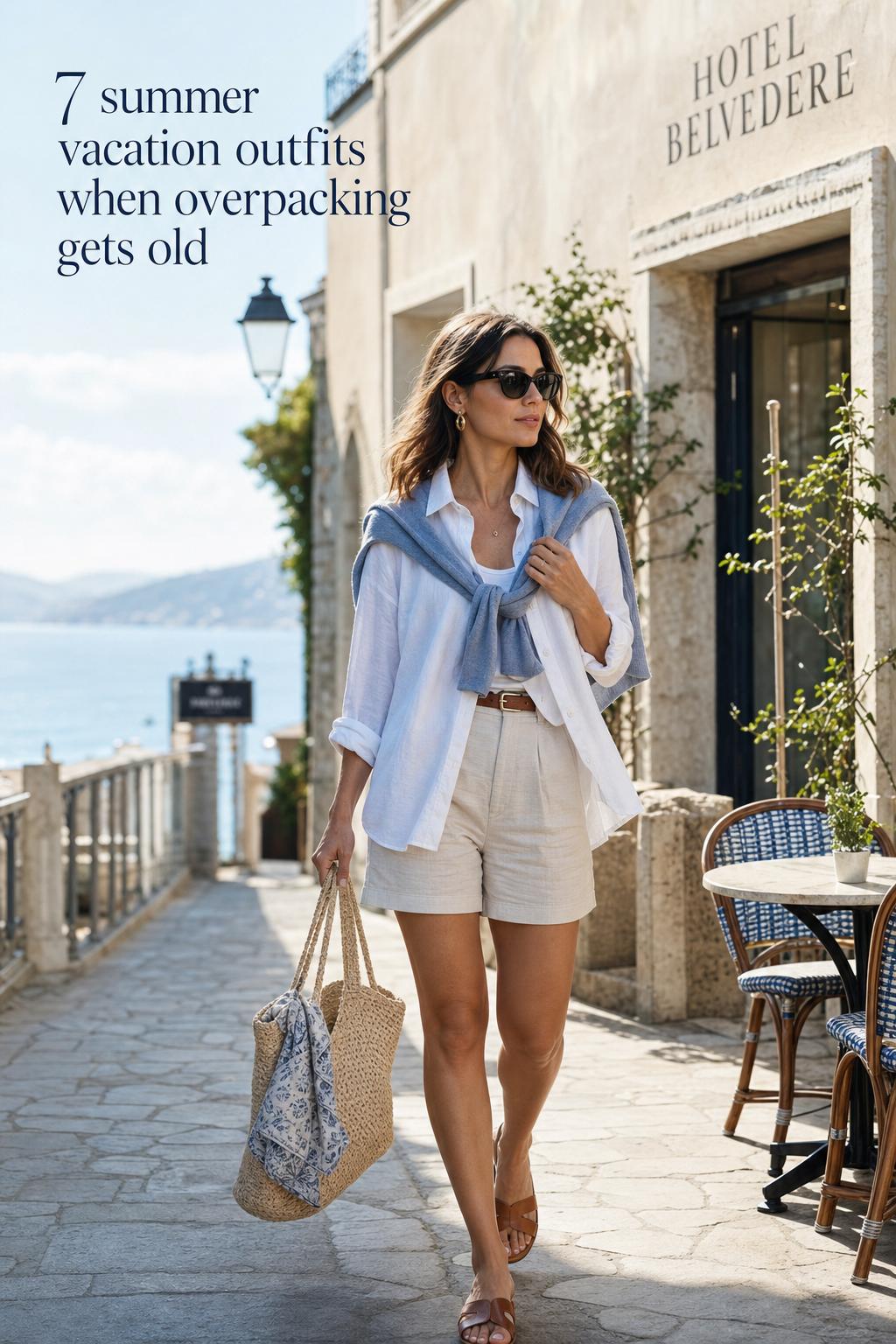
    Summer vacation outfits street style in a sunlit European coastal town, woman in white linen shirt and woven tote
    A refined street-style moment captures effortless summer vacation outfits with linen layers, sandals, and a woven tote in warm coastal light.

    This guide approaches summer vacation outfits as a working wardrobe rather than a mood board. The focus is on what to buy first, which pieces are easiest to recreate, how to make them work for different body types, and how to avoid the common mistake of packing beautiful but impractical clothes. Think polished, versatile, and easy to repeat without looking repetitive.

    The foundation: a vacation wardrobe built on composition, not quantity

    Woman in a sunlit coastal apartment wearing summer vacation outfits with white linen trousers and sandals, packing to go out
    In a softly sunlit coastal apartment, she adjusts her tote in polished linen layers for effortless summer travel style.

    A useful vacation wardrobe starts with structure. That does not mean tailoring in a strict sense. It means knowing how each piece behaves in relation to the others. A white dress can become coastal, minimalist, or romantic depending on whether it is paired with flip flops, a pastel knit, a beaded bag, or statement earrings. Linen trousers can feel urban with a clean camisole and sandals, or more resort-ready with a halterneck top and scarf. The same item shifts its identity through styling.

    This is why outfit formulas are so effective for travel. Instead of packing isolated garments, you pack combinations. Editorially, the combinations that recur most often are simple because they solve real problems: heat, comfort, and the need to look intentional with minimal effort. A white maxi or midi dress, linen shorts, a printed skirt, a bohemian top, a camisole, flat or low-heel sandals, and one lightweight knit can cover an astonishing number of situations.

    • Buy first: one dress, one bottom in linen, one evening-leaning top, one walking sandal, one small statement accessory.
    • Invest first: shoes you can actually wear for hours, a bag that works day to night, and a dress in a fabric that does not collapse after sitting.
    • Save on: trend-led jewelry, scarves, jelly shoes, and novelty pieces such as a bandana top or beaded bag if they are not core to your usual style.

    If you tend to overpack, start by deciding your trip’s main atmosphere. Hamptons style suggests coastal polish, refined neutrals, and clean lines. A French Riviera or Italy mood often supports a more sensual but still balanced approach: a red dress, mesh flats, or a head scarf. A city itinerary asks more from your shoes and fabrics. Once that lens is clear, shopping and packing become much easier.

    Destination matters more than trends

    Summer vacation outfits laid out on a bed with sunglasses, sandals, and a straw hat in natural light
    A sunlit flat lay showcases coordinated summer vacation outfits with breezy essentials ready for travel.

    The best summer vacation outfits look right because they suit where you are going. A piece can be attractive on its own and still feel wrong in context. Resort wear for a tropical setting is not the same as dressing for New York City, the Hamptons, or France, even when some staples overlap. Destination-led styling helps you pack fewer clothes that work harder.

    For a city break: polished ease with breathable structure

    City-break dressing works best when silhouettes are clean and movement is easy. Think parachute trousers with a turquoise camisole and heeled thong sandals, or a white dress with a lightweight knit for cooler interiors and evening transitions. COS is particularly aligned with this mood because minimalist shapes layer well and do not rely on excessive accessorizing. Mango and H&M also fit here when you choose simpler cuts over overtly beachy pieces.

    For petites, city outfits benefit from a more vertical line: a midi skirt with a halterneck top, or trousers that skim rather than overwhelm. Tall readers can carry wider trousers and longer hems especially well, but should still keep one element streamlined, such as a closer-fitting camisole. Curvier figures often do well with definition at the waist or neckline, which is why a halterneck top or a softly shaped dress tends to feel balanced rather than boxy.

    The common mistake in city packing is overcommitting to flat beach sandals that do not feel polished by night, or dresses that crease heavily after transit. Keep one elevated sandal and one simple layer in rotation. It will make even a basic outfit feel more finished.

    For the coast: Hamptons calm and beach-to-lunch practicality

    Coastal dressing often looks best when the palette is softened and the silhouette remains easy. Hamptons style in particular favors clean, airy pieces that feel affluent in spirit without needing obvious logos: a white dress, simple sandals, a tote, perhaps a pastel knit draped over the shoulders. The success of this look lies in restraint. The dress carries the visual lightness, and the knit adds dimension without weight.

    If your day includes sun, walking, and a lunch reservation, this kind of formula is genuinely useful. Flip flops work if they are intentional within the look and the dress has enough presence to avoid feeling underdressed. For more support, choose a sandal with a similar visual lightness. Add a beaded necklace or simple earrings rather than multiple competing accessories.

    For curvier proportions, a white dress with subtle shape through the waist often feels more secure than a straight cut. For taller frames, a longer hem and larger tote can handle proportion beautifully. For petites, keep the knit fine rather than bulky so it does not dominate the silhouette.

    For a resort or island trip: print, movement, and breathable texture

    Resort dressing can handle more color and movement. This is where Farm Rio-style energy, broderie anglaise, printed skirts, and bohemian tops feel at home. A bohemian top with linen shorts and kitten heel sandals is one of the easiest ways to strike the right note: enough personality for a destination, enough practicality for real wear. A printed skirt with a broderie anglaise top and statement earrings also works well for dinners when you want something more composed than a dress.

    The key is balancing one expressive element with one grounding element. If the skirt is busy, keep the top airy and pale. If the top has detail, choose cleaner shorts. This avoids the all-over busy effect that can make holiday styling feel costume-like rather than refined.

    Readers recreating this on a budget should prioritize the shape before the exact print. H&M, ASOS, Bershka, and PrettyLittleThing can deliver the mood affordably if you choose prints in a controlled palette and avoid overly flimsy finishing. Farm Rio and Sezane can act as visual references for silhouette and color balance even if your purchase comes from elsewhere.

    For cooler evenings or mixed-weather itineraries: layer lightly

    Summer travel does not mean constant heat. Ferries, flights, air-conditioned restaurants, and coastal evenings all make layering essential. The simplest solution is a pastel knit over a white dress, or a head scarf and light layer with a midi skirt. The objective is not bulk but modulation. You want enough softness to shift the outfit, not enough weight to compromise your packing.

    When layering, watch the proportion carefully. A cropped or finer knit tends to flatter petites and curvier shapes more easily because it preserves definition. A looser knit can look elegant on taller frames, especially over column-like dresses or longer skirts. Avoid taking a heavy layer that only works with one outfit; every layer should connect with at least three looks in your bag.

    The outfit formulas that actually earn space in a suitcase

    Summer vacation outfits: woman in white linen trousers strolling a sunlit European coastal street near a café and boutique hotel
    A breezy editorial street-style moment captures polished capsule dressing for a sunlit European seaside escape.

    Some vacation outfits are beautiful in editorial pages but weak in practice. The formulas below endure because they transition well, flatter a range of body types, and can be restyled without much effort.

    White dress, pastel knit, and flat sandals

    This is one of the most reliable vacation combinations because it solves several styling needs at once. The white dress reflects heat visually and literally feels seasonally right. The pastel knit adds softness and gives you an evening layer. Flat sandals or flip flops keep it grounded. The overall effect feels close to the Hamptons and coastal vacation dressing that remains popular because it is difficult to get wrong.

    Why it works: the base is simple, so the texture and color of the knit become enough styling. It flatters most figures because the vertical line of a dress elongates, while the layer near the shoulders adds shape. If you are petite, choose a dress that does not puddle around the ankle. If you are curvy, look for subtle waist definition. To make this look more expensive, keep the accessories minimal and the color palette gentle.

    Bohemian top, linen shorts, and kitten heel sandals

    This formula introduces more personality while remaining highly wearable. The bohemian top brings movement and interest; linen shorts provide breathability; kitten heel sandals elevate the outfit enough for lunch, shopping, or an informal dinner. It is especially useful for readers who do not want to rely on dresses for every vacation day.

    Why it works: the top carries the romantic detail, while the shorts keep the look grounded. It suits resort settings and European vacation moods particularly well. Pear-shaped readers may appreciate the emphasis on the upper half. Those with a straighter frame can use the top’s volume to create more visual shape. The main caution is proportion: if the top is very voluminous, keep the shorts clean and fairly tailored.

    Bandana top, bloomers, and jelly shoes

    This is one of the more trend-conscious vacation formulas, drawing from the 90s revival seen in bloomers and jelly shoes. It has a playful energy that works best in very relaxed resort settings, beach clubs, or destination moments where fashion experimentation feels natural.

    Why it works: it creates contrast between skin-baring structure on top and softness through the lower half. But it is not the most universal formula. If you want to borrow the idea without committing fully, choose just one element. Jelly shoes can work with a simpler dress, or a bandana-inspired top can be paired with linen trousers instead of bloomers. This is also the easiest formula to overstyle, so limit accessories.

    Broderie anglaise top, printed skirt, and statement earrings

    Among the more dressed-up summer vacation outfits, this one performs particularly well for dinners, terrace lunches, and occasions when you want polish without obvious effort. The broderie anglaise top brings texture and lightness. The printed skirt introduces destination character. Statement earrings finish the look without requiring a complicated shoe choice.

    Why it works: each piece plays a different role. The top is airy and classic. The skirt provides motion and color. The earrings pull the eye upward, which can be especially flattering if you want the outfit to feel lengthening. For petites, choose a skirt with moderate volume. Taller readers can take more scale in print and hem. To recreate this affordably, focus on a crisp white top and one quality-looking earring rather than chasing a specific designer impression.

    Camisole, parachute trousers, and heeled thong sandals

    This is the modern city-break answer to vacation dressing. The camisole keeps the outfit light, the parachute trousers add movement and ease, and the sandals sharpen the line enough for evening. It can read minimal, slightly sporty, or quietly glamorous depending on color and accessories.

    Why it works: volume on the bottom feels contemporary, but the slim top keeps proportion under control. This is often a strong option for tall readers and for anyone who dislikes shorts. Curvier readers can make it work beautifully by choosing trousers that drape rather than balloon aggressively. If you are petite, keep the hem clean and avoid too much fabric pooling around the shoe.

    Halterneck top, midi skirt, and a head scarf

    This formula speaks to a European summer mood without feeling forced. It brings elegance through the neckline and softness through the skirt, while the scarf introduces destination character. It is particularly effective for evenings in Italy or France-inspired settings, where a little styling intention feels appropriate.

    Why it works: the exposed shoulder line creates refinement, while the midi skirt maintains ease and movement. The scarf can also solve practical concerns such as wind, hair, or midday sun. Keep the rest of the outfit restrained. Too many extras can push it into costume. A simple sandal and one bag are enough.
    Red dress, mesh flats, and a beaded bag

    For readers who want one evening-ready statement without packing multiple special pieces, this is a strong choice. A red dress already carries presence. Mesh flats make the outfit feel current but still walkable. A beaded bag adds texture and a holiday note.

    Why it works: color does most of the work, so the silhouette can stay fairly simple. This is useful if you want impact with low styling effort. The practical caution is to choose a red that feels flattering to your complexion and to keep the bag small enough to remain elegant but large enough to hold essentials. If mesh flats are not for you, any minimal evening-flat approach can preserve the same balance.

    A 12-piece capsule that covers beach, city, and resort plans

    The most efficient vacation wardrobe is not the smallest possible one. It is the one with the highest number of workable combinations. A tightly edited 12-piece capsule can cover a city break, a coastal stay, and a more resort-like itinerary if each piece serves more than one role.

    • One white dress
    • One red or color-focused dress
    • One bohemian or broderie anglaise top
    • One clean camisole
    • One halterneck top
    • One pair of linen shorts
    • One printed skirt or midi skirt
    • One pair of lightweight trousers, including parachute trousers if they suit your style
    • One pastel knit
    • One flat sandal or flip flop
    • One elevated sandal, such as a kitten heel or heeled thong sandal
    • One destination-specific accessory, such as a head scarf, statement earrings, or a beaded bag

    This capsule works because it creates overlaps. The white dress can be coastal by day and dinner-ready with earrings. The printed skirt can pair with the broderie anglaise top, the camisole, or the halterneck. The linen shorts can work with both the bohemian top and the knit. Even a trend-led accessory becomes useful when the clothes beneath it remain quiet.

    If budget is limited, prioritize the categories that create the most combinations: dress, shorts or trousers, one polished top, and one reliable sandal. Accessories can be added later. If your luggage is small, let the destination guide your swaps. For a Hamptons-style trip, keep the printed skirt and brighter accessories minimal. For a more expressive resort itinerary, you may reverse that balance.

    How to make celebrity and influencer inspiration usable

    Bella Hadid, Hailey Bieber, Dua Lipa, and the influencer-led styling often seen in vacation editorials can be genuinely useful if you look past the fame and study the construction. The reason these references resonate is not simply because of the person wearing them. It is because the formulas are legible: a fitted top with relaxed bottoms, a strong dress with pared-back accessories, or a simple day silhouette sharpened by one directional detail.

    The practical approach is to identify what is actually transferable. Bella Hadid’s European vacation mood, for example, often translates into a compact wardrobe with sensual but not overly fussy elements. You do not need the exact item to capture the effect. You need the same proportion: perhaps a halterneck top, a lean skirt, and restrained accessories. Hailey Bieber and Dua Lipa references similarly point to confidence in silhouette rather than an overload of pieces.

    Avoid trying to recreate every celebrity detail, especially on a budget. Instead, choose one focus point per outfit. If the reference look is a red dress, keep the shoe and bag simple. If the reference relies on a scarf or statement earring, anchor it with basics from COS, Mango, or H&M. This is how inspiration becomes wearable instead of theatrical.

    Core staples versus contemporary accents

    The wardrobe pieces that deserve more of your budget are not always the most visible ones. In vacation dressing, core staples do the heavy lifting, while contemporary accents create atmosphere. Knowing the difference prevents expensive mistakes.

    Core staples worth taking seriously

    • White dress: the most versatile piece across beach, city, and dinner settings.
    • Linen shorts or trousers: practical in heat and easy to pair with more expressive tops.
    • Simple sandals: a dependable flat and one slightly elevated option cover most plans.
    • Light knit: essential for layering and for making summery outfits feel complete.

    These are the pieces to buy with discernment. Even affordable versions can look refined if the cut is clean and the fabric falls well. COS, Mango, H&M, and Sezane appear repeatedly in vacation styling because they often offer these building blocks in shapes that are easy to integrate.

    Contemporary accents that freshen the wardrobe

    This is where printed skirts, statement earrings, jelly shoes, a head scarf, bloomers, a beaded bag, or a bandana-inspired top come in. These pieces give your wardrobe specificity. They are often less essential but more memorable. Farm Rio, Free People, ASOS, Bershka, and PrettyLittleThing can be useful here if you want to explore a mood without restructuring your entire suitcase.

    The key is moderation. One contemporary accent per look is often enough. If you stack too many trend cues at once, the outfit can date quickly and become difficult to repeat. Great vacation style tends to feel lightly directional, not overloaded.

    Practical styling notes by body type and proportion

    Vacation clothing often appears deceptively easy, but proportion still matters. Pieces that seem effortless in an editorial image can become awkward if the scale is wrong. A useful way to think about adaptation is to decide where you want shape, where you want movement, and where you want visual calm.

    • Petite: favor cleaner hems, less bulk, and tops that do not overwhelm the frame. Midi skirts and parachute trousers work best when the line stays visible.
    • Curvy: seek gentle definition through the waist, neckline, or shoulder line. Halternecks, shaped dresses, and draped rather than stiff fabrics are often effective.
    • Tall: longer dresses, fuller skirts, and wider trousers can feel naturally elegant, but keep one fitted or minimal element to avoid losing structure.
    • Straighter frames: use texture, volume, or detailing on one half of the body to create dimension, such as a bohemian top with simple shorts.

    None of this is about rigid rules. It is about visual balance. If one piece has volume, let the next piece bring clarity. If a dress is simple, let the accessory carry some personality. This kind of proportion thinking is what makes outfits feel polished in real life, not only in photos.

    What to avoid when planning summer vacation outfits

    Many packing mistakes come from pursuing a fantasy version of a trip instead of dressing for the trip itself. A suitcase full of delicate trend pieces may look exciting at home and prove useless by day two. Vacation dressing should still allow for heat, repeated wear, long walks, and quick outfit changes.

    • Avoid packing too many single-use outfits that cannot be restyled.
    • Avoid shoes that only work for photos but not for walking.
    • Avoid bringing multiple statement pieces that compete with each other.
    • Avoid ignoring layers if your itinerary includes flights, ferries, or evening plans.
    • Avoid silhouettes that wrinkle badly if you know you will not manage fabric care while away.

    Another frequent issue is buying too late and packing untested pieces. A sandal can look ideal online and become unwearable after twenty minutes. A halterneck can feel elegant until you realize it offers no support for a long day. Practical style means understanding these trade-offs before departure.

    Making the wardrobe feel more refined without buying more

    One of the most effective style shifts is not adding more clothes, but editing color and texture. Soft neutrals, whites, and a controlled accent shade such as red or turquoise often create a more expensive-looking wardrobe than a suitcase packed with unrelated prints. This is one reason minimalist brands like COS integrate so well with more expressive labels such as Farm Rio or Free People: the contrast gives the outfit shape.

    Use accessories strategically. Statement earrings with a simple dress, a head scarf with a halterneck and midi skirt, or a beaded bag with a red dress all create a destination-specific finish without requiring multiple new garments. The refinement comes from restraint and confidence, not excess.

    Another useful trick is to repeat your strongest base pieces and vary only one element. Wear the same white dress once with flip flops and a tote for day, and again with a knit, earrings, and a different sandal for dinner. This not only saves space; it makes your wardrobe look intentional.

    Shopping with intelligence: where to spend and where to simplify

    Vacation shopping becomes much easier once you separate form from finish. You are often paying for either a superior cut, a better fabric, or a more distinctive design point. Spend where those differences are noticeable. Simplify where they are not.

    For timeless staples, COS, Mango, H&M, and Sezane are useful reference points because they sit close to the vacation essentials most people actually rewear: white dresses, trousers, sandals, and uncomplicated tops. For more decorative pieces, Farm Rio, Free People, ASOS, Bershka, Ellos, and PrettyLittleThing can fill specific gaps, especially if you want a printed skirt, a bohemian top, or a playful accessory for one trip.

    Save your money if the item is highly trend-specific and unlikely to return next season. Spend more carefully if the piece can move between destinations and years. A clean white dress or simple sandal may support five vacations. A novelty piece may support one photo and one dinner.

    The often-missed practical layer: comfort, care, and transition

    Even the most elegant vacation wardrobe fails if it cannot survive the conditions around it. Summer travel asks for breathability, easy care, and enough versatility to handle weather variation. Linen, breathable cotton, and lightweight knits remain central for good reason: they feel seasonally appropriate and fit the rhythm of travel dressing.

    Think in transitions. Can your beach or coastal daytime outfit move into late afternoon with only a scarf and sandals swap? Can your dinner dress work once during the day with flatter shoes and less jewelry? Can your city outfit survive both walking and a restaurant reservation? If not, it may not deserve space in your bag.

    It also helps to pack with simple care in mind. Pieces that can be hung, aired, and reworn outperform those that demand constant attention. That may sound less romantic than shopping for a new statement dress, but it is often the difference between a stylish wardrobe and a frustrating one.

    Tips for building better vacation outfits quickly

    • Start with one destination-defining piece, then build around it with simpler staples.
    • If you buy only one new item, make it the piece that expands the most existing outfits.
    • Choose one accessory category to emphasize: earrings, scarf, or bag. Not all three at once.
    • Use color deliberately. White, soft neutrals, and one accent shade are usually enough.
    • Test every shoe before packing it for a trip with walking.
    • If you are unsure about a trend, adopt it in an accessory first rather than a full outfit.
    • For a more polished look, repeat similar metal tones and keep bag hardware understated.

    Most importantly, build around the life you will actually live on the trip. The most memorable wardrobes are not the most excessive ones. They are the ones that allow you to feel comfortable, prepared, and still visually considered from morning through evening.

    Summer vacation outfits editorial photo of woman in white linen shirt and trousers on a European seaside terrace at golden hour
    An elegant European seaside moment captures effortless summer vacation outfits in crisp linen layers and travel-ready accessories.

    FAQ

    What are the most versatile summer vacation outfits to pack first?

    The most versatile starting point is a white dress, linen shorts or lightweight trousers, one polished top such as a halterneck or camisole, a light knit, and two pairs of sandals. These pieces can move between beach, city, and dinner settings with only small accessory changes.

    How can I recreate European vacation outfits on a budget?

    Focus on the formula rather than the exact item. A halterneck top with a midi skirt, a white dress with refined flat sandals, or linen shorts with a soft bohemian top can capture the European summer mood without expensive labels. H&M, Mango, ASOS, Bershka, and PrettyLittleThing can help if you prioritize clean shapes and restrained styling.

    Which pieces are worth investing in for a vacation wardrobe?

    The strongest investment pieces are the ones you will rewear across multiple trips: a well-cut white dress, dependable sandals, a practical day-to-evening bag, and breathable trousers or shorts. These staples create the base for many outfits and matter more than trend-specific accessories.

    What if I am petite, curvy, or tall?

    Adjust the scale rather than abandoning the idea. Petites often benefit from cleaner hems and less bulk, curvier figures usually do well with soft waist or neckline definition, and taller frames can carry longer lines and wider trousers beautifully. The goal is always proportion, not strict rules.

    How do I make vacation outfits look more polished without overpacking?

    Keep the clothing base simple and use one finishing detail well. Statement earrings, a head scarf, or a beaded bag can transform a familiar dress or skirt without adding much weight to your suitcase. Repeating a cohesive color palette also makes a small wardrobe look more refined.
    Are trend pieces like jelly shoes, bloomers, or bandana tops worth buying?

    They can be worthwhile if they fit your usual style and your destination mood, but they are best treated as accents rather than essentials. If you are unsure, choose one trend-led element and pair it with dependable basics instead of building a full look around multiple directional pieces.

    What should I avoid when packing for a summer vacation?

    Avoid single-use outfits, uncomfortable shoes, too many competing statement items, and pieces that need constant care. It is also wise not to rely entirely on beachwear if your trip includes dinners, city walking, or cooler evenings.

    How can I transition an outfit from day to night while traveling?

    Use one strong base piece and adjust the finish. A white dress can shift from day to night with a knit removed, earrings added, and sandals upgraded. A printed skirt can feel daytime with flat shoes and evening-ready with a sleeker top and a more refined bag.

    What is the easiest vacation aesthetic to recreate in everyday life?

    Hamptons-style coastal dressing is often the easiest because it relies on clean, wearable pieces: white dresses, simple sandals, light knits, and understated accessories. It adapts well beyond travel and does not depend heavily on novelty.

  • Linen Summer Outfits for a Refined Warm-Weather Wardrobe

    Linen Summer Outfits for a Refined Warm-Weather Wardrobe

    High summer dressing often looks simpler than it feels. The usual problem is not a lack of ideas, but the tension between polish and relief: you want to look composed, yet the weather asks for clothes that breathe, move, and never feel heavy by noon. This is exactly why linen summer outfits remain so compelling. They solve a practical issue first, then build style around it.

    Linen can be deceptively tricky, though. A beautiful fabric on a hanger can become too rumpled for work, too bare for the city, or too resort-coded for everyday life if the outfit is not balanced well. The answer is not to abandon linen, but to style it with more intention. The right silhouette, the right layering piece, and the right accessories make the difference between looking merely dressed for heat and looking genuinely refined.
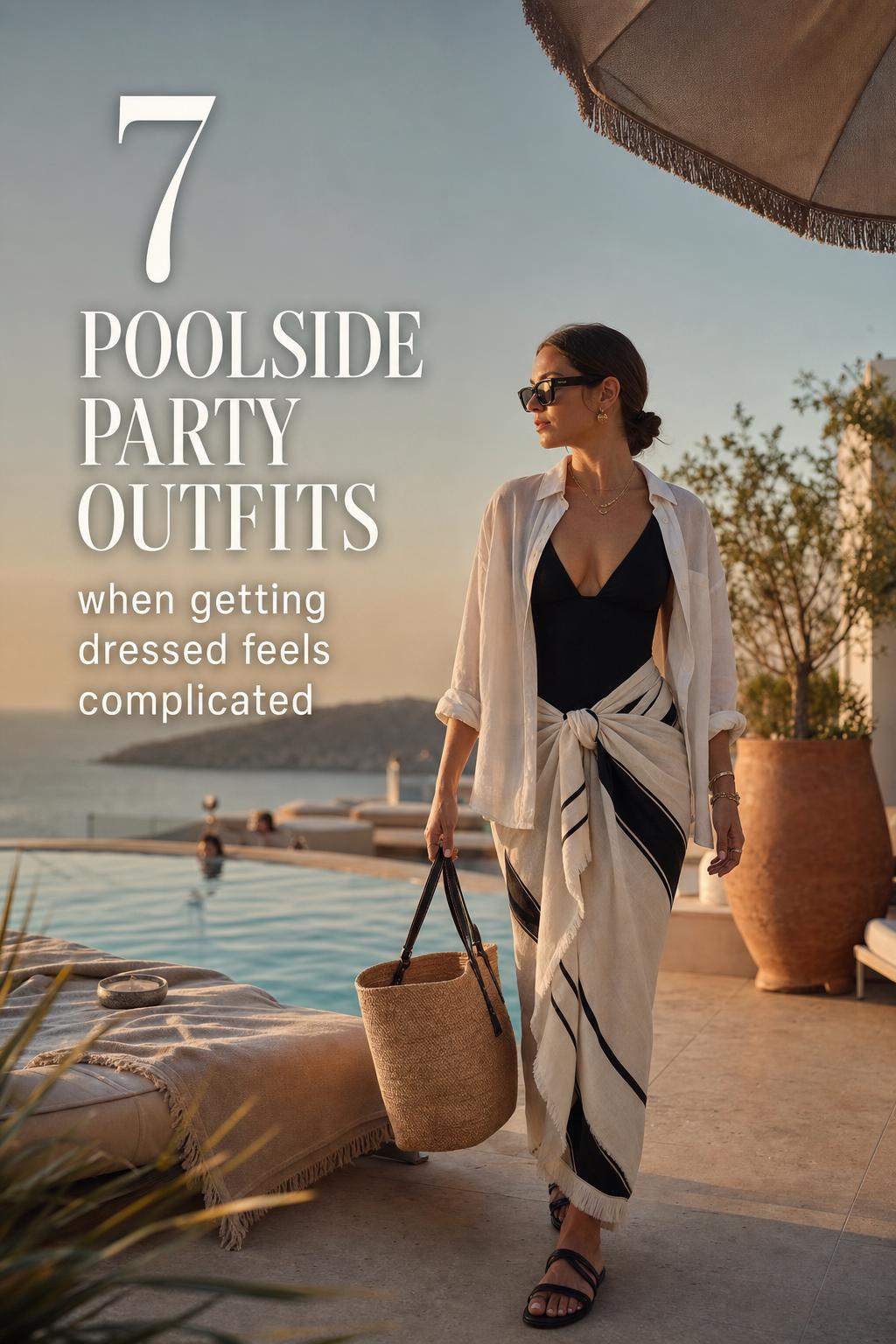
    Street-style adult woman in linen summer outfits with white tee, sand linen trousers and blazer walking past a city café
    A modern editorial street-style moment featuring a breathable linen look in warm city light, finished with minimal accessories and a polished silhouette.

    This guide approaches linen the way a thoughtful fashion editor would: as a material with character, not a trend to copy blindly. From white tees and linen trousers to matching sets, throw-on dresses, long shorts, and city-ready layers, these outfit solutions are designed to help you build a summer wardrobe that feels cool, modern, and realistic for daily life.

    Why dressing well in linen can feel harder than it should

    The challenge begins with summer itself. Heat changes how clothing behaves and how you experience it. A blazer that feels sharp in spring can seem restrictive in July. A fitted dress may look elegant at breakfast and feel far less convincing by late afternoon. Linen enters this conversation because it is associated with breathability and comfort, but comfort alone does not create a strong outfit.

    What makes linen so useful is also what makes it demanding. Its texture is relaxed. Its drape is softer than rigid tailoring. It carries an ease that suits vacation, coastal dressing, and resort wear beautifully, yet that same ease can feel unfinished in a city setting unless there is structure elsewhere in the look. This is why the best linen dressing often relies on balance: a crisp white tee against fluid trousers, a matching set with refined sandals, or a linen dress finished with a raffia bag and minimal jewelry.
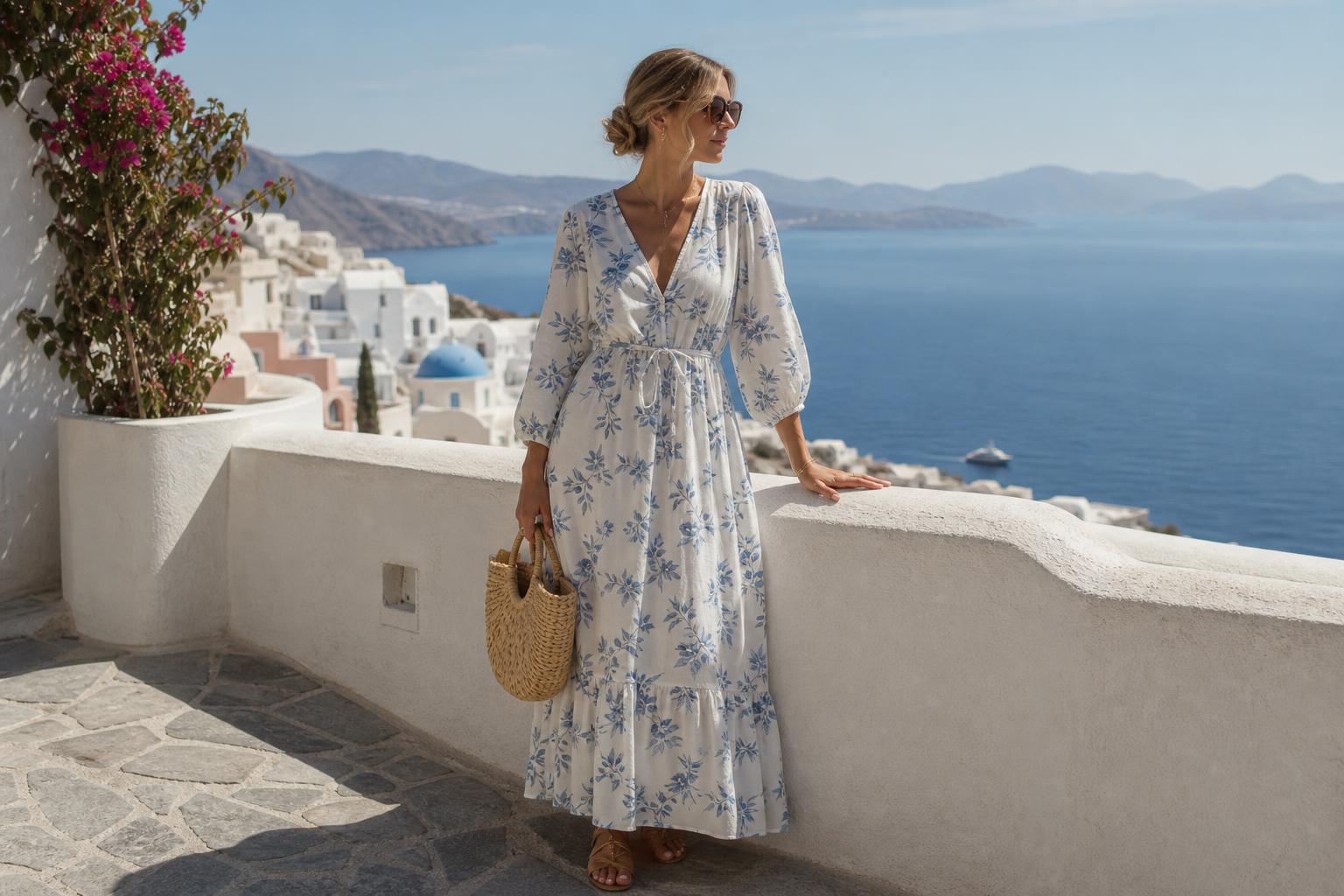
    There is also the question of context. A linen short set may feel perfect for casual errands, beach travel, or a weekend lunch, while a double-layered linen look or a linen vest with tailored trousers makes more sense for work or a polished city afternoon. The difficulty is not choosing linen versus non-linen. It is choosing the right linen formula for the right moment.

    Woman in sunlit apartment styling linen summer outfits with white tee, sand linen trousers, and accessories on a wooden table
    Soft morning light and airy textures frame a refined look that makes linen summer outfits feel effortlessly polished.
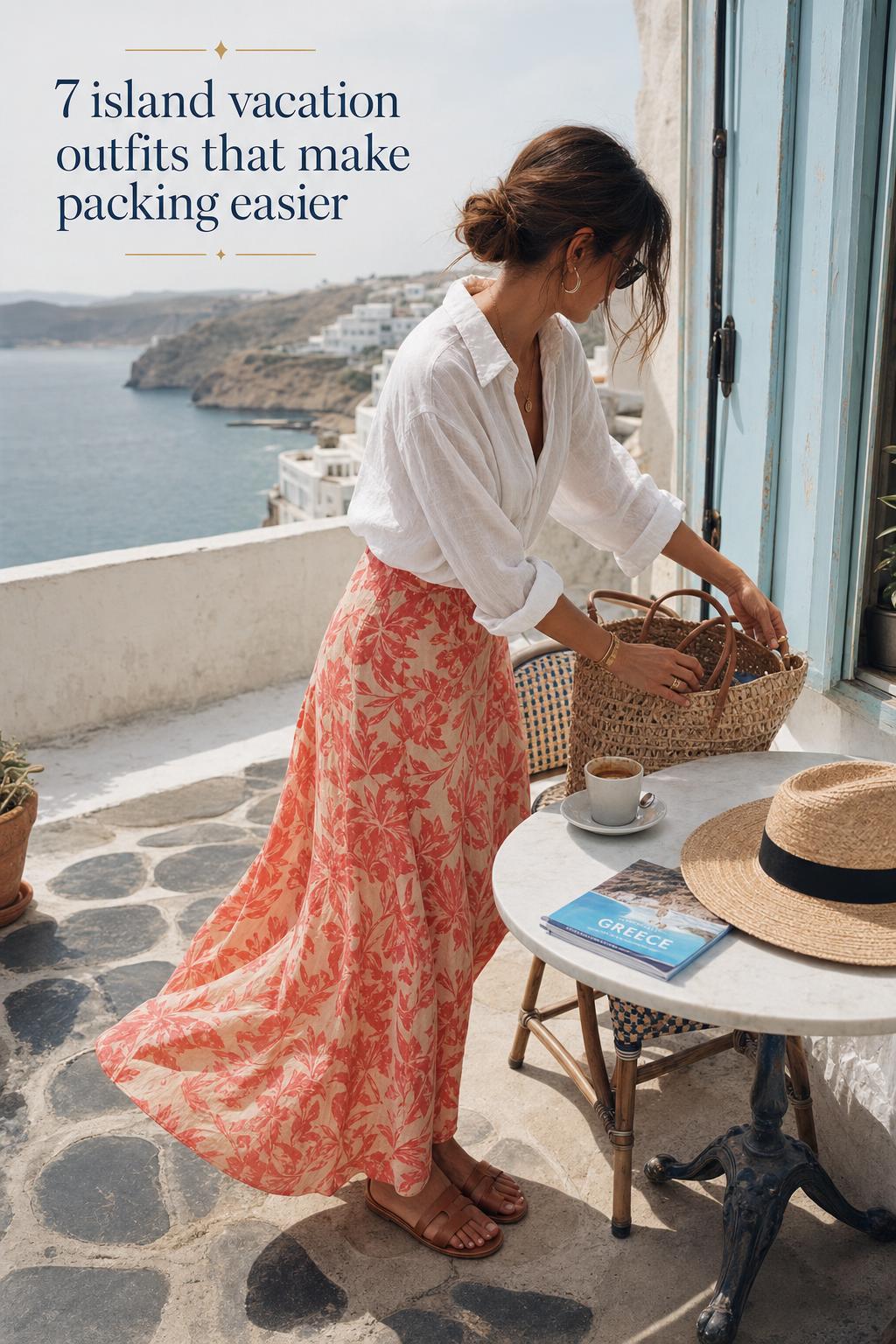
    The principles that make linen outfits work

    Strong linen styling is built on a few consistent ideas seen across modern summer wardrobes, from resort-ready dressing to more elevated urban looks. Once you understand these principles, linen becomes much easier to wear repeatedly without every outfit feeling the same.
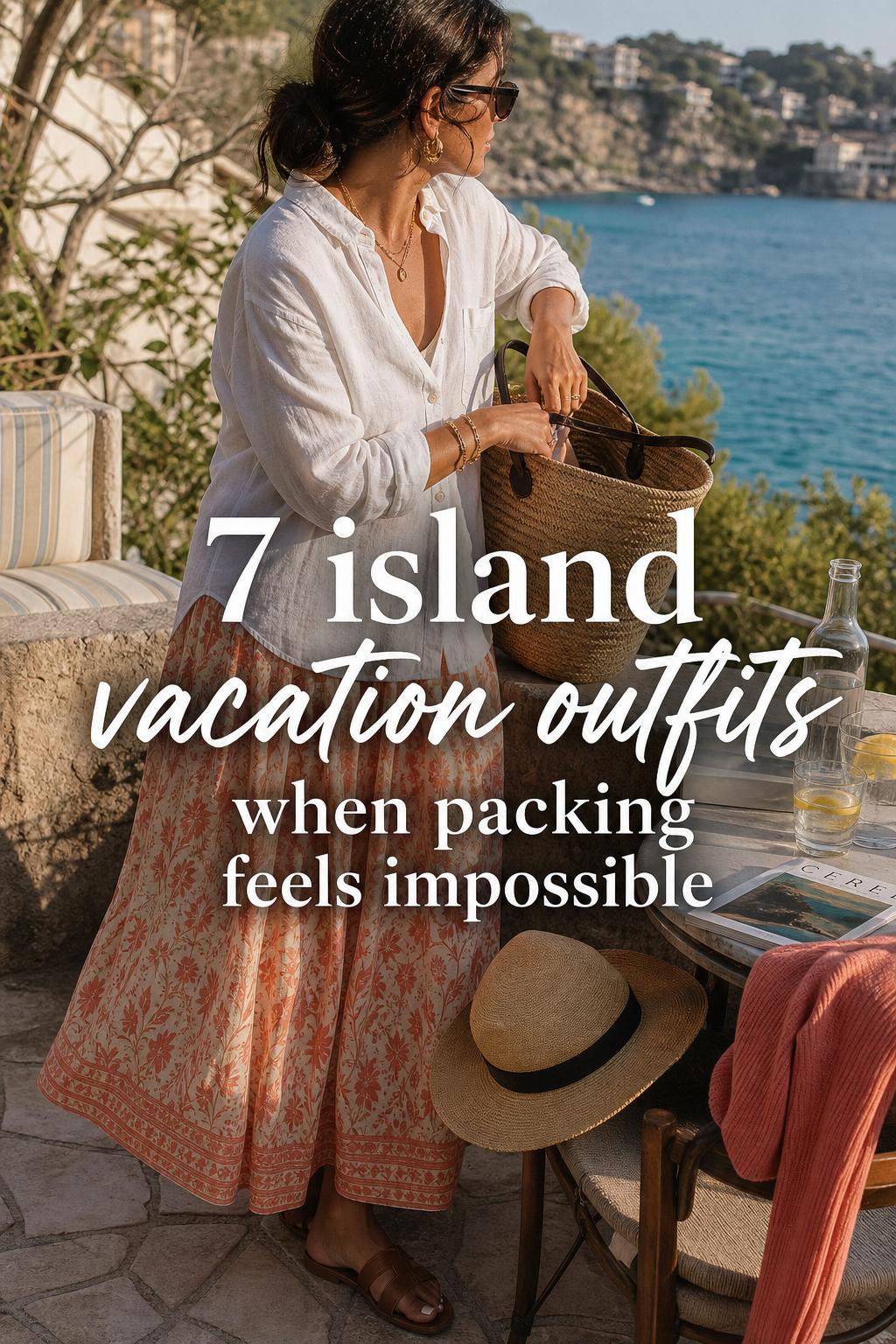
    • Start with breathability as the foundation, not the finishing touch.
    • Use silhouette to add polish where linen naturally softens the look.
    • Keep the color story controlled, then introduce a pop of color if needed.
    • Rely on accessories with natural texture, such as raffia, to support the fabric rather than fight it.
    • Choose one focal point: a linen dress, matching set, long short, or fluid trouser.

    The most successful linen summer outfits rarely feel overworked. Instead, they look edited. Neutral tones do much of the heavy lifting because they allow texture to become visible. This is one reason linen appears so often in refined palettes associated with Paris, Milan, and coastal dressing. A soft neutral linen set with clean sandals and a woven bag feels coherent because every element speaks the same visual language.

    That does not mean color should disappear. Harper’s Bazaar emphasized keeping colorfully cool, and that remains a useful styling direction. A neutral base with one vivid note can make linen feel more current and less predictable. Think of a natural linen trouser and white top anchored by a stronger accessory or a colorful accent within an otherwise pared-back look.

    Understanding linen as a summer fabric

    Before getting into outfit formulas, it helps to define why linen matters in warm weather. Linen is consistently treated as the essential breathable fabric for summer dressing. It is valued for comfort, airflow, and the lived-in texture that makes hot-weather clothes feel less rigid. In practical terms, it helps you create outfits that are cooler and easier to wear for long days that move between indoor and outdoor settings.

    There is also a more editorial reason linen endures. It has visual depth. A linen shirt does not look flat in the same way some smoother fabrics can. A linen dress catches light differently. A linen blazer layered over a simple base adds enough texture to make an outfit feel considered, even when the palette is minimal. This is why labels and retailers as varied as Banana Republic, The Row, Massimo Dutti, Reformation, J.Crew, Toteme, Deiji Studios, LEMAIRE, ST. AGNI, and Jenni Kayne all fit naturally into the linen conversation.

    For readers thinking beyond appearance, fabric education and care also matter. Linen is not just a visual choice; it is a wardrobe decision. Concepts such as flax, linen origin, European linen mills, European flax, Belgian linen, pre-washed linen, and certifications like OEKO-TEX are relevant because they help explain why one linen piece may feel softer, sturdier, or more suitable for repeat wear than another. In the same way, linen blends such as cotton-linen blends or rayon-linen blends can affect drape and ease, especially if you want a more fluid silhouette or less crisp texture.

    Linen summer outfits styled on a model in a light, breathable linen shirt and shorts outdoors in natural sunlight
    A relaxed linen look captures effortless summer style in soft natural light.

    From resort to city: the linen wardrobe problem solved by context

    One of the most useful shifts in thinking is to stop treating linen as a single aesthetic. Linen can belong to vacation mode, of course, but it also works for city wear, hybrid work, casual errands, and modern summer tailoring. The key is to style it in a way that reflects where you are going.

    Editorial styling often leans on location to sharpen this idea. Coastal linen dressing tends to feel looser, softer, and more relaxed. City linen, by contrast, benefits from cleaner lines, stronger proportions, and slightly more deliberate accessories. That contrast helps explain why the same linen shirt can work with pull-on trousers and sandals at a resort, then feel right with a vest, belt, and structured tote in an urban setting.

    There is an aspirational aspect here as well. References to Paris and Milan, particularly in design week contexts, suggest a more polished approach to warm-weather dressing: restraint, quality, and fabric-led composition rather than excessive styling. The lesson is not to imitate a location literally, but to understand the mood. Linen looks best when the outfit feels intentional, not improvised.

    Woman in chic linen summer outfits on a sunlit European street corner, wearing cream linen trousers, white tee and raffia bag
    A modern linen look—crisp white tee, fluid cream trousers, and raffia bag—captures effortless warm-weather polish in soft daylight.

    Outfit solution: white tee and linen trousers for polished ease

    This is one of the most dependable answers to the summer dressing problem because it pairs a familiar basic with a fabric that does the climate work for you. A simple white tee grounds the outfit. Linen trousers introduce movement and breathability. Together, they create a silhouette that feels calm, polished, and easy to adapt.

    The reason this combination works so well is proportion. The tee keeps the top half clean and uncomplicated, while the trouser adds length and softness. If your concern is looking too casual, this is where accessories matter. Add minimal sandals, a refined bag, and restrained jewelry. A belted tote or a clean shoulder bag can shift the tone immediately. Mansur Gavriel fits naturally into this polished-accessory space, while a more understated line from The Row conveys the same stripped-back confidence.

    This formula also adapts across wardrobes. Banana Republic and J.Crew are often referenced in relation to linen trousers because the category itself is central: a trouser that breathes but still reads as composed. For work-from-anywhere days, you can layer a linen blazer over the tee. For casual city errands, leave the look spare and let the texture of the trouser do the visual work.

    Why this outfit solves the problem

    It keeps the body cool without sacrificing visual structure. The tee prevents the look from becoming overly styled, and the linen trouser stops basic summer dressing from feeling flat. It is especially useful when you want one outfit to carry you through commuting, meetings, lunch, and early evening plans.

    Outfit solution: the matching linen set when you want immediate coherence

    Few pieces solve warm-weather dressing as efficiently as the linen matching set. Whether it is a vest with trousers, a shirt with shorts, or a coordinated top-and-skirt combination, the set creates instant continuity. You do not need to puzzle over whether separates belong together; the fabric and color story already do that for you.

    This is why matching sets appear so consistently in modern summer styling. Cosmopolitan and Harper’s Bazaar both treat them as central rather than incidental. They work for vacation, for city weekends, and for casual everyday dressing because they deliver a composed silhouette with very little effort. A set from Deiji Studios suggests a softer, more relaxed approach. A cleaner, more tailored interpretation from Massimo Dutti or Toteme reads sharper and more urban.

    The crucial decision here is how much structure you want. A loose linen shirt and short set feels resort-ready immediately, particularly with sandals and a raffia bag. A linen vest and trouser set feels more directional and can move into hybrid work territory when finished with simple jewelry and a refined flat. If you are worried about looking too monochrome or too safe, a single pop of color in a bag, sandal, or earring is often enough.

    Where this outfit works best

    It is ideal for travel days, casual errands, warm weekends, and summer lunches when you want to look put together quickly. It also packs visual impact without demanding much styling, which is useful when dressing in heat tends to reduce your patience for complicated combinations.

    Outfit solution: the throw-on linen dress that still looks intentional

    The linen dress is often the cleanest solution to the question of what to wear when heat makes separates feel like too much work. A good throw-on dress offers one-step simplicity, but the best versions still hold shape, create line, and leave room for accessories to define the mood.

    There are several directions within this category. A summer white dress feels fresh and minimal, particularly when paired with barely-there sandals and a woven bag. A minidress moment is lighter and more playful, especially for weekends or holiday settings. A longer linen dress can feel more polished and calm, which makes it especially useful for city wear or for occasions that sit between casual and elevated.

    Reformation, J.Crew, and Banana Republic sit comfortably in this conversation because the linen dress is not niche; it is a core modern summer piece. At a more elevated level, names such as Gucci, Valentino, and LEMAIRE reinforce how versatile linen can be when silhouette and finish are considered carefully. Even when the dress itself is simple, the final effect depends on proportion. A flatter sandal keeps the look clean. Jewelry should support rather than interrupt the line. A raffia bag, including the kind associated with Loewe x Paula’s Ibiza, reinforces the seasonal texture elegantly.

    How to keep a linen dress from feeling too bare

    Think in terms of framing. Add sunglasses, a subtle earring, a structured bag, or a lightweight layer if needed. The goal is not to complicate the dress, but to give the eye a few deliberate points of focus so the outfit feels finished rather than simply minimal.

    Outfit solution: long shorts and elevated basics for the in-between days

    Long shorts are one of the more practical developments in linen dressing because they bridge comfort and polish with unusual ease. They offer airflow and movement, but the extra length gives the silhouette enough seriousness to feel appropriate beyond the beach or resort.

    This is where elevated basics become important. Pair linen long shorts with a clean tank, a simple white tee, or a linen vest. Add flat sandals and a compact bag. The outfit remains easy, but the proportions feel more deliberate than a shorter short-and-tee combination. Aeyde, Jenni Kayne, and ST. AGNI sit naturally within this language of refined restraint, where the emphasis is on line and material rather than obvious statement dressing.

    The strongest version of this look avoids excess volume on every piece at once. If the shorts are relaxed, keep the top neater. If the top is airy, define the waist or choose a cleaner sandal. This kind of adjustment matters because linen already introduces softness; proportion is what turns that softness into elegance instead of shapelessness.

    Outfit solution: double-layered linen for warm-weather work and hybrid schedules

    Not every summer day is purely casual. Some require more authority, more coverage, or simply a more dressed impression. This is where double-layered linen becomes unexpectedly useful. A linen blazer over linen trousers, or a linen vest under a lightweight outer layer, creates depth while keeping the fabric story seasonally appropriate.

    The hesitation many people feel around layered summer dressing is understandable. Extra pieces can sound impractical in heat. But linen layering works when the shapes remain breathable and the palette remains controlled. A softly tailored blazer over a simple base creates a modern silhouette that is far easier to wear in summer than denser traditional suiting.

    This is where references to The Row, Massimo Dutti, and Banana Republic become useful not as shopping instructions, but as styling markers. The idea is polished summer tailoring: clean lines, enough structure to feel professional, and enough softness to feel realistic in warm weather. For readers navigating modern hybrid work, this may be one of the most effective linen formulas because it respects both comfort and context.

    A practical note on when layering works

    Reserve this approach for indoor-heavy days, travel, or city schedules where air-conditioned interiors are part of the routine. If the day is fully outdoors, a single linen layer is often the more sensible choice. The point of linen dressing is not to prove endurance, but to make heat more manageable without giving up style.

    Outfit solution: linen skirt and lightweight top for texture and movement

    A linen skirt brings a different kind of ease to summer dressing. It has more movement than trousers, often more flexibility than a dress, and offers a useful middle ground for readers who want softness without looking overly casual. The styling success of this look usually comes from contrast: the relaxed texture of the skirt balanced by a more considered top.

    A lightweight top, whether fitted or simply cleaner in line, gives the outfit direction. This is also one of the best places to introduce stripes or controlled color, a direction suggested through pieces such as a Massimo Dutti striped linen shirt. If the skirt is neutral, the top can carry slightly more character. If the skirt itself is the visual focus, keep the top quieter.

    For those who find linen separates difficult because they can read too informal, this combination is especially helpful. It feels composed without becoming severe, and it works across coastal afternoons, city lunches, and more relaxed office environments.

    Color, accessories, and the finishing details that elevate linen

    Linen responds best to styling that respects its texture. Accessories should complement that texture, not compete with it. This is why raffia bags, restrained jewelry, and uncomplicated sandals appear repeatedly in strong linen outfits. They support the mood of the fabric while still giving the outfit definition.

    • Use neutrals as the base: white, soft cream, sand, and earthy tones allow linen texture to stand out.
    • Add one accent rather than several: a color pop feels sharper than a crowded palette.
    • Choose sandals or flats with clean lines to preserve the outfit’s lightness.
    • Lean into natural materials for bags and accessories, especially raffia.
    • Keep jewelry concise and modern so it frames the look rather than overwhelms it.

    Brands such as Mansur Gavriel, Hereu, Lié Studio, and Loewe x Paula’s Ibiza help define this finishing language. The common thread is not logo-driven dressing but material intelligence. A raffia tote with linen trousers makes sense because both pieces share a seasonal ease. Minimal earrings with a linen dress make sense because they sharpen the neckline without disrupting the softness of the fabric.

    There is also room for fragrance as part of the final impression, particularly when thinking about linen as a complete summer mood rather than just a fabric choice. In editorial terms, this supports the larger feeling of effortless dressing, though the outfit itself should remain the main statement.

    Regional styling notes: coastal ease, city restraint, and travel practicality

    Linen behaves differently depending on where you wear it, and this is one of the most overlooked parts of styling it well. A Southern California beachwear mood naturally supports looser sets, airy shirts, and sandals with very little structure. A Northeast city wardrobe usually asks for stronger lines, longer hems, and bags that can handle a commute. Tropical linen looks tend to favor the lightest, easiest formulas: short sets, throw-on dresses, and open silhouettes that allow airflow.

    This regional approach also helps explain why a single wardrobe formula cannot solve every summer day. The same linen dress may look perfect at a sea-side lunch and slightly underbuilt for a city meeting unless you add a structured layer or more defined accessories. Likewise, a vest-and-trouser set that feels elegant in New York may feel too composed for a casual coastal afternoon.

    If you like the elegance associated with Paris or Milan, take the principle rather than the costume. Keep your palette edited. Let fabric and silhouette lead. Avoid over-accessorizing. The result is a more refined form of summer dressing that travels well across different settings.

    Linen care, wrinkle management, and longevity

    One reason some readers hesitate with linen is the question of care. Wrinkling is part of linen’s identity, but there is a distinction between lived-in texture and neglect. Understanding linen care helps you keep garments looking intentional and extends their useful life in the wardrobe.

    Washing, drying, and finishing methods matter, as does the fabric construction itself. Pre-washed linen may feel softer and easier from the start. Linen blends can reduce crispness and alter how the garment drapes. Steaming and thoughtful storage can make a visible difference, especially with dresses, trousers, and blazers where line is part of the appeal.

    For readers who care about the broader story behind the fabric, ideas such as ethical flax farming, traceability, sustainable linen, and standards like OEKO-TEX or European flax offer useful context. These details may not change how you style a linen shirt tomorrow morning, but they do shape how you evaluate pieces for long-term wear.

    Tips for keeping linen looking fresh

    • Choose silhouettes that still look good with a relaxed finish, rather than requiring absolute crispness.
    • Use steaming to restore shape when the garment needs more polish.
    • Consider linen blends if you want a softer drape or a slightly easier everyday finish.
    • Pay attention to quality markers such as fabric feel, construction, and origin when building a lasting linen wardrobe.

    Common mistakes that make linen outfits feel less polished

    The most common linen mistake is assuming the fabric alone will create the outfit. Linen is helpful, but it is not automatic. Without attention to shape and finishing details, even a beautiful piece can feel incomplete.

    • Wearing oversized pieces from head to toe, which can flatten the silhouette and make the outfit feel shapeless.
    • Adding accessories that are too heavy or formal for the softness of the fabric.
    • Treating every linen item as vacation wear, even when the setting calls for more city-ready structure.
    • Ignoring context, especially when moving between outdoor heat and indoor work environments.
    • Choosing visual clutter over a controlled palette, which can obscure linen’s natural elegance.

    A better approach is to let one element stay relaxed while another provides definition. If the shirt is loose, keep the bottom line cleaner. If the trousers are fluid, choose a simple, more fitted top. If the dress is minimal, finish it with accessories that frame the look. Linen rewards editing far more than excess.

    A curated way to build a linen wardrobe that actually gets worn

    Readers often focus first on statement purchases, but the smartest linen wardrobe starts with versatility. A linen trouser, a linen dress, and one matching set create more outfit options than several isolated pieces that only work on vacation. From there, a skirt, long shorts, or a light blazer can expand the wardrobe according to your routine.

    Brands mentioned repeatedly in the linen conversation illustrate different expressions of the same idea. Banana Republic, Reformation, J.Crew, and Massimo Dutti speak to practical wardrobe building. Toteme, The Row, LEMAIRE, and ST. AGNI suggest restraint and modern refinement. Loewe x Paula’s Ibiza, Hereu, Lié Studio, and Mansur Gavriel help define the accessory language that works around linen. Editorial references to Gucci, Valentino, Vilebrequin, and Deiji Studios show how broad the category can be, from luxury to relaxed resort dressing.

    What matters most is not collecting labels, but understanding the role each piece plays. The best linen wardrobe is one where each item can move between occasions with a small shift in styling: sandals instead of flats, a raffia tote instead of a structured bag, a blazer added for the city, jewelry scaled back for the beach.

    The lasting appeal of thoughtful linen dressing

    Linen summer outfits work best when they solve a real problem: how to dress for heat without sacrificing elegance. The answer is rarely a single perfect item. It is a set of styling decisions built around breathability, proportion, and context. A white tee with linen trousers, a matching set, a throw-on dress, long shorts, or a softly layered suiting look can all work beautifully when the outfit is composed with intention.

    Once you begin to see linen as a fabric that needs thoughtful framing rather than constant decoration, summer dressing becomes far easier. You start choosing silhouettes more intelligently, relying on texture more confidently, and using accessories with more restraint. That is what gives linen its enduring sophistication: not trend momentum, but the quiet authority of clothes that understand the season they are made for.

    Woman in refined linen summer outfits by a sunlit window with tote and editorial text overlay
    A poised woman in a breathable linen look stands near soft window light as elegant typography highlights seven effortless outfit ideas.

    FAQ

    How do I style linen outfits in summer without looking too casual?

    Use linen as the relaxed element in the outfit, then add polish through silhouette and accessories. A white tee with linen trousers, a linen vest with tailored bottoms, or a linen dress with minimal sandals and a structured bag all help create a more refined finish.

    What are the best linen summer outfits for hot weather?

    The most reliable options are a white tee with linen trousers, a matching linen set, a throw-on linen dress, and linen long shorts with elevated basics. These combinations work because they prioritize breathability while still giving the outfit enough shape to feel intentional.

    Are linen matching sets practical beyond vacation?

    Yes, especially when the set has cleaner lines and a more tailored shape. A linen shirt-and-short set leans resort-ready, while a vest-and-trouser set or a more structured coordinated look can work well for city wear, casual meetings, and hybrid work settings.

    How can I wear a linen dress in the city?

    Choose a silhouette with clear line, then finish it with deliberate accessories. A raffia bag, simple jewelry, sunglasses, and refined sandals can make a linen dress feel urban and polished rather than overly beachy, especially if the color palette stays controlled.

    Do linen outfits always have to be neutral?

    No, but neutrals tend to highlight linen’s texture most elegantly. A strong approach is to keep the base neutral and add one pop of color through an accessory or a single garment, which keeps the outfit fresh without overwhelming the fabric’s natural softness.

    What accessories work best with linen?

    Accessories with natural texture and clean lines usually work best. Raffia bags, minimal jewelry, simple sandals, and restrained totes complement linen because they support its relaxed character instead of competing with it.

    How do I keep linen from looking too wrinkled?

    Choose silhouettes that still look attractive with a slightly lived-in finish, and use steaming when you need a cleaner line. Pre-washed linen and some linen blends can also feel easier to manage, particularly for everyday wear.

    Can linen work for summer office outfits?

    It can, especially through linen trousers, linen blazers, and more structured matching sets. The key is to keep the palette refined, avoid overly beach-oriented styling, and use layering only when the day includes indoor spaces where an extra piece is practical.

    What is the difference between resort linen and city linen styling?

    Resort linen styling tends to be softer, looser, and more relaxed, often with short sets, open shapes, and woven accessories. City linen styling usually needs stronger proportions, cleaner finishes, and accessories that add structure so the outfit feels more composed in an urban environment.

  • Mexico Vacation Outfits for Beach and City

    Mexico Vacation Outfits for Beach and City

    Packing for a warm-weather escape often sounds simple until the suitcase is open and the question becomes more precise: what actually works for mexico vacation outfits? The challenge is not only about looking polished in a resort setting or relaxed in a beach town. It is about understanding the difference between clothing that feels effortless in theory and clothing that truly functions once the day includes heat, movement, sightseeing, dinner, and a shift from sun to evening.

    That is why two styling approaches are so often discussed together for a trip like this: the beach-resort look and the city-explorer vacation look. They overlap in mood, both suggesting ease, lightness, and escape, yet they are not interchangeable. One is built around fluid silhouettes, minimal structure, and a languid sense of dressing. The other depends more on practical balance, slightly sharper proportions, and pieces that move comfortably between walking, dining, and travel transitions.

    Adult woman on a boutique hotel terrace in Mexico wearing linen set and sandals, showcasing mexico vacation outfits
    A polished linen travel look captures the effortless ease of mexico vacation outfits on a shaded Mexico hotel terrace.

    This comparison breaks down how these vacation styles differ, where they meet, and how to choose between them when planning outfits for Mexico. Rather than simply naming what to wear, the focus here is on styling logic: silhouette, proportion, layering, versatility, and the small decisions that make a travel wardrobe feel both refined and useful.

    Two vacation aesthetics that shape the modern travel wardrobe

    In practice, most travel packing falls somewhere between two distinct aesthetics. The first is resort-led: airy dresses, relaxed sets, open footwear, and an overall sense of softness. The second is itinerary-led: easy separates, practical layers, and outfits that can adapt when a day does not remain as leisurely as planned. For Mexico, these styles are often packed side by side, which is exactly why they deserve a clearer comparison.

    The distinction matters because a beautifully imagined vacation wardrobe can fail on proportion or purpose. An outfit that works perfectly for a poolside lunch may feel underconsidered for a day spent walking, and a look that handles movement well may appear too functional for a dinner setting unless the styling is carefully refined. The strongest travel dressing understands both modes and uses each intentionally.

    Woman at a terrace café in Mexico wearing mexico vacation outfits with straw tote, map, coffee cup, and sandals in golden light
    A relaxed traveler enjoys golden-hour coffee on a coastal terrace, showcasing polished mexico vacation outfits made for effortless exploring.

    Style overview: the beach-resort approach

    The beach-resort approach is defined by ease. The silhouettes tend to be loose, fluid, and lightly draped rather than tailored. Think garments that skim the body instead of shaping it too strictly. The palette usually leans bright, light, sun-washed, or softly neutral, depending on whether the mood is more tropical or minimalist. Fabrics and textures are central here: breathable materials, soft movement, and a finish that looks natural in daylight rather than sharply structured.

    Visually, this style creates a relaxed line. The outfit often begins with a single statement piece, such as a dress or matching set, and uses minimal layering. Accessories are usually chosen to reinforce the ease of the silhouette rather than interrupt it. The overall mood is leisurely, polished without looking controlled, and ideal for moments when the setting does most of the work.

    Style overview: the city-explorer vacation approach

    The city-explorer vacation approach is still relaxed, but its logic is different. Rather than centering one fluid hero piece, it tends to rely on separates and more deliberate composition. Silhouettes are usually cleaner and more balanced: relaxed in one area, slightly more defined in another. The color palette often feels grounded because the aim is versatility. Fabrics still need to suit warmth and comfort, yet the finished look carries a little more structure.

    This aesthetic is less about dressing for a single setting and more about dressing for a day that changes shape. It is practical without becoming plain. A city-explorer outfit should still feel appropriate in a vacation context, but it is built to support movement, layering, and repetition across several occasions. The mood is composed, modern, and quietly efficient.

    Where the confusion begins

    These two styles are often blurred because both reject heavy formality and both rely on comfort. In photographs, they may appear similarly effortless. Yet the difference becomes clear once you consider what the outfit is meant to do. Resort dressing is usually destination-responsive. City-explorer dressing is itinerary-responsive. One begins with atmosphere; the other begins with function.

    For Mexico, that distinction is especially relevant. A trip might include beach hours, hotel lounging, a market visit, dinner outdoors, travel transfers, and long walks in one extended day. Packing only for the fantasy version of vacation can leave gaps. Packing only for practicality can flatten the mood. A thoughtful wardrobe recognizes both impulses and gives each its place.

    Mexico vacation outfits styled in a vibrant resort setting with summer dresses, sandals, and sun hats
    Effortless Mexico vacation outfits capture the spirit of warm days with breezy silhouettes and sun-ready accessories.

    The essential differences in silhouette, mood, and purpose

    Silhouette and structure

    The beach-resort look is generally softer in outline. The body is not tightly framed; instead, the garment creates movement around it. This makes the outfit feel visually airy and emotionally relaxed. In contrast, the city-explorer style usually introduces a touch more shape, even if only through proportion. A relaxed top might be paired with a cleaner lower half, or an easy dress might be anchored by more practical accessories. The silhouette is still comfortable, but it reads more intentional than languid.

    Color palette

    Resort-oriented outfits tend to welcome a brighter or more atmospheric palette because the setting invites it. Tones can feel sunlit, crisp, or softly washed. The city-explorer approach generally benefits from a more versatile palette, one that allows easy repetition and subtle outfit changes. This does not mean dull color, only a more measured use of it. In practical packing, a city-led wardrobe often depends on color cohesion more than visual drama.

    Level of formality

    Neither style is traditionally formal, but they express polish differently. Resort dressing can look elevated through texture, drape, and simplicity. It does not need much structure to feel finished. City-explorer dressing gains refinement through balance: a cleaner line, a more considered shoe, or accessories that sharpen an otherwise easy outfit. If the day includes transitions, that subtle structure often makes the outfit feel more complete.

    Styling philosophy

    The philosophy behind resort style is atmosphere first. It assumes a slower pace and dresses accordingly. The philosophy behind city-explorer style is flexibility first. It expects movement between settings and asks each piece to do more. Understanding this difference prevents overpacking and also helps avoid the common mistake of bringing beautiful pieces that only work in one very narrow context.

    Typical wardrobe pieces

    A resort suitcase often revolves around dresses, matching sets, cover-up-friendly layers, and open, minimal accessories. A city-explorer suitcase leans more heavily on separates, easy tops, versatile bottoms, day-to-evening layers, and footwear that can handle longer wear. The first style is built around visual ease. The second is built around repeatable combinations.

    How mexico vacation outfits look in real life

    The most useful way to compare these styles is to picture them outside the packing list and inside the day itself. Real travel dressing is not static. It needs to work in morning light, in midday heat, while seated at lunch, while walking, and sometimes after a quick change in accessories before dinner. The visual differences between these two approaches become more obvious once the outfit is in motion.

    Mexico vacation outfits inspiration: woman in a chic midi set on a sunlit hotel terrace with ocean views
    A polished warm-weather look on a sunlit Mexican hotel terrace captures effortless, pack-friendly style for day to night.

    Layering and outfit architecture

    Resort style uses very light layering, if any. The outfit is often complete in one gesture, which is part of its charm. Layering, when present, usually remains tonal and soft so the line stays uninterrupted. By contrast, the city-explorer look accepts a little more construction. A light overshirt, a simple outer layer for transit, or a practical top layer can add dimension without making the outfit feel heavy. This difference is subtle but important: one style floats, the other composes.

    Garment proportions

    Beach-resort dressing often lets volume remain unchallenged. A loose shape can stay loose because the environment supports visual ease. City-explorer style tends to refine volume with contrast. If one piece is relaxed, another element usually adds clarity. That contrast keeps the outfit from appearing shapeless during a full day of activity. In travel wardrobes, proportion is often what separates an elegant easy look from one that simply feels unfinished.

    Accessories and finishing choices

    Accessories tell the story quickly. In resort dressing, they are often minimal and mood-setting. They support the atmosphere rather than introduce tension. In city-explorer dressing, accessories are more likely to provide function as well as style. The same is true of bags, sunglasses, and jewelry: the resort version tends toward visual softness, while the city version tends toward controlled practicality.

    Footwear logic

    Footwear is usually where unrealistic packing reveals itself. Resort styling accepts the ease of lighter, more open choices because the expectation is shorter movement and more relaxed ground conditions. The city-explorer look demands more from a shoe. It still needs to align with the vacation mood, but it also has to support comfort over several hours. An otherwise beautiful outfit can fail quickly if the footwear belongs to the wrong styling category.

    Three styling comparisons that clarify the difference

    A daytime sightseeing look

    The resort interpretation would keep the line fluid and simple, prioritizing breathability and ease. The outfit would likely feel immediately photogenic and relaxed, ideal for short outings or a day centered more on leisure than distance. The city-explorer interpretation would approach the same daytime plan with more strategic balance. It would still be light and vacation-appropriate, but the pieces would be chosen to support walking, sitting, and temperature variation more reliably.

    Why this matters: sightseeing is where many travelers discover that a charming outfit is not always a practical one. The city-explorer version generally wins on endurance, while the resort version wins on atmosphere. The right choice depends on whether the day is primarily visual or primarily active.

    A lunch-to-dinner transition

    The resort approach often handles this transition through ease rather than change. A softly elegant dress or matching set can move from midday to evening with only small accessory adjustments because the silhouette already carries enough presence. The city-explorer approach is more modular. It may rely on exchanging one layer, refining the accessories, or sharpening the outfit through proportion. It is less romantic in mood, perhaps, but often more adaptable.

    This is one of the clearest examples of style philosophy. Resort dressing asks for one beautiful line that can stretch across occasions. City-explorer dressing asks for several components that can be edited as the day evolves.

    A travel-day outfit

    A resort-minded traveler may be tempted to dress immediately for arrival, choosing a look that signals vacation from the start. This can work, but only if comfort remains part of the equation. The city-explorer version usually performs better here because it is built for movement, layers, and repeated wear. It tends to look more composed after hours of transit and better suited to the practical demands of a travel schedule.

    The lesson is not that one approach is superior. It is that different moments of a trip ask for different kinds of intelligence. Style is most persuasive when it understands context.

    A destination-specific note: resort fantasy versus itinerary reality in Mexico

    A Mexico trip often inspires images of uninterrupted leisure, but many vacations combine several rhythms at once. There may be time by the water, but also transfers, excursions, shopping, walking, and outdoor dining. This is why packing exclusively in a resort frame can create friction. Clothing that feels perfect beside a pool or at a quiet lunch may become less convincing when the day extends into more practical territory.

    At the same time, dressing only with utility in mind can make the wardrobe feel disconnected from the destination. Mexico vacation outfits are at their best when they preserve a sense of place while still acknowledging real movement. The most elegant packing strategy is not to choose one style and reject the other, but to identify where each belongs across the trip.

    When each style works best

    • The beach-resort approach works best for relaxed mornings, poolside lunches, beach-adjacent afternoons, easy dinners, and any setting where the atmosphere is central to the outfit.
    • The city-explorer approach works best for travel days, market visits, walking-heavy plans, casual dining that extends into evening, and days that require repeated movement between locations.
    • The resort look is ideal when comfort means lightness and softness.
    • The city-explorer look is ideal when comfort means support, adaptability, and proportion that stays polished over time.

    For many travelers, the most successful wardrobe uses the resort style as the emotional core and the city-explorer style as the practical framework. That balance keeps the trip feeling special without making the suitcase decorative rather than functional.

    Tips for building a more intelligent vacation wardrobe

    Tip: pack by outfit behavior, not only by category

    Instead of asking how many dresses, tops, or shoes to bring, ask how each outfit will behave across the day. Can it handle walking? Can it shift into dinner? Can it repeat with a different layer? This is the difference between a visually appealing suitcase and one that truly performs.

    Tip: let one element carry the mood and another carry the function

    One of the easiest ways to balance resort and city styling is to divide their roles within the outfit. A fluid silhouette can carry the vacation mood, while a more practical shoe or structured accessory keeps the look grounded. That contrast often feels more sophisticated than styling every element in exactly the same register.

    Tip: repeat a controlled color story

    A cohesive color palette quietly solves many travel problems. It allows the city-explorer side of the wardrobe to mix easily while still supporting the softer, more atmospheric pieces associated with resort dressing. A suitcase that shares a visual language always looks more refined, even when the individual pieces are simple.

    Tip: be honest about evening plans

    Many travelers overpack for evening and underprepare for daytime transitions. If dinner settings are relaxed, a beautifully styled daytime piece may be enough with minor adjustments. If evenings are a central part of the trip, then a dedicated resort-led look has value. The key is not to imagine an idealized schedule that never actually happens.

    Common style mistakes that weaken vacation dressing

    The first mistake is treating all warm-weather dressing as the same. Heat alone does not define an outfit. Setting, movement, timing, and proportion matter just as much. A look can be seasonally correct and still contextually wrong.

    The second mistake is overcommitting to one aesthetic. An all-resort wardrobe may feel limited after the second active day, while an all-practical wardrobe can lose the sense of occasion that makes travel dressing enjoyable. Balance is usually more elegant than purity.

    The third mistake is ignoring the role of finishing pieces. Accessories and footwear are not secondary in a travel wardrobe. They determine whether the outfit remains believable from morning to evening. If the shoe, bag, or layer does not support the day’s reality, the outfit rarely feels complete no matter how attractive the main garment may be.

    How to combine both styles without losing clarity

    The most modern approach to mexico vacation outfits is not to choose between beach-resort and city-explorer dressing, but to blend them with intention. This does not mean mixing random elements. It means preserving one clear silhouette while borrowing practical discipline from the other style.

    For example, a softly draped vacation look becomes more useful when anchored by footwear chosen for longer wear. A more structured daytime combination feels less severe when softened by color, texture, or a relaxed line. The success of this hybrid approach depends on restraint. If both sides compete equally, the outfit can feel unresolved. If one leads and the other supports, the result feels polished and natural.

    • Lead with resort style when the setting is scenic, the pace is slower, and the outfit is meant to feel visually open.
    • Lead with city-explorer style when the day includes walking, transit, or several location changes.
    • Blend them by pairing softness with structure, ease with support, and atmosphere with practical finishing.

    The final distinction

    At its core, the difference is simple. Beach-resort dressing is about living beautifully in the setting. City-explorer vacation dressing is about moving beautifully through the day. Both belong in a well-considered travel wardrobe, and both can feel refined when the proportions, textures, and finishing details are handled thoughtfully.

    Once you begin to identify the intention behind the outfit, choosing becomes much easier. Soft, fluid lines and minimal interruption usually point toward the resort aesthetic. Balanced separates, practical layers, and slightly sharper composition usually point toward the city-explorer one. Most travelers do not need to commit fully to either. They only need to understand what each style does well and use that knowledge with precision.

    That is where a strong vacation wardrobe always begins: not with more pieces, but with clearer styling decisions.

    Woman on a shaded Mexico hotel terrace in linen set, sandals and woven bag, showcasing mexico vacation outfits at golden hour.
    A chic traveler in a breathable linen set and supportive sandals strolls a shaded Mexican terrace as golden hour approaches.

    FAQ

    What are the best mexico vacation outfits for a mixed itinerary?

    The strongest approach is to combine beach-resort pieces with city-explorer practicality. Choose soft, relaxed outfits for leisure moments, then add more versatile separates, supportive footwear, and light layers for walking, dining, and travel transitions.

    How is a resort outfit different from a sightseeing outfit?

    A resort outfit is usually built around ease, fluidity, and atmosphere, while a sightseeing outfit needs to account for movement, comfort, and flexibility across the day. The visual difference often comes down to structure, footwear, and how much layering the outfit can support.

    Can one outfit work from daytime to dinner on a Mexico trip?

    Yes, especially if the outfit begins with a refined silhouette and balanced proportions. Resort-led looks often transition well through subtle accessory changes, while city-explorer outfits usually shift more effectively through layering or small edits that make the look feel more polished for evening.

    Should I prioritize dresses or separates for mexico vacation outfits?

    That depends on the rhythm of the trip. Dresses often serve the beach-resort aesthetic beautifully because they create a complete look with little effort. Separates usually offer more flexibility for active days, repeated wear, and outfit variation, which makes them useful for a city-explorer approach.

    Why do some vacation outfits look good in photos but not feel practical?

    This usually happens when the outfit is styled only for atmosphere and not for movement. An effective travel look needs to perform beyond the first impression. Proportion, footwear, layering, and comfort over several hours all affect whether the outfit remains convincing in real life.

    What is the easiest way to avoid overpacking for a Mexico vacation?

    Pack according to how outfits function rather than how many items you think you need. Focus on pieces that can shift between settings, repeat within a cohesive color story, and support either a resort mood or a more itinerary-driven day without requiring entirely separate wardrobes.

    Are mexico vacation outfits supposed to be casual or polished?

    They are usually a balance of both. The most successful outfits feel relaxed enough for travel and climate, yet polished enough to look intentional. That refinement often comes from proportion, texture, and thoughtful accessories rather than overt formality.

    Can I mix resort and city-explorer style in the same outfit?

    Yes, and that is often the most practical solution. A fluid, vacation-oriented silhouette can be grounded by more functional accessories or footwear, while a structured daytime base can be softened through color and texture. The key is to let one style lead and the other support.

  • Poolside Party Outfits for Chic Resort Evenings

    Poolside Party Outfits for Chic Resort Evenings

    By the time the light turns honey-gold and the water begins to mirror the sky, poolside party outfits take on a very specific role. They are not simply summer clothes worn near a pool. They are a balance of ease and intention: swimwear that feels polished enough for conversation, layers that move from lounger to lunch, and accessories that frame the entire look without competing with it.

    The aesthetic is part resort wear, part modern event dressing, shaped by heat, sun, movement, and the social mood of the day. A poolside look can lean boho, sporty, glam, or minimal, but the most convincing versions always share the same qualities: a clear silhouette, light texture, and practical intelligence. That is why the style remains so appealing across rooftop gatherings, Miami afternoons, relaxed brunches, and late-summer parties that drift into evening.

    Poolside party outfits styled on an adult woman in a linen shirt and sarong beside a rooftop pool at golden hour
    A polished resort look layers airy linen over swimwear beside a sunlit rooftop pool in a modern coastal city.

    What makes these poolside party outfits especially compelling is their versatility. A bikini or one-piece can become the foundation for a full outfit. A sarong, linen shirt, kaftan, or sheer cover-up can shift the mood instantly. With the right sandals, sunglasses, hat, and color palette, the look feels composed rather than improvised, which is precisely what poolside dressing should achieve.

    The foundations of a polished poolside wardrobe

    Before the aesthetic becomes expressive, it needs structure. Most strong poolside outfits begin with a swimsuit base, then build outward through layers, footwear, and accessories. This foundation matters because a pool party asks more of clothing than a standard summer event does. Pieces must tolerate sun exposure, feel comfortable around water, and still read as intentional when photographed, seated, or walking across a pool deck.

    The swimsuit is the anchor. A bikini often creates a lighter, more playful silhouette, while a one-piece tends to feel streamlined and slightly more refined. Longline swimwear adds extra structure, especially when styled under open shirts or airy resort wear. From there, cover-ups such as a kimono, sarong, kaftan, or sheer layer create the transition from swim to social dressing. Accessories complete the message: sandals or slides keep the outfit grounded, while sunglasses and hats add both style and sun protection.

    • Core base: bikini, one-piece, or longline swimsuit
    • Transition layer: sarong, kaftan, kimono, sheer cover-up, or linen shirt
    • Finishers: sandals, espadrilles, slides, sunglasses, hats, and a beach bag
    • Style direction: neutrals, brights, prints, color blocking, boho, glam, athleisure, or coastal resort wear

    Why the base layer matters

    At a pool party, the base layer is often visible all day, not hidden beneath clothing as it might be elsewhere. That changes how proportion works. If the swimsuit has a clean line and flattering shape, every additional layer looks more considered. If the base feels fussy or unstable, the entire outfit can lose ease very quickly. This is why thoughtful poolside styling begins with shape, comfort, and how the swimwear interacts with light layers rather than with trend alone.

    Woman in linen layers by rooftop pool at golden hour, showcasing poolside party outfits with woven bag and sunglasses
    Golden-hour rooftop vibes meet effortless elegance with linen layers and breezy resort styling by the pool.

    Look: relaxed minimal layers

    This interpretation of poolside style feels quiet, modern, and understated. The mood is not overtly dramatic; it is refined in the way a simple silhouette can feel luxurious when every element is balanced. Think clean lines, soft movement, and a palette that lets the sunlight do part of the work. It suits daytime pool parties, small hotel gatherings, and any setting where relaxed elegance matters more than statement dressing.

    A sleek one-piece in a neutral tone becomes the visual center, layered with an open linen shirt or a softly draped cover-up. The lower half can remain simple with a sarong tied low at the waist or lightweight shorts that skim rather than cling. Sandals with a pared-back profile keep the outfit grounded, while oversized sunglasses and a woven hat give the look dimension without interrupting its calm palette. White, sand, cream, muted olive, and soft black work especially well here.

    • Key garments: one-piece swimsuit, linen shirt, sarong or relaxed shorts
    • Footwear: simple sandals or slides
    • Accessories: large sunglasses, structured hat, understated beach bag

    This look fits the aesthetic because it respects proportion. The swimsuit provides contour, while the shirt or cover-up introduces ease. The result feels polished without trying too hard, which is often the most attractive form of poolside fashion.

    Look: bright resort color in motion

    Not every poolside outfit should whisper. Some are meant to catch sunlight, echo tropical surroundings, and bring energy to the setting. This version leans into brights, prints, and the easy confidence associated with celebratory summer dressing. It feels especially at home at vacation pools, larger parties, and destination-driven environments where color is part of the atmosphere.

    A bikini in a saturated tone or bold print sets the pace. Over it, a sheer cover-up or lightweight kimono adds movement, especially when it catches the breeze as you cross the deck. Color blocking can be effective here, but it works best when one tone leads and the others support. Bright coral, turquoise, citrus, and sunlit pinks can all feel convincing when offset with simple sandals and dark sunglasses. The goal is not to pile on visual noise, but to let one expressive story carry the outfit.

    This aesthetic works because poolside settings can absorb a great deal of color. Water, light, and open air make brights appear more elegant than they sometimes do on city streets. The key is to maintain fluidity in the silhouette so the look feels celebratory rather than crowded.

    Style tip: use prints with restraint

    If the swimsuit is printed, let the cover-up be lighter and more transparent in visual weight. If the cover-up carries the print, keep the swimsuit cleaner underneath. Poolside styling almost always looks stronger when one element leads and the rest edit around it.

    Poolside party outfits styled on models by a sunny resort pool, featuring chic summer dresses, cover-ups, and sandals.
    Chic poolside party outfits bring effortless summer glamour to a sunlit resort setting.

    Look: boho resort ease

    There is a version of poolside dressing that feels softer, more artisanal, and slightly nomadic in spirit. This is the boho resort mood: less polished in a formal sense, but deeply intentional in texture, drape, and atmosphere. It suits long afternoons, vacation dinners that begin by the pool, and settings where the party feels blended with travel and leisure.

    Start with a simple bikini or one-piece, then layer a kaftan or flowing cover-up that moves with ease rather than structure. A maxi skirt can also work beautifully when the waistband sits cleanly over swimwear and the fabric remains light enough for heat. Choose sandals with a natural finish, then add sunglasses and a broad hat to create an airy frame around the face and shoulders. Prints, soft earth tones, faded brights, and Mediterranean-leaning palettes all belong here, especially when they suggest resort wear rather than festival styling.

    This look succeeds because it values texture and silhouette over tight definition. Poolside dressing does not always need sharp tailoring. Sometimes the most elegant approach is fluidity, especially when the environment itself is breezy, warm, and informal.

    Stylish woman walking by rooftop pool in linen layers and tote, showcasing poolside party outfits in late-afternoon light.
    A refined rooftop pool moment captures effortless layered styling with linen, sunglasses, and a structured tote.

    Look: sporty chill with athleisure influence

    The sporty interpretation brings a different kind of confidence to poolside party outfits. It is practical, modern, and slightly sharper in attitude, making it ideal for casual gatherings, active pool days, or anyone who prefers the language of athleisure to more overt resort glamour. It also aligns naturally with brand-led styling often seen in Nike editorial looks, where performance references meet leisure dressing.

    A streamlined swimsuit or longline swim top creates the base, with a light layer such as an easy shirt or a minimal cover-up worn open over it. Shorts can replace a sarong here, especially if the silhouette feels clean rather than bulky. Slides or even pool-appropriate sneakers-inspired styling cues keep the outfit in sporty territory, while sunglasses and a simple hat complete the look. The palette often leans crisp: black, white, athletic brights, or one strong color against neutrals.

    • Key garments: longline swimwear, minimal cover-up, clean shorts
    • Footwear: slides or sporty sandals
    • Accessories: angular sunglasses, cap or simple hat, practical carryall

    What makes this aesthetic work is discipline. The pieces should feel functional without becoming technical-looking. Poolside fashion with athleisure influence is strongest when it remains sleek, breathable, and socially polished rather than overtly performance-driven.

    Look: glam after-dark pool dressing

    As daylight fades, poolside style changes character. Evening asks for more contrast, more intention, and slightly stronger visual definition. A glam night pool look does not require excessive embellishment; instead, it relies on cleaner drama. The silhouette becomes more sculpted, the accessories more deliberate, and the overall impression more elevated.

    A one-piece in black or a rich jewel tone provides an elegant base, particularly when paired with a sheer cover-up or a sharply draped sarong. Heeled sandals may appear in this mood, but they only work if the setting allows secure movement; around slippery surfaces, a refined flat or low sandal is often the more intelligent choice. Add statement sunglasses earlier in the evening, then let metallic or glossy accessories carry the transition into night. The palette can deepen here: black, bronze, white, deep blue, or vivid monochrome.

    This look fits the aesthetic because it understands contrast. Water at night, reflective surfaces, and low light all respond well to clean shapes and slightly stronger finishes. The glamour comes from control, not excess.

    Where night looks often go wrong

    The common mistake is dressing for a cocktail lounge and forgetting the pool environment. Fabrics that wrinkle immediately, shoes with no grip, or layers that feel heavy in warm night air can make an outfit look disconnected from the occasion. Poolside glamour still needs movement, breathability, and a relationship to water.

    Look: poolside brunch with laid-back luxury

    Some pool parties are less about swimming and more about atmosphere. The brunch version is a perfect example: polished but not formal, social without being theatrical, and often tied to hosting details, décor, and a mood of effortless luxury. This is the space where fashion and ambiance meet most clearly.

    A one-piece or bikini can still serve as the foundation, but the emphasis shifts toward what sits over it. A relaxed shirt, a soft cover-up, or a well-draped skirt creates enough coverage for sitting, eating, and moving through a more styled setting. The palette tends to soften here: cream, pale blue, warm neutrals, subtle prints, or gentle brights that reflect daylight without overpowering the scene. Sandals remain appropriate, and a hat adds elegance while supporting sun protection.

    This poolside mood is particularly persuasive because it treats clothing as part of the environment. If the party setup leans toward al fresco refinement, the outfit should do the same. A laid-back luxury look never appears overdone; it feels considered in relation to the table, the light, and the pace of the event.

    Regional moods: from Miami energy to desert calm

    Location changes how poolside style reads. The same swimsuit and cover-up can feel entirely different in Miami than in Palm Springs or on a coastal U.S. rooftop. Understanding these regional cues helps the outfit feel connected rather than generic.

    Miami and Caribbean-inflected glamour

    Miami pool party outfits tend to welcome brighter color, stronger body-conscious silhouettes, and a visible sense of occasion. This is where bold bikinis, statement cover-ups, glam sunglasses, and high-energy resort wear feel most at home. The styling can be more expressive because the local visual culture supports it. Heat also matters, so lighter layers and easy movement remain essential even when the look is dramatic.

    Palm Springs and desert pool minimalism

    Desert-oriented pool style often feels more graphic and pared back. Clean one-pieces, neutral palettes, strong hats, and architectural sunglasses suit this atmosphere well. The mood is less tropical and more curated, with sharper contrasts between bright sun, stone, and water. In this setting, minimal styling often appears more powerful than overt embellishment.

    Coastal U.S. ease

    Coastal poolside dressing usually sits somewhere between relaxed and polished. Linen shirts, soft cover-ups, simple sandals, and balanced color palettes work especially well. The aesthetic is less about spectacle and more about composure, ideal for daytime events, low-key social gatherings, and travel wardrobes that need versatility.

    These regional differences matter because style always responds to context. Great poolside dressing does not ignore place; it absorbs it.

    Fabric, movement, and the realities of water-side dressing

    One of the most overlooked aspects of poolside fashion is fabric behavior. An outfit may look beautiful in a still image and fail completely in motion, humidity, or direct sun. Practical style begins by understanding that water, chlorine, heat, and sitting for long periods can all affect how a look performs over the course of an event.

    Quick-dry materials and swimwear fabrics with stretch provide the most reliable base. Lightweight layers are generally more convincing than dense ones because they recover better after splashes and remain comfortable in heat. Linen shirts and airy cover-ups are useful because they create coverage without trapping warmth, although some fabrics may crease more visibly. That is not necessarily a flaw; in poolside dressing, a little softness often feels more natural than a rigid finish.

    Sun and chlorine also shape the choices. If you expect to move between swimming and socializing, fabrics that handle moisture gracefully are worth prioritizing. If the event is more visual than active, a more delicate sheer layer may work beautifully, but it should still feel coherent with the environment. A strong poolside outfit is never only aesthetic. It knows what the day will demand.

    Practical tip: choose footwear for the surface, not just the photo

    Pool decks, rooftop surfaces, and resort pathways all create different movement needs. Slides and sandals are the default, but not all pairs feel secure on smooth or wet ground. Espadrilles can look elegant in drier settings, while simple grip-friendly sandals often make more sense around active water areas. Good styling includes the walk from the lounger to the bar.

    Color stories that make poolside outfits feel intentional

    Color is one of the quickest ways to give poolside dressing an identity. Because the setting is naturally reflective and bright, color often appears clearer and more dimensional than it does indoors. The choice, then, is not whether to use color, but how to organize it.

    Neutrals create an immediately refined impression. White, cream, black, sand, and muted tones feel elevated when paired with crisp silhouettes and clean accessories. Brights bring celebratory energy, particularly for destination settings or larger parties. Prints can add personality, especially within boho or resort wear aesthetics, while color blocking gives a modern editorial finish when the shapes remain simple.

    • For minimal moods: black, ivory, sand, olive, white
    • For resort glamour: coral, turquoise, citrus, hot pink, vivid blue
    • For boho ease: earth tones, softened brights, mixed prints
    • For sporty poolside looks: monochrome neutrals with one athletic pop color

    The most polished approach is usually selective rather than excessive. A single strong color, repeated through the swimsuit or one accessory, often has more impact than a mix of competing tones.

    A capsule approach to poolside party outfits

    A seasonal capsule is one of the smartest ways to approach poolside dressing, especially for vacations, recurring summer events, or a wardrobe that needs to feel cohesive without becoming repetitive. The value of a capsule is not minimalism for its own sake. It is the ability to create multiple moods from a tightly considered group of pieces.

    Within a poolside capsule, the strongest pieces are those that move across aesthetics. A neutral one-piece can become minimal by day and glam by night. A bright bikini can shift from Miami energy to casual coastal wear depending on the layer worn over it. A linen shirt, a sarong, a kaftan, and one reliable pair of sandals can support far more combinations than a collection of novelty items that only work once.

    • Two swimsuits: one neutral one-piece, one expressive bikini or printed style
    • Two layers: linen shirt and airy cover-up or kimono
    • One draped piece: sarong or easy skirt
    • One practical bottom: relaxed shorts
    • Two footwear options: simple sandals and one more polished pair
    • Three accessories: sunglasses, hat, beach bag

    This approach creates room for variety without losing visual coherence. It also makes styling decisions easier when the weather shifts or the invitation changes from daytime lounging to a sunset gathering.

    How to recreate the aesthetic without overstyling it

    The easiest way to lose the appeal of poolside style is to treat it like a costume. The best looks feel composed, but never overworked. They leave space for heat, movement, and the fact that the setting itself already provides drama.

    Start with one clear identity for the outfit: minimal, glam, sporty, boho, or bright resort. Once that direction is set, let every choice support it. If the swimsuit is sleek, the cover-up can be fluid. If the palette is bold, the silhouette should stay simple. If the accessories are strong, the garments should provide visual quiet. This kind of restraint is what makes an outfit look editorial instead of improvised.

    Three smart adjustments stylists often make

    • They add coverage only where it improves proportion, not everywhere.
    • They keep one accessory category visually dominant, usually sunglasses or a hat.
    • They plan for transition, choosing layers that still look elegant once the party moves from day to evening.

    That last point matters more than many people expect. Poolside events often stretch longer than planned, and the outfits that hold up best are the ones with an easy transition built in from the beginning.

    Sun protection, comfort, and the polished reality of wear

    Any serious conversation about poolside style should include comfort and sun protection. Not as an afterthought, but as part of the styling logic itself. Hats, sunglasses, and cover-ups are not merely accessories in this context; they influence the silhouette and help the outfit function over several hours. Likewise, breathable layers and practical footwear protect the mood of the look by preventing the discomfort that often makes even beautiful clothing feel unconvincing.

    UPF-minded pieces, rash guard influences, and chlorine-friendly materials belong more naturally in sporty or active pool settings, though the visual principle remains the same across aesthetics: protection should integrate with style, not interrupt it. A refined hat, a light shirt, or a smart pair of sunglasses can preserve both the outfit and the experience of wearing it.

    Hydration and heat awareness also shape practical decisions. If the event involves direct midday sun, choose lighter layers and softer fabrics. If it begins late afternoon and runs into night, build in a cover-up with more visual presence. These are subtle decisions, but they are often what separate a fashionable idea from a successful real-world outfit.

    Photo-ready without feeling artificial

    Poolside dressing is highly visual, and many people now think about how an outfit reads in photos and short-form video. That does not mean every look should be created for content, but it does mean certain choices matter more than they would elsewhere. Color contrast, movement in a cover-up, and accessories that frame the upper body all register especially well in images.

    Outfits tend to photograph best when the silhouette is legible from a distance. A one-piece under a sheer layer, a bright bikini with a matching sarong, or a minimal swimsuit with a crisp linen shirt all create clear visual stories. The pool setting already offers reflection, brightness, and atmosphere, so the clothing should not compete with every part of the environment. The most convincing photo-ready looks are often the ones that appear calm and natural in motion.

    That is one reason influencer-led poolside styling remains effective when it is done well. The strongest examples use one memorable idea, whether that is color, drape, or accessory shape, and allow the setting to complete the composition.

    Common poolside styling mistakes worth avoiding

    Even stylish wardrobes can miss the mark at a pool party because the environment exposes weak choices quickly. What feels polished in a dressing room may feel impractical after an hour in heat, reflected light, and damp air.

    • Choosing layers that are too heavy for the temperature
    • Wearing footwear that looks elegant but feels unstable on pool surfaces
    • Over-accessorizing a bright or printed outfit
    • Ignoring how the swimsuit works as part of the visible outfit
    • Selecting fabrics that do not handle water or sun gracefully
    • Dressing too far away from the event mood, such as formal eveningwear for a relaxed daytime pool gathering

    The remedy is usually not more styling, but better editing. Poolside fashion rewards clarity. When the silhouette, palette, and function align, the outfit feels effortless in the most credible sense of the word.

    Poolside party outfits styled with a one-piece swimsuit, open linen shirt, sarong, and sandals at a golden hour resort pool.
    A refined golden-hour poolside look pairs a one-piece swimsuit with airy linen layers, a sarong, and polished resort accessories.

    FAQ

    What should I wear to a pool party if I want to look stylish but still practical?

    Start with a swimsuit that looks polished enough to serve as the base of the outfit, then add a layer such as a linen shirt, sarong, kaftan, or sheer cover-up. Finish with sandals or slides, sunglasses, and a hat if needed. The most practical looks are the ones that balance comfort, movement, and sun protection without losing a clear visual direction.

    Are one-pieces or bikinis better for poolside party outfits?

    Neither is universally better; they simply create different effects. A one-piece often feels more streamlined and refined, especially for minimal or evening pool looks, while a bikini can feel lighter, brighter, and more playful. The best choice depends on the mood of the party, the amount of coverage you want, and how you plan to layer the rest of the outfit.

    What are the best cover-ups for a pool party?

    The most versatile cover-ups are kaftans, sarongs, sheer layers, kimonos, and lightweight linen shirts. Each creates a different silhouette: a sarong adds shape, a kaftan creates fluidity, and an open shirt gives a modern, understated finish. The best option is usually the one that fits both the heat and the overall aesthetic of the event.

    What colors work best for poolside outfits?

    Neutrals such as white, cream, black, and sand create a refined poolside look, while brights and prints bring more energy and suit destination or celebratory settings. Color blocking can also work beautifully if the silhouette stays simple. In most cases, one strong color story looks more polished than too many competing shades.

    How do I dress for a pool party at night?

    Choose a swimsuit or base layer with stronger visual definition, then add a refined cover-up, draped sarong, or polished resort layer. Darker or richer tones often work well in evening light, and accessories can feel slightly more elevated. The key is to keep the look pool-appropriate, which means breathable fabrics and footwear that still feels secure around water.

    What footwear is most suitable for a poolside party?

    Sandals and slides are the most reliable options because they suit the setting and keep the silhouette relaxed. Espadrilles can work in drier, more decorative environments, while sporty sandals fit casual or athleisure-inspired looks. The most important factor is stability on poolside surfaces, since style quickly loses its impact if the shoes do not feel practical.

    How can I adapt poolside party outfits for different locations like Miami or Palm Springs?

    In Miami, brighter color, stronger glamour, and more expressive resort wear often feel natural, while Palm Springs and desert settings usually suit cleaner lines, sharper accessories, and a more minimal palette. Coastal U.S. locations often favor relaxed polish with linen, simple cover-ups, and balanced neutrals. Adjusting the mood to the setting makes the outfit feel more intentional.

    What fabrics are best for poolside wear?

    Quick-dry swimwear fabrics and lightweight layers are usually the most effective because they handle heat, moisture, and movement more gracefully. Linen shirts, airy cover-ups, and stretch swim materials are especially useful for day-to-night wear. The best fabric choice depends on whether you plan to swim, lounge, or attend a more social poolside event with minimal water exposure.

    Can I build a small capsule wardrobe for pool party season?

    Yes, and it is often the smartest approach. A neutral one-piece, one expressive bikini, a linen shirt, an airy cover-up, a sarong or easy skirt, relaxed shorts, sandals, sunglasses, a hat, and a beach bag can create many distinct looks. The strength of a capsule lies in choosing pieces that shift easily between minimal, glam, sporty, and resort-driven styling.

    How do I make poolside outfits feel photo-ready without looking overdone?

    Focus on one clear visual idea, such as a strong color palette, a fluid cover-up, or a clean swimsuit silhouette. Poolside settings already provide brightness, reflection, and atmosphere, so the outfit does not need excessive detail. Looks usually photograph best when the shape is easy to read and the styling feels natural in motion.

    Poolside style works so well because it lives at the meeting point of beauty and practicality. A thoughtful swimsuit base, a purposeful layer, and a few intelligent accessories can create an aesthetic that feels relaxed, polished, and entirely personal. Whether your instinct leans minimal, boho, sporty, or glam, the most successful version will always be the one that feels coherent on your body, in your setting, and through the full rhythm of the day.

  • Island Vacation Outfits for Beach to Dinner

    Island Vacation Outfits for Beach to Dinner

    Island vacation outfits often seem simple in theory: a few dresses, sandals, swimwear, and a sun hat. In practice, they are one of the easiest wardrobes to get wrong. Tropical destinations ask a great deal from clothing. Pieces must handle heat, humidity, sun exposure, beach walks, boat trips, dinners, and photographs, all while fitting neatly into a suitcase.

    The difficulty usually comes from competing priorities. You want breathable fabrics, but you also want polish. You need comfort for daytime movement, but you may also want something refined enough for a beach club dinner or a local evening out. Add in destination differences—from Puerto Rico to Nantucket, from Hawaii to a Mediterranean island—and the idea of “just pack light clothes” quickly feels incomplete.

    Island vacation outfits: adult woman in white linen shirt and coral maxi skirt on a sunlit seaside terrace with raffia tote
    A relaxed coastal terrace moment showcases breathable resortwear—white linen over a coral maxi skirt—styled for effortless island packing.

    This guide approaches island vacation outfits as a styling problem with a clear solution. Rather than relying on random looks, it focuses on the logic behind a strong tropical vacation wardrobe: fabric, silhouette, occasion, color balance, and packing efficiency. The goal is to help you build outfits that feel effortless, look considered, and work from beach to dinner without unnecessary excess.

    Why island dressing is more complex than it looks

    An island setting creates very specific clothing conditions. Humid air changes how fabrics sit on the body. Intense sun makes coverage and accessories more important. A relaxed atmosphere can invite casual dressing, yet many island moments still call for a composed silhouette: breakfast on a terrace, a sunset dinner, a boat excursion, or a local event such as a luau.

    That is why the best island outfits are not simply “summer clothes.” They are carefully chosen combinations of breathable materials, adaptable layers, and easy shapes. A maxi dress works differently from a sundress; a cover-up can function as both beachwear and a daytime layer; raffia accessories can add texture without making an outfit feel overworked. The challenge is finding the balance between tropical ease and practical function.

    There is also the matter of versatility. Many travelers overpack because they imagine a completely different outfit for every setting. In reality, the most effective island vacation packing list is usually built around a capsule wardrobe: a compact set of pieces that can be mixed, restyled, and slightly elevated through accessories, footwear, and color coordination.

    Island vacation outfits on a sunlit terrace: woman in white linen shirt and coral maxi skirt by turquoise sea
    A refined resort look in airy linen and a coral maxi skirt captures effortless island vacation outfits by the turquoise sea.

    The foundation of strong island vacation outfits

    Every successful island wardrobe is shaped by four elements: destination, fabric, silhouette, and occasion. Once these are clear, outfit decisions become far easier.

    • Destination: A Caribbean getaway, Puerto Rico, Hawaii, Nantucket, Santorini, Phuket, Jamaica, Maui, and Seychelles do not all suggest the same visual language, even if the climate overlap is obvious.
    • Fabric: Linen, cotton, and rayon remain central because they support breathability and movement in warm conditions.
    • Silhouette: Maxi dresses, sundresses, lightweight tops, relaxed bottoms, and swim cover-ups create the backbone of resort wear.
    • Occasion: Beach mornings, island hopping, dinners, beach club afternoons, and local evening events each require a slightly different level of structure.

    This framework is useful because it prevents the usual mistake of packing by impulse. A beautiful dress can still fail if the fabric feels heavy in humidity. A photogenic outfit can still disappoint if it does not allow for walking, sun protection, or repeat styling. Thoughtful composition matters more than quantity.

    The island capsule wardrobe that solves most packing problems

    A well-built capsule wardrobe handles most island situations with relatively few items. Instead of packing isolated statement looks, choose hero pieces that create several outfits through small shifts in styling. This is where island fashion becomes far more elegant and far less stressful.

    The hero maxi dress

    The maxi dress appears repeatedly in island style for good reason. It gives coverage against the sun, allows airflow, and moves beautifully in coastal settings. It also solves the problem of instant refinement. A white linen maxi dress reads polished in Nantucket, relaxed in the Caribbean, and quietly elevated on a Mediterranean island. If you prefer more color, coral accents or turquoise details can bring in tropical character without overwhelming the look.

    The best version is one that can shift across settings. Flat sandals and a raffia bag make it daytime appropriate; lightweight jewelry and more deliberate sandals take it into evening. This is the kind of piece that earns suitcase space because it reduces the need for multiple separate outfits.

    Breathable tops and lightweight bottoms

    Lightweight tops paired with easy bottoms are essential for daywear, especially when a dress feels too formal or too precious for a long excursion. Linen and cotton are especially useful here because they allow the outfit to breathe while still looking composed. A simple top with relaxed bottoms creates an elevated basic rather than a generic vacation uniform.

    This combination works especially well for breakfasts, casual local exploring, and travel transitions. It is also one of the easiest ways to create multiple outfits from a few pieces. If your palette stays cohesive—white, neutral tones, turquoise, coral, stripes, or soft florals—everything can rotate with minimal effort.

    Swimwear and cover-ups that do more than one job

    Swimwear should never be treated as an afterthought on an island trip. It often forms the base layer for the day, especially if your itinerary moves between beach time, lunch, and a later change for dinner. Cover-ups become crucial because they bridge the gap between swimwear and a complete outfit. The most useful options feel intentional enough to wear beyond the shoreline, particularly when paired with sandals, sunglasses, and a structured hat.

    This is where practical wardrobe planning matters. The simple packing principle of two swimsuits for a week is effective because it allows for rotation while leaving space for stronger outer layers and dresses. A cover-up with a clean line and breathable drape often contributes more to the whole wardrobe than an extra novelty outfit.

    Statement accessories with real purpose

    Island accessories are not merely decorative. A raffia hat, raffia bag, sandals, sunglasses, and lightweight jewelry all influence comfort as much as appearance. They complete the silhouette, protect against the sun, and give simple clothing more visual intention. White linen and cotton pieces can look unfinished without textural contrast; raffia and subtle jewelry solve that problem elegantly.

    Island vacation outfits styled on a sunny beach with palm trees and turquoise water
    Chic island vacation outfits are showcased against a sunlit shoreline, swaying palms, and crystal-clear water.

    Fabric first: the detail that decides comfort

    One of the clearest divides between good island vacation outfits and frustrating ones is fabric behavior. Breathability is not a minor preference in tropical climates; it is the factor that determines whether an outfit remains polished after hours of wear.

    Linen, cotton, and rayon in real wardrobe terms

    Linen is often the most visually refined choice for island dressing. It gives clean lines a relaxed finish and aligns naturally with white dresses, matching separates, and elevated basics. Cotton tends to feel dependable and practical, particularly for tops, sundresses, and daytime layers. Rayon can offer a softer drape, which is useful when you want fluidity in a cover-up or a dinner look. None of these fabrics is universally perfect; the point is to match the material to the occasion and silhouette.

    For example, a structured daytime shape may benefit from linen because it holds a line while staying airy. A more fluid beach-to-bar dress may feel better in rayon because it moves more softly. Cotton often sits in the middle, particularly for pieces you expect to wear repeatedly during the trip.

    Sun protection as part of the outfit, not an add-on

    Sun protection is one of the more practical but underappreciated parts of island style. Hats, sunglasses, and cover-ups should be considered early in outfit planning, not added at the last minute. For family travel, UPF clothing can also become especially relevant, particularly for kids and long daytime exposure. Even for adults, the broader styling lesson is the same: coverage can be elegant when it is built into the silhouette from the beginning.

    A long cover-up over swimwear, a hat that balances the shoulder line, or a maxi dress with enough ease to keep air moving can all feel more sophisticated than a minimal outfit that struggles in direct heat. Practicality, in this case, often creates the better look.

    Island vacation outfits: woman in white linen maxi dress with raffia bag and sunglasses on a seaside terrace
    A woman in a breezy linen maxi dress and raffia accessories captures relaxed, polished island style on a sunlit sea-view terrace.

    Color stories that look right on an island

    Island wardrobes benefit from color discipline. This does not mean dressing only in neutrals, but it does mean choosing shades that can be repeated and recombined. The strongest island vacation outfits usually sit within a concise palette, which makes packing easier and photographs more coherent.

    • White linen: crisp, timeless, and particularly effective in Nantucket and Mediterranean settings.
    • Coral accents: warm and tropical without feeling overpowering.
    • Turquoise accents: fresh, coastal, and especially fitting for beachwear and accessories.
    • Neutral bases: useful for balancing brighter touches and creating repeat wear.
    • Stripes and florals: classic patterns that can support island aesthetics when kept refined.

    Color also affects versatility. A dress that feels vivid and festive may be beautiful for one evening but difficult to restyle. A more restrained palette—then lifted with raffia texture, jewelry, or a bold accessory—usually offers greater value across a week-long trip.

    Outfit solutions for real island moments

    The most useful way to plan island outfits is by activity. This keeps the wardrobe grounded in actual wear rather than abstract inspiration. Below are outfit solutions built around common tropical scenarios and the practical needs they create.

    Outfit solution: beachfront breakfast with sun-safe polish

    For an early breakfast near the water, a sundress or easy cotton dress paired with flat sandals, sunglasses, and a raffia hat creates the right balance. The silhouette should feel relaxed rather than fitted, especially if the day will continue into walking or beach time. This kind of look solves the common morning problem of wanting to appear put together without dressing too heavily too soon.

    If you prefer separates, a breathable top with lightweight bottoms offers slightly more flexibility. The key is visual lightness. Breakfast dressing on an island should look composed but unforced, with enough structure to feel intentional and enough ease to suit the setting.

    Outfit solution: boat trip or island hopping ensemble

    A boat trip asks more of an outfit than a stationary beach day. Wind, sun, movement, and changing temperatures make practical layering essential. Start with swimwear as the base, then add a cover-up that has enough length or shape to feel secure in motion. Sandals should be simple and comfortable, and a hat or sunglasses should be considered part of the core outfit.

    This is where island fashion often benefits from restraint. Overly delicate pieces can feel out of place. A clean silhouette in linen, cotton, or rayon works better because it handles movement gracefully and still looks polished in photos. The same logic applies whether you are in Hawaii, the Caribbean, or Phuket.

    Outfit solution: beach-to-bar without a full outfit change

    Beach-to-bar dressing is one of the central challenges of an island trip because it requires a visible shift in tone without requiring a complete reset. A fluid cover-up over swimwear, elevated with jewelry, sunglasses, and better sandals, can work beautifully for this transition. Alternatively, a simple maxi dress layered over swimwear creates a cleaner, more finished effect.

    The reason this solution works is proportion. The outfit still feels easy and breathable, but the longer line of a dress or cover-up gives more presence. This is especially useful in destinations where afternoons can move naturally into drinks, lunch, or informal social settings.

    Outfit solution: beach club dinner with refined texture

    An island dinner outfit should not feel heavy or overly formal. The most convincing approach is often a maxi dress or white dress with clean lines, softened by tropical texture through raffia details or subtle accessories. This creates glamour through composition rather than excess. Sandals can remain simple, as long as the overall silhouette feels intentional.

    For readers who prefer separates, matching sets or elevated basics can also work, particularly in a neutral palette. The trick is to maintain lightness. Linen or rayon keeps the look breathable, while jewelry and a stronger bag add enough structure for evening. This is the kind of outfit that photographs beautifully without seeming forced.

    Outfit solution: luau or local dinner night

    A local evening event, such as a luau, benefits from a respectful and polished approach. A sundress or maxi silhouette with tropical color notes—coral, turquoise, or a refined floral—feels appropriate because it acknowledges the setting without slipping into costume. Accessories should stay considered and light. The objective is not to over-style but to look present, elegant, and comfortable in warm evening air.

    This is also a good moment to avoid outfits that read too urban or overly structured for the environment. Island style tends to reward softness in fabric and line, particularly at night when the atmosphere is social but still relaxed.

    Destination notes: why one island does not dress exactly like another

    Although many island style principles overlap, destination still matters. Local atmosphere, visual culture, and typical activities shape what feels most natural. This is where the wardrobe becomes more nuanced and more interesting.

    Puerto Rico and Caribbean style cues

    Puerto Rico and broader Caribbean dressing often support a bright but breathable wardrobe. Sundresses, cover-ups, and easy resortwear make sense here, but they work best when grounded by practical fabrics and repeatable color stories. A coral accent, turquoise accessory, or floral note can feel entirely appropriate, as long as the outfit remains wearable across daytime heat and evening plans.

    Hawaii and Maui: activity-led tropical dressing

    In Hawaii and Maui, movement often shapes the day: beach time, casual meals, island hopping, and sunset dinners. That makes adaptable pieces especially important. A cover-up that can pass as a daytime dress, sandals that can handle long wear, and a maxi dress reserved for evening all help create a wardrobe that feels aligned with the rhythm of the trip.

    Nantucket and the pull of elevated basics

    Nantucket introduces a slightly different island language. White linen, raffia, and timeless pieces often feel especially at home there. The mood leans toward elevated basics rather than overtly tropical prints. A white dress, tailored but easy separates, and clean accessories capture the island spirit without trying too hard.

    Mediterranean islands and Santorini simplicity

    A Mediterranean island wardrobe, including Santorini, often favors clean silhouettes and a light, polished palette. White, neutrals, and airy dresses work particularly well because they echo the architecture and brightness of the setting. This is a strong place for linen, refined sandals, and jewelry kept minimal but intentional.

    Southeast Asia islands and Phuket practicality

    For Phuket and similar island destinations in Southeast Asia, the styling logic remains grounded in breathability and versatility. Cover-ups, lightweight dresses, and practical accessories tend to outperform anything overly structured. The ideal wardrobe moves easily from humidity-heavy mornings to social evenings without requiring constant changes.

    Inclusive island style: shape, comfort, and representation

    The best island wardrobe advice is adaptable. Style should not depend on fitting into one narrow visual template. Inclusive island outfits are built through silhouette choices that allow comfort, movement, and confidence rather than through rigid rules. Body-positive dressing in warm climates often begins with fabric and fit: enough ease to breathe, enough structure to feel polished, and enough versatility to support repeat wear.

    This is also why demographic-specific inspiration, such as island vacation outfits for Black women, matters in the broader conversation. It recognizes that color palettes, accessories, and silhouette choices can be interpreted through different style lenses while still following the same wardrobe intelligence. The editorial principle remains the same for everyone: choose pieces that create presence without sacrificing comfort.

    For families, couples, and kids, coordination can also be approached with restraint. Coordinated colors often work better than literal matching. A shared palette of white, neutrals, coral, or turquoise creates cohesion without making the wardrobe feel forced. For children, practical layers and UPF clothing can add genuine value, especially during long daytime exposure.

    Practical packing that keeps the wardrobe elegant

    Efficient packing is one of the most effective style tools for an island trip. A suitcase filled with disconnected pieces tends to produce repetitive, underwhelming outfits. A compact but coherent packing plan produces far better results.

    • Plan around a 7-day wardrobe blueprint rather than individual impulse looks.
    • Use the simple two-swimwear rule to reduce clutter while keeping rotation easy.
    • Bring one dress for every evening that requires a defined dinner look, but choose styles that can also be worn in another setting if needed.
    • Anchor the suitcase with one hero maxi dress, a few breathable tops, lightweight bottoms, a versatile cover-up, sandals, and a raffia accessory.
    • Keep the palette consistent so every item can mix with at least two others.

    This approach works because it treats travel wardrobe planning as composition rather than accumulation. You are not trying to pack every possible mood. You are building a small system that responds to the trip with clarity.

    Tips that immediately improve island outfits

    A few precise adjustments can make an ordinary vacation outfit feel far more resolved.

    Tip: choose one textural element per outfit. Raffia, linen texture, or lightweight jewelry is often enough. Too many competing details can make tropical dressing feel busy rather than refined.

    Tip: use sandals strategically. If the clothing is very relaxed, sandals with a more deliberate shape help the outfit feel complete. If the dress is already visually strong, simpler sandals usually work better.

    Tip: think in transitions. Ask whether the outfit can move from breakfast to walking, from beach to lunch, or from afternoon to casual dinner. The best island wardrobes are built around these shifts.

    Tip: let accessories carry some of the style work. A white linen dress can appear different across several days simply by changing the hat, bag, jewelry, or cover-up layered over swimwear.

    Common mistakes that make island dressing harder

    Most island wardrobe mistakes begin with misunderstanding the environment. Travelers often pack for an imagined tropical fantasy rather than the actual demands of heat, sun, and movement.

    • Overpacking statement pieces: these often look appealing before the trip but prove difficult to repeat or combine.
    • Ignoring fabric behavior: a beautiful silhouette is less useful if it feels heavy or uncomfortable in humidity.
    • Treating cover-ups as disposable extras: they are often central to the beach-to-bar wardrobe.
    • Forgetting sun-focused accessories: hats, sunglasses, and light coverage affect both comfort and visual balance.
    • Building too many unrelated color stories: this limits mixing and makes a capsule wardrobe harder to achieve.

    The better approach is always the more thoughtful one: fewer pieces, stronger fabrics, clearer silhouettes, and accessories chosen for function as much as style.

    How to think like an editor when planning island outfits

    The most polished island style rarely comes from buying more. It comes from editing better. Start with the line of the outfit. Ask whether it feels breathable, balanced, and suited to the setting. Then consider texture, color, and practical details. A raffia bag, white linen, a cover-up with movement, or a quietly elegant maxi dress can do more than several trend-driven pieces fighting for attention.

    This is also why so many enduring island wardrobes rely on capsule logic. A small number of strong items creates consistency. The result is not blandness but ease: beach outfits that still feel polished, dinner looks that remain comfortable, and resort wear that looks right in real life as well as in photographs.

    Whether your trip is centered on Puerto Rico, Jamaica, Maui, Nantucket, Santorini, Phuket, Seychelles, or a more generic tropical itinerary, the styling principle remains dependable. Choose breathable fabrics, build around versatile silhouettes, respect the destination’s rhythm, and let practicality shape the elegance. That is how island vacation outfits stop feeling like guesswork and start feeling truly effortless.

    Woman in linen maxi dress on a sunlit seaside terrace showcasing island vacation outfits with woven bag and sandals
    A relaxed traveler in crisp linen and raffia accessories captures the effortless polish of island vacation outfits by the sea.

    FAQ

    What fabrics are best for island vacation outfits?

    Linen, cotton, and rayon are the most useful options because they support breathability, comfort, and easy movement in warm, humid conditions. Linen often gives the most refined finish, cotton is reliable for repeated daytime wear, and rayon can offer a softer drape for dresses and cover-ups.

    How many outfits should I pack for a week on an island?

    A compact 7-day plan usually works best, built around versatile repeat pieces rather than a completely new look for every occasion. A practical approach is to bring two swimsuits, one strong maxi dress, a few breathable tops, lightweight bottoms, a cover-up, sandals, and enough evening options for the dinners or events on your itinerary.

    Can island vacation outfits work from beach to dinner?

    Yes, but the key is choosing pieces that transition well. A cover-up with a more polished shape, a simple maxi dress layered over swimwear, or elevated basics styled with jewelry and better sandals can move from beach to bar or into a casual dinner without requiring a full outfit change.

    Do I need UPF clothing for an island trip?

    UPF clothing can be especially useful for long periods in direct sun, family travel, and kids’ outfits. Even when you are not specifically packing UPF pieces, it is still wise to build sun protection into the wardrobe through hats, sunglasses, cover-ups, and silhouettes that offer comfortable coverage.

    What colors work best for tropical vacation wardrobes?

    White linen, neutral tones, coral accents, turquoise accents, stripes, and refined florals all work well because they feel aligned with island settings and are easy to style. The most effective wardrobes usually stay within a controlled palette so pieces can mix easily and photographs feel cohesive.

    What shoes are most practical for island outfits?

    Sandals are usually the most practical choice because they suit beachwear, daytime walking, and relaxed evening dressing. The best pair is simple, comfortable, and polished enough to work across more than one context, which makes packing much easier.

    How do I make simple island outfits look more polished?

    Focus on silhouette, texture, and accessories rather than adding more pieces. A white dress, linen set, or cover-up can look far more refined with a raffia bag, a hat, lightweight jewelry, sunglasses, and sandals that give the outfit a finished line.

    Are destination-specific outfits really necessary for islands like Nantucket, Puerto Rico, or Santorini?

    You do not need an entirely different wardrobe for each island, but destination mood does matter. Nantucket often suits elevated basics and white linen, Puerto Rico and Caribbean trips can support brighter tropical accents, and Santorini tends to favor clean, airy silhouettes in a polished palette.

  • Cold City Break Outfits With Urban Polish

    Cold City Break Outfits With Urban Polish

    A winter weekend in London, a brisk few days in New York, a museum-filled itinerary in Paris, or long walks through a Nordic capital all raise the same wardrobe question: how do you dress for movement, cold, and city life without losing shape or polish? Cold city break outfits sit at the intersection of practicality and style, which is why several approaches tend to overlap in conversation. A minimalist capsule wardrobe, a polished Parisian look, and a more functional weather-ready layering system can all appear similar at first glance, especially when they share coats, boots, scarves, and knitwear.

    The distinction lies in styling philosophy. One approach prioritizes interchangeability and packing light, another favors tailored elegance, and another is built around protection from wind, rain, or snow. Understanding these differences makes packing easier and helps you build outfits that feel intentional rather than improvised. What follows is a style breakdown of the main cold-weather city dressing approaches, how they compare visually, and when each one works best for urban travel.

    Cold city break outfits in a blue-hour European street scene, woman in camel wool coat, scarf, gloves and boots
    A refined blue-hour city corner captures functional winter layering with understated luxury for cold city break outfits.

    The three style directions behind most cold city break outfits

    Most winter city break wardrobes are shaped by three recurring aesthetics: the capsule-led urban traveler, the polished city dresser, and the weatherproof functional layerer. In practice, many travelers mix all three, but each has a distinct logic. Knowing which one dominates your wardrobe helps with smarter packing, better outfit balance, and fewer pieces that go unworn.

    Style overview: the capsule-led urban traveler

    This style is rooted in versatility. Its defining characteristic is a compact wardrobe built from a few interchangeable pieces: a reliable winter coat, one or two knits, practical bottoms, a pair of boots, and accessories that shift the mood of the outfit without taking up much room. The silhouette is usually clean and moderate rather than dramatic, because every piece needs to work in multiple combinations.

    The color palette tends to stay disciplined, often relying on neutrals or a restrained mix that makes layering easier. Fabrics are chosen for warmth-to-weight balance, with knitwear, base layers, and outerwear doing most of the work. The overall mood is efficient, considered, and modern, with a strong emphasis on carry-on packing and capsule wardrobe logic.

    Style overview: the polished city dresser

    This is the approach most closely associated with Parisian chic and refined European city style. It favors a more tailored structure, a visually composed silhouette, and pieces that feel elevated even when practical. A structured coat, sleek boots, a refined scarf, and knitwear with a clean line are central. Compared with the capsule-led approach, this style often appears more deliberate in proportion and more polished in finish.

    The palette is usually understated but not purely utilitarian. Soft neutrals, dark tones, and carefully balanced textures create a calm, sophisticated look. Rather than dressing for maximum outfit quantity, the polished city dresser often focuses on fewer but stronger combinations suited to sightseeing, dining, and work-friendly city moments.

    Style overview: the weatherproof functional layerer

    This approach becomes especially relevant for cold urban travel with wind, rain, or snow. The emphasis is on technical practicality: waterproof outerwear, breathable layers, insulated pieces, and footwear with grip. Brands such as RAINS and The North Face often sit naturally in this space because they align with the weather-ready outerwear focus found in winter city break dressing.

    Visually, the functional layerer can still look stylish, but the aesthetic mood starts with protection rather than polish. The silhouette may be slightly more substantial due to layering, and accessories are chosen as working components rather than decorative finishing touches. This is the wardrobe that performs best during long outdoor itineraries, uncertain forecasts, and city days shaped by rain, slush, or icy pavement.

    Adult woman in layered winter coat and scarf in a European entryway, showing cold city break outfits for travel days
    A stylish traveler adjusts her wool scarf in a cozy city apartment entryway, showcasing practical cold city break outfits for winter escapes.

    Why these styles are often mistaken for each other

    The confusion is understandable because all three approaches rely on the same core entities: outerwear, boots, layering, scarves, hats, gloves, and practical bags. In a winter travel setting, almost everyone reaches for a coat, knitwear, and reliable footwear. The difference is less about the individual item and more about how that item is selected, styled, and prioritized within the wardrobe.

    A black wool coat, for example, can belong to a capsule wardrobe because it works with everything, to a polished city look because of its tailored line, or to a weather-first wardrobe if it is paired with thermal layers and waterproof boots. The same piece changes meaning according to outfit composition. That is why cold city break outfits are best understood through comparison rather than through isolated packing lists alone.

    The key differences that define each approach

    Silhouette and structure

    The capsule-led urban traveler tends to favor balanced, adaptable silhouettes. Nothing is too fitted or too directional, because each garment must layer smoothly and reappear in multiple looks. The polished city dresser leans toward sharper structure, often anchored by a tailored coat, elegant boots, and a more intentional line through the body. The weatherproof functional layerer accepts more volume if it improves warmth and mobility.

    This is often where city break wardrobes succeed or fail. A refined silhouette may look excellent for dinner and museum visits but feel limited in sleet or snow. A more technical shape may perform brilliantly outdoors yet need thoughtful styling to avoid looking disconnected from the rest of the trip. The strongest wardrobes understand this trade-off in advance.

    Color palette

    The capsule approach generally uses a controlled palette so every piece can be reworn with ease. The polished city dresser relies on tonal harmony, often making texture and cut more important than color contrast. The weatherproof layerer may also keep colors practical, but the reasoning is different: outerwear and accessories are selected for use under changing conditions, not just visual cohesion.

    In real travel wardrobes, a restrained color story is more than an aesthetic choice. It reduces packing friction and makes accessories such as scarves, hats, and bags more effective. For a 3-day or 7-day winter city break, this matters because visual repetition feels elegant when the palette is coherent.

    Level of formality

    The polished city dresser is the most naturally suited to restaurants, evening plans, and work-friendly itineraries. The capsule-led traveler sits in the middle, flexible enough for daytime sightseeing and casual dinners with minor adjustments. The weatherproof functional layerer is the least formal by nature, though it can be elevated with cleaner lines, a structured bag, or more refined knitwear.

    This distinction matters because city breaks often combine multiple environments in one day. A daytime walk, a gallery, a train ride, and dinner can all happen in one outfit. The more your wardrobe can move across these contexts, the fewer specialty items you need to pack.

    Styling philosophy

    The capsule philosophy asks, “How many ways can I wear this?” The polished city philosophy asks, “How can I make this look composed?” The functional philosophy asks, “Will this hold up in cold, rain, or snow?” None is inherently better; the right choice depends on destination, forecast, and itinerary.

    For a winter city break packing list, these questions are more useful than trend-driven thinking. They keep attention on proportion, warmth, and purpose. Great travel style is rarely about novelty. It is usually about selecting a few pieces that keep working under pressure.

    Typical wardrobe pieces

    • The capsule-led urban traveler builds around a versatile winter coat, compact knitwear, base layers, practical boots, and a crossbody or backpack.
    • The polished city dresser prioritizes a structured coat, elegant knitwear, refined boots, sleek accessories, and a bag with a cleaner finish.
    • The weatherproof functional layerer relies on waterproof outerwear, thermal layers, weather-resistant boots with grip, and cold-weather accessories chosen for performance.

    Retail and editorial platforms such as ASOS, Wolf & Badger, Brakeburn, and Ry Dale often show these categories in overlapping ways, but the distinction remains useful when deciding what deserves space in a carry-on.

    Cold city break outfits on stylish travelers walking downtown in winter coats, scarves, and boots
    Stylish travelers stroll through winter streets in layered cold city break outfits, wrapped in coats, scarves, and boots.

    Visual style breakdown in real outfits

    How layering changes the mood

    Layering is one of the core concepts behind winter city break outfits, but the visual result differs by style. In a capsule wardrobe, layers are usually fine and unobtrusive: a base layer under knitwear, topped with a coat that does not overwhelm the frame. In a polished city look, layering is less visible and more sculpted. The outfit appears streamlined, even if warmth is built quietly underneath.

    By contrast, the weatherproof functional layerer allows the layers to show. A waterproof shell over a knit, or a more substantial outer layer paired with practical accessories, creates a clear visual message of preparedness. This is not a flaw. In rain or snow, visible functionality often looks more convincing than forced elegance.

    Garment proportions and outfit balance

    The capsule-led wardrobe aims for proportion that can shift throughout the trip without difficulty. Straightforward bottoms, a mid-length coat, and boots that support walking are typical because they create balance without requiring too much styling maintenance. The polished city dresser may use a stronger coat shape or sleeker boots to create a longer visual line. The outfit often looks more deliberate from a distance.

    The functional layerer may choose bulk strategically: a parka, waterproof shell, or sturdier footwear can add visual weight, so the rest of the outfit benefits from clean supporting pieces. This is where many travelers make mistakes. If every piece is heavy, the outfit can lose shape. If one practical piece is balanced by simpler layers and restrained accessories, the result feels modern rather than cumbersome.

    Accessories and finishing details

    Scarves, hats, gloves, and socks are more than extras on a cold city break. They shift both the function and the tone of the outfit. In the capsule approach, accessories are often the tool that makes repeated outfits feel different. In the polished city mode, they refine the look and maintain color harmony. In the functional wardrobe, they are chosen first for warmth and weather response, then styled with restraint to keep the outfit visually coherent.

    Bags follow the same logic. A compact crossbody suits capsule packing because it works day to night and leaves the hands free. A structured bag supports a more polished city silhouette. A backpack with weather protection fits the functional layerer, especially during full days of urban exploring in uncertain conditions.

    Footwear as the defining signal

    Boots often reveal which style approach is really in play. Sleek boots point toward a polished city dresser. Waterproof boots with grip clearly belong to the weather-ready wardrobe. Versatile ankle boots or similarly practical options sit at the center of the capsule approach, provided they are comfortable enough for walking and work with multiple outfit formulas.

    For best winter outfits for city sightseeing, footwear should rarely be an afterthought. A coat can carry visual authority, but if the boots cannot handle long pavements, wet weather, or repeated wear, the wardrobe loses credibility quickly.

    Woman in winter street style walking in a European city, showcasing cold city break outfits with coat, scarf, boots and bag
    A stylish traveler steps through a bright European street in layered winter essentials that balance capsule polish and weatherproof ease.

    Three city archetypes and what they teach your wardrobe

    Cold city break outfits often become clearer when viewed through city-specific style archetypes. These references are helpful not because every traveler wants to dress like a local stereotype, but because they sharpen the mood, proportion, and practicality of a wardrobe.

    Nordic minimalist

    This archetype aligns closely with the capsule-led urban traveler and, at times, the functional layerer. The mood is pared back, modern, and quietly practical. Clean outerwear, understated layering, and useful accessories create an impression of control rather than excess. It is particularly strong for city breaks shaped by walking, shifting weather, and a desire for simplicity.

    Parisian chic

    Parisian chic belongs most naturally to the polished city dresser. The silhouette is refined, the palette restrained, and the styling more composed. Knitwear, a tailored coat, elegant boots, and a scarf create a look that can move from daytime city exploring to dinner with minimal adjustment. It is less about quantity of combinations and more about clarity of line.

    Tokyo streetwear-inspired practicality

    This archetype can bridge functional and fashion-led dressing. It allows more experimentation in layering and proportion while still respecting the demands of cold urban travel. The strength here is adaptability. A weather-ready outer layer can sit over simpler wardrobe basics without making the outfit feel overly conservative. For travelers who want warmth but dislike looking predictable, this balance can be especially useful.

    Where style logic matters most: sightseeing, dining, and transit

    A city break is not one event but a sequence of different settings. The best wardrobe is not simply stylish in isolation; it performs across walking-heavy daytime plans, indoor cultural spaces, transport changes, and evening meals. This is where comparison becomes practical.

    Daytime city exploring

    The capsule-led traveler usually has the strongest answer here: a coat that works all day, easy layering, boots built for movement, and accessories that can be removed indoors. The functional layerer also performs well, especially in wind, rain, or snow. The polished city dresser can work beautifully for sightseeing, but only if elegance has not come at the expense of comfort or weather readiness.

    Dinner and evening plans

    This is where the polished city dresser gains an advantage. A cleaner silhouette, more refined footwear, and slightly sharper outerwear transition naturally into restaurants or nightlife. The capsule-led wardrobe can follow with a simple styling shift, often through accessories or a more composed knitwear-and-coat combination. The functional layerer may need to remove its more technical outer layer indoors to reveal a more balanced inner outfit.

    Travel days and carry-on dressing

    The capsule approach is usually the most efficient for transit because every piece is chosen for rewear. This aligns with the travel-ready editorial logic seen in city break packing guidance. The functional layerer is also practical on travel days, particularly when forecast uncertainty is high. The polished city dresser works best if the outfit remains comfortable enough for movement and layering through changing indoor and outdoor temperatures.

    Example comparisons that clarify the differences

    Casual daytime outfit interpretation

    The capsule-led traveler might build a look around a versatile coat, a knit, simple bottoms, practical boots, and a crossbody bag. The logic is mix-and-match ease. The polished city dresser would approach the same daytime itinerary with a more structured coat and a cleaner visual line, using proportion and texture to make the outfit feel elevated. The functional layerer would prioritize waterproof outerwear and more protective footwear, allowing the accessories to support warmth first.

    Dinner-ready winter outfit interpretation

    For dinner, the polished city dresser may rely on sleek boots, refined knitwear, and a tailored coat that holds shape the moment it is put on. The capsule-led traveler would use the same base pieces from the day but tighten the composition through neater accessories and a more intentional coat-and-boot pairing. The functional layerer would likely let the outerwear do less of the visual work here, revealing an inner outfit that feels less technical once indoors.

    Cold, wet forecast interpretation

    Under rain or snow, the differences become unmistakable. The weatherproof functional layerer will naturally move toward waterproof outerwear, breathable layers, and boots with grip. The capsule-led traveler can adapt if the core wardrobe includes weather-ready pieces, but a purely aesthetic capsule may struggle. The polished city dresser can still succeed, though only with realistic choices that respect the forecast rather than resist it.

    Tips for building a better winter city break wardrobe

    The strongest cold-weather travel wardrobes rarely come from packing more. They come from understanding what your trip asks of you and choosing the style approach that answers those demands most honestly.

    • Start with outerwear, because the coat or shell sets both the temperature strategy and the silhouette.
    • Choose one clear footwear direction: sleek, versatile, or weatherproof. Trying to force one pair to do every job can lead to compromise.
    • Use accessories to increase variety without adding bulk.
    • Build around layering essentials rather than standalone statement pieces.
    • Pack according to itinerary, not fantasy. A wardrobe for museums and cafés differs from one built around long outdoor walks or holiday markets.

    A practical tip that often improves packing instantly is to separate “warmth pieces” from “style pieces” before you pack. Base layers, socks, hats, and gloves protect the wardrobe from cold stress, while coats, boots, and knitwear create the visible style direction. Once those roles are clear, it becomes easier to combine utility and elegance without overpacking.

    Common mistakes that weaken cold city break outfits

    Many winter travel wardrobes fail not because the clothes are unattractive, but because the styling logic is incomplete. A beautiful coat with inadequate footwear, or practical boots with no proportional balance elsewhere, can make the whole outfit feel unresolved.

    • Overpacking outerwear instead of choosing one strong coat and one clear supporting strategy.
    • Ignoring the role of waterproof footwear in cities where wet pavement shapes the entire day.
    • Choosing bulky layers without considering how they sit under the coat.
    • Bringing too many unrelated colors, which limits rewear and weakens the capsule wardrobe effect.
    • Treating scarves, hats, and gloves as afterthoughts rather than core components.

    Another frequent mistake is dressing for photos rather than for movement. Urban travel places constant demands on comfort, temperature adjustment, and walking. Outfits that work only while standing still tend to feel less refined by midday, no matter how polished they looked at the start.

    Brand signals and style positioning without losing editorial clarity

    Brand references can help clarify aesthetic direction, even when the goal is not to shop heavily. RAINS and The North Face suggest a more weather-adaptive, technical approach. COLLUSION can sit within a more trend-aware urban mix. Platforms such as ASOS and Wolf & Badger often present city break outfits through a blend of editorial inspiration and product logic, while Brakeburn and Ry Dale lean into practical cold-weather dressing with a brand-specific lens.

    The useful takeaway is not that one brand defines a style, but that certain labels signal priorities. Technical outerwear brands point toward the functional layerer. Editorial multi-brand spaces often support the polished or capsule-led dresser by showing how outerwear, bags, and footwear interact. The reader’s job is to borrow the styling intelligence, not just the item list.

    Sustainability, longevity, and the case for fewer better pieces

    Cold city break dressing naturally lends itself to a more sustainable mindset because the best wardrobes rely on repetition, durability, and multi-use pieces. A strong capsule wardrobe is not only efficient for travel; it also encourages a longer view of style. One dependable coat, one reliable pair of boots, and adaptable knitwear often do more than several less considered items.

    This is also why rental, second-hand options, and a repair-minded attitude make sense within winter travel dressing. When an outfit philosophy is built around timeless outerwear, practical accessories, and rewear potential, longevity becomes part of the style itself. The most refined city-break wardrobes rarely look rushed. They look edited.

    When to choose each style approach

    Choose the capsule-led urban traveler if you value flexibility

    This is the most reliable option for a 3-day or 7-day trip when you want to pack light and repeat pieces without looking repetitive. It suits mixed itineraries, carry-on travel, and readers who prefer thoughtful wardrobe composition over trend-driven variation.

    Choose the polished city dresser if your itinerary leans refined

    If your plans include restaurants, cultural venues, work-friendly moments, and city settings where a tailored silhouette feels appropriate, this is often the strongest choice. It works particularly well in destinations where style culture rewards restraint and polish, such as Paris or Milan-inspired dressing contexts.

    Choose the weatherproof functional layerer if the forecast is the main story

    For trips shaped by wind chill, rain, snow, or long outdoor stretches, function should lead. This does not mean abandoning style. It means letting waterproof outerwear, thermal layers, and practical boots define the framework, then refining the look through color balance and proportion.

    The most convincing cold city break outfits usually blend all three

    In reality, the best winter city break outfits are rarely pure examples of a single aesthetic. A polished coat may sit over a capsule-based core. Waterproof boots may anchor an otherwise refined outfit. A Nordic minimalist wardrobe may borrow a Parisian sense of line, while a Tokyo streetwear-inspired layer can make a practical travel look feel more individual.

    The essential distinction is this: capsule dressing is about versatility, polished city dressing is about composition, and weatherproof layering is about performance. Once you recognize which principle is leading the outfit, the rest of the wardrobe becomes easier to edit. That is the real secret of cold city break outfits: not more clothing, but clearer intention.

    Woman walking at blue hour in a European street wearing cold city break outfits with wool coat, scarf, boots, and crossbody bag
    A woman strides through a wet blue-hour street in a refined layered look, showcasing cold city break outfits that feel polished and practical.

    FAQ

    What are the most essential pieces for cold city break outfits?

    The core pieces are a dependable winter coat or weatherproof outerwear, practical boots, layering essentials such as base layers and knitwear, and accessories including a scarf, hat, gloves, and warm socks. A useful bag, usually a crossbody or weather-protected backpack, completes the wardrobe.

    How do I pack for a winter city break without overpacking?

    Build a capsule wardrobe around a limited color palette and choose pieces that can be reworn in different combinations. Start with one strong outerwear option, one main pair of boots, a small number of layering pieces, and accessories that can shift the look without taking much space.

    What is the difference between a polished city look and a practical winter travel outfit?

    A polished city look emphasizes tailored structure, refined proportions, and a more elevated finish, while a practical winter travel outfit begins with protection from cold, rain, or snow. The best wardrobes often combine both by using functional foundations with a cleaner silhouette and more thoughtful accessories.

    Which shoes work best for winter city sightseeing?

    Boots are the strongest choice, especially if they are comfortable for long walks and suitable for wet or cold conditions. If the forecast includes rain, slush, or snow, waterproof boots with grip are more dependable than sleeker options that look elegant but cannot handle urban winter surfaces well.

    Can cold city break outfits still work for dinner or nightlife?

    Yes, provided the wardrobe has a balanced silhouette and a few refined elements. A structured coat, polished knitwear, sleek boots, and a more intentional accessory choice can carry the same outfit from daytime sightseeing into evening plans without requiring a complete change.

    How many coats should I bring for a 3-day winter city break?

    In most cases, one well-chosen coat is enough if it suits the forecast and works across your planned outfits. The smarter strategy is to vary what goes underneath through base layers, knitwear, and accessories rather than packing multiple coats that compete for suitcase space.

    Are accessories really that important in a winter city break wardrobe?

    They are essential because they affect both warmth and style. Scarves, hats, gloves, and socks help regulate comfort outdoors, but they also shape the finish of the outfit and make repeated coat-and-boot combinations feel more deliberate.

    What style approach works best for uncertain winter weather?

    The weatherproof functional layerer is the safest starting point when conditions may shift between cold, rain, and snow. Even so, it works best when balanced with capsule wardrobe discipline and a polished sense of proportion, so the outfit remains practical without feeling overly heavy.

  • Cute Vacation Outfits for Sunny, Polished Getaways

    Cute Vacation Outfits for Sunny, Polished Getaways

    There is a particular ease to cute vacation outfits when they are done well: the silhouette feels light, the color story looks considered, and every piece seems ready for sun, movement, and photographs without trying too hard. The aesthetic sits somewhere between resort wear and a practical travel wardrobe, balancing polished details with the softness of breathable fabrics, relaxed proportions, and accessories that finish the look without weighing it down.

    What makes this style so appealing is its ability to shift with the setting. The same vacation wardrobe can move from a beach morning to a city lunch, from a tropical afternoon to a sunset dinner, simply by changing sandals, jewelry, or a cover-up. That flexibility is why cute vacation outfits remain one of the most enduring style categories: they are visually expressive, easy to personalize, and deeply connected to the mood of travel itself.

    Cute vacation outfits styled on a woman in a linen midi dress by a coastal European café terrace in soft natural light
    A relaxed coastal café moment captures a polished linen vacation look with effortless accessories and soft seaside light.

    Whether the destination is Cancún, San Juan, Punta Cana, the Bahamas, Hawaii, or a European city break, the best vacation dressing has a clear identity. It looks effortless, but it is built with intention: dresses that work in more than one setting, matching sets that create instant polish, swimwear layered under cover-ups, and accessories like totes, hats, sandals, and crossbody bags that make the entire wardrobe feel complete.

    The visual language of a vacation wardrobe

    A strong vacation wardrobe begins with a simple idea: every piece should contribute to one coherent mood. In practical terms, that means avoiding random packing and instead choosing silhouettes that relate to one another. A linen-blend maxi dress, a printed cover-up, a short-sleeve resort dress, a coordinated set, and a pair of sandals can all belong to the same visual story if the palette and proportions are thoughtful.

    This is where cute vacation outfits differ from ordinary summer dressing. The goal is not only comfort, though that matters, especially in tropical and beach climates. The goal is also composition. Breathable fabrics such as cotton and linen help the outfit move well and stay wearable, but they also create the relaxed texture that defines resort wear. Bright prints, vibrant colors, and soft neutrals all have a place, depending on the destination and the atmosphere you want to project.

    Brands like Lilly Pulitzer, Lulus, Windsor, Gap, and Tillys all interpret this idea differently, which is useful when defining your own direction. Some wardrobes lean into print-rich getaway styles, others into easy dresses and rompers, and others into clean separates that can travel from daytime to dinner. The common thread is versatility shaped by place.

    Woman on a sunlit Mediterranean hotel balcony wearing a linen set with tote and hat, featuring cute vacation outfits text
    A softly sunlit balcony moment captures effortless resort style with polished linen layers and a woven tote for cute vacation outfits.

    Destination first, outfit second

    The easiest way to build vacation looks that feel intentional is to style according to destination rather than packing by habit. Beach destinations ask for different fabrics and accessories than city breaks. A cruise wardrobe benefits from a different rhythm than a tropical island itinerary. When the destination leads, the outfit becomes more convincing and more useful.

    Beach and island getaways

    Beach vacation outfits are at their best when the silhouette is unfussy and the layering is minimal. Swimwear often becomes the base layer, with a cover-up, a light dress, or matching separates worn over it. The mood should feel airy and sun-aware, with enough structure to move from sand to lunch without a full change.

    Cotton and linen are especially effective here because they breathe easily and visually echo the setting. A one-piece swimsuit under a loose shirt dress, or a bikini paired with a printed cover-up and flat sandals, creates a look that feels complete but still relaxed. Add a tote and a sunhat, and the outfit immediately reads as beach-ready rather than improvised.

    City and urban retreats

    City vacation outfits need a little more shape. The mood can still be soft and summery, but the finish should feel cleaner and more day-to-night. This is where lightweight dresses, two-piece sets, and a practical crossbody bag become essential. The lines are slightly more defined, and the accessories need to support walking, dining, and transitions between settings.

    A midi dress with sandals and simple jewelry often works better than a highly beach-coded look in an urban setting. Coordinated separates are equally effective because they create polish without requiring much effort. For a European city break, especially, the elegance comes from restraint: comfortable fabrics, balanced proportions, and one accent such as color, print, or a statement accessory.

    Resort and cruise dressing

    Resort wear sits in a distinct space between leisure and occasion dressing. It tends to favor maxi dresses, sandals, short-sleeve silhouettes, and accessories that feel elevated enough for hotel dining or evening decks while remaining practical in warm weather. The best cruise and resort outfits have movement, whether through a fluid skirt, a soft set, or a dress that catches a breeze without becoming fussy.

    This is also where printed dressing becomes especially effective. Lilly Pulitzer’s getaway styles illustrate how color and print can carry an outfit with very little extra styling. When the dress or set already has visual energy, the rest of the look can stay simple: neutral sandals, a tote, and jewelry used with restraint.

    Tropical escapes

    Tropical vacation outfits tend to invite more personality. In places like Hawaii, the Bahamas, or Punta Cana, bold prints and saturated colors feel in tune with the environment. That does not mean every look needs to be loud. A tropical wardrobe is often strongest when one vivid element is balanced by easy shapes and relaxed textures.

    A vibrant dress, a printed matching set, or a swimsuit paired with a bright cover-up can all work beautifully. What matters is keeping the proportions easy and the accessories intentional. Too many competing elements can make the look feel less refined. A tropical aesthetic succeeds when it looks alive but still edited.

    Cute vacation outfits laid out on a bed with sunglasses, sandals, and a straw hat in soft natural light
    A curated flat lay of cute vacation outfits with sun-ready accessories creates an effortlessly chic getaway mood.

    Look: linen calm for the airport-to-resort transition

    The most overlooked vacation outfit is often the travel-day look, yet it sets the tone for the entire wardrobe. A refined airport-to-resort outfit should feel comfortable after hours of movement while still looking coherent when you arrive and go straight to lunch, check-in, or a casual walk. The mood is relaxed minimalism with enough structure to avoid looking undone.

    Think of a soft linen-blend set or coordinated separates in a neutral palette, paired with flat sandals or easy travel footwear and a crossbody bag. The appeal lies in the clean line of the silhouette: nothing overly tight, nothing too oversized. Cotton and wrinkle-aware fabrics matter here because travel compresses clothing quickly, and an outfit that creases too harshly can lose its polish by midday.

    • key garments: matching set or relaxed separates
    • footwear: simple sandals suited to walking
    • accessories: crossbody bag, tote, understated jewelry

    This look works because it bridges practicality and style. Brands like Lulus and Gap often frame travel-ready dressing around ease, and that logic is sound: the first outfit of a trip should not demand maintenance. It should transition naturally from transit to destination.

    Look: soft coastal dress with understated resort polish

    Some of the best cute vacation outfits rely on a single strong dress rather than a complex combination of pieces. The coastal dress look is built around that principle. The silhouette is fluid, often midi or maxi, and the overall effect is calm, feminine, and lightly polished. It feels right for a beach town breakfast, a boardwalk walk, or an early dinner near the water.

    Breathable fabrics such as cotton or linen keep the look grounded, while the color palette can move in two directions: soft neutrals for minimal elegance or bright prints for a more resort-led interpretation. A flat sandal or espadrille adds enough finish without weighing down the ease of the dress. A woven tote and sunhat complete the line of the outfit and support the setting naturally.

    The reason this aesthetic endures is simple: the dress does most of the visual work. Instead of relying on trend-heavy styling, it creates a complete silhouette in one step, which is especially useful when packing efficiency matters.

    Look: print-rich island energy

    For tropical destinations, a more expressive look often feels right. This version of the vacation aesthetic embraces print and color without losing sophistication. The silhouette remains easy, but the mood is bolder, more social, and more camera-aware, the kind of look that naturally suits a resort terrace, a sunset cocktail, or the visual rhythm of Hawaii and the Bahamas.

    A printed maxi dress or vibrant set creates the foundation. Accessories should support rather than compete: simple sandals, a tote, and jewelry with a light hand. If the print is already vivid, a neutral shoe keeps the outfit balanced. If the fabric is lightweight and fluid, the look moves well in photographs, which is one reason social-media-ready vacation dressing often favors these silhouettes.

    This is very much the world of getaway styles associated with Lilly Pulitzer and other print-led vacation wardrobes. The styling lesson is not merely to wear color, but to let one strong element lead the composition. That keeps the look elevated instead of overly busy.

    Adult woman in linen midi dress and sunhat walking a coastal walkway in cute vacation outfits with woven tote
    A relaxed coastal stroll showcases breathable linen layers, flat sandals, and a woven tote for cute vacation outfits.

    Look: the matching set that makes packing easier

    Matching sets deserve their place in a vacation capsule because they solve two problems at once: they create instant cohesion and they expand into multiple outfit combinations. Visually, they feel modern and intentional. Practically, they reduce decision fatigue, which is useful on trips where mornings start early and schedules shift.

    A coordinated top and bottom in cotton, linen, or another breathable blend offers a polished silhouette with very little effort. Worn together, the set reads as a complete fashion statement. Worn separately, each piece can support other vacation staples such as swimwear, dresses, or casual tops. A printed set leans tropical and expressive, while a more neutral set feels adaptable for city and resort settings.

    • key garments: coordinated top and skirt, or top and shorts
    • footwear: sandals or espadrilles
    • accessories: crossbody bag by day, jewelry for evening

    This look fits the broader vacation aesthetic because it respects proportion. Matching sets create a vertical line and a sense of completeness, which is why they appear so often in destination-led styling, from editorial vacation roundups to retailer collections at Windsor and Tillys.

    Look: swimwear layered into a real outfit

    A well-styled beach look should not feel limited to the shoreline. The most effective approach is to treat swimwear as part of the outfit rather than a hidden base layer. This creates a wardrobe that works harder, especially on trips where beach time, lunch, and light wandering flow into each other.

    A one-piece swimsuit under an open cover-up or a breezy shirt-style layer creates a strong, simple silhouette. A bikini can be paired with a wrap, loose skirt, or relaxed shorts to shift the mood from poolside to casual daytime. The key is fabric contrast: the sleek finish of swimwear works best with the softness of cotton, linen, or a textured cover-up. Add flat sandals and a tote, and the look becomes complete enough to leave the beach comfortably.

    This is one of the most practical formulas in a vacation wardrobe because it saves space while still looking intentional. It is also one of the clearest examples of how cute vacation outfits rely on styling intelligence, not quantity alone.

    Look: sunset dinner in a refined maxi silhouette

    Evening vacation dressing is often where people overpack. In reality, one or two well-chosen dinner looks usually do more than several average options. A refined maxi silhouette works especially well because it feels elevated without becoming formal, and it suits resort, cruise, tropical, and beach-adjacent settings equally well.

    The ideal version has movement, a breathable feel, and enough shape to frame the body without restriction. This can come through a strong print, a vibrant color, or a softer neutral tone with elegant accessories. Sandals remain appropriate, but they should feel cleaner and slightly more intentional than daytime pairs. Jewelry should enhance the neckline or the open space of the silhouette rather than clutter it.

    The strength of this look lies in balance. It captures the romance associated with resort wear while remaining realistic for warm climates and travel packing. It also photographs beautifully, which is why destination-driven editorials often favor this type of dress for tropical evenings.

    Look: the city-break vacation outfit with clean lines

    Not every vacation revolves around the beach. For city-focused travel, the outfit needs greater versatility and more subtle polish. The aesthetic here shifts away from overt resort cues and toward clean lines, lightweight structure, and thoughtful accessories. The mood is modern, walkable, and quietly refined.

    A lightweight midi dress, or coordinated separates with a crossbody bag, creates an easy city silhouette that can move through museums, cafés, and evening plans without a full reset. Fabrics still need to breathe, especially in summer destinations, but the visual message should feel sharper than a poolside look. Neutral tones, restrained prints, and simple sandals usually work best.

    This interpretation is especially useful for European city breaks, where comfort matters but a little more structure often reads better than beachwear-inspired dressing. The outfit works because it respects context without losing the softness that makes vacation style appealing.

    Key pieces that quietly build the entire aesthetic

    A vacation wardrobe does not need excess, but it does need the right categories. The most effective cute vacation outfits are usually built from a compact set of repeatable pieces that can shift across settings with small styling changes. That is the foundation of a true capsule vacation wardrobe.

    • dresses in maxi, midi, or mini silhouettes for one-step dressing
    • sets and coordinated separates for easy day-to-night styling
    • swimwear that layers cleanly under cover-ups or light pieces
    • cover-ups that feel like real garments, not an afterthought
    • sandals and espadrilles that support both comfort and polish
    • totes, hats, crossbody bags, and jewelry to complete the look

    Among these, dresses and sets usually do the most work. Swimwear and cover-ups are important, but they function best when connected to the broader wardrobe rather than treated as separate categories. A tote that works with beachwear and dresses alike is more valuable than one with a narrow purpose. The same principle applies to sandals, especially when luggage space is limited.

    Why fabrics decide whether a vacation look succeeds

    Fabric is where style and practicality meet. A beautiful silhouette can lose its appeal quickly if it traps heat, wrinkles too aggressively, or refuses to dry comfortably in a humid setting. That is why travel-friendly vacation dressing returns so often to breathable materials such as cotton and linen, as well as blends that offer a softer, more manageable finish.

    Quick-dry and breathable fabrics matter most in beach and tropical climates, where movement between water, heat, and sun is constant. Wrinkle-aware travelwear matters more on city breaks and travel days, when the outfit needs to hold its shape through sitting, walking, and repeated wear. The choice is not always one or the other. Often the smartest wardrobe combines both: airy pieces for daytime and slightly more stable fabrics for transit and evenings.

    Linen brings texture and resort character, but it may crease more than some travelers prefer. Cotton is often easier and softer for all-day wear. Viscose blends, where available in vacation collections, can add drape and fluidity. The broader lesson is to choose pieces not only for how they look in a mirror, but for how they behave after hours in motion.

    A styling note on brands and destination mood

    Different brands tend to illustrate different vacation identities, and understanding that can help clarify your own wardrobe direction. Windsor often frames vacation outfits through dresses, sets, separates, and accessories that can be mixed and matched. Lulus brings practical guidance around travel-ready styles and easy fabrics. Gap connects destination dressing directly to places such as San Juan, Punta Cana, and Cancún, making the relationship between location and outfit more explicit.

    Lilly Pulitzer leans into print, color, and getaway silhouettes, which naturally suit tropical and resort settings. Tillys supports a more casual-chic interpretation through dresses, tops, shorts, and sets. None of these approaches is universally right. The useful insight is that vacation style becomes stronger when the wardrobe has a point of view. You do not need every aesthetic at once. You need one that reflects your destination, your comfort level, and the type of photographs and memories you want to create.

    Packing like an editor, not a last-minute shopper

    Packing well is less about quantity than about outfit logic. A successful vacation capsule wardrobe should allow multiple looks from a small set of pieces, with clear roles for each garment. This is one of the most underused ideas in vacation style, even though it solves both overpacking and outfit fatigue.

    The 5–7 day vacation wardrobe rhythm

    For a typical 5–7 day trip, the most efficient wardrobe often includes a few dresses, one or two matching sets, swimwear, cover-ups, and a concise accessory edit. The dresses handle dinners and easy daytime plans. The sets create variety and can split into separate looks. Swimwear layers under daytime pieces. Accessories shape the mood without consuming much space.

    • 2 to 3 dresses for daytime and dinner flexibility
    • 1 to 2 matching sets for repeat styling
    • 2 swimsuits with at least 1 versatile cover-up
    • 1 tote and 1 crossbody bag
    • 1 to 2 pairs of sandals or espadrilles
    • a small jewelry selection and a sunhat

    This kind of edit works because every piece has more than one purpose. A dress can serve brunch, sightseeing, or evening. A cover-up can layer over swimwear and also function as a casual daytime piece. A matching set can produce several looks instead of one.

    The short trip strategy

    For a 3-day trip, the smartest approach is even more selective. Choose one strong daytime dress, one evening look, one set, one swimsuit, and accessories that bridge all of them. This prevents the common mistake of packing for imagined outfit scenarios that never happen.

    The shorter the trip, the more important versatility becomes. A single neutral sandal and one expressive dress often serve better than multiple mediocre combinations. Packing light is not only practical; it tends to produce a more coherent style story.

    Style tip: what usually makes vacation outfits feel less polished

    The most common issue is not a lack of fashionable pieces. It is a lack of relationship between them. A bright tropical dress, a heavily embellished sandal, an unrelated tote, and jewelry from another mood can make the wardrobe feel scattered. Vacation dressing still benefits from editing.

    Another frequent problem is ignoring setting and climate. A city itinerary handled entirely with beachwear will feel off. A resort wardrobe built from stiff, high-maintenance fabrics may look elegant at first and feel impractical by afternoon. Cute vacation outfits need to be attractive in motion, not only in a packing photo.

    The correction is simple: limit the palette, repeat key accessories, and let either the print, the silhouette, or the color be the focal point. When only one element leads, the entire aesthetic becomes more refined.

    Look: social-ready without losing sophistication

    Instagram-friendly vacation dressing often gets reduced to visibility alone, but the best photo-worthy looks do more than stand out. They create shape, movement, and a sense of atmosphere. A dress that catches wind, a set with a strong vertical line, or a vivid cover-up layered over swimwear all work well because they read clearly both in person and in images.

    Color and print matter here, but so does restraint. Too much detail can flatten the overall impression on camera. A bold silhouette with a simple sandal, a tote, and clean jewelry usually appears stronger than a heavily accessorized outfit. Tropical destinations such as Hawaii, Cancún, and the Bahamas naturally support this approach because the scenery already carries visual richness.

    The most convincing social-ready looks are still rooted in wearability. They are not costumes for a single photograph. They are real outfits with enough atmosphere to feel memorable, which is a far more enduring kind of style.

    How to recreate the aesthetic with what you already own

    You do not need an entirely new wardrobe to capture the vacation mood. In many cases, the effect comes from how pieces are combined rather than from buying more. Start with breathable dresses, coordinated separates, or a swimsuit that can function beyond the beach. Then edit accessories so they support a single visual direction.

    • choose one core palette: soft neutrals, bright tropical tones, or print-led resort color
    • build around dresses and sets first, then add swimwear and cover-ups
    • keep footwear simple and repeatable
    • use bags and jewelry to shift the outfit from day to evening

    If your wardrobe already includes cotton dresses, simple sandals, a tote, and a few lightweight separates, you likely have the foundation. The transformation comes from composing them with greater consistency and aligning them with the destination rather than treating vacation style as a separate identity.

    Destination notes: what changes from Cancún to a European city break

    Location shapes the outfit more than trend does. In Cancún, San Juan, and Punta Cana, resort wear can lean brighter, lighter, and more openly beach-adjacent because the environment supports that softness. Swimwear layers, cover-ups, sandals, and statement dresses all feel natural there. In the Bahamas and Hawaii, the same principle applies, though a tropical palette often feels especially at home.

    A European city break, by contrast, usually benefits from cleaner lines and a slightly more contained approach. Lightweight dresses, coordinated separates, and practical accessories such as a crossbody bag often feel more relevant than overtly beach-driven pieces. The wardrobe can still be romantic and summery, but it tends to look best when the styling is quieter.

    This is why destination-specific packing matters. A good vacation wardrobe is not just beautiful in isolation. It belongs to the setting.

    Conclusion

    The charm of cute vacation outfits lies in their balance: ease with polish, comfort with visual identity, practicality with a touch of escape. Whether your style leans toward bright tropical prints, soft resort neutrals, coordinated sets, or breezy dresses, the strongest looks come from thoughtful composition rather than excess. Build around breathable fabrics, repeatable accessories, and silhouettes that suit the destination, and the wardrobe becomes both more stylish and more useful.

    Stylish woman in linen resort set on a sunny coastal street with tote and sunhat, showcasing cute vacation outfits
    A chic traveler strolls a sunlit coastal lane in breathable linen layers, proving cute vacation outfits can feel effortless and refined.

    FAQ

    What are the essential pieces for cute vacation outfits?

    The most useful essentials are dresses, matching sets, swimwear, cover-ups, sandals, a tote, a crossbody bag, a sunhat, and a small jewelry selection. These pieces work because they can be mixed across beach, resort, tropical, and city settings with minimal effort.

    How do I pack a vacation wardrobe without overpacking?

    Pack by outfit logic rather than by single items. Choose a few dresses, one or two sets, swimwear that can layer under other pieces, and accessories that work across multiple looks. This creates a capsule vacation wardrobe that gives variety without unnecessary volume.

    Which fabrics work best for vacation outfits?

    Breathable fabrics such as cotton and linen are especially effective for warm-weather trips because they feel light and visually suit resort wear. For travel days and city plans, fabrics or blends that handle wrinkles more gracefully can be more practical while still looking polished.

    What is the difference between beach vacation outfits and city vacation outfits?

    Beach vacation outfits usually center on swimwear, cover-ups, airy dresses, totes, and flat sandals, with a softer and more relaxed silhouette. City vacation outfits generally need cleaner lines, more structured coordination, and accessories such as a crossbody bag that support walking and day-to-night transitions.

    Are matching sets good for vacation?

    Yes, matching sets are one of the smartest vacation choices because they create an instant polished look and also separate into additional outfits. They are especially useful for packing efficiency and for moving between daytime plans and dinner with small accessory changes.

    How can I make vacation outfits look more polished in photos?

    Focus on one clear visual statement, such as a strong print, a fluid maxi silhouette, or a coordinated set, then keep the accessories relatively simple. Outfits with movement, balanced color, and clean proportions usually photograph better than looks with too many competing details.

    What shoes should I bring for a beach or resort trip?

    Sandals are the core option because they work with dresses, sets, swimwear layers, and evening resort looks. Espadrilles can also be useful if they fit the rest of the wardrobe, but it is usually better to bring one or two versatile pairs than several shoes with narrow uses.

    How do I style vacation outfits for tropical destinations like Hawaii or the Bahamas?

    Tropical destinations often suit bold prints, vibrant colors, breathable fabrics, and statement dresses or sets, but the outfit still benefits from editing. Let one lively element lead and balance it with simple sandals, a tote, and light accessories so the look feels refined rather than crowded.

    Can one vacation wardrobe work for both daytime and dinner?

    Yes, especially if the wardrobe is built around dresses and coordinated separates. A daytime dress can shift to dinner with cleaner sandals and jewelry, while a set can be worn casually during the day and styled more intentionally in the evening without requiring a full outfit change.