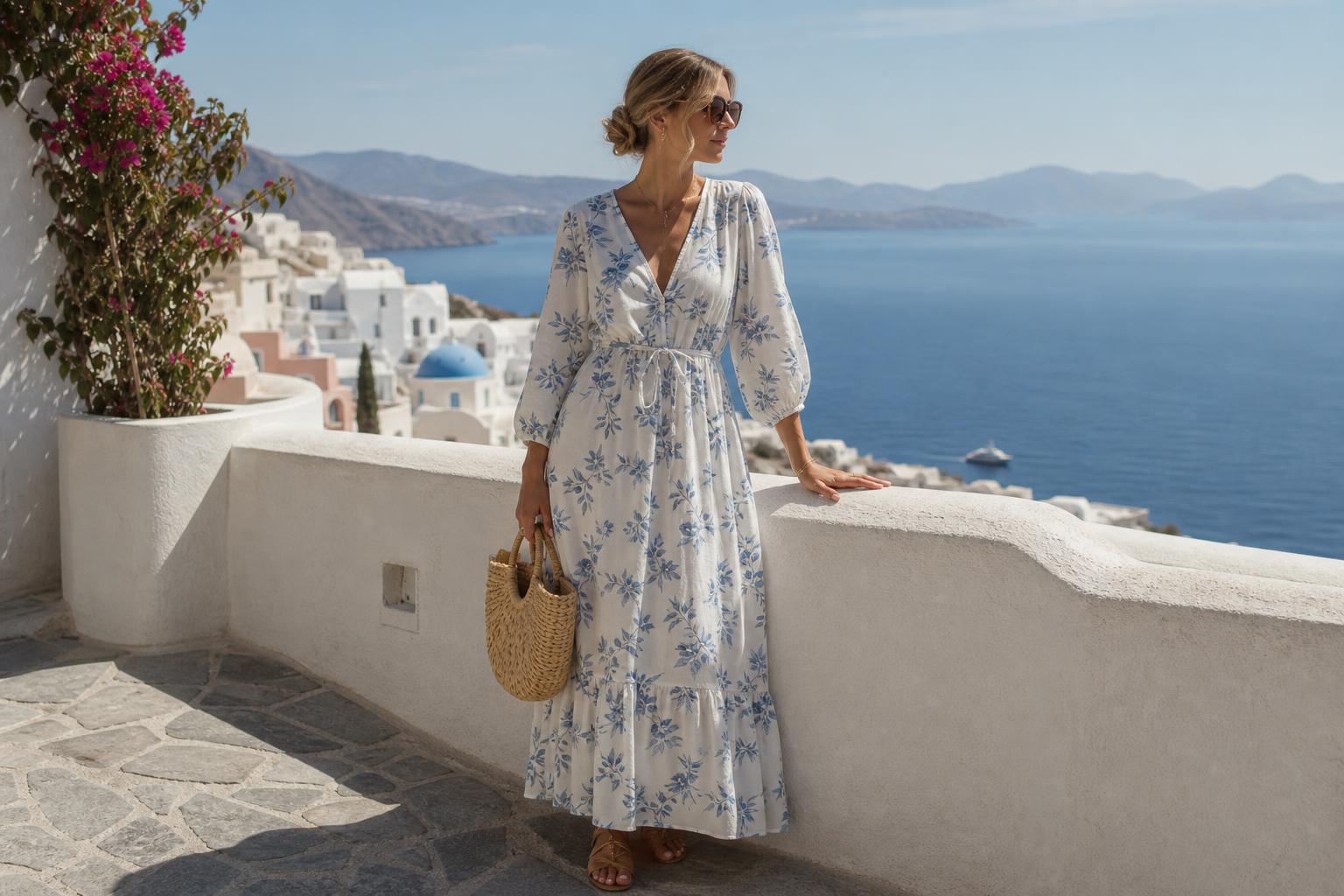
Island vacation outfits often seem simple in theory: a few dresses, sandals, swimwear, and a sun hat. In practice, they are one of the easiest wardrobes to get wrong. Tropical destinations ask a great deal from clothing. Pieces must handle heat, humidity, sun exposure, beach walks, boat trips, dinners, and photographs, all while fitting neatly into a suitcase.
The difficulty usually comes from competing priorities. You want breathable fabrics, but you also want polish. You need comfort for daytime movement, but you may also want something refined enough for a beach club dinner or a local evening out. Add in destination differences—from Puerto Rico to Nantucket, from Hawaii to a Mediterranean island—and the idea of “just pack light clothes” quickly feels incomplete.
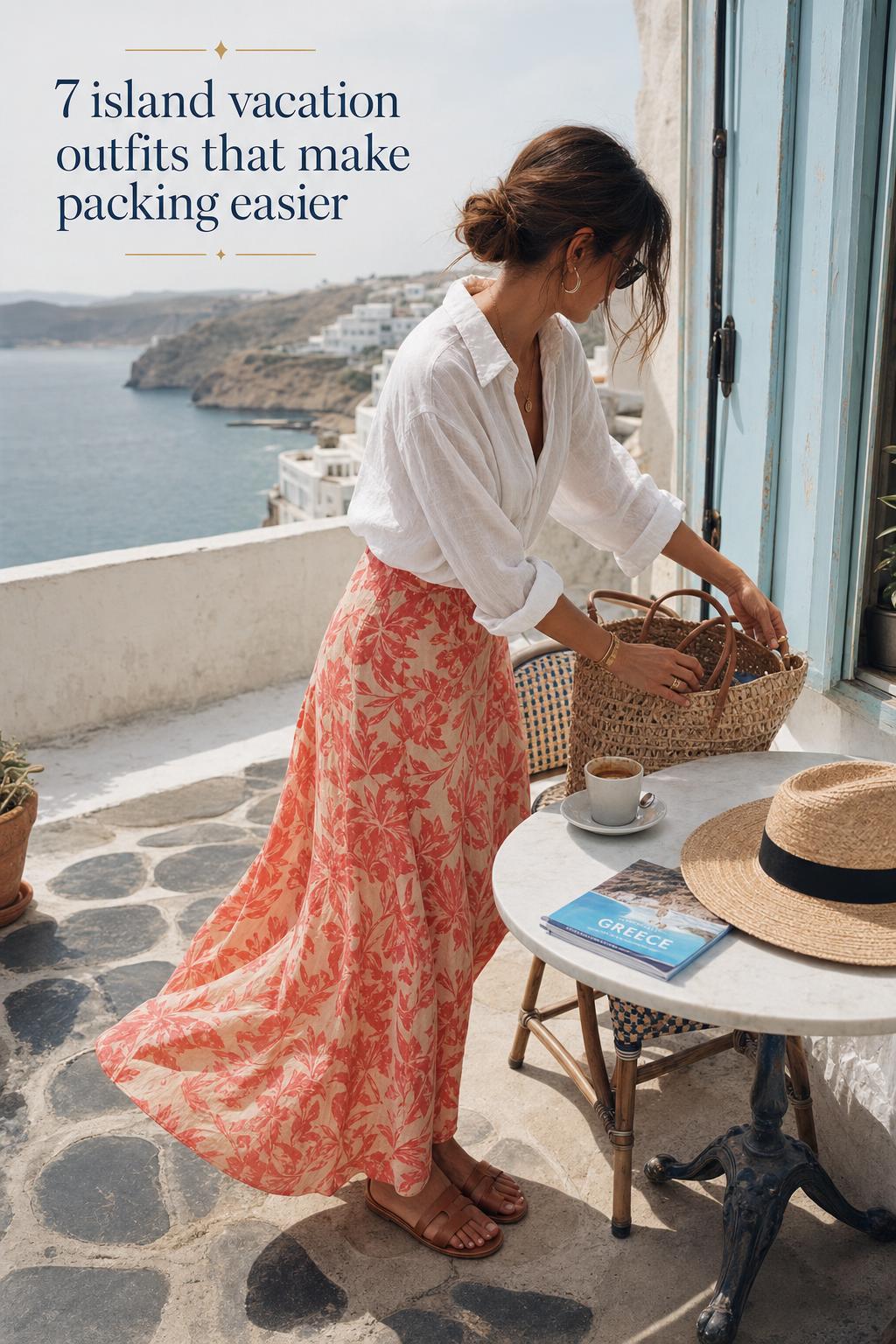
This guide approaches island vacation outfits as a styling problem with a clear solution. Rather than relying on random looks, it focuses on the logic behind a strong tropical vacation wardrobe: fabric, silhouette, occasion, color balance, and packing efficiency. The goal is to help you build outfits that feel effortless, look considered, and work from beach to dinner without unnecessary excess.
Why island dressing is more complex than it looks
An island setting creates very specific clothing conditions. Humid air changes how fabrics sit on the body. Intense sun makes coverage and accessories more important. A relaxed atmosphere can invite casual dressing, yet many island moments still call for a composed silhouette: breakfast on a terrace, a sunset dinner, a boat excursion, or a local event such as a luau.
Your wedding has a lot of moving pieces. Your plan can still feel composed.
Zarellea organizes guests, vendors, budget, and timelines in one shared space — so you can make decisions with clarity, not stress.
That is why the best island outfits are not simply “summer clothes.” They are carefully chosen combinations of breathable materials, adaptable layers, and easy shapes. A maxi dress works differently from a sundress; a cover-up can function as both beachwear and a daytime layer; raffia accessories can add texture without making an outfit feel overworked. The challenge is finding the balance between tropical ease and practical function.
There is also the matter of versatility. Many travelers overpack because they imagine a completely different outfit for every setting. In reality, the most effective island vacation packing list is usually built around a capsule wardrobe: a compact set of pieces that can be mixed, restyled, and slightly elevated through accessories, footwear, and color coordination.
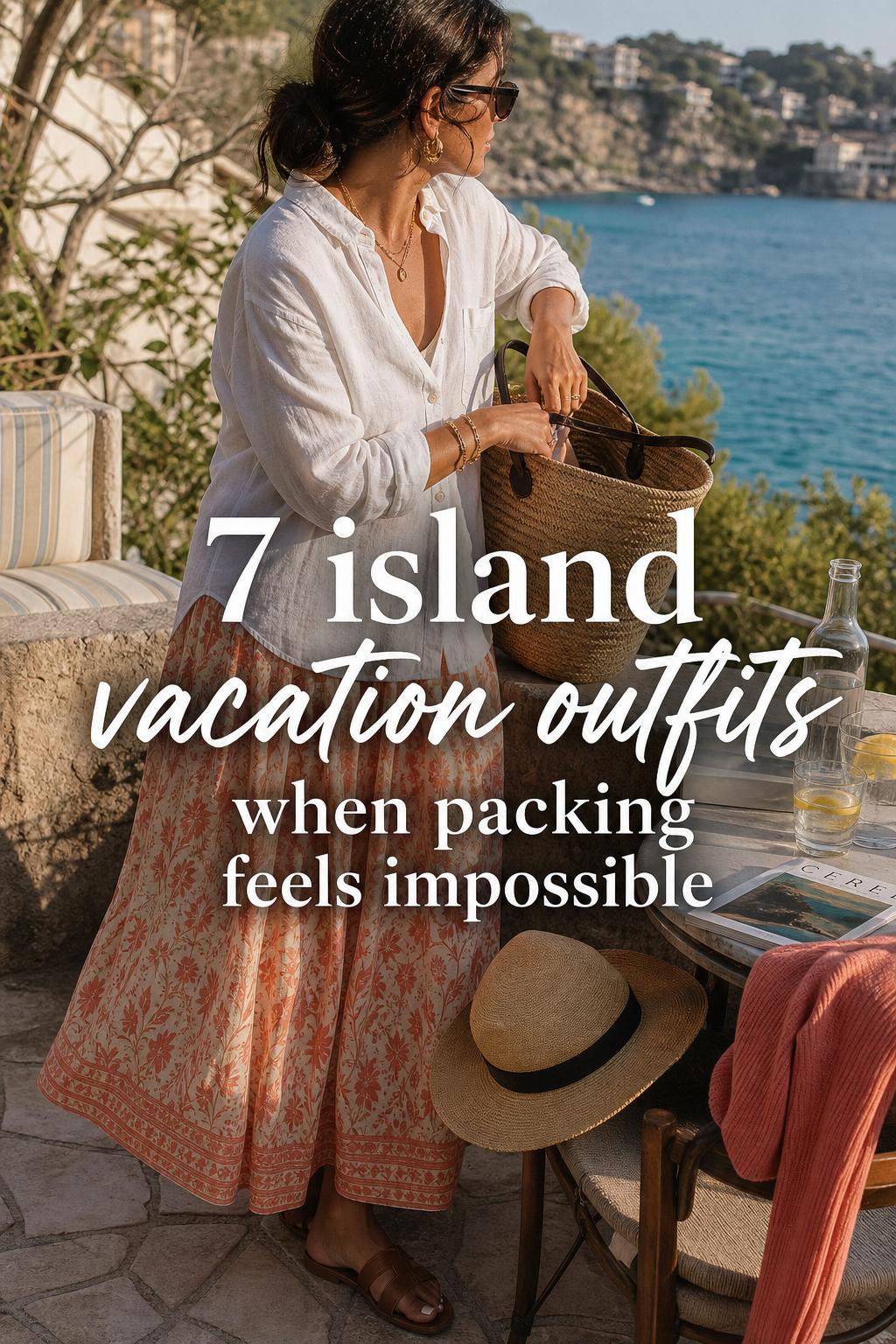
The foundation of strong island vacation outfits
Every successful island wardrobe is shaped by four elements: destination, fabric, silhouette, and occasion. Once these are clear, outfit decisions become far easier.
- Destination: A Caribbean getaway, Puerto Rico, Hawaii, Nantucket, Santorini, Phuket, Jamaica, Maui, and Seychelles do not all suggest the same visual language, even if the climate overlap is obvious.
- Fabric: Linen, cotton, and rayon remain central because they support breathability and movement in warm conditions.
- Silhouette: Maxi dresses, sundresses, lightweight tops, relaxed bottoms, and swim cover-ups create the backbone of resort wear.
- Occasion: Beach mornings, island hopping, dinners, beach club afternoons, and local evening events each require a slightly different level of structure.
This framework is useful because it prevents the usual mistake of packing by impulse. A beautiful dress can still fail if the fabric feels heavy in humidity. A photogenic outfit can still disappoint if it does not allow for walking, sun protection, or repeat styling. Thoughtful composition matters more than quantity.
The island capsule wardrobe that solves most packing problems
A well-built capsule wardrobe handles most island situations with relatively few items. Instead of packing isolated statement looks, choose hero pieces that create several outfits through small shifts in styling. This is where island fashion becomes far more elegant and far less stressful.
The hero maxi dress
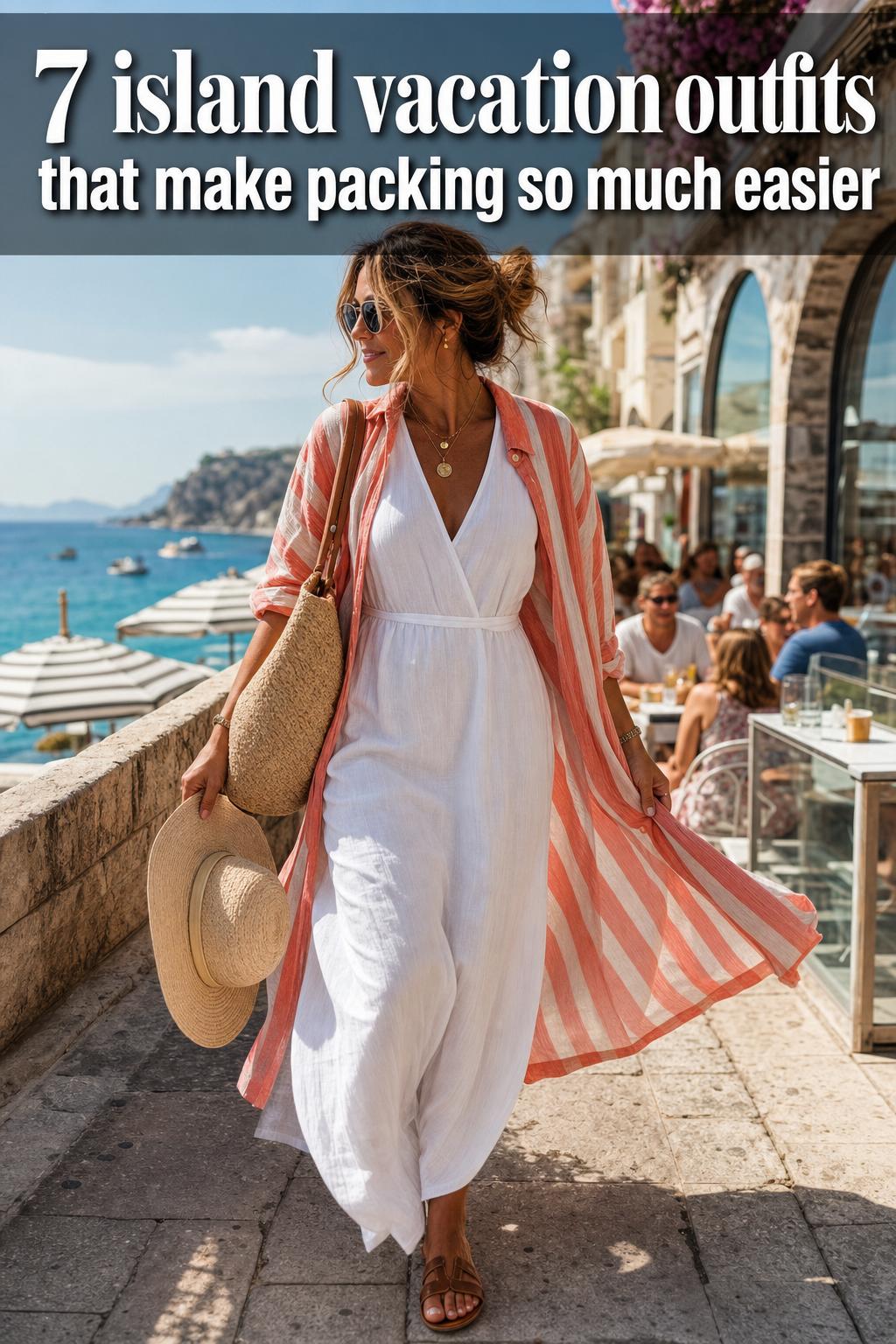
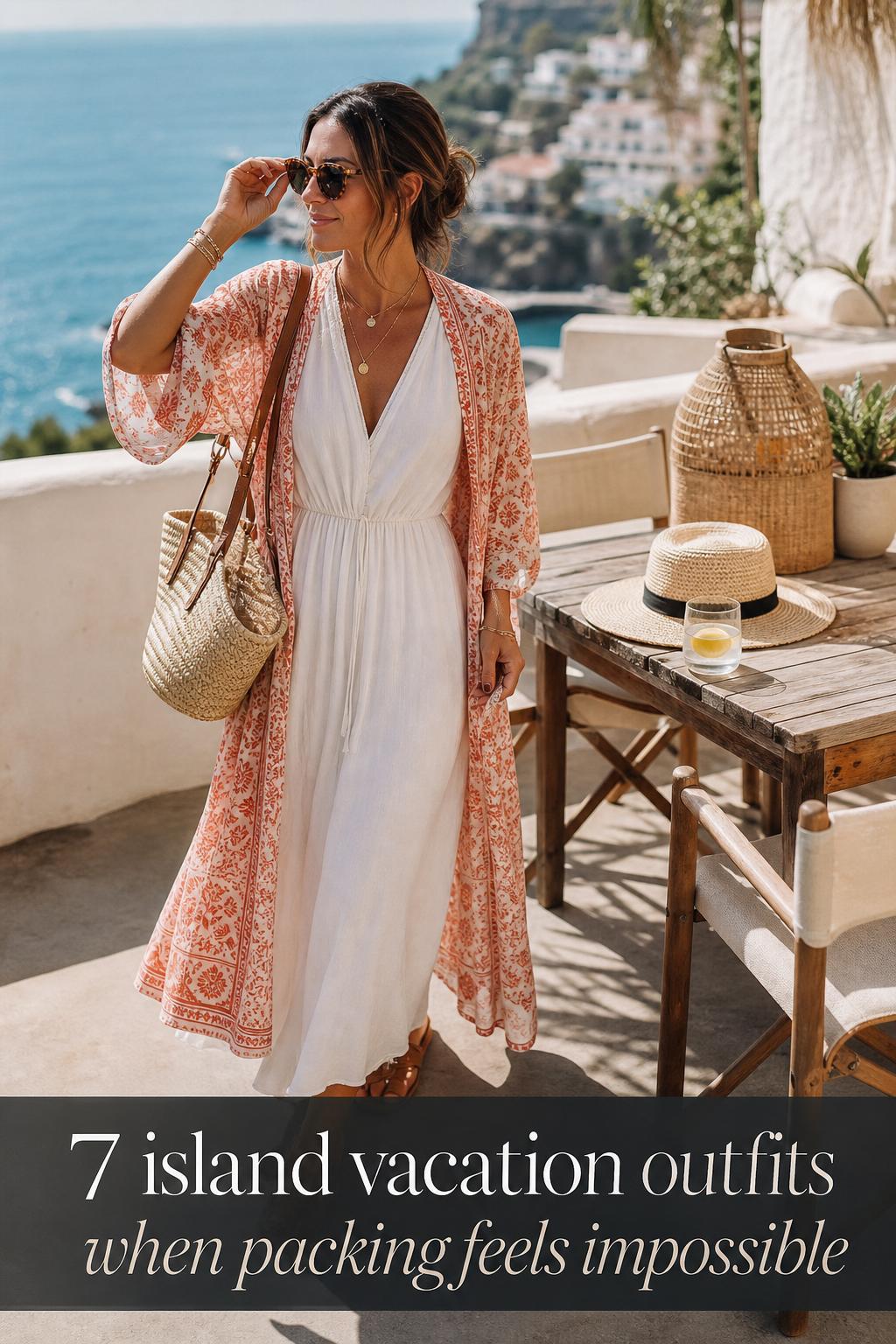
The maxi dress appears repeatedly in island style for good reason. It gives coverage against the sun, allows airflow, and moves beautifully in coastal settings. It also solves the problem of instant refinement. A white linen maxi dress reads polished in Nantucket, relaxed in the Caribbean, and quietly elevated on a Mediterranean island. If you prefer more color, coral accents or turquoise details can bring in tropical character without overwhelming the look.
The best version is one that can shift across settings. Flat sandals and a raffia bag make it daytime appropriate; lightweight jewelry and more deliberate sandals take it into evening. This is the kind of piece that earns suitcase space because it reduces the need for multiple separate outfits.
Breathable tops and lightweight bottoms
Lightweight tops paired with easy bottoms are essential for daywear, especially when a dress feels too formal or too precious for a long excursion. Linen and cotton are especially useful here because they allow the outfit to breathe while still looking composed. A simple top with relaxed bottoms creates an elevated basic rather than a generic vacation uniform.
This combination works especially well for breakfasts, casual local exploring, and travel transitions. It is also one of the easiest ways to create multiple outfits from a few pieces. If your palette stays cohesive—white, neutral tones, turquoise, coral, stripes, or soft florals—everything can rotate with minimal effort.
Swimwear and cover-ups that do more than one job
Swimwear should never be treated as an afterthought on an island trip. It often forms the base layer for the day, especially if your itinerary moves between beach time, lunch, and a later change for dinner. Cover-ups become crucial because they bridge the gap between swimwear and a complete outfit. The most useful options feel intentional enough to wear beyond the shoreline, particularly when paired with sandals, sunglasses, and a structured hat.
This is where practical wardrobe planning matters. The simple packing principle of two swimsuits for a week is effective because it allows for rotation while leaving space for stronger outer layers and dresses. A cover-up with a clean line and breathable drape often contributes more to the whole wardrobe than an extra novelty outfit.
Statement accessories with real purpose
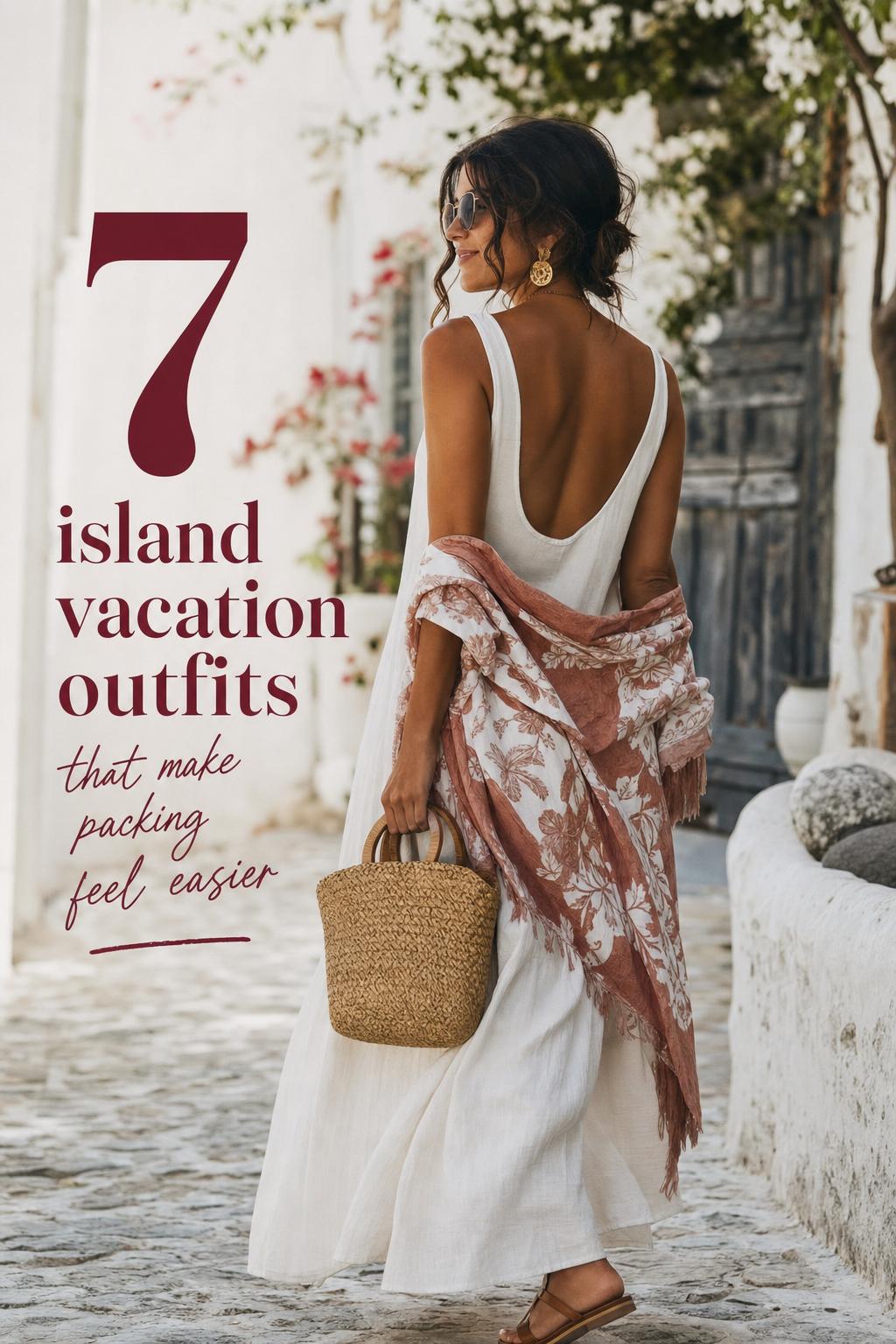
Island accessories are not merely decorative. A raffia hat, raffia bag, sandals, sunglasses, and lightweight jewelry all influence comfort as much as appearance. They complete the silhouette, protect against the sun, and give simple clothing more visual intention. White linen and cotton pieces can look unfinished without textural contrast; raffia and subtle jewelry solve that problem elegantly.
Fabric first: the detail that decides comfort
One of the clearest divides between good island vacation outfits and frustrating ones is fabric behavior. Breathability is not a minor preference in tropical climates; it is the factor that determines whether an outfit remains polished after hours of wear.
Linen, cotton, and rayon in real wardrobe terms
Linen is often the most visually refined choice for island dressing. It gives clean lines a relaxed finish and aligns naturally with white dresses, matching separates, and elevated basics. Cotton tends to feel dependable and practical, particularly for tops, sundresses, and daytime layers. Rayon can offer a softer drape, which is useful when you want fluidity in a cover-up or a dinner look. None of these fabrics is universally perfect; the point is to match the material to the occasion and silhouette.
For example, a structured daytime shape may benefit from linen because it holds a line while staying airy. A more fluid beach-to-bar dress may feel better in rayon because it moves more softly. Cotton often sits in the middle, particularly for pieces you expect to wear repeatedly during the trip.
Sun protection as part of the outfit, not an add-on
Sun protection is one of the more practical but underappreciated parts of island style. Hats, sunglasses, and cover-ups should be considered early in outfit planning, not added at the last minute. For family travel, UPF clothing can also become especially relevant, particularly for kids and long daytime exposure. Even for adults, the broader styling lesson is the same: coverage can be elegant when it is built into the silhouette from the beginning.
A long cover-up over swimwear, a hat that balances the shoulder line, or a maxi dress with enough ease to keep air moving can all feel more sophisticated than a minimal outfit that struggles in direct heat. Practicality, in this case, often creates the better look.
Color stories that look right on an island
Island wardrobes benefit from color discipline. This does not mean dressing only in neutrals, but it does mean choosing shades that can be repeated and recombined. The strongest island vacation outfits usually sit within a concise palette, which makes packing easier and photographs more coherent.
- White linen: crisp, timeless, and particularly effective in Nantucket and Mediterranean settings.
- Coral accents: warm and tropical without feeling overpowering.
- Turquoise accents: fresh, coastal, and especially fitting for beachwear and accessories.
- Neutral bases: useful for balancing brighter touches and creating repeat wear.
- Stripes and florals: classic patterns that can support island aesthetics when kept refined.
Color also affects versatility. A dress that feels vivid and festive may be beautiful for one evening but difficult to restyle. A more restrained palette—then lifted with raffia texture, jewelry, or a bold accessory—usually offers greater value across a week-long trip.
Outfit solutions for real island moments
The most useful way to plan island outfits is by activity. This keeps the wardrobe grounded in actual wear rather than abstract inspiration. Below are outfit solutions built around common tropical scenarios and the practical needs they create.
Outfit solution: beachfront breakfast with sun-safe polish
For an early breakfast near the water, a sundress or easy cotton dress paired with flat sandals, sunglasses, and a raffia hat creates the right balance. The silhouette should feel relaxed rather than fitted, especially if the day will continue into walking or beach time. This kind of look solves the common morning problem of wanting to appear put together without dressing too heavily too soon.
If you prefer separates, a breathable top with lightweight bottoms offers slightly more flexibility. The key is visual lightness. Breakfast dressing on an island should look composed but unforced, with enough structure to feel intentional and enough ease to suit the setting.
Outfit solution: boat trip or island hopping ensemble
A boat trip asks more of an outfit than a stationary beach day. Wind, sun, movement, and changing temperatures make practical layering essential. Start with swimwear as the base, then add a cover-up that has enough length or shape to feel secure in motion. Sandals should be simple and comfortable, and a hat or sunglasses should be considered part of the core outfit.
This is where island fashion often benefits from restraint. Overly delicate pieces can feel out of place. A clean silhouette in linen, cotton, or rayon works better because it handles movement gracefully and still looks polished in photos. The same logic applies whether you are in Hawaii, the Caribbean, or Phuket.
Outfit solution: beach-to-bar without a full outfit change
Beach-to-bar dressing is one of the central challenges of an island trip because it requires a visible shift in tone without requiring a complete reset. A fluid cover-up over swimwear, elevated with jewelry, sunglasses, and better sandals, can work beautifully for this transition. Alternatively, a simple maxi dress layered over swimwear creates a cleaner, more finished effect.
The reason this solution works is proportion. The outfit still feels easy and breathable, but the longer line of a dress or cover-up gives more presence. This is especially useful in destinations where afternoons can move naturally into drinks, lunch, or informal social settings.
Outfit solution: beach club dinner with refined texture
An island dinner outfit should not feel heavy or overly formal. The most convincing approach is often a maxi dress or white dress with clean lines, softened by tropical texture through raffia details or subtle accessories. This creates glamour through composition rather than excess. Sandals can remain simple, as long as the overall silhouette feels intentional.
For readers who prefer separates, matching sets or elevated basics can also work, particularly in a neutral palette. The trick is to maintain lightness. Linen or rayon keeps the look breathable, while jewelry and a stronger bag add enough structure for evening. This is the kind of outfit that photographs beautifully without seeming forced.
Outfit solution: luau or local dinner night
A local evening event, such as a luau, benefits from a respectful and polished approach. A sundress or maxi silhouette with tropical color notes—coral, turquoise, or a refined floral—feels appropriate because it acknowledges the setting without slipping into costume. Accessories should stay considered and light. The objective is not to over-style but to look present, elegant, and comfortable in warm evening air.
This is also a good moment to avoid outfits that read too urban or overly structured for the environment. Island style tends to reward softness in fabric and line, particularly at night when the atmosphere is social but still relaxed.
Destination notes: why one island does not dress exactly like another
Although many island style principles overlap, destination still matters. Local atmosphere, visual culture, and typical activities shape what feels most natural. This is where the wardrobe becomes more nuanced and more interesting.
Puerto Rico and Caribbean style cues
Puerto Rico and broader Caribbean dressing often support a bright but breathable wardrobe. Sundresses, cover-ups, and easy resortwear make sense here, but they work best when grounded by practical fabrics and repeatable color stories. A coral accent, turquoise accessory, or floral note can feel entirely appropriate, as long as the outfit remains wearable across daytime heat and evening plans.
Hawaii and Maui: activity-led tropical dressing
In Hawaii and Maui, movement often shapes the day: beach time, casual meals, island hopping, and sunset dinners. That makes adaptable pieces especially important. A cover-up that can pass as a daytime dress, sandals that can handle long wear, and a maxi dress reserved for evening all help create a wardrobe that feels aligned with the rhythm of the trip.
Nantucket and the pull of elevated basics
Nantucket introduces a slightly different island language. White linen, raffia, and timeless pieces often feel especially at home there. The mood leans toward elevated basics rather than overtly tropical prints. A white dress, tailored but easy separates, and clean accessories capture the island spirit without trying too hard.
Mediterranean islands and Santorini simplicity
A Mediterranean island wardrobe, including Santorini, often favors clean silhouettes and a light, polished palette. White, neutrals, and airy dresses work particularly well because they echo the architecture and brightness of the setting. This is a strong place for linen, refined sandals, and jewelry kept minimal but intentional.
Southeast Asia islands and Phuket practicality
For Phuket and similar island destinations in Southeast Asia, the styling logic remains grounded in breathability and versatility. Cover-ups, lightweight dresses, and practical accessories tend to outperform anything overly structured. The ideal wardrobe moves easily from humidity-heavy mornings to social evenings without requiring constant changes.
Inclusive island style: shape, comfort, and representation
The best island wardrobe advice is adaptable. Style should not depend on fitting into one narrow visual template. Inclusive island outfits are built through silhouette choices that allow comfort, movement, and confidence rather than through rigid rules. Body-positive dressing in warm climates often begins with fabric and fit: enough ease to breathe, enough structure to feel polished, and enough versatility to support repeat wear.
This is also why demographic-specific inspiration, such as island vacation outfits for Black women, matters in the broader conversation. It recognizes that color palettes, accessories, and silhouette choices can be interpreted through different style lenses while still following the same wardrobe intelligence. The editorial principle remains the same for everyone: choose pieces that create presence without sacrificing comfort.
For families, couples, and kids, coordination can also be approached with restraint. Coordinated colors often work better than literal matching. A shared palette of white, neutrals, coral, or turquoise creates cohesion without making the wardrobe feel forced. For children, practical layers and UPF clothing can add genuine value, especially during long daytime exposure.
Practical packing that keeps the wardrobe elegant
Efficient packing is one of the most effective style tools for an island trip. A suitcase filled with disconnected pieces tends to produce repetitive, underwhelming outfits. A compact but coherent packing plan produces far better results.
- Plan around a 7-day wardrobe blueprint rather than individual impulse looks.
- Use the simple two-swimwear rule to reduce clutter while keeping rotation easy.
- Bring one dress for every evening that requires a defined dinner look, but choose styles that can also be worn in another setting if needed.
- Anchor the suitcase with one hero maxi dress, a few breathable tops, lightweight bottoms, a versatile cover-up, sandals, and a raffia accessory.
- Keep the palette consistent so every item can mix with at least two others.
This approach works because it treats travel wardrobe planning as composition rather than accumulation. You are not trying to pack every possible mood. You are building a small system that responds to the trip with clarity.
Tips that immediately improve island outfits
A few precise adjustments can make an ordinary vacation outfit feel far more resolved.
Tip: choose one textural element per outfit. Raffia, linen texture, or lightweight jewelry is often enough. Too many competing details can make tropical dressing feel busy rather than refined.
Tip: use sandals strategically. If the clothing is very relaxed, sandals with a more deliberate shape help the outfit feel complete. If the dress is already visually strong, simpler sandals usually work better.
Tip: think in transitions. Ask whether the outfit can move from breakfast to walking, from beach to lunch, or from afternoon to casual dinner. The best island wardrobes are built around these shifts.
Tip: let accessories carry some of the style work. A white linen dress can appear different across several days simply by changing the hat, bag, jewelry, or cover-up layered over swimwear.
Common mistakes that make island dressing harder
Most island wardrobe mistakes begin with misunderstanding the environment. Travelers often pack for an imagined tropical fantasy rather than the actual demands of heat, sun, and movement.
- Overpacking statement pieces: these often look appealing before the trip but prove difficult to repeat or combine.
- Ignoring fabric behavior: a beautiful silhouette is less useful if it feels heavy or uncomfortable in humidity.
- Treating cover-ups as disposable extras: they are often central to the beach-to-bar wardrobe.
- Forgetting sun-focused accessories: hats, sunglasses, and light coverage affect both comfort and visual balance.
- Building too many unrelated color stories: this limits mixing and makes a capsule wardrobe harder to achieve.
The better approach is always the more thoughtful one: fewer pieces, stronger fabrics, clearer silhouettes, and accessories chosen for function as much as style.
How to think like an editor when planning island outfits
The most polished island style rarely comes from buying more. It comes from editing better. Start with the line of the outfit. Ask whether it feels breathable, balanced, and suited to the setting. Then consider texture, color, and practical details. A raffia bag, white linen, a cover-up with movement, or a quietly elegant maxi dress can do more than several trend-driven pieces fighting for attention.
This is also why so many enduring island wardrobes rely on capsule logic. A small number of strong items creates consistency. The result is not blandness but ease: beach outfits that still feel polished, dinner looks that remain comfortable, and resort wear that looks right in real life as well as in photographs.
Whether your trip is centered on Puerto Rico, Jamaica, Maui, Nantucket, Santorini, Phuket, Seychelles, or a more generic tropical itinerary, the styling principle remains dependable. Choose breathable fabrics, build around versatile silhouettes, respect the destination’s rhythm, and let practicality shape the elegance. That is how island vacation outfits stop feeling like guesswork and start feeling truly effortless.
FAQ
What fabrics are best for island vacation outfits?
Linen, cotton, and rayon are the most useful options because they support breathability, comfort, and easy movement in warm, humid conditions. Linen often gives the most refined finish, cotton is reliable for repeated daytime wear, and rayon can offer a softer drape for dresses and cover-ups.
How many outfits should I pack for a week on an island?
A compact 7-day plan usually works best, built around versatile repeat pieces rather than a completely new look for every occasion. A practical approach is to bring two swimsuits, one strong maxi dress, a few breathable tops, lightweight bottoms, a cover-up, sandals, and enough evening options for the dinners or events on your itinerary.
Can island vacation outfits work from beach to dinner?
Yes, but the key is choosing pieces that transition well. A cover-up with a more polished shape, a simple maxi dress layered over swimwear, or elevated basics styled with jewelry and better sandals can move from beach to bar or into a casual dinner without requiring a full outfit change.
Do I need UPF clothing for an island trip?
UPF clothing can be especially useful for long periods in direct sun, family travel, and kids’ outfits. Even when you are not specifically packing UPF pieces, it is still wise to build sun protection into the wardrobe through hats, sunglasses, cover-ups, and silhouettes that offer comfortable coverage.
What colors work best for tropical vacation wardrobes?
White linen, neutral tones, coral accents, turquoise accents, stripes, and refined florals all work well because they feel aligned with island settings and are easy to style. The most effective wardrobes usually stay within a controlled palette so pieces can mix easily and photographs feel cohesive.
What shoes are most practical for island outfits?
Sandals are usually the most practical choice because they suit beachwear, daytime walking, and relaxed evening dressing. The best pair is simple, comfortable, and polished enough to work across more than one context, which makes packing much easier.
How do I make simple island outfits look more polished?
Focus on silhouette, texture, and accessories rather than adding more pieces. A white dress, linen set, or cover-up can look far more refined with a raffia bag, a hat, lightweight jewelry, sunglasses, and sandals that give the outfit a finished line.
Are destination-specific outfits really necessary for islands like Nantucket, Puerto Rico, or Santorini?
You do not need an entirely different wardrobe for each island, but destination mood does matter. Nantucket often suits elevated basics and white linen, Puerto Rico and Caribbean trips can support brighter tropical accents, and Santorini tends to favor clean, airy silhouettes in a polished palette.
Leave a Reply