Introduction
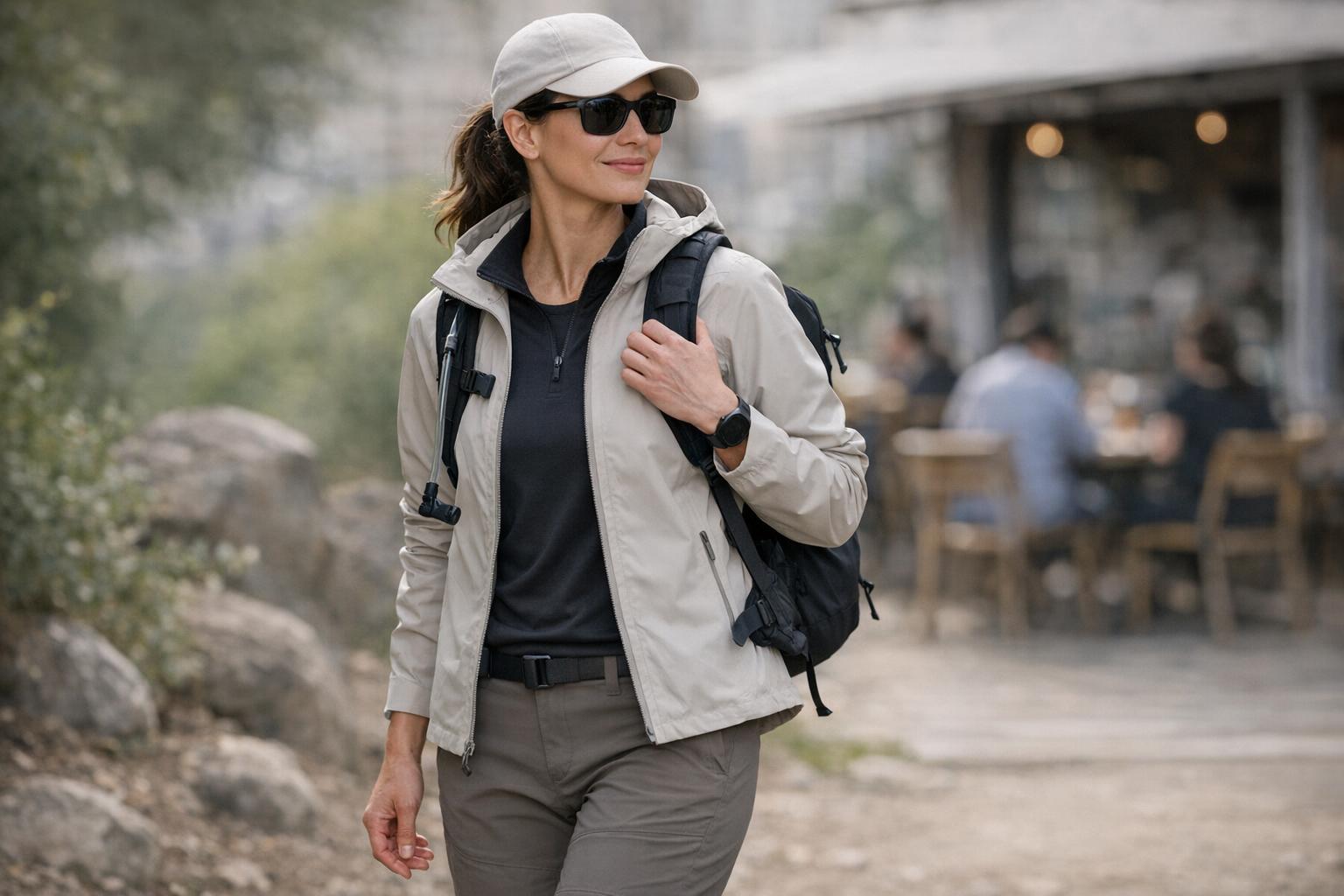
The modern hike outfit lives in two worlds at once: the quiet discipline of the trail and the visual language of the city. It’s a silhouette built for movement—striding uphill, stepping over roots, pausing for wind—yet composed enough to feel intentional when the day ends at a café table, not a campsite. That duality is exactly what makes hiking style so captivating right now: it reads as capable, calm, and self-possessed.
The mood is often described as granola chic, but the best versions are less costume, more curation. Think clean layers, purposeful textures, and accessories that look chic while earning their place: a hat that means sun protection, socks that manage comfort, a shell that answers weather without drowning the outfit in bulk. Whether you lean minimal, sporty, or softly nostalgic, the aesthetic hiking outfits that resonate most are the ones that make practical sense.
You’ll see this style on weekend trails and urban parks, on travel days where an early hike turns into afternoon errands, and anywhere “trail-to-town” dressing is the unspoken dress code. Its appeal is straightforward: a hiking outfit can be functional, flattering, and quietly fashion-aware—without trying too hard.
The anatomy of a hike outfit: the layers that make it look effortless
Before aesthetics, there’s structure. Most hiking outfits that photograph well and feel comfortable share the same underlying architecture: base layer, mid-layer, and outer shell, anchored by bottoms and footwear suitable for trails. When you understand this system, you can style almost any “vibe”—athleisure-forward, minimalist, or outdoorsy—without losing the plot when weather shifts.

Your wedding has a lot of moving pieces. Your plan can still feel composed.
Zarellea organizes guests, vendors, budget, and timelines in one shared space — so you can make decisions with clarity, not stress.
Base layers: where comfort and polish begin
A base layer is the piece that sits closest to the skin, quietly controlling the entire day’s comfort. In practice, it’s the difference between feeling fresh on a climb and feeling sticky the moment the pace changes. Moisture-wicking base layers—whether merino or synthetic blends like polyester and nylon—tend to look sleeker for longer, which matters if your plan includes a trail-to-city transition.
For warm weather, the base layer can be as simple as a tank top, a fitted tee, or a long-sleeve that signals sun protection. For those building hiking outfit women spring wardrobes, a long-sleeve base layer is particularly elegant: it creates clean lines under a vest or lightweight jacket, and it reads intentionally layered rather than “thrown on.” UPF considerations often come into play here—especially when the trail has little shade—because sun protection is a styling choice you’ll never regret.
Mid-layers: the styling layer that also saves the day
The mid-layer is where the outfit becomes expressive. This is where fleece can add a plush, tactile softness, and where insulation can bring a crisp, sporty shape. In cool conditions, a lightweight down or synthetic insulation piece gives that modern, slightly sculpted silhouette—practical warmth without turning the look into a marshmallow. When the temperature fluctuates, the mid-layer also becomes your styling tool: tied at the waist, draped over shoulders, or zipped to create a high-neck line that reads refined.
From a fashion editor’s perspective, mid-layers are also the most forgiving way to add personality: a vest over a sleek base layer, or a fleece that softens the utility of hiking pants. Many cool hiking outfits women love hinge on this contrast—technical function, styled with a sense of proportion.
Outer shells: weather protection without aesthetic compromise
An outer shell is your outfit’s boundary with the elements. The choice often comes down to how you balance protection and breathability: a rain jacket for wet conditions, a softshell for a more flexible feel, or a hardshell when weather protection is non-negotiable. This is the layer that can make or break comfort when wind picks up, and it’s also the layer most visible in photos—so it pays to choose one whose cut and finish feel modern.
In cold hiking outfits, a shell becomes especially important because it helps your insulating layers do their job. Visually, it also creates a clean outer line. If you want your look to read “city-ready” after the hike, prioritize shells that sit neatly at the hip and don’t overwhelm the rest of the silhouette.
Bottoms, footwear, and the details that signal “trail-ready”
The most stylish hiking outfits are grounded by pieces that perform. Bottoms and footwear are where you feel the trail—scrambles, gravel, damp patches, long descents—and where discomfort tends to announce itself loudly. Good choices here don’t just prevent problems; they refine the entire outfit.
Trail-proof pants and shorts: proportion matters
Hiking pants in quick-dry fabrics often bring the cleanest line: they resist that heavy, clingy feeling, and they tend to look crisp even after hours outside. Stretch hiking pants—often in nylon/spandex blends—move with you, which affects how confident the outfit feels in motion. Shorts can be equally chic, especially when balanced with a longer sleeve on top for a composed proportion.
Convertible pants have a particular utility-driven charm: they’re not always the most fashion-forward at first glance, but they embody the trail-to-town philosophy—adaptability as style. If your aesthetic is minimalist, keep the color palette restrained and let the design’s practicality become the point.
Footwear choices by terrain: boots vs. trail runners
Footwear suitable for trails is less about trend and more about terrain logic. Hiking boots often read more classic and structured, while trail runners lean sporty and agile. Both can be styled beautifully; the decision is about what the trail asks of you and how you like to move. A boot can anchor an outfit with a grounded, heritage feel, while a trail runner can make an outfit feel lighter and more modern.
Brands appear in trail-to-city conversations because they represent recognizable approaches to this balance. Danner is often associated with a sturdier, boot-led look, while brands like Salomon and Altra are frequently linked to trail-runner styling. The point isn’t to chase labels; it’s to understand the visual message: structured vs. streamlined, rugged vs. athletic.
Socks and small accessories: the quiet luxury of comfort
Merino socks are the understated heroes of a hike outfit. They’re rarely the star of a photo, but they’re central to how the day feels. Smartwool and Darn Tough are often named in hiking conversations for good reason: they’re part of that “invisible infrastructure” that keeps your outfit functional. And when socks feel good, everything else—pace, posture, mood—follows.
Accessories finish the look while solving real needs: a hiking hat for sun protection, sunglasses to soften glare, a hydration pack or compact bag for storage. Visors can also appear in more trend-driven hiking outfits, especially in warm weather when you want sun coverage with a sporty, styled edge.
- Accessories that look intentional: UPF-focused hat or visor, sunglasses, compact pack for hydration and essentials
- Accessories that add polish: a belt that keeps proportions clean, a neatly folded layer you can add or remove
Look: relaxed minimal layers (the refined day-hike silhouette)
This look is the minimalist’s answer to the trail: clean, quiet, and modern. The silhouette reads streamlined—nothing flaps, nothing pulls—so the outfit feels composed even when the terrain is not. Visually, it’s about restraint: a narrow color palette, subtle texture, and layers that sit close to the body.
Start with a moisture-wicking base layer—merino or a synthetic blend—in a neutral tone. Add a light mid-layer, perhaps a fleece with a smooth finish, and keep the outer shell compact enough to pack or tie at the waist. Pair with stretch hiking pants in a quick-dry fabric; the slight structure in the fabric helps the outfit hold its shape. Finish with trail runners for a modern, athletic line, and merino socks that prevent small discomforts from becoming big distractions.
- Key garments: neutral base layer, sleek fleece mid-layer, packable shell
- Footwear: trail runners
- Accessories: sunglasses, a simple hiking hat, compact pack
Why it fits the aesthetic: the outfit speaks in clean lines and practical choices, making it feel “designed” rather than improvised. It’s also the easiest look to convert into trail-to-town—swap the shell for a neatly worn mid-layer and the outfit still reads intentional.
Look: granola chic with a vest focus (trail-to-town, lightly styled)
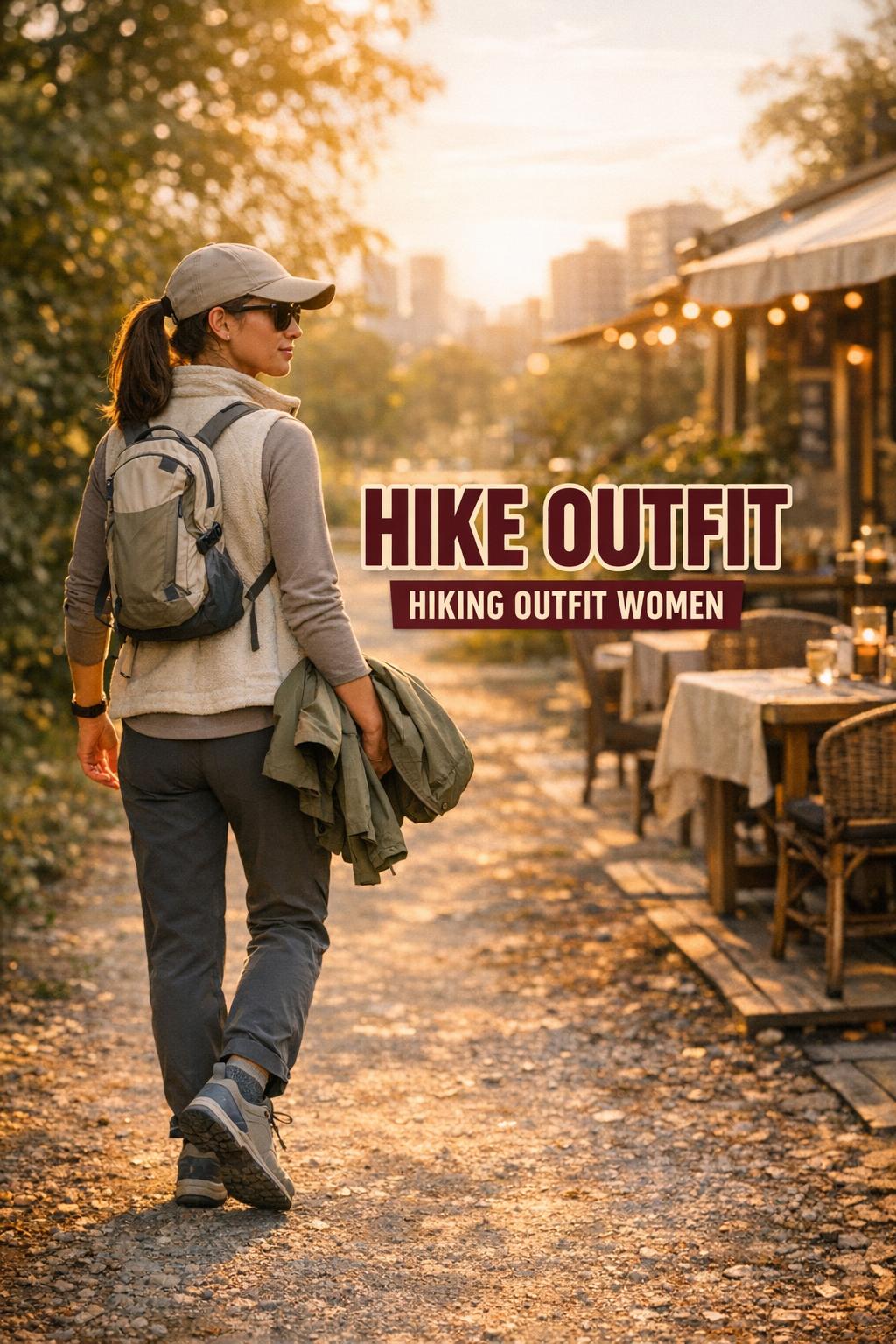
Granola chic works best when it’s balanced: outdoorsy cues, edited with a fashion eye. The vest becomes the centerpiece—slightly utilitarian, slightly trend-coded—creating a torso-focused silhouette that feels current without becoming costume. It’s the kind of look that can go from an early hike to a casual lunch without requiring a full reset.
Layer a fitted base—think a long-sleeve for sun coverage or a smooth tee—under a vest that adds shape and storage. Keep bottoms practical: hiking shorts for warm conditions or quick-dry pants when brush and abrasion resistance matter. Add a light shell for weather protection, but treat it as a removable styling element. Footwear can go either way: a hiking boot for a more rugged edge, or trail runners for a sportier mood.
Why it fits the aesthetic: the vest connects fashion-forward hiking outfits with real trail logic. It also sharpens proportions—defined shoulders, contained volume—so the entire outfit reads more styled, even if every piece is inherently practical.
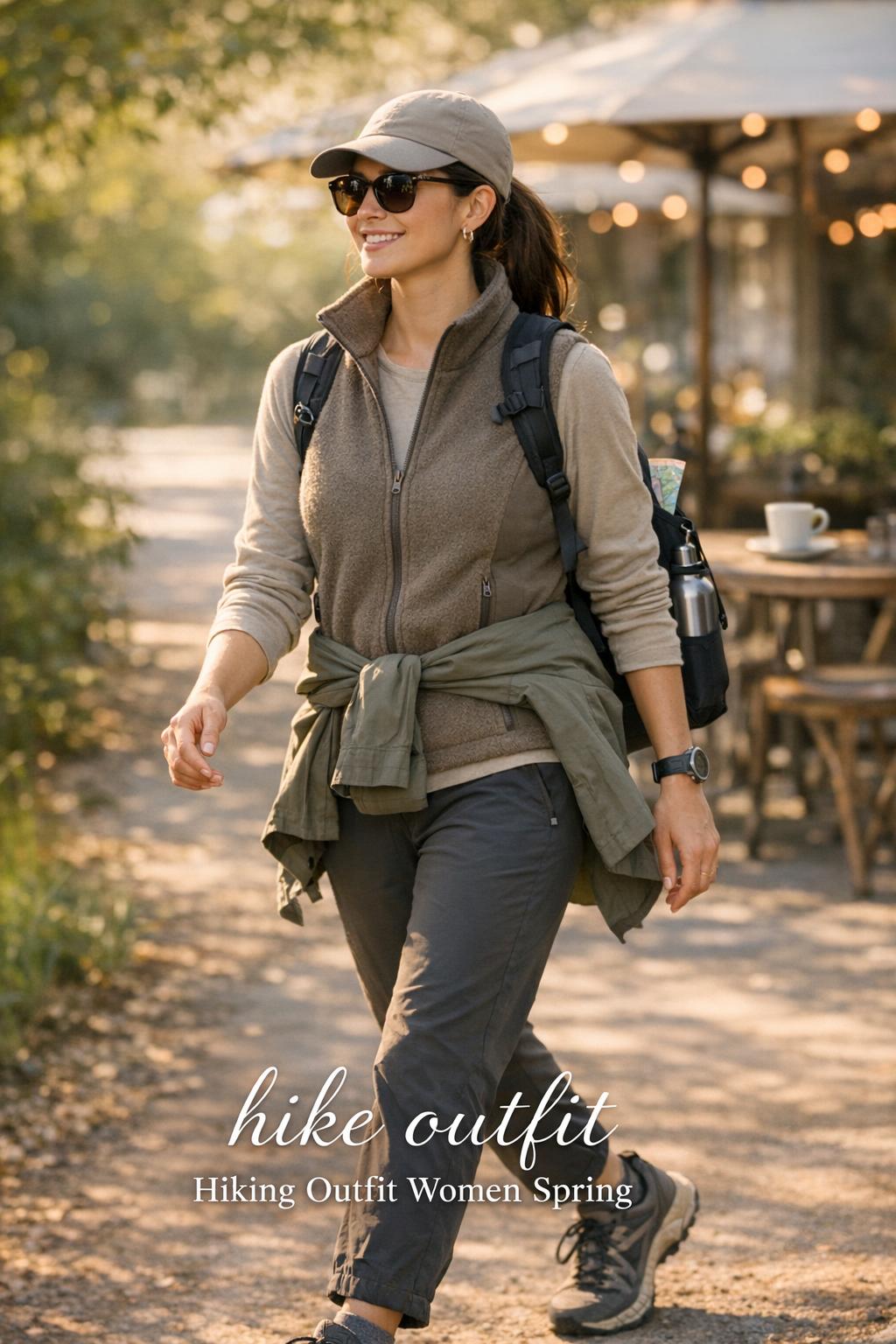
Look: soft weekend aesthetic (spring layering without bulk)
For hiking outfit women spring styling, softness is the secret weapon. Spring hiking tends to involve temperature swings—cool shade, warm sun, a breeze at the top—so the outfit needs layers that can move with you. The visual mood here is calm and slightly relaxed, with texture doing most of the work.
Begin with a long-sleeve base layer that feels breathable and clean against the skin. Add a fleece mid-layer with a softer hand; it lends a weekend ease that still looks polished. If rain is possible, a lightweight rain jacket slips on without dominating the look. Bottoms can be slim hiking pants for a neat line, and footwear should be chosen for the trail—boots if conditions are unpredictable, trail runners if the terrain is straightforward. Finish with sunglasses and a simple hat; keep accessories pared back so the outfit stays serene.
Why it fits the aesthetic: it’s a spring-ready interpretation of layering—practical, but intentionally gentle. The softness of fleece against more technical fabrics creates that tactile contrast that photographs well and feels comfortable through a long day.
Look: summer trail-ready minimalism (lightweight, sun-aware)
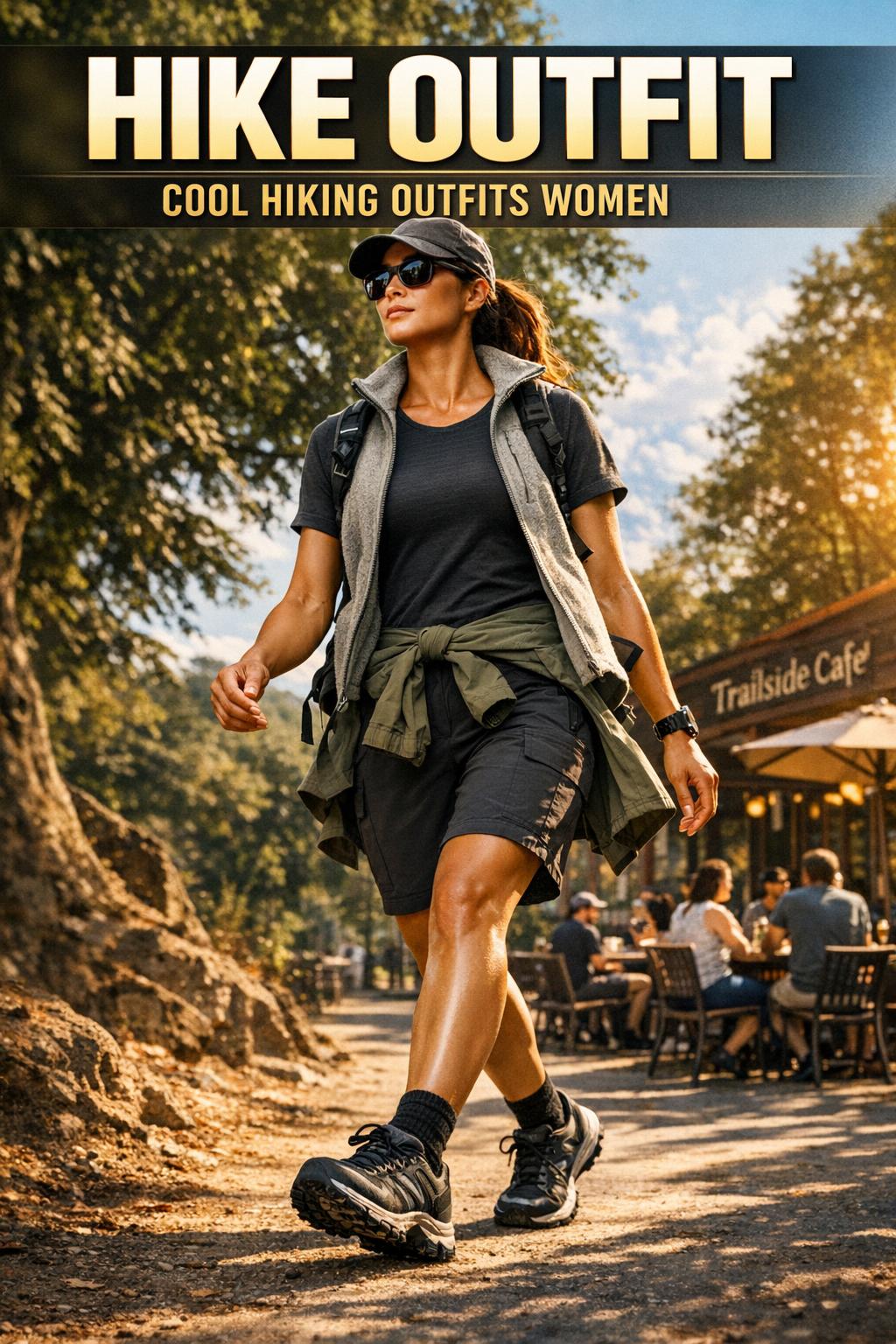
Summer hiking outfits succeed when they look airy without being careless. The best warm-weather styling feels breathable, sun-aware, and lightly sporty—more “clean athletic” than “gym-to-trail.” The silhouette tends to be simple: a streamlined top, shorts or lightweight bottoms, and accessories that earn their place.
A tank top can be the hero here, especially when it’s chosen for comfort and moisture management. Crop tops appear in summer hiking fashion too, often styled with higher-rise hiking bottoms to keep the overall proportion balanced. If you prefer more coverage, a long-sleeve base layer can still feel summery when it’s lightweight and designed for sun protection. Add a visor or hiking hat, sunglasses, and a small pack that keeps your hands free.
- Key garments: breathable tank top or lightweight long-sleeve base, quick-dry shorts or lightweight pants
- Footwear: trail runners for a light, fast feel
- Accessories: visor or hiking hat, sunglasses, compact hydration setup
Why it fits the aesthetic: sun protection becomes part of the styling story, not an afterthought. The look stays crisp because every piece is chosen for airflow and movement—exactly what warm weather demands.
Look: cold hiking outfits with a sharp outer line (warmth, but make it sleek)
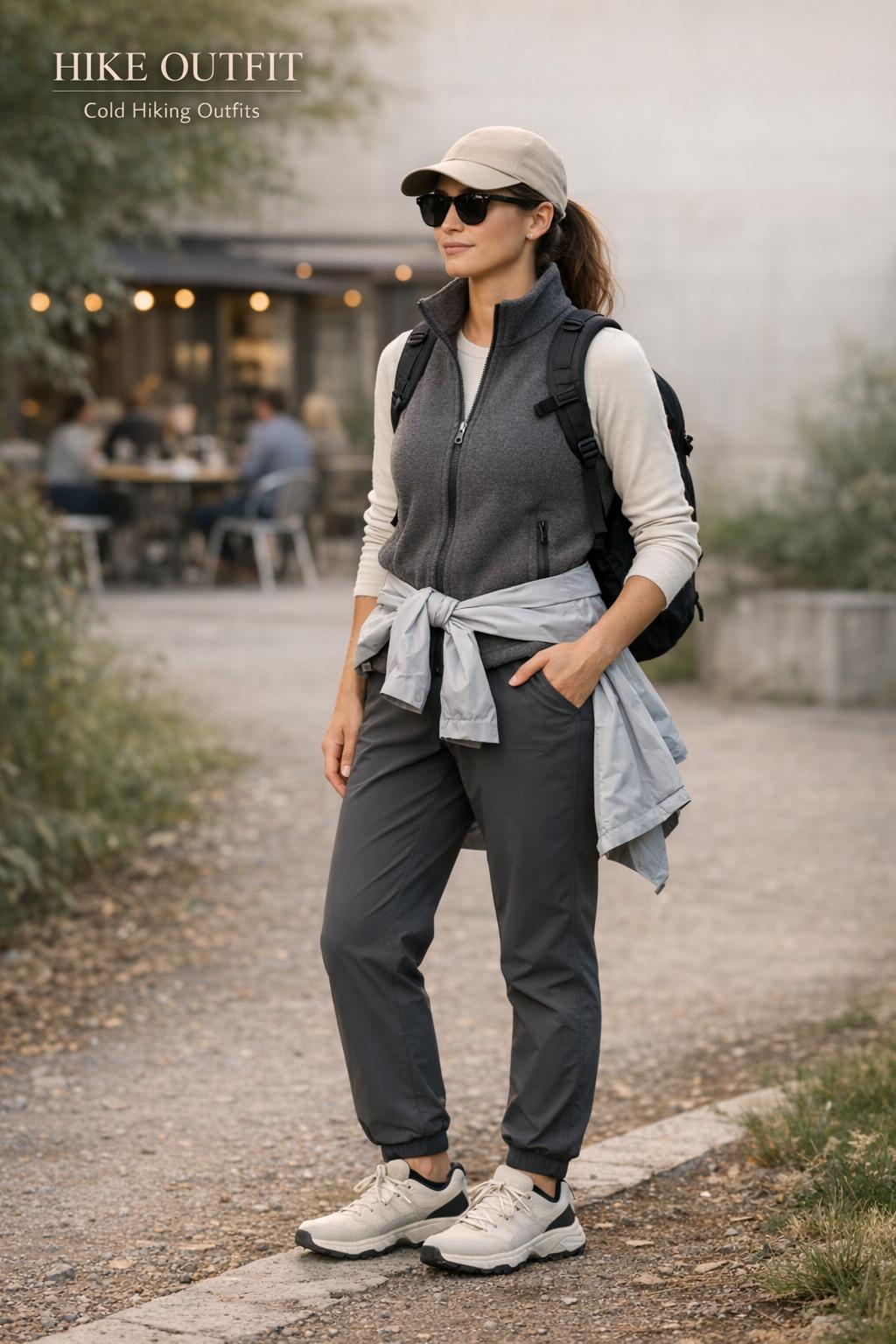
Cold hiking outfits are where the trail-to-city idea is most impressive—because it requires real layering intelligence. The goal is warmth without heaviness, and a silhouette that still feels modern. Think of it as a composed outer line with hidden comfort: insulation working underneath, weather protection on top, and thoughtful proportions throughout.
Start with a base layer that manages moisture, because warmth becomes uncomfortable when it turns clammy. Add insulation as your mid-layer—lightweight down or synthetic insulation—then seal it with an outer shell suited for weather protection. Bottoms should be hiking pants that move easily; bulk at the legs can make the whole look feel clumsy. Finish with hiking boots if the terrain is rough or conditions are uncertain. Socks matter more here than anywhere else—merino styles from names like Smartwool or Darn Tough are often part of the cold-weather comfort equation.
Why it fits the aesthetic: the look communicates competence. Even when you’re wearing more pieces, the outfit reads clean because each layer has a defined role—and a defined place in the silhouette.
Trail-to-city style logic: how to look intentional after the hike
The trail-to-city concept isn’t about pretending you weren’t outside; it’s about choosing pieces that hold their shape and mood when the setting changes. This is where the difference between “hiking clothes” and “a hike outfit” becomes clear. The latter is composed, with layering and fabrics that look good even after movement.
A few practical choices make the transition easier. First, keep your palette cohesive—neutrals or a restrained set of tones—so you can remove or add layers without the outfit looking fragmented. Second, choose mid-layers that can function as your top in town; a sleek fleece or vest often does this better than a bulky piece. Third, treat accessories like styling tools: sunglasses and a hat can look chic, but they also signal sun protection and real-world readiness.
Style tip: the “one clean layer” rule
If you want to look city-ready with minimal effort, plan for one layer that stays clean and presentable—usually your base layer or mid-layer. It’s the piece you’ll still be wearing when the shell comes off. When that layer has a tidy neckline and a flattering cut, the entire outfit feels more intentional, even if the rest is purely functional.
Outfit planning by hike type: how real days shape real style
Not every hike asks for the same solution. A short urban hike has different needs than a long day on the trail, and a weekend through-hike demands a layering system you can repeat without irritation. The most confident aesthetic hiking outfits are built with the day’s rhythm in mind: movement, pauses, weather changes, and where you’ll end up afterward.
Day hike (lightweight, breathable, camera-friendly)
A day hike outfit works best when it stays light and flexible. A moisture-wicking base layer and a packable shell cover the most common variables, while quick-dry shorts or hiking pants keep the look crisp. Footwear should match the terrain—trail runners for a nimble feel, boots if you prefer structure. This is also where accessories like a hiking hat and sunglasses feel like part of the aesthetic rather than purely utilitarian.
Weekend through-hike (layered, repeatable, emotionally comfortable)
For a weekend through-hike, repeatability matters: layers that still feel good after long hours, and fabrics that don’t become a problem when conditions shift. Base layers in merino or synthetic blends help with comfort; a fleece mid-layer adds warmth without excessive weight; and an outer shell protects when weather changes. Socks become a cornerstone—this is where names like Darn Tough are often mentioned for a reason. The aesthetic is quieter here: less about “the look,” more about a composed system that still photographs well because it’s coherent.
Urban-inspired hike (city proportions, trail function)
An urban-inspired hike outfit is the most style-driven interpretation of trail-to-town dressing. Think sleek base layer, vest or refined mid-layer, and hiking pants that read structured rather than sloppy. Footwear becomes the statement: a boot-anchored look leans classic and grounded, while trail runners push it modern and athletic. The goal is not to overdress the trail; it’s to keep proportions sharp enough that your post-hike plans feel effortless.
Key pieces that define aesthetic hiking outfits (without overbuying)
The most compelling hiking outfit women wardrobes are built around a small set of pieces that mix easily: base layers that feel good against the skin, mid-layers that add warmth and style, a shell that handles weather protection, bottoms that move, and footwear suitable for trails. This is why trail-to-city dressing feels so intuitive—each piece has a job, and the “look” emerges from how you compose them.
- A base layer you’d happily wear in town (merino or synthetic, moisture-wicking, clean neckline)
- A mid-layer with visual texture (fleece or a vest that sharpens proportion)
- An outer shell that doesn’t overwhelm your frame (rain jacket or shell that packs down)
- Quick-dry hiking pants or shorts that keep their shape
- Merino socks you trust (Smartwool, Darn Tough are often referenced in hiking contexts)
- Footwear you can commit to for hours (hiking boots or trail runners, depending on terrain)
When you’re building cool hiking outfits women can wear beyond the trail, prioritize pieces that look intentional in stillness. A good vest or fleece often becomes the hinge: it’s functional on the hike and still looks “styled” when you stop moving.
Fabric and performance, translated into style language
Technical talk can feel distant from aesthetics, but fabrics are the reason some outfits remain polished and others collapse into discomfort. Breathable, moisture-wicking materials keep the silhouette clean because they resist saturation. Quick-dry hiking bottoms look more refined because they don’t cling or wrinkle as dramatically. And shells matter because weather protection is, in real life, the difference between enjoying the day and counting minutes until it’s over.
It’s also worth acknowledging trade-offs. A highly protective outer shell can feel less breathable; a very minimal base layer can feel too exposed in sun or wind. Style, on the trail, is often about choosing the compromise you can live in. That mindset is what elevates an outfit from “cute idea” to a hike outfit you’ll actually wear again.
Common styling missteps that disrupt the trail-to-town mood
Even the most aesthetic hiking outfits can unravel when one element ignores the reality of movement or weather. The goal isn’t perfection; it’s coherence—pieces working together rather than competing. A few missteps show up repeatedly in real-life trail-to-city dressing, especially when fashion inspiration is copied without adapting it to conditions.
- Over-layering without a plan: too much bulk makes proportions feel clumsy and can trap moisture
- Choosing a mid-layer that only works on the trail: if it’s your most visible piece, it should also look tidy in town
- Ignoring socks: discomfort at the feet changes posture and mood, and it shows
- Footwear that doesn’t match terrain: a stylish idea is not worth a miserable descent
- No sun strategy: skipping a hat, visor, or long-sleeve option can turn “summer look” into a regret
Correcting these isn’t about buying more. It’s about editing: fewer pieces, better roles, clearer proportions. That’s the heart of ModePrima-style dressing—thoughtful composition over noise.
Practical tips: how to keep your hiking outfit looking composed all day
The trail has a way of revealing whether an outfit is truly wearable. A jacket that rides up, shorts that chafe, a top that feels fine until you stop moving—these details decide the day. The most reliable approach is to treat your outfit as a system: layers you can adjust, fabrics that behave, accessories that support comfort.
Tips for layering without constant outfit changes
Layering works best when each piece is easy to add or remove and still looks good when it’s not “fully assembled.” A vest is excellent for this, which is why it appears so often in fashion-forward hiking outfits. A shell that packs down matters for the same reason: it lets you respond to weather protection needs without carrying a rigid, bulky silhouette all day.
Tips for a clean silhouette in photos and in motion
Keep one line sleek—either the top half or the bottom half—so the outfit doesn’t look busy. If you choose looser hiking pants, keep the top more fitted; if you choose a roomier fleece, keep bottoms streamlined. This is a simple proportion rule, but it’s the difference between “random layers” and a hike outfit that reads editorial.
Tips for trail-to-town transitions that feel natural
Plan your “town layer” in advance: the piece you’ll be wearing when you remove the shell. Often it’s a clean base layer or a refined mid-layer. When that layer is in a cohesive color palette and fits well, the entire look shifts effortlessly from hiking clothes to trail-to-city style—no costume change required.
A note on the hiking outfit women conversation: style, but make it inclusive in spirit
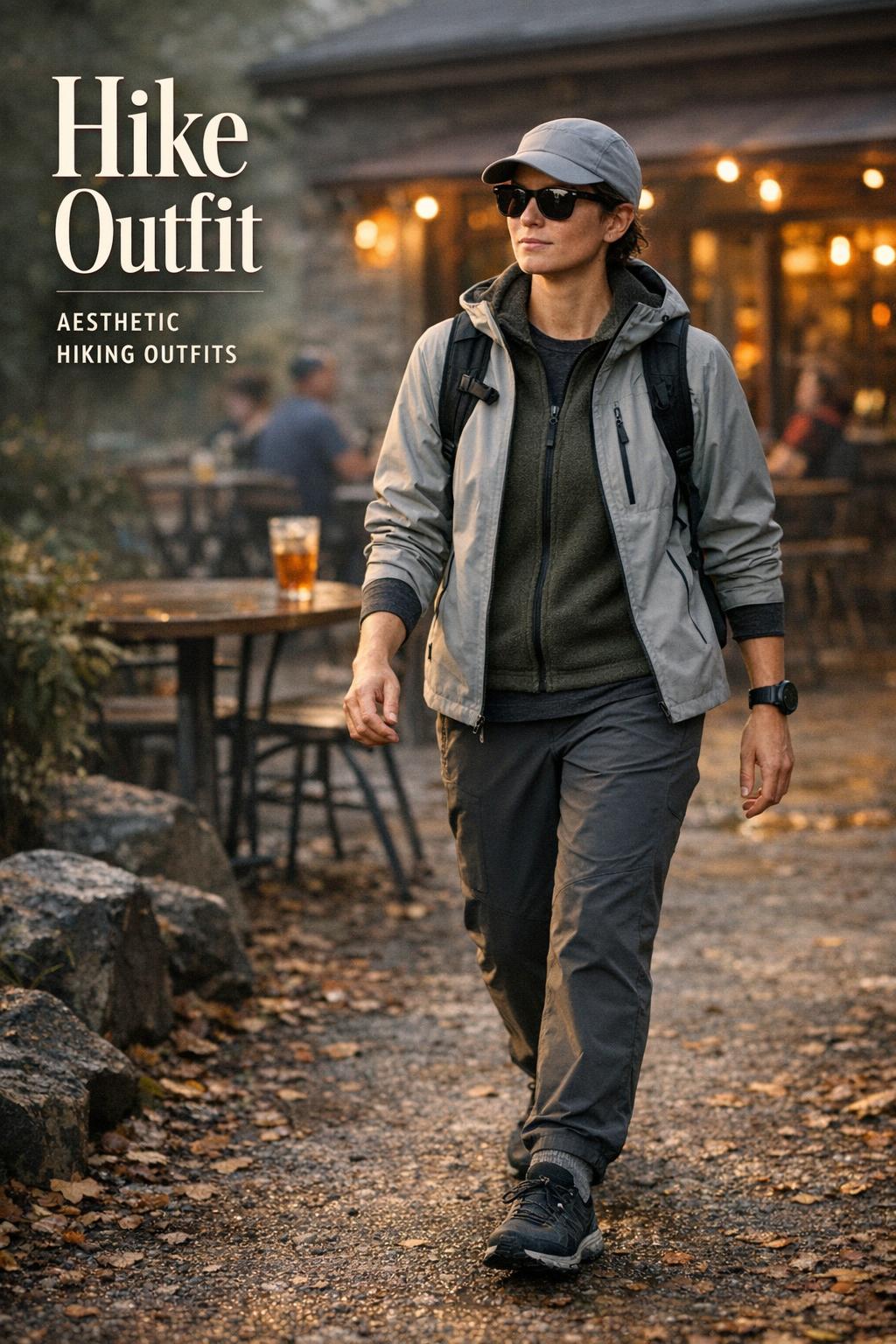
A lot of the most visible outfit inspiration in this space is framed as hiking outfits for women, often with fashion editorials leading the conversation. That can be useful for aesthetic direction—granola chic, athleisure hybrids, and trail-to-town styling—but the underlying principles are broader: layering, comfort, and footwear suitable for trails apply to anyone building a practical wardrobe for the outdoors. The strongest personal style emerges when you adapt these frameworks to your body, your movement, and the environments you actually hike.
FAQ
What is the most important thing to get right in a hike outfit?
Start with a comfortable base layer and a sensible layering plan: moisture management close to the skin, a mid-layer for warmth, and an outer shell for weather protection. When those roles are clear, the rest of the styling—colors, proportions, accessories—falls into place and feels more intentional.
How do I create a trail-to-city hiking outfit that still looks polished afterward?
Choose at least one layer (usually your base layer or mid-layer) that you would happily wear in town, keep a cohesive color palette, and avoid bulky pieces that distort your proportions. A vest or a refined fleece often works well because it looks styled while still functioning on the trail.
What should I wear for a summer hiking outfit if I want sun protection?
Use lightweight layers strategically: a breathable base layer (tank top or lightweight long-sleeve), quick-dry bottoms, and sun-focused accessories like a hiking hat or visor and sunglasses. This approach keeps the look airy while acknowledging that sun protection is part of trail readiness.
How do I style cold hiking outfits without looking bulky?
Rely on a clear system—base layer, insulation as a mid-layer, and an outer shell—so warmth comes from smart layering rather than oversized pieces. Keep bottoms streamlined with hiking pants that move easily, and let the outer shell create a clean exterior line for a sleeker silhouette.
Are hiking boots or trail runners better for a hike outfit?
It depends on terrain and the feel you want: hiking boots read more structured and classic, while trail runners feel lighter and more athletic. Both can look stylish; the best choice is the one that matches your trail conditions and keeps you comfortable for the full distance.
What are the key details that make aesthetic hiking outfits look intentional?
Intentional hiking style usually comes from coherent layering, balanced proportions, and accessories that serve a purpose—like a hat for sun protection or a pack for essentials. Clean lines, a restrained palette, and fabrics that keep their shape help the outfit read composed rather than accidental.
What’s a reliable hiking outfit women spring formula for unpredictable weather?
Use a breathable long-sleeve base layer, add a fleece mid-layer you can remove easily, and bring a lightweight shell for weather protection. Pair with quick-dry hiking pants and footwear suitable for trails, so you’re prepared for temperature swings without carrying unnecessary bulk.
Which sock brands are commonly mentioned for hiking comfort?
Merino-focused sock options are often referenced in hiking contexts, including Smartwool and Darn Tough. They’re typically discussed because socks strongly affect comfort over long distances, which in turn affects how well your entire hiking outfit performs.
How can I make fashion-forward hiking outfits feel practical on the trail?
Keep the fashion elements anchored in function: use layering for real temperature control, choose quick-dry bottoms, and prioritize footwear suitable for trails. Trend-driven pieces like a vest or visor work best when they also solve a practical need, reinforcing the trail-to-town idea rather than fighting it.
Leave a Reply