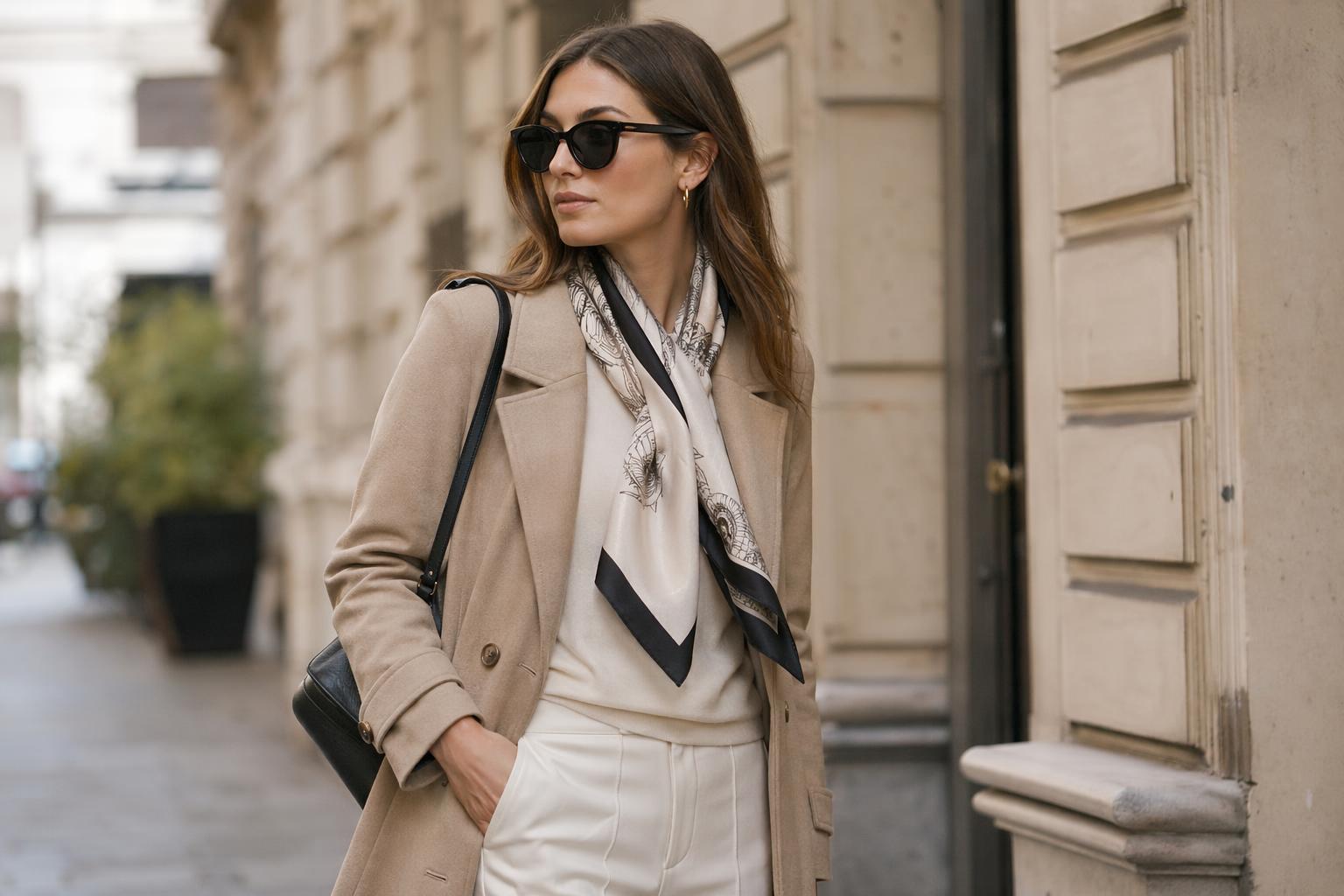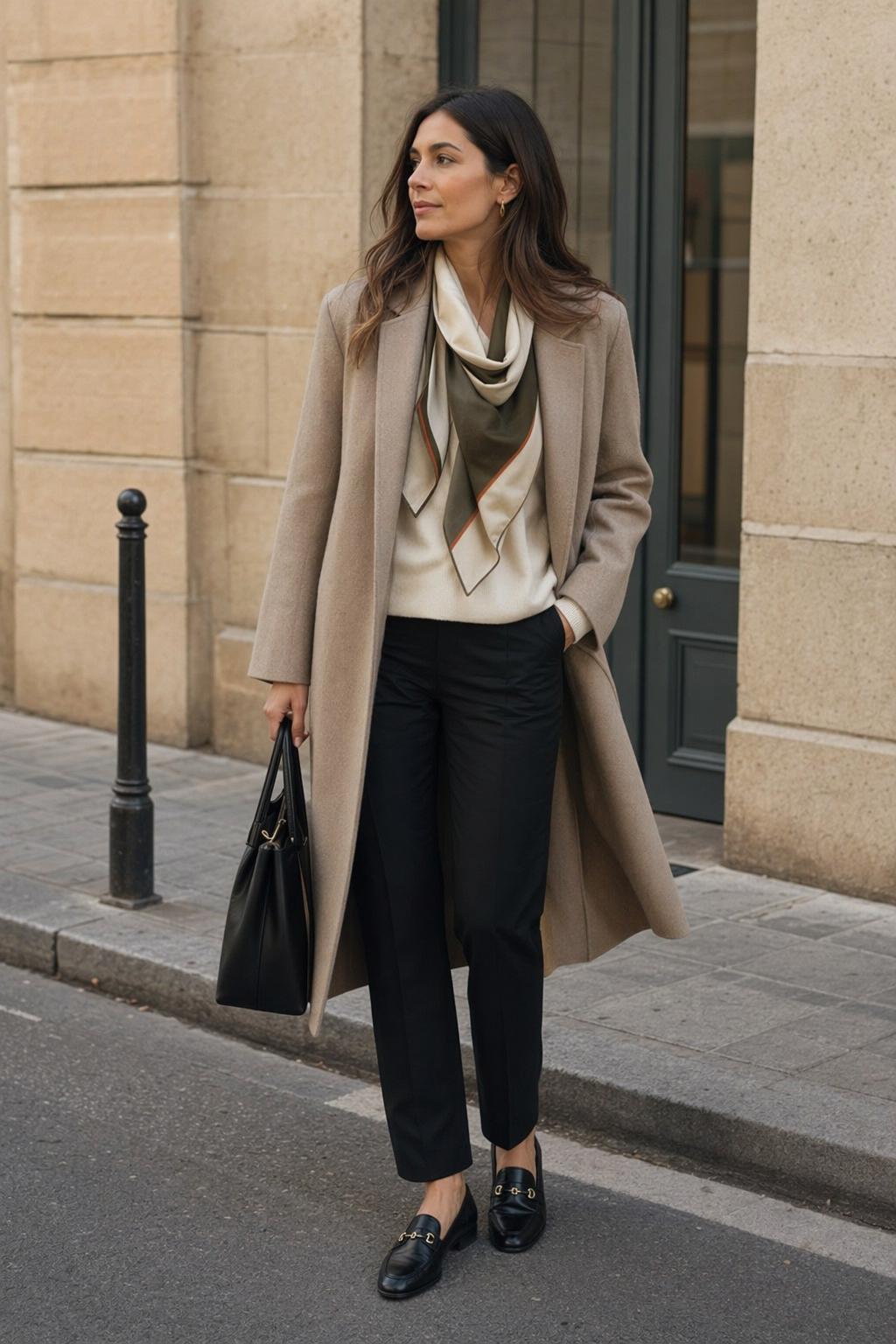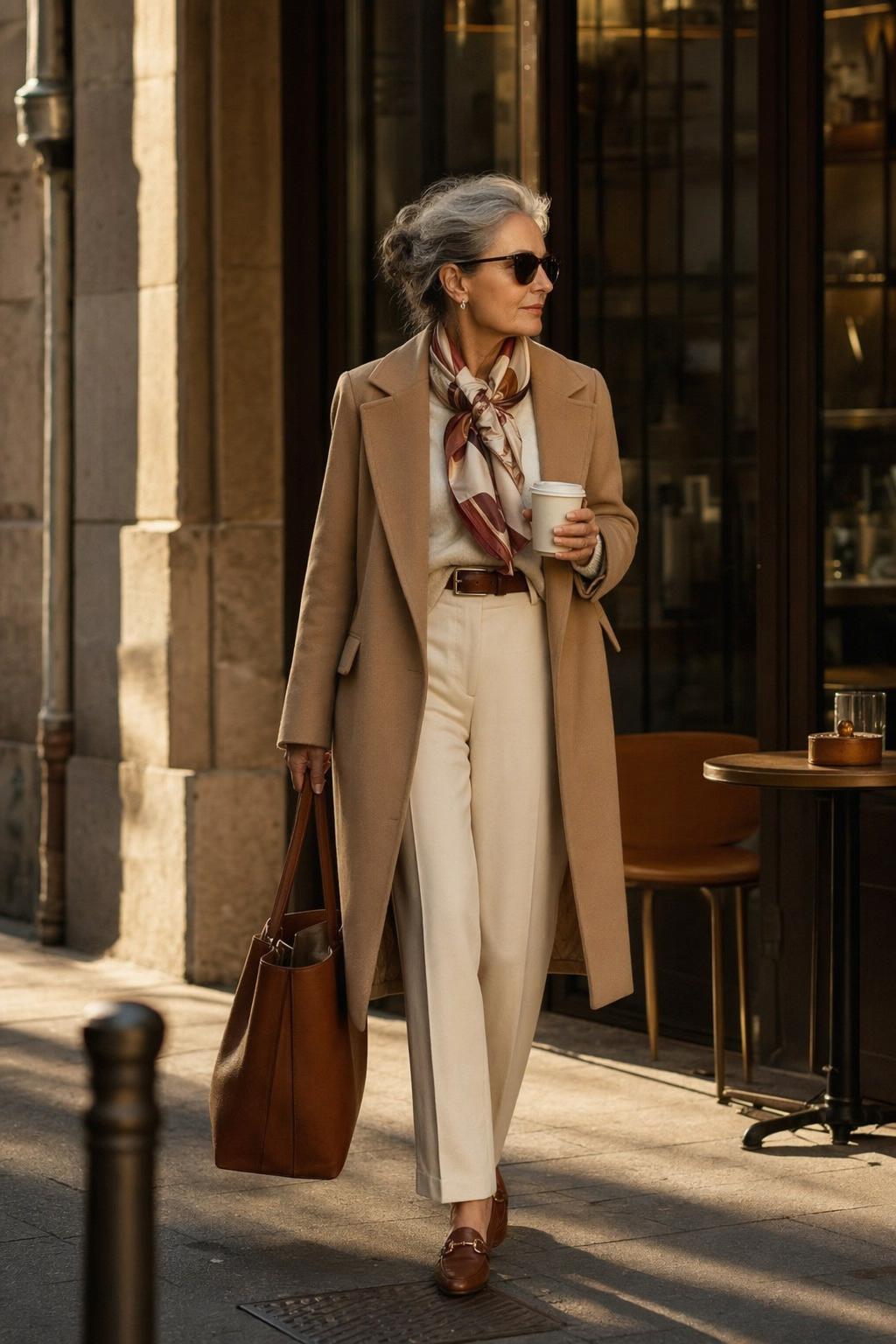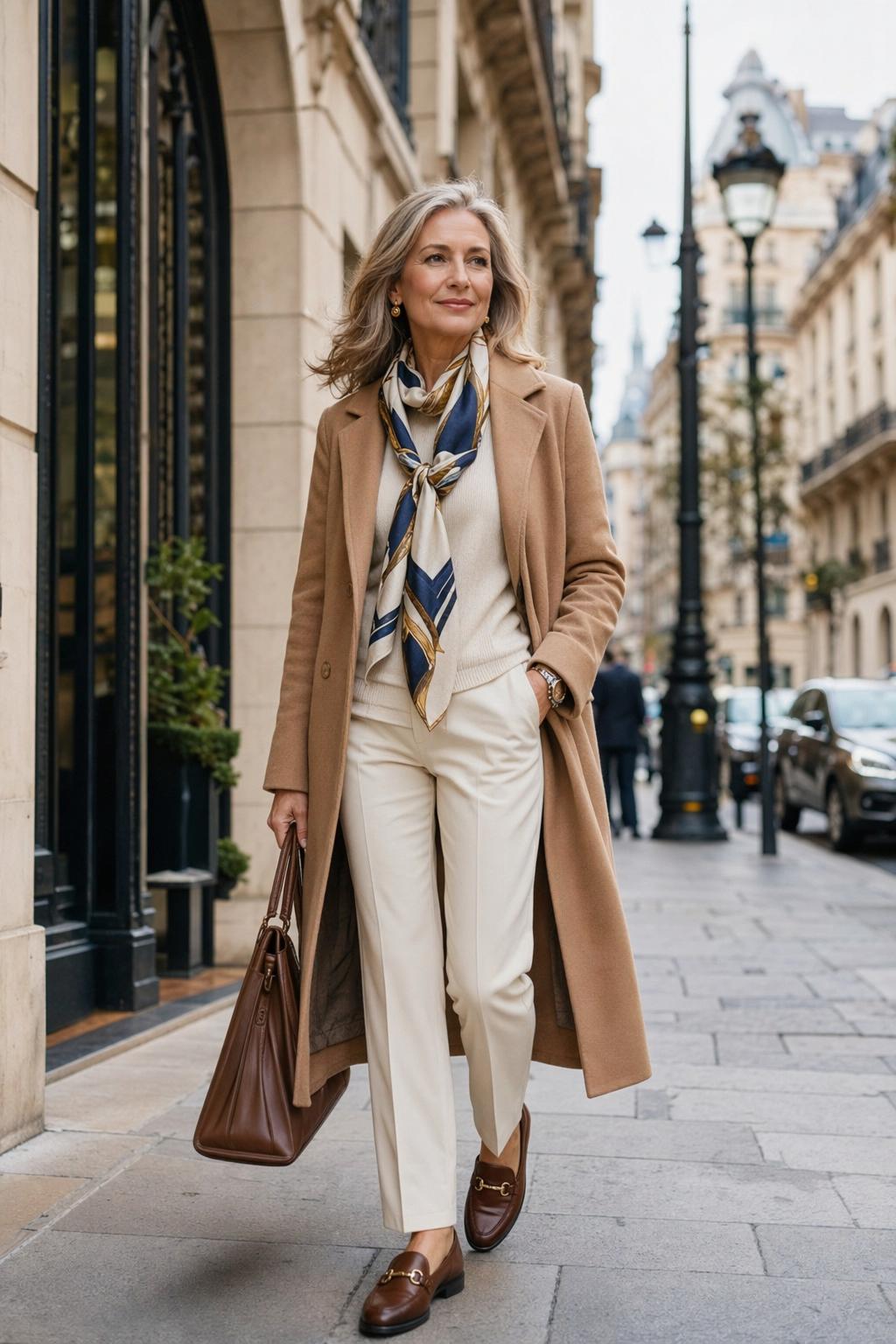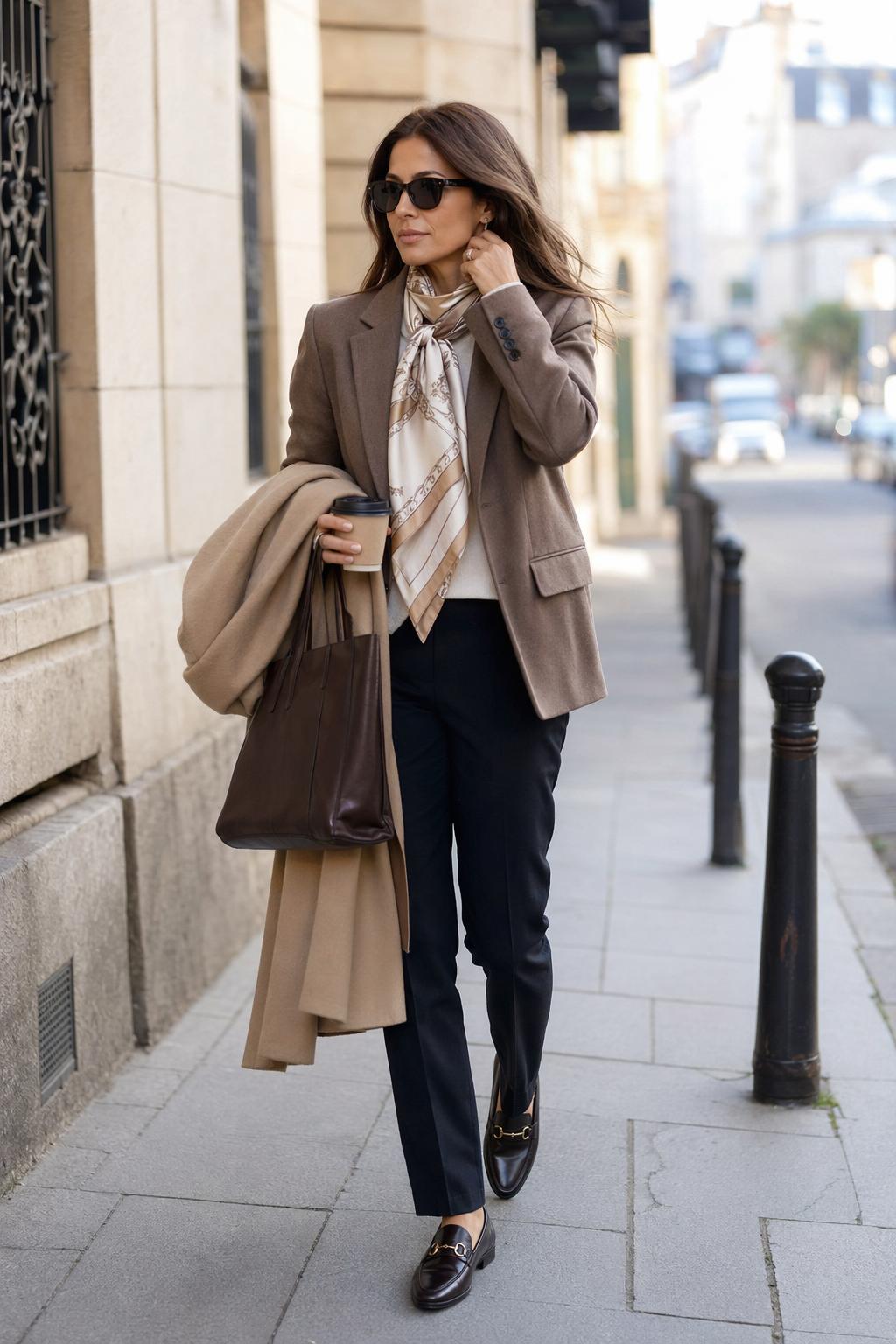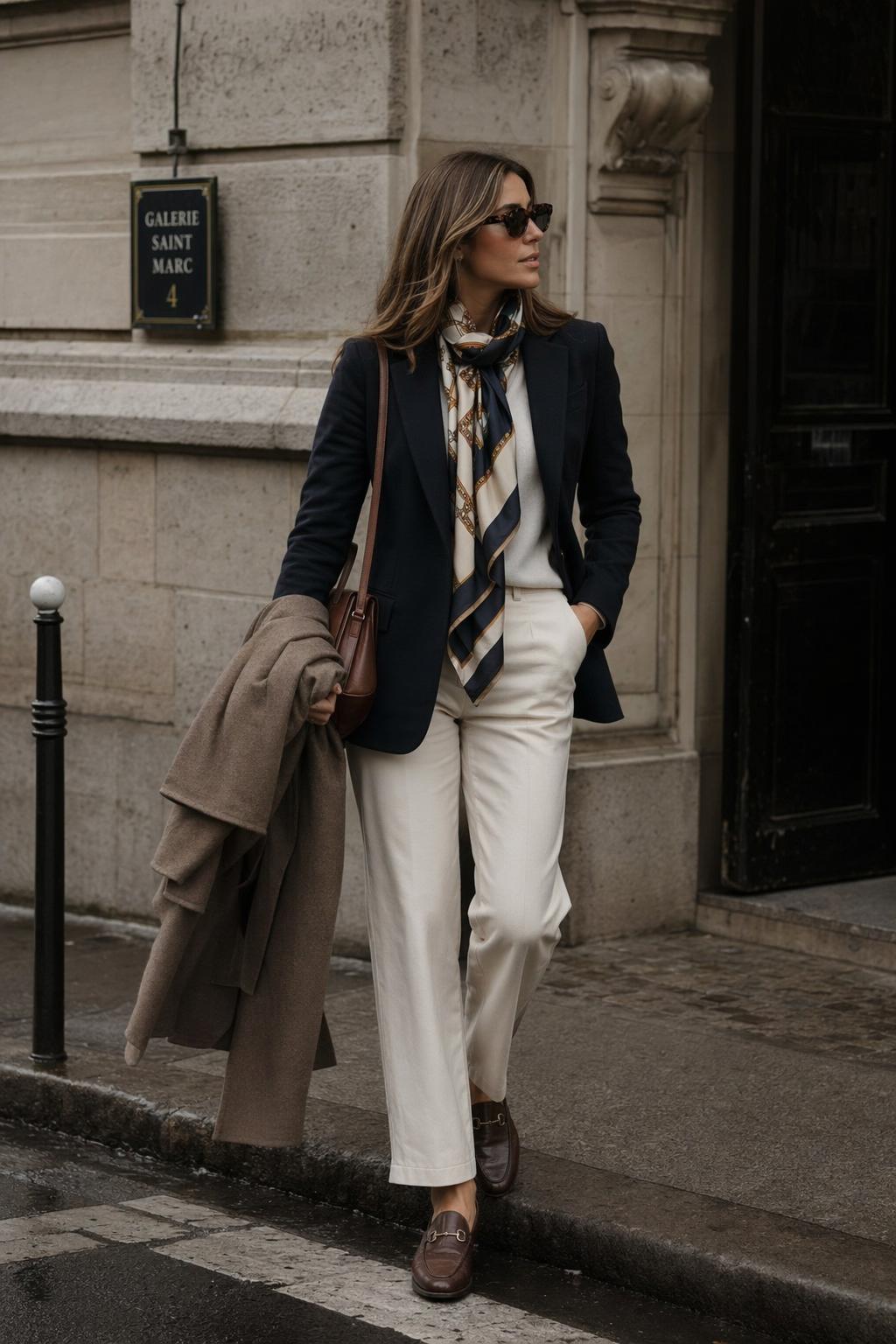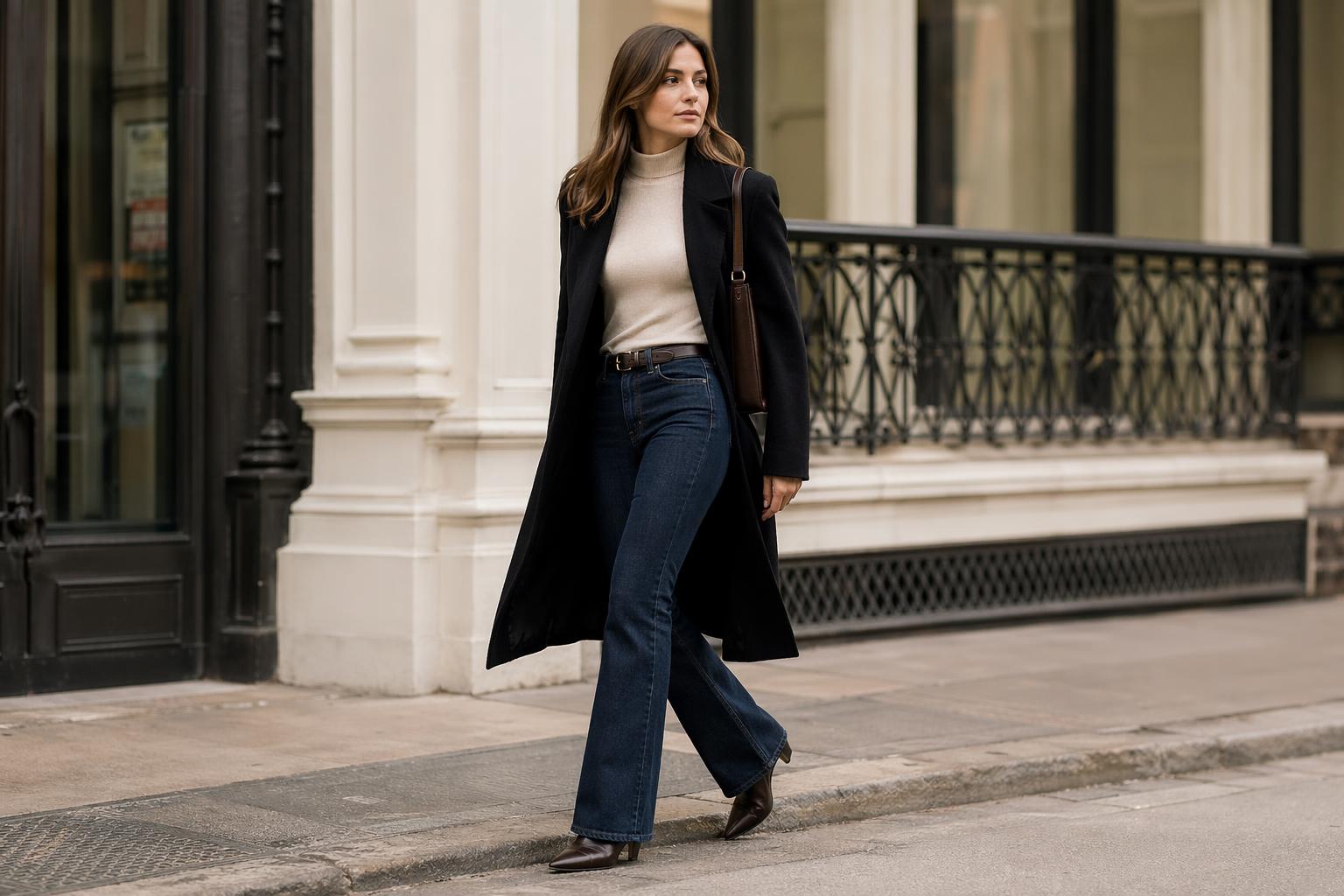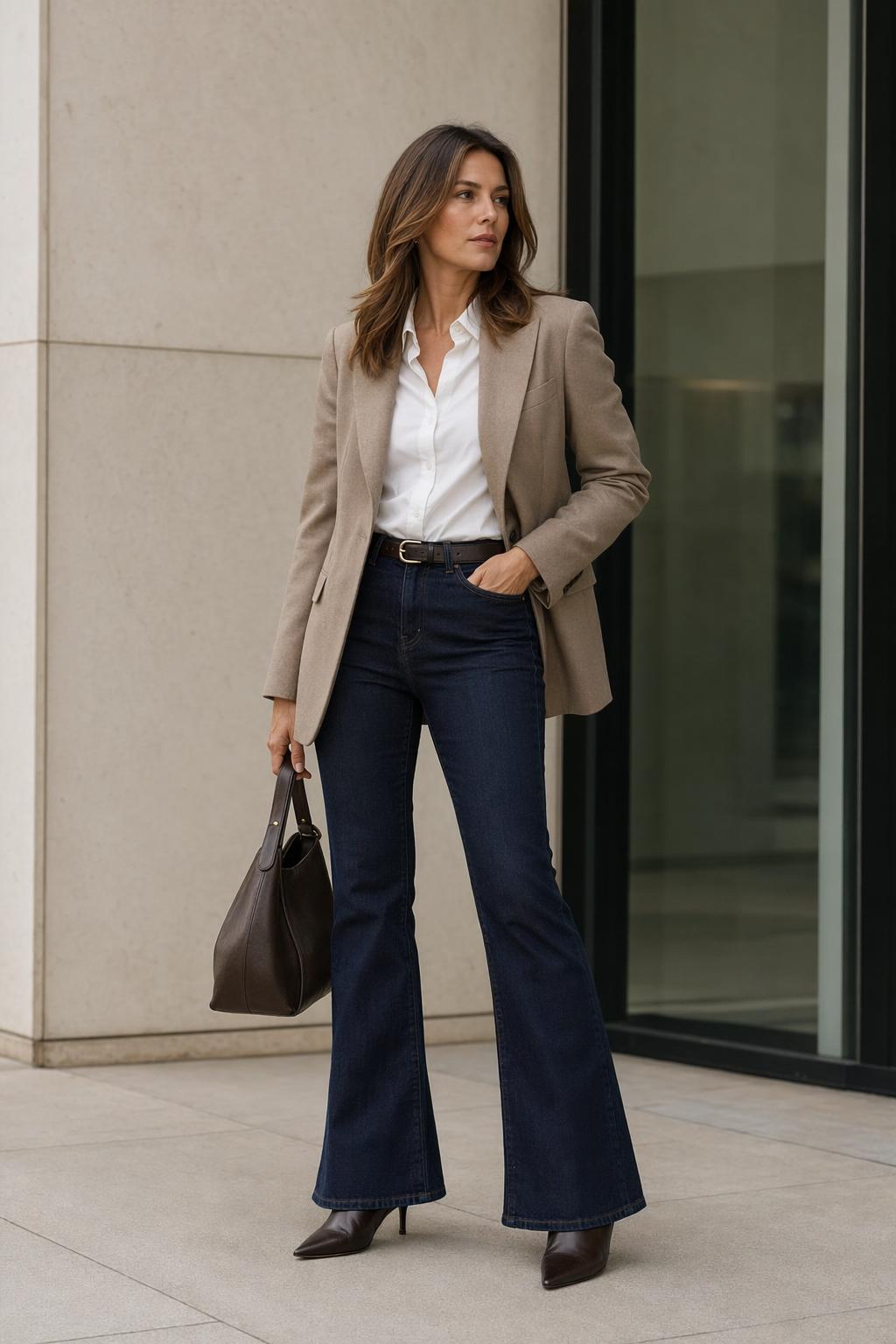
Category: Outfit Aesthetic

Outfit Aesthetic is all about creating a cohesive, recognizable style that reflects your personality and lifestyle. Instead of focusing on individual pieces, an outfit aesthetic looks at how colors, silhouettes, fabrics, and details work together to form a distinct visual identity. From timeless minimalism and quiet luxury to Parisian chic, Scandinavian simplicity, and modern street style, exploring different aesthetics can help you refine your wardrobe and develop a more intentional approach to fashion.

In this category, you’ll find curated inspiration, styling guides, and outfit ideas that highlight popular fashion aesthetics while remaining practical for everyday wear. Each post focuses on wearable combinations, balanced proportions, and versatile pieces that can easily integrate into a modern wardrobe. Whether you prefer clean neutral outfits, elevated casual looks, or romantic feminine styling, understanding outfit aesthetics makes it easier to build outfits that feel polished and consistent.

Our editorial approach is grounded in real fashion experience, combining insights from fashion retail, styling principles, and long-term wardrobe building. Rather than chasing short-lived trends, we focus on aesthetics that translate into timeless outfits you can adapt across seasons and occasions.

If you’re looking for fresh outfit inspiration, clear styling ideas, and guidance on defining your personal fashion identity, this Outfit Aesthetic category will help you discover styles that feel both authentic and effortlessly stylish.

  • Why Monochrome Aesthetic Outfits Feel So Polished Now

    Why Monochrome Aesthetic Outfits Feel So Polished Now

    Monochrome aesthetic outfits and the quiet power of color harmony

    Some of the most memorable outfits are not built on prints or sharp contrast, but on restraint. monochrome aesthetic outfits carry that particular kind of confidence. They rely on a single color family, tonal dressing, and the subtle conversation between silhouette, texture, and finish. The result can feel minimal, luxurious, modern, or softly romantic depending on the shades and fabrics involved, but the visual language is always cohesive.

    This aesthetic appears everywhere style feels intentional: on city streets in New York and Los Angeles, at fashion weeks, on red carpets, in refined workwear, and in off-duty wardrobes that lean toward minimalism. A monochrome look can be all-black and architectural, nude and warm, blue and composed, or brown and quietly rich. What makes it enduring is not just that it photographs well, but that it gives the wearer an instantly polished framework for getting dressed.
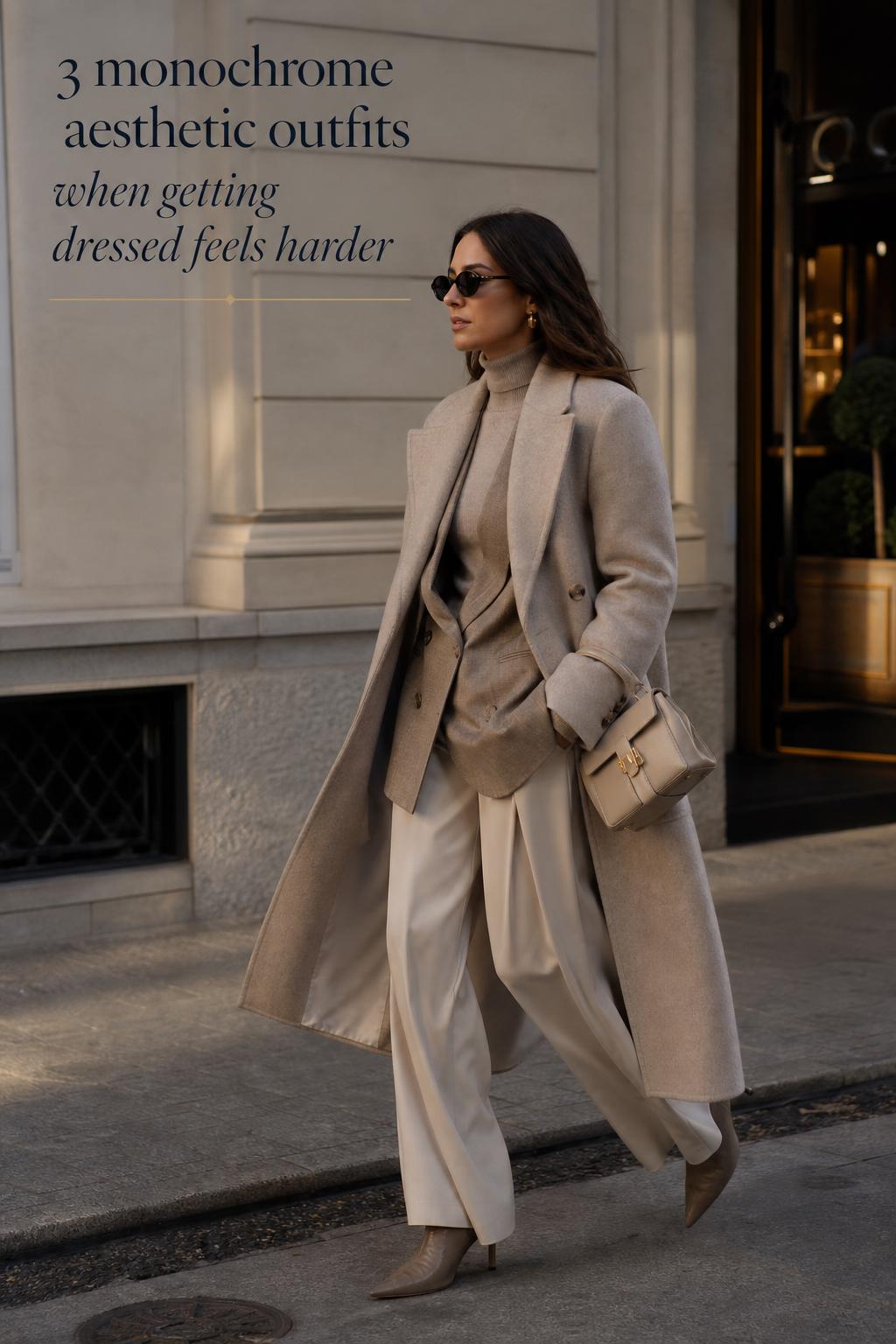
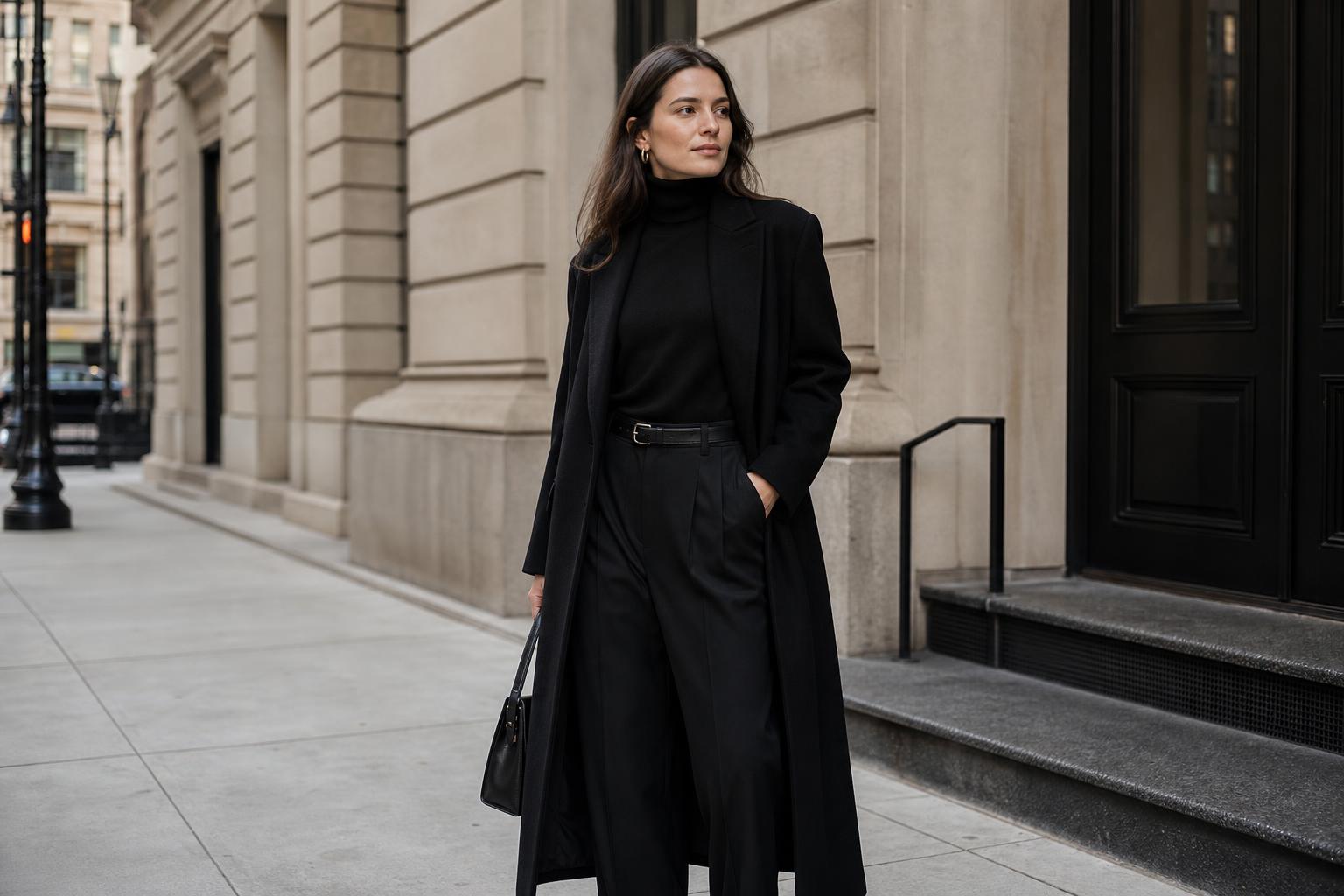
    Adult woman in quiet-luxury city street style wearing monochrome aesthetic outfits in soft taupe layers with coat and boots
    A polished city street-style moment highlights tonal layering and texture for effortlessly elevated monochrome dressing.

    The appeal is practical as well as visual. Head-to-toe monochrome simplifies decisions, creates clean lines, and lets fabrics like satin, wool, denim, leather, and cotton do more of the expressive work. That is why the style moves so easily between a Copenhagen-inspired minimalist wardrobe, a Milan-leaning tailored mood, and a relaxed American streetwear interpretation. The color is unified, but the personalities of the outfits can be completely different.

    What defines a monochrome aesthetic

    A monochrome outfit is built around one color family rather than a mix of unrelated shades. In its strictest form, that means dressing in one hue from head to toe. In everyday styling, the idea is often slightly broader and more wearable: tonal dressing within the same family, such as navy with azure, cream with ivory, or chocolate with tan. This is why monochromatic outfits rarely feel flat when they are done well. They are unified, not uniform.

    The elegance comes from how the eye reads continuity. A single-color outfit naturally elongates the line of the body, reduces visual interruption, and allows details such as drape, cut, and proportion to become more noticeable. A structured blazer layered over fluid trousers in the same family feels more sophisticated because the silhouette is uninterrupted. Likewise, a coat, knit, and boots in related tones can appear far more deliberate than a multicolor outfit made from expensive pieces.

    There is also a psychological effect to monochrome dressing that explains why it is often associated with minimalism and luxury fashion. A coherent palette can read calm, expensive, and self-assured because it suggests editorial control. That does not mean every monochrome look must be severe. In practice, the most compelling ones balance consistency with nuance, often through matte versus glossy finishes, tailored versus relaxed shapes, or soft versus structured fabrics.

    Why the look remains popular

    Monochrome remains appealing because it works across occasions and style identities. It can support a capsule wardrobe, translate easily from day to evening, and make wardrobe basics feel elevated. It is also highly adaptable: a streetwear interpretation may use a hoodie, oversized jacket, and sneakers in one tonal family, while an evening version may rely on a dress, long coat, and sleek footwear in the same color story. The formula is clear, but the mood is flexible.
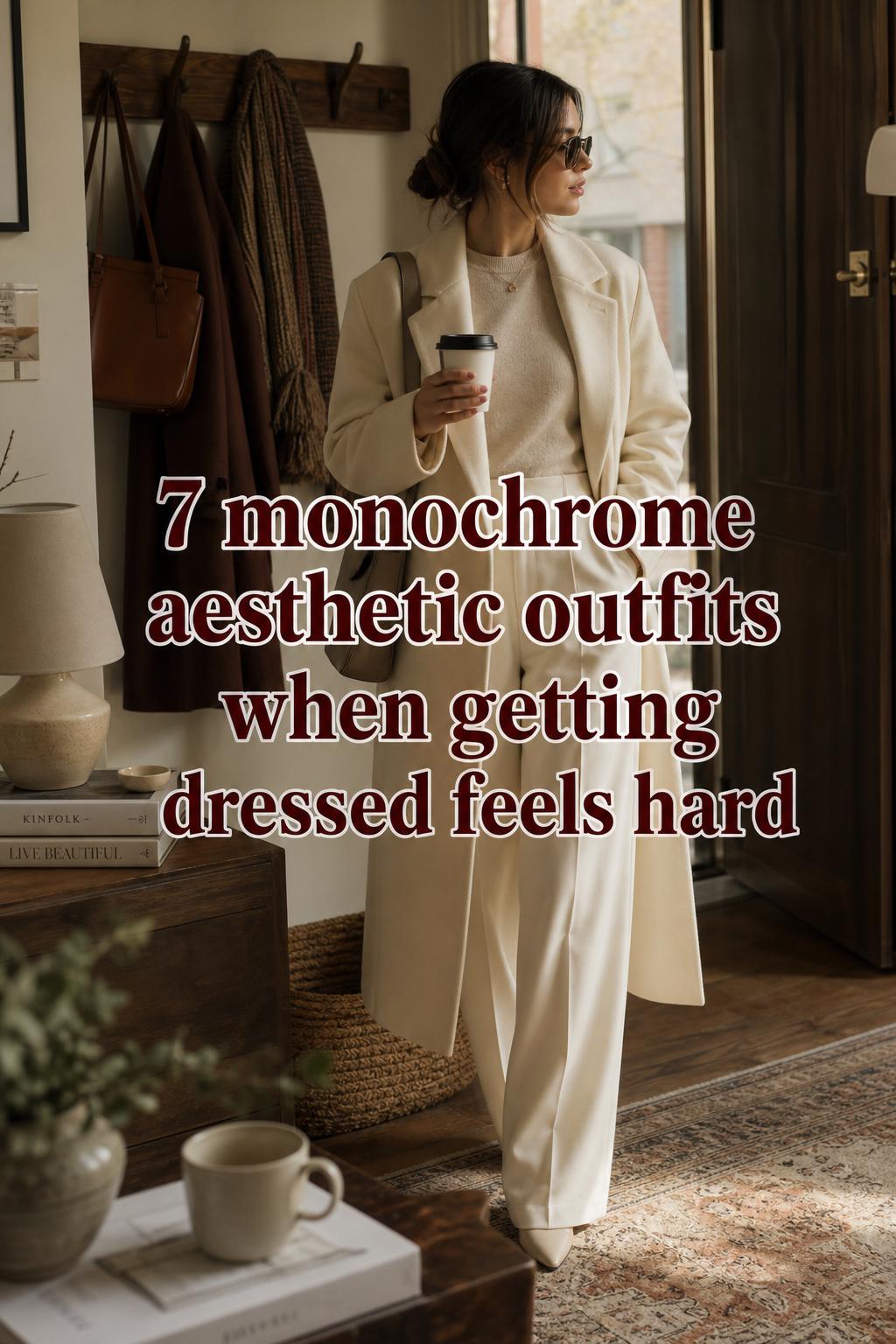
    Woman in warm urban home scene wearing monochrome aesthetic outfits with coat and boots, Pinterest text overlay for styling ideas.
    A softly lit lifestyle scene showcases polished monochrome layers with a modern text overlay for effortless outfit inspiration.

    The foundation: color families that shape the mood

    Not all monochrome aesthetic outfits communicate the same feeling. The color family sets the tone before texture or accessories enter the picture. Black tends to feel sharp and urban, white can read clean and sculptural, nude and tan offer softness, brown adds grounded depth, and blue creates quiet authority. Understanding this difference matters because a successful monochrome wardrobe is less about copying a specific outfit and more about choosing the family that matches your life, climate, and personal style.

    Look: all-black city minimalism

    Among monochrome outfits, all-black remains the most instinctive and often the easiest to wear. The mood is direct, refined, and slightly cinematic. In urban settings such as New York or London, black naturally suits tailored outerwear, long lines, and strong footwear. The silhouette works best when there is contrast in shape: perhaps a structured coat over a fluid dress, or a sharp blazer over relaxed trousers that skim rather than cling.

    The richness comes from texture, because without it black can lose dimension. Wool, leather, cotton, satin, and denim each absorb or reflect light differently, and that difference is what makes the look feel layered rather than flat. A matte black wool coat with leather boots and a satin blouse has depth even though the palette remains singular. Dresses, jackets, coats, boots, and trousers become especially important here because each piece contributes a different surface.

    • Key garments: tailored coat, blazer, trousers or a black dress
    • Footwear: boots with a clean, substantial shape
    • Accessories: restrained black accessories that echo the finish of the outfit

    This look fits the monochrome aesthetic because it proves that one color can carry multiple personalities. The drama does not come from brightness, but from precision. It is also one of the most forgiving interpretations for work, evening events, and transitional weather, provided the fabrics are mixed thoughtfully.

    Look: white and ivory with sculptural calm

    A white-based monochrome look feels different from black immediately. It is quieter, more architectural, and often more directional because every seam and proportion is visible. The mood suits environments where clean styling feels natural, from daytime events to polished travel dressing. The most elegant versions avoid trying to be overly pristine; instead, they let cream, ivory, and white coexist so the outfit feels soft rather than clinical.

    Think of a long ivory coat over a cotton top and wide-leg trousers in a close tonal range, finished with shoes in the same family. Satin can bring light to the upper half, while wool or denim adds structure below. Because pale monochrome reveals creasing and fabric quality quickly, silhouette matters more than ornament. Straight lines, gentle volume, and measured layering keep the outfit controlled.

    What makes this interpretation work is restraint. White monochrome can appear expensive because it asks every element to be intentional. There is no loud color to distract from imbalance, so proportion and fabric do all the talking.

    Look: navy-to-azure tonal dressing

    Blue monochrome offers one of the most versatile paths into the aesthetic because it balances authority with ease. It can feel professional in workwear, relaxed in denim, and elegant in evening fabrics. A tonal range from navy to azure creates movement without breaking the visual harmony, which is why blue often appeals to those who find all-black too severe or all-white too demanding.

    A polished version may pair a navy blazer with a softer blue top and tailored trousers, with footwear staying in the same family. A more casual interpretation can lean on denim as the anchor, layered with blue cotton or knitwear and grounded by similarly toned outerwear. Satin adds evening polish, while wool keeps it businesslike. The key is to keep the blues close enough that the outfit still reads as one continuous idea.

    This color family is especially strong for readers looking for monochrome outfit ideas for women that feel less formal than black but still cohesive. Blue has enough subtle variation to make tonal dressing intuitive, which is why it works across both capsule wardrobes and trend-led styling.
    Street-style photo of monochrome aesthetic outfits with layered black and white clothing and minimal accessories
    A crisp street-style look showcases monochrome layers, clean lines, and understated accessories.

    Look: nude and tan in soft warm neutrals

    Nude, tan, and related warm neutrals create one of the most approachable monochrome moods. The effect is soft, composed, and quietly luxurious, especially when the outfit relies on layering rather than decoration. This is the kind of palette that feels at home in Los Angeles light, on a refined weekend in Milan, or in an understated office setting where polished ease matters more than trend display.

    The strongest versions combine pieces with gentle tonal shifts: a tan coat over a nude knit, paired with cream-leaning trousers and footwear in the same spectrum. Wool, cotton, and satin are especially useful here because they prevent the outfit from looking washed out. A soft matte knit beside a slightly luminous satin layer creates visual depth while keeping the entire look serene.

    This is a classic example of how monochrome dressing can support a minimalist wardrobe. Warm neutrals are often easier to repeat across seasons than more directional colors, and they transition naturally from casual to more formal contexts with only small changes in cut and fabric.

    Look: brown and earth tones with quiet richness

    Brown monochrome has a distinct atmosphere. It feels grounded, intelligent, and slightly more tactile than black or blue. The palette can move from espresso to softer earth tones, which makes it ideal for outfits centered on texture and depth. Brown also suits those who want a refined alternative to black without sacrificing sophistication.

    A rich brown coat over coordinating trousers and a top in a nearby tonal range creates a strong vertical line, while leather boots or a structured bag reinforce the polished finish. Wool and leather are natural companions in this family, but denim can shift the look toward a more relaxed weekend mood. The advantage of earth tones is that they naturally absorb variation. A deeper outer layer and a lighter underlayer still feel coherent rather than contrasted.

    Brown monochrome works because it looks considered without appearing studied. It has the ease of neutrals, but with more softness and depth than stark black-and-white dressing. For many wardrobes, it becomes the most wearable version of head-to-toe color harmony.

    Texture, fabric, and silhouette: where monochrome becomes sophisticated

    The main reason monochrome aesthetic outfits succeed or fail is not the color itself but what happens inside that color. When every piece is in one family, the eye notices finish, weight, line, and movement more intensely. This is why texture and silhouette appear so often in strong monochrome styling. They are not decorative extras; they are the architecture of the look.

    Texture creates contrast without introducing another shade. Matte wool next to satin, cotton against leather, or denim under a sleek coat gives the outfit dimension. The difference between glossy and dry surfaces matters because it affects perceived color depth. Even in the same black or navy, one fabric can appear softer while another appears sharper, making the outfit feel layered and intentional.

    Silhouette does similar work. If the palette is restrained, proportion becomes expressive. A long coat over a narrow dress creates one mood; an oversized jacket with loose trousers and substantial sneakers creates another. Neither is more correct than the other. The question is whether the shape supports the atmosphere you want the color family to convey.
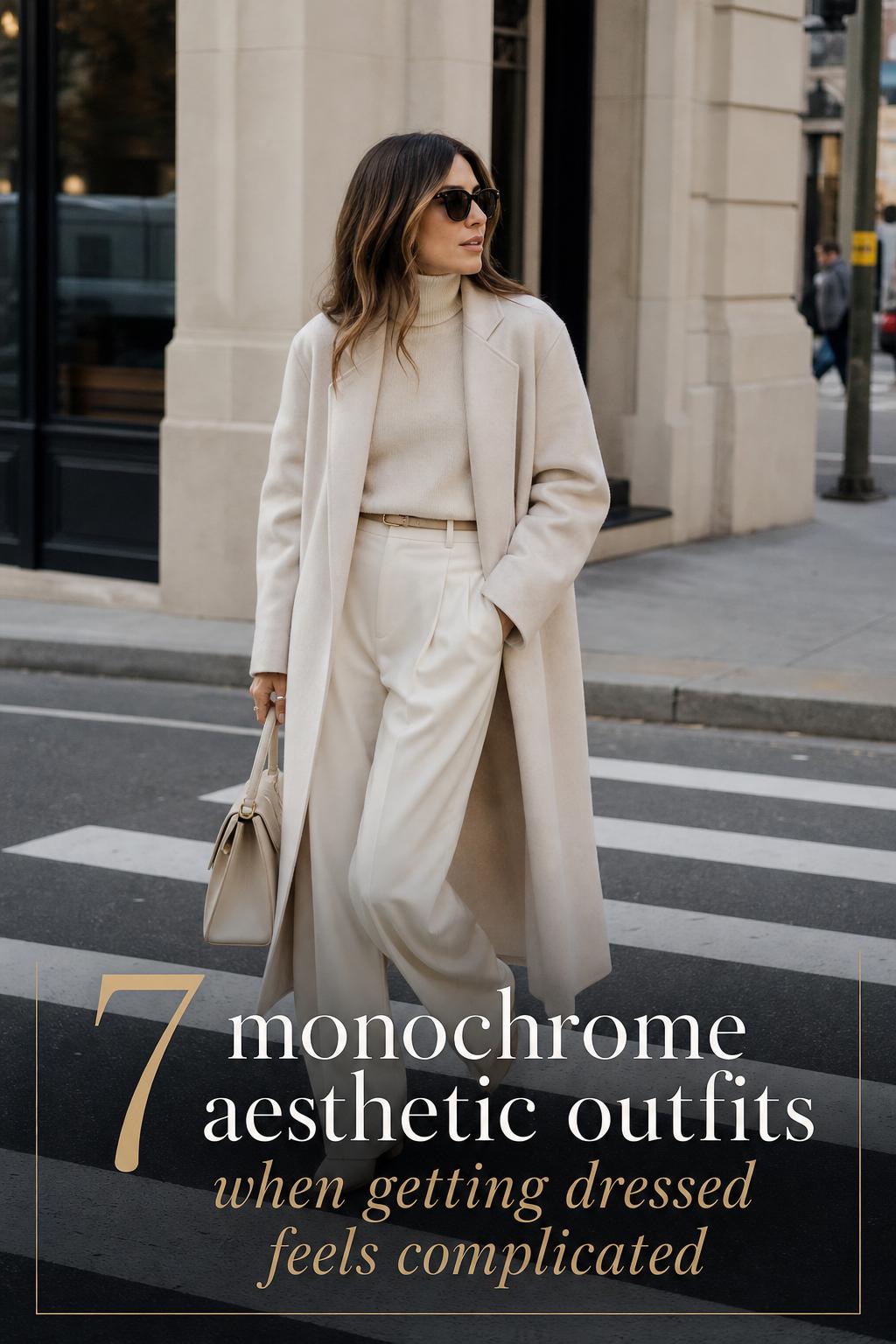
    monochrome aesthetic outfits on an elegant woman in a tonal coat and trousers walking past a bright city cafe
    An elegantly dressed woman steps into bright city light, showcasing refined monochrome layers with modern ease.

    Style tip: avoid the flat monochrome effect

    The easiest mistake in monochrome dressing is making everything too similar in both shade and surface. When the sweater, trousers, coat, and shoes all share the same exact finish, the outfit can lose definition. The fix is usually simple: vary at least one of the following elements—fabric, structure, or tonal depth. A satin blouse under a matte blazer, leather boots beneath wool trousers, or a cream coat over a slightly darker knit immediately restores dimension.

    • Mix matte and glossy finishes
    • Use one structured piece to anchor softer garments
    • Let shoes or outerwear sit one step deeper or lighter within the same family
    • Choose accessories that echo the outfit rather than sharply contrast it

    Looks that translate the aesthetic into real wardrobes

    Look: tailored monochrome for workwear

    For office dressing, monochrome has an immediate advantage: it looks focused. A tonal blue or brown outfit built on a blazer and tailored trousers appears composed before accessories are even considered. The mood should be polished, not rigid, so the best workwear versions pair clean tailoring with one softer element, such as a fluid top or gently draped coat.

    Blue works particularly well here because navy and softer mid-blues support professionalism without feeling severe. Brown and nude families create a warmer office presence, especially in wool and cotton. Footwear should reinforce the line of the outfit rather than interrupt it, so staying within the same tonal family keeps the look elongated and refined.

    This interpretation fits the monochrome aesthetic because it turns wardrobe basics into a complete statement. Instead of relying on novelty, it relies on thoughtful composition, which is often what distinguishes a strong professional wardrobe from a merely functional one.

    Look: evening monochrome with fluid shine

    Evening monochrome benefits from fabrics that move with light. The silhouette can be slim and elongated or softly draped, but there should be a sense of intentional finish. This is where dresses, long coats, and sleeker footwear become especially effective. Black is the obvious choice, yet white, deep blue, or warm nude can feel equally sophisticated depending on the setting.

    A satin dress under a tonal coat offers the exact kind of contrast monochrome dressing needs at night. The color remains continuous, while the sheen adds depth and event-appropriate elegance. If the look is built in black, leather accessories can sharpen it; if it is in nude or brown, softer textures keep it fluid and modern. The aim is not excess, but control with a little luminosity.

    In practical terms, this category is useful because it shows how one color family can still feel special. Evening monochrome often looks stronger than a more complicated palette simply because the eye reads it as deliberate from a distance.

    Look: weekend streetwear in one tonal family

    Streetwear gives monochrome a different rhythm. The mood becomes easier, more urban, and slightly more experimental in shape. Instead of tailoring, the interest may come from volume: an oversized jacket, a hoodie, relaxed trousers, and sneakers all within one color story. This approach is especially visible in city style and works well in transitional weather when layering is natural.

    All-black is the clearest version, but tonal grey-adjacent black, deep blue denim families, or warm brown streetwear can be just as effective. If Nike, Supreme, or other streetwear references enter the look, they work best when branding does not overpower the palette. The strength of monochrome streetwear lies in consistency of tone paired with visible texture and proportion shifts.

    This look fits the aesthetic because it proves monochrome is not limited to polished tailoring or evening dressing. It can carry a minimalist streetwear identity with equal force, especially when the outfit feels relaxed but still coherent from head to toe.

    Look: soft weekend layers for understated minimalism

    Not every monochrome outfit needs to read sharp or dramatic. Some of the most wearable versions are built for ordinary days: coffee runs, gallery visits, travel, or a low-key lunch in Los Angeles or Copenhagen-inspired settings. The silhouette here is gentle and layered, often with looser shapes that move comfortably through the day.

    Cream, tan, brown, or soft blue are ideal for this mood. A knit layered under a coat with straight trousers and tonal footwear feels complete without trying too hard. Cotton and wool are especially convincing because they give body to relaxed cuts. The success of this look often depends on keeping the palette close and the accessories minimal, so the outfit feels calm rather than busy.

    What makes this version important is its realism. monochromatic outfits are often discussed through event dressing or editorial styling, but their strongest argument may be how well they perform in everyday life. When the layers are comfortable and the tones are close, the outfit remains elegant for hours without demanding attention.

    Celebrity references that clarify the mood

    Public figures often make monochrome dressing feel tangible because they show how the idea translates outside mood boards. Sofia Coppola is frequently associated with elegant monochrome styling, and that connection makes sense. Her fashion image aligns naturally with minimalism, polished ease, and thoughtful restraint. In a Marc Jacobs context, the monochrome approach feels cultivated rather than forced, proving that simplicity can still carry narrative weight.

    Gillian Anderson offers a different but equally useful reference point. A monochrome dress, including the kind of clean, timeless styling associated with ME+EM, demonstrates how one-color dressing can feel classic without becoming predictable. This matters for readers who want monochrome outfit ideas that are sophisticated but still wearable for real events, whether that means a premiere-adjacent evening, a formal dinner, or an elevated daytime occasion.

    Celebrity examples are most helpful when treated as mood references rather than exact formulas. The lesson is not to reproduce a red-carpet look literally, but to notice what makes it effective: a continuous palette, a clean silhouette, and enough textural variation to avoid visual flatness.

    How to translate a celebrity monochrome moment into daily dressing

    The most wearable approach is to borrow the composition rather than the full styling. If a Sofia Coppola-inspired look relies on a long coat, fluid dress, and tonal accessories, that same structure can work with simpler wardrobe staples in a similar family. If a Gillian Anderson-inspired monochrome dress feels compelling because it is streamlined and timeless, the everyday version may be a clean dress with matching outerwear and shoes that stay close in tone. This keeps the visual intelligence of the outfit while making it practical.

    A monochrome capsule wardrobe, built with intention

    Monochrome dressing becomes especially effective when it is supported by a capsule wardrobe. Because the palette is narrow, the wardrobe can feel expansive without being large. Coats, dresses, jackets, trousers, tops, and footwear begin to work together more easily when they stay within one or two connected families. This is one reason monochrome is so closely aligned with minimalism: repetition becomes a strength rather than a limitation.

    In real terms, a monochrome capsule does not require every item to match perfectly. It requires enough tonal compatibility that pieces can be layered without visual friction. For someone leaning toward blue, that might mean navy outerwear, softer blue tops, denim, and tonal shoes. For someone who prefers warm neutrals, coats, knits, trousers, and accessories can move between nude, tan, cream, and brown without leaving the family.

    • Choose one main color family you will actually wear often
    • Add two or three tonal variations within that family
    • Prioritize outerwear, trousers, and footwear first because they shape the silhouette most clearly
    • Use satin, wool, cotton, denim, or leather to create depth across repeated colors
    • Keep accessories aligned with the palette so the wardrobe remains cohesive

    This approach also has a practical advantage for seasonal dressing. A tonal wardrobe transitions more smoothly across weather shifts because it is built on compatibility. A wool coat in winter and a lighter cotton layer in spring can still belong to the same monochrome story. That continuity helps the wardrobe feel coherent over time rather than fragmented by trend cycles.

    Regional mood: how monochrome shifts from New York to Los Angeles to Milan

    One of the most interesting things about monochrome styling is how the same principle changes character depending on fashion ecosystem and setting. In New York, the look often becomes sharper: black, navy, strong coats, boots, and a more architectural silhouette suited to pace and weather. The effect is urbane, efficient, and slightly severe in the best possible way.

    In Los Angeles, monochrome tends to soften. Nude, tan, cream, and relaxed earth tones feel more natural, with fluid layering and an ease that suits brighter light and a less formal daily rhythm. The palette still reads polished, but the structure is often gentler. In Milan, there is usually more emphasis on richness of material and finish. Brown, black, and deep neutrals paired with refined tailoring can make monochrome feel quietly luxurious rather than stark.

    Thinking in regional moods can help when a monochrome outfit feels too strict or too plain. Often the issue is not the palette but the styling language around it. A black look may need a softer silhouette if your wardrobe leans relaxed. A nude look may need sharper tailoring if you want more authority. The principle stays the same; the execution shifts.

    Common monochrome mistakes and the subtle fixes

    Because the palette is controlled, small imbalances become more visible in monochrome outfits. That is why the look can seem deceptively easy. In reality, the styling is simple but precise. A few adjustments usually make the difference between elegant and underdeveloped.

    Too exact in shade, too similar in fabric

    If every piece is identical in tone and finish, the outfit can appear dense or one-note. Introduce tonal variation or a change in surface. Even a slight shift from matte cotton to satin or from smooth leather to textured wool gives the eye something to register.

    Strong silhouette missing from the outfit

    When color is not creating contrast, the cut of the clothes has to create presence. If the outfit feels vague, add one anchoring shape: a long coat, a defined blazer, a sharper trouser line, or boots with more visual weight.

    Accessories breaking the color story

    A monochrome look can lose impact when accessories pull too far away from the palette. This does not mean everything must match perfectly, but the bag, shoes, and outer layer should feel related. The outfit reads most strongly when accessories continue the same tonal logic.

    Ignoring occasion and practicality

    An all-white look may be beautiful, but not every setting supports that level of maintenance. Similarly, all-black satin may look elegant in the evening but less useful for a long casual day. The best monochrome wardrobes are not only aesthetic; they are context-aware. Fabric choice, weather, movement, and how long you will wear the outfit all matter.

    How to recreate the effect without overthinking it

    The easiest way to begin is to start with one strong piece and build outward in related tones. A coat can anchor the family, or a pair of trousers can define the direction of the look. Then add a top, layer, and shoes that remain in that spectrum. If the outfit feels too plain, adjust texture before adding another color. In most cases, monochrome improves through better fabric contrast, not through more visual information.

    For readers who want practical monochrome outfit ideas for women, this is often the most sustainable method. It uses wardrobe basics, teaches stronger styling habits, and encourages repetition with variation. A coat, blazer, dress, jacket, trousers, boots, and a few tops in a consistent family can create more combinations than a wardrobe full of unrelated statement pieces.

    Key pieces for this aesthetic

    • A long coat in black, navy, brown, tan, or ivory
    • A blazer with clean structure
    • Trousers with a refined line
    • A dress that can move between day and evening
    • Footwear that supports the color story
    • Fabric variety: wool, satin, cotton, leather, and denim

    These pieces matter because they control the visual line of the outfit. Once that line is strong, monochrome dressing becomes easier and more expressive. The garments do not need to be elaborate; they need to work together in shape, tone, and finish.

    Why monochrome still feels modern

    Monochrome endures because it sits at the intersection of style intelligence and visual clarity. It supports minimalism without becoming cold, works in luxury fashion and streetwear, and allows a wardrobe to feel edited rather than excessive. It is also one of the few aesthetics that can move from a fashion week atmosphere to a practical weekday with very little translation.

    The most successful monochrome aesthetic outfits are not necessarily the most dramatic. They are the ones that understand balance: one family of color, enough tonal or textural variation to create depth, and a silhouette that feels deliberate. That is why the look remains so compelling. It asks less from color and more from styling, and in doing so, it often looks more sophisticated.

    Whether your instinct is all-black, tonal blue, warm nude, or rich brown, the principle is the same. Build harmony first, then let texture, cut, and occasion shape the personality of the outfit. The result is a wardrobe that feels polished, modern, and entirely your own.
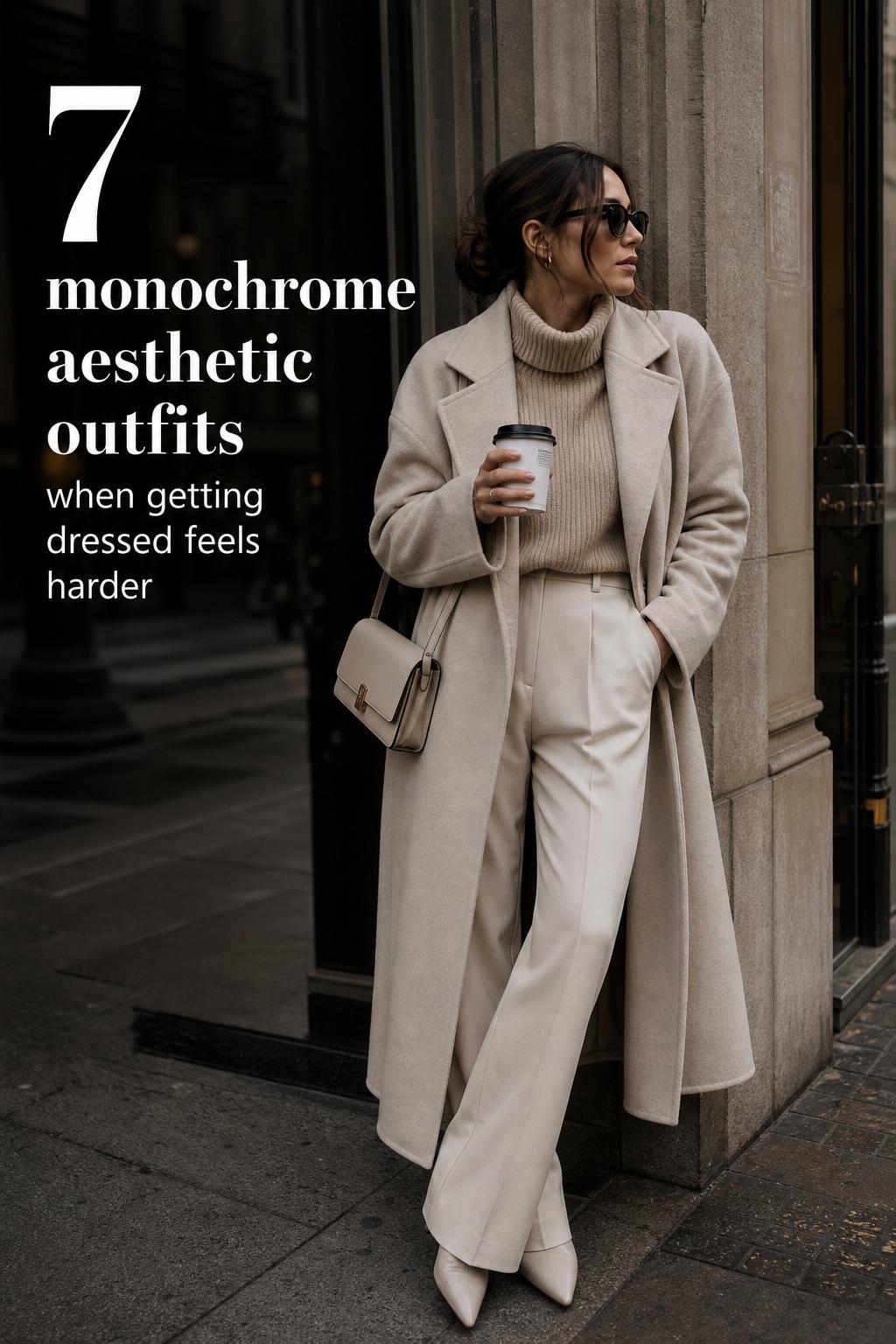
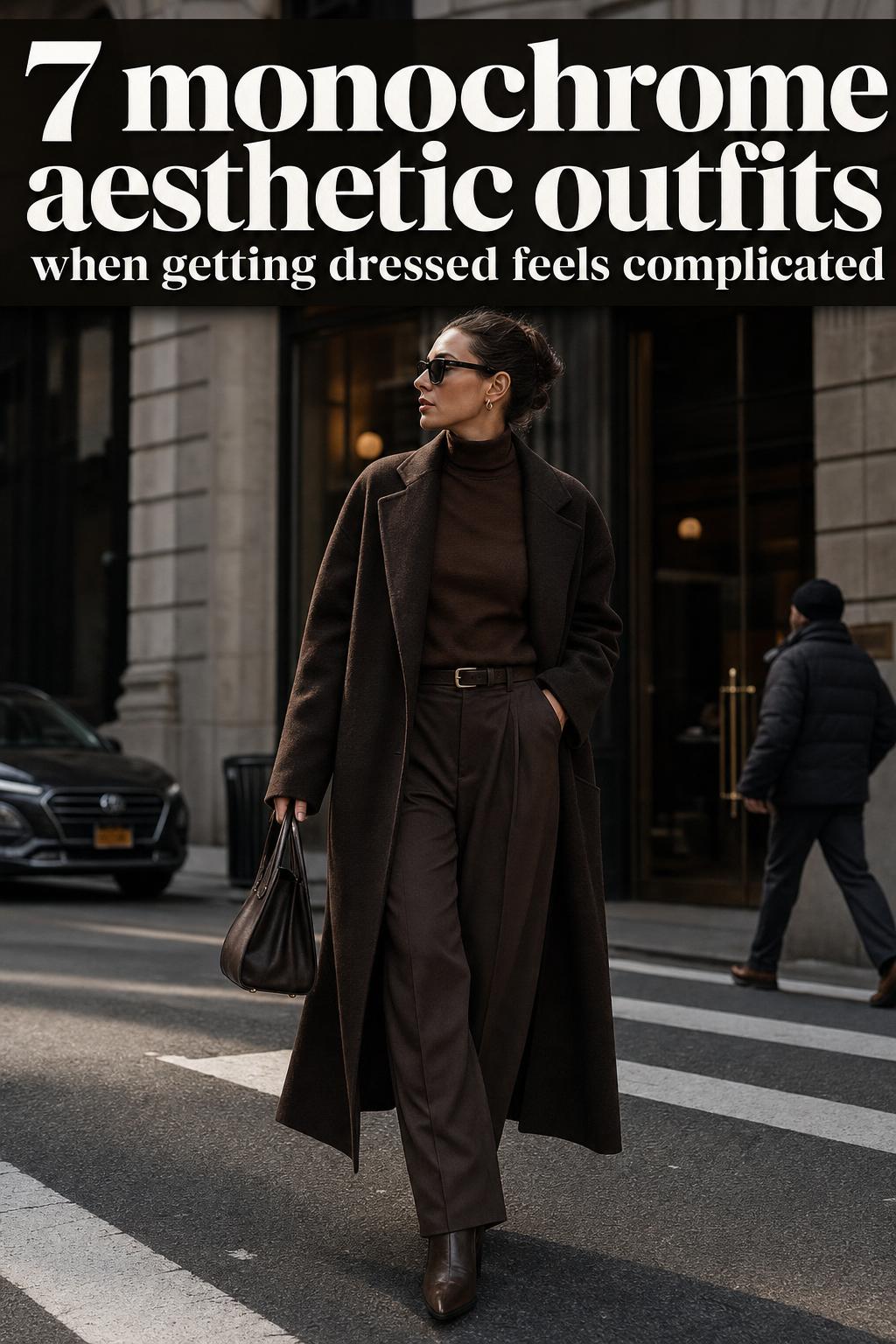
    Woman in monochrome aesthetic outfits on a premium city street, wearing tonal coat and boots with editorial text overlay
    A calm, quietly luxurious street-style portrait showcases tonal layering and refined monochrome styling in a premium urban setting.

    FAQ

    What is the difference between monochrome and tonal dressing?

    Monochrome usually refers to dressing in one color family from head to toe, while tonal dressing allows slight shade variation within that family, such as navy with softer blue or tan with cream. In practice, many of the strongest monochrome outfits are tonal because the variation adds depth and keeps the look from appearing flat.

    How do I keep a monochrome outfit from looking boring?

    The most reliable way is to vary texture, silhouette, or finish rather than add another color. Pair wool with satin, leather with cotton, or structured tailoring with a softer layer. Small tonal shifts within the same family also help create movement while preserving the cohesive effect.

    Are all-black outfits the best option for monochrome dressing?

    All-black outfits are often the easiest entry point because black naturally feels polished and versatile, but they are not the only strong option. Blue, brown, white, nude, and tan monochrome looks can be equally effective and sometimes feel softer or more adaptable for daytime wear.

    Which fabrics work best for monochrome aesthetic outfits?

    Wool, satin, cotton, leather, and denim are especially useful because they each reflect light differently. That variation in surface is what gives monochrome depth. A single-color outfit becomes much more sophisticated when one piece is matte, another is slightly glossy, and another has more structure.

    Can monochrome outfits work for casual streetwear?

    Yes, monochrome translates very well into streetwear. A hoodie, oversized jacket, relaxed trousers, and sneakers in one tonal family can feel modern and intentional. The key is to let proportion and fabric create the interest, especially in all-black or blue-based streetwear looks.

    How can I build a monochrome capsule wardrobe?

    Start by choosing one main color family you genuinely enjoy wearing, then collect a few tonal variations within it. Focus first on coats, trousers, dresses, jackets, tops, and footwear that can layer together easily. A capsule works best when the pieces share not only color compatibility but also a consistent style language.

    Do monochrome outfits suit workwear and evening dressing equally well?

    They do, but the execution should change with the setting. Workwear monochrome often benefits from tailoring and controlled fabrics like wool and cotton, while evening monochrome feels stronger with sleeker lines and fabrics such as satin or polished leather. The palette may stay the same, but the finish should reflect the occasion.

    What colors are most versatile for monochromatic outfits?

    Black, navy, brown, tan, nude, and white are among the most versatile because they move easily across seasons and occasions. Black offers the strongest city minimalism, blue is flexible and composed, brown adds soft richness, and nude or tan create an understated, warm neutral look.

    How do celebrity monochrome looks help with everyday styling?

    They are most useful as composition references rather than exact formulas. A Sofia Coppola or Gillian Anderson monochrome moment can show how a continuous palette, a clean silhouette, and well-chosen fabrics create impact. The everyday version is simply a more practical translation of the same visual logic.
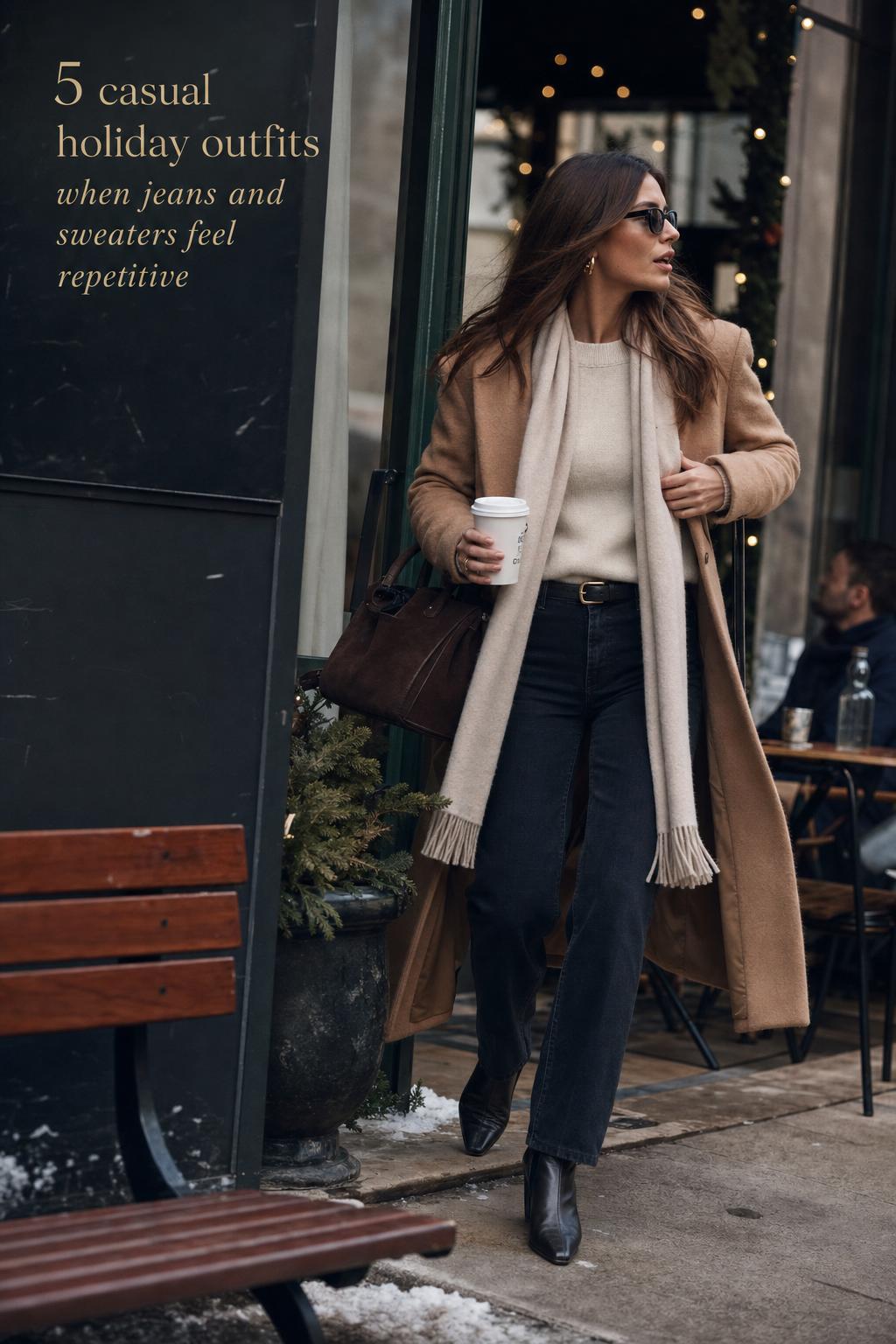
  • Winter Casual Holiday Outfits with a Polished Feel

    Winter Casual Holiday Outfits with a Polished Feel

    Getting dressed in December often means negotiating three things at once: comfort, polish, and the reality of a calendar that moves from coffee runs to family dinners to last-minute travel in a single day. That is exactly where casual holiday outfits become useful. The most successful versions are not costume-like or overly precious. They rely on thoughtful composition: a clean knit with tailored trousers, denim sharpened by a structured coat, soft textures balanced with practical shoes, and color choices that feel festive without becoming difficult to wear again. A strong holiday wardrobe should work in real life, flatter your proportions, and still feel special enough for the season.

    The key is to think like an editor rather than a trend collector. Instead of asking what looks festive in a photograph, ask what pieces will carry you through a long lunch, a cold evening, a road trip, or an office gathering without constant adjustment. A refined casual holiday outfit is usually built from elevated basics, subtle texture, and a silhouette with clear intention. Once those foundations are in place, small details such as velvet, metallic accents, satin, or a richer winter palette do the seasonal work quietly and effectively.

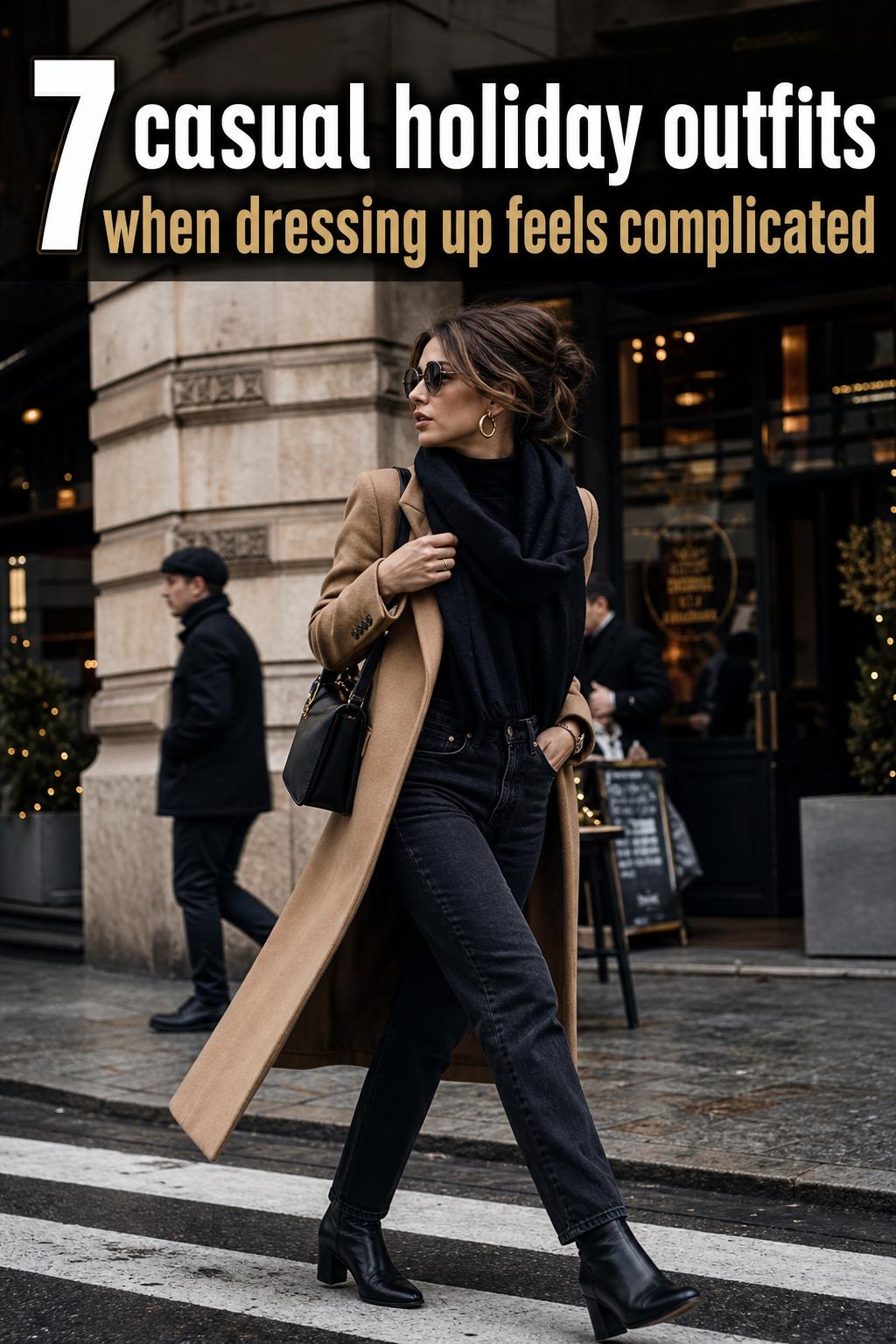
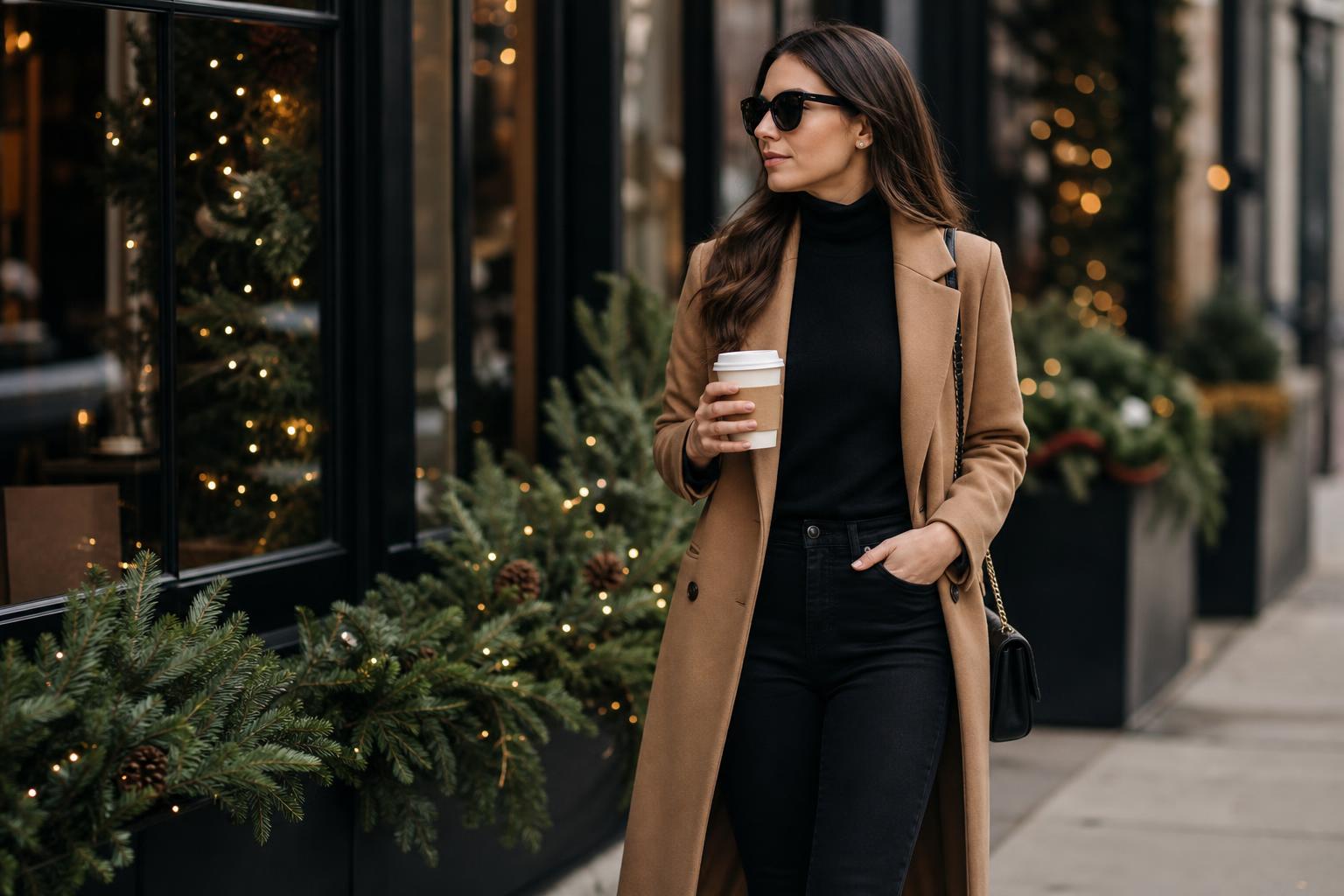
    Woman in camel coat on a city coffee run, showcasing casual holiday outfits with jeans, knit sweater, scarf and boots
    A polished winter coffee run look captures casual holiday outfits with a camel coat, cream knit, dark denim, and subtle metallic accents.

    The foundation of a wearable holiday wardrobe

    Before building individual looks, it helps to understand why some holiday outfits feel effortless and others feel overdone. Casual dressing during the festive season works best when one element does the visual lifting and the rest remains grounded. That might mean a sequined top with dark straight-leg jeans, a cashmere sweater with satin trousers, or a black knit dress with statement earrings. The outfit feels considered because there is contrast, but it still feels wearable because not every piece is competing for attention.

    This is also where budget decisions become easier. Investment pieces should be the items that shape multiple outfits: a tailored wool coat, a refined knit, dark denim with a flattering rise, ankle boots that can handle a full day, and trousers with a clean drape. Seasonal accents are where you can spend less. A metallic flat, a velvet headband, or a more playful bag can create a holiday effect without forcing you into a one-season purchase that sits untouched in January.

    If you are starting from scratch, buy for versatility first. A navy, black, cream, camel, burgundy, or deep forest green palette tends to mix easily while still looking seasonal. These shades also work across casual, office, and family settings, which matters if you are trying to build a compact wardrobe rather than a separate outfit for every invitation.

    What to buy first if your closet feels unprepared

    • A fine-gauge knit in black, cream, gray, or red toned to your wardrobe
    • Dark-wash or black denim with a straight or slim-wide silhouette
    • Tailored trousers in wool, ponte, or a fluid crepe fabric
    • A polished outer layer such as a blazer, wool coat, or long cardigan
    • Comfortable boots or flats that can handle standing, walking, and weather
    • One festive accent piece, such as satin, velvet, sequins, or metallic accessories
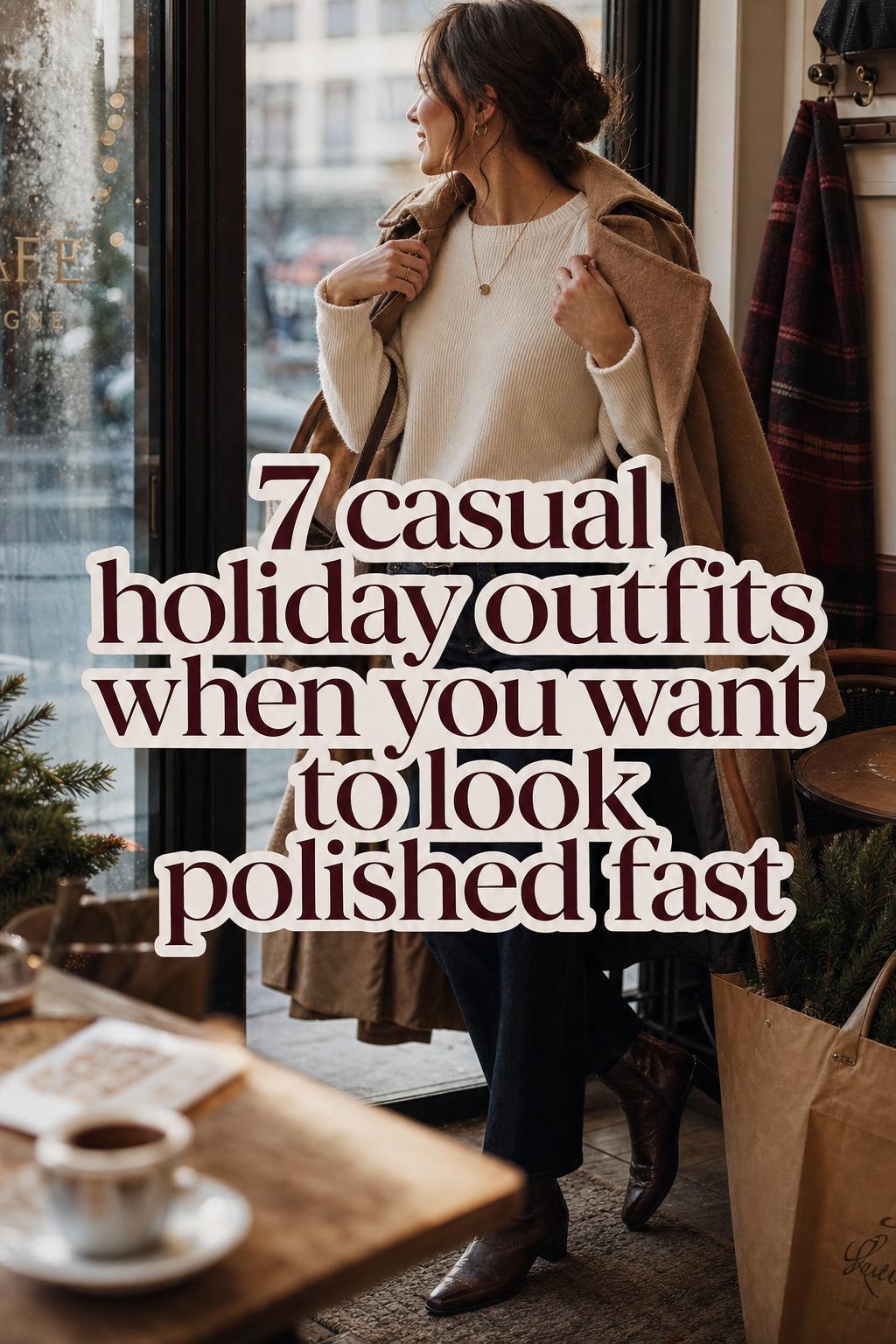
    Woman adjusting wool coat by cafe window in cozy winter light, wearing casual holiday outfits with knit layers and ankle boots
    A woman adjusts her wool coat and knit layers by a café window, capturing a cozy, polished December moment in effortless holiday style.

    Why proportion matters more than trend during the holidays

    Holiday dressing often fails when people focus only on a statement piece and ignore shape. Proportion is what makes an outfit look expensive and intentional, even if every item is relatively simple. A chunky knit works best when balanced by a cleaner lower half. Fluid trousers become more flattering with a fitted or tucked top. A shorter jacket can define the waist, while a longer coat creates vertical length. These are quiet adjustments, but they change how the whole look reads.

    For petite frames, too much volume at both the top and bottom can overwhelm. A cropped sweater, a front tuck, or a higher-rise pant usually creates better definition. For curvier proportions, fabric matters as much as cut. A knit with drape rather than stiffness, a trouser that skims instead of clings, and a V-neck or open neckline can help create length without sacrificing comfort. Taller women can often carry long coats, wider trousers, and layered silhouettes beautifully, but even then, one point of structure keeps the outfit from feeling heavy.

    That is why a simple combination such as a structured blazer layered over a soft knit and straight jeans often works across many body types. It introduces line, texture, and balance at once. You are not relying on embellishment to make the outfit feel festive; you are relying on a strong silhouette and then adding subtle seasonal character through accessories or color.

    Casual holiday outfits styled on a sunny beach with relaxed summer layers and sandals
    Effortless casual holiday outfits capture the ease of seaside days with airy layers and laid-back style.

    Casual holiday outfits for family gatherings that still feel polished

    Family settings usually call for a particular kind of practicality. You may be sitting on the floor with children, moving in and out of the kitchen, stepping outdoors, or staying for hours. The outfit should look refined, but it cannot depend on constant fussing. This is the ideal setting for soft tailoring, tactile fabrics, and layers that can adapt to fluctuating indoor heat.

    The knit-and-trouser formula

    A fine or medium-gauge knit with tailored trousers is one of the most reliable holiday combinations. It works because the knit brings ease while the trousers supply structure. In cream, camel, charcoal, burgundy, or deep green, the outfit feels quietly seasonal without becoming theme-driven. Add loafers, ballet flats, or low-heeled ankle boots depending on the setting.

    For a more flattering line, tuck the front of the knit lightly into the trouser waistband. If you prefer more coverage through the midsection, choose trousers with a smooth front and let the sweater skim just over the waistband rather than fully untucked. A simple belt, gold jewelry, or a silk scarf can elevate the look without making it look formal.

    Dark denim with a special top

    This is one of the easiest casual holiday outfits to recreate because most wardrobes already contain the core pieces. Dark denim instantly reads more polished than distressed or faded jeans, especially in a straight-leg or slim-wide cut. Pair it with a velvet blouse, a satin shell under a cardigan, a subtle sequined knit, or a blouse with gentle volume at the sleeve.

    The reason this combination works is balance. Denim keeps the outfit approachable, while the top introduces enough light reflection or texture to feel festive. If you are curvy, choose denim with a clean waistband and enough structure to hold shape through the day. If you are petite, avoid tops that are overly long or heavily ruffled, as they can shorten the leg line. A half-tuck or slightly cropped hem usually improves the proportion immediately.

    Tip: choose fabrics that survive a long day

    Family gatherings often involve sitting, eating, and moving between warm rooms and cold outdoor spaces. Ponte, wool blends, cashmere, merino, satin with weight, and substantial cotton tend to hold shape better than flimsy synthetics. If a fabric wrinkles quickly, clings, or feels scratchy after an hour, it is not a good holiday choice no matter how appealing it looks on a hanger.

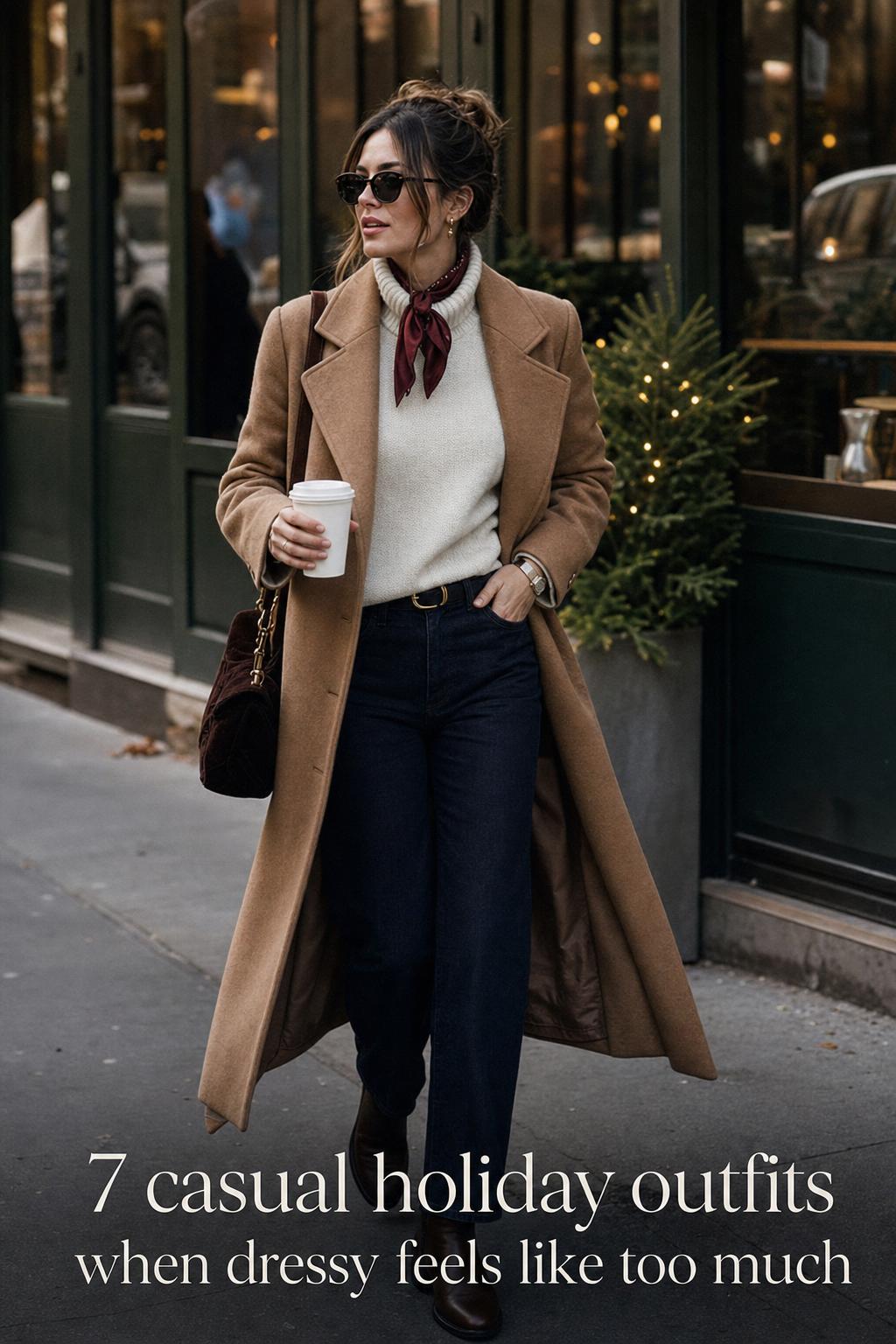
    Woman on a winter coffee run in wool coat and knit sweater, showcasing casual holiday outfits in a city street scene
    A stylish woman steps out for a winter coffee run in polished layers, proving casual holiday outfits can feel effortlessly festive.

    For coffee dates, errands, and festive city afternoons

    Some of the best holiday dressing happens outside the official event calendar: a weekend market, a casual lunch, an afternoon of shopping, an impromptu meet-up. These are the moments when style needs to feel easy, layered, and functional. The look should hold up under a coat and still look complete when the coat comes off.

    The long coat, knit, and denim combination

    A long wool coat layered over a fitted knit and straight jeans is almost always a successful winter formula. It has the clean lines associated with Paris and Milan street style, but it is also deeply practical. The coat creates vertical polish, the knit keeps the body line neat, and the denim prevents the look from becoming too formal for daytime.

    To make this combination feel more holiday-specific, adjust the palette rather than the structure. Try cream and camel, black and burgundy, navy and gray, or winter white with chocolate brown. If you want a more festive note, choose a red knit under a camel coat, or add a metallic bag with otherwise neutral clothing. These choices are easier to wear again than overt novelty pieces.

    Relaxed tailoring with sneakers or flats

    A blazer with relaxed trousers and a knit tee or slim turtleneck can be an excellent casual holiday outfit when you need movement and comfort. The outfit feels modern because it combines tailored structure with softer essentials. Sneakers can work here if they are clean and minimal; pointed flats or loafers create a sharper finish. This is particularly useful for travel days, gallery visits, or city weekends when you want to look composed but expect to walk.

    For curvier figures, a blazer with some waist shaping or a strong shoulder can add definition. For petites, keep the trouser hem clean and avoid bunching at the ankle. A cropped or hip-length blazer often helps maintain proportion more effectively than one that is too long and boxy.

    The dinner table balance: casual, but not underdressed

    Casual holiday dinners can be deceptively difficult because the environment is relaxed while the expectation is still elevated. The simplest solution is to build around one refined material and keep the rest understated. Satin, velvet, leather, sequins, and ribbed knits all add evening character, but they should be grounded by familiar pieces such as jeans, tailored pants, or a long cardigan.

    Satin with knitwear

    A satin skirt or satin trousers paired with a soft sweater creates a particularly elegant contrast. The shine gives the outfit enough occasion value, while the knit prevents it from looking overdressed. This pairing also works across age groups and body types because it relies on texture rather than overt tightness or embellishment.

    If you are worried about satin emphasizing the hips, choose a cut that skims rather than clings and pair it with a sweater that ends at the top of the hipbone or is lightly tucked. Heavier satin or bias cuts with some substance are generally easier to wear than very thin fabrics, which can highlight every line underneath.

    Black basics with one festive interruption

    Black is useful during the holidays not because it is dramatic, but because it provides a calm backdrop for texture and accessories. Black jeans with a velvet blazer, a black knit dress with metallic earrings, or black trousers with a sequined shell under a cardigan can all feel seasonally appropriate without becoming formalwear. This is an especially good strategy if you want a look that feels slimming, simple, and easy to repeat in different ways.

    The mistake to avoid is making every element dark and matte. If the whole look is black, introduce dimension through fabric: suede boots, a satin camisole, a ribbed knit, or glossy jewelry. The variation in texture keeps the outfit from reading flat.

    How to make festive accents look sophisticated

    The difference between festive and theatrical often comes down to restraint. Sequins, metallics, faux leather, and velvet all have a place in casual holiday outfits, but they work best when paired with something grounded. A sequined skirt with a cotton shirt and boots feels more modern than sequins from head to toe. A velvet blazer over a white tee and dark denim feels sharper than velvet with multiple competing evening pieces.

    • Pair metallic shoes with denim and knitwear rather than with a heavily embellished outfit
    • Use velvet in one focused area, such as a blazer, trousers, or flats
    • Choose smaller-scale sparkle for daytime, such as subtle sequins or jewelry, instead of full shine
    • Let one texture lead and keep the rest matte or softly structured
    • Anchor special fabrics with practical silhouettes you already know suit you

    This approach also helps with cost per wear. A metallic flat or velvet Mary Jane can work with jeans long after the holiday season, while a highly specific embellished dress may not. If your budget is limited, accessories and knitwear trims often deliver the strongest seasonal effect for the least commitment.

    Cold-weather realism: fabrics, layers, and outerwear that actually work

    An outfit is only successful if it performs in the weather you are actually living in. Winter dressing needs to account for freezing sidewalks, overheated interiors, rain, snow, and long hours away from home. That is why layering deserves as much attention as the visible outfit itself.

    Layering without adding bulk

    Start with a thin base if temperatures are low. A fitted long-sleeve layer under a sweater or blouse adds warmth without altering the silhouette. Choose finer knits under blazers and thicker knits under coats. If you stack too many medium-weight layers, the outfit can become stiff and make your outerwear fit poorly.

    For skirts and dresses, opaque tights and knee-high boots often create a more practical winter look than bare legs with delicate shoes. For trousers, the fabric weight matters. Lightweight summer tailoring tends to lose authority in winter and can look disconnected from heavy coats and boots. Wool blends, brushed cotton, denim, and substantial knits usually integrate better.

    Outerwear that elevates the entire look

    Outerwear is often the first thing people see, so it should support the mood of the outfit rather than work against it. A tailored wool coat makes denim and knitwear feel refined. A belted wrap coat is flattering for many body shapes because it defines the waist while maintaining softness. A classic puffer can work for very casual settings, but if the rest of your outfit is polished, choose one with a cleaner line and minimal detailing.

    If you travel frequently during the holidays, a coat in camel, charcoal, navy, or black will integrate with more outfits than a bright trend color. This matters more than it seems, because coat repetition is inevitable in winter. A versatile coat gives your entire wardrobe more range.

    Casual holiday dressing on a budget

    There is no need to buy an entirely new wardrobe for a few festive weeks. In fact, the most convincing casual holiday outfits usually come from reworking familiar staples with one or two strategic additions. The goal is to create a different mood, not an entirely different identity.

    Where to spend and where to save

    Spend more on the pieces that influence fit, comfort, and repeat wear: boots, a coat, trousers that drape well, and knitwear that does not pill after two wears. Save on trend-led accents such as party jewelry, a satin blouse, a velvet hair accessory, or a metallic bag. These are the details that can refresh basics without requiring a large investment.

    • Rewear dark jeans and upgrade the top instead of buying new bottoms
    • Add festive earrings to a simple black sweater dress
    • Use a blazer to sharpen a basic tee-and-denim combination
    • Choose one rich color, such as burgundy or forest green, to make existing neutrals feel seasonal
    • Shop your closet for texture before shopping for new silhouettes

    A common budget mistake is buying multiple inexpensive “holiday” pieces that are difficult to style with the rest of the wardrobe. One better knit, one polished shoe, and one special accessory usually create more outfits than several novelty items.

    Body type adaptations that make outfits easier to wear

    Good styling advice should not assume every silhouette works on every body in the same way. The strongest casual holiday outfits can be adapted through hem length, rise, neckline, and fabric weight without losing their overall effect.

    For petites

    Keep visual breaks intentional. High-rise jeans or trousers, cropped jackets, shorter knits, and shoes that do not heavily cut off the ankle often help create a longer line. If wearing a midi skirt, choose one that falls at a flattering point on the calf and pair it with a more fitted top or heeled boot to preserve balance.

    For curvy shapes

    Look for pieces that define shape without constriction. Wrap-style knits, softly tailored blazers, straight or gently wide trousers, and dresses with waist emphasis are often especially effective. Avoid fabrics that are both thin and clingy, particularly in satin or jersey, unless the cut is exceptional. Structure in the right places usually looks more elegant than tightness.

    For tall frames

    Long coats, wide-leg trousers, knee boots, and layered knits can look particularly strong on taller proportions. The main consideration is not to let everything become oversized at once. Keep one area clean, such as a fitted turtleneck under a generous coat, or a defined waist with full trousers.

    For those prioritizing comfort

    Comfort does not require sacrificing refinement. Knit dresses with a strong cut, elastic-back tailored trousers, loafers with cushioning, and soft wool layers can all look polished. The more comfortable you are, the more naturally the outfit wears. Holiday dressing should support the day, not interrupt it.

    Small styling decisions that make outfits look more expensive

    Even very simple outfits can read elevated when details are handled carefully. Pressed trousers, a clean hem, tonal layering, and coherent accessories all contribute more than people realize. Casual holiday outfits become polished through editing, not excess.

    • Choose one metal tone for jewelry and hardware when possible
    • Steam satin, velvet, and trousers before wearing them
    • Keep shoes in good condition, especially black leather and suede styles
    • Use a structured bag to sharpen softer outfits
    • Stick to a controlled palette and add contrast through texture
    • Check how the outfit looks with the coat on, not just indoors

    Another often-overlooked detail is sock and hosiery choice. Visible athletic socks with a polished trouser or party-adjacent skirt can break the line unless that contrast is intentional. The same is true of underlayers that show through thin fabrics. Quiet technical details are often what separate a thoughtful outfit from one that feels unfinished.

    From casual brunch to office gathering: adapting one outfit across occasions

    One of the smartest ways to approach holiday dressing is to build adaptable outfits rather than isolated looks. A pair of black trousers with a cream knit and ankle boots can move from brunch to an office gathering with only a few adjustments. Swap the daytime tote for a smaller structured bag, add a blazer, change to a heeled boot or polished flat, and introduce earrings or a red lip if that suits your style. The base remains stable; the finish changes.

    The same logic works with denim. Straight dark jeans, a black fitted knit, and a wool coat can be daytime casual. Replace everyday sneakers with a metallic ballet flat or heeled boot, add a velvet blazer or satin camisole, and the outfit becomes dinner-ready without needing a full change. This kind of modular thinking is especially useful for travel, packed schedules, and smaller wardrobes.

    Tip: build around one “bridge” piece

    A bridge piece is an item that can cross settings easily, such as a fine turtleneck, a black midi skirt, a tailored blazer, or elegant dark denim. If a piece only works in one exact holiday scenario, it is less useful than something that can be dressed up or down by changing shoes, jewelry, and outerwear.

    Common mistakes that weaken casual holiday outfits

    Holiday style often goes wrong in predictable ways. The clothes themselves are not necessarily the problem; it is usually the lack of balance, practicality, or context.

    • Choosing fabrics that wrinkle, itch, or cling after an hour
    • Wearing shoes that are elegant in theory but impossible for the event length or weather
    • Adding too many festive details at once, which can make the outfit feel costume-like
    • Ignoring the role of outerwear and ending up with a coat that clashes with the look
    • Selecting silhouettes that look good standing still but are uncomfortable while sitting or moving
    • Buying very specific seasonal pieces before securing versatile basics

    There is also the issue of formality mismatch. A sequined minidress may feel out of place at a relaxed family lunch, while plain leggings may feel too casual for a holiday dinner even if the invitation says informal. When in doubt, choose elevated basics with one special element. It is the most reliable middle ground.

    A practical capsule for the season

    If you want a streamlined approach, a small holiday capsule can cover most December occasions with surprisingly few pieces. The ideal version includes items that layer well, share a consistent color story, and can shift through accessories and texture. This is how wardrobes in places with strong winter style traditions often feel so composed: not because they contain endless options, but because the options relate to one another.

    • One wool coat
    • One blazer or structured cardigan
    • Two to three knits in complementary colors
    • One pair of dark jeans
    • One pair of tailored trousers
    • One skirt or knit dress
    • One festive top or accent piece
    • Two shoe options, one practical and one more polished
    • A small set of jewelry or accessories that can change the mood quickly

    With a capsule like this, you can create combinations that feel varied without drifting into clutter. More importantly, you reduce the temptation to buy one-off pieces that do not integrate with the rest of your wardrobe. Thoughtful repetition is one of the foundations of personal style.

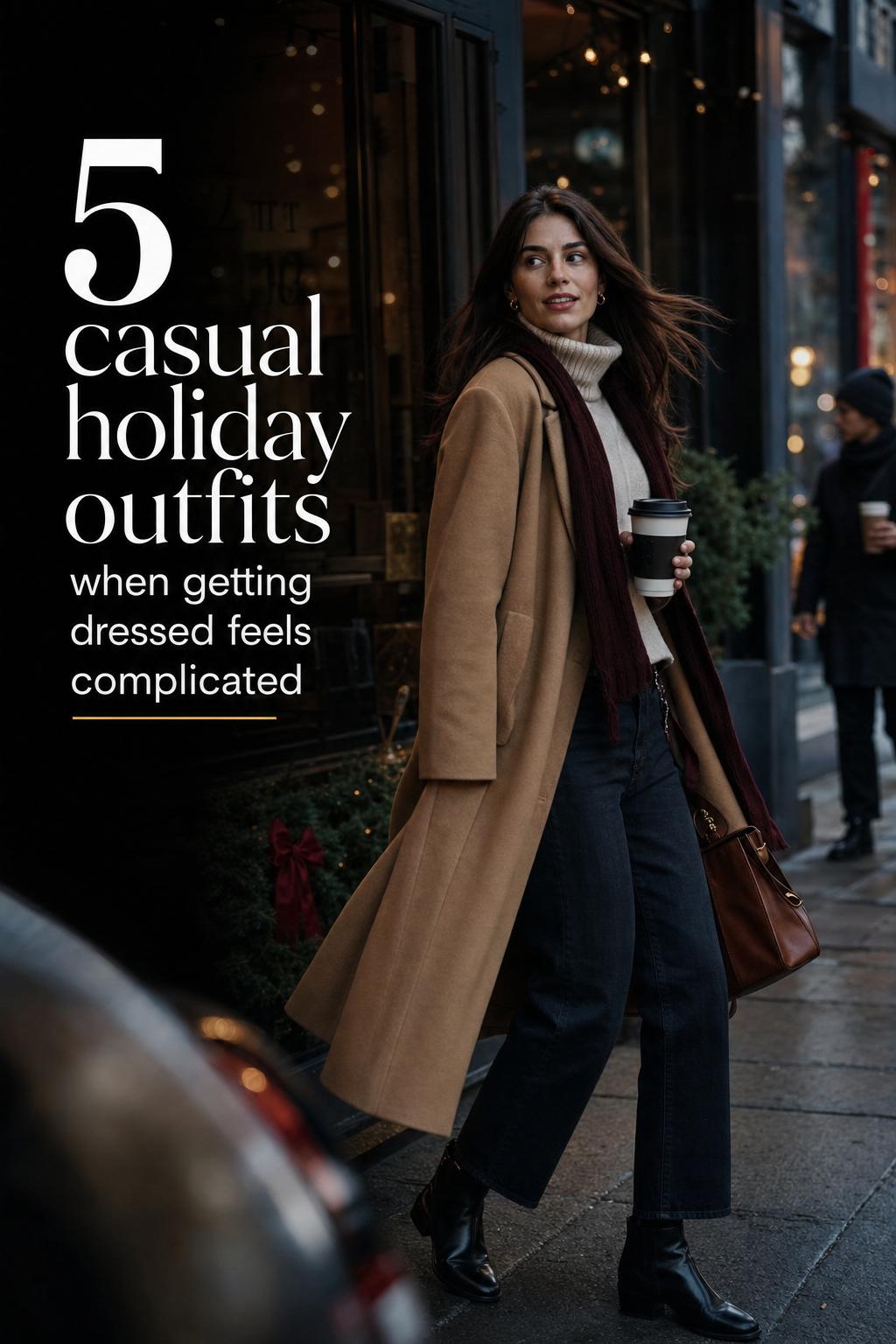
    Casual holiday outfits: woman in camel coat outside a cozy café at blue hour, carrying coffee in a winter city scene
    A stylish winter street moment captures elevated casual holiday outfits outside a softly lit neighborhood café at blue hour.

    FAQ

    What are the easiest casual holiday outfits to recreate with clothes I already own?

    The simplest combinations are usually dark jeans with a special top, tailored trousers with a soft knit, or a black knit dress with polished accessories. These formulas work because they mix familiar basics with one seasonal element such as velvet, satin, metallic shoes, or statement jewelry.

    How can I make a casual holiday outfit feel festive without looking overdressed?

    Use one festive detail at a time and keep the rest of the outfit grounded. A velvet blazer with denim, a satin skirt with a sweater, or metallic flats with black trousers creates seasonal interest without pushing the outfit into formalwear.

    Which pieces are worth investing in for holiday dressing?

    The best investments are a versatile wool coat, comfortable boots or polished flats, quality knitwear, and trousers that fit well and drape properly. These are the pieces that shape multiple outfits and continue working well after the holiday season ends.

    What should I avoid when putting together a casual holiday look?

    Avoid combining too many festive elements at once, choosing uncomfortable fabrics, or wearing shoes that do not suit the weather or event length. It is also wise to avoid silhouettes that require constant adjusting, since ease is part of what makes a casual holiday outfit convincing.

    How do I style casual holiday outfits if I am petite?

    Focus on clean lines, higher rises, and intentional hemlines. A cropped knit, straight dark jeans, a shorter blazer, or a fitted top with a midi skirt can help create length, while too much bulk at both top and bottom may make the outfit feel heavy.

    Can I wear jeans to a holiday gathering?

    Yes, especially if they are dark-wash, black, or have a clean, structured finish. Jeans look more polished when paired with a refined top, a blazer or wool coat, and shoes that feel deliberate rather than purely casual.

    How can I dress for a holiday dinner if I want to stay comfortable?

    Choose soft but structured fabrics such as knitwear, ponte, wool blends, or a substantial satin paired with comfortable shoes. A sweater with tailored trousers or a knit dress with boots often gives enough comfort for a long evening while still looking composed.

    What colors work best for casual holiday outfits?

    Black, cream, camel, navy, charcoal, burgundy, deep green, and winter white are especially useful because they feel seasonal but remain versatile. These shades also mix well together, making it easier to build multiple outfits from fewer pieces.

    How do I build a casual holiday wardrobe on a budget?

    Start with the basics you will wear repeatedly, such as dark denim, one pair of tailored trousers, a knit, and practical shoes. Then add one or two lower-cost accents like festive earrings, a velvet accessory, or a satin blouse to give your existing wardrobe a more seasonal finish.

  • Spring Mini Skirt Outfit That Feel Polished and Modern

    Spring Mini Skirt Outfit That Feel Polished and Modern

    There is a particular confidence to a well-composed mini skirt outfit: clean lines, a visible sense of proportion, and just enough attitude to feel modern without looking overworked. It belongs to the same style language that moves easily between New York street style, Los Angeles ease, and the sharper editorial polish often associated with fashion capitals such as Paris, Milan, and Copenhagen. The appeal is not only the hemline. It is the way the mini skirt changes the balance of an entire look, making footwear, outerwear, and texture choices more deliberate.

    What keeps the mini skirt relevant is its versatility. A pleated version can feel collegiate and refined, a denim style can read relaxed and urban, while leather brings a more defined edge suitable for evening or party dressing. From casual daywear to date night, from layered winter outfits with tights and boots to summer combinations with sandals, the mini skirt remains one of the clearest examples of how thoughtful styling creates a complete visual identity.

    Editorial street-style mini skirt outfit with blazer and boots on a sunlit city sidewalk, top-left text overlay
    A confident street-style moment shows a mini skirt outfit styled with tailored layers and sleek boots for day-to-evening ease.

    This aesthetic works because it allows contrast: tailored structure against bare legs, soft knitwear against a short silhouette, heavy boots against a lighter skirt line. Rather than treating the mini as a single trend piece, it is more useful to view it as a styling foundation. Once the proportion is understood, the possibilities widen considerably.

    The shape, mood, and modern identity of the mini skirt

    A mini skirt is defined by its short hemline, but in practice the term covers several silhouettes and visual moods. Some versions are sharp and compact, such as a tailored pleated skirt or a sleek leather mini. Others feel softer and more relaxed, including knit and stretch denim styles. The visual identity changes with fabric and styling: the same hemline can read minimalist, Y2K, polished, or slightly rebellious depending on what surrounds it.

    That is why the mini skirt remains a strong wardrobe category rather than a passing novelty. The 2026 mood around it continues to include trend references such as micro and miniskirt styling, but the strongest outfits are not built on novelty alone. They rely on balance, seasonality, and context. A mini skirt paired with tights and outerwear in winter is not doing the same job as one styled with a cropped top and sandals in summer, even if both belong to the same family.

    There is also a historical thread that gives the piece enduring relevance. References to Mary Quant and hemline trends frame the mini skirt as more than a seasonal item. It sits at the intersection of 60s mod influence, 90s minimalism, and the current Y2K revival, which is partly why labels from Miu Miu to Reformation continue to appear in conversations around it. The skirt itself is simple; the styling vocabulary around it is what keeps evolving.

    Confident woman adjusting a mini skirt outfit in a sunlit apartment, blazer and boots with city view at golden hour
    A confident woman tweaks her mini skirt outfit in warm golden-hour light, framed by a cozy apartment and city view.

    Look: city minimal with a denim mini

    This is the most approachable version of the aesthetic: crisp, casual, and slightly architectural in its proportions. The denim mini skirt grounds the outfit with familiarity, while the rest of the silhouette stays clean. Think of the kind of look that feels natural in New York on a clear afternoon or in Los Angeles when the mood is polished but not formal. It has movement, practicality, and enough structure to avoid reading overly casual.

    A straight or softly fitted denim mini works best here, especially in a clean wash that allows the shape to remain visible. Pair it with an elevated basic on top, then add a blazer or light jacket to sharpen the line. Boots are particularly effective because they create visual weight at the bottom of the outfit, which helps the shorter hemline feel intentional. If the atmosphere is warmer, a sandal can shift the same formula into a lighter summer mini skirt outfit without losing the streamlined effect.

    • Key garments: denim mini skirt, simple top, structured blazer or jacket
    • Footwear: boots for urban polish, sandals for summer ease
    • Accessories: restrained jewelry, a belt if the waistline needs definition

    The reason this look works is proportion. Denim introduces everyday ease, while the blazer prevents the outfit from collapsing into pure casualwear. It is one of the easiest ways to build denim mini skirt outfits that feel refined rather than improvised.

    Look: polished pleats for a modern daytime wardrobe

    A pleated mini skirt brings a slightly more composed energy. The visual rhythm of the pleats creates movement, but the shape still feels disciplined, which makes it especially useful for daytime dressing where you want a mini skirt outfit to feel neat rather than overtly trend-driven. This is where the aesthetic leans toward quiet confidence: a slim line through the torso, a defined waist, and a skirt that moves without becoming fussy.

    Color matters here. Neutrals and controlled palettes often make the pleated shape look more expensive and more versatile. A fine knit, fitted top, or clean shirting-inspired layer above the skirt keeps the proportion balanced. Footwear can direct the mood: heeled sandals make it lighter and more dressed, while boots lend the look more authority. In transitional weather, tights can make the outfit practical without breaking the silhouette.

    The appeal of pleated mini skirt outfits lies in precision. Pleats already add visual detail, so the surrounding pieces should stay measured. If every element competes, the result can feel busy. If the top and footwear remain controlled, the skirt becomes the focal texture and the overall effect stays modern.

    Mini skirt outfit styled with a fitted top and ankle boots, street-style fashion look in natural light
    A chic mini skirt outfit pairs a fitted top with ankle boots for an effortlessly polished street-style moment.

    Style tip: let one element carry the energy

    With pleated styles, avoid stacking too many strong signals at once. If the skirt has movement, choose cleaner shoes and simpler accessories. This keeps the look in an editorial register rather than tipping into costume.

    Look: leather sharpness for night out and date night

    The leather mini is where the aesthetic becomes more direct. It introduces shine, structure, and an immediate sense of edge, making it ideal for a date night mini skirt look or a party outfit that still feels considered. The silhouette is usually more compact and graphic than denim or knit, so the styling should respond in kind. Rather than adding more noise, the strongest outfits around a leather mini rely on contrast: sleek against soft, fitted against slightly relaxed, bold against understated.

    A leather mini skirt pairs particularly well with smoother tops and a confident shoe choice. Boots make the look more grounded and streetwise; heeled sandals shift it toward evening. Outerwear should feel intentional, not incidental. A structured jacket or blazer mirrors the crispness of the leather, while a softer layer can create a useful tension between tough and elegant. This is also one of the few mini skirt formulas where darker palettes naturally feel cohesive.

    • Key garments: leather mini skirt, sleek top, tailored outer layer
    • Footwear: boots for edge, heeled sandals for a cleaner night look
    • Color palette: black, deep neutrals, muted tones with controlled contrast

    Leather mini skirt outfits succeed when the texture remains the statement. If the skirt is already doing the visual work, the rest of the outfit should support it through silhouette and finish rather than excessive detail. That is what gives the look confidence.

    Mini skirt outfit on a confident woman walking a New York sidewalk in an oversized blazer and boots, candid editorial style
    A confident city stroll shows how a mini skirt outfit can look polished, modern, and effortlessly wearable.

    How season changes the styling logic

    Seasonality is one of the most practical considerations in mini skirt styling, yet it is often treated too simply. The mini can work across summer, fall, and winter, but not by repeating the same outfit formula. Fabrics, footwear, legwear, and outerwear all have to change with weather. The most convincing outfits are those that acknowledge climate directly rather than forcing a warm-weather silhouette into a cold-weather setting without adaptation.

    Look: bright summer ease

    In summer, the mini skirt reads at its lightest. The silhouette can be spare and open, and the mood usually shifts from layered to airy. This is where sandals and lighter tops make sense, and where the outfit can carry some reference to the relaxed side of Los Angeles or a more playful celebrity-influenced look. The result should feel unforced, not overloaded with accessories.

    Denim and pleated styles both work well in this context, depending on the mood. Denim feels casual and urban; pleats can feel sharper and more polished. A cropped top or another close-fitting upper layer creates a clear line, especially if the skirt has a little volume or movement. Summer mini skirt outfits benefit from simplicity because heat and visual clutter rarely work together.

    Look: transitional layering with intention

    Transitional weather is where the mini skirt becomes a styling exercise in balance. Boots, jackets, and strategic layers allow the hemline to remain visible while making the outfit practical. This is often the most elegant version of the aesthetic because there is enough layering to create depth without the bulk of full winter dressing. A blazer over a simple top, or a light outer layer over a pleated or leather mini, can create a particularly polished line.

    Texture matters more during this period. Denim with tailored outerwear, leather with softer knitwear, or pleats with a slightly heavier shoe all create the kind of contrast that makes an outfit feel complete. Transitional mini skirt outfits are often the most wearable in real life because they combine visual interest with comfort and mobility.

    Look: winter structure with tights and boots

    Winter mini skirt outfit ideas depend on legwear and footwear being integrated into the look from the beginning. Tights are not an afterthought; they are part of the composition. Boots become even more important because they visually anchor the outfit and help the short hemline feel weather-appropriate. Knit mini skirts can feel softer and warmer, while leather and denim need stronger layering around them.

    What keeps winter styling refined is coherence. If tights, outerwear, and boots share a related tone or visual weight, the outfit looks deliberate. If every element feels disconnected, the mini can look misplaced. This is one of the clearest examples of why a mini skirt is not just a single item, but part of a system.

    Look: office-aware and business casual, when the setting allows

    A mini skirt in a work setting requires more judgment than a casual or evening look. Dress codes vary, and business casual does not mean the same thing in every workplace. The most successful office-appropriate mini skirt outfits rely on tailoring, controlled color palettes, and enough coverage through layers to make the hemline feel balanced. This is less about pushing a trend into the office and more about reading context accurately.

    Pleated and structured styles are often easier to work with here than very tight or overtly trend-driven micro silhouettes. A blazer is especially useful because it introduces authority and length through the upper body, creating visual equilibrium. Tights can also help in cooler months, not only for warmth but for polish. Footwear should stay clean and grounded; boots often make more sense than shoes that feel too delicate or overtly evening-focused.

    The guiding principle is restraint. If the workplace leans conservative, a mini skirt may not be the strongest choice. But in more fashion-aware or creative environments, a tailored mini styled with structure can work well because it keeps the outfit disciplined. The difference lies in proportion, coverage, and the tone set by the supporting pieces.

    How to read the room

    For workwear, ask whether the outfit would still look polished if you removed the trend language and judged it only by fit, balance, and professionalism. If the answer is yes, the styling is usually on the right track. If the outfit depends entirely on attitude to carry it, it is better reserved for after hours.

    Look: soft knit minimalism for quiet weekends

    Knit and softer mini skirts offer a gentler version of the aesthetic. The line is less sharp, the movement more fluid, and the mood closer to relaxed sophistication than statement dressing. This is an excellent direction for readers who want to wear a mini skirt outfit without leaning into a high-contrast or overtly edgy look. It feels calm, tactile, and especially effective during cooler seasons or slower daytime plans.

    The most elegant version of this look keeps the palette muted and the textures harmonious. A soft knit mini, an understated top, and either boots or a clean everyday shoe create a silhouette that feels lived-in but still deliberate. Outerwear can be simple and polished, with enough structure to prevent the outfit from becoming too casual. The key is not drama but continuity.

    This works because the softness of the fabric changes the visual message of the mini. Instead of reading immediately as bold, it becomes part of a modern, wearable wardrobe built around comfort and proportion. For many people, this is the easiest entry point into the category.

    Celebrity and street style references that shape the mood

    Celebrity styling often accelerates the visibility of mini skirt trends, especially when a look becomes associated with a clear aesthetic message. Dua Lipa is a useful example because her miniskirt styling is often tied to trend direction, summer dressing, and the confidence of a compact silhouette. The value of that reference is not imitation for its own sake, but understanding how a high-impact look can be translated into something more wearable through proportion, fabric, and accessible styling decisions.

    Taylor Swift references appear in a different register: more polished, more legible, and often easier to adapt into real wardrobes. Together, these celebrity touchpoints show two useful ends of the mini skirt spectrum. One leans more overtly trend-aware and performance-driven; the other feels more classically outfit-based. The lesson is not to copy every detail, but to recognize whether your preferred mini skirt outfit identity is sharper and more directional or cleaner and more familiar.

    Street style in New York and Los Angeles adds another layer. New York tends to support stronger outerwear, more boots, and a slightly harder silhouette, while Los Angeles styling often reads lighter, more open, and more relaxed in warm weather. Both provide useful frameworks for adapting the mini to climate and mood. The most memorable outfits are rarely random. They respond to place.

    Key pieces for this aesthetic

    • A denim mini skirt for casual and smart-casual dressing
    • A leather mini skirt for evening, date night, or party looks
    • A pleated mini for polished daytime outfits and work-aware styling
    • A knit mini for softer, cooler-weather dressing
    • Boots, heeled sandals, and a strong outer layer to direct the mood

    What often goes wrong with mini skirt styling

    The most common mistake is treating the mini skirt as if it guarantees a finished outfit by itself. In reality, a short hemline makes every other styling decision more visible. Weak footwear, unresolved layering, or a top that interrupts the silhouette can make the outfit feel accidental. Because the mini exposes proportion so clearly, it rewards precision and punishes indifference.

    Another issue is ignoring the relationship between material and occasion. Denim is usually more forgiving in casual settings; leather naturally reads more assertive; pleats can be more adaptable for polished daytime wear. When these signals are mismatched with the context, the outfit can feel confused. A date night look that is too casual, or an office outfit that is too trend-driven, often comes down to selecting the wrong fabric story.

    There is also a practical side. Movement, weather, and comfort matter. A mini skirt outfit that looks elegant in a static image may not work for commuting, long evenings, or cold temperatures unless tights, boots, and outerwear are considered from the outset. Good styling is not only visual. It accounts for how the outfit lives through the day.

    Fit, length, and inclusive styling considerations

    Choosing the right mini skirt length is less about fixed rules and more about finding a proportion that feels balanced on your frame and appropriate to your setting. A hemline that works beautifully for one person may feel too short or too visually abrupt for another. This is why length guidance should be practical rather than prescriptive. The goal is to create a confident line that supports movement and comfort.

    Petite and tall considerations matter because the same skirt can sit differently depending on body proportions. So does sizing. Inclusive sizing and body-positive framing are important because the mini skirt is often discussed in narrow visual terms, when in reality it can be styled successfully across a range of figures. The strongest approach is to choose a silhouette and material that make you feel secure in motion, then build the rest of the outfit to support that decision.

    Adaptive fashion considerations also deserve attention. Ease of movement, fabric flexibility, and the practicality of closures or layers can shape whether a mini skirt works in real life. A thoughtful wardrobe is not only about visual impact. It is about whether the outfit supports the wearer. That perspective makes styling more intelligent and more inclusive.

    Tips for getting the proportion right

    • Use footwear to balance the hemline; boots usually provide more visual stability than very slight shoes.
    • Let outerwear add structure if the skirt is short or fitted.
    • Choose fabrics that match your setting: denim for ease, pleats for polish, leather for edge, knit for softness.
    • If you want more coverage, tights can be part of the aesthetic rather than a compromise.
    • Prioritize movement and comfort, especially for commuting, long events, or colder weather.

    Care, longevity, and the value of fabric knowledge

    A mini skirt may be small in scale, but fabric care has a noticeable effect on how polished it looks over time. Denim needs to maintain structure without becoming stiff or faded in an unflattering way. Leather requires more attention to preserve finish and shape. Pleated styles depend on the integrity of their folds, while knit versions need care to avoid stretching out of proportion. These details matter because the mini skirt relies heavily on line; once the line is compromised, the outfit loses clarity.

    Fabric technology is also part of the conversation. Stretch denim and recycled nylon blends, when relevant to a garment, can influence comfort, movement, and how the skirt behaves throughout the day. This does not mean every skirt needs a technical story behind it, but understanding material behavior makes styling more practical. A skirt that shifts constantly, loses shape, or feels uncomfortable in motion will always be harder to wear well.

    Sustainability and ethical sourcing are increasingly relevant considerations too. They may not change the silhouette directly, but they affect how a wardrobe is built and maintained. A strong mini skirt outfit often begins with a piece chosen for repeated wear, not just a single trend cycle. That is the difference between styling and impulse.

    Look: party energy without excess

    Party dressing with a mini skirt can easily become overworked, which is why the most effective version is selective rather than maximal. A leather or sharply cut mini creates enough impact on its own, especially when paired with a defined top and clear footwear choice. The silhouette should feel purposeful and mobile, suitable for a long evening rather than a purely photographic moment.

    Heeled sandals can create a lighter and more elongated finish, while boots push the look into a cooler, more urban direction. Accessories should sharpen the outfit rather than crowd it. The strongest color stories here are usually controlled: dark neutrals, a refined monochrome approach, or one restrained contrast. This keeps the mini skirt as part of a polished composition rather than a loud statement.

    For event dressing, context still matters. A party outfit and a wedding guest look do not follow identical rules, even if both involve a mini. More formal settings often call for a more polished interpretation with thoughtful color balance and a less aggressive silhouette. The mini can work, but it has to be styled with respect for the occasion.

    How to recreate the effect without overcomplicating it

    Begin with one strong skirt material, then add only what improves proportion: a sleek top, a defined shoe, and one considered outer layer if needed. If the look still feels incomplete, it usually needs better balance rather than more pieces.

    Building a mini skirt wardrobe with more than one identity

    One of the reasons the category remains so useful is that it can support several aesthetics at once. A single wardrobe might include a denim mini for off-duty city dressing, a pleated version for more polished daytime looks, a leather style for evenings, and a knit option for quieter weekend outfits. This variation is more effective than chasing one ideal mini skirt because it acknowledges that context changes the role of the garment.

    Retailers and fashion platforms such as ASOS, Nordstrom, Urban Outfitters, and Windsor show how broad the category has become, while labels like Miu Miu and Reformation illustrate how brand language can shape the skirt’s identity. The practical lesson is not to rely on labels for style authority, but to understand what each visual direction communicates. A micro silhouette sends a different message from a softly structured pleated mini, and styling must respond accordingly.

    For most wardrobes, the smartest route is to begin with the version that matches your actual life. If you dress casually most days, denim is likely the strongest foundation. If you need more flexibility between day and evening, a pleated or leather option may offer greater range. The mini skirt becomes easy to style once it is aligned with your routine rather than treated as a one-off trend item.

    Mini skirt outfit editorial street style with blazer and boots in a moody city scene, luxury fashion photo with text overlay
    A polished mini skirt outfit meets moody city light in a candid editorial moment designed for busy, stylish mornings.

    FAQ

    How do I style a mini skirt outfit so it looks balanced?

    Start by balancing the short hemline with either stronger footwear, such as boots, or a structured upper layer like a blazer or jacket. The goal is to create visual stability through proportion, so the outfit feels intentional rather than top-light or incomplete.

    What shoes work best with a mini skirt?

    Boots, heeled sandals, and in some casual settings simpler everyday shoes can all work, but the best choice depends on mood and season. Boots usually add the most grounding effect, sandals lighten the silhouette for summer, and the shoe should always reflect whether the look is casual, office-aware, or evening-oriented.

    Can I wear tights with a mini skirt in winter?

    Yes, and in winter they are often essential to making the outfit look coherent and practical. Tights work best when they are treated as part of the styling from the beginning, especially when paired with boots and outerwear that share a similar visual weight.

    Are mini skirts appropriate for the office?

    They can be, but only in workplaces where the dress code allows it and where the styling is restrained. Structured or pleated styles, controlled colors, a blazer, and sometimes tights make the look more polished, while very tight or highly trend-driven versions are usually better reserved for non-work settings.

    What top should I wear with a denim mini skirt?

    A denim mini pairs well with elevated basics, simple fitted tops, and clean layers such as a blazer or jacket. Because denim already reads casual, the top should either sharpen the outfit for a more polished result or stay minimal if you want an easy everyday look.

    How do I choose between a denim, leather, pleated, or knit mini skirt?

    Choose according to context and the mood you want to create. Denim is the easiest for casual wear, leather brings edge for evenings, pleats offer polish for daytime or office-aware outfits, and knit styles feel softer and more relaxed in cooler weather.

    How short should a mini skirt be?

    The right length is the one that feels secure, comfortable, and visually balanced on your frame and in your setting. Rather than following a rigid rule, consider movement, confidence, and whether the silhouette still feels polished once you add shoes, layers, and real-life practicality.

    Can a mini skirt work for date night or party dressing?

    Yes, especially in leather or more sharply cut styles that naturally carry evening energy. Keep the outfit refined by letting one element lead, usually the skirt or the shoe, and avoid adding so many details that the look loses clarity.

    What makes a mini skirt outfit look more polished?

    Polish comes from composition rather than expense: a coherent color palette, deliberate footwear, outerwear that adds structure, and fabrics that suit the occasion. Even a simple outfit looks elevated when the proportions feel resolved and every piece supports the same visual message.

    How can I make a mini skirt feel more wearable in everyday life?

    Choose a material that fits your routine, prioritize movement and comfort, and build the outfit around practical layers and grounded shoes. A mini skirt becomes easier to wear when it is treated as part of a real wardrobe system rather than a standalone statement piece.

  • What to Wear: Black Pants Outfit for a Polished Wardrobe

    What to Wear: Black Pants Outfit for a Polished Wardrobe

    On the busiest mornings, the piece that quietly resolves the whole wardrobe is often a pair of black pants. They carry the precision of tailoring, the ease of a uniform, and the rare ability to move from office light to evening shadow without feeling overworked. A strong black pants outfit is not only practical; it has an aesthetic identity of its own, built on clean lines, controlled contrast, and the subtle drama of texture.

    The mood shifts depending on silhouette and styling. In one reading, black trousers with a crisp white shirt and blazer feel almost Parisian in their restraint. In another, wide-leg black pants with a knit and ankle boots suggest autumn layering with a softer, more tactile elegance. Street style, office dressing, travel wardrobes, date-night polish, and casual city looks all return to the same foundation because black pants hold shape, color, and intention better than almost any other basic.

    Chic black pants outfit with tailored trousers, white shirt and blazer in a candid city street-style editorial photo.
    A polished city look pairs tailored black trousers with refined neutrals for effortless, all-day versatility.

    That enduring appeal explains why the black pants outfit remains central in fashion editorials, street style, and everyday wardrobes alike. It works because it invites composition: top, outerwear, shoes, and accessories all become sharper against black. What matters is not simply what to wear with black pants, but how the silhouette, proportion, and finish of each piece build a complete look.

    The foundation: why black pants shape the entire aesthetic

    Black pants act as the anchor in an outfit because they immediately define the visual line of the body. A slim cut creates a narrow, elongated base that works well with blazers, structured shirts, and pointed-toe heels. A straight-leg shape feels more timeless and balanced, especially for workwear and minimalist dressing. Wide-leg and palazzo silhouettes bring movement and drape, often making the outfit feel more editorial and elegant, while capri and cropped versions shift attention to footwear and the ankle line.

    This is why so many polished looks begin with the same question: what silhouette am I building around? The answer influences everything that follows. Black skinny or slim pants often suit a sharper, more compact composition. Straight-leg black trousers offer versatility across office, casual, and evening settings. Wide-leg styles allow for softer fluidity, particularly when combined with silk, satin, knitwear, or longer outerwear. Cropped and capri black pants feel more directional and benefit from careful shoe balancing.

    In practical terms, the success of a black pants outfit usually comes down to proportion. If the pants are narrow, adding volume through a blazer, cardigan, or coat can make the look feel intentional rather than plain. If the pants are wide, a more defined top or tailored jacket keeps the silhouette from drifting. This is less about strict rules than visual equilibrium.

    Woman styling a black pants outfit in a warm, cozy city apartment with white shirt, blazer, loafers, and morning light
    In warm window light, she adjusts crisp layers around tailored black trousers for an effortless, city-ready look.

    Look: Parisian tailored restraint

    This look carries the quiet confidence often associated with Paris street style: clean, intelligent, slightly undone, but still precise. The silhouette is structured without stiffness, relying on mid-rise or straight-leg black pants to create a calm, linear foundation. It feels ideal for a gallery afternoon, a polished lunch meeting, or a weekday that requires authority without formality.

    A crisp white shirt tucked into tailored black trousers creates the central contrast, while a blazer adds the controlled structure that makes the outfit read as modern rather than merely classic. Loafers or ankle boots keep the mood grounded, and a simple handbag or belt sharpens the finish. The palette stays close to black, white, and other neutrals, allowing texture and cut to do most of the work.

    • Key garments: straight-leg or tailored black pants, white shirt, structured blazer
    • Footwear: loafers or ankle boots
    • Accessories: belt, handbag, minimal jewelry

    What makes this aesthetic so reliable is its discipline. Nothing competes for attention, yet every element contributes to the total image. The black pants provide authority, the white shirt introduces clarity, and the blazer frames the body. It is a formula often admired because it feels transferable from editorials to real wardrobes.

    Look: monochrome city minimalism

    An all-black interpretation of the black pants outfit can be especially compelling when it relies on texture rather than color. The mood is urban, sleek, and slightly cinematic, closer to street style than corporate dressing. Here, black becomes less of a neutral and more of a language, one that depends on contrast between matte and shine, softness and structure.

    Start with black pants in a slim, straight, or cropped silhouette. Add a black top, but vary the finish: a satin blouse, fine knit, or leather-adjacent texture immediately creates depth. Outerwear can move the look in different directions. A blazer keeps it refined, a leather jacket adds edge, and a long coat introduces drama. Footwear matters even more in monochrome dressing, so pointed-toe heels, loafers, or sleek ankle boots help define the line.

    This aesthetic works because monochrome reduces distraction. Instead of relying on print or overt trend details, it highlights tailoring, fabric behavior, and how the pieces sit together in motion. For evenings, this look transitions beautifully with a clutch and jewelry. For daytime, a handbag and flatter shoe make it more grounded without weakening the effect.

    Style tip: use texture to keep black from feeling flat

    When every element is black, the outfit depends on tonal variation. Pairing matte black pants with satin, knits, tweed, or leather creates dimension. Without that shift in surface, an all-black outfit can feel heavy; with it, the result looks intentional and refined.

    Black pants outfit styled with a crisp white blouse and neutral heels for a chic everyday look
    A polished black pants outfit paired with a crisp white blouse creates a timeless, effortless silhouette.

    Look: office polish with modern ease

    For professional settings, the most successful black pants outfit is rarely the most complicated one. It is composed, balanced, and comfortable enough to wear through a long workday. The mood here is polished and credible, with a clear dress-code awareness that still allows personality through silhouette and accessories.

    Tailored black trousers or straight-leg pants work especially well in office wardrobes because they pair naturally with a blazer and crisp shirt. A silk blouse softens the structure and introduces a more elevated finish, while flats, loafers, or modest heels keep the look practical. If the setting leans more formal, pointed-toe heels sharpen the line. If the office is more relaxed or hybrid, sneakers may work best with a cleaner trouser cut and understated outerwear.

    The reason this formula remains so strong is that it solves multiple demands at once. Black pants are visually neat, easier to repeat, and simple to adapt from meetings to after-work plans. The blazer creates confidence, the shirt or blouse keeps the outfit articulate, and the accessories complete the dress code without overpowering it.

    • For structured offices: tailored black trousers, blazer, white shirt, heels or loafers
    • For creative workplaces: straight-leg black pants, silk blouse, jacket, ankle boots
    • For hybrid schedules: relaxed black trousers, knit top, cardigan or blazer, sneakers
    Modern woman in tailored trousers and blazer walking downtown, showcasing a chic black pants outfit in soft daylight
    A quietly confident city look pairs tailored black trousers with a crisp white shirt, a neutral blazer, and sleek loafers.

    Look: relaxed weekend layers

    A black pants outfit does not need sharp tailoring to feel considered. On casual days, the aesthetic becomes softer and more lived-in, with layering doing much of the visual work. The silhouette is less rigid, often built around straight-leg, cropped, or easy slim black pants that can support movement without losing shape.

    A tee, simple top, or lightweight knit keeps the base easy, while a cardigan or casual jacket gives the outfit warmth and dimension. Sneakers are often the natural finishing note here, though loafers can make the look feel more composed. The color palette may remain tonal with black, gray, and beige, or use one accent shade to keep the outfit from looking too severe.

    The charm of this look lies in its restraint. It does not try to mimic dressier formulas; it uses black pants as a grounding piece in a more relaxed composition. That subtle difference matters. Casual dressing feels elevated when the pants retain clean lines, and the rest of the outfit supports rather than fights that simplicity.

    Look: date-night contrast and evening sheen

    For evening, black pants become a more understated alternative to a dress while still delivering the same polish. The mood is sharper, more intentional, and often more flattering because the look can be adjusted through cut, texture, and heel height. Slim black pants, cropped styles, or elegant wide-leg trousers all work here, depending on whether the desired impression is sleek or fluid.

    A satin or silk blouse adds light to the outfit and creates contrast against the density of black trousers. A blazer can remain part of the look, especially for a cleaner city aesthetic, while jewelry and a clutch bring in the final evening cue. Heels, particularly pointed-toe options, elongate the line and reinforce the outfit’s polished edge. For a bolder interpretation, a pop of color through accessories can shift the entire mood without disrupting the sophistication of the base.

    This version works because black pants offer control. They ground shine, hold shape under low light, and make accessories appear more deliberate. For readers who prefer elegance over overt trend dressing, this is often the most reliable route to a refined night-out look.

    How to recreate the look without overstyling it

    Choose one expressive element only. If the blouse has sheen, keep the accessories clean. If the shoes are statement-making, let the top stay quiet. Evening outfits with black pants are strongest when one detail leads and the rest support it.

    Look: fall textures and layered depth

    Autumn is where black pants often feel most at home. The deeper light, the return of outerwear, and the richness of seasonal fabrics all complement their clean darkness. In fall, the aesthetic becomes more tactile: knits, jackets, boots, and scarves create a layered composition that looks substantial without feeling heavy.

    Straight-leg or wide-leg black pants paired with a knit create a dependable seasonal foundation. Add a jacket or coat, then finish with ankle boots for a line that feels grounded and modern. Suede-adjacent textures, tweed, or soft knits can sit beautifully against the simpler surface of black trousers. The palette often stays within black, gray, beige, and earthy accents, though one richer note can give the look warmth.

    The appeal here is not only visual but practical. Fall dressing requires layering that works across changing temperatures, indoor heat, and long days. Black pants are useful because they can absorb those transitions gracefully. They look right under coats, with boots, and beside textured fabrics in a way that many lighter trousers do not.

    • Key garments: black straight-leg or wide-leg pants, knit, jacket or coat
    • Footwear: ankle boots
    • Optional additions: scarf, handbag, simple jewelry

    Look: wide-leg elegance with soft movement

    Wide-leg and palazzo black pants bring a different kind of sophistication. Rather than emphasizing sharpness, they create flow. The silhouette feels elevated immediately, especially in fabrics with drape, and works well in settings where you want ease without sacrificing polish. This is the version of the black pants outfit that often feels closest to high fashion editorials.

    Because the pants carry visual weight, the top should usually offer some definition. A silk blouse, fitted knit, or neatly tucked shirt keeps the waistline legible and prevents the look from becoming too loose. Outerwear can remain structured with a blazer, or softer with a longer coat. Footwear should support the length and movement of the trousers; heels or boots often do this most effectively by maintaining line and lift.

    The styling intelligence here lies in restraint. Wide-leg black pants already provide drama, so there is little need to add excess detail. Clean accessories, considered shoes, and a controlled palette usually create the most elegant result. This look is especially useful when the occasion sits between formal and relaxed, such as dinner, travel, presentations, or creative work settings.

    Look: cropped and capri precision

    Black capri and cropped pants introduce a more directional energy. They draw the eye lower, which means the shoe becomes central to the entire composition. This silhouette can feel incredibly chic, but it is also less forgiving than full-length trousers because the break at the ankle changes body proportion more noticeably.

    To style them well, keep the rest of the outfit deliberate. A jacket or blazer can add upper-body structure, while a fitted or neatly proportioned top prevents the look from becoming visually fragmented. Shoes should be chosen with care: pointed-toe heels can lengthen the leg line, loafers can make the look feel smart and editorial, and sleek flats can work if the pants are cut cleanly and the top half has enough structure.

    What makes cropped black pants compelling is their clarity. They expose just enough of the ankle to create tension between tailoring and ease. In warmer months they feel modern and light; in transitional weather, they become sharper with jackets and more substantial shoes. They are less about softness and more about precision.

    A note on proportion

    If cropped or capri black pants are not feeling balanced, the issue is often not the pants themselves but the shoe or outerwear. The visual line improves when the footwear is intentional and the jacket length does not cut the body awkwardly. A cleaner, more compact top half usually helps.

    Color theory that keeps black pants interesting

    Because black anchors everything around it, color becomes especially expressive in these outfits. The most common and dependable route is contrast: black pants with a white shirt, cream knit, or beige outerwear. This creates brightness without weakening the sophistication of the base. It is also one of the easiest ways to make black trousers feel fresh across seasons.

    Another strong option is tonal dressing with gray, charcoal, or softer neutrals. This produces a more muted, editorial palette and tends to feel especially modern in professional or urban settings. For those who want a stronger statement, a pop of color through accessories or a top can add personality. Red is one of the clearest examples of a color accent that stands out beautifully against black, creating a look that feels deliberate rather than loud.

    The key is moderation. Black already provides depth, so color works best when it appears as punctuation, not as visual noise. One accent, one textural contrast, or one brighter layer is often enough to elevate the outfit while preserving its elegance.

    Shoes and accessories that finish the story

    Footwear determines whether a black pants outfit reads as office-ready, casual, evening-focused, or street style inspired. Loafers bring intelligence and practicality, especially with tailored or straight-leg silhouettes. Pointed-toe heels sharpen slim trousers and cropped cuts. Ankle boots are particularly useful in fall because they connect naturally with jackets, knits, and coats. Sneakers soften the look and are often best when the rest of the outfit remains clean and minimal.

    Accessories should support the silhouette rather than distract from it. A belt can define the waist and make tucked shirts feel more intentional. A handbag or clutch can reinforce the occasion, while jewelry adds finish without needing to dominate. In many of the strongest black pants looks, the accessories are not extravagant; they are precise. Their purpose is to complete the rhythm of the outfit.

    • Slim black pants: pointed-toe heels, loafers, minimal belt
    • Straight-leg black pants: loafers, ankle boots, structured handbag
    • Wide-leg black pants: heels or boots, clean jewelry, refined outerwear
    • Cropped or capri black pants: sleek flats, loafers, pointed-toe shoes, compact blazer

    Regional mood and real-life wearability

    Style does not exist outside climate, routine, and movement. A black pants outfit worn in a Northeast fall wardrobe may lean heavily on coats, ankle boots, and textured knits, while a West Coast interpretation may feel lighter, cleaner, and less layered. The same pair of black trousers can read entirely differently depending on whether the day includes commuting, travel, long office hours, dinner plans, or constant indoor-outdoor temperature shifts.

    This is where practical styling matters. For travel or weekend wear, black pants become particularly useful when paired with easy-care layers such as a jacket, cardigan, or simple top that can adapt throughout the day. For presentations or interviews, tailored silhouettes and a blazer tend to communicate the most confidence. For evenings that begin casually and end more polished, black trousers are one of the easiest pieces to transition because changing the shoe, outerwear, or accessory often changes the entire look.

    The strongest wardrobes treat black pants not as a single-purpose item but as a flexible base across settings. That adaptability is one reason they remain central in both editorial fashion and everyday dressing.

    Where fit quietly changes everything

    Among all the styling decisions involved in a black pants outfit, fit is often the most important and the least glamorous. A pant can have the right color and aesthetic direction yet still fail if the line breaks in the wrong place, the rise sits awkwardly, or the width competes with the rest of the outfit. Slim black pants should feel clean rather than restrictive. Straight-leg trousers should skim the body without collapsing. Wide-leg styles should drape rather than overwhelm. Cropped cuts should land in a way that looks intentional with the chosen shoe.

    Alterations matter because black exposes proportion clearly. Hem length affects whether the shoe line looks polished or accidental. Waist fit determines how neatly shirts and blouses sit. This is especially relevant for workwear and evening outfits, where a tailored impression depends on precision. Even a very simple combination of black pants, white shirt, and blazer looks significantly stronger when the trousers fit cleanly through the waist and fall correctly at the hem.

    Common styling mistakes to avoid

    • Pairing wide-leg black pants with an equally oversized top so the whole silhouette loses structure
    • Wearing cropped or capri styles with shoes that visually shorten the line without balancing the upper half
    • Relying on all-black dressing without enough texture variation
    • Choosing outerwear that cuts across the body at an awkward point compared with the pant silhouette
    • Ignoring hem length, especially with heels, boots, or wide-leg trousers

    Key pieces for building a versatile black pants wardrobe

    A thoughtful wardrobe does not need countless versions of black pants, but it does benefit from a few distinct silhouettes. A tailored straight-leg pair covers office dressing, smart casual situations, and many evening looks. A slim style offers a sharper line for blazers, loafers, and pointed shoes. A wide-leg option introduces softness and movement, while a cropped or capri version brings a more fashion-forward edge.

    Beyond the pants themselves, the most useful companions are consistent across nearly every polished formula: a white shirt, a blazer, a silk blouse, a knit, a jacket, ankle boots, loafers, sneakers, and one or two refined bags. These are not trend-led extras. They are the pieces that allow black trousers to shift mood without losing coherence.

    This is also where the idea of wardrobe intelligence becomes visible. Rather than chasing a new look each time, you can shape different aesthetics from the same anchor piece simply by changing texture, outerwear, and footwear. The black pants remain constant; the styling tells a new story.

    Designer, editorial, and street style influence

    The lasting strength of black pants in fashion owes much to how often they appear in editorial imagery, from Vogue to Who What Wear and Glamour, where they are repeatedly framed as the foundation of chic dressing. Street style reinforces the same idea, often through the visual language of Paris and other fashion capitals. The appeal is not limited to one trend cycle because black trousers adapt easily to changing silhouettes, whether the moment favors mid-rise cuts, cropped hems, or wider lines.

    Designers, fashion editors, influencers, and models all tend to return to the same principles when styling them: a strong base, controlled layering, and shoes that clarify the message. In that sense, the black pants outfit has become a kind of shared fashion vocabulary. It can lean French-girl, street style, minimalist, workwear-focused, or softly seasonal, but the underlying logic remains recognizably consistent.

    That consistency is useful for real wardrobes. It means inspiration from magazines, outfit galleries, or fashion week imagery can often be translated into daily life without distortion. The pieces may change, but the composition is surprisingly stable.

    Final styling perspective

    The reason the black pants outfit endures is simple: it gives structure to personal style without imposing a single identity. It can be tailored and professional, monochrome and urban, soft and layered for fall, or refined enough for date night. Black trousers invite good styling decisions because they make proportion, fabric, and finish more visible.

    The most compelling way to wear them is not to copy one formula exactly, but to understand what changes the mood: a blazer instead of a cardigan, loafers instead of sneakers, a silk blouse instead of a tee, ankle boots instead of heels. Once those relationships become clear, black pants stop being a default and start becoming one of the most expressive pieces in the wardrobe.

    Candid city walk in tailored trousers and blazer, featuring a refined black pants outfit with bold editorial text overlay
    A candid, cinematic street moment showcases tailored black trousers styled with elevated essentials and a bold editorial overlay.

    FAQ

    What tops work best with a black pants outfit?

    The most versatile choices are white shirts, silk blouses, simple tops, and knits because they balance the dark base without overwhelming it. A crisp shirt creates sharp contrast, a blouse adds polish for evening or office wear, and a knit softens the look for casual or fall styling.

    How do I style black pants for the office?

    Choose tailored or straight-leg black trousers and build the look with a blazer and either a white shirt or silk blouse. Finish with loafers, flats, or pointed-toe heels depending on the dress code, and keep accessories refined so the overall impression stays polished and professional.

    What shoes look best with black pants?

    The best shoes depend on the pant silhouette. Loafers work especially well with tailored and straight-leg styles, pointed-toe heels flatter slim and cropped cuts, ankle boots suit fall outfits and layered looks, and sneakers are strongest when paired with clean, casual styling.

    Are wide-leg black pants harder to style than slim black pants?

    Not necessarily, but they require different balance. Wide-leg black pants already create movement and volume, so they usually look best with a more defined top or tailored outer layer. Slim black pants are easier to pair with oversized jackets and longer layers because the lower half remains visually narrow.

    How can I make an all-black outfit with black pants look more interesting?

    Use texture rather than extra color. Combining black pants with satin, knits, leather, or tweed creates tonal contrast that gives the outfit depth. A sleek shoe, a structured bag, or subtle jewelry can also keep monochrome dressing from feeling flat.

    Can I wear black pants for date night instead of a dress?

    Yes, and they often create a more controlled and equally polished look. Pair black pants with a silk or satin blouse, a blazer if desired, and heels or sleek boots. Add a clutch or jewelry for evening finish, and let one expressive detail lead the outfit.

    What is the easiest casual black pants outfit to wear on weekends?

    A straight-leg or cropped pair styled with a simple top, cardigan or casual jacket, and sneakers is one of the easiest options. The look feels relaxed but still intentional because the black pants provide structure even when the rest of the outfit is understated.

    How should I style black capri or cropped pants?

    Focus on proportion and footwear. Black capri or cropped pants look best with shoes that feel deliberate, such as loafers, sleek flats, or pointed-toe heels, and with tops or jackets that keep the upper half visually clean. Because the ankle is exposed, every finishing detail becomes more noticeable.

    Why does fit matter so much with black pants?

    Black emphasizes the outline of the garment, so hem length, rise, and drape are especially visible. A well-fitted pair makes even simple combinations like black pants, a white shirt, and a blazer look polished, while a poor fit can make the entire outfit feel off regardless of the styling.

  • Spring Cowboy Boots Outfit With a Modern City Edge

    Spring Cowboy Boots Outfit With a Modern City Edge

    A strong cowboy boots outfit often fails for one simple reason: the boots carry so much visual identity that the rest of the look can either become costume-like or feel disconnected. That tension is exactly why so many people love cowboy boots and struggle with them at the same time. They are rooted in western wear, yet they now move easily through street style, fashion week dressing, smart casual wardrobes, and evening looks.

    The challenge is not whether cowboy boots are stylish. Across fashion media, retailer styling guides, and celebrity coverage, that point is already settled. The real question is how to make them feel modern, practical, and personal. A dress may suddenly look too sweet, denim can become too literal, and tailoring can seem too severe if the proportions are not considered carefully.

    Modern city cowboy boots outfit with leather boots, straight-leg denim, and a tailored blazer on a chic sidewalk
    A polished city look pairs textured leather cowboy boots with straight-leg denim and a tailored blazer for effortless urban style.

    This guide approaches the problem the way a thoughtful editor would: by treating cowboy boots as an outfit anchor rather than a novelty. You will find styling logic, realistic outfit solutions, guidance on silhouette and texture, and practical ways to move from everyday wear to evening dressing without losing comfort or polish.

    Why cowboy boots can be surprisingly difficult to style

    Cowboy boots bring built-in character. The shaft height, shaped toe, western heel, decorative stitching, and leather finish all create a stronger statement than a minimal ankle boot or plain riding boot. That means every surrounding garment matters more. A floral dress, a trench coat, a blazer, or relaxed denim will each shift the message of the outfit in a different direction.

    Practicality is part of the equation too. Shaft height changes how trousers sit and how hemlines fall. Calf circumference affects comfort and ease of movement. Seasonal dressing also matters. In warmer weather, heavy layers can make boots feel visually and physically dense; in colder months, the wrong coat length can compete awkwardly with the boot shaft. For many readers, the styling problem is not a lack of inspiration but a lack of balance between style and functionality.

    There is also a cultural dimension. A Texas- or Oklahoma-inspired western outfit may lean into heritage more directly, while a city look seen in New York, London, or fashion week street style often softens the western reference with tailoring, sleek dresses, or restrained accessories. Neither approach is wrong, but the outfit works best when the intention is clear.

    Cowboy boots outfit with leather western boots, floral midi dress, and trench coat in warm café doorway with text overlay
    A candid, warm-toned street-to-café moment highlights a modern cowboy boots outfit with polished, everyday layers and rich texture.

    The principles that make a cowboy boots outfit feel modern

    The most reliable way to style cowboy boots is to let them provide contrast rather than repetition. If the boots are detailed, the surrounding pieces benefit from cleaner lines. If the outfit is soft and fluid, the boots add structure. If the clothing is tailored and polished, the boots introduce personality and texture.

    Proportion comes first. Midi dresses, relaxed denim, and tailored outerwear appear again and again because they create visual space around the boots. A midi hem allows the shaft to appear intentional rather than abrupt. Straight or relaxed denim gives enough room for the boots to remain visible and integrated. A structured blazer or trench creates an elongated line that helps western boots look editorial rather than thematic.

    Texture is the second key principle. Leather cowboy boots naturally stand out against silk, floral cotton, crisp suiting fabric, soft knits, or washed denim. This texture contrast is one of the reasons brands and publications as varied as Glamour, Who What Wear, Vogue, Nylon, and Bustle consistently return to dresses, denim, and tailoring as the strongest pairings.

    Finally, think in terms of outfit anchor and supporting pieces. The boots should either be the focal point or one of two focal points at most. If you add a dramatic hat, heavily embellished belt, bright bag, and ornate jewelry all at once, the outfit often loses clarity. A Staud bag, Ellery earrings, or a Michino accessory can work beautifully when the rest of the silhouette remains composed.

    Cowboy boots outfit styled with denim jeans and a leather belt in a rustic outdoor setting
    A timeless cowboy boots outfit pairs classic denim with rugged leather details for effortless Western style.

    Start with the boot itself

    Before building the outfit, it helps to identify what kind of statement your boots are making. Not every cowboy boot solves the same wardrobe problem. Ariat Heritage Western boots suggest versatility and everyday wearability. Dolce Vita often fits naturally into a more fashion-forward casual wardrobe. Fendi, Ganni, Havva, and Isabel Marant Étoile push the look toward designer styling, where the boots can operate almost like a sculptural accessory within the outfit.

    Leather finish, heel shape, and shaft presence all affect what works around them. A cleaner leather boot integrates more easily into smart casual and evening outfits. A more visibly western boot with stronger detailing often looks best when the clothing around it is simplified. In practical terms, the more expressive the boot, the more restraint the rest of the outfit usually needs.

    This is also where fit enters the conversation. Shaft height and calf circumference influence not only comfort but styling options. If the shaft is taller or firmer, dresses and skirts usually feel easier than slim trousers. If the boot sits comfortably under relaxed denim, casual outfits become more versatile. A polished look is always easier to achieve when the boot fits the body well and the clothing falls cleanly around it.

    Everyday dressing without looking overdone

    The everyday cowboy boots outfit works best when the western reference is present but not overexplained. This is where denim, elevated basics, and quiet layering become useful. Think less about costume and more about shape, ease, and repetition of texture.

    Outfit solution: relaxed denim and a polished top layer

    A pair of cowboy boots with denim remains one of the strongest and most practical combinations because both pieces share a natural visual language. To make it feel current, choose denim with a relaxed or straight line rather than an overly tight silhouette. Add a refined knit or simple top, then finish with a trench coat or structured blazer. The coat creates vertical length, the denim grounds the look, and the boots become part of the line rather than an interruption.

    This formula is especially effective for city dressing because it balances western texture with urban structure. It is the sort of outfit that works for errands, casual meetings, travel days, or lunches where you want the boots to feel intentional but not theatrical. A neutral bag from Staud or a clean accessory from & Other Stories helps preserve that sense of polish.

    Outfit solution: knitwear with clean, quiet proportions

    When the weather cools, cowboy boots can become the grounding piece beneath soft knitwear. The key is to keep the silhouette long and uncluttered. A relaxed knit with denim or a simple skirt allows the boots to add definition at the base of the outfit. This works because the softness of the knit offsets the stronger line of the leather boot, creating a composed, wearable contrast.

    If you tend to feel that cowboy boots look too sharp for everyday life, this is often the solution. Knitwear lowers the intensity of the boot visually while preserving its shape. The result is comfortable, practical, and refined.

    Woman in a modern city street-style cowboy boots outfit with leather stitched boots, blazer and jeans in soft daylight
    A contemporary street-style look pairs stitched leather cowboy boots with polished city layers in soft daylight.

    Dresses are often the easiest answer

    Many readers search for how to wear cowboy boots with dress styles because dresses solve one of the main technical challenges: they create open space around the shaft. They also allow cowboy boots to act as a point of contrast instead of competing with trouser hems or crowded layering.

    Outfit solution: floral movement with grounded leather

    The floral look remains popular for good reason. A floral midi or maxi dress introduces softness and movement, while cowboy boots bring enough structure to keep the outfit from feeling overly delicate. This contrast is central to why the pairing works. The dress carries fluidity; the boots add edge, shape, and a grounded finish.

    A dress such as the Reformation Abigale Dress illustrates the idea well: romantic without becoming precious when anchored by western boots. If the print is busy, keep the accessories selective. A single bag, modest jewelry, or one tailored outer layer is often enough.

    Outfit solution: slip dress, stronger boot

    A slip dress with cowboy boots feels modern because it draws together two very different languages of dress. The silk-like softness of the slip creates a sleek line, while the boots interrupt that smoothness with texture and attitude. This is a particularly effective formula for readers who want an evening or date-night look without relying on predictable heels.

    Designer references such as Khaite, Ganni, or Fendi make sense in this space because the styling leans on clean silhouettes and strong accessories rather than heavy layering. The effect is sharper, more fashion-directed, and often more adaptable from dinner to event dressing.

    Outfit solution: maxi dress with restraint

    Maxi dresses can work beautifully with cowboy boots, but only if the hem and volume are controlled. Too much fabric can swallow the boots and make the lower half feel heavy. A cleaner maxi silhouette with movement, rather than excess bulk, allows the boots to appear in motion and gives the outfit a sense of ease.

    This is also where monochrome or softened color stories become useful. The Budget Fashionista’s emphasis on combinations like monochrome styling makes sense because reducing visual interruption helps a longer dress and statement boot coexist more gracefully.

    Tailoring is what makes cowboy boots feel street-ready

    One of the strongest developments in modern styling is the pairing of cowboy boots with tailoring. Street style and fashion week contexts have helped normalize this contrast, and it works because tailoring brings authority to a boot that might otherwise read too nostalgic or too casual.

    Outfit solution: blazer, simple base, western finish

    A structured blazer layered over a minimal top or dress creates a polished frame for cowboy boots. This is an especially useful look when you want to wear boots in a smart casual setting but remain office-friendly. The blazer organizes the outfit. The boots keep it from becoming generic.

    Brands such as Norma Kamali and Khaite fit naturally into this aesthetic because their references to tailoring and controlled silhouettes align with what cowboy boots need in this context: not more drama, but more structure. A sleek bag and restrained jewelry complete the look without weakening the line.

    Outfit solution: trench coat over denim or a midi dress

    A trench coat is one of the easiest ways to modernize cowboy boots because it introduces clean lines and movement at the same time. Over denim, it creates an everyday city outfit with a subtle western undertone. Over a midi dress, it becomes more elegant and layered. In both cases, the trench acts as the visual bridge between practical dressing and statement footwear.

    This kind of outfit is particularly useful during seasonal transitions, when boots feel appropriate but the rest of the wardrobe is in flux. It solves the practical issue of layering while keeping the look coherent.

    Evening dressing: how to make cowboy boots feel intentional after dark

    Evening styling is where many people hesitate, yet it is also where cowboy boots can feel the most memorable. The trick is not to force them into a traditional evening formula. Instead, build the outfit around sleek silhouettes and let the boots provide character.

    Outfit solution: a lean silhouette with statement boots

    A fitted or fluid dress with minimal interruption creates the right stage for statement boots. This is the logic behind many evening cowboy boots outfits: reduce clutter, strengthen the line, and allow the boots to carry the expressive detail. If the boots are colorful, embellished, or visibly designer-led, the rest of the look should remain deliberate and spare.

    From a visual perspective, this approach works because evening wear already benefits from clarity. Cowboy boots can absolutely elevate an after-dark look when they are treated as part of the silhouette rather than an ironic add-on.

    Outfit solution: high-fashion contrast

    Bustle’s high-fashion angle and the wider editorial treatment of cowboy boots both suggest the same thing: dramatic contrast can be elegant if the proportions are exact. A sleek column-like shape, a dark tonal palette, or a sharply cut dress can all work with boots when the eye is given one clear story to follow. In this case, the story is not western nostalgia. It is modern tension.

    This is where luxury references such as Ganni or Fendi make sense stylistically. Not because a branded look is required, but because the design language is usually more condensed and intentional, which helps evening outfits feel sharper.

    Regional cues: western heritage versus urban interpretation

    A cowboy boots outfit changes character depending on where its style cues come from. In Texas or the wider Western U.S. context suggested by retailers such as Cowtown Cowboy Outfitters and Boot Barn, denim pairings and more heritage-led styling feel natural and authentic. The boots may be read first as part of western wear and second as fashion.

    In Nashville or fashion week environments, the look often becomes more performative or trend-aware, blending western references with statement dressing. In London or within Vogue-driven styling, the same boots may be paired with tailoring, restrained dresses, or cleaner city layers so that the outfit reads chic before it reads western.

    This distinction matters because it helps you decide how direct or subtle the styling should be. If you want authenticity, lean into denim, leather, and straightforward lines. If you want a more urban result, use the boots as contrast against sleek garments and polished outerwear.

    A practical matrix for choosing the right pairing

    When an outfit feels wrong, the issue is usually not the boots alone. It is the relationship between the boots and the surrounding shape. A simple decision framework can help.

    • If the boots are detailed and bold, choose simpler garments with cleaner lines.
    • If the dress is romantic or floral, let the boots add edge and avoid overly sweet accessories.
    • If you are wearing denim, use a blazer or trench to stop the look from becoming too literal.
    • If the outfit is for evening, reduce layers and rely on sleek silhouettes.
    • If shaft height feels visually heavy, choose a midi or maxi hem with movement rather than cropped pieces that cut the leg line abruptly.
    • If comfort is the priority, build around easy movement first and use accessories sparingly.

    Tips that make the outfit easier to wear in real life

    Even the strongest outfit needs practical intelligence. Cowboy boots are distinctive enough that small adjustments make a visible difference.

    Use accessories as punctuation, not competition

    A bag from Staud, earrings from Ellery, or a more directional accessory can sharpen the look, but too many statement pieces pull attention away from the silhouette. Choose one or two accents that reinforce the outfit instead of building a separate story.

    Let fabric do some of the work

    Silk-like dresses, soft knits, crisp tailoring, and washed denim all interact well with leather boots because they create obvious texture contrast. This matters more than chasing novelty. A simple outfit with clear texture relationships usually looks more refined than a complicated one.

    Think day to night, not outfit by outfit

    One pair of boots can move from daytime denim to an evening dress if the surrounding pieces change. This is one of the most practical reasons cowboy boots remain compelling. Keep the boots consistent, then shift the mood with tailoring, jewelry, or a sleeker dress.

    Pay attention to care and durability

    Boots that are well maintained simply look better in an outfit. Leather texture is part of the appeal, and visible wear should feel intentional rather than neglected. This becomes especially important in more polished outfits, where the contrast between refined clothing and tired boots can undermine the entire look.

    Where many outfits go wrong

    The most common mistake is over-styling. Because cowboy boots already signal a point of view, adding too many overtly western references can make the outfit feel fixed rather than flexible. Unless your intention is a direct heritage look, it is usually better to build with one western anchor and let the rest of the pieces remain modern.

    Another frequent issue is ignoring proportion. A dress that ends at an awkward point on the leg, a coat that competes with the shaft, or denim that bunches inelegantly around the boot can all make the outfit feel unresolved. This is why midi dresses, straight denim, and structured outerwear appear so consistently in successful styling. They solve actual line and movement problems.

    Finally, some outfits fail because they treat cowboy boots as purely decorative. The strongest looks account for comfort, walking, weather shifts, and the rhythm of real life. A useful outfit should work while standing, sitting, commuting, or moving through a long day. Style becomes more convincing when practicality is built into the composition.

    Building a small wardrobe around cowboy boots

    If you want cowboy boots to be more than an occasional statement, it helps to think in terms of a compact styling ecosystem. A few reliable categories can support many looks without making the wardrobe repetitive.

    • One midi dress with fluid movement
    • One maxi dress with a cleaner line
    • One pair of relaxed or straight denim
    • One structured blazer
    • One trench coat
    • One soft knit for transitional weather
    • One simple evening dress with a sleek silhouette

    This approach reflects a more intelligent use of the boots. Instead of buying around a trend, you build repeatable structure. The boots then connect the wardrobe across casual days, smart casual situations, and dressier evenings.

    The refined way to approach cowboy boots now

    The most modern cowboy boots outfit is not necessarily the boldest one. It is the one that understands balance. That may mean denim with a trench in the afternoon, a floral midi grounded by leather for dinner, or a sharp blazer paired with sleek boots in a city setting. It may lean closer to Boot Barn practicality, to Cowtown’s western heritage, or to the street-style sensibility seen across Who What Wear, Vogue, Nylon, Glamour, and Bustle.

    What matters is not choosing between western authenticity and fashion polish, but knowing how to scale each one. Once you understand silhouette, texture, and restraint, cowboy boots stop being difficult. They become one of the most versatile and character-rich foundations in a wardrobe.

    Contemporary woman styling a cowboy boots outfit with floral midi dress and blazer on a golden-hour city street
    A contemporary city look pairs textured leather cowboy boots with a floral midi dress and tailored outerwear in warm golden light.

    FAQ

    How do I make a cowboy boots outfit look modern instead of costumey?

    Use the boots as the statement and keep the rest of the outfit cleaner. Tailored pieces like a blazer or trench, relaxed denim, and sleek midi dresses help the boots feel contemporary because they balance western detail with sharper lines and more urban structure.

    What dresses work best with cowboy boots?

    Midi and maxi dresses are usually the easiest because they create space around the shaft and allow the boots to look intentional. Floral dresses, slip dresses, and simple flowing silhouettes work particularly well because they contrast the strength of the leather with softness and movement.

    Can I wear cowboy boots with denim without looking too western?

    Yes, especially if you add a polished top layer such as a trench coat or structured blazer. Straight or relaxed denim tends to work better than very tight shapes, and minimal accessories help the outfit feel street-ready rather than overly literal.

    Are cowboy boots appropriate for evening outfits?

    They can be, provided the outfit is built around a sleek silhouette. A clean dress with minimal layering allows the boots to act as the expressive element. Evening looks usually work best when the clothing remains refined and the boots provide the character.

    Which brands are often associated with cowboy boot styling?

    Across fashion and retailer coverage, names such as Ariat, Dolce Vita, Fendi, Ganni, Havva, Isabel Marant Étoile, Reformation, Khaite, Norma Kamali, Staud, Nordstrom, and & Other Stories appear in different styling contexts, from practical everyday dressing to more elevated editorial looks.

    How do I wear cowboy boots to work or in a smart casual setting?

    Pair them with tailored pieces that create structure, such as a blazer, refined coat, or simple dress with clean lines. The goal is to let the tailoring organize the outfit so the boots read as a polished point of personality rather than the entire message.

    Do shaft height and fit really affect the outfit?

    Very much so. Shaft height changes how dresses, skirts, and trousers fall, while calf circumference affects comfort and visual ease. A well-fitting boot integrates more naturally into the outfit, which is why many successful looks rely on open hemlines such as midi dresses or easier denim shapes.

    What accessories should I wear with cowboy boots?

    Keep accessories selective. A single strong bag, understated earrings, or one considered accent is usually enough. Cowboy boots already bring texture and personality, so the outfit tends to look more refined when accessories support the silhouette instead of competing with it.

    Can one pair of cowboy boots work from day to night?

    Yes. This is one of their most useful qualities. During the day, wear them with denim, knitwear, or a trench. For evening, switch to a sleeker dress, sharper accessories, and fewer layers. The boots stay the same, but the surrounding pieces change the mood.

  • White Jeans Outfit Ideas for a Polished Everyday Look

    White Jeans Outfit Ideas for a Polished Everyday Look

    White denim has a peculiar place in a modern wardrobe. It carries the ease of casual dressing, yet it also suggests polish in a way blue jeans rarely do. That is exactly why the phrase white jeans outfit brings up so many variations: summer monochrome, relaxed weekend dressing, work-ready tailoring, transitional layers, and editorially clean combinations that feel as relevant in a U.S. city as they do in a coastal setting.

    The difficulty is not whether white jeans can work, but which styling language you want them to speak. Readers often see monochrome white-on-white looks, neutral layered outfits, casual sneaker combinations, and sharper blazer-led interpretations discussed side by side because all of them begin with the same foundation. What changes is the silhouette, the level of structure, the color balance, and the mood.

    White jeans outfit with neutral blazer in candid street-style side profile, soft daylight and editorial text overlay
    A refined street-style look pairs white straight-leg jeans with soft neutrals and clean, modern layers.

    This comparison breaks down the main styling approaches around white jeans so you can understand how they differ, where they overlap, and when each one makes the most sense. Rather than offering a simple gallery, it explains the visual logic behind each direction: why a white top and white jeans read differently from white jeans with coats and knits, why accessories can shift the mood from coastal to urban, and how seasonal styling changes the entire outfit.

    The three white jeans style directions worth comparing

    Most white jeans outfits fall into three broad categories that are frequently mixed together in fashion media and editorial styling. The first is monochrome minimalism, often associated with clean white tops, tonal dressing, and the kind of quiet chic linked to Carolyn Bessette Kennedy. The second is relaxed casual styling, where white jeans act like an elevated substitute for standard denim and are paired with tees, sneakers, and easy layers. The third is polished layered dressing, where blazers, coats, sweaters, and structured accessories make white denim feel more refined and seasonally versatile.

    These approaches are related because they all rely on the same core pieces: white jeans, tops, footwear, and accessories. Yet the impression they create is distinct. One feels pared back and sharp, another feels effortless and everyday, and the third feels more intentional, often better suited to smart casual settings or year-round dressing.

    White jeans outfit inspiration in a warm neutral living room, woman styling straight-leg denim by a sunlit window
    In warm window light, she effortlessly styles a white jeans outfit with soft neutrals for an easy, refined look.

    Style overview: monochrome minimalism

    Monochrome minimalism is the most visually direct interpretation of white denim. It centers on a white top with white jeans, sometimes softened with light neutral accessories, and depends on clean lines rather than heavy contrast. This is the styling direction most closely tied to the idea of summer chic and to the celebrity influence that repeatedly frames white denim as timeless rather than trend-driven.

    The typical silhouette is streamlined. Straight, slim, cropped, or otherwise clean white jeans work particularly well because they preserve the uninterrupted line of the outfit. The palette stays tonal: white, cream, soft neutral shades, and only occasional restrained color accents. Fabrics matter here because the absence of bold color puts all attention on texture and fit. Crisp denim, smooth cotton, and refined accessories help the look feel deliberate instead of flat.

    The mood is elegant, controlled, and lightly editorial. It feels modern without trying too hard. In a U.S. context, it is often read as warm-weather sophistication, especially for spring and summer dressing.

    Style overview: relaxed casual white denim

    Relaxed casual styling treats white jeans as an everyday basic. Instead of building an all-tonal composition, it introduces easy tops, casual outerwear, and uncomplicated shoes. The idea is not to make white denim precious, but to use it as a fresh foundation for casual chic.

    The silhouettes are usually approachable: straight-leg, cropped, or gently relaxed fits that pair easily with tees, casual tops, and sneakers. The color palette expands beyond white-on-white into balanced combinations with neutrals and softer colors. Accessories are practical rather than statement-making. The outfit may still look polished, but the polish comes from balance rather than from strict minimalism.

    This aesthetic works especially well for weekend dressing, daytime errands, travel, and transitional moments when you want something lighter than dark denim but less formal than tailored trousers. It is one of the most wearable approaches because it leaves room for movement, layering, and daily practicality.

    White jeans outfit styled with a classic top and accessories, captured in natural light street style photo
    A timeless white jeans outfit is captured in soft natural light for an effortlessly polished look.

    Style overview: polished layered dressing

    Polished layered dressing gives white jeans more structure. Here, the focus shifts from simple warm-weather ease to year-round styling: blazers, coats, sweaters, jackets, and considered footwear all come into play. Instead of relying on the brightness of white denim alone, this style uses layering and texture to create depth.

    The silhouette is often more composed than casual white denim. A tailored blazer over a top, a knit balanced with straight jeans, or a coat shaping the upper half of the body turns the outfit into something more architectural. The color palette usually leans toward neutrals and tonal combinations, though not always full monochrome. White becomes the anchor rather than the whole story.

    The mood is polished, modern, and practical for occasions that sit between casual and formal. This is also the approach that best supports fall and winter outfits, especially when layered neutrals and texture are doing much of the visual work.

    Candid street-style photo of a woman in a white jeans outfit with neutral layers in bright natural light
    A candid, light-filled editorial moment captures how a white jeans outfit shifts from minimal to casual to polished with simple styling changes.

    Where these styles diverge most clearly

    Silhouette and structure

    Monochrome minimalism depends on a clean, uninterrupted line. The eye moves from top to bottom without much visual interruption, so fit becomes especially important. Relaxed casual styling is more forgiving. It allows ease in the top, looser layering, and everyday proportions that do not need to feel sharp. Polished layered dressing, by contrast, often introduces a structured upper layer such as a blazer, jacket, or coat, giving the outfit more definition and stronger shape.

    Color palette

    The monochrome version keeps color close to white and soft neutrals, creating a tonal effect. Casual styling is broader and more open to contrast, while still tending toward balanced, easy combinations. Polished layered looks often rely on neutrals too, but in a more textural way, using coats, knits, and accessories to create tonal depth rather than a strictly all-white statement.

    Formality level

    Monochrome white jeans can look unexpectedly elevated, especially in summer settings, but they are still sensitive to fabric and fit. Casual white denim is clearly the least formal and usually the easiest to repeat in daily life. Layered polished styling occupies the middle ground that many readers actually need most: smart casual, work-appropriate in some environments, and suitable for day-to-night adjustments.

    Styling philosophy

    Monochrome minimalism values restraint. Relaxed casual styling values ease. Polished layered dressing values composition. Those are subtle differences, but they matter. The first asks how little is needed to make white denim feel chic. The second asks how naturally white jeans can fit into everyday life. The third asks how white denim can support a refined wardrobe across more seasons and occasions.

    Typical wardrobe pieces

    • Monochrome minimalism: white tops, clean footwear, restrained accessories, tonal pieces
    • Relaxed casual styling: tees, casual tops, sneakers, easy jackets, simple accessories
    • Polished layered dressing: blazers, coats, sweaters, structured tops, more considered shoes and bags

    How a white jeans outfit changes visually in real life

    In photographs, the differences between these styling directions can appear subtle. In motion, they are much clearer. A monochrome look reads clean and elongated, often with very little interruption between pieces. The outfit feels almost architectural in its simplicity. Every crease, hem, and texture becomes visible, which is why this approach can look exquisite when done well and underwhelming when the fit is off.

    A relaxed casual outfit has more visual rhythm. A tee with white jeans and sneakers introduces familiar proportions and an easier sense of movement. Accessories are less likely to dominate, and the look usually feels approachable. It often performs best in real life because it tolerates activity, weather changes, and repeat wear more easily than pure monochrome.

    Layered polished styling creates the most depth. A structured blazer layered over a top, or a coat combined with white denim and boots, adds dimension and shifts the attention upward. This approach is especially useful when you want white jeans to feel appropriate beyond obvious summer settings. It turns a bright base into part of a composed outfit rather than the main event.

    Footwear tells the story quickly

    Shoes are one of the fastest ways to distinguish the styling approach. Sandals and espadrilles tend to support the light, breezy character of spring and summer white jeans looks. Sneakers push the outfit toward casual everyday dressing. Loafers can sharpen the look without making it formal, while boots immediately suggest a transitional or cooler-weather interpretation. The white jeans remain the same, but the footwear changes the context around them.

    Accessories decide whether the outfit feels editorial or practical

    Accessories are often discussed as finishing touches, but with white denim they can become the deciding factor. Minimal accessories preserve the discipline of monochrome styling. Functional bags and uncomplicated jewelry reinforce casual wearability. More structured accessories support a polished layered outfit and make the jeans feel integrated into a broader capsule wardrobe rather than styled as a single seasonal piece.

    The influence of season: summer chic versus year-round dressing

    One reason white jeans generate so much styling debate is that they sit between a seasonal symbol and a year-round basic. Many of the most visible looks frame them through summer fashion: white tops, breezy layers, coastal ease, and bright monochrome combinations. That reading is understandable because white denim naturally reflects the clean, light energy of spring and summer wardrobes.

    Yet year-round styling shifts the conversation. Once coats, sweaters, and jackets enter the picture, white jeans stop looking like a purely seasonal item and begin functioning as a neutral base. This is where the comparison becomes useful. The same jeans that feel distinctly summery with sandals and a white top can become grounded and sophisticated with layered neutrals, boots, and a coat.

    For readers building a real wardrobe rather than a single mood board, this distinction matters. Summer monochrome outfits are visually striking, but polished layered dressing gives white denim longer life. Casual styling, meanwhile, often bridges the two, making white jeans practical across changing weather and varied settings.

    Outfit comparisons that reveal the styling logic

    Casual daytime: easy city dressing

    In a relaxed casual interpretation, white jeans pair with a tee or simple top and sneakers. The effect is clean but unforced, ideal for everyday movement, coffee runs, travel days, or a weekend in an urban setting. The styling logic is straightforward: white denim brightens the outfit, while the familiar shape of casual pieces keeps it grounded.

    The monochrome minimalist version of the same situation would replace contrast with tonal control. A white top with white jeans and restrained accessories creates a more refined daytime look. It feels sharper and more intentional, but also more dependent on neat proportions and fabric quality. If your day involves constant activity, this version may ask for more maintenance.

    A polished layered alternative would add a light jacket or blazer and perhaps loafers, turning the same foundation into something suitable for a lunch meeting or a gallery visit. The pieces are not dramatically different, yet the atmosphere is.

    Work-ready dressing: smart casual versus strict minimalism

    In offices where white jeans are appropriate, polished layered dressing is usually the most convincing route. A structured blazer, a refined top, and shoes with more substance than sneakers make the jeans feel composed and intentional. This approach respects the casual nature of denim while still offering tailored structure.

    Monochrome minimalism can also work for work, but it tends to read more fashion-aware and less universally practical. A white-on-white outfit has elegance, though it can be visually exacting. In environments that lean conservative, a layered neutral interpretation often feels more grounded than a full tonal statement.

    Relaxed casual styling is generally the least suitable for professional settings unless the workplace is highly informal. The issue is not the jeans themselves, but the supporting pieces. A tee-and-sneaker combination usually signals off-duty dressing rather than polished presence.

    Weekend and coastal dressing: the case for breezy simplicity

    For spring and summer weekends, the comparison becomes more fluid. A white top and white jeans combination can feel beautifully coastal, especially with sandals or espadrilles and minimal accessories. This is the white denim look most often linked to effortless summer chic.

    Relaxed casual styling approaches the same scenario with less visual discipline and often more comfort. A simple top, easy layers, and sneakers or casual footwear create an outfit that can move through a full day with little adjustment. The aesthetic is not as striking as monochrome dressing, but it is arguably more adaptable.

    If the weather shifts later in the day, polished layered styling becomes useful again. A lightweight jacket or knit introduces texture and extends the life of the outfit without changing its basic foundation.

    Fall and winter: where white jeans prove their range

    Cooler weather makes the distinctions between these styles even clearer. Monochrome white-on-white becomes rarer and more editorial. It can still be effective, but it requires confidence and careful handling of texture so the outfit does not look seasonally disconnected.

    Polished layered dressing is the natural winner here. White jeans with coats, knits, jackets, and boots create tonal contrast and seasonal depth. The look feels intentional because the white denim is balanced by heavier textures and outerwear. This is also the most practical way to wear white jeans year round.

    Relaxed casual styling still has a place in cooler months, particularly with easy layers and casual tops, but it tends to look best in transitional weather rather than in the heart of winter. The farther you move from summer, the more structure and texture usually help white jeans feel grounded.

    Tips that make each styling direction more convincing

    For monochrome minimalism

    • Prioritize a clean fit. Because the palette is restrained, proportion becomes the main visual event.
    • Use texture to prevent the outfit from feeling flat. Smooth denim paired with a refined top creates more depth than identical-looking fabrics.
    • Keep accessories disciplined. The appeal of this look comes from clarity, not accumulation.

    For relaxed casual styling

    Let white jeans behave like a real everyday piece. That means pairing them with tees, casual tops, sneakers, and approachable layers without overcorrecting toward formality. The best casual white denim outfits feel balanced rather than precious. If too many polished elements are added, the look can become visually confused, neither relaxed nor truly refined.

    For polished layered dressing

    Think in terms of architecture. A blazer, jacket, coat, or sweater should shape the top half of the outfit and create a deliberate relation to the jeans below. This is also where tonal dressing can be broadened effectively: instead of a strict all-white look, use neutrals and texture to add weight and seasonality. White denim then feels integrated into a composed wardrobe rather than isolated as a summer-only piece.

    The role of fit, fabric, and practicality

    Many articles discuss outfit ideas without spending enough time on the practical side, yet white denim is more sensitive to fit and fabric than darker jeans. A flattering white jeans outfit is not only about the top and shoes. It also depends on how the denim holds its shape, how much structure it offers, and whether the cut supports the silhouette you are trying to create.

    Straight and slim fits support cleaner, more refined outfits because they maintain a stable line. Wider or more relaxed cuts can work well, especially in casual dressing, but they shift the balance and may ask for more control in the top half. Fabric weight also matters. White denim that feels too light can undermine polish, while denim with enough substance tends to look more deliberate across seasons.

    This is also why practical concerns such as care, washing, and fabric longevity belong in the conversation. White denim asks for attention. If you want the crispness associated with monochrome dressing or tailored layering, maintenance becomes part of the style equation, not a separate issue.

    Celebrity and editorial cues: inspiration without imitation

    The recurring reference to Carolyn Bessette Kennedy is revealing. She is not invoked simply as a celebrity name, but as a shorthand for a specific visual language: pared-back elegance, monochrome discipline, and the idea that white denim can feel timeless when styled with restraint. That influence still shapes how many readers imagine the chicest version of white jeans.

    At the same time, digital publications and brand editorial spaces such as Who What Wear, ASOS, The Mom Edit, Outfit Trends, and Sew Mama Sew show how broad the category has become. Some frame white jeans through trend-forward summer styling, others through year-round practicality, weekly inspiration, casual outfit galleries, or work-ready combinations. Taken together, they reinforce a useful truth: white denim is not one look, but a styling platform.

    The most sophisticated approach is not to copy one image exactly, but to identify the styling philosophy behind it. Is the appeal coming from monochrome color control, from casual ease, or from tailored layering? Once you answer that question, recreating the effect becomes much easier.

    A note on location and lifestyle

    A white jeans outfit does not land the same way in every setting. In a U.S. coastal environment, white-on-white styling and breezy summer combinations can feel perfectly natural. In urban settings, loafers, structured outerwear, and stronger accessory choices often make more sense. In suburban everyday life, casual white denim may simply be the most wearable interpretation because it supports movement, comfort, and repetition.

    This is where location-based nuance becomes useful. The best white jeans looks are rarely about strict rules. They are about matching the visual language of the outfit to the rhythm of your actual life. A look that feels effortless in one context can feel overworked or impractical in another. The jeans themselves are versatile; the supporting pieces decide whether the outfit feels believable.

    How to choose the right white jeans approach for your wardrobe

    • Choose monochrome minimalism if you prefer clean lines, tonal dressing, and a refined summer aesthetic.
    • Choose relaxed casual styling if your priority is repeat wear, comfort, and elevated everyday outfits.
    • Choose polished layered dressing if you want white jeans to work for smart casual settings and across multiple seasons.

    It is also worth noting that most strong wardrobes benefit from borrowing from more than one of these approaches. A person may rely on casual white denim during the week, adopt monochrome white-on-white for summer occasions, and use blazers or coats to make the same jeans feel polished when needed. The white denim remains constant; the styling framework changes.

    Common mistakes that blur the look

    The most common issue is visual indecision. White jeans look best when the outfit commits to a clear direction. If you combine highly casual pieces with sharply formal accessories, or build a monochrome look with fabrics that do not hold up to scrutiny, the result can feel unresolved. White denim is versatile, but it does not hide mixed signals especially well.

    Another mistake is underestimating proportion. Because white draws the eye, the jeans have presence even when the rest of the outfit is simple. That means the top, outerwear, and shoes must relate to the jeans thoughtfully. A tailored silhouette contrasted with relaxed textures can work beautifully, but only if the balance is intentional.

    Finally, many readers treat white jeans as a special occasion piece rather than part of a wardrobe system. In practice, white denim becomes easier to wear once you decide which role it plays: summer statement, everyday basic, or year-round neutral anchor. Clarity in function leads to clarity in styling.

    The lasting distinction

    The core difference between white jeans styles is not the denim itself, but the styling intention around it. Monochrome minimalism creates purity and elegance through tonal restraint. Relaxed casual dressing makes white denim feel easy and livable. Polished layered styling gives it structure, texture, and broader seasonal range.

    Once you learn to identify those three languages, a white jeans outfit becomes much easier to read and to build. You can recognize whether a look is driven by monochrome clarity, casual practicality, or tailored composition, and then adapt that formula to your own life. The strongest outfits often blend elements from all three: the simplicity of monochrome, the comfort of casual dressing, and the intelligence of thoughtful layering.

    White jeans outfit with ivory knit top and beige oversized blazer in soft window light, editorial city style with negative space
    A contemporary white jeans outfit is elevated with tonal layers, soft window light, and understated gold accents for city-polished ease.

    FAQ

    Are white jeans flattering for every body type?

    White jeans can work across body types, but fit is especially important because white denim draws attention to line and proportion. Straight, slim, wide-leg, and cropped cuts all create different effects, so the most flattering option is usually the one that balances your shape and supports the styling direction you want.

    What color top goes best with white jeans?

    A white top creates the cleanest monochrome effect, while neutrals offer a soft and versatile alternative. The best choice depends on the mood you want: white-on-white feels polished and editorial, while balanced neutrals often feel easier for everyday wear and layered styling.

    How do I style white jeans for summer?

    Summer styling works best when the outfit stays light in both color and construction. White tops, breezy layers, sandals, espadrilles, and minimal accessories all support the natural freshness of white denim, especially in coastal, weekend, or daytime settings.

    Can white jeans work in fall and winter?

    Yes, but they usually look most convincing when grounded with layers and texture. Coats, sweaters, jackets, boots, and tonal neutrals make white denim feel seasonally appropriate and turn it into a year-round wardrobe piece rather than a summer-only item.

    How can I keep white jeans from looking too casual?

    The quickest way is to add structure. A blazer, polished outerwear, refined footwear, and disciplined accessories all shift white jeans toward smart casual territory. The more composed the upper half of the outfit, the more elevated the denim will appear.

    How do I prevent white jeans from looking sheer?

    Fabric and fit matter most. White denim with more substance generally looks more polished and more secure than overly light fabric. A proper fit also helps the jeans maintain a cleaner line, which is essential in both monochrome and polished layered outfits.

    What shoes work best with white jeans?

    The answer depends on the style direction. Sandals and espadrilles support spring and summer ease, sneakers make the outfit feel casual, loafers add quiet polish, and boots are particularly useful for transitional weather and cooler seasons.

    Is a white-on-white outfit harder to wear than other white jeans looks?

    Usually, yes. White-on-white styling can look strikingly refined, but it is less forgiving because every detail is visible. Fit, texture, and proportion need to be handled carefully, whereas casual or layered styling allows more room for variation.

    Can white jeans be appropriate for work?

    In workplaces with a smart casual dress code, they often can be. White jeans tend to work best for work when paired with a structured blazer, a refined top, and polished shoes rather than with overtly casual pieces such as sneakers and basic tees.

    Why are white jeans often linked to Carolyn Bessette Kennedy?

    She is frequently associated with the pared-back, monochrome approach that makes white denim feel timeless rather than trend-driven. The reference points to a style philosophy built on clean lines, restraint, and understated sophistication.

  • Formal Outfit Ideas for Weddings, Galas, and the Office

    Formal Outfit Ideas for Weddings, Galas, and the Office

    An invitation marked black tie, a wedding on a cool evening, a formal office presentation, a gala that starts at sunset and ends well past dinner: each asks for a formal outfit, yet none asks for exactly the same thing. That is where most people get stuck. Formalwear is not simply about dressing up; it is about reading the dress code, understanding silhouette and proportion, and choosing garments that hold their shape, mood, and comfort through the full length of an event. A good formal outfit feels composed rather than costume-like, and the difference usually comes down to a few precise decisions: tuxedo or dark suit, gown or formal dress, polished shoes or practical heels, minimal accessories or stronger evening accents.

    The most useful way to approach formal attire is to think in layers of formality. Black-tie, white-tie, semi-formal, and business formal each sit on a different rung, and each has its own logic. Vogue, Who What Wear, Men’s Wearhouse, Generation Tux, Dressy Lane, Indeed, and similar style authorities tend to agree on the essentials: the dress code determines the garment category first, and details such as shoes, jewelry, ties, pocket squares, or clutch bags refine the finish. Once that foundation is clear, formal dressing becomes far less intimidating and much more practical.

    Formal outfit styling in a luxury hotel lobby, tailored black suit with satin details and polished shoes in soft window light.
    A sharply tailored formal outfit pairs clean lines and subtle luxury details for confident, occasion-ready style.

    What a formal outfit actually means

    At its core, a formal outfit is clothing chosen to meet a defined level of polish for an event, workplace, or evening occasion. In the broadest sense, formal attire includes men’s suits or tuxedos and women’s evening gowns or formal dresses, with accessories and footwear chosen to match the expected standard. But in real life, the phrase often shifts depending on context. A red carpet or gala may point directly toward black-tie dressing. A wedding may allow a dark suit, a tuxedo, or a gown depending on the wording of the invitation. A formal office setting usually means business formal rather than evening wear.

    This is why “formal” works best when decoded through dress codes rather than personal guesswork. If the event signals white-tie, the expectation is the highest level of evening dress. If it says black tie, the classic tuxedo and evening gown remain the clearest reading. If it says semi-formal, the structure softens. If it is a workplace requirement, business formal takes priority over evening glamour. The same word can lead to very different wardrobe choices, so the first decision should always be: what kind of formality is actually being requested?

    The dress-code ladder in practical terms

    Think of dress codes as a ladder rather than a blur. White-tie sits at the top and asks for the strictest interpretation. Black-tie is formal but more widely encountered at weddings, galas, and red carpet-style events. Semi-formal allows more flexibility, often moving from tuxedo to suit or from gown to cocktail dress. Business formal belongs to the professional world, where tailored structure and conservative styling matter more than evening shine. Once you place your event on that ladder, the rest of the outfit becomes easier to build.

    • White-tie: the most formal, with precise traditional garments.
    • Black-tie: evening formality centered on the tuxedo and formal gown.
    • Semi-formal: polished but less rigid, often with suits and cocktail dresses.
    • Business formal: professional tailoring for interviews, meetings, and formal office days.
    Woman adjusting tailored suit cuff in warm interior, formal outfit styling with evening event accessories and golden-hour light
    In golden-hour light, she smooths her tailored lapel beside a chair of formalwear options, ready for any elegant event.

    Black-tie, white-tie, and the details that change everything

    Many wardrobe mistakes happen because people treat black-tie and white-tie as interchangeable. They are not. The distinction matters because each code points to a specific garment language. Black-tie usually directs men toward a tuxedo or dinner jacket with a dinner shirt, bow tie, and formal shoes such as polished Oxfords or patent leather shoes. For women, black-tie attire typically centers on an evening gown or a very formal dress, supported by heels, jewelry, and a clutch.

    White-tie is stricter. It is associated with the tailcoat and the most ceremonial version of evening wear. Accessories become more codified, and the margin for improvisation is smaller. In women’s dress, the expectation usually rises as well, with floor-length eveningwear and more elevated finishing details. If your invitation says white-tie, it is usually a sign to avoid creative interpretation and stay close to the classic standard.

    How to read the room before you get dressed

    Even within black-tie, the venue and event type matter. A gala, a red carpet-style fundraiser, and an evening wedding may all share the same code, but the styling can shift slightly. A gala often supports stronger evening fabrics and more pronounced accessories. A wedding may ask for elegance with restraint, especially if the venue or invitation suggests a softer atmosphere. The goal is not merely to satisfy the code but to match the setting. Formalwear should never feel disconnected from the event around it.

    Tip: if the wording is vague, it is safer to err slightly more polished rather than too relaxed. Formal events rarely punish refinement, but they do expose underdressing quickly, especially in shoes and outer details.

    Formal outfit laid out neatly on a hanger with dress shirt, blazer, trousers, and tie in a bright room
    A classic formal outfit is arranged with a crisp shirt, tailored blazer, and matching accessories for a refined look.

    For men: building a formal outfit with clarity

    For men, the most reliable formal outfit starts with one question: suit or tuxedo? A tuxedo belongs naturally to black-tie and the most traditional evening events. A dark suit, especially navy or black, can work beautifully in business formal settings, semi-formal occasions, and some weddings depending on the stated code. Men’s Wearhouse and Generation Tux-style guidance consistently brings the same point into focus: the garment category must match the occasion first, and fit is what makes it look expensive.

    A classic men’s formal outfit is built from a suit or tuxedo, dress shirt, tie or bow tie, dress shoes, and measured accessories such as cufflinks or a pocket square. The easiest mistake is overcomplication. Formalwear looks strongest when the line is clean: a black tuxedo with a crisp shirt and polished shoes, or a navy suit with balanced accessories and a proper fit through the shoulders and trouser break. Every extra item should sharpen the silhouette, not distract from it.

    What to buy first if you want versatility

    If you are building a wardrobe rather than dressing for a single event, begin with the piece that offers the broadest range. A dark tailored suit is usually the most versatile investment because it can move across business formal, weddings, interviews, and many semi-formal settings. A tuxedo is more specialized but essential if you attend repeated black-tie events. In practical terms, buy the dark suit first if your calendar is mixed; prioritize the tuxedo if your invitations are consistently black-tie.

    • Most versatile first purchase: a navy or black tailored suit.
    • Best for repeated evening events: a black tuxedo or dinner jacket ensemble.
    • Most transformative upgrade: proper alterations.
    • Most overlooked finishing item: polished dress shoes.

    Fit, proportion, and body-shape considerations

    A formal outfit succeeds when the proportions look intentional. Men with a taller frame usually benefit from strong vertical continuity, which makes a well-fitted tuxedo especially effective. Shorter men often look sharper in clean, uninterrupted lines, avoiding overly long jackets or excessive trouser pooling. Broader builds tend to benefit from precise shoulder fit and enough room through the torso so the jacket skims rather than pulls. Slimmer builds often gain presence from structure in the jacket and weight in the fabric, which helps the outfit hold shape.

    Common-sense rule: if the shoulders are wrong, the entire outfit looks borrowed. Hems, sleeves, and trouser length can be altered, but the shoulder line sets the architecture. This is why tailoring services matter more than adding extra accessories.

    By event: weddings, galas, interviews, and formal office settings

    Weddings often allow the most variation. If the invitation says black tie, wear the tuxedo. If it says formal without black-tie language, a dark suit may work depending on venue and time. Galas usually reward a more classic evening reading, especially with a tuxedo, dinner shirt, bow tie, and polished shoes. Interviews and formal office events belong to the business formal category, where a tailored suit, conservative tie, dress shirt, and clean shoes are usually the smarter choice than anything that reads as eveningwear.

    A useful distinction is this: the tuxedo communicates ceremonial evening formality, while the business suit communicates professional authority. Mixing those messages too casually can make the outfit feel slightly off, even if every item is individually polished.

    Woman adjusting a satin gown by tall windows in a refined venue, showcasing a polished formal outfit before an evening event.
    Soft window light catches a satin gown as she makes a final adjustment, embodying effortless formal outfit confidence.

    For women: evening gowns, formal dresses, and controlled elegance

    Women’s formalwear offers more range, but that freedom can make selection harder. For black-tie, the clearest route remains the evening gown or a very formal dress. Who What Wear and Vogue-style dress code interpretation tends to place emphasis on silhouette, fabric, and accessory balance rather than on sheer quantity of detail. A formal outfit works best when one element leads: the line of the gown, the richness of the fabric, or the elegance of the accessories. If everything competes, the effect becomes heavy rather than refined.

    For semi-formal settings, a cocktail dress can be appropriate. For black-tie events, the gown remains the safer answer. Separates may work in some fashion-forward contexts, but the overall impression still needs to read evening-appropriate. The strongest looks usually rely on clean lines, controlled movement, and textures that respond well to evening light, such as satin, silk, velvet, lace, or tulle.

    Choosing a silhouette that works in real life

    Comfort matters more in formalwear than people expect. A dress that photographs beautifully but restricts movement after dinner will rarely feel elegant by the end of the night. For long events, gowns with a fluid line often outperform overly stiff shapes. Petite frames can benefit from uninterrupted vertical lines and fewer visual breaks, which helps the silhouette feel longer and more balanced. Curvier figures often look exceptional in dresses that define the waist and allow clean movement through the skirt rather than clinging too tightly. Taller figures can carry stronger volume, longer lines, and dramatic proportions with ease.

    The practical test is simple: sit down, walk, and raise your arms slightly. If the garment shifts awkwardly, pulls across the torso, or requires constant adjustment, it may not hold up over a gala, wedding, or formal dinner. Refinement should never depend on standing perfectly still.

    When a cocktail dress works and when it does not

    A cocktail dress belongs more naturally to semi-formal than to strict black-tie, though some events allow a narrower interpretation. If the invitation specifically says black tie and the venue leans ceremonial, a full evening gown is the safer and more polished choice. If the event language is softer or the host clearly signals flexibility, a highly refined formal dress can work. The key is not the label of the garment but the total impression: fabric, length, finish, and accessories all need to support the level of formality.

    Fabric changes the entire mood

    Fabric is one of the quickest ways to understand whether a formal outfit will read correctly. Silk and satin tend to reflect evening light beautifully, making them natural choices for gowns and elevated dresses. Velvet brings depth and works especially well in cooler seasons or evening settings where texture can carry the look. Lace introduces delicacy and can soften a structured silhouette. Tulle creates volume and atmosphere, though it needs careful styling so the outfit remains elegant rather than overly decorative.

    For men, fabric weight and finish matter just as much. A tuxedo or dark suit in a fabric that holds a clean line will always appear more formal than one that looks limp by evening. This is where seasonality enters the conversation. In warmer weather, breathable materials and lighter construction can make formalwear more wearable. In cooler conditions, richer textures often feel more natural and substantial. The right fabric should support the event, the season, and the number of hours you expect to wear it.

    Seasonal judgment without losing formality

    Warm-weather formal dressing should still look composed. That usually means lighter-feeling fabrics, a clean palette, and restraint in layering. Cold-weather events often benefit from deeper textures and thoughtful outerwear. The mistake is assuming seasonal comfort allows the dress code to loosen entirely. It does not. Instead, adjust the fabric and layering while keeping the structure of the outfit intact.

    Tip: when the weather is uncertain, choose shoes and fabrics before accessories. If your feet are uncomfortable or your garment wrinkles or overheats too quickly, no amount of jewelry, pocket squares, or styling confidence will fully rescue the experience.

    Accessories and footwear that complete, rather than clutter

    Accessories are not extras in formalwear; they are the finishing architecture. Yet the most polished formal outfit rarely uses many of them. Men’s formal accessories usually include a tie or bow tie, pocket square, cufflinks, and dress shoes such as Oxfords or patent leather styles. Women’s formal accessories often include jewelry, heels or pumps, a clutch, and occasionally outerwear selected to preserve the line of the dress rather than interrupt it.

    What matters is cohesion. A tuxedo with casual-looking shoes immediately collapses in authority. A gown with a bag that feels daytime or oversized loses evening definition. Accessories should echo the same level of formality as the main garment, not fight it. That is why black-tie dressing often looks best when the palette is controlled and the hardware, shine, or embellishment is used with intention.

    • For men: prioritize shoes, shirt quality, and correct tie choice before adding decorative details.
    • For women: let one accessory category lead, usually jewelry or the clutch, rather than trying to make every piece a focal point.
    • For both: polished shoes do more visual work than most people realize.
    • If your outfit already has strong texture, reduce accessory complexity.

    A note on shoes, movement, and event length

    Shoes deserve more attention than they usually get. Formal events are often longer than expected, and footwear that looks appropriate for ten minutes can become a problem after three hours. Men should make sure dress shoes are polished, properly fitted, and balanced to the hem of the trouser. Women should think carefully about heel height, venue surfaces, and how much standing is involved. A pair of pumps or heels that supports posture and movement will always appear more elegant than a more dramatic pair worn with visible discomfort.

    Formal business dressing is its own category

    One of the most useful distinctions in modern wardrobes is the difference between evening formality and business formal attire. Indeed and Dressy Lane-style workplace guidance tends to emphasize the same principles: conservative color, tailored structure, professional shoes, and accessories that reinforce competence rather than spectacle. In this setting, a formal outfit is not a tuxedo or a red carpet gown. It is a tailored suit, dress shirt, blouse, dress pants, pumps, derby shoes, and a composed palette that fits the office environment.

    For men, business formal typically means a suit, dress shirt, tie, and dress shoes. For women, it may mean a tailored suit, blouse, formal dress, or coordinated separates chosen in a restrained, polished way. The styling principle remains the same: clean lines, proper fit, and a focus on professionalism. Save overtly evening elements for actual evening events.

    How to avoid crossing the line into overdressed

    The easiest way to stay correct in a formal office is to reduce shine, drama, and decorative detail. Structured blazers, tailored trousers, dress shirts, and refined shoes are usually enough. If you are unsure, look at the reason you are dressing formally. A job interview, boardroom presentation, or conservative workplace asks for authority first and personality second. That is a different style equation than a gala, even if both are called formal.

    What makes formalwear look expensive, even on a budget

    A formal outfit does not need to be extravagant to feel elevated. In practice, polish comes from fit, fabric appearance, and editing. This is why a simple dark suit with excellent tailoring often looks stronger than a more expensive option worn straight off the rack. It is also why a streamlined evening gown with a clean hem and well-chosen shoes can feel far more refined than a heavily embellished dress that does not sit properly on the body.

    If budget matters, spend first where the eye lingers longest: the main garment, alterations, and shoes. Accessories can be quieter. For women, a simple clutch and thoughtful jewelry often outperform a large pile of statement pieces. For men, one good dress shirt and polished shoes can sharpen the entire look. Rental and sharing solutions are particularly practical for garments with a narrow use window, such as tuxedos or highly formal gowns. This is one of the smartest ways to approach black-tie dressing without overspending on items you may wear only occasionally.

    • Prioritize tailoring over extra embellishment.
    • Choose a controlled color palette for a more expensive-looking result.
    • Keep shoes in excellent condition.
    • Rent highly specialized formalwear if your need is occasional.
    • Use accessories to refine, not to rescue, the outfit.

    Inclusive and modern ways to approach formalwear

    Formal dressing is often presented in strictly gendered terms, but real wardrobes are more varied. A thoughtful approach allows room for men, women, and non-binary dressers to interpret formal attire through the same core principles: fit, formality, fabric, and event appropriateness. A dinner jacket, tailored suit, formal separates, or an evening silhouette can all work when the outfit aligns clearly with the dress code.

    This is where customization matters. Bespoke, tailored, and off-the-rack options each serve different needs. Off-the-rack can work beautifully with the right alterations. Tailoring improves proportion, comfort, and confidence. Bespoke can be worthwhile for those who attend frequent formal events or struggle with standard sizing. Inclusive formalwear is not about abandoning structure; it is about using structure intelligently so the wearer feels both correct and like themselves.

    Size, comfort, and confidence are part of the finish

    Plus-size, petite, tall, and non-binary styling all benefit from the same editorial discipline: clean lines, balanced proportions, and fabrics that support rather than fight the body. Formalwear should never feel like a test of endurance. If the outfit pinches, drags, gaps, or twists, it will show in posture long before it shows in photographs. The best formal outfit is the one that allows composure from arrival to final goodbye.

    Where tradition meets modern life

    Formalwear still carries the history of white-tie, black-tie, dinner suits, lounge suits, and evening dress, even as modern wardrobes become more flexible. That historical structure is useful because it explains why certain items continue to feel correct. The tuxedo remains powerful because it was designed for a specific level of evening occasion. The gown remains relevant because it answers the same need in a different form. Business formal persists because professional environments still value visual signals of reliability and seriousness.

    At the same time, modern readers want practical solutions: what can be reworn, what is worth altering, and how formal dressing can fit into a more sustainable wardrobe. The answer is usually to choose pieces with longevity. A well-cut suit, a refined evening gown with timeless lines, versatile pumps, polished Oxfords, and measured accessories will outlast a more trend-driven purchase. Great style in formalwear comes from composition, not novelty.

    The event timeline most people ignore

    One of the most underestimated parts of dressing formally is timing. A formal outfit rarely comes together well at the last minute, especially if tailoring is involved. Alteration windows matter. Shoe break-in time matters. Even a clutch or pocket square may need testing against the full look. Waiting too long usually leads to rushed choices, compromised fit, and unnecessary expense.

    A calmer timeline gives you room to make better decisions. It also lets you test the outfit under real conditions: walk in the shoes, sit in the garment, check sleeve and hem lengths, and confirm whether layers still work if the weather changes. Formalwear looks effortless only when the preparation behind it is not careless.

    • Buy or rent earlier than you think you need to if tailoring may be required.
    • Try the full outfit together, not in separate pieces.
    • Check comfort for sitting, standing, walking, and evening temperature changes.
    • Prepare backup details, such as a spare shirt or practical footwear option, when the event is long.

    Common mistakes that quietly ruin a formal outfit

    Most formalwear errors are subtle rather than dramatic. The wrong shoe shape, a jacket that pulls, a gown that drags, an office outfit styled like eveningwear, or accessories that belong to a lower dress code can all weaken the result. Formal dressing is often less about adding and more about refining. Removing one distracting element can elevate the entire look.

    Another common mistake is misunderstanding the event itself. Weddings, galas, red carpet environments, interviews, and corporate meetings all sit within the broad formal category, but they do not ask for the same visual language. A formal outfit should reflect the occasion, not just the wearer’s preference. Precision is what makes it feel assured.

    • Underdressing the shoes.
    • Choosing a suit when the invitation clearly calls for a tuxedo.
    • Treating business formal like evening dress.
    • Ignoring tailoring and hoping expensive fabric will compensate.
    • Over-accessorizing instead of letting the silhouette lead.
    • For women, selecting a dress that looks beautiful standing still but is difficult to wear for several hours.

    Practical styling notes worth remembering

    A formal outfit becomes easier to manage when you think in systems. Build around one anchor piece, support it with correct shoes, and keep accessories in service of the whole. For men, this may be a tuxedo or navy suit. For women, it may be a gown in satin, silk, velvet, or lace. For workplace settings, the anchor is usually the tailored suit. Once the anchor is decided, every other choice should answer a practical question: does this sharpen the line, improve comfort, or make the outfit more appropriate for the event?

    Tip: if you are unsure whether an item belongs, ask whether it makes the outfit clearer. Formalwear is at its best when the message is immediate. The viewer should understand the level of dress instantly, without any confusing mix of casual, business, and evening signals.

    Formal outfit moment in a luxury hotel lounge at sunset, with an elegantly dressed adult near tall windows and warm lamps
    A poised guest in a sharply tailored formal look pauses by tall windows as sunset light meets the lounge’s warm glow.

    FAQ

    What is considered formal attire?

    Formal attire generally refers to polished clothing chosen for a specific dress code or elevated setting, including black-tie, white-tie, semi-formal, and business formal. In practice, that often means tuxedos or dark suits for men, evening gowns or formal dresses for women, and accessories and shoes that match the same level of formality.

    Can I wear a dark suit instead of a tuxedo?

    A dark suit can work for many formal settings, especially business formal, interviews, and some weddings, but it is not the best substitute when the invitation clearly says black tie. For black-tie events, a tuxedo or dinner jacket is the more correct choice because the dress code specifically points to evening formalwear rather than standard suiting.

    What is the difference between formal and semi-formal attire?

    Formal attire usually sits higher on the dress-code ladder and calls for more traditional, elevated garments such as tuxedos, gowns, and strict evening pieces. Semi-formal is more flexible and often allows suits, cocktail dresses, and less rigid styling, while still requiring polish and occasion-appropriate accessories.

    What should women wear to a black-tie event?

    The safest and most classic choice is an evening gown or a highly formal dress in a fabric such as satin, silk, velvet, lace, or tulle, paired with heels, jewelry, and a clutch. A cocktail dress may work only in more flexible settings, but a gown remains the clearest interpretation of black-tie attire for women.

    What should men wear to a formal office or business meeting?

    For a formal office or business meeting, a tailored suit, dress shirt, tie, and polished dress shoes are usually the right choice. This is business formal rather than evening formal, so the goal is conservative structure and professional polish rather than tuxedo-based dressing.

    How do I make a formal outfit look more expensive without overspending?

    The fastest way is to focus on fit, fabric appearance, and editing. Spend on the main garment, alterations, and shoes first, then keep accessories controlled. A well-tailored suit or gown with polished footwear will almost always look more refined than a more elaborate outfit with poor fit.

    What are the most versatile formal pieces to own?

    A dark tailored suit is one of the most versatile pieces because it can move across business formal, interviews, weddings, and some semi-formal events. For women, a timeless formal dress or gown with clean lines and adaptable accessories offers similar versatility, especially when the silhouette is not overly trend-specific.

    How early should I shop for a formal event?

    You should leave enough time for tailoring, shoe testing, and a full outfit check rather than waiting until the final week. Formalwear often needs alterations or small refinements, and planning early reduces the risk of poor fit, rushed styling, or expensive last-minute compromises.

  • Spring New Balance Outfit With a City Feel

    Spring New Balance Outfit With a City Feel

    There is a reason the new balance outfit has moved from pure sneaker culture into the center of everyday dressing. It solves a very modern wardrobe problem: how to look considered without feeling overworked. New Balance sits comfortably between streetwear, casual wear, and a softer form of athleisure, which is exactly why it works so well with denim, dresses, tailoring, and relaxed weekend layers. The appeal is not only visual. A strong New Balance look tends to be wearable across a real day, from a coffee run to office casual plans to travel, which makes it more useful than trend-driven styling that photographs well but fails in motion.

    What makes these outfits especially relevant now is their range. The same brand can support a retro-cool 530 look, a bolder 9060 streetwear silhouette, or a classic 574 outfit grounded in easy everyday dressing. Add the influence of collaborations such as Sézane x New Balance, public style moments tied to Coco Gauff and the French Open in Paris, and the broader street-style language surrounding figures like Hailey Bieber, and the picture becomes clear: New Balance is no longer a single-style sneaker. It is a wardrobe tool.

    Woman walking in a polished new balance outfit with blazer, neutral trousers, and New Balance sneakers on a city sidewalk
    A candid city street-style look showcases a refined new balance outfit anchored by versatile sneakers and crisp, tailored layers.

    This guide approaches the subject the way a stylist would. Not simply which outfit looks appealing, but why it works, when it makes sense, what to buy first, how to adapt it for body type, weather, and budget, and which mistakes quietly make New Balance outfits feel clumsy instead of polished.

    Why New Balance works in a modern wardrobe

    New Balance succeeds because it brings comfort and structure into the same conversation. Many sneakers are either visually aggressive or too minimal to anchor an outfit. New Balance often sits in the middle. The silhouette has enough presence to shape the look, yet it remains approachable enough to wear with elevated basics, relaxed denim, leggings, dresses, and simple tailoring.

    That versatility matters in practical terms. If you are building a wardrobe with fewer, better pieces, sneakers need to move across situations without requiring a complete change in styling language. New Balance can support a city errand outfit in New York, a more relaxed Los Angeles casual look, or a polished street-style combination influenced by Paris. The visual tone shifts depending on what you pair with it, which gives the shoe more value over time.

    There is also a proportion advantage. Many NB sneakers have enough sole and shape to ground wider-leg trousers, straight denim, or layered outfits, which helps the body look balanced rather than top-heavy. At the same time, they can soften more tailored pieces, making office-casual dressing feel current instead of rigid.

    What to buy first if you want maximum wear

    • A neutral New Balance sneaker before a bright colorway, because it will work with more denim, dresses, and tailoring.
    • One pair of straight or relaxed jeans that skim rather than cling, since New Balance tends to look strongest with a little shape through the leg.
    • A clean tee, knit, or sweatshirt in a quiet palette so the silhouette can lead the outfit.
    • A structured outer layer such as a blazer or simple jacket if you want the sneakers to feel more refined.

    If budget is a concern, invest in the sneaker and build the rest from elevated basics you already own. The shoe is doing much of the visual work in this category.

    Woman on a cozy city coffee run wearing a polished new balance outfit with neutral layers, denim, and New Balance sneakers
    A warm, candid coffee-run moment shows an elevated new balance outfit with neutral layers and classic sneakers.

    The models that shape the outfit

    Not every New Balance model creates the same effect. One of the biggest styling mistakes is treating all NB sneakers as interchangeable. They are not. The 9060, 530, and 574 each suggest a different silhouette and mood, and understanding that difference makes outfit planning much easier.

    New Balance 9060 and the bolder streetwear silhouette

    The 9060 has more visual volume, so it works best when the rest of the outfit acknowledges that weight. This is the pair for wider-leg trousers, longer coats, oversized shirting, and layered streetwear. It can also handle a cleaner monochrome outfit because the shoe itself provides enough interest.

    For petites, the 9060 can still work beautifully, but the key is controlling bulk elsewhere. A cropped jacket, higher waistline, or visible ankle can keep the outfit from feeling swallowed by the sneaker. For taller frames, the model naturally supports long lines and oversized proportions.

    This is also the easiest New Balance model to use for a fashion-forward city look. Think coffee run, gallery afternoon, airport day, or casual dinner where you want comfort without losing shape.

    New Balance 530 and retro-cool casual dressing

    The 530 has a more retro identity, which makes it ideal for light denim, simple dresses, track-inspired pieces, and easy summer layers. It feels less heavy than the 9060, so it suits outfits where you want the sneaker to support the look rather than dominate it.

    This model is particularly good for everyday wear because it transitions cleanly from errands to lunch to travel. If your wardrobe leans toward casual chic rather than overt streetwear, the 530 is often the easier starting point. It looks especially balanced with straight-leg jeans, a fitted tank, and a light layer, or with a relaxed dress that needs grounding.

    New Balance 574 and classic everyday wear

    The 574 reads as the most classic of the three. It suits readers who want a New Balance outfit that feels timeless rather than directional. With denim, leggings, or simple casual separates, it gives a familiar, grounded finish. This is the pair that tends to work best in a capsule wardrobe because it rarely overcomplicates the outfit.

    It is also forgiving for beginners. If you are unsure how to style NB sneakers, start here. The 574 can sit comfortably with weekend denim and tees, light tailoring, or practical travel clothes without demanding strong trend styling.

    Street-style new balance outfit with sneakers, relaxed pants and a casual jacket in an urban setting
    A modern street-style new balance outfit pairs classic sneakers with relaxed layers for an effortless look.

    How to build a New Balance outfit that actually works in real life

    A wearable outfit depends on three things: proportion, texture, and occasion. New Balance styling becomes much easier once you stop thinking in isolated pieces and start looking at the whole composition. The shoe should either ground the outfit, soften it, or modernize it. If it does none of those, the look often feels accidental.

    Use proportion to create balance

    Chunkier NB sneakers usually need either volume in the trouser or structure in the upper half. A very slim pant with a heavy sneaker can make the foot look disconnected, while an oversized top with narrow bottoms can leave the outfit visually top-heavy. The easiest answer is balance: straight jeans, relaxed tailoring, an easy knit, or a structured blazer layered over a simple base.

    Let texture do some of the styling

    New Balance outfits look more expensive when the fabrics around them feel considered. Denim, soft knits, crisp shirting, and clean tailoring all create contrast against the casual nature of the sneaker. Even in athleisure, texture matters. A smooth legging with a substantial sweatshirt and a more defined sneaker shape will feel more polished than an outfit where every piece is equally soft and undefined.

    Dress for the day, not just the mood board

    One reason many sneaker outfits fail is that they ignore how a day unfolds. A look for a long city day should allow movement, layers, and weather adjustment. A workday version should include at least one element of tailored structure. A travel outfit should avoid fussy hems and uncomfortable fabrics. New Balance performs best when the styling respects function.

    New balance outfit on a stylish woman commuting with coffee in the city, wearing New Balance sneakers and relaxed trousers
    A quietly chic city coffee-run look spotlights a polished new balance outfit with timeless layers and easy sneakers.

    City dressing: where New Balance feels most natural

    The most convincing New Balance outfits often borrow from urban dressing because the sneakers naturally fit movement, layering, and a slightly pragmatic attitude. But city style is not one thing. New York, Los Angeles, and Paris suggest different balances of polish and ease, and that distinction can help you refine your own look.

    New York: sharp layers and practical polish

    A New York-leaning look works best when there is one clean tailored piece involved. A structured blazer over denim and a tee, or a long coat over relaxed trousers and a knit, gives New Balance sneakers a more intentional role. This is where office casual with NB makes the most sense. The sneaker keeps the outfit grounded, while the tailoring protects it from feeling too informal.

    If you commute, this approach is especially useful. Choose neutral colorways, limit excessive accessories, and keep the silhouette direct. You want the outfit to feel efficient, not styled to exhaustion.

    Los Angeles: relaxed shape, lighter structure

    A Los Angeles interpretation is softer and less built. Think easy layers, casual denim, and sneakers that look natural rather than highly contrasted. The outfit should still have shape, but not stiffness. This is where the 530 and 574 often excel. They sit comfortably with lived-in basics and a low-pressure form of casual chic.

    If your personal style leans simple, this is the easiest city influence to follow. It also works well for weekend dressing and travel because the pieces are easy to repeat.

    Paris: refined contrasts and collaboration energy

    Paris enters the New Balance conversation in two important ways: the Sézane collaboration and the French Open context around Coco Gauff. Both suggest that New Balance can sit inside a more refined visual language, provided the outfit is balanced carefully. A Paris-inspired approach means softer colors, cleaner lines, and a thoughtful contrast between sporty and polished elements.

    This is where a simple dress with NB sneakers, or a clean jacket with understated denim and a neutral pair, feels especially convincing. The lesson is not to over-style. Let one element carry the athletic note and let the rest of the outfit remain composed.

    Outfit formulas worth repeating

    The strongest New Balance wardrobes are built on repeatable formulas rather than endless one-off ideas. Once you know which combinations work, getting dressed becomes simpler and more reliable.

    Weekend denim and tee, elevated by structure

    This is the most dependable formula: straight or relaxed denim, a clean tee, New Balance sneakers, and one refined layer. That final layer can be a blazer, simple jacket, or a more structured overshirt. The reason it works is contrast. Denim and sneakers create ease, while the outer piece supplies polish. It is easy to recreate, forgiving across body types, and ideal if you want the outfit to feel expensive without buying many additional pieces.

    For curvier shapes, a slightly more defined waist or a shorter jacket can prevent the outfit from feeling boxy. For tall frames, longer layers and wider denim can look especially strong. For petites, keep the hem from pooling too heavily over the sneaker.

    Casual dress with New Balance sneakers

    A dress with NB sneakers is one of the simplest ways to make the shoe feel integrated rather than purely sporty. The key is choosing a dress with enough ease to welcome the sneaker. If the dress is too delicate or too formal, the contrast can look strained. A simple casual silhouette works better because it allows the sneaker to ground the outfit naturally.

    This formula is especially useful in summer, on travel days, or for city walking when you want one-piece simplicity. A small layer on top can make it feel more intentional, and a neutral NB model tends to be the safest starting point.

    Tailoring softened with sneakers

    Office casual with New Balance only works if the tailoring remains clean. Trousers with a neat line, a shirt or knit, and understated sneakers create a modern silhouette that feels current without forcing a streetwear mood into the workplace. This is not the place for the busiest colorway or the most exaggerated proportions unless your environment is especially fashion-led.

    The practical advantage is obvious: comfort for a full day, easier commuting, and a look that moves into after-work plans without requiring a shoe change. The mistake to avoid is mixing too many casual pieces at once. If the shoes are sneakers, the rest of the outfit should not all read as lounge-adjacent.

    Leggings and a more deliberate upper half

    Leggings can absolutely work in a New Balance outfit, but they need visual support. Add a longer sweatshirt, jacket, or structured outer layer so the look feels complete rather than unfinished. This is one of the most functional formulas for errands, travel, or off-duty days, but it is also one of the easiest to get wrong. Without a strong upper layer, the outfit can feel too close to gym dressing.

    If you want a cleaner result, stay with monochrome or near-monochrome tones and let the sneaker provide shape. That simple adjustment makes the outfit look more intentional.

    Colorways, monochrome dressing, and how to avoid visual clutter

    Color is often what makes a New Balance outfit feel either refined or chaotic. Many readers focus on the sneaker colorway alone, but the more useful question is how the shoe distributes color through the whole look. A successful outfit echoes the sneaker rather than fighting it.

    Neutrals make bold colorways easier to wear

    If your New Balance pair has a stronger color presence, keep the surrounding outfit simple. Denim, soft neutrals, and clean basics allow the shoe to stand out without turning the look noisy. This is especially important with the 9060, which already has a substantial shape. Too much color elsewhere can make the outfit feel visually crowded.

    Monochrome creates a polished everyday effect

    A monochrome or near-monochrome NB ensemble often looks far more sophisticated than a heavily mixed palette. The reason is silhouette clarity. When the color family is controlled, the eye notices proportion and texture, which tends to make casual outfits feel more expensive. This is a useful strategy for office casual, travel, and minimal wardrobes.

    If you are unsure where to begin, choose one neutral family and repeat it softly through the outfit. Then let the sneaker either match closely or introduce a small contrast.

    Tips for color matching without overthinking it

    • Repeat one tone from the sneaker somewhere else in the outfit, even subtly.
    • If the shoe is busy, simplify the clothing palette.
    • Use denim as a neutral anchor when you are uncertain.
    • Avoid combining several unrelated statement colors with already prominent sneakers.
    • If you want the outfit to look more refined, let texture create interest instead of additional color.

    Seasonal dressing and weather-smart layering

    New Balance outfits change meaning depending on the season. A successful spring look is rarely built the same way as a winter one, even when the sneaker stays the same. Much of the sophistication comes from choosing the right fabric weight and layer structure.

    Spring and summer: keep the outfit light, not empty

    In warmer months, New Balance pairs especially well with dresses, lighter denim, and simple tops. The challenge is avoiding an outfit that feels too bare around a more substantial sneaker. The answer is shape. Even with fewer layers, there should still be clear lines in the silhouette. A crisp shirt, an easy dress with movement, or denim with a well-cut top gives the shoe enough context.

    Summer styling with sneakers often appears in broader trend coverage because it solves heat and movement at once. But practicality matters. Lightweight fabrics are preferable, and hemlines should not drag against the sneaker. The cleaner the line, the fresher the look.

    Fall and winter: layering gives New Balance more authority

    Cooler seasons are where New Balance often looks strongest. Layers add dimension, and the sneakers can support heavier textures such as denim, knitwear, and tailored outerwear. This is an ideal time for the 9060, because the larger silhouette feels natural beneath more substantial clothing.

    In winter, the practical concern is proportion under outerwear. If your coat is long and generous, the base layers should still have some shape or the outfit may feel engulfed. A neat trouser line or visible waist helps. In transitional weather, a light jacket over a tee and jeans is often enough.

    Tip: build outfits that transition between seasons

    If you want more value from your wardrobe, create New Balance formulas that can shift with one or two changes. Denim, a tee, and a sneaker in spring can become denim, a knit, and a blazer in fall. A casual dress can gain a jacket. A travel look can move from airport to city day with the addition of a structured outer layer. That flexibility is part of what makes NB such a useful base.

    Celebrities, collaborations, and what they actually teach us

    Celebrity and collaboration coverage can be useful when it reveals how New Balance behaves in different style languages. The value is not in copying the exact outfit, but in understanding the styling principle behind it.

    Sézane x New Balance and the Parisian lesson

    The Sézane x New Balance collaboration is important because it connects the brand to Parisian chic and capsule collection thinking. In practical terms, that means New Balance can function within a wardrobe built on fewer, more versatile pieces. The lesson here is restraint: cleaner color stories, understated styling, and a focus on how sneakers sit within a complete outfit rather than stealing all the attention.

    Coco Gauff, the French Open, and athletic polish

    Coco Gauff’s custom New Balance tennis dress for the 2026 French Open in Paris highlights another side of the brand: on-court fashion and athlete style. Even though most readers are not dressing for a major event, the takeaway is relevant. Athletic elements look strongest when the design feels intentional and event-aware. In everyday outfits, that translates to choosing one sporty note and setting it against cleaner, more composed pieces.

    Hailey Bieber and the street-style crossover

    Hailey Bieber appears in the wider styling conversation because she represents a kind of casual chic that moves fluidly between trend and practicality. In relation to New Balance, the useful idea is contrast. Footwear with a relaxed spirit can still sit inside a polished outfit if the rest of the styling is edited. This is a good reminder for anyone trying to make sneakers work beyond purely off-duty clothes.

    Body type, sizing, and fit decisions that change the outcome

    A New Balance outfit should adapt to the wearer, not the other way around. One of the more overlooked gaps in sneaker styling is size inclusivity and proportion guidance. The same formula will not land the same way on a petite frame as it will on a tall or curvy one, and there is nothing wrong with adjusting the shape to suit your body.

    For petite proportions

    Choose cleaner lines around bulkier sneakers. Slightly cropped trousers, visible ankle, shorter jackets, or a defined waistline help preserve vertical line. The 530 and 574 may feel easier than the 9060 if you prefer a lighter visual effect, though the 9060 can still work beautifully with controlled proportions.

    For curvier silhouettes

    Balance is often more important than size itself. A sneaker with substance can actually support curves well, especially with straight denim, leggings plus a longer layer, or dresses that skim rather than cling. The main thing to avoid is an outfit where every piece feels too tight, because that can make the sneaker appear isolated and heavier than intended.

    For taller frames

    Taller wearers can often carry the 9060 and wider-leg silhouettes especially well. Longer coats, roomy trousers, and layered streetwear tend to feel naturally balanced here. If the goal is a softer outfit, the 530 can offset strong vertical line with a slightly lighter finish.

    A note on sizing guidance

    Because styling depends on silhouette, fit matters more than many people expect. A sneaker that feels too large for your preference may change how your trousers break or how proportion reads overall. When choosing between models, think not only about comfort but also about how substantial you want the final outfit to feel.

    Budget, versatility, and the cost-per-outfit mindset

    A sensible New Balance wardrobe is less about buying many sneakers and more about choosing pieces that produce multiple combinations. This is where a cost-per-outfit mindset becomes useful. A neutral NB model worn with denim, dresses, travel clothes, and office-casual tailoring will usually deliver more value than a highly specific colorway that only works in one style direction.

    If you are rebuilding on a budget, start with the pair that fits your real routine. The person who lives in denim and easy layers may get more from a 574 or 530. The person who relies on streetwear shapes and stronger silhouettes may prefer a 9060. Then repeat what already works in your wardrobe rather than chasing a completely new aesthetic.

    Where to save and where to invest

    • Invest in the sneaker model you will wear across the most occasions.
    • Save on simple tees, basic layers, and uncomplicated accessories if you already own workable versions.
    • Invest selectively in one structured outer layer if you want your New Balance outfits to feel more polished.
    • Save by repeating denim and neutral separates; variety matters less than fit and proportion.

    This approach also supports a more thoughtful wardrobe. It reduces impulse buying and keeps the focus on combinations that are genuinely usable.

    Common mistakes that make New Balance outfits fall flat

    Most styling problems come down to imbalance rather than the sneaker itself. The shoe is rarely the issue. The surrounding outfit is.

    • Wearing a bulky sneaker with trousers that are too tight and too short, which can make the foot look visually disconnected.
    • Adding too many sporty pieces at once, so the outfit drifts from casual chic into accidental gym wear.
    • Ignoring fabric contrast, leaving the entire look too soft or too shapeless.
    • Choosing a bold colorway and then adding several competing colors elsewhere.
    • Trying to force very delicate or formal clothing into a partnership with a sneaker that needs more grounded styling.
    • Over-accessorizing a simple NB outfit instead of letting silhouette and texture do the work.

    A useful test is to look at the outfit and ask what role the sneaker is playing. If the answer is unclear, the look usually needs editing.

    The pieces that make New Balance easier to style again and again

    The most reliable New Balance outfits are built around a small set of wardrobe staples. These pieces are not exciting in isolation, but they create the conditions for repeated, polished dressing.

    A straight jean, a relaxed trouser, a clean tee, a knit, a simple dress, a blazer, and one practical jacket form an excellent foundation. Add New Balance sneakers and you have a range that can cover errands, travel, coffee meetings, casual office days, and weekends. This is also where the broader NB product ecosystem becomes relevant. Once shoes are integrated, apparel and accessories can extend the same visual language if that suits your wardrobe, though footwear remains the core entry point.

    The reason these staples work is not trend. It is compatibility. Each piece can accept a sporty note without losing its own integrity. That is what gives New Balance such unusual range.

    A final styling lens: think in outfit archetypes, not isolated trends

    The easiest way to master a New Balance outfit is to think in archetypes: city casual, weekend denim, office casual, travel comfort, sporty dress, or streetwear layering. Once you know which archetype reflects your life, the shopping and styling decisions become much more precise. You stop asking whether a sneaker is fashionable enough and start asking whether it supports the silhouette, comfort level, and wardrobe rhythm you actually need.

    That is where New Balance is at its strongest. Not as a single trend, but as a practical, refined answer to contemporary dressing. The best outfits are rarely the most complicated. They are the ones where proportion is balanced, colors are edited, layers serve a purpose, and the sneakers feel entirely at home in the life being lived.

    Stylish woman walking past a coffee shop in a modern new balance outfit with blazer, denim, and visible sneakers at golden hour
    A candid golden-hour sidewalk scene shows an effortless new balance outfit with tailored layers and coffee-run ease.

    FAQ

    How do I style a new balance outfit for everyday wear?

    Start with a simple formula you can repeat: straight or relaxed denim, a clean top, and one structured layer such as a blazer or jacket. Then choose a New Balance model that matches your style direction, with the 530 and 574 often being the easiest for everyday outfits and the 9060 working well if you prefer a stronger streetwear silhouette.

    Which New Balance model is easiest to style?

    The 574 is usually the easiest starting point because it reads classic and works naturally with denim, leggings, and simple casual pieces. The 530 is also very approachable if you like a lighter retro-cool feel, while the 9060 requires more attention to proportion because of its bolder shape.

    Can I wear New Balance sneakers to the office?

    Yes, if the rest of the outfit is clean and tailored enough to support them. Trousers, a shirt or knit, and a structured outer layer create a balanced office-casual look, especially when the sneaker colorway is neutral and the overall palette is controlled.

    What clothes look best with New Balance 9060?

    The 9060 tends to look best with pieces that acknowledge its visual weight, such as wider-leg trousers, relaxed denim, oversized shirting, and layered outerwear. It is strongest in streetwear-inspired outfits, monochrome looks, and cooler-season dressing where the rest of the outfit has enough structure to balance the shoe.

    How can I make a New Balance outfit look more polished?

    Focus on silhouette and fabric rather than adding more accessories. A structured blazer, clean denim, crisp shirting, or a refined knit will make the outfit feel more composed, and keeping the palette neutral or near-monochrome will usually make sneakers look more intentional.

    Do New Balance sneakers work with dresses?

    They do, especially with casual dresses that have enough ease to welcome the sneaker. The contrast works best when the dress is simple and the sneaker grounds the look rather than fighting with a very delicate or formal silhouette.

    What if I am petite or curvy?

    Adjust proportion rather than avoiding the style altogether. Petites often benefit from cropped hems, visible ankle, or a defined waist, while curvier shapes usually look strongest with balanced silhouettes such as straight denim, skimming dresses, or leggings paired with a longer structured layer.

    How do I build a New Balance outfit on a budget?

    Invest in one versatile sneaker model first and build around basics you already wear often, such as denim, tees, knitwear, or a simple jacket. A neutral pair will usually deliver the best cost-per-outfit value because it can move across casual, travel, and office-casual situations more easily than a highly specific colorway.

    What colors are easiest to wear in a New Balance outfit?

    Neutrals are the easiest because they work with more denim, tailoring, dresses, and seasonal layers. If you choose a bolder colorway, keep the clothing palette simpler and repeat one tone from the sneaker somewhere else in the outfit so the look feels connected.

    What is the biggest mistake to avoid when styling New Balance sneakers?

    The biggest mistake is ignoring balance. A New Balance outfit falls flat when the sneaker shape, trouser line, fabric textures, and overall mood are not working together, so always decide whether the shoe is meant to ground, soften, or modernize the look and style the rest accordingly.

  • Modern Scarf Outfit Ideas for a Polished City Wardrobe

    Modern Scarf Outfit Ideas for a Polished City Wardrobe

    A scarf outfit often looks effortless in photographs, yet in real life it can become surprisingly complicated. The scarf shifts, adds bulk where you do not want it, competes with a jacket collar, or simply feels too decorative for an everyday wardrobe. That tension is exactly why many women own scarves they admire but rarely wear.

    The challenge is not only aesthetic. A scarf has to work with weather, movement, necklines, outer layers, and the overall balance of an outfit. Whether you lean toward Paris polish, Milan structure, or the cleaner practicality often associated with Copenhagen dressing, the most successful scarf styling depends on proportion and purpose. This guide approaches the scarf as a functional style tool, showing how to make it look refined, wearable, and modern.

    Chic scarf outfit with blazer and tailored coat on a quiet European city street
    A chic scarf outfit in soft neutrals brings quiet luxury and modern polish to an elegant European street scene.

    Why a scarf outfit can feel harder than it should

    Scarves sit at a visually important point in the outfit: near the face, across the shoulders, and often over the opening of a coat, blazer, or knit. That makes every choice more noticeable. A scarf can soften tailoring, add contrast to minimal basics, or bring a silk scarf outfit to life with very little effort. It can also overwhelm a petite frame, clutter a neat neckline, or interrupt the clean line of elevated basics if the fabric or scale is wrong.

    This is why so many scarfs outfits fail for practical reasons rather than style alone. Winter weight scarves may feel too heavy indoors. Lighter silk versions can look elegant but may slip or feel too formal if the rest of the outfit is casual. A scarf tied too tightly can fight with a structured blazer layered over a fine knit. One draped too loosely may read unfinished. The problem is rarely the scarf itself. It is the relationship between the scarf, the garment opening, and the silhouette beneath it.

    Readers interested in looks chic, 60 fashion, or fashion over 50 often face this issue in a particularly thoughtful way. The aim is not novelty for its own sake, but a polished composition that feels intelligent, flattering, and easy to wear through a full day.

    Modern woman in a polished scarf outfit on a golden-hour city street with refined urban style
    A polished scarf outfit brings effortless warmth and quiet luxury to this golden-hour urban look.

    The styling logic that makes scarves work

    A strong scarf outfit begins with restraint. Because the scarf already adds movement, texture, and attention, the rest of the look benefits from clarity. Clean lines, tailored structure, and balanced volume help the scarf feel intentional rather than incidental. This is one reason fashion magazines so often return to scarves as styling punctuation rather than the main event.

    Think in terms of silhouette first

    If the body of the outfit is relaxed, the scarf should usually be lighter or more controlled in its drape. If the outfit is sharply tailored, the scarf can introduce softness. The principle is contrast with discipline. A tailored silhouette contrasted with relaxed textures often looks more considered than matching every element to the same mood.

    Match scarf weight to the neckline and outer layer

    Chunky scarves work best when the coat opening is simple and the shoulder line can carry visual volume. A silk scarf outfit, by contrast, works beautifully with shirts, crewnecks, fine knits, and lightly open blazers because the fabric sits closer to the body and does not disrupt the line of the jacket.

    Use color balance instead of too much pattern

    When the scarf carries print or sheen, keep the surrounding palette grounded. Soft neutral tones balanced with one richer accent create a polished everyday look. This is where a scarf can perform like jewelry: not by dominating the outfit, but by sharpening it.

    Dress for movement, not only the mirror

    A scarf outfit has to survive commuting, indoor heating, restaurant seating, office transitions, and the simple reality of turning your head. The most wearable scarf styling is secure without looking fussy. A good test is whether the scarf still makes sense once the coat comes off. If it only works as an outdoor flourish, it may not be practical enough for daily wear.

    Woman wearing a chic scarf outfit in a natural, street-style portrait.
    A chic scarf outfit adds effortless elegance to this natural street-style portrait.

    Where the problem usually starts: weather, comfort, and proportion

    Cold weather often encourages over-layering, and that is where many scarf outfits lose their refinement. A thick knit, a high-neck sweater, and a substantial scarf can create too much density around the upper body. The result feels heavy, especially in small spaces or once you move indoors. In milder weather, the opposite issue appears: a scarf may seem visually unnecessary unless it is integrated with care.

    Comfort matters as much as visual balance. Some readers want neck coverage without overheating. Others prefer an accessory that frames the face but does not feel restrictive. These are not small concerns. They shape the scarf size, fabric choice, and styling method. A refined wardrobe is not built on pieces that need constant adjustment.

    For fashion over 50 and readers drawn to 60 fashion references, scarves can be especially useful because they provide color, softness, and versatility near the face. Yet they are most flattering when they skim rather than swamp the neckline. Elegance here comes from editing. One considered scarf often does more than several competing accessories.

    Modern woman in a chic scarf outfit walking on a European city street in polished quiet luxury style
    A chic scarf outfit brings effortless polish and quiet luxury to a modern cool-weather city look.

    A city-ready scarf outfit built around elevated basics

    One of the easiest ways to make a scarf outfit feel modern is to build it on elevated basics. Imagine straight-leg trousers, a fine knit, and a structured blazer layered over the top. Add a silk scarf tied close to the neck or tucked slightly into the blazer opening. The effect is polished without becoming precious.

    This combination works because each piece has a clear role. The trousers keep the line clean. The knit provides softness and comfort. The blazer introduces tailored structure. The scarf then functions as the finishing note, drawing the eye upward and giving the outfit character. This is the kind of look often associated with Paris and Milan because it depends less on novelty and more on sharp composition.

    For readers who want looks chic without overcomplication, this is a reliable formula. Choose a scarf with a restrained print or elegant color contrast, especially if the blazer is dark and the knit is neutral. The scarf should not spill too far beyond the lapels. That smaller scale keeps the neckline refined and wearable through a full day.

    Why this look solves the problem

    It prevents the scarf from floating awkwardly over casual pieces and anchors it within a tailored frame. It also translates well from outdoors to indoors. Once the coat is removed, the scarf still belongs to the outfit rather than feeling like an afterthought.

    The soft knit approach for cooler days

    When the weather calls for warmth, the instinct is often to reach for the biggest scarf available. A more refined approach is to simplify the knitwear first. Start with a lower-bulk sweater or neat cardigan, then add a medium-weight scarf with enough drape to fall cleanly rather than puff outward.

    A scarf outfit in this mood should feel cocooning but not crowded. Consider a soft neutral palette with tonal layering: cream, camel, gray, or navy. The scarf can stay in the same color family or introduce one deeper accent. Clean lines matter here. If the sweater is oversized, keep the scarf narrower. If the coat is roomy, let the scarf hang longer rather than wrapping it repeatedly around the neck.

    This style has strong everyday usefulness. It works for walking through the city, commuting, or spending long hours between indoors and out. In practice, it also reduces the common problem of overheating, because the layers are easier to loosen without dismantling the outfit.

    Tips for keeping winter scarf styling polished

    • Leave some vertical line visible at the front of the coat or knit so the upper body does not look blocky.
    • Choose one soft texture as the focus rather than combining several heavy fabrics around the neck.
    • Let the scarf echo the coat tone if you want a longer, leaner visual effect.
    • Avoid wrapping so tightly that the scarf lifts the shoulders and shortens the neck.

    The silk scarf outfit that makes simple clothes look intentional

    A silk scarf outfit solves a different problem: how to make very simple clothes feel complete. A white shirt, straight jeans, and loafers may already be sound, but the addition of a silk scarf at the collar or tied lightly beneath an open neckline turns basics into a considered ensemble.

    What makes silk so effective is its controlled lightness. It adds color, print, and gloss without adding bulk. That makes it ideal for transitional weather and for women who want the refinement of an accessory without the warmth of a winter scarf. It also works well in wardrobes inspired by fashion magazines because it carries an editorial note while remaining practical.

    For a more understated result, tuck the scarf slightly inside the shirt or knit so only part of it shows. For a more visible statement, tie it neatly and let it frame the face. Either way, the surrounding outfit should stay composed. A silk scarf outfit looks strongest with garments that have clear shape: a crisp shirt, a structured blazer, a simple knit, or a clean trench.

    How to keep a silk scarf from feeling too formal

    Pair it with grounded pieces. Denim, flat shoes, and easy tailoring stop the scarf from reading ceremonial. This is especially useful for readers who admire the elegance of Who What Wear, Woman & Home, Marie Claire, or broader fashion magazine styling but want an interpretation that feels natural in daily life.

    Scarfs outfits for travel days and long hours out

    Travel is one of the most convincing reasons to wear a scarf well. The outfit needs flexibility, temperature control, and enough polish to move through different settings. In this context, the scarf should function as both layer and visual anchor.

    A practical travel look might center on relaxed trousers, a jersey or fine knit top, a blazer or light coat, and a scarf draped in a way that can be tightened or loosened quickly. The ideal scarf here is not the most dramatic one in the wardrobe. It is the one that folds easily, resists looking crumpled, and integrates with the rest of the palette.

    The styling logic is simple: when the base outfit is comfortable, the scarf adds finish. When the environment turns cold, the scarf adds function. This is one of the clearest examples of balancing style and practicality rather than sacrificing one to achieve the other.

    A useful travel mindset

    Choose a scarf that can work in at least three ways: as a neat neck accent, a looser drape over a coat, and a soft layer indoors over simple basics. Versatility is what makes an accessory earn its place in a real wardrobe.

    How fashion over 50 can use scarves with more clarity and less fuss

    Scarves have long appealed to women interested in fashion over 50 because they offer flexibility without relying on trend-driven dressing. They can soften tailoring, brighten neutrals, and bring focus toward the face. The key is not to treat the scarf as camouflage or as a compulsory finishing piece. It should support the outfit, not replace it.

    A refined approach often begins with better scale. Medium-size scarves are generally easier to style than very tiny ones or oversized blankets. They allow drape without excess and sit well with jackets, knits, and dresses. For readers inspired by 60 fashion, there is also room for a more graphic silk scarf tied with precision, but it looks best when the rest of the outfit remains sleek.

    Looks chic at this stage often depend on line and light rather than abundance. A scarf in a flattering tone can illuminate the complexion, especially when paired with a coat or knit in a clean neutral. The elegance comes from control: a thoughtful knot, a visible neckline, a jacket with enough structure to hold the composition together.

    What usually works best

    • Scarves that drape cleanly instead of creating excessive volume.
    • Colors that complement the face and sit comfortably with existing wardrobe neutrals.
    • Simple outfit foundations such as a blazer, knit, shirt, tailored trousers, or straight denim.
    • One focal accessory at a time, allowing the scarf to read as deliberate.

    The polished coat-and-scarf formula for real weather

    There is a particular challenge in cold-weather dressing: how to feel protected without losing shape. A coat and scarf can either create a strong vertical silhouette or produce a dense, rounded upper half. The difference usually lies in the coat opening, scarf length, and wrap method.

    A structured coat with a clear shoulder line benefits from a scarf that hangs with some length, even if one end is slightly shorter than the other. This creates movement and preserves the front line of the body. If the coat is softer and more relaxed, the scarf can be tucked more closely so the outfit does not lose definition.

    Paris styling often leans on this kind of disciplined ease: the scarf appears casual, but the proportions are controlled. Milan tends to push a little more structure and finish. Copenhagen style, logically implied in many modern wardrobes, often embraces ease and practicality with cleaner, lower-fuss layering. Each approach can work. What matters is coherence between the scarf and the outerwear.

    Tips for coat pairings

    If your coat has a strong collar, let the scarf sit inside it rather than overloading the exterior. If the coat front is minimalist, the scarf can sit more visibly on top. When in doubt, reduce one element: either simplify the scarf or simplify the coat shape. The outfit rarely needs both to compete.

    A scarf with dresses and softer silhouettes

    Scarves are not only for tailoring. They can also solve the problem of making dresses feel more seasonally adaptable or more visually complete. A simple dress can look unfinished in cooler weather, particularly if the neckline is open and the outer layer is removed indoors. A lighter scarf can bridge that gap elegantly.

    The important thing is to preserve the line of the dress. If the dress has fluidity, use a scarf with a similarly soft hand so the transition feels natural. If the dress is more structured, a silk scarf outfit can bring subtle contrast. Avoid overly bulky wraps with delicate dresses unless the look is explicitly built around heavy layering.

    This approach is especially useful for lunches, gallery visits, dinners, or occasions where you want elegance without feeling overdressed. The scarf becomes a refined intermediary between accessory and layer, adding practical warmth while maintaining the grace of the dress silhouette.

    Common mistakes that make a scarf outfit look awkward

    Most scarf styling problems come from excess, not absence. Too much volume, too much print, too many layers, or too much tension around the neck. Because the scarf sits in such a visible position, small mistakes become prominent.

    • Pairing a bulky scarf with an already high or crowded neckline, which compresses the upper body.
    • Using a highly patterned scarf with equally busy clothing, which weakens the outfit’s focal point.
    • Letting a scarf float over casual basics without any visual anchor, making it look disconnected.
    • Choosing a scarf for color alone without considering weight, drape, or the shape of the coat or jacket.
    • Wrapping repeatedly for warmth when a better solution would be a different fabric or a less bulky base layer.

    The correction is usually straightforward: simplify the outfit foundation, reduce thickness, or change the tying method. A scarf should feel like part of the outfit architecture, not a decorative add-on applied at the end.

    Small adjustments that instantly make scarves look chic

    There is often no need to buy anything new. A scarf outfit can become more refined through a few measured adjustments. These changes are subtle, but they are exactly what create the editorial quality associated with looks chic.

    Refine the knot

    A knot that sits too high or too tight can feel rigid. Lowering it slightly often restores ease. With silk, a neat tie close to the neck can look sharp, but it should still feel breathable and natural.

    Let one line stay visible

    Whether it is the opening of a blazer, the center line of a coat, or the neckline of a knit, visible structure helps the eye read the outfit. Scarves look better when they interact with existing lines rather than covering all of them.

    Use texture with intention

    A smooth scarf with a brushed coat, or a soft wool scarf against sharper tailoring, creates controlled contrast. This is more effective than piling similar heavy textures together.

    Edit the accessories

    If the scarf is the visual accent, reduce competing statements nearby. The overall impression becomes cleaner and more expensive-looking, even with very familiar wardrobe pieces.

    Building a scarf outfit from your own wardrobe

    The most successful scarf styling rarely begins with the scarf. It begins with the question: what does this outfit need? More warmth, more color, more structure near the face, or simply a finished feeling? Once that is clear, choosing the scarf becomes easier.

    Start with a dependable base. This might be tailored trousers and knitwear, a shirt and jeans, a simple dress and coat, or a blazer with elevated basics. Then assess the neckline and outer layer. If the clothes already create volume, choose a lighter scarf. If the outfit is visually flat, a printed silk scarf can introduce just enough movement. If the day involves changing temperatures, prioritize drape and adjustability over drama.

    That is the practical intelligence behind a strong scarf outfit. It is not about memorizing one formula. It is about reading the role the scarf needs to play and styling it accordingly.

    Modern woman in a scarf outfit on an elegant European city street with blazer, trousers, and loafers
    A refined scarf outfit brings quiet luxury to a polished city look on an elegant European street.

    FAQ

    How do I make a scarf outfit look modern instead of dated?

    Keep the base outfit clean and current, with simple tailoring, elevated basics, and controlled proportions. A scarf looks more modern when it complements a clear silhouette rather than competing with too many layers, prints, or decorative details.

    What is the easiest way to wear a silk scarf outfit every day?

    Pair the silk scarf with grounded pieces such as a crisp shirt, straight jeans, loafers, or a blazer. This keeps the scarf elegant but practical, so it feels integrated into daily dressing rather than reserved for special occasions.

    Are scarves flattering for fashion over 50?

    Yes, particularly when the scale and drape are well chosen. Scarves can soften tailoring, add color near the face, and make simple outfits feel polished, but they are most flattering when they do not overwhelm the neckline or create unnecessary bulk.

    How do I wear a scarf with a blazer without looking too formal?

    Use a lighter scarf, ideally in silk or another fluid fabric, and combine it with relaxed but polished pieces such as straight denim or simple trousers. Let the blazer provide structure while the scarf adds a softer accent rather than a ceremonial finish.

    What scarf style works best for cold weather?

    A medium-weight scarf with enough drape to fall cleanly is often more wearable than the heaviest option in your wardrobe. It gives warmth while preserving shape, especially when paired with a coat that has a simple opening and a lower-bulk knit underneath.

    Why do some scarfs outfits feel bulky?

    Bulk usually happens when the scarf, neckline, and outerwear all add volume in the same area. A high-neck sweater, thick scarf, and structured coat collar can crowd the upper body, so reducing one element usually restores balance.

    Can I wear a scarf with a dress?

    Yes, especially when the scarf matches the visual weight of the dress. A lighter scarf works well with fluid dresses, while a silk scarf can add a refined touch to more structured styles without interrupting the overall line.

    How can I create looks chic with scarves without over-accessorizing?

    Let the scarf be the focal point and keep the rest of the accessories restrained. Clean tailoring, balanced color, and one thoughtful scarf usually create a more polished result than adding multiple competing details.

    Do scarves work with 60 fashion inspiration?

    They can work very well, especially in silk and with more graphic precision. The key is to balance that reference with a sleek modern outfit so the result feels inspired by 60 fashion rather than costume-like.

    What should I prioritize when choosing a scarf for travel?

    Prioritize versatility, comfortable fabric weight, and a color palette that coordinates easily with your outerwear and basics. The best travel scarf can shift from functional warmth to polished styling without needing constant adjustment.

  • Spring Bootcut Jeans Outfit With a Polished 2026 Twist

    Spring Bootcut Jeans Outfit With a Polished 2026 Twist

    There is a particular confidence in a well-composed bootcut jeans outfit. It is not as abrupt as a skinny silhouette, nor as directional as a wide-leg shape. Instead, bootcut denim creates movement at the hem, structure through the leg, and a line that can feel unexpectedly elegant when the proportions are handled with care. That balance explains why bootcut jeans have returned so strongly in 2026, with fashion editors, lifestyle magazines, and celebrity style references all circling the same idea: this is a denim shape that makes everyday dressing look more polished without losing ease.

    For women building modern jean outfits, bootcut jeans offer something especially useful: they adapt. They can read smart with a tailored blazer, relaxed with a knit and sneakers, or refined with kitten heels in the way recent Elsa Hosk styling made so visible. Brands such as Levi’s, Agolde, and Reformation appear often in the conversation, but the true appeal goes beyond labels. The real lesson is how to style bootcut jeans so that the silhouette, shoes, wash, and outer layers work as one considered whole.

    Woman in a polished bootcut jeans outfit with blazer and pointed heels on a modern city sidewalk
    A polished bootcut jeans outfit pairs dark denim with sharp tailoring for an effortlessly modern city look.

    The silhouette that makes bootcut jeans work

    Bootcut jeans are defined by a close fit through the thigh with a subtle flare from the lower leg to the hem. That small shift matters. It creates a longer visual line than many people expect and gives shoes a more active role in the outfit. A straight leg remains consistent from thigh to ankle, while a wide-leg jean makes volume the central feature. Bootcut denim is different: it relies on proportion, not drama.

    That is why a bootcut silhouette often feels flattering in motion. The shape can skim the body, soften the transition from hip to hem, and make an outfit appear more intentional even when the pieces are simple. In practical terms, it means a fitted knit, a tucked shirt, or a clean jacket tends to look especially effective because the denim already provides movement below the knee.

    In current denim styling, bootcut jeans sit between nostalgia and refinement. They carry some of the familiarity of classic denim, yet in 2026 they are being styled with more elegant shoe pairings, cleaner layers, and sharper accessories. That is what separates a contemporary bootcut jeans outfit from an overly literal revival look.

    Woman in a bootcut jeans outfit with blazer and heels on a chic city street at golden hour
    A polished bootcut jeans outfit pairs dark indigo denim with refined layers for an effortlessly chic city look.

    How to style bootcut jeans with balanced proportions

    The most successful bootcut looks begin with one principle: balance the subtle flare with clarity on the upper half. This does not mean every top must be tight, but it does mean shape should feel visible. When too much volume is added above and below, the silhouette can lose definition. When the top half is too cropped without support from the rest of the look, the outfit can feel incomplete rather than intentional.

    A refined approach usually includes some structure near the waist or shoulder line. Think of a tailored silhouette contrasted with relaxed textures: a bodysuit under denim, a crisp shirt tucked into dark-wash bootcut jeans, or a fine knit under a structured blazer layered over the jeans. These choices guide the eye upward before letting the flare finish the line of the outfit.

    Belts matter more here than many wardrobes acknowledge. Because bootcut jeans rely on line and proportion, a belt can anchor the waist and make even straightforward pieces look more composed. The same is true of hem length. If the jeans collapse too heavily at the ankle, the silhouette feels weighed down. If the hem is too short, the elegance of the flare is interrupted.

    Styling tip: know where the outfit should lead the eye

    If the focus is on the shoes, keep the top clean and the denim hem precise. If the focus is on outerwear, such as a blazer or coat, choose a quieter shoe shape. A strong bootcut jeans outfit works because one visual note leads and the others support it.

    • Fitted tops and tucked-in shirts sharpen the line of bootcut denim.
    • Bodysuits create a smooth upper half that works especially well with dark washes.
    • Belts help define the waist and prevent the silhouette from looking flat.
    • Structured jackets add polish without competing with the flare.
    Bootcut jeans outfit with a tailored blazer and ankle boots in a natural street-style photo
    A polished bootcut jeans outfit pairs timeless denim with refined layers for effortless everyday style.

    The shoe question: what changes the mood of bootcut denim

    Shoes are not an afterthought with bootcut jeans; they are part of the architecture. The hem is designed to frame footwear, which is why so many top fashion editorials and denim features give shoe pairings their own emphasis. Boots remain an obvious option, but current styling also favors heels, especially slimmer silhouettes that lighten the finish of the jean.

    One of the clearest 2026 signals is the move toward elegant shoes, particularly kitten heels. This pairing appeared prominently in editorial coverage around Elsa Hosk, where bootcut jeans were styled not with heavy boots but with a more refined, feminine shoe line. That decision changes the entire reading of the outfit. The denim becomes less rugged and more elongated, the posture looks straighter, and the overall effect feels more polished.

    Kitten heels and the modern bootcut line

    Kitten heels work because they lift the hem lightly without adding visual bulk. In a jeans outfit women often want to wear from day to evening, they offer a smart middle ground: more elevated than flats, less formal than a high pump. Styled with a dark wash and a fitted knit, they create an understated evening look. Styled with a coat and simple bag, they feel city-ready and current.

    Boots, from classic to moto

    Boots remain central, especially when the weather asks for practicality. Ankle boots and western-inspired shapes are often associated with bootcut denim because the hem naturally falls over them. Moto boots can add an edgy look, but the rest of the outfit should then stay disciplined. A clean knit, minimal jewelry, and a darker wash help the toughness of the boot feel intentional rather than costume-like.

    Heels, sneakers, and flats

    Heels lengthen the leg most effectively and tend to give bootcut jeans their sharpest finish. Sneakers can work for weekend dressing, especially with lighter washes, but they require careful hem control so the denim does not drag. Flats are the most difficult option because they reduce lift; they can still succeed, though typically with a slimmer flare and a very clean, precise fit.

    • Choose heels when you want the most elongated silhouette.
    • Use boots for practicality and seasonal ease.
    • Try sneakers with casual daytime looks, but keep the hem neat.
    • Approach flats with a tailored mindset so the outfit remains deliberate.
    Stylish woman walking in a city street wearing a polished bootcut jeans outfit with blazer and pointed heels
    A stylish woman strides through an upscale city street in a polished bootcut jeans outfit that feels modern, flattering, and effortlessly chic.

    Jean outfits that feel polished, not overworked

    The strongest bootcut styling does not come from piling on trends. It comes from understanding what the denim already brings to the outfit and building around that. A slight flare already introduces movement, so the rest of the look can be quieter. This is where elevated basics, subtle texture, and controlled layering become more persuasive than novelty.

    A soft neutral daytime formula

    Light- to medium-wash bootcut jeans paired with a close-fitting knit in a soft neutral tone create a modern daytime look that feels effortless. Add a structured jacket for shape and low-profile accessories for clarity. The beauty of this combination is that it feels relaxed without becoming loose. It is one of the easiest answers to how to style bootcut jeans for everyday wear because each piece supports the silhouette rather than competing with it.

    Dark-wash denim for smart-casual workdays

    For office-ready dressing, dark-wash bootcut jeans are especially effective. They carry a cleaner visual line and pair naturally with shirting, fine knits, and a tailored blazer. This is where the European magazine instinct for restrained polish applies beautifully: clean lines, subtle contrast, and a polished everyday look built from practical pieces. If the office leans creative or smart-casual, this is one of the most reliable jean outfits available.

    An evening version with elegant shoes

    Swap the daytime layers for a sleek top and kitten heels, and the same jeans move easily into evening. A long coat adds fluidity, while a structured bag keeps the composition sharp. This is where references to luxury houses such as Prada, The Row, and Valentino enter the wider style conversation—not because the labels are essential, but because they embody the kind of clean, composed finishing touches that elevate denim.

    Weekend and travel dressing without losing shape

    Bootcut jeans can be extremely practical for weekend dressing if the top half remains edited. A simple knit or fitted top, a jacket, and sneakers or boots keep the outfit grounded. For travel, comfort matters, but so does movement. Denim that fits through the thigh and opens gently at the hem can feel easier than stiffer straight-leg options, especially when sitting and walking throughout the day. The key is to avoid bulky layers that obscure the waist and shorten the line.

    What washes really do for a bootcut jeans outfit

    Wash is not a secondary decision. It changes the mood, formality, and usefulness of bootcut denim. In many top style guides, dark wash and light wash are discussed less as trends and more as tools. That is the right way to approach them.

    Dark wash: the refined option

    Dark-wash bootcut jeans read more polished and tend to integrate most easily into smart-casual outfits. They work with blazers, sharper shoes, and evening layers because the tone creates continuity. If you want one pair that feels adaptable, this is often the strongest place to begin.

    Light wash: the relaxed alternative

    Light-wash bootcut jeans feel more casual and often work best with simpler styling. They pair well with understated tops, easy jackets, and weekend footwear. The challenge is that they show proportion mistakes more clearly, so fit and hem become even more important. Keep the palette soft, the layers streamlined, and the accessories minimal.

    How color balance keeps denim looking intentional

    Color coordination with bootcut denim is most convincing when there is a conversation between the top, shoes, and accessories. Soft neutral tones balanced with darker denim create sophistication. A more tonal outfit can make the flare feel longer and cleaner. If the shoes are the statement, let the upper half stay restrained. If the jacket carries texture or structure, use calmer accessories to keep the composition coherent.

    Where trend meets wearability in 2026

    The 2026 bootcut revival is not simply a return of an old shape. It is a shift in styling language. Editorial coverage has moved away from treating bootcut jeans as casual basics only and toward showing them as part of more elegant, city-minded outfits. In that sense, the trend aligns well with wardrobes that value longevity. Bootcut denim can look current without requiring dramatic experimentation.

    Who What Wear placed clear attention on the silhouette this year, including outfit galleries, denim comparisons, and shoe-focused styling. Woman & Home approached the subject more practically, emphasizing balance and wearable outfit formulas. Across these different editorial moods, the shared message is consistent: bootcut jeans are back on top because they offer polish, versatility, and a flattering line.

    Celebrity influence also plays a role. Elsa Hosk’s pairing of bootcut jeans with brown kitten heels provided a persuasive example of how this denim shape can look refined rather than retro. It made visible what many women sense intuitively when trying on the silhouette again: the right shoe can update the entire proportion.

    City cues and styling moods: from NYC polish to LA ease

    One of the most useful ways to think about bootcut styling is through context. The same pair of jeans can feel quite different depending on where and how they are worn. In a NYC smart-casual mood, dark-wash bootcut jeans, a tucked knit, a structured blazer, and elegant heels create a look that feels sharp enough for meetings and relaxed enough for dinner. The shape is practical, but the finish is urban and composed.

    In an LA-inspired version, the silhouette loosens slightly. A lighter wash, a fitted top, and simple outerwear create a more casual line, especially with sneakers or low boots. The point is not to imitate a city literally, but to notice how styling cues shift with pace, climate, and attitude. Bootcut denim is versatile precisely because it can absorb these changes without losing its identity.

    Even event-driven references such as Coachella-adjacent casual-glam styling have an echo here, though restraint remains important. A western boot under bootcut denim can feel relevant, but the strongest version is still the one with disciplined layers and a clear silhouette.

    The role of brands in shaping the look

    When Levi’s, Agolde, and Reformation appear repeatedly in discussions of bootcut jeans, it reflects their visibility within the broader denim conversation. They function as reference points for fit, wash, and styling mood. Levi’s often anchors the classic side of the category, while Agolde and Reformation are associated more with fashion-forward denim styling. The distinctions matter less than the broader lesson: different brands can influence whether bootcut jeans feel traditional, minimalist, or trend-aware.

    Luxury references such as Valentino, Prada, and The Row tend to enter through accessories and outerwear rather than the denim itself. That relationship is telling. Bootcut jeans work especially well when grounded by familiar denim and elevated by a more refined coat, shoe, or bag. The denim becomes the stabilizing piece; the accessories determine the degree of formality.

    Fit, hemming, and the details that make or break the silhouette

    Many disappointing experiences with bootcut jeans are actually fit problems, not style problems. Because the silhouette depends on the line from thigh to hem, small issues become visible quickly. If the jeans are too loose at the thigh, the flare loses contrast. If they are too long, the hem drags and the shape looks tired. If they are too short, the flare can seem abrupt and visually incomplete.

    Hemming deserves particular attention. A good hem preserves the flare rather than cutting through it awkwardly. This is why tailoring and alterations are such important but under-discussed parts of denim styling. A pair that looks average on the rack can become a wardrobe anchor once the inseam is adjusted correctly. For women who are petite, tall, or simply between standard lengths, this can be the difference between a flattering jean and one that never leaves the closet.

    Practical fit checkpoints

    • The jeans should fit cleanly through the thigh without pulling or sagging.
    • The flare should begin subtly, not like a dramatic jump at the calf.
    • The hem should work with your intended shoes, especially heels or boots.
    • If you need alterations, preserve the original line of the jean rather than shortening it too aggressively.

    Extended-size options and tailoring support are worth considering as part of the process. A thoughtful bootcut wardrobe is rarely about finding a mythical perfect pair instantly. More often, it is about selecting a strong base and refining it so the silhouette serves your body and your routine.

    How to build an edgy look with bootcut jeans without losing polish

    Bootcut denim is often associated with classic styling, but it can also create an edgy look when the contrast is handled intelligently. The easiest route is through footwear and outerwear rather than through excessive distressing or overly aggressive layering. Moto boots under dark bootcut jeans, paired with a close black knit and a clean jacket, create tension between softness and structure. That contrast is far more modern than trying to make every piece loud.

    The same idea applies to accessories. A sharper bag shape, stronger hardware on a belt, or darker tonal dressing can shift the mood while preserving the elegance of the flare. The key is to keep the denim line intact. Once the silhouette remains polished, the edgier elements feel deliberate instead of disconnected.

    Common mistakes that flatten the effect

    Because bootcut jeans seem straightforward, they are often styled too casually or too nostalgically. Both approaches can weaken the outfit. What makes the silhouette appealing in 2026 is its ability to feel current, not costume-like.

    • Choosing a hem that is too long and heavy for the shoe.
    • Pairing the jeans with an oversized top that hides all shape.
    • Using bulky shoes that fight the flare instead of supporting it.
    • Ignoring wash and trying to make a very casual pair perform as formal denim.
    • Adding too many trend references at once, which distracts from the clean line of the jean.

    In practice, the best correction is almost always simplification. Remove one competing element, sharpen the waist, and reconsider the shoe. Bootcut jeans respond well to editing.

    A thoughtful wardrobe approach to bootcut denim

    The enduring appeal of bootcut jeans is that they reward styling intelligence. They are not merely trend-driven denim, nor are they only a nostalgic shape revived by seasonal fashion. They sit comfortably in a wardrobe built around versatility. A dark-wash pair can carry workdays, travel, and dinner. A lighter wash can soften weekend dressing. A well-chosen shoe can move the same jean from casual to refined within minutes.

    That is why so many of the strongest jean outfits women return to are not the loudest ones. They are the looks built from proportion, a deliberate hem, a balanced top, and one elegant finishing note. Whether the inspiration comes from editorial styling, celebrity references like Elsa Hosk, or the dependable clarity of a pair from Levi’s, Agolde, or Reformation, the principle remains the same: great style comes from thoughtful composition.

    Quick tips for wearing bootcut jeans well

    • Start with the shoes, then determine the correct hem length.
    • Use fitted or semi-structured tops to keep the silhouette balanced.
    • Choose dark wash for smart-casual and evening versatility.
    • Use kitten heels when you want a current, elegant finish.
    • Let one element lead the outfit, whether that is the jacket, the shoe, or the denim wash.
    • Consider tailoring if the fit is close but not quite right.
    • For an edgy look, introduce contrast through boots or hardware, not visual clutter.
    Bootcut jeans outfit with blazer and heels on a chic city street, photographed in a luxury editorial style
    A polished bootcut jeans outfit pairs dark denim, a tailored blazer, and sleek heels for effortless city sophistication.

    FAQ

    What shoes look best with bootcut jeans?

    Heels, boots, and kitten heels usually work best because they support the flare and help lengthen the leg line. Sneakers can work for casual outfits, but the hem needs to be controlled carefully. Flats are possible, though they tend to require a more precise fit and a slimmer bootcut shape to keep the outfit polished.

    How do I know if bootcut jeans fit properly?

    A proper fit should feel clean through the thigh, with a subtle flare beginning lower on the leg rather than too high at the calf. The hem should complement your intended footwear instead of dragging or stopping awkwardly. If the proportions look close but not quite right, hemming or tailoring can often correct the issue.

    How to style bootcut jeans for work?

    Dark-wash bootcut jeans are the easiest choice for work because they look more refined and pair well with tailored blazers, tucked shirts, and fine knits. Keep the silhouette streamlined, use polished shoes such as heels or smart boots, and avoid overly distressed washes if the goal is a professional smart-casual result.

    Can I wear bootcut jeans in summer?

    Yes, especially with lighter washes, simpler tops, and lighter footwear choices. The key is to keep the upper half clean and breathable so the outfit still feels balanced. A fitted top and a more minimal layer, if needed, usually work better than anything bulky in warmer weather.

    Are bootcut jeans still in style in 2026?

    Yes, bootcut jeans are firmly part of the 2026 denim conversation. What feels current now is not just the silhouette itself, but the way it is styled: more elegant shoe pairings, sharper outerwear, and cleaner overall proportions that make the look feel modern rather than nostalgic.

    What tops are most flattering with bootcut jeans?

    Fitted tops, tucked shirts, bodysuits, and fine knits tend to be the most flattering because they create clarity on the upper half and balance the flare below. Structured jackets also work well because they add shape without overwhelming the line of the jean.

    Can bootcut jeans create an edgy look?

    They can, especially when styled with moto boots, darker tones, sharper hardware, or a cleaner, more directional outer layer. The important thing is to preserve the integrity of the silhouette. An edgy look works best when the denim still feels tailored and the rest of the outfit remains edited.

    What is the difference between bootcut and wide-leg jeans?

    Bootcut jeans fit closer through the thigh and open subtly at the hem, while wide-leg jeans introduce volume through more of the leg. Bootcut styles usually feel more controlled and are often easier to dress up with heels or smart outerwear because the shape is less dominant.

    Do bootcut jeans work for casual weekend outfits?

    Yes, they work very well for casual dressing when paired with lighter washes, fitted tops, simple jackets, and practical shoes such as boots or sneakers. The main consideration is maintaining a visible waist and a tidy hem so the outfit still feels intentional rather than overly relaxed.