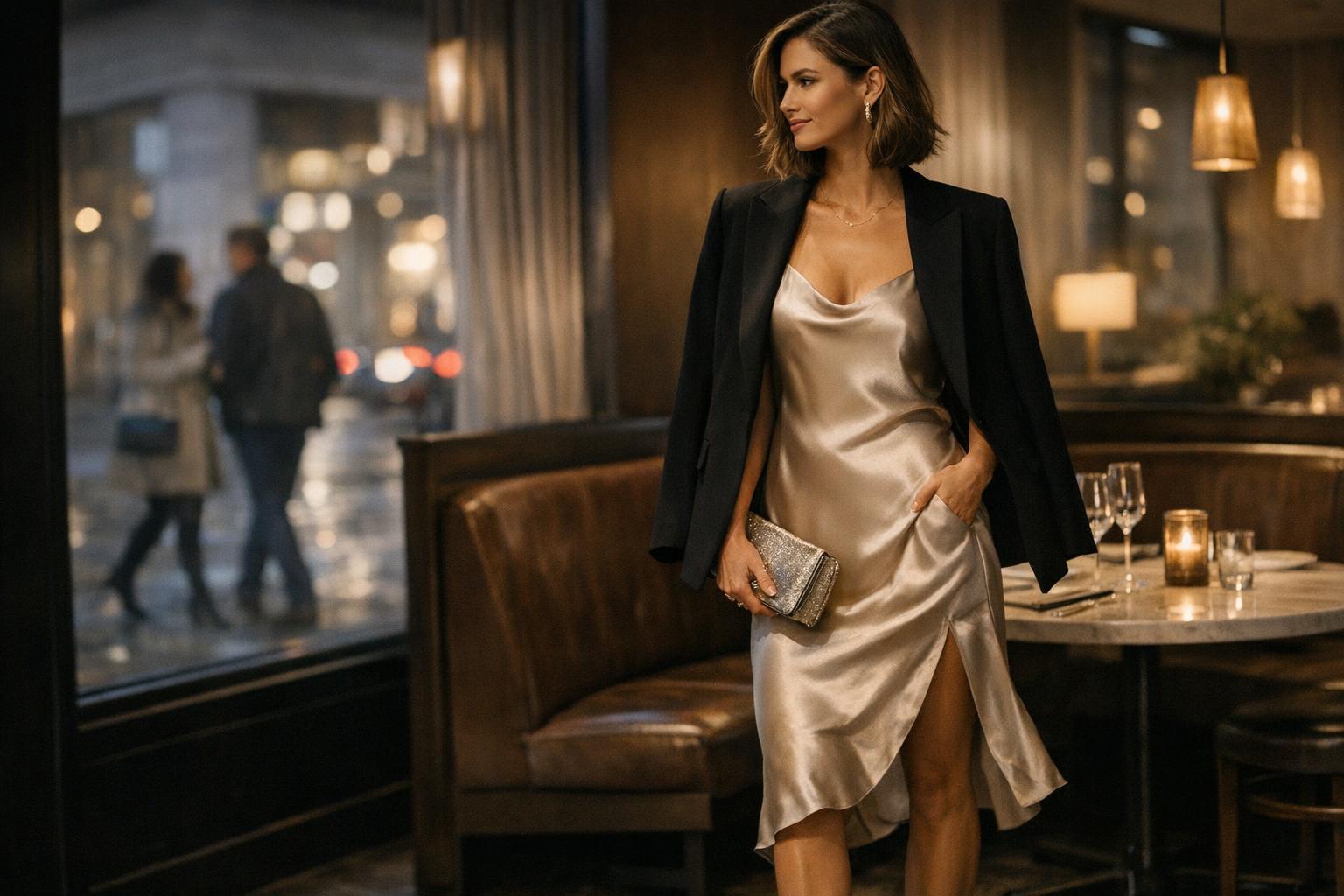
Dinner date night outfit dilemmas: looking “elevated” without feeling overdone
You know the moment: reservation confirmed, the restaurant lighting is going to be flattering, and suddenly your closet feels strangely uncooperative. A dinner date night outfit has to do more than look good in a mirror—it has to hold up through a long sit-down meal, a walk to the car, and the subtle pressure of “looking like yourself, but a little more polished.”
The challenge is that dinner dates live in a style gray zone. They’re rarely true black-tie, yet a purely casual look can read under-considered, especially in a city setting where New York or Los Angeles energy tends to skew fashion-aware. Add in temperature swings (warm dining room, chilly sidewalk), comfort (chairs, hemlines, footwear), and the desire for confidence, and you can see why so many people search for dinner date outfits that feel effortless but intentional.
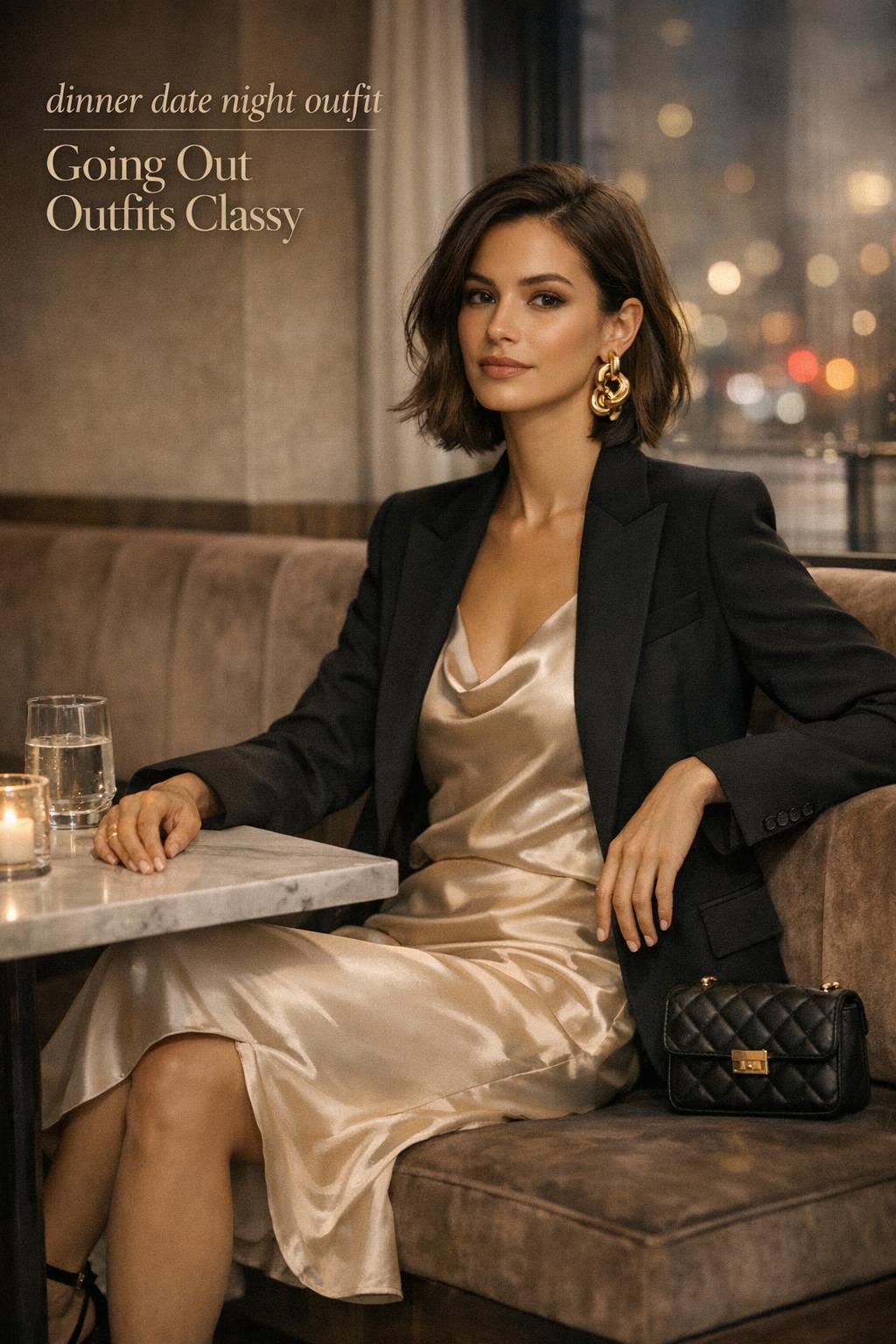
This guide approaches the problem like an editor: by building outfits from core garment families—dresses, slip dresses, LBDs, pantsuits, jumpsuits, blazers, jackets—then refining with textures like satin and velvet, and finishing with the accessory ecosystem (heels, sandals, jewelry, clutches, mini bags). You’ll get practical outfit formulas, context cues (first date vs. anniversary; smart casual vs. semi-formal), and solutions that translate into going out outfits classy enough for a fancy dining room without becoming costume.
Understanding the styling challenge: comfort, dress codes, and real-life logistics
Dinner dates sound simple until you dress for one. Restaurants often sit between “chic casual” and “semi-formal,” and the right choice depends on the venue, your city, and even the time of day. Many people over-correct—either dressing too formally (feeling stiff) or too casually (feeling underdressed once they arrive). The sweet spot is an elevated look with versatile pieces that can flex up or down.
Your wedding has a lot of moving pieces. Your plan can still feel composed.
Zarellea organizes guests, vendors, budget, and timelines in one shared space — so you can make decisions with clarity, not stress.
Weather is the unglamorous variable that defines the evening. You might leave home in a jacket, step into a warm dining room, then walk out again into the night. That’s why outerwear entities—blazers, jackets, even a trench-style layer—show up so frequently in strong date-night styling. They’re not just practical; they help “frame” the look and sharpen the silhouette.
Then there’s comfort: heels vs. walking; bodycon silhouettes vs. sitting; satin that skims vs. satin that clings. The goal isn’t to avoid glamour. It’s to make the glamour wearable—so you feel like yourself from the first toast to dessert.
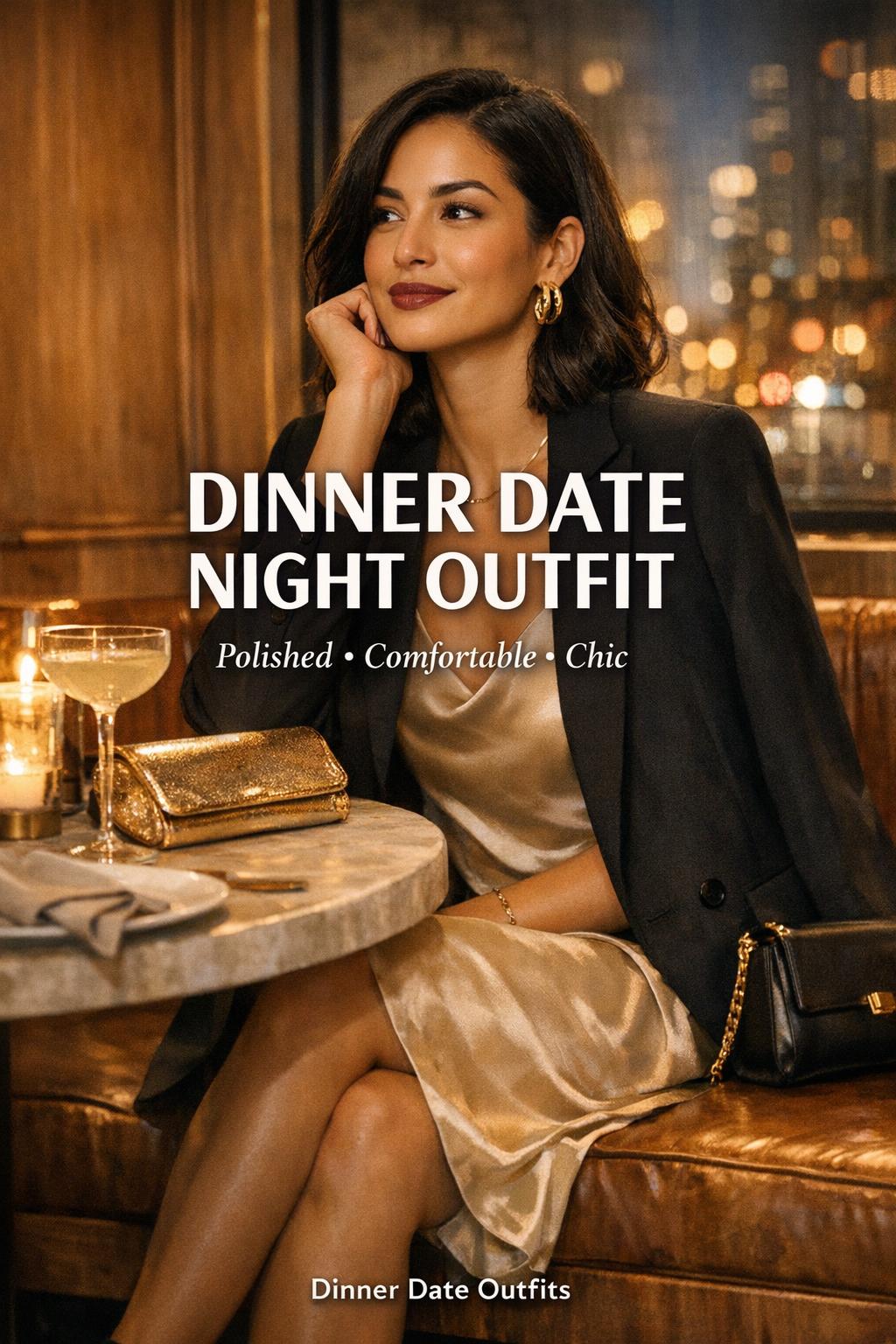
Key dressing principles that make dinner date outfits feel composed
Build from a core silhouette, then elevate with one deliberate detail
The strongest dinner date outfits start with a recognizable base: a little black dress, a slip dress, a tailored pantsuit, a sleek jumpsuit, or a midi/maxi dress. From there, choose one “elevation lever”—texture (velvet or satin), a sharp blazer, metallic accessories, or statement jewelry. This keeps the look refined rather than crowded.
Use structure to balance softness (and vice versa)
Think in contrasts that read modern: a structured blazer over a satin slip dress; a tailored suit softened by minimal jewelry; a bodycon dress grounded with a jacket. These relationships—blazer + slip dress, LBD + metallic accents—show up repeatedly because they solve a common problem: looking elevated without feeling try-hard.
Let accessories complete the outfit, not compete with it
A dinner date is not the moment to carry everything you own. A clutch or mini bag keeps the line clean; a crossbody can work when the vibe is casual or the evening includes walking. Jewelry should match the mood: minimal for tailored looks, more statement for simpler dresses. Footwear is the anchor—heels and sandals are classic, but the “right” shoe is the one that lets you move comfortably.
Choose a color story that reads intentional in restaurant lighting
Black is timeless for a reason—an LBD is an instant solution—but jewel tones and metallic accents can feel equally evening-appropriate, especially when paired with satin or velvet textures. The key is cohesion: one main color family, one supporting accent, and a clear finish (matte, sheen, or sparkle) so the outfit photographs well and feels polished in low light.
Core building blocks: what to reach for first in your closet
Before you get swept into micro-trends, focus on the pieces that repeatedly perform for dinner-date scenarios. They’re popular not because they’re boring, but because they create flattering proportions, adapt to dress codes, and pair easily with the accessories you already own.
- Dresses: LBD, slip dress, bodycon silhouettes, midi/maxi options for versatile coverage.
- Jumpsuits and tailored suits: modern alternatives that feel confident and composed.
- Outerwear: blazers and jackets (including leather-jacket energy) for instant polish.
- Footwear: heels and sandals for evening, with comfort considerations built in.
- Accessories: jewelry, clutches, mini bags, and refined finishing touches.
If you’ve ever wanted lover girl outfits that still feel like an adult wardrobe, this is where it begins: romantic silhouettes (slip dresses, satin, soft sheen) disciplined by tailoring (a blazer, a clean bag, a sleek shoe).
Outfit solutions for real dinner-date scenarios (with styling logic)
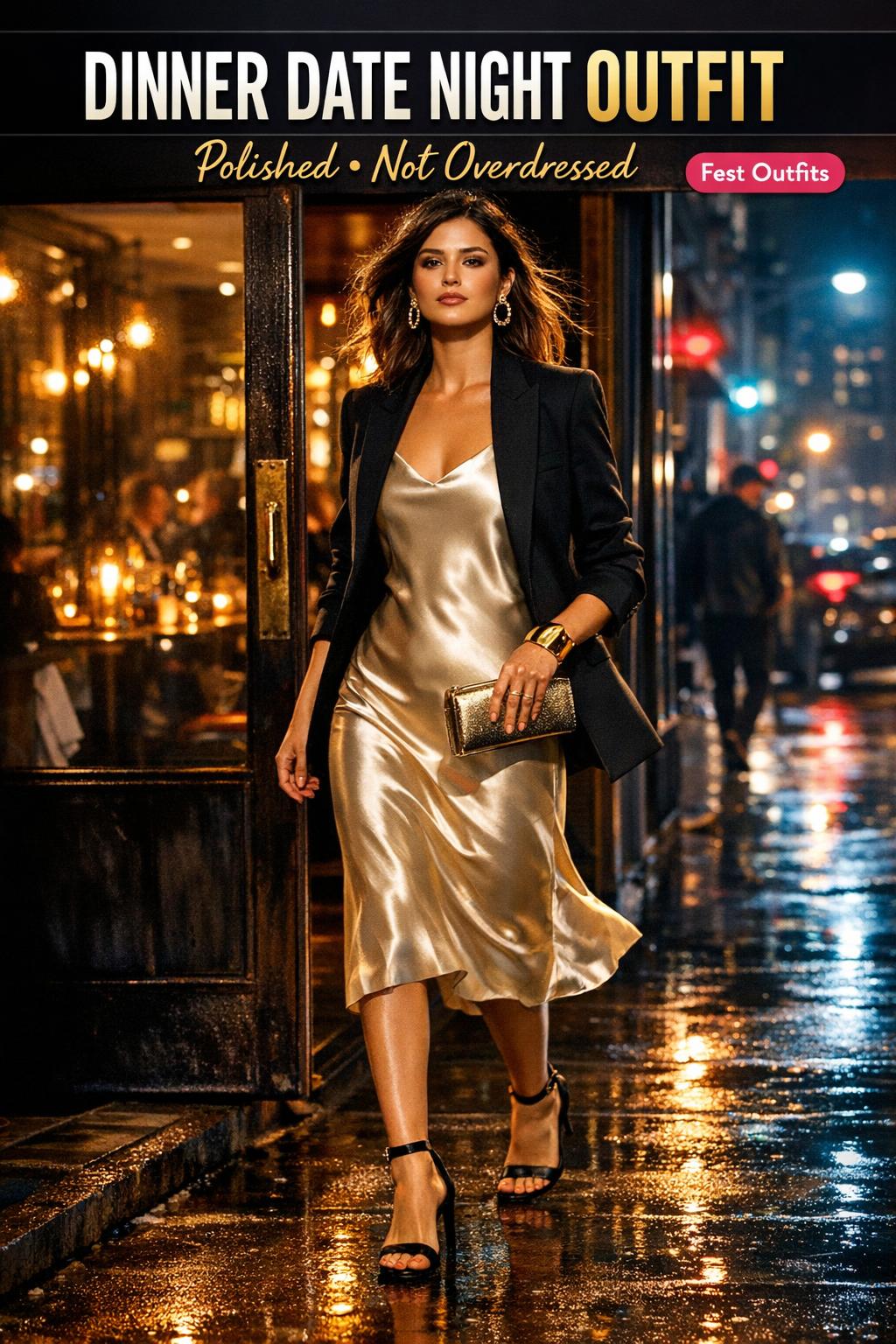
Outfit solution: blazer + slip dress for elevated casual confidence
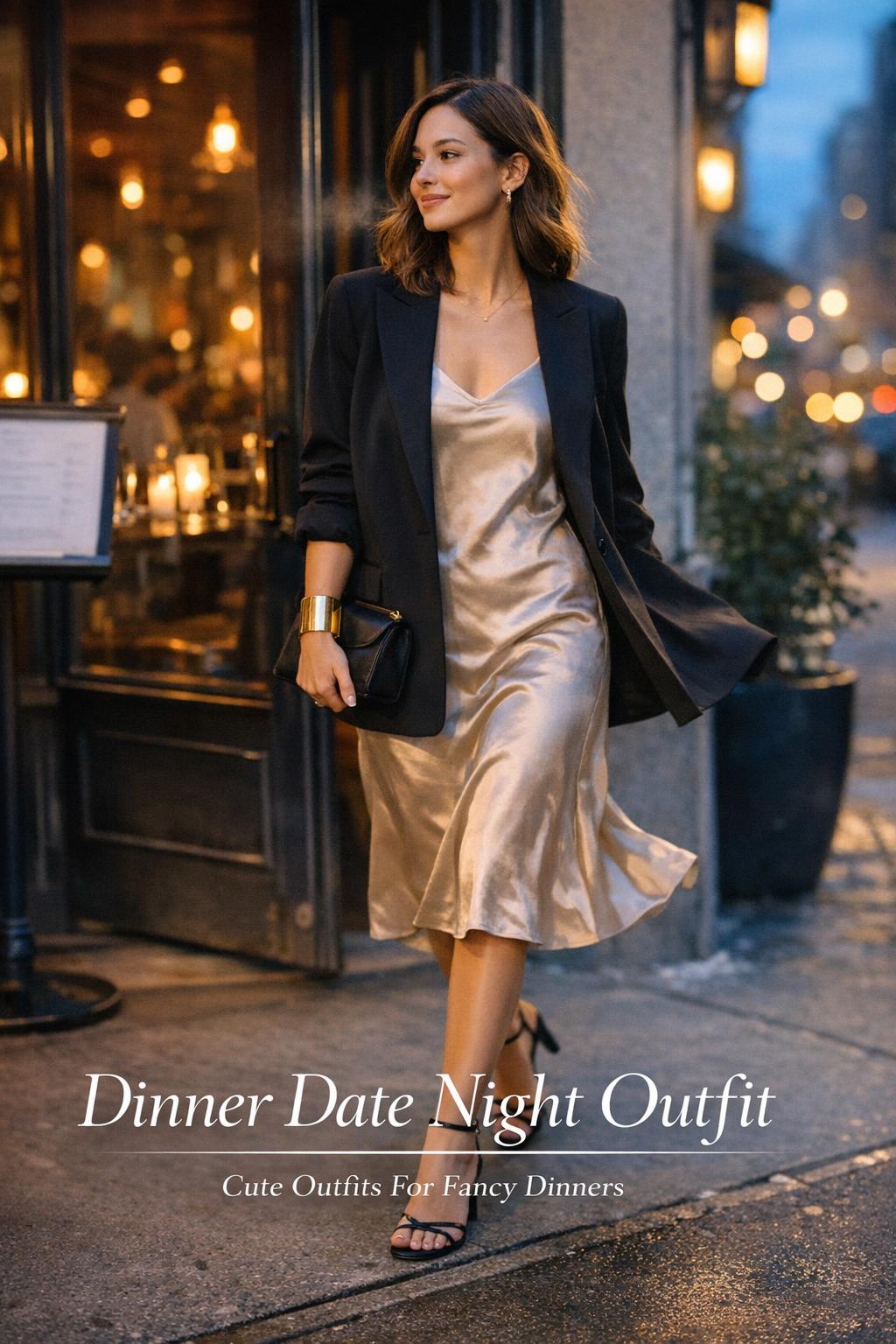
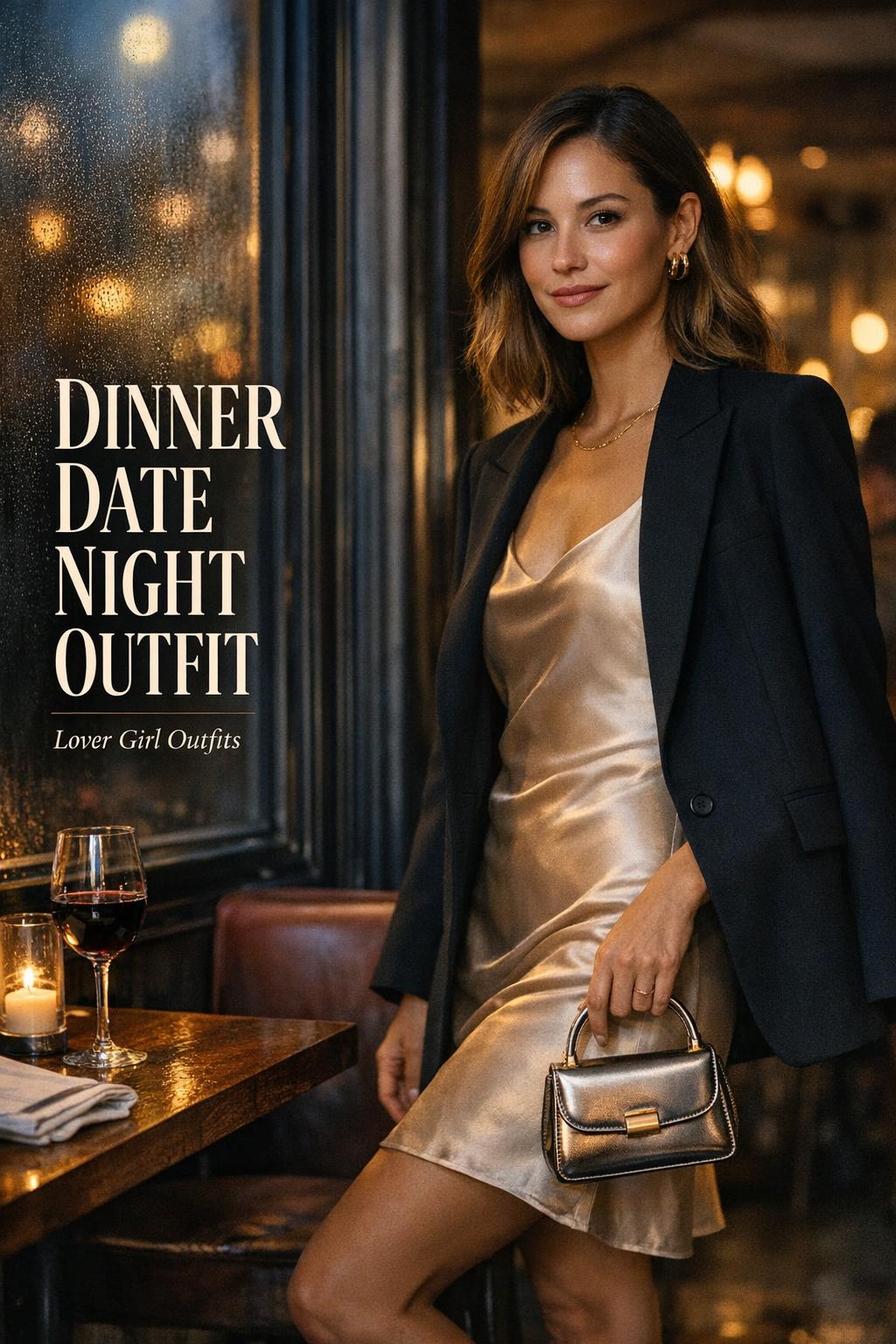
This is the formula fashion editors return to because it handles the most common dress code: chic casual with a hint of sophistication. Start with a slip dress—satin is the classic choice for evening vibes—then add a blazer to introduce structure. The blazer also solves the “cold on the way there, warm inside” issue; you can keep it on for a composed entrance, then drape it over your shoulders once seated.
Finish with heels or refined sandals, plus a clutch or mini bag. Jewelry can go minimal (clean, modern) if the satin already has sheen, or slightly more statement if your slip dress is understated. The result reads going out outfits classy, without crossing into overly formal territory.
Outfit solution: the classic glam LBD with metallic accessories
When you’re unsure, the little black dress remains the most reliable answer to “how to dress for a dinner date.” It’s also the easiest to tailor to the venue: keep the silhouette clean for a sleek restaurant, or lean into a bodycon cut for a more overtly glamorous mood. The key is how you style it.
Metallic accessories—think a metallic clutch and jewelry that catches low light—create instant evening impact without needing complicated layering. Add heels that feel stable enough for walking; the LBD does the heavy lifting, so your supporting pieces should look intentional, not fussy. If you want cute outfits for fancy dinners that don’t feel juvenile, this is the grown-up version: simple black, luminous accents, and a confident silhouette.
Outfit solution: velvet texture with sleek shoes for a true evening mood
Texture is the fastest route to “elevated,” and velvet is particularly effective for dinner dates because it reads rich under restaurant lighting. Whether the velvet appears as a dress or as a key piece paired with neutral elements, it signals that you dressed with intention.
Because velvet is already expressive, keep the rest streamlined: a compact bag (a clutch works beautifully) and jewelry that’s either minimal or carefully chosen as a single statement. For footwear, heels keep the silhouette elongated; dressy sandals can work when the venue and season allow. This outfit is especially useful when the date leans semi-formal without stating it outright.
Outfit solution: modern tailoring with a pantsuit (the confident alternative to a dress)
Yes, you can wear pants to a dinner date—and in many restaurants, a tailored pantsuit looks more elevated than a casual dress. The secret is the fit: clean lines through the shoulder, a defined waist, and trousers that fall smoothly. This is where tailoring becomes your best accessory.
Style it with heels for polish and elongation, or refined footwear that still reads “evening.” Keep the bag structured and the jewelry intentional; a statement piece can punctuate the suit without overpowering it. This is a quietly powerful approach to dinner date outfits when you want to feel composed, modern, and unmistakably adult.
Outfit solution: tailored jumpsuit with a minimalist accessory story
A tailored jumpsuit gives you the ease of a one-piece outfit with the sophistication of a styled look—perfect when you want to get dressed quickly without looking like you rushed. Choose a silhouette that defines the waist and falls cleanly through the leg; the effect is long, elegant lines with zero outfit-math required.
Pair with heels and a mini bag, and keep jewelry clean and modern. If you need extra warmth, a jacket or blazer completes the look without complicating it. This formula is especially useful for city dinner dates where you want a sleek “going out” finish that still feels functional.
Outfit solution: bodycon maxi + jacket for glam that still moves
Bodycon silhouettes can be dinner-date gold—when you remember you’ll be sitting, standing, and walking. A bodycon maxi brings drama with coverage, and a jacket adds balance and practicality. This pairing also helps if you’re navigating temperature swings: the jacket is functional, but also acts as a style counterweight so the outfit reads chic rather than overly revealing.
Keep the accessories edited: a compact bag and jewelry that complements the neckline. Footwear should be chosen with the evening’s reality in mind—heels are classic, but prioritize stability if the date includes a walk to a second location.
Outfit solution: satin statement piece + quiet neutrals for a refined shine
Satin doesn’t have to be a full slip dress to feel romantic. A satin piece—whether it’s the main garment or a key element—brings a soft sheen that reads unmistakably “night.” The trick is to pair that shine with quieter companions: simple outerwear, understated jewelry, and a bag that doesn’t fight for attention.
This is an elegant route to lover girl outfits that still fit a sophisticated restaurant. The shine feels romantic; the restraint feels mature. If you’re ever unsure how to make an outfit feel “date-night,” satin is one of the most dependable answers.
Outfit solution: skirt or tailored separates with a blazer for smart-casual venues
Not every dinner date calls for a dress. A skirt paired with a refined top—then finished with a blazer—creates a polished smart-casual balance. The blazer is doing double-duty again: structure, warmth, and that subtle “I meant to look this good” energy.
Choose heels or dressy sandals depending on the venue and season, and bring a clutch if you want the look to lean more evening. This approach also adapts beautifully if your plans shift from a casual bistro to a more formal dining room.
Context cues: first date, anniversary, and restaurant dress codes
First date: aim for elevated, not theatrical
For a first date, the best strategy is clothing that feels like a slightly refined version of you. Elevated casual formulas—blazer + slip dress, LBD with minimal jewelry, tailored jumpsuit—signal effort without demanding attention. If you’re experimenting with fest outfits energy (a bolder vibe, more texture or shine), keep it to one element: a satin finish, a statement accessory, or a dramatic silhouette, but not all at once.
Anniversary dinner: lean into texture, sophistication, and a clearer “evening” signal
Anniversary dinners tend to invite a more deliberate mood. This is where velvet, satin, and metallic accents feel especially appropriate, and where semi-formal cues (a more defined silhouette, more intentional jewelry, a polished clutch) can shine. It’s less about looking “different” and more about looking considered—an outfit that matches the occasion’s emotional weight.
Dress code translation: smart casual vs. semi-formal (and the black-tie hint)
Restaurants rarely label themselves clearly, so you’ll often be interpreting. Smart casual can still be chic: structured blazer, clean shoes, refined bag. Semi-formal asks for a stronger evening silhouette: LBD, satin slip dress, velvet texture, or sleek tailoring paired with heels and a clutch. If a venue gives black-tie cues, keep the approach calm and elegant—lean on the LBD or a long, clean line, and let accessories do the work rather than overcomplicating the outfit.
City styling: New York polish, Los Angeles ease, and why location matters
Even in the United States, dinner-date style changes by context. In New York, the look often reads more sharpened—blazers, sleek dresses, and intentional accessories that hold their own in an urban dining room. In Los Angeles, the same dinner date might invite a softer, more relaxed interpretation: satin with minimal jewelry, or a tailored jumpsuit with sandals that still feel elevated.
The point isn’t to stereotype; it’s to notice how location affects expectations. If you’re dressing for a city-known restaurant, consider the room: dim lighting, close tables, the impression you make while seated. A clean neckline, thoughtful jewelry, and a bag that doesn’t sprawl across your lap are the small details that read “seasoned.”
Textures and finish: the quiet power of satin, velvet, and shine
Silhouette is the skeleton of the outfit; texture is the mood. Velvet gives depth and softness, satin gives sheen and romance, and metallic accessories offer pinpoint light. Many “elevated” dinner-date looks are simply a familiar base rendered in a more evening-appropriate material.
There’s also a practical side: textures help you look dressed up without relying on complicated styling. If your outfit is essentially simple—an LBD, a slip dress, a tailored jumpsuit—texture creates the interest. That’s why this approach works so well when you want cute outfits for fancy dinners while keeping your overall look calm and modern.
Accessory ecosystems: shoes, bags, and jewelry that don’t sabotage the outfit
Shoes by scenario: heels and sandals, with comfort as the final word
Heels remain a classic finishing touch for dinner dates because they refine posture and sharpen proportions—especially with slip dresses, LBDs, and tailored suits. Dressy sandals can feel equally elegant in the right setting. The real-world test is simple: can you walk, stand, and stay relaxed through a long evening? A shoe that looks perfect but feels punishing will show in your body language.
Bags: why a clutch (or mini bag) reads instantly evening
A clutch is the most direct route to an evening signal, especially paired with satin or velvet. A mini bag offers a similar effect with more practicality. A crossbody can work when the vibe is more casual or you’ll be moving around the city—just keep it sleek and scaled to the outfit, so it doesn’t cut awkwardly across your silhouette.
Jewelry: statement vs. minimal, decided by your outfit’s “volume”
If your garment has texture or shine—velvet, satin, or a dramatic silhouette—choose minimal jewelry so the look stays refined. If your base is quiet (a simple LBD, a clean jumpsuit), a statement earring or bolder jewelry can provide the focal point. The goal is one clear visual message, not a competition among details.
Tips that stylists quietly rely on for long dinners
Tip: Treat outerwear as part of the outfit, not an afterthought. A blazer or jacket should harmonize with your silhouette and fabric story; it’s the first thing people see when you arrive and the last thing you wear when you leave.
Tip: Keep a “seated silhouette” in mind. Dinner dates are mostly spent sitting, so prioritize clean lines at the waist and hips, and avoid anything that bunches uncomfortably or demands constant adjusting—especially with bodycon silhouettes.
Tip: If you’re leaning into fest outfits energy—more shine, bolder styling—anchor it with one classic element: a tailored blazer, a sleek clutch, or minimal jewelry. This is the difference between playful and chaotic.
Tip: Build your look like a formula you can repeat. Once you know your best base (slip dress, LBD, jumpsuit, pantsuit), you can rotate textures (satin vs. velvet) and accessories (metallic clutch vs. minimal bag) to create multiple dinner date outfits without reinventing your style every time.
Common mistakes that undermine an otherwise beautiful look
Mistake: dressing for a photo, not the full evening
An outfit can look impeccable standing up and become a nuisance once you sit down. Extremely restrictive bodycon pieces, fussy accessories, or shoes you can’t walk in tend to pull focus away from the date itself. Choose glamour that moves with you: a bodycon maxi with a jacket, a slip dress with a blazer, or an LBD with stable heels.
Mistake: mixing too many “elevated” signals at once
Velvet, satin, statement jewelry, metallic accessories, and dramatic outerwear can all be gorgeous—just not all together. If your dress is doing the talking, let the accessories whisper. If your silhouette is minimal, let one accessory speak clearly. Refinement comes from restraint.
Mistake: ignoring venue and city cues
What feels perfectly chic in a relaxed Los Angeles setting might read underpowered in a New York dining room with a sharper vibe. You don’t need to change your personality—just calibrate the finish: swap a casual bag for a clutch, add a blazer, or choose satin/velvet to signal “evening.”
Conclusion: a calmer way to choose dinner date night outfits
The most successful dinner date night outfit isn’t the most complicated; it’s the most considered. Start with a core silhouette you trust—LBD, slip dress, tailored jumpsuit, pantsuit—then elevate with one decisive element: a blazer, velvet texture, satin sheen, or metallic accessories. Keep your accessory ecosystem tight (heels or sandals you can actually wear, a clutch or mini bag, jewelry that matches the outfit’s volume), and let venue context guide the final polish.
When you approach dinner date outfits as a set of repeatable formulas rather than a one-night styling crisis, you gain something more valuable than a good look: confidence that travels across restaurants, cities, and seasons—always refined, always wearable.
FAQ
What should I wear to a fancy dinner date?
For a fancy dinner, lean into semi-formal cues: an LBD, a satin slip dress, a velvet piece, or a tailored jumpsuit or pantsuit, finished with heels and a clutch or mini bag; keep jewelry intentional and let one element—texture, silhouette, or metallic accessories—carry the “evening” message.
How do I dress for a dinner date if I don’t want to wear a dress?
A tailored pantsuit or sleek jumpsuit is one of the most elevated alternatives to a dress and often reads even more polished in a restaurant setting; add heels, a structured bag or clutch, and minimal-to-statement jewelry depending on how clean or dramatic the tailoring feels.
What shoes work best for a slip dress on a dinner date?
Heels are the classic partner for a slip dress because they sharpen the silhouette, while dressy sandals can feel equally refined when the venue and season allow; choose a pair you can comfortably walk and stand in, since confidence shows most when your posture is relaxed.
How can I make an outfit look “elevated casual” for a restaurant?
Use structure and finish: add a blazer or jacket to a simple base like a slip dress or skirt-and-top combination, keep your bag compact (clutch or mini bag), and choose jewelry that looks deliberate rather than overly trendy; the result reads chic casual with a refined edge.
Is a bodycon dress appropriate for dinner date outfits?
A bodycon silhouette can work beautifully for a dinner date, especially as a maxi, as long as you consider comfort while sitting and moving; balancing it with a jacket or blazer and keeping accessories streamlined helps it feel polished rather than overly intense.
How do I choose between satin and velvet for a dinner date night outfit?
Satin delivers a romantic sheen that feels modern and light, while velvet creates depth and a richer evening mood; both read elevated, so choose based on the vibe you want—soft and luminous with satin, or plush and sophisticated with velvet—then keep accessories cohesive.
What accessories make going out outfits classy for a dinner reservation?
Classy finishing touches usually come down to a compact bag (clutch or mini bag), jewelry that matches the outfit’s simplicity or drama, and a clean shoe choice like heels or refined sandals; metallic accents can add evening sparkle without overwhelming the look.
What’s a reliable first-date dinner outfit that won’t feel overdone?
Try an elevated casual formula like a blazer over a satin slip dress, or an LBD with minimal jewelry and a small clutch; these options look intentional in city dining settings while still feeling like a natural extension of your everyday style.
Leave a Reply