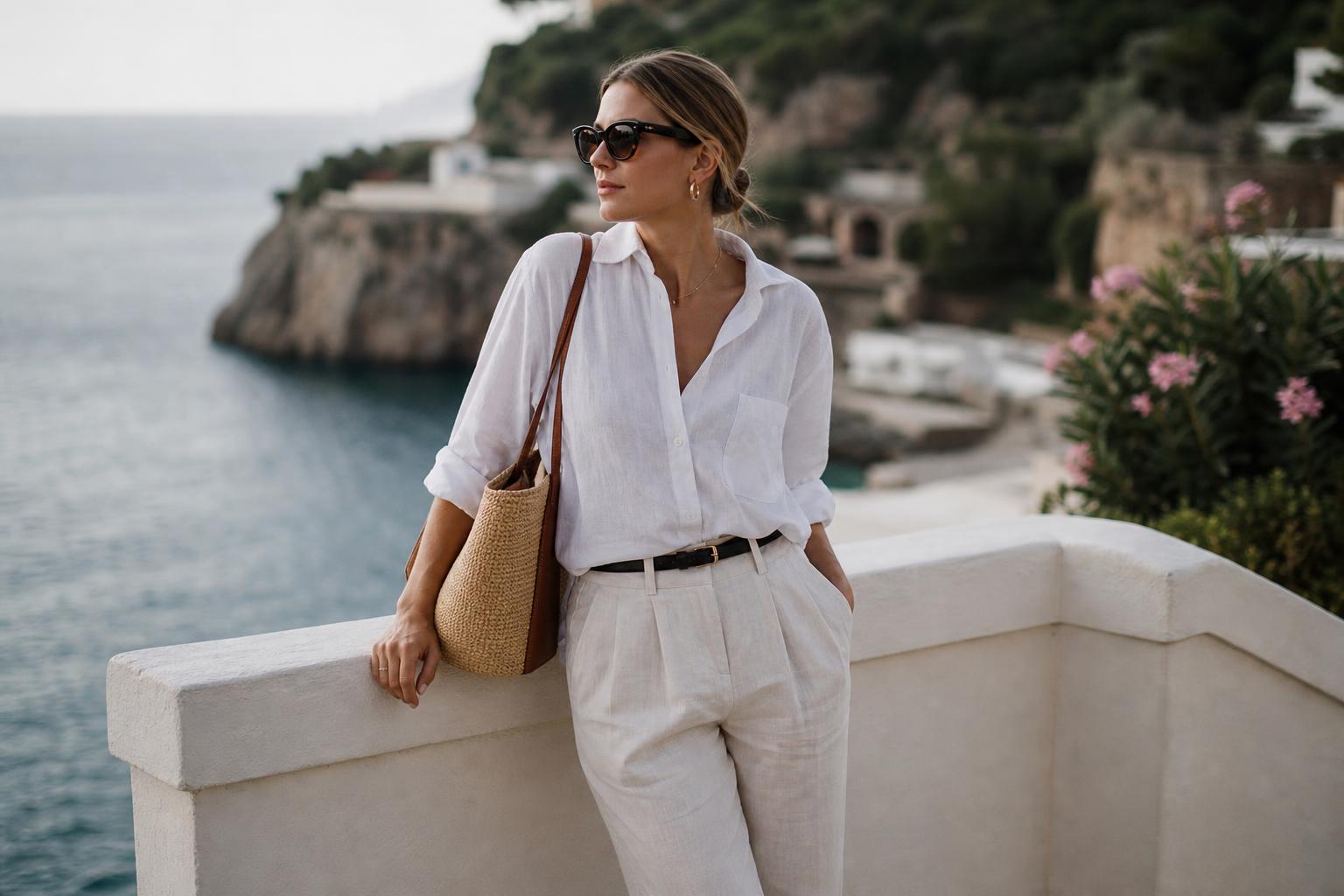
Summer inspo outfits, without the guesswork
Some style comparisons are easy: tailored versus relaxed, minimal versus maximal, polished versus undone. Summer dressing is less straightforward. The season asks for lightness, movement, and ease, yet most wardrobes still need to handle commutes, long lunches, city heat, weekend travel, and the occasional dinner that calls for something more composed than a simple tank and shorts. That is why summer inspo outfits are so often discussed through aesthetics rather than through a single trend.
The difficulty is that many warm-weather looks overlap on the surface. A linen shirt can read coastal and effortless, but it can also feel sharp and urban depending on the silhouette, the accessories, and the way it is layered. A slip dress can lean minimal, romantic, or holiday-ready with only a few styling changes. What often appears to be one summer mood is usually the result of two distinct style approaches sitting very close together.
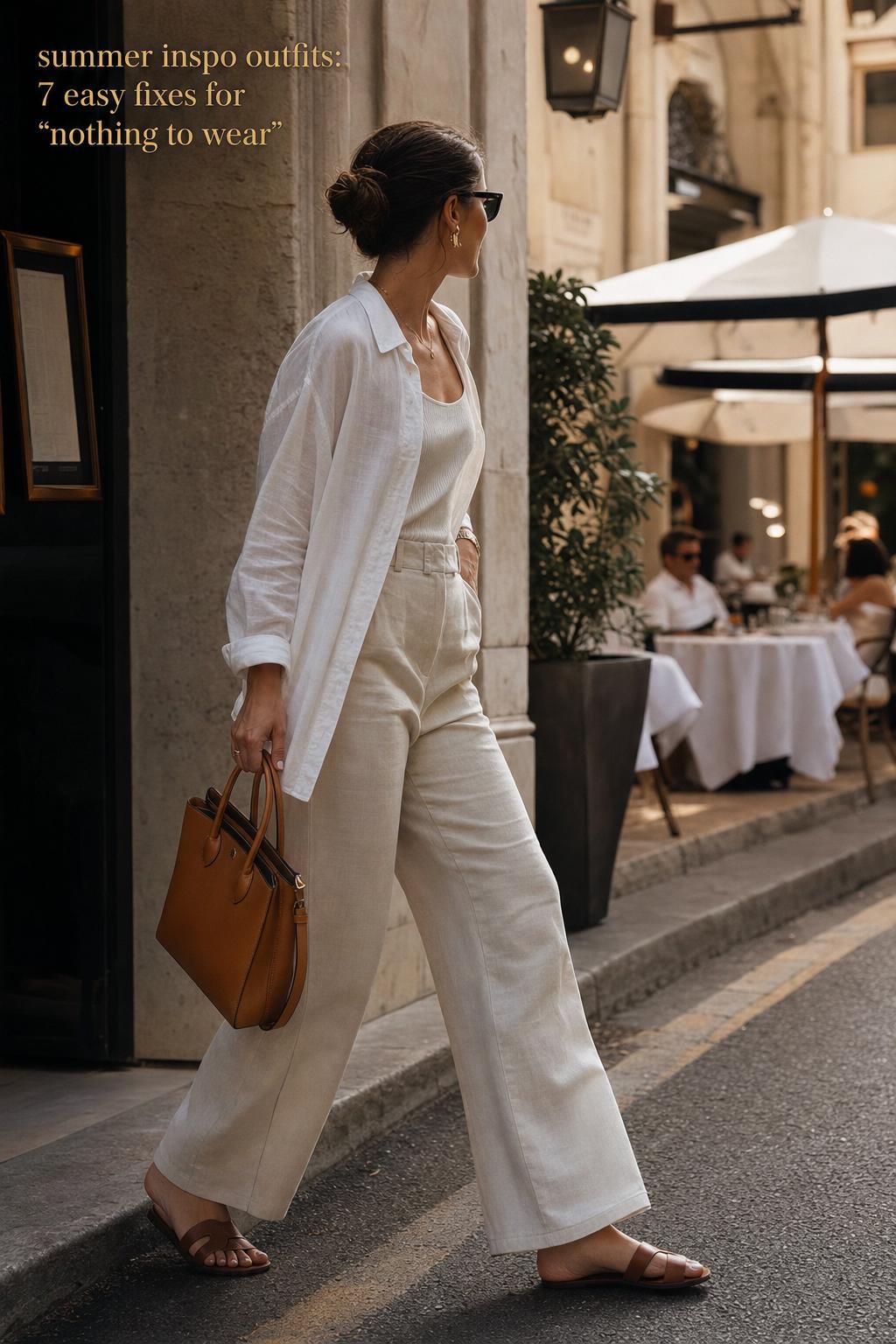
This comparison breaks down two of the most commonly blended directions in modern summer dressing: relaxed Mediterranean minimalism and polished city tailoring. They share a love of clean lines, wearable separates, and quiet sophistication, which is precisely why they are frequently confused. The distinction lies in proportion, structure, finish, and styling intent. Once those elements become clear, building a summer wardrobe becomes far more precise.
Two summer aesthetics that seem similar, but behave differently
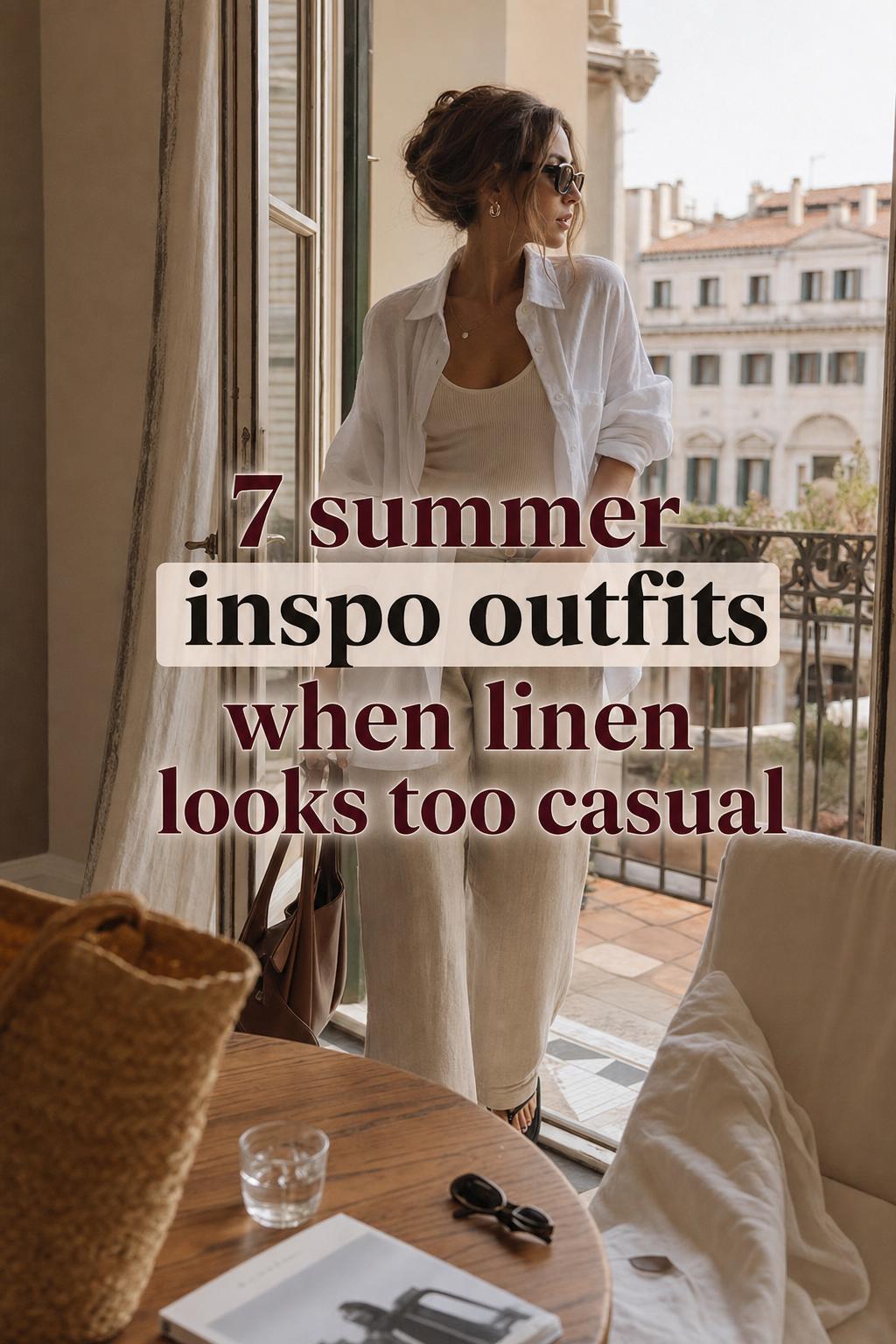
Both of these summer styles sit comfortably within a refined, modern wardrobe. Each favors neutral palettes, elevated basics, and pieces that can be reworked across multiple settings. Yet one is rooted in softness and ease, while the other depends on control and definition. Understanding that tension is the key to understanding why two outfits built from similar garments can communicate entirely different things.
Your wedding has a lot of moving pieces. Your plan can still feel composed.
Zarellea organizes guests, vendors, budget, and timelines in one shared space — so you can make decisions with clarity, not stress.
Style overview: relaxed Mediterranean minimalism
This style is airy, understated, and tactile. It relies on pieces that feel naturally elegant rather than formally styled: linen shirts worn open over a simple tank, wide-leg trousers that move with the body, softly draped dresses, and flat sandals that complete the outfit without dominating it. The mood is effortless, but not careless. There is intention in the looseness.
The silhouette tends to be fluid rather than sharply defined. Volume is often balanced through fabric instead of tailoring, with breathable materials doing much of the visual work. Think sun-faded neutrals, warm whites, oat, sand, olive, muted blue, and terracotta-adjacent tones. Textures matter deeply here: washed linen, cotton poplin, fine rib knits, open weaves, and soft leather all contribute to the impression of quiet ease.
The overall aesthetic mood is calm, sunlit, and unforced. It suggests a wardrobe that values comfort, climate awareness, and elegance that does not need to announce itself.
Style overview: polished city tailoring
This style takes summer dressing in a more architectural direction. The garments may still be lightweight, but they are chosen for shape and line as much as comfort. Tailored vests, structured blazers in breathable fabrics, straight-leg trousers, crisp shirting, fitted tanks, column skirts, and sharp leather accessories are central. The result is modern, composed, and distinctly urban.
Silhouettes are more controlled and often more vertical. Even when the outfit is simple, the intention is clear: clean lines, visible structure, and a balanced relationship between fitted and relaxed pieces. The color palette usually stays neutral as well, but in a cooler or more graphic register: black, white, stone, navy, chocolate, and occasional precise accents rather than washed or earthy tones. Fabrics look smoother and more refined, with cotton shirting, suiting-weight linen blends, technical crepe, and polished leather offering a sleeker finish.
The mood is practical and exacting. It is summer style interpreted through discipline rather than softness.
Where the real difference begins
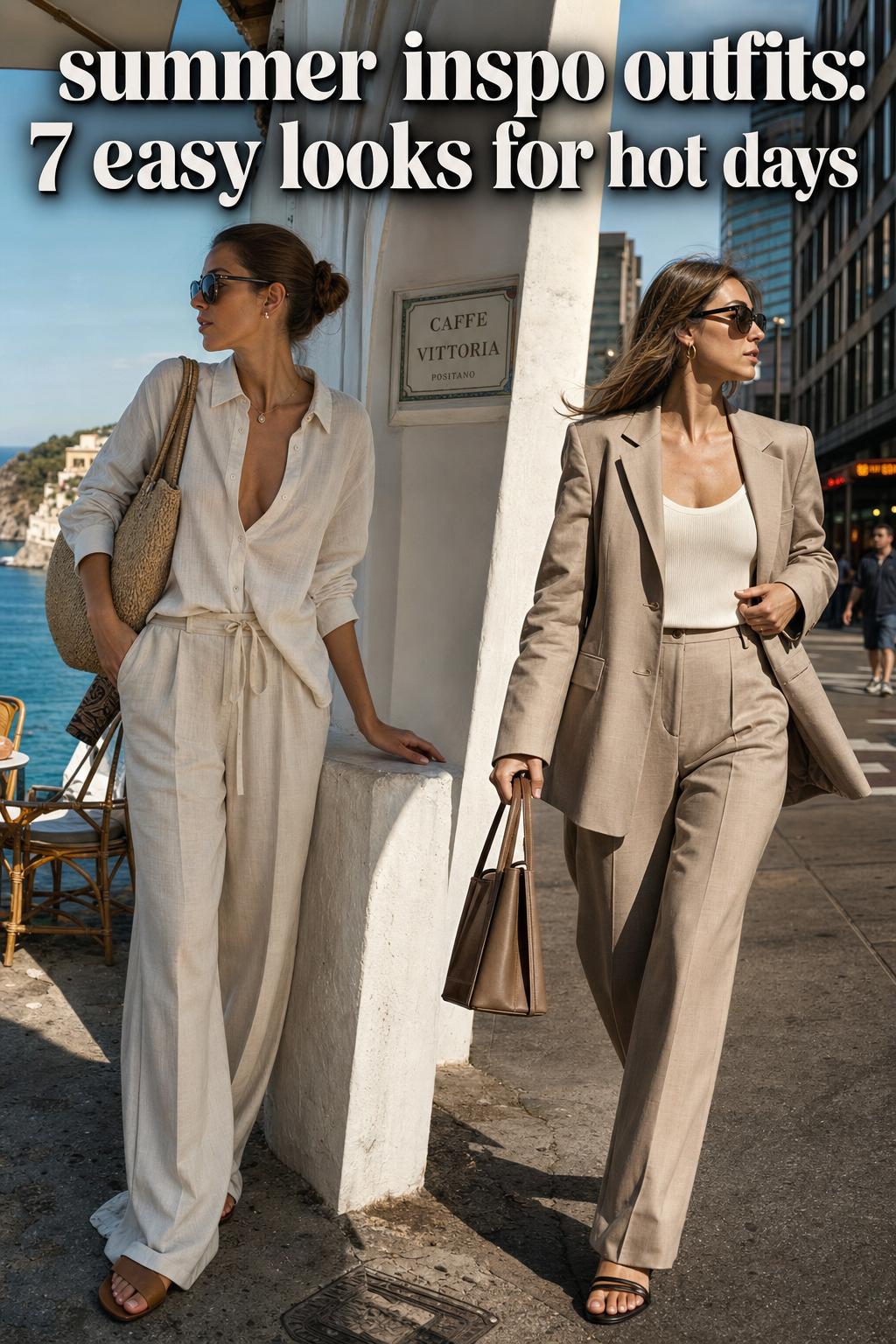
Because these two aesthetics often share neutral colors and a preference for streamlined outfits, many people identify them as the same look. They are not. Their differences become visible when you study how the outfit sits on the body, how much crispness is present, and what the clothing seems designed to do.
Silhouette and structure
Relaxed Mediterranean minimalism allows the body to move inside the outfit. Pieces skim, drape, and unfold. A shirt may be oversized but softened by the fabric. Trousers may be wide, but they fall with a natural line rather than a pressed one. The eye reads movement first.
Polished city tailoring, by contrast, frames the body. A vest closes the line at the waist. A blazer creates shoulder definition. Straight trousers or a column skirt guide the eye vertically. Even when the outfit is not tight, it feels held in place. The eye reads structure first.
Color language
The Mediterranean version of summer uses color to soften. White appears sun-washed rather than bright optical. Beige and cream tend to carry warmth. Blue looks faded, green looks dusty, and earthy notes often slip into the wardrobe almost unnoticed. These colors reflect light gently.
City tailoring tends to prefer sharper contrast. White is cleaner, black is more present, and tonal dressing often looks deliberate rather than organic. If there is color, it is usually controlled within a narrow palette so the outfit retains its precision. These colors define shape more strongly.
Formality and finish
Neither style has to be overtly formal, but they project polish in different ways. Relaxed summer minimalism feels dressed through fabric quality and proportion. It can be worn to lunch, travel, a resort dinner, or a casual office with very little adjustment. Its refinement is quiet.
Polished city tailoring is more immediately composed. It often looks office-capable, dinner-ready, or meeting-appropriate without much effort. Its refinement is visible from a distance, because the lines are cleaner and the accessories are usually more defined.
Styling philosophy
The first style asks, “How can this feel easy and elegant at the same time?” The second asks, “How can this look sharp without feeling heavy?” That difference in styling logic changes everything from the shoe choice to the way a shirt is buttoned.
How these summer outfits read in real life
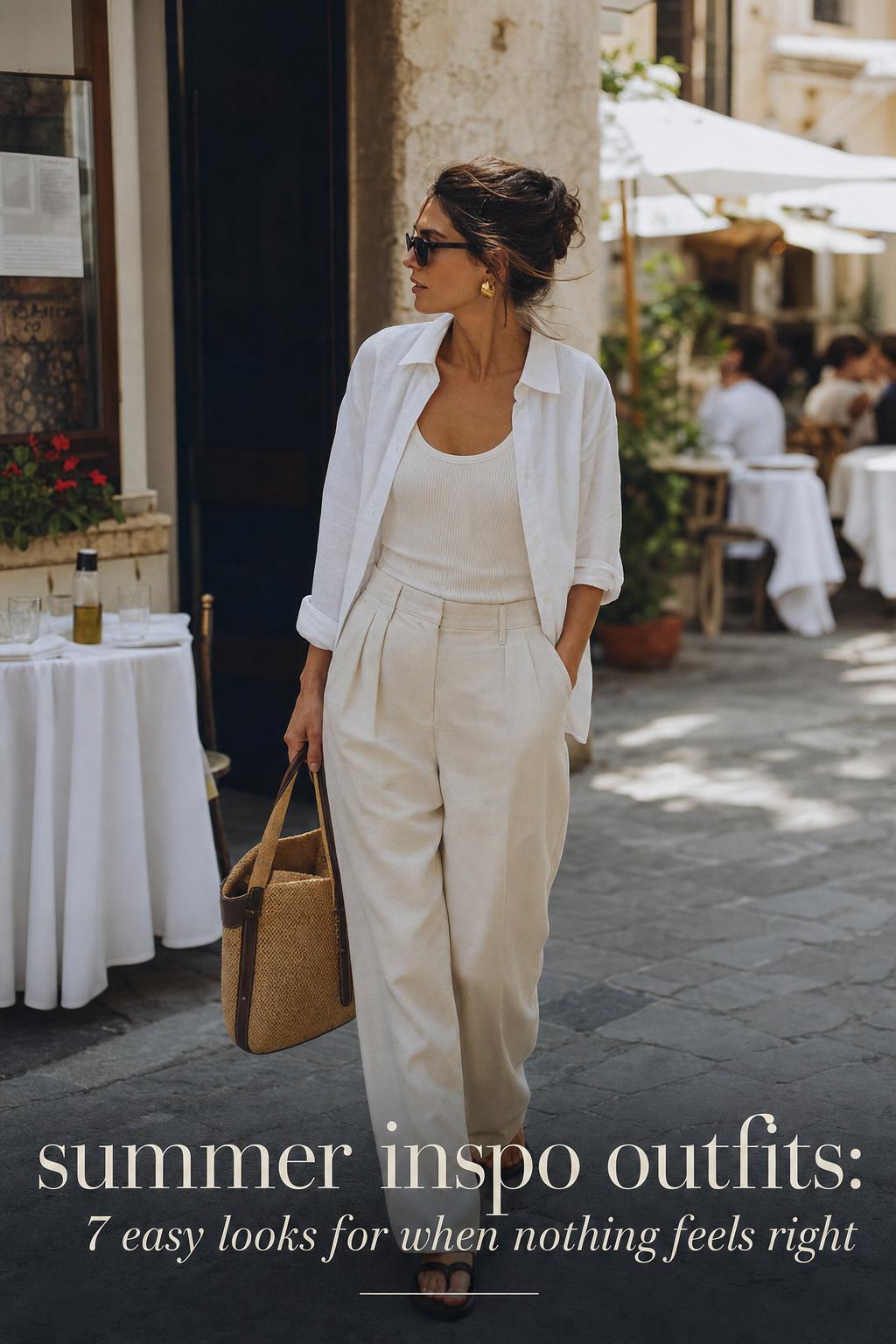
The quickest way to identify a style is not by a single garment but by the visual balance of the full outfit. Summer dressing exposes proportion more clearly because there are fewer layers to hide weak composition. A tank, trousers, sandals, and a bag can either feel considered or slightly unfinished depending on how those elements are balanced.
Layering approach
Relaxed Mediterranean minimalism uses light layers to add softness. A linen shirt left open over a fitted knit tank creates movement without weight. A fine sweater draped over the shoulders adds depth while keeping the outfit casual. Layering is minimal but atmospheric.
Polished city tailoring uses layering to sharpen. A sleeveless vest over tailored trousers, or a light blazer over a column dress, adds shape and authority. Even in heat, the extra layer is chosen to complete the line of the look. Layering here is structural rather than romantic.
Garment proportions
In relaxed summer dressing, proportions tend to float away from the body. A longer short with a roomy shirt feels intentional because both pieces share the same easy rhythm. A loose dress works when the fabric has enough fluidity to prevent visual heaviness. Proportion is about ease and breathability.
In city tailoring, proportions are more disciplined. If the trousers are wide, the top is likely more fitted or neatly cut. If the dress is sleek and column-like, accessories remain clean and minimal. Volume is controlled, not scattered. Proportion is about order and definition.
Accessories and footwear
Accessories reveal the distinction almost immediately. Mediterranean minimalism tends toward woven textures, soft leather, simple gold jewelry, and sandals that feel practical enough for walking but refined enough for dinner. The bag often adds texture rather than strict structure.
Polished city tailoring usually chooses sleeker accessories: a structured shoulder bag, a sharper belt, sculptural jewelry, minimal sunglasses, and footwear with more visual edge, such as clean leather slides, refined loafers, or a low heel. The accessories complete the geometry of the outfit.
The same summer situation, styled two different ways
The most useful comparison is not abstract. It is practical. The same social setting can be interpreted through two very different style languages, which is why choosing an outfit becomes easier once you know what image you want to project.
Casual daytime dressing
A relaxed Mediterranean approach might begin with a white linen shirt, worn slightly open over a ribbed tank, paired with loose drawstring trousers or easy shorts in a warm neutral. Flat leather sandals and a woven tote keep the look grounded. The appeal lies in the interplay between soft fabric, exposed skin, and natural movement. It feels effortless because nothing appears overworked.
A polished city version of the same casual daytime outfit might use a fitted tank tucked into tailored bermuda shorts or straight trousers, finished with a belt and sleek slides. Instead of a loose overshirt, there may be a crisp poplin shirt with the sleeves rolled deliberately, or no extra layer at all. The look still reads summer-ready, but it feels more precise and urban.
Warm-weather office dressing
For a softer office wardrobe, Mediterranean minimalism works through breathable tailoring with less rigidity: a lightweight blazer over a tank dress, or wide linen trousers with a short-sleeved knit. The outfit succeeds when the fabrics remain polished enough for work while preserving ease. It is a strong choice for creative offices or workplaces where structure is welcome but not mandatory.
City tailoring leans into sharper summer office formulas. A tailored vest with matching trousers, a sleeveless midi dress with a clean cut, or a crisp shirt with a column skirt creates a more authoritative line. This approach tends to work better in formal environments because the structure reads intentional and complete even in the absence of heavy layers.
Dinner and evening summer inspo outfits
For an evening meal outdoors, the Mediterranean aesthetic often favors fluid dresses, open-back silhouettes, soft monochrome, and flat or low-heeled sandals. Jewelry remains delicate. Hair and beauty styling can stay simple because the outfit itself already feels atmospheric.
City tailoring approaches evening with more definition. A black slip dress layered under a sharp blazer, a matching vest-and-trouser set, or a fitted knit top with a long skirt creates a more graphic impression. The accessories may carry more weight here: a sleek bag, a sculptural earring, a cleaner heel. The effect is less sun-drenched and more metropolitan.
A closer look at fabrics, because summer style depends on them
Fabric is not a technical detail; it is often the deciding factor between one summer aesthetic and another. In warm weather, fabric determines not only comfort but also how much structure an outfit can hold, how much movement it creates, and whether the final look appears relaxed or refined.
Washed linen, crinkled cotton, soft jersey, and fine knits naturally support relaxed Mediterranean dressing because they invite movement and create a lived-in finish. Even when pressed, these materials retain a gentle irregularity that works in the outfit’s favor. They look best when the styling allows them room to breathe.
Compact cotton, linen blends with more body, smooth crepe, poplin, and tailored suiting fabrics support the city aesthetic because they preserve shape. They help a vest hold its clean line, allow a trouser crease to remain visible, and keep a shirt looking crisp through the day. In high heat, this can be a smarter choice for occasions where visual polish matters more than a languid feel.
Tip: let the fabric decide the styling intensity
If the fabric is fluid and textured, styling can stay minimal. If the fabric is crisp and architectural, accessories and grooming should usually match that precision. This is one of the easiest ways to prevent a summer outfit from feeling visually inconsistent.
When each style works best in a real wardrobe
No summer aesthetic is universally better. The more useful question is where each style performs best and what kind of daily rhythm it supports. A wardrobe built for movement through heat, travel, and informal plans may require one set of solutions. A wardrobe built around city routines and professional expectations may need another.
- Relaxed Mediterranean minimalism tends to excel for vacations, weekend dressing, casual lunches, travel days, coastal settings, and warm climates where comfort and breathability are the first priorities.
- Polished city tailoring tends to excel for office dressing, urban commutes, events that require a composed appearance, smart-casual dinners, and situations where structure helps the outfit feel more complete.
- For mixed schedules, the most versatile wardrobes borrow from both: an airy shirt, a tailored trouser, a fluid dress, and a sharp bag can work together remarkably well.
This is also where lifestyle matters. Someone walking through a dense city in summer may want the authority of sharper lines, but not the weight of traditional tailoring. Someone packing for a long weekend may need every piece to fold easily, breathe well, and move from day to evening with minimal adjustment. Good summer style is always contextual.
The hybrid approach: where modern summer dressing becomes most interesting
The strongest contemporary wardrobes rarely commit entirely to one direction. Instead, they combine the serenity of relaxed summer dressing with the clarity of tailoring. This hybrid approach feels especially modern because it reflects how people actually get dressed: they want comfort, but they also want shape; they want ease, but not vagueness.
A structured blazer layered over a soft tank and fluid linen trousers creates a polished everyday look without sacrificing comfort. A crisp vest paired with relaxed drawstring trousers softens tailoring in a way that feels current rather than corporate. A slip dress with flat sandals and a structured bag sits beautifully between both aesthetics. These combinations work because they use contrast intelligently.
Tip: combine one soft element with one defined element
If an outfit feels too loose, add structure through the bag, the belt, or a cleaner shoe. If it feels too severe for summer, soften it with linen, open sandals, or jewelry that does not compete with the line of the clothing. This balance often creates the most wearable version of summer inspo outfits for everyday life.
Common summer styling mistakes that blur the look
Most style confusion does not come from choosing the wrong garment. It comes from mixing signals without meaning to. When the visual language of the outfit is unclear, even expensive pieces can look slightly disconnected.
- Pairing very relaxed garments with overly formal accessories can make the outfit feel unresolved rather than intentionally contrasted.
- Using too many competing volumes in hot weather often removes shape instead of creating ease.
- Relying on dark, structured elements in lightweight, casual outfits can interrupt the softness of the look unless there is another polished piece to support them.
- Choosing delicate summer fabrics for highly structured silhouettes can work, but only if the cut is clean enough to hold its line.
- Adding too many trend pieces at once can weaken the timeless quality that makes both of these aesthetics appealing.
In practice, the solution is simple: decide whether the outfit should read soft or sharp, then let every element support that decision. Once that foundation is clear, subtle contrast becomes stylish rather than confusing.
City heat, coastal escapes, and why location changes the styling logic
Summer outfits do not live in theory; they live in weather, movement, and place. The same linen set that looks serene by the coast can feel underpowered in a fast-moving city day filled with meetings, errands, and transit. Likewise, a sharply tailored outfit that reads elegant in an urban setting may feel too controlled for a holiday dinner outdoors.
In coastal or resort-like environments, airier silhouettes and textured fabrics usually make more visual sense because the atmosphere supports them. The outfit can lean relaxed without looking unfinished. In dense city settings, sharper lines often feel more practical because they hold their shape, survive long days better, and communicate intention more clearly.
This is why the best summer wardrobes are rarely built around trends alone. They are shaped by where the clothes will actually be worn, how much walking is involved, whether the day moves between indoor and outdoor temperatures, and how polished the setting expects you to appear. Style becomes far more effective when it answers those questions first.
How to identify the style at a glance
If you are trying to decode an outfit quickly, focus on three signals: how the fabric moves, where the outfit creates shape, and whether the accessories soften or sharpen the final impression. These clues are usually more reliable than any individual item.
- If the outfit moves easily, uses tactile natural fabrics, and feels sun-softened, it likely belongs to relaxed Mediterranean minimalism.
- If the outfit holds a clear line, uses cleaner finishes, and looks visually defined even in simple pieces, it likely belongs to polished city tailoring.
- If it does both, you are looking at a hybrid style, which is often where the most modern and versatile summer dressing lives.
The final distinction
The core difference between these two summer aesthetics is not trend, price, or occasion. It is attitude expressed through clothing. Relaxed Mediterranean minimalism is guided by ease, breathability, and softness. Polished city tailoring is guided by line, clarity, and control. Both can be elegant. Both can be practical. Both can produce excellent summer inspo outfits.
Once you learn to read silhouette, fabric, and finish, the distinction becomes obvious. One style drapes; the other defines. One relies on texture and air; the other on structure and precision. And for most real wardrobes, the most compelling answer is not choosing one forever, but borrowing intelligently from both.
FAQ
What are the easiest summer inspo outfits to build from basics?
The easiest formulas usually start with simple foundations: a tank and wide-leg trousers, a linen shirt over shorts, a sleeveless dress with flat sandals, or a crisp shirt with a midi skirt. What changes the result is the styling direction. Softer fabrics and textured accessories create a relaxed look, while sharper lines and structured accessories make the outfit feel more polished.
How do I make summer outfits look polished without feeling overdressed?
Focus on line and fabric rather than adding more pieces. A clean trouser, a fitted tank, a crisp shirt, or a lightly structured bag can make a simple outfit look refined. The goal is not to layer heavily in heat, but to choose garments that hold shape and create balance.
Are linen outfits always casual?
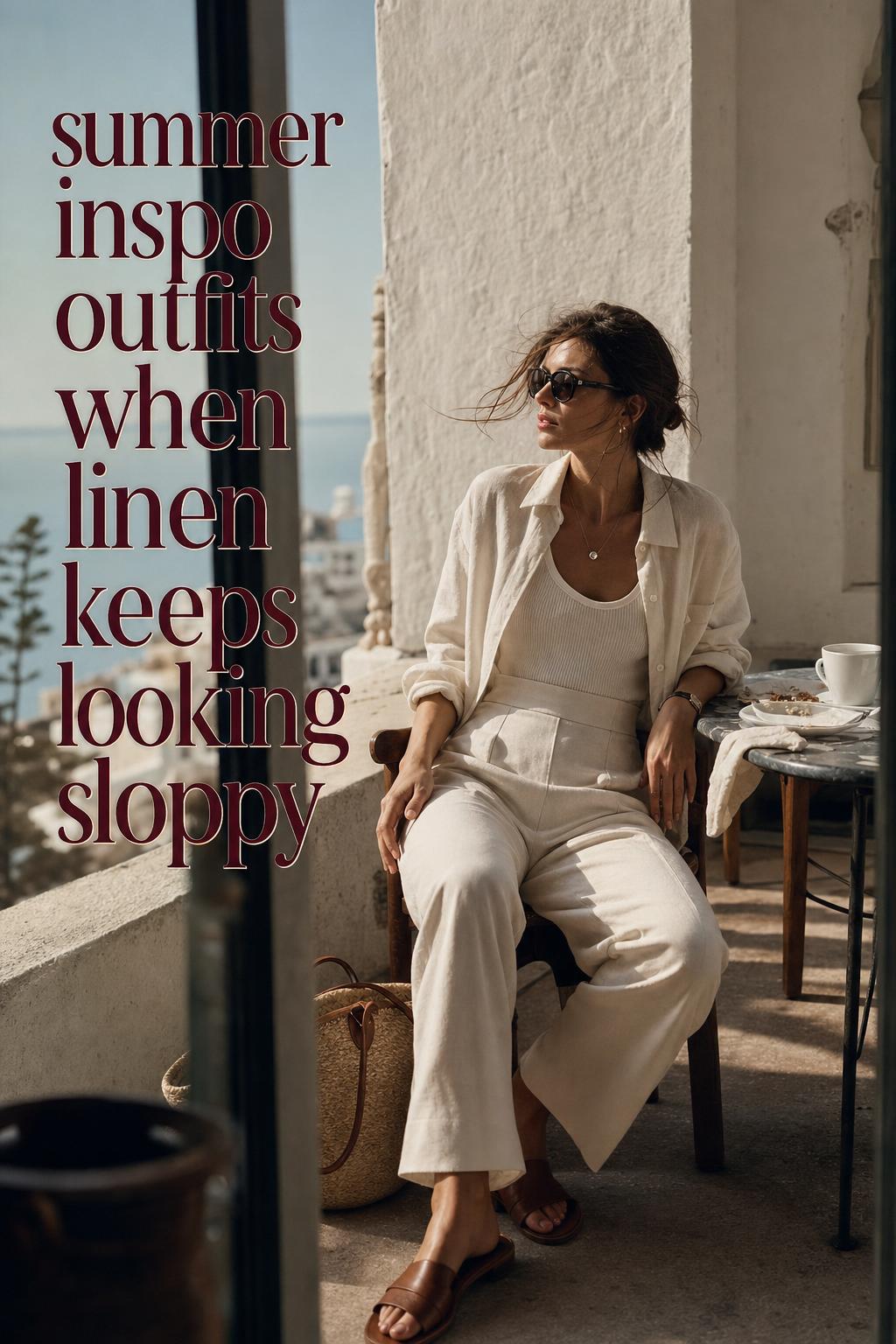
No. Linen often reads relaxed because of its texture, but its overall effect depends on the cut and the styling. A loose linen shirt with sandals feels casual, while a tailored linen vest or sharply cut linen trouser can look quite polished. The fabric softens the outfit, but structure still matters.
What shoes work best for modern summer style?
The most useful options are usually simple leather sandals, refined slides, minimal loafers, or low heels with a clean silhouette. Softer summer looks benefit from understated footwear that blends into the outfit, while city-focused looks often need shoes with slightly more structure to support the sharper line.
How can I mix relaxed and tailored summer pieces without clashing?
The most reliable method is to pair one fluid element with one structured element. A crisp vest with loose trousers, a tailored blazer over a soft dress, or a sharp bag with an airy linen set creates contrast that feels intentional. The balance works best when the color palette remains cohesive.
Which summer style is better for travel?
For ease and comfort, relaxed Mediterranean minimalism is often more travel-friendly because soft fabrics, flat shoes, and versatile layers adapt well to long days and changing temperatures. That said, a few tailored pieces can be helpful if the trip includes city dinners, work meetings, or settings that call for a more composed appearance.
How do I keep neutral summer outfits from looking flat?
Use texture, proportion, and contrast in finish. A monochrome outfit becomes more interesting when it combines smooth cotton with washed linen, or a fitted top with relaxed trousers. Accessories can also help: woven materials soften a look, while sleek leather sharpens it.
Can summer office outfits still feel light and breathable?
Yes, provided the structure comes from smart cuts rather than heavy layering. Sleeveless tailoring, breathable trousers, crisp cotton shirting, and dresses with clean lines can all feel office-appropriate without becoming oppressive in heat. The key is to preserve shape while reducing weight.
Leave a Reply