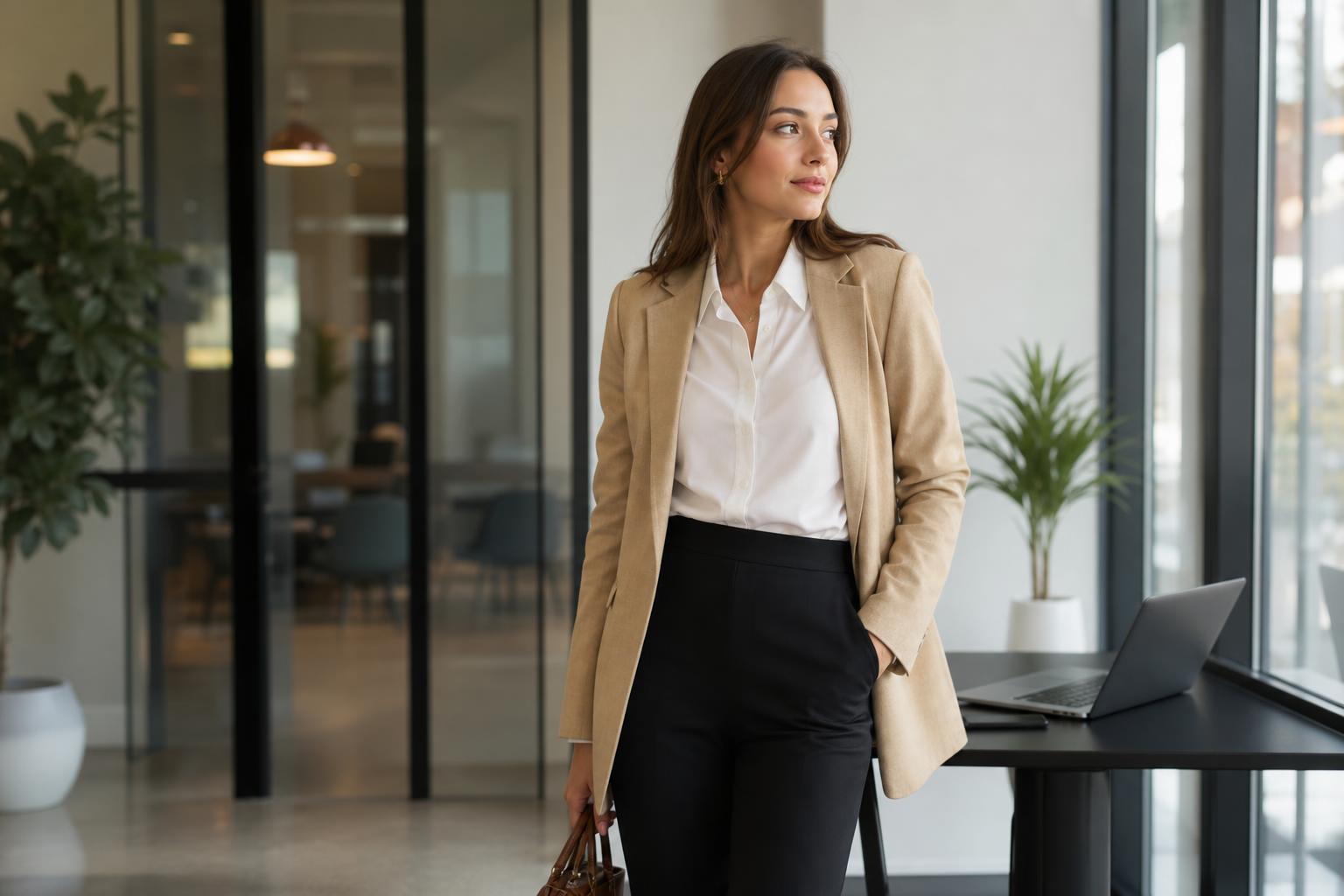
By the time most people build a wardrobe for the office, they have usually discovered that the phrase outfits for work can mean several very different things. In one workplace, it suggests a blazer, tailored trousers, a button-down shirt, and a work bag in a restrained neutral palette. In another, it means relaxed tailoring, dark denim, loafers, and a knit layered under an oversized coat. The confusion is understandable: modern office wear now stretches across business formal, business casual, and a looser smart-casual mode shaped by hybrid schedules and shifting corporate culture.
The most useful comparison is no longer formal versus casual in the abstract. It is structured workwear versus relaxed workwear, with a third lens layered over both: seasonal office dressing. These styles are constantly discussed together because they borrow the same core wardrobe pieces—blazers, tailored trousers, shirts, skirts, dresses, boots, and minimalist accessories—yet they create entirely different impressions through proportion, fabric, and styling logic.
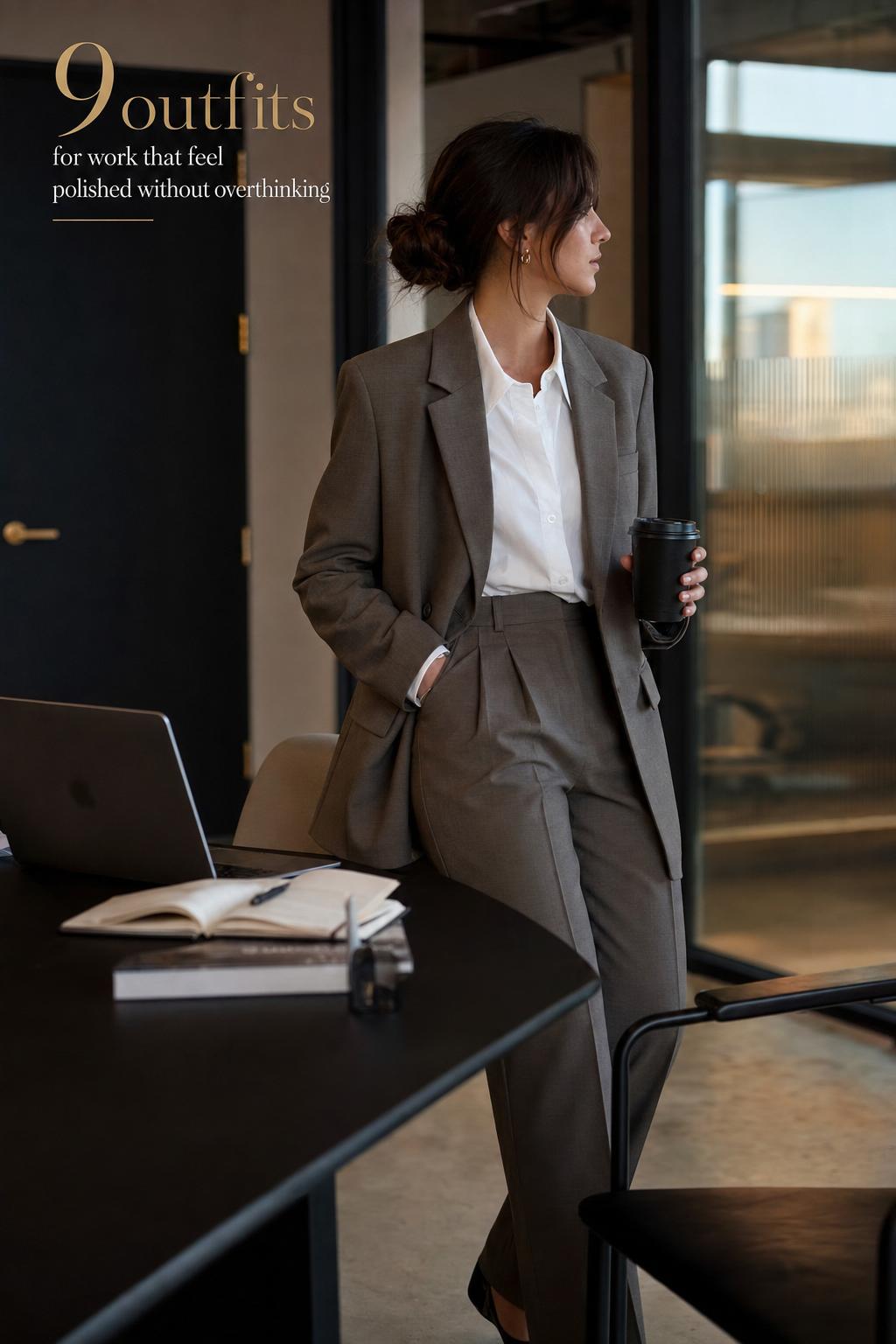
What follows is a style breakdown of the main approaches to office outfits: polished corporate dressing, business casual dressing, and creative smart-casual workwear. Rather than treating workwear as a single formula, this comparison looks at how silhouette, texture, color balance, and accessories shift from one office environment to another, and how the same garment can move between finance, legal, tech, and creative settings with a few deliberate changes.
The three workwear languages shaping the modern office
Most office wardrobes sit somewhere between three recognizable style languages. The first is tailored corporate dressing: precise, composed, and authority-led. The second is business casual: still polished, but softer in its lines and easier in its combinations. The third is creative smart-casual dressing: structured enough to feel intentional, relaxed enough to reflect personal style. Understanding these categories makes it easier to interpret dress codes that are often implied rather than clearly explained.
Your wedding has a lot of moving pieces. Your plan can still feel composed.
Zarellea organizes guests, vendors, budget, and timelines in one shared space — so you can make decisions with clarity, not stress.
Style overview: tailored corporate workwear
This is the most structured version of office attire. The defining characteristics are clean lines, tailored structure, and a restrained palette built around black, navy, beige, white, and camel. Typical silhouettes include a blazer over a button-down shirt, tailored trousers, a pencil skirt, or a streamlined dress. Fabrics tend to read polished rather than casual: wool, silk, and cashmere textures appear more often than visibly relaxed cottons. The overall mood is professional, composed, and subtly aligned with power dressing.
Style overview: business casual workwear
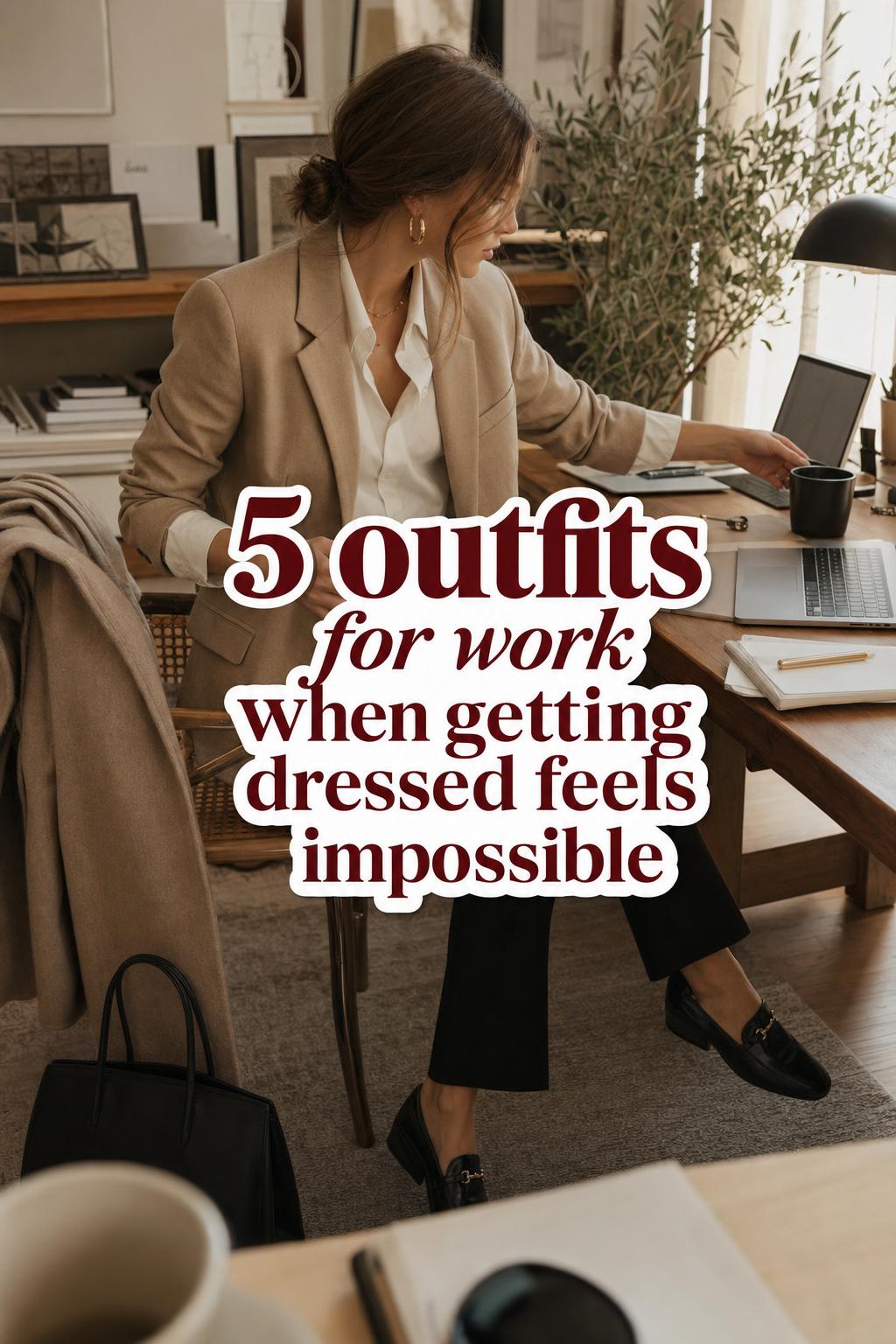
Business casual is often mistaken for simply “less formal,” but its defining feature is balance. It keeps workwear staples such as blazers, trousers, shirts, and loafers, yet introduces softer styling decisions: light tailoring, knitwear, relaxed pieces, and more freedom in how garments are combined. The silhouettes are neither severe nor slouchy. The palette still favors neutrals, though the mood is less rigid. Cotton, lightweight wool, satin blouses, and easy knits all have a place here. Visually, it feels effortless rather than ceremonial.
Style overview: creative smart-casual office style
This version of workwear leans into mixed textures, looser proportions, and more personal styling. Structured tailoring is still present, but it is often contrasted with relaxed pieces: denim with a blazer, a maxi skirt with a chunky knit, leather pants with a crisp shirt, or a knit set finished with boots and a checked print scarf. The mood is modern and expressive, yet still office-aware. It tends to appear in creative workplaces and startup environments where polish matters, but conventional corporate codes carry less weight.
Where they overlap—and why they are often confused
The reason these styles blur together is simple: they rely on many of the same foundational pieces. Across nearly every form of office wear, the recurring pillars remain the blazer, tailored trousers, the button-down shirt, dress and skirt silhouettes, neutral colors, and discreet accessories such as bags, belts, and minimalist jewelry. A white shirt from With Nothing Underneath, for example, may anchor a highly traditional outfit under a sharp blazer, or it may be worn with denim and loafers in a more casual office.
The distinctions emerge in the styling decisions around those pieces. A blazer can signal authority when paired with tailored pants and black pumps, but it can read more relaxed when worn over a knit with jeans. A maxi skirt can feel editorial with a chunky knit and oversized coat, or more conservative with a neat shirt and restrained accessories. The garments are familiar; the visual message changes through proportion, texture, and context.
This is also why seasonal work outfits are so important. Winter office wear and summer workwear often borrow from the same wardrobe foundations, then adjust through fabric and layering. A trench coat, knit set, or knee-high boots can shift a look toward colder-weather polish, while breathable fabrics such as linen, cotton, and light blends push the same wardrobe into summer without abandoning professionalism.
The clearest differences between polished and relaxed office dressing
The most practical way to compare workwear styles is by looking at five elements: silhouette, color palette, formality, styling philosophy, and hero pieces. These are the decisions that determine whether an outfit feels finance-ready, creative, or comfortably in between.
Silhouette and structure
Tailored corporate workwear favors a clean vertical line. Jackets sit with intention on the shoulder, trousers are cut with precision, and shirts are crisp rather than fluid. Business casual softens that architecture. The silhouette still feels refined, but not rigid; perhaps the blazer is slightly less strict, the knit more visible, or the trouser less sharply formal. Creative smart-casual dressing is where proportion becomes a styling tool in itself: oversized coats, chunky knits, wide or relaxed pants, and mixed lengths such as a maxi skirt with boots all create more movement.
Color palette and visual discipline
Across office outfits, neutral palettes remain the most reliable foundation. Black, navy, beige, and white dominate because they simplify dressing and reinforce a professional image. The difference lies in how strictly those shades are used. Corporate dressing usually keeps contrast clean and direct. Business casual allows a bit more softness in tonal dressing. Creative workwear may still begin with neutrals, but often introduces texture and visual variation before color becomes the focal point.
Level of formality
Formal workwear is designed to reassure: it signals readiness, discipline, and awareness of conventional dress codes. Business casual is designed to ease that formality without losing credibility. Smart-casual office style introduces individuality, but only works when at least one or two anchoring elements remain polished. That is why relaxed outfits for work tend to rely on a blazer, polished loafers, or a structured work bag to keep the look from slipping into weekend territory.
Wardrobe pieces that define each style
- Tailored corporate dressing centers on the blazer, tailored trousers, button-down shirt, pencil skirt, structured dress, black pumps, and a professional bag.
- Business casual leans on blazers, trousers, shirts, loafers, knitwear, satin blouses, and versatile separates that can mix easily through the week.
- Creative smart-casual dressing often features denim, relaxed tailoring, leather pants, knit sets, maxi skirts, oversized outerwear, scarves, and boots.
How the styles look in real life
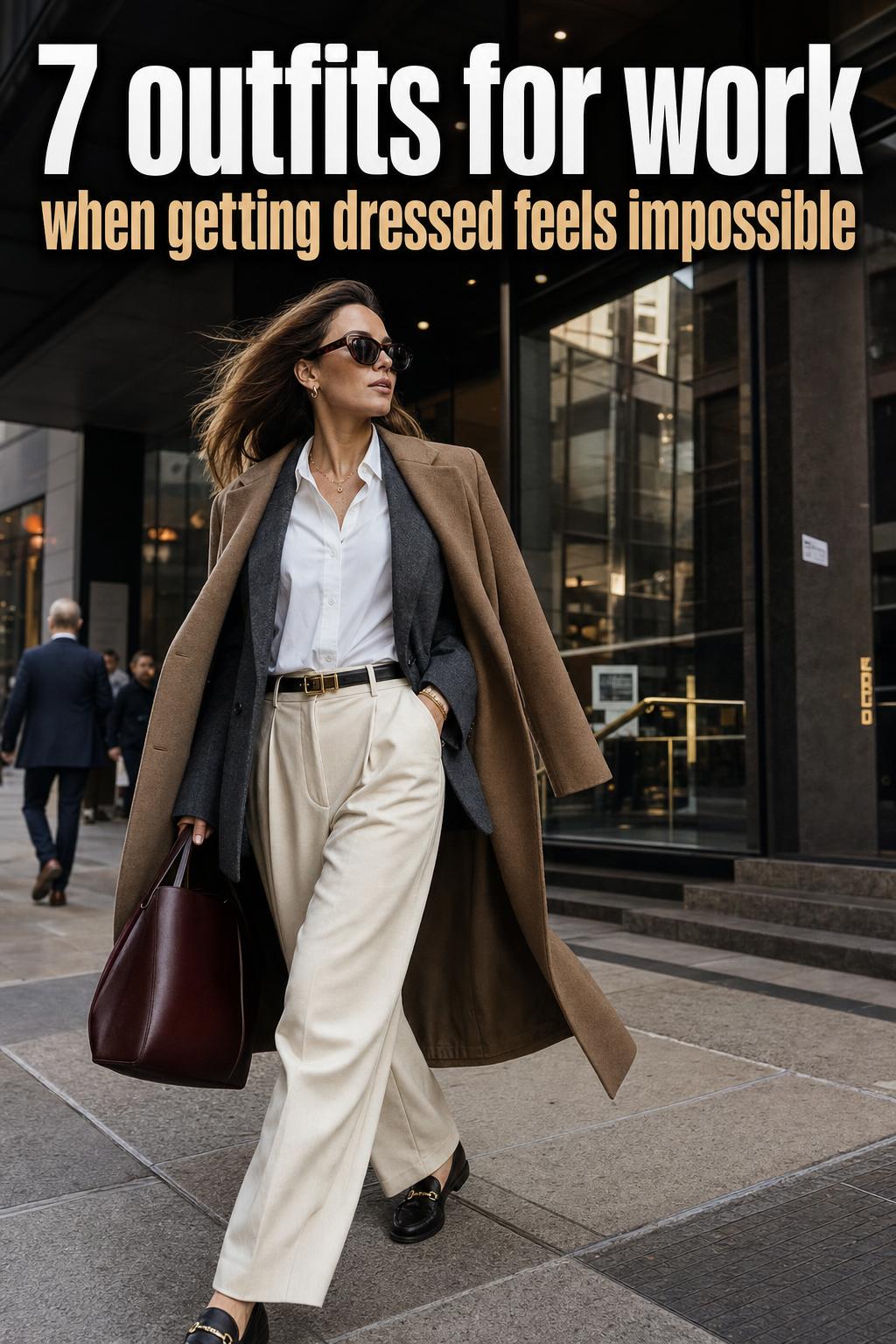
On a hanger, these categories may seem close. On the body, they read quite differently. Tailored corporate dressing is controlled. The lines are deliberate, the fabrics hold shape, and the outfit often appears finished before accessories are added. Business casual appears more breathable. It may include the same blazer and trousers, but the shirt may be softer, the shoe more grounded, and the layering less formal. Creative smart-casual workwear is visually more dimensional, relying on contrast: a tailored silhouette set against relaxed textures, or a polished shirt offset by leather pants or denim.
Accessories sharpen these distinctions. In a formal office outfit, the bag is usually structured and the jewelry minimal. In business casual, accessories soften the look without distracting from it. In creative settings, a silk scarf, checked print scarf, or more directional boot can become part of the outfit’s composition rather than merely a finishing detail. This is where labels such as Burberry, DeMellier, Staud, The Frankie Shop, and Everlane often appear in the conversation: not because a brand defines style on its own, but because certain brands are repeatedly associated with specific silhouettes and textures.
Tips for reading the visual balance of an office outfit
- If the outfit has more volume on top, such as a chunky knit or oversized coat, a cleaner line below helps restore balance.
- If you are using relaxed pieces like denim or drawstring pants, keep at least one tailored element visible.
- When the palette is very neutral, texture becomes the main source of interest—silk, wool, cashmere, leather, and knitwear do the work.
- Footwear changes the message quickly: loafers and pumps read more office-ready than shoes with a distinctly off-duty feel.
Season changes everything: winter work outfits versus summer workwear
Seasonality is not a side note in office dressing; it changes the very logic of the outfit. Winter work outfits are built through layering, texture, and warmth. Summer work outfits depend on breathability, lighter fabrics, and cleaner silhouettes. Yet both must preserve the same core objective: looking composed for a full workday.
Winter: texture, layering, and professional warmth
In winter, structure often comes from outerwear as much as from tailoring. A white tailored trouser under a shearling coat creates a refined contrast between polish and warmth. A maxi skirt with a chunky knit and oversized coat introduces movement while still reading office-appropriate. The button-down remains useful because it sits neatly beneath layers, while leather pants can work in more relaxed offices when the rest of the outfit remains clean and controlled. A knit set finished with a checked print scarf and boots creates a complete winter office look without appearing heavy.
Brands frequently associated with this kind of winter workwear include Lisa Yang for knit-driven refinement, Burberry for scarf-led outerwear polish, Staud for boots, Citizens of Humanity for trousers or pants with modern structure, and DeMellier for the work bag that brings everything together. The point is not to dress in labels, but to understand the visual language they often represent: polished utility, elevated texture, and deliberate layering.
Summer: ease, breathability, and sharper editing
Summer office wear requires more restraint, not less. Because fabrics are lighter and layers are fewer, each piece becomes more visible. Breathable materials such as linen, cotton, and light blends are central, especially in dresses, skirts, tops, and shirts. A summer dress can work beautifully for the office when the silhouette remains clean and accessories stay minimal. Lightweight tailoring, an easy vest, or a crisp shirt can replace heavier blazer-based dressing without sacrificing structure.
This is where the distinction between polished and too casual becomes especially important. The same warm weather that makes relaxed dressing appealing can also flatten an outfit if every element is soft. A neat blouse, a structured bag, or well-cut trousers restore the visual discipline that office attire needs. In warmer regions and offices with less formal dress codes, business casual often becomes the dominant mode because it accommodates comfort and long workdays more gracefully.
Industry matters more than trends
One of the biggest reasons people struggle with outfits for work is that they borrow visual ideas from one office culture and apply them to another. A look that feels refined in a creative studio may feel underdressed in legal or finance settings. A full power-dressing formula that works in a formal office may feel unnecessarily rigid in a startup. Industry does not eliminate style, but it does shape the boundaries within which style operates.
Finance and legal: precision first
These environments tend to favor the most traditional end of office wear. Blazers, tailored trousers, button-down shirts, pencil skirts, and polished dresses are reliable because they communicate consistency. Here, the outfit should not rely on novelty. The strongest looks are usually those with a calm neutral palette, subtle accessories, and fabrics that hold shape through long days. Power dressing in this setting is less about dramatic styling than about clarity and confidence.
Tech and startup offices: polished ease
In tech and startup environments, smart-casual dressing often carries more weight than classic corporate attire. That does not mean anything goes. The most convincing outfits still include tailored structure somewhere in the look—a blazer, polished trousers, or a sharp shirt—balanced by more relaxed pieces such as denim or softer knitwear. The visual goal is capability without stiffness.
Creative workplaces: texture and personality within boundaries
Creative offices usually allow greater freedom with proportion and material. This is where leather pants, oversized coats, maxi skirts, and directional accessories feel more natural. The challenge is to keep personality from becoming visual noise. A silk scarf, a strong boot, or a modern coat works best when the rest of the outfit remains edited. Creative workwear succeeds when it still looks intentional at a desk, in a meeting, and across a full day of movement.
Example comparisons: the same work situation, styled three ways
Morning meeting outfit
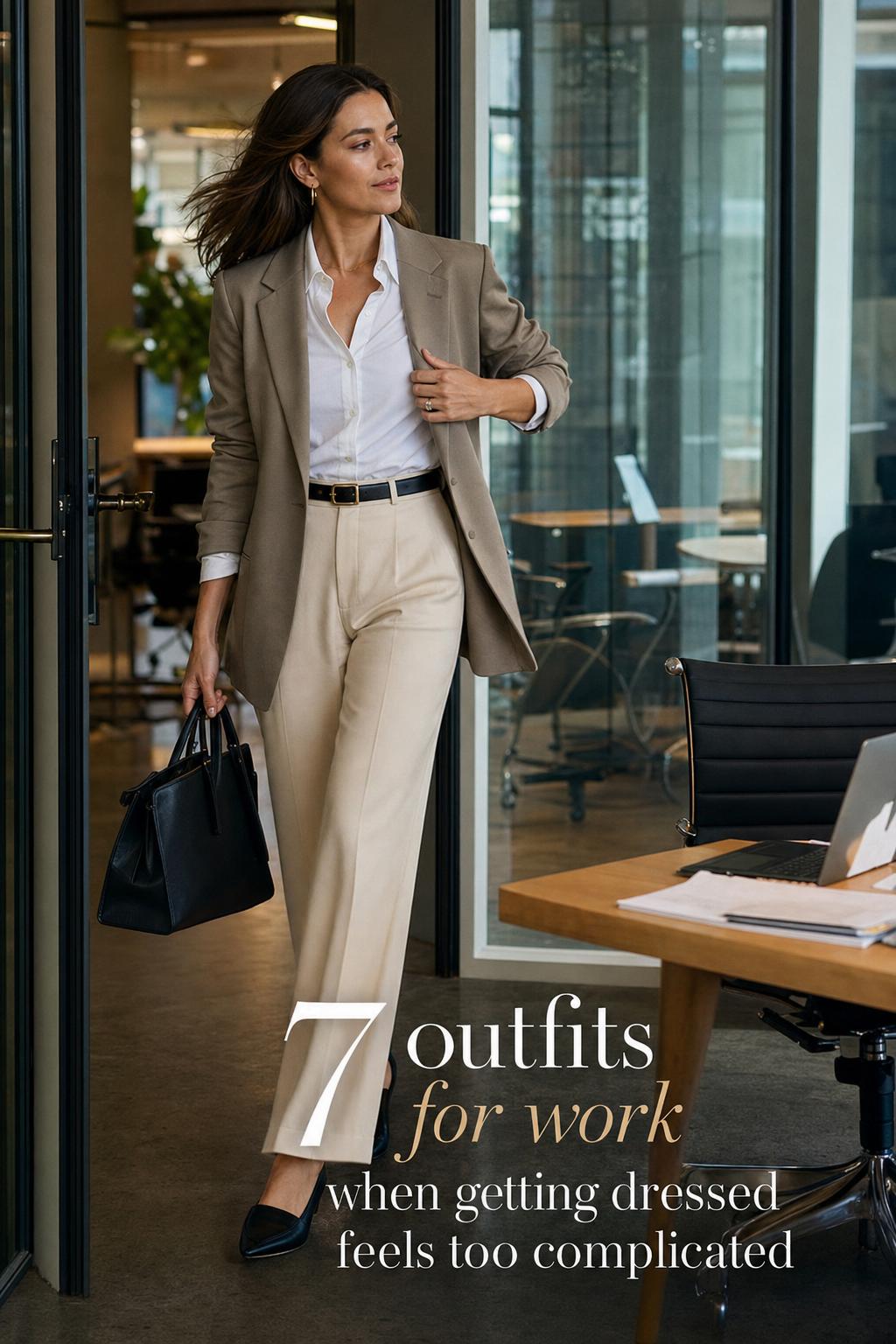
The tailored corporate version begins with a blazer, button-down shirt, tailored trousers, and black pumps, likely in navy, black, or beige. The business casual interpretation keeps the blazer and trouser foundation but replaces the sharper shirt with a softer blouse or knit, and may swap pumps for loafers. The creative smart-casual version might use a structured blazer over denim and a crisp shirt, with a polished bag ensuring the outfit still reads as workwear rather than off-duty dressing. The logic shifts from authority, to ease, to personality.
Cold-weather office day
A formal winter office outfit may rely on tailored trousers, a button-down, a wool layer, and a structured coat. Business casual might soften this with knitwear and a less severe silhouette. A more fashion-led approach could pair a maxi skirt with a chunky knit and oversized coat, or a knit set with a checked print scarf and boots. All three are winter work outfits, but they tell different stories through proportion and texture. One is controlled, one is approachable, one is editorial.
Warm-weather office day
In a formal setting, summer dressing often means lighter tailoring: a crisp shirt, polished trousers, and careful restraint in accessories. Business casual may move toward breathable fabrics and easy separates, perhaps a lightweight vest or shirt with trousers. In a creative workplace, a summer dress or skirt-and-top combination can work well if the silhouette is clean and the styling remains precise. The difference lies not in how much skin is shown, but in whether the outfit still communicates structure.
The role of brands in shaping workwear aesthetics
Some brands recur in office wear conversations because they embody particular styling directions. Burberry often appears in relation to scarves and refined outerwear, making it relevant in winter workwear and polished layering. DeMellier is closely tied to the work bag, an accessory that quietly defines how finished an outfit feels. Lisa Yang suggests knit-led luxury with office-friendly restraint. Staud often appears around boots, while The Frankie Shop is associated with modern tailoring and oversize structure. Everlane points to streamlined basics, and Citizens of Humanity enters the discussion where denim or contemporary pants are considered office-appropriate in more relaxed environments. With Nothing Underneath is naturally linked to the shirt category, particularly the crisp button-down.
These names are most useful as visual reference points. They help illustrate the difference between a sharply tailored look, a minimalist work wardrobe, and a more directional office outfit. The deeper principle remains the same: strong workwear depends less on accumulation and more on coherence. The bag, coat, shirt, trouser, and shoe should speak the same visual language.
A more practical lens: comfort, fit, and the long workday
Editorial workwear often emphasizes appearance first, but real office wardrobes live or fail by comfort. Long days, changing temperatures, commuting, sitting, and movement all affect whether an outfit remains convincing from morning to evening. This is one reason stretch fabrics, breathable materials, and thoughtful layering matter so much. An outfit may look polished in a mirror and still fail in practice if the shirt pulls, the skirt restricts movement, or the shoe does not support a full day.
Fit is equally important. Tailoring is not only about aesthetics; it is the mechanism that makes office wear look intentional. This is especially relevant for size inclusivity and for petite or tall adjustments. The same blazer or trouser can read expensive and composed when proportion is right, or awkward when the length and balance are off. Alteration is often the quiet step that turns a decent work outfit into a reliable one.
Tips for making office wear more wearable
- Choose pieces that maintain structure over a full day, especially blazers, trousers, and shirts.
- Use layering strategically in winter rather than relying on one heavy item that overwhelms the silhouette.
- In summer, prioritize breathable fabrics so the outfit keeps its polish rather than collapsing by midday.
- Adjust hem length, sleeve length, and waist placement where needed; proportion is central to a professional impression.
- Build around versatile separates that can be repeated and recombined across the week.
The seven-day question: repeating pieces without looking repetitive
One of the most intelligent ways to approach office wear is not by chasing constant novelty, but by learning how the same workwear staples can shift between dress codes and seasons. A blazer can anchor tailored trousers one day, denim the next. A button-down can sit under knitwear in winter or pair with a skirt in summer. A neutral dress can read formal with pumps and a structured bag, then slightly softer with a cardigan or lighter layering. This is where a true work capsule begins to emerge.
The value of a capsule is not minimalism for its own sake. It is visual consistency with enough variation to suit meetings, desk days, warm weather, cold weather, and different office expectations. The most effective capsules usually revolve around blazers, trousers, shirts, dresses, skirts, knitwear, and one or two dependable pairs of shoes. Accessories then provide tone rather than transformation: a belt, a scarf, a polished bag, or understated jewelry.
What often goes wrong with work outfits
The most common mistakes are rarely dramatic. More often, the outfit is simply mismatched in its internal logic. A very relaxed trouser with no structured counterpart can read unfinished. Heavy winter textures combined without shape can overwhelm the figure. In summer, an outfit may become too soft if every piece is fluid and unstructured. Even expensive garments can look uncertain when the silhouette lacks a clear center.
Another common issue is dressing for an imagined office rather than the actual one. Many people either overcorrect into stiffness or undercorrect into casualness. The better approach is to observe what authority looks like in your environment. In some offices, authority means a blazer and tailored trouser. In others, it may mean clean denim, a shirt, loafers, and a refined coat. Office style is always relational.
A quick editorial rule of thumb
If your outfit includes a directional item—leather pants, a chunky knit, an oversized coat, or a dramatic scarf—keep the other elements quieter. If your outfit relies on simple basics, use texture and fit to prevent it from feeling flat. Workwear almost always improves when one idea leads and the rest support it.
When to choose each style
The right office style depends on setting, season, and the role the outfit needs to play on a given day. Some days call for reassurance and authority. Others benefit from ease, mobility, and a more conversational kind of polish.
- Choose tailored corporate dressing for formal offices, presentations, client-facing days, and industries such as finance and legal where dress code norms remain more traditional.
- Choose business casual for everyday office wear, hybrid schedules, team meetings, and workplaces where polish matters but full formality is unnecessary.
- Choose creative smart-casual dressing for design-led environments, startup offices, and workdays where individuality is welcome as long as the outfit remains composed.
- Choose seasonal adaptations of any style when climate demands it: winter calls for layered texture and boots, while summer requires breathable fabrics and sharper editing.
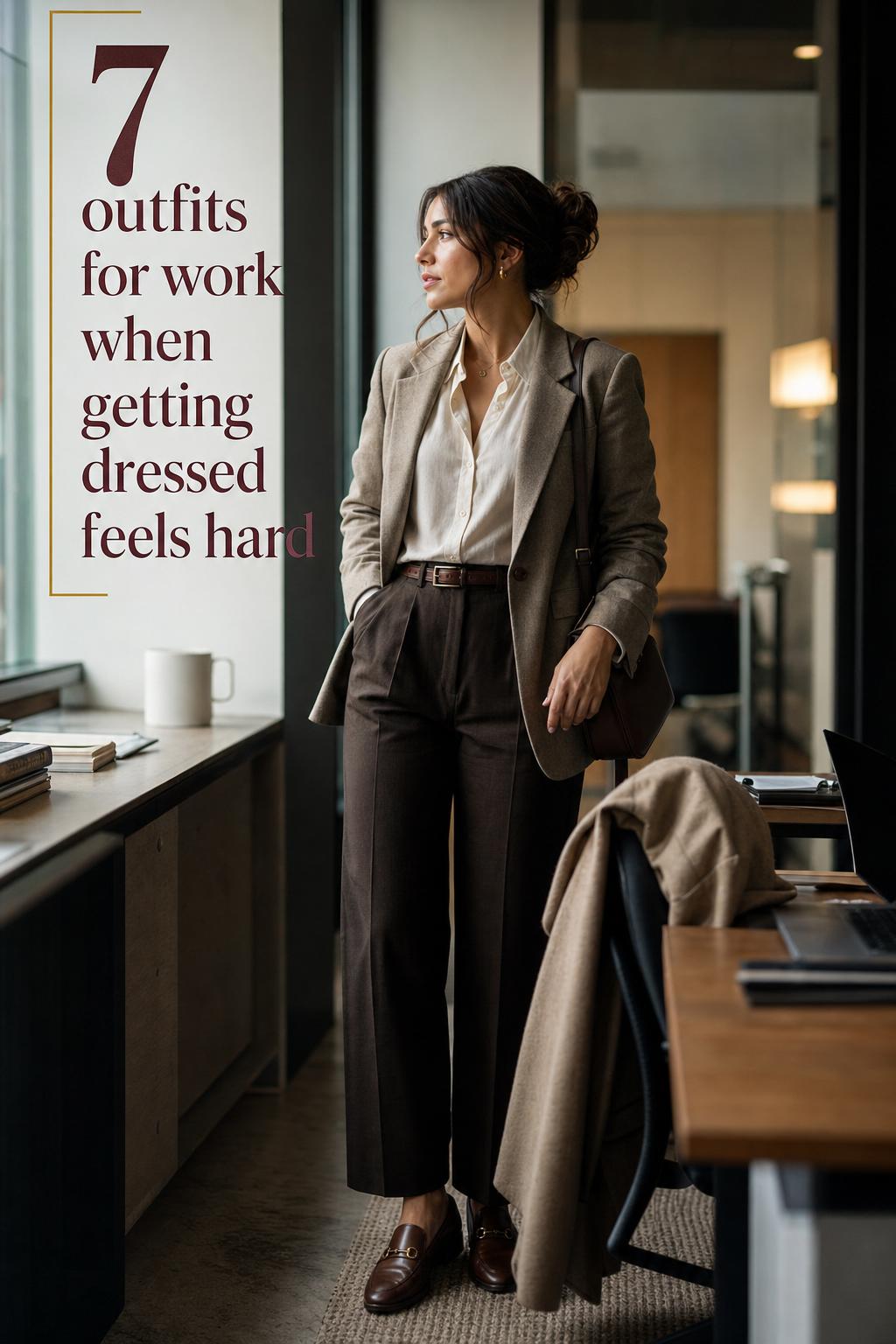
The strongest wardrobes do not commit to only one of these modes. They move between them. A person in a business casual office may still need a more formal look for certain meetings. Someone in a creative workplace may still want the authority of a sharper blazer and tailored trousers on key days. Flexibility is part of dressing well for modern work.
Bringing the styles together without losing clarity
The most modern office outfits are often hybrids. A power-dressing blazer with softer knitwear. A crisp shirt with relaxed denim in the right office. A maxi skirt balanced by an understated top. A summer dress grounded with polished accessories. This blending works because contemporary workwear is less about rigid rules than about reading the room while maintaining visual discipline.
The core distinction remains useful. Tailored corporate dressing leads with structure. Business casual leads with balance. Creative smart-casual dressing leads with texture and personality. Once you can identify which principle is leading the outfit, it becomes much easier to decide whether a look feels right for your office, your industry, and the season.
In practice, the best office wear is rarely the most complicated. It is the outfit in which silhouette, fabric, color, and accessories all support the same message. That message may be authority, ease, or creative polish—but it should always feel intentional.
FAQ
What are the most essential pieces to build outfits for work?
The strongest foundation usually includes a blazer, tailored trousers, a button-down shirt, a polished dress or skirt, knitwear, and dependable shoes such as loafers or pumps. A structured work bag and a neutral color palette make these pieces easier to combine across different office settings.
How do I know if my office is business casual or more formal?
Look at what authority and seniority wear in your workplace. If blazers, tailored pants, and sharper shirts are the norm, the office likely leans formal. If you regularly see light tailoring, knitwear, loafers, and occasional denim styled in a polished way, business casual is probably the dominant dress code.
Can jeans work as part of office outfits?
Yes, but usually in more relaxed or creative offices rather than highly traditional environments. Jeans work best when balanced with tailored elements such as a blazer, crisp shirt, polished loafers, or a structured bag so the overall look still reads as intentional workwear.
What makes a summer outfit office-appropriate?
Breathable fabrics such as linen, cotton, and light blends are key, but structure still matters. A summer outfit feels office-appropriate when the silhouette remains clean, the pieces are well edited, and accessories keep the look polished rather than overly casual.
How should winter work outfits differ from summer workwear?
Winter work outfits rely more on layering, texture, and outerwear, using pieces such as knits, coats, scarves, and boots to create warmth without losing polish. Summer workwear uses fewer layers and lighter fabrics, which means fit, silhouette, and accessory choice become even more important.
Are accessories important in office wear?
Very much so, although they tend to work best when understated. A structured bag, a belt, minimalist jewelry, or a scarf can complete an outfit and clarify its tone, whether you are aiming for classic corporate polish or a more creative office look.
How can I make basic workwear staples feel less boring?
Focus on styling rather than novelty. A blazer, shirt, and trousers can feel much more refined when you vary texture, adjust proportions, or introduce a single strong detail such as a silk scarf, an oversized coat, or boots with a clean silhouette. The difference usually comes from composition, not from replacing the basics.
What is the easiest way to create a work capsule wardrobe?
Start with versatile separates in a neutral palette: one or two blazers, tailored trousers, shirts, knitwear, a dress or skirt, and reliable shoes. The goal is to choose pieces that can move between seasons and dress codes, so one item can be styled multiple ways across the week.
How important is tailoring for professional outfits?
It is often the detail that makes office wear look considered. Even simple pieces gain authority when sleeve length, hem length, and waist placement are right. Good tailoring improves comfort, balance, and the overall impression of polish, especially with blazers, trousers, skirts, and dresses.
Leave a Reply