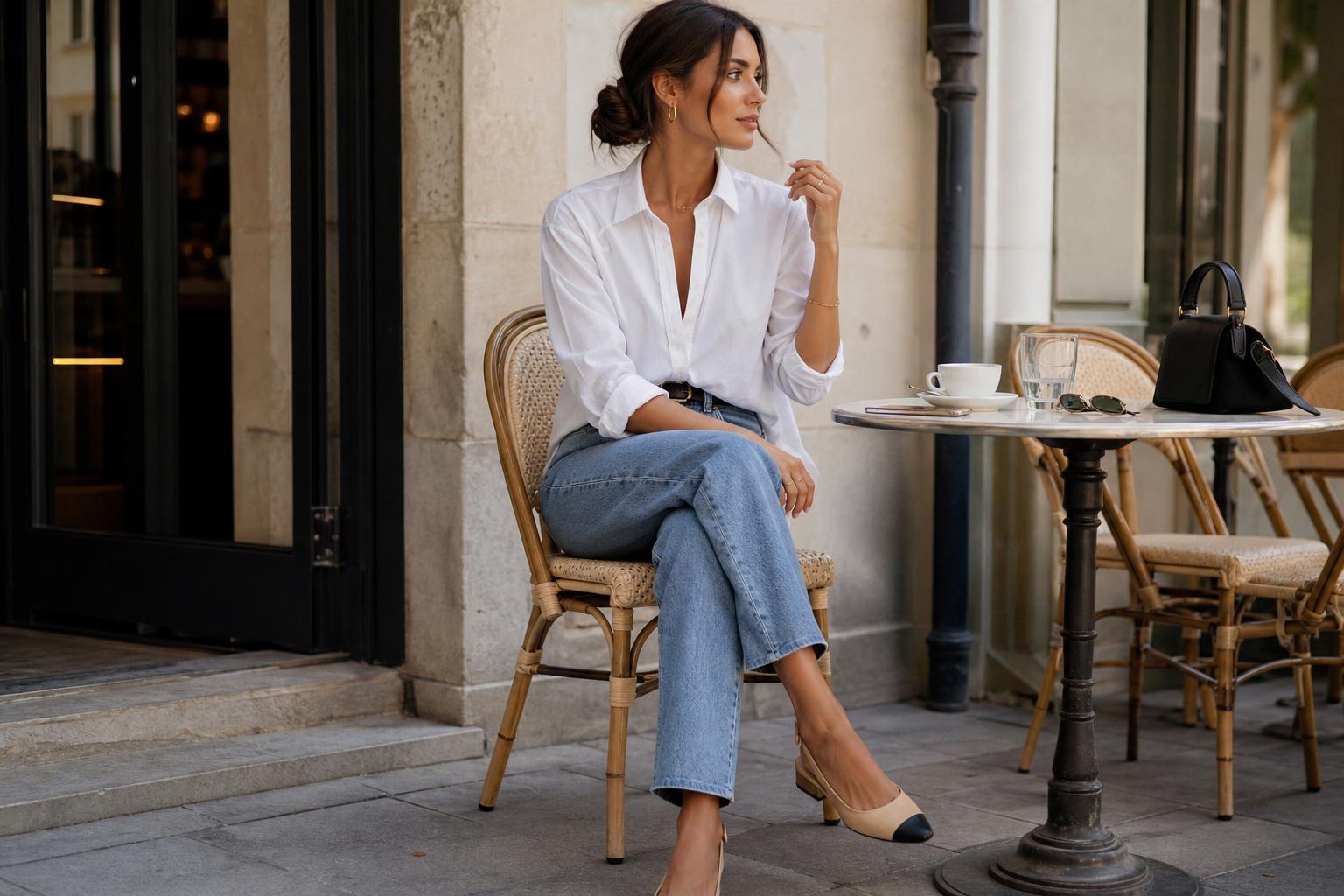
Brunch sits in that elusive space between ease and intention. It is rarely as formal as lunch in the city, rarely as careless as a quick coffee run, and that is precisely why simple brunch outfits can feel harder to get right than they appear. The challenge is not finding something to wear, but understanding which kind of simplicity you want to project: relaxed and casual, or polished and refined.
These two approaches are often discussed together because both can look effortless from a distance. Yet in practice, they rely on very different styling decisions. One leans into softness, comfort, and understatement; the other uses clean lines, subtle structure, and elevated basics to create a more composed effect. Knowing the distinction helps you dress with more confidence, whether brunch means a neighborhood café, a hotel terrace, or an outdoor table on a mild weekend morning.
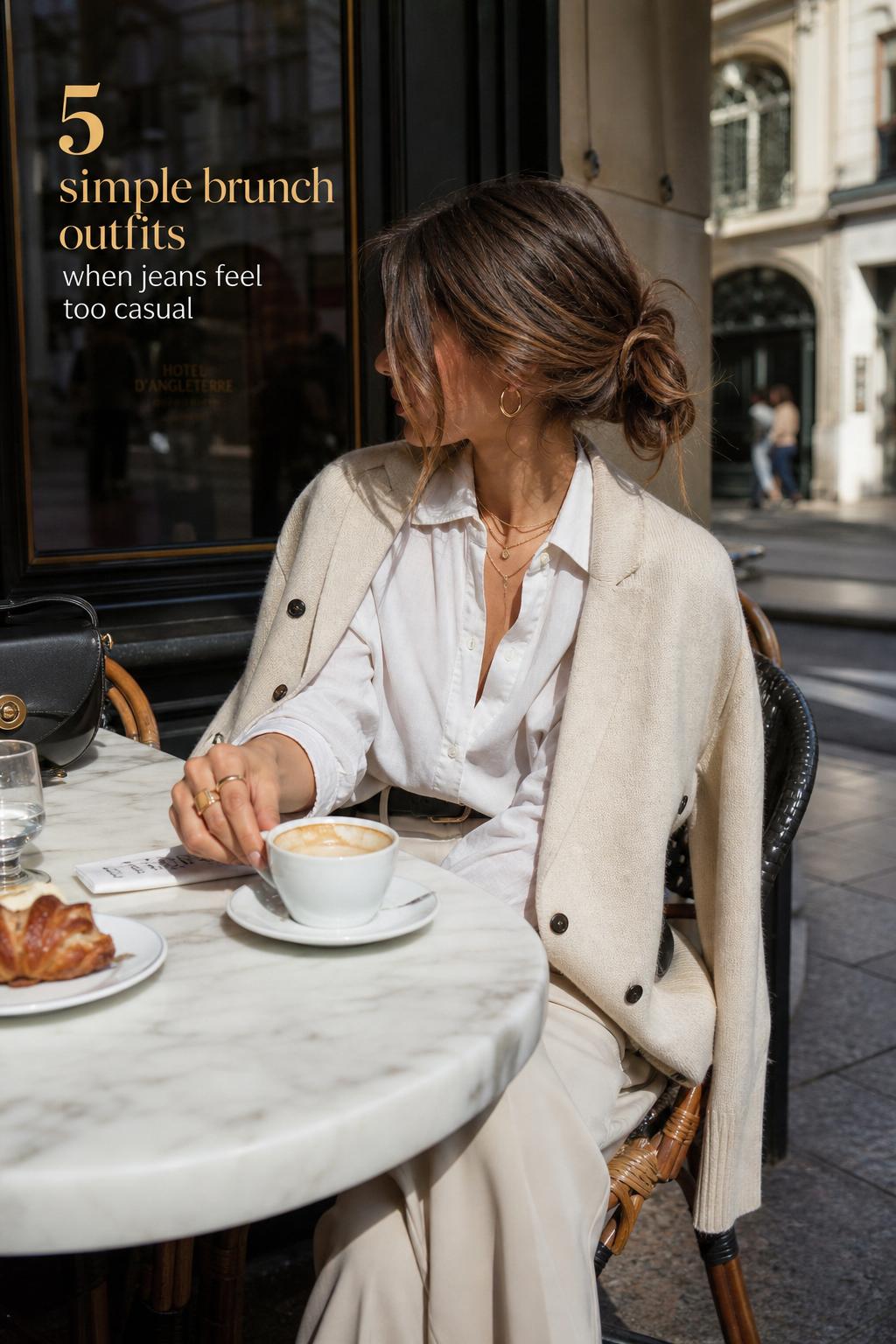
This comparison breaks down how each style works, where they overlap, and how to decide which version suits your plans, your wardrobe, and your personal taste. Rather than offering a simple list of clothes, it looks at silhouette, proportion, texture, footwear, and the quiet details that make an outfit feel considered.
The two directions of simple brunch dressing
At the heart of brunch style, there are two recurring aesthetics. The first is casual ease: pieces that feel approachable, light, and uncomplicated. The second is polished minimalism: outfits that still appear simple, but carry a stronger sense of structure and finish. Both fit the spirit of brunch. The difference lies in how much visual refinement you want to bring into the look.
Your wedding has a lot of moving pieces. Your plan can still feel composed.
Zarellea organizes guests, vendors, budget, and timelines in one shared space — so you can make decisions with clarity, not stress.
Style overview: relaxed casual brunch
Relaxed casual brunch style is built on comfort-first dressing that still feels presentable. The defining characteristics are softer silhouettes, low visual tension, and pieces that move easily with the body. Think of the kind of outfit that works naturally for a late-morning café stop, a walk afterward, or an unhurried day that continues beyond the meal.
The silhouette is usually fluid rather than sharp. Straight-leg denim, easy shirting, knitwear, simple dresses, and lightly oversized layers all belong here. The color palette tends to stay gentle and wearable, often anchored by neutrals. Fabrics are chosen for softness and ease rather than for dramatic effect. The overall mood is effortless, practical, and understated.
Style overview: polished simple brunch
Polished simple brunch style keeps the restraint of minimal dressing but introduces more precision. Instead of looking thrown on, the outfit looks edited. The lines are cleaner, proportions more deliberate, and accessories more restrained but purposeful. This is the version of simplicity that feels at home in a stylish restaurant, a city brunch, or a setting where you want to look composed without seeming overdressed.
Typical silhouettes include tailored trousers, structured blazers, crisp shirts, refined knit tops, midi skirts, and dresses with a clearer line through the waist or shoulder. The color palette often remains neutral, but with stronger contrast or tonal sophistication. Textures matter more here: smooth cotton, fine knit, polished leather, and tailored finishes create a sharper visual impression. The mood is modern, refined, and quietly confident.
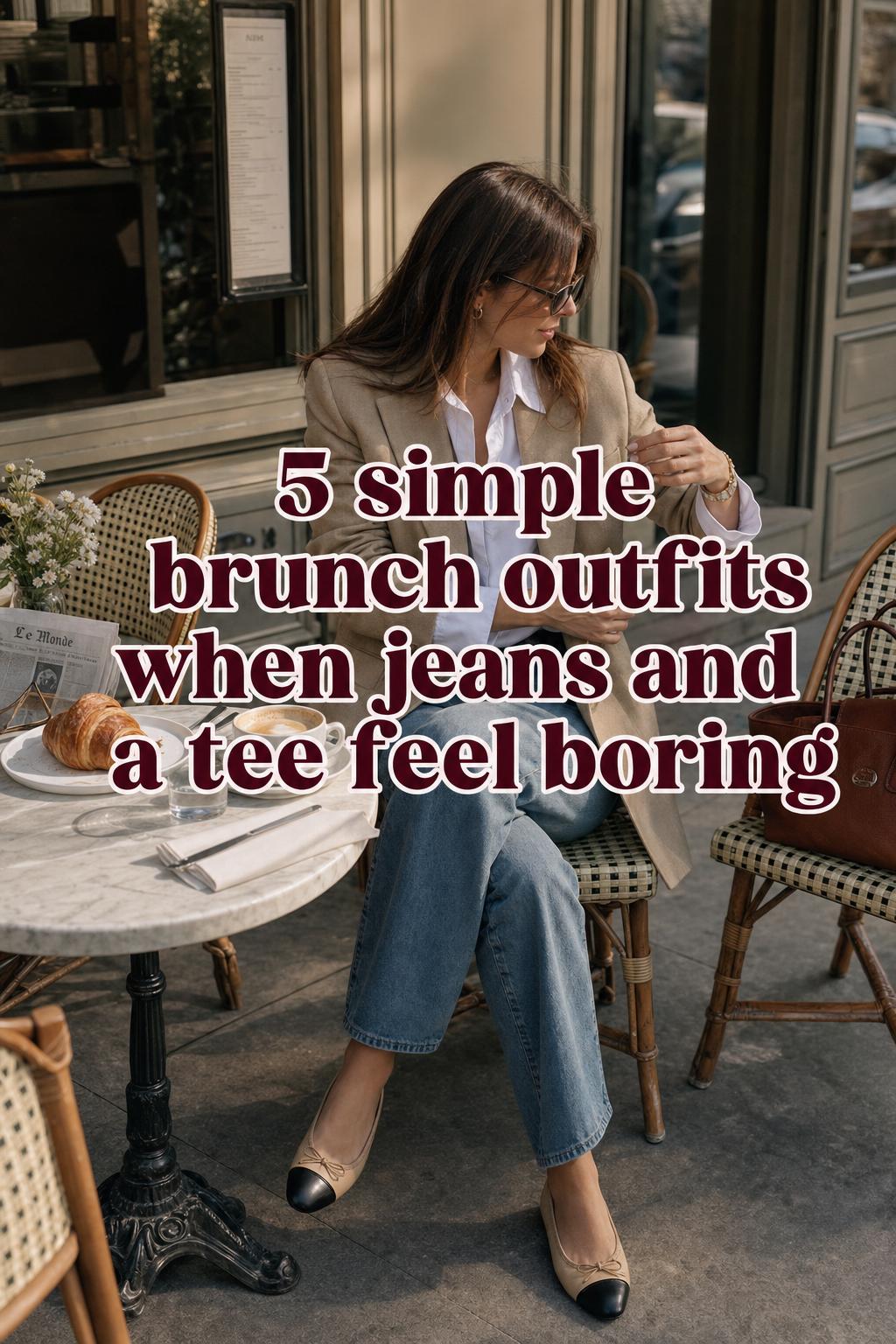
Why these styles are easy to confuse
Both aesthetics are rooted in restraint. Neither depends on heavy embellishment, loud color, or trend-driven styling. That shared simplicity is what makes them seem interchangeable. In reality, the distinction appears in the details: how a blazer sits on the shoulder, whether denim is faded or dark, whether shoes disappear into the outfit or sharpen it.
In modern fashion, especially across Paris, Milan, and Copenhagen-inspired wardrobes, simplicity often carries status. A clean outfit can read as relaxed, intentional, or editorial depending on proportion and finish. That is why one person’s “easy brunch look” may feel intentionally casual, while another’s reads distinctly polished.
Where the differences become visible
Silhouette and structure
The most immediate difference is silhouette. Relaxed casual brunch outfits usually rely on a looser shape somewhere in the look: an oversized button-down over denim, a soft knit with easy trousers, or a simple dress that falls without much structure. The outfit feels unfussy because the body is not tightly framed.
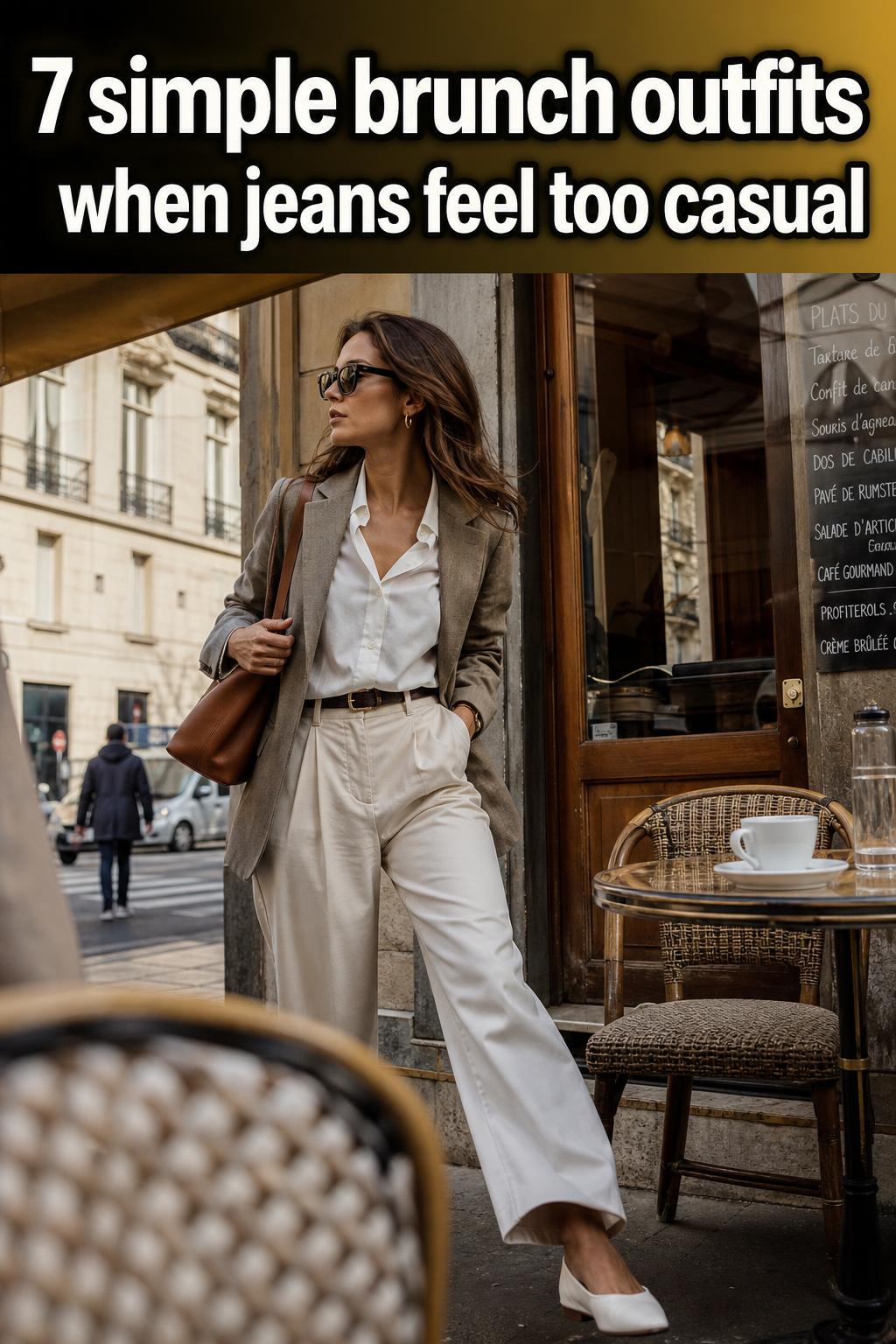
Polished simple brunch outfits shape the body more intentionally. That does not mean tight dressing; it means controlled lines. A tailored trouser creates a clean break at the ankle. A structured blazer defines the shoulder. A fitted knit balances a wider pant leg. The result is still simple, but visually sharper.
Color palette and contrast
Casual versions often use soft, easy color combinations that feel natural and familiar. Lighter denim, warm neutrals, soft white, and muted tones create a gentle look. There is often less contrast, which contributes to the laid-back effect.
Polished simplicity may use a similar neutral base, but with more discipline. Black and cream, navy and white, or tonal beige layered with precision can feel more elevated than a casual mix of similar pieces. The difference is not brightness but clarity. The palette looks chosen rather than incidental.
Level of formality
Relaxed casual dressing suits brunches that truly are casual: a familiar local spot, an outdoor patio, or a spontaneous weekend plan. It leaves room for movement, weather changes, and the reality that brunch often folds into errands or a long walk afterward.
Polished simple dressing works better when brunch has a social or visual dimension. A birthday brunch, a city restaurant reservation, or a setting where the room is part of the experience often calls for more structure. The outfit still feels appropriate for daytime, but it has greater presence.
Styling philosophy
The casual approach is guided by ease. Pieces are chosen because they work naturally together and feel comfortable over several hours. The polished approach is guided by editing. It values clean lines, intentional contrast, and the quiet discipline of an outfit that appears effortless because it has been pared back.
Typical wardrobe pieces
- Relaxed casual often includes denim, simple knitwear, easy dresses, lightweight shirts, flat sandals, white sneakers, and soft layering pieces.
- Polished simple often includes tailored trousers, refined denim, structured blazers, crisp shirting, loafers, sleek flats, midi skirts, and more deliberate accessories.
How the two styles read in real life
A useful way to understand simple brunch outfits is to imagine them in motion rather than on a hanger. In real life, the relaxed casual version looks soft around the edges. Sleeves may be lightly rolled, a shirt may sit untucked or half-tucked, and the proportions feel lived in. The look suggests that the wearer values comfort but still understands balance.
The polished version appears more composed even before accessories are added. Hems matter more. The waistband is usually more visible. Shoes contribute stronger visual punctuation. A structured blazer layered over a knit top immediately changes the tone of an otherwise basic outfit because it introduces architectural shape.
Layering approach
Casual layering tends to feel soft and adaptable: a cardigan over a tank, a denim jacket over a dress, a lightweight shirt worn open over a simple base layer. These combinations are practical, especially for cool mornings and warmer afternoons.
Polished layering is more deliberate. A blazer, a refined trench, or a clean knit draped with intention creates a stronger line. Instead of simply adding warmth, the outer layer finishes the outfit. This is where many brunch looks shift from ordinary to editorial.
Garment proportions
In casual dressing, proportion often plays with ease: a roomy shirt against a straight jean, or a loose sweater over a slimmer bottom. The slight imbalance feels natural and modern. In polished dressing, proportion is more exact. Volume is balanced with structure, so a wider trouser may be paired with a compact knit, or a midi skirt with a more defined top line.
Accessories and footwear
Accessories are often where the brunch outfit declares its intention. Relaxed casual styling keeps them minimal and functional. A simple tote, understated jewelry, and comfortable flats or sneakers support the mood without becoming focal points.
Polished simple styling treats accessories as finishing tools. A structured bag, sleeker jewelry, a belt that clarifies the waist, or loafers with a more defined shape can sharpen even the most basic clothing. The outfit remains restrained, but the details carry more authority.
Brunch setting matters more than most people think
One reason brunch dressing can feel ambiguous is that the occasion itself changes dramatically depending on where it happens. A neighborhood bakery, a hotel dining room, a rooftop table, and a garden café all suggest different levels of polish. The smartest styling choice is not simply dressing up or down, but matching the visual rhythm of the setting.
In a more casual environment, polished pieces can look overly intent if the rest of the room is relaxed. In a more design-forward or urban setting, an overly casual outfit may feel disconnected from the atmosphere. This does not mean dressing for other people. It means understanding context, which is one of the clearest markers of good style.
Tip: let the venue guide the finish
If the brunch location has linen table settings, a refined interior, or a more dressed-up crowd, bring at least one structured element into your outfit. If the setting is outdoor, informal, or movement-heavy, let comfort lead and keep the structure light. A single styling adjustment often does more than changing the entire outfit.
Outfit comparisons that show the styling logic
Example comparison: denim for a weekend brunch
The relaxed casual interpretation might center on straight-leg denim, a soft knit or cotton tee, and an easy layer such as an open shirt or light cardigan. The visual goal is balance without rigidity. The denim can feel lived in, the top uncomplicated, and the shoes comfortable enough for a long morning that turns into an afternoon.
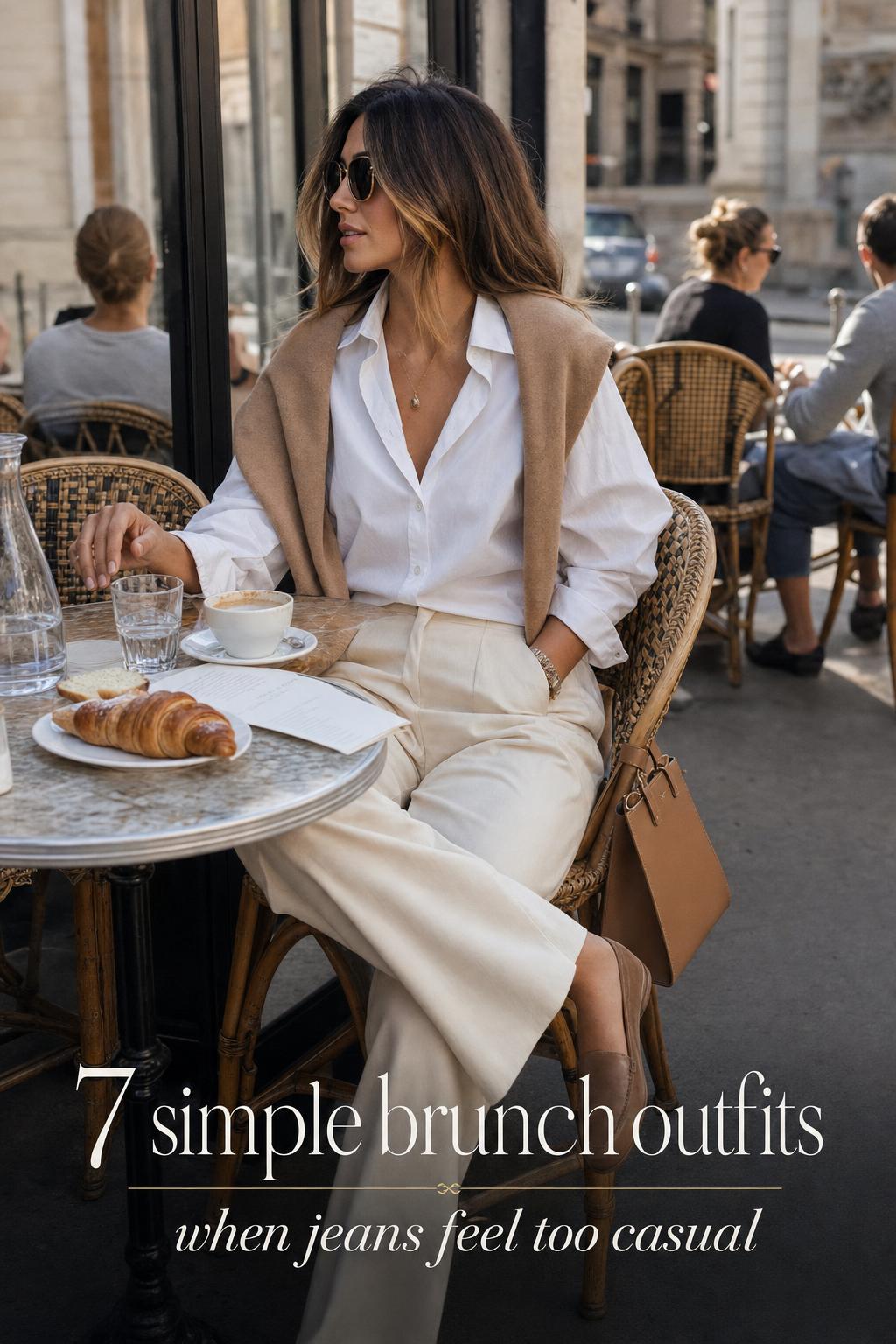
The polished interpretation uses denim differently. The wash is often cleaner, the cut more deliberate, and the styling more contained. A crisp shirt tucked with intention, a structured blazer, or sleek flats can elevate the same basic idea. Here, denim acts as the relaxed counterpoint to stronger tailoring.
Example comparison: the simple dress approach
In a casual brunch outfit, a simple dress tends to stand on its own with minimal interference. The lines remain easy, the shoes practical, and the accessories subtle. The effect is light, breathable, and low effort in the best sense.
In a polished brunch outfit, the dress becomes a base for sharper styling. A blazer over the shoulders, a belt to define shape, or more refined shoes can transform the same category of garment. The idea is not to make the dress formal, but to create cleaner lines and a more finished silhouette.
Example comparison: trousers and elevated basics
Casual styling with trousers usually favors softness: knitwear, relaxed shirts, and flats that blend into the outfit. The look feels practical and modern, especially for transitional weather. It suits brunch plans that include walking, shopping, or a second stop later in the day.
Polished styling with trousers sharpens every line. A refined knit, a tucked shirt, or a tailored jacket creates a tailored silhouette contrasted with relaxed textures. This works particularly well when you want brunch attire to feel intentional without crossing into office dressing.
The footwear shift that changes everything
If there is one element that can move a brunch outfit from casual to polished in seconds, it is footwear. White sneakers or flat sandals immediately relax the look, especially when paired with denim or a simple dress. They communicate ease and practicality, which is often exactly right for daytime plans.
Loafers, sleek ballet flats, or more structured sandals introduce visual discipline. Even with the same clothing, the outfit appears more edited. This matters because brunch usually requires long-wear comfort. Shoes that look beautiful but limit movement rarely feel successful after an hour. The strongest choice is one that supports the aesthetic without undermining the day itself.
Tip: choose shoes based on duration, not just appearance
A brunch outfit often lasts longer than expected. If you are likely to continue on foot, prioritize stable flats or supportive low-profile shoes. If the day is more stationary and the venue is more refined, slightly dressier flats or loafers make sense. Comfort and visual coherence should work together, not compete.
Color and texture: the quiet language of brunch style
Simple outfits rely heavily on texture because there are fewer elements to distract the eye. In casual brunch dressing, texture often comes from softness: washed cotton, light knitwear, relaxed denim, or an easy linen feel. These materials support the mood of informality and make the outfit feel approachable.
Polished simplicity uses texture differently. Fine-gauge knits, smooth cotton poplin, clean tailoring, and polished leather accessories all bring a more composed finish. The colors may still be neutral, but the surfaces are more intentional. A monochrome or tonal outfit becomes visually interesting not because it is loud, but because the textures are layered with care.
Tip: keep the palette tight when the outfit is simple
The fewer pieces you wear, the more important color balance becomes. Staying within a restrained palette usually helps an outfit feel cohesive. Casual looks can soften with warm neutrals and lighter contrasts, while polished looks often benefit from cleaner tonal dressing or sharper contrast between top and bottom.
Common styling mistakes with simple brunch outfits
- Confusing casual with careless. Simplicity still needs proportion, clean lines, and some degree of finish.
- Adding too many statement elements. Brunch style usually looks stronger when one detail leads and the rest support it.
- Ignoring the setting. An outfit can be beautiful but still feel mismatched to the venue.
- Choosing impractical shoes. Discomfort quickly undermines the ease that brunch dressing should have.
- Missing balance in silhouette. If everything is oversized, the outfit can lose shape; if everything is fitted, it can feel overly tense for daytime.
What stylists typically understand well is that simplicity magnifies every decision. Hem length, sleeve shape, texture, and shoe profile become more visible when the outfit is restrained. That is why even a very basic combination can feel elegant or flat depending on how those details are handled.
When to choose each style in a real wardrobe
For everyday weekend plans
Relaxed casual brunch style is often the most useful choice. It integrates easily into daily life and works well if brunch is only one part of the day. If you are moving between coffee, errands, walking, and meeting friends, easy denim, soft layers, and comfortable shoes tend to feel most natural.
For city brunch or a more polished social setting
Polished simple styling tends to perform better. A cleaner silhouette, stronger accessories, and a more edited palette feel appropriate in settings where the atmosphere is more composed. This is especially true when brunch functions as a social event rather than just a meal.
For travel and destination dressing
Travel brunch outfits benefit from blending the two approaches. You want ease for movement, weather shifts, and time spent sitting or walking, but you may also want enough polish for photos, hotel spaces, or a nice restaurant. Elevated basics become especially useful here because they keep luggage practical while still delivering a refined look.
For casual versus polished occasions
If the invitation feels open-ended, start with a casual base and upgrade one element. If the brunch has a celebratory tone, begin with the polished framework and soften it with a relaxed material or easy shoe. This approach keeps the outfit aligned with the mood while preserving authenticity.
A modern way to combine both aesthetics
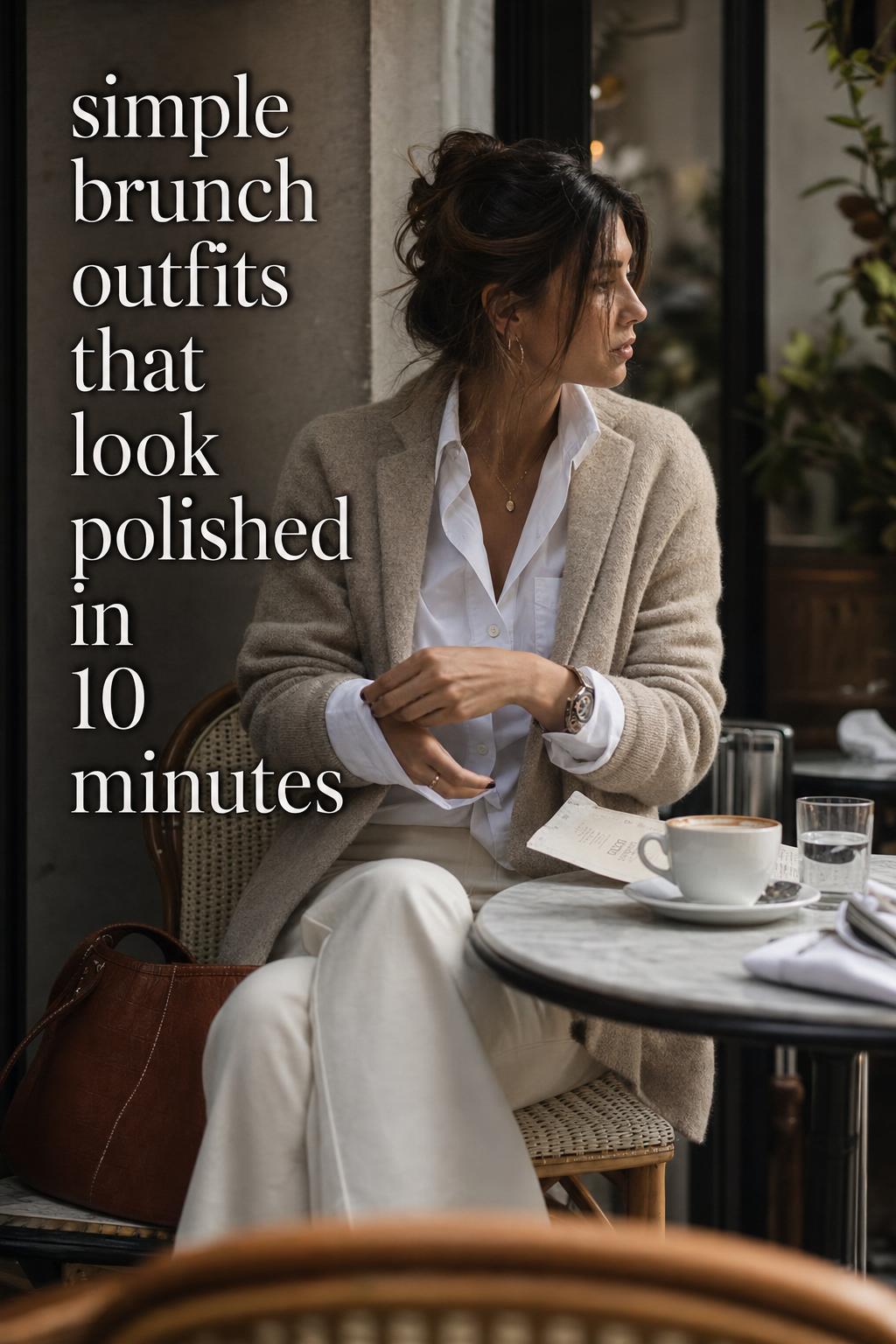
The strongest brunch wardrobes rarely belong entirely to one side. Modern style often looks best when relaxed and polished elements are combined with control. A structured blazer layered over a simple tee and denim creates a polished everyday look. A refined midi skirt with a soft knit keeps the outfit elegant without feeling stiff. A tailored silhouette contrasted with relaxed textures is often where the most wearable outfits live.
This blended approach reflects how people actually dress now. Few wardrobes are built around a single aesthetic. The goal is not purity but clarity. Once you understand whether your brunch outfit needs more ease or more structure, you can adjust proportion, shoes, and accessories accordingly.
Tip: use one anchor piece to set the tone
Choose one item that defines the direction of the outfit. If it is denim, sneakers, or a soft cardigan, the look will naturally lean casual. If it is a blazer, tailored trouser, or sleek loafer, the outfit will move toward polished simplicity. Everything else can then support that choice without overcomplicating the look.
The essential distinction
Simple brunch outfits are not a single formula. They sit on a spectrum between relaxed casual ease and polished minimal refinement. Both can look effortless, both can feel modern, and both belong in a well-balanced wardrobe. The difference is in silhouette, finish, and the level of visual intention behind each piece.
You can identify the casual version by its softness, fluidity, and comfort-led styling. You can identify the polished version by its cleaner structure, more disciplined palette, and sharper accessories. Most importantly, you can combine elements of both to create something that feels personal: easy enough for daytime, refined enough to look considered, and simple in the way good style often is.
FAQ
What counts as a simple brunch outfit?
A simple brunch outfit is usually made from easy, versatile pieces styled with restraint rather than excess. The look feels intentional but not overworked, often relying on clean silhouettes, wearable fabrics, and a balanced combination of comfort and polish.
How do I make a casual brunch outfit look more polished?
The easiest way is to add one structured element, such as a blazer, a cleaner shoe, or a more refined bag. You do not need to replace the entire outfit; a single tailored piece can give casual basics a more composed finish.
Are jeans appropriate for brunch?
Yes, jeans work well for brunch because they can shift between casual and polished depending on cut, wash, and styling. Softer, more relaxed denim reads casual, while cleaner denim paired with sharper layers feels more elevated.
What shoes work best for brunch outfits?
The best shoes depend on the setting and how long you will wear them. Sneakers and flat sandals suit relaxed plans, while loafers, sleek flats, or more structured sandals create a more polished effect without sacrificing daytime practicality.
Should a brunch outfit be dressy or casual?
It can be either, depending on the venue, the social context, and your personal style. A neighborhood café usually supports a more casual approach, while a city restaurant or celebratory brunch often calls for a slightly more refined outfit.
How can I keep a brunch outfit comfortable without looking underdressed?
Focus on relaxed but well-balanced pieces, such as easy trousers, simple knitwear, or a soft dress with clean lines. Comfort looks polished when the silhouette is thoughtful, the shoes are appropriate, and the outfit feels cohesive rather than accidental.
What colors work best for simple brunch outfits?
Neutral and softly balanced palettes tend to work especially well because they reinforce the understated quality of the outfit. Casual styling often benefits from gentle tones and lighter contrast, while polished looks usually feel stronger with cleaner tonal dressing or more defined contrast.
Can I mix casual and polished pieces in one brunch look?
Yes, and that is often the most modern approach. Combining a relaxed piece with a structured one, such as denim with a blazer or a soft knit with a refined skirt, creates an outfit that feels balanced, wearable, and more individual.
Leave a Reply