
An invitation marked black tie, a wedding on a cool evening, a formal office presentation, a gala that starts at sunset and ends well past dinner: each asks for a formal outfit, yet none asks for exactly the same thing. That is where most people get stuck. Formalwear is not simply about dressing up; it is about reading the dress code, understanding silhouette and proportion, and choosing garments that hold their shape, mood, and comfort through the full length of an event. A good formal outfit feels composed rather than costume-like, and the difference usually comes down to a few precise decisions: tuxedo or dark suit, gown or formal dress, polished shoes or practical heels, minimal accessories or stronger evening accents.
The most useful way to approach formal attire is to think in layers of formality. Black-tie, white-tie, semi-formal, and business formal each sit on a different rung, and each has its own logic. Vogue, Who What Wear, Men’s Wearhouse, Generation Tux, Dressy Lane, Indeed, and similar style authorities tend to agree on the essentials: the dress code determines the garment category first, and details such as shoes, jewelry, ties, pocket squares, or clutch bags refine the finish. Once that foundation is clear, formal dressing becomes far less intimidating and much more practical.

What a formal outfit actually means
At its core, a formal outfit is clothing chosen to meet a defined level of polish for an event, workplace, or evening occasion. In the broadest sense, formal attire includes men’s suits or tuxedos and women’s evening gowns or formal dresses, with accessories and footwear chosen to match the expected standard. But in real life, the phrase often shifts depending on context. A red carpet or gala may point directly toward black-tie dressing. A wedding may allow a dark suit, a tuxedo, or a gown depending on the wording of the invitation. A formal office setting usually means business formal rather than evening wear.
This is why “formal” works best when decoded through dress codes rather than personal guesswork. If the event signals white-tie, the expectation is the highest level of evening dress. If it says black tie, the classic tuxedo and evening gown remain the clearest reading. If it says semi-formal, the structure softens. If it is a workplace requirement, business formal takes priority over evening glamour. The same word can lead to very different wardrobe choices, so the first decision should always be: what kind of formality is actually being requested?
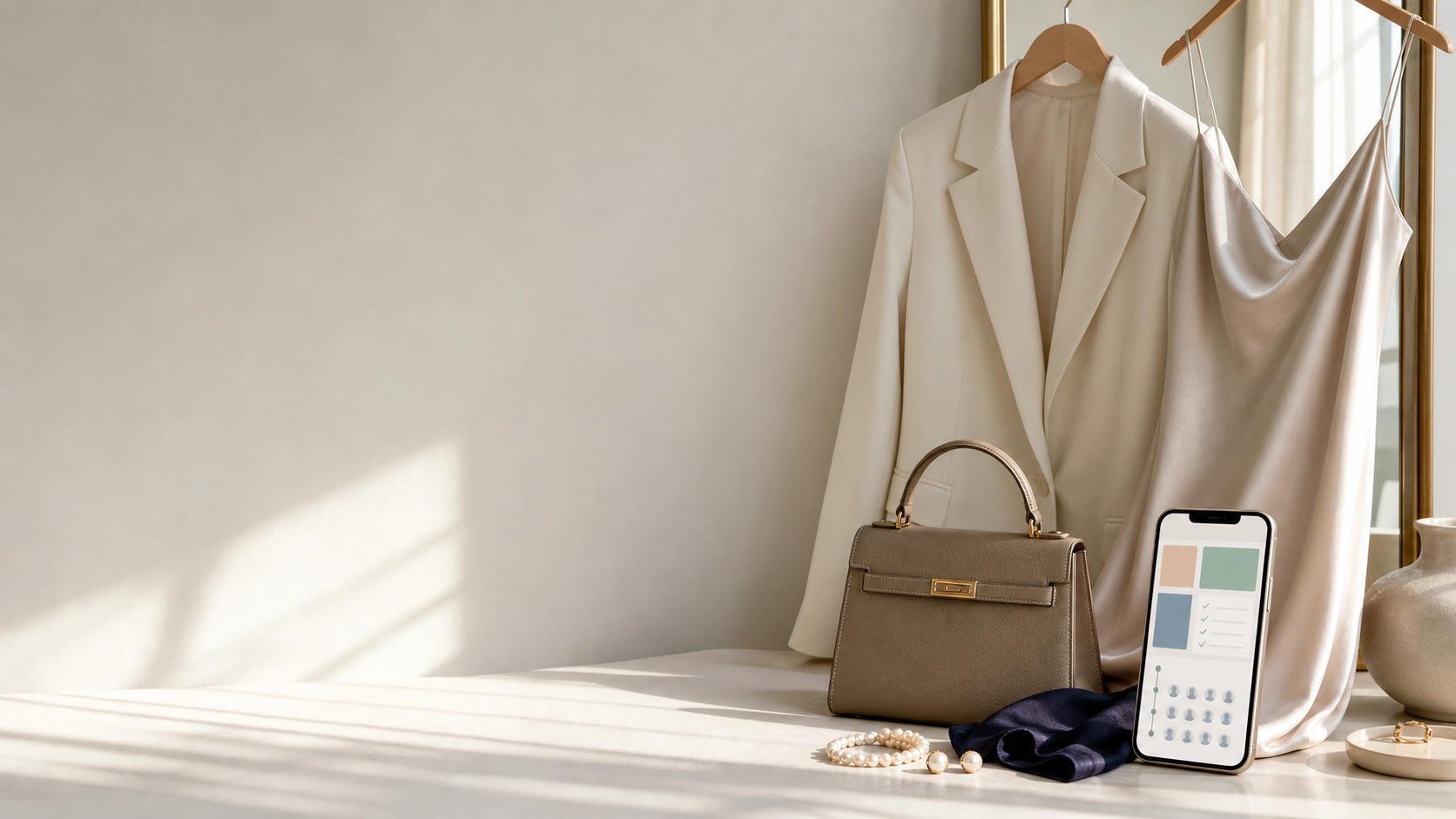
Your wedding has a lot of moving pieces. Your plan can still feel composed.
Zarellea organizes guests, vendors, budget, and timelines in one shared space — so you can make decisions with clarity, not stress.
The dress-code ladder in practical terms
Think of dress codes as a ladder rather than a blur. White-tie sits at the top and asks for the strictest interpretation. Black-tie is formal but more widely encountered at weddings, galas, and red carpet-style events. Semi-formal allows more flexibility, often moving from tuxedo to suit or from gown to cocktail dress. Business formal belongs to the professional world, where tailored structure and conservative styling matter more than evening shine. Once you place your event on that ladder, the rest of the outfit becomes easier to build.
- White-tie: the most formal, with precise traditional garments.
- Black-tie: evening formality centered on the tuxedo and formal gown.
- Semi-formal: polished but less rigid, often with suits and cocktail dresses.
- Business formal: professional tailoring for interviews, meetings, and formal office days.

Black-tie, white-tie, and the details that change everything
Many wardrobe mistakes happen because people treat black-tie and white-tie as interchangeable. They are not. The distinction matters because each code points to a specific garment language. Black-tie usually directs men toward a tuxedo or dinner jacket with a dinner shirt, bow tie, and formal shoes such as polished Oxfords or patent leather shoes. For women, black-tie attire typically centers on an evening gown or a very formal dress, supported by heels, jewelry, and a clutch.
White-tie is stricter. It is associated with the tailcoat and the most ceremonial version of evening wear. Accessories become more codified, and the margin for improvisation is smaller. In women’s dress, the expectation usually rises as well, with floor-length eveningwear and more elevated finishing details. If your invitation says white-tie, it is usually a sign to avoid creative interpretation and stay close to the classic standard.
How to read the room before you get dressed
Even within black-tie, the venue and event type matter. A gala, a red carpet-style fundraiser, and an evening wedding may all share the same code, but the styling can shift slightly. A gala often supports stronger evening fabrics and more pronounced accessories. A wedding may ask for elegance with restraint, especially if the venue or invitation suggests a softer atmosphere. The goal is not merely to satisfy the code but to match the setting. Formalwear should never feel disconnected from the event around it.
Tip: if the wording is vague, it is safer to err slightly more polished rather than too relaxed. Formal events rarely punish refinement, but they do expose underdressing quickly, especially in shoes and outer details.

For men: building a formal outfit with clarity
For men, the most reliable formal outfit starts with one question: suit or tuxedo? A tuxedo belongs naturally to black-tie and the most traditional evening events. A dark suit, especially navy or black, can work beautifully in business formal settings, semi-formal occasions, and some weddings depending on the stated code. Men’s Wearhouse and Generation Tux-style guidance consistently brings the same point into focus: the garment category must match the occasion first, and fit is what makes it look expensive.
A classic men’s formal outfit is built from a suit or tuxedo, dress shirt, tie or bow tie, dress shoes, and measured accessories such as cufflinks or a pocket square. The easiest mistake is overcomplication. Formalwear looks strongest when the line is clean: a black tuxedo with a crisp shirt and polished shoes, or a navy suit with balanced accessories and a proper fit through the shoulders and trouser break. Every extra item should sharpen the silhouette, not distract from it.
What to buy first if you want versatility
If you are building a wardrobe rather than dressing for a single event, begin with the piece that offers the broadest range. A dark tailored suit is usually the most versatile investment because it can move across business formal, weddings, interviews, and many semi-formal settings. A tuxedo is more specialized but essential if you attend repeated black-tie events. In practical terms, buy the dark suit first if your calendar is mixed; prioritize the tuxedo if your invitations are consistently black-tie.
- Most versatile first purchase: a navy or black tailored suit.
- Best for repeated evening events: a black tuxedo or dinner jacket ensemble.
- Most transformative upgrade: proper alterations.
- Most overlooked finishing item: polished dress shoes.
Fit, proportion, and body-shape considerations
A formal outfit succeeds when the proportions look intentional. Men with a taller frame usually benefit from strong vertical continuity, which makes a well-fitted tuxedo especially effective. Shorter men often look sharper in clean, uninterrupted lines, avoiding overly long jackets or excessive trouser pooling. Broader builds tend to benefit from precise shoulder fit and enough room through the torso so the jacket skims rather than pulls. Slimmer builds often gain presence from structure in the jacket and weight in the fabric, which helps the outfit hold shape.
Common-sense rule: if the shoulders are wrong, the entire outfit looks borrowed. Hems, sleeves, and trouser length can be altered, but the shoulder line sets the architecture. This is why tailoring services matter more than adding extra accessories.
By event: weddings, galas, interviews, and formal office settings
Weddings often allow the most variation. If the invitation says black tie, wear the tuxedo. If it says formal without black-tie language, a dark suit may work depending on venue and time. Galas usually reward a more classic evening reading, especially with a tuxedo, dinner shirt, bow tie, and polished shoes. Interviews and formal office events belong to the business formal category, where a tailored suit, conservative tie, dress shirt, and clean shoes are usually the smarter choice than anything that reads as eveningwear.
A useful distinction is this: the tuxedo communicates ceremonial evening formality, while the business suit communicates professional authority. Mixing those messages too casually can make the outfit feel slightly off, even if every item is individually polished.

For women: evening gowns, formal dresses, and controlled elegance
Women’s formalwear offers more range, but that freedom can make selection harder. For black-tie, the clearest route remains the evening gown or a very formal dress. Who What Wear and Vogue-style dress code interpretation tends to place emphasis on silhouette, fabric, and accessory balance rather than on sheer quantity of detail. A formal outfit works best when one element leads: the line of the gown, the richness of the fabric, or the elegance of the accessories. If everything competes, the effect becomes heavy rather than refined.
For semi-formal settings, a cocktail dress can be appropriate. For black-tie events, the gown remains the safer answer. Separates may work in some fashion-forward contexts, but the overall impression still needs to read evening-appropriate. The strongest looks usually rely on clean lines, controlled movement, and textures that respond well to evening light, such as satin, silk, velvet, lace, or tulle.
Choosing a silhouette that works in real life
Comfort matters more in formalwear than people expect. A dress that photographs beautifully but restricts movement after dinner will rarely feel elegant by the end of the night. For long events, gowns with a fluid line often outperform overly stiff shapes. Petite frames can benefit from uninterrupted vertical lines and fewer visual breaks, which helps the silhouette feel longer and more balanced. Curvier figures often look exceptional in dresses that define the waist and allow clean movement through the skirt rather than clinging too tightly. Taller figures can carry stronger volume, longer lines, and dramatic proportions with ease.
The practical test is simple: sit down, walk, and raise your arms slightly. If the garment shifts awkwardly, pulls across the torso, or requires constant adjustment, it may not hold up over a gala, wedding, or formal dinner. Refinement should never depend on standing perfectly still.
When a cocktail dress works and when it does not
A cocktail dress belongs more naturally to semi-formal than to strict black-tie, though some events allow a narrower interpretation. If the invitation specifically says black tie and the venue leans ceremonial, a full evening gown is the safer and more polished choice. If the event language is softer or the host clearly signals flexibility, a highly refined formal dress can work. The key is not the label of the garment but the total impression: fabric, length, finish, and accessories all need to support the level of formality.
Fabric changes the entire mood
Fabric is one of the quickest ways to understand whether a formal outfit will read correctly. Silk and satin tend to reflect evening light beautifully, making them natural choices for gowns and elevated dresses. Velvet brings depth and works especially well in cooler seasons or evening settings where texture can carry the look. Lace introduces delicacy and can soften a structured silhouette. Tulle creates volume and atmosphere, though it needs careful styling so the outfit remains elegant rather than overly decorative.
For men, fabric weight and finish matter just as much. A tuxedo or dark suit in a fabric that holds a clean line will always appear more formal than one that looks limp by evening. This is where seasonality enters the conversation. In warmer weather, breathable materials and lighter construction can make formalwear more wearable. In cooler conditions, richer textures often feel more natural and substantial. The right fabric should support the event, the season, and the number of hours you expect to wear it.
Seasonal judgment without losing formality
Warm-weather formal dressing should still look composed. That usually means lighter-feeling fabrics, a clean palette, and restraint in layering. Cold-weather events often benefit from deeper textures and thoughtful outerwear. The mistake is assuming seasonal comfort allows the dress code to loosen entirely. It does not. Instead, adjust the fabric and layering while keeping the structure of the outfit intact.
Tip: when the weather is uncertain, choose shoes and fabrics before accessories. If your feet are uncomfortable or your garment wrinkles or overheats too quickly, no amount of jewelry, pocket squares, or styling confidence will fully rescue the experience.
Accessories and footwear that complete, rather than clutter
Accessories are not extras in formalwear; they are the finishing architecture. Yet the most polished formal outfit rarely uses many of them. Men’s formal accessories usually include a tie or bow tie, pocket square, cufflinks, and dress shoes such as Oxfords or patent leather styles. Women’s formal accessories often include jewelry, heels or pumps, a clutch, and occasionally outerwear selected to preserve the line of the dress rather than interrupt it.
What matters is cohesion. A tuxedo with casual-looking shoes immediately collapses in authority. A gown with a bag that feels daytime or oversized loses evening definition. Accessories should echo the same level of formality as the main garment, not fight it. That is why black-tie dressing often looks best when the palette is controlled and the hardware, shine, or embellishment is used with intention.
- For men: prioritize shoes, shirt quality, and correct tie choice before adding decorative details.
- For women: let one accessory category lead, usually jewelry or the clutch, rather than trying to make every piece a focal point.
- For both: polished shoes do more visual work than most people realize.
- If your outfit already has strong texture, reduce accessory complexity.
A note on shoes, movement, and event length
Shoes deserve more attention than they usually get. Formal events are often longer than expected, and footwear that looks appropriate for ten minutes can become a problem after three hours. Men should make sure dress shoes are polished, properly fitted, and balanced to the hem of the trouser. Women should think carefully about heel height, venue surfaces, and how much standing is involved. A pair of pumps or heels that supports posture and movement will always appear more elegant than a more dramatic pair worn with visible discomfort.
Formal business dressing is its own category
One of the most useful distinctions in modern wardrobes is the difference between evening formality and business formal attire. Indeed and Dressy Lane-style workplace guidance tends to emphasize the same principles: conservative color, tailored structure, professional shoes, and accessories that reinforce competence rather than spectacle. In this setting, a formal outfit is not a tuxedo or a red carpet gown. It is a tailored suit, dress shirt, blouse, dress pants, pumps, derby shoes, and a composed palette that fits the office environment.
For men, business formal typically means a suit, dress shirt, tie, and dress shoes. For women, it may mean a tailored suit, blouse, formal dress, or coordinated separates chosen in a restrained, polished way. The styling principle remains the same: clean lines, proper fit, and a focus on professionalism. Save overtly evening elements for actual evening events.
How to avoid crossing the line into overdressed
The easiest way to stay correct in a formal office is to reduce shine, drama, and decorative detail. Structured blazers, tailored trousers, dress shirts, and refined shoes are usually enough. If you are unsure, look at the reason you are dressing formally. A job interview, boardroom presentation, or conservative workplace asks for authority first and personality second. That is a different style equation than a gala, even if both are called formal.
What makes formalwear look expensive, even on a budget
A formal outfit does not need to be extravagant to feel elevated. In practice, polish comes from fit, fabric appearance, and editing. This is why a simple dark suit with excellent tailoring often looks stronger than a more expensive option worn straight off the rack. It is also why a streamlined evening gown with a clean hem and well-chosen shoes can feel far more refined than a heavily embellished dress that does not sit properly on the body.
If budget matters, spend first where the eye lingers longest: the main garment, alterations, and shoes. Accessories can be quieter. For women, a simple clutch and thoughtful jewelry often outperform a large pile of statement pieces. For men, one good dress shirt and polished shoes can sharpen the entire look. Rental and sharing solutions are particularly practical for garments with a narrow use window, such as tuxedos or highly formal gowns. This is one of the smartest ways to approach black-tie dressing without overspending on items you may wear only occasionally.
- Prioritize tailoring over extra embellishment.
- Choose a controlled color palette for a more expensive-looking result.
- Keep shoes in excellent condition.
- Rent highly specialized formalwear if your need is occasional.
- Use accessories to refine, not to rescue, the outfit.
Inclusive and modern ways to approach formalwear
Formal dressing is often presented in strictly gendered terms, but real wardrobes are more varied. A thoughtful approach allows room for men, women, and non-binary dressers to interpret formal attire through the same core principles: fit, formality, fabric, and event appropriateness. A dinner jacket, tailored suit, formal separates, or an evening silhouette can all work when the outfit aligns clearly with the dress code.
This is where customization matters. Bespoke, tailored, and off-the-rack options each serve different needs. Off-the-rack can work beautifully with the right alterations. Tailoring improves proportion, comfort, and confidence. Bespoke can be worthwhile for those who attend frequent formal events or struggle with standard sizing. Inclusive formalwear is not about abandoning structure; it is about using structure intelligently so the wearer feels both correct and like themselves.
Size, comfort, and confidence are part of the finish
Plus-size, petite, tall, and non-binary styling all benefit from the same editorial discipline: clean lines, balanced proportions, and fabrics that support rather than fight the body. Formalwear should never feel like a test of endurance. If the outfit pinches, drags, gaps, or twists, it will show in posture long before it shows in photographs. The best formal outfit is the one that allows composure from arrival to final goodbye.
Where tradition meets modern life
Formalwear still carries the history of white-tie, black-tie, dinner suits, lounge suits, and evening dress, even as modern wardrobes become more flexible. That historical structure is useful because it explains why certain items continue to feel correct. The tuxedo remains powerful because it was designed for a specific level of evening occasion. The gown remains relevant because it answers the same need in a different form. Business formal persists because professional environments still value visual signals of reliability and seriousness.
At the same time, modern readers want practical solutions: what can be reworn, what is worth altering, and how formal dressing can fit into a more sustainable wardrobe. The answer is usually to choose pieces with longevity. A well-cut suit, a refined evening gown with timeless lines, versatile pumps, polished Oxfords, and measured accessories will outlast a more trend-driven purchase. Great style in formalwear comes from composition, not novelty.
The event timeline most people ignore
One of the most underestimated parts of dressing formally is timing. A formal outfit rarely comes together well at the last minute, especially if tailoring is involved. Alteration windows matter. Shoe break-in time matters. Even a clutch or pocket square may need testing against the full look. Waiting too long usually leads to rushed choices, compromised fit, and unnecessary expense.
A calmer timeline gives you room to make better decisions. It also lets you test the outfit under real conditions: walk in the shoes, sit in the garment, check sleeve and hem lengths, and confirm whether layers still work if the weather changes. Formalwear looks effortless only when the preparation behind it is not careless.
- Buy or rent earlier than you think you need to if tailoring may be required.
- Try the full outfit together, not in separate pieces.
- Check comfort for sitting, standing, walking, and evening temperature changes.
- Prepare backup details, such as a spare shirt or practical footwear option, when the event is long.
Common mistakes that quietly ruin a formal outfit
Most formalwear errors are subtle rather than dramatic. The wrong shoe shape, a jacket that pulls, a gown that drags, an office outfit styled like eveningwear, or accessories that belong to a lower dress code can all weaken the result. Formal dressing is often less about adding and more about refining. Removing one distracting element can elevate the entire look.
Another common mistake is misunderstanding the event itself. Weddings, galas, red carpet environments, interviews, and corporate meetings all sit within the broad formal category, but they do not ask for the same visual language. A formal outfit should reflect the occasion, not just the wearer’s preference. Precision is what makes it feel assured.
- Underdressing the shoes.
- Choosing a suit when the invitation clearly calls for a tuxedo.
- Treating business formal like evening dress.
- Ignoring tailoring and hoping expensive fabric will compensate.
- Over-accessorizing instead of letting the silhouette lead.
- For women, selecting a dress that looks beautiful standing still but is difficult to wear for several hours.
Practical styling notes worth remembering
A formal outfit becomes easier to manage when you think in systems. Build around one anchor piece, support it with correct shoes, and keep accessories in service of the whole. For men, this may be a tuxedo or navy suit. For women, it may be a gown in satin, silk, velvet, or lace. For workplace settings, the anchor is usually the tailored suit. Once the anchor is decided, every other choice should answer a practical question: does this sharpen the line, improve comfort, or make the outfit more appropriate for the event?
Tip: if you are unsure whether an item belongs, ask whether it makes the outfit clearer. Formalwear is at its best when the message is immediate. The viewer should understand the level of dress instantly, without any confusing mix of casual, business, and evening signals.

FAQ
What is considered formal attire?
Formal attire generally refers to polished clothing chosen for a specific dress code or elevated setting, including black-tie, white-tie, semi-formal, and business formal. In practice, that often means tuxedos or dark suits for men, evening gowns or formal dresses for women, and accessories and shoes that match the same level of formality.
Can I wear a dark suit instead of a tuxedo?
A dark suit can work for many formal settings, especially business formal, interviews, and some weddings, but it is not the best substitute when the invitation clearly says black tie. For black-tie events, a tuxedo or dinner jacket is the more correct choice because the dress code specifically points to evening formalwear rather than standard suiting.
What is the difference between formal and semi-formal attire?
Formal attire usually sits higher on the dress-code ladder and calls for more traditional, elevated garments such as tuxedos, gowns, and strict evening pieces. Semi-formal is more flexible and often allows suits, cocktail dresses, and less rigid styling, while still requiring polish and occasion-appropriate accessories.
What should women wear to a black-tie event?
The safest and most classic choice is an evening gown or a highly formal dress in a fabric such as satin, silk, velvet, lace, or tulle, paired with heels, jewelry, and a clutch. A cocktail dress may work only in more flexible settings, but a gown remains the clearest interpretation of black-tie attire for women.
What should men wear to a formal office or business meeting?
For a formal office or business meeting, a tailored suit, dress shirt, tie, and polished dress shoes are usually the right choice. This is business formal rather than evening formal, so the goal is conservative structure and professional polish rather than tuxedo-based dressing.
How do I make a formal outfit look more expensive without overspending?
The fastest way is to focus on fit, fabric appearance, and editing. Spend on the main garment, alterations, and shoes first, then keep accessories controlled. A well-tailored suit or gown with polished footwear will almost always look more refined than a more elaborate outfit with poor fit.
What are the most versatile formal pieces to own?
A dark tailored suit is one of the most versatile pieces because it can move across business formal, interviews, weddings, and some semi-formal events. For women, a timeless formal dress or gown with clean lines and adaptable accessories offers similar versatility, especially when the silhouette is not overly trend-specific.
How early should I shop for a formal event?
You should leave enough time for tailoring, shoe testing, and a full outfit check rather than waiting until the final week. Formalwear often needs alterations or small refinements, and planning early reduces the risk of poor fit, rushed styling, or expensive last-minute compromises.
Leave a Reply