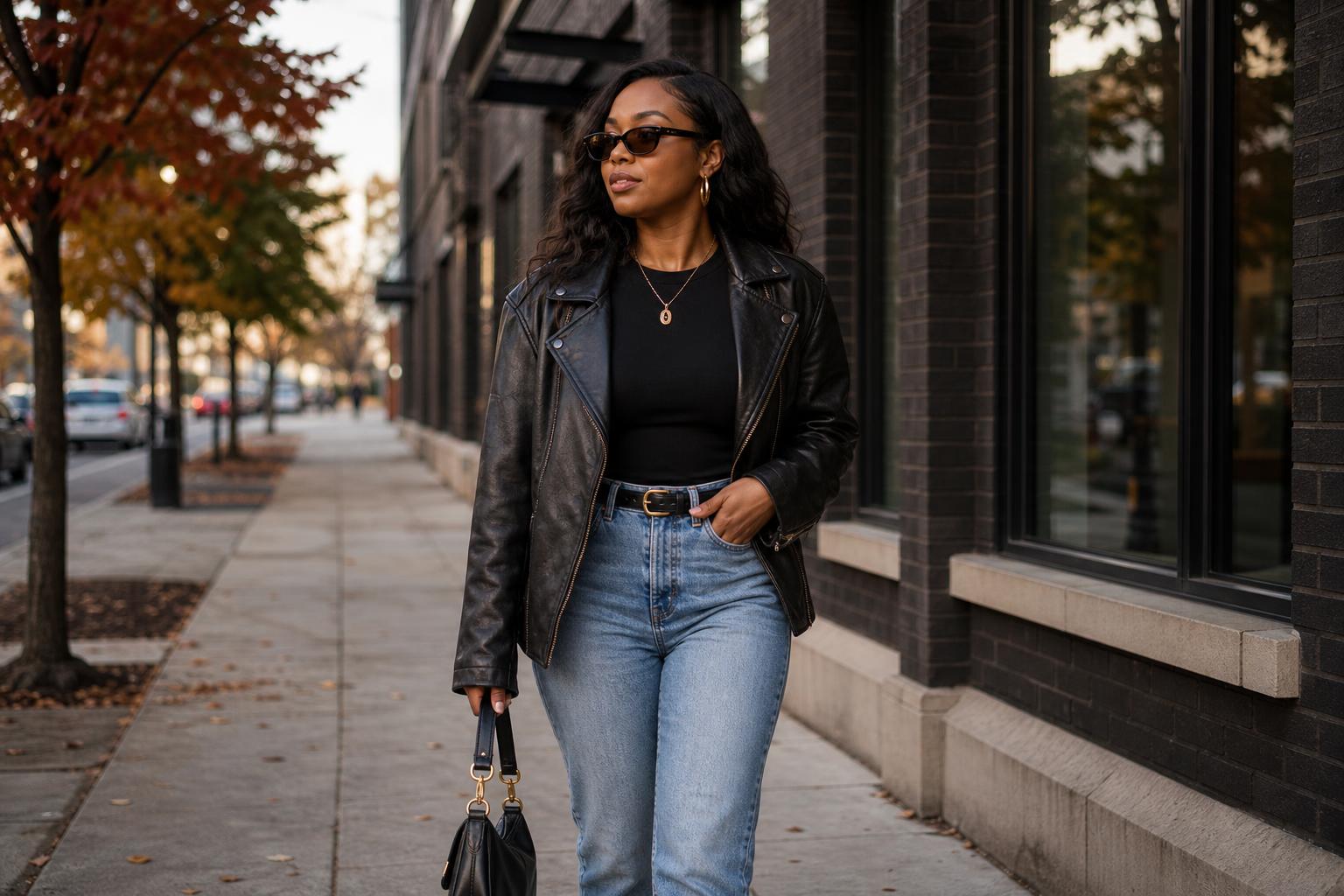
By the time early fall arrives, most wardrobes need to do several things at once: handle changing temperatures, look intentional in daylight, and still feel sharp enough for dinner, drinks, campus, or a casual office. That is exactly why fall baddie outfits remain so appealing. The aesthetic sits between streetwear ease and glam precision, using layering, clean silhouettes, textured fabrics, and strong accessories to create outfits that feel confident rather than costume-like. In practical terms, the best version of this look is not built from endless shopping. It comes from understanding proportion, choosing a few strategic pieces, and styling them in a way that works for real life in the U.S., whether you are dressing for class, a workday, a date night, or a quick city weekend.
A strong fall baddie wardrobe usually rests on familiar foundations: high-waisted jeans, crop tops or bodysuits, hoodies, denim jackets, oversized blazers, leather pants, plaid shackets, bodycon dresses, moto jackets, boots, sneakers, and a compact set of accessories such as chunky jewelry and a mini bag. What matters is not simply owning these pieces, but knowing how they interact. A fitted top under a structured layer creates polish. Relaxed denim with a more defined silhouette on top keeps the outfit balanced. Faux leather, knit, plaid, and denim bring depth that lighter summer dressing often lacks. Once you understand that framework, the outfit decisions become much easier.
What makes a baddie outfit work in fall
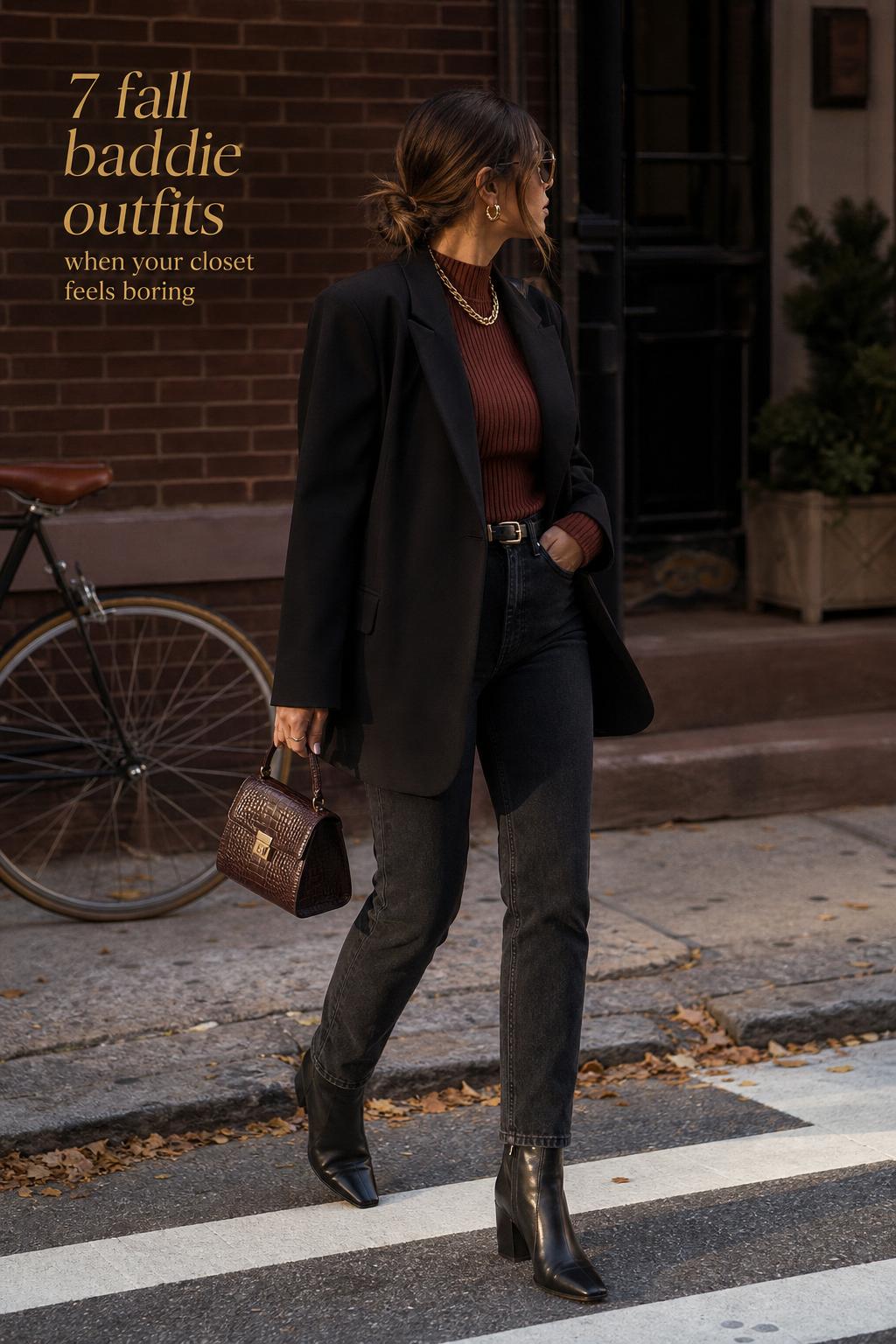
The baddie aesthetic is often described as a blend of streetwear and glam, but that phrase becomes useful only when broken down. In fall, the look depends on three visible elements: shape, texture, and finishing detail. Shape gives the outfit its confidence signal, whether through high-waisted bottoms, a body-skimming dress, a cropped layer, or a tailored blazer. Texture brings seasonal richness through leather, knit, plaid, denim, and structured outerwear. Finishing detail comes from boots, sneakers, heels, jewelry, nails, hair, makeup, and a bag that feels deliberate rather than accidental.
What separates a wearable look from a try-hard one is restraint. If the pants are fitted leather, the top can be simpler. If the blazer has a strong line, the accessories do not need to compete. If you choose a bodycon dress for a going-out look, a cropped moto jacket and ankle boots usually give enough attitude without overwhelming the silhouette. Fall style rewards this kind of composition because layering naturally adds complexity; you do not need every item to be loud.
Your wedding has a lot of moving pieces. Your plan can still feel composed.
Zarellea organizes guests, vendors, budget, and timelines in one shared space — so you can make decisions with clarity, not stress.
Another reason this aesthetic performs well in cooler weather is functionality. Streetwear elements such as hoodies, denim, and sneakers make outfits livable. Glam elements such as a mini bag, jewelry, heels, or a sleek dress make them feel elevated. That duality is why the look can move across occasions more easily than people expect.
The fall textures and color stories that create impact
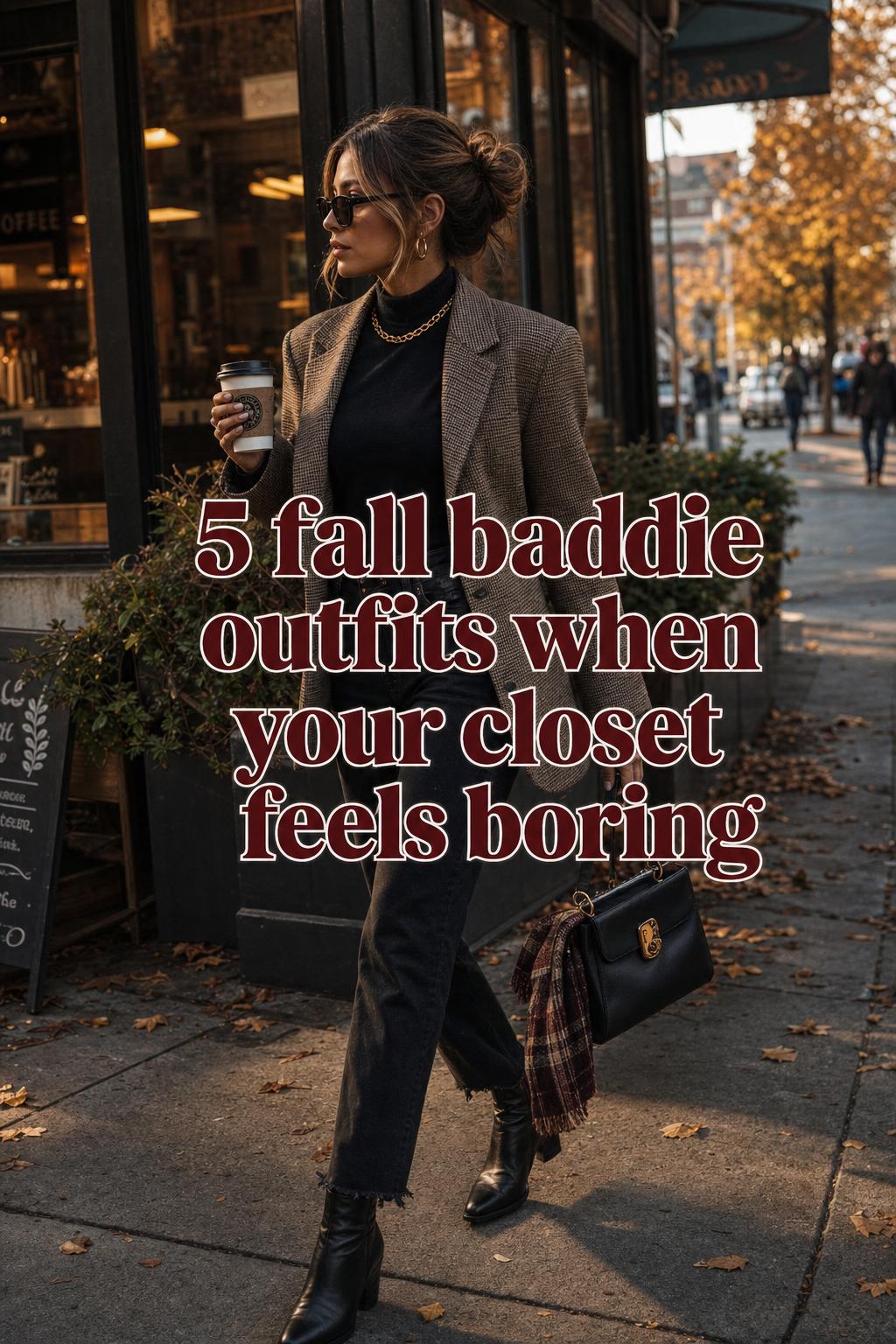
Fall baddie outfits become more convincing when the textures reflect the season. Leather or faux leather adds edge and structure. Knit softens the outfit and makes it practical for everyday wear. Plaid introduces a casual, layered feel through shackets or overshirts. Denim grounds the look and keeps it from feeling overstyled. These materials do some of the visual work for you, which is useful if you prefer simple colors or want to shop with a tighter budget.
Color also changes the mood. Seasonal color stories such as caramel, deep emerald, rust, wine, and forest green are especially effective because they make even basic pieces feel more considered. A black bodysuit and jeans can look fine in any season, but add a rust plaid shacket or a forest green jacket and the outfit immediately feels more autumn-specific. Similarly, an all-black monochrome look reads stronger in fall because heavier fabrics and boots give it dimension rather than flatness.
If you tend to buy pieces one at a time, start with a compact palette instead of random statement items. Black, denim blue, and one deep fall shade will create more combinations than several isolated trend colors. That matters if you want a capsule wardrobe effect, or if you are trying to make a few purchases stretch across work, weekends, and going-out plans.
The capsule wardrobe behind the aesthetic
The easiest way to recreate fall baddie outfits is to build from a concise set of pieces that can cover most situations. This approach also prevents the common mistake of buying dramatic items that work in only one photo and nowhere else. A practical capsule does not have to be minimal in spirit; it simply needs enough range to shift between casual, polished, and evening styling.
Tops and dresses worth buying first
If you are starting from scratch, begin with a fitted black bodysuit or crop top, one hoodie, and one dress that can be styled up or down. A bodycon dress is especially useful because it can move from date night to a casual bar with the right outerwear. For a softer, more comfort-led version, a knit midi dress brings the same clean vertical line without feeling restrictive. These pieces are versatile because they anchor stronger layers rather than competing with them.
- A fitted bodysuit or crop top for layering under jackets and blazers
- A hoodie for casual school, college, and travel-friendly styling
- A bodycon dress for going out, date night, or bar looks
- A knit midi dress if comfort, inclusivity, and day-to-night wear matter more than a body-hugging fit
Outerwear and layers that do the heavy lifting
Outerwear is where most fall baddie outfits either succeed or flatten out. A denim jacket gives easy structure and works especially well with high-waisted jeans, dresses, and sneakers. A moto jacket sharpens softer pieces and adds instant night-out energy. An oversized blazer introduces a more tailored silhouette and is the key piece for corporate baddie dressing. A plaid shacket sits between jacket and shirt, making it ideal for early fall or for readers who want a less severe finish than leather.
It is usually worth spending a little more on outerwear than on trend tops, because jackets determine the line of the outfit and will be worn repeatedly. A well-cut blazer or moto jacket can make affordable basics look far more elevated than they are.
Bottoms and footwear that create versatility
High-waisted jeans are often the easiest starting point because they flatter a wide range of proportions and work with cropped tops, bodysuits, hoodies, and jackets. Leather pants offer a stronger statement and immediately shift the outfit into a more polished or evening direction. Denim overalls and cargo-inspired shapes can also fit the aesthetic when styled with cleaner accessories and a more defined top layer.
For shoes, think in terms of function first, mood second. Sneakers make the wardrobe wearable and are often the smartest purchase if you want the highest cost-per-wear value. Ankle boots add definition and work especially well with dresses, leather pants, and jeans. Knee-high boots bring drama and are useful for lengthening the line under shorter hemlines or fitted dresses. Heels still have a place, but in fall they usually work best when balanced by a jacket, knit, or heavier texture.
How to compose the outfit, not just copy the pieces
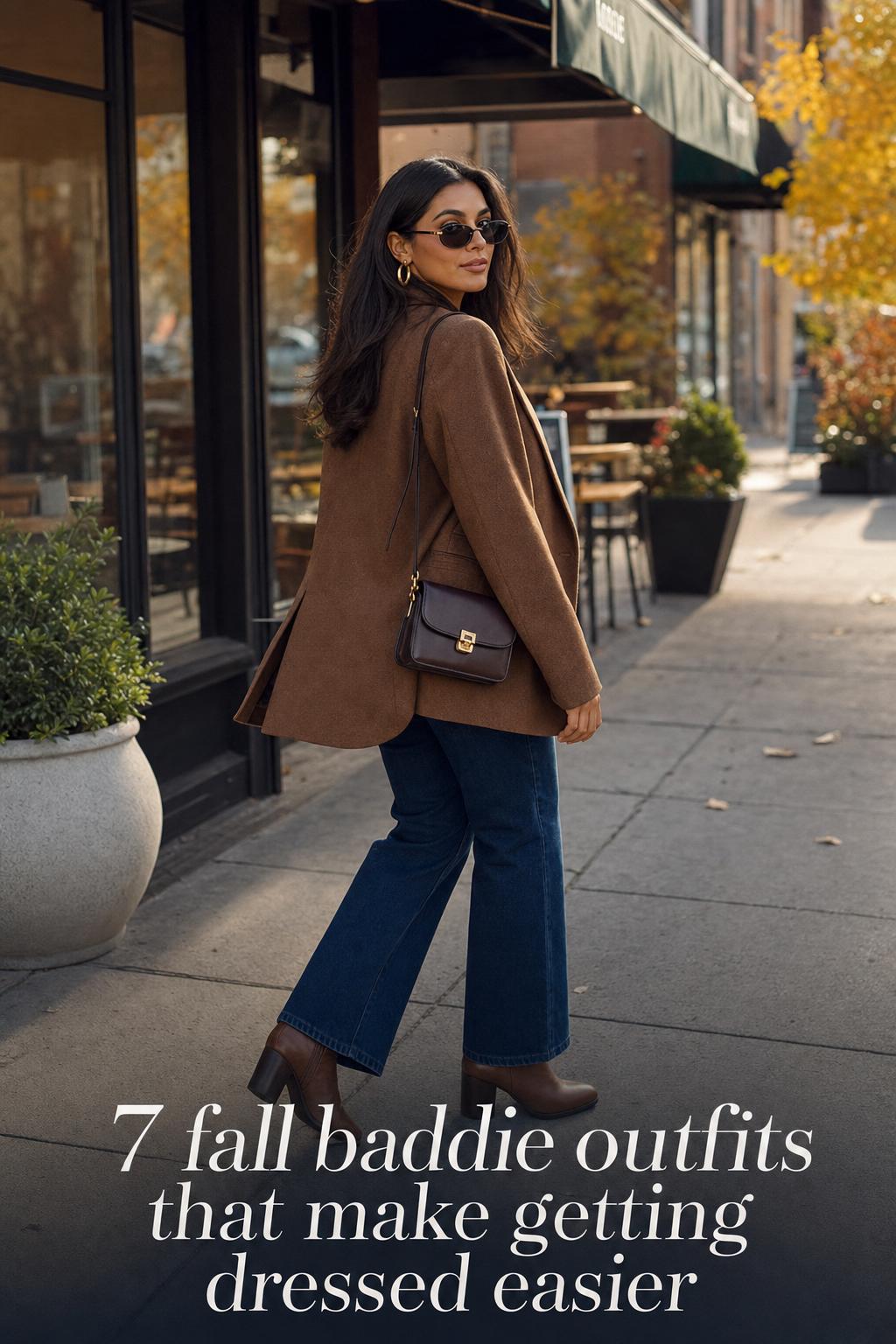
A polished fall baddie outfit rarely depends on one item. It depends on contrast. The most reliable formula is to combine a fitted element, a structured layer, and one grounded accessory category. For example, a crop top under a denim jacket with high-waisted jeans and sneakers feels balanced because the top is close to the body, the jacket adds shape, and the sneakers keep the outfit believable for daytime. Replace the sneakers with heels and the same base becomes more nightlife-focused.
Another useful principle is visual weight. If you wear a heavy plaid shacket, keep the inner layer cleaner and more compact so the outfit does not become bulky. If you wear leather pants, choose a knit or jersey top that softens the shine and keeps the proportions calm. If you wear a bodycon dress, use outerwear to define the look rather than piling on accessories. This is how the aesthetic stays refined instead of chaotic.
Readers often ask whether the look works in everyday life. It does, provided the glamour comes from precision rather than discomfort. A mini bag, chunky jewelry, fresh nails, and a neat beauty finish can deliver the desired impact even when the clothing itself is relatively simple. That is often a better investment than chasing many trend pieces.
Everyday fall baddie outfits that still feel realistic
The strongest casual looks are usually the ones that acknowledge movement, errands, temperature changes, and the fact that most people spend more time sitting, commuting, or walking than posing. For school, college, or a relaxed workday, start with high-waisted jeans, a fitted crop top or bodysuit, and a hoodie or denim jacket. This combination works because it keeps the waistline visible while allowing enough comfort for long hours. Add sneakers for all-day practicality or ankle boots if you want a slightly sharper finish.
A second reliable everyday direction is the plaid shacket over a simple top with leather pants or dark denim. This outfit has enough texture to feel intentional in photos, but it is still grounded enough for coffee runs, classes, and casual lunches. If your proportions are petite, choose a slightly cropped or less oversized shacket so the layer does not swallow your frame. If you are tall, a longer line can look especially strong and relaxed.
For a more polished daytime option, an oversized blazer with jeans and a fitted inner layer offers a clean transition into meetings or city errands. This is one of the easiest ways to make casual basics look expensive. The blazer gives tailored structure, the fitted top keeps the outfit sleek, and the denim prevents the look from becoming too corporate.
Tip: the easiest pieces to recreate on a budget
If you want the look without a large spend, prioritize jeans, one good jacket, and boots or sneakers before buying multiple tops. In most outfits, these pieces are more visible and more likely to be repeated. A budget bodysuit can look polished under an excellent blazer or moto jacket, while the reverse is less often true.
When the dress code shifts: going out, casual bars, and date night
Night-out dressing is where fall texture becomes especially useful. A bodycon dress with a cropped moto jacket and ankle boots remains one of the clearest expressions of the aesthetic because each piece plays a specific role. The dress creates a defined silhouette, the moto jacket adds edge and warmth, and the boots ground the look for cooler weather. This formula is practical for a casual bar because it is visually strong without requiring delicate shoes or bare shoulders all evening.
For date night, a dress-and-jacket combination still works well, but the mood can be adjusted through color and fabric. Wine, deep emerald, or black create a more evening-appropriate feel than very light tones, while knit or velvet-adjacent texture softens the structure of leather outerwear. If you prefer pants, leather bottoms with a fitted top and heels offer a sharp alternative that feels modern rather than predictable.
The key decision for going-out outfits is whether you want the focus on the body line or on the layering. If the dress is the statement, keep the layer cropped and streamlined. If the outerwear is the statement, such as a stronger moto jacket or blazer, use a simpler dress or top beneath it. Trying to make both do all the work often results in visual overload.
- Choose ankle boots when comfort and stability matter more than height
- Use a mini bag to keep the look compact and intentional
- Let one texture lead, such as leather or knit, rather than mixing too many strong surfaces at once
- Bring in jewelry as a finishing note, not as a substitute for outfit structure
The rise of corporate baddie dressing
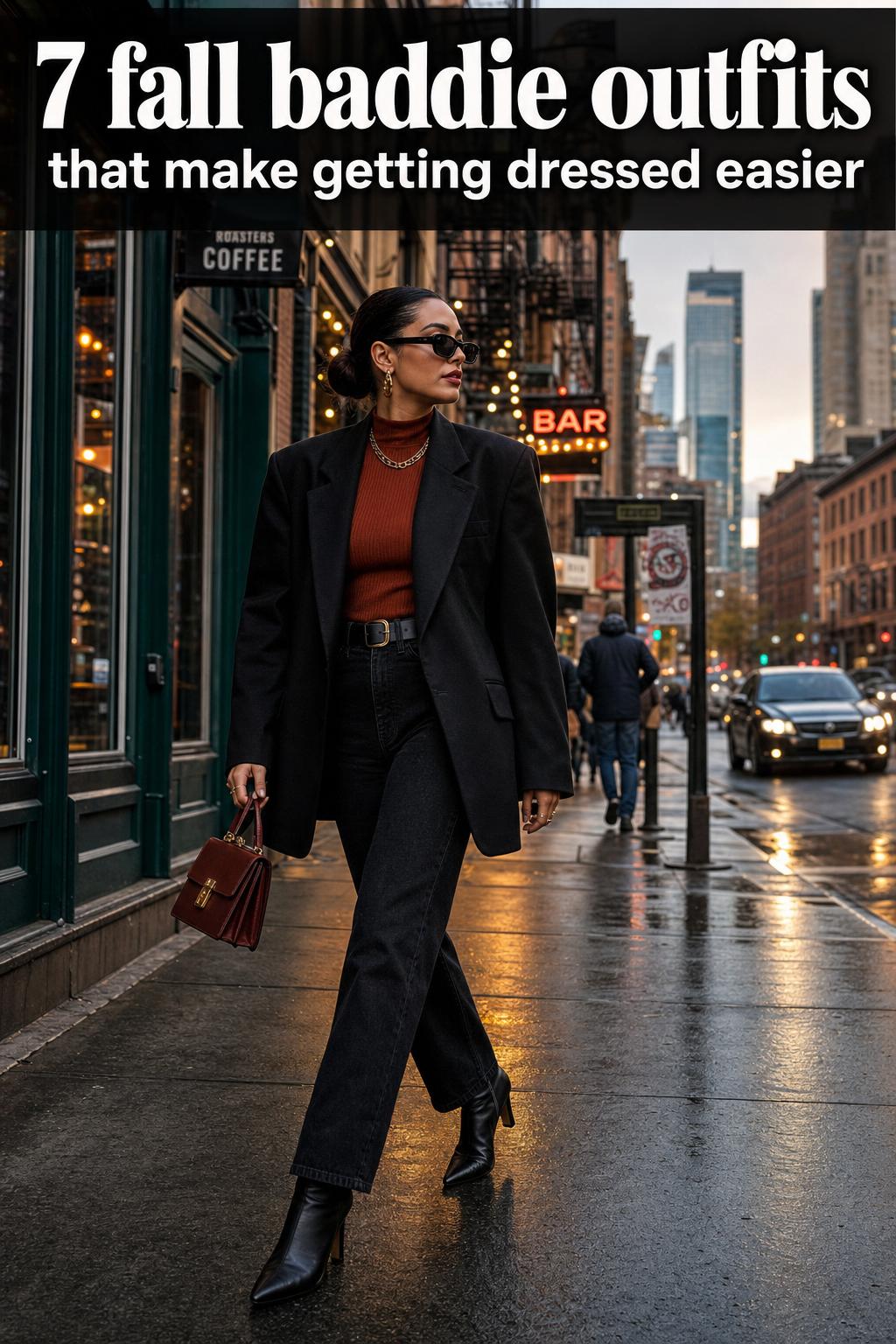
Corporate baddie style deserves separate attention because it solves a very common problem: how to keep the confidence and edge of the baddie aesthetic while respecting a more professional environment. The answer lies in tailored silhouettes, monochrome dressing, and selective drama. An all-black outfit, especially with a blazer or blazer dress, carries the attitude of the aesthetic without relying on casual streetwear cues.
A cut-out blazer dress is one of the more directional expressions of this niche, but it is not the easiest option for every workplace. For most readers, the more functional route is an oversized blazer worn over a fitted top with high-waisted trousers or dark jeans, depending on office norms. The proportion works because the blazer provides authority while the close-fitting base preserves that sleek, confident line associated with the aesthetic.
Monochrome is especially effective here because it reduces visual noise. It can also be more flattering across body types, as one color family tends to elongate the line. If black feels too severe for daytime, deep wine, forest green, or charcoal-like dark neutrals within a fall palette can create similar polish. The mistake to avoid is leaning too heavily into nightclub styling for the office. In a work setting, the edge should come from tailoring, not from overexposure or excessive accessories.
Tip: how to make work-friendly outfits look more expensive
Choose one structured layer, keep the palette tight, and pay attention to finish. Even affordable pieces look more refined when the blazer fits cleanly at the shoulders, the boots are in good condition, and the bag and jewelry feel intentional. Corporate baddie style is more about discipline than excess.
Regional styling: what works in NYC, LA, Chicago, Houston, and Seattle
One of the most overlooked aspects of fall baddie outfits is geography. The same look does not function identically across the U.S., and some of the best styling decisions come from adapting the aesthetic to climate rather than copying a single formula. A smart wardrobe for NYC fall benefits from layered structure: blazer, moto jacket, denim jacket, boots, and pieces that can move from subway commutes to indoor dining. Texture reads particularly well in an urban setting, so leather pants, plaid, and stronger outerwear earn their keep.
In LA, the emphasis can shift toward lighter layering. Hoodies, crop tops, denim jackets, and sneakers often make more sense than heavier knitwear or tall boots for everyday wear. The look remains polished when you keep the silhouette defined and the accessories neat. A heavy fall palette can still work, but the fabrics may need to stay lighter so the outfit feels seasonally stylish without becoming impractical.
Chicago and parts of the Midwest often require more weather-conscious layering. Here, fall baddie dressing works best when the outfit has a visible base layer and a true outer layer, rather than relying only on one jacket. Boots become more than an aesthetic choice. They help the outfit hold up across longer walks, colder evenings, and early seasonal shifts. In Seattle, where layering and comfort often go hand in hand, a plaid shacket, denim, boots, and a fitted knit base can feel especially relevant.
Houston calls for selective fall signals rather than full cold-weather styling. This is where color and accessory choices become valuable. A deep rust top, a mini bag, ankle boots, and a lighter jacket can deliver the seasonal mood without requiring heavy materials for the entire day. Adapting the aesthetic this way tends to look more natural and more expensive than forcing cold-weather formulas into a warm climate.
Size inclusivity, body proportion, and comfort
The aesthetic is often presented through one narrow silhouette, but in reality it translates well across different body types when proportion is handled thoughtfully. Plus-size readers may find knit midi dresses, structured blazers, and high-waisted bottoms especially useful because they create line and support without sacrificing comfort. A fitted inner layer under a jacket or shacket can define shape beautifully, while still allowing freedom of movement.
For petite frames, the main challenge is avoiding too much visual bulk. Cropped jackets, high-waisted jeans, and ankle boots usually work better than very long layers combined with wide shapes everywhere. For tall readers, longer blazers, bodycon dresses, and knee-high boots can look especially elegant because the line has room to breathe. Curvy readers often benefit from balancing fitted and structured elements rather than choosing either all-tight or all-oversized styling.
Comfort is not the opposite of style here; it is part of what makes the look convincing. A hoodie under a good jacket, a knit dress with boots, or jeans with a fitted top and blazer can all feel polished while still being wearable for an entire day. If you are shopping strategically, always ask whether a piece works for at least two settings. That simple question helps separate wardrobe builders from one-use purchases.
Common mistakes that weaken the look
One of the biggest mistakes is confusing a baddie outfit with an outfit that includes every bold item at once. Fall already adds texture through jackets and layers, so too many competing pieces can make the final result feel busy. Another issue is ignoring proportion. An oversized hoodie with oversized outerwear and loose bottoms can lose the sharpness that gives the aesthetic its confidence.
Footwear errors are also common. A beautiful outfit can fall flat if the shoe does not match the weight of the clothing. Light, delicate shoes often struggle against heavier fall textures, whereas boots or substantial sneakers tend to integrate more naturally. Similarly, adding glam details without tidy foundations can work against the outfit. Jewelry, hair, makeup, and nails should support the look, but they cannot replace a coherent silhouette.
- Avoid layering too many statement textures in one outfit
- Do not let oversized pieces erase the waist and shape entirely
- Match the shoe weight to the season and the clothing texture
- Buy fewer, better repeat pieces instead of many single-use items
- Use accessories to finish the look, not to rescue a weak outfit base
Building a smart shopping plan instead of chasing every trend
Because so much of the current landscape leans on visual lookbooks and trend language, it is easy to overbuy. A better approach is to shop by outfit function. Start with the pieces that can anchor multiple combinations: jeans, one jacket, one pair of boots or sneakers, one fitted top, and one going-out option such as a dress or leather pants. This creates a wardrobe that can handle everyday wear, casual bars, date night, and a more polished setting.
When deciding where to spend more, prioritize outerwear and footwear. They shape the entire look and tend to be the first elements people notice. Save on simple tops, especially if they are used mainly as base layers. If your budget allows only one statement purchase, make it a blazer or moto jacket rather than a more limited trend item. That choice gives you far more styling range.
It is also wise to think in clusters: tops, outerwear, bottoms, footwear, and accessories. If one new piece cannot connect to at least two categories you already own, it may not be the right purchase yet. This is especially important for readers trying to build a fall baddie capsule wardrobe rather than a one-season experiment.
Tip: what to buy first if your wardrobe feels random
Begin with high-waisted jeans, a fitted black top, a denim jacket or blazer, and ankle boots or sneakers. These four categories form the backbone of many of the most wearable looks and make it easier to layer in trend pieces later without losing cohesion.
Accessories, beauty finish, and the final five percent
Accessories are often treated as optional, yet they are part of what gives the baddie aesthetic its polished edge. A mini bag keeps the look compact and deliberate. Chunky jewelry adds emphasis near the face and neckline, which is especially useful with simple tops or monochrome outfits. Boots, heels, or sneakers help define the attitude of the outfit more than many people realize.
Beauty details matter because they complete the tension between streetwear and glam. Nails, hair, and makeup do not need to be dramatic every day, but they should feel consistent with the outfit. A sleek outerwear look paired with completely casual finishing can feel unresolved. On the other hand, a simpler outfit can be elevated considerably through neat grooming and a strong accessory choice.
The most useful mindset is to treat these details as refinements, not distractions. If the silhouette and layering are strong, a mini bag and jewelry can sharpen the outcome. If the clothing is confused, no amount of finishing detail fully corrects it.
From casual to polished: a few outfit directions that earn repeat wear
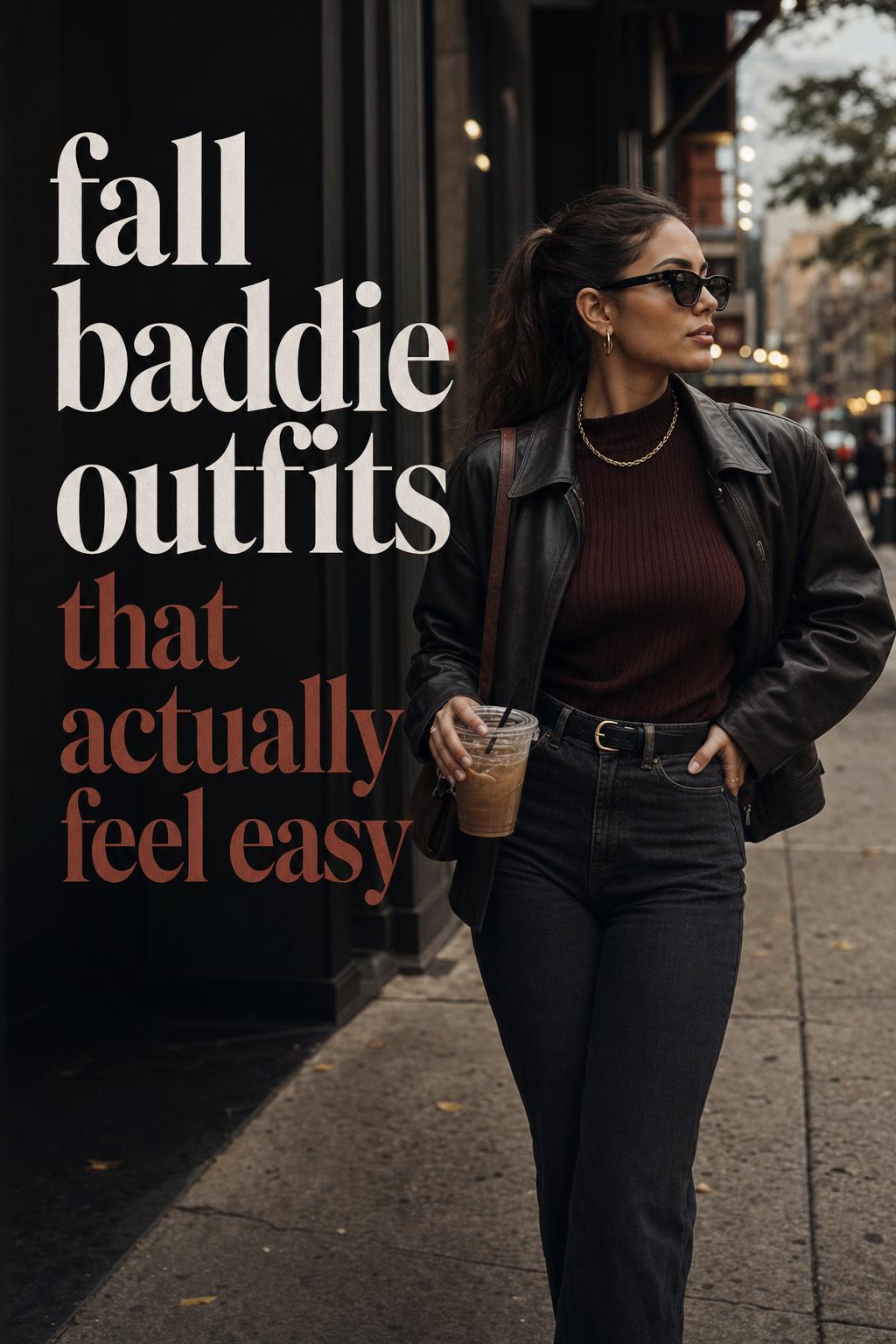
Some outfit combinations return again and again because they solve practical wardrobe needs. High-waisted jeans, a bodysuit, a denim jacket, and sneakers create an easy daytime uniform with a clean line. Leather pants, a fitted knit top, and ankle boots offer a stronger evening option while still feeling manageable for a dinner or casual bar. A bodycon dress with a cropped moto jacket works for going out because it balances shape with seasonal texture. A plaid shacket over a crop top and dark denim gives a relaxed but photogenic campus or weekend look. An oversized blazer with a fitted top and dark bottoms moves naturally into corporate baddie territory.
What all of these outfits share is repeatability. They are not dependent on one exact item or one exact trend year. You can recreate them with affordable versions, with plus-size adaptations, or with small proportion shifts for petite and tall frames. That is what makes them useful: the styling logic survives even when the specific pieces change.
FAQ
What are the most essential pieces for fall baddie outfits?
The most useful starting pieces are high-waisted jeans, a fitted bodysuit or crop top, one strong layer such as a denim jacket, blazer, moto jacket, or plaid shacket, and footwear that can handle fall weather, usually ankle boots or sneakers. If you want one evening option, add a bodycon dress or leather pants.
Can fall baddie outfits work for everyday life, not just photos?
Yes, when the outfit is built around practical layers and comfortable shoes. The most wearable versions use streetwear foundations such as jeans, hoodies, denim, and sneakers, then add polish through outerwear, boots, jewelry, a mini bag, and a more defined silhouette.
How do I style this aesthetic on a budget?
Spend first on outerwear and footwear, because those pieces shape the outfit and get repeated often. Save on basic tops used as layering pieces. A well-cut blazer or moto jacket can make inexpensive bodysuits, crop tops, and denim look much more refined.
What if I am petite, curvy, tall, or plus size?
The key is proportion rather than one fixed body type. Petite readers often benefit from cropped jackets and high-waisted shapes, curvy readers usually look strongest in a balance of fitted and structured pieces, tall readers can carry longer blazers and knee-high boots beautifully, and plus-size styling works especially well with knit midi dresses, blazers, and defined layering.
What colors work best for fall baddie outfits?
Black remains a strong base, especially for monochrome and corporate baddie styling, but fall-specific shades such as caramel, rust, wine, deep emerald, and forest green help the outfit feel more seasonal. These colors are especially effective when paired with textured fabrics like knit, leather, plaid, and denim.
Are sneakers or boots better for this look?
Both work, but they create different outcomes. Sneakers make the outfit more casual, practical, and campus- or travel-friendly. Boots add seasonal weight and polish, especially with dresses, leather pants, and layered evening looks. The right choice depends on weather, occasion, and how sharp you want the final outfit to feel.
How can I make a fall baddie outfit look more polished?
Focus on clean structure, a controlled palette, and finishing detail. A tailored blazer, good boots, neat jewelry, and a bag that feels intentional can elevate even simple basics. The outfit usually looks strongest when one silhouette is fitted, one layer is structured, and the accessories are restrained.
What are the most common mistakes to avoid?
Avoid wearing too many statement pieces at once, using oversized layers without any shape underneath, and choosing shoes that feel too light for heavier fall textures. Another common mistake is buying dramatic single-use items before building a foundation of jeans, jackets, footwear, and versatile tops.
Can I wear fall baddie outfits to work?
Yes, especially through the corporate baddie approach. Tailored silhouettes, monochrome dressing, oversized blazers, fitted base layers, and polished boots create the right balance. In a professional setting, the edge should come from structure and confidence rather than from overly revealing styling.
Leave a Reply