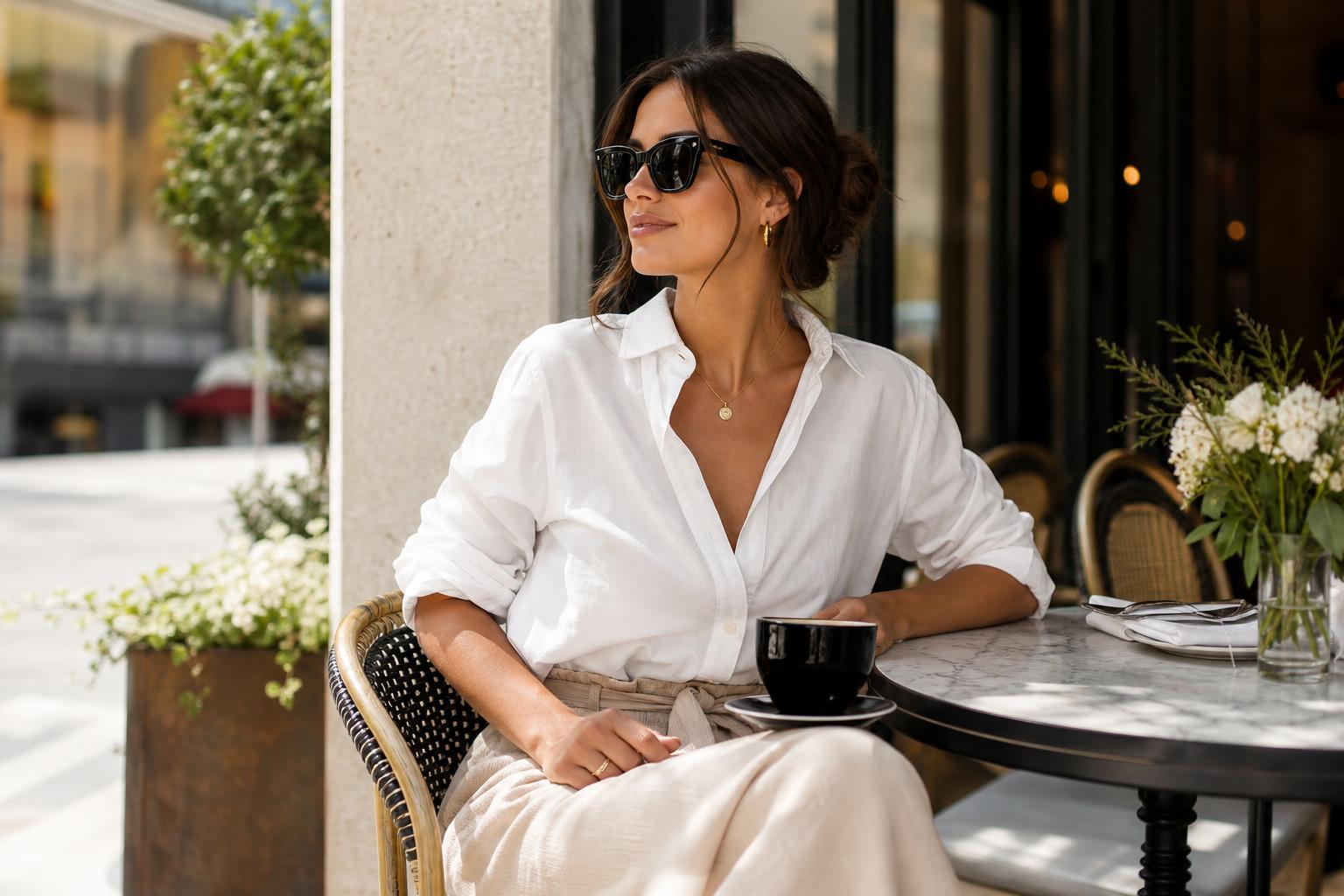
Late-morning dressing asks for a very particular balance. Brunch outfits ideas work best when they acknowledge the reality of the event: you want enough polish for a restaurant, rooftop, beachside table, or city café, but you also need comfort, movement, and a look that feels effortless in daylight. That is why the strongest brunch wardrobe is never built around one dramatic piece alone. It is built around proportion, breathable fabrics, reliable shoes, and a few versatile outfit formulas you can repeat with small changes.
The most useful approach is to think in terms of silhouettes and setting. A linen midi dress with sandals reads relaxed yet intentional for a casual Sunday brunch. Wide-leg pants with a button-down shirt feel modern and city-ready. A satin blouse with tailored trousers carries more polish for a rooftop brunch, while a maxi dress, espadrilles, and a straw bag fit a coastal mood without looking costume-like. The key is not chasing novelty. It is understanding why certain combinations work, then adapting them to season, body proportion, weather, and budget.
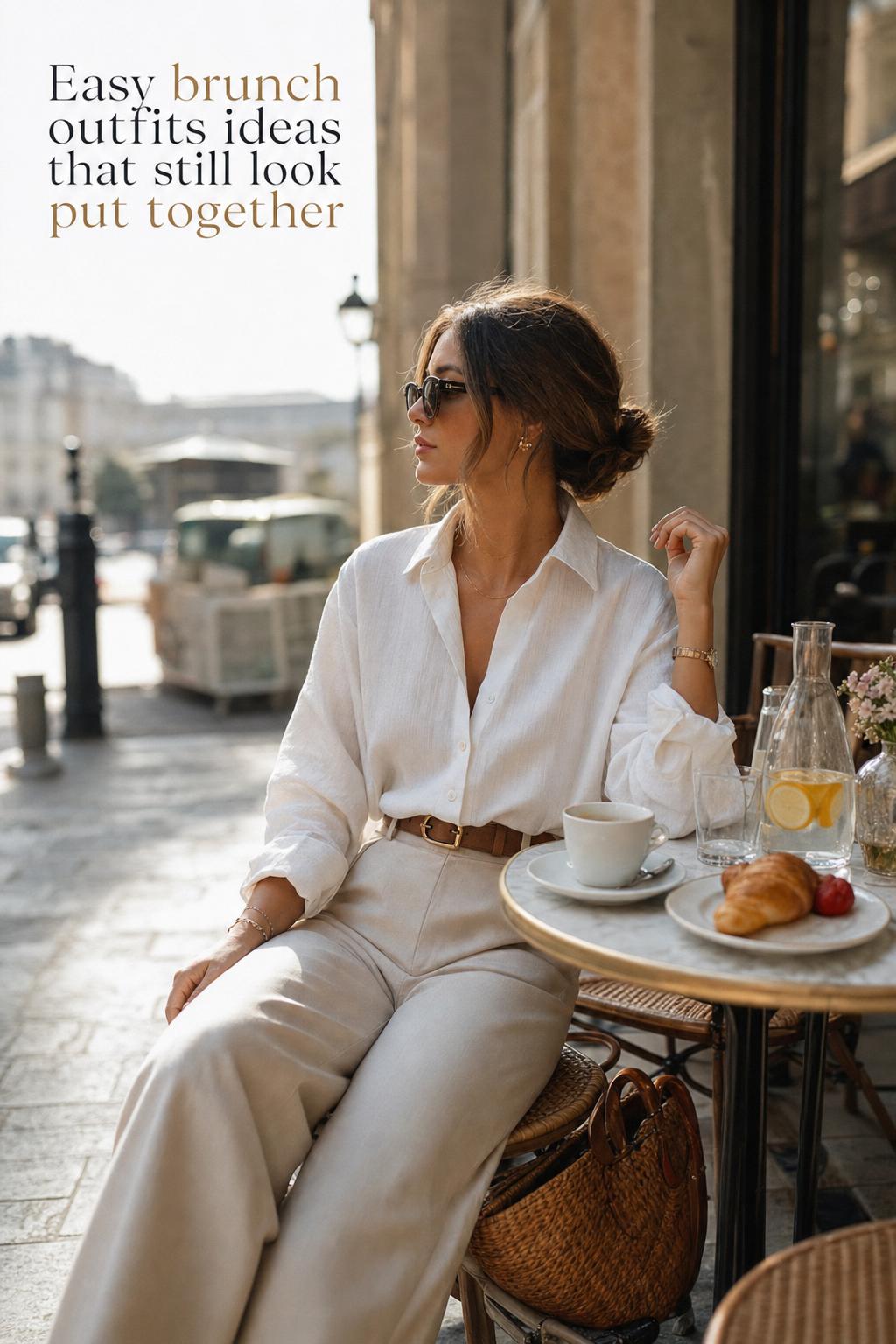
The brunch wardrobe foundations worth building first
Before choosing specific looks, it helps to identify the pieces that do the most work. In real life, the easiest brunch outfits come from a small group of staples that can be mixed across casual, elevated, and seasonal settings. These are also the items most often repeated in strong editorial and retailer styling: dresses, blouses or shirts, easy bottoms, supportive footwear, and accessories that add finish without adding effort.
- A midi dress in linen or cotton
- Wide-leg pants or tailored trousers
- A button-down shirt or blouse
- Well-cut denim that feels polished rather than overly distressed
- Flat sandals, heeled sandals, or refined flats
- A tote or clutch, depending on venue
- Simple jewelry, a belt, and sunglasses for finishing detail
If you are buying only one new brunch piece, start with the item that solves the most decisions. For many wardrobes, that is a midi dress. It requires no matching, works across spring and summer, layers easily with a blazer or trench, and can shift from flat sandals to a heel without needing a complete re-style. If dresses are not your preference, wide-leg pants are the next most versatile choice because they create an elegant line while remaining comfortable for sitting, walking, and longer daytime plans.
Your wedding has a lot of moving pieces. Your plan can still feel composed.
Zarellea organizes guests, vendors, budget, and timelines in one shared space — so you can make decisions with clarity, not stress.
Pieces worth investing in are the ones that determine structure: a good blazer, tailored trousers, quality sandals, and a well-made button-down shirt. More affordable alternatives can absolutely work for trend-led details such as a floral top, a satin blouse, a clutch, or statement accessories. This balance keeps the wardrobe refined without making every outfit expensive.
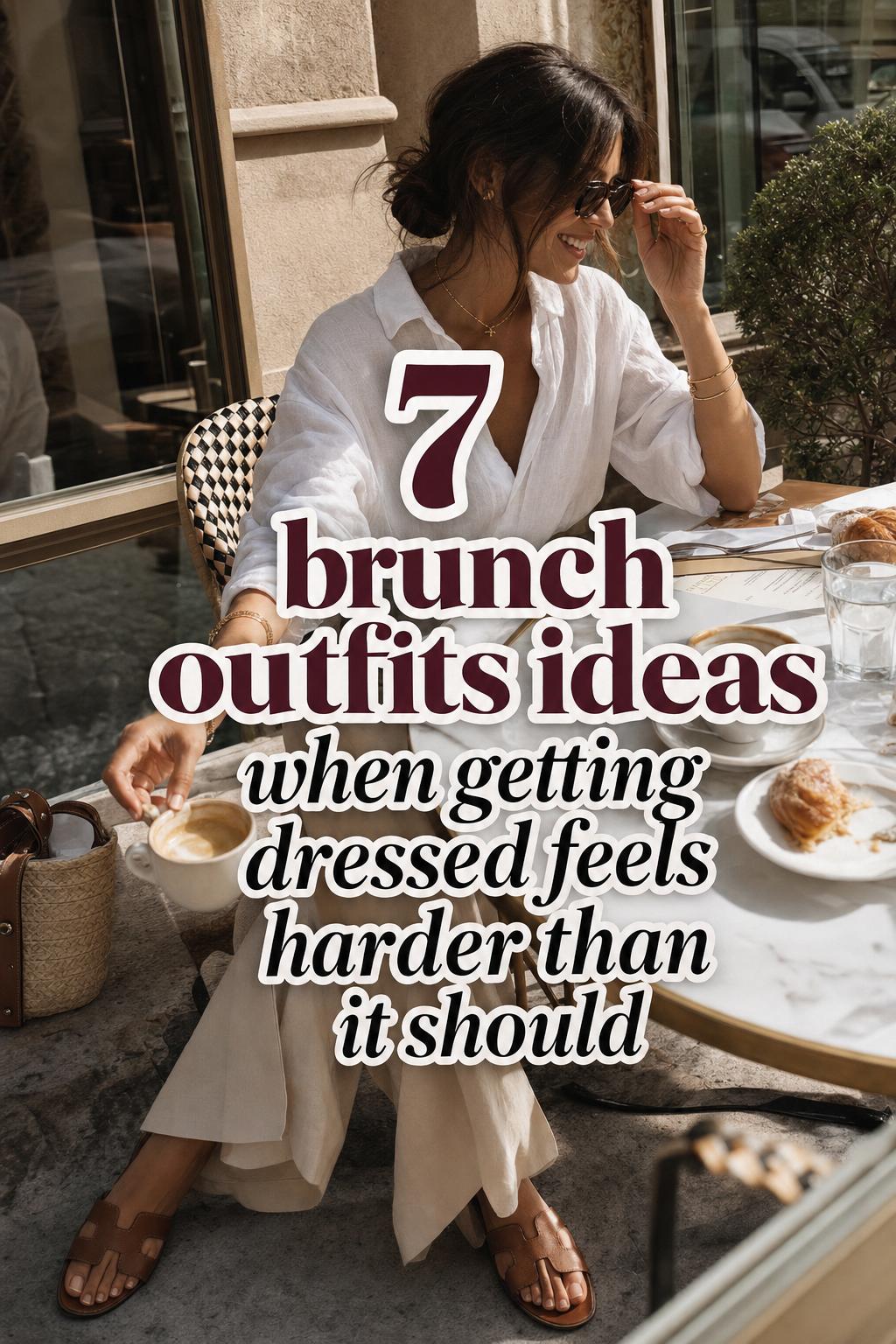
Outfit templates that make brunch dressing easier
A strong brunch outfit usually follows a repeatable formula. Once you know the formula, you can swap fabrics, colors, and accessories instead of starting over every weekend. These templates are especially practical if you want a wardrobe that feels coordinated rather than random.
The linen midi dress with sandals
This is one of the most reliable casual chic brunch outfits because the silhouette does most of the work. A midi length feels polished in daylight, linen keeps the look breathable, and sandals preserve the ease that brunch dressing needs. Add a tote bag for a casual Sunday setting or a more compact bag if the venue is dressier.
Why it works: the dress creates a single uninterrupted line, which tends to flatter many body types and simplifies proportion. For petite frames, a slimmer midi shape often prevents the look from feeling heavy. For curvier shapes, a version with gentle waist definition can create balance without feeling restrictive. For taller frames, a longer midi or even a maxi dress feels particularly graceful.
Budget tip: if you want this outfit to look more expensive, focus on fabric and fit before accessories. Even simple flat sandals and minimal jewelry can look refined when the linen falls well and the hem length feels intentional.
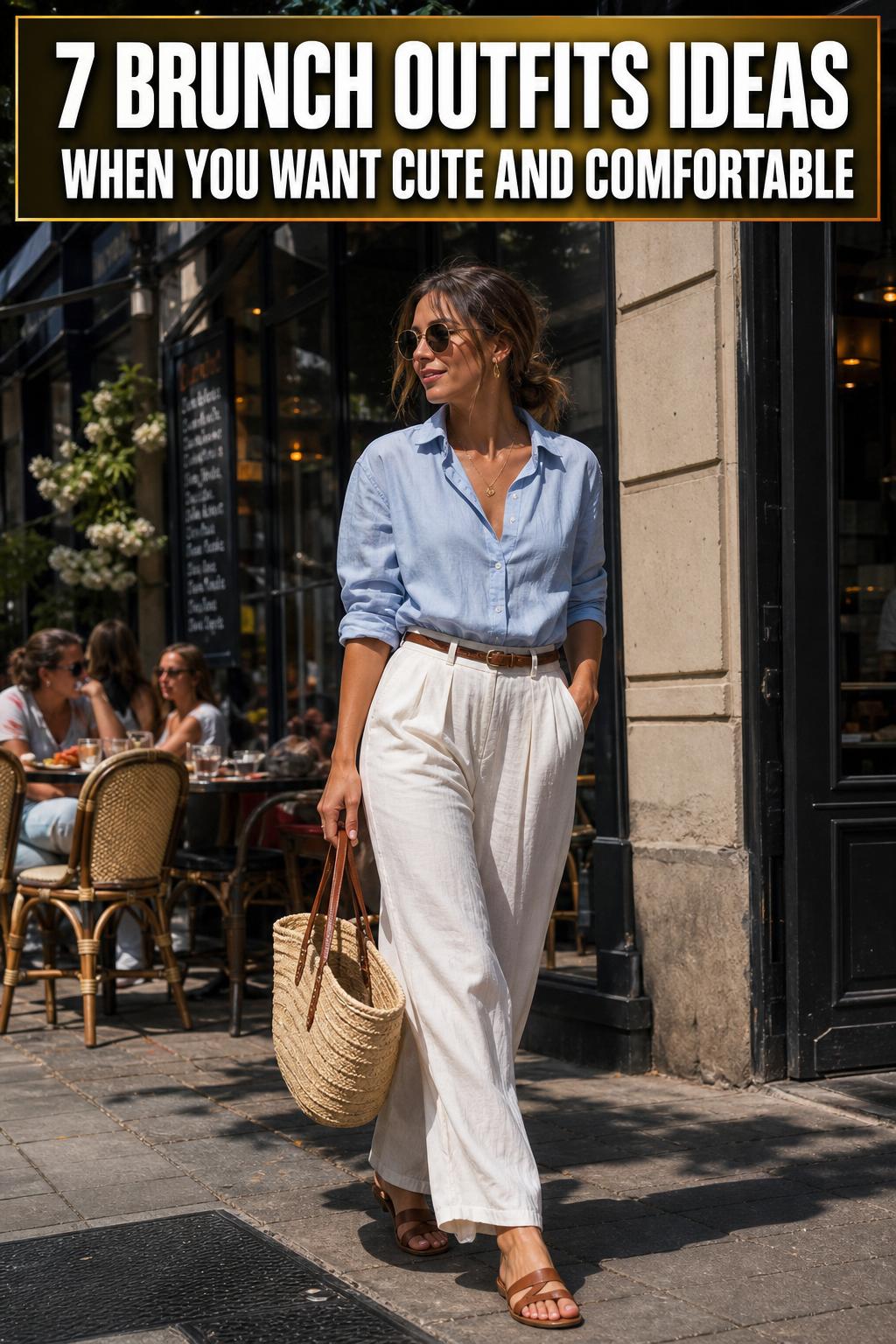
Wide-leg pants with a button-down shirt
This is the casual-city template: a little tailored, a little relaxed, and ideal for urban brunch settings that lean polished. The wide-leg shape adds movement, while a button-down shirt keeps the upper half clean and structured. It feels especially aligned with a modern minimalist wardrobe and can easily shift from coffee to lunch to afternoon errands.
Why it works: the volume below is balanced by clarity above. Tucking or half-tucking the shirt helps define the waist and prevents the silhouette from becoming too loose. If you are petite, choose a pant length that does not pool heavily at the ankle. If you are tall, the wide-leg proportion becomes an advantage and can handle stronger contrast, such as a crisp shirt with a more fluid trouser fabric.
This is also one of the best options for business-casual brunch or a meeting that happens to involve mimosas. Swap sandals for refined heels if you want more elevation, or use flats for a more practical daytime version.
Satin blouse with tailored trousers
For elevated brunch outfits, this pairing offers texture without excess. A satin blouse catches daylight beautifully, and tailored trousers provide the structure needed to keep the look grounded. This is a very effective formula for rooftop brunch, party brunch, or any venue where denim would feel too informal.
Why it works: one element brings softness and sheen, the other brings line and discipline. That contrast is what makes the outfit feel modern rather than overly dressy. Keep the accessories measured: heeled sandals, a clutch, and jewelry that either stays subtle or makes one clear statement. Doing too much in every category can make the outfit feel evening-driven rather than brunch-appropriate.
If you are recreating this look affordably, save on the blouse and spend more on the trousers. Poor tailoring is more visible in pants than in a softly draped top.
Denim with a blouse and polished footwear
Denim appears repeatedly in brunch styling for a reason: it is familiar, easy to own, and adaptable. The difference between ordinary jeans-and-a-top and a good brunch outfit lies in the finish. A blouse, clean footwear, and one thoughtful accessory are what elevate denim into a daytime dining look.
Choose denim when you want something approachable and low-maintenance. A blouse with texture, stripes, or a floral note can soften the casualness of jeans. Sandals make the look more relaxed; heels sharpen it. Add a bag with structure to keep the outfit from reading too everyday.
Dressing by vibe, not just by garment
The most stylish brunch outfits are often less about individual pieces and more about the atmosphere they create. A brunch in a neighborhood café does not ask for the same visual language as a rooftop reservation or a beachside table. Thinking in terms of vibe makes shopping and styling far more precise.
Casual Sunday brunch
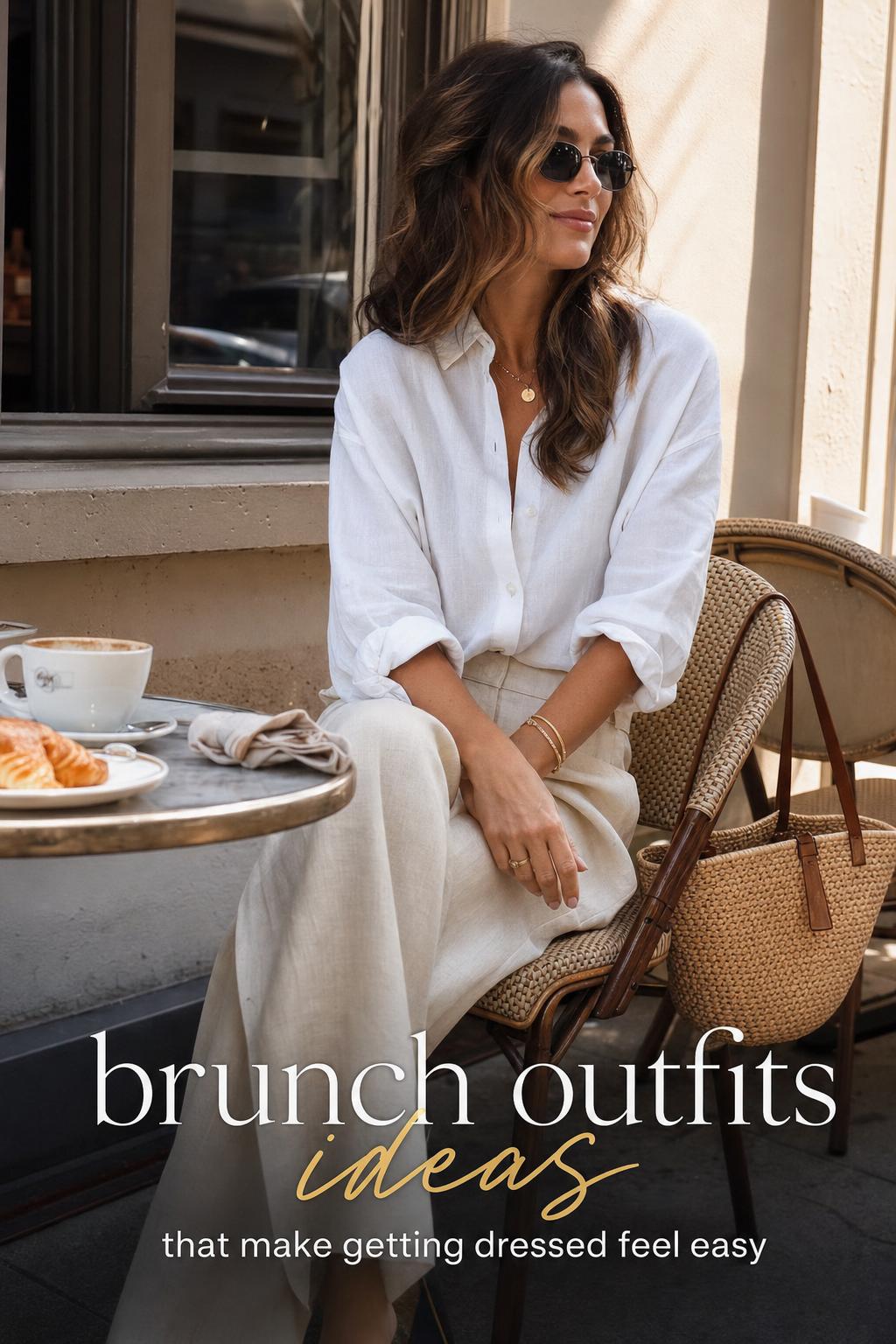
This is where comfort-first fashion matters most. Think linen dress, flat sandals, slip-ons, a tote bag, sunglasses, and perhaps a hat if the setting is outdoors. Relaxed silhouettes work well here, but they still need shape somewhere. If the dress is loose, keep the accessories crisp. If the top is oversized, choose a cleaner bottom such as a midi skirt or streamlined shorts.
A practical mistake to avoid is wearing pieces that belong more to the gym or to the sofa than to a restaurant. Brunch style can be comfortable without becoming careless. Cotton and linen are especially useful because they breathe well and naturally support that easy, daytime finish.
Rooftop brunch
Rooftop brunch usually benefits from stronger silhouettes and more considered textures. Satin, crepe, tailored pants, heeled sandals, and a clutch all sit naturally in this setting. Wide-leg pants can be especially effective because they bring drama without sacrificing movement.
In a city context with an NYC urban brunch vibe, cleaner lines often look more convincing than overly decorative styling. A structured blazer layered over a satin blouse, or tailored trousers paired with a refined top, gives the right amount of presence for a skyline backdrop. Keep jewelry deliberate rather than excessive, and let one texture carry the outfit.
Beachside or coastal brunch
Here, light fabrics and soft movement are the priority. A linen dress, linen shirt, maxi dress, or easy romper paired with espadrilles and a straw bag creates a balanced coastal look. Sunnies, hats, and breathable cotton layers become practical as well as stylish.
The goal is not to look beach-ready in a literal sense. It is to dress in a way that suits sunlight, breeze, and a more relaxed environment. Stiff fabrics can feel misplaced here, while soft neutrals, pastels, and florals tend to sit more naturally against the setting.
Fabrics and textures that actually make sense for brunch
Fabric choice is one of the clearest signals of whether an outfit will work in everyday life. Brunch often involves daytime light, changing temperatures, sitting for long periods, and occasionally moving from one plan to another. The right material helps the outfit hold its shape, stay comfortable, and feel appropriate for the venue.
- Linen: ideal for warm weather, coastal settings, and relaxed brunches; best when you want airflow and natural texture.
- Cotton: dependable, breathable, and easy for casual Sunday looks, button-down shirts, and dresses.
- Satin: useful for elevated brunch outfits, especially rooftop or party settings; best balanced with tailoring.
- Silk: refined and fluid, though it asks for more care and may not be the most practical choice for every daytime plan.
- Knits: excellent for autumn and winter brunch dressing when you want softness and warmth without bulk.
- Crepe and seersucker: helpful when you want texture and shape with a little more distinction than basic cotton.
The most common mistake is ignoring fabric behavior. A heavy satin pant in high heat can feel uncomfortable by noon. A very thin cotton piece may wrinkle excessively if the cut is not strong. Linen is beautiful, but it needs a silhouette that can handle a little movement and natural creasing. Always pair the fabric with the right context.
For travel-friendly brunch outfits, focus on materials that can handle sitting, packing, and changing temperatures. Tailored trousers in a forgiving fabric, cotton shirts, and midi dresses are often more practical than delicate, highly structured pieces.
Color palettes that make daytime outfits feel intentional
Color is often what distinguishes a thoughtful brunch outfit from a merely functional one. Daylight tends to reveal every imbalance, so color pairing matters more at brunch than it might at night. The easiest way to style confidently is to choose a simple palette and let silhouette and texture do the rest.
Pastels for spring and softer settings
Pastel brunch palettes work particularly well with florals, midi dresses, blouses, and light layers. They feel natural in spring brunch outfits and in venues with a romantic or outdoor tone. To keep pastels from looking overly sweet, ground them with neutral footwear, a structured bag, or a blazer.
Neutrals for a polished minimalist approach
Neutrals are often the smartest choice if you want versatility. Wide-leg pants, button-down shirts, knit dresses, blazers, and sandals all gain a more expensive appearance in a restrained neutral palette. This approach is especially useful for capsule dressing because every piece works with the next.
Brights, florals, and accent colors
Brighter tones and floral prints are effective when they appear with control. One vivid blouse with tailored trousers is often more refined than a full outfit of competing statements. Florals and stripes work particularly well when one pattern becomes the focus and everything else stays clean.
Earth tones also make sense for autumn brunch dressing. They pair naturally with lightweight knits, utility jackets, and denim, and they offer warmth without relying on heavy styling.
Accessories that finish the look without overwhelming it
Accessories are not decoration alone; they determine function. A brunch outfit needs to move, sit comfortably, and sometimes transition into shopping, walking, or an early evening plan. The right shoes, bag, and jewelry should support that reality rather than complicate it.
Shoes: comfort first, statement second
Sandals are the most flexible brunch shoe because they suit dresses, denim, shorts, skirts, and tailored pants. Flat sandals are best for casual Sunday brunch, beachside plans, and long walks. Heeled sandals work for rooftop settings and elevated looks, but only if the venue and your plans support them. Flats can be just as polished if the shape is refined.
Espadrilles are particularly useful in coastal or summer settings because they bring texture and a daytime mood. Slip-ons can also work, especially with knit dresses or relaxed separates, but they should still feel intentional rather than purely practical.
Bags: scale matters
A tote bag suits casual brunch, especially if you are carrying sunglasses, a lightweight scarf, or extras for a full day out. A clutch or compact structured bag feels more aligned with rooftop or party brunch. The bag should match the scale of the outfit. Large, slouchy bags can overwhelm a delicate midi dress, while a tiny clutch can look disconnected from wide-leg trousers and a blazer.
Jewelry, belts, hats, and sunglasses
Jewelry works best when it supports the neckline and fabric. A satin blouse may need only subtle earrings or one statement piece. A simple cotton dress can handle a belt and a few more visible accessories. Hats and sunglasses are underused but highly practical for outdoor and beachside brunch plans, especially in bright conditions. Lightweight scarves can also help with shifting weather while adding texture to a simple outfit.
Seasonal brunch styling without overcomplicating your wardrobe
One reason brunch dressing feels difficult is that the event sits across seasons so differently. Spring asks for freshness and light layering. Summer asks for breathability and sun readiness. Autumn requires texture and warmth without heaviness. Winter brunch needs insulation, but still with enough softness for daylight rather than evening drama.
Spring: florals, light layers, and fresh proportions
Spring brunch outfits benefit from cotton shirts, floral dresses, midi skirts, blouses, and a blazer or trench for changing temperatures. This is the season for pastel tones and airy fabrics. Keep the layering light so the look remains daytime-friendly. A trench over a floral midi dress or wide-leg pants with a crisp shirt creates polish without stiffness.
Summer: breathable fabrics and sun-smart details
Summer brunch ideas should start with linen, cotton, sandals, sunglasses, and uncomplicated silhouettes. A maxi dress, romper, shorts with a blouse, or a linen shirt over a simple dress can all work well. The practical priority is avoiding fabrics that trap heat or cling too heavily by midday.
Tip: if you know you will be walking or waiting outdoors, choose flat sandals or espadrilles over a high heel, and keep the bag light. In hot weather, looking polished often comes down to editing, not adding.
Autumn: lightweight knits, denim, and utility structure
Autumn is ideal for knit dresses, denim, blouses, skirts, and utility jackets. Earth tones and stripes sit naturally here, and the textures can be a little richer than in spring. This is a good moment for layering a blazer over a button-down or adding a belt to define shape through heavier fabrics.
Winter: warmth with a daytime sensibility
Winter brunch outfits do not need to be bulky to be effective. Layered textures, chic knitwear, tailored trousers, dresses with warmer layers, and a trench or structured outer layer usually feel more polished than piling on too many casual pieces. Keep the palette refined and let one texture, such as knit or satin, add depth.
The 30-piece brunch capsule mindset
A capsule approach is one of the smartest ways to make brunch dressing easier. Rather than collecting isolated statement pieces, build around categories that can create multiple outfits. This keeps your wardrobe functional for weekends, casual city plans, travel, and even business-casual brunch situations.
- 4 dresses: a linen midi, a cotton day dress, a knit dress, and one more elevated option
- 4 tops: a button-down shirt, a blouse, a satin blouse, and a simple refined top
- 4 bottoms: denim, wide-leg pants, tailored trousers, and a skirt or shorts option
- 3 layering pieces: blazer, trench, utility jacket
- 4 shoes: flat sandals, heeled sandals, flats, espadrilles
- 5 accessories: tote, clutch, belt, jewelry, sunglasses or a hat
- Seasonal extras such as florals, stripes, or a lightweight scarf
You do not need to copy these numbers exactly. The point is to build enough range to cover casual Sunday brunch, rooftop plans, beachside settings, and cooler-weather outings without buying for each event separately. This method is also what makes shopping more rational: you buy to fill a gap in the wardrobe rather than because one look looked appealing in isolation.
How to adapt brunch looks for body proportion and personal comfort
The most successful outfit is the one you will actually wear with confidence. Body-positive and inclusive styling is not about following rigid rules; it is about understanding proportion and choosing silhouettes that let you move, sit, and enjoy the event. A brunch table is not the place for constant adjusting.
For petite frames, clean lines are especially useful. A midi dress with a clear waist, trousers that do not drag, and sandals that visually lighten the outfit can all help maintain proportion. For taller frames, longer lines such as maxi dresses, wide-leg pants, and stronger layering often look beautifully balanced. For curvier figures, soft waist definition, fluid fabrics, and trousers or skirts that skim rather than cling can create ease and elegance.
Comfort-first and adaptive choices matter as much as appearance. Stretch in the wrong place can cheapen a look, but strategic ease can improve it. If you know you dislike restrictive waistbands, a dress or relaxed trouser may serve you better than trying to force a fitted look. If you prefer more coverage, a blazer, button-down layer, or longer skirt can create confidence without sacrificing style.
Brunch style by context: bridal, business-casual, party, and travel weekends
Not all brunches ask for the same tone, and this is where many wardrobes fall short. The smartest styling question is not simply “What should I wear to brunch?” but “What kind of brunch is this?” Small context changes should guide silhouette, texture, and accessories.
Bridal brunch
A bridal brunch usually calls for a softer, more polished approach. Midi dresses, florals, refined blouses with skirts, and subtle jewelry all work well. Keep the palette light or neutral and avoid accessories that feel overly sharp or nightlife-driven.
Business-casual brunch
For a brunch that blends social and professional energy, rely on wide-leg pants, a button-down shirt, a blazer, or tailored trousers with clean footwear. This is where neutral palettes and precise proportions are especially effective. The outfit should feel composed, not festive.
Weekend party brunch
Party brunch looks can carry more personality: satin, statement accessories, heeled sandals, or stronger color. Even then, it helps to keep one element calm. If the blouse has sheen, choose quieter trousers. If the accessories are more visible, keep the dress silhouette simple.
Travel and packing for brunch plans
For a weekend away, choose a travel-friendly brunch packing strategy: one midi dress, one blouse, one button-down, one trouser, one pair of denim, sandals, and a bag that works across settings. Wrinkle resistance and versatility matter more than novelty. A look that survives a suitcase and still feels polished is always more useful than a complicated outfit that only works in theory.
Common brunch outfit mistakes that weaken the whole look
Many brunch outfits fail for surprisingly simple reasons. Usually it is not the wrong trend. It is a mismatch between venue, fabric, footwear, and time of day.
- Choosing evening pieces that feel too formal in daylight
- Ignoring weather and ending up too hot, too cold, or unable to walk comfortably
- Wearing footwear that looks good standing still but not in real movement
- Combining too many focal points at once: statement top, statement shoe, statement bag, heavy jewelry
- Using oversized silhouettes without enough structure anywhere in the outfit
- Buying trend pieces that do not connect with the rest of your wardrobe
A useful rule is this: if an outfit cannot carry you through sitting, walking, natural daylight, and a casual photo without fussing, it probably is not the best brunch choice. Daytime polish depends on ease.
Subtle shopping strategy: where style meets practicality
Retail and editorial brands such as ASOS, Anthropologie, Willow & Thread, and modern fashion content hubs often present brunch looks through highly visual styling. That can be useful, but the smartest shopper looks past the image and studies the structure of the outfit. Is the appeal coming from the fabric, the cut, the color palette, or simply the model styling? That distinction helps prevent expensive mistakes.
Shop categories before trends. Search first for the strongest wardrobe builders: midi dress, wide-leg pants, button-down shirt, tailored trousers, sandals, blazer. Then add one or two expressive pieces such as a floral blouse, satin top, or statement accessory. This creates a wardrobe that can produce many brunch looks rather than one memorable but limited outfit.
If sustainability matters in your shopping decisions, focus on lasting silhouettes, recycled fabrics where available, rental platforms for more occasional elevated brunch pieces, and thrifted finds for blazers, bags, and scarves. The most sustainable brunch wardrobe is often the one built from repeatable pieces rather than constant replacement.
Five quick outfit formulas to keep in rotation
When you do not want to overthink, keep a short set of proven combinations in mind. These are easy to adapt and cover most brunch scenarios.
- Linen midi dress, flat sandals, tote bag, sunglasses
- Wide-leg pants, button-down shirt, belt, refined flats or sandals
- Denim, blouse, heeled sandals, structured bag
- Satin blouse, tailored trousers, clutch, subtle jewelry
- Maxi dress, espadrilles, straw bag, hat for a coastal or outdoor setting
Each formula can move across seasons with simple changes. Add a trench in spring, a utility jacket in autumn, lightweight knits in cooler weather, or switch from flats to heels when the venue becomes more elevated. That is the essence of good style: not endless novelty, but intelligent variation.
FAQ
What should I wear to brunch if I want to look polished but not overdressed?
The safest formula is a midi dress with sandals, or wide-leg pants with a button-down shirt and simple accessories. These combinations feel intentional in daylight, work across many venues, and can be adjusted up or down with your bag and footwear.
What are the best fabrics for brunch outfits in warm weather?
Linen and cotton are the most practical choices for heat because they are breathable and naturally suited to daytime dressing. For more elevated settings, satin can work well in moderation, especially when balanced with tailored trousers or cleaner lines.
Can I wear jeans to brunch?
Yes, denim can work very well for brunch when the rest of the outfit adds polish. Pair jeans with a blouse or button-down shirt, refined sandals or heels, and a structured bag so the overall look feels considered rather than casual by default.
How do I choose a brunch outfit for a rooftop venue?
Rooftop brunch usually benefits from elevated textures and stronger structure, such as a satin blouse, tailored trousers, heeled sandals, or a blazer. Keep the silhouette clean and let one key element, such as sheen or tailoring, lead the look.
What brunch outfits work best for petite or curvy body types?
For petite frames, cleaner lines, defined waist placement, and lengths that do not overwhelm the ankle are especially helpful. For curvier shapes, fluid fabrics, gentle waist definition, and skirts or trousers that skim the body usually create a balanced and comfortable silhouette.
What shoes are most practical for brunch?
Flat sandals are often the most versatile because they suit dresses, denim, and tailored separates while remaining comfortable for walking and longer plans. Heeled sandals are useful for more elevated brunch settings, while espadrilles are ideal for beachside or summer locations.
How can I build brunch outfits on a budget?
Start with versatile staples: one midi dress, one button-down shirt, one pair of wide-leg pants or tailored trousers, simple sandals, and a practical bag. Spend more on fit and structure, then use affordable accessories or trend-led tops to refresh the look.
What colors work best for brunch outfits?
Pastels and florals work beautifully in spring, neutrals are the most versatile year-round, and brighter accents can be effective when the rest of the outfit stays controlled. The strongest brunch palettes usually rely on one clear direction rather than too many competing colors.
How do I transition a brunch outfit into the rest of the day?
Choose pieces that already have range, such as a blazer over a dress, wide-leg pants with a button-down, or denim with polished accessories. A change from flat sandals to heeled sandals, or from a tote to a clutch, is often enough to carry the outfit into later plans.
Leave a Reply