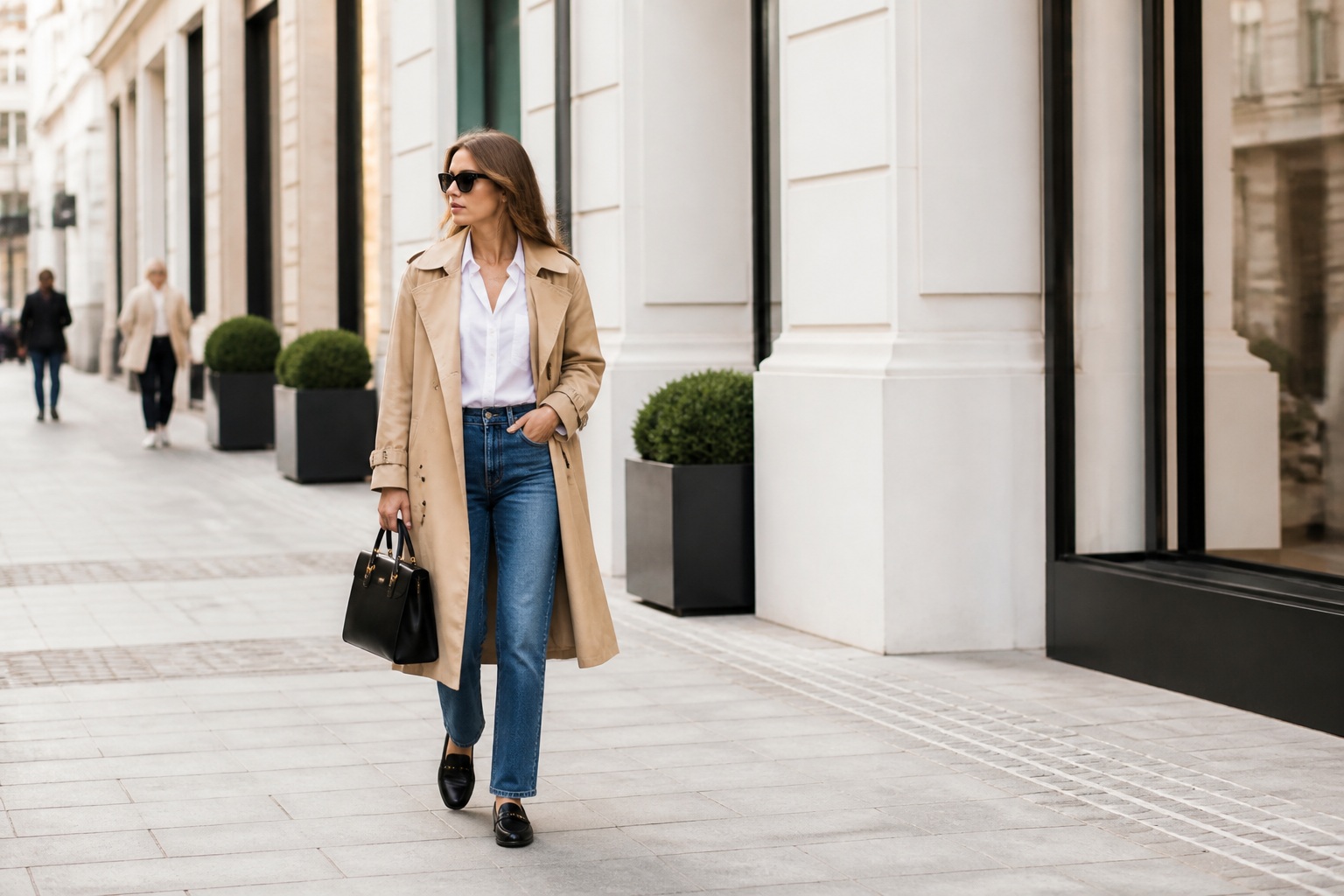
Simple style outfits are not about owning the fewest clothes or making every look beige. They are about reducing the number of decisions between your closet and the door. When the base pieces fit well, the colors cooperate, and one finishing detail has a job, getting dressed becomes faster without becoming forgettable.
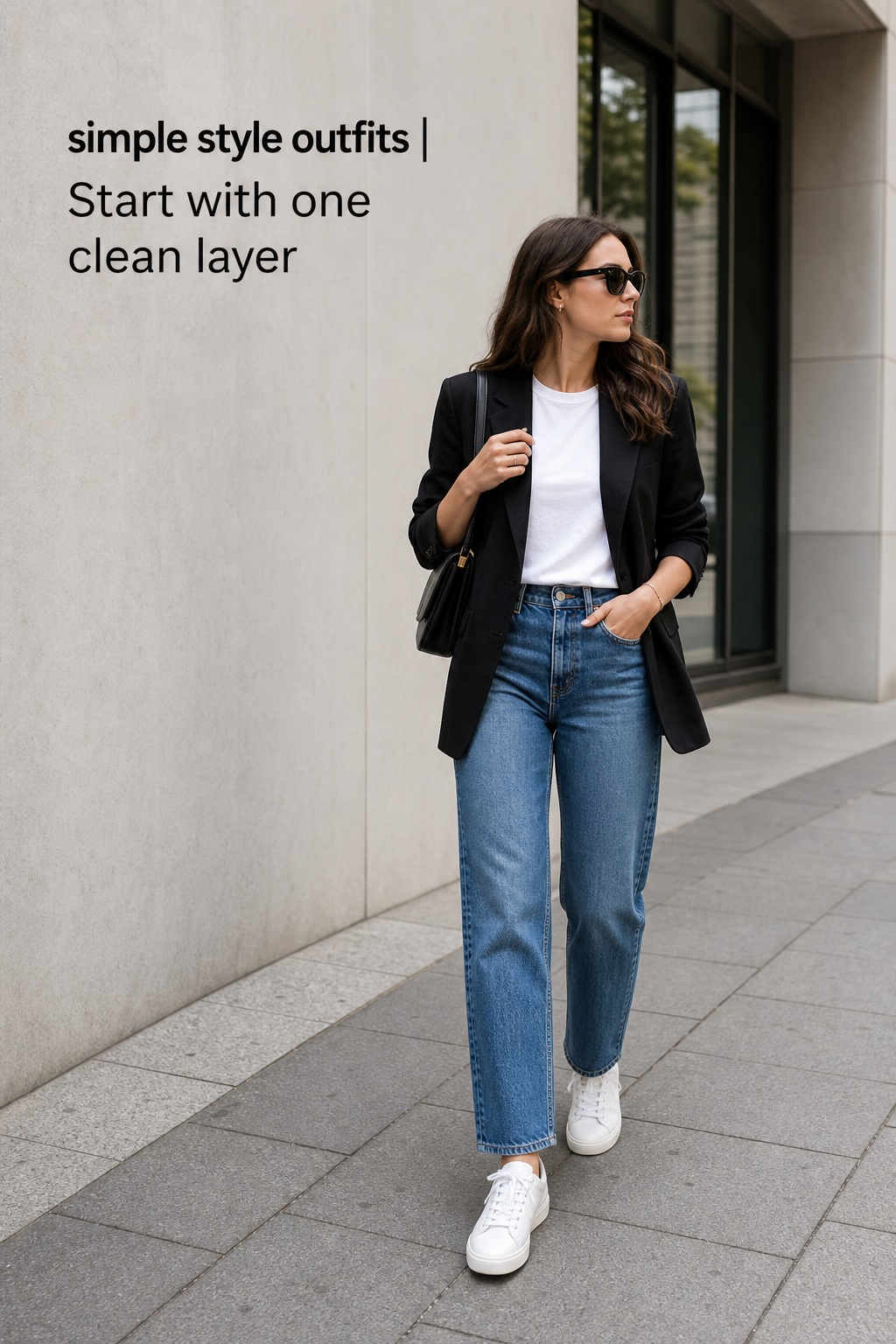
The most useful approach is to think in formulas instead of isolated pieces. A white T-shirt is not an outfit by itself, but it can become relaxed with straight-leg jeans and sneakers, polished with tailored trousers and loafers, or season-ready under a blazer. The formula gives you a starting point; fit, texture, and accessories make it feel like yours.
This guide breaks down the building blocks behind reliable simple style outfits, then turns them into practical combinations for workdays, weekends, warm weather, and transitional days. You can use the ideas with what you already own and adapt them to your comfort, climate, and personal style.
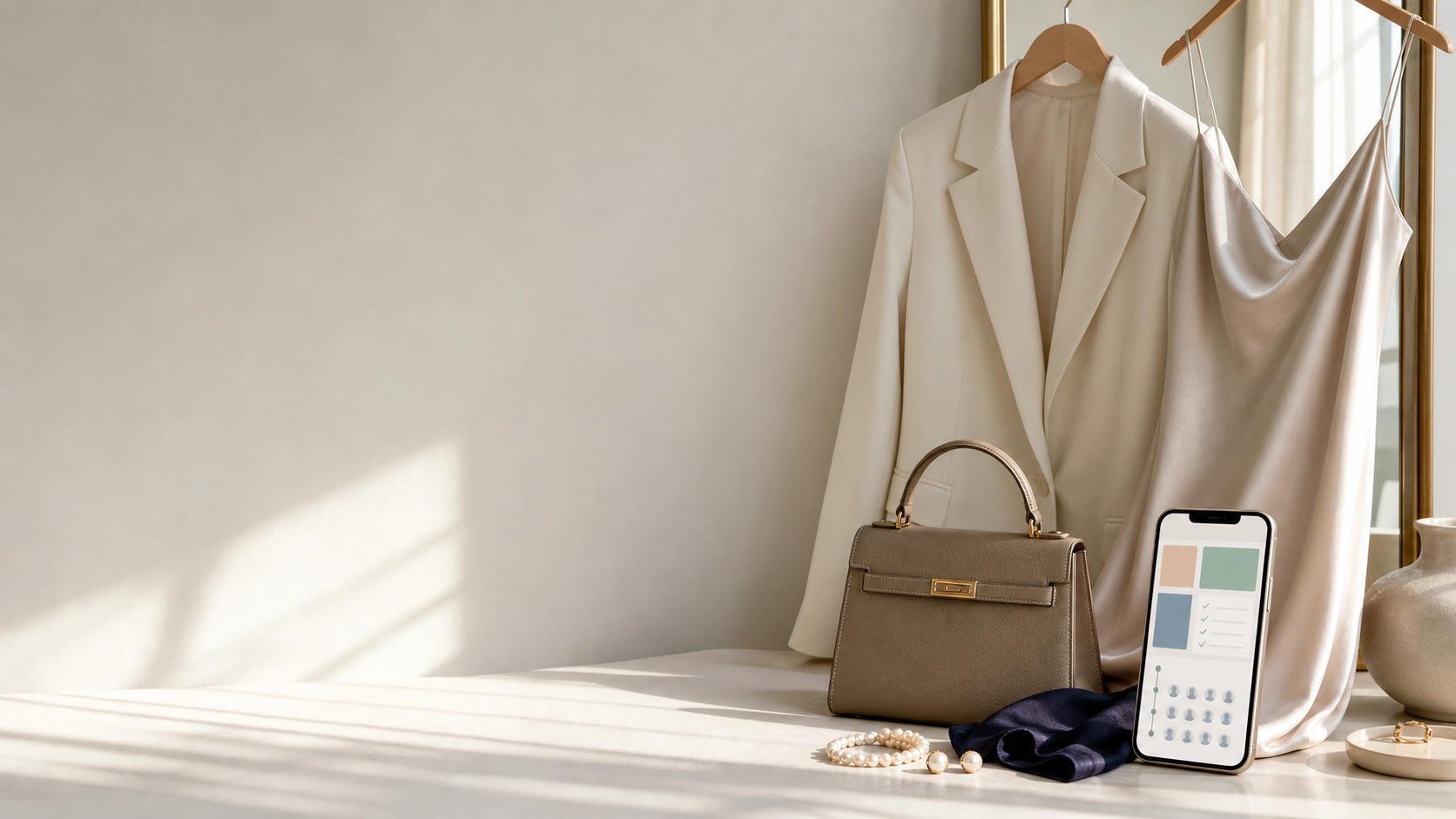
Your wedding has a lot of moving pieces. Your plan can still feel composed.
Zarellea organizes guests, vendors, budget, and timelines in one shared space — so you can make decisions with clarity, not stress.
Why Simple Style Outfits Look More Polished
Simple clothing looks intentional when the eye can understand the outfit quickly. That usually happens when there is a clear shape, a controlled color story, and a small amount of contrast. None of those requirements depends on a designer label. A clean neckline, a trouser hem that meets the shoe well, or a jacket that holds its shape can do more for an outfit than a dramatic trend piece.
Fit is the first reason basics work. A plain tee with shoulders in the right place and a hem that lands where you want it to will look more finished than a more expensive tee that twists or collapses. Fit does not have to mean tight. Relaxed pieces can look excellent when the volume is deliberate and balanced somewhere else.
Proportion is the second reason. Pairing a wide-leg bottom with a fitted or cropped top creates a visible waistline and keeps the silhouette from becoming one large block. Pairing an oversized shirt with a slim skirt or straight-leg jeans creates the opposite balance. The goal is not to follow one body rule; it is to give the outfit a sense of relationship.
Color does quiet work, too. A two- or three-color palette makes individual items look connected. Black, white, cream, denim, gray, navy, olive, and brown are useful because they can repeat across clothing, shoes, and accessories. A brighter color can still be part of a simple outfit when it is treated as the focal point rather than competing with several other accents.
Finally, simple style outfits benefit from one finishing decision. That might be a belt, a structured bag, a silk scarf, a watch, a bold earring, or a shoe with a distinct shape. The detail should feel intentional, not like every accessory you own was added at once. One clear point of interest makes a basic combination feel complete.
The Core Building Blocks to Keep on Repeat
Start with tops that can change their role. A crisp white or blue button-down can be worn open over a tank, tucked into trousers, tied over a dress, or layered under a sweater. A good white T-shirt is useful for casual outfits, but choose the shape you actually enjoy wearing: fitted, boxy, softly oversized, or somewhere between. A simple knit adds warmth and texture without requiring a complicated print.
For bottoms, choose at least one pair of jeans that works with your real shoes. Straight-leg denim is flexible, while a relaxed wide leg can make a basic top look modern and comfortable. Add one pair of tailored trousers in black, navy, gray, or a warm neutral. If you prefer skirts, a simple midi or clean A-line shape can play the same role. The best bottom is the one you can style at least three ways.
One-piece items are the easiest shortcut. A black, navy, or neutral dress can be worn alone with sandals, under a jacket, or over a fitted tee when you want a different line. A jumpsuit offers the same one-and-done convenience, especially on mornings when choosing a top and bottom feels like too much work. Look for comfortable movement and a waist placement you do not have to adjust all day.
Layering pieces create variety without multiplying your wardrobe. A blazer sharpens denim and makes a T-shirt feel ready for a meeting. A denim jacket gives a dress or skirt a casual edge. A cardigan softens tailored pieces and works across seasons. A trench or long coat creates a strong vertical line over almost any combination, which is why outerwear often makes a very simple outfit look finished before you add anything else.
Shoes decide the mood. White sneakers keep jeans, trousers, and dresses relaxed. Loafers add structure without the formality of a heel. Flat sandals make a summer dress feel effortless, while ankle boots give denim and skirts more weight in cooler weather. You do not need every shoe category; you need a small group that covers your everyday distances and the occasions you actually attend.
Accessories should solve a visual or practical problem. A belt can define a loose silhouette. A crossbody bag can add structure while keeping your hands free. A simple chain or small hoops can bring light near the face. Sunglasses, a watch, or a scarf can provide the final note. If the outfit already has a strong jacket, shoe, or color, choose accessories that support it rather than starting a second conversation.
Five Simple Style Outfit Formulas to Try
1. White T-shirt, straight-leg jeans, and a structured layer. This is the dependable base because each piece has a clear job. The T-shirt keeps the look clean, the denim gives it ease, and a blazer, cardigan, or short jacket creates shape. Finish with loafers for a polished everyday look or sneakers for errands. Add a belt if the top and jeans need a stronger connection.
To keep this formula from feeling repetitive, change only one variable at a time. Try a tucked tee with a belt, then an untucked boxy tee with a shorter jacket. Swap blue denim for ecru or black. Change the bag from a soft tote to a compact shoulder bag. The foundation stays familiar, but the proportion and mood shift enough to make the outfit feel new.
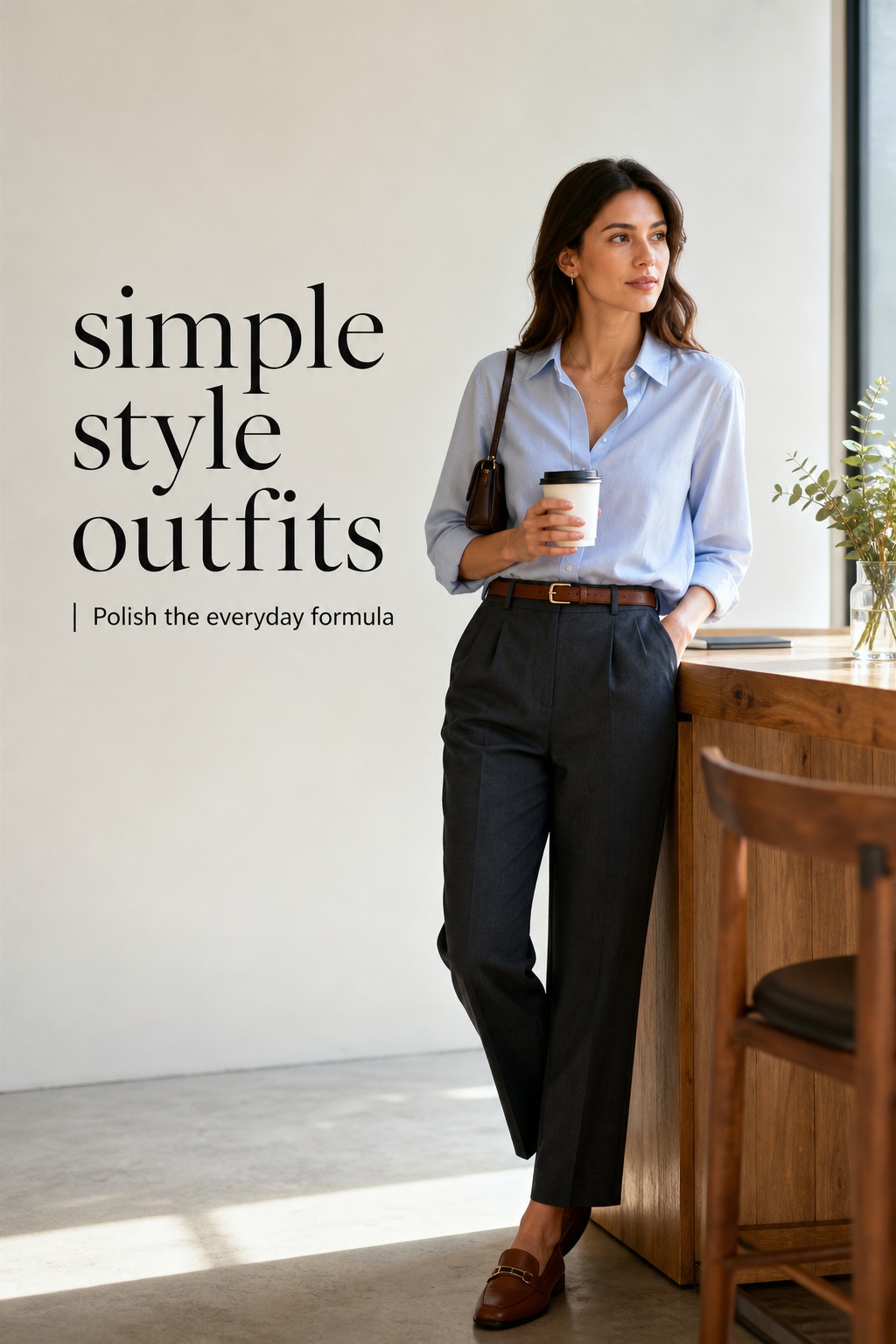
2. Button-down shirt, tailored trousers, and everyday shoes. This combination works for offices, lunches, travel days, and any situation where you want to look prepared without feeling overdressed. Tuck the shirt fully for a crisp line, half-tuck it for ease, or wear it open over a fitted tank. A leather belt and loafers make the outfit sharper; clean sneakers and rolled sleeves make it more relaxed.
Texture keeps this formula from looking flat. Try cotton poplin with wool trousers, linen with smooth leather, or a soft shirt with a crisp pleat. If both pieces are loose, show a little wrist, ankle, or neckline so the shape does not disappear. If the trousers are wide, a slightly closer-fitting shirt or a defined tuck can create useful balance.
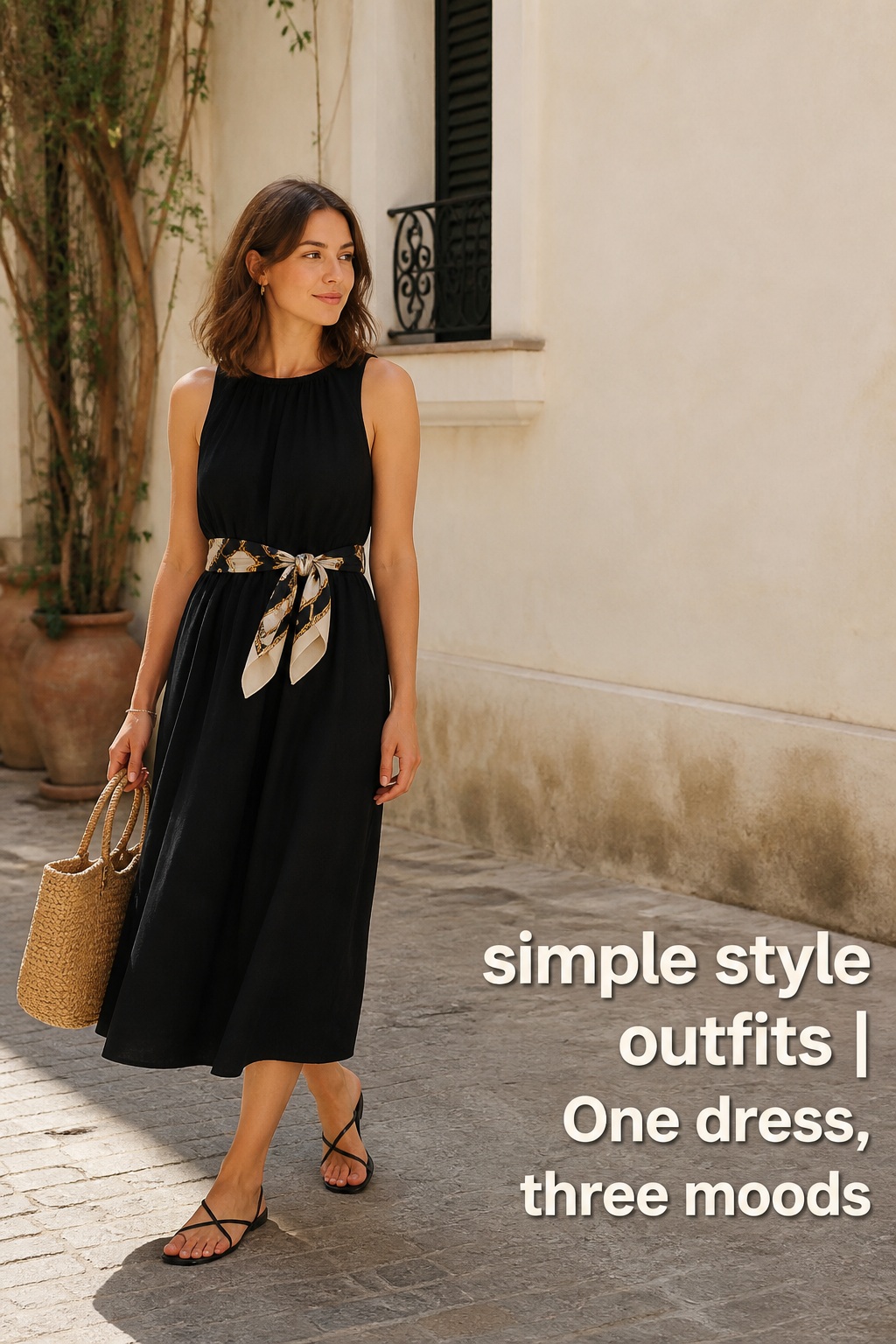
3. Simple dress, practical shoes, and one strong accessory. A dress is a complete starting point, so the styling can stay intentionally light. For daytime, try a midi dress with flat sandals, ballet flats, or sneakers. For a dinner, change to a more refined shoe and a small bag. A belt, scarf, or sculptural earring can alter the silhouette without requiring a new dress.
Use layers to extend the formula. A denim jacket makes a floral or slip dress feel less precious. A blazer brings structure to a soft jersey dress. A sweater worn over the dress can turn it into a skirt-like base, especially when the hem of the sweater stops near your natural waist. The layer should add a new proportion, not simply cover the entire dress.
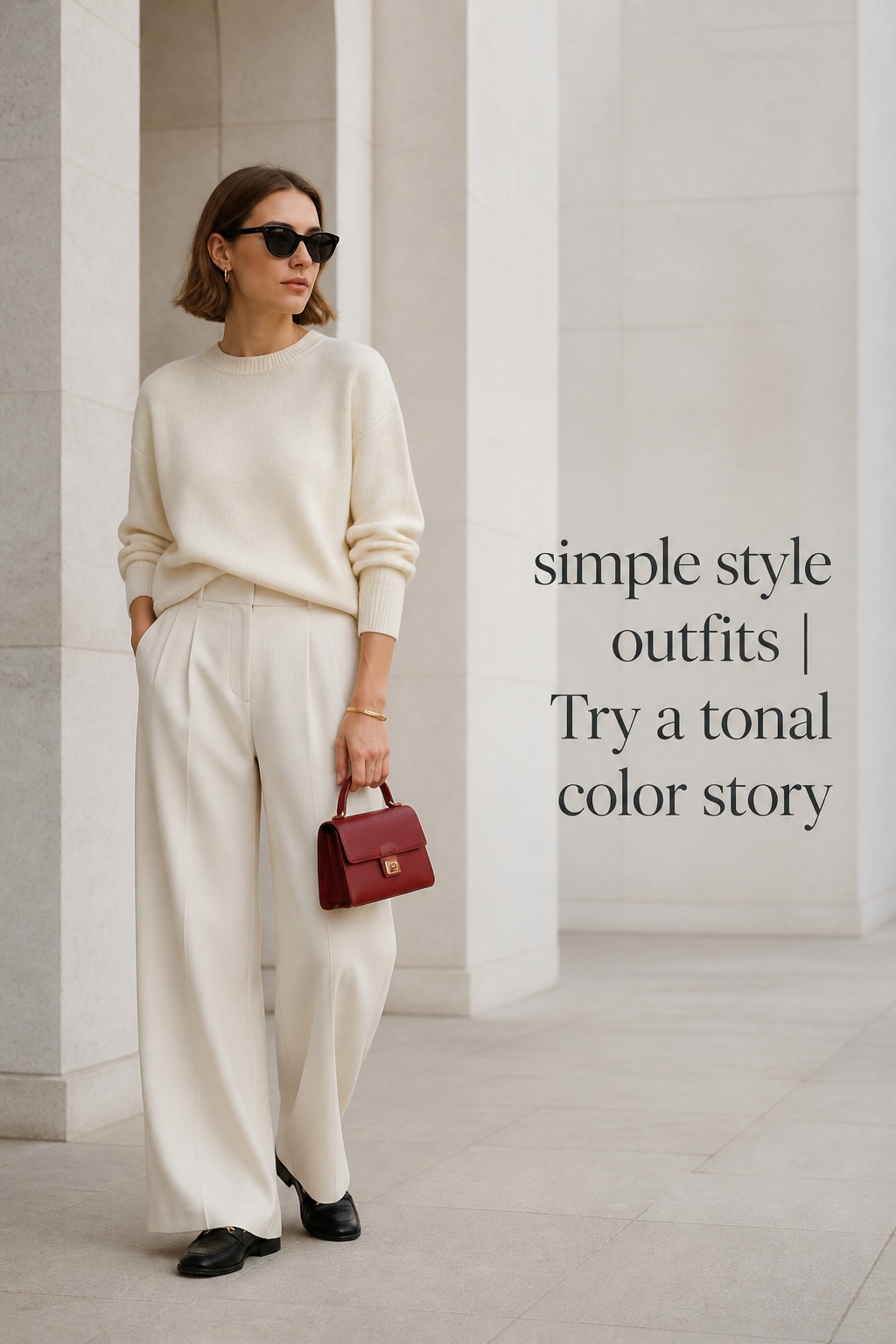
4. Tonal separates with a contrasting shoe. Choose pieces in one color family, such as cream and beige, gray and charcoal, or navy and denim. The tonal approach makes simple items feel cohesive and lets fabric differences become visible. Add contrast through black loafers, brown sandals, a red flat, or a bright bag. This is an easy way to look considered without relying on a print.
When dressing in one color, vary the surface. Combine a ribbed knit with smooth trousers, denim with a fine-gauge sweater, or linen with leather. Avoid choosing every item in exactly the same shade and finish, because that can make the outfit look flat. A small shift in tone gives the eye somewhere to move while keeping the overall effect calm.
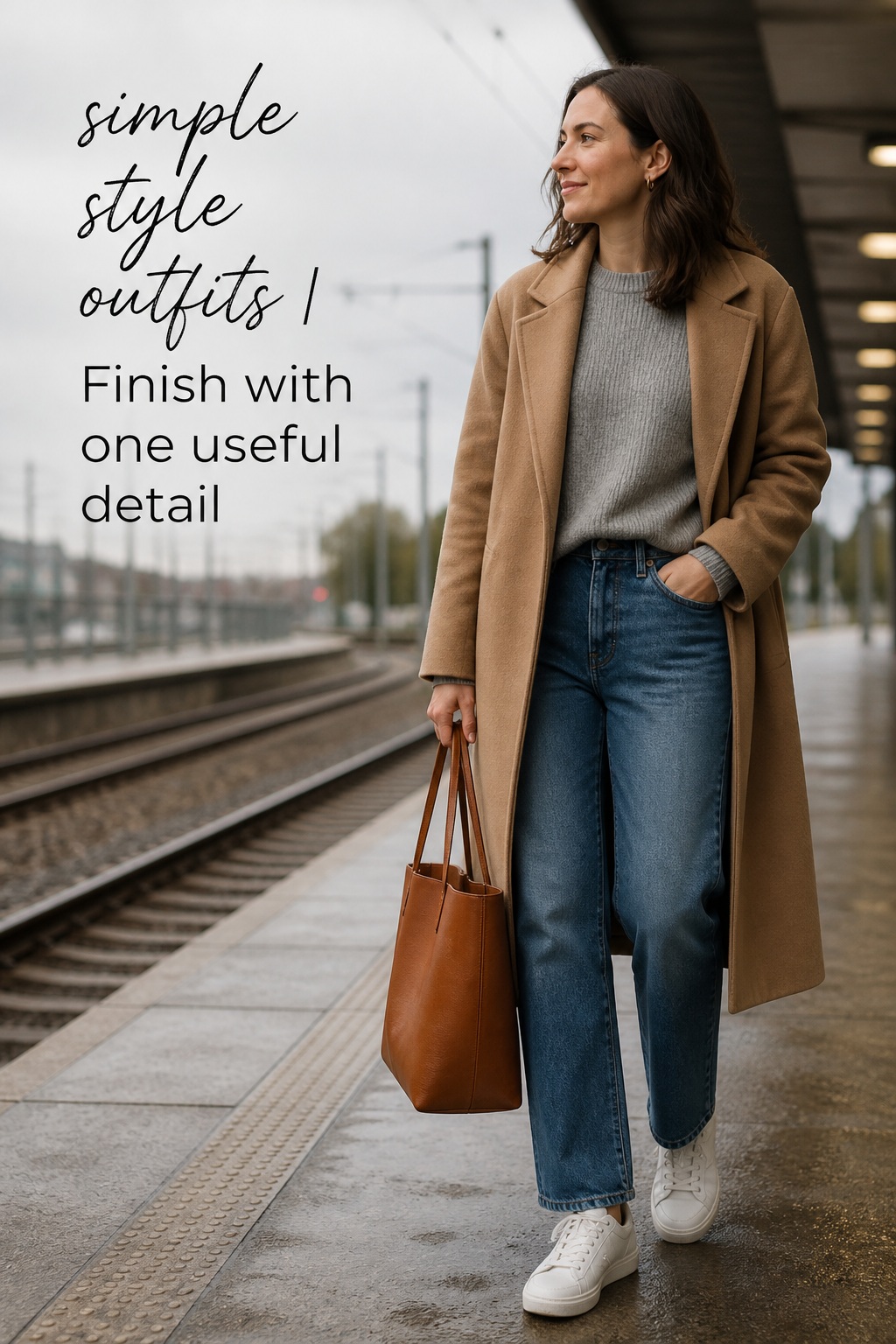
5. Relaxed base, polished finishing pieces. Start with a sweatshirt and straight-leg jeans, soft pants and a fitted tank, or a simple knit with casual trousers. Then add one structured element: a long coat, leather bag, sleek sunglasses, a belt, or loafers. The contrast is what makes the outfit feel intentional. You are not pretending that comfortable clothes are formal; you are giving them a clear finish.
This formula is especially useful for travel and busy days. Choose fabrics that resist wrinkling, shoes you can walk in, and a bag that holds what you need. A neat hairstyle, visible socks with sneakers, or a half-tucked shirt can make a difference without adding bulk. Comfort is part of the design, not an obstacle to it.
How to Adjust Simple Style Outfits for Real Life
For work, keep the base simple and let structure carry the message. Try a knit top with wide-leg trousers and loafers, or a white shirt with dark denim and a blazer. If your workplace is casual, clean sneakers can work when the rest of the outfit has shape. For a more formal setting, change the shoe and bag before changing every item of clothing.
For weekends, prioritize movement and use one elevated piece to keep the outfit from becoming anonymous. A relaxed shirt with jeans can feel finished with a leather belt and a small shoulder bag. Leggings or soft trousers can look more deliberate with a long coat, a structured sneaker, and a clean top layer. Choose the detail that feels natural to you instead of copying an accessory that does not fit your lifestyle.
For warm weather, breathable fabric and visible skin usually do more than extra decoration. Try a linen shirt with tailored shorts, a black tank with a flowing skirt, or a simple dress with flat sandals. Keep the palette light if that feels comfortable, but do not assume summer outfits must be white. Navy, brown, olive, and washed denim can be just as easy and often more practical.
For cool or changing weather, build from a removable middle layer. A tank under a shirt under a jacket gives you options as the temperature changes. A dress can take a turtleneck underneath or a coat over it. Wide-leg trousers work with a fitted knit and a substantial shoe, while slim denim can handle an oversized sweater or coat. Layers should be easy to remove, not a puzzle you have to carry.
When shopping, use the three-outfit test. Before buying a new piece, name three combinations you can make with clothes and shoes you already own. Then ask whether the piece fills a real gap, feels good for your daily life, and can be worn in more than one season. This keeps a simple wardrobe from turning into a collection of attractive but disconnected items.
When an outfit feels almost right, change the order of operations. First check the hem and sleeves. Then check whether the top and bottom have enough contrast in volume. Next remove one accessory and see if the look becomes clearer. Finally, try a different shoe. Small adjustments often solve the problem more quickly than adding another statement piece.
Mistakes That Make Basic Looks Feel Unfinished
The first mistake is confusing simple with shapeless. An oversized outfit can be comfortable, but if every piece has the same amount of volume, your silhouette may disappear. Create a point of definition with a tuck, a shorter layer, a rolled sleeve, a belt, or a visible ankle. You do not need to show your waist; you only need to give the outfit a readable shape.
The second mistake is using too many unrelated neutrals. Black, cream, gray, brown, navy, and denim are all versatile, but they do not automatically belong together. Repeat one color in at least two places, such as a brown belt with brown shoes or black sunglasses with a black bag. Repetition creates connection.
The third mistake is ignoring condition. A basic outfit depends on the quality of what the eye sees: clean shoes, a pressed collar, intact knitwear, and denim without unwanted stretching. You do not need expensive clothes, but you do need to notice small details. A lint roller, steamer, shoe brush, and a few minutes of care can improve the result immediately.
The fourth mistake is adding accessories without choosing a focal point. If the bag, belt, shoes, jewelry, sunglasses, and print are all trying to lead, the outfit stops feeling simple. Pick one star and let the others stay quiet. The strongest finishing detail is often the one that looks like it belongs there rather than the one that demands attention.
The fifth mistake is treating inspiration photos as instructions. A beautiful outfit may be designed for a different climate, body, budget, or daily routine. Take the useful idea—perhaps the color balance, the coat length, or the shoe contrast—and rebuild it with pieces that let you move comfortably. Personal style becomes easier when you copy the principle instead of the exact image.
FAQ
What are the best simple style outfits for beginners?
Start with formulas that use familiar pieces: a white T-shirt with straight-leg jeans and sneakers, a button-down with tailored trousers and loafers, or a simple dress with flat shoes and one accessory. These combinations are easy to understand and easy to adjust. Once one formula feels natural, change one element at a time instead of rebuilding the entire outfit.
How can I make a basic outfit look more put-together?
Check fit and proportion first, then add one structured or intentional detail. A belt, blazer, neat bag, polished shoe, or simple jewelry can complete a basic outfit. Pressing the shirt, cleaning the shoes, and choosing a clear color palette often helps more than adding another trend piece.
What colors work best for simple style outfits?
Choose colors that already mix well with your wardrobe. Black, white, cream, gray, navy, denim, olive, and brown are useful foundations, but you can build a simple palette around any colors you enjoy. Use two or three main colors and repeat at least one shade in your accessories or shoes so the outfit feels connected.
Can simple style outfits work for an office?
Yes. Use tailored trousers, a clean knit, a button-down, a blazer, loafers, or a simple dress as the foundation. Adjust the formality with fabric, shoe shape, and bag structure. If your office is casual, dark denim can replace trousers; if it is more formal, keep the silhouette crisp and use refined shoes.
How many clothes do I need to create simple outfits?
You do not need a fixed number. A small group of versatile tops, bottoms, one-piece items, layers, and shoes can create many combinations when the colors and proportions work together. Focus on how often you wear each piece and whether it works in at least three outfits. A smaller, useful wardrobe is more valuable than a larger closet full of one-purpose items.
How do I keep simple outfits from feeling boring?
Change texture, proportion, or one finishing detail rather than adding more visual noise. Wear the same jeans with a fitted tee one day and an oversized shirt another day. Swap sneakers for loafers, add a scarf, change the bag, or layer a jacket. Repeating a reliable base is not boring when the styling decision changes.
Leave a Reply