Blog

  • 25-Piece Male Capsule Wardrobe: US Seasonal Layering Blueprint

    25-Piece Male Capsule Wardrobe: US Seasonal Layering Blueprint

    The Ultimate Guide to Building a Male Capsule Wardrobe (2026)

    A male capsule wardrobe is a small, intentional set of clothing that mixes and matches easily, covers most occasions, and reduces daily decision fatigue. Done well, it becomes a reliable “system” of wardrobe essentials—built around fit, a coherent color palette, and season-aware layering—so you can get dressed quickly without feeling repetitive.

    This guide gives you a practical blueprint: core principles, an 8–12 piece starting capsule, budget tiers, climate-first layering guidance for the U.S., step-by-step instructions, and outfit formulas you can repeat. The goal is a minimalist wardrobe that still feels personal, versatile, and realistic.

    Male capsule wardrobe essentials with white shirt, dark tie, folded clothes, and jeans on chair
    A crisp white shirt and dark tie hang beside a chair neatly stacked with folded basics and draped jeans.

    Quick Start Checklist (Read This First)

    If you want the simplest path to a capsule wardrobe for men, start here. You’ll refine details later, but these steps prevent the most common mistakes: buying too much, choosing inconsistent colors, and skipping fit.

    • Pick a core palette of neutrals (then choose 1–2 accent colors)
    • Decide your capsule size (start with 8–12 core pieces)
    • Choose your “default” level of dress (casual, business casual, smart casual)
    • Audit your closet: keep what fits, remove what doesn’t, list true gaps
    • Build from core categories first (tops, bottoms, footwear, outerwear)
    • Create 5–7 outfit formulas you can repeat
    • Add seasonal plug-ins only after the core works

    Tip: If you feel stuck, commit to a smaller capsule first. A small, coherent capsule that you actually wear beats a larger one that still leaves you “nothing to wear.”

    Male capsule wardrobe essentials: blue plaid shirt with phone pocket, white sneakers, wallet, earphones and watch
    A blue plaid short-sleeve shirt with a phone in the pocket sits beside white sneakers, a wallet, earphones, and a wristwatch on a clean white surface.

    What a Capsule Wardrobe for Men Is (and Why It Works)

    A capsule wardrobe is a curated collection of core capsule pieces designed to create many outfits from relatively few items. In practice, it means your tops, bottoms, shoes, and outerwear all work together—so you can rotate combinations without constantly shopping or second-guessing what matches.

    For most men, the appeal is practical: fewer decisions, fewer “wrong” purchases, and a more consistent personal style. A capsule can also support a more thoughtful approach to consumption by emphasizing durability, repair, and resale rather than constant replacement.

    Common Myths About a Male Capsule Wardrobe

    A capsule doesn’t mean owning the same outfit every day, dressing in only one color, or buying expensive items you don’t need. It also doesn’t require a rigid number of pieces. The point is a reliable wardrobe foundation: a clear set of essentials that can expand by season and still stay cohesive.

    Tip: Think “core + plug-ins.” Your core pieces do most of the work year-round, and seasonal expansions add comfort and weather protection without disrupting the system.

    Male capsule wardrobe essentials with brown leather shoes, beige tie, wristwatch, and cologne on dark fabric
    Brown leather shoes, a beige tie, a wristwatch, and a cologne bottle rest on dark fabric for a refined minimalist look.

    Core Principles to Guide Your Capsule

    Capsules succeed when you build them like a toolkit: each item has a job, and most items can work with most others. The principles below are the difference between a minimalist wardrobe that feels effortless and a small wardrobe that feels limiting.

    Start With a Core Color Palette

    A neutral-based palette keeps your outfits interchangeable. The simplest approach is to anchor your tops and outerwear in neutrals, keep bottoms in a tight range, and then add 1–2 accent colors if you want variety without complexity.

    Neutrals reduce friction: fewer “orphan” items, fewer mismatched outfits, and more options with fewer pieces. Accent colors work best when they appear in small doses—one knit, one shirt, or a simple accessory—so you stay flexible.

    Fit, Fabric, and Longevity

    Fit is the most visible quality marker in a capsule wardrobe. A smaller wardrobe puts your essentials on repeat, so anything that fits poorly will annoy you more often. Prioritize pieces that feel good, move well, and look clean without constant adjustment.

    Fabric matters because your capsule is about repeat wear. Choose durable, comfortable materials that hold up and feel appropriate for your climate. Your goal isn’t trend-chasing; it’s a consistent lineup of items that you can rely on.

    Tip: If you’re upgrading slowly, start with the items you wear most frequently (often tops, pants, and everyday shoes). This improves your “cost-per-wear” logic immediately because the most-used pieces deliver the most value.

    Seasonal Adaptability Through Layering

    Seasonal adaptability is what makes a year-round core capsule realistic in the U.S. Instead of owning completely separate wardrobes, you keep a stable base and adjust with layers: knitwear, outerwear, and seasonal footwear.

    Layering also increases outfit variety without expanding your item count dramatically. A single extra layer can shift the same base outfit from casual to smart casual, or from mild weather to colder temperatures.

    Brown leather ankle boots with tie and belt for a male capsule wardrobe on a white surface
    Brown leather ankle boots paired with a light blue tie and brown belt create a polished capsule wardrobe look.

    The 8–12 Core Pieces for a Practical Capsule (U.S.-Climate Version)

    There’s no single perfect number, but an 8–12 piece core is a practical starting point for a male capsule wardrobe. It’s large enough to cover the week and small enough to stay intentional. You can expand later with seasonal capsules.

    Tops: T-Shirts, Button-Downs, and Knitwear

    Your tops create most of your outfit variety. Focus on clean lines, consistent colors, and layering-friendly fits. This is where a neutral palette does the most work because tops are the most visible part of your wardrobe.

    • 2–4 T-shirts that fit well and layer cleanly
    • 1–2 Oxford button-down shirts (or similar button-downs) for versatility
    • 1 knitwear piece for layering (a simple sweater or similar)

    Tip: Keep at least one shirt that can shift your look upward (for example, a button-down you can wear open over a T-shirt or buttoned on its own). That one item multiplies the number of capsule outfits you can build.

    Bottoms: Jeans, Chinos, and Trousers

    Bottoms set the “tone” of your capsule: jeans lean casual, chinos sit comfortably in business casual territory, and tailored trousers push you toward smart casual. Your best capsule is the one that matches how you actually live.

    • 1–2 pairs of jeans as a casual foundation
    • 1 pair of chinos for a flexible, polished option
    • Optional: 1 pair of tailored trousers if your life includes more smart casual moments

    Keep the cuts consistent with your style and body preferences. The capsule approach works best when you don’t fight your clothes—your bottoms should be the easiest part of getting dressed.

    Outerwear and Footwear: The Pieces That Make It “Work”

    Outerwear and footwear often determine whether a capsule feels complete. A limited set of shoes can still cover a wide range of situations if you choose a small lineup that balances casual and dressier needs.

    • 1 versatile jacket that matches your climate and daily life
    • Optional: 1 blazer-style layer for smarter outfits if needed
    • 1 pair of sneakers you can wear most days
    • 1 pair of dress shoes or loafers for occasions that require a step up

    Tip: If you want a capsule that feels more “put together” instantly, upgrade shoes first. Even a simple outfit formula looks sharper when the footwear is clean, cohesive, and appropriate.

    Accessories and Details (Keep It Simple)

    Accessories should support your capsule, not complicate it. A belt, a watch, and a small set of season-appropriate add-ons can finish outfits without creating clutter.

    • 1–2 belts that match your main shoes
    • 1 watch as a consistent daily piece
    • Optional: minimal cold-weather add-ons when needed

    The goal is consistency. When your accessories align with your palette and footwear, they make your outfits look intentional—even when you’re repeating the same core items.

    Item-by-Item Buying Guide (Budget Tiers)

    Budget matters because a capsule wardrobe is about value over time. A higher price isn’t automatically better, and a low price isn’t automatically wasteful; what matters is how often you wear the item, how long it lasts, and how many outfits it supports. These tiers help you build a capsule with realistic expectations.

    Under $300 Core Capsule (Start Small, Wear Often)

    This tier is about building a functional core with disciplined choices. Keep your palette tight, prioritize fit, and avoid buying duplicates “just in case.” You’re aiming for a small set of essentials that you can wear repeatedly while you learn what gaps are real.

    Focus your spending on your most-worn categories: everyday tops, one great pair of bottoms, and dependable sneakers. If outerwear is climate-critical where you live, treat it as a priority item and keep everything else even simpler.

    Tip: In a tight budget capsule, reduce the total number of pieces before you reduce fit. A smaller capsule that fits properly will look better and feel more versatile than a larger set of poorly chosen items.

    $301–$700 Expanded Capsule (Better Materials, Better Versatility)

    This tier is where capsules usually start to feel effortless. You have room for a clearer structure: more consistent quality, a stronger layering piece, and footwear that can cover casual and dressier situations without feeling like a compromise.

    Use the extra room to strengthen your foundations rather than adding novelty. An expanded capsule is still minimalist: it just removes friction by giving you enough options to handle different weeks, weather swings, and social contexts.

    Tip: Add one “bridge” item that moves between dress levels—like a button-down that works with jeans and chinos, or a blazer-style layer that works with a T-shirt and with a button-down. Bridge items increase outfit count without bloating your closet.

    $701+ Premium Capsule (Durability, Fit Refinement, Long-Term Thinking)

    A premium capsule emphasizes longevity and repeat wear. This tier is less about having more pieces and more about having fewer, better ones: consistent fit across categories, reliable fabrics, and outerwear/footwear that hold up season after season.

    Premium spending works best when it’s tied to real usage. If you’re building a capsule to reduce consumption, consider strategies like repair and resale so your wardrobe stays lean without becoming disposable.

    Tip: Before upgrading, calculate your “cost-per-wear” in plain terms: how often you’ll realistically wear the item, and how many outfits it supports. Premium pieces make sense when they become regular players, not rare special-occasion items.

    Climate Zones and a U.S.-First Layering Guide

    A capsule wardrobe for men works best when it matches the climate you actually dress for. The same “essentials list” can feel perfect in one region and frustrating in another, so treat your climate as a design constraint. Build a year-round core, then add seasonal plug-ins based on temperature swings and humidity.

    Mild Coastal States (Long Shoulder Seasons)

    In mild coastal climates, layering is more valuable than heavy seasonal gear. You can rely on a stable set of core pieces and rotate lighter outerwear and knitwear as temperatures shift. A capsule here succeeds when you can add or remove one layer and still look coherent.

    Tip: Treat outerwear as a styling tool as much as a weather tool. A clean, versatile jacket can act like the “final layer” that makes simple outfits look intentional.

    Continental Plains and Mountain States (Big Temperature Swings)

    Regions with bigger swings reward a true core-and-expansion approach. Your core stays consistent, but you’ll need more deliberate seasonal rotations: heavier layers in colder periods and lighter combinations in warmer periods. The best capsules in these areas depend on layering that can scale up or down.

    Tip: Keep your core palette especially consistent. When you add seasonal layers, a coherent palette ensures you can stack layers without clashing, even when you’re wearing more pieces at once.

    Humid Southeast (Breathability and Simple Outfits)

    In humid climates, a capsule should prioritize comfort and simplicity. You’ll likely rely more on lightweight tops and fewer heavy layers, while still keeping one or two options for cooler indoor environments and transitional weather.

    Tip: Build outfit formulas that are easy and repeatable for heat: a reliable top + a reliable bottom + sneakers. In a capsule, consistency is a feature, not a flaw.

    Northern Winters (Warmth Without Losing Versatility)

    In cold-winter regions, your capsule must include winter-ready expansions. Your core pieces can remain mostly the same, but winter outerwear and layering become non-negotiable. The trick is to avoid buying a separate winter wardrobe; instead, add winter plug-ins that still work with your core tops and bottoms.

    Tip: Avoid duplicating entire categories by season. Keep your base items consistent, and let outerwear and layering do the heavy lifting when the temperature drops.

    How to Build Your Capsule Wardrobe Today (Step-by-Step)

    Building a male capsule wardrobe is easiest when you treat it as a process, not a shopping spree. The steps below keep you focused on what you’ll actually wear and prevent the common trap of buying a “perfect” capsule on paper that doesn’t match your real life.

    Step 1: Audit Your Current Closet

    Start with what you already own. Pull out the items you wear most often and the items you avoid. Your goal is to identify wardrobe foundations you can keep, plus gaps you need to fill to create a coherent capsule.

    • Keep: items you wear often that fit well and match your palette
    • Question: items you like but rarely wear (ask why)
    • Remove: items that don’t fit, don’t match, or feel off in your daily life

    Tip: If you can’t explain when you would wear an item, it probably doesn’t belong in your core capsule. Put it aside and revisit later instead of forcing it into the system.

    Step 2: Define Your Capsule Size (Start With 8–12 Pieces)

    Choose a starting size that you can manage. Many men do well with 8–12 core pieces because it’s enough for variety but small enough to stay intentional. If you prefer a stricter framework, you can explore a “10-item capsule wardrobe for men” approach; if you want a bit more flexibility, you can explore a “15-item capsule wardrobe men” style framework.

    Choose your number based on your routine: how often you do laundry, how many dress codes you deal with, and how much weather variability you have. The capsule should make life easier, not create scarcity stress.

    Step 3: Build 5–7 Outfit Formulas

    Outfit formulas are repeatable templates that remove guesswork. They’re the easiest way to turn “a list of essentials” into a wardrobe you can actually use. Start with a small set you can wear across the week.

    • T-shirt + jeans + sneakers
    • Button-down + chinos + sneakers
    • Button-down + jeans + dress shoes or loafers
    • Knitwear + jeans + sneakers
    • T-shirt + chinos + jacket + sneakers
    • Button-down + tailored trousers (if you own them) + dress shoes

    Tip: If a formula requires “the perfect” one-off item to work, it’s too fragile for a capsule. Capsules should be resilient: small substitutions should still look good.

    Step 4: Shop Only for True Gaps

    Once you’ve tested your outfit formulas, you’ll see what’s missing. Shop deliberately: one gap at a time. This keeps your wardrobe aligned with your day-to-day needs and prevents over-accumulation.

    When you consider a new item, ask two questions: does it match your palette, and can it pair with most of your capsule? If the answer is no, it may be a fun piece, but it’s not a core capsule piece.

    Seasonal Capsule Rotations (Spring, Summer, Fall, Winter)

    Seasonal capsules work best as expansions rather than total swaps. Keep your year-round core stable, then rotate a small set of seasonal pieces in and out. This keeps your closet simple while making your wardrobe feel fresh and climate-appropriate.

    How to Use Seasonal Plug-Ins Without Losing the “Capsule” Feel

    Seasonal plug-ins should connect to the same palette, fit standards, and outfit formulas as your core. If seasonal items force you into new colors or new shoe categories, they can make your capsule harder to use.

    • Spring: keep the core, adjust layering and outerwear weight
    • Summer: lean on lighter tops and simpler outfits; keep footwear versatile
    • Fall: reintroduce knitwear and jacket layering as temperatures drop
    • Winter: add the warmest outerwear and the most reliable layers; keep the core consistent

    Tip: Store off-season items out of daily sight. A capsule wardrobe works partly because it reduces visual clutter and makes your “good options” easier to see and choose.

    Outfit Formulas You Can Rely On (Casual to Smart Casual)

    Outfit formulas are the secret weapon of the best capsule wardrobes. They turn your closet into a dependable menu: you pick a formula, then rotate the specific pieces. Below are practical formulas that cover casual, business casual, and smart casual needs using typical capsule items like T-shirts, Oxford button-downs, jeans, chinos, a jacket, sneakers, and dress shoes or loafers.

    Casual Formulas (Everyday, Errands, Weekend)

    Casual outfits should be effortless and repeatable. In a capsule, you want a few combinations that always work, so you don’t waste time “experimenting” on busy mornings.

    • T-shirt + jeans + sneakers
    • T-shirt + chinos + sneakers
    • Knitwear + jeans + sneakers
    • Button-down worn open + T-shirt + jeans + sneakers
    • T-shirt + jeans + jacket + sneakers

    Tip: If your casual outfits feel too repetitive, don’t add more items first—adjust the balance of tops. A single extra top that matches your palette often creates more variety than adding another pair of pants.

    Business Casual Formulas (Work, Meetings, Dinner)

    Business casual is where capsules shine because the category rewards consistency and clean basics. A well-fitting button-down and chinos can carry you through many situations with only minor changes.

    • Oxford button-down + chinos + sneakers
    • Oxford button-down + chinos + dress shoes or loafers
    • Knitwear over a button-down + chinos + dress shoes or loafers
    • Button-down + jeans (dark, clean) + dress shoes or loafers

    Tip: Keep one go-to “meeting outfit” formula that always feels right. When you have a reliable default, your capsule reduces stress instead of adding it.

    Smart Casual Formulas (Events, Date Night, Elevated Looks)

    Smart casual is about small upgrades: a sharper layer, cleaner lines, and dressier footwear. You don’t need many special items; you need a few that integrate seamlessly with your core.

    • Button-down + tailored trousers (optional) + dress shoes or loafers
    • Button-down + chinos + blazer-style layer (optional) + dress shoes or loafers
    • Knitwear + chinos + dress shoes or loafers

    Tip: If you rarely dress up, keep your smart casual options minimal. One sharp layer and one pair of dress shoes or loafers is often enough when everything else in your capsule is already coherent.

    Common Pitfalls (and How to Avoid Them)

    Most capsule wardrobe failures aren’t about bad taste—they’re about building a capsule that looks good as a list but doesn’t work in daily life. Avoid these common problems and your capsule will feel easier from week one.

    Pitfall: Over-Accumulation

    Buying “just one more” is the fastest way to lose the benefits of a capsule. If you keep adding pieces, you bring back clutter and decision fatigue. Instead, set a temporary rule: one in, one out, at least during the build phase.

    Pitfall: Color Fatigue (or Random Colors That Don’t Combine)

    When colors don’t align, you end up with fewer wearable combinations. Keep your neutrals consistent and add only a small number of accent colors. If you’re unsure, remove the accent until your core feels effortless, then reintroduce one accent thoughtfully.

    Pitfall: Ignoring Fit

    Because capsules rely on repeat wear, fit problems become daily annoyances. If a piece is “almost right,” it will probably become the item you skip. Build around pieces that fit confidently, and treat fit as a requirement, not a bonus.

    Tip: When deciding between two similar items, choose the one that supports more outfit formulas. In a capsule, versatility beats novelty.

    Maintenance: Caring for a Capsule Wardrobe

    A capsule wardrobe is easier to maintain than a crowded closet, but it requires more consistency: each item gets more wear, so basic care matters. Maintenance is also part of a more sustainable approach—keeping pieces in rotation longer, repairing instead of replacing, and moving items on when they no longer fit your needs.

    Repair, Alterations, and Resale

    Small fixes can extend the life of your wardrobe foundations, and minor fit refinements can make your capsule feel premium even if your budget isn’t. When something no longer works for you, resale can keep your closet lean and help fund upgrades that improve your cost-per-wear.

    Tip: Schedule a quick capsule check-in a few times per year. Ask what you wore most, what you avoided, and what you missed. This is how a capsule stays aligned with your life transitions and seasonal reality.

    Male capsule wardrobe essentials: brown sweater with leather belt, wristwatch, and cologne on a dark surface
    A brown sweater and leather belt rest beside a metal wristwatch and glass cologne bottle on a dark surface.

    FAQ

    How many pieces should a men’s capsule have?

    Many men start successfully with an 8–12 piece core capsule and then add small seasonal expansions as needed; others prefer stricter frameworks like a 10-item capsule wardrobe for men or a more flexible 15-item capsule wardrobe approach depending on lifestyle, laundry habits, and climate.

    Can I include sneakers in a male capsule wardrobe?

    Yes—sneakers are often the everyday shoe in a capsule wardrobe for men, especially for casual and business casual outfits, and they pair well with core items like jeans, chinos, T-shirts, and button-downs.

    What are the most essential pieces in a capsule wardrobe for men?

    A practical capsule typically includes versatile tops (like T-shirts and an Oxford button-down), reliable bottoms (like jeans and chinos), at least one jacket or outer layer suited to your climate, and footwear that covers everyday wear plus a dressier option such as dress shoes or loafers.

    How do I build a capsule wardrobe for men without buying everything at once?

    Start by auditing what you already wear, define a small core capsule size, create a handful of outfit formulas, and then shop only for true gaps one at a time so every new item matches your palette and works with most of your existing pieces.

    How do I choose a color palette for a minimalist wardrobe?

    Use neutrals as the foundation so most items naturally combine, then add 1–2 accent colors if you want variety; keeping colors consistent across tops, bottoms, outerwear, and shoes increases the number of capsule outfits you can create.

    How does climate affect a capsule wardrobe?

    Climate determines how much you rely on layering and seasonal plug-ins: mild regions can lean on light layers, while areas with northern winters or big temperature swings need stronger outerwear and more deliberate seasonal rotations without changing the year-round core.

    What are outfit formulas and why do they matter?

    Outfit formulas are repeatable templates—like T-shirt + jeans + sneakers or button-down + chinos + loafers—that reduce decision fatigue and make a small set of wardrobe essentials feel like many different outfits.

    How do I think about cost-per-wear in a capsule wardrobe?

    Cost-per-wear is simply the idea of judging value by how often you’ll realistically wear an item and how many outfits it supports; capsule wardrobes improve this by focusing spending on versatile pieces you repeat frequently rather than on occasional, hard-to-pair purchases.

  • 12-Piece Beach Vacation Capsule Wardrobe for US Coastal Trips

    12-Piece Beach Vacation Capsule Wardrobe for US Coastal Trips

    Beach Vacation Capsule Wardrobe: A 12-Piece Pack-Once, Wear-Everywhere Guide

    A beach vacation capsule wardrobe is a small, intentional set of clothes and accessories you can mix and match for an entire trip—without overpacking. The goal is simple: bring fewer items, create more outfits, and cover every scenario from beach days to casual dinners with pieces that work hard (and look good doing it).

    Below is a complete, practical beach vacation capsule wardrobe built around a versatile 12-piece core. You’ll also get fabric and color guidance, packing tips, a 7-day outfit matrix you can copy, and common mistakes to avoid—so you can pack light and still feel prepared.

    Beach vacation capsule wardrobe with light and dark clothes on white hangers on a wooden rack for minimalist packing
    Light and dark essentials hang neatly from white hangers on a wooden rack, ideal for minimalist packing.

    Why a Capsule Wardrobe Works for Beach Vacations

    Beach trips are ideal for capsule packing because your days tend to follow a predictable rhythm: swim, walk, eat, explore, repeat. A compact wardrobe helps you stay comfortable in heat and sun, transition easily into evening plans, and avoid the “I brought a suitcase but have nothing to wear” problem.

    A well-built capsule wardrobe also reduces decision fatigue. When everything coordinates, you can get dressed quickly, re-wear items with confidence, and rely on repeatable formulas—like swim + cover-up + sandals by day, then dress + flats by night.

    Tips: The “Wear It Three Times” Rule

    A reliable way to keep your beach vacation capsule wardrobe tight is to choose items you can realistically wear at least three times on the trip—either as the same outfit, or styled differently. If you can’t see three uses, it’s usually a sign it’s a “maybe” item, not a core capsule piece.

    Red and white train on elevated tracks heading to skyline, minimalist beach vacation capsule wardrobe travel vibe
    A red and white train glides along elevated tracks toward a modern city skyline, perfect for minimalist packing inspiration.

    The 12-Piece Beach Vacation Capsule Wardrobe (Core Pieces)

    This 12-piece beach vacation capsule wardrobe is designed to cover beach, pool, town, and dinner plans with maximum mix-and-match potential. Think of it as a “core kit” you can tailor to your destination, style, and trip length.

    1) The Easy Sundress (AM-to-PM)

    An easy sundress is one of the highest-return pieces you can pack because it works as a daytime outfit, a quick dinner look, and an effortless “I’m ready in two minutes” option. Prioritize a breezy shape that feels comfortable in heat and can be dressed up with simple accessories and a sandal or flat.

    2) The Matching Set (Wear Together or Separately)

    A matching set is a capsule powerhouse: wear it as a coordinated outfit when you want an instant polished look, then split it up to create multiple combinations across the trip. This is one of the easiest ways to stretch a smaller suitcase into a larger outfit lineup.

    3) The Swim-Town Hybrid (One Suit That Works Hard)

    Choose swimwear you’ll genuinely want to wear, and that can also function in “swim-to-town” moments with the right layering. Whether you prefer a one-piece or a bikini, the key is pairing potential: it should look intentional under a button-up shirt, with a skirt or relaxed bottoms, and with a cover-up that can pass as a simple outfit.

    4) The Lightweight Button-Up Shirt (Cover-Up + Sun Layer)

    A lightweight button-up shirt is one of the most versatile pieces in a beach getaway capsule wardrobe. Wear it open over swimwear as a cover-up, button it with bottoms for sightseeing, or use it as an extra layer when the sun is strong. It’s also an easy styling tool: it adds structure to relaxed beach looks without feeling heavy.

    5) Relaxed Bottoms in a Breathable Fabric (Shorts or Pants)

    Bring one pair of relaxed, breathable bottoms you can rely on for walking, meals, and travel days. Linen- or Tencel-like options are popular for beach packing because they feel light and vacation-ready. Choose a fit that’s comfortable in heat and easy to pair with your button-up, set top, and swimwear layers.

    6) The Denim Short (A Structured Staple)

    Denim shorts add structure and balance to softer beach pieces, and they’re a simple anchor for casual outfits. They pair naturally with tees, button-ups, and even swimwear tops for a quick change after the beach. If denim feels too heavy for your destination, keep the same role in mind—one structured short that can handle repeat wears.

    7) The Tee (Simple, Reliable, Repeatable)

    A great tee is often the most-worn item in a travel capsule wardrobe. It’s your “reset” piece: throw it on with denim shorts, tuck it into a skirt, layer it under your button-up, or wear it on a travel day when you want comfort without looking sloppy.

    8) The Maxi Skirt or Maxi Dress (Dressy Without Trying)

    A maxi option gives you an easy path to dinner-ready outfits while still fitting the beach vibe. It’s the piece you’ll reach for when you want a bit more coverage, movement, or polish—especially for evenings that call for something elevated but not formal.

    9) The Swim Cover-Up That Doubles as a Day Dress

    A swim cover-up earns its place in a capsule when it does more than one job. The best choice works over swimwear for beach days, but can also be styled for a casual lunch or boardwalk stroll—so you’re not changing outfits every time you leave the sand.

    10) Footwear: Beach Sandals + One Versatile Flat

    Two pairs are often enough for a beach vacation capsule wardrobe: a sandal for the beach and daytime walking, plus a flat that can handle dinner or a more put-together look. The goal is comfort first, with a second option that changes the feel of your outfits without taking much suitcase space.

    11) Sun Accessories: Hat + Sunglasses

    Sun accessories are practical and style-defining. A beach hat brings both protection and polish, while sunglasses are the ultimate “instant outfit finisher.” These are small items that make repeats feel more intentional—and they support the beach capsule goal of looking pulled together with minimal effort.

    12) One Lightweight Outer Layer (For Evening Chill)

    Even warm beach destinations can get breezy at night. Pack one lightweight outer layer—like a cardigan or wrap—that works over your sundress, maxi option, or tee. This prevents you from overpacking “just in case” layers and keeps your evening looks comfortable and finished.

    Quick Checklist: Your 12-Piece Beach Capsule

    • Easy sundress (day to night)
    • Matching set (top + bottom as one “piece” in your planning)
    • Swimwear (one suit you love and will repeat)
    • Lightweight button-up shirt
    • Relaxed breathable bottoms (shorts or pants)
    • Denim shorts
    • Tee
    • Maxi skirt or maxi dress
    • Swim cover-up that can double as a day dress
    • Beach sandals
    • Versatile flats
    • Hat + sunglasses (count as one capsule category)
    Colorful clothes on wooden hangers for a beach vacation capsule wardrobe against a white wall
    A curated selection of colorful garments hangs neatly on wooden hangers, ideal for minimalist packing.

    How to Choose Fabrics for a Beach Capsule

    Beach packing gets easier when you prioritize fabrics that match the environment: heat, humidity, sun, and frequent outfit changes. The most helpful fabric choices are breathable, quick-drying, and travel-friendly, especially if you want to stay within carry-on limits and avoid high-maintenance items.

    Wrinkle-resistance matters too. Even if you don’t mind a relaxed look, overly wrinkled items can feel hard to style, which leads to wearing the same two outfits on repeat. A capsule works best when each piece feels easy to grab and go straight from suitcase to body.

    Tips: Build Around Breathable and Quick-Dry Priorities

    If you’re choosing between two similar pieces, pick the one that dries faster and feels lighter in the heat. Beach days often include water, sunscreen, and humidity, so a quick-dry mindset can keep your capsule more functional—especially for cover-ups, button-ups, and pieces you may rinse and rewear.

    Temperature-Aware Layering (Hot Days, Cool Nights)

    Many beach trips include temperature swings: bright, hot afternoons and breezy evenings. Instead of packing extra outfits “for later,” rely on your lightweight outer layer and your button-up shirt as your built-in adjustment tools. That approach keeps the capsule compact while still covering real-world conditions.

    Beach vacation capsule wardrobe with dresses and jackets hanging in a minimalist closet
    A curated row of dresses and lightweight jackets hangs neatly in a minimalist wardrobe for effortless packing.

    Color Palettes and Mix-and-Match Strategies

    The easiest way to make a beach vacation wardrobe feel bigger than it is: keep your colors cohesive. When your tops, bottoms, and layers naturally work together, you create more outfits without adding more items.

    A simple strategy is to choose a neutral base and add one or two accent tones. The neutral base helps every outfit look intentional, while accents keep photos and outfits from feeling repetitive—especially when you’re rewearing your tee, button-up, and denim shorts.

    Tips: Repeat Silhouettes, Not Exact Looks

    If you know you love a specific silhouette—like a breezy dress by day or a skirt-and-top combination at night—plan to repeat the silhouette with small changes. Swap sandals for flats, add the button-up, or use the matching set as separates. This makes outfit repetition feel like a style choice, not a limitation.

    Mix-and-Match Formulas to Use All Week

    • Swimwear + cover-up + sandals + sunglasses
    • Tee + denim shorts + sandals + hat
    • Button-up worn open + swimwear + relaxed bottoms
    • Matching set worn together + flats for dinner
    • Maxi skirt/dress + outer layer + flats for evenings

    Packing Tips for a Carry-On-Friendly Beach Vacation Capsule Wardrobe

    A capsule wardrobe shines when you pack with intention rather than volume. The point isn’t to bring every possible outfit—it’s to bring a system that creates outfits. When you plan around a small number of core pieces, packing becomes more about editing than guessing.

    Tips: Pack by Outfits, Then Edit by Versatility

    Before you zip your bag, mentally assign each item at least two partners. If a piece can’t connect to multiple looks, it may be better left at home. This is especially helpful for “extra” pieces that feel fun but don’t integrate into the rest of your capsule.

    Keep Day-to-Night Transitions Built In

    Many successful vacation capsules rely on day-to-night flexibility: a sundress that works with sandals by day and flats by night, or a matching set that looks relaxed at lunch and polished at dinner. When choosing each piece, ask how easily it can move from beach to town without a full outfit change.

    Plan for Trip Length: Short (3–4 Days) vs. Longer Stays

    For a 3–4 day trip, you can use this same 12-piece framework but simplify repeats: wear your matching set more than once, rotate between the sundress and tee-based looks, and rely on the cover-up for quick changes. For longer stays, the capsule still works because it’s built for rewearing; the key is choosing items you’re comfortable repeating and that stay presentable with minimal care.

    A 7-Day Outfit Matrix (Using the 12 Pieces)

    Use this as a plug-and-play plan. You can swap days based on your itinerary, but the structure shows how a beach vacation capsule wardrobe creates variety without extra packing. Each day includes a daytime look and an easy evening option.

    • Day 1: Travel/arrival: tee + relaxed bottoms + sandals; evening: easy sundress + flats
    • Day 2: Beach: swimwear + cover-up + sandals + hat; evening: matching set + flats
    • Day 3: Town walk: tee + denim shorts + sandals; evening: maxi skirt/dress + outer layer + flats
    • Day 4: Pool/beach: swimwear + button-up shirt worn open + sandals; evening: sundress + outer layer + flats
    • Day 5: Casual lunch: button-up shirt + denim shorts + sunglasses; evening: matching set worn as separates (top with skirt or bottom with tee) + flats
    • Day 6: Beach repeat: swimwear + cover-up (styled more like a day dress) + sandals; evening: maxi option + accessories + flats
    • Day 7: Departure: tee + relaxed bottoms + sandals; add outer layer if needed

    Tips: Make Repeats Feel Fresh with Small Switches

    Even with a small capsule, you can avoid the “same outfit” feeling by rotating your shoe choice (sandals vs. flats), changing how you wear the button-up (open, tied, or buttoned), and alternating between the sundress and maxi option for evenings. These small styling shifts are often enough to create visible variety without adding more items.

    Budget, Sustainability, and Longevity: How to Pack Smarter

    A beach capsule wardrobe doesn’t have to be expensive, but it does benefit from intention. If you’re cost-conscious, focus on value buys you can rewear across trips—then fill in with a few budget-friendly items that still match your palette and outfit formulas.

    A sustainability-forward approach overlaps naturally with capsule packing: fewer items, more wears, and more versatility. When you choose pieces that can work in multiple settings (beach, boardwalk, casual dinner), you reduce the need for single-use purchases that only make sense for one photo or one night.

    Tips: Choose “Core” vs. “Fill-In” Pieces

    If you want your capsule to last, invest more attention in the items you’ll wear on repeat—like the sundress, sandals, and button-up layer—because they carry many outfits. Then be more flexible with fill-in pieces that are easier to replace. This keeps your wardrobe practical without sacrificing the polished, curated feel that capsule wardrobes are known for.

    Care Habits That Support a Capsule (Especially on Vacation)

    • Prioritize pieces that can be re-worn without needing special care
    • Rely on quick-dry items for beach-heavy days
    • Use your button-up shirt and outer layer to extend outfit variety without extra washing

    Common Mistakes to Avoid When Building a Beach Vacation Capsule Wardrobe

    Even experienced packers tend to overpack for beach trips because “what if” thinking takes over. A capsule works best when you commit to repetition and build around the realities of beach days: heat, sand, and frequent outfit changes.

    Overpacking “Just in Case” Outfits

    Extra outfits often go unworn because your real schedule is simpler than your imagined schedule. Instead of packing for every hypothetical scenario, pack pieces that flex between scenarios—like a day-to-night dress, a matching set you can split, and shoes that work beyond the beach.

    Bringing Items That Don’t Match the Rest of the Capsule

    A single item in a completely different color story or vibe can create packing waste because it needs its own supporting pieces. If you love a standout item, make sure it works with at least two other items in your capsule so it earns the suitcase space.

    Forgetting Evening Comfort

    Beach evenings can be cooler than expected. If you skip a lightweight outer layer, you may end up uncomfortable at dinner and wishing you brought “real clothes.” One packable layer prevents this problem while keeping the wardrobe compact.

    Relying on Fragile or High-Maintenance Pieces

    Beach vacations are not the easiest environment for delicate fabrics and fussy styling. A capsule is meant to make life easier, so prioritize items that can handle repeat wear, quick changes, and travel days without requiring constant attention.

    Neutral sweaters on white hangers for a beach vacation capsule wardrobe
    Neutral-toned sweaters on white hangers offer a refined minimalist packing option for a beach vacation capsule wardrobe.

    FAQ

    What is a beach vacation capsule wardrobe?

    A beach vacation capsule wardrobe is a small collection of versatile clothing, shoes, and accessories chosen to mix and match into many outfits for a beach trip, covering beach days, town time, and evenings while keeping packing minimal.

    Do I need a 10-piece, 12-piece, or 14-piece beach capsule?

    Any of those can work; the best size depends on your trip length and how comfortable you are rewearing items. A 10-piece capsule is very minimal, a 12-piece capsule is a balanced middle ground for day-to-night needs, and a 14-piece list offers extra variety while still being edited.

    Can I do a beach vacation capsule wardrobe with carry-on only?

    Yes—capsule packing is especially suited to carry-on travel because you’re choosing items that coordinate, repeat well, and transition from day to night, which reduces the number of backups and “just in case” pieces.

    What are the most important pieces to include?

    The most important pieces are the ones that create the most outfits: an easy day-to-night dress, a matching set you can wear together or separately, versatile swimwear with a cover-up, a lightweight button-up for layering, comfortable sandals, and one dinner-ready shoe option like a flat.

    How do I make a small capsule feel like I have more outfits?

    Use a cohesive color palette, repeat outfit formulas, and rely on a few flexible styling tools—like swapping sandals for flats, adding a lightweight outer layer at night, and wearing a matching set as separates to create new combinations.

    What should I wear from the beach to lunch without changing completely?

    Swimwear plus a cover-up that can pass as a simple outfit is the easiest option, and you can add a lightweight button-up shirt for extra coverage and a more “town-ready” feel while keeping the look effortless.

    How do I plan for cool evenings at the beach?

    Pack one lightweight outer layer, such as a cardigan or wrap, and plan to layer it over your sundress or maxi option. This adds warmth and makes evening outfits look more finished without requiring extra outfits.

    What’s the biggest mistake people make when packing for a beach trip?

    The most common mistake is overpacking items that don’t mix well together, which creates a larger suitcase but fewer wearable outfits; a capsule approach fixes this by choosing pieces that coordinate and can be worn multiple ways.

  • 25-Piece Winter Wardrobe Capsule for Real U.S. Cold (2026)

    25-Piece Winter Wardrobe Capsule for Real U.S. Cold (2026)

    Winter Wardrobe Capsule: A Practical, Cozy, Timeless System for Cold Weather

    A winter wardrobe capsule is a small, intentional set of cold-weather clothes and accessories that work together in many combinations—so you can get dressed quickly, stay warm, and stop buying random “one-off” pieces that don’t match the rest of your closet. The best winter capsule wardrobes focus on versatile staples (outerwear, base layers, knitwear, bottoms, footwear, and weather-ready accessories) and rely on layering to adapt to different temperatures.

    This guide gives you a complete winter wardrobe capsule blueprint you can follow as-is or tailor to your climate, lifestyle, and style preferences. You’ll get a practical core item count, a clear layering strategy, mix-and-match outfit formulas, budget approaches, climate and work variations, and care tips that help your capsule last for years.

    winter wardrobe capsule look with dark coat and knitted scarf on curly-haired person by worn wall
    A curly-haired person layers a dark coat and knitted scarf for a practical minimalist winter look.

    Why a Winter Capsule Wardrobe Makes Dressing Easier

    Winter dressing is more complicated than other seasons because warmth, weather, and indoor heating all pull your outfits in different directions. A capsule approach simplifies decisions by reducing your wardrobe to pieces that reliably layer, coordinate, and handle the realities of winter: cold commutes, wet sidewalks, wind, and temperature swings between outdoors and heated interiors.

    Instead of owning more clothes, a winter capsule helps you own the right clothes. When your outerwear, knitwear, denim or trousers, and accessories are chosen to mix well, you can repeat outfit “formulas” without looking repetitive. The result is a wardrobe that feels cohesive, polished, and comfortable—whether your winter style leans classic, minimal, or quiet-luxury.

    Tips: If you’re new to capsules, don’t start by shopping. Start by identifying what already works: the coat you reach for most, the boots that survive messy weather, and the knitwear you wear on repeat. A capsule is easiest to build when you protect your proven favorites and fill only the true gaps.

    Brown coat and scarf on chair by window for a winter wardrobe capsule
    A brown coat and soft scarf rest on a chair by the window, embodying a practical minimalist winter look.

    Core Principles: How a Winter Capsule Actually Works

    Quality over quantity (especially in outerwear and knitwear)

    Winter pieces do heavier lifting than summer basics. Coats face wind and precipitation, boots face salt and slush, and knits are worn repeatedly because they’re warm and easy. A winter wardrobe capsule works best when your most-used categories—outerwear, knitwear, and footwear—are durable, comfortable, and timeless enough to wear season after season.

    Focus on solid materials and construction where it counts: warm coats, reliable base layers, and sweaters that hold their shape. When your core pieces are dependable, you can keep the rest of your capsule simple and still look pulled together.

    Build around a neutral palette, then add 1–2 accents

    Capsules are easier when most items coordinate naturally. Many winter capsule wardrobes use a neutral foundation (for example: black, gray, cream, navy, or camel tones) so that coats, knits, denim, and boots combine without effort. Adding one or two accent colors—through a scarf, a statement layer, or a sweater—keeps outfits interesting without making matching complicated.

    Tips: If your closet already has a dominant neutral (like black or navy), use that as your anchor. You don’t need a “perfect” palette; you need a repeatable one.

    Layering is your superpower (base layer, mid-layer, outer layer)

    Layering is the engine of a winter wardrobe capsule. Instead of relying on one ultra-heavy outfit, you combine lightweight warmth (thermal underpinnings), comfortable mid-layers (turtlenecks, sweaters, flannel shirts), and protective outerwear (cozy coat, puffer jacket, or parka). This lets you adjust to changing temperatures and move easily between outdoor cold and indoor heat.

    A practical rule is to think in three levels: start with base layers for warmth, add a knit or structured top for insulation, then finish with outerwear and weather-proof accessories. Even a small capsule feels large when each piece layers well.

    Winter wardrobe capsule look with beige coat and tan scarf in snowy evergreen landscape
    A woman in a beige coat and tan scarf stands in fresh snow before a backdrop of evergreens, embodying practical minimalist style.

    The 20-Piece Winter Wardrobe Capsule (Core Items)

    This 20-piece winter wardrobe capsule is designed to be a realistic, do-able core. It centers on the categories consistently emphasized in winter capsule guides: warm base layers, neutral knits and turtlenecks, versatile denim or wide-leg trousers, a few outerwear options (like a cozy coat and a puffer), weather-ready footwear (including boots), and essential accessories like scarves and leather gloves. Adjust the exact silhouettes to match your life, but keep the overall balance.

    Think of these 20 items as the “skeleton” of your capsule. You can add personal style pieces (a statement layer, a favorite bag, or an extra sweaterdress) once your foundation is solid.

    • Outerwear (3): A cozy coat (often a wool or long coat), a puffer jacket or parka, and one additional outer layer (such as a tailored blazer for indoor structure or a lighter jacket for milder days)
    • Base layers (2): Thermal underpinnings or warm base layers you can wear under denim, trousers, dresses, or sweaters
    • Tops and knits (6): Neutral turtlenecks (at least one), a mix of wool or cashmere sweaters, and one layering shirt option such as a flannel shirt
    • Bottoms (4): Versatile denim (including an option like wide-leg jeans) plus trousers (such as wool trousers or wide-leg trousers)
    • Dresses (2): Sweaterdresses or an elevated jumper dress for warm, easy outfits
    • Footwear (2): Knee-high boots or other winter boots, plus comfy sneakers for everyday wear
    • Accessories (1–2 categories, 1 each) (3): Leather gloves, a scarf, and a hat (such as a beanie)

    Tips: If you want this capsule to feel immediately more versatile, prioritize the pieces you’ll wear multiple times per week: your primary coat, your best everyday boots, and 2–3 knit tops that layer without bulk. Those items create the biggest improvement with the least effort.

    Outerwear: The Pieces That Make Winter Outfits Work

    Outerwear is the most visible part of winter dressing and often the deciding factor in comfort. Winter capsule wardrobes typically rely on at least two distinct outerwear options: one structured, timeless “cozy coat” and one practical insulated option like a puffer jacket or parka. A third layer—such as a blazer—adds indoor polish and expands your outfit range for work and evenings.

    The cozy coat (often a wool or long coat)

    A cozy coat is the capsule hero for refined winter outfits. It works over sweaters, turtlenecks, sweaterdresses, and tailored separates, and it instantly makes denim-and-boots feel more intentional. Choose a silhouette that fits comfortably over layers; your coat should accommodate a knit without pulling at the shoulders.

    Puffer jacket or parka (practical warmth)

    For truly cold or windy days, a puffer jacket or parka earns its place. It’s the piece you reach for when warmth matters more than anything else, and it pairs naturally with base layers, denim, comfy sneakers, or winter boots. In a capsule, this is the “weather insurance” that keeps you from buying extra sweaters just to feel warm.

    The structured layer (blazer or similar)

    A tailored blazer (or a similarly structured layer) is useful because winter outfits can feel bulky without definition. It elevates wide-leg trousers or denim, works well over a thin turtleneck, and helps you look “finished” on video calls or in an office without relying on special-occasion clothing.

    Tips: If you can only upgrade one thing this season, upgrade outerwear. A strong coat can make simple basics look expensive and intentional, which is why so many winter capsule frameworks lead with coats and jackets.

    Winter wardrobe capsule in a snowy forest: person in knit hat, thick coat, scarf and patterned mittens
    A minimalist winter look comes to life in a snowy forest with a knit hat, thick coat, scarf, and patterned mittens.

    Tops and Knitwear: The Heart of a Winter Capsule

    Winter capsule wardrobes consistently prioritize neutral knits because they layer, repeat easily, and carry outfits through workdays, weekends, and evenings. Your goal is a small set of tops that can be worn alone indoors, layered under a blazer, and insulated under a coat. In most winter capsules, turtlenecks, sweaters (including wool or cashmere), and at least one flannel shirt cover the majority of needs.

    Neutral turtlenecks (your best layering tool)

    A neutral turtleneck is one of the simplest ways to make outfits look cohesive. It layers under blazers and coats, pairs well with wide-leg jeans or wool trousers, and works under sweaterdresses when you want extra warmth. If your capsule leans minimal, a turtleneck can be your “uniform top” on repeat without feeling boring.

    Wool and cashmere sweaters (repeatable, refined warmth)

    Sweaters do the main warmth work in a winter wardrobe capsule. Keeping them in a similar palette makes mixing effortless: sweater + denim + boots; sweater + wide-leg trousers + blazer; sweater + skirt-with-tights (if that’s your style). The key is variety in function, not endless colors—think one chunkier cozy option and one more streamlined sweater for layering.

    Flannel shirts and layering shirts (casual structure)

    Flannel shirts show up in many winter capsule lists because they add warmth without feeling fussy. They can be worn under outerwear, layered over a base layer, or used as a mid-layer when you want a relaxed look. In a capsule, one flannel can create multiple outfit moods while staying consistent with your neutral base.

    Tips: When you try on a sweater for capsule use, test it under your coat and under your blazer. If it bunches, overheats, or feels restrictive, it’s not a capsule workhorse—even if it’s beautiful on its own.

    Bottoms: Denim, Wide-Leg Trousers, and Cold-Weather Versatility

    Bottoms in a winter capsule should balance comfort, warmth, and outfit flexibility. Across common winter capsule frameworks, you’ll repeatedly see versatile denim (including wide-leg jeans) and trousers (such as wool trousers or wide-leg trousers). These silhouettes pair well with boots, handle bulkier sweaters, and can be dressed up or down depending on footwear and outerwear.

    Versatile denim and wide-leg jeans

    Denim is a cornerstone because it’s easy and repeatable. Wide-leg jeans are frequently highlighted as a modern, capsule-friendly option because they balance proportions with chunkier winter footwear and longer coats. If you prefer a different denim shape, keep the principle: choose a pair you can wear multiple times a week with your main coats and boots.

    Wool trousers and wide-leg trousers

    Trousers bring polish to winter outfits, especially if you want work-ready looks without relying on special-occasion pieces. Wool trousers are common in winter capsules because they feel seasonally appropriate and pair naturally with turtlenecks, blazers, and long coats. Wide-leg trousers, in particular, create an elevated silhouette with minimal effort.

    Tips: If you live in a climate with frequent indoor heating, trousers plus a thin turtleneck can be more comfortable than heavy sweaters all day—then you add outerwear only when you go outside. Build at least one outfit that feels good both indoors and outdoors.

    Sweaterdresses and Elevated One-Piece Outfits

    A winter wardrobe capsule doesn’t have to be all separates. Sweaterdresses and elevated jumper dresses are consistently recommended because they simplify getting dressed while still feeling intentional. One-piece outfits also layer easily: add a cozy coat, leather gloves, and boots and you’re done; or add a blazer for a structured indoor look.

    The capsule advantage is efficiency. With one sweaterdress, you can create multiple outfits by rotating outerwear and footwear—knee-high boots for a refined look, winter boots for weather, or comfy sneakers for a casual day.

    Footwear: Boots, Sneakers, and Weather-Ready Choices

    Footwear can make or break a winter capsule wardrobe. Many winter capsule lists highlight knee-high boots as a versatile, polished option and include comfy sneakers for everyday wear. If your winter includes wet weather, prioritize footwear that can handle the conditions you actually face and still work with your core silhouettes (wide-leg jeans, wool trousers, sweaterdresses).

    Knee-high boots (or your main winter boots)

    Knee-high boots are a capsule favorite because they instantly elevate denim and work especially well with sweaterdresses. If knee-high boots aren’t practical for your lifestyle, use the same capsule logic: choose one primary boot style that’s comfortable, works with your main bottoms, and fits the vibe of your capsule (classic, minimal, or more statement).

    Comfy sneakers (daily mileage)

    Comfy sneakers show up in winter capsule wardrobes because you still need a low-effort shoe for errands, commuting, and casual days. Sneakers also help keep outfits modern when you’re wearing heavier layers. The key is to pick a pair that works visually with your coats and trousers so it doesn’t feel like an afterthought.

    Tips: Test your two main shoes with your three main bottoms (denim, trousers, and a dress). If the combinations don’t work, you’ll feel like you “have nothing to wear” even with a well-built capsule.

    Accessories: Small Pieces That Add Warmth and Polish

    Accessories are not optional in a winter wardrobe capsule—they’re functional, and they expand outfits. Many winter capsule guides consistently emphasize leather gloves, plus cold-weather essentials like scarves and hats. These pieces can make a simple coat-and-denim look feel finished while also helping you stay comfortable in real winter weather.

    • Leather gloves: a practical staple that immediately looks polished and protects your hands on cold commutes
    • Scarf: warmth plus an easy way to incorporate an accent color or texture into a neutral capsule
    • Beanie or warm hat: essential for wind and cold, especially if you spend time outdoors or commute

    Tips: If your capsule palette is mostly neutral, use one accessory as your “statement layer” substitute—choose a scarf that adds personality while still coordinating with your main coat.

    How to Mix and Match: 7 Winter Outfit Formulas

    Outfit formulas turn a winter wardrobe capsule into a daily system. The idea is to repeat a small number of structures—then rotate coats, shoes, and accessories to keep the look fresh. These formulas align with the most common winter capsule pieces: turtlenecks, sweaters, denim, wide-leg trousers, sweaterdresses, coats, puffers, boots, and leather gloves.

    • Work-ready classic: Turtleneck + wool trousers + tailored blazer + cozy coat + boots
    • Work-ready simple: Sweater + trousers + cozy coat + leather gloves
    • Weekend casual: Sweater + versatile denim + puffer jacket + comfy sneakers + beanie
    • Polished errands: Turtleneck + wide-leg jeans + cozy coat + scarf + boots
    • Warm one-and-done: Sweaterdress + knee-high boots + cozy coat
    • Casual one-piece: Sweaterdress + puffer jacket + comfy sneakers
    • Evening upgrade: Thin turtleneck + wide-leg trousers + blazer + long coat + boots

    Tips: Pick two formulas you’ll use most (for many people: a work formula and a weekend formula). Build your shopping and closet editing around making those formulas effortless. When your “default outfits” are easy, the capsule succeeds.

    Budget Tiers: Build a Winter Capsule Without Over-Spending

    A winter capsule wardrobe can be built at different budget levels because the strategy matters more than the price tag. The most reliable approach is to spend intentionally where winter requires performance and repetition—outerwear, footwear, and knitwear—and be flexible elsewhere. Even if you’re building slowly, you can use a tiered plan to avoid buying duplicates that don’t earn their place.

    Budget-friendly approach (smart swaps and fewer pieces)

    At a budget-friendly level, keep the capsule small and functional: one primary coat, one insulated option (puffer or parka), two reliable base layers, a couple of neutral knits, one great pair of denim, one pair of trousers, and one primary boot. The goal is repeatability. If you’re tempted by extra trend pieces, pause and ask whether they fit at least two outfit formulas in your capsule.

    Mid-range approach (comfort and durability upgrades)

    At mid-range, you can strengthen the capsule by improving the feel and longevity of key staples: a cozy coat with a timeless silhouette, sweaters that layer comfortably, and boots that can carry you through winter. This tier often gives the best balance: enough quality to feel good wearing the pieces repeatedly, with enough flexibility to include one statement layer or an elevated jumper dress.

    Premium approach (investment staples and a quiet-luxury finish)

    At a premium level, the focus becomes long-term wear and refined styling: exceptional outerwear, cashmere or high-quality knitwear, and beautifully made accessories like leather gloves. A premium winter wardrobe capsule can look understated but elevated because the fabrics and construction do the work. The key is to keep the capsule disciplined—more spending doesn’t automatically mean more pieces.

    Tips: If you’re unsure where to invest, start with the piece you wear most days: typically your primary coat and your main winter boots. Those two items shape nearly every winter outfit.

    Regional & Lifestyle Variations (U.S. Climate and Real Life)

    One reason winter capsule wardrobes can feel tricky in the U.S. is climate variation. Winter in the Northeast or Midwest is different from the Pacific Northwest, and both differ from milder regions. A strong capsule stays consistent in structure (base layers, knits, outerwear, boots, accessories) but shifts emphasis: more insulation for harsher climates, more adaptable layering for milder ones, and smarter indoor-outdoor planning for office life.

    Northeast and Midwest: prioritize warmth and weather-proofing

    If you face sustained cold, wind, and messy conditions, your capsule should lean heavily on the insulated outerwear option (puffer jacket or parka), thermal base layers, and dependable boots. In these climates, accessories like scarves, leather gloves, and a beanie are core essentials, not add-ons. Keep knitwear and trousers in a rotation that works with base layers to avoid feeling like you need a different outfit for every temperature shift.

    West Coast and milder winters: focus on flexible layering

    In milder regions, layering strategy matters more than maximum insulation. Your cozy coat and a lighter jacket can carry much of the season, with base layers as optional support for colder mornings and evenings. A blazer becomes especially useful here because it adds structure without too much warmth, making it ideal for indoor-heavy days.

    Remote and hybrid work: build camera-ready, comfort-first formulas

    If you work from home or split time between home and office, prioritize tops that look polished on camera but feel comfortable: turtlenecks, refined knitwear, and a blazer you can throw on instantly. Keep one “grab-and-go” outerwear option near the door (often the puffer) so quick errands don’t derail your capsule plan. The goal is to avoid owning separate wardrobes for home and outside—layering lets you transition smoothly.

    Tips: Write down your real weekly pattern (office days, errands, dinners, travel). Then make sure your capsule supports that pattern with repeatable formulas. A capsule fails when it’s built for a fantasy life.

    Sustainability and Care: Make Your Winter Capsule Last for Years

    A winter wardrobe capsule naturally supports a more sustainable approach because it favors fewer, longer-wearing pieces. But longevity depends on care. Winter staples—wool coats, cashmere sweaters, leather gloves, and boots—can last far longer when you care for them consistently and handle small problems early.

    Care for wool, cashmere, and leather

    Wool and cashmere knits benefit from gentle handling and rest between wears, especially when they’re part of a tight rotation. Outerwear should be stored thoughtfully so it keeps its shape. Leather accessories like gloves do best when they’re kept clean and not left to dry out after wet or snowy days. Care routines don’t need to be complicated; they just need to be consistent.

    Repair and alteration basics that protect your investment

    Small fixes can extend the life of the most important capsule pieces. Address loose buttons, minor tears, and fit issues early so they don’t turn into replacements. Simple alterations can also turn an almost-right piece (like trousers that don’t sit well with boots) into a workhorse. The more you rely on fewer items, the more valuable repair and tailoring become.

    Tips: If you’re building a quiet-luxury capsule feel, the fastest path isn’t buying more—it’s maintaining what you already own so coats, knits, and boots look consistently polished.

    10 Quick Wins to Start Your Winter Wardrobe Capsule Today

    You don’t need a full weekend and a big budget to begin. Use these quick actions to build momentum and clarity, then refine as you go.

    • Choose your anchor outerwear: decide on your primary cozy coat and your insulated puffer jacket/parka option
    • Pick a simple neutral palette you can repeat without thinking
    • Identify two base layers you’ll actually wear (comfort matters)
    • Confirm your “main boot”: the pair you’ll wear in real winter conditions
    • Build two outfit formulas you can repeat weekly (one work, one weekend)
    • Set aside any items that don’t layer well under your coats
    • Make one small upgrade: leather gloves or a scarf that coordinates with your coat
    • Choose one “statement layer” (optional) that still works with your palette
    • Limit new purchases to filling true gaps, not expanding categories
    • Plan a simple care routine for knitwear and outerwear so the capsule stays polished

    Tips: If you’re overwhelmed, focus on building a 7-day mini capsule first: one coat, one insulated jacket, two knits, one turtleneck, one denim, one trouser, one boot, one sneaker, and two accessories. Once that week feels effortless, expanding into the full capsule becomes straightforward.

    Winter wardrobe capsule with man in long dark coat and checkered scarf in a snowy foggy outdoor scene
    A man in a long dark coat and bold checkered scarf stands calmly in a snowy, fog-softened landscape.

    FAQ

    How many pieces should a winter wardrobe capsule have?

    A practical winter wardrobe capsule can be built around a core of about 20 pieces across outerwear, base layers, tops and knitwear, bottoms, a couple of one-piece options like sweaterdresses, footwear, and essential accessories; some guides use smaller (9–15) or larger (around 30) counts, but the most important factor is that the pieces layer and mix easily.

    What are the most important items in a winter capsule wardrobe?

    The most important items are dependable outerwear (a cozy coat plus a puffer jacket or parka), warm base layers, neutral knitwear (including a turtleneck), versatile denim and/or wide-leg trousers, weather-ready boots, and functional accessories like leather gloves and a scarf.

    How do I layer base layers without feeling bulky?

    Use base layers as thin thermal underpinnings, then add a streamlined mid-layer like a turtleneck or fine knit, and finish with outerwear; if your sweater or coat feels tight, swap to lighter knits that fit comfortably under your main coat and reserve chunkier sweaters for days when you won’t need as many layers.

    Can a winter capsule wardrobe work for office and weekend looks?

    Yes—choose a few pieces that shift the tone: wool trousers or wide-leg trousers for work, denim for weekends, and a tailored blazer for indoor structure; then rotate the same coats, knitwear, and boots across both settings using repeatable outfit formulas.

    What if I live in a very cold climate but work in a heated office?

    Build around adaptable layering: wear base layers and a lighter knit or turtleneck indoors, then rely on your warm outerwear (puffer/parka and cozy coat) plus accessories like scarf and leather gloves for the commute, so you can remove insulation once you’re inside.

    Do I need both a wool coat and a puffer jacket in my winter wardrobe capsule?

    Many winter capsules include both because they serve different purposes: the cozy coat (often a wool or long coat) elevates everyday outfits and works well for refined looks, while a puffer jacket or parka is practical for colder, windier, or more weather-focused days.

    What shoes belong in a winter capsule wardrobe?

    A strong winter capsule typically includes one primary boot option (often knee-high boots or another winter-appropriate boot) plus comfy sneakers for everyday wear; choose pairs that work with your main bottoms (denim and trousers) and feel comfortable for the amount of walking you do.

    How can I make my winter capsule feel more elevated without buying a lot?

    Focus on the details that show most often: keep outerwear looking polished, add leather gloves, lean into refined knitwear like a well-fitting turtleneck, and use a tailored blazer as a structured layer; these choices can create a quiet-luxury feel even with a small number of pieces.

    How do I choose a color palette for a winter wardrobe capsule?

    Start with neutrals you already wear frequently so coats, knits, denim, trousers, and boots mix easily, then add one or two accent colors through a scarf, a sweater, or a statement layer to keep outfits interesting while still cohesive.

  • 7-Piece Elegant Capsule Wardrobe for US 4-Season Style

    7-Piece Elegant Capsule Wardrobe for US 4-Season Style

    Elegant Capsule Wardrobe: The Ultimate Guide to a Polished, Timeless Closet

    An elegant capsule wardrobe is a curated closet built around timeless pieces that mix and match into polished, versatile outfits. Instead of chasing constant trends, you focus on a smaller set of high-quality essentials—chosen for fit, fabric, and color harmony—so getting dressed is faster, simpler, and more consistent. For many U.S. lifestyles (busy workweeks, hybrid schedules, travel, and real four-season weather), the appeal is practical: fewer decisions, fewer “nothing to wear” moments, and outfits that look intentional.

    This guide walks you through what makes a capsule wardrobe feel truly elegant, the core wardrobe essentials that do the heavy lifting, how to choose a refined palette, and a step-by-step method to build a capsule you can maintain year-round. You’ll also find U.S.-friendly seasonal adaptations, budget and sustainability considerations (including a cost-per-wear mindset), a 30-day implementation plan, common mistakes to avoid, and a ready-to-use outfit gallery you can recreate with your own closet.

    Elegant capsule wardrobe sweaters on white hangers against a plain wall
    A row of cozy sweaters on white hangers creates a refined, minimalist elegance.

    What Makes a Capsule Wardrobe Elegant?

    Many capsule wardrobes are minimalist, but not all feel elegant. Elegance is the difference between “I own fewer clothes” and “I look consistently polished.” An elegant wardrobe prioritizes timeless basics, clean lines, and cohesive styling so that almost any combination looks deliberate rather than accidental.

    Core principles of elegance in wardrobe design

    Elegance in a capsule wardrobe comes from restraint and consistency. Each piece earns its place by pairing easily with multiple others, working across occasions, and holding up over time. The goal is a versatile wardrobe where your everyday uniform can flex—work, weekend, dinner, and travel—without needing entirely separate closets.

    Think in terms of a “core wardrobe capsule”: a stable foundation of essential wardrobe staples that you can add seasonal items to without reinventing your style every few months. That foundation is what supports a polished wardrobe year after year.

    The role of fabric quality, fit, and color harmony

    Fit and fabric quality are non-negotiable if your aim is an elegant wardrobe. Crispness in a white shirt, drape in trousers, structure in a blazer, and the way denim holds its shape all affect whether an outfit reads as refined. Color harmony matters just as much: a capsule wardrobe works best when most items live in a coordinated palette that makes mixing effortless.

    Tips: If you’re building a quality capsule wardrobe, don’t try to “fix” a closet of inconsistent fits by adding more pieces. Start by identifying the silhouettes that make you feel confident (tailored, straight, softly structured) and keep the items that already match that vision. Elegance is easier when your clothes share the same visual language.

    Elegant capsule wardrobe with light and dark clothes on wooden hangers on a rack against a white wall
    Light and dark essentials hang neatly on wooden hangers, capturing minimalist elegance against a crisp white wall.

    Core Pieces That Define an Elegant Capsule Wardrobe

    The most useful capsule wardrobe essentials show up repeatedly in refined closets because they anchor countless outfits. Many fashion guides center the capsule concept around a short list of staples (often including white shirts, jeans, tees, and trousers) and then build outward with structured layers and understated finishing touches.

    Below is a practical set of timeless pieces to form an elegant capsule wardrobe. You don’t need every item immediately; you need the right combination for your lifestyle and climate. The key is choosing versions that look elevated and work with your palette.

    Tops: the crisp white shirt and the refined blouse

    A crisp white shirt is one of the most reliable elegant basics because it works with denim, tailored bottoms, and layering pieces. It can be styled buttoned-up for work, half-tucked for casual polish, or layered under a blazer. A refined blouse (often chosen for drape and a slightly dressier feel) gives you an instant upgrade for meetings, dinners, or any moment when a tee feels too informal.

    Tips: Prioritize a white shirt that holds its shape and doesn’t feel fussy. For the blouse, choose one that can be worn tucked or untucked without constant adjusting. In a capsule wardrobe, ease matters because you’ll wear the item often.

    Tees: elevated basics that layer beautifully

    Tees often appear on essential lists because they bridge casual and polished. In an elegant capsule, tees should look intentional—clean lines, a consistent fit, and a color that coordinates with your neutrals. They’re a key part of a minimalist wardrobe because they create outfit volume: one tee can support multiple looks by changing the bottom, shoe, and outer layer.

    Bottoms: tailored trousers plus classic jeans

    Tailored trousers are the backbone of a capsule wardrobe for work and a major driver of elegance. They add structure to soft tops and make even simple outfits look finished. Classic jeans bring versatility and comfort, allowing your capsule to function in real life—errands, travel days, casual Fridays—without sacrificing your overall aesthetic.

    Tips: If you’re choosing only one trouser, pick the one that can handle your most common “polished” scenario. If you’re choosing only one pair of jeans, select a wash and cut that works with your shoes and outerwear most easily. In a versatile wardrobe, the “most wearable” option beats the “most interesting” option.

    Outerwear: the blazer and the trench

    A blazer is a shortcut to a polished wardrobe. It sharpens tees, adds authority to denim, and creates a consistent silhouette across outfits. A trench (or similarly streamlined coat) supports a year-round capsule in many U.S. regions by making transitional weather outfits feel cohesive rather than layered “just to stay warm.”

    Dresses: practical, repeatable elegance

    Dresses can be a capsule wardrobe “one-and-done” solution, especially when you want elegance with minimal effort. The best capsule dresses are practical dresses: comfortable enough to wear all day, simple enough to restyle, and refined enough to look finished with minimal accessories. A dress also expands your outfit options quickly because it can be worn alone or layered with a blazer or trench.

    Shoes and accessories that elevate

    Accessories are where many capsule wardrobes either become more elegant—or feel unfinished. A small set of shoes and understated jewelry can make repeat outfits feel intentional. Classic options often include pointed flats and loafers, which pair well with trousers, denim, and dresses while maintaining a refined line.

    • Pointed flats for a sleek, dressier silhouette
    • Loafers for structured comfort and work-ready polish
    • Understated jewelry for consistency across outfits
    • A simple bag that complements your neutral palette

    Tips: Keep accessories cohesive. If your capsule is built on timeless basics, overly loud or inconsistent accessories can break the sense of harmony. A few repeatable choices do more for elegance than a drawer full of one-off pieces.

    Elegant capsule wardrobe selection with hands in green sweater holding a gray shirt on a hanger
    Hands in a green sweater choose a gray shirt from a curated rack, capturing minimalist elegance.

    Color Palettes for an Elegant Capsule

    A capsule wardrobe is easier to wear when your colors work together without effort. Elegant capsules often rely on neutrals for a reason: they create a stable base that supports mix-and-match outfits and makes repeats look intentional rather than repetitive.

    Neutrals as a foundation

    Neutrals like black, white, navy, camel, and gray are common anchors in an elegant capsule wardrobe because they coordinate across categories—tops, bottoms, outerwear, and shoes. When most items sit within this range, you can dress quickly and still look polished.

    Tips: If you’re prone to wardrobe frustration, choose two to three core neutrals and repeat them. A smaller neutral palette often creates more outfit combinations in practice because you can stop second-guessing whether pieces “go together.”

    How to add a signature color without breaking versatility

    Accent colors can make a minimalist wardrobe feel personal. The simplest approach is to choose one signature color and use it consistently in small doses—one blouse, a knit, a scarf, or a bag—so it integrates into your core wardrobe capsule rather than competing with it. This keeps your capsule wardrobe elegant while still distinct.

    Patterns and textures that stay refined

    Patterns and textures can add depth to a neutral palette, but elegance comes from moderation. Choose details that won’t date quickly and that pair with multiple items. In a capsule wardrobe, every “interesting” element should still behave like a timeless piece—easy to repeat, easy to layer, and easy to style across seasons.

    Elegant capsule wardrobe on a clothing rack with light-toned outfits, hat, shoes, dried plants, and woven bag
    A minimalist rack of light neutral pieces is styled with a hat, shoes, and natural accents for effortless elegance.

    How to Build Your Capsule Wardrobe in 4 Steps

    If you’ve ever tried to build a capsule wardrobe and ended up with random “nice basics” that don’t actually work together, you’re not alone. A step-by-step capsule process prevents wasted purchases and helps you build a refined, cohesive closet. Use the steps below to create an elegant capsule wardrobe that fits your real life, not an idealized one.

    Step 1: Assess your lifestyle, climate, and wardrobe needs

    Start with how you actually dress: work requirements, social life, weekends, and travel. Your capsule wardrobe for work may need more structured pieces, while a hybrid schedule may require outfits that can shift from video calls to errands without changing entirely. Climate matters too—layering needs in many U.S. regions can change dramatically between morning and afternoon, or across seasons.

    • List your top three weekly scenarios (work, weekend, events)
    • Note your most common weather conditions and layering needs
    • Identify the outfits you repeat when you want to look polished

    Tips: Don’t build your capsule for a fantasy calendar. Build it for your most frequent days, then add one or two items for the less frequent occasions once the foundation is strong.

    Step 2: Do a capsule wardrobe audit and prune your closet

    A wardrobe audit helps you find what already works, what doesn’t fit your current life, and where the true gaps are. Focus on color, fabric, and silhouette: which items align with your idea of elegance and which create friction (uncomfortable, hard to style, or too trend-driven to pair easily).

    • Pull out your most-worn “polished” outfits and note the common elements
    • Group items by color family to see if your palette is cohesive
    • Set aside pieces that don’t fit, don’t flatter, or don’t match your direction
    • Identify missing essentials (often trousers, layering pieces, or a reliable top)

    Tips: If you’re undecided about an item, test it the capsule way: can it make at least three outfits with your current staples? If not, it’s likely not a capsule piece right now.

    Step 3: Curate your core pieces (and shop with intention)

    Once you know your gaps, curate your capsule wardrobe essentials with a quality-first mindset. Many elegant capsule guides emphasize timeless pieces over trends, and for good reason: the more classic your core, the more outfits you can build without constant replacement. If you prefer extra guidance, some resources offer curated capsules, shopping links, and ready-made capsule systems that help you stay consistent.

    Tips: Avoid buying multiple versions of the same item early on. Start with one excellent white shirt, one trouser, one pair of jeans, one blazer, and one transitional coat—then evaluate what you truly need after wearing them repeatedly.

    Step 4: Build outfits and create a simple daily dressing routine

    A capsule wardrobe becomes elegant in practice when you can reliably create mix-and-match outfits without overthinking. Build a set of go-to combinations (work, weekend, dinner) and repeat them with small changes. This is also where accessories matter: shoes and understated jewelry can shift the same base outfit into different levels of polish.
    • Create 10 core outfits you can wear immediately
    • Rotate one element at a time (shoe, top, outer layer) to expand options
    • Keep a small “default formula” for busy mornings

    Tips: If decision fatigue is your main pain point, choose two outfit formulas and repeat them. For example: (1) trousers + tee + blazer + loafers, and (2) jeans + white shirt + trench + pointed flats. Elegance often comes from consistency.

    Seasonal and Regional Adaptations (U.S.-Focused)

    One common frustration with capsule wardrobe advice is that it can feel “one-climate-fits-all.” In the U.S., weather varies widely and many people need real layering strategies to stay comfortable while maintaining a polished wardrobe. The most functional approach is to keep a stable core wardrobe capsule and adjust with seasonal additions that match your palette and silhouettes.

    Winter: elegance through smart layering

    In winter, an elegant capsule wardrobe depends on layers that stay streamlined. Your blazer and coat become high-frequency items, and trousers and denim do most of the work. The goal is warmth without bulk, so you can still maintain clean lines and a refined silhouette.

    Tips: Keep your winter add-ons aligned with your core neutrals so every layer works together. If your outerwear and shoes coordinate with your capsule palette, winter outfits stay polished even when you’re dressing for comfort.

    Spring and fall: transition pieces that look intentional

    Transitional seasons are where the trench shines. Many U.S. days can swing between cool mornings and warmer afternoons, and a capsule wardrobe works best when you can add or remove one layer without the outfit falling apart. A crisp white shirt, tee, blazer, and trench can carry you through temperate weather with minimal changes.

    Tips: Build a small “transition uniform” for unpredictable weather: a base layer (tee or blouse), a structured layer (blazer), and a light outer layer (trench). Keep bottoms consistent so you aren’t rebuilding outfits daily.

    Summer: lightweight but still elegant

    In summer, elegance is less about layering and more about refinement in simple pieces. Dresses become especially useful as practical, repeatable outfits. Your palette still matters: neutrals help you keep outfits cohesive even when you’re wearing fewer items at once.

    Tips: When it’s hot, the simplest way to keep a capsule wardrobe elegant is to rely on clean, coordinated basics and let fit do the work. A well-chosen dress plus understated accessories can replace multiple complicated outfits.

    Budget and Sustainability Considerations

    Elegance doesn’t require an endless budget, but it does benefit from a clear strategy. Many refined capsule approaches emphasize quality and longevity, and that naturally connects to sustainability: fewer items, worn more often, cared for better, and replaced less frequently.

    Quality over quantity: adopting a cost-per-wear mindset

    A cost-per-wear mindset helps you decide what’s worth investing in. If an item will be worn weekly—like trousers, a white shirt, a blazer, or loafers—paying for better fit and fabric quality can make sense because it becomes the backbone of your versatile wardrobe. Conversely, items you wear rarely may not need to be premium to support an elegant capsule wardrobe.

    Tips: Before buying, estimate how many times you’ll wear an item in a season. If it won’t realistically enter your weekly rotation, it may not belong in the core capsule. Save your budget for the pieces that define your silhouette and show up constantly.

    Sustainability through responsible care and longer life

    Sustainability in a capsule wardrobe isn’t only about buying less; it’s also about keeping what you own in excellent condition. When you choose timeless pieces and care for them well, you extend their lifecycle and reduce the need for frequent replacements. This aligns naturally with the elegant wardrobe goal: clothes that keep their shape, color, and polish over time.

    Repair, resale, and longevity habits

    An elegant capsule wardrobe works best when you treat it as a long-term system. Simple habits—repairing rather than replacing, being selective with new additions, and letting go of items that no longer fit your style or life—keep the capsule cohesive. This “curated closet” approach supports both sustainability and everyday ease.

    Tips: Schedule occasional “maintenance days” the way you would schedule any other life admin. When your capsule is small, even minor fixes and thoughtful edits have an outsized impact on how polished your wardrobe feels.

    Practical Implementation: A 30-Day Plan

    If you want results without overwhelm, a short timeline helps. A 30-day plan keeps you focused on the essentials: auditing first, then building a tight set of elegant basics, then turning them into repeatable outfits. The goal is not perfection; it’s a functioning elegant capsule wardrobe you can refine over time.

    Week 1: Define your capsule and audit your closet

    Clarify your lifestyle needs, choose your core neutrals, and do a wardrobe audit focused on what already supports a polished wardrobe. Identify which pieces are true capsule candidates (easy to mix, high-frequency wear) and which items create clutter or confusion.

    Week 2: Choose your core wardrobe essentials

    Prioritize the foundational items that appear repeatedly in elegant capsule guidance: a crisp white shirt, an elevated tee, tailored trousers, classic jeans, a blazer, and a trench or streamlined coat. Add a practical dress if it fits your lifestyle. Your goal this week is to select the “spine” of your capsule, even if you aren’t purchasing everything at once.

    Week 3: Fill gaps carefully and finalize shoes and accessories

    Add only what your outfit plan demands. If your capsule has strong basics but no polished shoes, pointed flats or loafers can elevate nearly every look. Keep accessories understated and consistent so they reinforce elegance rather than distracting from it.

    Week 4: Build a repeatable outfit library and refine

    Create a set of ready-to-wear outfits you can rely on. Aim for a mix of capsule outfits that cover your most common days: work, casual, and slightly dressier moments. Then refine: remove anything you didn’t reach for, and note what you still need based on real wear.

    Quick-start capsule templates (15-piece and 20-piece)

    If you want a simple starting point, use one of these templates and adapt it to your palette and climate. These are meant to be practical and elegant, not restrictive rules.

    • 15-piece template: white shirt, blouse, 2 tees, tailored trousers, jeans, practical dress, blazer, trench/coat, 2 pairs shoes (pointed flats, loafers), 2 understated jewelry items, simple bag
    • 20-piece template: everything in the 15-piece, plus 2 additional tops, 1 additional bottom, 1 additional layering piece, and 1 accessory that fits your signature color

    Tips: The number matters less than cohesion. A smaller capsule that mixes seamlessly will feel more luxurious than a larger one full of mismatched items.

    Common Mistakes to Avoid (and How to Fix Them)

    Most capsule wardrobe frustration comes from a few predictable mistakes: building around trends, ignoring real-life needs, or overlooking fit. Fixing these doesn’t require more shopping—it requires a tighter standard for what qualifies as a capsule piece.

    Over-complicating with trend pieces

    Trend pieces can be fun, but too many can weaken the versatility that makes a capsule wardrobe work. If your closet is full of items that demand special styling, you’ll end up defaulting to the same safe outfits anyway.

    Fix: Keep the core capsule timeless. If you want trends, add them sparingly as accents that still work with your neutrals and staples.

    Ignoring occasion-specific needs

    An elegant capsule wardrobe should reflect your actual calendar. If you build a beautiful set of basics but it doesn’t support your work environment or your social life, you’ll feel like the capsule “failed,” when it’s really a planning issue.

    Fix: Start with your most frequent scenario—often a capsule wardrobe for work—and make sure you have enough repeatable outfits for that category before expanding.

    Skipping tailoring and fit

    Elegance is heavily influenced by fit. Even timeless basics can look underwhelming if they pull, gape, or sit awkwardly. In a capsule wardrobe, you wear items repeatedly, so small fit issues become daily annoyances.

    Fix: Choose fewer items with better fit, and prioritize pieces that hold structure—especially trousers, blazers, and shirts. If something is close-but-not-quite, address fit before replacing it.

    Suggested Outfit Gallery: 15 Mix-and-Match Looks

    You don’t need a huge closet to create variety. Below are outfit ideas built from classic capsule wardrobe essentials—white shirts, tees, jeans, trousers, a blazer, a trench, a practical dress, pointed flats, loafers, and understated jewelry. Use these as a template and swap colors within your neutral palette.

    • White shirt + tailored trousers + loafers + understated jewelry
    • White shirt + jeans + blazer + pointed flats
    • Elevated tee + tailored trousers + blazer + loafers
    • Elevated tee + jeans + trench + pointed flats
    • Blouse + tailored trousers + pointed flats
    • Blouse + jeans + blazer + loafers
    • Practical dress + pointed flats + simple bag
    • Practical dress + blazer + loafers
    • White shirt (open as a layer) + tee + jeans + loafers
    • White shirt + trousers + trench + pointed flats
    • Elevated tee + trousers + trench + loafers
    • Blouse + trousers + blazer + understated jewelry
    • White shirt + jeans + trench + simple bag
    • Practical dress + trench + pointed flats
    • Elevated tee + jeans + blazer + understated jewelry

    Tips: If outfits start to feel repetitive, change only one element at a time. Switch flats to loafers, tee to blouse, blazer to trench, or add your signature accent color through one controlled piece.

    Quick-Start Shopping List (Printable)

    Use this checklist to shop intentionally. A quality capsule wardrobe doesn’t require buying everything at once; it requires buying the right items in the right order. Start with your biggest outfit gaps and prioritize pieces that will be worn weekly.

    • 1 crisp white shirt
    • 1 refined blouse
    • 2 elevated tees
    • 1 pair tailored trousers
    • 1 pair classic jeans
    • 1 blazer
    • 1 trench or streamlined coat
    • 1 practical dress (optional but highly useful)
    • 1 pair pointed flats
    • 1 pair loafers
    • Understated jewelry set (small, repeatable)
    • Simple everyday bag that matches your palette

    Tips: When deciding between two similar items, pick the one that works across more seasons and occasions. A truly versatile staple will show up in outfits for work, weekends, and travel without feeling out of place.

    Maintaining an Elegant Capsule Wardrobe Over Time

    The easiest way to keep a capsule wardrobe elegant is to treat it as an evolving system. A curated closet isn’t static; it becomes more refined as you learn what you actually wear. Your goal is stability in your core wardrobe capsule, with small seasonal adjustments rather than constant overhauls.

    Refresh cadence: small updates, not constant replacement

    Many people refresh capsules seasonally, but the most sustainable approach is to update only when there’s a real need: a worn-out staple, a lifestyle shift, or a gap that keeps blocking outfit creation. If you consistently rely on timeless pieces, your capsule stays polished with fewer changes.

    Keep your capsule cohesive as you add items

    Additions should match your palette and fit direction, and they should increase outfit combinations rather than create styling complexity. If you find yourself needing a “special” shoe or a “specific” top to make an item work, it’s often a sign the new piece isn’t aligned with your capsule wardrobe essentials.

    Tips: When you bring in something new, build three outfits immediately using your current staples. If you can’t, pause and reassess before removing tags or committing to the item.

    Elegant capsule wardrobe with white and black clothes on hangers hanging from a wooden rod
    A curated selection of black and white garments hangs neatly from a wooden rod, embodying minimalist elegance.

    FAQ

    How many pieces should be in an elegant capsule wardrobe?

    There isn’t one perfect number; what matters is that your capsule includes enough timeless pieces to cover your real weekly needs while staying cohesive. Many people start with a smaller core (such as a 15- to 20-piece template) and expand gradually by season once the foundation is working.

    What are the most important capsule wardrobe essentials for an elegant closet?

    Reliable essentials typically include a crisp white shirt, elevated tees, tailored trousers, classic jeans, a blazer, and a trench or streamlined coat, with shoes like pointed flats and loafers plus understated jewelry. These items create a polished base and support the most mix-and-match outfits.

    Can I create an elegant capsule wardrobe on a budget?

    Yes—focus on a cost-per-wear approach and buy fewer items with better versatility rather than many pieces at once. Start by auditing your closet to keep what already works, then fill the highest-impact gaps first (often trousers, a blazer, or polished shoes).

    How do I choose a color palette for a capsule wardrobe?

    Begin with a neutral foundation such as black, white, navy, camel, and gray so most items coordinate automatically, then add one signature color as an accent. Keeping the palette tight makes daily outfit-building easier and helps the wardrobe look consistently refined.

    How do I build a capsule wardrobe for work without getting bored?

    Use a few repeatable outfit formulas—like trousers plus a tee and blazer—and rotate one element at a time, such as switching tops, shoes, or outerwear. Understated accessories and one signature color can add variety while preserving a polished, cohesive look.

    How often should I refresh my capsule wardrobe?

    Refresh when there’s a clear reason: a staple wears out, your lifestyle changes, or a missing piece keeps preventing outfit combinations. Many people adjust seasonally, but the most effective approach is small, intentional updates that protect the integrity of your core wardrobe capsule.

    What’s the biggest mistake people make when trying to build an elegant capsule wardrobe?

    A common mistake is overloading the capsule with trend-driven items that don’t mix easily, which undermines versatility. Building the core from timeless basics—supported by fit, fabric quality, and a cohesive palette—creates elegance that lasts.

    How can I make my capsule wardrobe work across U.S. seasons?

    Keep a stable set of core essentials and adapt with seasonal layers that match your palette, especially in transitional weather. Pieces like a blazer and trench help outfits stay polished while allowing you to add or remove layers as temperatures shift.

  • 12-Piece Holiday Capsule Wardrobe: 20+ Outfits, US-Ready

    12-Piece Holiday Capsule Wardrobe: 20+ Outfits, US-Ready

    Holiday Capsule Wardrobe: A 12-Piece Guide for Effortless Festive Style

    A holiday capsule wardrobe is a compact, mix-and-match set of clothing, shoes, and accessories that carries you through the busiest stretch of the year—parties, dinners, family gatherings, travel days, and last-minute invites—without the stress of “nothing to wear.” Instead of building a new outfit for every event, you create a small wardrobe that works together, leans on versatile essentials, and adds just enough festive detail through texture and shine.

    This guide walks you through a US-focused 12-piece holiday capsule wardrobe built around a cohesive color story, festive fabrics like velvet and sequins balanced with matte basics, and layering-friendly silhouettes that can flex from casual to formal. You’ll also get quick outfit ideas, practical packing guidance, and tips for fit, comfort, and longevity so the capsule works beyond the holidays.

    Holiday capsule wardrobe on a wooden rack with white and dark clothes hanging indoors
    A streamlined festive holiday capsule wardrobe in white and dark tones hangs neatly from a wooden indoor rack.

    What a Holiday Capsule Wardrobe Is (and Why It Works)

    A capsule wardrobe is a deliberate edit of your closet: fewer pieces, more combinations. A holiday capsule wardrobe applies that same idea to festive dressing, when your calendar is packed and you may need outfits that shift from daytime errands to evening events, from cozy gatherings to dressier celebrations.

    It works because it reduces decision fatigue and makes getting dressed faster. When every item is chosen to coordinate, you can repeat core pieces without looking repetitive by changing textures, accessories, and layering. This approach also supports smarter shopping: you’re less likely to buy a one-time “holiday-only” item that doesn’t earn its place after the season.

    Many popular frameworks keep the capsule intentionally small—often 6 to 12 pieces—then multiply options through outfit formulas and mix-and-match styling. That’s the focus here: a concise set that can be worn for multiple occasions, packed for travel, and reused well into winter.

    Holiday capsule wardrobe in green, beige, white and black on wooden hangers against a white wall
    A streamlined festive holiday capsule wardrobe in green, beige, white, and black hangs neatly on wooden hangers.

    Core Principles for a US Holiday Capsule

    Build a cohesive color story (neutrals plus festive accents)

    Start with a neutral backbone so every top works with every bottom and outer layer. Then add one or two festive accent colors for seasonal impact. This is the simplest way to make your holiday outfits look intentional while keeping the capsule small.

    Tips: If you want maximum flexibility, choose one dark neutral (often black) and one softer neutral, then pick accents that feel festive without limiting rewear. Keeping accents consistent makes accessories and shoes easier, especially when you’re packing light.

    Use festive textures strategically (velvet, sequins, satin, metallics)

    Holiday style often comes down to texture. Velvet reads rich and seasonal, sequins and metallics add party energy, and satin brings a polished glow. The key is balance: pair one festive element with matte basics so your wardrobe doesn’t feel costume-like or hard to repeat.

    Tips: If you’re hesitant about sparkle, place it farther from your face (a skirt or top under a blazer) or keep it to a single piece in an outfit. If you love shine, let one sequined item anchor the look and keep everything else streamlined.

    Prioritize versatility and layering for changing plans and temperatures

    A US holiday season can mean cold outdoor walks in one region and mild evenings in another, plus indoor spaces that vary wildly in temperature. Build around layers: a coat for outdoors, a blazer for polish and warmth, fine-gauge knits for easy indoor comfort, and pieces that can be dressed up or down.

    Tips: Choose layers that work together without bulk. A blazer that fits over a knit, or a coat that fits over a blazer, dramatically increases the number of situations your capsule can handle—especially for travel.

    Make comfort, fit, and size-inclusivity part of the plan

    A holiday capsule should flatter a range of body types and feel good through long meals, photos, and extended gatherings. Comfort isn’t the opposite of style; it’s a prerequisite for actually wearing what you own. Focus on cuts you know you’ll reach for—then choose festive details that align with your real life.

    Tips: If you’re between sizes, prioritize comfortable movement in the pieces you’ll wear the longest (pants, skirts, and layering tops). If you’re shopping, pay attention to the fit through shoulders (for blazers and coats) and the waist/hip area (for bottoms), because those can be harder to alter quickly.

    Holiday capsule wardrobe with black, red, and patterned dresses and jackets on wooden hangers in a white closet
    Black, red, and patterned dresses and jackets hang neatly on wooden hangers for a streamlined festive wardrobe.

    The 12-Piece Holiday Capsule Wardrobe (US Edition)

    This 12-piece holiday capsule wardrobe is designed to cover festive events and everyday needs without relying on a single retailer or a one-week-only trend. The goal: a compact selection that creates plenty of holiday outfits, packs efficiently, and stays wearable beyond the season.

    Tops (3)

    Choose three tops that span casual-to-dressy and layer cleanly under outerwear. The mix below keeps things simple while still feeling special.

    • A versatile blouse that can read day-to-night (think polished and easy to tuck)
    • A fine-gauge knit for warmth and comfort (easy under a blazer)
    • A festive top that brings the holiday mood (sequins, satin, or subtle metallic)

    Tips: If you want maximum rewear, choose at least one top in a neutral and let your festive top carry the shine. If you travel, pick tops that don’t demand special styling tools or complicated underlayers.

    Bottoms (3)

    Bottoms do the heavy lifting in a holiday capsule because they repeat across outfits. This trio covers modern silhouettes and dress codes, and each pairs with all three tops.

    • Wide-leg pants for a modern, elevated base
    • A sleek black skirt that can be dressed up or down
    • A dressy trouser for sharper looks and formal-leaning events

    Tips: If you love a skirt for parties but want everyday wearability, keep the silhouette clean so it can work with knits and a blazer. If you prefer pants-only, make one of the trousers your “festive” item through fabric choice.

    Dresses (2)

    Two dresses give you instant outfits for formal invites, cocktail-leaning parties, and those nights when you want an easy one-and-done solution.

    • A classic little black dress or jewel-toned dress as your reliable “yes” option
    • A dedicated party dress that feels festive (texture like velvet, satin, or a touch of shine)

    Tips: If you prefer to keep it minimal, your party dress can double as your “best dress” if it layers well under a blazer and looks balanced with your coat. If you’re more casual day-to-day, your second dress can be simpler and dressed up with accessories.

    Outerwear and layers (2)

    Outer layers are where the US seasonality angle matters most. With just two pieces, you can cover outdoor cold and indoor dress codes, and you can create structure for photos and events.

    • A chic coat for outdoors and arrivals
    • A dressy blazer for polished layering and day-to-night transitions

    Tips: Your blazer is a capsule powerhouse—wear it over a knit for casual gatherings, over a blouse for dinners, or over a dress for instant formality. Your coat should be compatible with layering; if it’s too tight over a blazer, you’ll avoid the combination when you need it most.

    Shoes (1)

    One versatile pair can carry a surprising number of holiday outfits when the rest of the capsule is cohesive. Aim for a day-to-night option that feels dressy enough for events and comfortable enough to wear for hours.

    Tips: If your calendar includes a lot of walking or travel, comfort becomes part of elegance. Choose a pair you’ll actually wear repeatedly rather than a special-occasion shoe that limits your outfit choices.

    Accessories (1)

    Accessories are the “multiplier” in a holiday capsule. One intentional finishing piece can shift an outfit from everyday to festive in seconds.

    • A clutch plus one statement jewelry option (necklace or earrings) to add impact

    Tips: If you prefer understated outfits, make your accessories the festive moment. If your capsule already includes sequins or metallics, keep jewelry streamlined so the overall effect stays polished.

    How to Style It: 12 Quick Holiday Outfits for Every Occasion

    The easiest way to get more from a holiday capsule wardrobe is to rely on repeatable outfit formulas. You’re not trying to invent a brand-new look every time; you’re rotating proven combinations and changing the mood with texture, layering, and accessories.

    The outfit matrix approach (how 12 pieces become 20+ looks)

    Think in categories: tops × bottoms, dresses as standalones, then add blazer/coat and your accessories. When everything coordinates, the combinations multiply quickly. This is the same logic behind popular “10-piece” capsules and “essentials” lists: fewer items, more outfits.

    Tips: If you’re short on time, build a mini grid on paper: list your three tops down one side and your three bottoms across the top, then mark which combinations feel best. Add the blazer and statement accessory on top of the strongest combos for instant event looks.

    Formal events (dinners, parties, evening celebrations)

    Formal doesn’t have to mean complicated. The fastest path is a dress plus a polished layer, or a sleek top-and-bottom combination with festive texture.

    • Little black dress or jewel-toned dress + blazer + statement jewelry
    • Party dress + coat for arrival + clutch for the event
    • Festive top + dressy trouser + blazer + statement earrings
    • Blouse + sleek black skirt + blazer + clutch

    Tips: If you want a more festive feel without adding pieces, swap in your sequined/satin top or choose the velvet/metallic texture option you already have. Keep the rest of the outfit matte and clean for balance.

    Casual gatherings (family time, brunch, relaxed get-togethers)

    Casual holiday outfits work best when they’re comfortable but still intentional. A fine-gauge knit or blouse paired with wide-leg pants can feel elevated without being overly formal, especially with the blazer available for structure.

    • Fine-gauge knit + wide-leg pants + coat for outdoors
    • Blouse + wide-leg pants + blazer (swap to coat as needed)
    • Fine-gauge knit + sleek black skirt + statement jewelry for a subtle festive touch
    • Blouse + dressy trouser (kept simple, polished, and photo-ready)

    Tips: For casual events that still include photos, add one focal point: a statement earring, a clutch (even if you don’t need it), or a festive fabric in the blouse/top. That single choice makes the outfit feel “holiday” without changing the comfort level.

    Travel-friendly combos (pack light, look pulled together)

    Holiday travel is where a capsule wardrobe shines. When your pieces are coordinated, you can rewear core items and still have outfits for different settings—airport, dinner, a casual gathering, or a dressier night out.

    • Fine-gauge knit + wide-leg pants + blazer for a comfortable, elevated travel day look
    • Blouse + dressy trouser + coat for a clean, simple dinner outfit
    • Little black dress (or jewel-toned dress) + blazer for a compact formal option
    • Festive top + sleek black skirt + coat for a suitcase-friendly party look

    Tips: If you’re packing for multiple events, prioritize pieces that layer and repeat: your blazer, a knit, and one pair of pants that works in both casual and dressy settings. Then let one festive item (top or dress) handle the “special occasion” requirement.

    Holiday capsule wardrobe on wooden hangers in a streamlined festive closet
    A streamlined festive holiday capsule wardrobe hangs neatly on wooden hangers along a metal closet rod.

    Region-Aware Planning: Holiday Dressing Across US Climates

    A practical holiday capsule wardrobe should account for climate variation. Within the US, holiday plans can range from cold outdoor commutes to mild evenings, and indoor temperatures can be unpredictable. A capsule approach keeps you prepared by focusing on layers and fabrics that can transition.

    Cold-leaning regions: make layering effortless

    If you expect colder weather, your coat and blazer become essential tools rather than optional extras. Choose your fine-gauge knit as a dependable base, then add polish with the blazer or switch to the coat when you’re outdoors.

    Tips: When your calendar includes walking between venues or waiting outside, your capsule’s success hinges on whether your coat works over your blazer. Test that combination before the season gets busy.

    Milder regions: lean on texture over bulk

    In milder climates, you can rely more on the blazer as your main outer layer and use festive fabrics—satin, velvet, metallics—to create seasonal impact without heavy layering.

    Tips: If you tend to be warm indoors, build outfits that look complete even without the coat. A blouse or festive top with dressy trousers, finished with statement jewelry, can look event-ready while staying comfortable.

    Mixed travel itineraries: plan for temperature swings

    If you’re traveling between regions or your itinerary includes both indoor and outdoor time, structure your outfits so layers can come on and off without disrupting the look. That’s where a blazer and coat pairing shines, and why a cohesive color story matters.

    Tips: Build each outfit with a “base look” (top + bottom or a dress) that stands on its own, then treat outerwear as the variable. This keeps you from feeling underdressed when you remove your coat or overdressed when you add it.

    Shopping Guide: How to Choose the Right Pieces

    Holiday capsule wardrobes often come with shopping cues, but the most effective approach is choosing pieces based on versatility, wearability beyond the season, and how easily items mix together. Whether you’re buying new or editing what you already own, the decision criteria stay the same.

    Budget, mid-range, and luxury: focus on value, not just price

    A capsule can work at any budget because the goal is fewer, better-chosen items. If you’re shopping on a budget, prioritize the pieces you’ll wear most (a blazer, trousers, knit). If you’re investing, look for long-lasting fabrics and construction—especially for outerwear and layering pieces you’ll use for multiple seasons.

    Tips: For the most visible “holiday” impact with minimal spend, focus on one festive item—like a sequined top or a velvet party dress—and let the rest of your capsule remain classic and rewearable.

    Size and fit tips for a capsule that actually gets worn

    Fit makes or breaks a capsule wardrobe, because you’ll be repeating items often. Aim for comfort in your core pieces and ensure layering is realistic. A capsule is also an opportunity to choose silhouettes that suit your preferences—whether that’s wide-leg pants, a sleek skirt, or a dress-first approach.

    • Check blazer fit in the shoulders first, then confirm it can layer over a knit
    • Choose bottoms you can sit in comfortably for long meals and gatherings
    • Pick at least one dress that feels effortless—no constant adjusting needed
    • Make sure your coat works with your blazer underneath if you expect cold weather

    Tips: If you’re building a capsule for varied dress codes, aim for pieces that can be styled “up” and “down.” A simple blouse can go casual with wide-leg pants, then look dinner-ready with dressy trousers and statement jewelry.

    Care and longevity: make festive fabrics last

    Festive textures are part of what makes holiday outfits feel special, but they also benefit from thoughtful care. A capsule wardrobe mindset supports longevity: you’re choosing fewer pieces with the intention to rewear, maintain, and keep them in rotation.

    Tips: Reserve the most delicate or high-impact pieces (sequins, satin, metallic finishes) for the events that matter most, and build the rest of your looks with matte, durable basics. If something is slightly off, consider simple repairs or alterations so the piece earns repeated use rather than sitting unused.

    Practical Tools to Implement Your Capsule Today

    The fastest way to make this real is to treat it like a short project: pick your color story, choose the 12 pieces, then pre-build outfits so you’re not making decisions on a rushed evening. The tools below keep the process simple and repeatable.

    Printable-style 12-piece checklist (copy, paste, and tick off)

    • Top 1: versatile blouse
    • Top 2: fine-gauge knit
    • Top 3: festive top (sequins/satin/metallic)
    • Bottom 1: wide-leg pants
    • Bottom 2: sleek black skirt
    • Bottom 3: dressy trouser
    • Dress 1: little black dress or jewel-toned dress
    • Dress 2: party dress (velvet/satin/shine)
    • Outerwear 1: chic coat
    • Outerwear 2: dressy blazer
    • Shoes: one versatile day-to-night pair
    • Accessories: clutch + statement jewelry

    Tips: If you already own strong basics, you may only need to add one festive piece to “activate” the whole capsule. If you’re traveling, place your most versatile layers (blazer and coat) at the center of your planning because they influence every outfit.

    A quick color-and-texture check

    Lay out your pieces and confirm three things: every top works with every bottom, your outerwear complements both dresses, and you have a deliberate mix of matte basics plus one or two festive textures. This is the simplest way to avoid a suitcase or closet full of items that don’t quite connect.

    Tips: If something feels out of place, it’s often because it introduces a new color that doesn’t repeat anywhere else, or because the texture is too similar across multiple pieces. Adjust by keeping basics matte and choosing one standout festive texture.

    Create your “two-track” plan: party-ready vs. everyday wear

    A strong holiday capsule wardrobe usually has two modes: everyday outfits that are comfortable and repeatable, and party-ready outfits that feel special. You don’t need separate wardrobes—just a clear plan for which pieces do which job.

    Tips: Assign roles. Let your knit, wide-leg pants, and blazer carry everyday polish. Let your festive top, party dress, and statement jewelry handle event energy. The more clearly each piece fits a role, the easier it becomes to get dressed quickly.
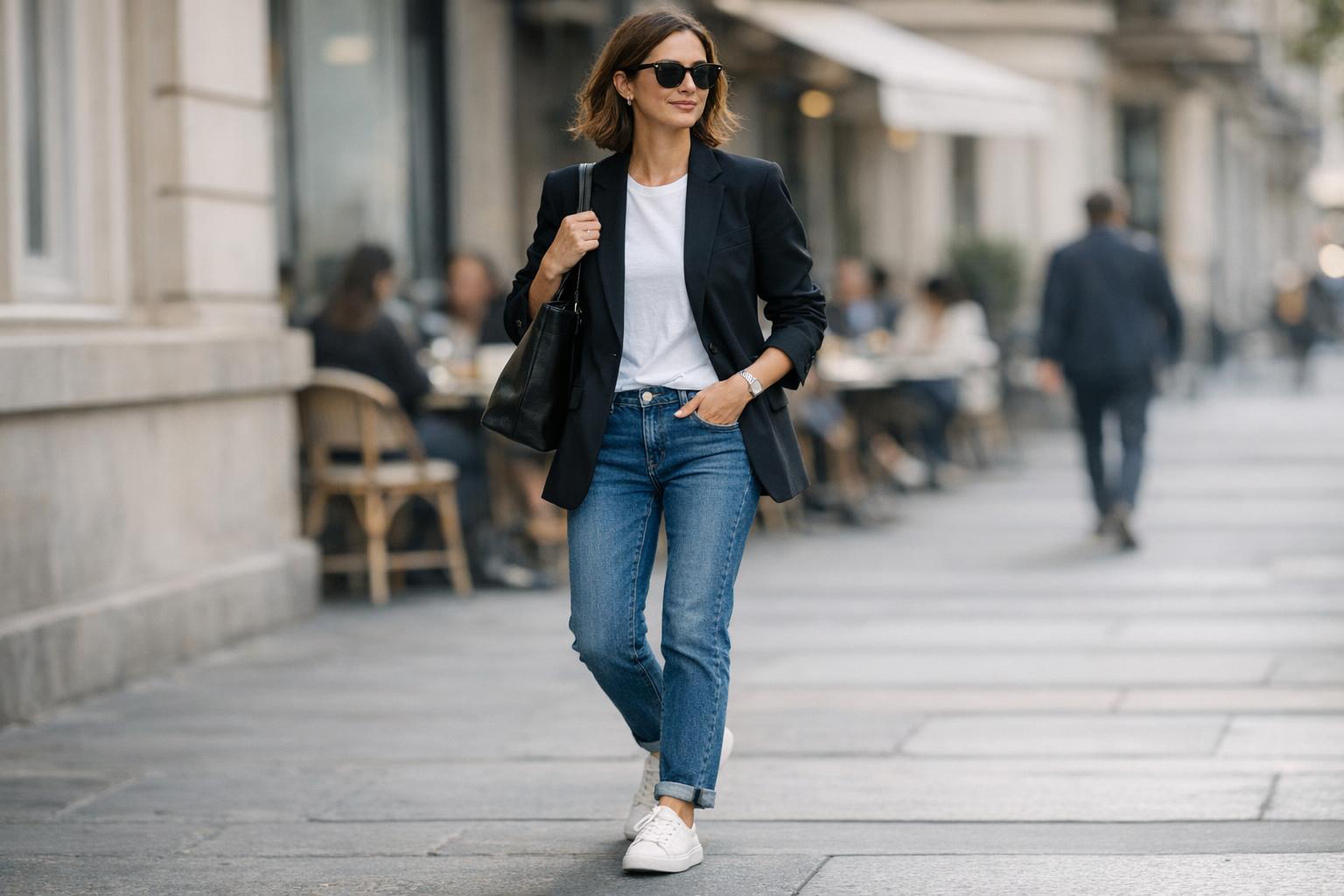
    Holiday capsule wardrobe closet with striped storage boxes, hanging clothes, and neatly folded shoes
    An open closet styled for a streamlined festive season features striped storage boxes, hanging garments, and neatly arranged shoes.

    FAQ

    How many pieces should a holiday capsule wardrobe have?

    Most holiday capsule wardrobe frameworks keep the number intentionally small—often around 6 to 12 pieces—because a compact set is easier to mix and match, pack for travel, and repeat across events without decision fatigue.

    Can a capsule wardrobe really work for formal holiday events?

    Yes, as long as your capsule includes at least one dressier option (a classic dress or party dress) and one polished layer like a blazer, plus a festive detail through texture (velvet, satin, sequins, or metallics) and a statement accessory.

    What are the most versatile festive fabrics for a holiday capsule wardrobe?

    Velvet, sequins, satin, and metallic accents are common holiday capsule choices because they instantly feel festive; they’re most versatile when balanced with matte basics so you can rewear them across multiple outfits without the look feeling too loud.

    How do I build a cohesive color story for holiday outfits?

    Start with a neutral backbone so items pair easily, then add one or two accent colors for festive impact; keeping accents consistent makes it easier to mix-and-match, repeat pieces, and pack light for trips or multiple events.

    How do I make a holiday capsule wardrobe work for travel and packing light?

    Choose pieces that layer well and repeat across settings—like a blazer, a fine-gauge knit, and versatile bottoms—then include one standout festive piece (a top or party dress) that upgrades your look for events without adding many extra items.

    What if my holiday plans include different climates or lots of indoor/outdoor transitions?

    Build outfits that look complete as a base (top + bottom or a dress), then use outerwear as the variable; a coat plus a blazer gives you flexible layering so you can adjust to cold outdoors and warmer indoor spaces without changing your whole outfit.

    How can I keep a holiday capsule wardrobe budget-friendly?

    Prioritize value by investing in the pieces you’ll wear most (like a blazer, trousers, or a knit) and add festive impact with just one statement item such as a sequined top or velvet party dress that can be restyled with your existing basics.

    How do I maintain a capsule wardrobe year-round after the holidays?

    Choose versatile pieces you can wear beyond the season—especially neutral basics and layering items—and treat festive pieces as occasional highlights; caring for fabrics and making small repairs or alterations helps keep the capsule in rotation instead of feeling seasonal and disposable.

  • 15-Piece Light Spring Capsule Wardrobe for Work & Weekend

    15-Piece Light Spring Capsule Wardrobe for Work & Weekend

    Light Spring Capsule Wardrobe: The Complete Guide to a Breezy, Minimal Closet

    A light spring capsule wardrobe is a streamlined set of mix-and-match pieces built around the Light Spring palette—an airy, warm-leaning, light, and fresh color story that feels especially natural in spring. Instead of chasing dozens of one-off outfits, you build a cohesive closet where most tops work with most bottoms, layers play nicely together, and accessories tie everything into a consistent look.

    This guide walks you through defining the Light Spring approach, choosing flattering neutrals and accent colors, selecting core capsule pieces, and building reliable outfit formulas. You’ll also find practical tips for shopping, editing your closet, and adapting your capsule to different climates and lifestyles so it works in real life—not just in theory.

    Light spring capsule wardrobe with light and dark clothes on hangers, minimalist wooden rack against white wall
    A minimalist wooden rack displays a balanced light spring capsule wardrobe of light and dark pieces against a white wall.

    What Is a Light Spring Capsule Wardrobe?

    A capsule wardrobe is a curated collection of clothing and accessories designed to be worn interchangeably. When you pair that method with Light Spring color theory, you get a capsule that stays visually consistent: lighter values, warm and gentle undertones, and clear, fresh color combinations that feel “spring-ready” even on ordinary days.

    Defining Light Spring in color theory

    Light Spring is commonly described with words like light, warm, soft, and clear. In practice, that means your best capsule colors tend to look brightened (not muted or dusty), warm-leaning rather than cool-leaning, and never too dark or heavy. The overall effect is breezy and approachable—exactly what many people want from a spring wardrobe.

    Tip: If you’re unsure whether a color belongs in a Light Spring capsule, ask one simple question: does it feel light and fresh next to cream or ivory? If it looks harsh, heavy, or overly dark by comparison, it’s less likely to support a Light Spring color story.

    Why a capsule approach works for spring

    Spring is transitional—cool mornings, warmer afternoons, and frequent weather swings. A capsule approach supports this shift by focusing on layering, repeatable outfit formulas, and a limited palette that makes getting dressed fast. Instead of owning lots of “spring-looking” items that don’t actually coordinate, you build a small set of essentials that can be worn many ways.

    Tip: Think of your spring capsule as a system. Your neutrals create the foundation, your accent colors add personality, and your layers handle temperature changes. When these three parts work together, your wardrobe feels effortless.

    Light spring capsule wardrobe with white and black shirts on hangers on a wooden clothing rack
    Crisp white and black shirts hang neatly on a wooden rack for a minimalist light spring capsule wardrobe.

    The Light Spring Palette: Neutrals, Accents, and a Cohesive Color Story

    Most Light Spring capsule wardrobes succeed or fail based on color decisions. The goal is not to own every possible spring color; it’s to choose a small set of neutrals plus a few accent colors that harmonize. This creates a color-coordinated capsule that looks intentional across outfits, photos well, and reduces decision fatigue.

    Core neutrals for Light Spring

    Neutrals are the backbone of a capsule because they appear in your most-worn categories: pants, denim, skirts, light outerwear, and everyday shoes. For a Light Spring palette, neutrals often look best when they are light and gentle rather than stark or heavy. Cream and ivory are frequent anchors, and light taupe can help ground outfits without darkening them.

    • Ivory
    • Cream
    • Light taupe
    • Light neutrals that keep an airy look

    Tip: Pick one primary neutral (often cream/ivory) and one supporting neutral (often a light taupe). Build most bottoms and outer layers around those two so your tops can rotate freely.

    Accent colors that sing in spring

    Accent colors are where a light spring capsule wardrobe becomes personal. Many Light Spring wardrobes lean into pastels and light colors—think gentle pinks, mint, pale blue, and soft greens—because they echo that clear, fresh spring feeling. The key is choosing 2–3 accent colors that you genuinely enjoy wearing and that combine easily with your neutrals.

    • Gentle pinks
    • Mint
    • Pale blue
    • Soft greens

    Tip: If you want your capsule to mix and match smoothly, choose accent colors that can pair with each other as well as with your neutrals. That way, your “color moments” don’t feel like isolated items you rarely reach for.

    Colors to avoid (and why)

    In a Light Spring color story, the most common problems come from colors that feel too dark, too harsh, or too far from the warm-soft-clear mood. When an item is visually heavy, it can overpower the lighter neutrals and delicate accents, making outfits harder to balance and less cohesive.

    Tip: You don’t have to purge everything outside the palette. Instead, keep “harder to blend” colors out of your core capsule categories (like everyday tops and pants) and reserve them for occasional wear, workout gear, or items you don’t rely on for daily outfit building.

    Red and white train on elevated track toward skyscraper, minimalist light spring capsule wardrobe travel vibe
    A sleek red and white train glides along an elevated track toward a towering skyscraper above a calm cityscape.

    Core Pieces for a Light Spring Capsule

    The most useful capsule pieces are simple, repeatable, and easy to layer. Many spring capsule wardrobes organize pieces by category—tops, bottoms, outerwear, shoes, dresses/jumpsuits, and accessories—because it helps you see gaps and avoid duplicates. The specific count can vary, but the purpose stays the same: essentials that create many outfits.

    Tops and spring layering essentials

    Tops do much of the “style work” in a spring capsule because they sit close to the face and often carry your accent colors. Aim for a small range of silhouettes that you can rotate through the week—some structured, some relaxed—and prioritize layers that handle temperature changes. Light cardigans and similar lightweight layers are especially helpful for cool mornings and air-conditioned spaces.

    • A light button-down or similar polished top for dressier moments
    • Simple knit tops or shells that fit comfortably under layers
    • Lightweight cardigans for spring layering
    • A few accent-color tops that match your chosen palette

    Tips: Keep at least one top option that works for a slightly elevated setting (like an urban office) and one that feels casual for weekends or remote work. When in doubt, choose tops that can be worn both on their own and under a layer.

    Bottoms: the foundation of outfit repeatability

    Bottoms carry your neutrals and determine how versatile your capsule feels. Many spring capsule guides focus on trousers, skirts, and denim because these items can anchor multiple outfits. Keeping bottoms in your core neutrals makes it easier to mix in pastel spring wardrobe colors on top without the look becoming chaotic.

    • Neutral trousers that can be dressed up or down
    • Denim that pairs with both neutrals and light accent colors
    • A skirt option if you like variety in silhouettes

    Tip: If you want a smaller capsule, reduce bottom variety first and increase top variety slightly. Many people repeat bottoms comfortably but prefer more rotation in tops.

    Outerwear and shoes for a capsule-friendly spring

    Spring outerwear should support layering without fighting your palette. Lightweight jackets and trench-style layers often appear in spring capsule wardrobes because they add structure and function during transitional weather. Shoes benefit from the same capsule logic: a small set that covers daily walking, casual outfits, and slightly dressier needs.

    • A lightweight jacket or trench-style layer in a Light Spring-friendly neutral
    • Comfortable loafers for polished-casual outfits
    • Sandals for warmer days (when climate allows)
    • A neutral shoe option that works with most outfits

    Tip: If your capsule is getting “stuck,” shoes are often the reason. A single overly dark or heavy shoe can make light neutrals and pastels feel disconnected. Keep your most-worn shoes aligned with your light neutrals so outfits stay cohesive.

    Dresses and jumpsuits: one-piece outfits that still mix and match

    Dresses and jumpsuits can simplify a spring wardrobe because they create a full outfit in one step. In a capsule system, the best one-pieces also layer well—meaning you can add a cardigan or light jacket and swap shoes to change the vibe quickly. Choosing a Light Spring-friendly color helps the piece integrate with your outerwear and accessories rather than feeling like a separate “special occasion only” item.

    Tip: If you’re building a smaller spring capsule wardrobe, include one reliable one-piece. It can rescue mornings when you don’t want to coordinate separates.

    Accessorizing for cohesion

    Accessories are where a capsule becomes cohesive without requiring a large wardrobe. Belts, bags, and scarves can echo your neutrals or repeat your accent colors to make outfits look intentional. The goal is not a huge accessory collection; it’s a small set that “connects the dots” across outfits.

    • A belt that matches your primary neutral direction
    • A bag that works with most outfits in your capsule
    • A scarf or small accessory that repeats your accent colors

    Tip: If you love color but want to keep your capsule minimal, add accent color through accessories first. It’s lower commitment, and it still delivers that spring freshness.

    Light spring capsule wardrobe with light shirts on white hangers against a plain wall
    Light-toned shirts on crisp white hangers create a minimalist spring capsule wardrobe display.

    Body-Inclusive Capsule Planning: Fit First, Then Color

    A capsule wardrobe only works when the pieces actually fit and feel good. While some Light Spring capsule guides offer body-shape suggestions, the most reliable approach is to build a repeatable system: choose silhouettes you enjoy, ensure you have comfort across your typical day, and then apply your Light Spring palette to those silhouettes.

    A simple, repeatable method for body-inclusive fit

    Instead of trying to force a “standard” capsule list onto your body, select capsule categories and fill them with the cuts that you reach for most. The capsule framework stays the same, but the shapes and proportions become yours. This is how you make a capsule wardrobe practical across sizes and style preferences.

    • Identify your most-worn silhouette for bottoms (the cut you choose when you want to feel confident)
    • Choose two top silhouettes (one casual, one more polished)
    • Pick one layering piece that you will actually wear indoors and outdoors
    • Confirm each piece works with at least two other items before it joins the capsule

    Tip: If an item fits your palette but doesn’t fit your life, it will sit unused. Fit, comfort, and lifestyle come first; color makes the system cohesive.

    Adjustable piece counts for real closets

    Capsule wardrobes are often described with lists like “25 essential pieces,” but the right number depends on how often you do laundry, how formal your week is, and how much outfit variety you prefer. A good rule is to keep the core small enough to stay cohesive and large enough to avoid boredom.

    Tip: If you’re new to capsules, start with fewer pieces and expand slowly. It’s easier to add a missing layer or an extra top than to edit a capsule that’s already too big and inconsistent.

    How to Build Your Light Spring Capsule Wardrobe Step by Step

    Building a light spring capsule wardrobe becomes straightforward when you follow an order: establish neutrals, choose accent colors, select your essentials, and then test outfits. This keeps you from buying pretty pieces that don’t integrate, and it makes your closet feel coordinated quickly.

    Step 1: Define your base neutrals

    Start with one main neutral and one or two supporting neutrals that you want to see in your most-used items. Cream and ivory are common anchors for Light Spring, and light taupe can add gentle depth while still staying light. Once you choose your neutrals, it becomes easier to shop, edit, and coordinate.

    • Choose one primary neutral (your “default”)
    • Choose one supporting neutral for balance
    • Align your most-worn bottoms and shoes to these neutrals

    Tip: If your existing closet contains a lot of mismatched neutrals, pick one direction for this season’s capsule. You can always evolve later, but a single season benefits from commitment.

    Step 2: Add 2–3 accent colors with a clear rationale

    Accent colors give your capsule its spring personality. For Light Spring, gentle pinks, mint, pale blue, and soft greens are common choices because they maintain that light, warm, fresh feel. Choose accents based on what you want to wear frequently and what integrates with your neutrals and layers.

    • Pick two accent colors you can imagine wearing weekly
    • Add a third accent only if it pairs with the first two
    • Repeat accent colors in at least two categories (for example, a top and an accessory)

    Tip: Repetition creates cohesion. If an accent color appears only once in your entire capsule, it will be harder to style and easier to ignore.

    Step 3: Choose essential spring pieces by category

    Now select your core items: tops, bottoms, layers, shoes, and (optional) one-piece outfits. The goal is a capsule where each item has multiple pairing options. Many spring capsule wardrobe piece lists work well as checklists, but you still want to filter every choice through your own lifestyle: office vs remote work, casual vs polished preferences, and your local climate.

    Tips: Before buying anything new, do a quick closet review for “near matches” in your palette direction. A cream top you already own or a light neutral layer might be the perfect starting point, even if it’s not exactly what you would buy today.

    Step 4: Create outfit formulas (then repeat them)

    Outfit formulas are a capsule’s secret weapon. They reduce decision fatigue because you’re not inventing outfits daily; you’re rotating a few reliable templates. In a Light Spring capsule, formulas often look best when they combine a neutral foundation with one accent color and a light layer.

    • Accent top + neutral bottoms + neutral shoe
    • Neutral top + accent bottom (if you own one) + light layer
    • One-piece outfit + cardigan + loafers
    • Button-down + neutral trousers + lightweight jacket
    • Knit top + denim + light layer
    • Monochrome neutral base + accent accessory
    • Soft green or mint accent + cream/ivory base pieces
    • Pale blue accent + light taupe neutral grounding

    Tip: Write down 8–12 formulas you’d actually wear, then test them. If a formula needs a missing piece (like the right shoe or a lightweight cardigan), you’ve just found your most strategic purchase.

    Practical Shopping Guide: From Budget-Friendly to Premium

    Shopping for a spring capsule can either be efficient or overwhelming. The difference is having a framework: buy only what supports your neutrals, accent colors, and outfit formulas. Many capsule guides include shopping lists, but your best results come from shopping by category and purpose rather than impulse.

    Budget-friendly picks that fit Light Spring

    Budget shopping works well for trend-sensitive categories and lighter seasonal items, especially when you’re still refining your palette and preferred silhouettes. Focus on flexible basics: tops that layer, simple bottoms, and an extra layer that solves daily temperature shifts.

    • Lightweight layering pieces you can wear often
    • Simple tops in your chosen accent colors
    • Neutral basics that coordinate easily

    Tip: If you’re shopping on a budget, prioritize the items you’ll wear multiple times per week. A “capsule-friendly” piece is one that earns its keep through repetition.

    Mid-range favorites with longevity

    Mid-range shopping is often where you can build the most durable core: pieces that look consistent across outfits and hold up through repeat wears. This tier is especially useful for your most-used categories—like a reliable pair of neutral trousers or a polished top you can wear in multiple settings.

    Tip: When choosing mid-range staples, aim for timeless silhouettes that won’t compete with your Light Spring palette. The color story should be the standout, not complicated design details that limit pairing options.

    Premium options for investment pieces

    Premium purchases make sense when the item anchors many outfits: an outer layer you’ll wear constantly, a highly versatile shoe, or a signature piece that defines your capsule’s style. Investment items are most effective when they align perfectly with your neutrals and are compatible with your outfit formulas.

    Tip: A premium item should reduce wardrobe friction. If it only works with one outfit, it’s not functioning like a capsule piece, no matter how beautiful it is.

    Climate and Lifestyle Adaptations

    A light spring capsule wardrobe needs to work across real U.S. conditions: different climates, different routines, and different levels of formality. This is where many capsules fall apart—people build an idealized closet that doesn’t match the weather or their schedule. A few adjustments can make your capsule feel tailored and dependable.

    Urban office vs. remote work vs. casual weekends

    Your lifestyle determines which categories deserve the most attention. If you dress for an office, you may want more polished tops and structured layers. If you work remotely, you may lean into comfortable knits and easy layers but still keep a few elevated options for meetings or events. Casual weekends benefit from comfortable pairings that still honor your Light Spring palette, so everything stays cohesive.

    • Office-leaning capsule: more polished tops, structured outerwear, loafers
    • Remote-work capsule: comfortable tops, easy layers, versatile neutrals
    • Weekend capsule: casual denim outfits, light layering, simple accessories

    Tip: Choose a “default uniform” formula for your most common day type. When most of your week looks similar (office days, remote days, or active weekends), a capsule becomes dramatically easier to maintain.

    Seasonal layering for variable climates

    Spring layering is central to capsule success. Light layers let you add warmth without introducing heavy, dark colors that fight the Light Spring mood. The most capsule-friendly layers are the ones that work across temperatures: easy to put on, easy to take off, and compatible with multiple outfits.

    Tip: If your climate swings throughout the day, build outfits that look complete both with and without the layer. That way you don’t feel underdressed when you take your jacket or cardigan off.

    Wardrobe Maintenance: Audit, Edit, Test, and Refine

    Capsules improve with use. The point is not to create a “perfect” list on day one; it’s to build a working wardrobe, test it, and refine it. A quick closet audit can reveal what already supports your Light Spring direction and what’s missing for daily outfits.

    Closet audit checklist

    A closet audit helps you avoid duplicate purchases and clarifies what’s truly essential. Focus on what you actually wear in spring and what supports your chosen neutrals and accent colors. You’re looking for versatile pieces that can become capsule anchors, plus gaps that cause outfit frustration.

    • Pull out items you already wear often in spring
    • Identify which ones align with your Light Spring neutrals and accents
    • Set aside pieces that consistently feel hard to pair
    • Note missing categories (like a needed layer or a neutral shoe)
    • Create a short shopping list based on those gaps

    Tip: If you’re not sure whether to keep a piece in the capsule, try pairing it with at least two other items immediately. If it fails that test, it may belong outside the core capsule.

    How to test outfits and refine through the season

    Testing is what turns a capsule from an idea into a functional wardrobe. Wear your outfits, notice what you reach for, and identify where you get stuck. Some people find it helpful to plan outfits ahead or track which combinations felt best, then adjust the capsule accordingly.

    Tips: When an outfit feels “off,” diagnose the issue: is it the color pairing, the silhouette, or the missing layer? Small changes—like swapping a shoe color to better match your light neutrals—can restore cohesion quickly without needing more clothes.

    Bonus: Printable-Style Resources You Can Recreate at Home

    You don’t need special tools to make a capsule work, but having a simple written checklist can keep you focused. Below are two resources you can copy into a notes app or journal: a capsule checklist and a palette reminder.

    Capsule checklist (copy and personalize)

    • Primary neutral: ________
    • Supporting neutral: ________
    • Accent color 1: ________
    • Accent color 2: ________
    • Accent color 3 (optional): ________
    • Go-to layer: ________
    • Everyday shoe: ________
    • Polished shoe: ________
    • One-piece outfit (optional): ________
    • 8–12 outfit formulas written out: ________

    Color palette reminders for shopping and outfit planning

    Keep your capsule’s color direction front and center: light, warm-leaning, soft-clear colors; Light Spring-friendly neutrals like cream/ivory and light taupe; and a small set of accent colors such as gentle pinks, mint, pale blue, and soft greens. When you consistently follow that direction, your wardrobe starts to coordinate almost automatically.

    light spring capsule wardrobe with black, red, and patterned pieces hanging on hangers in an open closet
    A curated selection of black, red, and patterned garments hangs neatly in an open wardrobe for a minimalist spring edit.

    FAQ

    How many pieces should a light spring capsule wardrobe have?

    There isn’t one correct number; many people use a small list of essential spring pieces (often around a couple dozen) and adjust based on laundry frequency, lifestyle needs, and how much outfit variety they prefer. The best size is the smallest collection that still gives you enough comfortable, repeatable outfits for your real week.

    What colors are best in a Light Spring palette?

    Light Spring typically centers on light, warm-leaning, fresh colors with a soft-clear feel, supported by light neutrals. Common accent directions include gentle pinks, mint, pale blue, and soft greens, paired with neutrals like cream/ivory and light taupe for an airy, cohesive spring look.

    What are the best neutrals for Light Spring?

    Light Spring capsules often work best with lighter neutrals that keep the overall look breezy rather than harsh or heavy. Cream and ivory are frequent anchors, and light taupe can add gentle depth while still staying within a light, spring-ready neutral range.

    How do I build a spring capsule wardrobe that actually mixes and matches?

    Start by committing to one primary neutral and one supporting neutral, then choose just 2–3 accent colors and repeat them across multiple items. Finish by writing a set of outfit formulas and testing them; if a piece doesn’t work with at least two others, it’s usually better outside the core capsule.

    How can I make my capsule work for changing spring temperatures?

    Prioritize spring layering with lightweight pieces that you can add or remove easily, and make sure outfits look complete both with and without the layer. A capsule-friendly layer is one that coordinates with your neutrals and accent colors and works across many outfits, especially for cool mornings and warm afternoons.

    How do I adapt a Light Spring capsule for office vs. casual life?

    Keep the same core palette and capsule structure, then shift the categories you emphasize: more polished tops, structured layers, and loafers for an office routine, or more comfortable knits and easy layers for remote work and weekends. The capsule stays cohesive when your neutrals and accent colors remain consistent across settings.

    What if I love colors that don’t fit a Light Spring capsule?

    You don’t have to eliminate them entirely; it often works best to keep off-palette colors out of your most-worn capsule essentials and reserve them for occasional wear or non-capsule categories. This lets your daily outfits stay coordinated while still leaving room for personal favorites.

    Can I use a Light Spring capsule beyond spring?

    Yes, many people extend a spring capsule by keeping the same neutral foundation and layering strategy while adjusting how they layer for temperature changes. If your core pieces are versatile and your palette is cohesive, you can often carry a significant portion of the capsule into other parts of the year.

  • 21-Piece Capsule Wardrobe Men Minimalist (US Essentials)

    21-Piece Capsule Wardrobe Men Minimalist (US Essentials)

    A capsule wardrobe men minimalist approach is a practical way to reduce decision fatigue, make more outfits with fewer clothes, and build a closet where nearly everything works together. Instead of chasing endless options, you focus on a tight set of versatile basics—core wardrobe pieces chosen for fit, fabric, and color harmony—then rotate seasonally as needed. The result is a lean closet that supports real life: work, weekends, travel, and the in-between, without constant shopping or constant “nothing to wear” moments.

    This guide walks you through what a men’s capsule wardrobe is, how many pieces to aim for (from minimalist 15-item setups to 30–50 piece capsules), the 12–22 essentials most capsules rely on, and a step-by-step plan to build yours. You’ll also get outfit formulas, seasonal rotation guidance, budget tiers, common mistakes to avoid, and a clear FAQ at the end.

    Capsule wardrobe men minimalist with white and black clothes on hangers on a wooden clothing rack
    White and black essentials hang neatly on a wooden rack for a minimalist men’s capsule wardrobe.

    What Is a Capsule Wardrobe for Men?

    A capsule wardrobe for men is a curated set of clothing built around a small number of interchangeable pieces. Unlike a general “minimalist wardrobe,” a capsule is intentionally planned: you pick core items that mix and match easily, cover your typical activities, and can be adjusted by season. The goal isn’t to own the fewest clothes possible—it’s to own the right clothes, in the right quantities, so getting dressed is simple and repeatable.

    Most capsule systems revolve around timeless categories (shirts, pants, outerwear, footwear) and rely on outfit formulas rather than single-purpose purchases. You’ll see recurring frameworks like a seasonal 30–37 item capsule, a 30-piece closet reduction goal, and smaller minimalist lists (15 items or a tightly edited 22-item base) that emphasize universal versatility.

    Capsule wardrobe men minimalist: four men in pastel casual outfits standing against a white wall
    Four men in soft pastel casualwear stand together against a crisp white wall for a clean, minimalist look.

    How Many Pieces Should a Men’s Capsule Have?

    There’s no single correct number because your lifestyle, climate, work needs, and laundry routine all affect how many pieces you realistically need. That said, most men’s capsule guidance clusters into a few practical ranges: a minimalist 15-item setup, a streamlined 22-item base, a balanced 25-piece capsule that can generate many outfit combinations, and a broader 30–50 piece range for those who want more variety or deal with stronger season changes.

    Use These Capsule Size Ranges as Your Starting Point

    • 15 items: A strict minimalist capsule focused on core basics, ideal if your dress code is casual, your climate is stable, or you want a “reset” plan.
    • 22 items: A curated base wardrobe designed for broad versatility across many occasions, with a strong emphasis on fit and materials.
    • 25 items: A flexible core that supports many outfit formulas without feeling repetitive, especially when colors are coordinated.
    • 30–37 items (seasonal): A classic capsule approach that refreshes each season and keeps choices tight while covering more use-cases.
    • 30–50 pieces: A roomy capsule range that still feels minimal, often used when you need more options for work, travel, and weather.

    If you’re new to this, a smart move is to start smaller than you think, prove what you actually wear, and then expand. A “starter capsule” mindset helps you avoid overbuying: pick a tight set of essentials now, wear them for a few weeks, then refine based on what you reach for (and what you avoid).

    Tip: Start With a Starter Capsule, Then Scale

    If you’re stuck, choose a starter capsule size (often around 15–25 pieces) and commit to wearing it consistently before you add anything. This quickly reveals whether you truly need extra shirts, different pants, another jacket, or simply better coordination and fit.

    Core Pieces: The 12–22 Essentials Every Capsule Needs

    Most successful minimalist capsule wardrobes for men are built from the same categories: versatile tops, a small set of bottoms, a few layers of outerwear, dependable footwear, and a tight accessory set. The exact count can vary (12 essentials, 15 items, 22 items), but the structure stays consistent because it supports mix-and-match dressing.

    Red and yellow trains on elevated tracks by city skyline, capsule wardrobe men minimalist inspiration
    A red and a yellow train glide along elevated tracks beside a modern skyline, echoing minimalist clarity.

    Tops: T-Shirts, Shirts, and Knitwear

    Tops do the heavy lifting in a capsule because they change the feel of an outfit without requiring a whole new wardrobe. A small rotation of tees and shirts can cover casual and smarter settings, while knitwear adds layering flexibility across seasons.

    • Solid T-shirts (your most-worn casual base layer)
    • Casual button-down shirts (easy to dress up or down)
    • A smarter shirt option for occasions that require a sharper look
    • Knitwear for layering (sweater-type pieces to add warmth and texture)

    Bottoms: Jeans, Trousers, and Shorts

    Bottoms anchor your outfit formulas. Many minimalist lists emphasize a small number of pants—often framed as a “3 x pants” approach—because a few well-fitting pairs can cover most daily situations. Add shorts if your climate or season calls for them.

    • Jeans (a capsule staple that pairs with nearly every top)
    • Trousers or chinos (a step up in polish without going formal)
    • An additional pant option to rotate (especially helpful if one pair becomes your default)
    • Shorts for warm weather (if relevant to your region and routine)

    Outerwear: The Jackets That Make a Capsule Work

    Outerwear is where many men either overbuy or under-plan. A good capsule outerwear lineup is small but strategic: it should handle daily life and seasonal shifts without requiring a closet full of specialty coats. Think in layers—what you throw on quickly, and what you reach for when weather is serious.

    • A light jacket for transitional weather
    • A warmer layer for colder months (your fall/winter workhorse)
    • A versatile option that fits your lifestyle (casual, smart, or a blend)

    Footwear: Sneakers, Boots, and Dress Options

    Minimalist capsules typically use a small shoe rotation: one reliable casual sneaker, one boot-style option for durability and weather, and one dressier shoe for occasions or more polished outfits. This keeps your outfits grounded while still covering different levels of formality.

    • Casual sneakers for everyday wear
    • Boots for ruggedness and cooler conditions
    • A dress shoe option for smarter settings

    Accessories: Small, Functional, and Repeatable

    Accessories in a capsule are about function and consistency. A tight set can complete outfits without adding clutter, and it helps your wardrobe feel intentional rather than random.

    • A belt (chosen to work with your primary shoes and pants)
    • A watch (simple, reliable, and easy to wear daily)
    • A bag that matches your day-to-day needs (work, gym, travel)

    How to Choose Pieces: Fit, Fabric, and Color

    A minimalist capsule succeeds or fails based on three decisions: fit, fabric, and color palette. When these are right, you can own fewer pieces and still look consistently put-together. When they’re wrong, you’ll feel like you need more options—even if the real issue is that the options you have don’t work well together.

    Capsule wardrobe men minimalist with neutral clothes on wooden hangers against a white wall
    Neutral-toned essentials hang neatly on wooden hangers, capturing the calm precision of minimalist style.

    Fit: The Capsule Multiplier

    Fit is what makes “basic” look sharp. Many capsule guides stress that the same handful of items can work for multiple occasions if the fit is dialed in. If your capsule feels off, focus here first: a closet full of versatile basics won’t feel versatile if they don’t sit right on your body.

    Tip: Treat fit as a process. If one pair of pants is nearly perfect or a shirt looks great except in one area, consider adjusting before replacing. The point of a capsule is accuracy—fewer pieces, chosen more carefully.

    Fabric: Choose Materials That Match Your Real Life

    Fabric choices affect comfort, appearance, and longevity. Capsule advice frequently emphasizes fabrics in the context of season and wear: lighter options for warm months, warmer knits and layering pieces for cold months, and materials that hold up to repeated use. Because capsule pieces get worn more often, durability matters.

    Tip: When deciding between two similar items, choose the one you can see yourself wearing repeatedly across multiple contexts. A capsule works best when every piece earns its place through frequent use and reliable performance.

    Color Palette: Neutrals Plus One or Two Accents

    Color coordination is the simplest way to unlock mix-and-match outfits. A common capsule approach is to anchor most of your wardrobe in neutrals, then include one or two accent colors if you want variety. This makes it easier to get dressed quickly while ensuring tops and bottoms work together without constant mental effort.

    Tip: If you want your capsule to feel bigger than it is, limit your palette. A tightly coordinated set of colors turns a small closet into a high-output system of outfit combinations.

    How to Build Your Capsule: A Step-by-Step Plan

    Building a capsule wardrobe for men is less about buying a list and more about creating a system. The best results come from a simple sequence: audit what you own, define your lifestyle and climate needs, select core pieces, then test with outfit formulas. This approach also keeps you from replacing items you already have that are working.

    Step 1: Declutter and Audit What You Actually Wear

    Start with what’s already in your closet. Your goal is to identify which items already behave like capsule pieces—things you repeatedly reach for and can pair easily. Separate what you wear from what you keep “just in case.” A capsule is built on proven wear, not hypothetical outfits.

    Step 2: Define Your Lifestyle and Climate

    Your capsule should reflect your week, not someone else’s aesthetic. Think about how often you need work outfits versus casual outfits, how often you attend events that require a more polished look, and what weather you regularly face. Many capsules also use seasonal adjustments, swapping pieces in and out as the temperature changes.

    Tip: If your closet is chaotic, reduce your target contexts to three: work, weekend, and occasional. Build outfits for these first, then expand only if there’s a consistent gap.

    Step 3: Select Your Core Pieces (Start Small)

    Pick your essentials across tops, bottoms, outerwear, shoes, and accessories. Some men prefer a strict minimalist 15-item capsule; others do better with a 22- or 25-piece core. If you want more flexibility, a 30–37 item seasonal capsule can feel balanced without becoming cluttered.

    As you choose pieces, apply a simple decision filter: does this item pair with multiple others in your capsule, and does it match your actual routine? If either answer is no, it’s probably not a capsule piece right now.

    Step 4: Use Outfit Formulas (Not Random Outfits)

    Outfit formulas make a minimalist wardrobe repeatable. Instead of building one-off looks, you create a few templates you can rely on. This is why small capsules can produce many outfits: the pieces are chosen to support consistent pairing.

    • Minimalist casual: T-shirt + jeans + casual sneakers + light jacket
    • Smart casual: button-down + trousers/chinos + boots or dress shoe option + outerwear
    • Layered cool-weather: knitwear + jeans/trousers + boots + warmer outerwear

    Tip: If a piece doesn’t fit into at least one outfit formula, it tends to become “closet noise.” Either redefine the formula to include it or remove the item from your capsule plan.

    Practical Rules That Keep a Minimalist Capsule Lean

    Simple rules prevent a capsule from slowly turning back into a crowded closet. Two commonly used ideas are the 3-3-3 rule (popular for travel and sub-capsules) and the “two-uses rule” (a quick test for whether something deserves a spot). These aren’t rigid laws—they’re guardrails that make decisions easier.

    The 3-3-3 Rule (Great for Travel and Mini-Capsules)

    The 3-3-3 rule is a compact framework: three tops, three bottoms, three shoes. It’s often used for travel, but it also works as a “trial run” if you want to experience capsule dressing without committing to a full closet overhaul. It forces coordination and reveals which items truly do the work.

    The Two-Uses Rule (A Reality Check for Purchases)

    The two-uses rule is a simple filter: if a piece can’t be used in at least two meaningful ways in your wardrobe (two outfit formulas, two contexts, or two seasons with layering), it’s less likely to be a true capsule staple. This is especially useful when you’re tempted by a “cool” item that doesn’t actually integrate with your core pieces.

    Seasonal Rotation: Keeping Your Capsule Fresh Year-Round

    Seasonal rotation is how many men maintain a minimalist wardrobe without feeling underprepared. Instead of owning everything at once, you keep a core set available and swap in seasonal items as needed. Some capsules are built around a 30–37 item seasonal structure, while others keep a year-round base and add a small seasonal expansion.

    Spring/Summer Adjustments

    In warmer months, you’ll typically lean on lighter tops and incorporate shorts if they fit your lifestyle. Layering becomes simpler: instead of heavy outerwear, a lighter jacket can carry you through cooler mornings or evenings. The main goal is comfort without losing the mix-and-match simplicity of your capsule.

    Fall/Winter Adjustments

    In colder months, knitwear and warmer outerwear become your capsule’s power pieces. The key is to keep the number of cold-weather items intentional so you don’t inflate your wardrobe. Choose layers that work with multiple outfits rather than owning many single-purpose options.

    Storage and Updates

    Rotation only works if you can store off-season items neatly and retrieve them easily. When you pull pieces out for a new season, take the opportunity to reassess: if something didn’t get worn last season, question whether it belongs in the next one. Capsule building is iterative—build, wear, adjust.

    Capsule Wardrobe on Different Budgets

    A minimalist capsule wardrobe isn’t defined by price; it’s defined by intention, versatility, and repeatable wear. You can build a strong capsule by starting with what you own, replacing gaps gradually, and prioritizing purchases that increase outfit combinations. Many capsule guides also emphasize shopping smart—buying fewer, better-aligned pieces rather than frequent random additions.

    Budget-Friendly Starter Kit (Build and Iterate)

    If you’re working with a tight budget, the best strategy is to avoid “full capsule shopping sprees.” Build a starter kit from your closet, identify what’s missing, and add only what unlocks multiple outfits. This is where the two-uses rule and outfit formulas help: every purchase should connect to the rest of your wardrobe.

    Mid-Range and Premium Approaches (Focus on Longevity)

    At higher budgets, the priority becomes longevity and consistency: pieces that hold up to repeated wear and maintain their shape and appearance over time. Because capsule wardrobes concentrate wear on fewer items, it can make sense to invest in the pieces you use most—especially footwear, outerwear, and your most frequent pants rotation.

    Tip: Regardless of budget, use your wear frequency as your spending guide. Put more resources into the items you wear constantly, and keep occasional pieces minimal and versatile.

    Common Mistakes (and How to Fix Them)

    Most capsule failures don’t come from choosing the “wrong” list of essentials—they come from skipping the system. These are common issues men run into, plus straightforward fixes that bring the capsule back on track.

    • Overbuying duplicates: Fix it by proving need through wear. If you already have enough functional tops, upgrade fit or coordination instead of adding more.
    • Ignoring fit: Fix it by making fit the first refinement step. A small capsule only looks good when each piece sits well.
    • Color clashing: Fix it by narrowing your palette. Neutrals plus one or two accents makes mixing effortless.
    • Owning “single-use” items: Fix it by applying the two-uses rule. If it doesn’t integrate, it doesn’t belong in a minimalist capsule.
    • No outfit formulas: Fix it by building 2–3 default templates (casual, smart casual, layered) and ensuring every piece supports at least one.

    Tip: When something feels off, don’t add more. First, test combinations you haven’t tried, remove the pieces you avoid wearing, and tighten your color coordination. A capsule is often improved by subtraction, not addition.

    Real-Life Capsule Planning: Three Simple Scenarios

    One reason capsule advice can feel abstract is that men live in different climates and dress codes. Rather than pretending there’s one perfect list, it’s more useful to think in scenarios. Below are three practical ways to apply the same capsule logic—core pieces, layers, and rotation—based on common U.S. lifestyle patterns. The goal is not a rigid prescription, but a model you can adapt.

    Scenario 1: Four-Season City Routine (Work + Weekend)

    If you face real seasonal change, build around a year-round core (tops, jeans/trousers, shoes) and rely on a seasonal swap for outerwear and knitwear. Keep your capsule size flexible—many men land comfortably in a seasonal 30–37 range or a broader 30–50 if work demands more variety. Your outerwear choices matter more here, so focus on versatility and layering compatibility.

    Scenario 2: Mild Climate, Casual Dress Code

    If your weather is steady and your daily outfits are casual, a smaller capsule can work well—often closer to 15–25 pieces. Use a simple set of tees and casual shirts, a small rotation of pants, and one or two jackets for temperature shifts. This is where a strict minimalist list can feel surprisingly comfortable, because you’re not managing heavy seasonal gear.

    Scenario 3: Frequent Travel (Mini-Capsules Inside Your Capsule)

    If you travel often, you can treat your main capsule as a “source closet” and create a travel capsule using the 3-3-3 rule (three tops, three bottoms, three shoes). Choose travel pieces that also perform in everyday life, so nothing becomes a neglected travel-only item. This keeps the wardrobe lean and supports repeatable packing.

    Tools and Resources You Can Create at Home

    You don’t need special apps or services to make a capsule work—you need a simple way to track what you own, what you wear, and what outfits you repeat. A few basic tools can make the whole process clearer and prevent impulse additions.

    • A capsule checklist: a one-page list of your core categories (tops, bottoms, outerwear, shoes, accessories) with target counts.
    • An outfit formula page: write your 2–3 default outfits and list which items plug into each.
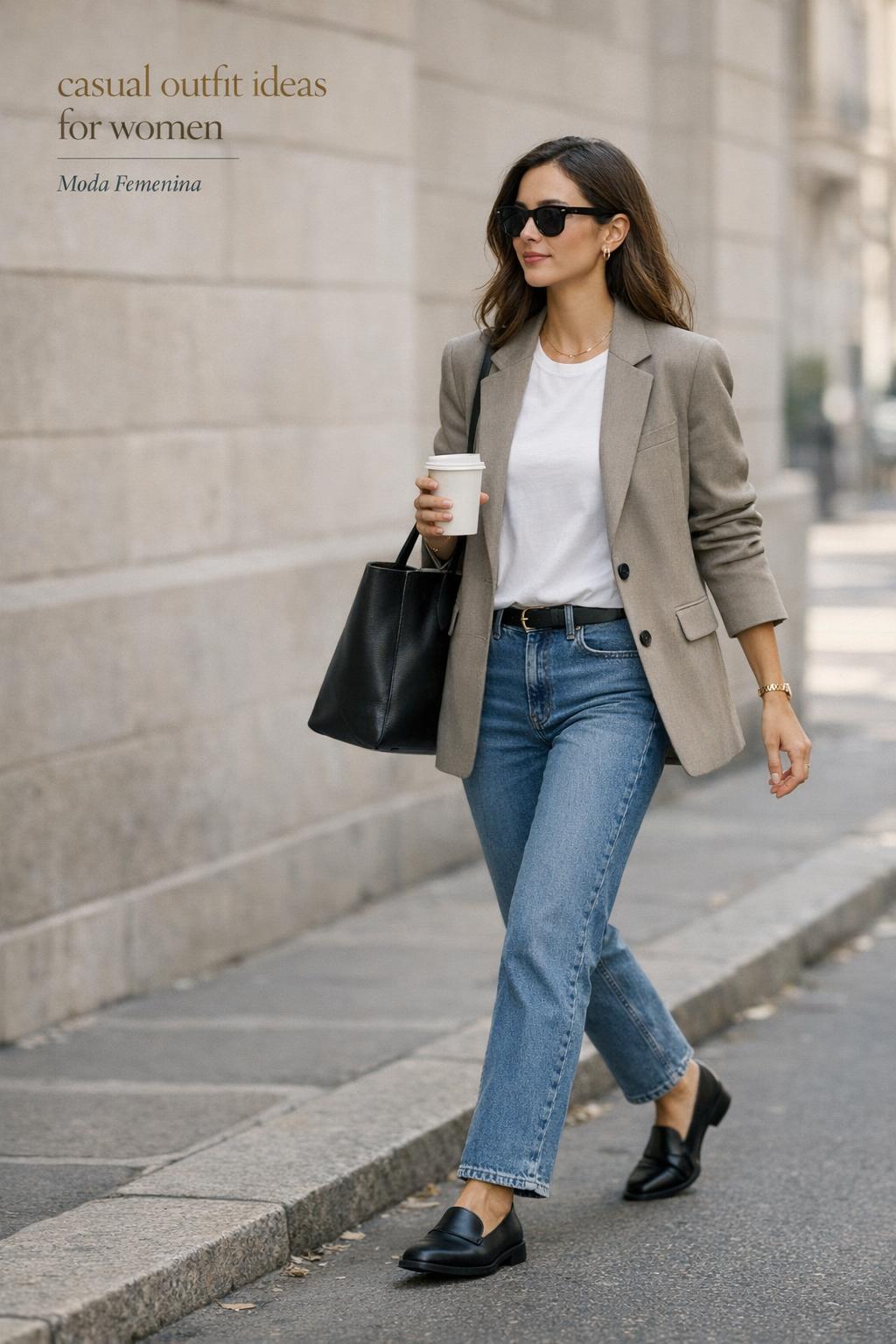
    • A rotation note: a simple reminder of what swaps seasonally (outerwear, knitwear, shorts) so you don’t “rebuild” from scratch each season.
    • A gap list: a running list of what you genuinely miss after wearing your capsule for a few weeks.

    Tip: Your gap list should be earned, not guessed. If you don’t miss it while wearing your capsule, you probably don’t need it.

    Minimalist capsule wardrobe men minimalist shirts on hangers against a plain light wall
    A curated selection of shirts on hangers captures the clean simplicity of a minimalist capsule wardrobe for men.

    FAQ

    What does “capsule wardrobe men minimalist” actually mean?

    It means building a men’s wardrobe around a small set of versatile, mix-and-match essentials—core wardrobe pieces chosen intentionally so you can create many outfits with fewer items and keep your closet lean and easy to use.

    How many items should be in a men’s capsule wardrobe?

    Common capsule sizes include a strict 15-item minimalist setup, a curated 22-item base, a flexible 25-piece core, a 30–37 item seasonal capsule, and a broader 30–50 piece range for more variety or stronger seasonal changes.

    What are the core pieces every men’s capsule should include?

    Most capsules rely on the same categories: versatile tops (T-shirts, casual shirts, a smarter shirt, knitwear), a small rotation of bottoms (jeans and trousers/chinos, plus shorts when needed), a few outerwear layers, a tight shoe lineup (sneakers, boots, dress option), and simple accessories like a belt, watch, and practical bag.

    What is the 3-3-3 rule and how do men use it?

    The 3-3-3 rule is a simple mini-capsule framework: three tops, three bottoms, and three pairs of shoes; men often use it for travel or as a trial run to prove which items truly mix and match before building a larger capsule.

    What is the two-uses rule?

    The two-uses rule is a quick filter for keeping a capsule lean: if a piece can’t be worn in at least two meaningful ways—such as two outfit formulas, two contexts, or across seasons with layering—it’s less likely to be a true capsule staple.

    Do I need a separate capsule wardrobe for each season?

    Not necessarily; many men keep a year-round core and swap in seasonal pieces as needed, while others prefer a seasonal capsule (often around 30–37 items) that changes more noticeably to match spring/summer versus fall/winter conditions.

    How can a 15-item or 22-item capsule create enough outfits?

    Small capsules work by using coordinated colors, versatile basics, and repeatable outfit formulas—when most items pair with most other items, the number of usable combinations rises quickly even with a limited piece count.

    What’s the biggest mistake men make when building a capsule wardrobe?

    The most common mistake is overbuying or adding single-use items instead of refining fit, color coordination, and outfit formulas; a capsule improves fastest when you start small, wear it consistently, and adjust based on what you actually use.

    Is a men’s capsule wardrobe only for casual style?

    No; capsules can be built for casual, smart casual, and more polished needs by choosing shirts, trousers, outerwear, and footwear that match your dress code while still staying interchangeable and minimal.

  • 15-Piece Black Capsule Wardrobe: Polished Looks Year-Round

    15-Piece Black Capsule Wardrobe: Polished Looks Year-Round

    Black Capsule Wardrobe: Build a Timeless, Versatile Closet

    A black capsule wardrobe is a streamlined closet built around black essentials that mix, match, and layer easily—so getting dressed takes less time, outfits feel cohesive, and every piece earns its place. If you’re drawn to minimalism, want fewer decision-heavy mornings, or simply prefer the confidence of a consistent palette, black works as a powerful base color: seasonless, versatile, and easy to remix for casual, work, and evening.

    This guide walks you through capsule wardrobe basics, the core black capsule wardrobe essentials to consider, how to build outfits without feeling stuck in “boring black,” and how to maintain black clothing so it looks deep and polished over time. You’ll also find a ready-to-use 30-day worksheet approach, seasonal playbooks, and personalization tips so your capsule fits your body, lifestyle, and climate.

    black capsule wardrobe on wooden clothing rack with light and dark minimalist pieces on hangers
    A minimalist black capsule wardrobe takes shape on a wooden rack, balancing light and dark essentials in clean lines.

    What Is a Capsule Wardrobe, and Why Black Works as a Base

    Capsule wardrobe basics: definition, benefits, and common mistakes

    A capsule wardrobe is a curated collection of clothing that’s intentionally limited, highly wearable, and designed to create many outfits from fewer pieces. The goal isn’t restriction for its own sake; it’s clarity. When the items in your closet work together, you spend less time searching, buying duplicates, or second-guessing outfits.

    Common mistakes usually come from skipping the “why” and rushing to the “what.” People often buy a preset list of staples without considering their real life—work requirements, weekend routines, climate, and how often laundry happens. Another pitfall is choosing pieces that are theoretically versatile but uncomfortable in practice. A capsule is only successful if you actually wear it.

    Tips: Before you buy anything, track what you wore for a week. The patterns (work outfits, errands, social plans, travel, indoor vs. outdoor needs) will tell you which categories matter most for your capsule wardrobe and which “staples” are optional.

    Why black remains compelling: versatility, seasonless appeal, and long-term value

    Black is a neutral base that can read casual, professional, or evening depending on fabric, fit, and accessories. A black base wardrobe also reduces friction: when most pieces share the same core color, coordination becomes nearly automatic. That makes it easier to build repeatable outfit formulas, pack for travel, and layer across seasons.

    Black also holds its own across trends. While cuts and silhouettes shift over time, a well-made black blazer, coat, or pant can remain relevant through multiple seasons when you choose quality fabrics and maintain them well. A black capsule wardrobe is less about wearing the same outfit every day and more about creating a reliable system you can personalize.

    Black capsule wardrobe clothing rack with dark and light garments in a minimalist closet
    A curated mix of dark and light essentials hangs neatly on a closet rack for a minimalist black capsule wardrobe.

    Why a Black Capsule Wardrobe Makes Sense

    Most people want a closet that’s simpler without feeling boring. A black capsule wardrobe supports that balance: fewer items, more combinations, and a clear style identity. Black provides a consistent foundation, while texture, silhouettes, and small accents create variety. It can also reduce “closet noise” if you’re overwhelmed by too many colors that don’t work together.

    Because a capsule wardrobe often blends informational and practical intent, you can treat this as both a planning exercise and a shopping strategy: identify what you already own, decide what to keep, and fill the true gaps with purposeful purchases. The most effective black capsule isn’t the biggest one; it’s the one that reflects your life.

    Tips: If you’re nervous that black feels too strict, start by making black your base color rather than your only color. You can keep a small, controlled set of neutrals or one accent color while still benefiting from the simplicity of a black foundation.

    Open closet with striped storage boxes, hanging clothes and shoes for a black capsule wardrobe minimalist setup
    An open, minimalist closet displays striped storage boxes, neatly hung clothes, and shoes arranged on lower shelves.

    Core Essentials: 12–14 Black Pieces That Do It All

    There’s no single “correct” number of pieces, but a practical starting point is a tight core of 12–14 black capsule wardrobe essentials. This is enough to create many outfits while staying focused. You can adapt the list for women, men, or a unisex wardrobe by prioritizing categories and fits that match your style and dress code.

    Tops: black tees, blouses, and knitwear

    Tops drive outfit variety because they sit close to the face and set the tone. In a black base wardrobe, the key is to vary neckline, fabric, and structure so each top plays a different role: polished, relaxed, or layered. Think in terms of “job-to-be-done” rather than duplicates.

    • A black tee that fits the way you actually like to wear tees (not just the “standard” cut)
    • A more polished black top (often a blouse-style or structured knit) for work or dinners
    • A black knitwear layer for warmth and texture

    Tips: When choosing black tops, prioritize fabric that keeps its shape and color. A top that looks great for a month but quickly fades or pills will make the whole wardrobe feel less refined.

    Bottoms: black pants, skirts, and denim

    Bottoms are the backbone of outfit repetition. A black capsule wardrobe becomes effortless when you have bottoms that work with every top and shoe. Focus on comfort and fit first, because bottoms that feel restrictive won’t be worn often—no matter how “essential” they are on paper.

    • One pair of black pants that works for your most common setting (work, school, everyday)
    • A second bottom category that contrasts in vibe (for example, denim vs. tailored pants, or a skirt option)
    • A black denim option if you wear denim frequently, or an alternative you’ll reach for just as often

    Tips: If you’re concerned about an all-black outfit feeling flat, bottoms are an easy place to add subtle contrast through fabric and finish—like a different weave, a softer drape, or a more structured shape—while keeping the color consistent.

    Outerwear: black blazer, coat, and jacket

    Outerwear turns a capsule into a year-round system. A black blazer can elevate casual basics; a coat adds seasonal functionality; and a jacket can bring personality through structure and silhouette. Your choices should reflect your climate and how often you’re actually outside.

    • A black blazer for instant polish (especially useful for work and meetings)
    • A black coat suited to your typical cold season and daily commute
    • A black jacket for casual wear or transitional weather

    Tips: If you live in a region with big seasonal swings, treat outerwear as the main “seasonal swap” category. Keep your core basics stable and rotate outer layers to refresh the wardrobe without rebuilding it.

    Shoes and accessories: boots, flats, belts, and bags

    Shoes and accessories decide whether black reads minimal, edgy, classic, or formal. In a capsule wardrobe, you don’t need many—just the right ones. Choose pairs you can walk in and accessories that support the outfits you wear most often.

    Shoes and accessories decide whether black reads minimal, edgy, classic, or formal. In a capsule wardrobe, you don’t need many—just the right ones. Choose pairs you can walk in and accessories that support the outfits you wear most often.

    • One everyday shoe (often a flat or simple sneaker-style option in a dark palette)
    • One dressier shoe for work or evenings (like a simple flat or heel, depending on your lifestyle)
    • One boot option for cooler weather
    • A black belt and a black bag that work with most outfits

    Tips: When you want variety without adding more clothing, change the “finish” of accessories. A sleek bag and clean belt can make the same outfit feel work-ready, while a more relaxed bag shape can make it weekend-appropriate.

    Fabrics and fit: choosing quality black materials that wear well

    Black looks its best when the fabric stays rich in color and the garment maintains its shape. In a black capsule wardrobe, fabric choice matters because repeated wear is part of the plan. Materials commonly relied on for black wardrobe basics include cotton, wool, wool blends, and ponte—because they tend to wear well, layer well, and feel substantial enough to look polished.

    Fit is equally important. A capsule isn’t about forcing yourself into a single silhouette; it’s about choosing silhouettes you’ll reach for repeatedly. That might mean leaning into relaxed fits, tailored lines, or a mix depending on your setting and personal style.

    Patterned sleeveless dress on black hanger in a black capsule wardrobe closet
    A patterned sleeveless dress hangs neatly on a black hanger among minimalist empty hangers.

    How to Mix, Match, and Layer for Everyday Wear

    The easiest way to make a black capsule wardrobe feel expansive is to rely on simple outfit formulas. Instead of reinventing outfits daily, you can rotate a few repeatable combinations and shift the mood with outerwear, shoes, and accessories. This is where capsule wardrobe outfits with a black base become a true time-saver.

    Quick remix strategies: simple 3-piece combos that create 9+ outfits

    A practical remix method is to group items into threes: three tops, three bottoms, and three third layers (like blazer, jacket, knitwear). Even without adding color, this creates multiple combinations quickly because each category can rotate independently. The “third layer” is particularly effective in monochrome outfits because it adds structure and dimension.

    • Pick 3 tops you genuinely love wearing (casual, polished, warm)
    • Pick 3 bottoms that suit your main settings (work, weekend, versatile)
    • Pick 3 layering pieces that change the vibe (blazer, jacket, knitwear)

    Tips: If you feel like you’re repeating outfits too often, don’t immediately add new items. First, re-balance your “third layer” options. One additional layer can change the look of multiple outfits without increasing closet clutter.

    Texture mixing and avoiding “boring black”

    “Boring black” usually isn’t a color problem—it’s a texture and silhouette problem. When everything is the same fabric weight and finish, the outfit can look flat. You can create depth by mixing textures and choosing pieces with different levels of structure: a smoother top with a more substantial bottom, or a structured outer layer over a softer base.

    Small changes help: a different neckline, a more defined shoulder line, or a bottom with a distinct drape. These shifts keep monochrome outfits visually interesting while staying cohesive and minimal.

    Denim washes, neutrals, and a single accent color

    A black base wardrobe doesn’t mean you can’t use contrast. Denim (including black denim or differing finishes) can break up an all-black look while staying within the same core palette. If you want more variety, consider a limited approach: add neutrals that pair well with black or introduce one controlled accent color through accessories.

    Tips: To keep the capsule feeling intentional, make accents predictable. For example, choose one accent family (like a single color pop in accessories) and repeat it rather than introducing new random shades that fragment your outfit options.

    Season-by-Season Blueprint: Keeping a Black Capsule Wardrobe Fresh Year-Round

    Black is often described as seasonless, but how you wear it changes with weather and lifestyle. A seasonal black capsule wardrobe works best when your core stays consistent and you adjust fabric weight, layering, and outerwear. This keeps your closet stable while still feeling appropriate and comfortable.

    Spring and summer: lightweight choices and breathable depth

    Warm weather can make head-to-toe black feel heavy if everything is thick or clingy. The solution is not necessarily adding more color; it’s choosing lighter-weight pieces and using texture for depth. In spring and summer, prioritize tops and bottoms that don’t feel restrictive and that layer easily for air-conditioned spaces.

    Tips: In hotter months, keep your outfit formula simple—one base outfit and one optional layer. The layer can live in your bag and instantly make the look feel more polished without adding bulk.

    Fall and winter: warmth without bulk through smarter layering

    In colder seasons, a black capsule wardrobe shines because layering looks cohesive. The key is building warmth strategically: use a reliable knitwear layer, add a structured outer layer, and choose a coat that matches your climate and commute. When each layer works with every other layer, you avoid the common winter problem of having “nice outfits” that don’t actually keep you warm.

    Tips: If you frequently feel bulky in winter, streamline your silhouettes. Pair one fitted or clean-lined layer with one roomier layer so the overall look stays balanced and comfortable.

    Travel-ready black capsule: packing tips and versatile items

    A travel capsule wardrobe built on black is practical because it minimizes coordination issues. When everything matches, you can pack fewer items and still create many outfits. Travel is also where outfit formulas matter most: you want repeatable combinations that handle different settings like walking around, dinners, and transit days.

    • Pack items that layer: a base top, a second top, a knitwear option, and one structured layer
    • Choose bottoms that work with all tops and at least two shoe options
    • Use accessories to shift the outfit from day to night without packing extra clothing

    Tips: For travel, keep your palette tightly controlled. If black is your base, avoid adding multiple accent colors. One accent in accessories is usually enough to create variety while still keeping packing easy.

    Styling Tips to Personalize Your Black Capsule Wardrobe

    A black capsule wardrobe should never feel like a uniform you didn’t choose. Personalization is what makes it sustainable: your capsule should reflect your proportions, your comfort preferences, and your day-to-day roles. When people say capsules don’t work for them, it’s often because they built a generic list instead of designing a system for their real life.

    Body type and silhouette choices

    Silhouette is the main lever for making black outfits feel distinctly “you.” Some people feel best in structured lines and defined waists; others prefer relaxed shapes and movement. Because black can visually unify a look, you can lean into shape without worrying as much about matching colors.

    Tips: Choose one or two “signature silhouettes” and build your capsule around them. For example, if you love a particular pant shape or jacket structure, let that guide your other choices so you stay consistent and avoid buying items that don’t integrate.

    Accessorizing for different occasions: work, casual, evening

    Accessories are where a minimalist wardrobe becomes flexible. In a black capsule wardrobe for work, a blazer and a clean bag can make basics look professional. For casual days, you can swap the third layer and choose more relaxed accessories. For evening, the shift often comes from one polished element—shoe choice, bag choice, or a more elevated top—rather than a completely different outfit.

    Tips: If you want to buy less clothing, invest time in building three reliable “finishing” combinations: one for work, one for weekend, and one for evening. Reuse the same base pieces and let the finish do the heavy lifting.

    Color coordination with existing wardrobe pieces

    You don’t have to discard everything that isn’t black. A black base wardrobe can act as the anchor for neutrals that pair well with black, or for a single accent color you already love. The purpose is to reduce friction, not to enforce a rigid rule. If a non-black piece integrates seamlessly with multiple outfits, it can earn a place.

    Tips: When deciding whether a non-black item belongs in your capsule, test it against your core pieces. If it works with multiple tops and bottoms and fits your lifestyle, it supports the system. If it requires special styling to “make it work,” it may be better outside the capsule.

    Maintenance, Longevity, and Sustainability

    A black capsule wardrobe depends on longevity. Because you’ll rewear the same core pieces often, caring for black fabrics is essential for keeping the wardrobe looking intentional rather than worn out. The goal is to prevent fading, reduce pilling, and maintain the fit and structure that makes black look crisp.

    Caring for black clothing: washing, fading prevention, and pilling control

    Black clothing can lose depth over time, especially with frequent washing and friction. Build a simple maintenance routine that matches how often you wear pieces and how delicate they are. Some garments can handle regular wear with minimal fuss; others benefit from gentler treatment to preserve color and texture.

    • Wash black items in a way that prioritizes color retention and reduces unnecessary wear
    • Separate pieces that pill easily and treat them with extra care
    • Pay attention to care labels so the fabric holds its shape and finish

    Tips: If you notice a piece fading faster than the rest of your wardrobe, don’t assume the whole concept failed. That item may simply be the wrong fabric choice for your wear frequency. Replace thoughtfully, and keep the rest of the system intact.

    Buying once, wearing forever: where to splurge vs. save

    A capsule supports “buying once” by narrowing purchases to items you’ll wear repeatedly. The most strategic approach is to splurge where quality directly affects longevity and appearance (often in high-wear or high-visibility staples) and to save where items can be replaced without disrupting the system. The right balance depends on your budget, but the principle is consistent: invest in what you wear most and what must stay polished.

    Tips: If you’re building your black capsule wardrobe from scratch, avoid buying everything at once. Start with the pieces that unlock the most outfits—usually a core bottom, a reliable top, and a versatile third layer—then fill gaps after you’ve tested what you actually reach for.

    Ethical and slow-fashion considerations

    A black capsule wardrobe naturally aligns with a slower approach to shopping because it emphasizes fewer, better-worn pieces. Longevity is a sustainability strategy: the longer you keep and wear your core items, the less you need to replace. The most practical version of “ethical shopping” in a capsule is intentional purchasing paired with strong care habits.

    Tips: Sustainability doesn’t require perfection. Even a small shift—like buying fewer duplicates, choosing fabrics that hold up better, or maintaining black garments so they last longer—can improve the long-term value of your wardrobe.

    Practical Planner: A 30-Day Black Capsule Worksheet

    If you want a plan that feels concrete, use a 30-day approach. The goal is to audit what you own, identify the true gaps, and create a wearable rotation that makes mornings easier. Think of this as a capsule wardrobe checklist you can repeat whenever your lifestyle or season changes.

    Week 1: Inventory audit and “keep” standards

    Start by pulling out the black pieces you already own and separating them into three groups: love-and-wear, maybe, and not-for-this-system. Focus on what fits well and suits your life now, not what you hope to wear someday.

    • List your current black wardrobe basics by category (tops, bottoms, layers, shoes, accessories)
    • Mark what you wear weekly vs. occasionally vs. rarely
    • Identify immediate issues (fit, comfort, fabric that fades or pills quickly)

    Tips: If you’re stuck on “maybe” pieces, create a simple rule: if it doesn’t pair with at least two other core items, it’s not part of the capsule right now.

    Week 2: Build your core 12–14 pieces

    Choose your starting core. You can begin with the categories outlined above and adjust for your needs: work-heavy wardrobes may prioritize a blazer and tailored bottoms; casual lifestyles may lean on knitwear and versatile pants. The goal is to build a black capsule wardrobe that functions with minimal effort.

    Tips: Don’t aim for perfection in week two. Aim for “wearable.” You’ll refine after you see what you actually reach for.

    Week 3: Outfit planning and daily repetition without boredom

    Use outfit formulas rather than unique outfits for every day. Plan a few combinations for your typical week: a work formula, a casual formula, and an evening-ready formula. Rotate tops, bottoms, and third layers to create variety while staying within your system.

    • Create 3 go-to outfit formulas and list the pieces needed for each
    • Identify one “gap” item that would unlock multiple outfits (often a third layer or a second bottom)
    • Decide where you want a single accent (if any), usually through accessories

    Tips: If the outfits feel too similar, adjust one variable at a time: switch a bottom silhouette, add a different texture, or swap your third layer. Avoid adding multiple new items before you test these simpler changes.

    Week 4: Targeted shopping list and long-term routine

    Only after you’ve worn your capsule for a few weeks should you shop. Now your shopping list will be based on real friction points: the piece you keep wishing you had, the item that doesn’t hold up, or the missing layer that would make outfits more flexible. This is also a good time to define a simple care routine so your black clothing stays sharp.

    Tips: Keep a short “next purchase” list instead of impulse shopping. When you notice a recurring need, add it to the list and wait until you can evaluate it calmly against your capsule.

    Real-Life Examples: Black Capsule Wardrobe Outfit Systems

    Real wardrobes are built around real schedules. The examples below are meant to show how the same black capsule foundation can support different needs without requiring a large closet. Adjust the pieces to match your climate, comfort, and dress code.

    Mini case: a 15-piece black capsule for a 5-day workweek

    For a workweek-focused capsule, the emphasis is on polished tops, dependable bottoms, and a blazer or structured layer. You repeat the same core items in different combinations so outfits feel consistent, not repetitive. The system works best when each piece can anchor multiple looks: one pair of work-appropriate pants, a second bottom option, a few tops with different levels of formality, and layers that shift the tone.

    Tips: If you want your professional black capsule to feel less uniform, vary the formality level across the week. Pair your most structured layer with simpler pieces on busy days, and use a softer layer with a more polished top when you want a change in feel.

    Small-space wardrobe transformation with a black base

    In a small space, the win is reducing volume while increasing outfit options. A black base wardrobe helps because almost everything coordinates, which means you can keep fewer “backup” pieces. The transformation typically comes from replacing scattered, single-use items with a tight set of black capsule wardrobe essentials that serve multiple settings.

    Tips: If closet space is your biggest constraint, make shoes and outerwear count. One highly versatile jacket or coat can reduce the need for multiple less-functional layers that take up space but don’t earn enough wear.

    Resources: Where to Shop and How to Care

    A useful resource strategy for a black capsule wardrobe is to keep your decisions organized: a short shopping guide by budget level, a list of which items you’ll invest in, and a care routine that protects color and shape. The specifics of where you shop can vary widely, but the framework stays consistent: buy intentionally, prioritize fabrics that wear well, and avoid filling your closet with near-duplicates.

    Tips: If you’re building on a budget, focus first on the pieces that create the most outfits (a core bottom, a top you love wearing, and a versatile layer). If you’re investing more, prioritize longevity: choose materials and construction that hold color and structure with repeated wear.

    Black capsule wardrobe essentials: black coat with white shoulder bag on white wall hooks
    A black coat and white shoulder bag hang neatly on wall hooks for a minimalist capsule wardrobe look.

    FAQ

    Can I wear a black capsule wardrobe all year, or is it only for fall and winter?

    You can wear a black capsule wardrobe year-round by adjusting fabric weight, layering, and outerwear for the season; in warm months, lighter pieces and simpler outfit formulas keep black feeling comfortable and fresh, while in colder months, coordinated layers make dressing easier.

    How many pieces do I actually need for a black capsule wardrobe?

    A practical starting point is a core of about 12–14 pieces that cover tops, bottoms, layering pieces, and key shoes and accessories, then you can expand slightly if your lifestyle demands more variety for work, travel, or climate changes.

    How do I keep black outfits from looking boring?

    Variety in a black capsule comes from texture, silhouette, and the “third layer,” so mix different fabric feels and structures, rotate jackets or blazers, and use accessories or one controlled accent to change the mood without adding lots of new clothing.

    What are the most important black capsule wardrobe essentials to start with?

    Start with the pieces that unlock the most outfits: a reliable black top you wear often, a core bottom that fits your main setting (work or everyday), and a versatile third layer like a blazer, jacket, or knitwear piece that can dress outfits up or down.

    How do I care for black clothing so it doesn’t fade or look worn out?

    Protect black clothing by following care labels, choosing washing and maintenance habits that preserve color and reduce friction-related wear, and replacing only the pieces that consistently fade or pill faster than the rest of your capsule.

    Can I add other colors, or does a black capsule wardrobe mean only black?

    A black capsule wardrobe can be all-black, but it often works best as a black base wardrobe where you optionally add neutrals that pair well with black or one consistent accent color—especially through accessories—so the system stays cohesive.

    How do I adapt a black capsule wardrobe for work?

    For a professional black capsule, prioritize polished tops, work-appropriate bottoms, and a structured layer like a blazer, then build a few repeatable outfit formulas and use shoes and accessories to signal “work” versus “off-duty.”

    Can a black capsule wardrobe work for different body types and sizes, including plus size?

    Yes—focus on silhouette choices and fit preferences that feel best on your body, select one or two signature shapes to guide your purchases, and build the capsule around comfort and repeat wear rather than a generic list of items.

    How do I build a travel capsule wardrobe using a black base?

    Use black as the coordination anchor, pack a small set of layers and bottoms that all work together, and rely on accessories to shift outfits between daytime and evening so you can bring fewer items without limiting outfit options.

  • 25-Piece Fall Winter Capsule Wardrobe: Modern Outfit Formulas

    25-Piece Fall Winter Capsule Wardrobe: Modern Outfit Formulas

    Fall Winter Capsule Wardrobe: The Definitive 2026 Guide to Effortless Style

    A fall winter capsule wardrobe is a curated set of versatile pieces that mix and match easily across your fall wardrobe and winter wardrobe, so you can get dressed faster, feel more consistent in your style, and rely on fewer (better) wardrobe staples. Instead of chasing a long list of trends, you build a compact lineup of outerwear, knitwear, bottoms, footwear, and accessories that work together for real life—workdays, weekends, travel, and evenings.

    This guide walks you through the core principles, a modern list of 21 essential fall/winter capsule pieces, mix-and-match outfit formulas, color palette planning, budget vs. investment choices (including cost-per-wear thinking), transitional layering strategies, and a repeatable 30-day closet audit so your capsule stays useful all season.

    fall winter capsule wardrobe look with plaid coat, blue knit scarf and beige mittens in snowy outdoors
    A minimalist winter look pairs a plaid coat with a blue knitted scarf and cozy beige mittens in the snow.

    Why a Fall/Winter Capsule Wardrobe Works

    Cold-weather dressing can feel complicated: layers, temperature swings, and the temptation to buy “one more” sweater or coat. A capsule wardrobe simplifies those decisions by making your closet more cohesive and intentionally limited—so most pieces naturally work together.

    The result is less decision fatigue, more outfit repeatability (in a good way), and a closet that supports your daily routines. It also encourages smarter shopping: when you can see what you truly wear, you can focus on pieces that earn their keep through frequent use and flexible styling.

    Tip: If you’re new to capsule wardrobes, aim for “easy combinations” instead of “perfect minimalism.” A practical cold-weather capsule should support layering, weather-proofing, and lifestyle needs—without feeling restrictive.

    Fall winter capsule wardrobe: three men in minimalist winter jackets and knit hats standing on snow under a clear sky
    Three men in knit hats and streamlined winter jackets stand on fresh snow beneath a clear winter sky.

    Core Principles of a Seasonal Capsule

    Quality over quantity (and why it matters in cold weather)

    Fall and winter pieces work harder than summer basics: coats get worn repeatedly, boots meet tough conditions, and knitwear needs to keep its shape. A seasonal capsule focuses on durable, comfortable staples you’ll reach for often—so the wardrobe stays reliable through frequent wear.

    Tip: When deciding between two similar items, choose the one that layers best and feels best over a full day. Comfort and practicality are major drivers of cost-per-wear because you’ll naturally repeat the pieces that feel right.

    Color palettes for fall and winter

    A capsule wardrobe becomes dramatically easier when your color palette is limited and intentional. Most polished winter capsules start with a neutral base and then add a few seasonal accents. This makes it easier to combine tops, bottoms, and outerwear without overthinking.

    Think in “tonal pairing”: outfits feel elevated when shades sit in the same family, even if they’re not identical. A neutral base also makes statement accessories (like scarves or bags) feel more wearable across multiple looks.

    Fabric and texture balance for warmth

    Fall/winter style is as much about texture as it is about silhouette. Knits, wool, and leather add visual depth, while smart layering adds warmth without bulk. A balanced capsule includes a mix of smooth pieces (like tailored trousers or dark denim) and textured pieces (like cable knits or wool outerwear) so outfits look intentional.

    Tip: Build a “texture triangle” into outfits: one smooth base (denim or trousers), one soft layer (knitwear), and one structured topper (coat or jacket). This keeps outfits from feeling flat and makes repeats look fresh.

    Fall winter capsule wardrobe look: woman in beret, sunglasses, white turtleneck and spotted fur coat on snowy path
    A minimalist winter look pairs a white turtleneck with a spotted fur coat, beret, and sunglasses on a snowy forest path.

    The 21 Essential Fall/Winter Capsule Pieces (With Modern Variations)

    These fall/winter capsule pieces mirror what consistently shows up in polished winter capsule wardrobes: foundational outerwear, knitwear that layers, bottoms that anchor outfits, and footwear that transitions from day to night. Use this list as a starting point and adjust for your climate and lifestyle.

    • Outerwear (3): wool coat; puffer; trench
    • Knitwear (4): cashmere sweater; turtleneck; cable knit; versatile cardigan
    • Tops (4): tees for layering; blouse; button-up style top; elevated going-out top
    • Bottoms (4): dark denim; wide-leg trousers; tailored trousers; skirt
    • Dresses (2): sweater dress; shirt dress
    • Footwear (3): boots; leather loafers; flats
    • Accessories (1+): scarves/beanies plus one everyday bag (like a large tote)

    Outerwear: the backbone of a cold-weather capsule

    1) Wool coat. This is the polished “top layer” that elevates everything from denim to wide-leg trousers. Choose a silhouette that works over knitwear without pulling or feeling tight.

    2) Puffer. A practical staple for truly cold days. It balances your capsule by giving you a warmer, more casual outerwear option that still looks intentional with a consistent color palette.

    3) Trench. Ideal for transitional outfits and layering through shifting temps. It adds structure and works well over lighter knits in fall and early winter.

    Tip: Keep outerwear colors aligned with your base neutrals so any coat works with most outfits. Outerwear is worn repeatedly, so cohesion here has an outsized payoff.

    Knitwear: warmth, layering, and instant outfit polish

    4) Cashmere sweater. A refined knit that can read casual with denim or elevated with tailored trousers. If you’re building fewer pieces, this is a strong “wear it everywhere” choice.

    5) Turtleneck. One of the most functional winter capsule wardrobe essentials because it layers under coats and jackets and works as a standalone top.

    6) Cable knit. Adds texture and a true seasonal feel. It’s a great option when you want a simple outfit (jeans + knit + coat) to still look styled.

    7) Cardigan. The flexible layer that bridges fall to winter. Wear it open over tees, buttoned as a top, or layered under outerwear for extra warmth.

    Tip: If your capsule starts feeling repetitive, change the knit texture (smooth cashmere vs. cable knit) before you add more colors. Texture variation often creates more outfit variety than extra shades do.

    Tops: the mix-and-match engine

    8) Layering tees. Simple tees make knitwear and outerwear more comfortable and extend the life of your sweaters by reducing direct wear.

    9) Blouse. A blouse brings an “instant work-ready” effect under a wool coat or paired with tailored trousers. It also gives you a non-knit option for indoor heating or milder days.

    10) Button-up style top. Whether you prefer a crisp or relaxed version, this piece can be worn alone, layered under knits, or styled open over a tee for an easy fall look.

    11) Elevated going-out top. A capsule still needs fun: one “evening” top that pairs with dark denim, wide-leg trousers, or a skirt expands your wardrobe into dinners and events.

    Bottoms: anchors that create dozens of outfits

    12) Dark denim. Dark denim consistently appears in winter capsule wardrobe ideas because it looks polished, pairs easily with boots and loafers, and works day-to-night with simple swaps.

    13) Wide-leg trousers. A modern staple that can look elevated with a turtleneck and wool coat or more relaxed with a cardigan and flats.

    14) Tailored trousers. Your reliable “work-ready” bottom. They create instant structure with knitwear and support repeat outfits that still look intentional.

    15) Skirt. A skirt offers variety and can be styled with knitwear and boots for a classic fall/winter silhouette. It’s also an easy option for dressier moments without needing a full dress.

    Tip: If you’re torn between wide-leg and tailored trousers, keep the one that works with your most-worn footwear. Bottoms succeed when they align with how you actually move through your week.

    Dresses: one-and-done outfits with high repeat potential

    16) Sweater dress. A sweater dress delivers a complete outfit with minimal effort and looks especially cohesive with a wool coat and boots.

    17) Shirt dress. This is a flexible piece that can lean casual or polished. It layers well with outerwear and can be styled for work or weekends.

    Footwear: where practicality meets polish

    18) Boots. Boots are a cold-weather workhorse and tie outfits together across denim, trousers, skirts, and dresses. Choose a pair that can handle your typical weather and still feel appropriate for your daily routine.

    19) Leather loafers. A polished staple that works with tailored trousers and dark denim. Loafers help a capsule feel put-together without needing a heel.

    20) Flats. Flats add variety and support days when you want a lighter shoe option while keeping your look clean and cohesive.

    Accessories: small pieces, major payoff

    21) Scarves and beanies (plus one everyday bag). A scarf and beanie boost warmth and can add an accent color without disrupting your wardrobe. Pair them with an everyday bag—often a large tote—to support work, travel, and daily errands.

    Tip: If you’re limiting your wardrobe colors, accessories are the easiest place to add seasonal accents while keeping most clothing neutral and interchangeable.

    Fall winter capsule wardrobe outfit with white coat, brown shawl, blue jeans, and white boots on snow
    A minimalist winter look pairs a white coat with black buttons, a brown shawl, blue jeans, and white boots on fresh snow.

    Outfit Formulas: How to Mix and Match

    Outfit formulas are the secret to making capsule wardrobe essentials feel effortless. Instead of thinking in single outfits, you build repeatable templates you can remix with different knits, shoes, and outerwear. These mix-and-match outfits prioritize warmth, polish, and practicality.

    Day-to-day outfits (errands, travel, casual plans)

    • Dark denim + tee + cardigan + puffer + boots
    • Wide-leg trousers + cashmere sweater + wool coat + flats
    • Skirt + cable knit + boots + scarf

    Tip: Keep one “grab-and-go” combination ready for rushed mornings—usually dark denim plus your warmest knit and a dependable coat. When your default works, you avoid random purchases meant to solve short-term outfit stress.

    Work-ready looks (polished, simple, repeatable)

    • Tailored trousers + blouse + wool coat + leather loafers
    • Turtleneck + wide-leg trousers + trench + large tote
    • Shirt dress + boots + structured outerwear layer

    For work capsules, structure matters. If you have only a few tops, a blouse and a turtleneck carry a lot of weight because they style easily under outerwear and look sharp without extra effort.

    Evening and holiday looks (minimal pieces, maximum impact)

    • Dark denim + elevated going-out top + wool coat + boots
    • Skirt + cashmere sweater + scarf as a statement accent
    • Sweater dress + boots + wool coat

    Tip: For evening outfits, swap just one element—your top, your shoe, or your outerwear. Keeping everything else consistent makes your capsule feel bigger without adding more items.

    Color Palettes to Use (and How to Expand)

    A strong capsule wardrobe palette is built from base neutrals plus a small set of seasonal accents. This approach supports tonal pairing and keeps your wardrobe staples interchangeable across fall and winter.

    Base neutrals: your repeat foundation

    Your base neutrals should dominate your most-worn categories: outerwear, trousers, denim, and core knitwear. When these pieces are neutral, nearly every combination reads cohesive, and your accessories have room to shine.

    Tip: If you’re unsure which neutrals to choose, look at what you already wear most. A capsule is easiest to maintain when it reflects your existing preferences rather than forcing an entirely new aesthetic.

    Seasonal accents: controlled variety

    Seasonal accents give your fall/winter wardrobe personality without creating matching problems. Add them through one knit, one blouse, or accessories like scarves and beanies. Keeping accents limited helps your capsule stay mixable and reduces the “nothing goes together” feeling.

    Tip: Expand slowly. Add one accent, wear it repeatedly in at least three outfit formulas, then decide whether you truly need another color. This prevents overbuying and keeps your capsule intentional.

    Budget vs. Investment: Build Your Capsule on Any Budget

    You can build a fall/winter capsule wardrobe at many price points. The key is allocating your budget where it creates the most value over time—especially through cost-per-wear. If you wear something constantly (like a coat or boots), that item usually deserves more attention for comfort and longevity.

    Budget-friendly swaps (without losing versatility)

    A budget capsule works best when you prioritize a cohesive palette and versatile silhouettes first. You can still get a polished effect by choosing simpler designs that layer easily and look intentional with your core pieces.

    • Choose one great coat style you’ll wear often, rather than multiple “okay” options
    • Focus on knitwear that layers comfortably under outerwear
    • Build outfits around dark denim and trousers that pair with multiple tops
    • Use accessories to refresh outfits instead of adding more clothing categories

    Tip: If your budget is limited, avoid buying “almost right” pieces. In a small capsule, every item needs to coordinate and get repeated; a single mismatched purchase can reduce the usefulness of multiple outfits.

    Investment-worthy pieces (where it tends to pay off)

    Investment pieces are the ones that carry the most wear, take the most exposure, or create a consistently polished look. In fall and winter, that often means outerwear, footwear, and select knitwear. These categories are central to comfort and presentation, so quality can have an outsized impact.

    Tip: Use a simple cost-per-wear mindset. If you can realistically wear a wool coat or boots throughout the season across many outfits, it can be smarter to invest there and keep trendier or less-frequent pieces (like an occasional going-out top) more budget-friendly.

    Seasonal Transitions: Fall to Winter (and Back Again)

    The biggest challenge in a cold-weather capsule wardrobe is transition. Early fall can be mild, late winter can be harsh, and daily temperatures can shift. A smart capsule includes pieces that layer well and outerwear that covers multiple conditions.

    Layering strategies that look intentional

    Layering is easiest when each layer has a job: a base that feels comfortable, a mid-layer that adds warmth (often knitwear), and an outer layer that protects and finishes the look. This approach keeps you from over-layering in a way that feels bulky or visually messy.

    • Start with tees or a turtleneck as your base
    • Add a cardigan, cashmere sweater, or cable knit as the warm layer
    • Finish with a trench, wool coat, or puffer depending on temperature

    Tip: If layering makes you feel bulky, adjust the mid-layer first. Swapping between different knit types can keep warmth while improving comfort and mobility.

    Weather-proofing your capsule

    Weather-proofing is about planning, not panic-buying. When your capsule already includes multiple outerwear options and dependable footwear, you can handle temperature shifts without buying extra duplicates. The goal is a small set of solutions: one polished coat, one truly warm coat, and one transitional layer.

    Tip: Keep your most weather-reliable items (like your warmest outerwear and most practical boots) easy to access. When they’re buried, it’s easier to default to less suitable choices and feel like you “need” more clothes.

    Wardrobe Audit: How to Build and Prune Your Capsule (30-Day Plan)

    A capsule wardrobe isn’t just a shopping list—it’s a system. A wardrobe audit helps you build from what you already own, identify gaps without overbuying, and prune what doesn’t serve your season. Use this 30-day plan to create a repeatable workflow you can revisit each fall/winter.

    Step-by-step audit checklist

    • Days 1–3: Pull fall/winter candidates and separate into categories (outerwear, knitwear, tops, bottoms, dresses, footwear, accessories)
    • Days 4–7: Identify your real-life needs (work, casual, evening) and set 3–5 outfit formulas you’ll use most
    • Week 2: Try on items and build outfits; note what layers comfortably and what feels fussy or restrictive
    • Week 3: Create a “gap list” limited to high-impact needs (often outerwear, a core knit, or a versatile bottom)
    • Week 4: Prune duplicates and keep only what fits your palette, your climate, and your outfit formulas

    Tip: If an item only works with one other piece, it’s likely not capsule-friendly. Favor pieces that work with at least three items in your wardrobe (for example, a sweater that pairs with dark denim, trousers, and a skirt).

    How to decide what to keep, replace, or skip

    When you’re editing, prioritize practicality and repeatability. Keep the pieces that support your core outfit formulas and feel good across a full day. Consider replacing items that don’t layer well, don’t align with your chosen palette, or consistently make you feel like you have “nothing to wear” because they’re hard to style.

    Tip: Use a “failsafe” question: Would I happily wear this with my most-worn bottoms and my most-worn coat? If not, it may be a style you like in theory but not in practice.

    Tools and Extras: Make Your Capsule Easier to Use

    Printable capsule planner (checklist you can copy)

    If you want a simple planner, copy this checklist into a note and fill in your exact picks. Keeping it written makes it easier to avoid duplicates and shop only for true gaps.

    • Outerwear: wool coat / puffer / trench
    • Knitwear: cashmere sweater / turtleneck / cable knit / cardigan
    • Tops: tees / blouse / button-up style top / elevated going-out top
    • Bottoms: dark denim / wide-leg trousers / tailored trousers / skirt
    • Dresses: sweater dress / shirt dress
    • Footwear: boots / leather loafers / flats
    • Accessories: scarf / beanie / everyday bag (large tote)

    A simple “lookbook” approach (without overcomplicating it)

    You don’t need a complicated system to get value from a capsule. Pick 10 go-to outfits from your formulas (a mix of casual, work, and evening), then rotate through them while swapping one element at a time: a different knit, a different coat, or a different shoe.

    Tip: When you find a combination you love, repeat it intentionally. Consistency is a strength in a capsule wardrobe; it’s how you build a signature style that still feels fresh through small variations.

    Common capsule pitfalls (and a quick failsafe)

    Most capsule problems come from a few predictable issues: buying too many similar pieces, adding accent colors too quickly, or relying on items that don’t layer comfortably. If your capsule feels “off,” return to your outfit formulas and palette first. Then adjust one category (often outerwear or knitwear) before you add more items.

    Tip: If you’re tempted to add another piece, pause and build three outfits using only what you have. If you can’t, you likely need a more versatile staple; if you can, you probably don’t need the purchase.

    Fall winter capsule wardrobe look with beanie, hoodie, and padded jacket under a clear sky
    A minimalist fall-winter capsule wardrobe outfit featuring a knit beanie, hoodie, and padded jacket beneath a clear sky.

    FAQ

    What is a fall winter capsule wardrobe?

    A fall winter capsule wardrobe is a small, intentional collection of cold-weather staples—outerwear, knitwear, tops, bottoms, footwear, and accessories—that coordinate easily so you can create many outfits from fewer pieces.

    How many pieces should a fall/winter capsule wardrobe include?

    Many people start with a list-style capsule of around 21 essentials across categories like outerwear, knitwear, bottoms, footwear, and accessories, then adjust up or down based on lifestyle needs and how often you do laundry.

    What are the most important winter capsule wardrobe essentials to prioritize?

    Outerwear, versatile knitwear, and dependable footwear tend to have the biggest impact because they’re worn repeatedly, affect comfort and warmth, and determine whether your outfits feel polished or purely practical.

    How do I choose a color palette for fall and winter?

    Start with a neutral base for your most-worn pieces (coats, trousers, denim, core knitwear), then add a small number of seasonal accent colors through one knit, one top, or accessories like scarves and beanies.

    How do I transition my fall wardrobe into winter without buying a lot?

    Use a layering approach (base layer plus knitwear plus outerwear) and rely on a small set of outerwear options—typically a trench for transition, a wool coat for polish, and a puffer for true cold—so you can adapt to temperature swings without duplicating items.

    How can I build a capsule wardrobe on a budget?

    Keep your palette cohesive, focus on versatile silhouettes, and buy only for high-impact gaps you can’t solve with styling—then use accessories to refresh looks instead of adding more categories of clothing.

    Which pieces are most worth investing in for fall/winter?

    Investment-worthy pieces are usually the ones you’ll wear the most and rely on for comfort—often outerwear, boots, and select knitwear—because they carry heavy rotation and influence how pulled-together the entire capsule feels.

    How do I do a wardrobe audit for a seasonal capsule?

    Pull all fall/winter candidates, sort by category, build a few repeatable outfit formulas, try everything on to confirm layering comfort, then create a short gap list and prune duplicates so every remaining piece coordinates and earns frequent wear.

    What if my capsule feels boring or repetitive?

    Before adding more items, add variety through texture (smooth knits vs. cable knits), swap one element in your outfit formulas (shoe, coat, or top), and use accessories as controlled accents while keeping your base pieces neutral and interchangeable.

  • 20-Piece Light Summer Capsule Wardrobe: Cool-Toned Outfit Plan

    20-Piece Light Summer Capsule Wardrobe: Cool-Toned Outfit Plan

    Light Summer Capsule Wardrobe: Build a Breathable, Color-Safe Capsule That Stays Fresh All Season

    A light summer capsule wardrobe is a focused set of warm-weather pieces that mix and match easily while staying aligned with Light Summer color-season theory: cool-leaning, soft, and fresh rather than stark or overly saturated. The goal is simple: fewer items, more outfits, and less decision fatigue—without sacrificing style in the hottest months.

    Many summer wardrobe guides focus on general staples—tanks, sunglasses, breathable layers, and versatile basics. This guide goes further by shaping those staples into a clear, practical capsule that works with a Light Summer palette. You’ll get a step-by-step approach, a 14–20 piece core, outfit formulas for work and weekends, and travel-friendly packing and care tips—all designed to keep your closet cohesive and wearable all season long.

    White and black outfits on hangers for a light summer capsule wardrobe on a wooden rack
    White and black essentials hang neatly on a wooden rack, capturing the calm elegance of minimalist fashion.

    What Is a Light Summer Capsule Wardrobe?

    A capsule wardrobe is a compact collection of clothing chosen to work together across many outfits. The concept is widely understood as building a small, versatile closet rather than an overflowing one, and it’s especially practical in summer when you want lightweight pieces that can be repeated often and styled multiple ways.

    Defining Light Summer (color-season theory)

    Light Summer sits within seasonal color analysis as a cool, light, and soft direction. In practice, that means choosing colors that read airy and fresh—think gentle neutrals and cool-leaning pastels instead of harsh contrasts. A Light Summer capsule wardrobe is “color-safe” when the pieces harmonize: your neutrals don’t look too warm, and your accents don’t overwhelm the overall softness.

    Why a capsule makes summer dressing and packing easier

    Summer is the season of quick outfit changes, weekend plans, and travel. A capsule approach supports all of it: you can get dressed faster, pack lighter, and rely on outfit formulas you already know work. It also encourages repeatable combinations—like tanks with light trousers, open-knit layers over dresses, or a linen blouse with denim—without the “nothing to wear” feeling.

    Tip: If you’re new to capsules, start by prioritizing comfort and repeatability over perfection. Summer clothes get worn often (and washed often), so focus on pieces you’ll reach for weekly, not once a month.

    Red train on elevated track by glass tower, city skyline—light summer capsule wardrobe inspiration
    A sleek red train glides past a glass tower and skyline, echoing the clean lines of minimalist fashion.

    Core Palette for Light Summer

    Color is what makes a Light Summer capsule wardrobe feel effortless. When the palette is consistent, you can grab almost any top and bottom and expect them to work together. Aim for a tight set of neutrals plus a few accents that feel fresh in sunlight and still look polished indoors.

    Neutrals that flatter (soft, cool-leaning, and light)

    Instead of building around stark black-and-white, a Light Summer wardrobe leans on softer neutrals that keep contrast gentle. Think in terms of “light and cool” rather than “bright and sharp.”

    • Ivory (instead of optic white)
    • Cool beige
    • Soft gray
    • Light denim blue as a wearable neutral

    These neutrals help your capsule stay cohesive while leaving room for accents. They also play nicely with summer fabrics like linen and cotton, which often look best in slightly softened tones.

    Accent colors that read fresh (airy pastels and soft greens)

    Accents in a Light Summer capsule should feel cool, calm, and easy to repeat. The right accent colors can make basic silhouettes—tanks, tees, and simple dresses—feel intentional without being loud.

    Examples that fit the “fresh but soft” feel include powder blue, sage, and soft rose. Use accents strategically: a blouse, a dress, or a light layer can carry the color while your neutrals do the heavy lifting elsewhere.

    Tip: Choose two to three accent colors you genuinely like wearing, then repeat them across categories (a top and an accessory, or a dress and a layer). Repetition is what makes a capsule feel polished.

    Fabric recommendations for heat (breathable and packable)

    A summer capsule only works if the fabrics can handle real heat. The most commonly recommended warm-weather direction is breathable materials that feel light against the skin and layer well for cool indoor air or breezy evenings. Build your core around linen, cotton, and viscose, then use lightweight knits when you need coverage without weight.

    Light layering matters in summer, too. Open-knit pieces and lightweight cardigans can give you options for air-conditioned offices, restaurants, and travel days without turning your outfit into a heavy, complicated look.

    Light summer capsule wardrobe with colorful clothes on wooden hangers on a rack against a white wall
    A curated row of colorful garments hangs neatly on wooden hangers against a crisp white wall.

    How to Build Your Light Summer Capsule Wardrobe (Step-by-Step)

    If you’ve ever tried to “declutter and rebuild” all at once, you know it can backfire. A better approach is to assemble your capsule in clear steps: define your palette, select your core categories, and then test outfit combinations before you buy anything new.

    • Step 1: Pick 2–4 neutrals and 2–3 accents that align with Light Summer (soft, cool, light).
    • Step 2: Choose silhouettes you’ll actually wear in summer: easy tops, breathable bottoms, and at least one one-piece outfit (dress or jumpsuit-style option).
    • Step 3: Add one to two lightweight layers for air-conditioning and cooler evenings.
    • Step 4: Make sure shoes and accessories support multiple outfits, not just one.
    • Step 5: Create outfit formulas and confirm you can build repeatable looks for work, weekend, and dressy moments.

    Tip: Before shopping, try a mini “wear-test” week. Pull the closest items you already own that fit the palette and categories, then track what you wished you had. That shopping list is usually more accurate than trend-driven browsing.

    The 14–20 Piece Light Summer Capsule (A Practical Blueprint)

    This capsule range is designed to be small enough to feel minimal, but complete enough to handle real life. You can scale it up slightly if you need more work outfits or prefer more variety in dresses and tops. The categories below reflect common summer capsule essentials: simple tanks, versatile basics, light layers (including open-knit options), and key accessories like sunglasses.

    Tops (3–5 options)

    Tops do the most work in a summer capsule because they change the feel of an outfit quickly. A balanced mix includes at least one polished option for work, plus casual basics you can wear repeatedly.

    • Linen blouse (polished, breathable)
    • Ribbed tank (a core staple for layering and heat)
    • Simple tee (easy base for shorts, denim, or trousers)
    • Optional: a slightly dressier top in an accent color
    • Optional: a second tank or tee to increase rotation

    In a Light Summer palette, keep tops mostly in your neutrals and soft accents so they can move across all bottoms without clashing.

    Bottoms (2–4 options)

    Your bottoms anchor the capsule. Choose shapes that fit your summer lifestyle—walkable, breathable, and adaptable. The most useful bottoms can dress up with a blouse or dress down with a tank.

    • Light trousers (the “workhorse” bottom for office and casual)
    • Denim (light denim reads like a neutral in Light Summer palettes)
    • Shorts (choose a pair that can handle errands and weekend plans)
    • Optional: a second trouser or denim option for more variety

    If you like the look of white jeans, they can be a summer-friendly option within a soft-neutral approach—especially when styled with gentle tones rather than high-contrast black.

    Outerwear and light layers (1–2 options)

    Even in peak summer, layers matter. They make sleeveless pieces more flexible, help with aggressive air-conditioning, and let you transition from day to evening. Keep layers lightweight, breathable, and easy to fold for travel.

    • Lightweight cardigan for cool indoor spaces
    • Linen blazer or open-knit sweater for polished layering

    Open-knit pieces are especially useful in summer capsules because they add texture and coverage while still feeling airy. Choose one that works over tanks, tees, and dresses.

    Dresses and one-pieces (1–2 options)

    A dress (or two) is a capsule shortcut: one item becomes a full outfit. For a Light Summer capsule wardrobe, aim for a dress that looks fresh in daylight and can be made slightly dressier with accessories.

    • One everyday dress in a neutral or soft accent
    • Optional: a second dress that leans more “dressy” for evenings

    Tip: If your life includes work events, pick at least one dress that can look professional with a light layer. That single decision prevents last-minute outfit stress.

    Shoes and accessories (the capsule multipliers)

    Shoes and accessories are where a capsule becomes personal. They also matter in summer because comfort, walking, and sun protection are real needs. Keep the lineup tight and functional, but not boring—this is where you can add style without adding clutter.

    • Sandals (day-to-day)
    • Loafers (or another closed-toe option for work)
    • Sunglasses (a true summer essential)
    • Hat for sun-ready outfits
    • A bag that works for both weekday and weekend use

    Accessories also help reinforce your color palette. If your clothes are mostly soft neutrals, a soft rose or powder blue accessory can repeat your accent color in a subtle way.

    Light summer capsule wardrobe rail with assorted dresses and jackets in black, red, white and patterned fabrics
    Assorted dresses and jackets in black, red, white, and patterned fabrics hang neatly on a minimalist wardrobe rail.

    How to Mix and Match: 10 Outfit Formulas

    Outfit formulas are the secret to making a capsule feel big. They turn your 14–20 pieces into a repeatable system you can rely on for months. The formulas below are intentionally simple and flexible, built around common summer staples like tanks, lightweight layers, and versatile basics.

    Work day looks

    Work outfits in summer should be breathable, polished, and ready for temperature swings between outdoors and air-conditioning. These formulas use layering and clean lines to keep things professional without feeling heavy.

    • Linen blouse + light trousers + loafers
    • Ribbed tank + linen blazer + denim (light wash) + loafers
    • Simple tee + light trousers + open-knit layer (for indoor chill)
    • Everyday dress + lightweight cardigan + work-appropriate shoes

    Tip: If your work setting is unpredictable, keep a light layer at your desk or in your bag. It instantly expands the range of what feels wearable.

    Weekend and casual looks

    Weekend outfits are where your capsule should feel effortless. The point isn’t to create a brand-new look each time—it’s to have reliable combinations you can repeat without thinking.

    • Tank + shorts + sandals + sunglasses
    • Simple tee + denim + sandals
    • Linen blouse (worn open as a light layer) + tank + shorts

    Because your colors coordinate, you can swap one piece—like changing a tank from a neutral to a soft accent—and the outfit still feels cohesive.

    Evening and dressy looks

    Dressy summer outfits don’t need to be complicated. A capsule approach usually means you’ll dress up a streamlined base—often a dress or a simple top-and-trouser combination—using accessories and a refined layer.

    • Dress + open-knit sweater (or light blazer) + refined accessories
    • Dressier top (soft accent) + light trousers + loafers or sandals
    • Tank + light trousers + linen blazer for a clean, modern evening look

    Tip: Keep one “upgrade” accessory ready—like a bag or sunglasses that feel more elevated. In a capsule, one accessory can change the mood of multiple outfits.

    Travel and Packing Tips for a Light Summer Capsule

    One of the biggest advantages of a capsule wardrobe is travel. A light summer capsule wardrobe is naturally suited to packing light because the items are breathable, repeatable, and designed to coordinate. The key is choosing pieces that can shift between casual and slightly polished with minimal changes.

    Packing-light techniques (without losing outfit variety)

    To pack efficiently, start with outfit formulas rather than individual pieces. If each piece can appear in multiple formulas, you’ll get more looks from fewer items. Aim for a tight palette, plan around a couple of bottoms, and bring a layer even if the forecast looks hot.

    • Choose 2 bottoms that can be worn at least three ways each
    • Pack 3 tops that can rotate across both bottoms
    • Add 1 dress to cover “instant outfit” days
    • Bring 1 lightweight layer for air-conditioning and evenings
    • Limit shoes to what you’ll truly wear: one casual, one more polished

    If you want a simple rule for travel: build around a 3-piece-week plan (tops, bottoms, and one-pieces) and let accessories repeat. Repetition is the point; coordination makes it feel intentional.

    Laundry and care in warm weather

    Summer capsules get worn hard. Plan for frequent laundry and practical care. Breathable fabrics like linen and cotton are popular in summer wardrobes for a reason, but they also benefit from thoughtful rotation so nothing gets overused too quickly. A small capsule works best when you let pieces rest between wears and keep one backup top in the mix for especially hot days.

    Tip: If your summer includes heavy travel or long days, build in a little redundancy with tops. One extra tee or tank often prevents stress—and keeps your capsule realistic, not restrictive.

    Smart Shopping Guide: What to Buy (and What to Avoid)

    Shopping for a capsule is less about chasing a long list and more about choosing pieces that multiply outfits. Many summer basics can be sourced from accessible retailers, and capsule staples are often available at a range of price points. The key is choosing items that fit your palette, feel good in heat, and layer well.

    Value staples vs. investment pieces

    Some items are natural “value staples” because they’re simple and likely to be replaced from wear: tees, tanks, and everyday shorts. Other items may be worth prioritizing for quality because they define your outfit structure and get repeated often, such as a light layer (cardigan, open-knit sweater, or linen blazer) and a go-to pair of trousers.

    When deciding where to spend more, think about which pieces will show up in your outfit formulas the most. In a capsule, the most repeated items have the biggest impact on daily comfort and confidence.

    Retailer-agnostic checklist: what to look for

    Instead of focusing on specific stores, shop with a capsule filter. You’re aiming for versatile summer basics—linen, denim, tees, and light layers—that can mix and match in a Light Summer palette.

    • Breathable fabrics that feel good in heat (linen, cotton, viscose)
    • Soft, cool-leaning colors that coordinate across categories
    • Simple silhouettes that layer (tanks under open-knit or cardigans)
    • Pieces that can serve both casual and slightly polished outfits

    What to avoid in a Light Summer capsule

    A Light Summer capsule wardrobe is easiest to maintain when you avoid extremes. Overly harsh contrast can make mixing harder, and overly trend-specific items can limit rewear. Be cautious with pieces that only match one outfit or that clash with your soft, cohesive palette.

    Tip: If you’re unsure about a new item, test it against at least three pieces you already own in your capsule. If it only works with one, it’s likely not a capsule piece.

    Color-Season Theory Deep Dive: Making Light Summer Feel Cohesive

    The difference between a random set of summer clothes and a true Light Summer capsule is harmony. When your neutrals and accents are consistent, the capsule looks intentional even when outfits are simple. This is where color-season thinking becomes practical: it reduces guesswork.

    How to identify your best neutrals within Light Summer

    Start by choosing neutrals that feel soft and cool rather than stark. Ivory, cool beige, and soft gray are common starting points because they keep the palette light. Treat light denim as a neutral category of its own; it pairs with most Light Summer accents and reads easy and seasonal.

    If you find yourself reaching for the same neutral repeatedly, make it a core. A capsule succeeds when it matches your real habits, not an idealized mood board.

    Color pairings that read polished (without feeling fussy)

    Light Summer outfits often look best when they keep contrast low to medium. That doesn’t mean everything has to be monochrome; it just means the transitions between colors feel gentle. Pair soft accents with light neutrals, and use layers to create depth through texture (like open-knit) instead of relying on high-contrast color blocking.

    Tip: If an outfit feels “off,” check your contrast first. Swap a harsh element (like a very dark piece) for a softer neutral, or add a light layer to smooth the look.

    Quick Start Checklist (Use This Before You Shop)

    If you want to move from inspiration to action, use this checklist as a quick-start plan. It’s designed to help you build a minimalist summer wardrobe that still feels complete, using Light Summer color guidance and proven capsule categories.

    • Choose your Light Summer palette: 2–4 neutrals + 2–3 accents
    • Confirm your summer fabric preferences (linen, cotton, viscose, light knits)
    • Select 3–5 tops (include at least one tank and one polished top)
    • Select 2–4 bottoms (include at least one trouser option)
    • Add 1–2 light layers (cardigan, open-knit sweater, linen blazer)
    • Add 1–2 dresses/one-pieces for instant outfits
    • Pick shoes that cover casual + work needs (sandals + loafers, for example)
    • Choose 2–3 accessories that repeat your palette (sunglasses, hat, bag)
    • Create at least 10 outfits using your formulas before buying extras

    Tip: Keep your first capsule slightly conservative. Once you’ve worn it for two weeks, you’ll know exactly what to add—usually one more top, a second dress, or a more polished layer.

    Light summer capsule wardrobe sweaters on white hangers against a plain light wall
    Neutral sweaters hang neatly on white hangers, capturing a minimalist fashion aesthetic for a light summer capsule wardrobe.

    FAQ

    What is a light summer capsule wardrobe?

    A light summer capsule wardrobe is a small, mix-and-match set of warm-weather clothing built around Light Summer color-season principles—soft, cool-leaning, and light colors—plus breathable staples like tanks, tees, linen pieces, and lightweight layers.

    How many pieces should a Light Summer capsule include?

    A practical range is about 14–20 pieces for the core wardrobe, typically including a handful of tops, a few bottoms, one to two light layers, one to two dresses, and a tight set of shoes and accessories that work across many outfits.

    Do I need to follow color-season theory to build a summer capsule?

    No, but color-season guidance can make a capsule much easier to wear because it creates harmony; for Light Summer, choosing soft, cool-leaning neutrals and gentle accents helps outfits coordinate without constant effort.

    What colors work best as neutrals for Light Summer?

    Light Summer neutrals are generally soft and cool-leaning, such as ivory, cool beige, soft gray, and light denim tones, which keep contrast gentle and make it easier to mix tops and bottoms.

    What are the most important summer wardrobe essentials in a capsule?

    The most useful essentials are simple tanks, a tee, a breathable polished top like a linen blouse, versatile bottoms, a lightweight layer for air-conditioning (cardigan or open-knit sweater), and key accessories like sunglasses.

    How do I make a summer capsule work for a professional setting?

    Include at least one polished top, one tailored bottom such as light trousers, and a refined lightweight layer (like a linen blazer or cardigan) so sleeveless or casual pieces can be adapted for work with minimal changes.

    What fabrics are best for a breathable summer capsule?

    Breathable summer capsules commonly rely on linen, cotton, and viscose for hot weather, with lightweight knits and open-knit layers for coverage that still feels airy in changing temperatures.

    How can I pack light using a summer capsule wardrobe?

    Pack around outfit formulas by choosing a couple of bottoms, a few tops that all coordinate within your Light Summer palette, one dress for instant outfits, and one lightweight layer for indoor air-conditioning and cooler evenings.

    What’s the biggest mistake people make with a Light Summer capsule?

    A common mistake is adding items that don’t coordinate—either because the colors introduce harsh contrast or because the piece only works with one outfit—so the capsule stops feeling cohesive and starts feeling like a set of isolated looks.