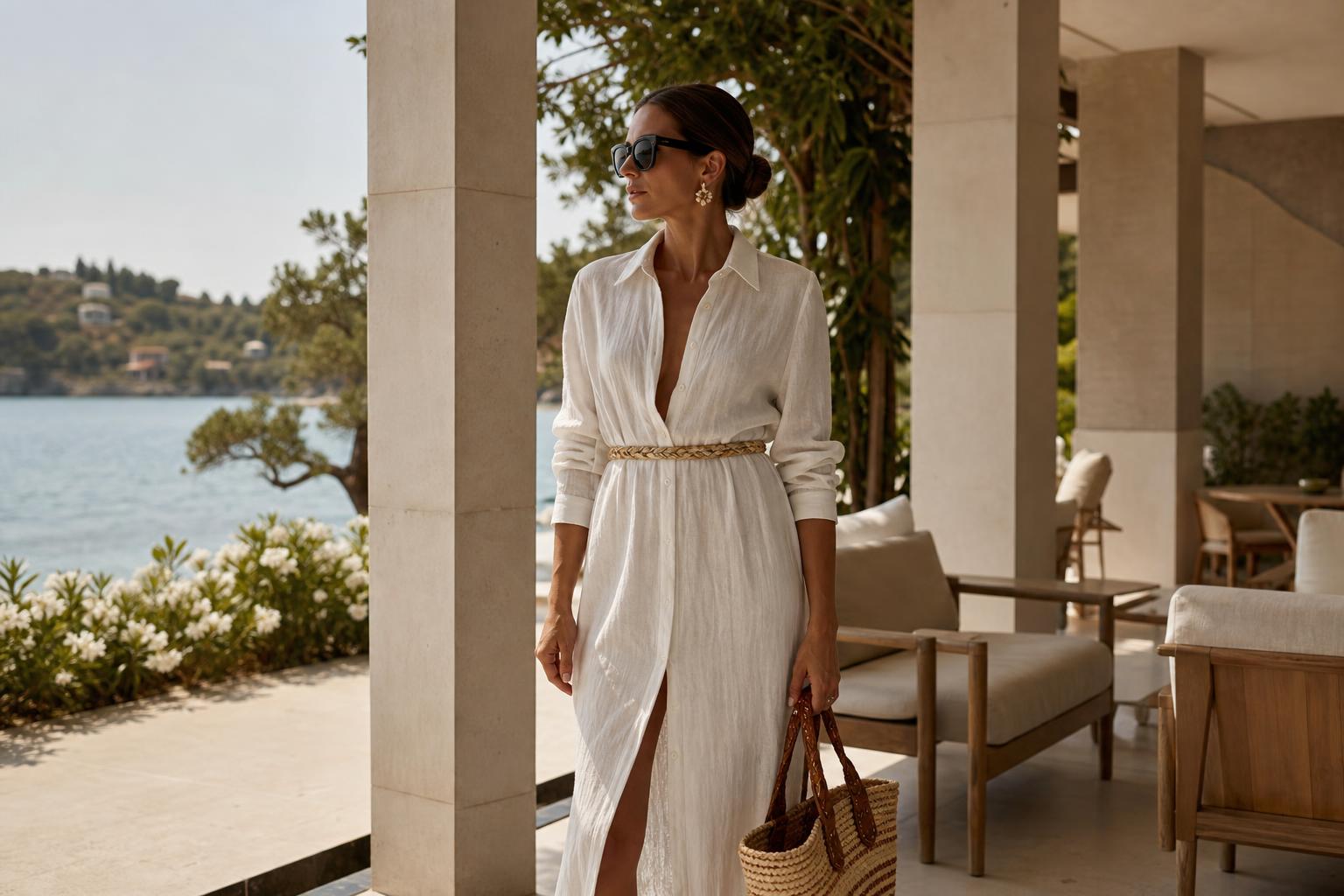
Luxury resort wear sounds straightforward until you actually have to dress for it. A week in Palm Beach, a long weekend in Riviera Nayarit, a resort show atmosphere in Menorca, or even an alpine stay in Courchevel all ask for something slightly different. The challenge is rarely just looking polished. It is finding clothes that hold their shape through heat, travel, changing settings, and the shift from poolside ease to dinner-level refinement without feeling overworked.
This is where many wardrobes become inconsistent. Pieces may be beautiful on their own yet impractical in motion, too delicate for repeated wear, too informal for a luxury setting, or too styled for daytime comfort. Luxury resort wear solves that problem when it is built around fabric intelligence, elegant silhouettes, and a clear understanding of destination and occasion.
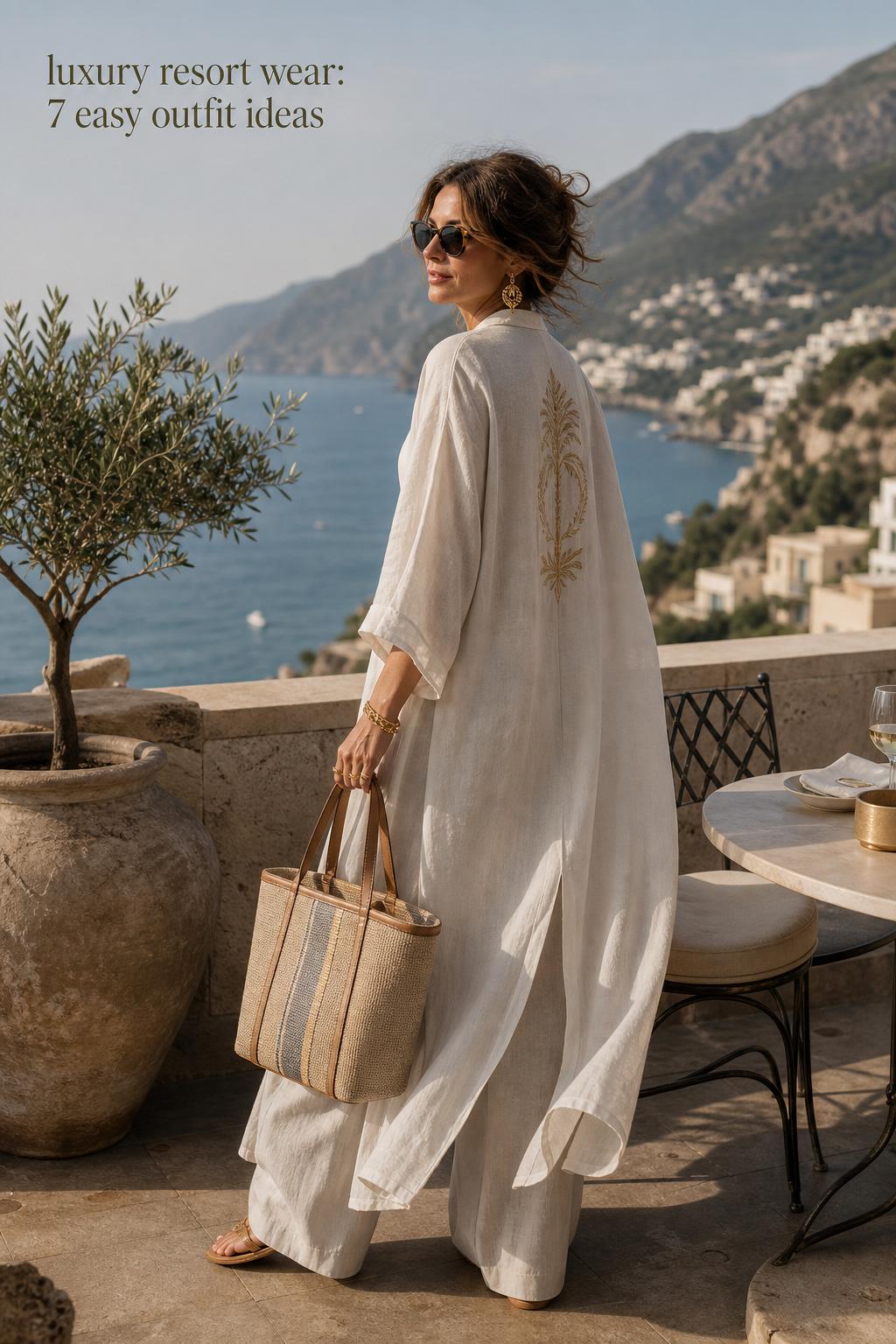
The most useful approach is not to chase a single resort fantasy, but to compose a wardrobe that moves well between environments. From French-inflected polish associated with ERES Paris to the swimwear heritage of Vilebrequin, the handcrafted mood of Jodi Melissa, the conscious luxury of Verandah, and the beach-focused ease of Seaspice Resortwear, the strongest looks are those that balance beauty with purpose. This guide breaks down how to do exactly that.
The real styling problem behind resort dressing
Resort dressing tends to fail when people treat every vacation setting as visually identical. In practice, resort environments vary widely. A Palm Beach lunch, a Shopbop launch setting linked to Coniglio Palm Beach, a design-focused hotel atmosphere like Rosewood Mandarina in Riviera Nayarit, or the alpine glamour associated with Rosewood Courchevel all demand different proportions, fabrics, and levels of structure.
Your wedding has a lot of moving pieces. Your plan can still feel composed.
Zarellea organizes guests, vendors, budget, and timelines in one shared space — so you can make decisions with clarity, not stress.
Weather is only one part of the equation. Comfort matters because resort days are long and often involve movement between sun, shade, interiors, terraces, and evening dining. Practicality matters because pieces need to travel well, layer easily, and still feel refined after hours of wear. The balance between style and function becomes especially important in luxury resort wear, where elegance is expected but effort should never look visible.
That tension explains why resort wardrobes often become either too casual or too theatrical. The answer is not more clothing. It is sharper editing: better fabrics, clearer silhouettes, and a stronger sense of how each piece serves more than one moment of the day.
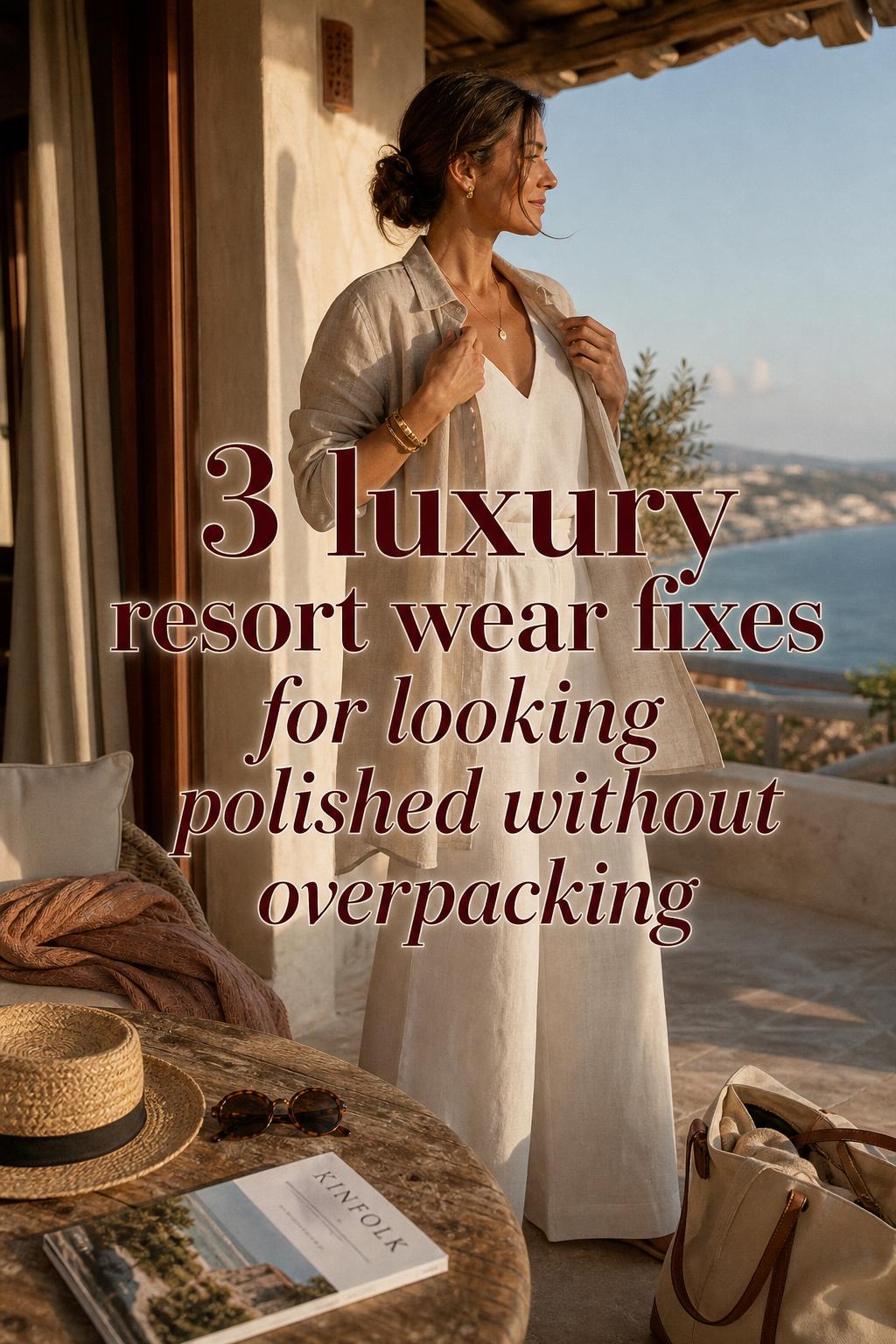
What defines luxury resort wear in 2026
Luxury resort wear is best understood as a category built on three pillars: craftsmanship, destination-aware design, and versatility. It includes resort wear collections that feel elevated enough for premium travel settings but relaxed enough to support real movement and comfort. That distinction separates it from mass-market vacation dressing.
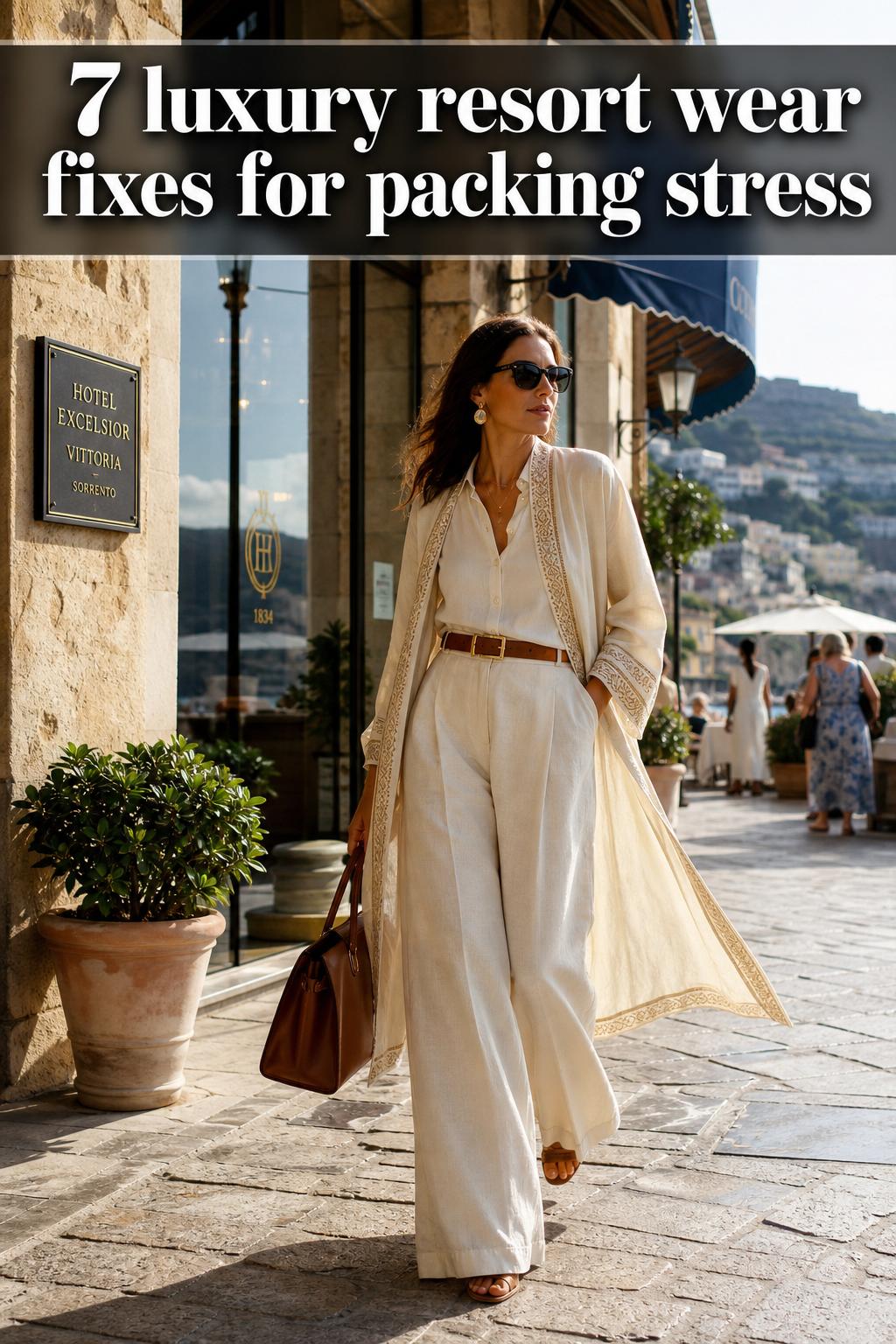
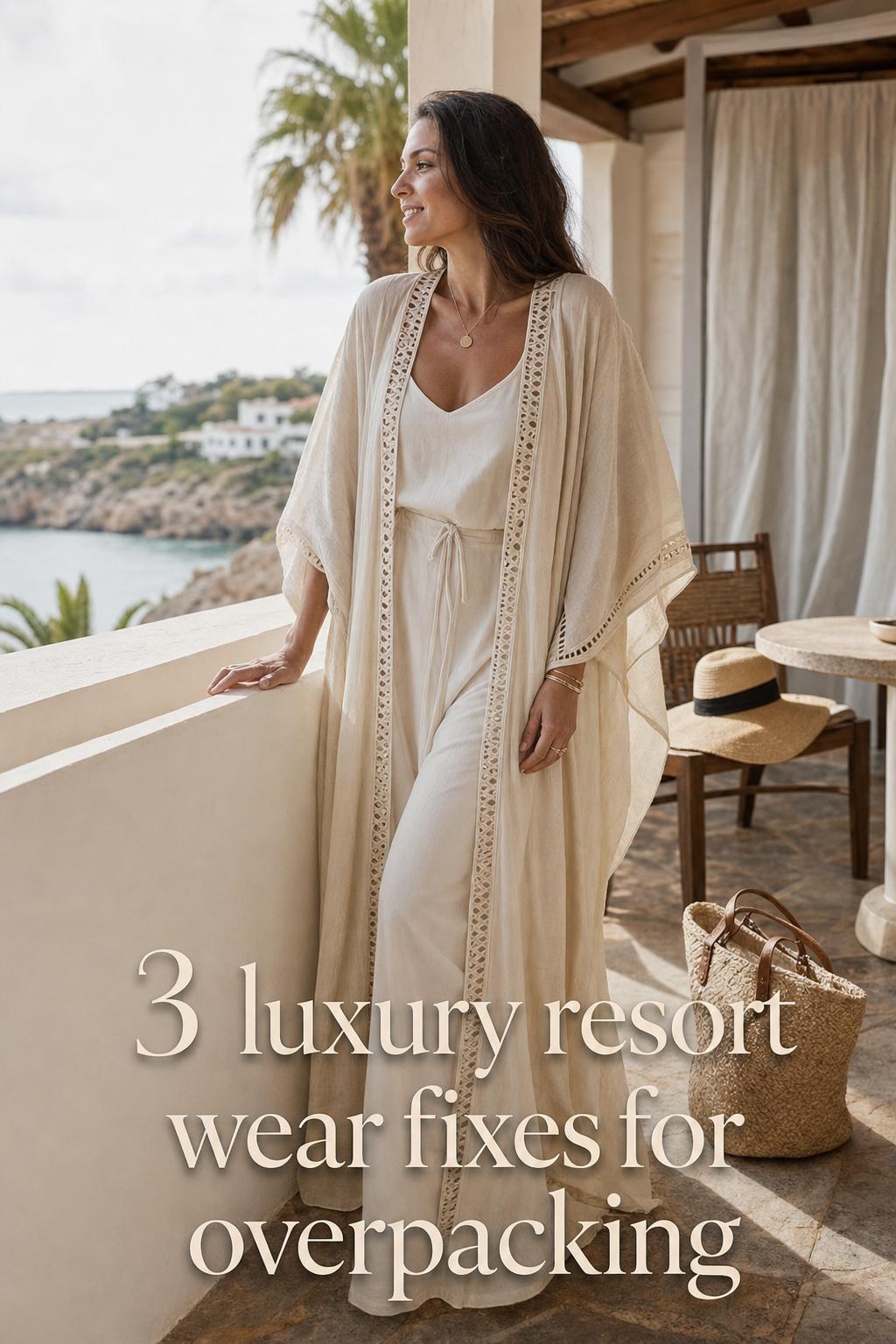
Craftsmanship appears first in the way fabrics behave. Linen blends, silk, cotton voile, and other breathable materials create a cleaner drape than stiffer or overly synthetic alternatives. They catch air, soften the line of the body, and help a garment move from daytime brightness into evening with less effort. A caftan, a maxi dress, or wide-leg pants only feel luxurious when the fabric allows the silhouette to breathe rather than collapse.
Destination-aware design is equally important. French chic, as seen in the language around ERES, is different from the handcrafted and eco-conscious mood attached to Jodi Melissa, or the Indian design roots and hand-illustrated prints associated with Verandah. None is automatically better. The right choice depends on whether your destination calls for coastal ease, city-resort polish, or mountain-luxe composure.
Versatility is the final marker. The strongest luxury resort wear for women does not require a full outfit change for every event. It creates a smooth transition between swimwear, cover-ups, day dressing, and dinner. That is why the best pieces are usually not the most dramatic ones, but the ones with enough shape and presence to work across settings.
Key dressing principles that solve the resort wardrobe problem
Before building outfits, it helps to establish the logic behind them. Luxury resort dressing becomes simpler when every decision supports proportion, comfort, and adaptability.
- Choose breathable fabrics first. Linen blends, silk, and cotton voile tend to support movement and keep silhouettes elegant rather than heavy.
- Build around transition pieces. Cover-ups, maxi dresses, and wide-leg pants work best when they can move from poolside to lunch or from afternoon to dinner.
- Balance relaxed textures with controlled shape. A fluid dress may need a cleaner neckline or sharper shoulder line to avoid looking too undone.
- Use layering with restraint. Resort layering should refine the outfit, not burden it. Think of a light outer layer or a polished cover-up rather than heavy contrast pieces.
- Let destination guide styling. Menorca, Palm Beach, Miami, and Courchevel do not speak the same visual language, even within the same category.
These principles matter because resort style is often read as much through silhouette and ease as through labels. Even recognized brands such as Alémais, Vilebrequin, ERES, Seaspice, Jodi Melissa, Coniglio Palm Beach, and Verandah gain their appeal from how clearly they communicate a setting and a mood.
How leading brands shape different versions of resort style
Understanding brand language helps solve a practical question: what kind of luxury resort wear actually fits your trip? The category is broad, and the brands that define it do not all solve the same wardrobe problem.
Vilebrequin and the swimwear-led approach
Vilebrequin is strongly tied to luxury swimwear and vacation lifestyle, with heritage cues linked to Amalfi and France and a visible U.S. retail presence through American Manhasset. This makes it especially useful for wardrobes built around pool, beach, and sun-focused destinations. If your trip revolves around water, begin here conceptually: strong swim foundations, then layer outward with cover-ups and refined day pieces.
ERES and French resort polish
ERES Paris offers a distinctly French interpretation of resortwear, one centered on seasonal silhouettes, fabric and fit, and a quieter form of elegance. This approach works well for travelers who want clean lines, subtle sophistication, and outfits that never feel over-embellished. In practical terms, ERES-inspired styling suits city-resort settings and evenings where restraint reads as more luxurious than ornament.
Alémais and event-driven resort fashion
Alémais enters the conversation through resort show energy, celebrity and influencer attention, and a setting in Menorca at Illa de Ri. This is useful for travelers dressing for social visibility: launches, parties, fashion-conscious dinners, or any resort setting where expressive style is part of the experience. The lesson here is not to dress louder, but to make sure one part of the outfit carries a clear visual identity.
Coniglio Palm Beach and location-specific glamour
Coniglio Palm Beach, especially in the context of its Shopbop launch, reflects a Palm Beach mood that is polished, resort-aware, and socially legible. It helps solve the problem of daytime dressing in destinations where the environment expects composure, not just comfort. A wardrobe inspired by this angle should feel bright, considered, and ready for both lunch and late afternoon gatherings.
Verandah and conscious luxury with design roots
Verandah stands apart through sustainable fabrics, hand-illustrated prints, embroideries, and Indian design roots. This offers a useful solution for readers who want resort wear with story and craftsmanship, but not at the expense of practicality. In styling terms, Verandah suggests that print and artisanal detail work best when anchored by a silhouette with enough simplicity to let those elements breathe.
Jodi Melissa and handcrafted, eco-aware dressing
Jodi Melissa brings handcrafted luxury and eco-friendly materials into the category. For travelers who prioritize softness, individuality, and destination-inspired pieces, this approach suits slower itineraries and longer stays where repetition matters. The advantage is emotional as well as practical: handcrafted resort wear often feels more personal, which makes outfit repetition look intentional rather than limited.
Seaspice Resortwear and coastal ease
Seaspice Resortwear is closely aligned with beach vacations, lifestyle styling, and coastal luxury. It addresses the common need for outfits that feel breezy without looking unfinished. If your destination centers on beach days and open-air evenings, this perspective is useful because it keeps the wardrobe relaxed while still giving it structure through curated resortwear pieces.
Fabrics, silhouettes, and why they matter more than trends
One of the clearest ways to solve a resort wardrobe problem is to focus less on trend language and more on material behavior. In high temperatures and travel-heavy conditions, fabric determines whether an outfit looks refined at noon and still wearable by dinner.
The fabrics that support luxury resort wear
Linen blends offer breathability with a touch more control than pure linen, making them useful when you want ease without too much collapse. Silk introduces fluidity and light-catching softness, ideal for evening transitions or destination dinners. Cotton voile is especially effective in daytime heat because it feels light while still maintaining enough presence for layered resort looks. These materials help garments drape rather than cling, which is usually the difference between effortless and uncomfortable.
The silhouettes that do the most work
Caftans, maxi dresses, and wide-leg pants appear repeatedly in the luxury resort wear conversation because they solve several problems at once. They allow circulation, flatter without rigidity, and move elegantly across different settings. A caftan works when you need coverage and ease. A maxi dress handles a day-to-night shift with minimal adjustment. Wide-leg pants create polish without the severity of tailoring that feels too urban for a resort setting.
Care and longevity are part of style
Care is not a separate issue from aesthetics. The best resort wardrobes are not disposable. They are curated. When a piece travels well and holds shape over repeated wear, the entire wardrobe feels more cohesive. That is especially important for premium resort fashion, where visual ease depends on garments retaining their drape, color balance, and finish.
Tip: when evaluating a piece, imagine it after several hours in heat, after a car transfer, and after a seat at dinner. If the fabric and cut seem likely to become limp, creased beyond charm, or restrictive in movement, it is not solving the real-life problem the category is supposed to address.
Outfit solutions for the most common resort scenarios
The following outfit ideas are designed to answer real travel situations rather than offer abstract inspiration. Each one uses the logic of luxury resort wear to solve a specific dressing need.
Outfit solution: the poolside-to-lunch transition
Begin with luxury swimwear as the foundation, especially if your trip leans toward the Vilebrequin school of resort dressing. Add a lightweight cover-up with a clean vertical line, then finish with a polished resort-ready layer that can remain on at lunch. This combination works because it removes the need for a full costume change while still giving enough coverage and structure for a social setting beyond the pool.
The key is proportion. If the swim silhouette is fitted, the cover-up should be fluid rather than tight. If the cover-up carries print or embroidery, keep the rest restrained. This is where the mood of Seaspice Resortwear or the refined fit language associated with ERES can be especially instructive.
Outfit solution: the Palm Beach day look
For a setting with Palm Beach polish, a maxi dress or coordinated resortwear piece with a refined silhouette is often more effective than casual separates. The look should feel sunlit and composed, not beach-only. This is the kind of dressing that connects naturally to Coniglio Palm Beach and its launch energy with Shopbop: social, elegant, and ready for movement between lunch, shopping, and terrace time.
Why it works: the long line of a maxi dress creates instant finish, while a breathable fabric keeps the outfit practical. If the day extends into late afternoon, the same silhouette can remain intact with only minor adjustments. It is a strong answer for readers who want simplicity without sacrificing polish.
Outfit solution: the Menorca fashion dinner
For an occasion with a more visible style element, such as a resort show atmosphere connected to Alémais in Menorca and Illa de Ri, choose one expressive feature and keep the rest of the composition calm. That might mean a statement resort dress balanced with minimal layering, or an artisanal print with a quietly elegant silhouette inspired by Verandah.
This solves a common mistake in luxury resort wear: confusing evening style with excess. In a destination-driven setting, clothes should register as intentional, but still light. Resort elegance tends to look strongest when visual interest is concentrated rather than spread across every element at once.
Outfit solution: the relaxed weeklong island capsule
For a seven-day island stay, build around a small group of pieces that repeat well: swimwear, a cover-up, one or two maxi dresses, and wide-leg pants with tops that can shift mood through styling. This approach is practical because island travel often exposes weak wardrobes quickly. If every outfit only works once, packing becomes heavy and dressing becomes fragmented.
Jodi Melissa and Seaspice Resortwear are useful reference points here because they support a softer, more lifestyle-oriented version of luxury resort wear. Handcrafted pieces, eco-friendly materials, and destination-inspired design can create a wardrobe that feels rich without looking overplanned.
Outfit solution: the city-resort balance
City-resort dressing asks for more structure than beach dressing. This is where French chic and clean fit become especially helpful. Think of the ERES approach: silhouettes that stay elegant in interiors, at hotel bars, and during dinners without relying on obvious resort tropes. A streamlined dress, controlled layering, and careful fabric choice create a modern silhouette that feels appropriate across more formal spaces.
Why it solves the problem: city-resort environments often expose outfits that are too casual. A slightly sharper line gives presence without making the look heavy. The result is a wardrobe that remains calm, composed, and unmistakably refined.
Outfit solution: the mountain-luxe retreat
Resort style is not limited to beaches. The atmosphere around Rosewood Courchevel in Courchevel 1850, with design language linked to Tristan Auer and alpine luxury, calls for a different interpretation. Here, resort-chic becomes mountain-luxe: more texture, more layering discipline, and a stronger relationship between comfort and design.
The outfit logic changes accordingly. Instead of relying on beach ease, use soft but controlled layers and silhouettes that feel elevated in cooler settings. A fluid but substantial dress, or wide-leg pants with a refined top and an elegant outer layer, works because it echoes the sophistication of the setting while preserving movement. It is still resort wear, but translated for climate and architecture rather than coastline.
Destination matters more than many wardrobes acknowledge
One of the strongest ways to improve luxury resort wear is to think geographically. Different resort towns and travel backdrops create different expectations around color, fabric, and formality. Miami suggests a bolder boutique perspective, reflected in the positioning of Eltenaj and its vacation-outfit focus. Palm Beach often leans toward polished daytime glamour. Riviera Nayarit, especially in the atmosphere of Rosewood Mandarina, invites clothing that sits comfortably between natural ease and editorial refinement.
Menorca carries a more fashion-conscious event mood, particularly when linked to a resort show setting and influencer or celebrity presence. Courchevel shifts the conversation entirely, asking for alpine chic rather than beachwear high-end. Travelers who ignore these distinctions often end up with wardrobes that are technically attractive but visually disconnected from their surroundings.
Tip: if you are unsure how formal or relaxed your resort wardrobe should be, study the destination through its social rhythm. Ask whether your days are centered on beach clubs, hotel terraces, quiet long lunches, launch events, or design-led evening spaces. That answer usually reveals whether your wardrobe should lean toward swim-led ease, handcrafted softness, or city-level polish.
Sustainable luxury and why transparency changes how you buy
Sustainable luxury has become an important part of the resortwear conversation, particularly through brands such as Verandah and Jodi Melissa. In practical terms, sustainability matters because resort wardrobes are often edited wardrobes. The ideal pieces are re-worn across seasons and destinations, which makes material quality and production values more meaningful than fast novelty.
Transparency also helps shoppers make calmer decisions. Responsible production, local craftsmanship, and clearer materials language support trust, especially when a piece is priced as luxury. Certifications such as GOTS and OEKOTEX, as well as broader sustainability signals discussed within the category, matter because they give structure to an area that can otherwise feel vague.
This does not mean every sustainable piece is automatically the right one. The garment still has to function. It still has to fit the destination, move comfortably, and offer styling range. The most successful eco-resort wear does both: it aligns with values and solves wardrobe problems in real life.
Practical tips for shopping luxury resort wear without overpacking
Buying well for resort travel often means buying less, but with more intention. A strong resort wardrobe is usually built around categories rather than isolated impulse pieces: swimwear, cover-ups, dresses, and separates that can shift from day to evening. Brand-direct shopping can be useful when you want the clearest expression of a label’s fit and story, while retailers such as Shopbop can help when comparing capsule launches and resort-brand collaborations in one place.
- Start with your trip type: island getaway, city-resort stay, or mountain-luxe retreat.
- Choose one visual language: French chic, coastal luxury, handcrafted eco-fashion, or social Palm Beach polish.
- Prioritize repeatable silhouettes over single-use statement pieces.
- Use fabric and fit as your deciding factors when two options feel equally appealing.
- Check whether each piece can work with at least two others in your suitcase.
Another useful guideline is to think in transitions rather than occasions. Instead of packing for breakfast, lunch, pool, dinner, and drinks as separate categories, build for movement between them. That is how resort wear outfits for vacation become lighter, more polished, and far less stressful.
Common mistakes that make resort wardrobes feel less luxurious
Most resort dressing mistakes come from misunderstanding what luxury looks like in motion. It rarely means more decoration, more changes, or more trend references. It means clarity.
- Choosing fabrics that photograph well but wear poorly in heat or travel.
- Relying on beach-only pieces that cannot move into social daytime settings.
- Adding too many statement elements at once, which weakens silhouette and proportion.
- Ignoring destination context and dressing the same way for Miami, Menorca, and Courchevel.
- Buying without considering care, repeat wear, or how a piece interacts with the rest of the wardrobe.
The correction is usually simple: edit the outfit down, improve the fabric, and make sure one piece carries the mood while the others support it. That creates the kind of effortless finish associated with premium resort fashion far more effectively than constant styling complexity.
A more elegant way to think about resort style
The best luxury resort wear is not defined by excess, but by composure. Whether the reference point is the French ease of ERES Paris, the swimwear heritage of Vilebrequin, the social brightness of Coniglio Palm Beach, the event-driven energy of Alémais, the artisanal roots of Verandah, or the handcrafted softness of Jodi Melissa, the principle remains the same: clothes should respond intelligently to place, climate, and movement.
Once you understand that, the category becomes easier to navigate. You stop asking what looks expensive and start asking what travels well, layers well, flatters in motion, and still feels appropriate from one part of the day to the next. That is the shift that turns resort dressing from a packing problem into a polished, repeatable system.
FAQ
What is considered luxury resort wear?
Luxury resort wear refers to elevated vacation dressing built around quality fabrics, refined silhouettes, and destination-appropriate styling. It usually includes categories such as swimwear, cover-ups, maxi dresses, and polished separates designed to move easily between poolside, daytime social settings, and evening occasions.
Which luxury resort wear brands are most associated with the category?
Several brands stand out in this space, each with a distinct point of view. Vilebrequin is closely linked to luxury swimwear, ERES to French resort polish, Alémais to resort show visibility, Coniglio Palm Beach to Palm Beach glamour, Verandah to conscious luxury and Indian design roots, Jodi Melissa to handcrafted eco-aware dressing, and Seaspice Resortwear to coastal vacation style.
How do I build a luxury resort wear capsule wardrobe for vacation?
Start with versatile foundations rather than many separate outfits. A practical capsule usually includes swimwear, a cover-up, one or two maxi dresses, and wide-leg pants or similar separates that can shift from day to evening. The goal is to create repeatable combinations that suit your destination, whether that is an island stay, a city-resort trip, or a mountain-luxe retreat.
What fabrics work best for luxury resort wear?
Linen blends, silk, and cotton voile are especially useful because they support breathability, elegant drape, and comfort across long resort days. These fabrics tend to move well and create a polished effect without feeling too heavy, which is essential when outfits need to transition between climates and occasions.
Is luxury resort wear only for beach vacations?
No. While beachwear high-end dressing is a major part of the category, luxury resort wear also extends to city-resort settings and alpine environments. A destination such as Courchevel, for example, calls for a mountain-luxe interpretation with more layered elegance, while places like Palm Beach or Riviera Nayarit lean toward warmer-weather silhouettes and resort-ready fabrics.
How can I make resort wear look polished instead of too casual?
Focus on silhouette control and fabric quality. A fluid piece looks more refined when it has a clean line, a balanced proportion, and enough structure to hold shape. The easiest upgrade is often replacing overly casual beach-only items with a better cover-up, a stronger maxi dress, or wide-leg pants in a more elegant material.
What is the difference between resort wear and luxury resort wear?
Resort wear is the broader category of vacation clothing, while luxury resort wear places greater emphasis on craftsmanship, premium materials, destination-aware styling, and wardrobe versatility. The difference is often visible in how garments drape, how they transition between settings, and how well they hold up through travel and repeated wear.
Are sustainable luxury resort wear options available?
Yes. Sustainable luxury is an increasingly visible part of the category, especially through brands such as Verandah and Jodi Melissa. Shoppers may also look for broader transparency signals such as responsible production, local craftsmanship, and certifications including GOTS and OEKOTEX when assessing materials and brand practices.
Where should I shop for luxury resort wear?
That depends on how you prefer to buy. Brand-direct shopping can offer the clearest view of a label’s fit, story, and seasonal resort wear collections, while multibrand retailers such as Shopbop can be useful for comparing launches, collaborations, and styling directions in one place. The most effective route is usually the one that lets you evaluate fabric, silhouette, and destination fit most clearly.
Leave a Reply