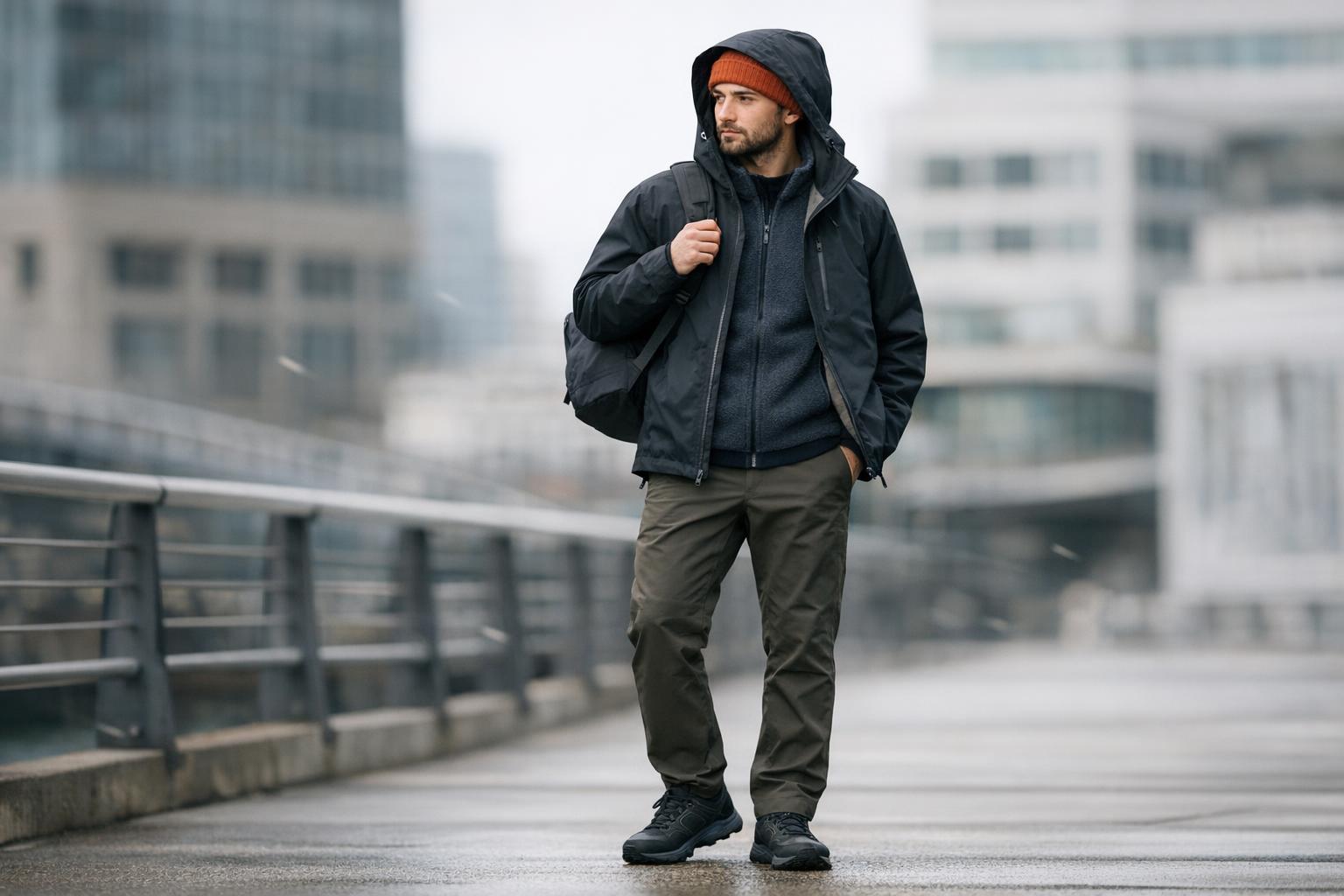
The gorpcore outfit dilemma rarely starts in the mountains. It begins in the city—on a windy commute, on a long travel day, or on that Saturday when you want to look polished yet remain ready for a spontaneous walk, a coffee run, and a last-minute plan that keeps you on your feet. You want practicality without looking like you’re dressed for an expedition you’re not taking.
This is exactly why gorpcore has staying power: it offers a wardrobe logic rooted in function—pockets, weather protection, comfort—yet it lives (successfully) in everyday style. The challenge is the balance. Lean too far into technical gear and you can feel costume-like; ignore performance details and you lose what makes the look genuinely useful.
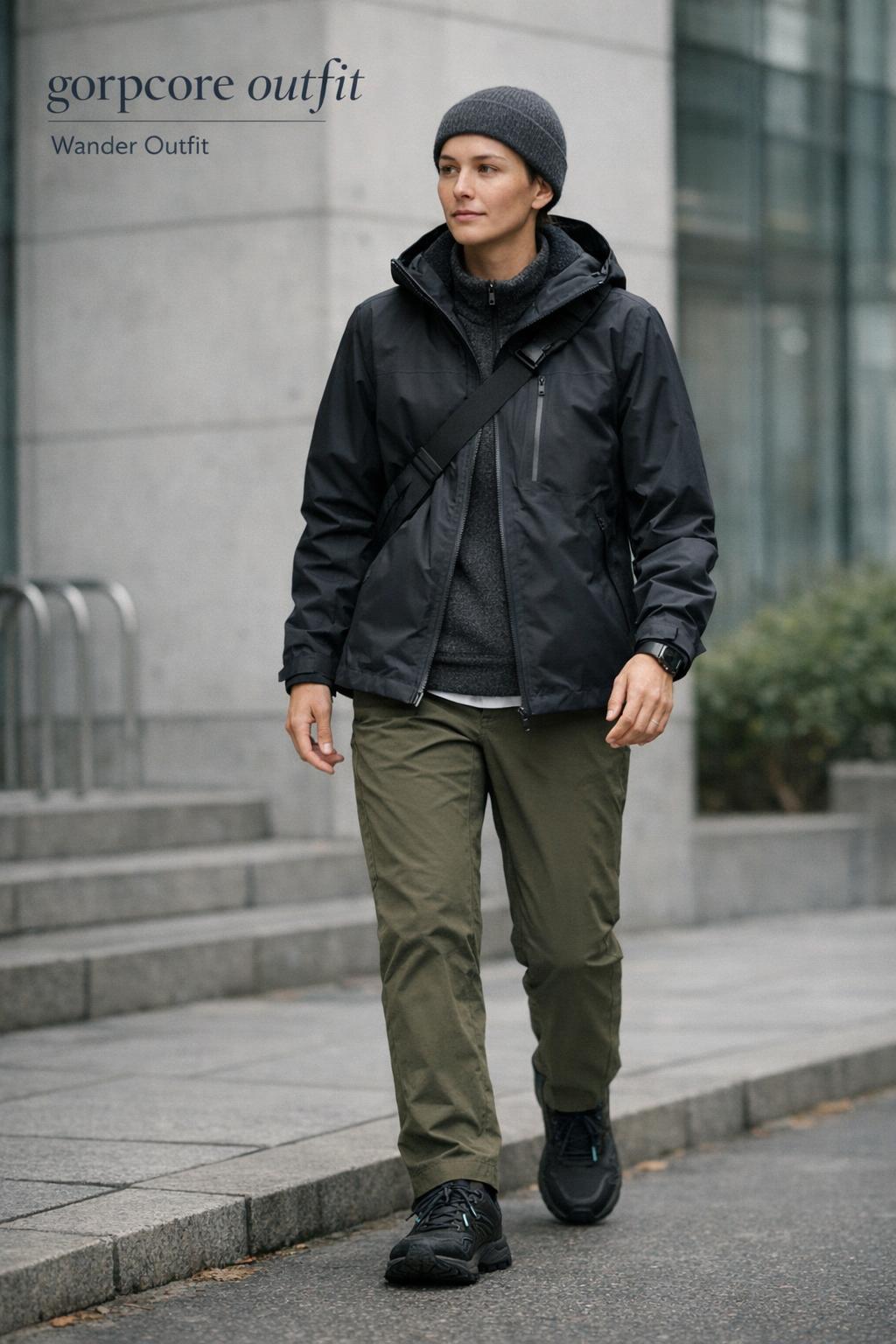
Consider this a problem-solving fashion guide: how to build gorpcore outfits that feel modern and wearable in the U.S., including smarter layering, proportion tricks, and realistic outfit solutions—plus adaptable ideas for a wander outfit, a trekking outfit, a cute hiking outfit, and the realities of cold hiking outfits and hike outfits winter.
Understanding the styling challenge: when “functional” starts to look forced
Gorpcore is grounded in the idea of “Good Ol’ Raisins and Peanuts”—trail culture translated into daily wear. In practice, you’re styling pieces designed for movement, weather shifts, and utility: shells, fleeces, trail shoes, technical pants, layered knits, and bags built to carry more than a phone. The friction comes from context. Most days, you’re not actually hiking; you’re navigating sidewalks, transit, and indoor heating.

Your wedding has a lot of moving pieces. Your plan can still feel composed.
Zarellea organizes guests, vendors, budget, and timelines in one shared space — so you can make decisions with clarity, not stress.
Three factors typically complicate outfit decisions. First, weather volatility: a chilly morning, a warm afternoon, and a sudden rain shower demands layers that can adapt quickly. Second, comfort over hours: stiff denim and delicate shoes lose their charm when you’re walking more than expected. Third, visual balance: technical items often have volume, zips, toggles, and shiny textures that can overwhelm an otherwise refined silhouette.
A successful gorpcore outfit solves for all three—without shouting. Think of it as city-ready performance styling: a composed silhouette, deliberate layering, and a grounded palette that lets utility read as intentional, not accidental.
Key dressing principles that make gorpcore look elegant (not chaotic)
Start with one technical “hero,” then build the rest like a wardrobe editor
The most wearable approach is to choose a single performance-driven anchor—say, a waterproof shell, a fleece, or trail shoes—and keep the remaining pieces visually calm. This prevents the “fully geared up” effect. If your jacket is feature-heavy (zips, pockets, toggles), let your base layers be smooth and minimal so the outfit still reads clean.
Use proportion as your polish: volume on top or volume on bottom, not both
Many gorpcore staples are generously cut for movement. That volume is flattering when it’s controlled. Pair a roomy shell with straighter pants, or match wider technical pants with a more fitted midlayer and a shorter jacket. This is the difference between “effortless” and “I grabbed everything from the hook by the door.”
Layer for real temperature shifts, not just for the photo
The most convincing gorpcore outfit is also the most useful: breathable base, warm midlayer, protective outer layer. If you overbuild warmth, you’ll end up carrying bulky pieces. If you underbuild it, you’ll keep the jacket on indoors and feel uncomfortable. Aim for layers you can remove and stow easily—especially relevant for travel days or long city walks.
Keep color intentional: grounded neutrals, then one crisp accent
Gorpcore color works best when it looks borrowed from nature—charcoal, black, stone, navy, olive, sand—then sharpened with a small accent (a beanie, a sock, a bag strap). This keeps the look modern and urban while nodding to outdoor origins. Too many bright technical colors at once can make the outfit feel like gear rather than style.
Choose textures that speak to each other
The appeal of gorpcore is tactile: matte shells against soft fleece, smooth knits under crisper outerwear. When textures harmonize, the outfit looks composed even if it’s built from practical pieces. A fleece can look refined when it’s balanced with clean pants and structured outerwear; technical pants look more elevated when paired with a simple knit and a sleek jacket.
Outfit solutions for real life (city, trail, and everything between)
Below are outfit solutions designed to solve specific, common scenarios. Each one uses the same underlying logic—adaptable layers, controlled volume, and purposeful utility—so you can adjust based on your own wardrobe and climate.
Outfit solution: the “windy commute” gorpcore outfit that still looks sharp at lunch
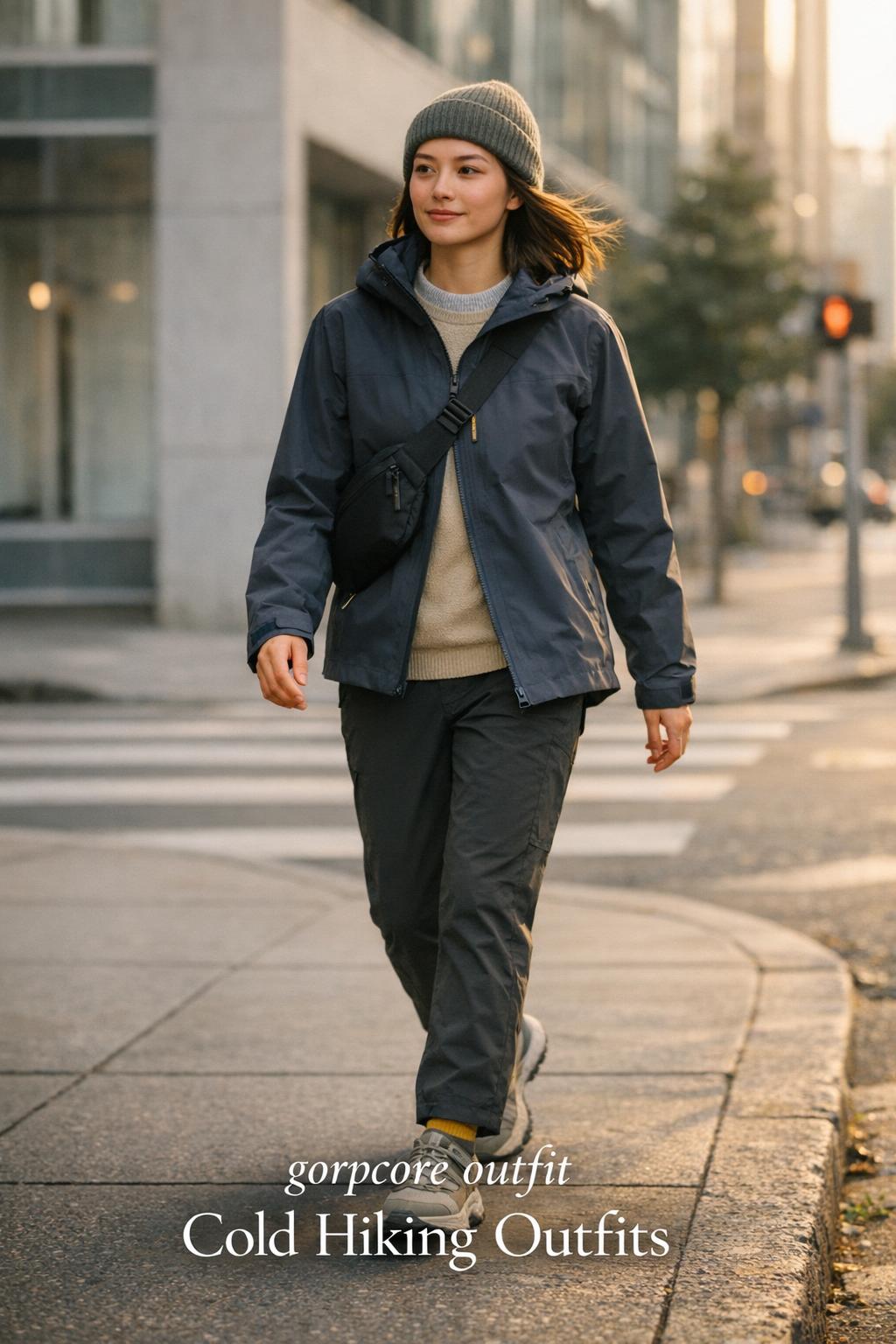
Start with a lightweight shell that blocks wind and handles a surprise drizzle. Under it, wear a simple knit or long-sleeve base layer, then add a midlayer you can remove—think a fleece or a thin insulated piece. Keep trousers straighter or gently tapered to counter the jacket’s volume. Finish with practical shoes you can walk in for hours.
Why it works: the shell does the hard labor (weather protection), the midlayer creates warmth without bulk, and the streamlined pant silhouette keeps the look city-appropriate. This is the version of gorpcore that feels natural in an office-casual setting or a day of errands without looking like a costume.
Outfit solution: a refined wander outfit for travel days and long walks
A strong wander outfit prioritizes comfort over hours, but it shouldn’t collapse into shapelessness. Choose a soft base (tee or long-sleeve) plus a midlayer with structure—fleece, knit, or a clean zip layer—then add an outer layer that can be packed or tied neatly. Opt for pants with ease through the hips and knees so you can sit, stand, and move without constant adjusting.
Why it works: travel is a sequence of microclimates—cold airports, warm cars, chilly evenings. The outfit stays composed because the pieces are designed to adapt, and the silhouette remains intentional. A polished color palette makes even very practical items feel considered.
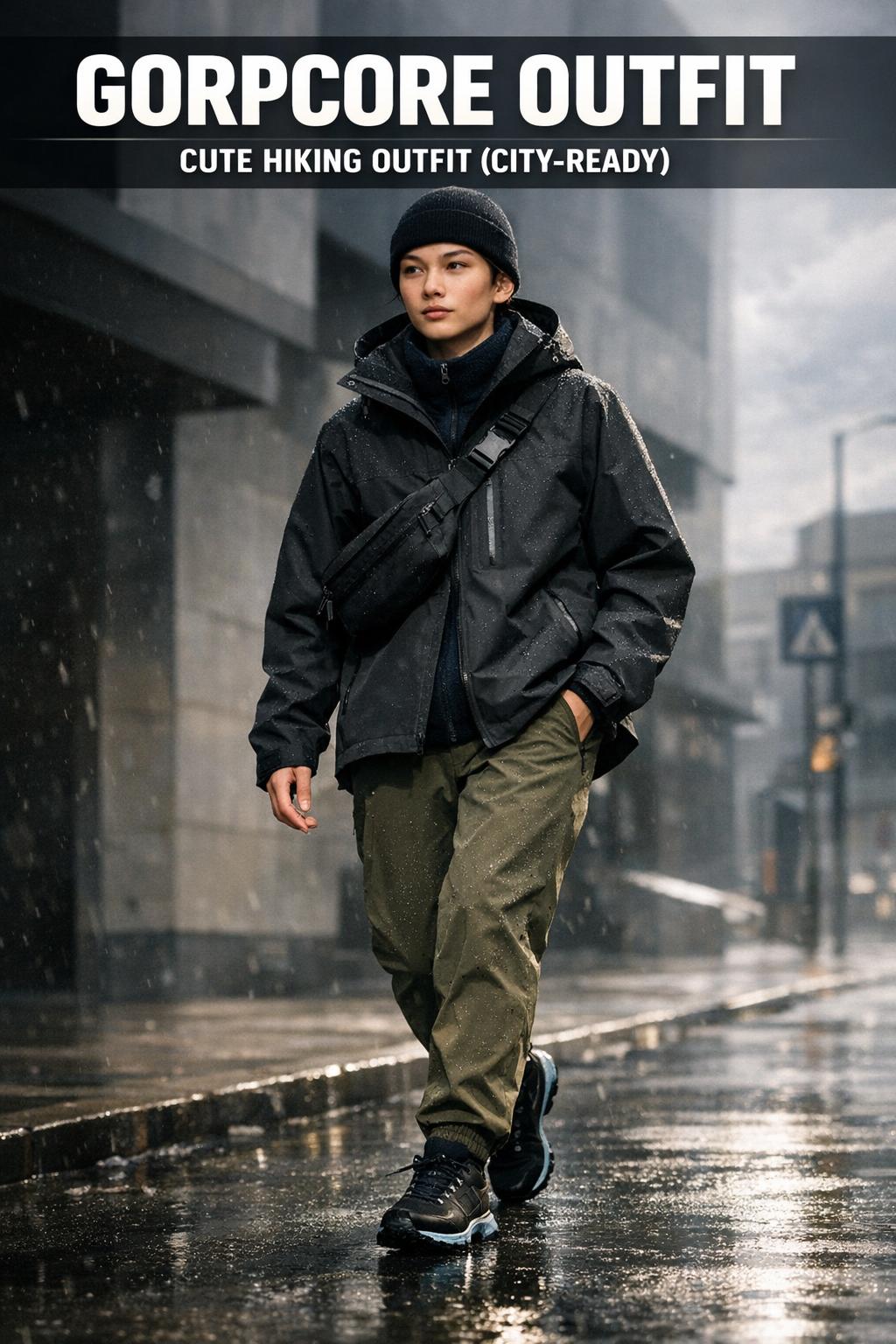
Outfit solution: a cute hiking outfit that doesn’t sacrifice function
“Cute” in a hiking context isn’t about fragility; it’s about proportion, color, and coherence. Keep the base fitted enough to avoid bunching under layers. Add one softer, visually friendly element—like a knit beanie or a clean, neutral fleece—then let the technical components do their job: secure footwear, weather-ready outerwear, and pants that allow full stride.
Why it works: you’re not fighting your clothes. When layers sit smoothly and your palette is calm, the outfit looks effortless in photos but, more importantly, feels comfortable in motion. This is the sweet spot where aesthetics and practicality align instead of competing.
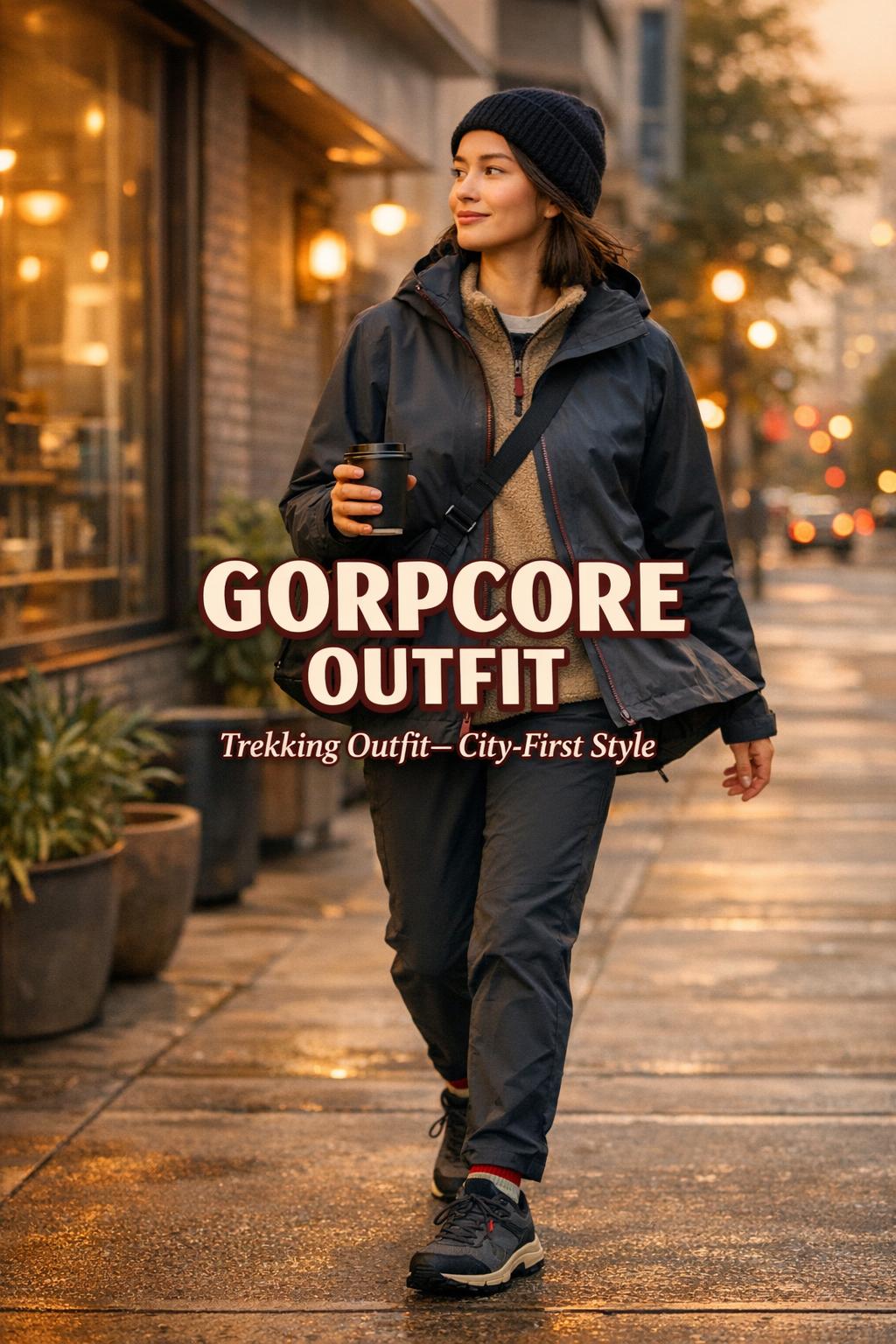
Outfit solution: the trekking outfit built for movement (without looking overly technical)
A trekking outfit benefits from clarity: each layer has a role. Choose a breathable base, a warm midlayer, and a protective outer layer. For bottoms, select pants that move with you and don’t cling—especially important for longer distances. Keep accessories minimal but purposeful: a bag that distributes weight well, and headwear that handles sun or cold depending on season.
Why it works: when every element has a function, you make fewer compromises on the trail. The editorial trick is keeping the visual language consistent—similar tones, clean lines, and no unnecessary duplication (two bulky layers, multiple statement pieces, or competing bright colors).
Outfit solution: cold hiking outfits that stay warm without the “michelin man” silhouette
Cold hiking outfits often fail because people try to fix cold with one oversized coat. Instead, build warmth through layers that trap heat while keeping mobility. Use a base that sits close to the body, a midlayer that adds warmth, and a shell that blocks wind. Keep the silhouette balanced: if the top half is insulated, choose a sleeker pant; if you prefer thicker pants, keep the jacket more streamlined.
Why it works: you stay warm even when conditions change—like when you stop moving for a break—and you avoid the stiff, bulky feeling that can make hiking less enjoyable. This approach also reads more modern and composed, which matters when your hike begins and ends in town.
Outfit solution: hike outfits winter that transition back to the city
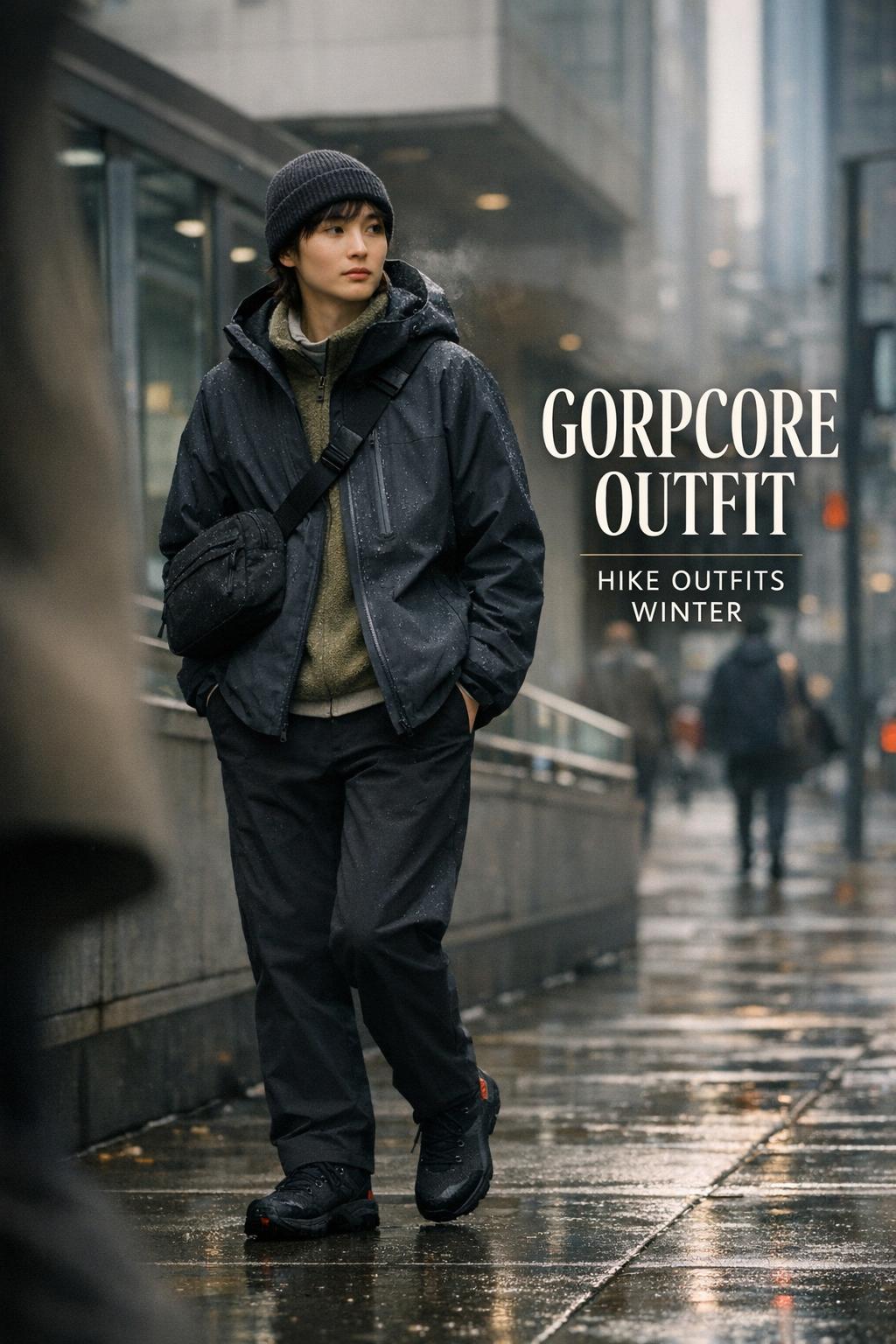
For hike outfits winter, the best strategy is to avoid pieces that only make sense on a trail. Choose a winter-ready shell or insulated outer layer in a neutral tone, pair it with a midlayer that looks good indoors (a clean fleece or knit), and keep the base layers simple. Footwear should be stable and weather-appropriate, but not so specialized that it looks out of place at a café afterward.
Why it works: you can step indoors, remove one layer, and still look intentional. Winter dressing is often about what happens after you arrive—where you store layers, what you keep on, and how you avoid overheating. This outfit is designed for that full day rhythm.
One wardrobe, multiple settings: how to adapt gorpcore without buying a new life
The most useful gorpcore outfit formulas are modular. You’re not building separate wardrobes for city, travel, and trail; you’re learning how to shift emphasis. The same shell becomes commuter armor. The same fleece becomes a midlayer under a coat. The same trail-ready shoes become your walking staple when styled with cleaner lines.
- For city days: keep the palette restrained, reduce visible technical details, and favor a cleaner pant silhouette.
- For travel: prioritize layers you can remove and carry easily; avoid anything that wrinkles or feels restrictive after hours.
- For the outdoors: let function lead—then refine with color discipline and streamlined styling choices.
This is also where a wander outfit overlaps with a gorpcore outfit: both rely on pieces that perform across contexts. The difference is styling intention—gorpcore looks best when it feels edited, not improvised.
Texture, silhouette, and the “editor’s eye”: subtle upgrades that change everything
Silhouette finishing: hems, cuffs, and the small lines that make it look expensive
Gorpcore is full of adjustable details—cuffs, toggles, drawcord hems. Use them deliberately. A slightly cropped jacket hem can sharpen proportions; a clean cuff can make a fleece look less slouchy; a tidy pant break keeps the outfit from appearing heavy. These micro-adjustments are the difference between “technical” and “styled.”
Mix matte and sheen for depth, but keep it controlled
Technical outerwear often has a subtle sheen; fleece and knits are more matte. Pairing them creates dimension, especially in neutral palettes. The key is restraint: if the jacket is glossy, keep the rest softer and calmer; if the pants have a technical finish, choose a quieter top. This makes the outfit feel modern rather than noisy.
Color logic for “cute” without losing credibility
If you want a cute hiking outfit, think in tonal families rather than stark contrasts. Soft neutrals, gentle earth tones, and one crisp accent can look charming without undermining the serious side of trail dressing. The outfit becomes photographable while staying grounded in function—an important balance for anyone who’s actually walking distance, not just posing.
Practical styling tips that matter on the day (not just in theory)
Tips for managing temperature without carrying your entire closet
Use a layering system you can regulate quickly: one base you’re comfortable wearing indoors, one midlayer that adds warmth, and one outer layer that blocks wind and rain. If you’re constantly taking everything on and off, it’s usually because the midlayer is too warm or the base is too thin for the conditions.
Tips for footwear choices that support a full day of walking
Footwear can make or break a gorpcore outfit because it’s where function becomes visible. If your day involves miles of walking, choose shoes that feel stable and secure, then keep the rest of the outfit refined to avoid looking overly technical. For winter conditions, prioritize traction and weather resistance, but keep the silhouette streamlined so your hike outfits winter still feel city-appropriate.
Tips for accessories that add function without visual clutter
Accessories should earn their place. Choose one bag that carries what you need comfortably; add headwear for warmth or sun; keep add-ons coherent in color. A gorpcore outfit looks best when accessories feel like part of a system, not a collection of random solutions.
- Use one “statement” accessory at most (a bold beanie or a distinctive bag shape), then keep the rest quiet.
- If your layers are bulky, keep accessories compact to avoid visual overload.
- Match metals and hardware tones where possible so the outfit reads intentional.
Common mistakes that sabotage gorpcore style (and how to fix them)
Mistake: stacking too many technical pieces at once
This usually happens when you’re dressing defensively—trying to be ready for every scenario. The result is a visually busy outfit with competing details. Fix it by choosing one technical hero and letting the other layers be smoother, quieter, and more classic in shape.
Mistake: ignoring proportion, then blaming the trend
When a gorpcore outfit feels “off,” it’s often because the silhouette is all volume. Correct it with one streamlined element: straighter pants, a shorter jacket, or a more fitted midlayer. You don’t need to abandon comfort—you need to re-balance it.
Mistake: dressing for cold hiking outfits without planning for indoor heat
Winter dressing fails when layers only make sense outdoors. You end up overheating in the car, the café, or the lodge. Build hike outfits winter around a base you can keep on indoors, then add removable warmth and an outer shell that you can take off and manage easily.
A context-specific style note: the “city-to-trail” day is its own dress code
The most common gorpcore scenario in the U.S. is not a remote trek—it’s the city-to-trail day: you drive out, do a short hike, then end up somewhere casual afterward. This is where outfit decisions become strategic. You need pieces that can look normal in town and still handle the trail’s demands, especially if weather turns.
Approach it like a fashion editor packing a carry-on: reduce redundancy, aim for adaptability, and choose a palette that keeps every combination coherent. This is where a trekking outfit can be softened into a wander outfit—less “gear wall,” more composed system.
Closing perspective: gorpcore as a smart wardrobe habit, not a costume
A gorpcore outfit works when it solves real problems—wind, temperature shifts, long walking days—while still respecting silhouette and restraint. Start with one functional hero, control volume through proportion, and rely on layers you can regulate. Then refine with a grounded palette and tactile texture pairing.
Once you learn that logic, you can build a cute hiking outfit without compromising performance, assemble cold hiking outfits that remain elegant, and create hike outfits winter that transition back to the city. The goal isn’t to dress like you’re always en route to a summit; it’s to dress like you understand your day, your climate, and how good style is often simply good planning.
FAQ
What does “gorpcore outfit” mean in everyday terms?
A gorpcore outfit is a look built from practical, outdoors-inspired pieces—like shells, fleeces, and trail-friendly footwear—styled in a way that works for daily life, especially when you need comfort, utility, and weather readiness without sacrificing a polished silhouette.
How do I wear gorpcore without looking like I’m dressed for a hike all day?
Choose one technical “hero” piece (such as a shell or trail shoes) and keep the rest calm and streamlined, focusing on clean proportions, a restrained palette, and minimal visible gear details so the outfit reads intentional in a city setting.
What’s the easiest way to make a wander outfit feel more elevated?
Keep the layers modular and the colors coherent, then refine the silhouette—avoid all-over volume, adjust hems and cuffs for cleaner lines, and choose base layers you’d feel comfortable wearing indoors so you look composed even when you remove outerwear.
How do I put together a trekking outfit that still feels stylish?
Build it as a system—breathable base, warm midlayer, protective outer layer—then edit the visuals with controlled color and proportion, so function leads while the overall look stays clean, modern, and consistent rather than overly technical.
What makes a cute hiking outfit practical instead of just trendy?
A cute hiking outfit stays practical when the “cute” elements come from cohesive color and balanced proportions, while the essentials—secure footwear, weather-ready layers, and mobility-friendly pants—still do the real work of comfort and performance.
How should I layer for cold hiking outfits?
Focus on layered warmth rather than one oversized coat: a comfortable base layer, an insulating midlayer, and a wind-blocking outer layer, with balanced proportions so you stay warm without losing mobility or ending up in an overly bulky silhouette.
What are the biggest mistakes people make with hike outfits winter?
The most common mistakes are over-layering without a plan for indoor heat, choosing pieces that are too specialized to transition back to town, and creating an all-volume silhouette; a better approach is removable warmth, a base you can keep on indoors, and a streamlined shape.
Can a gorpcore outfit work for a casual workplace?
Yes, if you keep the look refined: use one functional outer layer, choose straighter or tailored-looking pants, limit visible technical details, and stay within a restrained color palette so the outfit feels smart and intentional rather than like full trail gear.
Leave a Reply