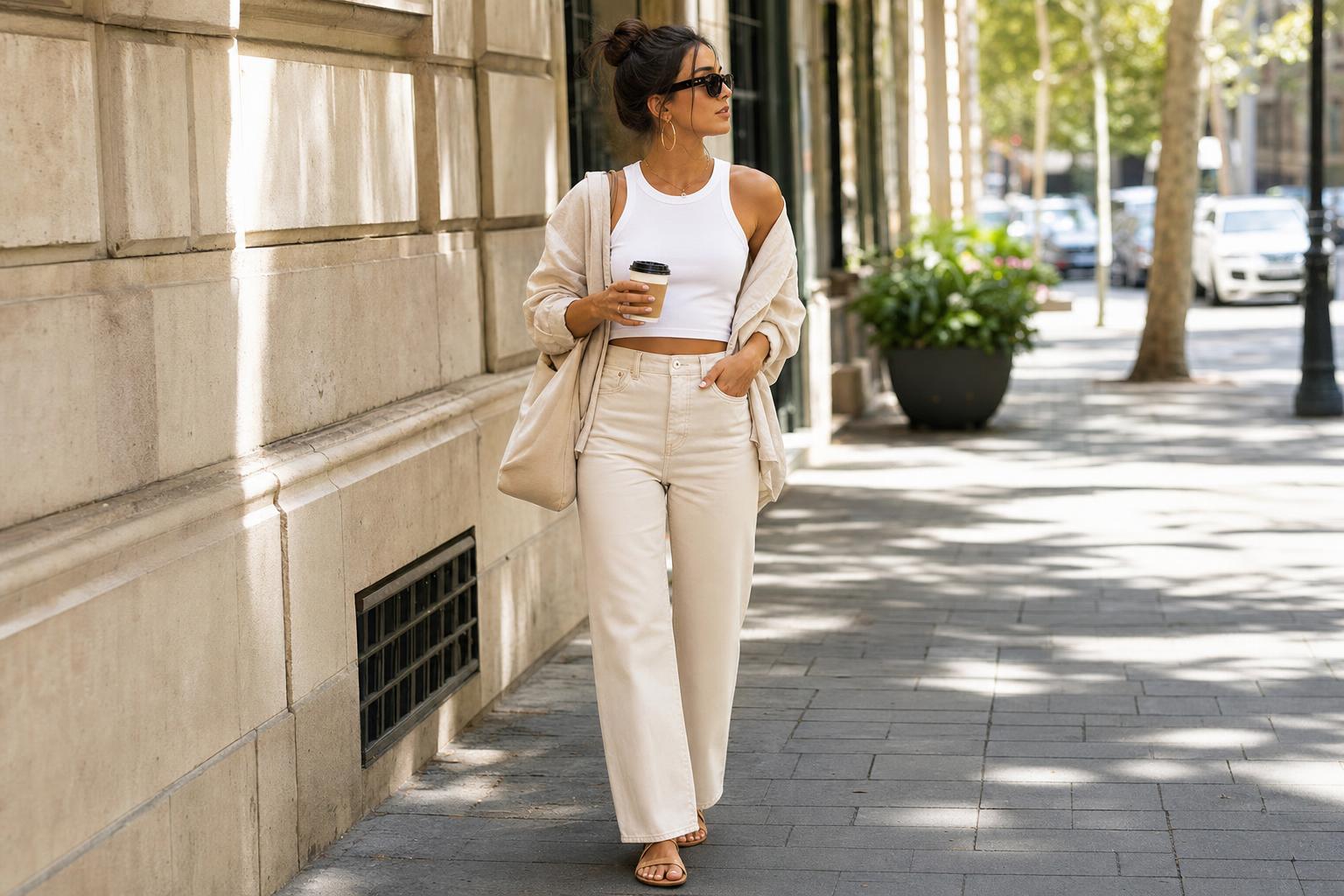
Heat changes the way style behaves. Fabrics cling differently, proportions need more air, and the line between confident and overworked becomes very thin. That is exactly why baddie summer outfits work best when they are built with intention rather than excess. The most convincing version of this aesthetic is not about piling on every trend at once. It is about a clean, deliberate silhouette, controlled attitude, and pieces that hold their own in daylight, humidity, and real movement. In practice, that means choosing outfits that photograph well, feel comfortable enough to wear beyond a quick mirror moment, and can shift from errands to dinner without looking costume-like.
The appeal of this style lies in contrast: fitted shapes balanced with something relaxed, skin shown with restraint, sporty elements sharpened by structure, and basics elevated through proportion. A baddie summer wardrobe should feel sleek and modern, but also wearable in actual life. If you are editing your closet, shopping on a budget, dressing for a trip, or trying to make the look flatter your proportions rather than fight them, the strongest outfits start with a few precise decisions. Below, the focus is not on endless inspiration images. It is on how to make the aesthetic function.
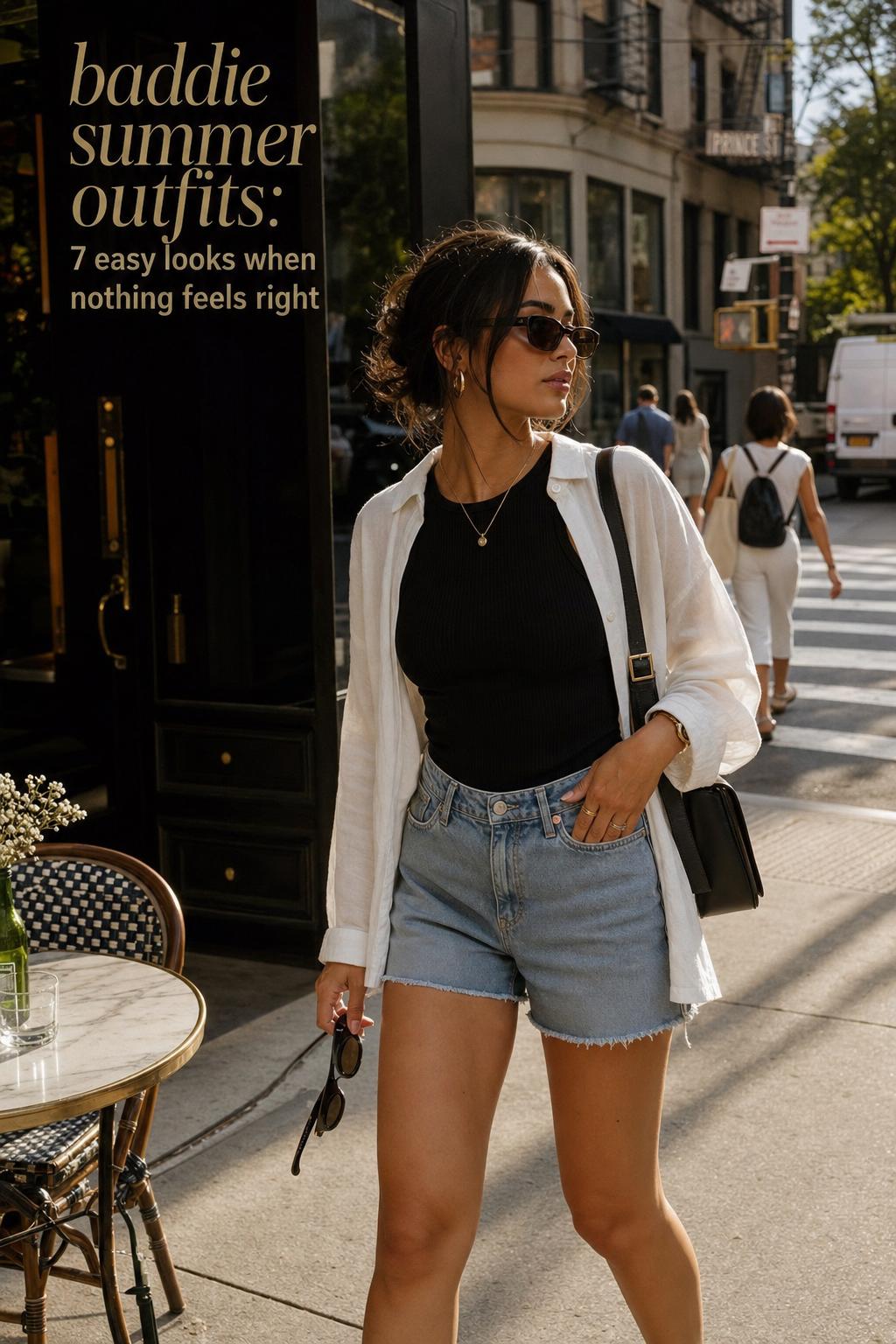
What defines a baddie summer outfit in real life
At its core, the look depends on body-conscious balance, visible confidence, and an outfit that appears styled rather than accidental. In summer, that usually translates to cropped tops, fitted dresses, shorts, denim, skirts, tanks, and lightweight layers that create shape without heaviness. The mistake many people make is assuming the aesthetic requires everything to be tight, tiny, or trend-driven. In reality, the stronger formula is much more controlled: one fitted anchor, one balancing element, and accessories that sharpen the result.
Think of the difference between a basic tank and denim shorts versus a styling-aware version of the same idea. The baddie interpretation might use a more sculpted tank, a higher-rise short that defines the waist, a cleaner shoe, and accessories that create finish. The visual message is polished rather than random. This matters because summer outfits can quickly lose impact if the fit is off, the fabric is too flimsy, or the proportions cut the body in unhelpful places.
Your wedding has a lot of moving pieces. Your plan can still feel composed.
Zarellea organizes guests, vendors, budget, and timelines in one shared space — so you can make decisions with clarity, not stress.
If you are starting from scratch, do not chase novelty first. Begin with pieces that create the silhouette associated with the style: a fitted top, a strong pair of bottoms, a simple dress with shape, and footwear that can hold the look together. Once those are in place, the aesthetic becomes easier to repeat without buying an entirely separate wardrobe.
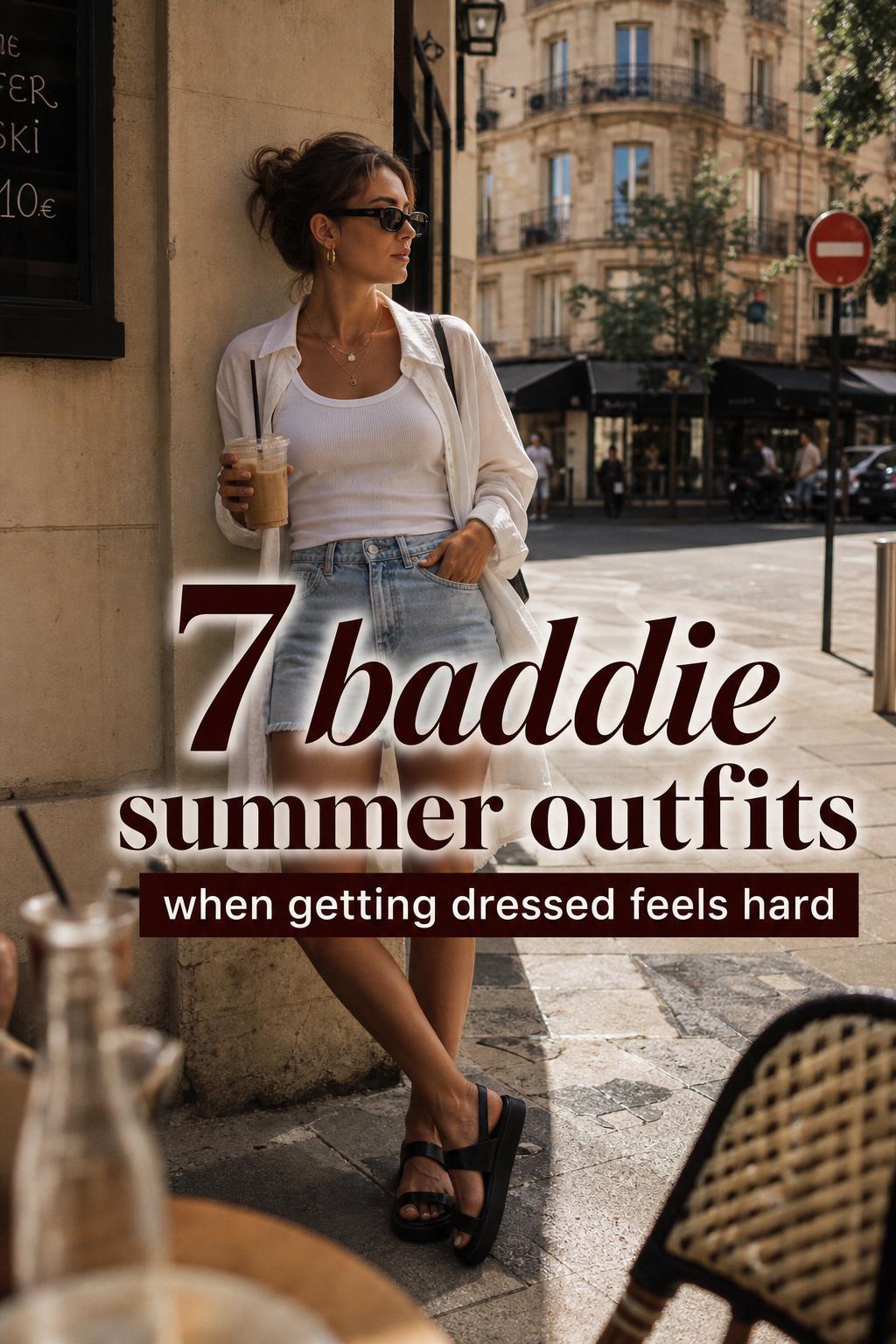
The foundation pieces worth buying first
A practical wardrobe for this aesthetic does not need to be large, but it does need to be coherent. The best purchases are the ones that can move across multiple outfits, climates, and occasions. Rather than buying highly specific pieces that only work once, focus on foundations that repeatedly create the right line.
- A fitted tank or crop top in a neutral shade
- High-waisted denim shorts or jeans with a clean fit
- A body-skimming mini or midi dress
- A lightweight oversized layer, such as a shirt or blazer
- One dependable pair of casual shoes and one more elevated option
- Simple accessories that add finish without overwhelming the outfit
These are the easiest pieces to recreate because they are already close to many existing wardrobes. A fitted top and denim short combination, for example, can be adjusted for body type, budget, and comfort without losing the essence of the style. Dresses are similarly efficient. One well-cut dress can work for day plans, travel, dinner, and vacation if the fabric is breathable and the accessories change.
If you are deciding where to invest, spend more on the items that affect fit and repeat wear: denim, shoes, and any dress you expect to wear often. Save on trend-sensitive tops and accessories, where affordable alternatives can still look strong if the cut is clean. This keeps the wardrobe polished while avoiding the common mistake of overspending on pieces that date quickly or do not hold up through heat.
Tip: choose silhouette before color
Many people shop by shade first and then wonder why an outfit still feels flat. For this aesthetic, line matters more than color. A top that sits correctly at the waist or a short that elongates the leg will do more for the final effect than a trendy hue in a poor cut. Once the shape works, color becomes a useful styling tool rather than a rescue attempt.
Why proportion is the real styling secret
The most flattering baddie summer outfits are almost always proportion-driven. This is what separates an outfit that looks editorial from one that feels unfinished. If the top is very fitted, a slightly looser bottom or outer layer adds ease. If the bottom is short or body-conscious, a cleaner neckline or more restrained accessory choice keeps the look refined. In warm weather, proportion also affects comfort. Clothing that allows for a little movement and airflow will look better by the end of the day.
For petite frames, high-rise bottoms and shorter top lengths usually help preserve leg line and avoid visual shortening. For curvy figures, pieces that define the waist without digging in create the strongest shape, especially in fabrics with a bit of structure. For taller frames, longer hemlines, slightly oversized layers, and broader accessories can create excellent balance without making the outfit feel sparse. None of these are rigid rules, but they are useful starting points when adapting the look to the body rather than copying it literally.
This is also why oversized-on-oversized often misses the mark here. The style depends on contrast and intention. If everything is loose, the sharpness disappears. If everything is skin-tight, the outfit can look heavy or uncomfortable in summer light. Aim for one clear focal point and one balancing element.
Warm-weather textures that make the outfit feel expensive
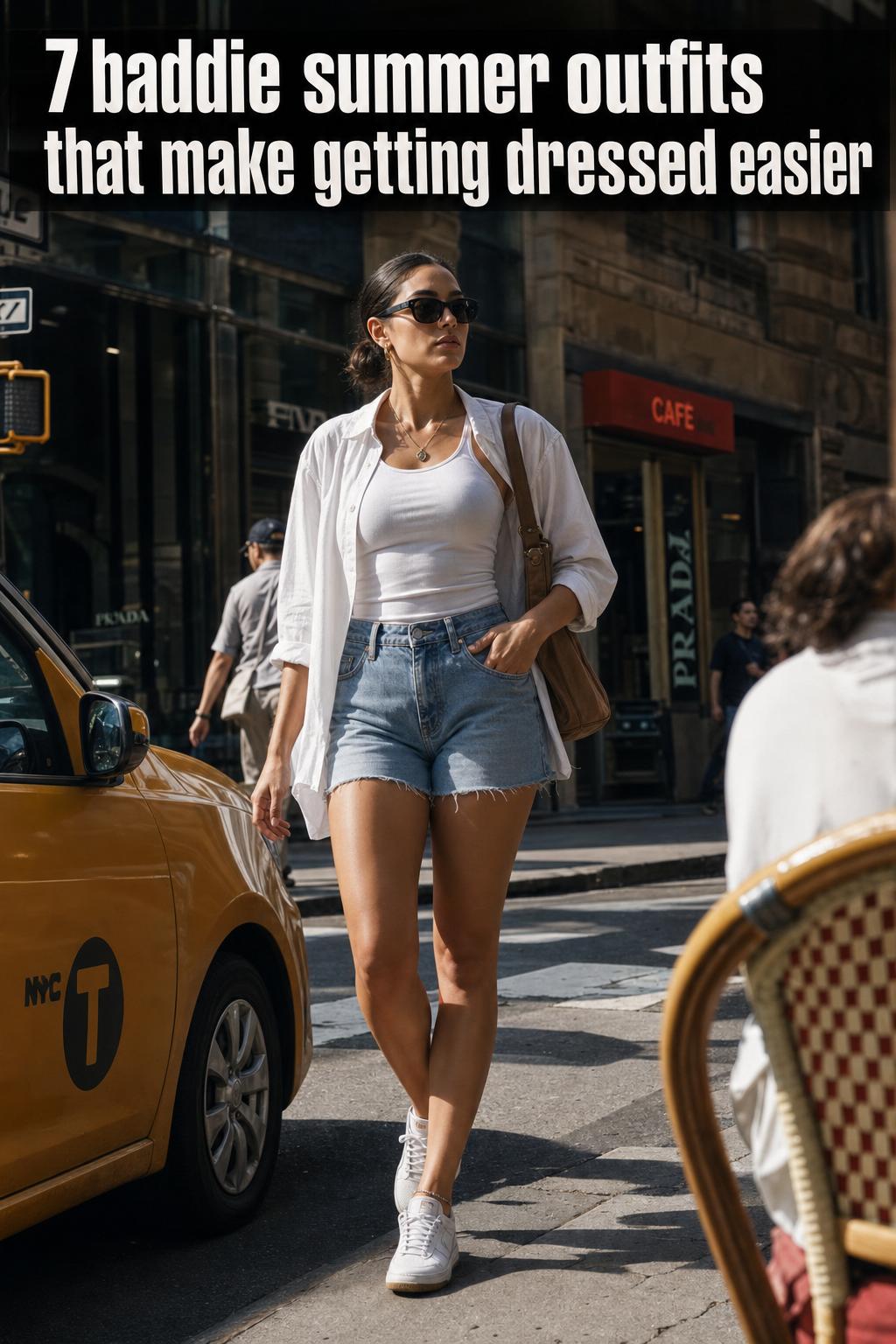
Summer style is less forgiving than colder-season dressing because there are fewer layers to hide poor fabric choices. Lightweight materials are essential, but they should still have enough substance to hold shape. Ribbed knits, structured cotton, soft denim, smooth jersey, and fabrics with a dry hand-feel often create a cleaner finish than pieces that are too thin or shiny.
A fitted dress, for instance, looks far more refined when the fabric skims rather than clings. Denim shorts look more elevated when they maintain structure through the leg opening. A lightweight shirt layered over a fitted top works best when it drapes cleanly instead of collapsing. These details matter because the baddie aesthetic relies on confidence, and confidence is much easier to project when you are not constantly adjusting the outfit.
If you want the wardrobe to look more expensive without buying more, prioritize texture contrast. Pair a smooth top with rigid denim, or a fitted jersey dress with a crisp overshirt. This gives the outfit depth, which is often what makes a simple look feel considered. Matching everything too closely in texture can flatten the result.
Tip: avoid fabrics that become transparent in daylight
Indoor lighting can be misleading. Before wearing a light-colored or body-conscious outfit out, check it in natural light. Summer sun reveals thin fabrics quickly, and an outfit that seemed sleek at home may feel far less polished once outside. This is one of the simplest ways to avoid a styling regret.
The denim formula that always works
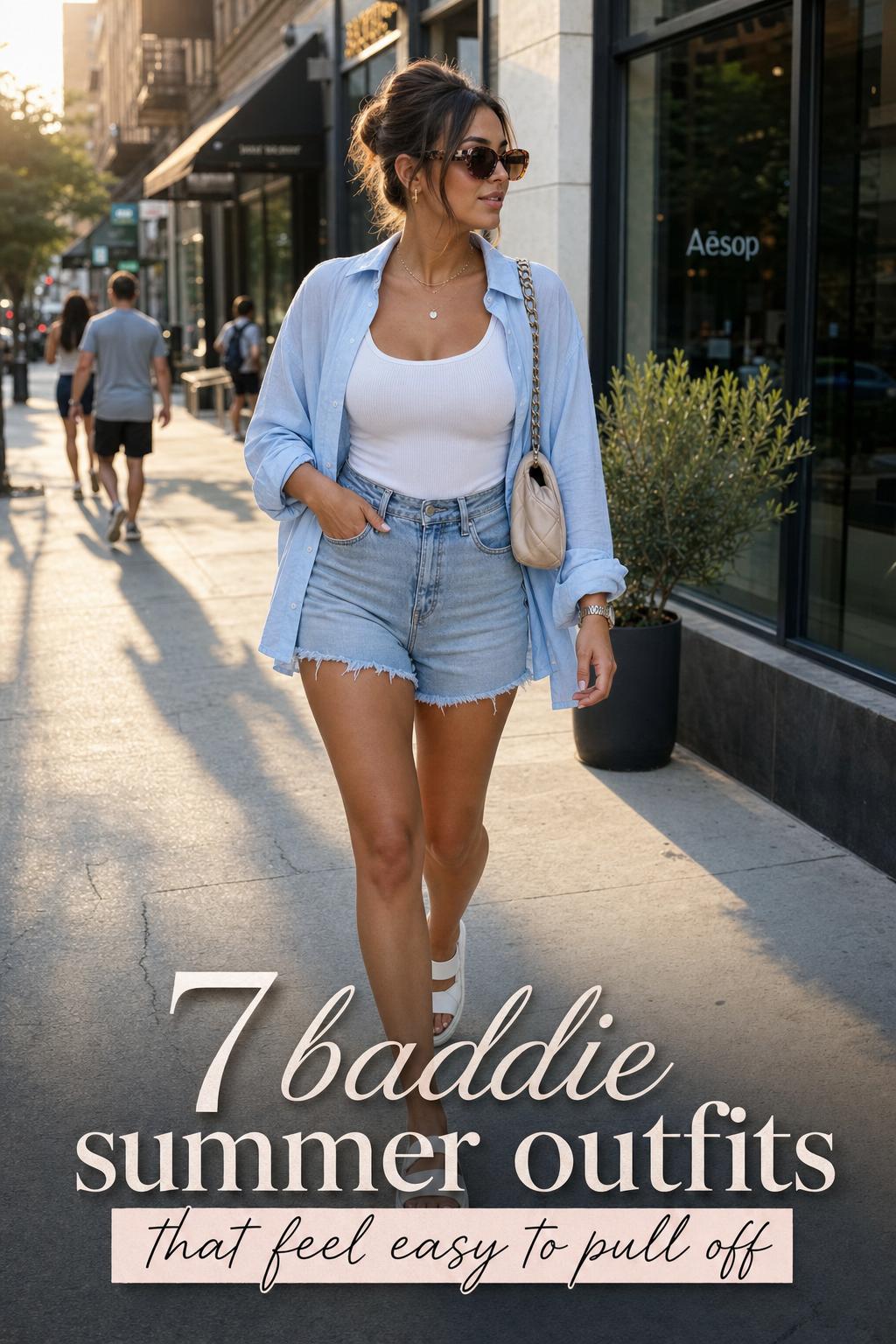
Denim is one of the easiest gateways into baddie summer outfits because it gives the aesthetic its casual backbone. The formula is simple: one strong denim piece, one fitted or abbreviated top, and accessories that create a finished line. High-waisted denim shorts with a clean hem are especially versatile because they define the waist, work with flats or more elevated shoes, and can be adapted for different body types by changing the leg opening and length.
If very short shorts do not feel practical, choose a slightly longer cut with shape through the waist and hip. You still get the same visual language, but with better comfort for walking, travel, and everyday wear. Pairing this with a compact tank or crop top keeps the silhouette modern. Adding an oversized shirt worn open gives the outfit movement and makes it more wearable in air-conditioned interiors or later evenings.
Jeans can work too, especially for cooler mornings or city settings where shorts feel too exposed. In that case, a fitted tank or body-hugging top prevents the outfit from becoming too heavy. The reason this combination works is straightforward: denim provides structure, while the top sharpens the outline. It is easy to recreate and usually budget-friendly because most wardrobes already contain part of the formula.
Practical variations
- For errands: fitted tank, high-rise denim shorts, open shirt, simple accessories
- For casual dinner: dark denim, sleek top, more polished shoes, minimal jewelry
- For travel: stretch denim or softer denim shorts, breathable tank, light layer for transit
- For a petite frame: shorter top and a higher rise to keep the leg line long
- For a curvier frame: denim with structure at the waist and enough room through the thigh
Body-skimming dresses that do the work for you
When a reader wants one piece that delivers the look quickly, a fitted summer dress is often the answer. It already creates shape, requires minimal coordination, and can be adapted with layers and accessories depending on how bold or restrained you want the result to feel. The key is choosing a dress that skims the body rather than fighting it. This difference is subtle but important. A dress that sits smoothly will always appear more expensive and more comfortable than one that is overly tight.
Mini lengths create impact and show more leg, while midi lengths often feel more balanced for all-day wear. If you want a stronger baddie effect without sacrificing practicality, look for a simple dress with a clean neckline and a fabric that holds its line. Then style around it with restraint. This is one of the best examples of how the aesthetic can feel polished rather than overdone.
For real life, this outfit category is especially useful because it answers the question, “Would this actually work in everyday life?” In many cases, yes. A well-cut dress can be worn to lunch, on vacation, for warm evenings, and even for travel with the right footwear and layer. It is also an efficient packing piece because one garment does the work of a full outfit.
How to adapt the silhouette
If you are petite, look for lengths that do not cut awkwardly at the calf and necklines that open the upper body. If you are curvy, choose fabrics with a little structure and avoid thin materials that highlight every seam underneath. If you are tall, a midi dress often creates beautiful proportion, especially with a lighter outer layer that adds movement. The objective is not to force one body into one ideal. It is to use the same styling logic in a way that flatters your own frame.
The crop top, handled with more polish
The crop top is central to many baddie summer outfits, but its most wearable form is less aggressive than many assume. The cleanest version usually reveals only a controlled sliver of skin or meets a high-rise waistband directly. This keeps the outfit sharp and modern while making it easier to wear in daytime settings. It also prevents the look from becoming difficult to sit, bend, or walk in comfortably.
Pairing a cropped top with high-rise denim, a skirt, or tailored shorts creates one of the easiest formulas in the category. It works because the waistband provides structure and visual finish. A small detail like sleeve shape or neckline can also make a major difference. A compact, simple top is often more versatile than one overloaded with cutouts or hardware, because it can be restyled repeatedly and layered more easily.
On a budget, this is one of the simplest looks to recreate. You do not need many versions. One or two clean, well-fitting tops in versatile colors can anchor a surprising number of outfits. What matters is not volume, but fit and proportion.
What to avoid
- Low-rise bottoms that create awkward proportion unless that silhouette specifically suits your frame
- Tops so short that constant adjusting ruins comfort and confidence
- Very thin fabric that loses shape after an hour of wear
- Too many statement details at once, which can make the outfit look less deliberate
How to use layering without ruining the summer mood
Layering is often ignored in summer styling, yet it is one of the easiest ways to make the aesthetic feel complete. The challenge is keeping it light. A structured blazer layered over a fitted tank and shorts can create a polished city look, while an open button-down over a dress or crop top softens the outfit and adds practicality. The extra layer gives coverage, movement, and protection from over-air-conditioned interiors without visually weighing everything down.
The reason layering matters here is that it gives control. If a body-conscious outfit feels too exposed for a daytime setting, a lightweight outer piece makes it more adaptable immediately. It also introduces contrast between tailored structure and relaxed textures, which is often where the outfit starts to feel editorial rather than basic.
For travel, this becomes even more important. A light layer lets one outfit function across airports, hot afternoons, and cooler evenings. This is where thoughtful styling beats trend-chasing. The best summer wardrobe is the one that solves multiple situations with the same core pieces.
Color balance that keeps the look modern
Color can make baddie summer outfits feel refined or chaotic. The simplest route is often the strongest: build around neutrals, then use one accent if desired. Black, white, beige, denim blue, and soft earth tones tend to create a more cohesive wardrobe because they can be remixed easily. They also allow silhouette and fit to remain the focus, which is where this aesthetic has the most impact.
If you enjoy brighter color, use it strategically. A vivid top with neutral bottoms or a statement dress with restrained accessories tends to feel more polished than multiple competing shades. The visual discipline matters. Baddie style is confident, but confidence does not need noise. Often, the outfit that looks strongest is the one with the clearest color story.
For readers trying to build a capsule-friendly wardrobe, this approach is also more practical. When your tops, bottoms, layers, and shoes share a related palette, you can create many more outfits without owning more items. This is especially useful if you want the aesthetic to fit into real life rather than exist as a separate fashion persona.
Tip: match contrast to the occasion
Sharp black-and-white contrast can feel striking for evenings or urban settings, while softer tonal combinations often work better for daytime, travel, and hot weather. The same silhouette can read very differently depending on color balance, so consider not only what looks good in photos, but what feels appropriate and effortless where you are actually going.
From street to dinner: adapting the same outfit intelligently
A useful summer wardrobe should not demand a complete outfit change for every plan. One of the most practical ways to approach this aesthetic is to build around a daytime base and elevate it selectively. A fitted dress can move into evening with sharper accessories and a cleaner layer. Denim shorts and a tank can feel more dinner-ready with a more structured outer piece and a deliberate shoe choice. The silhouette stays similar; the finish changes.
This matters for anyone dressing for long days, city outings, vacations, or social plans that develop gradually. You do not need ten entirely different looks. You need a few combinations that can shift in tone. This is also the best answer to the reader who wants style without wasteful shopping. Versatility is not only practical. It usually looks more sophisticated.
- Start with a fitted base piece that is comfortable enough for daytime wear
- Add one layer that can dress the outfit up or down
- Keep accessories simple during the day and more defined in the evening
- Choose footwear that suits walking first, then appearance second if you will be out for hours
The common styling error here is building an outfit that only works when standing still. Real style must survive movement, sitting, transit, and changing temperatures. If an outfit looks excellent for five minutes but becomes uncomfortable quickly, it will not carry the confidence that this aesthetic depends on.
Body type adaptation without losing the aesthetic
There is no single body that owns this look. What changes is the way proportion should be handled. The baddie effect is less about size and more about line, fit, and the placement of emphasis. Once you understand where your clothes should sit on your frame, the aesthetic becomes far easier to personalize.
For petite frames
Choose high-rise bottoms, cropped layers that do not swallow the torso, and hemlines that keep the leg visually long. Avoid excessive bulk through layering. A compact top with a defined waist and clean bottom line usually works better than too much fabric. The goal is not to dress smaller, but to maintain vertical clarity.
For curvy frames
Prioritize waist definition, supportive fabrics, and pieces that skim rather than compress. Structured denim, dresses with a clean cut, and tops that frame the upper body well tend to be more reliable than very flimsy materials. Avoid bottoms that cut sharply into the thigh or waist, as they can distort the line of the outfit even when the idea itself is strong.
For tall frames
Use length to your advantage. Midi dresses, longer shorts, slightly oversized shirts, and broader accessories often create a beautifully composed result. If a small crop top feels visually underpowered on a taller frame, balancing it with a stronger bottom or layer usually restores proportion.
In every case, tailoring and fit matter more than trend loyalty. A simpler outfit that follows your proportions well will outperform a more fashionable one that does not.
Summer city dressing: a sharper interpretation of the aesthetic
There is a version of baddie summer outfits that feels especially convincing in a city setting: cleaner lines, a more controlled palette, and just enough structure to hold up against pavement, transit, and long hours out. This interpretation borrows from the elegance often associated with Paris, Milan, and Copenhagen, where styling tends to rely on composition rather than excess. The result is still confident, but more refined than overt.
A structured blazer layered over a fitted tank and denim, or a body-skimming dress balanced with an oversized shirt, fits naturally into this mood. The beauty of this approach is that it feels elevated without demanding impractical shoes or constant maintenance. It also tends to age better in photos and in memory because the emphasis remains on silhouette and balance rather than short-lived trend signals.
If you want the aesthetic to feel more polished and less performative, this city-minded approach is a strong direction. It works particularly well for readers who want to wear the look beyond vacation or social media and into ordinary summer life.
Budget strategy: recreate the look without overspending
The most expensive mistake in trend-led dressing is buying too many low-utility items at once. A better strategy is to identify the pieces that create the visual impact, then build slowly. In this aesthetic, shape does much of the work, so a small number of well-chosen staples can carry a lot of outfits.
- Buy one excellent pair of denim shorts or jeans before buying multiple tops
- Choose one fitted dress that can work for day and evening
- Add inexpensive tanks or crop tops in colors that match your wardrobe
- Use an existing oversized shirt or light layer instead of buying a new one immediately
- Limit trend details and focus on fit, because fit is what makes affordable pieces look intentional
Affordable alternatives are most successful when they imitate the right line rather than every decorative detail. A simple top with a strong cut will usually look better than a cheap version overloaded with design elements. Similarly, clean accessories often give more polish than obvious statement pieces. If the goal is to make outfits look more expensive, restraint is usually the smarter choice.
Tip: test versatility before you buy
Before purchasing, imagine three outfits you can build with the item using what you already own. If you cannot reach three without forcing it, the piece may not deserve space in a practical summer wardrobe. This habit protects both budget and closet clarity.
Common mistakes that weaken the look
Because the aesthetic is visually strong, small errors become visible quickly. Most styling problems are not about boldness. They are about imbalance. A successful outfit feels intentional from head to hemline, even when the pieces themselves are simple.
- Choosing pieces that are too tight everywhere, which can make the outfit feel uncomfortable rather than confident
- Ignoring fabric quality in summer light, especially with thin or clingy materials
- Using too many statement elements at once instead of letting one feature lead
- Wearing proportions that cut the body in unflattering places
- Buying trend pieces before securing the core wardrobe staples
- Forgetting the practical demands of the day, such as walking, heat, or indoor air-conditioning
One especially common issue is confusing exposure with impact. The outfits that last visually are rarely the ones doing the most. They are the ones with clean lines, a clear silhouette, and enough ease to let the wearer move naturally. Confidence is amplified by comfort, not separated from it.
How to transition baddie summer outfits into early fall
A thoughtful summer wardrobe should not expire the moment temperatures soften. Many of the best pieces in this aesthetic transition easily with small changes. Denim remains useful, fitted dresses can be layered, and compact tops work under shirts, blazers, or light jackets. This is why investment in shape and versatility matters more than chasing highly seasonal novelty.
To extend wear, add slightly more structure rather than completely changing the mood. A summer dress with a sharper outer layer, denim with a fitted knit top, or shorts styled with a more substantial shirt can preserve the original attitude while making the outfit weather-appropriate. The transition feels natural because the silhouette remains familiar.
This approach also helps with shopping decisions. If a summer piece can move into another season, it usually offers better value. That is one of the clearest signs of an intelligent purchase.
A compact capsule for effortless repetition
If you want the easiest route to consistency, build a small capsule around the silhouettes that define the look. This does not mean dressing identically every day. It means limiting your wardrobe to pieces that naturally work together, so getting dressed becomes an exercise in refinement rather than reinvention.
- Two fitted tops or crop tops
- One tank in a neutral tone
- One pair of denim shorts
- One pair of jeans or longer denim bottoms
- One fitted summer dress
- One lightweight shirt or blazer
- Two pairs of shoes that cover casual and elevated settings
With this kind of edit, most outfit combinations already make sense. That is the hidden strength behind many convincing wardrobes: they are not larger, only more coherent. You repeat shapes because they flatter you, not because you have run out of ideas. The result is a style that feels intentional every time.
FAQ
What are the easiest baddie summer outfits to recreate?
The easiest versions usually start with pieces many people already own: a fitted tank or crop top, high-waisted denim shorts or jeans, and a light layer such as an open shirt. A body-skimming dress is another simple option because it creates the silhouette on its own and only needs a few finishing pieces.
Can baddie summer outfits work for everyday life?
Yes, when the outfit is built with practicality in mind. The most wearable versions use breathable fabrics, balanced proportions, and shoes you can actually walk in. A polished look does not need to be extreme to read as confident, and often the everyday-friendly interpretation looks more refined.
What should I buy first if I want this style on a budget?
Start with the pieces that shape multiple outfits: a strong pair of denim bottoms, one fitted dress, and one or two clean tops. These create the visual foundation of the aesthetic and give you more styling options than buying several trend-specific pieces at once.
How do I make the look work if I am petite?
Focus on high-rise bottoms, shorter top lengths, and layers that do not overwhelm your frame. Clean vertical lines help, and so does avoiding excessive bulk. The goal is to keep the proportions sharp so the outfit feels intentional rather than heavy.
How can I wear this aesthetic if I am curvy?
Choose pieces that define the waist and skim the body instead of squeezing it. Structured denim, dresses with some substance, and tops that frame the upper body well are often more flattering than very thin fabrics. Comfort matters because it affects how confident the outfit feels when worn for hours.
Which pieces are the most versatile?
The most versatile pieces are usually denim shorts or jeans, fitted neutral tops, a simple body-skimming dress, and a lightweight outer layer. These items can shift between casual daytime wear, travel, and more polished evening plans with only small styling changes.
How do I make baddie summer outfits look more expensive?
Prioritize fit, fabric behavior, and restraint. Clean silhouettes, structured denim, smooth knits, and thoughtful texture contrast often look more elevated than outfits with too many trend details. An outfit usually appears more expensive when the line is clear and the pieces sit well on the body.
What should I avoid when styling this look?
Avoid making every piece tight, choosing fabrics that become transparent in daylight, or combining too many statement elements at once. The aesthetic is strongest when one feature leads and the rest of the outfit supports it through proportion, balance, and practical wearability.
Can I transition these outfits into another season?
Yes. Many of the core pieces, especially denim, fitted tops, and simple dresses, work well into early fall with the addition of a shirt, blazer, or slightly more substantial layer. This is one reason it makes sense to buy pieces with strong fit and repeat potential rather than highly temporary trends.
Leave a Reply