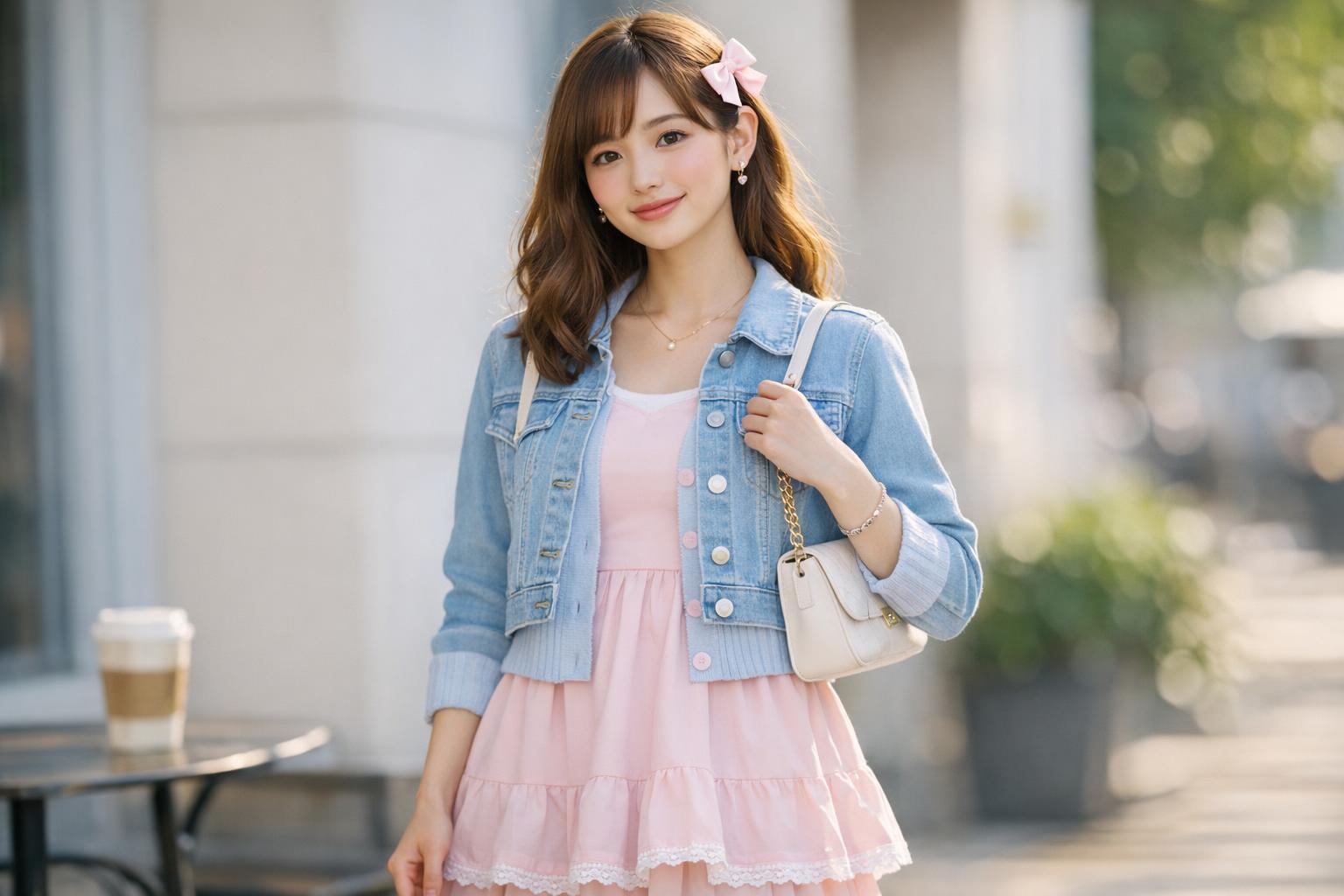
Kawaii outfit, real life: how to look charming without feeling costume-y
You’re getting dressed for a normal day—coffee, campus, a museum, errands—and you want a kawaii outfit that reads intentional rather than theatrical. The problem is rarely the “cute” part. It’s the edit. Too many sweet details can feel like cosplay; too few and the look collapses into generic “cute outfits” with no point of view.
This tension shows up everywhere in kawaii fashion: the pastel aesthetic that’s easy to love but tricky to balance, the Harajuku influence that inspires boldness but can overwhelm an everyday setting, and the very practical question of comfort—movement, weather, and how long you’ll actually be wearing the clothes. In the U.S., where most days include walking, driving, air-conditioning, and shifting temperatures, styling needs to be as smart as it is adorable.
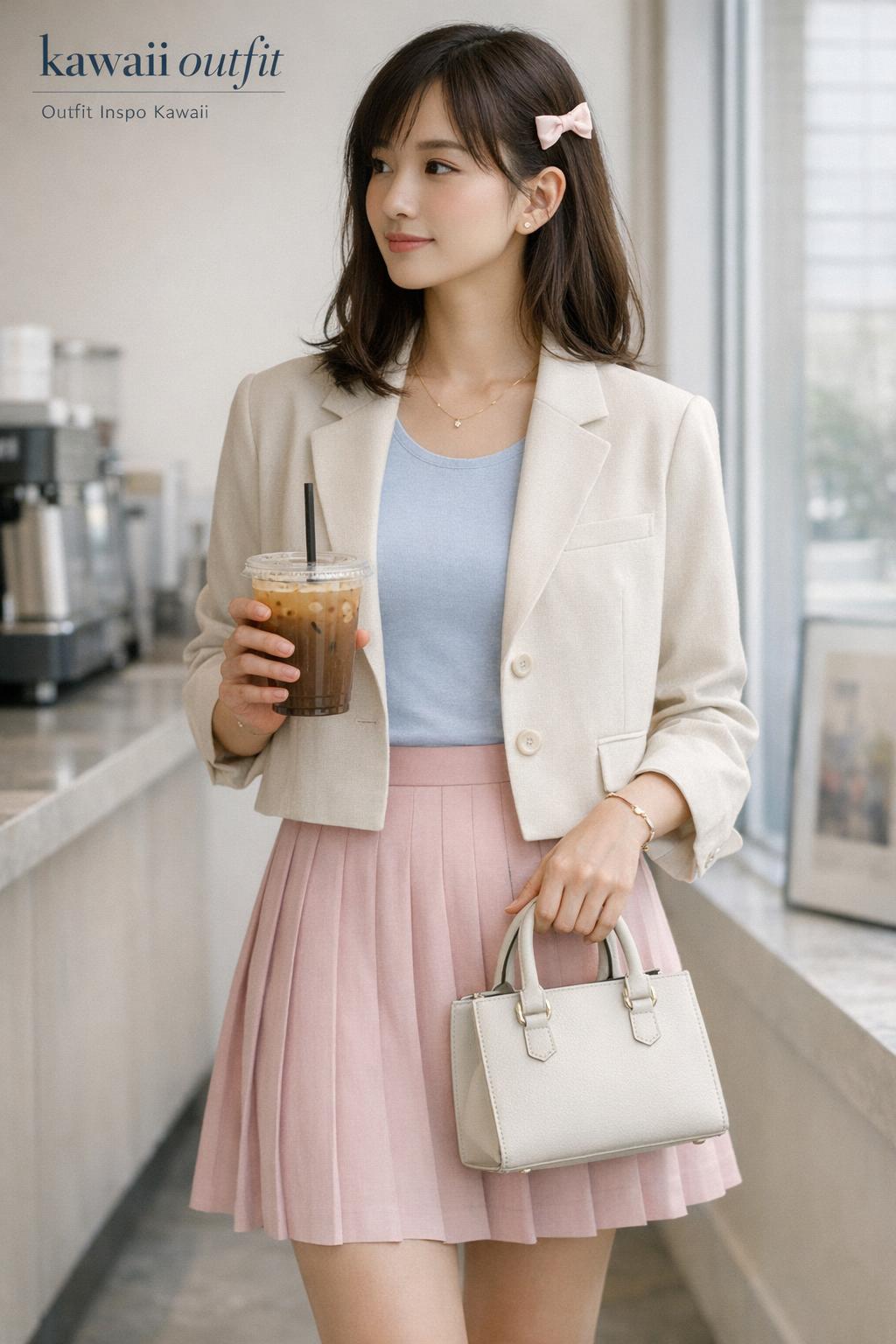
Consider this your problem-solving fashion guide: a refined, wearable approach to clothes kawaii styling that stays charming in real life. We’ll define the aesthetic, build a capsule wardrobe, solve outfit decisions by occasion and season, and cover the details that quietly separate a polished “moe outfit” vibe from something that feels like a one-time theme.
Understanding the styling challenge: why kawaii is harder than it looks
The central challenge of a kawaii outfit is contrast management. Kawaii clothes often rely on signature cues—pastel color palettes, playful accessories, bows, frills, and expressive silhouettes. Worn all at once, those cues can dominate the wearer rather than frame them. Worn too lightly, the outfit reads “soft” but not distinctly kawaii.
Your wedding has a lot of moving pieces. Your plan can still feel composed.
Zarellea organizes guests, vendors, budget, and timelines in one shared space — so you can make decisions with clarity, not stress.
Then there’s practicality. “Cute” fabrics and trims can be less forgiving: a skirt that rides up when you sit, a jacket that looks perfect in photos but traps heat, or accessories that snag hair and distract you all day. Even the best outfit inspo kawaii boards rarely show the in-between moments—commuting, carrying a bag, dealing with wind, or layering for indoor AC.
Finally, many people are shopping in mixed environments: editorial pages that teach “how to style a kawaii outfit” alongside product catalogs from brands like Kawaii Universe, Modakawa, Street Kawaii, Kawaiiki, Kawaii.Shop, and Land Decora. It’s easy to buy pieces, harder to assemble them into outfits that feel cohesive across seasons and occasions.
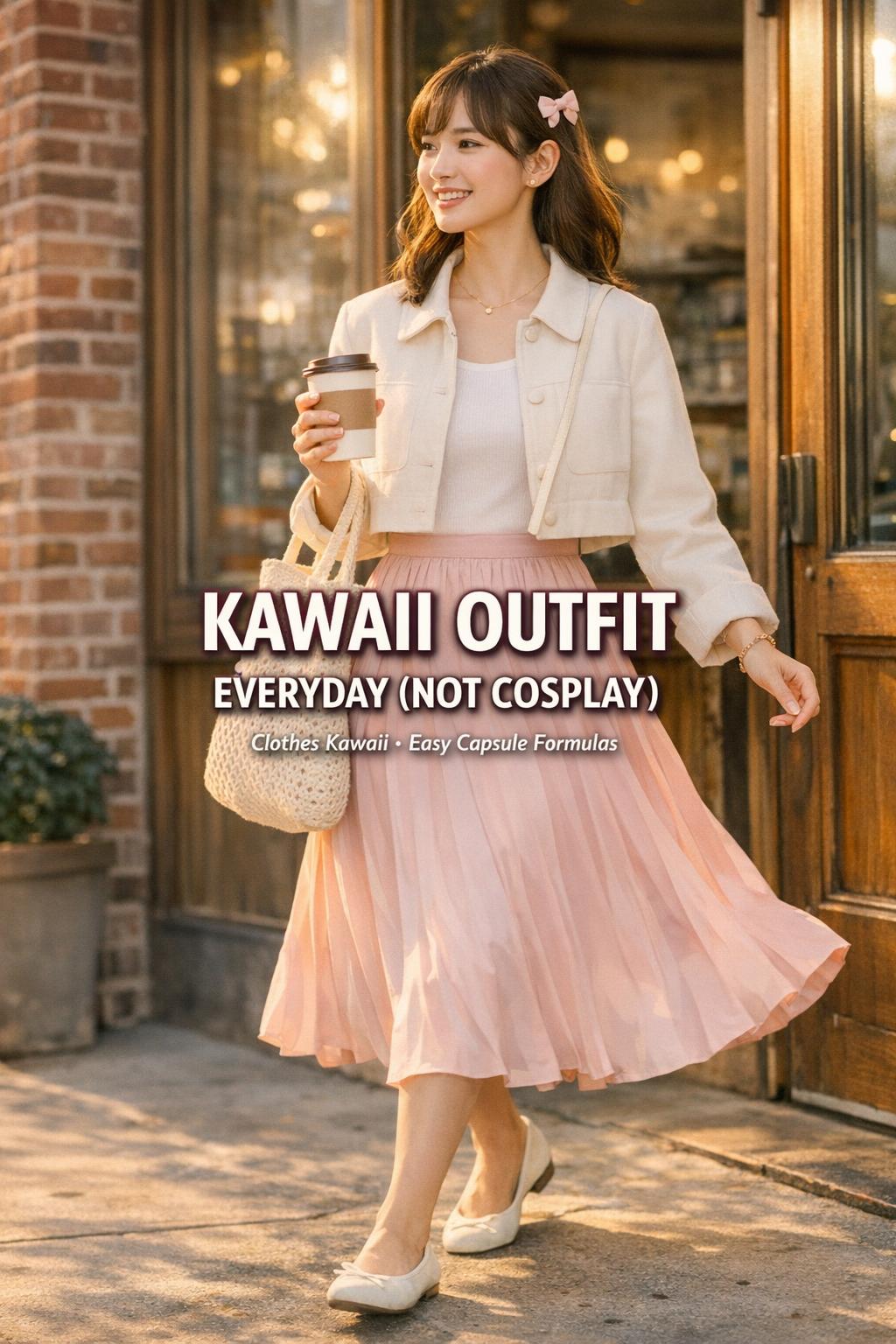
The core idea: what makes a kawaii outfit, and what doesn’t
A kawaii outfit is a “cute-first” composition built around deliberate color language and styling cues—often rooted in Harajuku-inspired fashion and amplified through the pastel aesthetic. In practice, it’s less about a single item and more about how the outfit is designed: gentle colors (pastel pink, baby blue, lavender), playful proportions, and accessories that signal sweetness without clutter.
What a kawaii outfit is not: a random mix of cute prints with no structure, or a cosplay-inspired look worn without context. Cosplay-adjacent pieces—like an Alice-style outfit or maid dress—can be part of kawaii fashion, but they typically read as eventwear unless you intentionally soften them with everyday silhouettes and restrained styling.
Think like an editor: decide the “main character” of the look (a dress, a skirt, a jacket, a signature accessory) and build the rest as supporting cast. This is the styling logic that makes kawaii clothes feel wearable, even in a U.S. everyday setting.
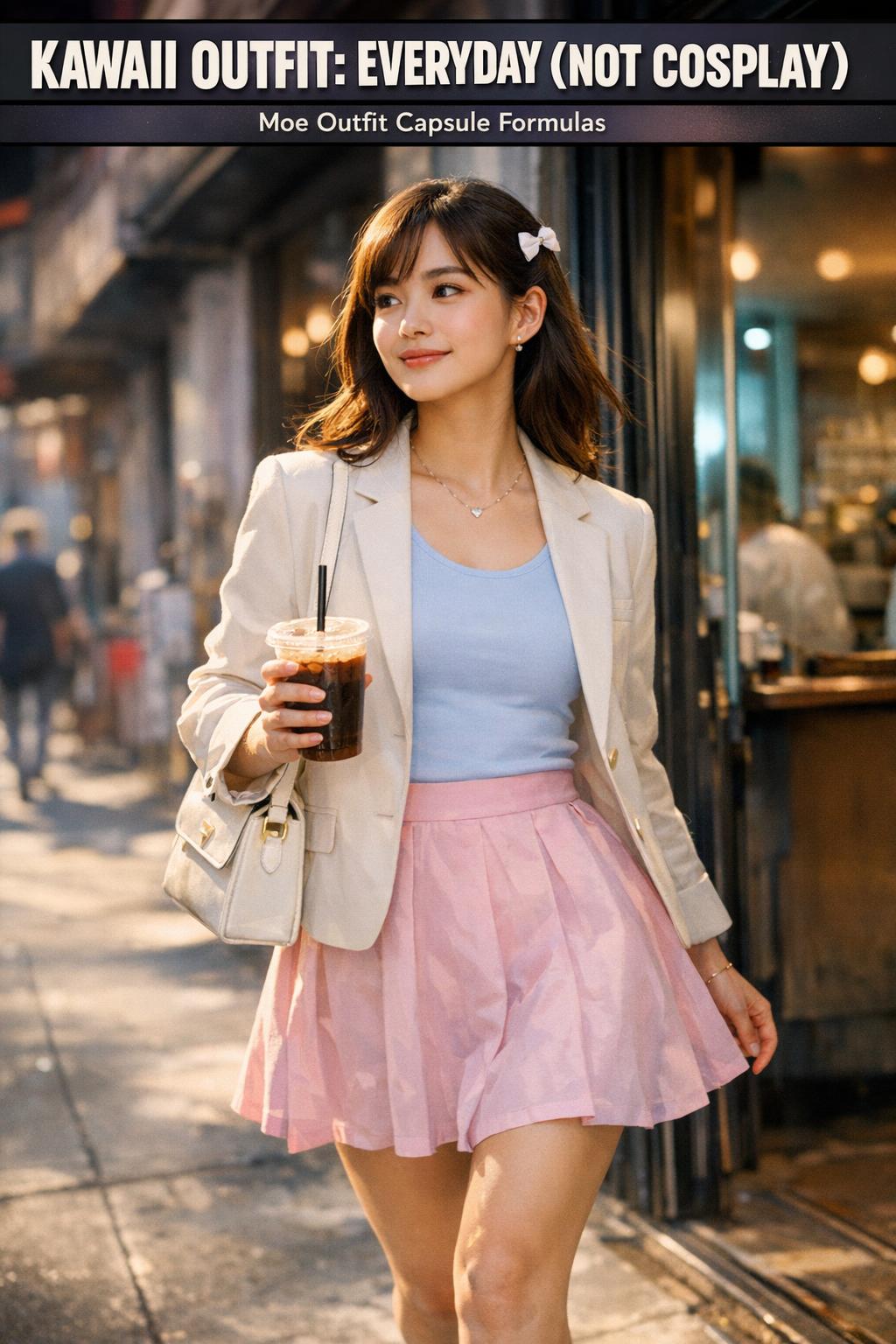
Key dressing principles that make kawaii outfits feel polished, not overloaded
Great kawaii fashion isn’t about adding more; it’s about composing better. The most reliable approach is to anchor your look in a simple silhouette, then “decorate” with one or two kawaii signals—color, texture, or accessories—so the eye has a clear path.
Principle 1: choose one statement language (color, shape, or detail)
If you go all-in on pastel palettes, keep the silhouette clean. If you choose a dramatic shape (a full skirt, a playful jacket), keep the palette quieter. If your details are the point (bows, hair accessories, charm jewelry), let the clothing be the calm base. This “one loud idea” rule is the easiest way to turn outfit inspo kawaii into a real outfit you can live in.
Principle 2: build a capsule wardrobe to reduce decision fatigue
A capsule kawaii wardrobe is not boring; it’s efficient. It lets you repeat a silhouette you know works, then vary colorways and accessories. Many kawaii fashion shops organize their catalogs by category—tops, skirts, dresses, outerwear, accessories—for a reason: these are your modular building blocks.
- One or two “hero” pieces: a dress or skirt that immediately reads kawaii
- Two to three supportive tops: easy layers that don’t fight the statement piece
- One outerwear option: a jacket that can dress the look up or down
- Two accessory lanes: hair accessories (bows, clips) and jewelry accents
- A small color family: choose a tight range like pastel pink, baby blue, lavender
Principle 3: layer for the U.S. reality of shifting temperatures
A kawaii outfit can look soft and light while still being practical. Layering is the quiet sophistication move: a simple top under a dress, a light jacket over a skirt, or an outerwear piece that keeps the look “street” rather than saccharine. Brands that lean into streetwear + kawaii fusion (often described as street kawaii looks) make this approach feel natural.
Principle 4: make accessories purposeful, not noisy
Accessories complete kawaii clothes—until they compete. Instead of stacking everything at once, choose one focal zone: hair accessories near the face, or jewelry at the neckline, or a bow detail that draws the eye to the waist. This is how you get a gentle, “moe outfit” sweetness without visual chaos.
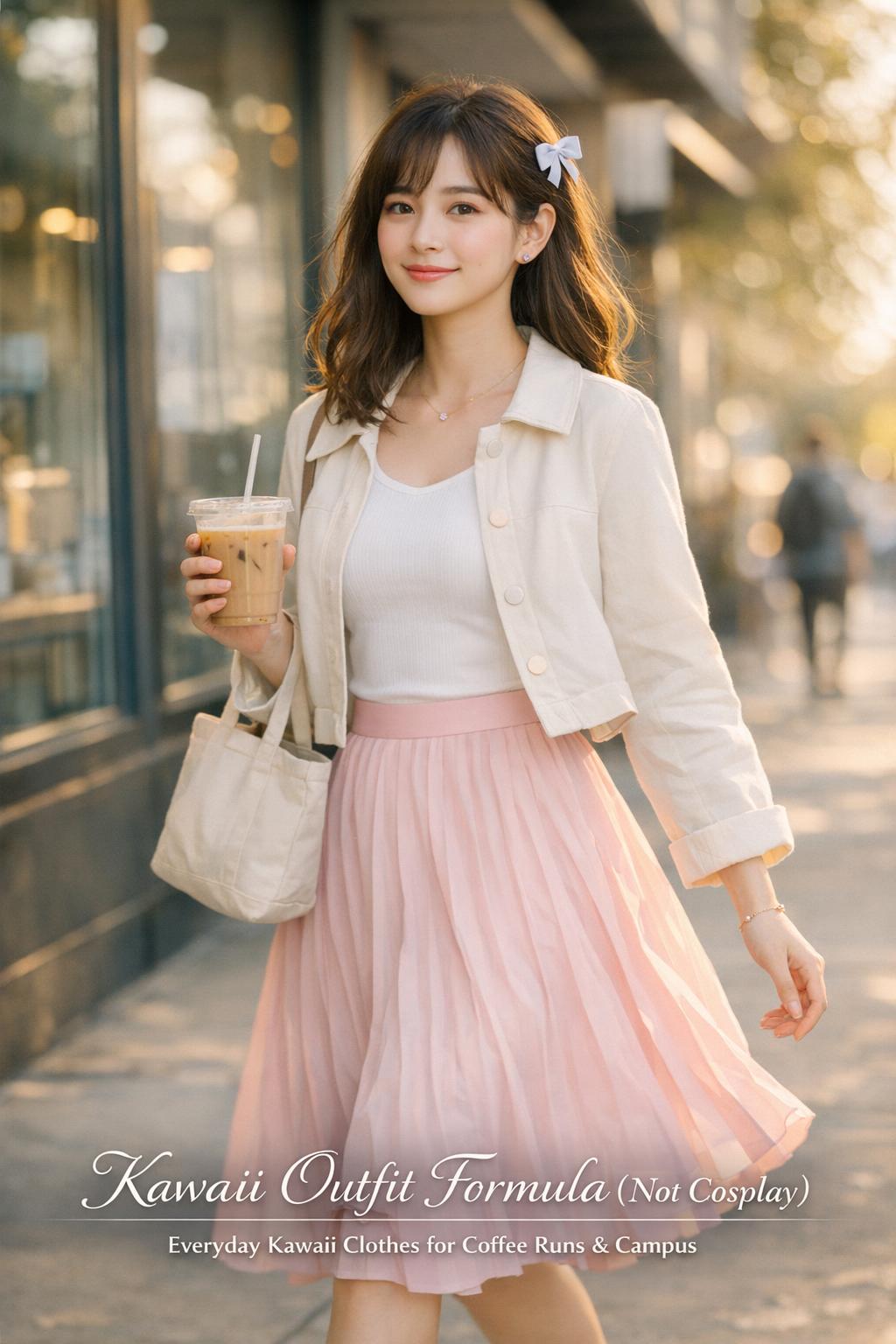
Capsule building, but with personality: the pieces that do the heavy lifting
Most people think building kawaii outfits requires a closet overhaul. In practice, you’re looking for a few categories that repeat beautifully. Many kawaii fashion collections—whether from Modakawa, Kawaii Universe (including KUte designer-driven pieces), Street Kawaii, Kawaiiki, Kawaii.Shop, or Land Decora—center on the same wardrobe architecture: dresses, skirts, tops, jackets, and accessories.
Dresses and skirts: your instant “kawaii outfit” foundation
A dress is the fastest route to coherence because it’s already a full silhouette. A skirt gives more flexibility across seasons—pair it with lighter tops in warm months and add layering in cooler months. If you’re drawn to frilly, lolitic vibes, treat them as your statement and keep the rest pared back, letting the shape and trim carry the mood.
Outerwear and jackets: the secret to everyday kawaii
Outerwear is where many U.S. kawaii outfits either succeed or fail. A jacket can shift the entire read of a look—more streetwear, more designer-inspired, more “I chose this on purpose.” Kawaii Universe’s Miami-tinged designer streetwear narrative and Street Kawaii’s everyday styling angle both point to the same truth: outerwear can make kawaii fashion feel current, not like a special occasion only.
Accessories: hair pieces, bows, and jewelry that finish the story
When people say “kawaii,” they often mean the finishing touches. Hair accessories and bows frame the face and immediately signal the aesthetic. Jewelry works best when it repeats your palette—pastel stones, soft metallics, or delicate motifs—rather than introducing a brand-new theme.
Outfit solutions: refined looks that solve common kawaii styling problems
Below are outfit solutions designed around real constraints: temperature shifts, long days, and the need to look appropriate across settings. Each one uses the same logic—clear silhouette, controlled color story, and purposeful accessories—so you can adapt it to whatever kawaii clothes you already own.
Outfit solution: the lightweight layered look for warm days (pastel aesthetic, breathable feel)
Start with a simple dress or skirt in a soft pastel—think pastel pink, baby blue, or lavender as your anchor. Add a light top underneath or a minimal layer on top depending on comfort. The goal is to keep airflow and movement easy while still reading as a kawaii outfit. Finish with one statement accessory near the face—hair clip or bow—to keep the look expressive without piling on weight.
Why it works: you get the “cute” impact from color and a clean silhouette, while layering gives you control when you step indoors and the air-conditioning hits. It’s a practical answer to the warm-weather version of “how to style a kawaii outfit” without sacrificing comfort.
Outfit solution: street kawaii for everyday errands (cute, but not precious)
This is the look for days when you want kawaii fashion to feel like streetwear: a skirt or dress paired with a structured jacket that sharpens the outline. Keep the palette consistent—pastels, or a restrained blend of soft tones—then choose one playful accessory. The jacket is the sophistication lever; it frames the sweetness and makes the outfit feel grounded.
Why it works: the streetwear + kawaii fusion gives you durability and ease, especially if you’re walking, carrying a bag, or moving through a city day. It also photographs well without feeling like you dressed only for photos—an underrated test of a real-world outfit.
Outfit solution: “moe outfit” softness for campus or a casual creative workplace
For a work-appropriate kawaii outfit, treat “cute” as a detail rather than a headline. Choose a clean base—simple top and skirt, or a modest dress—and keep color gentle. Add a single accessory cue (hair accessory, bow detail, or delicate jewelry) and let everything else stay quiet. If you’re nervous about being taken seriously, keep the silhouette tidy and avoid stacking multiple novelty elements at once.
Why it works: this approach respects professional context while preserving identity. It’s also repeatable. Once you find your proportions, you can rotate colorways and accessories and still feel like yourself—one of the most useful outcomes of capsule thinking.
Outfit solution: party or convention-ready kawaii (when you can go bolder)
Events are where you can safely amplify the Harajuku influence. Choose a statement piece—perhaps something with a more dramatic silhouette, or a look that nods to cosplay-inspired styling. If you’re drawn to an Alice-style outfit or maid dress energy, make it feel styled rather than literal: keep your palette cohesive, choose accessories with intention, and add an outer layer (a jacket, or a structured piece) to give the outfit dimension.
Why it works: conventions and parties invite creativity, but the best looks still have editing. A single “theatrical” element becomes fashion when it’s balanced with a controlled color story and a silhouette that supports movement—because you will be walking, waiting, sitting, and posing for photos.
Outfit solution: winter layering that keeps kawaii visible under outerwear
Cold weather often swallows kawaii details under bulky layers. The fix is to choose one visible signal that survives the coat: a pastel scarf-like color story, a hair accessory that frames the face, or a jacket that already carries the kawaii spirit. Keep the inner outfit simple and comfortable, then let one detail “speak” so you don’t feel like you lost the aesthetic for half the year.
Why it works: it solves the visibility problem while keeping you warm. And it respects the reality that winter outfits are about function first—kawaii second—unless you plan your layers strategically.
Mix and match with intent: color, texture, and print pairings that stay cohesive
Kawaii outfits often look best when the palette is controlled and the textures do the interesting work. If you’ve ever put on kawaii clothes and felt “busy,” it’s usually because color, print, and detail are all competing at once.
A practical color matrix for pastel kawaii outfits
Use a simple rule: one dominant pastel, one supporting pastel, and one neutral-like soft tone (even if it’s simply a less saturated version of your main color). Pastel pink with baby blue can feel charming; adding lavender can be beautiful, but only if the silhouettes stay clean. When in doubt, reduce the palette before you reduce the personality.
- Dominant: pastel pink, baby blue, or lavender
- Supporting: one additional pastel in the same “soft” intensity
- Calming tone: a lighter or quieter version of one of the pastels to reduce contrast
Pattern-mixing rules that won’t overwhelm the look
Pattern mixing is seductive in kawaii fashion, but it’s also where outfits tip into costume. If your main piece has a print, keep the rest mostly solid. If you want multiple patterns, make them share a color family and let one pattern be smaller or subtler so it behaves like texture rather than a second headline.
Fabric pairings: cotton, satin, organza—how to combine without looking fussy
Texture is where kawaii outfits become editorial. Cotton reads casual and wearable; satin reads sweet and polished; organza reads airy and decorative. Pair one “special” texture with one everyday texture so the outfit stays grounded. For example: a satin-like shine balanced by a simpler base keeps the look elegant instead of precious; an organza detail works best when the silhouette beneath it is clean.
Seasonal kawaii outfit logic: styling for spring/summer and fall/winter
Seasonal styling isn’t about reinventing your aesthetic; it’s about adapting the same identity to different comfort needs. Many “best kawaii outfits for all seasons” roundups focus on variety, but you’ll dress better with a repeatable system: one palette, a few silhouettes, and seasonal layering choices.
Spring and summer: keep the silhouette light, keep the accessories precise
Warm months are where the pastel aesthetic feels effortless, but also where over-accessorizing becomes uncomfortable fast. Keep the base airy and let your accessories do the signaling: one hair piece, one jewelry accent, one detail that ties the story together. This is the season where “kawaii outfit 2025/2026” styling tends to lean most wearable—because the clothing can be simpler and still read as kawaii through color alone.
Fall and winter: prioritize layering and let outerwear carry the mood
In colder seasons, the outfit’s success depends on what people actually see: your outerwear and whatever frames your face. A jacket that aligns with your aesthetic—whether more street kawaii or more frilly—keeps the look cohesive. This is also where capsule thinking shines: if your outer layer works with multiple dresses and skirts, you don’t lose your style when the temperature drops.
Brand spotlights as style references: different “schools” of kawaii fashion
Brands can be useful not as shopping directives, but as style references—each one tends to emphasize a slightly different silhouette language. Noticing these differences helps you identify what kind of kawaii outfit feels most like you, and where you might be overcomplicating your wardrobe.
Kawaii Universe and KUte: designer-inspired streetwear with a Miami edge
Kawaii Universe (including the KUte collection) leans into designer-driven storytelling and streetwear energy, with Miami referenced as part of the vibe. If you like kawaii outfits that feel bold and modern, this “streetwear first, cute second” architecture can be a strong framework: structured outerwear, confident silhouettes, and carefully chosen playful accents.
Street Kawaii: everyday styling and all-season outfit thinking
Street Kawaii’s emphasis on “how to style kawaii for everyday” and seasonal looks reflects what most people actually need: outfits that work Monday to Sunday. If you’re building a capsule, use this approach as your guide—repeatable silhouettes, practical layering, and a clear color story.
Modakawa: category-led kawaii fashion collections
Modakawa’s collection structure highlights the usefulness of clear categories: dresses, tops, skirts. For styling, that’s a reminder to stop chasing “perfect outfits” and start building systems. When your wardrobe is organized by function, you can compose a kawaii outfit quickly and still look considered.
Kawaiiki and Kawaii.Shop: wardrobe-friendly kawaii clothes and outfit building
Kawaiiki and Kawaii.Shop sit in that practical middle: kawaii fashion and cute outfits presented in a way that supports daily dressing—new arrivals, best sellers, featured collections. Use this as a cue to create your own wardrobe rhythm: a stable base plus a few rotating accents, rather than constant reinvention.
Land Decora: frilly, lolitic vibes with accessory-forward styling
Land Decora’s kawaii collection presentation leans visual and accessory-friendly, with a nod to frill and sweetness. If you love detail, keep your base silhouette calm and let the decorative elements shine. It’s an elegant way to embrace the maximal side of kawaii without losing sophistication.
Where people go wrong: common mistakes that sabotage kawaii outfits
Most “bad” kawaii outfits aren’t actually bad—they’re just unedited. The fix is nearly always a single adjustment: reduce competing details, clarify the palette, or re-balance proportions.
- Wearing multiple statement accessories at once, so the eye has nowhere to rest
- Mixing too many pastels without a dominant shade, creating a scattered look
- Choosing an event-coded piece (like a maid dress) for an everyday setting without grounding layers
- Ignoring outerwear, then feeling disappointed when the coat erases the entire aesthetic
- Buying pieces without a plan for “tops + bottoms + outerwear,” leading to mismatched categories
If you recognize yourself here, don’t treat it as a failure—treat it as a styling diagnosis. A kawaii outfit becomes refined when you can articulate the intention in one sentence: “pastel minimal base with one bow detail,” or “street kawaii silhouette with a soft-girl palette.”
Tips that make kawaii styling feel effortless (and more comfortable)
Tip: decide your “comfort non-negotiable” before you style. If you’ll be out all day, prioritize pieces that let you sit, walk, and carry essentials without constant adjusting. Kawaii fashion is sweetest when you look relaxed; discomfort always shows, even in the prettiest palette.
Tip: use accessories to correct the outfit’s message. If your look feels too plain, add one clear kawaii signal near the face—hair accessories are remarkably effective. If your look feels too costume-like, remove one novelty element and replace it with a simpler layer, such as a clean jacket to introduce structure.
Tip: treat seasonal dressing as an overlay, not a new identity. In spring/summer, let color do the work; in fall/winter, let layering do the work. This is how you keep kawaii clothes in rotation year-round instead of abandoning them when the weather changes.
Tip: if you’re collecting outfit inspo kawaii images, classify them by silhouette, not by “vibe.” Save one folder for dress-based looks, one for skirt-and-top looks, and one for outerwear-led looks. When you get dressed, choose the silhouette first; the vibe will follow.
Sizing, fit, and quality: the practical side of kawaii fashion
A kawaii outfit lives or dies on fit because the aesthetic is inherently noticeable. If a skirt shifts, a top pulls, or a jacket restricts movement, the look stops feeling charming and starts feeling like something you’re enduring. This matters even more when you’re shopping across multiple catalogs and retailers, from brand-led shops to large marketplaces where listings may emphasize features, sizing, and what’s included rather than styling guidance.
Use a simple decision framework: choose silhouettes you can move in for everyday, and reserve more delicate or costume-adjacent pieces for events. If you’re experimenting with a cosplay-inspired item like an Alice-style outfit, be honest about how often you’ll wear it and whether it needs an anchoring layer to feel right outside of a party or convention context.
Quality also shows most in the “in-between”: how fabric behaves after hours of wear, how trims sit, and whether accessories feel comfortable. A refined kawaii wardrobe prioritizes pieces that hold their shape and remain pleasant to wear—because the goal is a style you can repeat, not a look you can tolerate once.
Sustainability and ethics in kawaii fashion: a thoughtful lens, not a slogan
Kawaii fashion often invites collecting—new arrivals, themed drops, seasonal edits. The most sustainable move within that reality is disciplined wardrobe planning: build a capsule, repeat silhouettes, and choose pieces you can style across occasions. Even when brands mention ethics or sustainability, the day-to-day impact for most wardrobes comes from reducing “one-time” outfits and buying with a clear plan.
As a practical habit, ask yourself two questions before adding to your kawaii clothes rotation: “Can I style this three different ways?” and “Does it work with my existing palette?” If the answer is no, it may still be a beautiful piece—but it belongs in an event wardrobe, not your everyday system.
FAQ
What is a kawaii outfit, in simple terms?
A kawaii outfit is a “cute-first” look built through intentional styling—often using pastel palettes, playful accessories, and silhouettes influenced by Harajuku-inspired fashion—so the overall composition reads sweet, cohesive, and deliberate rather than random.
How do I style a kawaii outfit for everyday without looking like I’m in costume?
Use one clear statement (color, shape, or detail) and keep everything else supportive: a clean silhouette, a controlled pastel palette, and one purposeful accessory like a bow or hair clip; add structured outerwear to ground the look when you want a more street kawaii feel.
What are the easiest colors to start with for pastel kawaii outfits?
Pastel pink, baby blue, and lavender are reliable starting points because they read instantly kawaii; the key is limiting your palette so one shade leads and the others support, keeping the outfit soft rather than visually scattered.
Can cosplay-inspired pieces like an Alice-style outfit or maid dress be part of kawaii fashion?
Yes, but they usually read as eventwear unless you intentionally style them with restraint—cohesive colors, minimal accessories, and an anchoring layer like a jacket—so the look feels like fashion styling rather than a literal costume.
How do I build a capsule wardrobe for kawaii clothes?
Start with one or two hero pieces (a dress or skirt), add a few supportive tops, one versatile jacket, and a small set of accessories, then keep everything within a tight color family; this makes it easier to create many kawaii outfits without overbuying.
Which brands are commonly associated with kawaii outfits in U.S.-focused shopping?
In U.S.-oriented browsing, shoppers often encounter brand-led collections from Kawaii Universe (including KUte), Modakawa, Street Kawaii, Kawaiiki, Kawaii.Shop, and Land Decora, along with broader retailers that carry individual kawaii listings.
How can I make kawaii outfits work across seasons?
In spring and summer, let color do most of the work with lighter silhouettes and minimal accessories; in fall and winter, plan layers and choose outerwear that aligns with the kawaii aesthetic so the look stays visible and cohesive under practical warmth.
What’s the biggest mistake people make when using outfit inspo kawaii images?
The biggest mistake is copying every detail at once; instead, identify the core silhouette and the one main kawaii signal (palette, accessory focus, or streetwear layering), then adapt the rest to your comfort needs and your real daily setting.
Leave a Reply