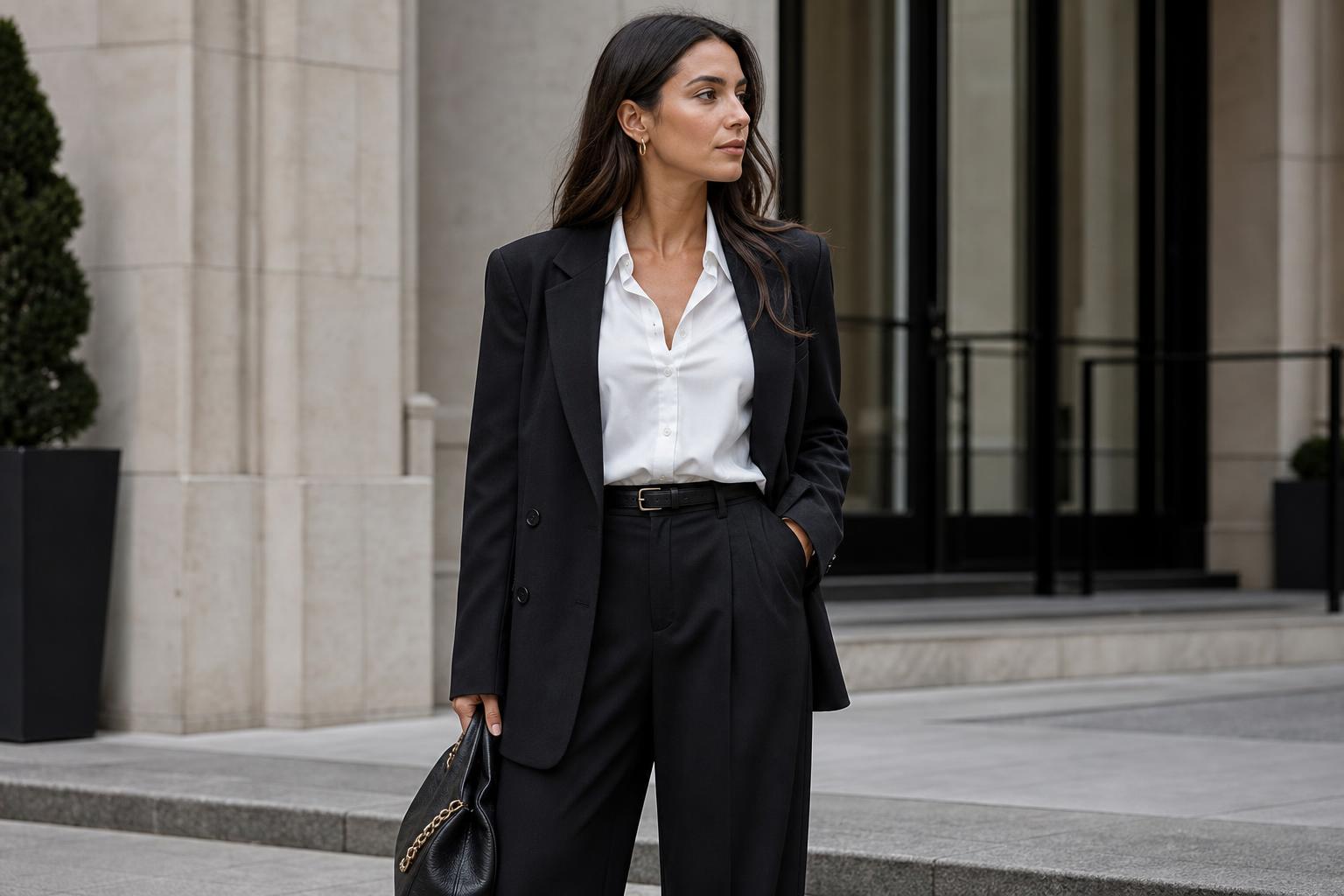
Some dress codes ask for polish yet leave very little room for personality. That tension is exactly where corporate baddie outfits work best. The look is not about dressing provocatively for the office or copying a social media costume. It is about combining tailored structure with a sharper, more self-possessed attitude: a blazer with presence, wide-leg pants with clean drape, a skirt styled with intention, and accessories that feel deliberate rather than decorative. In practice, the strongest version of this aesthetic sits somewhere between boss women polish and modern street style restraint.
What makes the idea so appealing is also what makes it easy to misread. A good corporate baddie wardrobe is not built from loud pieces alone. It depends on fit, fabric, proportion, and context. A structured blazer layered over a simple base can look refined in New York, Milan, Paris, or Copenhagen because the styling principle is universal: tailored lines create authority, while carefully chosen contrast keeps the outfit current. Once you understand that balance, the outfits become easier to recreate, more wearable in everyday life, and far more versatile than a saved inspiration image suggests.
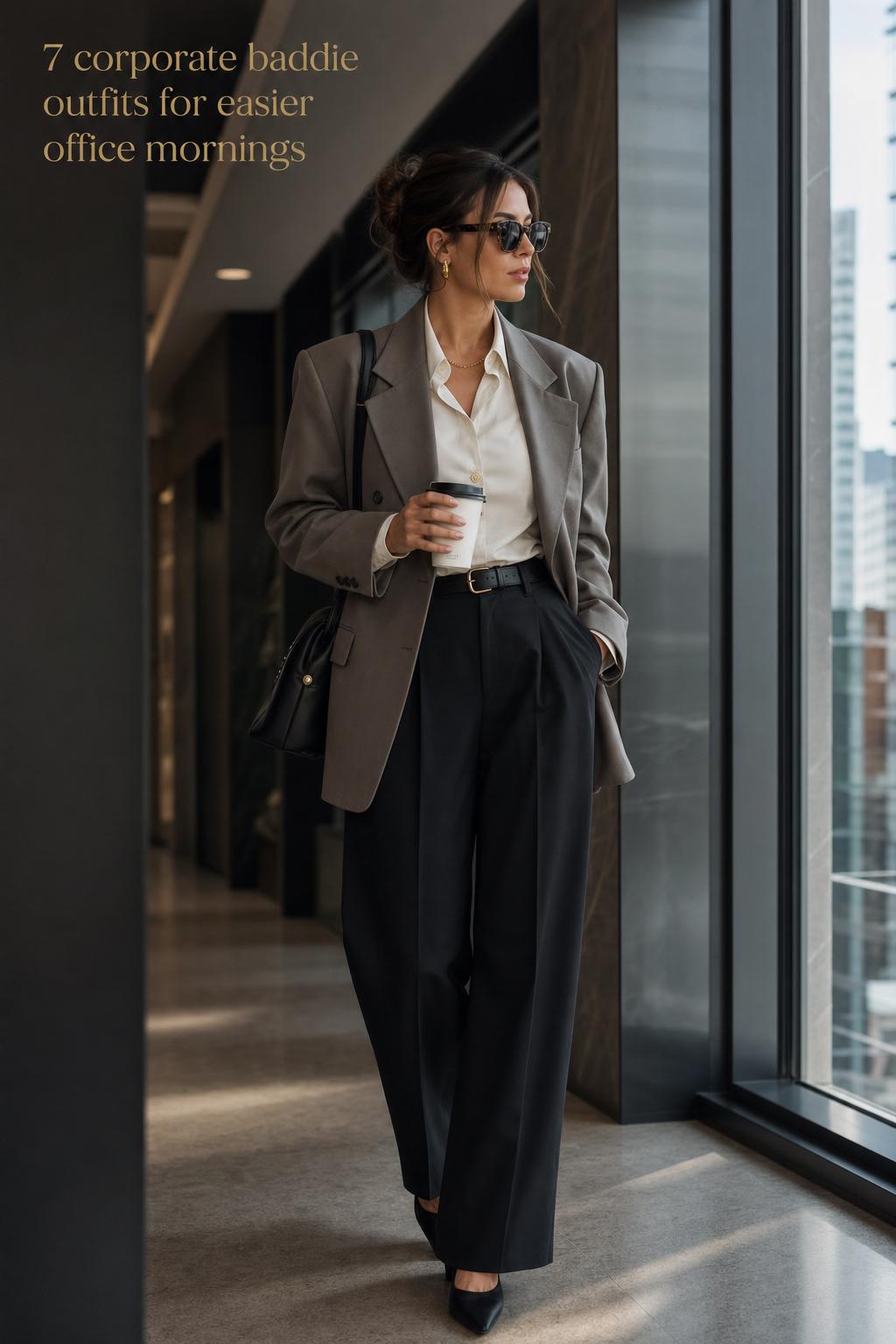
This guide breaks down how to wear corporate baddie outfits in a realistic way, with practical styling logic for work, commuting, travel days, changing weather, and different body proportions. The goal is not to collect outfits you admire from a distance. It is to help you build polished work looks that actually function.
What defines a corporate baddie outfit
The phrase usually describes workwear that feels polished, confident, and visually strong. Think tailored blazers, wide-leg pants, pencil or column skirts, crisp shirts, fitted tops, sleek knitwear, and controlled accessories. The aesthetic borrows from classic office dressing but edits it through a more modern lens. Instead of looking strictly corporate, the result feels intentional and fashion-aware.
Your wedding has a lot of moving pieces. Your plan can still feel composed.
Zarellea organizes guests, vendors, budget, and timelines in one shared space — so you can make decisions with clarity, not stress.
The difference often comes down to silhouette. Traditional officewear can become flat when every piece is equally conservative or equally loose. Corporate baddie styling works because it plays with balance: a sharp blazer against a soft knit, relaxed trousers with a defined waist, a longer skirt with a more fitted top, or monochrome neutrals interrupted by one clean statement accessory. The outfit still reads professional, but it has shape and point of view.
This is also why the look has remained so popular across list-style fashion magazines, style blogs, and platforms like Lemon8. It offers something many women want from workwear now: clothes that feel polished enough for meetings, flattering enough for photos, and versatile enough to wear beyond a desk.
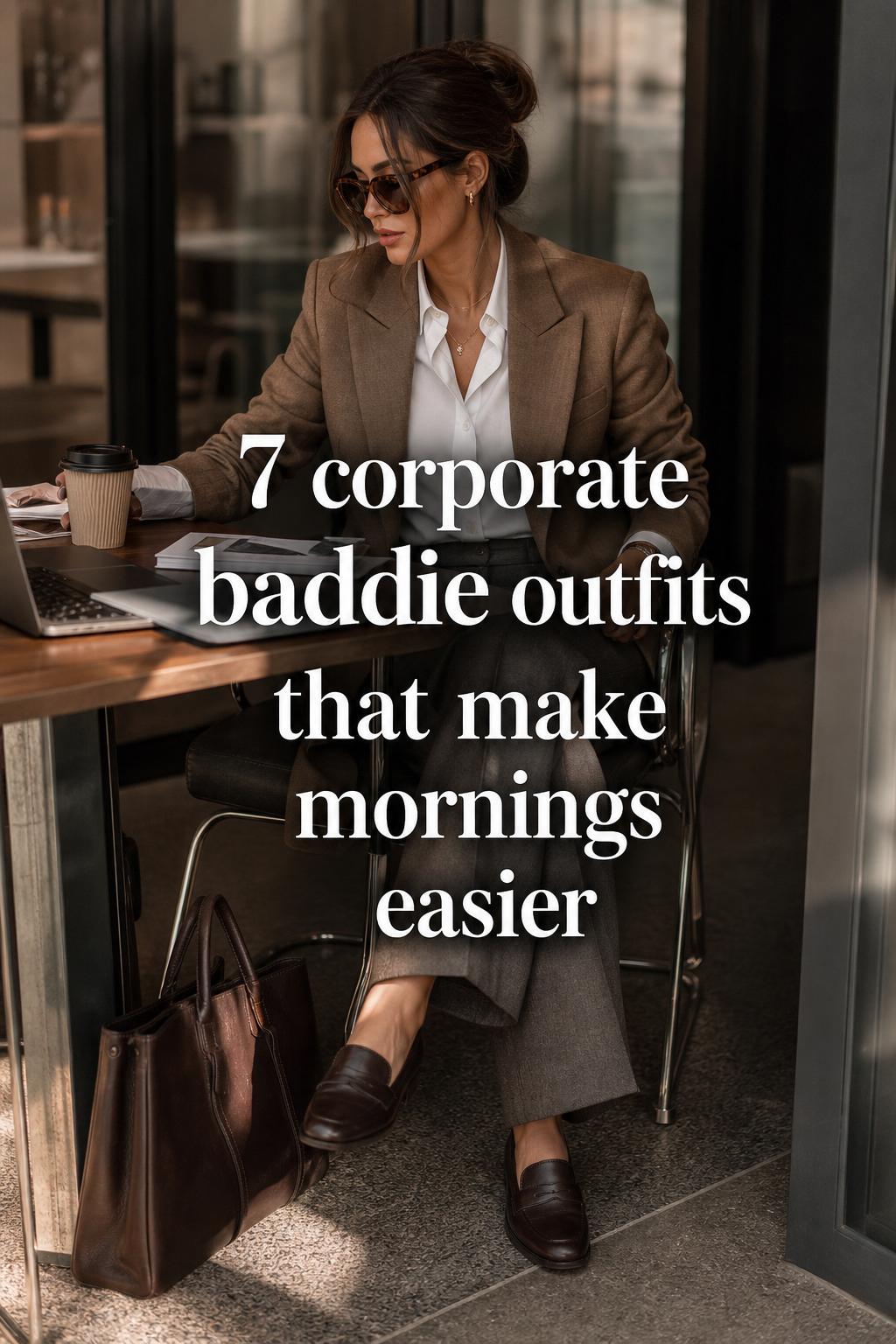
The foundation pieces worth buying first
If you are building the aesthetic from scratch, start with the pieces that create the most outfits rather than the items that create the most drama. The easiest mistake is buying trend-heavy pieces before you have a framework to support them. A strong corporate baddie wardrobe is much closer to a capsule than many people expect.
- A structured blazer in black, charcoal, navy, beige, or cream
- Wide-leg pants with a clean waistband and good drape
- A fitted knit top or sleek bodysuit-style base layer
- A crisp button-front shirt in white, blue, or a soft neutral
- A skirt that holds line well, such as a pencil, straight, or midi column shape
- Closed-toe footwear that can handle a full day, such as pumps, loafers, or refined ankle boots
- A medium-size bag that looks polished but can still function for commuting
These are the pieces most often implied by chic work looks built around blazers, wide-leg pants, and skirts. They also give the highest return because each item can be restyled repeatedly. One blazer, for example, can move between work looks, travel looks, and dinner plans simply by changing the base layer and shoe.
If your budget is limited, invest first in tailoring and trousers. A blazer can be affordable and still read expensive when the shoulders fit properly and the sleeve length is right, but poorly cut trousers tend to undermine the entire outfit. The drape of pants matters because it shapes posture, leg line, and overall polish from the moment you walk into a room.
How to choose the first blazer
The best first blazer is neither too oversized nor too fitted. It should skim the body, define the shoulder, and allow a thin knit or shirt underneath without pulling. A blazer that is extremely long can overwhelm petites, while a cropped version may feel less versatile for conservative offices. Mid-hip length is usually the easiest to style because it works with pants and skirts alike.
For a more expensive-looking finish, prioritize matte fabrics, clean lapels, and minimal hardware. If the button is shiny, the fabric is too thin, or the shoulder collapses, the look can feel less polished very quickly. This is one of the few pieces worth spending slightly more on if you wear office clothing often.
Why blazers and wide-leg pants dominate the look
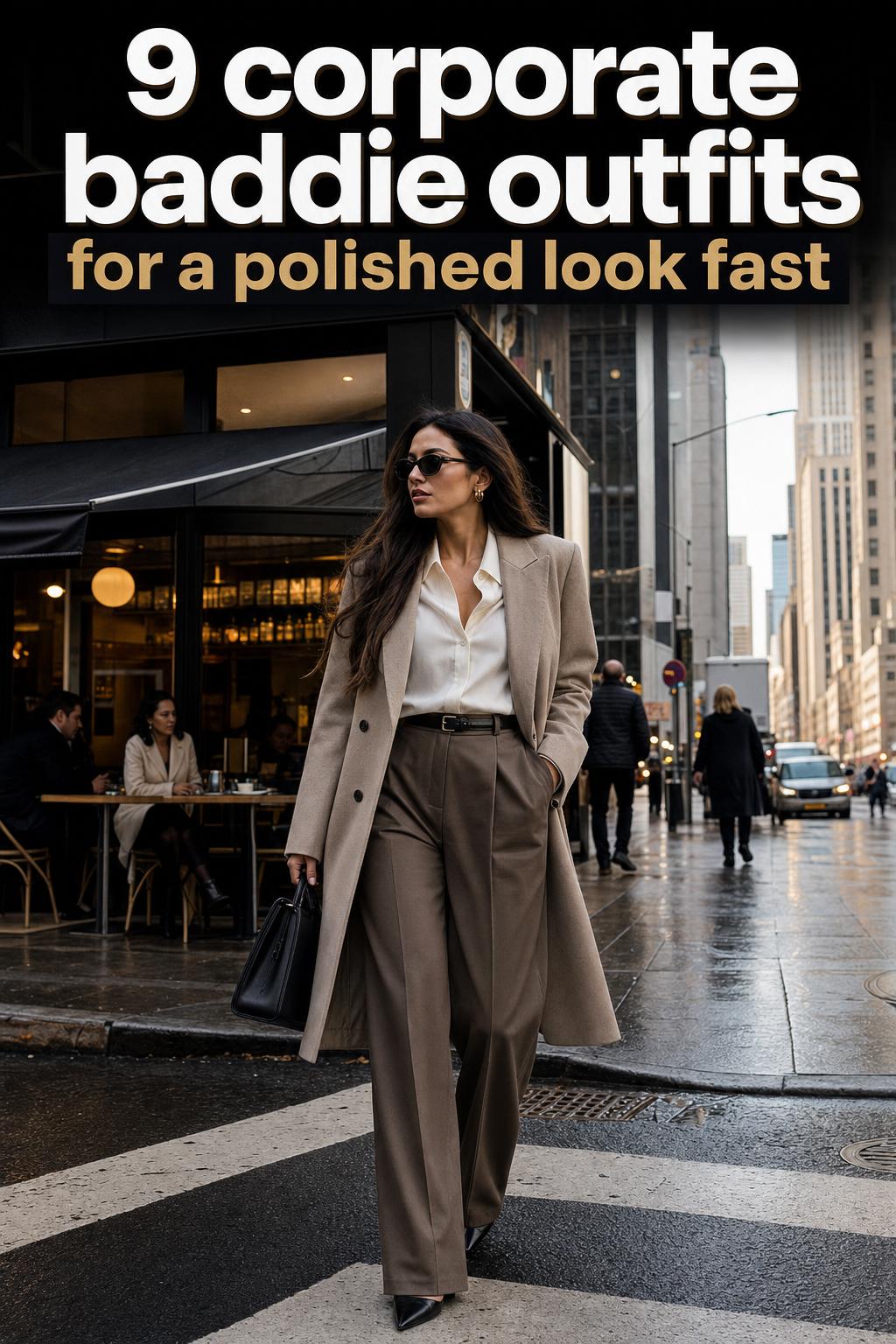
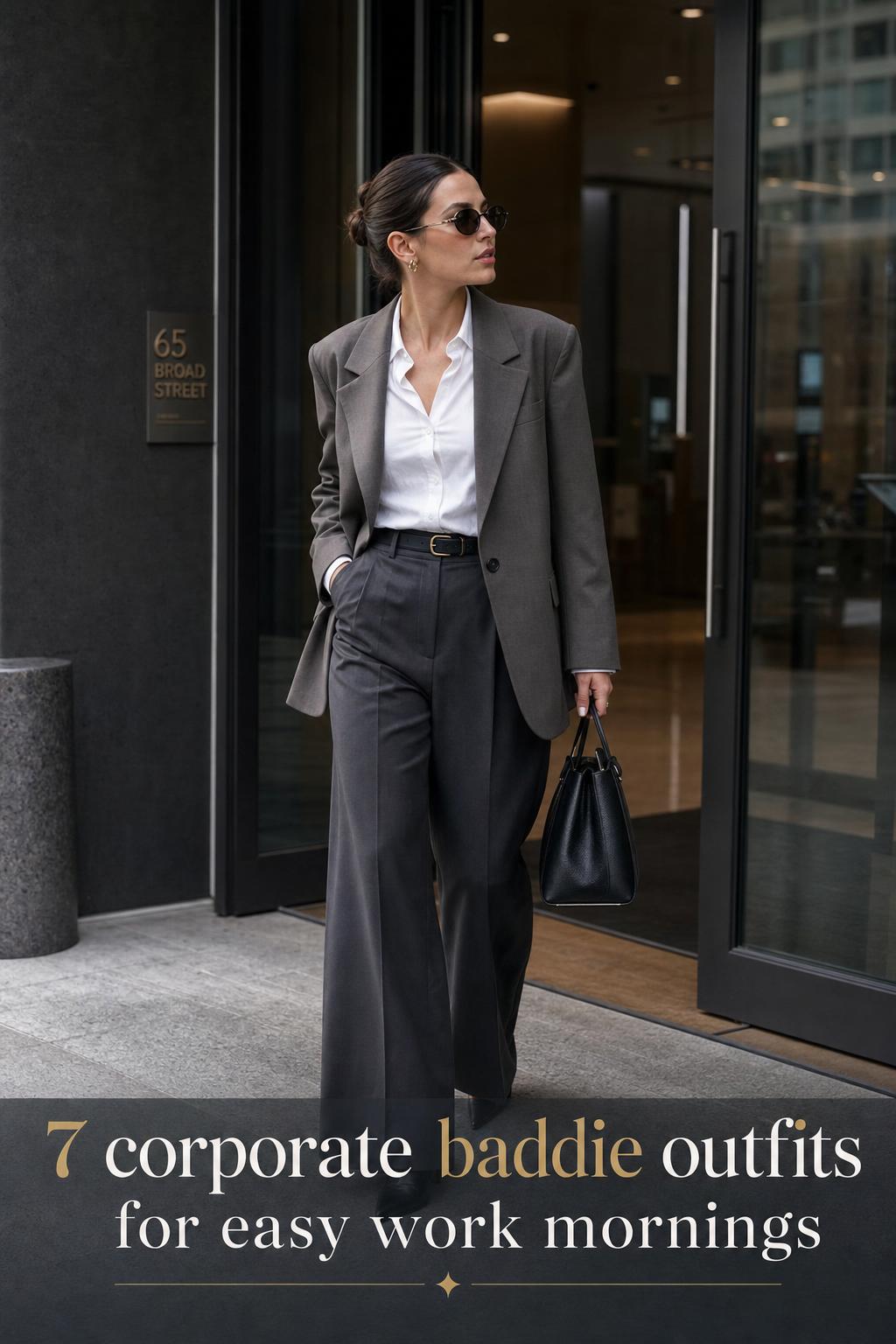
Across smart, stylish workwear ideas, the blazer-and-trouser combination appears repeatedly because it delivers authority without requiring a full suit. It is the easiest formula for women who want to look composed but not overly formal. A structured blazer creates a strong top line, while wide-leg pants add movement and modernity. Together, they produce a silhouette that feels current and office-appropriate.
This pairing also solves practical wardrobe problems. Wide-leg pants are more forgiving through long workdays, easier to layer in colder months, and often more flattering than skinny silhouettes when you want an elongated line. The blazer, meanwhile, finishes the outfit even when the base layer is very simple. On a rushed morning, that combination can carry you further than any trend piece.
How to make the proportions work
The key is visual balance. If the pants are fluid and generous, the top underneath the blazer should usually be cleaner and closer to the body. If the blazer is slightly oversized, the trousers should still have waist definition so the outfit does not lose shape. For tall frames, longer blazers and full-length trousers can look especially elegant. For petite frames, a subtle ankle reveal or higher waist can prevent the look from feeling heavy.
Curvier shapes often benefit from trousers that glide over the hips rather than cling to them. A flat-front waistband and soft pleat can help. Straight or softly flared wide-leg pants usually look more polished than exaggerated volume for office settings. The objective is not to make the body disappear, but to let the tailoring create line.
Skirt looks that feel polished, not predictable
Skirts are essential to the corporate baddie mood because they bring contrast. Where trousers communicate ease and power, a strong skirt look introduces precision. The most reliable options are pencil skirts, straight midi skirts, and clean column silhouettes. They pair naturally with blazers and allow more control over proportion, especially for readers who prefer a more defined waist-to-hip shape.
A blazer worn over a fitted knit and a straight midi skirt creates a polished everyday look with very little effort. The lines remain clean, and the outfit feels composed enough for a meeting while still stylish for after-work plans. This is one of the easiest outfit ideas to recreate because it depends more on fit than on novelty.
When a skirt outfit works better than pants
Skirt-based outfits are especially useful when you want a sharper silhouette, when temperatures are mild, or when your office environment leans more formal. They also work well for transitional dressing. In early fall or spring, a skirt with loafers or pumps and a tailored blazer often feels more seasonally balanced than heavy trousers.
If you are curvy, choose skirts with enough structure to skim rather than grip. If you are petite, avoid a hem that cuts the leg at its widest point unless you are pairing it with a shoe that elongates the line. If you are tall, midi lengths can look especially refined because they preserve the long vertical line that makes corporate dressing feel elegant rather than severe.
The refined monochrome route
Among all corporate baddie outfits, monochrome is the quickest path to a polished result. Black, charcoal, taupe, cream, navy, or a full range of soft neutrals can make even simple separates look composed. The reason is visual continuity. When color does not interrupt the silhouette, the eye notices cut, fabric, and proportion first, which immediately raises the overall effect.
A cream blazer layered over a matching knit and wide-leg pants reads softer and more European in mood, while an all-black look feels stronger and more urban. Paris and Milan often suggest different interpretations of polish, but both rely on disciplined color stories. Copenhagen-inspired styling, by contrast, may feel a touch more relaxed, yet it still uses cohesion as a visual anchor.
How to keep monochrome from looking flat
Use texture instead of contrast. Pair a smooth blazer with a fine knit, a crisp shirt with matte trousers, or a structured skirt with a softer top. The tonal family can remain quiet while the materials create depth. This approach is particularly useful if your office does not welcome bold color but you still want your outfit to feel intentional.
If you are shopping on a budget, monochrome also helps affordable pieces look more elevated. When everything sits in the same palette, minor differences in quality are less noticeable than they would be in a high-contrast outfit. It is one of the most practical styling shortcuts available.
Button-front shirts, sleek knits, and the power of the base layer
Many women focus on the statement piece and forget the layer underneath, yet the base layer often determines whether the outfit looks deliberate or unfinished. A crisp shirt creates clarity. A fitted knit softens the formality of tailoring. A clean, close-to-the-body top can make a blazer and trouser pairing look more modern than a standard office uniform.
Button-front shirts are ideal when you need structure and a more traditional work finish. They suit sharper offices and pair well with skirts or pleated trousers. Sleek knits, on the other hand, are often the better choice when you want comfort, softer lines, or a cleaner layer under a blazer. They also travel well and tend to wrinkle less, which matters for commuting and packed schedules.
What to avoid with base layers
- Fabric that is too thin under strong office lighting
- Tops that bunch at the waist and disrupt trouser drape
- Shirts that pull at the bust, which can undermine an otherwise polished look
- Very fussy necklines that compete with a blazer lapel
The strongest base layers act almost like design support. They allow the blazer, skirt, or trousers to take shape without visual noise.
From desk to dinner: outfit compositions that transition well
One reason polished corporate outfits remain so popular is that they can carry you through multiple settings. A look that works only in a photo is not enough. Most people need clothing that survives commuting, desk hours, lunch meetings, and evening plans without requiring a complete change. This is where styling intelligence matters more than trend chasing.
A blazer over a fitted top and wide-leg pants can shift into evening simply by changing the shoe and bag. A skirt outfit can move in the same way if the lines are clean and the accessories are restrained. The most versatile combinations tend to be the ones with the fewest distracting details. That simplicity leaves room for reinterpretation later in the day.
A practical transition formula
- Keep the daytime outfit anchored in tailoring
- Use one sharper element, such as a more sculpted blazer or sleeker heel
- Choose a bag that is polished enough for work but not overly formal
- Avoid novelty pieces that only make sense after hours
This formula is especially useful for women who do not want to pack a second outfit. It respects the office while still leaving room for personality once the workday ends.
Seasonal adjustments that keep the look functional
The best corporate baddie outfits are not static. They respond to weather, fabric weight, and layering needs. A look that appears polished in a controlled indoor setting can become impractical the moment you add rain, heat, or a long commute. Seasonal adaptation is not a secondary concern; it is part of what makes the style believable.
In warmer months
Choose lighter blazers, breathable shirts, and skirts or trousers with fluid movement. Soft neutrals and lighter palettes often feel more natural in spring and summer, and they tend to photograph beautifully in daylight. A blazer can still work, but it should not feel heavy or overly lined if you need to wear it through a full day.
In cooler months
This is where the look becomes especially rich. Tailored layering shines in fall and winter. Structured blazers over sleek knits, wide-leg pants with stronger drape, and boots that disappear under the trouser hem can create an elegant, expensive-looking line. Darker tones often feel natural here, though a cream knit under a charcoal blazer can brighten the outfit without losing polish.
The practical point is simple: fabric weight should support the silhouette. If the material is too flimsy for the season, the outfit can lose structure. If it is too heavy, the lines can become rigid. The right weight keeps the clothes moving as intended.
How to adapt the aesthetic for different body proportions
One of the most useful things to understand about this style is that it is highly adjustable. The outfit formulas repeat across many fashion sources because the pieces are flexible, not because there is one body type that owns them. What changes is the proportion strategy.
For petite frames
Keep the waist visually clear. High-rise wide-leg pants, slightly shorter blazers, and uninterrupted color from waist to hem help elongate the line. Avoid trousers that puddle excessively unless you are wearing a heel and can maintain structure through the leg.
For curvy frames
Look for blazers that define the shoulder and skim the waist without straining at the button. Skirts with structure and trousers with smooth drape tend to work better than very clingy fabrics. A fitted knit under tailoring often gives a cleaner result than a bulky shirt.
For tall frames
Longer blazers, full-length trousers, and midi skirts can look especially balanced. You can usually carry more volume without losing definition, but it still helps to keep one area controlled, such as a defined waist or a sleek base layer under an oversized jacket.
Across all body types, the real priority is not chasing a single ideal silhouette. It is understanding where the outfit creates line, where it creates volume, and how those choices affect movement and presence.
Making the look work on a budget
The polished quality associated with boss women workwear can seem expensive, but much of the effect comes from restraint. You do not need a full designer wardrobe to create strong corporate baddie outfits. You need a thoughtful edit, clean finishing, and a few pieces that fit correctly.
This is where many readers overbuy. They chase several outfit ideas at once rather than building a small wardrobe of repeatable components. One blazer, one trouser, one skirt, and a few strong tops can produce more useful work looks than a closet full of disconnected trends.
Where to spend and where to save
- Spend more on blazers and trousers if you wear them weekly
- Save on simple knit tops and layering pieces
- Prioritize tailoring over quantity if fit is inconsistent
- Choose neutral colors first to maximize repeat wear
- Use accessories to refresh outfits rather than replacing the core pieces
Affordable alternatives work best when the design is simple. Clean lines age better than complicated details, and they usually look more expensive. If you are deciding what to buy first, begin with the pieces that can create at least three different outfits each.
The details that make an outfit look more expensive
Expensive-looking style rarely depends on labels alone. In editorial terms, it comes from coherence. The clothes speak the same language: the blazer has enough structure for the pant, the shoe weight suits the hemline, the bag does not fight the silhouette, and the color palette stays controlled. That is why even highly trafficked inspiration lists return so often to similar components.
If you are trying to elevate your wardrobe, pay attention to these quiet signals. Sleeve length matters. Trouser hems matter. Fabric opacity matters. Shoes that are too casual can weaken a polished look quickly, while a cleaner bag shape can sharpen even a simple outfit. The overall message should feel composed rather than crowded.
Quick refinement tips
- Steam garments before wearing them
- Keep hardware minimal when the outfit already has strong tailoring
- Tuck or smooth base layers so the waistline stays clean
- Match the visual weight of the shoe to the trouser or skirt hem
- Limit the number of statement elements in one outfit
These details sound small, but together they create the distinction between an outfit that looks assembled and one that looks considered.
Office appropriateness without losing the edge
The phrase “won’t get you fired” appears so often around this topic for a reason. Many women are drawn to the confidence of the look but worry about pushing too far. The answer is not to remove all personality. It is to place the attitude in the tailoring, the silhouette, and the styling discipline rather than in obviously risky elements.
A work-safe corporate baddie outfit usually avoids extremes. Hemlines remain balanced by structure. Necklines stay clean under blazers. The fit is precise but not restrictive. Instead of trying to make the outfit bold in every direction, it lets one aspect lead: a sharper shoulder, a stronger monochrome palette, a fluid trouser, or a sleek skirt line.
Common mistakes to avoid
- Combining an oversized blazer with oversized pants and no waist definition
- Using thin or clingy fabrics that read casual under office lighting
- Adding too many trend details at once
- Choosing shoes that do not support a long workday
- Confusing a going-out look with a polished work look
The edge should come from control, not excess. That is what makes the aesthetic believable in professional settings.
Style cues from fashion capitals without looking costume-like
There is a reason the mood of cities like Paris, Milan, Copenhagen, and New York hovers around this style conversation. Each city is associated with a different version of polish. Paris suggests restraint, Milan a more sculpted glamour, Copenhagen a cooler ease, and New York a sharper urban functionality. These references are useful, but they are best treated as styling attitudes rather than costumes.
For real life, borrow one principle rather than an entire stereotype. From Paris, take disciplined neutrals and easy elegance. From Milan, take stronger tailoring and cleaner drama. From Copenhagen, take relaxed structure and modern proportion. From New York, take practical sharpness and day-to-night functionality. Those influences can shape your wardrobe without making it feel theatrical.
This is also the more timeless way to interpret fashion inspiration. Trends change, but silhouette intelligence travels well.
A compact capsule of corporate baddie outfits for real life
If you want a wardrobe that works across smart office days, travel, and casual professional settings, a compact capsule is often the strongest answer. It prevents overbuying and makes outfit decisions faster. More importantly, it helps every piece do real work.
- One black or charcoal structured blazer
- One cream or beige blazer for lighter, softer looks
- One pair of black wide-leg pants
- One pair of neutral tailored trousers
- One straight or pencil skirt in a dark neutral
- Two fitted knits
- One crisp button-front shirt
- One polished pair of loafers or pumps
- One office-ready bag
With that foundation, you can create work looks that feel distinct by changing the color balance, the proportions, and the accessories. That is the practical power behind the aesthetic. It is not about constantly finding new outfits. It is about styling familiar pieces in a way that remains polished and self-assured.
Tip: build from repetition, not novelty
If a piece only works with one outfit, it is probably not the right starting point. The best purchases support at least three scenarios: a formal office day, a more relaxed smart-casual day, and an after-work plan. That is how a wardrobe begins to feel intentional rather than improvised.
Putting it all together with confidence
The appeal of corporate baddie outfits is easy to understand: they project self-possession without requiring a rigid uniform. But the polished version of the look is quieter than many people assume. It depends less on obvious trend signals and more on composition. A structured blazer layered over a streamlined base, wide-leg pants that move well, a skirt that holds shape, and a controlled palette will always outperform a crowded outfit.
For boss women, smart dressers, and anyone refining their work wardrobe in 2025 and beyond, that is the real lesson. Great office style does not come from buying more pieces. It comes from understanding line, fit, and repeatable combinations. Once those are in place, the confidence follows naturally.
FAQ
What are corporate baddie outfits exactly?
Corporate baddie outfits are polished work looks built around tailored pieces such as blazers, wide-leg pants, skirts, sleek tops, and refined accessories. The aesthetic blends office-ready structure with a more modern, confident styling approach.
Would this style actually work in everyday office life?
Yes, if you keep the focus on tailoring, fit, and proportion rather than overly dramatic details. The most wearable versions use professional base pieces and add edge through silhouette, monochrome dressing, and disciplined styling.
What should I buy first if I want to create this look?
Start with a structured blazer, a pair of wide-leg pants, a fitted knit top, and one polished skirt. Those pieces create the most combinations and make it easier to build smart work looks without overspending.
Can I recreate corporate baddie outfits on a budget?
Yes. Prioritize simple designs, neutral colors, and good fit over quantity. Spend more carefully on blazers and trousers if possible, save on layering tops, and use tailoring or steaming to make affordable pieces look more refined.
Are wide-leg pants better than skinny pants for this aesthetic?
In most cases, yes. Wide-leg pants create a more current silhouette, move better through the day, and pair naturally with structured blazers. They also tend to feel more balanced in modern workwear than very tight pant shapes.
How can petites wear this style without looking overwhelmed?
Petites usually do best with higher-rise trousers, a visible waistline, and blazers that do not extend too far past the hip. Controlled volume and uninterrupted color help keep the silhouette elongated rather than heavy.
What if I prefer skirts to pants?
Skirts work beautifully for this look, especially pencil, straight, and midi column styles. Pair them with a fitted knit or crisp shirt and finish with a structured blazer to maintain the polished, fashion-aware balance.
How do I make the outfit look more expensive without buying designer?
Focus on clean lines, matching visual weight between pieces, matte fabrics, and proper finishing. A well-fitted blazer, smooth trouser hem, steamed clothing, and a restrained color palette often create a more elevated effect than obvious statement pieces.
What should I avoid when putting together corporate baddie outfits?
Avoid combining too many oversized pieces, using clingy or sheer fabrics, and adding trend details that fight the tailoring. The strongest outfits feel composed and intentional, not overloaded.
Leave a Reply