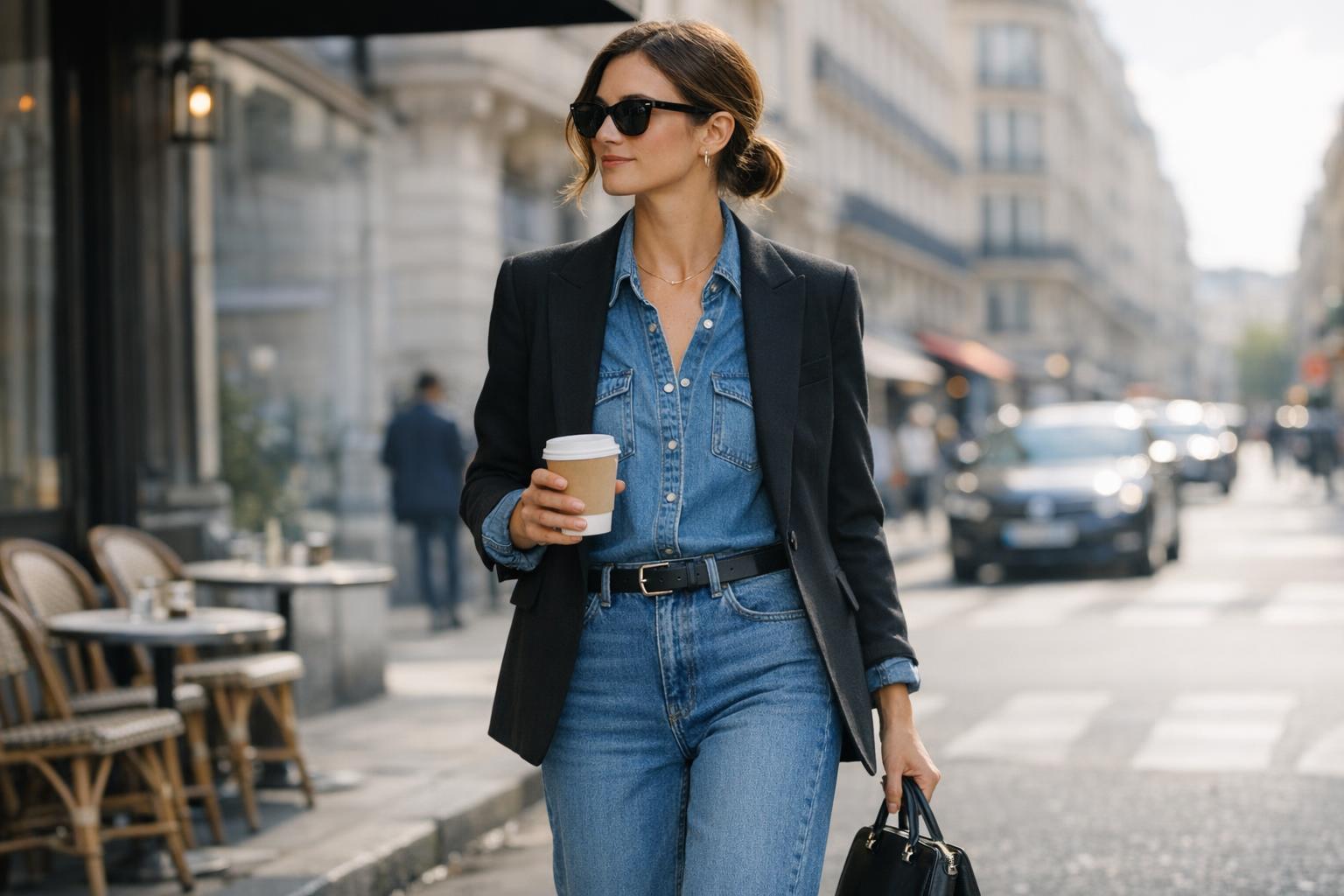
Denim outfit thinking, from airport mornings to late dinners
A denim outfit is rarely just “jeans and a top.” It is the quiet architecture of a day: the way a waistband sits when you’re rushing through an airport, the way a jacket sleeve creases at the elbow while you hold an iced coffee, the way a skirt moves when the evening turns warm and you decide to walk a few extra blocks instead of calling a ride. Denim is democratic, yes—but it is also specific. It reacts to heat, to humidity, to sitting, to movement. It can look remarkably polished or slightly careless depending on proportion, wash, and what you place beside it.
This is where a more editorial approach becomes practical. Rather than chasing a single “perfect” look, you build a small set of formulas that feel like you, hold up in real life, and still read as intentional. Whether you think in terms of all denim outfits for women or you prefer a simple rotation of jean outfits for women that work across weekday errands and weekend plans, the goal is the same: clean lines, thoughtful contrast, and styling decisions that feel composed rather than accidental.
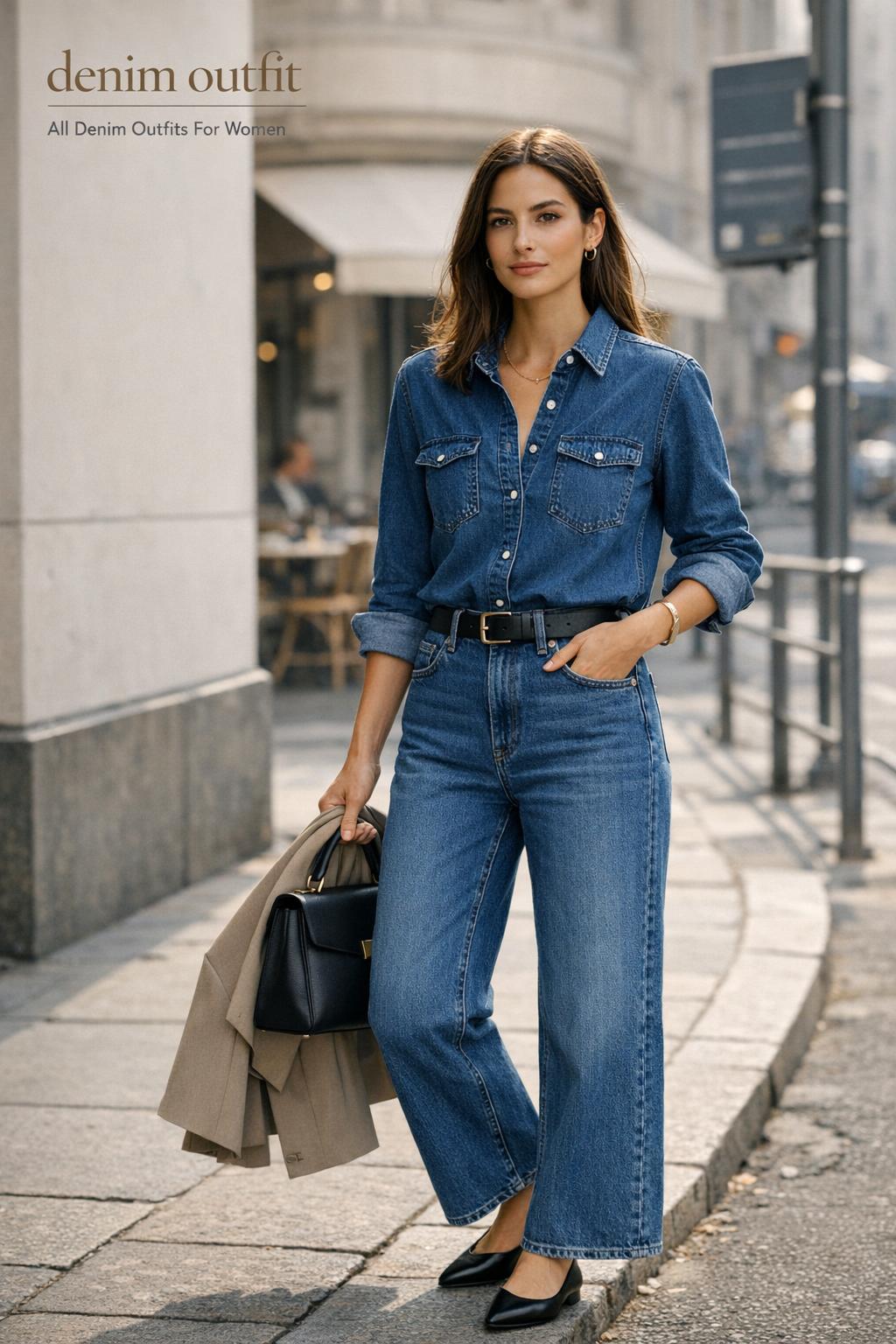
In the pages of European street style—Paris restraint, Milan confidence, Copenhagen ease—denim is treated like a foundational fabric, not a trend. The most compelling outfits don’t scream. They balance structure with softness, and they respect silhouette. If you want that look di moda energy without turning your closet into a costume department, start by understanding how denim behaves and how to direct it.
The modern denim silhouette: where proportion does the work
Denim’s power is also its challenge: it has visual weight. Compared with a fluid trouser or a knit dress, denim holds shape, creates edges, and signals “casual” even when you dress it up. This is why proportion matters more in denim than almost anywhere else in a wardrobe. A denim outfit looks elevated when the eye can read a clear silhouette—waist defined (or intentionally not), hem placement deliberate, volume balanced.
Your wedding has a lot of moving pieces. Your plan can still feel composed.
Zarellea organizes guests, vendors, budget, and timelines in one shared space — so you can make decisions with clarity, not stress.
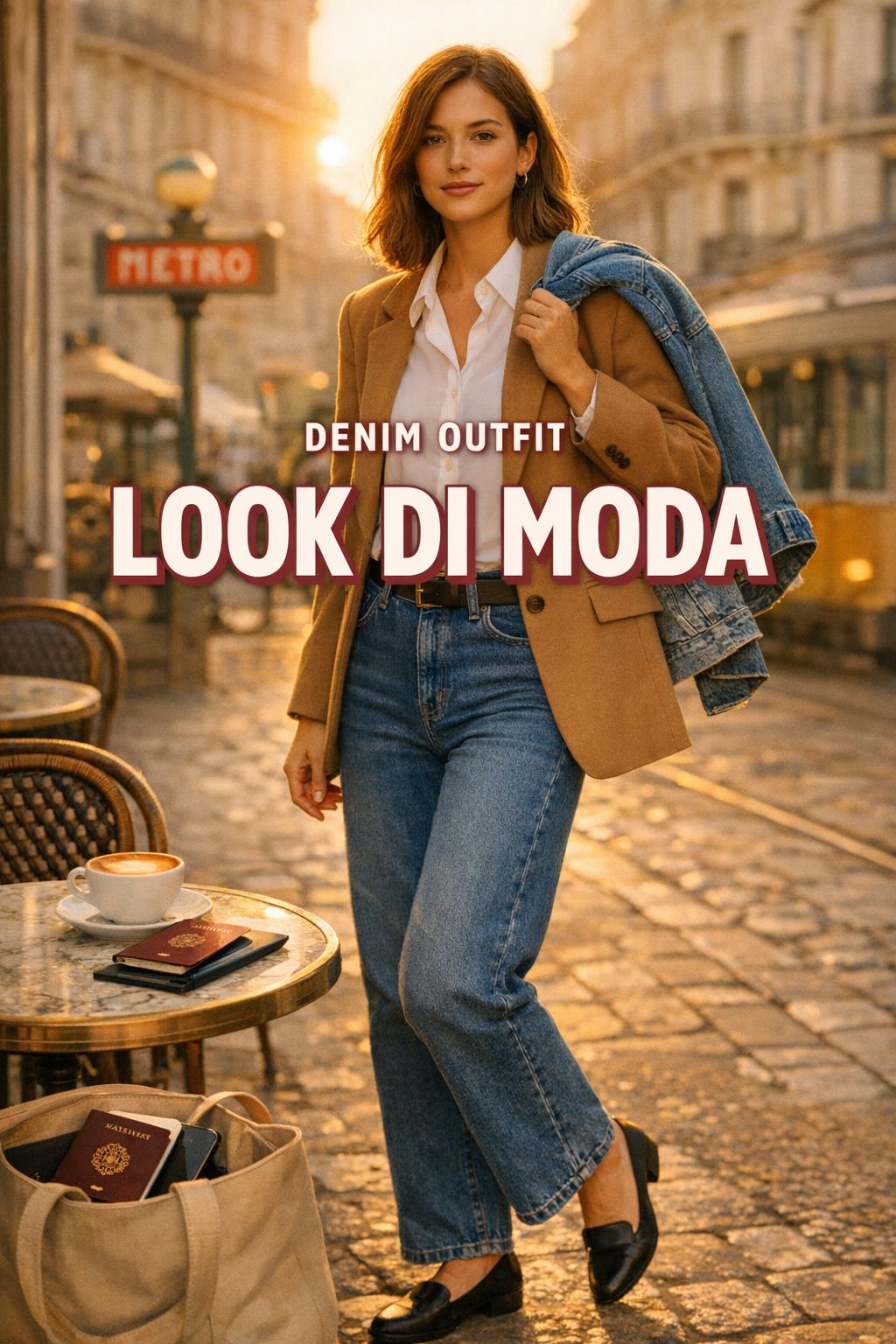
Anchor points to consider before you style
Before you add accessories or fuss with “outfit ideas,” decide on the anchor points: rise, leg shape, and top length. A higher rise will naturally elongate the leg and invites a shorter top or a tucked blouse. A straighter, longer leg wants either a sharper shoulder (blazer, structured shirt) or a cleaner shoe line. A wider leg needs calm on top—either fitted, cropped, or tailored—so the outfit doesn’t become a single, shapeless column.
- Waist placement: defines how “polished” denim reads, especially in warm weather when layers are minimal.
- Hem behavior: a hem that puddles can look relaxed, but it can also look heavy—especially with rigid denim.
- Top-to-bottom volume: pair volume with structure; pair structure with softness.
This is the logic behind the most wearable denim styles women return to: outfits that are built on proportion first, then styled with nuance. If your goal is summer fashion outfits that still look considered, proportion becomes your main styling tool—because you’re working with fewer layers and more daylight.
All denim outfits for women: the double-denim approach, refined
There is an elegance to denim on denim when it’s done with intention. The mistake is to think it requires boldness; in reality it requires editing. A double-denim look succeeds when there is a clear separation—through wash contrast, through texture, or through a small break at the waist. Without that, it can read flat, like a uniform you didn’t mean to wear.
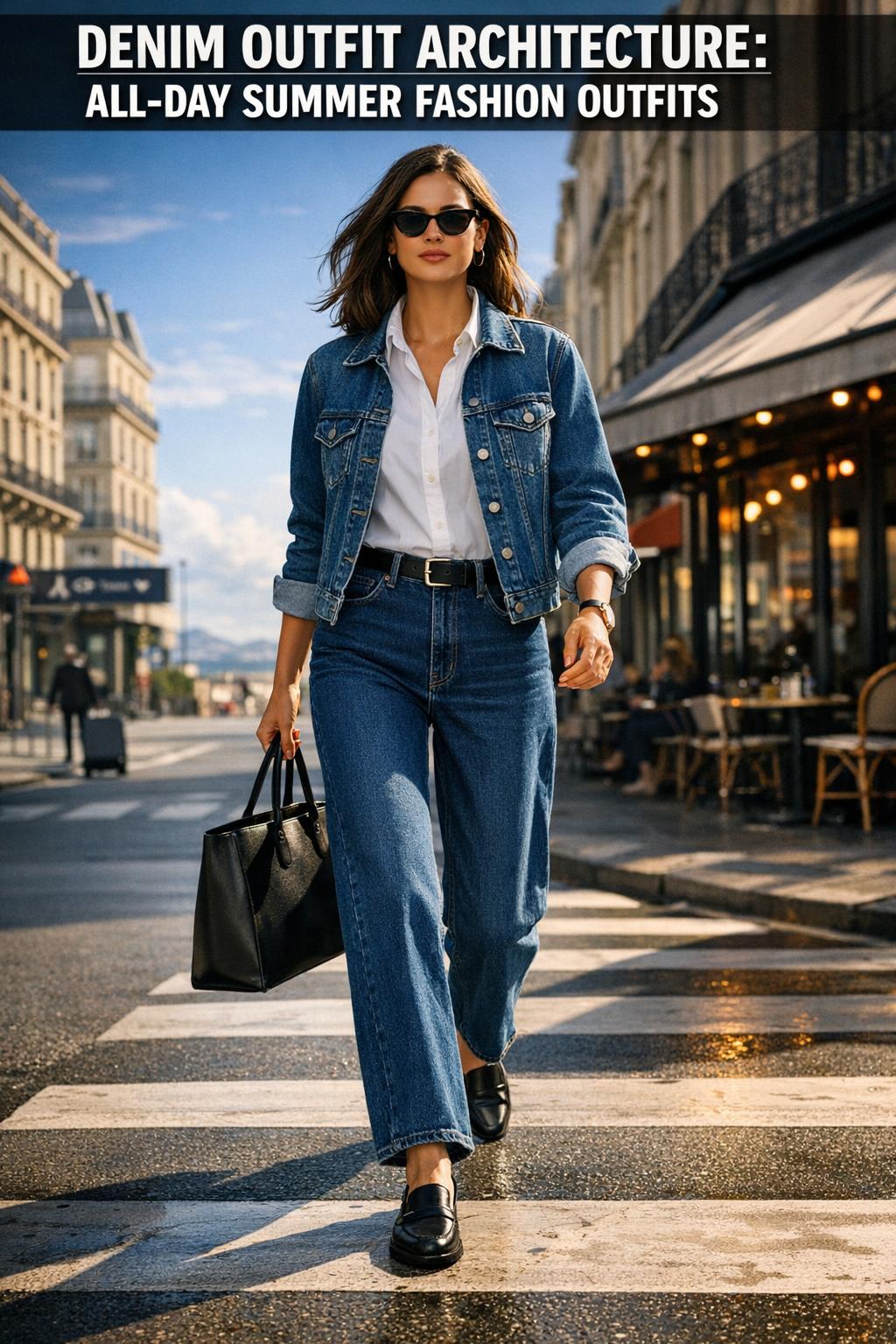
How to make double denim look di moda, not literal
Think of double denim like suiting: the pieces should relate, but not mirror each other. A slightly lighter shirt with a darker jean creates depth and instantly looks more deliberate. If you prefer matching washes, make the silhouettes different—one fitted, one relaxed—so the look still has tension and shape. A denim jacket worn open, with a clean line underneath, gives the eye a pathway and prevents the outfit from becoming visually heavy.
- Use wash contrast (light top, dark bottom) to create dimension.
- Break the look at the waist with a belt or a tucked top for definition.
- Vary texture: a softer denim shirt against a more rigid jean looks intentional.
- Keep the footwear line clean to avoid adding bulk at the hem.
In real life, this kind of denim outfit is a hero on travel days: it’s comfortable, it hides minor wrinkles better than many fabrics, and it gives you that composed, editorial ease that reads well from morning to dinner. The practical caution is warmth—double denim can be insulating—so in summer fashion outfits it works best with lighter layers, shorter sleeves, or a denim shirt worn open like a jacket.
Jean outfits for women that feel polished without feeling formal
Polish isn’t about being overdressed; it’s about clarity. A polished denim outfit is one where the lines are clean, the fit is intentional, and the styling avoids visual noise. You do not need excessive accessories or trend-heavy pieces—often, they dilute the effect. Instead, focus on one structured element and one relaxed element, then keep the palette controlled.
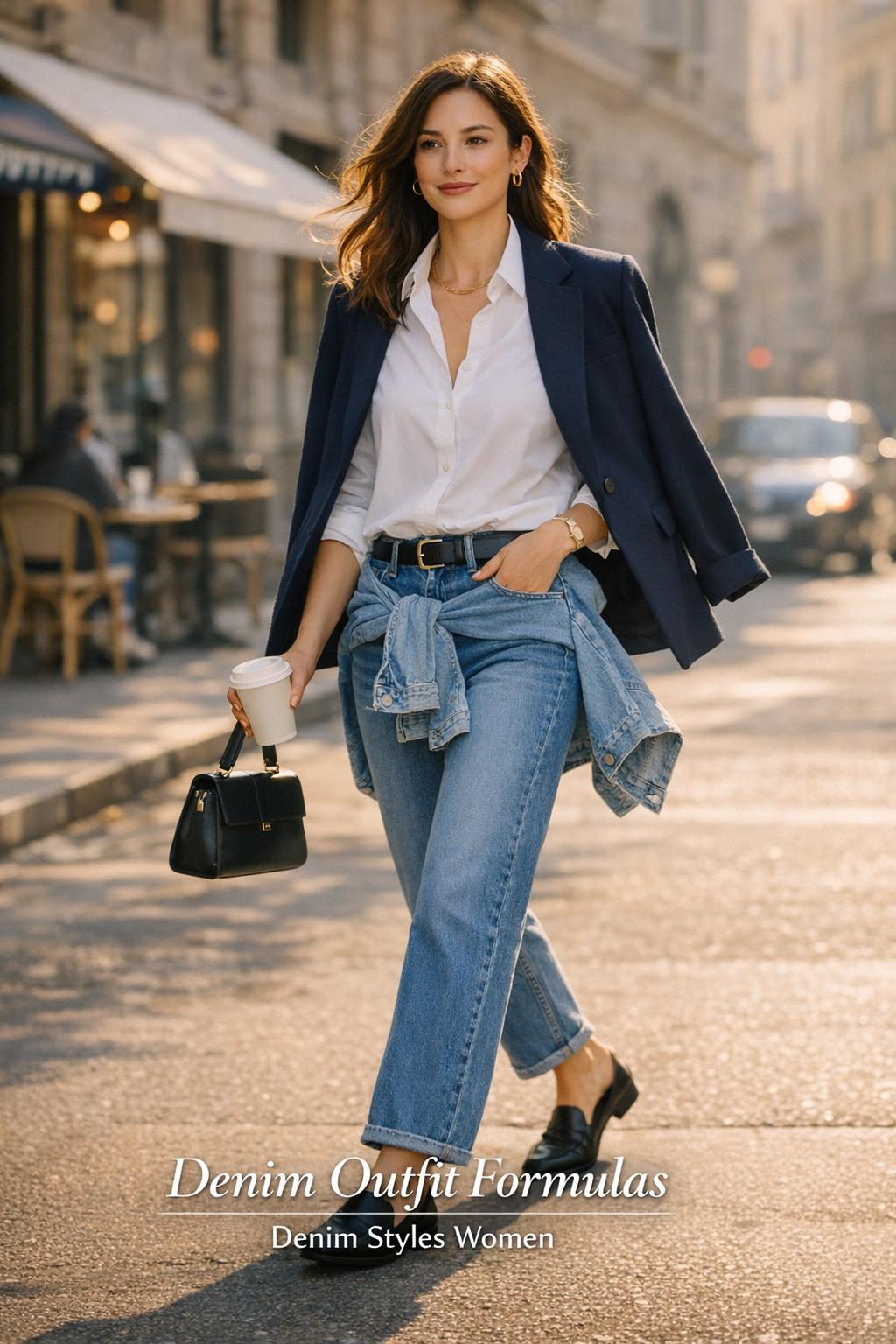
The tailored-top principle
Denim is relaxed by nature, so a tailored top brings instant balance. A structured blazer layered over denim creates a polished everyday look, especially when the shoulder line is crisp and the blazer length doesn’t fight the jean’s rise. If you prefer a softer approach, a button-down shirt with a clean collar achieves a similar refinement—particularly when it’s half-tucked to suggest shape without stiffness.
This principle is especially useful if you’re building denim styles women can rely on for work-adjacent settings: coffee meetings, studio days, casual offices. The denim remains the anchor, but the top gives the impression of intention.
Tips: make denim look sharper in seconds
If your denim outfit feels slightly “off” even when the pieces are good, it’s usually a finishing issue: hems, waist definition, or shoe volume. A small adjustment—like a more deliberate tuck or a cleaner shoe—often changes the entire impression without changing the outfit itself.
- Choose one focal point: a defined waist, a sharp shoulder, or a clean neckline.
- Keep the top layer either clearly cropped or clearly long—avoid “in-between” lengths that cut the body awkwardly.
- Reduce bulk at the ankle; a streamlined shoe line reads more refined.
Summer fashion outfits with denim: keeping it light, breathable, and still composed
Summer asks more of denim. Heat and humidity expose every weak point: a waistband that pinches, a rigid fabric that doesn’t move, a heavy wash that feels visually dense in bright light. Yet denim remains one of the most useful fabrics in warm weather because it pairs beautifully with lighter textures—cotton, linen, crisp poplin—and because it gives structure when the rest of the outfit is minimal.
Denim shorts, but with editorial balance
The most wearable denim-short outfit is not the tiniest one—it’s the best-proportioned one. A slightly longer inseam can look more modern and, importantly, more versatile. Balance the exposed leg with a top that has some architecture: a structured shirt, a sleeved knit, or a light layer that frames the torso. The goal is that “effortless” impression that still looks intentional, as if you dressed for the day you’re having, not just the temperature.
Denim skirts and the movement factor
A denim skirt in summer works best when you consider movement: walking, sitting, commuting, and long lunches that turn into late afternoons. A skirt that holds shape can be flattering, but it must allow stride. Pair it with a softer top to avoid an overly rigid look—think a relaxed blouse or a knit that drapes. The contrast of structured denim and a fluid upper layer creates the kind of modern silhouette that feels quietly European.
Tips: the “summer denim” comfort checklist
For summer fashion outfits, comfort is not separate from style; it’s part of the silhouette. If you’re constantly adjusting your waistband or your hem, the outfit loses its ease. Before committing to a warm-weather denim outfit, consider how it behaves after two hours of wear, not just in the mirror.
- Prioritize ease at the waist for long days; you should be able to sit comfortably without tugging.
- Choose lighter-feeling denim when possible; rigid, heavy fabric reads more “fall” even if the cut is summery.
- Plan for friction points (inner thigh, waistline) and keep styling simple so you can move.
Denim styles women can rotate: a wardrobe of silhouettes, not a pile of trends
There is a reason denim becomes a wardrobe default: it is endlessly adaptable. But versatility doesn’t come from owning more—it comes from owning shapes that play different roles. If your closet is full of similar jeans, styling starts to feel repetitive. A smarter approach is to curate a small “denim wardrobe” built on silhouette variety.
Three roles denim can play in an outfit
Think in roles rather than items. Sometimes denim is the relaxed base; sometimes it is the structured anchor; sometimes it is the statement texture. When you understand which role your denim is playing, styling becomes intuitive—and your outfits feel more intentional.
- Relaxed base: denim that disappears into the outfit, letting tailoring or accessories lead.
- Structured anchor: denim that provides shape when the rest of the outfit is soft and minimal.
- Statement texture: denim used as the primary visual element, often in double-denim or a denim dress/jumpsuit.
This is how all denim outfits for women become wearable rather than costume-like: you’re not forcing denim to do everything at once. You choose its job, then build the rest of the outfit around it.
Color, wash, and contrast: the quiet choices that decide everything
In denim, color is not only color—it’s mood, season, and polish. A darker wash often reads more refined and can move easily into evening. A lighter wash feels more casual and daytime, especially in bright summer light. Mid-wash sits in the middle and can do either, but it needs clearer styling to avoid feeling generic.
Why contrast is your best styling tool
Contrast creates intention. Pairing denim with a crisp, light top makes the outfit feel fresh. Pairing denim with deeper tones can feel sleek and city-ready. Even within a single color palette, contrast can come from texture: a smooth shirt against denim’s grain, a structured jacket against a relaxed leg.
If you’re aiming for look di moda rather than “just dressed,” pay attention to the transitions: waistband to top, sleeve to wrist, hem to shoe. Denim is honest. It will show when those transitions are unresolved.
Context styling: denim for city days, coastal weekends, and everything between
One of the most European ways to dress is to respect context. A denim outfit for a city day reads differently than one for a coastal weekend—not because the pieces must be entirely different, but because the styling priorities change. City dressing benefits from cleaner lines and sharper contrast. Coastal dressing benefits from softness, ease, and a slightly more relaxed proportion.
City denim: clean lines and a composed palette
For a city silhouette, keep the look streamlined. Let denim sit alongside structured elements: a tailored jacket, a crisp shirt, or a top with a defined neckline. Keep the outfit’s color story tight so it reads deliberate—especially in the bright, hard lighting of a city afternoon. The goal is polish with practicality: an outfit that can handle walking, transit, and a change of plans.
Coastal denim: relaxed textures and breathable balance
Near the coast, denim pairs naturally with lighter textures. The styling becomes more about comfort and movement: a relaxed top, an open layer, a softer silhouette. This is where summer fashion outfits with denim shine—easy, sun-friendly, and still composed enough for a late lunch that turns into an early dinner.
In either context, the same editorial rule applies: pick one dominant mood. If everything is relaxed, the outfit can slump. If everything is sharp, the outfit can feel stiff. The best jean outfits for women usually sit somewhere in the middle.
The most common denim outfit mistakes (and how to fix them quietly)
Denim is forgiving in some ways, but it is also revealing. It outlines where a fit is wrong, where a proportion is unresolved, where an outfit lacks a clear point of view. The good news: most issues are solved by small, intelligent edits rather than a full reset.
Heavy-on-heavy: when the outfit feels dense
Two heavy pieces—rigid jeans and a bulky top—can make the entire look feel weighed down, especially in warmer months. The fix is to introduce lightness: a more breathable top, a cleaner neckline, or a layer worn open to create vertical lines. In all denim outfits for women, this is the difference between “styled” and “stuck.”
Undefined transitions: the waistline problem
When a top ends exactly at the widest part of the hip, denim can suddenly look awkward, even if the jeans themselves are excellent. The solution is simple: tuck, crop, or lengthen. A half-tuck can be enough to suggest waist. A cleaner hemline on the top can restore proportion. These are subtle edits, but they are the essence of look di moda dressing: small decisions that change the whole read.
Overstyling: too many competing ideas
Denim already has texture and presence. If you add multiple statement elements at once, the outfit can become noisy. A more editorial approach is restraint: one focal point, and everything else supporting. This is how denim styles women rely on remain timeless rather than trend-bound.
Tips from real-life wear: making denim work for long days
A denim outfit might look perfect at 9 a.m. and feel less charming by 3 p.m. after sitting, walking, and living. The difference between a good denim day and a frustrating one is usually practical: stretch and recovery, waistband comfort, and how the fabric feels against skin when temperatures rise.
Tips: build in comfort without sacrificing silhouette
Comfort doesn’t have to mean slouchy. You can keep clean lines and still dress for reality. The key is to consider how denim moves with you and to style around that movement rather than against it.
- If you’ll be sitting for long stretches (travel, desk days), prioritize a waistband that doesn’t bite; a slightly higher rise can feel more secure.
- If you’ll be walking a lot, ensure the hem and shoe combination doesn’t snag or drag—movement should look fluid.
- In summer, keep the top breathable and the layers minimal; let denim provide the structure while other fabrics provide comfort.
This is also where a simple, intelligent rotation becomes invaluable. Instead of forcing one pair of jeans into every plan, treat denim like you would shoes: different days require different performance. That mindset makes jean outfits for women feel consistently good, not just occasionally photogenic.
Making denim feel personal: subtle signatures that elevate
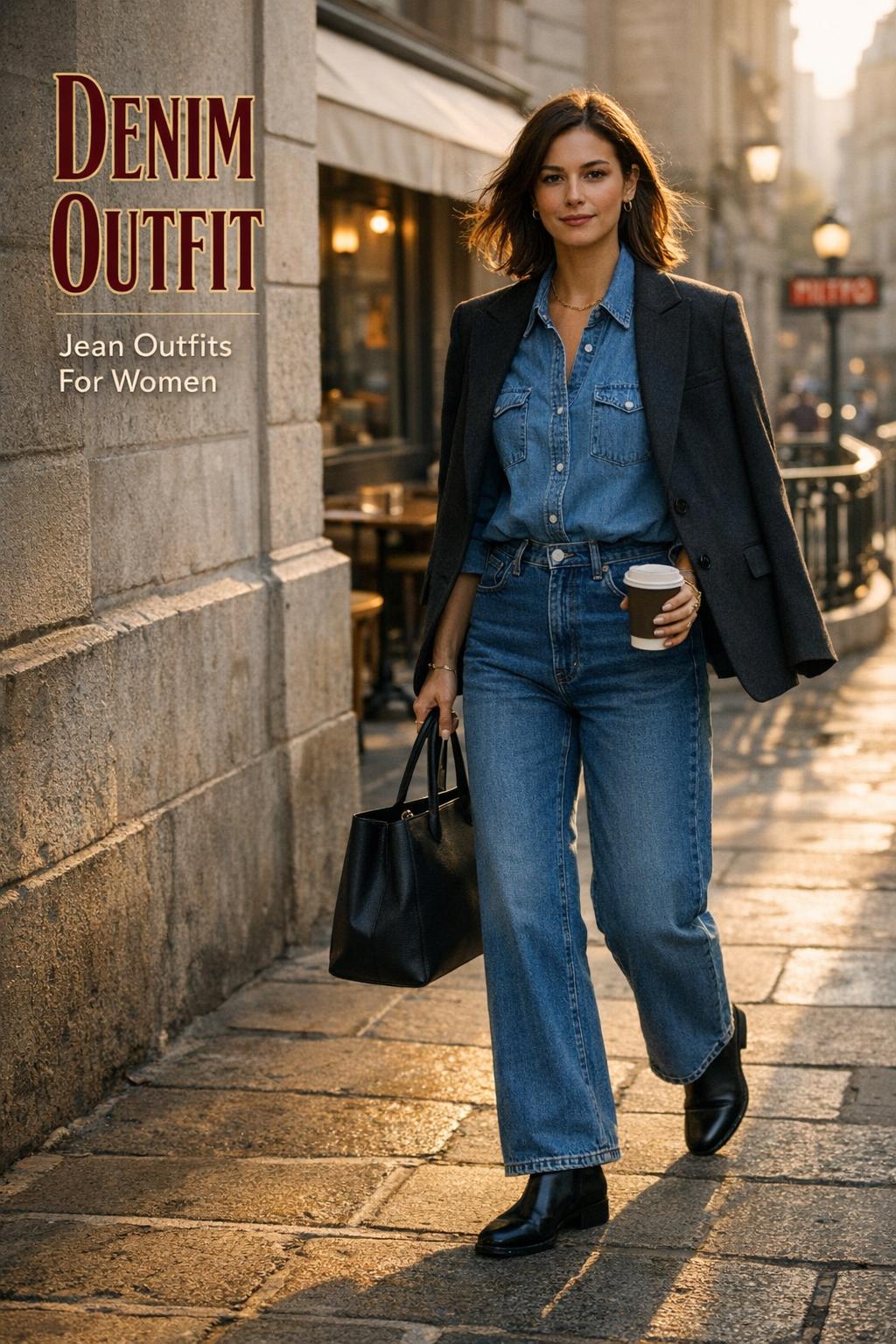
The most memorable denim outfit is not the loudest—it’s the one that feels specific to the wearer. In Paris, that specificity might read as restraint: a simple, well-cut jean with a quiet top and impeccable fit. In Milan, the same denim might be styled with more emphasis on silhouette and confidence—sharper lines, clearer contrast. In Copenhagen, you might see ease and utility balanced with polish. These are aesthetics, not rules, and they can coexist in a single wardrobe.
Choose one signature and repeat it
A signature could be as subtle as a consistent tuck, a preference for structured outerwear, or a habit of keeping your palette tight. Repetition is not boring; it’s identity. It’s also what makes all denim outfits for women feel coherent from season to season—because the “you” is the through-line, not the trend cycle.
If you want that look di moda sensibility, treat denim as a canvas. Build outfits that have a clear silhouette and a quiet confidence, then let the details stay understated. Denim rewards that approach: it looks better when it’s not trying too hard.
FAQ
What makes a denim outfit look polished instead of casual?
A denim outfit reads polished when it has a clear silhouette and intentional proportions—typically a defined waist or a structured top layer, clean transitions at the hem and neckline, and a controlled overall palette so the look feels composed rather than thrown together.
How do I wear double denim without it looking like a uniform?
Make double denim feel refined by creating separation—use different washes, vary the silhouettes (one fitted piece with one relaxed piece), or break the look at the waist with a tuck or belt so the outfit has depth and shape.
Which denim styles women tend to find most versatile?
The most versatile denim styles are the ones that can play different roles: a pair that works as a relaxed base for sharper tops, a more structured option that anchors softer styling, and a statement denim piece for when you want the fabric to lead the look.
How can I make jean outfits for women work in summer without feeling heavy?
In summer, keep denim as the structural element and let everything else feel lighter: breathable tops, minimal layering, and clean shoe-and-hem combinations that don’t add bulk, so the outfit stays airy while still looking intentional.
Why does my denim outfit look “off” even when the pieces are good?
Most often it’s a proportion issue rather than a quality issue—an awkward top length at the hip, an undefined waist transition, or too much volume at the ankle; small adjustments like a deliberate tuck, a clearer top length, or a cleaner footwear line usually fix it quickly.
How do I make a denim outfit feel look di moda without overstyling?
Choose one focal point—such as a sharp shoulder, a defined waist, or a statement denim texture—then keep the rest restrained; denim already brings visual texture, so editing and clarity create that modern, fashion-editor effect.
What’s the easiest way to adapt one denim outfit from day to night?
Keep the denim base consistent and shift the structure: a sharper top layer, a cleaner neckline, and a more streamlined finish at the hem and shoe line will make the same denim feel more evening-appropriate without needing an entirely new outfit.
How should I think about all denim outfits for women so they don’t feel repetitive?
Focus on rotating silhouettes and roles rather than collecting similar pieces—build outfits where denim is sometimes the quiet base, sometimes the structured anchor, and sometimes the statement, and repetition will feel like a signature rather than sameness.
Leave a Reply