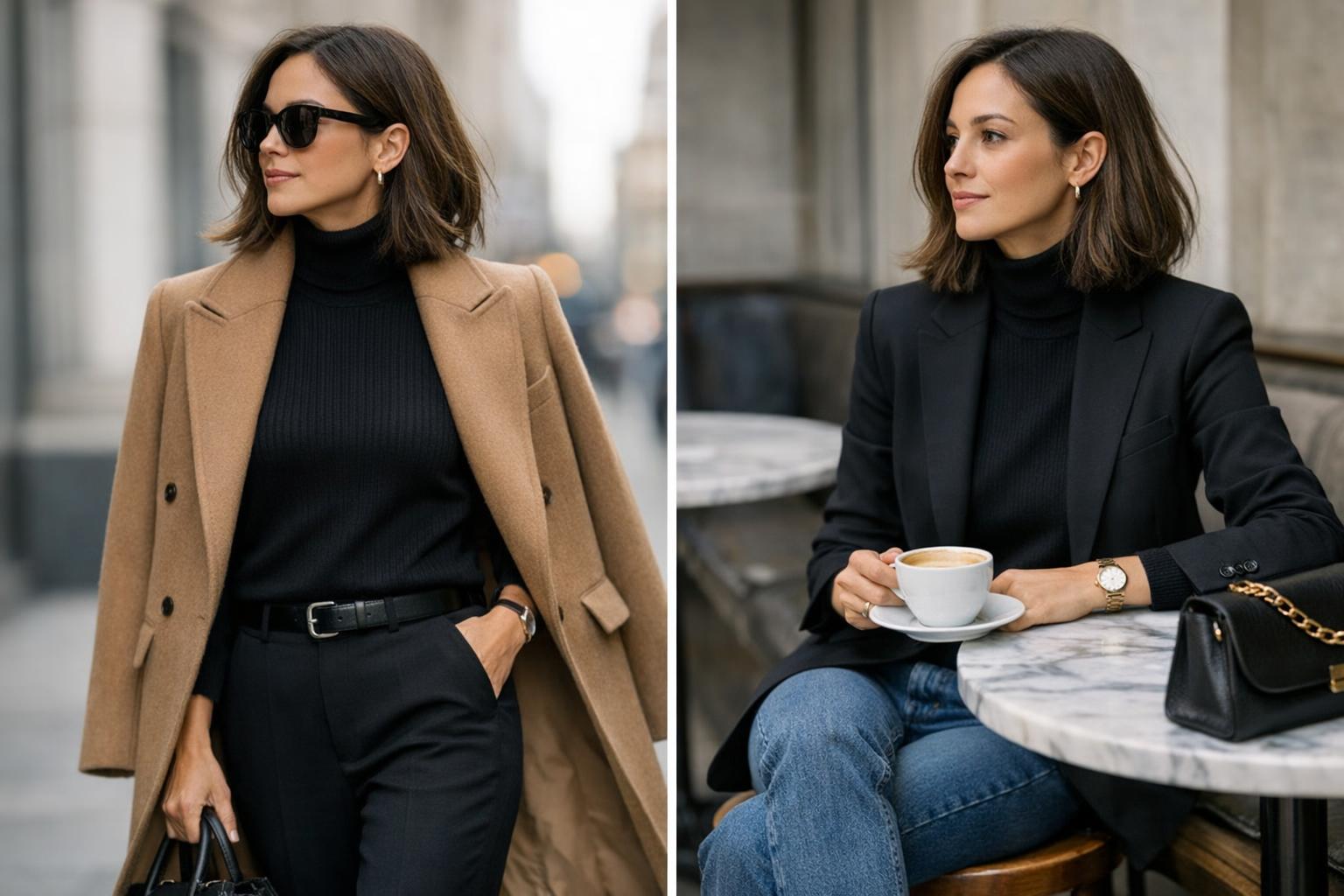
There’s a particular moment in the American wardrobe calendar—somewhere between the first crisp morning and the last warm afternoon—when the black turtleneck outfit becomes the quiet answer to almost everything. It reads as intentional without being loud, polished without looking “done,” and it moves easily from errands to dinner to a meeting that suddenly appears on your calendar. Yet that simplicity is precisely why styling conversations around the black turtleneck tend to split into two camps that look similar at first glance: minimalist chic and elevated casual.
These aesthetics are often discussed together because they share a neutral palette, clean lines, and a respect for wardrobe staples. Both rely on layering, outerwear, and accessories to do the work. But their styling logic is different. Minimalist chic prioritizes restraint, sharp proportion, and a kind of monochrome calm; elevated casual leans into texture, relaxed silhouettes, and an ease that still feels refined.
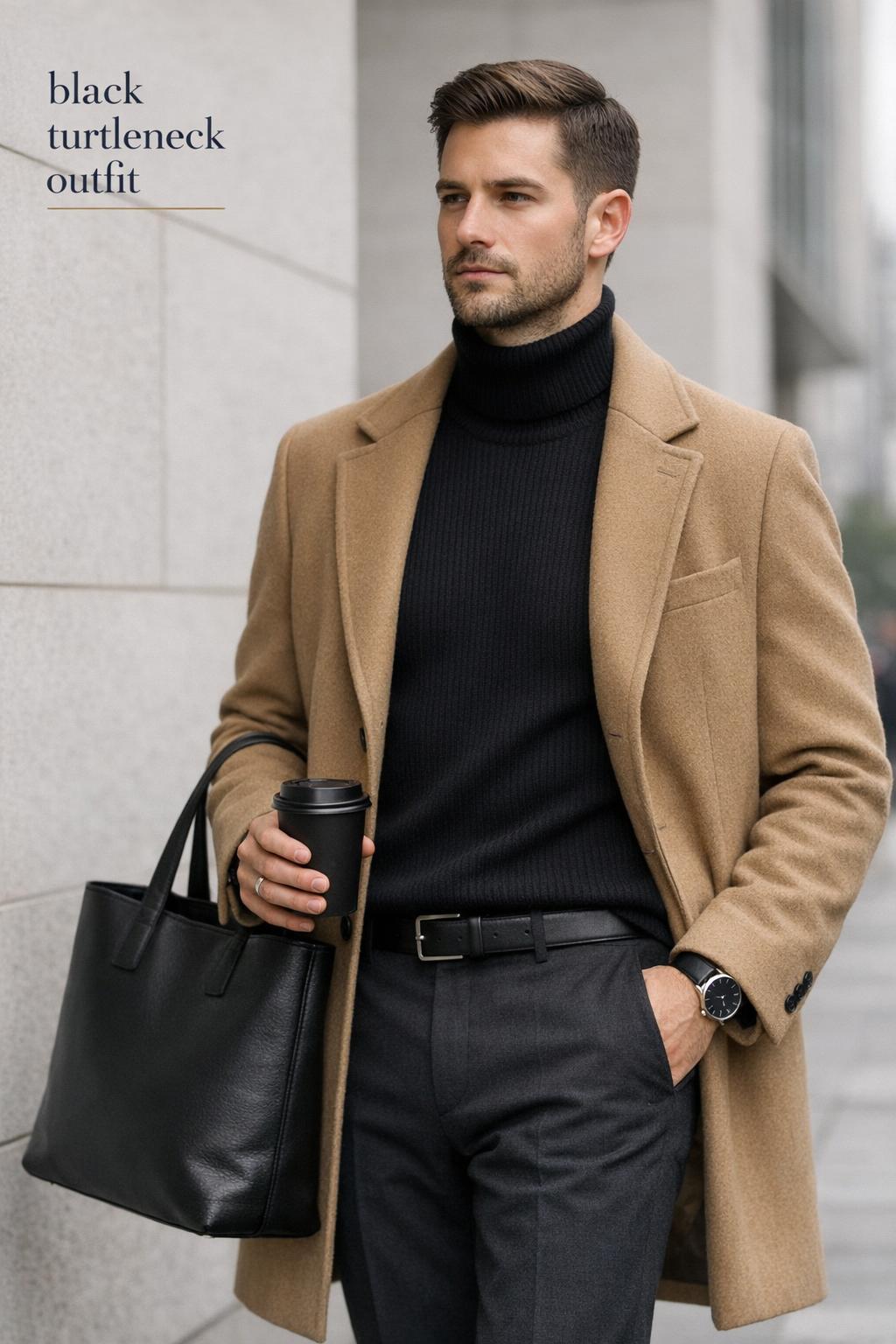
Below, you’ll see how to style a black turtleneck through this comparison lens—women’s and men’s outfits included—so you can recognize each approach, understand how it’s built, and choose the version that fits your day, your climate, and your personal sense of modern polish.
Style overview: minimalist chic built around a black turtleneck
Minimalist chic treats the black turtleneck as a foundation piece in a capsule wardrobe: streamlined, repeatable, and quietly architectural. The defining characteristic is clarity—clean lines, controlled layering, and a deliberate edit of accessories. The silhouette is typically tailored or gently sculpted: a close-to-the-body knit balanced by a blazer, an overcoat, or a sleek trench coat, often paired with trousers or a straight skirt.
Your wedding has a lot of moving pieces. Your plan can still feel composed.
Zarellea organizes guests, vendors, budget, and timelines in one shared space — so you can make decisions with clarity, not stress.
The color palette sits firmly in neutrals and monochrome styling. Black is allowed to be black—sometimes head-to-toe—while camel, ivory, and gray appear as soft contrast rather than decoration. Fabrics matter because this style asks the garment to hold its shape: fine knits, ribbed knits, merino wool, cashmere, and smooth cotton rib tend to look most intentional. The mood is modern, composed, and timeless, with accessories acting as punctuation rather than a headline.
Where minimalist chic shines
This approach excels in office-ready and evening contexts where you want to look sharp without chasing trends. It also works beautifully for travel days when you need a look that photographs well, layers easily, and still feels like “you” after hours in motion.
Style overview: elevated casual with a black turtleneck
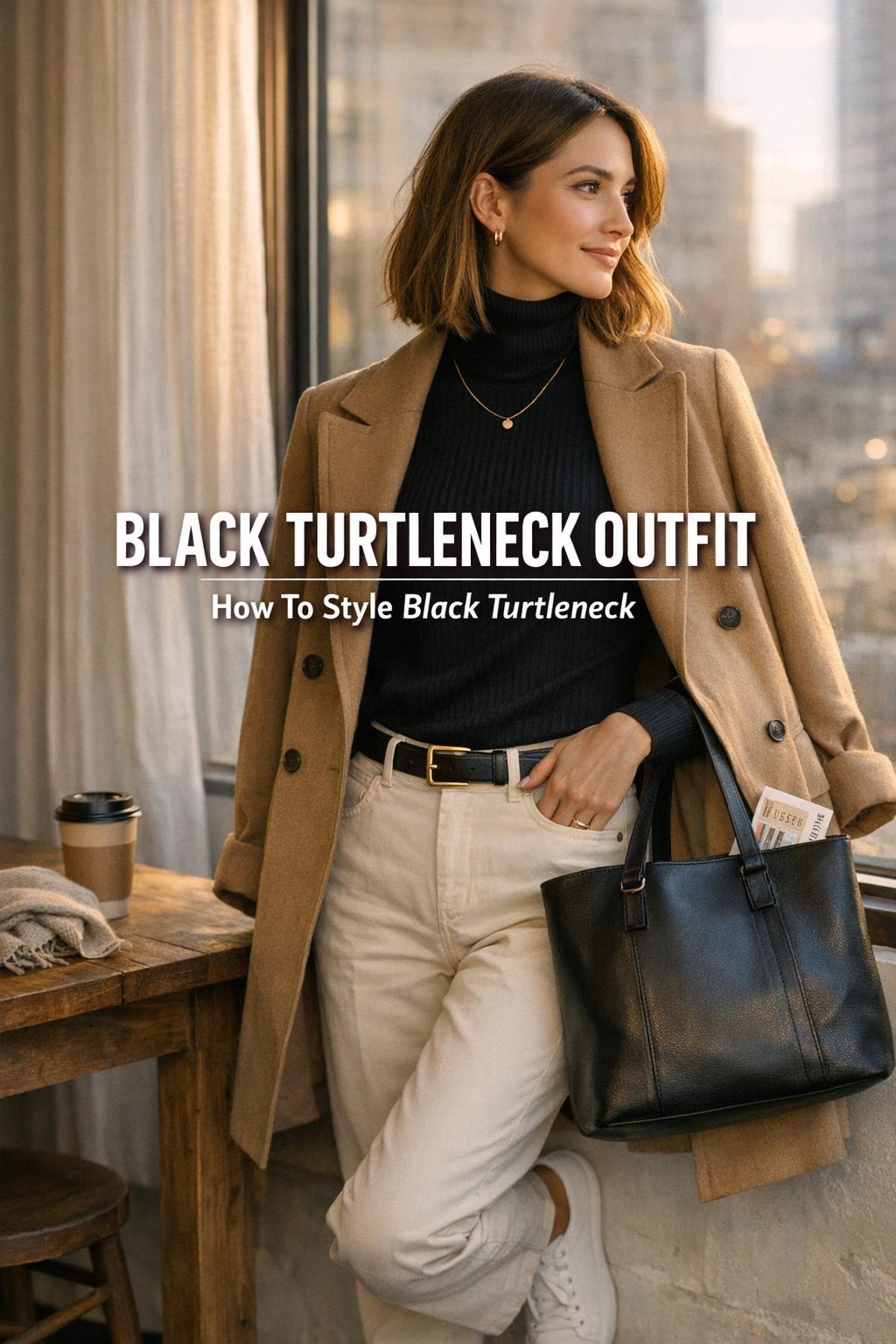
Elevated casual uses the black turtleneck as a stabilizer for more relaxed proportions and richer texture. The defining trait is ease—denim, wider-leg pants, and softer outerwear silhouettes—made polished through thoughtful layering and restrained color pairing. The overall silhouette tends to mix fitted and relaxed: a black knit turtleneck with denim, a looser coat, and boots or sneakers, finished with a bag that feels considered.
While neutrals still dominate, elevated casual is more willing to play with contrast: black with denim, black with camel, black with gray, and black with ivory. Texture becomes a key styling tool—wool coats, leather (or leather-like texture), suede-like finishes, and denim provide depth that keeps the outfit from feeling flat. The mood is city-practical, weekend chic, and slightly softer around the edges than minimalist chic.
Where elevated casual shines
This style is ideal for everyday casual situations—coffee runs, casual dinners, museum afternoons—where comfort matters but you still want a look that feels intentional. It’s also forgiving in transitional weather, because you can adjust outerwear and accessories without disrupting the outfit’s balance.
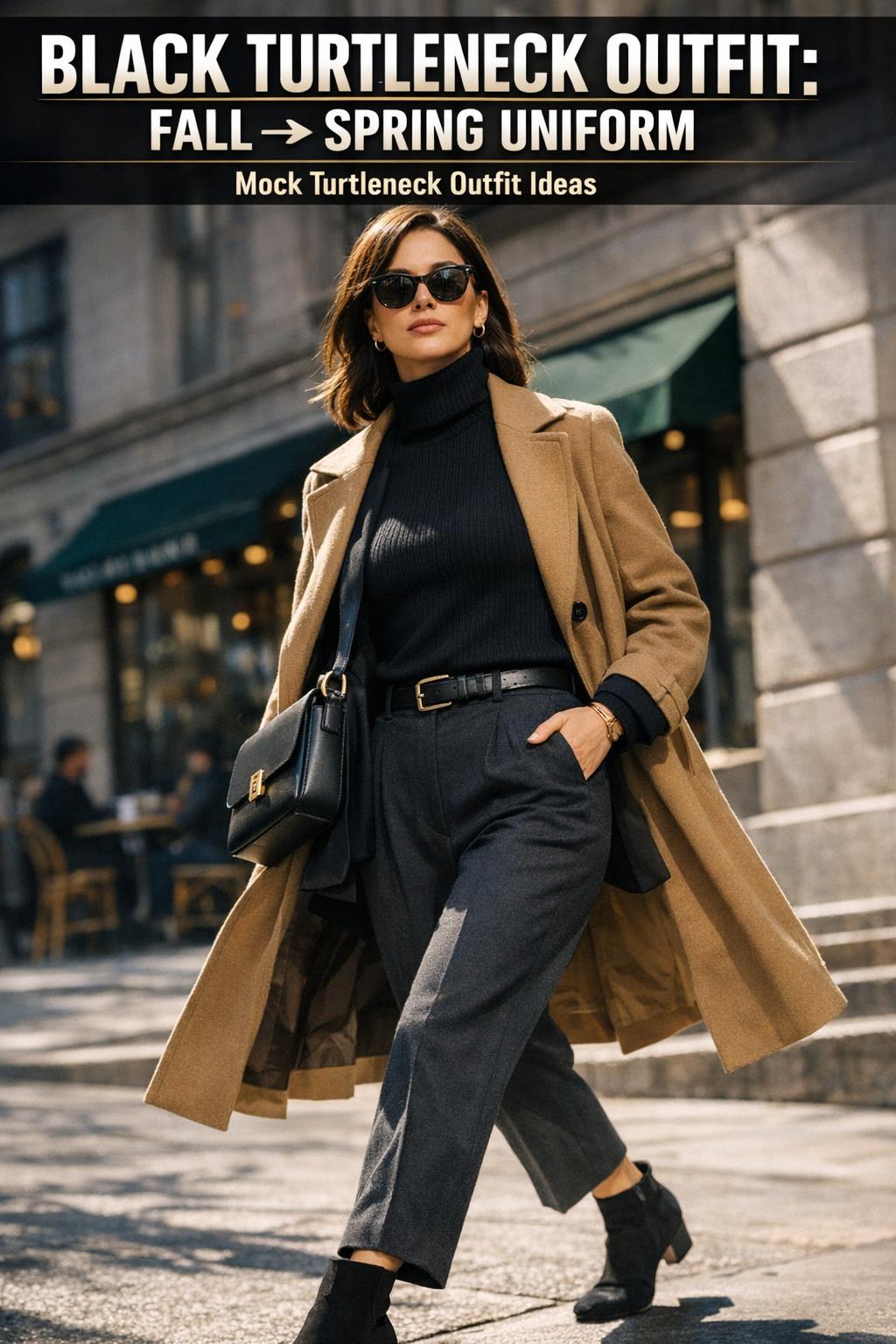
The shared foundation: why the black turtleneck works in both aesthetics
Both styles depend on the same core entities: black turtleneck, layering, outerwear, accessories, and a neutral palette that supports minimalism. The black turtleneck functions like visual “ink”—it defines the neckline, sharpens the face, and creates a clean vertical line through the torso. That line is what makes it so easy to build outfits around, whether you’re going monochrome or pairing it with camel, ivory, or denim.
In practice, the black turtleneck’s versatility comes down to three controllable variables: the knit’s texture (fine vs ribbed), the fit (close vs relaxed), and the layering architecture (blazer vs trench vs overcoat). Once those are decided, the rest is refinement: footwear, bag, and a belt or jewelry to calibrate formality.
Key differences: minimalist chic vs elevated casual (black turtleneck edition)
Silhouette and structure
Minimalist chic typically emphasizes structure: tailored pants, a blazer with clean shoulders, or an overcoat that holds a sleek line. Elevated casual is more relaxed: denim, wider-leg pants, and outerwear that feels less strict in shape. Both can be polished, but minimalist chic looks “designed,” while elevated casual looks “effortless.”
Color palette and contrast
Minimalist chic often stays close to monochrome styling—black layered with black, or black anchored with one neutral like camel or ivory. Elevated casual uses contrast more freely, especially black with denim, and leans on texture to create visual interest even when the colors are restrained.
Level of formality
A black turtleneck outfit can read formal quickly when paired with tailored trousers, sleek boots, and a blazer—this is minimalist chic’s natural habitat. Elevated casual can be office-appropriate too, but it usually lands in business casual territory, relying on clean denim, a refined coat, and minimal accessories rather than strict tailoring.
Styling philosophy: edit vs ease
Minimalist chic is an edit: fewer pieces, sharper choices, and a consistent silhouette that repeats well across a capsule wardrobe. Elevated casual is ease: the outfit flexes with your day, prioritizing movement and comfort, then elevating through cohesive color and intentional accessories.
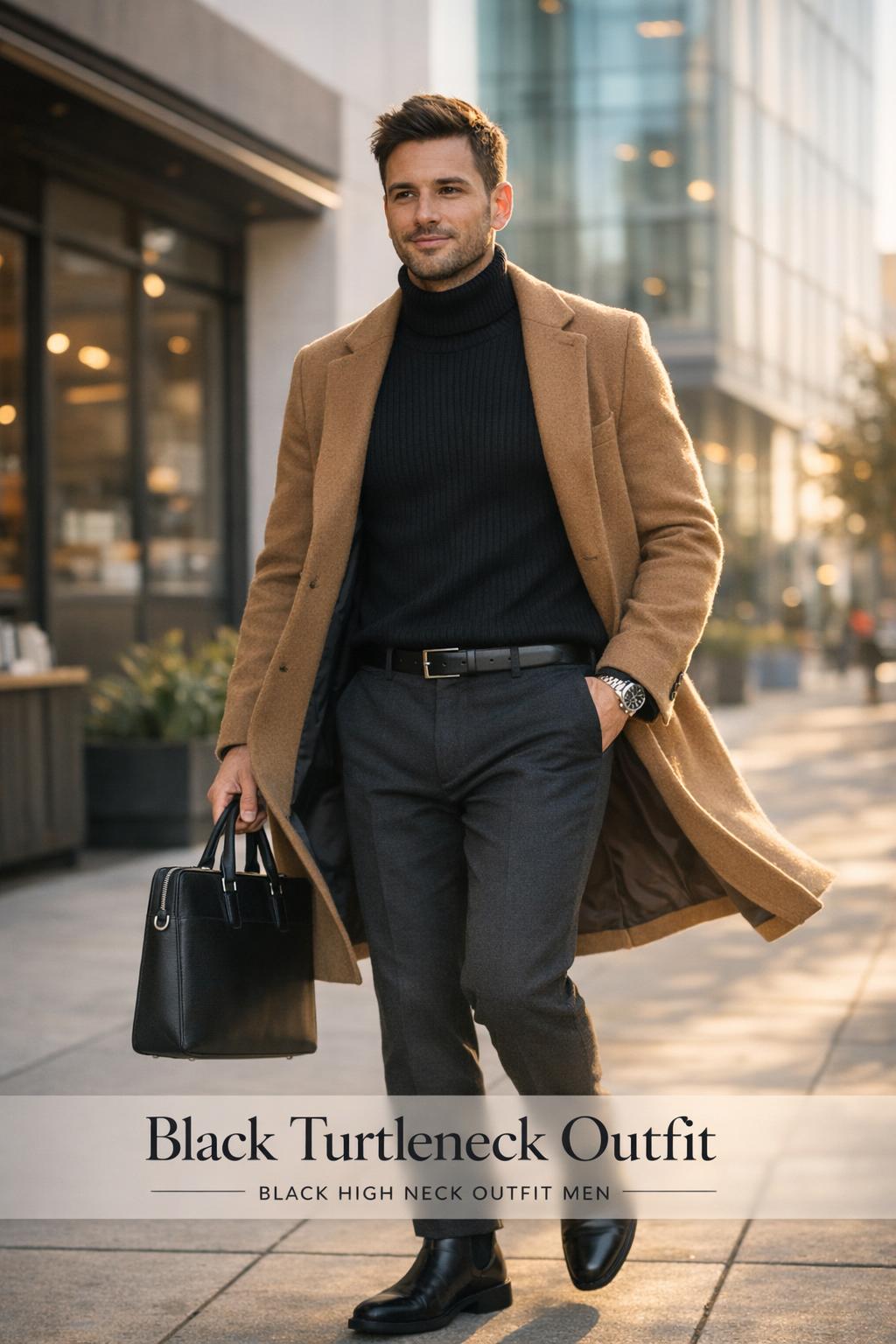
Visual style breakdown: how they look different in real outfits
Layering approach: blazer and overcoat vs trench and softer coats
Minimalist chic tends to build a strong center line: a close-fitting black turtleneck under a blazer, finished with an overcoat when temperatures drop. The layers are chosen for shape as much as warmth. Elevated casual often works with a trench coat or a more relaxed coat silhouette, allowing the outfit to feel lighter even when layered.
Proportions: deliberate balance vs relaxed balance
With minimalist chic, proportions are controlled: a slim turtleneck meets tailored trousers, or a clean skirt line, and the outerwear reinforces that structure. With elevated casual, proportions are softened: the same turtleneck can anchor wide-leg pants, or denim with a slightly roomier jacket, keeping the outfit comfortable but still coherent.
Accessories: punctuation vs personality
In minimalist chic, accessories are sparing—often a single bag and restrained jewelry—so the monochrome styling and line of the outfit can speak. In elevated casual, accessories do more mood-setting: a belt to define the waist, a more noticeable bag, or footwear that nudges the look toward weekend chic.
Footwear choices: sleek boots and polish vs sneakers and grounded boots
Minimalist chic often favors boots that extend the clean line—especially black ankle boots or heeled boots—while elevated casual can introduce sneakers or chunkier, more grounded boots. The black turtleneck keeps either choice from feeling accidental, but the footwear will largely decide whether the outfit reads refined or relaxed.
Fabric and texture: the quiet detail that separates “fine” from “finished”
Because the black turtleneck sits close to the face and functions as the outfit’s anchor, fabric choice is not a minor detail—it’s the difference between a look that feels timeless and one that feels merely practical. Fine knit turtlenecks read sleek under blazers and coats, while ribbed knit adds dimension and can feel slightly more casual even when the silhouette is similar.
Merino wool and cashmere are often associated with investment basics because they tend to look refined in minimalist compositions, especially when worn under structured outerwear. Cotton rib can be an excellent option when you want a sharper, less fluffy line—useful for layering and for those who prefer a cleaner finish. Blends matter too, particularly when you want a turtleneck that keeps its shape through repeated wears in a capsule wardrobe rhythm.
Tip: match texture to the “supporting cast”
If your outfit leans monochrome styling, you’ll need texture to create depth: consider leather or suede-like textures in boots or a bag, or a wool coat over a fine knit. If your outfit leans on contrast (black with camel, ivory, or denim), keep the turtleneck smoother so the overall composition doesn’t become visually busy.
Color pairings that do the heavy lifting (without breaking the minimalist spell)
The most reliable black turtleneck pairings in modern wardrobes are not complicated; they’re disciplined. Black with camel reads instantly polished because camel functions like a soft light source against black’s depth. Black with ivory or white is crisp and graphic, especially when the silhouette is clean. Black with gray is understated and works well for office-ready layering, while black with denim brings a casual, American ease that still feels elevated when the lines are tidy.
- Black + camel: refined, warm contrast; ideal with a camel coat and black boots.
- Black + ivory/white: sharp, graphic minimalism; works well with tailored pants or a sleek skirt.
- Black + gray: quiet and modern; especially effective for business casual.
- Black + denim: elevated casual shorthand; best when the denim is clean and the accessories are intentional.
Tip: use one “bridge” accessory to unify the palette
When you mix black with lighter neutrals, a single bridge element—like a black belt with camel trousers, or a bag that echoes the outerwear tone—can make the outfit feel composed rather than pieced together. This is especially useful in transitional seasons when layers come on and off throughout the day.
How to style a black turtleneck for different occasions (through both style lenses)
Occasions are where minimalist chic and elevated casual separate most clearly. Below are comparisons built around the same scenario, showing how each aesthetic uses the black turtleneck, outerwear, and accessories differently—without turning the outfit into a costume.
Example comparison: everyday casual errand run
Minimalist chic: a fitted black turtleneck with clean, tailored trousers and a streamlined coat creates a sharp silhouette even in daylight practicality. Footwear stays sleek—boots that keep the line uninterrupted—and accessories remain minimal, letting the monochrome styling do the work. Elevated casual: the same black turtleneck anchors denim and a relaxed outerwear layer; sneakers or practical boots make sense for walking, while a bag or belt adds just enough structure to prevent the look from feeling purely sporty.
Example comparison: office-ready / business casual day
Minimalist chic: think blazer over black turtleneck, paired with tailored pants, and finished with understated accessories. The goal is clean proportion and a composed neckline that replaces the need for extra detail. Elevated casual: the turtleneck still acts as a refined base, but the silhouette relaxes slightly—perhaps a less rigid coat and a softer color pairing like black with gray or camel. The outfit stays appropriate by keeping the denim out of the equation (or choosing very polished denim, depending on your workplace culture) and focusing on tidy footwear.
Example comparison: evening / dressier look
Minimalist chic: the black turtleneck becomes almost jewelry in itself—sleek, uninterrupted, and elegant—paired with a refined skirt silhouette and heeled boots. Outerwear is structured, often an overcoat that frames the outfit. Elevated casual: the turtleneck can still go dressy, but the effect is softer: texture becomes the glamour, with a coat that feels tactile and accessories that add personality while staying within a neutral palette.
Example comparison: weekend chic in the city
Minimalist chic: a monochrome base (black turtleneck plus black trousers) under a crisp trench coat reads modern and quietly directional. Elevated casual: the weekend version often starts with black turtleneck plus wide-leg pants or denim, then relies on layering and accessories to look intentional—think a belt to shape the waist and boots that feel practical yet polished.
Men’s style breakdown: black turtleneck outfit men vs black high neck outfit men
Men’s styling is often left out of black turtleneck conversations, even though the same principles apply: silhouette, fabric, layering, and restraint. A black turtleneck outfit men typically reads most refined when the knit is fine and the fit is clean through the neck and shoulders, allowing outerwear—blazer, trench, or overcoat—to sit smoothly. This is where minimalist chic feels especially natural: sharp lines, tailored pants, and understated footwear.
A black high neck outfit men can also include a mock turtleneck outfit—a high-neck silhouette that offers a similar visual frame without the full fold of a traditional turtleneck. In practice, mock turtlenecks can feel slightly sportier or more streamlined under layers, making them a strong choice for elevated casual, particularly when pairing with denim and a relaxed coat.
Turtle neck outfits men: two styling paths that look similar, but wear differently
Minimalist chic: black turtleneck + tailored pants + blazer or overcoat, with accessories kept minimal. The visual impact comes from monochrome styling and structure. Elevated casual: black turtleneck or mock turtleneck + denim + trench coat or a softer coat silhouette, with practical boots or sneakers. The polish comes from cohesion—clean denim, tight color control, and thoughtful layering.
Tip: for men, the neckline is the non-negotiable detail
If the neck feels too tight or collapses, the entire look loses its intended refinement. A mock turtleneck outfit can be a smart alternative when you want the high-neck effect with less bulk under a blazer or coat, especially during travel or long workdays.
Layering architecture: building the outfit from the outside in
The black turtleneck is often described as “versatile,” but the real skill lies in how you layer around it. Outerwear is not an afterthought; it’s the primary supporting entity that decides whether the outfit reads office-ready, weekend chic, or evening-appropriate. A blazer immediately adds structure and leans minimalist. A trench coat tends to feel modern and transitional, bridging casual and polished. A heavier overcoat brings winter authority and makes even denim feel more considered.
Outerwear capsules that work across both aesthetics
- Blazer: creates instant business casual clarity; best with fine knits to avoid bulk.
- Trench coat: ideal for fall fashion and spring transitions; pairs beautifully with black + denim or black + camel.
- Overcoat: the most formal-feeling option; strengthens monochrome styling and evening looks.
- Leather jacket: adds texture contrast; often reads more elevated casual unless the rest of the outfit is sharply tailored.
Tip: choose one “hero layer,” then simplify everything else
If your coat is strong—camel, sharply tailored, or richly textured—let the black turtleneck remain sleek and keep accessories restrained. If your outerwear is understated, you can introduce interest through texture (ribbed knit, leather-like accessories, denim) while keeping the palette neutral.
Accessories as calibration: belts, bags, and jewelry in a neutral wardrobe
Accessories are where many black turtleneck outfits quietly succeed—or quietly fail. The temptation is to add too much, especially when working with a neutral palette. But with a black turtleneck, accessories are most effective as calibration tools: they adjust proportion and signal occasion.
A belt can define the waist over trousers or wide-leg pants, shifting the outfit from relaxed to intentional. A bag can reinforce the aesthetic: minimalist chic favors cleaner shapes, while elevated casual can support slightly more texture. Jewelry works best when it respects the neckline; the turtleneck already frames the face, so the most refined approach is often less.
Common accessory mistakes (and how to correct them)
- Too many focal points: if the bag, belt, and boots all compete, remove one statement element and let the silhouette lead.
- Over-styling a casual base: denim plus a black turtleneck can look elevated, but piling on accessories can feel forced; keep one anchor accessory, not three.
- Ignoring texture: monochrome styling needs texture; add it through boots, a belt, or outerwear rather than extra colors.
A note on “investment basics”: where pieces like Wolford fit in
Within black turtleneck culture, there’s a recurring idea of the “investment basic”—a piece you wear often enough that fabric and fit become worth the attention. Brands like Wolford are often referenced in this context, including turtleneck bodysuit options that create an exceptionally smooth line under tailored pants or skirts. The advantage is visual: fewer disruptions at the waist, less fabric shift under a blazer, and a silhouette that stays composed through a long day.
The trade-off is practicality. Bodysuits can be less convenient, and a very sleek, body-hugging turtleneck is not everyone’s comfort preference—especially for everyday casual or for those who prefer a softer drape. If your personal uniform leans elevated casual, a more forgiving knit can feel more authentic. If your wardrobe is built around minimalism and a capsule approach, a refined, stable base layer can earn its place through repetition.
Geography and season: how a black turtleneck outfit changes across the U.S.
The black turtleneck is often treated as a fall fashion staple, but in the U.S., climate reality determines how you wear it. The same styling idea that feels perfect in a crisp East Coast city morning may feel too heavy in a mild coastal afternoon. This is where an “entity-driven” mindset—turtleneck, outerwear, footwear, accessories—becomes practical: you can swap one entity while keeping the outfit’s identity.
East Coast city polish vs West Coast ease
In an East Coast city context, the black turtleneck often leans minimalist chic: structured outerwear, tailored pants, and boots that handle walking while still looking refined. On the West Coast, the same black turtleneck is frequently styled with denim, a trench coat, and simpler footwear, keeping the look relaxed but cohesive.
Midwest layering logic: warmth without bulk
When temperatures demand serious layering, the black turtleneck’s advantage is how neatly it sits under outerwear. Choose finer knits to avoid bulk beneath coats and blazers, and rely on an overcoat for warmth and line. The visual remains clean even when the outfit needs to be practical.
Tip: use a mock turtleneck outfit for transitional weather
A mock turtleneck outfit can be an excellent bridge when you want the high-neck effect but less warmth and less fabric at the neck—particularly useful in mild climates or on days that swing from cool mornings to warmer afternoons.
Mini gallery in words: 12 black turtleneck looks, annotated by style logic
Instead of treating outfits as a checklist, consider these as “outfit cards” you can adapt. Each look is defined by a few core choices—outerwear, bottom silhouette, footwear, and palette—so you can recreate the effect with what you already own.
- Minimalist monochrome: black turtleneck + tailored black pants + blazer + black ankle boots; clean line, office-ready restraint.
- Camel contrast classic: black turtleneck + camel coat + black trousers + black boots; timeless, warm-neutral sophistication.
- Black + ivory graphic: black turtleneck + ivory/white pants or skirt + structured outerwear; crisp, modern minimalism.
- Denim refinement: black turtleneck + clean denim + trench coat + boots; elevated casual with city ease.
- Weekend wide-leg: black turtleneck + wide-leg pants + trench + belt; relaxed proportions anchored by a defined waist.
- Evening polish: black turtleneck + sleek skirt + heeled boots + overcoat; minimal, dressier, and composed.
- Texture-forward neutral: black turtleneck + wool coat + leather-texture boots + neutral bag; depth without extra color.
- Business casual calm: black turtleneck + tailored pants + blazer + understated accessories; reliable meeting-day formula.
- Modern gray scale: black turtleneck + gray trousers + structured coat; understated and quietly sharp.
- Mock turtleneck streamlined: mock turtleneck outfit + tailored pants + blazer; clean neckline with less bulk.
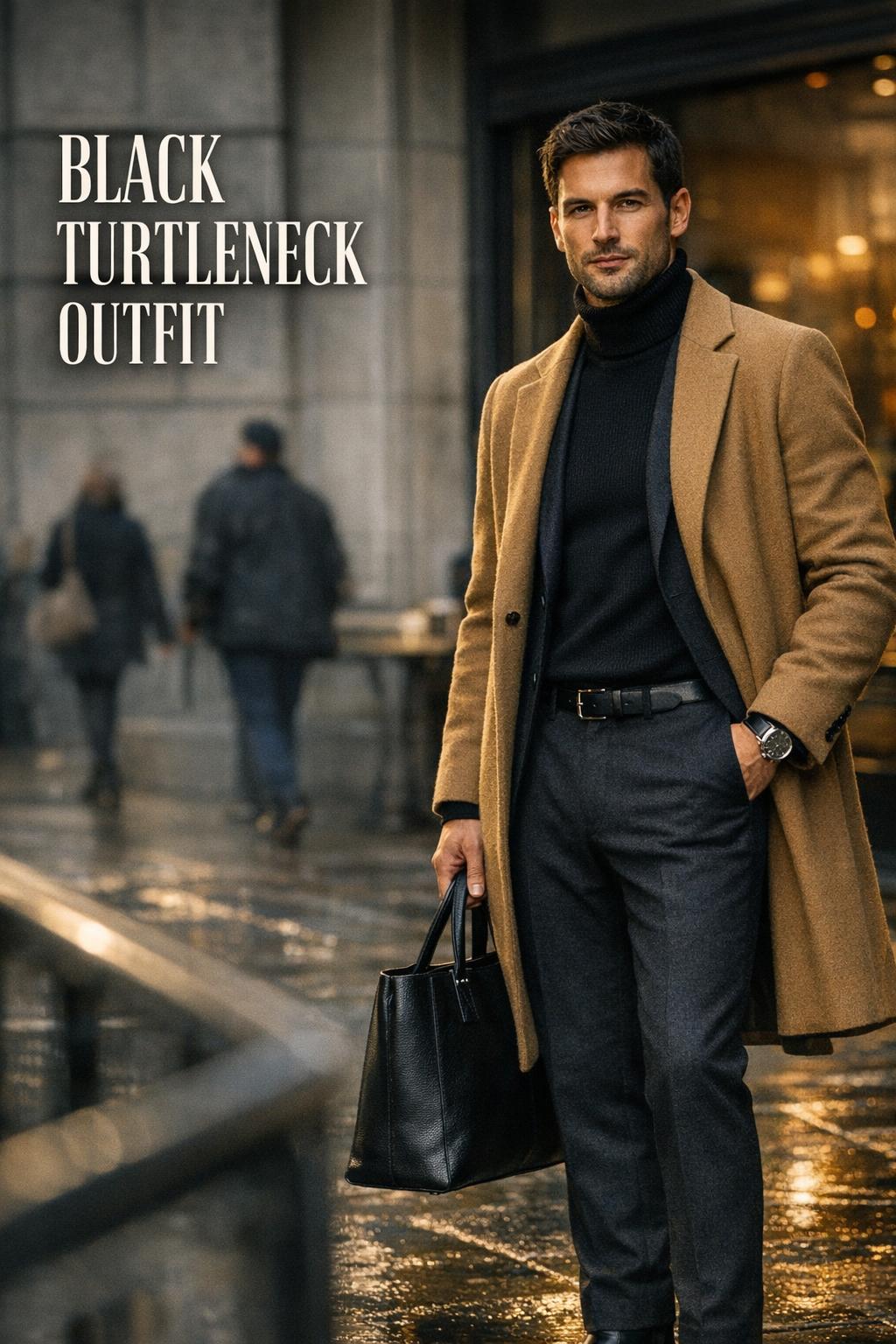
- Black turtleneck outfit men (tailored): fine knit black turtleneck + tailored pants + overcoat; minimalist chic with clear structure.
- Black high neck outfit men (relaxed): mock or black high-neck top + denim + trench + sneakers; elevated casual, travel-friendly.
Choosing the right black turtleneck: fit, fabric, and care in a real wardrobe
A black turtleneck can be “basic” and still be surprisingly specific. The right one depends on whether your life asks for layering under blazers, heavy outerwear, or easy weekend looks. If you live in your coats and need a sleek base, fine knit and merino wool tend to layer cleanly. If you want a more casual feel, ribbed knit and cotton rib can read relaxed while staying polished.
Fit is equally decisive. A close fit supports minimalist chic and looks sharp under a blazer. A slightly easier fit feels more elevated casual and can be more comfortable for long wear. If you want a perfectly smooth line, a turtleneck bodysuit—often discussed through brands like Wolford—can be effective, though less convenient in day-to-day life.
Tip: build a two-turtleneck strategy
If you wear black turtlenecks often, it’s practical to keep two silhouettes on rotation: one fine, sleek turtleneck for office-ready and evening looks, and one slightly more relaxed knit for denim days and weekend chic. This keeps your outfits from feeling repetitive while staying inside a minimalist, neutral wardrobe language.
Size-inclusive and proportion considerations (without changing the aesthetic)
A black turtleneck is forgiving, but proportion still matters. Petite frames often benefit from a cleaner, less bulky neck and a more defined waist line (a belt can help), so the outfit remains balanced under outerwear. For broader shoulders or those who prefer ease, a slightly more relaxed fit can prevent pulling at the neck and keep the silhouette elegant rather than strained.
Stylist’s corner: the small decisions that make the outfit look intentional
In editorial fashion media, black turtleneck outfits are frequently validated through celebrity and influencer styling—less because the pieces are unattainable, and more because the composition is clear in photographs: strong layering, controlled palette, and a defined silhouette. Translating that into real life is a matter of small, repeatable decisions.
- Watch the neckline: a tidy fold (or a mock turtleneck) keeps the look refined.
- Commit to one silhouette story: tailored top and tailored bottom for minimalist chic; fitted top with relaxed bottom for elevated casual.
- Use outerwear as the “frame”: blazer for structure, trench for transitional ease, overcoat for winter polish.
- Keep the palette disciplined: black with camel, ivory, gray, or denim is usually enough.
- Add texture, not clutter: leather- or suede-like accessories, wool outerwear, or a ribbed knit can create depth without adding noise.
When to choose each style—and how to blend them without confusion
Minimalist chic is the smarter choice when you need your outfit to communicate polish quickly: office-ready days, business casual environments that lean formal, dinner reservations where you’d like to feel sharp, or any moment where monochrome styling reads sophisticated. It’s also dependable in colder weather, because structured outerwear and sleeker layers look intentional even when you’re dressing primarily for warmth.
Elevated casual earns its place when your day includes movement: travel, long walks, casual meetings, weekend errands, and transitional weather where you’ll take layers on and off. It’s not “less stylish”; it’s simply built on comfort-forward proportions, with refinement added through texture and tight color control.
Blending the two is often the most realistic approach. A blazer over denim can bridge the aesthetics if the turtleneck is sleek and accessories are restrained. Likewise, a trench coat over tailored pants can soften minimalist chic into something more relaxed. The key is to avoid mixing too many signals at once: if the silhouette is relaxed, keep accessories minimal; if the silhouette is sharp, keep the palette quiet and let structure lead.
FAQ
What makes a black turtleneck outfit look timeless rather than basic?
Timelessness comes from composition: a clean silhouette, disciplined neutrals (monochrome or black with camel, ivory, or gray), and intentional layering with outerwear like a blazer, trench coat, or overcoat; texture and accessories should add depth without creating clutter.
How to style a black turtleneck for fall fashion without feeling repetitive?
Rotate the supporting pieces rather than changing the core: switch between denim and tailored pants, alternate a trench coat and an overcoat, and use one clear accent strategy at a time—either monochrome styling with texture or a neutral contrast like camel outerwear.
What fabric is best for warmth in a black turtleneck?
Merino wool and cashmere are commonly favored when warmth and a refined look are both priorities, especially for layering under coats; fine knits also help avoid bulk when you’re building winter outfits around outerwear.
Is a mock turtleneck outfit a good substitute for a traditional turtleneck?
Yes—mock turtlenecks can deliver the same high-neck, polished frame with less bulk, which can be especially useful for transitional weather, for layering under a blazer, or for those who prefer a lighter feel at the neckline.
How can I make a black turtleneck outfit office-ready or business casual?
Use structure to signal professionalism: pair the black turtleneck with tailored pants and a blazer, keep accessories minimal, and choose footwear that reads polished; if you’re incorporating neutrals, black with gray or camel tends to look especially composed.
What are the easiest color pairings with a black turtleneck?
The most reliable pairings are black with camel, ivory/white, gray, and denim—each keeps the look within a neutral palette while creating contrast or depth through tone and texture.
How do I style a black turtleneck outfit men for a sharp, modern look?
Keep the knit fine and the fit clean at the neck and shoulders, then build structure with tailored pants and outerwear like a blazer or overcoat; a disciplined neutral palette and restrained accessories will keep the look minimalist and refined.
What’s the difference between a black turtleneck outfit men and a black high neck outfit men?
A black turtleneck outfit typically uses a traditional fold-over neck and often reads slightly more classic, while a black high neck outfit men can include a mock turtleneck outfit that feels more streamlined and can skew sportier or more transitional depending on outerwear and footwear.
How do I care for a black turtleneck so it keeps looking refined?
Because the black turtleneck is a high-visibility staple worn repeatedly, prioritize gentle care appropriate to the fabric (especially with cashmere or merino wool) and pay attention to maintaining the neckline shape, since a collapsing or stretched neck is often what makes the piece look tired.
Leave a Reply