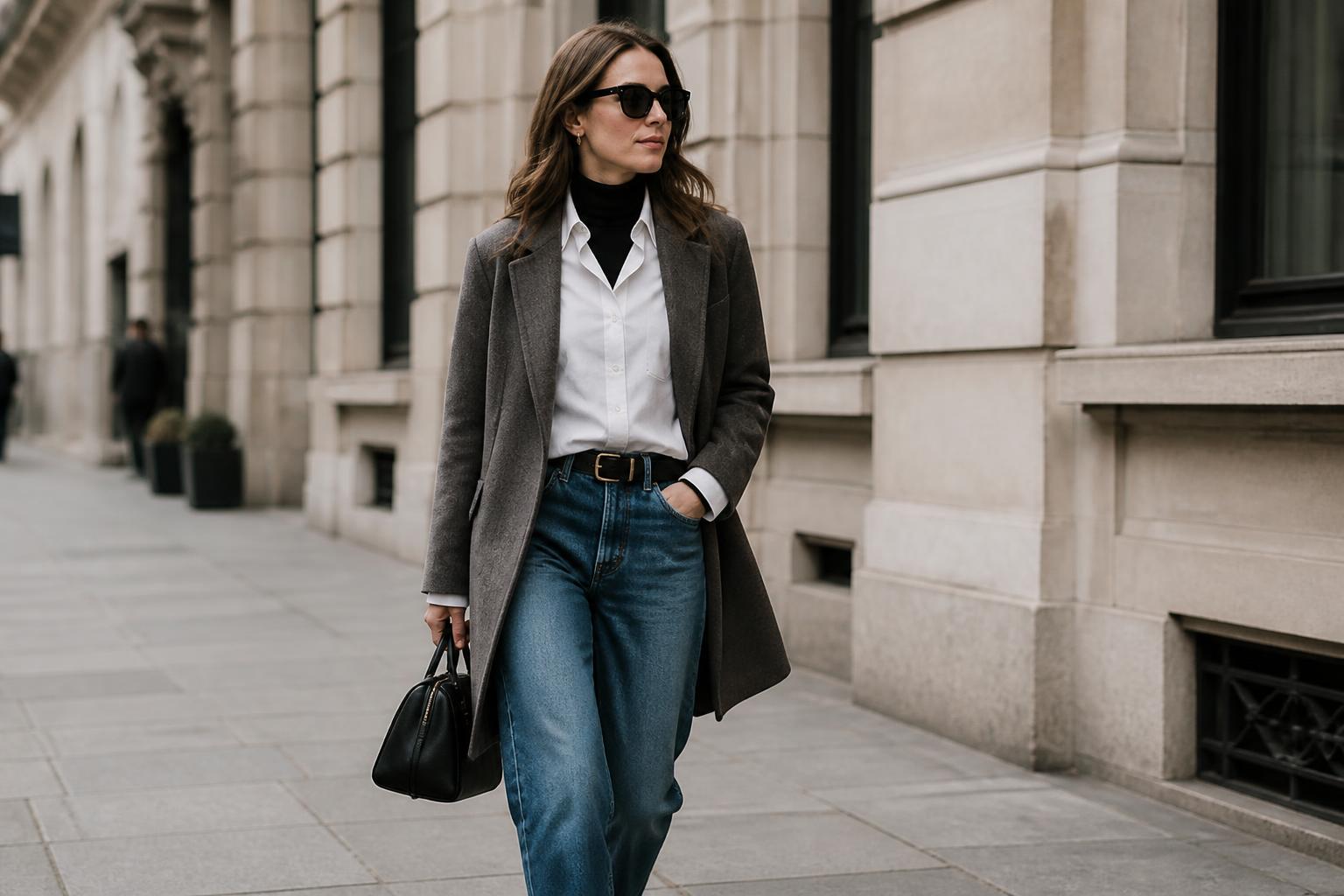
City dressing is rarely about perfection. It is about movement, weather, proportion, and the quiet confidence of knowing that a practical outfit can still feel refined. That is the enduring appeal of women’s street style: it translates fashion into real life. The most successful street style wardrobes are not built on novelty alone, but on thoughtful combinations that can handle a commute, a long lunch, uneven pavement, changing temperatures, and the need to look composed without seeming overworked.
What makes this way of dressing so compelling is its balance. A structured layer offset by relaxed denim, a clean silhouette made more interesting by texture, or a simple base sharpened with the right footwear can change the entire tone of an outfit. The goal is not to imitate a photograph exactly. It is to understand why a look works, which pieces carry the visual weight, and how to recreate that effect in a wardrobe you will actually wear.
What women’s street style really depends on
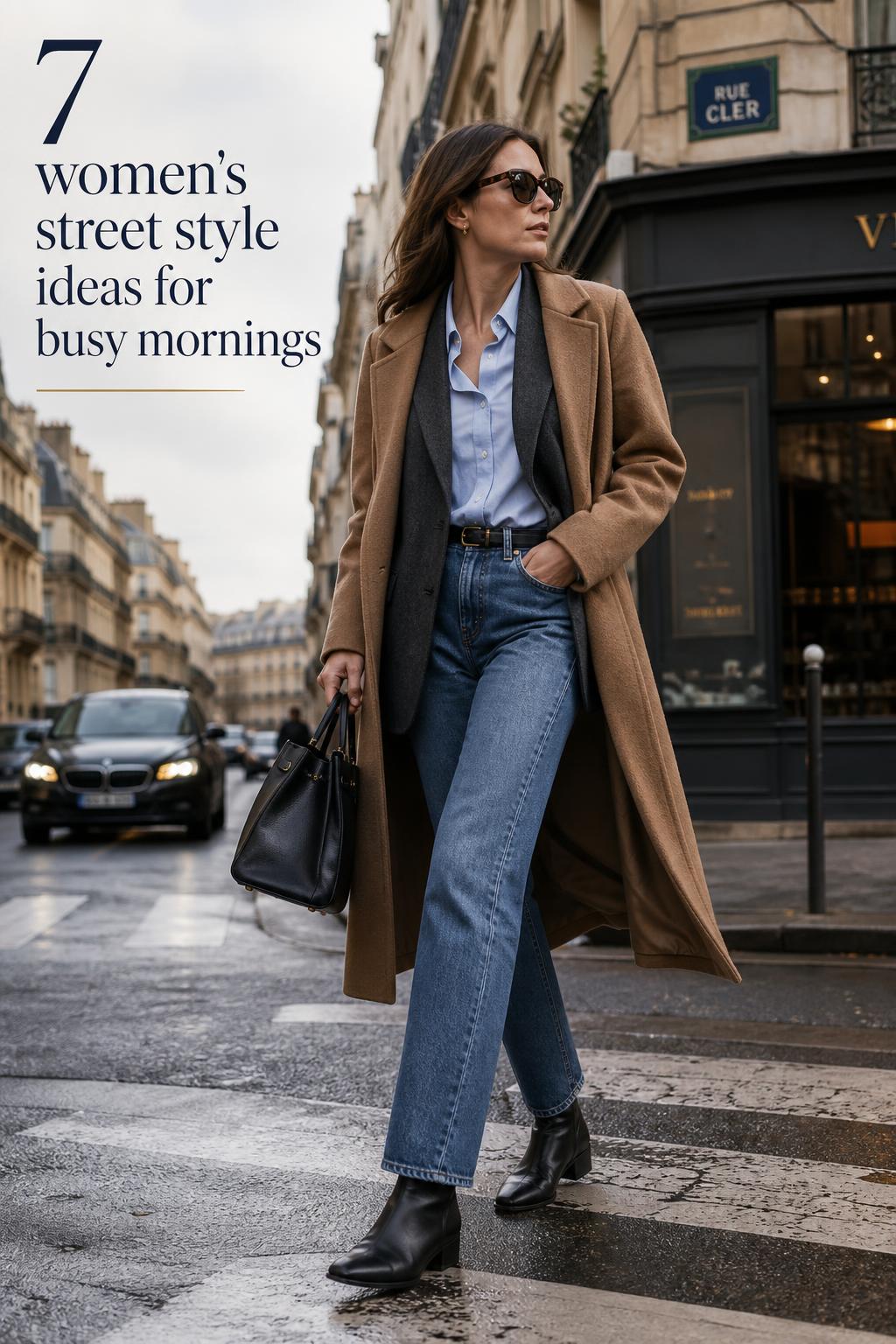
The strongest street style outfits usually rely on a few consistent principles: contrast, proportion, and ease. Contrast gives the outfit dimension, whether that comes from pairing tailoring with casual pieces or balancing polished structure with soft fabric. Proportion creates visual harmony, which matters far more than owning a long list of trend pieces. Ease is what keeps the look believable. If an outfit feels restrictive, fussy, or too fragile for daily life, it stops reading as true street style and starts feeling costume-like.
For practical dressing, it helps to think in layers of importance. First, choose the silhouette. Second, decide where the outfit needs structure. Third, add one or two elements that bring personality, such as a sharper shoe, a stronger outer layer, or a more intentional color balance. This approach is useful whether your wardrobe leans minimalist, tailored, relaxed, or slightly directional.
Your wedding has a lot of moving pieces. Your plan can still feel composed.
Zarellea organizes guests, vendors, budget, and timelines in one shared space — so you can make decisions with clarity, not stress.
The foundation pieces worth building around
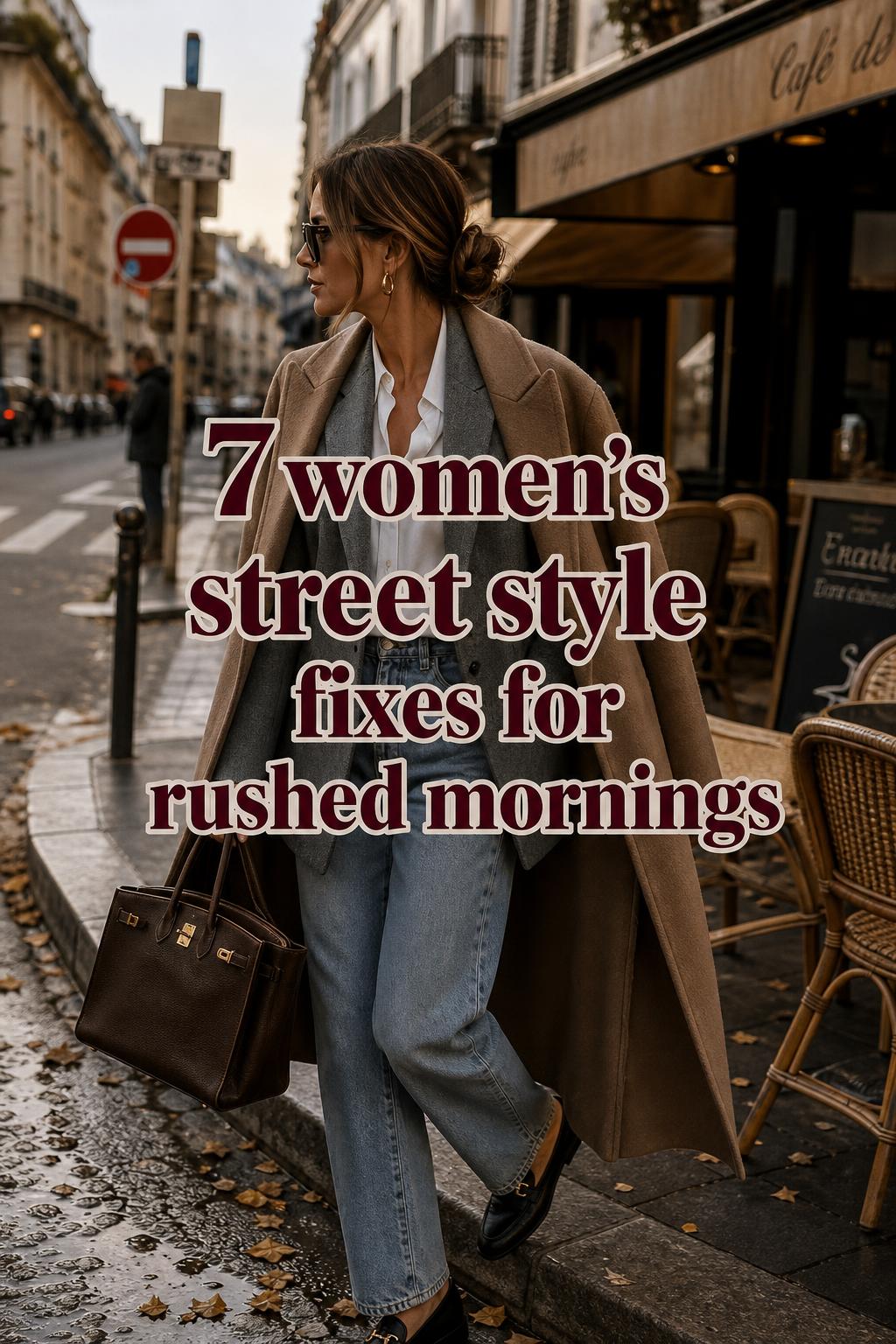
A wearable street style wardrobe is easier to create when it begins with dependable essentials rather than statement pieces. The reason is simple: if the base is versatile, the outfit can shift across seasons, budgets, and occasions without losing polish. Elevated basics carry more value than highly specific items because they can be restyled repeatedly.
- A structured blazer that adds definition to casual separates
- Straight-leg or relaxed denim that works with both flat shoes and boots
- A crisp shirt or simple knit that layers cleanly under outerwear
- A refined coat or jacket that finishes the silhouette
- Comfortable footwear with a deliberate shape, rather than purely athletic function
- A bag with enough structure to make simple clothing feel more intentional
If you are deciding what to buy first, start with the item that changes the most outfits at once. In many wardrobes, that is a blazer or a coat. Outerwear is highly visible, repeated often, and capable of making budget-friendly basics look more expensive. After that, focus on denim and shoes, because those pieces determine whether an outfit feels current, balanced, and useful.
How to make basics look editorial rather than plain
The difference usually comes down to shape and finish. A structured blazer layered over a simple top immediately gives direction to an otherwise ordinary outfit. Straight denim with a clean hem looks more composed than overly distressed styles in most everyday settings. Shoes with a defined line, whether sleek boots or polished flats, anchor the look and prevent basics from appearing unfinished. This is especially helpful for readers who want women’s street style without chasing constant trend turnover.
Silhouette is the real styling language
Street style is often discussed in terms of individual pieces, but silhouette is what the eye notices first. A tailored shape contrasted with relaxed textures tends to feel modern because it creates tension without disorder. If everything is oversized, the outfit can lose definition. If everything is fitted, it can appear too rigid for the relaxed spirit associated with the street style mood.
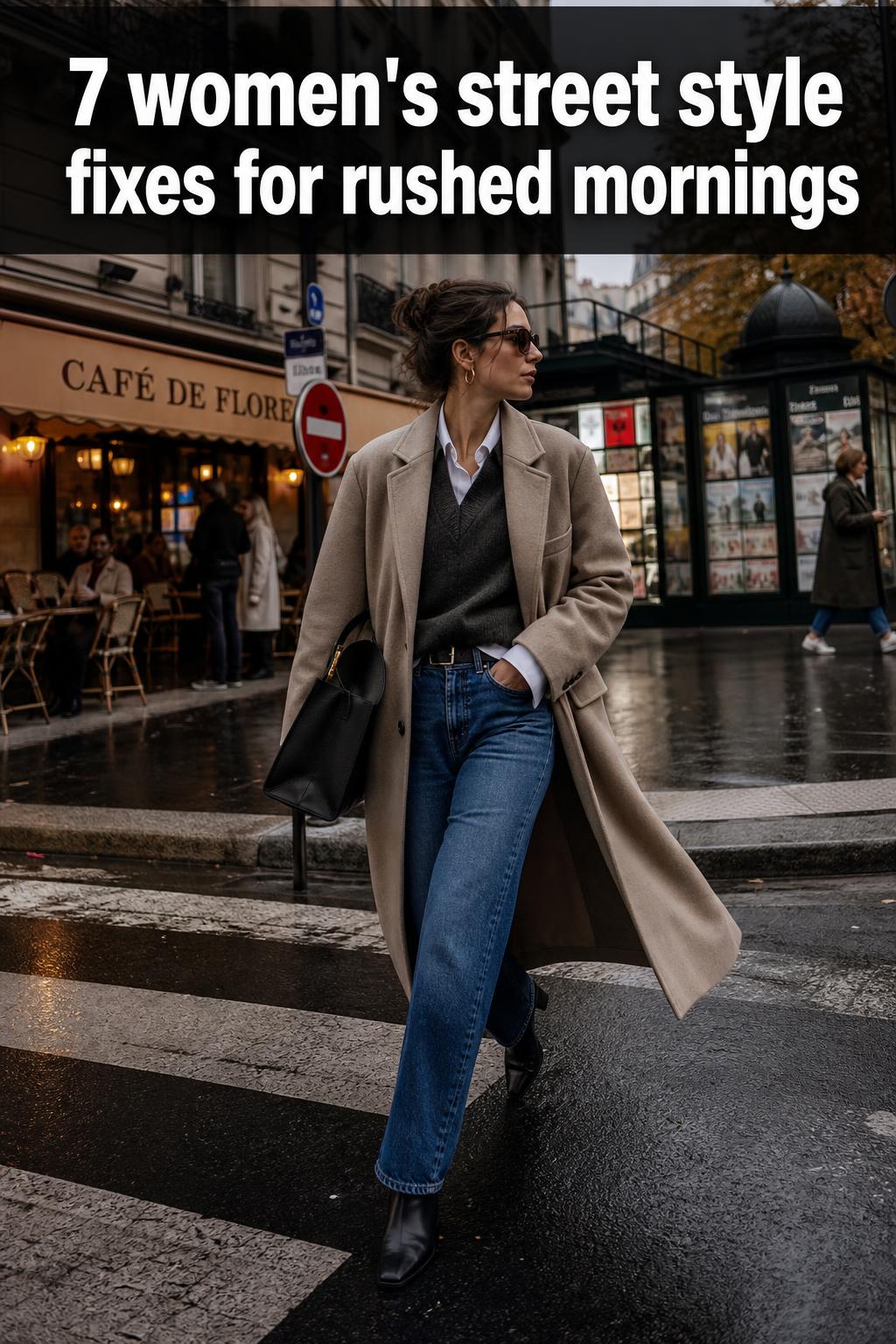
A practical formula is to let one part of the outfit carry volume and keep another area cleaner. For example, a looser trouser or relaxed denim works well with a more structured jacket. A fuller coat benefits from a simpler, narrower base underneath. This method helps a wide range of body types because it gives shape without requiring tight clothing.
Petite, tall, and curvy adaptations that keep the look balanced
If you are petite, choose volume with caution and place it strategically. A boxy jacket can work beautifully, but it usually looks better with a cleaner lower half and footwear that does not visually cut the leg too abruptly. If you are tall, longer layers and relaxed proportions often feel particularly elegant because they echo your natural line. If you are curvy, street style tends to work best when there is visible structure at the waist, shoulder, or hemline. That does not mean cinching every outfit. It means allowing the garment to show intentional shape somewhere, so the silhouette feels designed rather than bulky.
One of the most common mistakes is copying an oversized look without adjusting scale. The same coat can feel refined on one person and overwhelming on another simply because the underlying proportions were not considered. Try balancing visual volume through hem length, shoe shape, or sleeve structure instead of assuming more fabric always creates more style.
The quiet power of layering
Layering is where street style becomes intelligent rather than decorative. It allows an outfit to respond to temperature, create visual depth, and shift mood throughout the day. The most successful layered looks are not necessarily complicated. Often they involve just three clear levels: a base, a structured middle layer, and a finishing outer piece.
A shirt under a knit, a blazer under a coat, or a simple top under a more substantial jacket can all create clean lines that feel polished and functional. The key is to vary texture and weight enough that each layer contributes something. If all fabrics are similarly flat, the outfit can feel one-note. If all are bulky, the shape becomes heavy.
Layering tips that help in real life
- Keep the base layer lightweight so outer layers sit better and indoor comfort is easier to manage.
- Use one structured layer to give the outfit definition, especially if the rest is soft or relaxed.
- Choose outerwear that still looks polished when worn open, since street style often depends on movement and visible layers.
- Check sleeve bulk before buying; beautiful coats become impractical if they cannot fit over everyday knits or jackets.
- For travel or long days out, prioritize fabrics that resist creasing and maintain shape.
Color balance matters more than color quantity
Many of the most memorable street style outfits rely on restraint rather than excess. Soft neutral tones balanced with one deeper or sharper accent often feel more expensive and more wearable than a crowded color story. This does not mean everything needs to be beige or muted. It means the palette should feel composed.
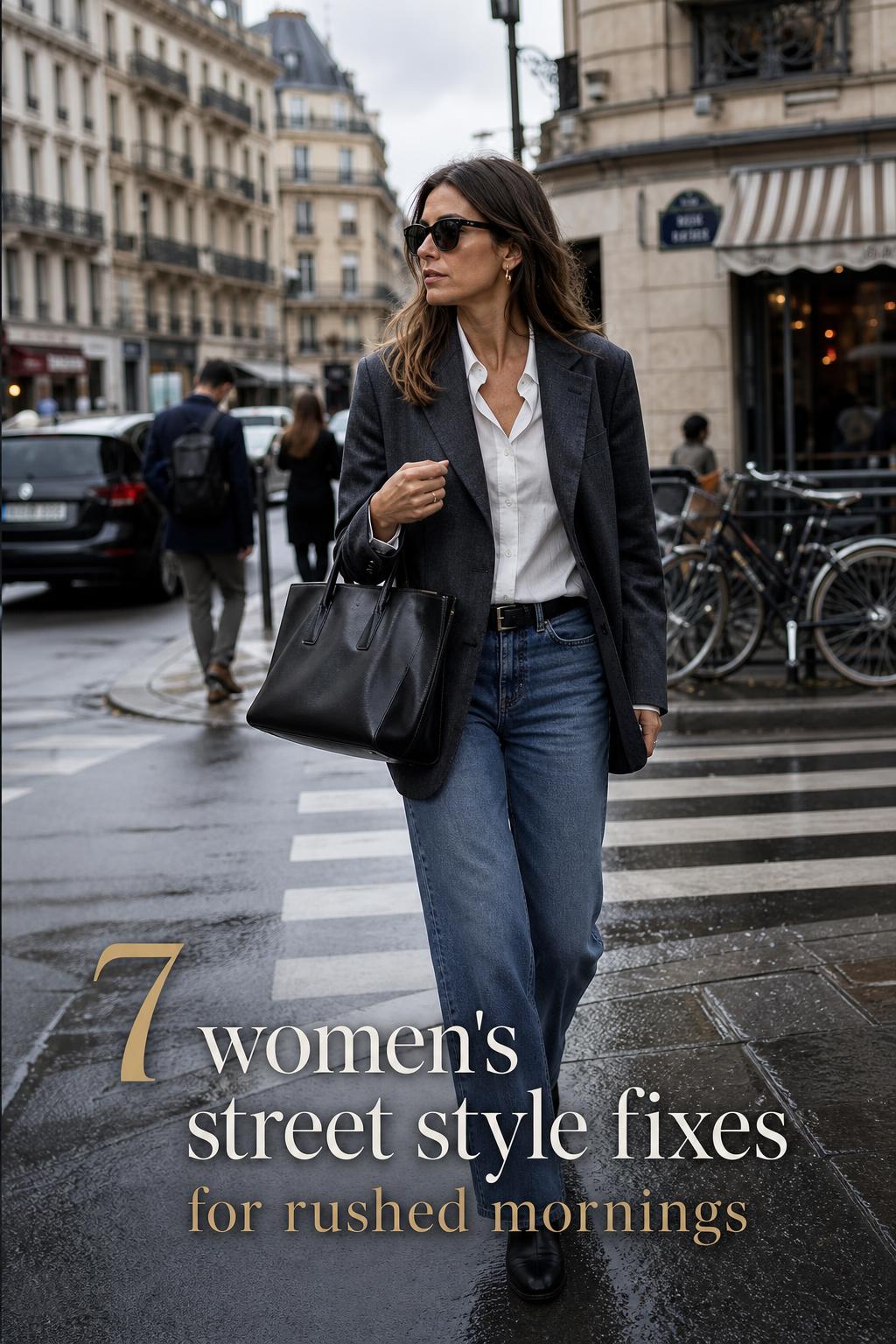
If you want your outfits to look more polished with minimal effort, start by repeating one tone in at least two areas of the outfit. A dark shoe connected to a dark outer layer, or a light knit echoed by a light bag, creates continuity. That kind of subtle repetition makes an outfit appear intentional even when the pieces themselves are simple.
Practical color advice for everyday wardrobes
For maximum versatility, build around a calm base and introduce personality through a single contrasting note. This approach is especially useful on a budget because it prevents impulse purchases that only work with one outfit. It also helps with seasonal transition. A neutral coat, denim, and knit can easily shift from one part of the year to another simply by changing the accent through footwear or accessories.
Where street style becomes truly wearable: shoes, bags, and finishing details
Accessories are often the point where women’s street style either becomes believable or begins to unravel. A strong outfit can lose its clarity if the shoes feel disconnected or if the bag undermines the silhouette. These are not minor details. They shape the tone of the entire look.
Footwear should support both the practical setting and the visual line of the outfit. Sleeker shoes sharpen relaxed denim. More substantial footwear can ground oversized outerwear. Bags with structure tend to elevate softer or simpler clothing because they add an architectural element. This is one of the easiest ways to make affordable pieces appear more considered.
The best finishing details are rarely excessive. They often work because they clarify the outfit rather than decorate it. A belt can restore shape to looser layers. A sharper shoe can make casual trousers feel intentional. A well-chosen bag can bridge the gap between daywear function and editorial polish.
A Paris, Milan, and Copenhagen way of thinking about street style
Even without chasing specific city formulas, it is useful to understand the broader fashion instincts often associated with places like Paris, Milan, and Copenhagen. Paris tends to suggest restraint, clean lines, and a polished ease that never seems overdone. Milan brings a greater appreciation for strong tailoring, richer finish, and visible refinement. Copenhagen often encourages play with proportion, layering, and a more relaxed interpretation of dressing well.
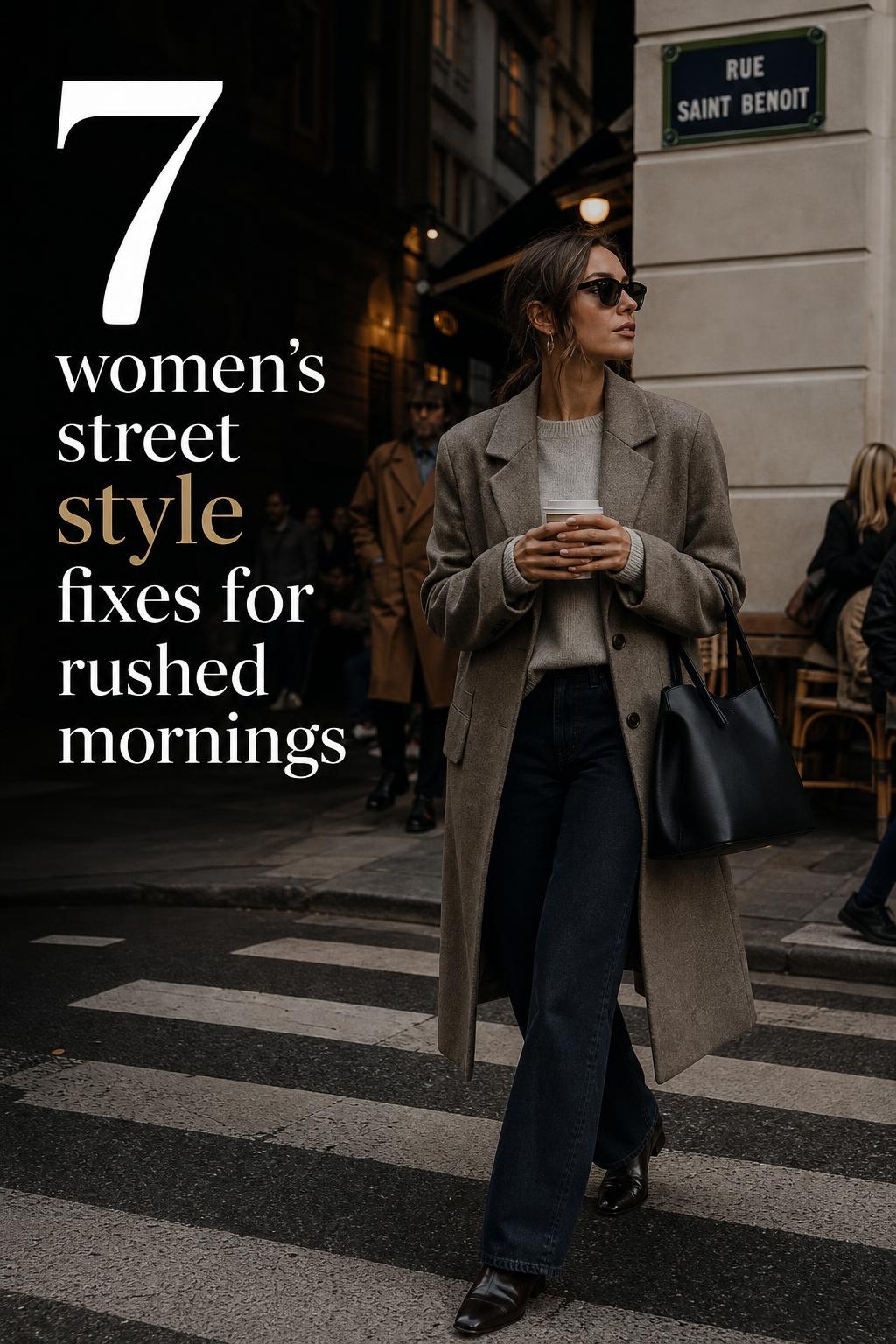
For everyday use, the lesson is not to copy a city identity literally. It is to borrow a principle. From Paris, take editing. From Milan, take structure. From Copenhagen, take ease. When those three instincts meet, street style becomes much easier to apply to a real wardrobe. You end up with outfits that feel considered but not stiff, expressive but still practical enough for daily wear.
How to translate those influences without overcomplicating your wardrobe
If your closet is currently inconsistent, begin with the Paris approach and remove what feels visually noisy or difficult to style. If your outfits often look flat, adopt a Milan-like focus on tailoring and finish through outerwear, trousers, or sharper accessories. If you tend to dress very safely, use a Copenhagen-inspired sense of proportion by experimenting with one relaxed layer against a cleaner base. Each route keeps the wardrobe grounded while still giving it character.
How to dress for weather without losing the street style effect
One reason some street style outfits feel inaccessible is that they appear detached from climate. In reality, the best looks are often the ones that handle weather elegantly. A good outfit should still work when the temperature changes, when rain is possible, or when you need to walk more than expected.
In cooler conditions, texture becomes especially useful. Knits, coats, and more substantial fabrics create depth while also providing comfort. In milder weather, the outfit depends more on clean layering and sharper accessories, since bulk is reduced. During seasonal transition, street style is often at its most interesting because lightweight layers, practical jackets, and adaptable footwear all come into play.
Fabric choices that improve comfort and versatility
- Choose breathable base layers for days that begin cool and end warm.
- Use medium-weight outer layers during transitional weather to avoid overcommitting to one temperature.
- Favor fabrics that hold shape if you rely on structure to make simple outfits feel polished.
- Avoid overly delicate textures for high-movement days, especially if your schedule includes commuting or travel.
This kind of decision-making has a visual effect as well. Clothing that behaves well through the day simply looks better. Street style loses its elegance when sleeves pull awkwardly, hems collapse, or footwear becomes uncomfortable enough to change your posture.
The budget question: what to invest in and where to save
Not every street style piece deserves the same financial priority. Investment makes sense where quality changes fit, drape, or longevity in a visible way. Saving makes sense where the item serves more as a supporting layer or trend accent. This distinction helps build a wardrobe that feels strong without becoming unnecessarily expensive.
Outerwear, shoes, and bags often justify more careful spending because they affect comfort, repetition, and the overall finish of an outfit. Simpler tops, layering pieces, or secondary trend details can usually be approached more affordably if the shape is right. The smartest budget wardrobes do not try to make everything luxurious. They identify which elements carry the look and prioritize those.
Affordable ways to recreate the effect
If you love the polished look of street style but need practical options, focus first on silhouette rather than labels. A clean, structured jacket in a flattering cut will often do more for the outfit than an expensive trend item. Hemming denim to the right length can make it look significantly more refined. Choosing a bag with visible structure and minimal clutter can elevate simple basics instantly. These are small decisions, but they have a strong editorial payoff.
Street style for daily contexts, not just photographs
The most useful way to think about street style is by situation. A wardrobe only becomes functional when it can meet the demands of real places and schedules. The same visual language can adapt to errands, creative work settings, travel days, or long city walks, but the emphasis should shift according to what the day requires.
For casual days
On casual days, the outfit works best when comfort is built into the foundation and polish is added through one defined element. Straight denim, a simple knit, and a structured outer layer create an easy starting point. If the clothes are intentionally simple, the shoes or bag can carry more visual interest. This keeps the look practical without feeling plain.
For work or polished daytime settings
A refined street style approach for work usually depends on cleaner lines and fewer distractions. Tailored pieces become more important, and the outfit benefits from restraint. Relaxed trousers or denim can still work in the right setting, but they need sharper companions such as a structured blazer or polished footwear. The aim is balance: enough professionalism to feel credible, enough ease to avoid stiffness.
For travel and long walking days
Travel is where many fashionable outfits fail their practical test. For long days in motion, choose layers that can adapt, shoes that remain comfortable after hours, and fabrics that recover well from sitting and movement. A coat or jacket with shape is especially valuable because it keeps the outfit looking finished even if everything underneath is simple. This is one of the clearest examples of street style functioning as intelligent dressing rather than display.
Common street style mistakes that weaken an outfit
Most styling problems do not come from lacking trend awareness. They come from imbalance. An outfit may include attractive pieces and still feel unresolved if scale, function, or finish are off. Recognizing these mistakes is often more helpful than collecting endless inspiration.
- Wearing oversized pieces from head to toe without a point of structure
- Choosing shoes that fight the silhouette instead of supporting it
- Ignoring hem lengths, which can make even good clothing appear awkward
- Adding too many statement elements at once, so nothing feels deliberate
- Prioritizing appearance over comfort to the point that posture and ease suffer
- Buying highly specific pieces before building a workable foundation
Another common mistake is assuming that fashion credibility comes from complication. In reality, many of the strongest outfits rely on only a few well-composed elements. When in doubt, simplify the palette, sharpen the silhouette, and make sure at least one piece provides structure.
A capsule-minded approach to women’s street style
Street style becomes much more useful when it is connected to a capsule mentality. This does not mean dressing in a severe or repetitive way. It means choosing pieces that can be reconfigured across multiple contexts while still maintaining character. The result is a wardrobe that looks more intentional and is far easier to use.
A capsule-friendly street style wardrobe usually includes a controlled palette, a few reliable layers, versatile bottoms, and accessories that can shift the tone of the outfit. What makes it interesting is the styling, not sheer quantity. A structured blazer can dress up denim, refine a simple knit, or sit under a coat in cooler weather. That kind of repeat value is what separates a stylish wardrobe from a merely crowded one.
What gives the most versatility
If your aim is to get maximum use from fewer pieces, prioritize outerwear with clean lines, bottoms in easy-to-repeat shapes, and shoes that work with several hem lengths. These items create the framework of the outfit again and again. Once that structure is strong, even a modest wardrobe can produce a polished street style effect with very little strain.
The difference between inspiration and imitation
It is easy to admire a street style image and miss the reason it works. Often the outfit is less about the exact garments and more about the relationship between them. A tailored silhouette contrasted with relaxed textures, a clean coat over understated layers, or a focused palette sharpened by one strong accessory can all be translated into different wardrobes at different price points.
This is where styling confidence begins. Instead of asking whether you own the exact same pieces, ask a more useful set of questions: where is the structure, where is the softness, what controls the silhouette, and which element gives the outfit intention? Once you can answer those, street style becomes far more accessible and far less intimidating.
Tips for making street style look expensive and effortless
- Pay attention to fit before anything else; even simple clothes look elevated when the proportions are right.
- Keep accessories edited so the outfit feels composed rather than crowded.
- Use outerwear strategically, since it shapes the overall impression immediately.
- Choose shoes that are both comfortable and visually deliberate; discomfort shows faster than many people expect.
- Repeat colors subtly to create cohesion without looking overly matched.
- Let one element lead the outfit, whether that is a coat, blazer, trouser shape, or pair of boots.
- Reserve trend-led details for pieces that can still work with your existing wardrobe.
The larger principle is simple: effortlessness is usually the result of planning well, not caring less. The most convincing street style outfits feel natural because their wearers understand proportion, comfort, and composition well enough to make dressing look easy.
FAQ
What is women’s street style in practical terms?
In practical terms, women’s street style is an approach to dressing that blends fashion awareness with everyday function, usually through thoughtful layering, balanced proportions, and a mix of polished and relaxed pieces that work in real settings.
What should I buy first if I want to build a street style wardrobe?
Start with pieces that change many outfits at once, such as a structured blazer, a refined coat, versatile denim, and shoes with a clean shape, because these create the framework that makes simpler basics feel intentional.
Can street style work for petites, curvy figures, or taller body types?
Yes, but the key is adapting scale and structure rather than copying proportions exactly, so petites usually benefit from more controlled volume, taller frames can carry longer lines well, and curvier shapes often look best when the outfit includes clear definition through tailoring, hemline, or waist placement.
How can I recreate street style on a budget?
Focus on silhouette, fit, and finish rather than chasing expensive labels, prioritize outerwear and shoes where quality is more visible, and use affordable basics in clean shapes that can be elevated through structure and thoughtful styling.
Which pieces are the most versatile in a street style wardrobe?
Outerwear with clean lines, straight or relaxed denim, simple knits, structured bags, and footwear that works across multiple outfits are usually the most versatile because they repeat easily and influence the overall tone of the look.
How do I make a casual outfit look more like street style?
Add one element with visible structure, such as a blazer, coat, or sharper bag, and make sure the shoes support the silhouette, because that combination often transforms basic casual clothing into something more polished and considered.
What are the biggest mistakes to avoid?
The most common mistakes are ignoring proportion, wearing too many oversized pieces at once, choosing shoes that conflict with the outfit, and relying on statement items before building a strong foundation of versatile basics.
Can street style work for work, travel, and everyday errands?
Yes, because the core principles of street style—good layering, practical shoes, controlled color, and balanced structure—adapt well to different situations as long as the outfit is built around comfort and the demands of the day.
How do I make my outfits look more expensive without buying more?
Improve the fit, simplify the color palette, use one strong outer layer, and pay attention to shoe choice and bag structure, since these details often create a more polished impression than adding more pieces.
Leave a Reply