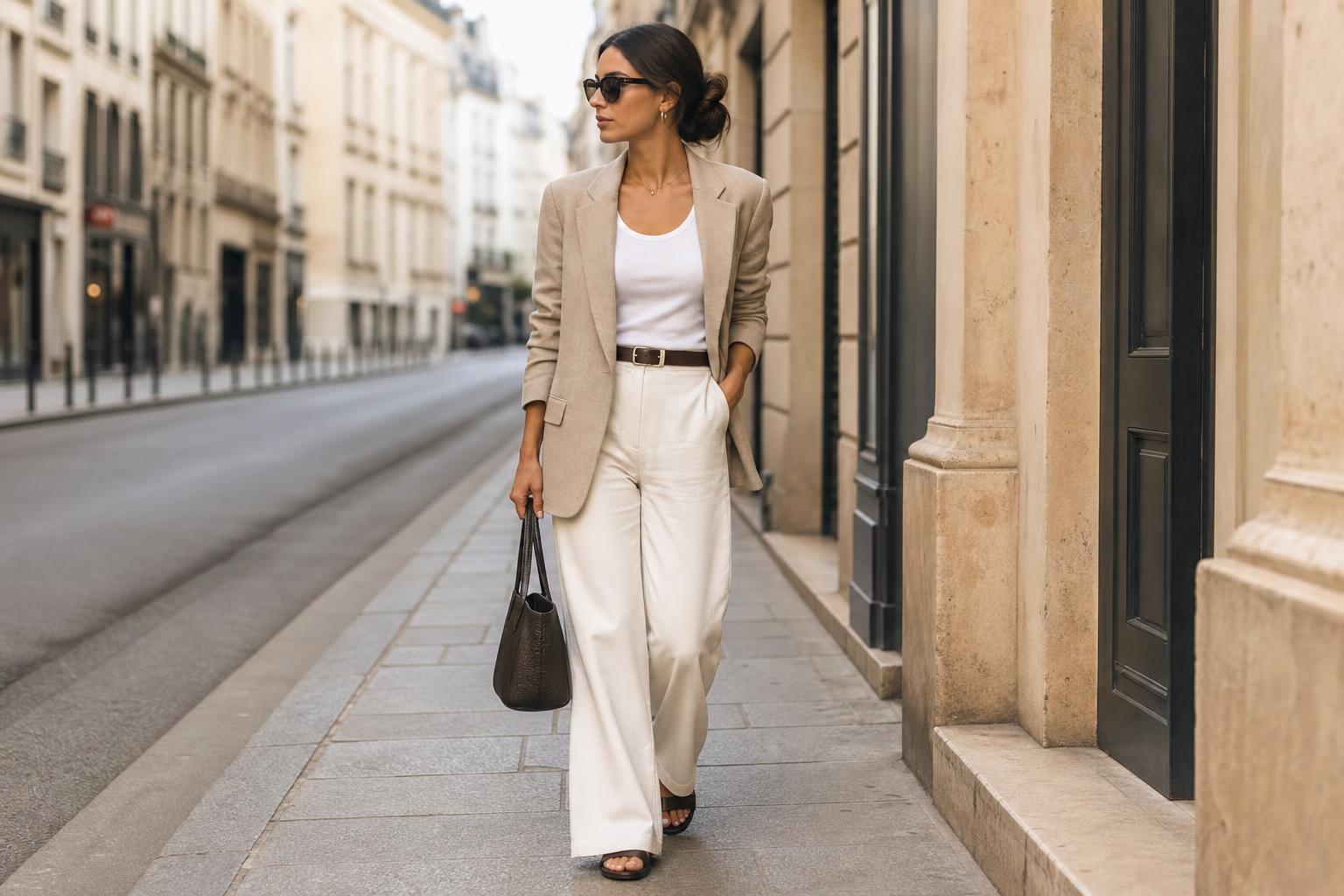
Getting dressed casually sounds simple until the outfit has to do more than one thing at once. It needs to feel comfortable, look considered, adapt to changing temperatures, and still reflect your personal style without appearing either too relaxed or too polished. That is exactly why casual outfits for women can be unexpectedly difficult: the category is broad, but the margin between effortless and unfinished is often quite narrow.
The most successful casual dressing relies less on chasing trends and more on understanding composition. A clean silhouette, a useful layer, the right shoe, and a fabric that moves well can turn ordinary basics into something refined. This guide approaches casual style as a practical wardrobe problem to solve, offering realistic outfit ideas and the styling logic behind them so you can build looks that feel modern, wearable, and easy to repeat.
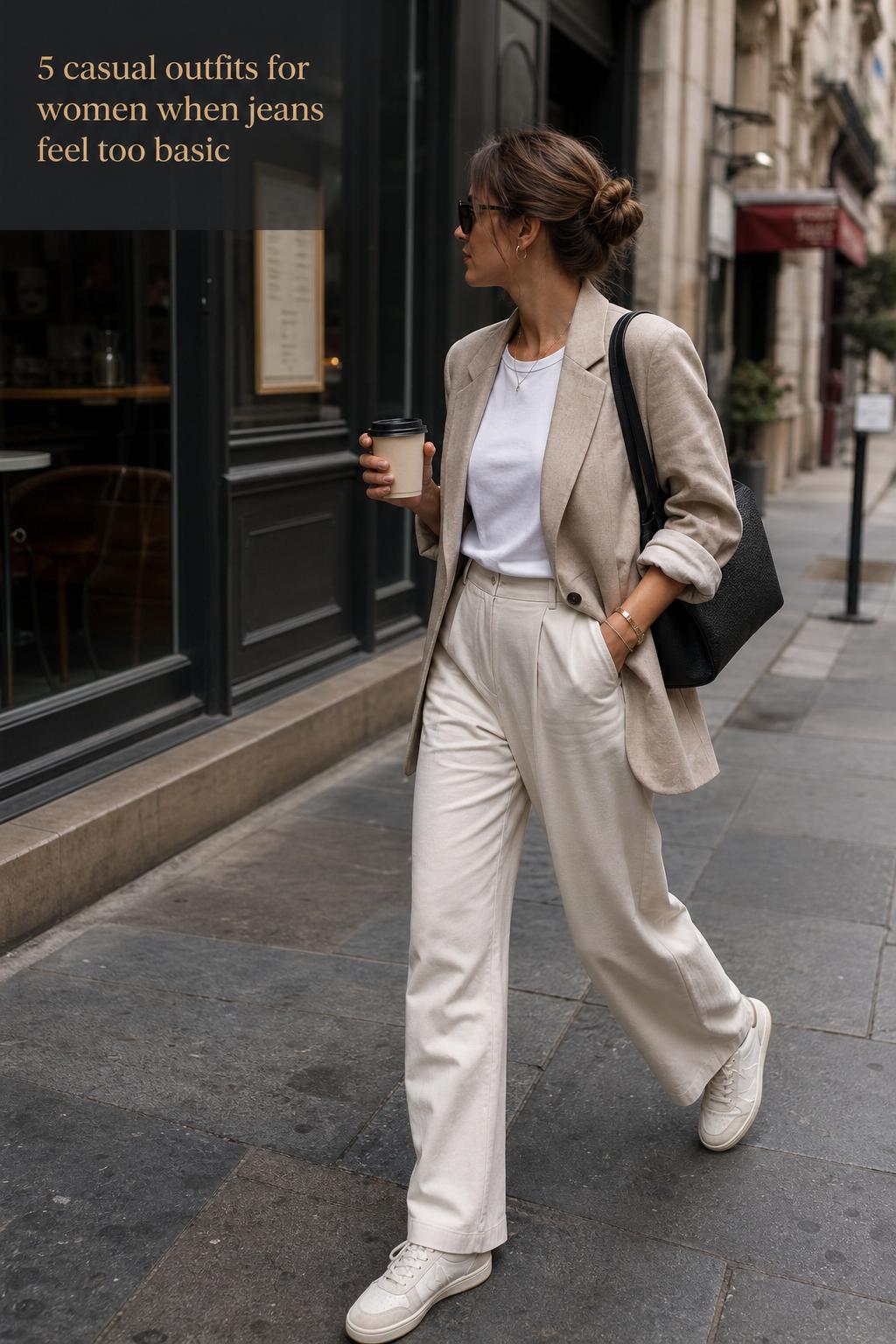
Why casual dressing feels harder than it should
Casual clothes live in the busiest part of a wardrobe. They are worn for errands, coffee meetings, office days with flexible dress codes, travel, school runs, weekend lunches, and city walking. Because these moments are varied, the outfit has to negotiate several priorities at once: ease, movement, weather, practicality, and visual balance.
Many women also face a familiar tension. If the outfit leans too far into comfort, it can look shapeless or accidental. If it is styled too deliberately, it may lose the relaxed quality that makes casual dressing appealing in the first place. The solution is not to overcomplicate the wardrobe. It is to understand which pieces create structure, which soften the look, and how to combine them in a way that feels natural.
Your wedding has a lot of moving pieces. Your plan can still feel composed.
Zarellea organizes guests, vendors, budget, and timelines in one shared space — so you can make decisions with clarity, not stress.
Weather is part of this equation as well. A cool morning and warm afternoon call for layers that can be removed without the outfit falling apart. Long walking days demand footwear that supports movement. Even proportions matter more in casual outfits because basics have fewer decorative distractions. When the clothing is simple, the cut, drape, and styling choices become more visible.
The foundation of a polished casual wardrobe
Well-composed casual dressing begins with a small set of dependable principles. These are not rigid rules. They are practical ways to make everyday outfits feel coherent, whether your aesthetic leans toward Parisian restraint, Milanese polish, or the cleaner lines often associated with Copenhagen style.
Start with one anchoring piece
A strong casual outfit usually has a visual center: tailored trousers, straight-leg jeans, a structured blazer, a crisp shirt, or a well-cut knit. Once that piece is established, the remaining elements can be softer or simpler. This approach prevents the outfit from feeling random and gives even basic combinations a sense of intention.
Balance relaxed and structured elements
The most flattering casual looks often rely on contrast. A relaxed T-shirt becomes more refined with tailored pants. A structured blazer feels less formal over denim. Wide-leg trousers benefit from a closer-fitting top, while looser shirting works best when the lower half is more defined. The point is not strict proportion theory for its own sake, but visual equilibrium. Each piece should support the others.
Use layers to add depth, not bulk
Layering is one of the most useful tools in casual dressing because it solves both aesthetic and practical problems. A lightweight knit over a tank, a blazer over a simple tee, or an overshirt over a fitted top creates dimension and flexibility. The key is to keep layers purposeful. If the underlayer and outer layer both have volume without structure, the outfit can lose clarity.
Choose fabrics that work in real life
Fabric determines how casual clothing behaves over the course of a day. Breathable materials are generally easier for active schedules. Softer knits bring comfort, while crisp cottons and structured denim add shape. A refined casual outfit rarely depends on embellishment; it often depends on texture. Smooth cotton, soft jersey, washed denim, and light tailoring each contribute something different to the overall effect.
Let the color palette do some of the work
Casual outfits become easier to assemble when the palette is restrained and flexible. Soft neutrals, dark denim, white, black, navy, beige, grey, and muted earth tones tend to integrate easily. This does not mean dressing without personality. It means building with shades that allow silhouette and texture to stand out, then adding interest through contrast, accessories, or a single focused accent color.
A practical way to build casual outfits for women
Rather than thinking in terms of isolated pieces, it helps to build each look through three layers of decision-making: base, structure, and finish. This method keeps the process clear and repeatable.
- The base is the comfortable starting point: jeans, trousers, a T-shirt, a tank, a knit, or a simple dress.
- The structure adds polish: a blazer, button-down shirt, lightweight jacket, defined waistband, or cleaner silhouette.
- The finish brings cohesion: shoes, a belt, a practical bag, understated jewelry, or rolled sleeves that make the look feel styled rather than accidental.
This framework is especially useful on rushed mornings. If the outfit feels flat, it usually needs structure. If it feels too formal, it usually needs a softer or more relaxed element. Casual style becomes much easier once you identify which part of the composition is missing.
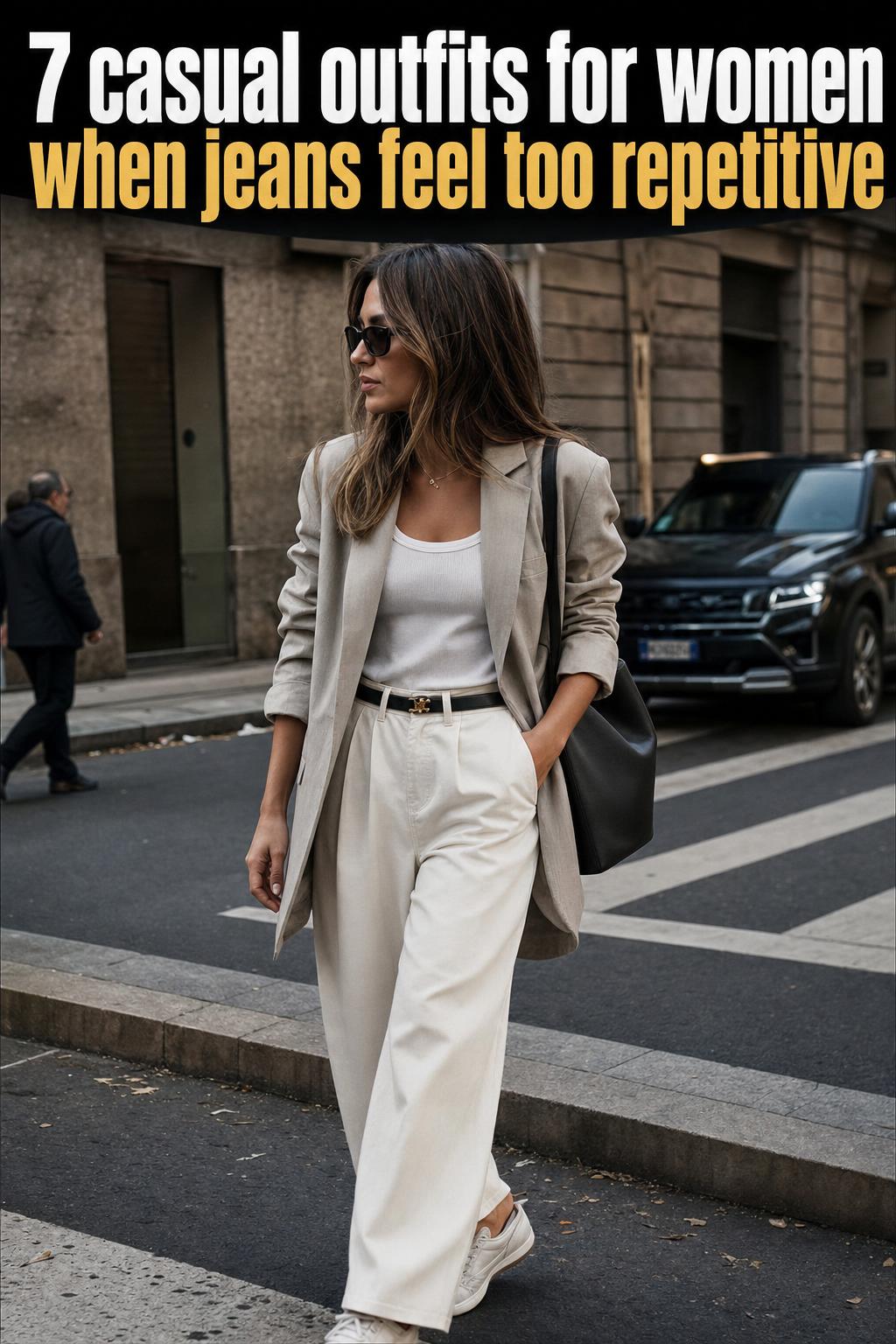
Outfit solution: the clean denim formula
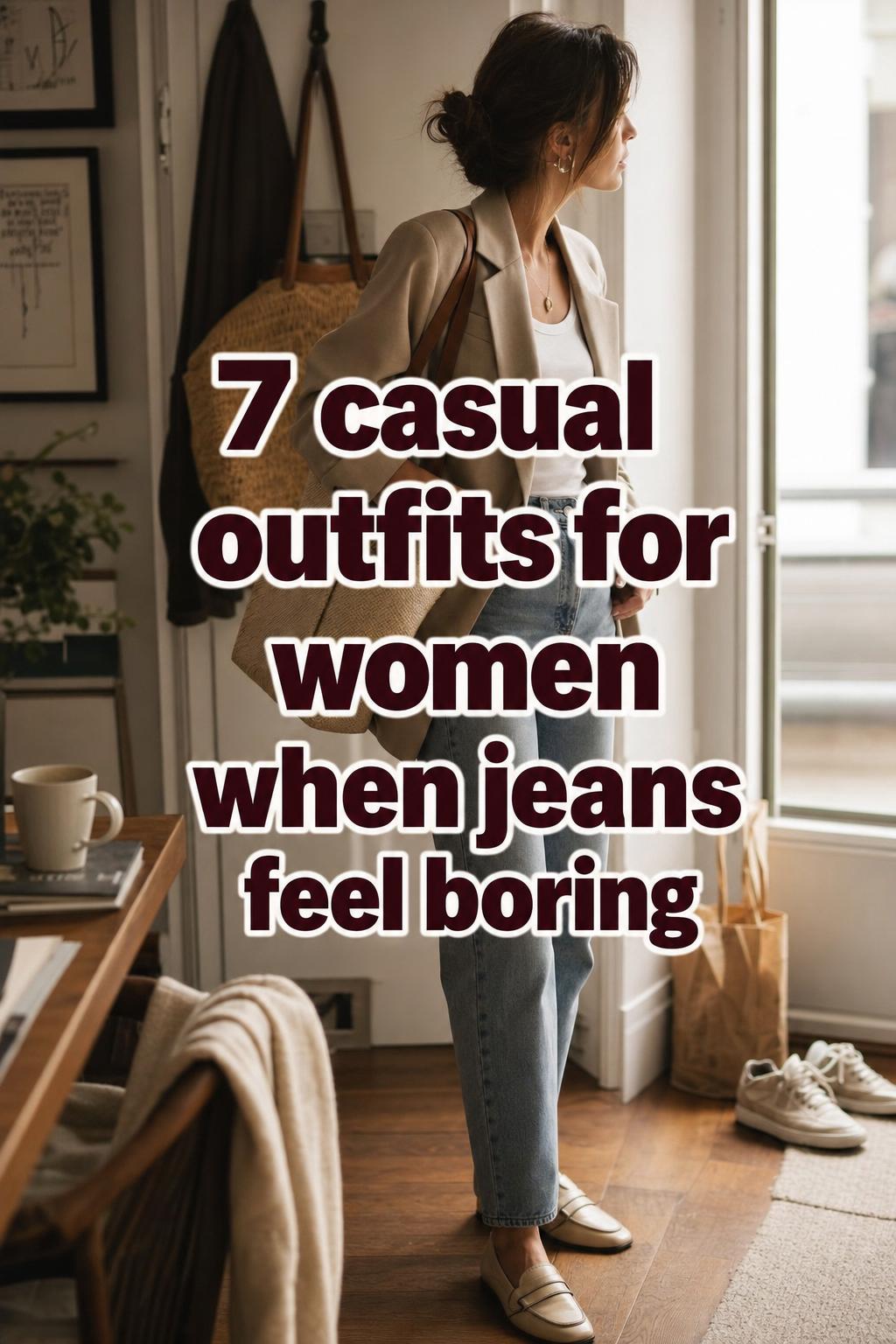
A pair of straight-leg or relaxed jeans, a plain T-shirt, and a structured blazer remains one of the most reliable casual combinations because it addresses multiple needs at once. Denim supplies familiarity and ease, the T-shirt keeps the look grounded, and the blazer sharpens the overall silhouette without making it feel overly dressed.
This formula works particularly well for days that move between informal settings: a morning coffee, an afternoon appointment, dinner in the city. The outfit remains comfortable, but the blazer introduces enough tailoring to make the look feel composed. White sneakers keep the mood modern and practical, while loafers or simple ankle boots push it slightly more polished.
To keep the effect refined, pay attention to fit. If the blazer is slightly oversized, choose a tee that sits close to the body and jeans with a clean line through the leg. If the denim is wider, a more defined shoulder or a tucked top helps maintain proportion. This is a casual uniform often associated with urban European dressing because it balances ease with crispness so naturally.
Why this combination works
It solves the common problem of feeling underdressed in basic clothes. The blazer acts as the finishing element that many casual outfits lack, while denim prevents the tailoring from becoming rigid. The result is relaxed, but visually complete.
Outfit solution: soft tailoring for everyday movement
For women who want an alternative to jeans, soft tailored trousers offer a particularly elegant route into casual dressing. Pair them with a lightweight knit or a fitted ribbed top, then add a minimal sneaker, flat sandal, or loafer depending on the season. The mood is less weekend-denim, more refined everyday ease.
This outfit is especially useful when comfort matters but you still want a cleaner line through the body. Trousers with a subtle drape tend to move better throughout the day and often feel more polished than leggings or joggers, even when styled simply. A half-tuck can define the waist without looking overly precise, and a simple belt can quietly finish the look.
Color matters here. Monochrome or tonal dressing makes soft tailoring feel calm and expensive. A cream knit with stone trousers, a grey top with charcoal pants, or navy layered with blue creates an understated sophistication that suits both weekday and weekend settings.
Best for
This is a strong option for casual office environments, lunch meetings, museum days, train travel, or any situation where denim feels slightly too informal but full tailoring feels unnecessary.
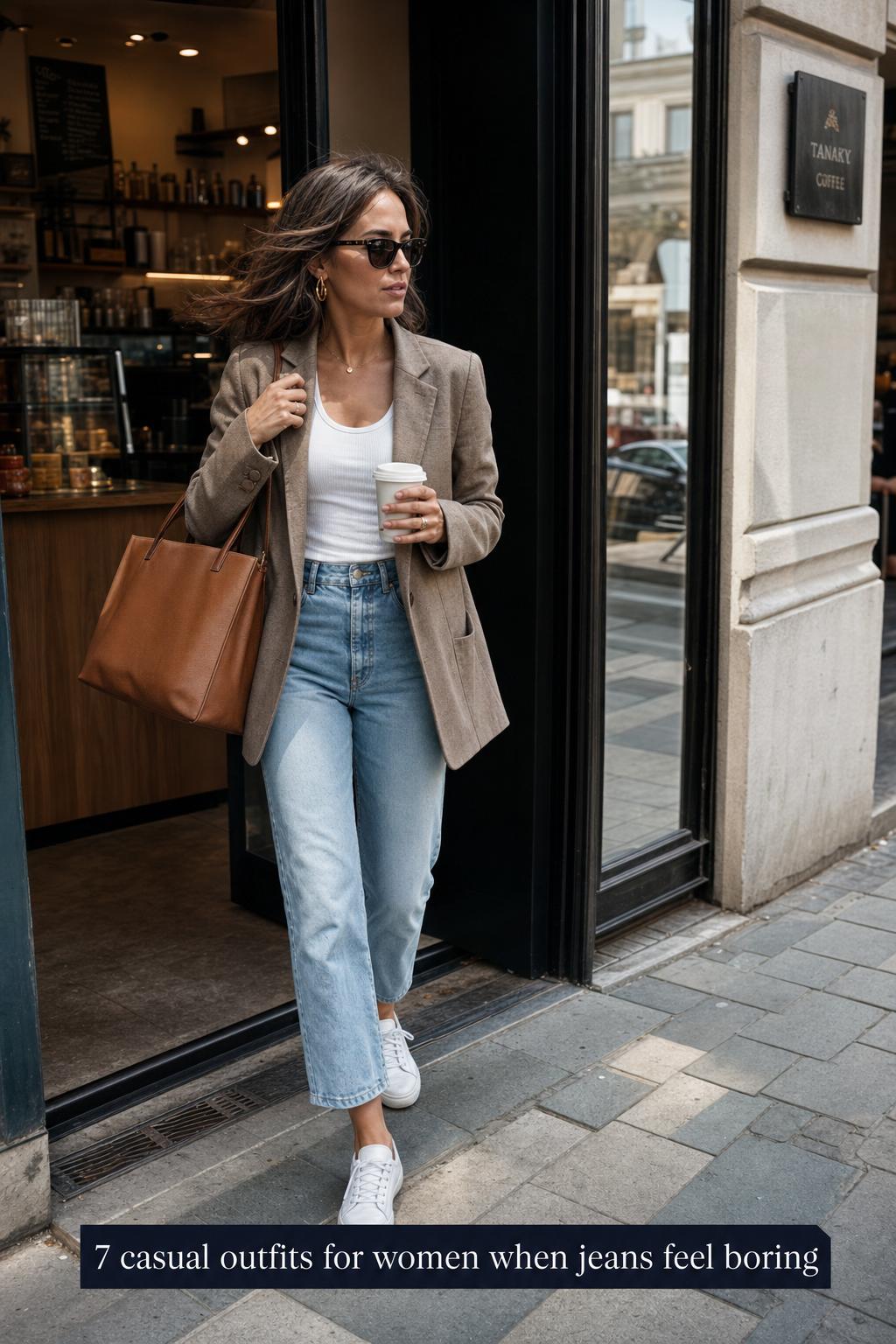
Outfit solution: the lightweight layered look for changing weather
Some of the most frustrating casual outfit decisions happen on days with temperature shifts. A practical answer is a base layer that stands alone well, topped with a lighter second piece that adds warmth and texture without heaviness. Think a tank or fitted tee under an open button-down shirt, a fine cardigan, or a relaxed overshirt.
This approach gives the outfit visual depth while remaining adaptable. If the outer layer comes off, the look should still feel complete. That is the difference between thoughtful layering and simply adding extra clothes. A fitted tank with high-rise trousers works on its own; the shirt layered over it simply extends the outfit’s usefulness.
For a more editorial finish, use texture contrast. A crisp cotton shirt over soft jersey, or a fine knit over smooth woven trousers, creates the kind of subtle sophistication that elevates casual style. Flat leather sandals, sleek sneakers, or low-profile loafers maintain the practical nature of the look.
Tips for getting layering right
- Choose an outer layer that looks intentional worn open.
- Avoid pairing two oversized pieces if you want a cleaner silhouette.
- Keep the base layer simple enough to stand on its own once temperatures rise.
- Use the second layer to add shape, color depth, or texture rather than only warmth.
Outfit solution: the casual dress that still feels composed
A simple casual dress can be one of the easiest wardrobe answers, but it works best when styled with the same care given to separates. The challenge with dresses is that they can swing too quickly in either direction: too precious for everyday life or too plain to feel finished. The solution is to introduce one grounding element and one structured accessory.
A midi dress in a clean shape, worn with a lightweight jacket, flat sandal, or sneaker, often strikes the right balance. If the dress has volume, a more defined outer layer helps. If the dress is straighter and minimal, a softer knit or relaxed shirt can add dimension. A crossbody bag or structured tote keeps the look practical and useful.
This outfit is ideal for warm days when you want ease without sacrificing polish. It also removes the need to coordinate separate pieces, which makes it a strong option for busy mornings or travel. The styling success lies in making the dress feel part of an outfit rather than the entire answer.
Outfit solution: comfortable city dressing with modern lines
City days require a particular kind of casual outfit. There is more walking, more sitting and standing, and often more visual scrutiny than in purely domestic routines. The look needs comfort, but it also benefits from a little architectural clarity. This is where clean lines become especially valuable.
Try wide-leg trousers or relaxed denim with a fitted knit tank, then add a lightweight trench or blazer if needed. The contrast between the streamlined top and fuller lower half creates a modern silhouette that feels current without relying on trend-heavy styling. Footwear should support movement: minimalist sneakers, sturdy flats, or loafers with enough support for long stretches on foot.
This type of outfit echoes the disciplined simplicity often admired in Paris, Milan, and Copenhagen street style. Not because of any one item, but because of the way the pieces interact. There is room to move, but the silhouette remains deliberate. It is a useful formula when you want to look polished in public-facing everyday settings.
How to adapt it
If you prefer more coverage, swap the tank for a fine long-sleeve knit. If you want the look to read slightly smarter, replace sneakers with loafers and add a belt. If comfort is your top priority, keep the palette tonal so even the simplest version still looks cohesive.
Outfit solution: elevated basics for casual office days
Some workplaces sit in the broad territory between corporate and fully relaxed. In these settings, casual dressing needs a little authority. Elevated basics are the answer: a crisp shirt with jeans, tailored trousers with a fine knit, or a simple top under a structured blazer. The goal is not to look formal, but to look reliable and composed.
A useful combination is dark denim, a button-down shirt, and loafers. Another is straight trousers with a crew-neck knit and minimal jewelry. These outfits are easy to wear, but their lines are neat enough for meetings, shared workspaces, and after-work plans. A tote large enough for daily essentials adds function without interrupting the clean silhouette.
The advantage of this approach is versatility. Each item can rotate into weekend dressing with only slight adjustments. The shirt can be opened over a tank on a Saturday; the trousers can be worn with sneakers for travel. This is where casual style becomes truly practical: when pieces shift across contexts without losing their refinement.
The role of shoes in making casual outfits feel intentional
Footwear often decides whether an outfit looks merely comfortable or fully considered. In casual dressing, shoes do not need to dominate the look, but they should support its tone. White or minimal sneakers introduce ease and modernity. Loafers sharpen even the simplest denim-and-knit combination. Flat sandals can lighten warm-weather looks, while ankle boots add structure in cooler conditions.
The practical question is always the right one to ask: how much walking, standing, weather exposure, and transition between settings will the day involve? A stylish shoe that cannot support real movement often undermines the entire outfit because discomfort changes posture and confidence. The most elegant casual wardrobe respects this reality.
Shoe choices that solve common casual dressing problems
- Sneakers soften tailored pieces and make blazers or trousers feel more approachable.
- Loafers bring definition to basic separates and work well when you want a smart casual result.
- Flat sandals help dresses and loose trousers feel lighter in warm weather.
- Low boots add visual weight that can balance skirts, dresses, or cropped trousers in transitional seasons.
Small styling decisions that make a big difference
Casual outfits rarely depend on dramatic statements. More often, they are improved by subtle interventions. Sleeves pushed up to reveal the wrist, a front tuck that defines the waist, a belt that echoes the shoe color, or a bag with a more structured shape can all sharpen the overall impression.
Accessories should support the outfit’s function as well as its style. A practical tote, a streamlined crossbody, a light scarf, or restrained jewelry can create finish without clutter. If the clothes are simple, too many accessories can feel disconnected. It is usually better to choose one or two with purpose than to add several without visual logic.
Tips for refining everyday looks
When an outfit feels slightly off, do not immediately change everything. First assess whether it needs more structure, a clearer waistline, a stronger shoe, or simply one less competing element. Very often, casual dressing improves through editing rather than adding. A cleaner line nearly always reads more polished than a busier one.
Where casual style often goes wrong
One of the most common mistakes is relying on comfort alone as the guiding principle. Comfort matters, but if every piece is oversized, soft, and unstructured, the outfit can lose definition. Another frequent issue is treating casual as an absence of styling rather than a styling category in its own right. Basics still require composition.
A second mistake is ignoring context. The same relaxed outfit may work beautifully at home, but feel too informal in a city setting, at a lunch meeting, or during travel. Casual dressing works best when there is a slight calibration to the day ahead. Adding a blazer, changing the shoe, or refining the bag is often enough.
Finally, many women underestimate the effect of fabric and fit. A basic white tee can look elegant or tired depending on cut, weight, and how it sits against the rest of the outfit. The same is true of denim, trousers, and knitwear. In casual style, details are not secondary. They are the point.
A simple week-to-week strategy for easier casual dressing
If you want casual outfits to come together more easily, build around a repeatable wardrobe rhythm rather than constant novelty. Keep a small rotation of dependable bottoms, a few clean tops, one or two layers with structure, and shoes that can support both comfort and polish. This creates variety through styling rather than through excess.
- Choose two or three bottom silhouettes you know suit your life: straight jeans, wide-leg trousers, or a relaxed midi skirt.
- Keep base layers simple and interchangeable, such as plain tees, tanks, and lightweight knits.
- Add structure with one blazer, one shirt, or one light jacket that can be worn repeatedly.
- Use shoes and accessories to shift the mood from off-duty to smart casual.
This kind of wardrobe thinking reflects the most enduring style habit: great outfits come from understanding your own practical needs, then composing around them with consistency and restraint. Casual style is not lesser style. In many ways, it demands more intelligence because there is so little to hide behind.
Conclusion
The best casual outfits for women are built on clear principles: balance relaxed pieces with structure, use layering with intention, choose fabrics that behave well throughout the day, and let footwear and accessories complete the look rather than compete with it. Casual dressing becomes far easier once you stop treating it as random and start treating it as composition.
Whether you prefer denim and blazers, soft tailoring, easy dresses, or modern city silhouettes, the same logic applies. Start with comfort, add shape, refine the proportions, and consider the reality of your day. That is how casual style moves from merely convenient to quietly polished.
FAQ
How can I make casual outfits look more polished?
The simplest way is to add one structured element, such as a blazer, crisp shirt, tailored trouser, or more refined shoe. Casual outfits often look polished when there is contrast between relaxed and sharp pieces, along with a coherent color palette and a clean silhouette.
What shoes work best with casual outfits for women?
That depends on the setting, but minimal sneakers, loafers, flat sandals, and ankle boots are among the most useful options. The best choice is usually the one that supports the day’s movement while reinforcing the tone of the outfit rather than distracting from it.
How do I dress casually without looking underdressed?
Focus on fit, proportion, and one finishing layer. Even a basic outfit of jeans and a T-shirt can look intentional if the denim fits well, the top has a clean line, and the look is completed with a blazer, button-down, belt, or thoughtful shoe.
Are jeans the best base for casual outfits?
Jeans are useful, but they are not the only strong option. Soft tailored trousers, relaxed skirts, and simple dresses can work just as well, especially when comfort, movement, or a slightly more polished appearance is important.
What should I wear on casual days with changing weather?
Build the outfit around a base layer that looks complete on its own, then add a light second layer such as a shirt, cardigan, blazer, or overshirt. This gives flexibility through the day and prevents the outfit from feeling incomplete once a layer comes off.
How do I balance comfort and style in everyday outfits?
Choose comfortable pieces with shape rather than defaulting only to soft, oversized clothing. A relaxed trouser with a fitted knit, straight jeans with a structured blazer, or a simple dress with a practical jacket can feel comfortable while still looking refined.
What colors are easiest for building casual outfits?
Neutrals and muted shades are often the easiest because they mix well and allow silhouette and texture to stand out. White, black, navy, beige, grey, denim blue, and soft earth tones make it easier to create multiple outfits that feel calm and cohesive.
Can casual dresses look sophisticated?
Yes, especially when the shape is clean and the styling includes a grounding element such as a sneaker, flat sandal, or light jacket. The key is to treat the dress as part of a complete look rather than relying on it alone to carry the outfit.
What is the biggest mistake people make with casual style?
One of the biggest mistakes is assuming casual means unconsidered. When every item is equally loose or purely functional, the outfit can lose definition. Casual style works best when at least one element introduces structure, proportion, or finish.
Leave a Reply