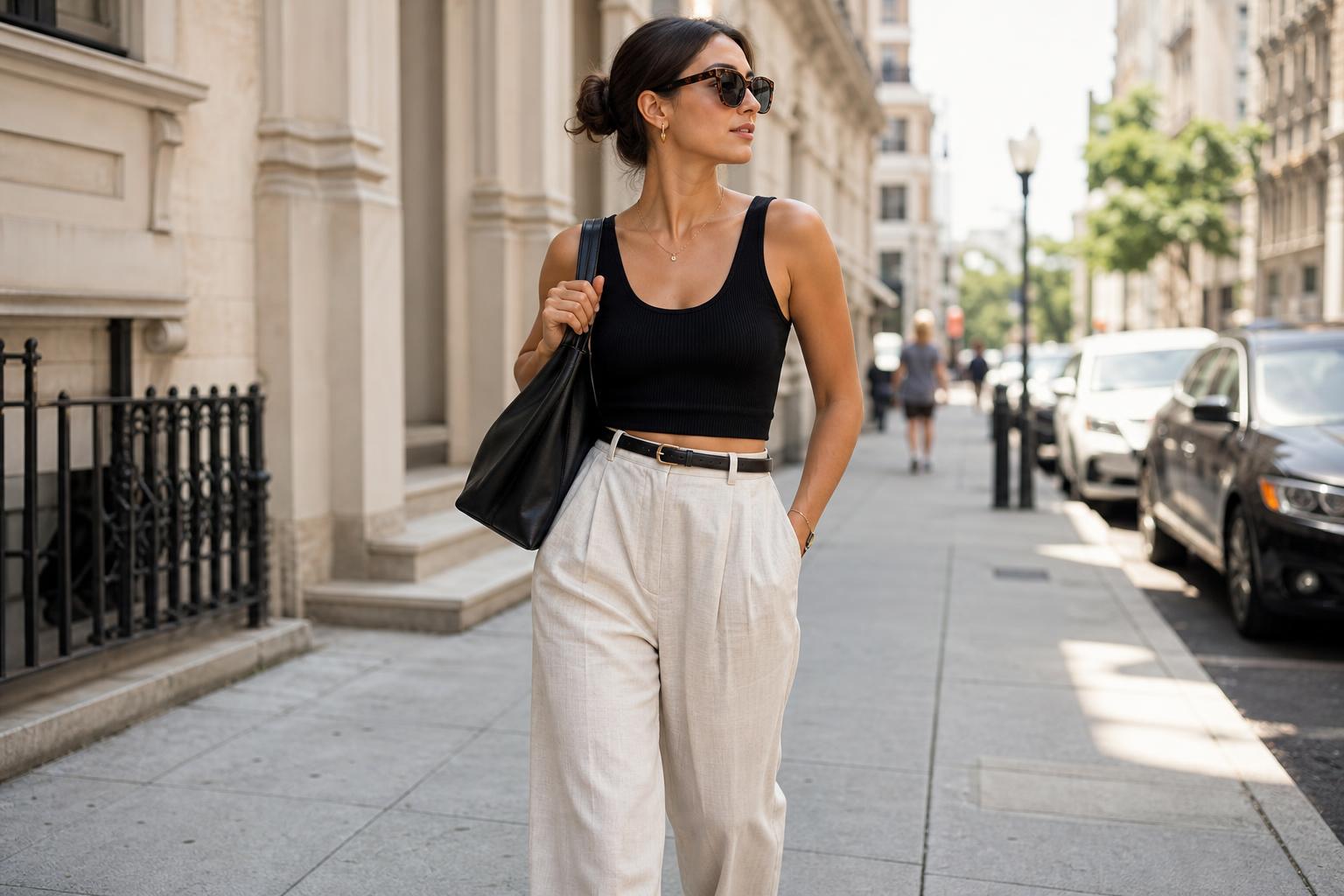
A summer morning in the city asks more of an outfit than a simple warm-weather formula. By noon, there is transit heat, office air conditioning, pavement glare, and perhaps a rooftop dinner still to come. That is why summer city outfits tend to gather around a few recurring aesthetics: polished minimalism, elevated casual dressing, downtown edge, and the city-break capsule. They often overlap, which is precisely why so many wardrobes end up feeling slightly muddled rather than intentional.
The confusion is understandable. A neutral midi dress with sandals can read refined minimalism in one context, elevated casual in another, and even city-travel practicality when styled with a crossbody bag and sunglasses. The difference lies less in the individual piece than in silhouette, proportion, layering, and purpose. Editors at Vogue and Vogue UK, city-focused styling from Harper’s Bazaar, and the practical travel lens seen in city-break wardrobes all point toward the same truth: urban summer style works best when composition is deliberate.
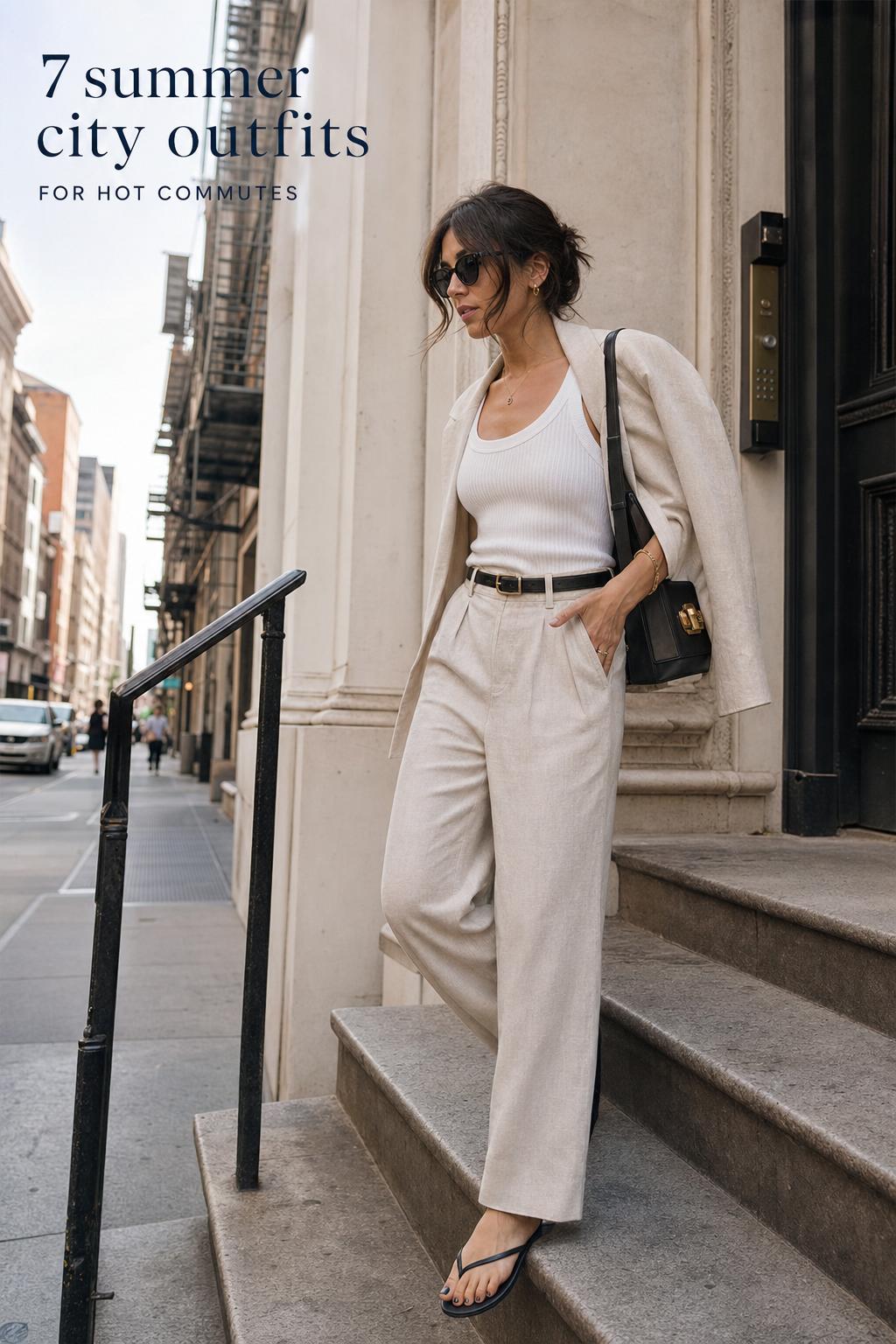
This comparison breaks down the main styling approaches that shape modern summer city outfits, explains how they differ visually and functionally, and shows where they can blend. The aim is not to prescribe one aesthetic, but to clarify how each one works in real life—from New York City commutes and Los Angeles ease to polished city travel and effortless evening dressing.
The city wardrobe problem: why urban summer dressing has its own logic
City dressing in summer is not simply seasonal dressing placed against a metropolitan backdrop. The urban environment changes how clothes behave and how they are perceived. Pieces must withstand movement, temperature shifts, and long hours out of the house while still looking composed in offices, on sidewalks, at lunch meetings, and during social events. This is why the strongest city-ready wardrobes rely on breathable fabrics, tailored structure, and a sense of versatility rather than isolated trend pieces.
Your wedding has a lot of moving pieces. Your plan can still feel composed.
Zarellea organizes guests, vendors, budget, and timelines in one shared space — so you can make decisions with clarity, not stress.
Across style coverage centered on NYC, Los Angeles, London, and broader city life, the same priorities keep returning: dresses and tailored separates, polished but effortless silhouettes, tonal dressing, and capsule-like coordination. Minimalism appears often, but not as austerity. It works because clean lines and a controlled palette make repeated wear easier, especially when one outfit must move from transit to work settings to nightlife with only a few styling adjustments.
In practice, this creates several distinct aesthetics that are closely related but not identical. Understanding the differences helps you build a wardrobe that feels coherent instead of overfilled.
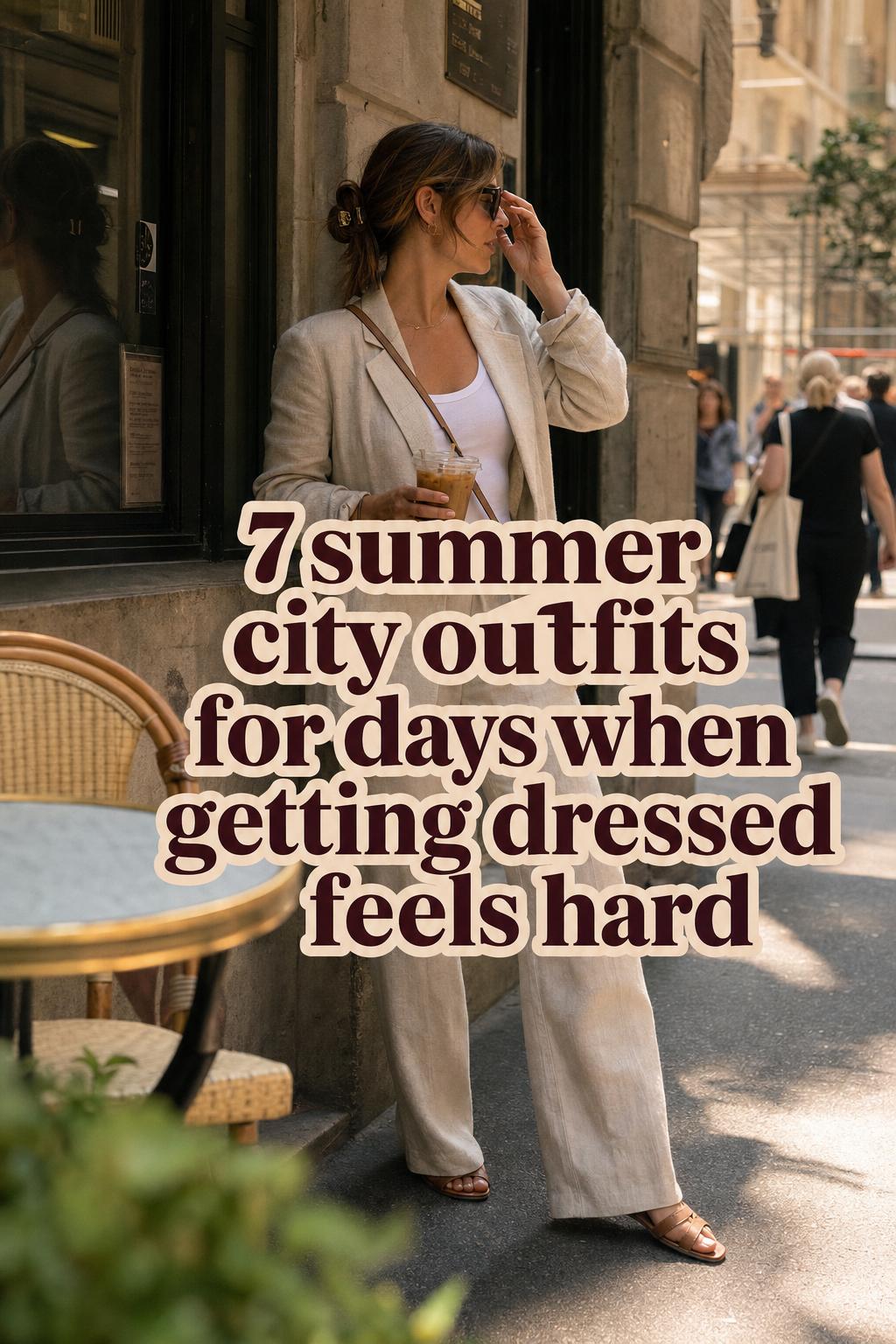
Style overview: polished minimalism
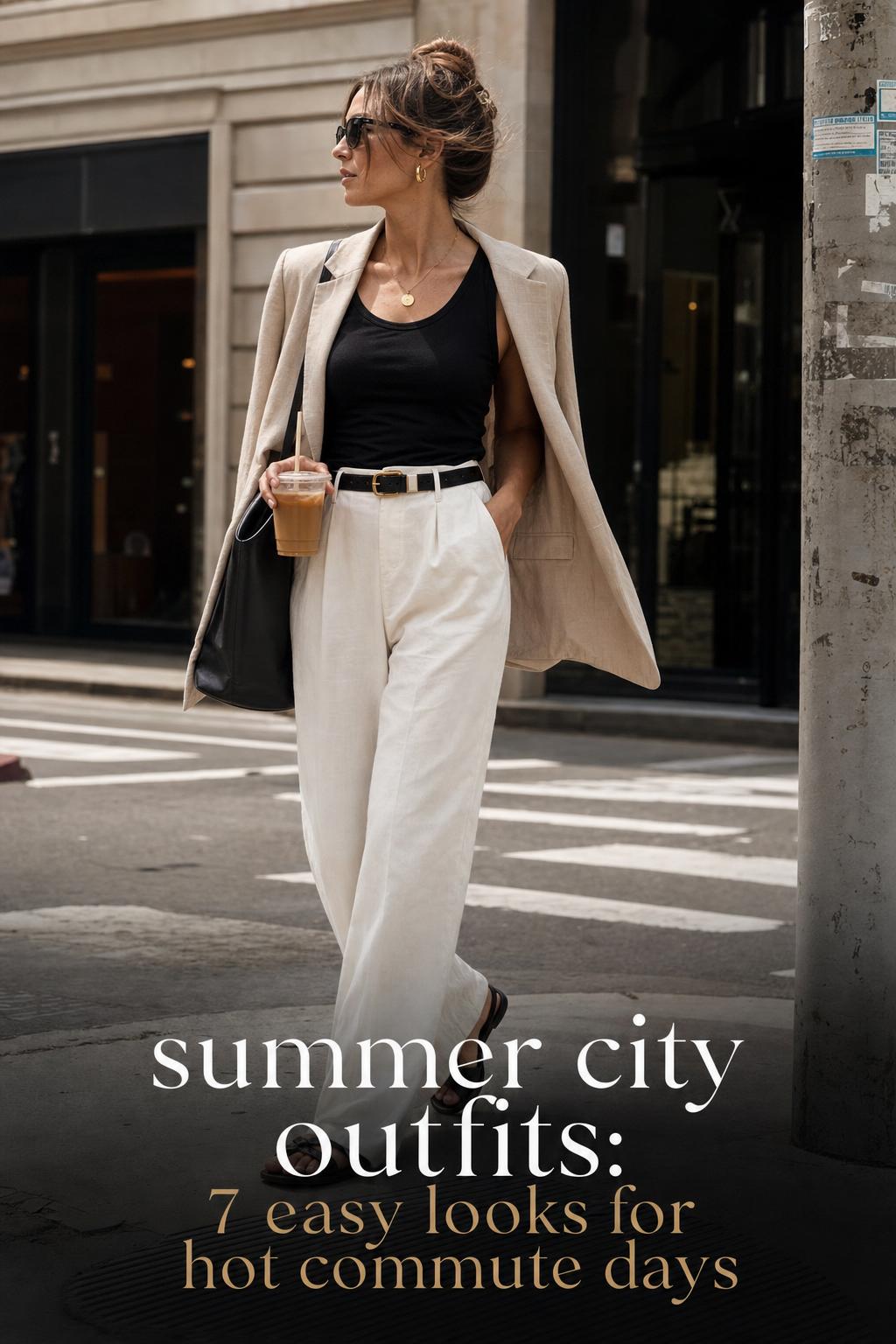
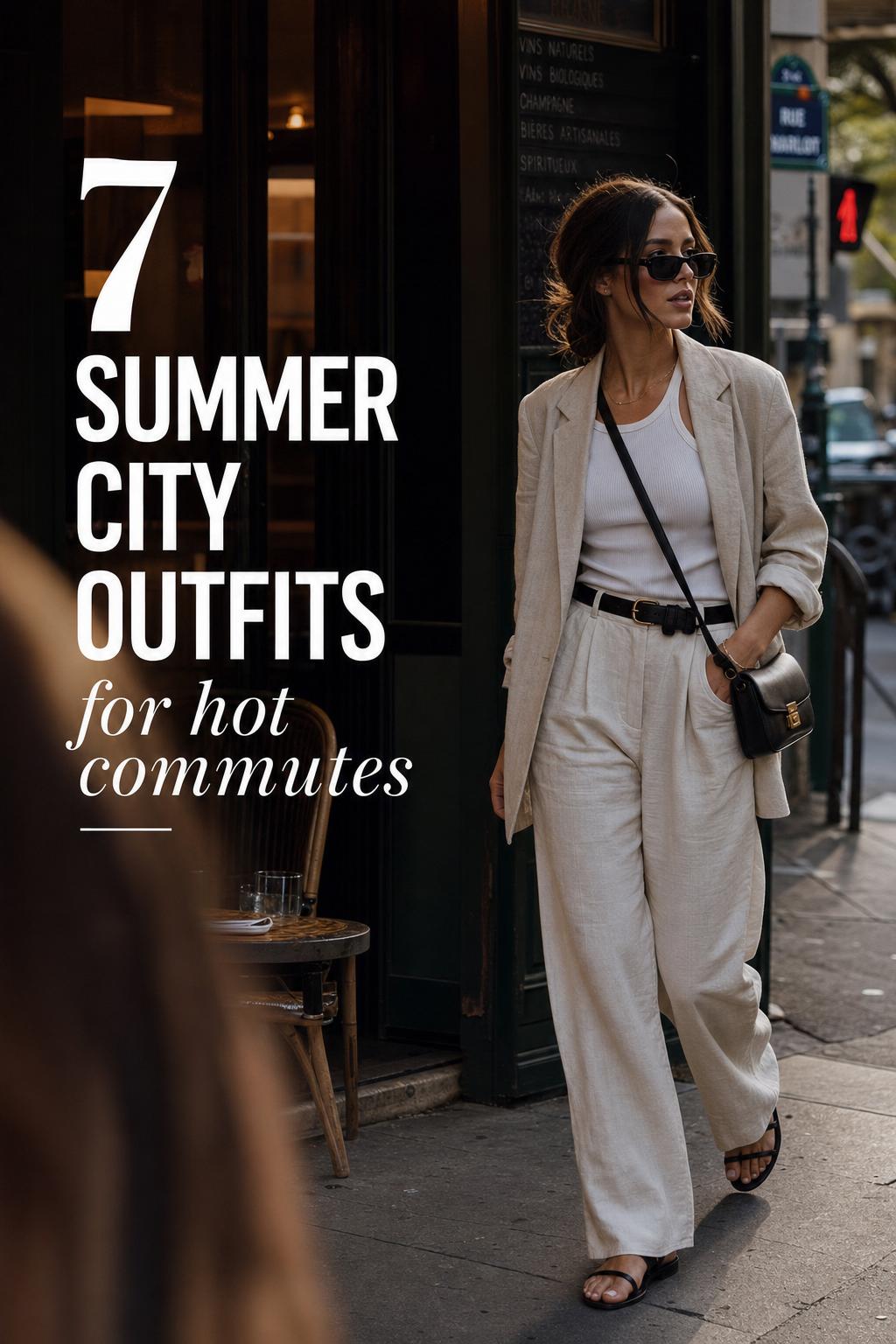
Polished minimalism is the aesthetic most strongly associated with editor-approved city dressing. It favors tailored trousers, simple tank tops, lightweight blazers, streamlined dresses, and refined sandals. The mood is controlled, modern, and effortless without appearing casual. It is often the visual language behind the “summer in the city” edit: chic, urban, and quietly confident.
The silhouettes are clean and slightly architectural. Think loose linen trousers balanced by a fitted top, a midi dress with a long vertical line, or a structured blazer layered over a simple blouse. Nothing feels overly embellished. The interest comes from proportion, fabric quality, and disciplined styling.
The color palette leans toward neutrals and tonal dressing—ivory, black, stone, navy, soft earth tones—with the occasional restrained accent. This is where brands such as COS, The Row, Loulou Studio, and DÔEN are often invoked as references for elevated basics and refined city silhouettes. The overall mood is urban, polished, and versatile enough for commuting, client meetings, dinner, and gallery-like social settings.
Style overview: elevated casual
Elevated casual sits adjacent to minimalism but feels softer, easier, and slightly less formal. It still values cohesion, but it allows more visible ease: a tee with a midi skirt, smart shorts with a polished shirt, or a simple dress with sandals and a practical bag. It is the aesthetic of low-effort chic rather than structured restraint.
Silhouettes are more relaxed and familiar. There is usually one easy piece grounding the outfit—a T-shirt, a loose skirt, a simple sundress—while the rest of the look keeps it city-appropriate through proportion and accessory choice. In Los Angeles-focused style, this often reads as rich-looking without trying too hard, with attention to tone and proportion rather than heavy structure.
The palette may still be neutral, but it has more room for soft pastels, warmer tones, and subtle contrast. Fabrics remain important: breathable cotton, linen, and lightweight blends help the outfit look intentional rather than undone. Elevated casual is often the most useful category for everyday summer city outfits because it can be adjusted so easily.
Style overview: downtown edge
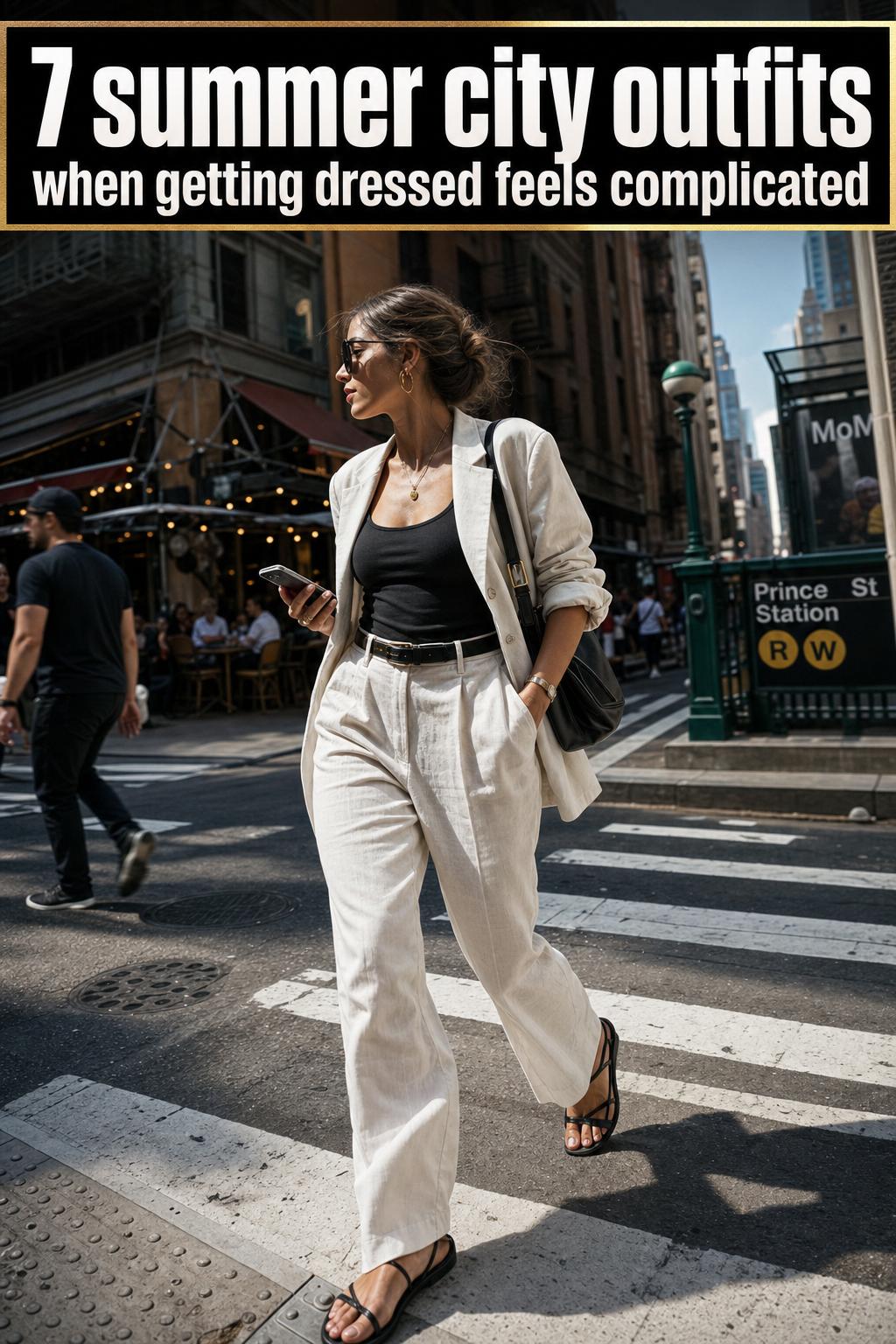
Downtown edge introduces sharper contrast. It borrows from street style and gives summer dressing more attitude through denim, leather-adjacent styling references, stronger outerwear shapes, and a more directional approach to balance. Even when the weather is hot, the look may include a light jacket carried for evening, a structured layer over a lightweight dress, or a statement piece against a neutral base.
The silhouettes here are less serene than polished minimalism and less relaxed than elevated casual. A fluid dress may be offset by a tougher outer layer. Tailored pants might be styled with a more assertive accessory. The intention is not simply comfort or refinement, but visual tension. This is the style most likely to appear in street style imagery and creator-led city outfit roundups.
Its palette can remain neutral, but contrast matters more: black against cream, washed denim against a sleek top, or a sharper accessory line within an otherwise simple look. Downtown edge suits city personalities who want to retain polish without losing individuality.
Style overview: the city-break capsule
The city-break capsule is less of a pure aesthetic and more of a wardrobe strategy, yet it has a recognizable look. It prioritizes packable, repeatable pieces that can cover walking days, transit, daytime sightseeing, café stops, and dinner. The styling is practical, but not careless. It often overlaps with polished minimalism and elevated casual because those aesthetics naturally support repetition and mix-and-match dressing.
Silhouettes are functional and versatile: a midi or maxi dress that works day to night, smart shorts balanced with a polished top, loose trousers, comfortable sandals, and a crossbody bag. Layering is light but essential, often through a shirt or blazer that can shift the outfit’s tone. The palette is usually compact and cohesive, making a few pieces behave like many.
This approach appears frequently in city travel styling and in capsule wardrobe guidance because it solves a very real urban problem: how to dress for long summer days without carrying an entirely separate evening outfit.
Where the aesthetics divide most clearly
Silhouette and structure
Polished minimalism depends on tailored structure. Even when the fabric is lightweight, the line of the outfit feels intentional and controlled. Elevated casual relaxes that structure, allowing softer outlines and easier movement. Downtown edge uses structure more dramatically, often creating tension between fluid and sharp pieces. The city-break capsule sits in the middle, choosing silhouettes that travel well and can be restyled quickly.
Color palette
Tonal dressing is strongest in polished minimalism and often central in Los Angeles-inspired rich-looking outfits. Elevated casual opens the door to softer contrast and a slightly more varied palette. Downtown edge tends to rely on contrast for visual force. The city-break capsule usually edits color for practicality, favoring neutrals and a few accent tones that make repeated combinations look coherent.
Level of formality
Polished minimalism is the most office- and event-ready by default. Elevated casual is the easiest for everyday city life and can be sharpened when needed. Downtown edge may look highly intentional but is not always the best fit for conservative work settings. The city-break capsule is not defined by formality at all; its success depends on how effectively it moves between casual daytime wear and polished evening adaptation.
Styling philosophy
Minimalism asks, “How little can I do and still look refined?” Elevated casual asks, “How can I look effortless but considered?” Downtown edge asks, “How can I create personality through contrast?” The city-break capsule asks, “How many situations can one outfit handle?” These are different questions, and they lead to different wardrobes even when some pieces overlap.
Typical wardrobe pieces
- Polished minimalism: tailored trousers, tank tops, midi dresses, lightweight blazer, sleek sandals, structured bag
- Elevated casual: tee, midi skirt, smart shorts, relaxed shirt, easy dress, practical sandals
- Downtown edge: denim or light outerwear, statement separates, sleek dress with contrast layer, stronger accessories
- City-break capsule: repeatable dress, loose pants, versatile top, blazer or shirt layer, crossbody bag, comfortable sandals
What these styles look like in real life
On the street, the differences are often visible before individual garments are. Polished minimalism looks composed from a distance because the outfit line is uninterrupted. A tailored silhouette contrasted with relaxed textures gives it sophistication without noise. Elevated casual appears lighter and more spontaneous, though the best versions are still carefully balanced. Downtown edge reads faster and sharper; the eye notices contrast and attitude first. The city-break capsule looks adaptable, as though the wearer could walk several blocks, step into lunch, and continue into evening without needing to start over.
Layering is one of the clearest distinctions. Minimalism uses layering to add structure, such as a blazer over a tank or blouse. Elevated casual uses it softly, often through an open shirt or a lightweight extra layer that does not dominate the outfit. Downtown edge treats layering as a visual device, using a jacket or stronger piece to define the look. The city-break wardrobe layers for utility, with pieces chosen because they can be tied, carried, or added later when city temperatures shift.
Accessories follow the same pattern. In minimalism, sunglasses, a bag, and sandals are sleek and restrained. Elevated casual allows accessories to feel more lived-in and practical. Downtown edge often gives accessories more attitude, using them to sharpen the message of the outfit. In the city-break approach, accessories are selected for movement and duration as much as style; the crossbody bag is emblematic because it supports a long urban day.
The fabric question that separates good city dressing from beautiful but impractical dressing
One of the most useful distinctions in summer city outfits has little to do with trend and everything to do with fabric behavior. Breathable materials such as linen, cotton, and TENCEL Lyocell support the polished look cities often demand because they help the wearer remain comfortable enough to keep the outfit composed. In an urban setting, discomfort quickly changes posture, layering choices, and even the way an outfit photographs.
Polished minimalism in the wrong fabric can feel too rigid in heat; elevated casual in the wrong fabric can collapse into looking rumpled rather than effortless. The city-break capsule depends especially on fabric intelligence because pieces need to be reworn, packed, and moved through different settings. Moisture-wicking blends, cooling fabrics, and UV-conscious choices become relevant not as technical novelties, but as quiet enablers of style.
There is also a broader wardrobe value here. Sustainability in summer city style is most convincing when it is tied to longevity and repeat wear. A breathable, neutral piece that can function across work, transit, and evening settings will often do more for a real wardrobe than a highly specific seasonal item. That is where capsule thinking, minimalism, and responsible fabric choice naturally meet.
Tips for choosing summer fabrics in the city
- Choose linen, cotton, and Lyocell when you want airflow without sacrificing a polished line.
- Use moisture-wicking or cooling blends for long transit days or city travel, especially when the outfit must last from morning to evening.
- Test how a fabric behaves when seated and walking; city style is judged in motion, not only in a mirror.
- Favor pieces that layer lightly, since offices and evening settings often demand a second element.
Four city situations, compared through different style lenses
Commuting to a client meeting
Polished minimalism handles this best with a tank or blouse, tailored trousers, a lightweight blazer, and sleek sandals. The logic is clarity: the outfit feels cool enough for summer but formal enough for work settings. Elevated casual would soften the same scenario with a relaxed shirt and smart shorts or an easy midi skirt, but this depends on office culture. Downtown edge can work if the tailoring remains strong, though the statement element should stay controlled. The city-break capsule is least specific here, but a versatile dress with a structured layer can perform surprisingly well.
Walking through the city on a hot afternoon
Elevated casual and the city-break capsule often win this comparison. A breathable dress, practical sandals, sunglasses, and a crossbody bag create the right balance of ease and urban polish. Polished minimalism can still work beautifully, particularly with loose linen trousers and a simple top, but the outfit must not become too constrained. Downtown edge can feel compelling visually, yet in extreme heat it requires restraint; one stronger element is enough.
Rooftop evening plans after work
Here the differences become elegant rather than dramatic. Polished minimalism may move into a sleek dress or jumpsuit with refined sandals and minimal accessories. Elevated casual keeps the same spirit but feels softer, perhaps through a simple dress styled to look effortless rather than overtly dressed. Downtown edge thrives in this setting because evening allows more tension and attitude. The city-break capsule succeeds when the daytime base already had evening potential, proving the strength of versatile wardrobe planning.
Weekend city travel
The city-break capsule is the clearest choice because it was built precisely for this purpose. It values packability, repeat wear, and day-to-night shifts. Elevated casual also performs well, especially for walking-heavy itineraries. Polished minimalism can be excellent if the traveler prefers a highly edited wardrobe, though it may require more careful curation. Downtown edge is best used selectively on travel weekends, with one or two stronger looks rather than an entire suitcase built around statement contrast.
Example comparisons that clarify the styling logic
Casual daytime outfit interpretation
A polished minimalist approach might use loose tailored trousers, a fitted tank, sleek sandals, and a structured bag in tonal neutrals. The effect is calm and urban. Elevated casual would approach the same moment with a tee, midi skirt, flat sandals, and softer accessories, creating movement and approachability. Both can be beautiful summer city outfits, but the first prioritizes line while the second prioritizes ease.
Work-to-evening outfit interpretation
Polished minimalism relies on a blazer, blouse, and tailored bottoms, then shifts the tone through accessories after hours. Downtown edge may begin with a similarly urban base but add a stronger layer or more directional contrast, making the transformation visible rather than subtle. The first look whispers refinement; the second announces intention.
Dress-based outfit interpretation
In polished minimalism, the dress is usually clean-lined, perhaps midi or maxi, with restrained sandals and little interruption. In elevated casual, the same category of dress becomes easier and more lived-in, often styled with practical accessories and less emphasis on strict silhouette. For the city-break capsule, the dress is judged by versatility above all—whether it can serve lunch, walking, transit, and dinner without strain.
How New York City, Los Angeles, and London subtly shift the same summer formulas
Location changes the emphasis more than the wardrobe itself. New York City style, as seen in NYC-focused summer outfit coverage, often values tailoring, polish, and the ability to withstand a long day of movement. The silhouette tends to feel sharper, with city heat managed through breathable fabrics rather than through overt informality.
Los Angeles summer outfits often express ease through tonal dressing and proportion. The look can still appear rich-looking and refined, but it does not lean as hard on strict structure. There is more softness in the line and often a greater sense of relaxed confidence. London-inflected city dressing, meanwhile, tends to preserve a minimalist and capsule-like sensibility, with practical layering and understated sophistication.
These differences matter because readers often try to recreate a city style without noticing the local logic behind it. A sharply tailored NYC formula may feel too formal for some Los Angeles routines. A very relaxed West Coast interpretation may not deliver enough structure for a Manhattan workday. The most successful wardrobes borrow the spirit of a city while adapting to actual use.
A refined capsule for summer in the city
The most practical answer to summer city dressing is usually not more clothing, but better coordination. A compact wardrobe built around breathable fabrics, tonal dressing, and adaptable pieces can support multiple aesthetics at once. This does not erase personal style; it gives it structure.
- Loose linen trousers for movement, polish, and heat management
- A midi or maxi dress that can shift from daytime to evening
- A simple tank top and a polished shirt or blouse
- A lightweight blazer for work settings and late-day transitions
- Smart shorts for elevated casual days
- Versatile sandals that remain comfortable across long city hours
- A crossbody bag for transit, errands, and travel practicality
- Sunglasses and, where useful, a hat for sun-heavy days
This foundation can move toward minimalism, casual ease, or downtown edge depending on styling. The wardrobe pieces stay the same; the composition changes. That is a more intelligent approach than trying to maintain completely separate aesthetics for every urban scenario.
Tip: build around outfit formulas, not isolated items
A useful city wardrobe often depends on recurring formulas such as tank plus tailored trousers, tee plus midi skirt, dress plus sleek sandals, or blazer plus versatile blouse and tailored bottoms. These formulas make dressing faster and more consistent. They also reduce the common problem of owning attractive pieces that do not connect.
Common mistakes that make summer city outfits feel off
The first mistake is confusing simplicity with lack of styling. Minimal looks still need shape, color balance, and intention. A neutral outfit without proportion can look unfinished rather than refined. The second is over-layering in pursuit of polish. Urban summer style should feel light, even when it includes a blazer or jacket. If the layering is too heavy, the wearer will spend the day carrying pieces instead of wearing them well.
Another common issue is treating all city contexts as identical. Transit-heavy days, office settings, rooftop evenings, and city travel each ask for slightly different priorities. Practicality is not separate from style in this category; it is part of style. Footwear, in particular, often reveals whether an outfit was composed for real life or only for a still image. Comfortable sandals and ergonomic design matter because a city day is long.
Finally, many wardrobes neglect inclusivity and adaptability. Summer city style should serve the wearer’s body, schedule, and movement patterns. Size range, comfort, and adaptive styling choices are not side concerns; they are central to whether a look can become part of daily life.
Tips for avoiding city-style imbalance
- If the silhouette is relaxed, add one polished element so the outfit still reads city-ready.
- If the outfit is very tailored, use breathable fabric or simpler accessories to keep it light.
- Keep the palette edited when you want multiple pieces to mix across work, travel, and evenings out.
- Choose footwear with long walking days in mind; elegance fades quickly when comfort is ignored.
When each style works best
Polished minimalism is ideal for work environments, lunch meetings, gallery openings, and any city setting where you want to look composed without appearing overdone. It is also highly effective for readers building a timeless wardrobe because the pieces tend to repeat well across seasons.
Elevated casual works best for everyday city life, creative offices, errands, daytime social plans, and warm afternoons when comfort matters as much as appearance. It is often the most approachable route into summer city outfits because it starts with familiar pieces and refines them through styling.
Downtown edge belongs to evenings, fashion-oriented environments, and moments when personal style should feel more visible. It can work during the day, but usually in measured form. The city-break capsule is strongest for travel, weekends, and compressed schedules when one wardrobe needs to cover many activities.
In reality, most strong wardrobes use all four approaches. A city resident may prefer minimal tailoring for work, elevated casual for daytime movement, downtown edge for evening, and a capsule mindset for travel. The value of comparison is not in choosing one forever, but in understanding which logic to apply when.
Blending the styles without losing clarity
The most modern wardrobes are rarely pure. A polished minimalist base can gain relevance through one street-style element. Elevated casual can become dinner-ready through a sleeker sandal and a sharper bag. A city-break capsule can feel less purely practical if the palette is disciplined and the silhouettes are elegant. The key is to know which aesthetic is leading and which is supporting.
One of the easiest ways to combine them is through color discipline. When the palette stays cohesive, you can introduce different levels of structure and still maintain visual calm. This is why tonal dressing appears so frequently in city-focused summer style. It allows contrast in silhouette without creating chaos.
Another useful method is to let accessories set the mood. The same midi dress can move from elevated casual to polished minimalism to city-break practicality depending on the sandal, bag, sunglasses, and layering piece. Thoughtful styling, not constant buying, is what creates wardrobe depth.
FAQ
What defines summer city outfits compared with regular summer outfits?
Summer city outfits are designed for urban movement and multiple settings in one day, so they tend to combine breathable fabrics, polished silhouettes, and versatile layering more carefully than general warm-weather looks. They often need to work for transit, work, walking, and social plans without losing shape or ease.
What are the most useful pieces for a summer city capsule wardrobe?
The strongest foundation usually includes loose linen trousers, a midi or maxi dress, a simple tank, a polished blouse or shirt, a lightweight blazer, smart shorts, comfortable sandals, and a crossbody bag. These pieces support both everyday wear and more refined city moments when the styling is adjusted.
How can I make summer city outfits look polished in high heat?
Focus on breathable materials such as linen, cotton, and Lyocell, then keep the outfit visually clean through tailored proportion, tonal dressing, and restrained accessories. In heat, polish comes less from adding more and more from choosing fabrics and silhouettes that stay composed as the day progresses.
Are dresses or tailored separates better for city summer style?
Both work well, but they serve slightly different needs. Dresses are often the easiest route for day-to-night dressing and city travel, while tailored separates offer more control for work settings and styling variation. The better choice depends on whether your day requires flexibility, formality, or long hours of movement.
How do NYC and Los Angeles summer outfit formulas differ?
New York City style tends to emphasize tailoring, structure, and polished endurance across a long day, while Los Angeles formulas often express refinement through tonal dressing, softer proportions, and a more relaxed line. Both can be minimal and elegant, but the mood and level of structure usually differ.
What shoes work best for summer city outfits?
Versatile sandals are the most consistent choice, especially when they combine comfort with a clean silhouette. For long city days, footwear should support walking and transit without making the outfit feel too casual. In practical terms, comfort and ergonomic design matter as much as appearance.
Can elevated casual still work for office-to-evening dressing?
Yes, provided the outfit includes enough structure to hold its shape in a work setting. A relaxed base can become more polished through a blazer, sharper bag, more refined sandals, or a controlled color palette. Elevated casual works best when ease is balanced with intention.
How can I make a city-travel wardrobe feel stylish rather than purely practical?
Keep the wardrobe edited, choose a cohesive palette, and rely on pieces that can shift between daytime walking and evening plans. A city-break wardrobe feels stylish when practicality is built into refined silhouettes rather than treated as a separate category.
Is minimalism the best approach for summer in the city?
Minimalism is one of the most effective approaches because it supports repetition, polish, and versatility, but it is not the only one. Elevated casual, downtown edge, and capsule dressing all work well when their styling logic matches your routine, city context, and comfort needs.
Leave a Reply