
Winter Wardrobe Capsule: A Practical, Cozy, Timeless System for Cold Weather
A winter wardrobe capsule is a small, intentional set of cold-weather clothes and accessories that work together in many combinations—so you can get dressed quickly, stay warm, and stop buying random “one-off” pieces that don’t match the rest of your closet. The best winter capsule wardrobes focus on versatile staples (outerwear, base layers, knitwear, bottoms, footwear, and weather-ready accessories) and rely on layering to adapt to different temperatures.
This guide gives you a complete winter wardrobe capsule blueprint you can follow as-is or tailor to your climate, lifestyle, and style preferences. You’ll get a practical core item count, a clear layering strategy, mix-and-match outfit formulas, budget approaches, climate and work variations, and care tips that help your capsule last for years.
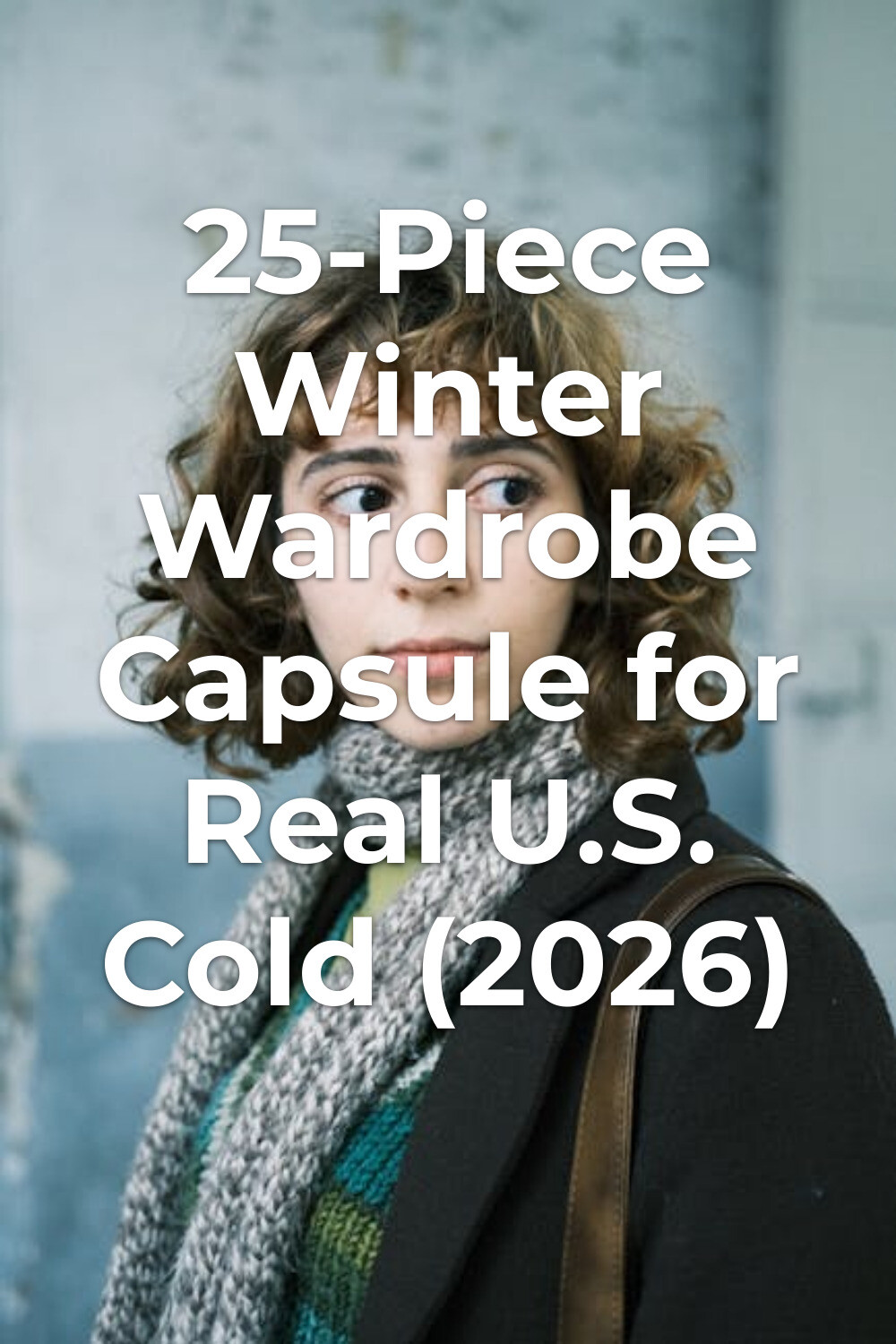
Why a Winter Capsule Wardrobe Makes Dressing Easier
Winter dressing is more complicated than other seasons because warmth, weather, and indoor heating all pull your outfits in different directions. A capsule approach simplifies decisions by reducing your wardrobe to pieces that reliably layer, coordinate, and handle the realities of winter: cold commutes, wet sidewalks, wind, and temperature swings between outdoors and heated interiors.
Instead of owning more clothes, a winter capsule helps you own the right clothes. When your outerwear, knitwear, denim or trousers, and accessories are chosen to mix well, you can repeat outfit “formulas” without looking repetitive. The result is a wardrobe that feels cohesive, polished, and comfortable—whether your winter style leans classic, minimal, or quiet-luxury.
Tips: If you’re new to capsules, don’t start by shopping. Start by identifying what already works: the coat you reach for most, the boots that survive messy weather, and the knitwear you wear on repeat. A capsule is easiest to build when you protect your proven favorites and fill only the true gaps.
Core Principles: How a Winter Capsule Actually Works
Quality over quantity (especially in outerwear and knitwear)
Winter pieces do heavier lifting than summer basics. Coats face wind and precipitation, boots face salt and slush, and knits are worn repeatedly because they’re warm and easy. A winter wardrobe capsule works best when your most-used categories—outerwear, knitwear, and footwear—are durable, comfortable, and timeless enough to wear season after season.
Focus on solid materials and construction where it counts: warm coats, reliable base layers, and sweaters that hold their shape. When your core pieces are dependable, you can keep the rest of your capsule simple and still look pulled together.
Build around a neutral palette, then add 1–2 accents
Capsules are easier when most items coordinate naturally. Many winter capsule wardrobes use a neutral foundation (for example: black, gray, cream, navy, or camel tones) so that coats, knits, denim, and boots combine without effort. Adding one or two accent colors—through a scarf, a statement layer, or a sweater—keeps outfits interesting without making matching complicated.
Tips: If your closet already has a dominant neutral (like black or navy), use that as your anchor. You don’t need a “perfect” palette; you need a repeatable one.
Layering is your superpower (base layer, mid-layer, outer layer)
Layering is the engine of a winter wardrobe capsule. Instead of relying on one ultra-heavy outfit, you combine lightweight warmth (thermal underpinnings), comfortable mid-layers (turtlenecks, sweaters, flannel shirts), and protective outerwear (cozy coat, puffer jacket, or parka). This lets you adjust to changing temperatures and move easily between outdoor cold and indoor heat.
A practical rule is to think in three levels: start with base layers for warmth, add a knit or structured top for insulation, then finish with outerwear and weather-proof accessories. Even a small capsule feels large when each piece layers well.
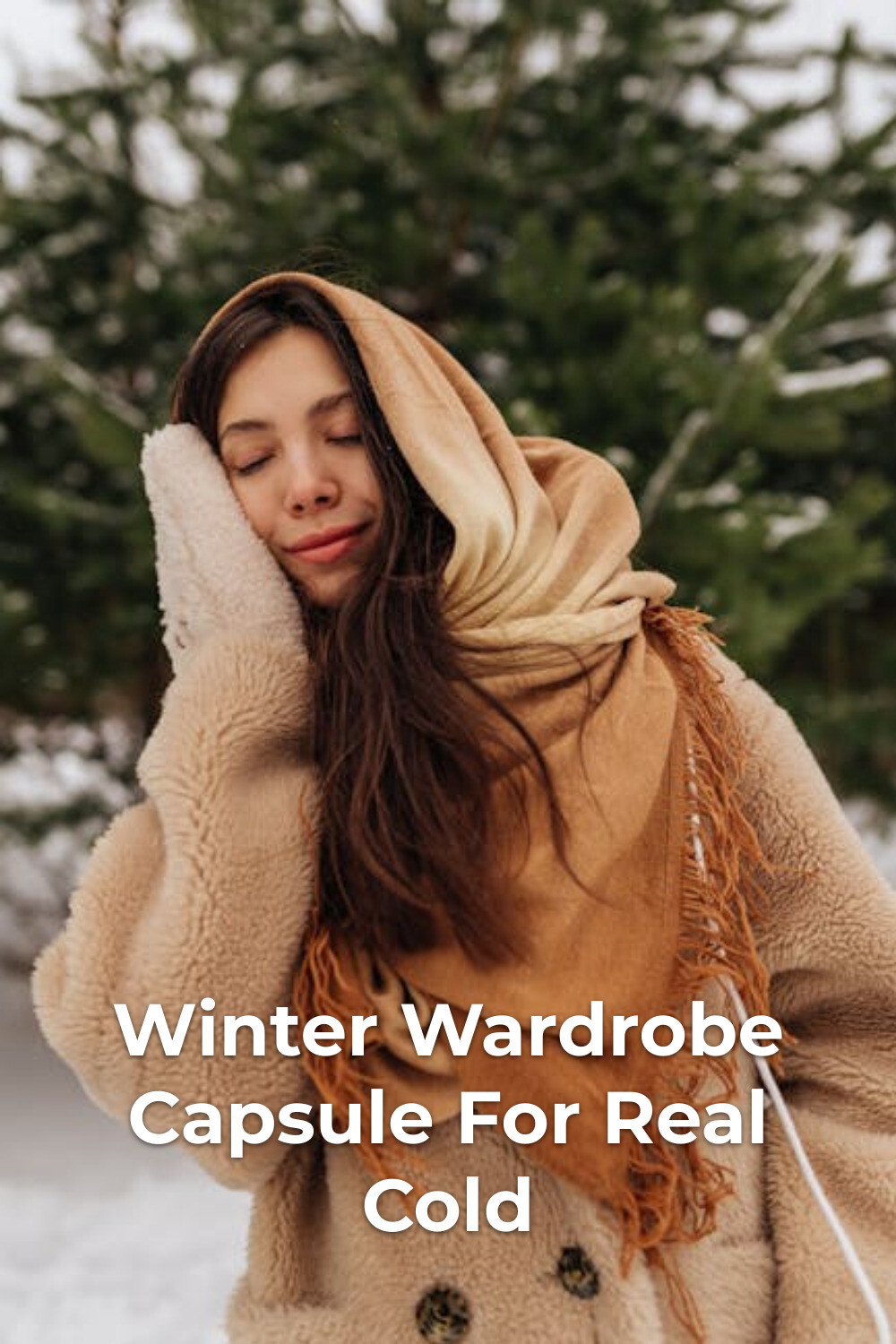
The 20-Piece Winter Wardrobe Capsule (Core Items)
This 20-piece winter wardrobe capsule is designed to be a realistic, do-able core. It centers on the categories consistently emphasized in winter capsule guides: warm base layers, neutral knits and turtlenecks, versatile denim or wide-leg trousers, a few outerwear options (like a cozy coat and a puffer), weather-ready footwear (including boots), and essential accessories like scarves and leather gloves. Adjust the exact silhouettes to match your life, but keep the overall balance.
Think of these 20 items as the “skeleton” of your capsule. You can add personal style pieces (a statement layer, a favorite bag, or an extra sweaterdress) once your foundation is solid.
- Outerwear (3): A cozy coat (often a wool or long coat), a puffer jacket or parka, and one additional outer layer (such as a tailored blazer for indoor structure or a lighter jacket for milder days)
- Base layers (2): Thermal underpinnings or warm base layers you can wear under denim, trousers, dresses, or sweaters
- Tops and knits (6): Neutral turtlenecks (at least one), a mix of wool or cashmere sweaters, and one layering shirt option such as a flannel shirt
- Bottoms (4): Versatile denim (including an option like wide-leg jeans) plus trousers (such as wool trousers or wide-leg trousers)
- Dresses (2): Sweaterdresses or an elevated jumper dress for warm, easy outfits
- Footwear (2): Knee-high boots or other winter boots, plus comfy sneakers for everyday wear
- Accessories (1–2 categories, 1 each) (3): Leather gloves, a scarf, and a hat (such as a beanie)
Tips: If you want this capsule to feel immediately more versatile, prioritize the pieces you’ll wear multiple times per week: your primary coat, your best everyday boots, and 2–3 knit tops that layer without bulk. Those items create the biggest improvement with the least effort.
Outerwear: The Pieces That Make Winter Outfits Work
Outerwear is the most visible part of winter dressing and often the deciding factor in comfort. Winter capsule wardrobes typically rely on at least two distinct outerwear options: one structured, timeless “cozy coat” and one practical insulated option like a puffer jacket or parka. A third layer—such as a blazer—adds indoor polish and expands your outfit range for work and evenings.
The cozy coat (often a wool or long coat)
A cozy coat is the capsule hero for refined winter outfits. It works over sweaters, turtlenecks, sweaterdresses, and tailored separates, and it instantly makes denim-and-boots feel more intentional. Choose a silhouette that fits comfortably over layers; your coat should accommodate a knit without pulling at the shoulders.
Puffer jacket or parka (practical warmth)
For truly cold or windy days, a puffer jacket or parka earns its place. It’s the piece you reach for when warmth matters more than anything else, and it pairs naturally with base layers, denim, comfy sneakers, or winter boots. In a capsule, this is the “weather insurance” that keeps you from buying extra sweaters just to feel warm.
The structured layer (blazer or similar)
A tailored blazer (or a similarly structured layer) is useful because winter outfits can feel bulky without definition. It elevates wide-leg trousers or denim, works well over a thin turtleneck, and helps you look “finished” on video calls or in an office without relying on special-occasion clothing.
Tips: If you can only upgrade one thing this season, upgrade outerwear. A strong coat can make simple basics look expensive and intentional, which is why so many winter capsule frameworks lead with coats and jackets.
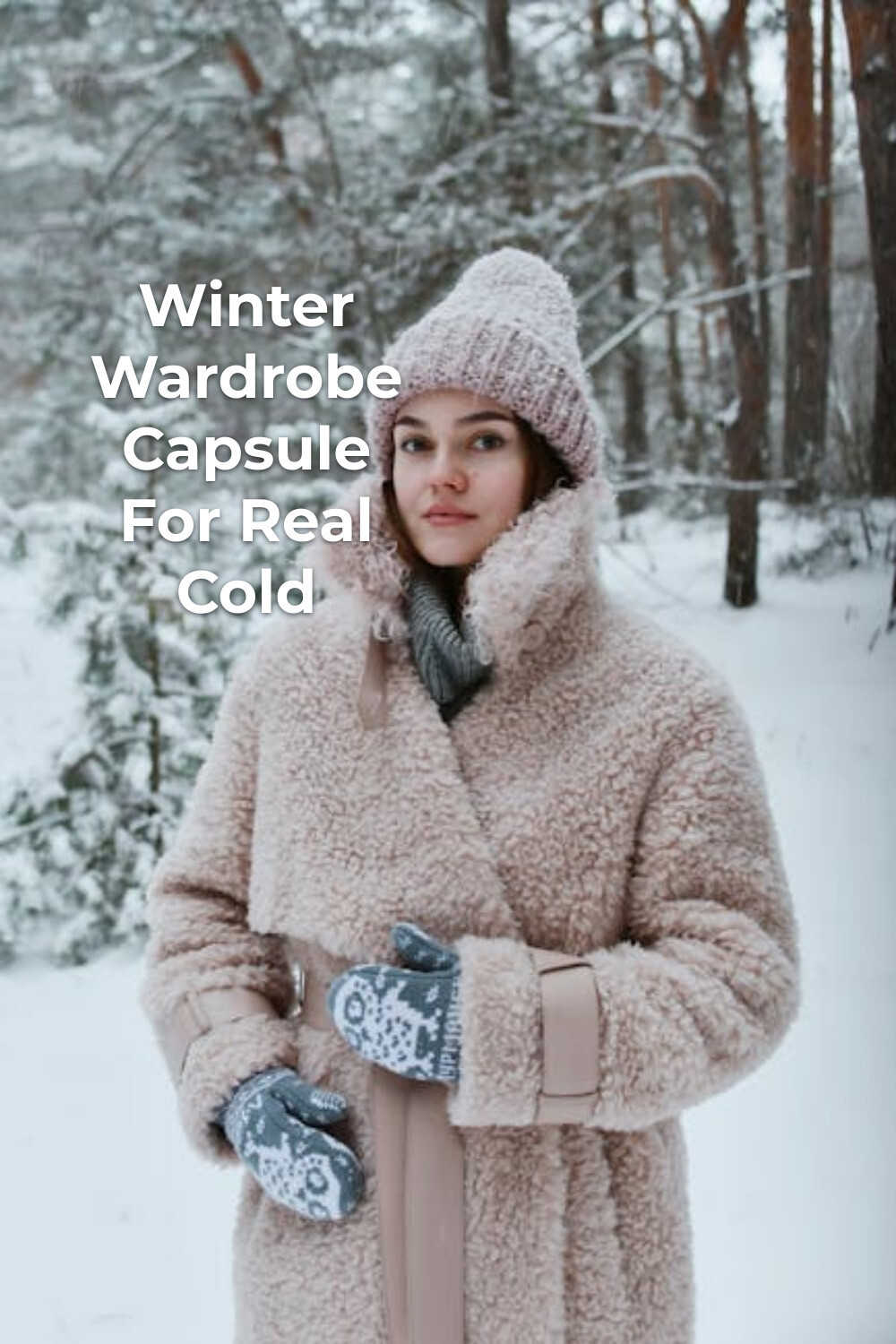
Tops and Knitwear: The Heart of a Winter Capsule
Winter capsule wardrobes consistently prioritize neutral knits because they layer, repeat easily, and carry outfits through workdays, weekends, and evenings. Your goal is a small set of tops that can be worn alone indoors, layered under a blazer, and insulated under a coat. In most winter capsules, turtlenecks, sweaters (including wool or cashmere), and at least one flannel shirt cover the majority of needs.
Neutral turtlenecks (your best layering tool)
A neutral turtleneck is one of the simplest ways to make outfits look cohesive. It layers under blazers and coats, pairs well with wide-leg jeans or wool trousers, and works under sweaterdresses when you want extra warmth. If your capsule leans minimal, a turtleneck can be your “uniform top” on repeat without feeling boring.
Wool and cashmere sweaters (repeatable, refined warmth)
Sweaters do the main warmth work in a winter wardrobe capsule. Keeping them in a similar palette makes mixing effortless: sweater + denim + boots; sweater + wide-leg trousers + blazer; sweater + skirt-with-tights (if that’s your style). The key is variety in function, not endless colors—think one chunkier cozy option and one more streamlined sweater for layering.
Flannel shirts and layering shirts (casual structure)
Flannel shirts show up in many winter capsule lists because they add warmth without feeling fussy. They can be worn under outerwear, layered over a base layer, or used as a mid-layer when you want a relaxed look. In a capsule, one flannel can create multiple outfit moods while staying consistent with your neutral base.
Tips: When you try on a sweater for capsule use, test it under your coat and under your blazer. If it bunches, overheats, or feels restrictive, it’s not a capsule workhorse—even if it’s beautiful on its own.
Bottoms: Denim, Wide-Leg Trousers, and Cold-Weather Versatility
Bottoms in a winter capsule should balance comfort, warmth, and outfit flexibility. Across common winter capsule frameworks, you’ll repeatedly see versatile denim (including wide-leg jeans) and trousers (such as wool trousers or wide-leg trousers). These silhouettes pair well with boots, handle bulkier sweaters, and can be dressed up or down depending on footwear and outerwear.
Versatile denim and wide-leg jeans
Denim is a cornerstone because it’s easy and repeatable. Wide-leg jeans are frequently highlighted as a modern, capsule-friendly option because they balance proportions with chunkier winter footwear and longer coats. If you prefer a different denim shape, keep the principle: choose a pair you can wear multiple times a week with your main coats and boots.
Wool trousers and wide-leg trousers
Trousers bring polish to winter outfits, especially if you want work-ready looks without relying on special-occasion pieces. Wool trousers are common in winter capsules because they feel seasonally appropriate and pair naturally with turtlenecks, blazers, and long coats. Wide-leg trousers, in particular, create an elevated silhouette with minimal effort.
Tips: If you live in a climate with frequent indoor heating, trousers plus a thin turtleneck can be more comfortable than heavy sweaters all day—then you add outerwear only when you go outside. Build at least one outfit that feels good both indoors and outdoors.
Sweaterdresses and Elevated One-Piece Outfits
A winter wardrobe capsule doesn’t have to be all separates. Sweaterdresses and elevated jumper dresses are consistently recommended because they simplify getting dressed while still feeling intentional. One-piece outfits also layer easily: add a cozy coat, leather gloves, and boots and you’re done; or add a blazer for a structured indoor look.
The capsule advantage is efficiency. With one sweaterdress, you can create multiple outfits by rotating outerwear and footwear—knee-high boots for a refined look, winter boots for weather, or comfy sneakers for a casual day.
Footwear: Boots, Sneakers, and Weather-Ready Choices
Footwear can make or break a winter capsule wardrobe. Many winter capsule lists highlight knee-high boots as a versatile, polished option and include comfy sneakers for everyday wear. If your winter includes wet weather, prioritize footwear that can handle the conditions you actually face and still work with your core silhouettes (wide-leg jeans, wool trousers, sweaterdresses).
Knee-high boots (or your main winter boots)
Knee-high boots are a capsule favorite because they instantly elevate denim and work especially well with sweaterdresses. If knee-high boots aren’t practical for your lifestyle, use the same capsule logic: choose one primary boot style that’s comfortable, works with your main bottoms, and fits the vibe of your capsule (classic, minimal, or more statement).
Comfy sneakers (daily mileage)
Comfy sneakers show up in winter capsule wardrobes because you still need a low-effort shoe for errands, commuting, and casual days. Sneakers also help keep outfits modern when you’re wearing heavier layers. The key is to pick a pair that works visually with your coats and trousers so it doesn’t feel like an afterthought.
Tips: Test your two main shoes with your three main bottoms (denim, trousers, and a dress). If the combinations don’t work, you’ll feel like you “have nothing to wear” even with a well-built capsule.
Accessories: Small Pieces That Add Warmth and Polish
Accessories are not optional in a winter wardrobe capsule—they’re functional, and they expand outfits. Many winter capsule guides consistently emphasize leather gloves, plus cold-weather essentials like scarves and hats. These pieces can make a simple coat-and-denim look feel finished while also helping you stay comfortable in real winter weather.
- Leather gloves: a practical staple that immediately looks polished and protects your hands on cold commutes
- Scarf: warmth plus an easy way to incorporate an accent color or texture into a neutral capsule
- Beanie or warm hat: essential for wind and cold, especially if you spend time outdoors or commute
Tips: If your capsule palette is mostly neutral, use one accessory as your “statement layer” substitute—choose a scarf that adds personality while still coordinating with your main coat.
How to Mix and Match: 7 Winter Outfit Formulas
Outfit formulas turn a winter wardrobe capsule into a daily system. The idea is to repeat a small number of structures—then rotate coats, shoes, and accessories to keep the look fresh. These formulas align with the most common winter capsule pieces: turtlenecks, sweaters, denim, wide-leg trousers, sweaterdresses, coats, puffers, boots, and leather gloves.
- Work-ready classic: Turtleneck + wool trousers + tailored blazer + cozy coat + boots
- Work-ready simple: Sweater + trousers + cozy coat + leather gloves
- Weekend casual: Sweater + versatile denim + puffer jacket + comfy sneakers + beanie
- Polished errands: Turtleneck + wide-leg jeans + cozy coat + scarf + boots
- Warm one-and-done: Sweaterdress + knee-high boots + cozy coat
- Casual one-piece: Sweaterdress + puffer jacket + comfy sneakers
- Evening upgrade: Thin turtleneck + wide-leg trousers + blazer + long coat + boots
Tips: Pick two formulas you’ll use most (for many people: a work formula and a weekend formula). Build your shopping and closet editing around making those formulas effortless. When your “default outfits” are easy, the capsule succeeds.
Budget Tiers: Build a Winter Capsule Without Over-Spending
A winter capsule wardrobe can be built at different budget levels because the strategy matters more than the price tag. The most reliable approach is to spend intentionally where winter requires performance and repetition—outerwear, footwear, and knitwear—and be flexible elsewhere. Even if you’re building slowly, you can use a tiered plan to avoid buying duplicates that don’t earn their place.
Budget-friendly approach (smart swaps and fewer pieces)
At a budget-friendly level, keep the capsule small and functional: one primary coat, one insulated option (puffer or parka), two reliable base layers, a couple of neutral knits, one great pair of denim, one pair of trousers, and one primary boot. The goal is repeatability. If you’re tempted by extra trend pieces, pause and ask whether they fit at least two outfit formulas in your capsule.
Mid-range approach (comfort and durability upgrades)
At mid-range, you can strengthen the capsule by improving the feel and longevity of key staples: a cozy coat with a timeless silhouette, sweaters that layer comfortably, and boots that can carry you through winter. This tier often gives the best balance: enough quality to feel good wearing the pieces repeatedly, with enough flexibility to include one statement layer or an elevated jumper dress.
Premium approach (investment staples and a quiet-luxury finish)
At a premium level, the focus becomes long-term wear and refined styling: exceptional outerwear, cashmere or high-quality knitwear, and beautifully made accessories like leather gloves. A premium winter wardrobe capsule can look understated but elevated because the fabrics and construction do the work. The key is to keep the capsule disciplined—more spending doesn’t automatically mean more pieces.
Tips: If you’re unsure where to invest, start with the piece you wear most days: typically your primary coat and your main winter boots. Those two items shape nearly every winter outfit.
Regional & Lifestyle Variations (U.S. Climate and Real Life)
One reason winter capsule wardrobes can feel tricky in the U.S. is climate variation. Winter in the Northeast or Midwest is different from the Pacific Northwest, and both differ from milder regions. A strong capsule stays consistent in structure (base layers, knits, outerwear, boots, accessories) but shifts emphasis: more insulation for harsher climates, more adaptable layering for milder ones, and smarter indoor-outdoor planning for office life.
Northeast and Midwest: prioritize warmth and weather-proofing
If you face sustained cold, wind, and messy conditions, your capsule should lean heavily on the insulated outerwear option (puffer jacket or parka), thermal base layers, and dependable boots. In these climates, accessories like scarves, leather gloves, and a beanie are core essentials, not add-ons. Keep knitwear and trousers in a rotation that works with base layers to avoid feeling like you need a different outfit for every temperature shift.
West Coast and milder winters: focus on flexible layering
In milder regions, layering strategy matters more than maximum insulation. Your cozy coat and a lighter jacket can carry much of the season, with base layers as optional support for colder mornings and evenings. A blazer becomes especially useful here because it adds structure without too much warmth, making it ideal for indoor-heavy days.
Remote and hybrid work: build camera-ready, comfort-first formulas
If you work from home or split time between home and office, prioritize tops that look polished on camera but feel comfortable: turtlenecks, refined knitwear, and a blazer you can throw on instantly. Keep one “grab-and-go” outerwear option near the door (often the puffer) so quick errands don’t derail your capsule plan. The goal is to avoid owning separate wardrobes for home and outside—layering lets you transition smoothly.
Tips: Write down your real weekly pattern (office days, errands, dinners, travel). Then make sure your capsule supports that pattern with repeatable formulas. A capsule fails when it’s built for a fantasy life.
Sustainability and Care: Make Your Winter Capsule Last for Years
A winter wardrobe capsule naturally supports a more sustainable approach because it favors fewer, longer-wearing pieces. But longevity depends on care. Winter staples—wool coats, cashmere sweaters, leather gloves, and boots—can last far longer when you care for them consistently and handle small problems early.
Care for wool, cashmere, and leather
Wool and cashmere knits benefit from gentle handling and rest between wears, especially when they’re part of a tight rotation. Outerwear should be stored thoughtfully so it keeps its shape. Leather accessories like gloves do best when they’re kept clean and not left to dry out after wet or snowy days. Care routines don’t need to be complicated; they just need to be consistent.
Repair and alteration basics that protect your investment
Small fixes can extend the life of the most important capsule pieces. Address loose buttons, minor tears, and fit issues early so they don’t turn into replacements. Simple alterations can also turn an almost-right piece (like trousers that don’t sit well with boots) into a workhorse. The more you rely on fewer items, the more valuable repair and tailoring become.
Tips: If you’re building a quiet-luxury capsule feel, the fastest path isn’t buying more—it’s maintaining what you already own so coats, knits, and boots look consistently polished.
10 Quick Wins to Start Your Winter Wardrobe Capsule Today
You don’t need a full weekend and a big budget to begin. Use these quick actions to build momentum and clarity, then refine as you go.
- Choose your anchor outerwear: decide on your primary cozy coat and your insulated puffer jacket/parka option
- Pick a simple neutral palette you can repeat without thinking
- Identify two base layers you’ll actually wear (comfort matters)
- Confirm your “main boot”: the pair you’ll wear in real winter conditions
- Build two outfit formulas you can repeat weekly (one work, one weekend)
- Set aside any items that don’t layer well under your coats
- Make one small upgrade: leather gloves or a scarf that coordinates with your coat
- Choose one “statement layer” (optional) that still works with your palette
- Limit new purchases to filling true gaps, not expanding categories
- Plan a simple care routine for knitwear and outerwear so the capsule stays polished
Tips: If you’re overwhelmed, focus on building a 7-day mini capsule first: one coat, one insulated jacket, two knits, one turtleneck, one denim, one trouser, one boot, one sneaker, and two accessories. Once that week feels effortless, expanding into the full capsule becomes straightforward.
FAQ
How many pieces should a winter wardrobe capsule have?
A practical winter wardrobe capsule can be built around a core of about 20 pieces across outerwear, base layers, tops and knitwear, bottoms, a couple of one-piece options like sweaterdresses, footwear, and essential accessories; some guides use smaller (9–15) or larger (around 30) counts, but the most important factor is that the pieces layer and mix easily.
What are the most important items in a winter capsule wardrobe?
The most important items are dependable outerwear (a cozy coat plus a puffer jacket or parka), warm base layers, neutral knitwear (including a turtleneck), versatile denim and/or wide-leg trousers, weather-ready boots, and functional accessories like leather gloves and a scarf.
How do I layer base layers without feeling bulky?
Use base layers as thin thermal underpinnings, then add a streamlined mid-layer like a turtleneck or fine knit, and finish with outerwear; if your sweater or coat feels tight, swap to lighter knits that fit comfortably under your main coat and reserve chunkier sweaters for days when you won’t need as many layers.
Can a winter capsule wardrobe work for office and weekend looks?
Yes—choose a few pieces that shift the tone: wool trousers or wide-leg trousers for work, denim for weekends, and a tailored blazer for indoor structure; then rotate the same coats, knitwear, and boots across both settings using repeatable outfit formulas.
What if I live in a very cold climate but work in a heated office?
Build around adaptable layering: wear base layers and a lighter knit or turtleneck indoors, then rely on your warm outerwear (puffer/parka and cozy coat) plus accessories like scarf and leather gloves for the commute, so you can remove insulation once you’re inside.
Do I need both a wool coat and a puffer jacket in my winter wardrobe capsule?
Many winter capsules include both because they serve different purposes: the cozy coat (often a wool or long coat) elevates everyday outfits and works well for refined looks, while a puffer jacket or parka is practical for colder, windier, or more weather-focused days.
What shoes belong in a winter capsule wardrobe?
A strong winter capsule typically includes one primary boot option (often knee-high boots or another winter-appropriate boot) plus comfy sneakers for everyday wear; choose pairs that work with your main bottoms (denim and trousers) and feel comfortable for the amount of walking you do.
How can I make my winter capsule feel more elevated without buying a lot?
Focus on the details that show most often: keep outerwear looking polished, add leather gloves, lean into refined knitwear like a well-fitting turtleneck, and use a tailored blazer as a structured layer; these choices can create a quiet-luxury feel even with a small number of pieces.
How do I choose a color palette for a winter wardrobe capsule?
Start with neutrals you already wear frequently so coats, knits, denim, trousers, and boots mix easily, then add one or two accent colors through a scarf, a sweater, or a statement layer to keep outfits interesting while still cohesive.
Leave a Reply