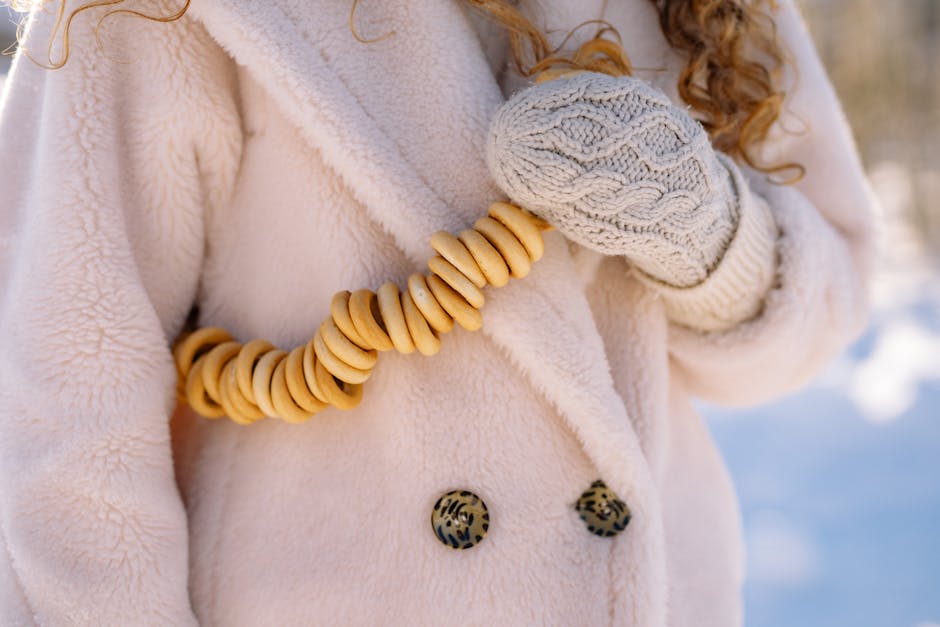
Fall Winter Capsule Wardrobe: The Definitive 2026 Guide to Effortless Style
A fall winter capsule wardrobe is a curated set of versatile pieces that mix and match easily across your fall wardrobe and winter wardrobe, so you can get dressed faster, feel more consistent in your style, and rely on fewer (better) wardrobe staples. Instead of chasing a long list of trends, you build a compact lineup of outerwear, knitwear, bottoms, footwear, and accessories that work together for real life—workdays, weekends, travel, and evenings.
This guide walks you through the core principles, a modern list of 21 essential fall/winter capsule pieces, mix-and-match outfit formulas, color palette planning, budget vs. investment choices (including cost-per-wear thinking), transitional layering strategies, and a repeatable 30-day closet audit so your capsule stays useful all season.
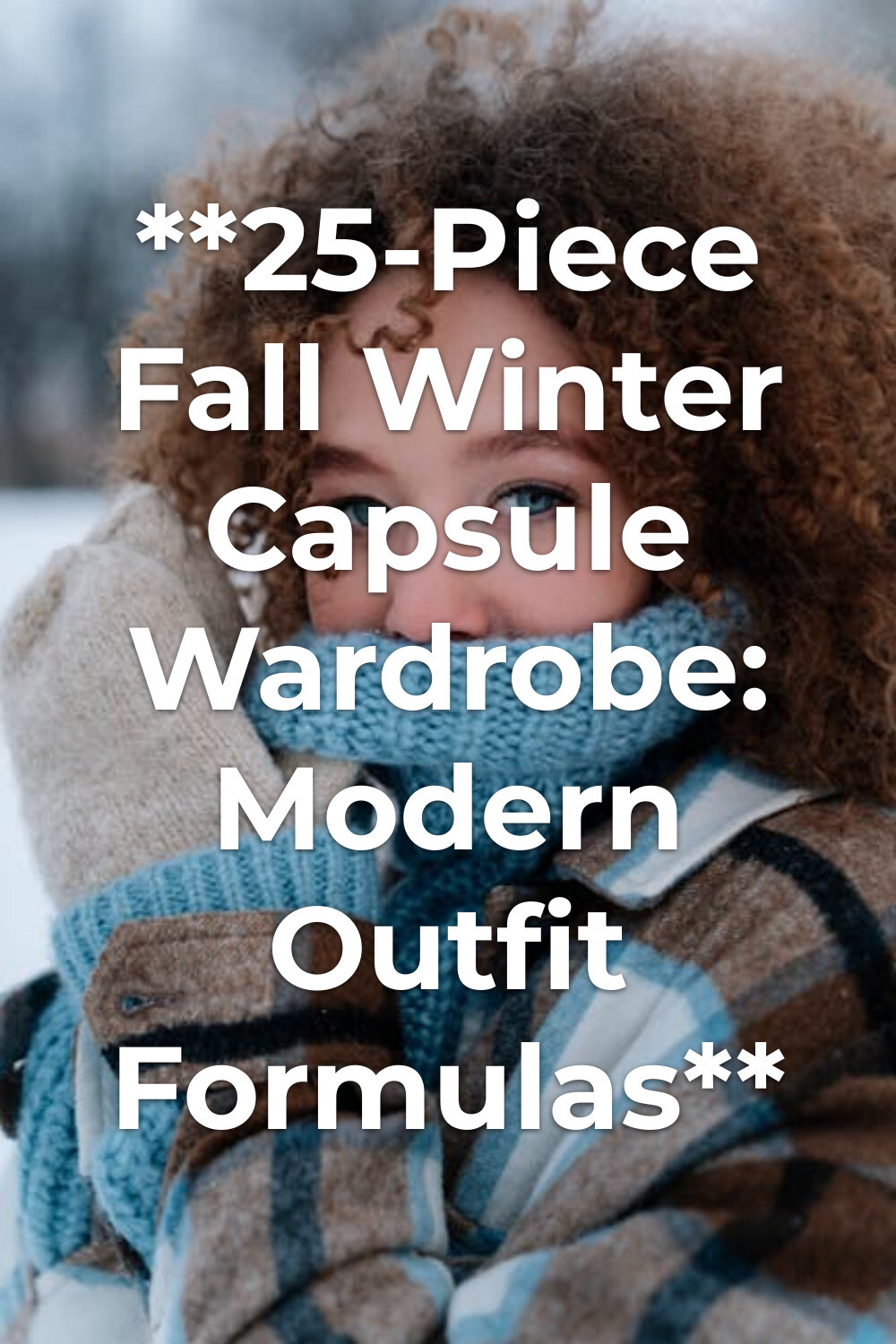
Why a Fall/Winter Capsule Wardrobe Works
Cold-weather dressing can feel complicated: layers, temperature swings, and the temptation to buy “one more” sweater or coat. A capsule wardrobe simplifies those decisions by making your closet more cohesive and intentionally limited—so most pieces naturally work together.
The result is less decision fatigue, more outfit repeatability (in a good way), and a closet that supports your daily routines. It also encourages smarter shopping: when you can see what you truly wear, you can focus on pieces that earn their keep through frequent use and flexible styling.
Tip: If you’re new to capsule wardrobes, aim for “easy combinations” instead of “perfect minimalism.” A practical cold-weather capsule should support layering, weather-proofing, and lifestyle needs—without feeling restrictive.
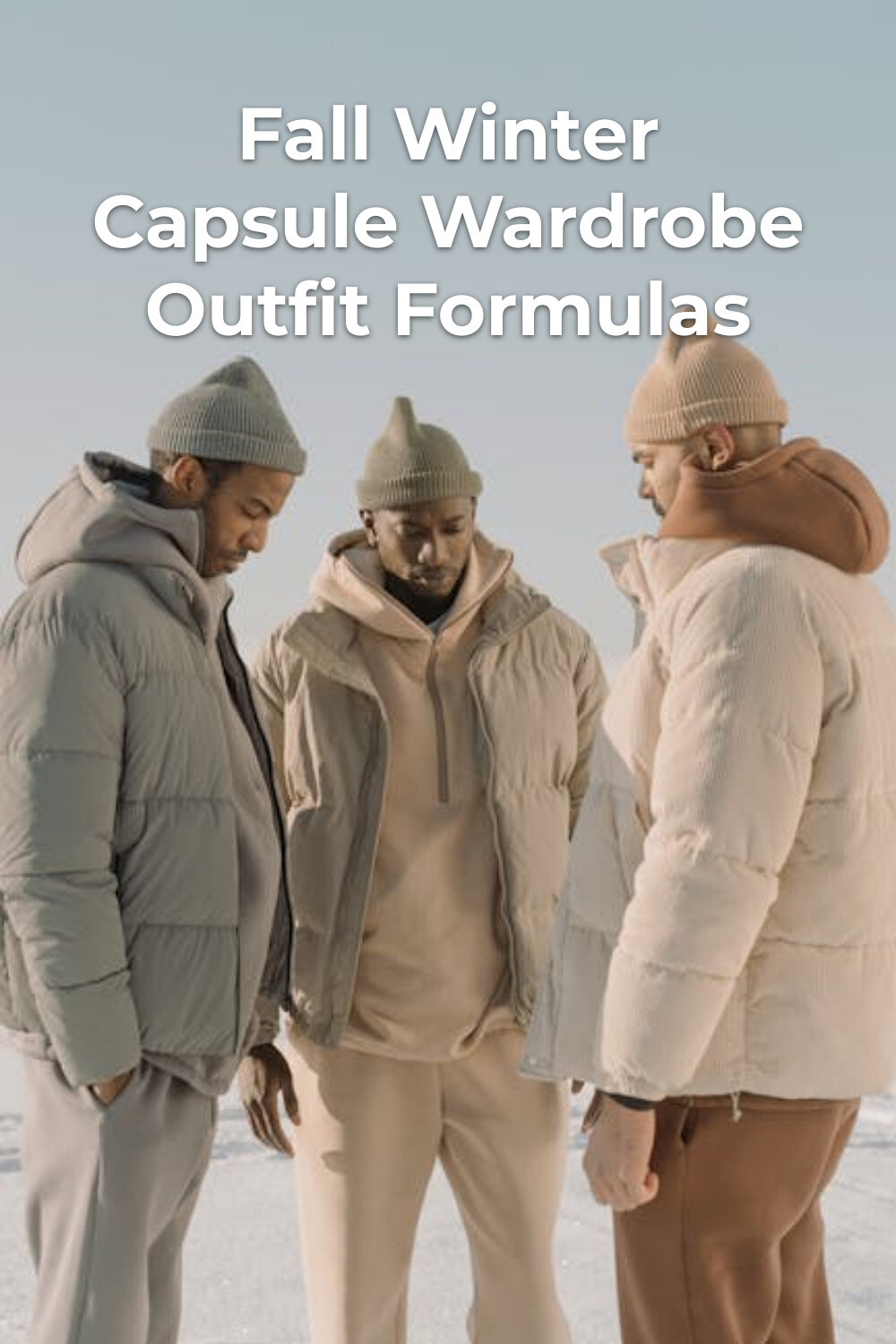
Core Principles of a Seasonal Capsule
Quality over quantity (and why it matters in cold weather)
Fall and winter pieces work harder than summer basics: coats get worn repeatedly, boots meet tough conditions, and knitwear needs to keep its shape. A seasonal capsule focuses on durable, comfortable staples you’ll reach for often—so the wardrobe stays reliable through frequent wear.
Tip: When deciding between two similar items, choose the one that layers best and feels best over a full day. Comfort and practicality are major drivers of cost-per-wear because you’ll naturally repeat the pieces that feel right.
Color palettes for fall and winter
A capsule wardrobe becomes dramatically easier when your color palette is limited and intentional. Most polished winter capsules start with a neutral base and then add a few seasonal accents. This makes it easier to combine tops, bottoms, and outerwear without overthinking.
Think in “tonal pairing”: outfits feel elevated when shades sit in the same family, even if they’re not identical. A neutral base also makes statement accessories (like scarves or bags) feel more wearable across multiple looks.
Fabric and texture balance for warmth
Fall/winter style is as much about texture as it is about silhouette. Knits, wool, and leather add visual depth, while smart layering adds warmth without bulk. A balanced capsule includes a mix of smooth pieces (like tailored trousers or dark denim) and textured pieces (like cable knits or wool outerwear) so outfits look intentional.
Tip: Build a “texture triangle” into outfits: one smooth base (denim or trousers), one soft layer (knitwear), and one structured topper (coat or jacket). This keeps outfits from feeling flat and makes repeats look fresh.
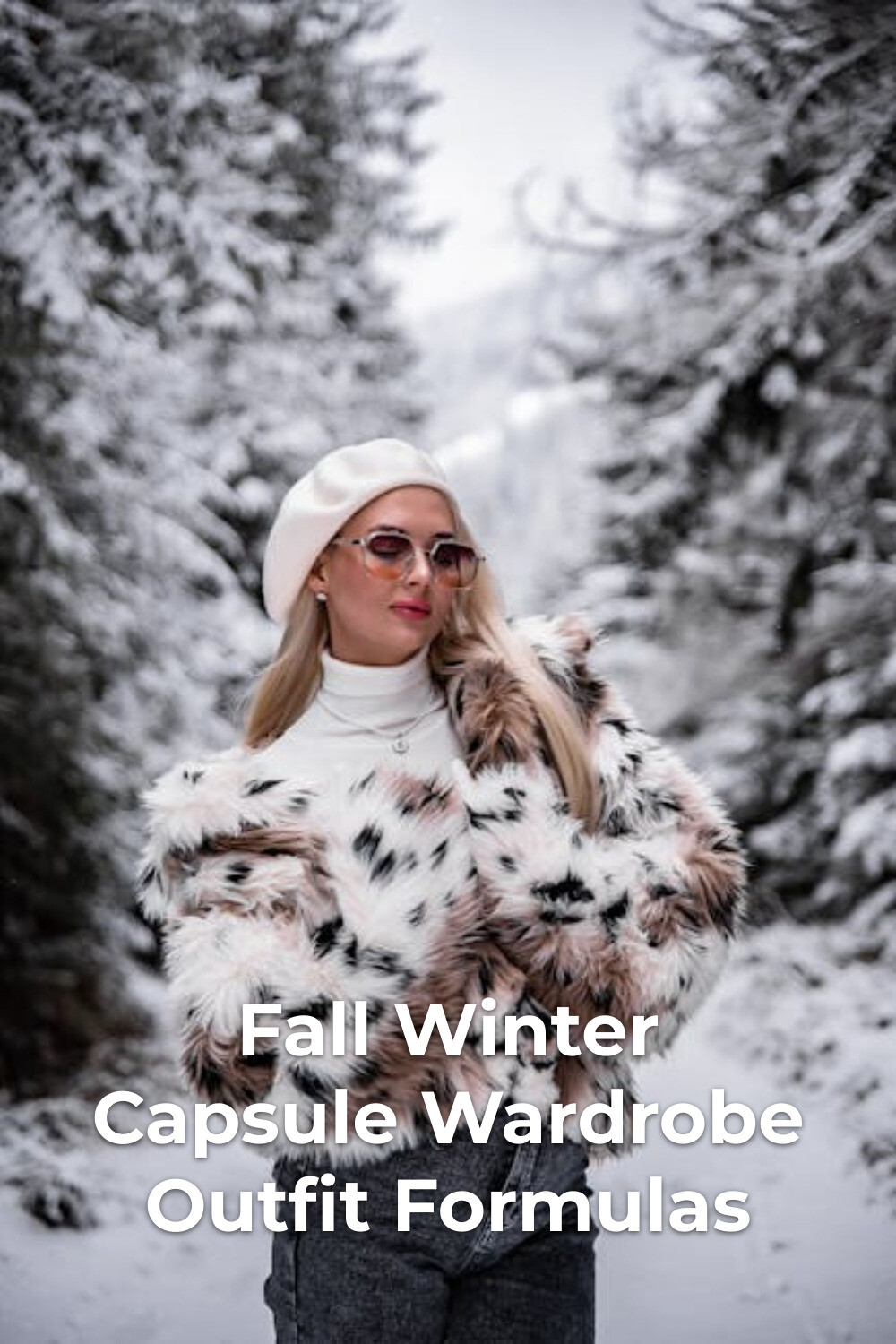
The 21 Essential Fall/Winter Capsule Pieces (With Modern Variations)
These fall/winter capsule pieces mirror what consistently shows up in polished winter capsule wardrobes: foundational outerwear, knitwear that layers, bottoms that anchor outfits, and footwear that transitions from day to night. Use this list as a starting point and adjust for your climate and lifestyle.
- Outerwear (3): wool coat; puffer; trench
- Knitwear (4): cashmere sweater; turtleneck; cable knit; versatile cardigan
- Tops (4): tees for layering; blouse; button-up style top; elevated going-out top
- Bottoms (4): dark denim; wide-leg trousers; tailored trousers; skirt
- Dresses (2): sweater dress; shirt dress
- Footwear (3): boots; leather loafers; flats
- Accessories (1+): scarves/beanies plus one everyday bag (like a large tote)
Outerwear: the backbone of a cold-weather capsule
1) Wool coat. This is the polished “top layer” that elevates everything from denim to wide-leg trousers. Choose a silhouette that works over knitwear without pulling or feeling tight.
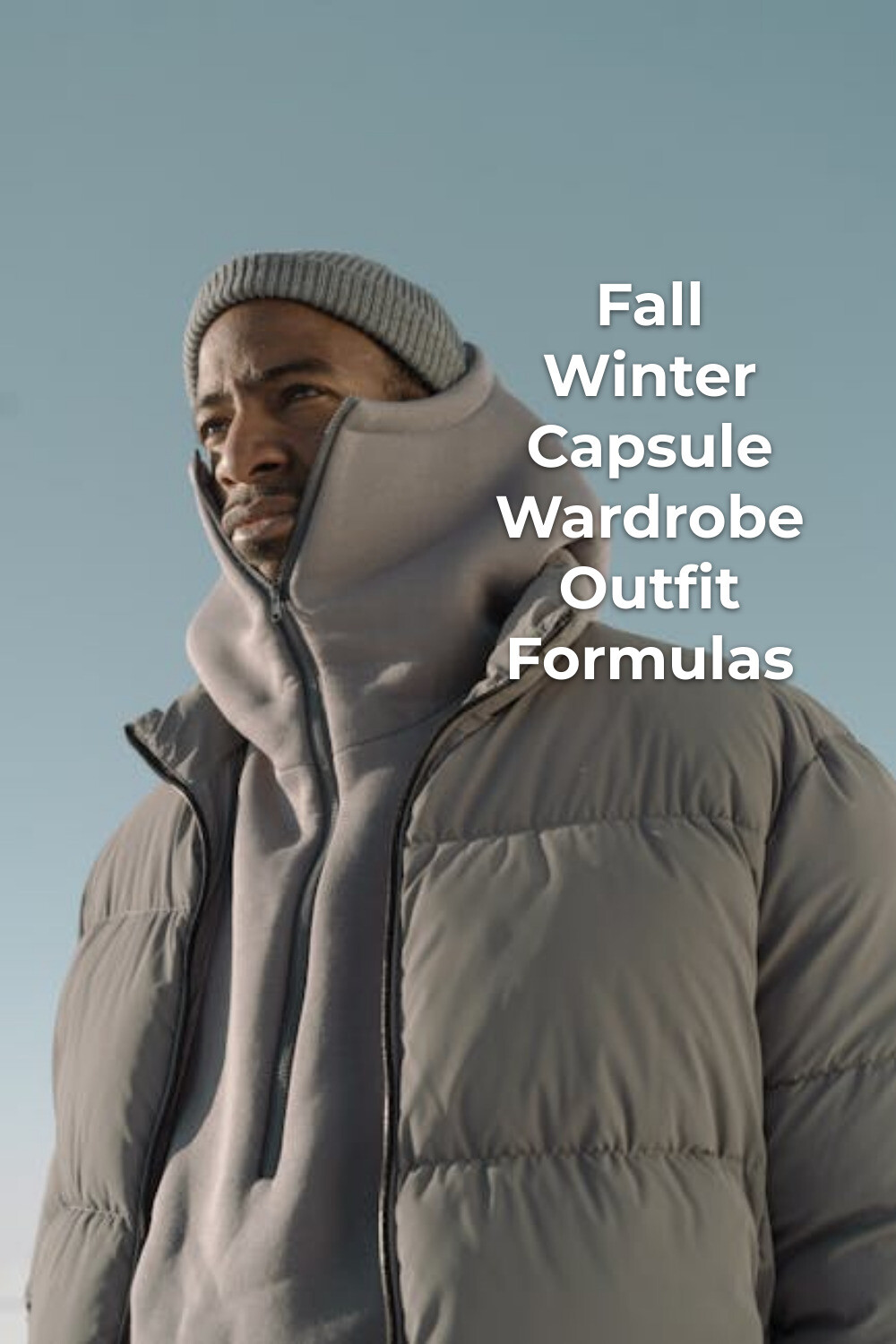
2) Puffer. A practical staple for truly cold days. It balances your capsule by giving you a warmer, more casual outerwear option that still looks intentional with a consistent color palette.
3) Trench. Ideal for transitional outfits and layering through shifting temps. It adds structure and works well over lighter knits in fall and early winter.
Tip: Keep outerwear colors aligned with your base neutrals so any coat works with most outfits. Outerwear is worn repeatedly, so cohesion here has an outsized payoff.
Knitwear: warmth, layering, and instant outfit polish
4) Cashmere sweater. A refined knit that can read casual with denim or elevated with tailored trousers. If you’re building fewer pieces, this is a strong “wear it everywhere” choice.
5) Turtleneck. One of the most functional winter capsule wardrobe essentials because it layers under coats and jackets and works as a standalone top.
6) Cable knit. Adds texture and a true seasonal feel. It’s a great option when you want a simple outfit (jeans + knit + coat) to still look styled.
7) Cardigan. The flexible layer that bridges fall to winter. Wear it open over tees, buttoned as a top, or layered under outerwear for extra warmth.
Tip: If your capsule starts feeling repetitive, change the knit texture (smooth cashmere vs. cable knit) before you add more colors. Texture variation often creates more outfit variety than extra shades do.
Tops: the mix-and-match engine
8) Layering tees. Simple tees make knitwear and outerwear more comfortable and extend the life of your sweaters by reducing direct wear.
9) Blouse. A blouse brings an “instant work-ready” effect under a wool coat or paired with tailored trousers. It also gives you a non-knit option for indoor heating or milder days.
10) Button-up style top. Whether you prefer a crisp or relaxed version, this piece can be worn alone, layered under knits, or styled open over a tee for an easy fall look.
11) Elevated going-out top. A capsule still needs fun: one “evening” top that pairs with dark denim, wide-leg trousers, or a skirt expands your wardrobe into dinners and events.
Bottoms: anchors that create dozens of outfits
12) Dark denim. Dark denim consistently appears in winter capsule wardrobe ideas because it looks polished, pairs easily with boots and loafers, and works day-to-night with simple swaps.
13) Wide-leg trousers. A modern staple that can look elevated with a turtleneck and wool coat or more relaxed with a cardigan and flats.
14) Tailored trousers. Your reliable “work-ready” bottom. They create instant structure with knitwear and support repeat outfits that still look intentional.
15) Skirt. A skirt offers variety and can be styled with knitwear and boots for a classic fall/winter silhouette. It’s also an easy option for dressier moments without needing a full dress.
Tip: If you’re torn between wide-leg and tailored trousers, keep the one that works with your most-worn footwear. Bottoms succeed when they align with how you actually move through your week.
Dresses: one-and-done outfits with high repeat potential
16) Sweater dress. A sweater dress delivers a complete outfit with minimal effort and looks especially cohesive with a wool coat and boots.
17) Shirt dress. This is a flexible piece that can lean casual or polished. It layers well with outerwear and can be styled for work or weekends.
Footwear: where practicality meets polish
18) Boots. Boots are a cold-weather workhorse and tie outfits together across denim, trousers, skirts, and dresses. Choose a pair that can handle your typical weather and still feel appropriate for your daily routine.
19) Leather loafers. A polished staple that works with tailored trousers and dark denim. Loafers help a capsule feel put-together without needing a heel.
20) Flats. Flats add variety and support days when you want a lighter shoe option while keeping your look clean and cohesive.
Accessories: small pieces, major payoff
21) Scarves and beanies (plus one everyday bag). A scarf and beanie boost warmth and can add an accent color without disrupting your wardrobe. Pair them with an everyday bag—often a large tote—to support work, travel, and daily errands.
Tip: If you’re limiting your wardrobe colors, accessories are the easiest place to add seasonal accents while keeping most clothing neutral and interchangeable.
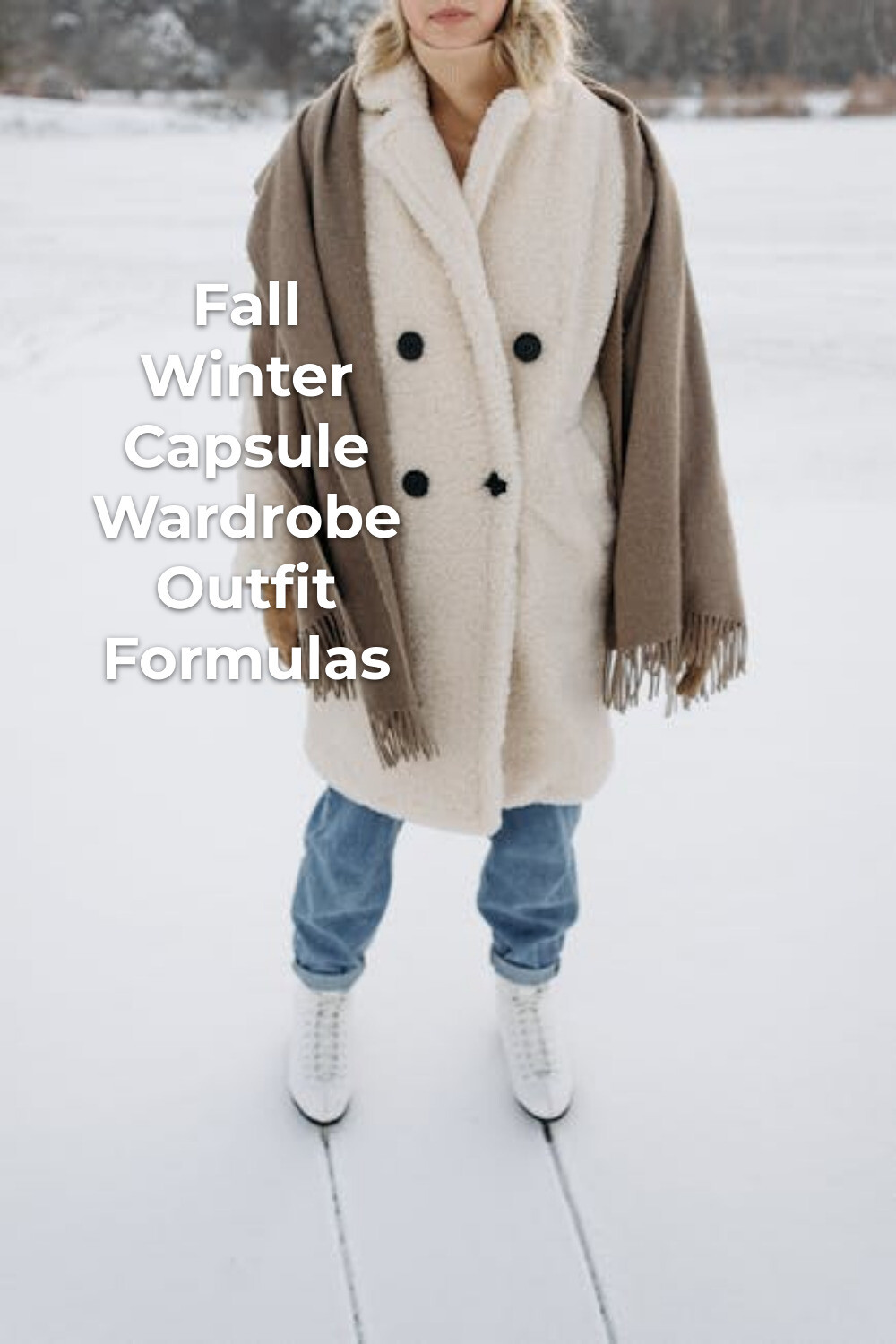
Outfit Formulas: How to Mix and Match
Outfit formulas are the secret to making capsule wardrobe essentials feel effortless. Instead of thinking in single outfits, you build repeatable templates you can remix with different knits, shoes, and outerwear. These mix-and-match outfits prioritize warmth, polish, and practicality.
Day-to-day outfits (errands, travel, casual plans)
- Dark denim + tee + cardigan + puffer + boots
- Wide-leg trousers + cashmere sweater + wool coat + flats
- Skirt + cable knit + boots + scarf
Tip: Keep one “grab-and-go” combination ready for rushed mornings—usually dark denim plus your warmest knit and a dependable coat. When your default works, you avoid random purchases meant to solve short-term outfit stress.
Work-ready looks (polished, simple, repeatable)
- Tailored trousers + blouse + wool coat + leather loafers
- Turtleneck + wide-leg trousers + trench + large tote
- Shirt dress + boots + structured outerwear layer
For work capsules, structure matters. If you have only a few tops, a blouse and a turtleneck carry a lot of weight because they style easily under outerwear and look sharp without extra effort.
Evening and holiday looks (minimal pieces, maximum impact)
- Dark denim + elevated going-out top + wool coat + boots
- Skirt + cashmere sweater + scarf as a statement accent
- Sweater dress + boots + wool coat
Tip: For evening outfits, swap just one element—your top, your shoe, or your outerwear. Keeping everything else consistent makes your capsule feel bigger without adding more items.
Color Palettes to Use (and How to Expand)
A strong capsule wardrobe palette is built from base neutrals plus a small set of seasonal accents. This approach supports tonal pairing and keeps your wardrobe staples interchangeable across fall and winter.
Base neutrals: your repeat foundation
Your base neutrals should dominate your most-worn categories: outerwear, trousers, denim, and core knitwear. When these pieces are neutral, nearly every combination reads cohesive, and your accessories have room to shine.
Tip: If you’re unsure which neutrals to choose, look at what you already wear most. A capsule is easiest to maintain when it reflects your existing preferences rather than forcing an entirely new aesthetic.
Seasonal accents: controlled variety
Seasonal accents give your fall/winter wardrobe personality without creating matching problems. Add them through one knit, one blouse, or accessories like scarves and beanies. Keeping accents limited helps your capsule stay mixable and reduces the “nothing goes together” feeling.
Tip: Expand slowly. Add one accent, wear it repeatedly in at least three outfit formulas, then decide whether you truly need another color. This prevents overbuying and keeps your capsule intentional.
Budget vs. Investment: Build Your Capsule on Any Budget
You can build a fall/winter capsule wardrobe at many price points. The key is allocating your budget where it creates the most value over time—especially through cost-per-wear. If you wear something constantly (like a coat or boots), that item usually deserves more attention for comfort and longevity.
Budget-friendly swaps (without losing versatility)
A budget capsule works best when you prioritize a cohesive palette and versatile silhouettes first. You can still get a polished effect by choosing simpler designs that layer easily and look intentional with your core pieces.
- Choose one great coat style you’ll wear often, rather than multiple “okay” options
- Focus on knitwear that layers comfortably under outerwear
- Build outfits around dark denim and trousers that pair with multiple tops
- Use accessories to refresh outfits instead of adding more clothing categories
Tip: If your budget is limited, avoid buying “almost right” pieces. In a small capsule, every item needs to coordinate and get repeated; a single mismatched purchase can reduce the usefulness of multiple outfits.
Investment-worthy pieces (where it tends to pay off)
Investment pieces are the ones that carry the most wear, take the most exposure, or create a consistently polished look. In fall and winter, that often means outerwear, footwear, and select knitwear. These categories are central to comfort and presentation, so quality can have an outsized impact.
Tip: Use a simple cost-per-wear mindset. If you can realistically wear a wool coat or boots throughout the season across many outfits, it can be smarter to invest there and keep trendier or less-frequent pieces (like an occasional going-out top) more budget-friendly.
Seasonal Transitions: Fall to Winter (and Back Again)
The biggest challenge in a cold-weather capsule wardrobe is transition. Early fall can be mild, late winter can be harsh, and daily temperatures can shift. A smart capsule includes pieces that layer well and outerwear that covers multiple conditions.
Layering strategies that look intentional
Layering is easiest when each layer has a job: a base that feels comfortable, a mid-layer that adds warmth (often knitwear), and an outer layer that protects and finishes the look. This approach keeps you from over-layering in a way that feels bulky or visually messy.
- Start with tees or a turtleneck as your base
- Add a cardigan, cashmere sweater, or cable knit as the warm layer
- Finish with a trench, wool coat, or puffer depending on temperature
Tip: If layering makes you feel bulky, adjust the mid-layer first. Swapping between different knit types can keep warmth while improving comfort and mobility.
Weather-proofing your capsule
Weather-proofing is about planning, not panic-buying. When your capsule already includes multiple outerwear options and dependable footwear, you can handle temperature shifts without buying extra duplicates. The goal is a small set of solutions: one polished coat, one truly warm coat, and one transitional layer.
Tip: Keep your most weather-reliable items (like your warmest outerwear and most practical boots) easy to access. When they’re buried, it’s easier to default to less suitable choices and feel like you “need” more clothes.
Wardrobe Audit: How to Build and Prune Your Capsule (30-Day Plan)
A capsule wardrobe isn’t just a shopping list—it’s a system. A wardrobe audit helps you build from what you already own, identify gaps without overbuying, and prune what doesn’t serve your season. Use this 30-day plan to create a repeatable workflow you can revisit each fall/winter.
Step-by-step audit checklist
- Days 1–3: Pull fall/winter candidates and separate into categories (outerwear, knitwear, tops, bottoms, dresses, footwear, accessories)
- Days 4–7: Identify your real-life needs (work, casual, evening) and set 3–5 outfit formulas you’ll use most
- Week 2: Try on items and build outfits; note what layers comfortably and what feels fussy or restrictive
- Week 3: Create a “gap list” limited to high-impact needs (often outerwear, a core knit, or a versatile bottom)
- Week 4: Prune duplicates and keep only what fits your palette, your climate, and your outfit formulas
Tip: If an item only works with one other piece, it’s likely not capsule-friendly. Favor pieces that work with at least three items in your wardrobe (for example, a sweater that pairs with dark denim, trousers, and a skirt).
How to decide what to keep, replace, or skip
When you’re editing, prioritize practicality and repeatability. Keep the pieces that support your core outfit formulas and feel good across a full day. Consider replacing items that don’t layer well, don’t align with your chosen palette, or consistently make you feel like you have “nothing to wear” because they’re hard to style.
Tip: Use a “failsafe” question: Would I happily wear this with my most-worn bottoms and my most-worn coat? If not, it may be a style you like in theory but not in practice.
Tools and Extras: Make Your Capsule Easier to Use
Printable capsule planner (checklist you can copy)
If you want a simple planner, copy this checklist into a note and fill in your exact picks. Keeping it written makes it easier to avoid duplicates and shop only for true gaps.
- Outerwear: wool coat / puffer / trench
- Knitwear: cashmere sweater / turtleneck / cable knit / cardigan
- Tops: tees / blouse / button-up style top / elevated going-out top
- Bottoms: dark denim / wide-leg trousers / tailored trousers / skirt
- Dresses: sweater dress / shirt dress
- Footwear: boots / leather loafers / flats
- Accessories: scarf / beanie / everyday bag (large tote)
A simple “lookbook” approach (without overcomplicating it)
You don’t need a complicated system to get value from a capsule. Pick 10 go-to outfits from your formulas (a mix of casual, work, and evening), then rotate through them while swapping one element at a time: a different knit, a different coat, or a different shoe.
Tip: When you find a combination you love, repeat it intentionally. Consistency is a strength in a capsule wardrobe; it’s how you build a signature style that still feels fresh through small variations.
Common capsule pitfalls (and a quick failsafe)
Most capsule problems come from a few predictable issues: buying too many similar pieces, adding accent colors too quickly, or relying on items that don’t layer comfortably. If your capsule feels “off,” return to your outfit formulas and palette first. Then adjust one category (often outerwear or knitwear) before you add more items.
Tip: If you’re tempted to add another piece, pause and build three outfits using only what you have. If you can’t, you likely need a more versatile staple; if you can, you probably don’t need the purchase.
FAQ
What is a fall winter capsule wardrobe?
A fall winter capsule wardrobe is a small, intentional collection of cold-weather staples—outerwear, knitwear, tops, bottoms, footwear, and accessories—that coordinate easily so you can create many outfits from fewer pieces.
How many pieces should a fall/winter capsule wardrobe include?
Many people start with a list-style capsule of around 21 essentials across categories like outerwear, knitwear, bottoms, footwear, and accessories, then adjust up or down based on lifestyle needs and how often you do laundry.
What are the most important winter capsule wardrobe essentials to prioritize?
Outerwear, versatile knitwear, and dependable footwear tend to have the biggest impact because they’re worn repeatedly, affect comfort and warmth, and determine whether your outfits feel polished or purely practical.
How do I choose a color palette for fall and winter?
Start with a neutral base for your most-worn pieces (coats, trousers, denim, core knitwear), then add a small number of seasonal accent colors through one knit, one top, or accessories like scarves and beanies.
How do I transition my fall wardrobe into winter without buying a lot?
Use a layering approach (base layer plus knitwear plus outerwear) and rely on a small set of outerwear options—typically a trench for transition, a wool coat for polish, and a puffer for true cold—so you can adapt to temperature swings without duplicating items.
How can I build a capsule wardrobe on a budget?
Keep your palette cohesive, focus on versatile silhouettes, and buy only for high-impact gaps you can’t solve with styling—then use accessories to refresh looks instead of adding more categories of clothing.
Which pieces are most worth investing in for fall/winter?
Investment-worthy pieces are usually the ones you’ll wear the most and rely on for comfort—often outerwear, boots, and select knitwear—because they carry heavy rotation and influence how pulled-together the entire capsule feels.
How do I do a wardrobe audit for a seasonal capsule?
Pull all fall/winter candidates, sort by category, build a few repeatable outfit formulas, try everything on to confirm layering comfort, then create a short gap list and prune duplicates so every remaining piece coordinates and earns frequent wear.
What if my capsule feels boring or repetitive?
Before adding more items, add variety through texture (smooth knits vs. cable knits), swap one element in your outfit formulas (shoe, coat, or top), and use accessories as controlled accents while keeping your base pieces neutral and interchangeable.
Leave a Reply