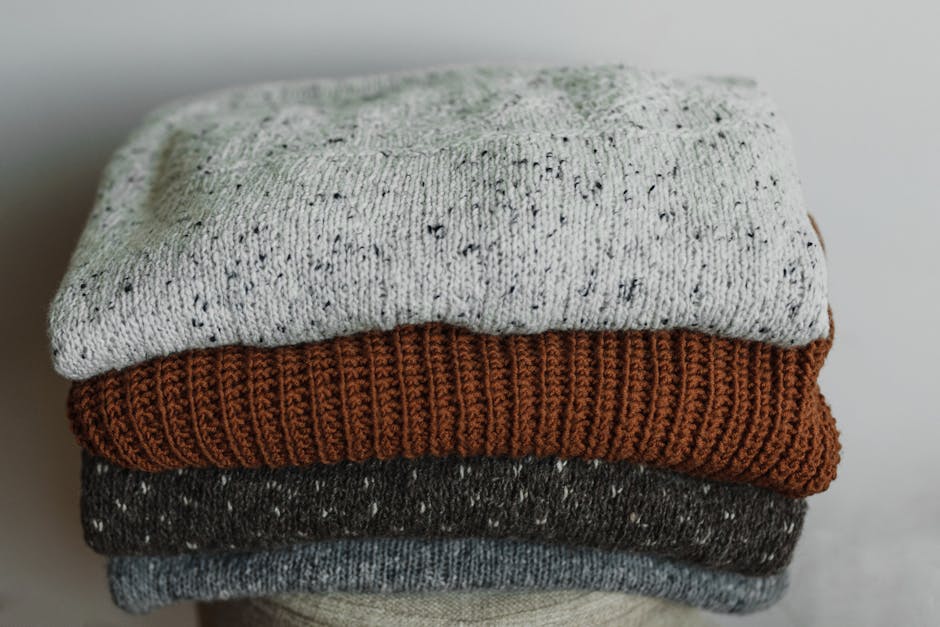
Deep Autumn Capsule Wardrobe: A Warm, Rich, Cohesive Closet (2026 Guide)
A deep autumn capsule wardrobe is a streamlined collection of clothing built around the Deep (Dark) Autumn color palette: warm, rich, and noticeably deep tones paired with grounded, earthy neutrals. The goal is simple: fewer pieces that mix effortlessly, flatter your coloring, and make getting dressed faster for real U.S. life—workdays, weekends, travel, and everything in between.
If you’re drawn to outfits like forest green with burgundy, rust with chocolate brown, or warm navy with mustard, you’re already thinking in Deep Autumn terms. In this guide, you’ll get a practical, step-by-step plan to choose your best colors, set your neutral base, add accents strategically, and build a capsule that works across seasons—with outfit formulas and a comprehensive FAQ at the end.
What Is a Deep Autumn Capsule Wardrobe?
A capsule wardrobe is a curated edit of versatile pieces that coordinate with each other. A deep autumn capsule wardrobe applies that concept through color analysis: you anchor your closet in warm, deep neutrals and layer in saturated, autumnal accent colors so almost everything matches without looking repetitive.
The color theory behind Deep Autumn
Deep Autumn is characterized by warmth (golden undertones) and depth (darker, more saturated colors rather than light or icy tones). That’s why this palette leans into warm neutrals and rich hues that feel earthy and substantial. In a capsule, those qualities matter because your “repeat” items—coats, shoes, bags, and knitwear—look intentional rather than accidental when they share the same warm, deep foundation.
How it differs from other autumn palettes (and nearby seasons)
Within autumn palettes, Deep Autumn is typically deeper and richer than softer or lighter autumn variations. It can also sit close to Deep Winter in “depth,” but the key distinction is warmth: Deep Autumn reads warmer and earthier. This difference becomes obvious in your capsule choices—Deep Autumn thrives on warm browns, green-based dark tones, and autumnal reds rather than cool, icy, or stark contrasts.
Tip: If your closet currently swings between “too bright” and “too washed out,” try bringing everything back to two decisions—warmth and depth. Choose warmer versions of dark colors (warm navy over cold navy, chocolate over charcoal, forest over blue-green). This single shift often makes a capsule click.
Deep Autumn Color Palette: Neutrals, Accents, and How to Use Them
The fastest way to build a cohesive deep autumn capsule wardrobe is to treat color like a system. You’ll choose core neutrals first (your base), then accent tones (your personality), and finally decide where those accents show up: near your face, on your lower half, or through accessories.
Core neutrals (your capsule foundation)
Deep Autumn neutrals are warm, earthy, and deep enough to support saturated accents. These are the colors you’ll repeat across coats, trousers, boots, belts, and bags—so you can mix tops and bottoms without thinking too hard.
- Chocolate brown and other deep warm browns
- Camel and warm tan tones
- Warm navy (a deep blue that doesn’t read icy)
- Other warm, grounded dark neutrals used as bases in the palette
Tip: If you’re deciding between two similar neutrals, choose the one that looks better with your favorite accent colors. For example, if you love forest green and burgundy, chocolate brown and warm navy often make pairing easier than cooler neutrals.
Accent and statement colors (the Deep Autumn “wow”)
Accent colors in Deep Autumn are richly pigmented and warm—designed to add interest without overpowering. These shades work beautifully as tops, scarves, sweaters, and statement pieces because they create that unmistakable autumnal tone-on-tone effect.
- Forest green
- Burgundy
- Rust and warm, earthy orange tones
- Mustard and golden yellow tones
One of the most wearable Deep Autumn outfit directions is the forest green burgundy palette: it looks intentional, seasonal, and sophisticated without being loud. Another reliable pairing is rust with camel or chocolate brown, which reads warm and cohesive even with minimal accessories.
Prints for Deep Autumn (and how to keep them capsule-friendly)
Prints can make a capsule feel more personal, but they’re easiest to wear when they stay inside your palette. Deep Autumn-friendly prints often look earthy, warm, and slightly muted rather than bright or high-contrast. Sweaters and tees/blouses are common places to use prints because they layer well and can repeat throughout a season.
Tip: To keep prints from “breaking” a capsule, choose prints that include at least one of your core neutrals (like warm navy or chocolate) plus one or two accents (like forest green or rust). That way, the print automatically coordinates with your bottoms and outerwear.
Fabrics and textures that support Deep Autumn richness
Deep Autumn palettes often look best when the texture matches the depth of the color. In practical wardrobe planning, that usually means choosing substantial, cozy, or structured materials for fall and winter layering—especially for outerwear and knits—so the rich colors look intentional and elevated.
Tip: If a color seems “right” but still looks off, the fabric may be the issue. A warm, deep tone tends to look more convincing in a texture that has visual weight (for example, knitwear and seasonal outerwear) than in something that reads very flat.
How to Build Your Deep Autumn Capsule Wardrobe: Step-by-Step
Most people don’t need a brand-new closet—they need a plan. Use the steps below to move from “I like these colors” to a capsule that functions day-to-day, including seasonal rotation and intentional investments.
Step 1: Choose your base neutrals and commit to them
Start with two to three core neutrals you’ll repeat across your most-worn categories (outerwear, bottoms, shoes, belt/bag). In Deep Autumn, warm browns and warm navy are common anchors, with camel/tan often acting as a lighter supporting neutral.
Tip: If you want the highest outfit count with the fewest pieces, keep most of your bottoms and outerwear in your neutral base. Then you can rotate accent tops and accessories without fighting mismatches.
Step 2: Pick a small set of accent colors you truly wear
A capsule doesn’t need every Deep Autumn shade. Pick two to four accent colors you love and will actually repeat—like forest green, burgundy, rust, and mustard. When you limit accents, it becomes much easier to mix prints, layer outfits, and shop without second-guessing.
Step 3: Use a simple wardrobe rule to stay focused (3-3-3)
One practical system used in capsule planning is the 3-3-3 rule: choosing a small, balanced set of items so you can create multiple outfits without overbuying. You can adapt the idea to your lifestyle and climate by building mini-groups (tops, bottoms, outerwear) that all match your Deep Autumn palette.
- 3 tops you can layer (for example: knit, blouse, tee)
- 3 bottoms in core neutrals (for example: trousers, jeans, skirt)
- 3 outer layers (for example: jacket, coat, warmer topper)
Tip: Treat 3-3-3 as a decision filter, not a strict limit. If you live in a region with long winters, you may need more outerwear options, but you can still keep them all in your Deep Autumn neutrals so they play well together.
Step 4: Balance neutrals and color with the 70/30 approach
Another widely used guideline is the 70/30 rule: make about 70% of your capsule neutrals (the repeatable base) and 30% accent colors (the interest). This helps you avoid a closet full of “pretty pieces” that don’t coordinate, while still keeping the Deep Autumn richness front and center.
In practice, 70/30 often means your coats, shoes, bags, and many bottoms stay neutral, while tops, scarves, and select statement items carry forest green, burgundy, rust, and mustard.
Step 5: Plan a seasonal rotation strategy
Capsules work best when you rotate seasonally. A Deep Autumn palette is naturally suited to fall and winter, so your rotation can focus on layering pieces and swapping weights rather than changing the entire color story. Keep your neutral base consistent, and adjust how you layer (light layers in early fall, heavier knits and outerwear in winter).
Tip: Seasonal rotation is easier when you keep one “bridge” color running through everything (for many Deep Autumn wardrobes, chocolate brown or warm navy does this job). When you switch out seasonal items, that bridge color keeps the closet cohesive.
Step 6: Build over time with an investment timeline
A smart deep autumn capsule wardrobe doesn’t need to be purchased all at once. Use a timeline approach: prioritize the pieces that create the most outfits first (like bottoms and outerwear in your neutrals), then fill in with accent tops, knits, and accessories. This approach also helps you avoid buying “close enough” colors that don’t truly match your palette.
Core Capsule by Category: The Building Blocks
Below is a practical category framework you can use to assemble your Deep Autumn closet. It’s designed to reflect what top capsule guides consistently emphasize: a small set of high-mix staples, built around warm neutrals and rich accent tones.
Tops and knits (your layering engine)
Tops are where Deep Autumn shines because rich colors near the face tend to look intentional and seasonally appropriate. Aim for a mix of solids and a couple of warm-toned prints that include your neutrals.
- A forest green knit or sweater for easy depth
- A burgundy top for warm contrast with camel or warm navy
- A rust-toned knit or tee for casual outfits
- A mustard accent top or layer for a golden pop
- A printed sweater or tee/blouse in earthy, warm tones
Tip: If you’re unsure which accent to prioritize, choose the one that works across your most common outfit types. For example, if you wear jeans constantly, a forest green knit may get more wear than a more statement mustard piece.
Bottoms (your neutral base workhorses)
Bottoms are easiest to repeat in Deep Autumn when they sit in your core neutral range. This gives you maximum mix-and-match with accent tops and printed layers, and it supports a consistent outfit “shape” across casual and work looks.
- One to two pairs of pants/trousers in a deep warm neutral
- One pair of jeans (choose a wash that works with your warm, earthy palette)
- An optional skirt in a coordinating neutral for variety
Tip: If you can’t decide between two similar bottoms, pick the one that pairs with both your darkest neutral (like warm navy) and your lightest neutral (like camel). That “range compatibility” makes outfit building easier.
Outerwear (the visual anchor of your capsule)
Outerwear has outsized impact because it’s often the first thing people see. Deep Autumn outerwear works best in warm, deep neutrals, with occasional accent outer layers if you want a statement. A small selection of jackets and coats can cover much of the U.S. fall-to-winter range when you layer thoughtfully.
- A coat in a deep warm neutral (a core “goes with everything” piece)
- A jacket for transitional weather in camel/tan or warm navy
- An additional outer layer for colder days or layering versatility
Tip: If you’re building slowly, invest in outerwear early. A great neutral coat instantly makes a smaller set of tops and bottoms look more complete and intentional.
Dresses and jumpsuits (easy outfits in one piece)
For many wardrobes, one to three dresses or jumpsuits add instant outfit options, especially for work, dinners, or events. In Deep Autumn, these pieces are easiest to wear when they’re in your accent colors or deep neutrals, so they coordinate with your outerwear and shoes without extra planning.
Tip: If you want the most versatility, choose a dress or jumpsuit that can work with at least two outerwear pieces and two shoe options in your capsule. That simple test prevents “special occasion only” purchases.
Shoes and accessories (the harmonizers)
Accessories and shoes are where many capsules either come together beautifully or fall apart. In Deep Autumn, warm-toned footwear and accessories help keep outfits cohesive, especially when you’re mixing prints or layering. Use them to echo your neutrals and repeat your accents in small doses.
- Boots in a warm, deep neutral that match most bottoms
- A second shoe option for day-to-day wear (another warm neutral works best)
- A belt and bag in coordinating warm neutrals
- Scarves or small accessories that repeat forest green, burgundy, rust, or mustard
Tip: If you’re trying to “make do” with existing accessories, start by matching warmth. Even if the color isn’t perfect, accessories that share a warm tone tend to integrate better than cool-toned items that fight the palette.
A 15-Piece Deep Autumn Winter Capsule (A Simple Template)
If you like structure, a 15-piece winter capsule is a popular way to build a functional Deep Autumn wardrobe without overwhelm. The idea is not that 15 is the “correct” number for everyone, but that a small, carefully chosen set can still produce many outfits through layering and repetition of neutrals.
- Outerwear: 3 pieces in core warm neutrals
- Tops/knits: 6 pieces mixing deep neutrals, forest green, burgundy, rust, mustard, and one earthy print
- Bottoms: 3 pieces primarily in your neutral base
- Shoes: 2 pieces in warm neutrals
- Accessory: 1 flexible finishing piece that ties colors together (often a scarf)
Tip: If your lifestyle is more formal or more casual, adjust the categories rather than expanding the total count. For example, swap a tee for another knit, or swap a casual bottom for a work-appropriate option—while keeping the same warm neutral base.
Outfit Formulas: Deep Autumn Outfit Ideas That Mix Easily
Outfit formulas are the shortcut to making your capsule feel “endless.” Instead of memorizing specific outfits, you repeat a few reliable structures and simply rotate your Deep Autumn colors and textures.
Work-ready formulas
- Warm navy or chocolate bottoms + burgundy top + neutral outerwear
- Neutral bottoms + forest green knit + scarf echoing one accent tone
- Neutral base outfit + mustard accent top (or layer) + warm neutral shoes
Tip: If you want a more polished look without buying extra pieces, keep the silhouette simple and let the palette do the work—deep neutrals on the bottom, one rich accent near the face, and a coordinated warm-neutral shoe.
Casual weekend formulas
- Jeans + rust tee + warm neutral jacket
- Jeans + printed sweater (earthy tones) + boots in a warm neutral
- Neutral bottom + forest green top + belt/bag in coordinating brown tones
These combinations work because they repeat the same base colors while shifting the “top story” between forest green, rust, burgundy, and mustard. That’s exactly how a deep autumn capsule wardrobe creates variety without creating clutter.
Evening formulas (simple but rich)
Evening outfits in Deep Autumn don’t need extra sparkle to feel special—rich color and texture often do the job. Start with a deep neutral base and add one statement color (like burgundy) through a top, dress, or accessory, then finish with warm-neutral outerwear.
Tip: When in doubt, choose burgundy as the evening accent. It reads elevated while staying firmly within the warm, autumnal family that coordinates with chocolate browns and warm navies.
Practical Tips for Keeping Your Capsule Cohesive
Tip: Build around repeatable combinations, not “hero pieces”
If you want your capsule to feel effortless, prioritize pieces that work in at least three outfits. Deep Autumn makes this easier because warm neutrals repeat so well; use that to your advantage before you add more accent items.
Tip: Use accessories to test new accent colors
If you’re curious about adding more mustard or rust, try it in a scarf or small accessory first. This lets you explore the color in your real-life lighting and outfits without committing to a larger piece that may not get enough wear.
Tip: Keep your prints “on palette” and limited
A couple of earthy prints can make a Deep Autumn capsule more interesting, but too many prints can reduce mix-and-match options. Choose prints that repeat your core neutrals and one or two accent tones, and let solids do most of the coordination work.
Shopping and Planning: Organization Systems That Make It Easier
A capsule works best when your closet is organized in a way that supports quick decisions. Systems like the 3-3-3 approach, the 70/30 neutral-to-accent balance, seasonal rotation, and an investment timeline all serve the same purpose: keeping you focused so you buy fewer, better-matching items.
Consider creating a simple planning checklist for yourself: list your core neutrals, list your chosen accents, and then write down the categories you actually wear (tops, bottoms, outerwear, shoes, accessories). When you shop, compare any potential item to that list. If it doesn’t fit your palette or your categories, it’s probably not a capsule purchase.
Tip: If you’re rebuilding your wardrobe, plan in phases. Start with the pieces you’ll wear weekly (neutral bottoms and outerwear), then add accent tops and prints, then upgrade accessories last. This prevents a closet full of beautiful colors without the “boring” pieces that make them wearable.
FAQ
Can Deep Autumn wear denim?
Yes. The simplest way to make denim work in a deep autumn capsule wardrobe is to pair it with warm, rich tops and layers (like forest green, rust, burgundy, or mustard) and finish with warm-toned shoes and accessories so the overall look stays earthy and cohesive.
How many pieces should a deep autumn capsule wardrobe have?
There’s no single correct number, but many people find success with small templates (like a 15-piece seasonal capsule) or guidelines like the 3-3-3 rule. The most important factor is that your pieces mix easily through shared warm neutrals and a limited set of Deep Autumn accents.
What are the best neutral base colors for Deep Autumn?
Deep Autumn neutral bases are typically warm and deep, such as chocolate brown, camel/tan, and warm navy. Using two to three of these as repeat neutrals across coats, bottoms, and shoes makes outfit-building significantly easier.
Which accent colors are easiest to wear in a Deep Autumn capsule?
Forest green, burgundy, rust, and mustard are widely used Deep Autumn accent colors because they’re rich, warm, and mix well with common Deep Autumn neutrals. Choosing just two to four accents keeps your capsule coordinated while still giving variety.
What is the 70/30 rule for a capsule wardrobe?
The 70/30 rule is a guideline where about 70% of your capsule consists of neutrals and about 30% consists of accent colors. In a Deep Autumn capsule, this often means repeating warm, deep neutrals in outerwear, shoes, and bottoms while using forest green, burgundy, rust, or mustard for tops and accessories.
What is the 3-3-3 rule and how does it help Deep Autumn wardrobes?
The 3-3-3 rule is a simple structure for selecting a small, balanced set of items (often grouped as tops, bottoms, and outer layers) to create multiple outfits with fewer pieces. For Deep Autumn, it helps you stay focused on warm neutrals and a consistent set of rich accents so everything coordinates.
How do I choose Deep Autumn prints without ruining my capsule?
Choose prints that stay within your warm, earthy palette and include at least one of your core neutrals plus one or two accent colors. This ensures the printed piece can pair with your neutral bottoms and outerwear and still feel consistent with the rest of your capsule.
What if I live in a milder climate and don’t need heavy layers?
You can still use the same Deep Autumn palette and capsule logic by focusing on lighter-weight layers and fewer outerwear pieces while keeping your core neutrals consistent. The key is maintaining the warm, rich color story through tops, light jackets, and accessories rather than relying on heavy coats.
How do I maintain a Deep Autumn capsule across seasons?
Use a seasonal rotation strategy that keeps your core neutrals the same while swapping in season-appropriate layers and textures. Because Deep Autumn colors naturally suit fall and winter, you can often maintain the same base palette and simply adjust the weight of knits, outerwear, and layering pieces.
Leave a Reply