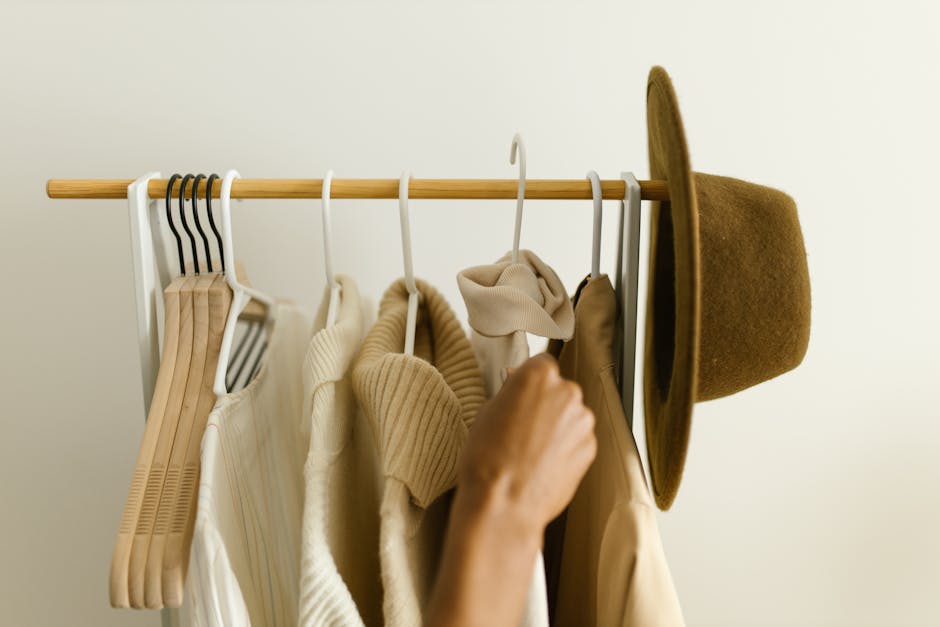
Light Spring Capsule Wardrobe: The Complete Guide to a Breezy, Minimal Closet
A light spring capsule wardrobe is a streamlined set of mix-and-match pieces built around the Light Spring palette—an airy, warm-leaning, light, and fresh color story that feels especially natural in spring. Instead of chasing dozens of one-off outfits, you build a cohesive closet where most tops work with most bottoms, layers play nicely together, and accessories tie everything into a consistent look.
This guide walks you through defining the Light Spring approach, choosing flattering neutrals and accent colors, selecting core capsule pieces, and building reliable outfit formulas. You’ll also find practical tips for shopping, editing your closet, and adapting your capsule to different climates and lifestyles so it works in real life—not just in theory.
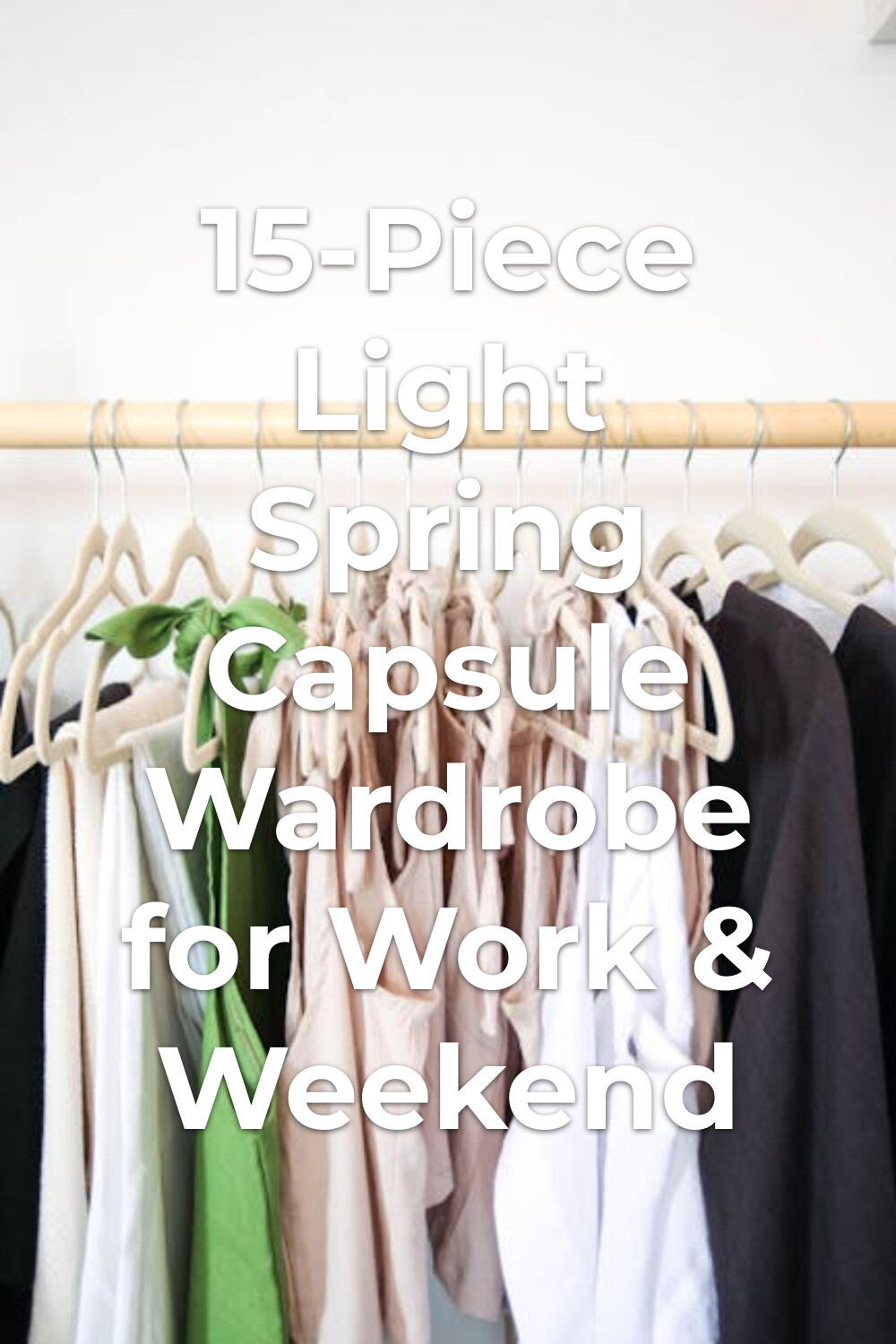
What Is a Light Spring Capsule Wardrobe?
A capsule wardrobe is a curated collection of clothing and accessories designed to be worn interchangeably. When you pair that method with Light Spring color theory, you get a capsule that stays visually consistent: lighter values, warm and gentle undertones, and clear, fresh color combinations that feel “spring-ready” even on ordinary days.
Defining Light Spring in color theory
Light Spring is commonly described with words like light, warm, soft, and clear. In practice, that means your best capsule colors tend to look brightened (not muted or dusty), warm-leaning rather than cool-leaning, and never too dark or heavy. The overall effect is breezy and approachable—exactly what many people want from a spring wardrobe.
Tip: If you’re unsure whether a color belongs in a Light Spring capsule, ask one simple question: does it feel light and fresh next to cream or ivory? If it looks harsh, heavy, or overly dark by comparison, it’s less likely to support a Light Spring color story.
Why a capsule approach works for spring
Spring is transitional—cool mornings, warmer afternoons, and frequent weather swings. A capsule approach supports this shift by focusing on layering, repeatable outfit formulas, and a limited palette that makes getting dressed fast. Instead of owning lots of “spring-looking” items that don’t actually coordinate, you build a small set of essentials that can be worn many ways.
Tip: Think of your spring capsule as a system. Your neutrals create the foundation, your accent colors add personality, and your layers handle temperature changes. When these three parts work together, your wardrobe feels effortless.
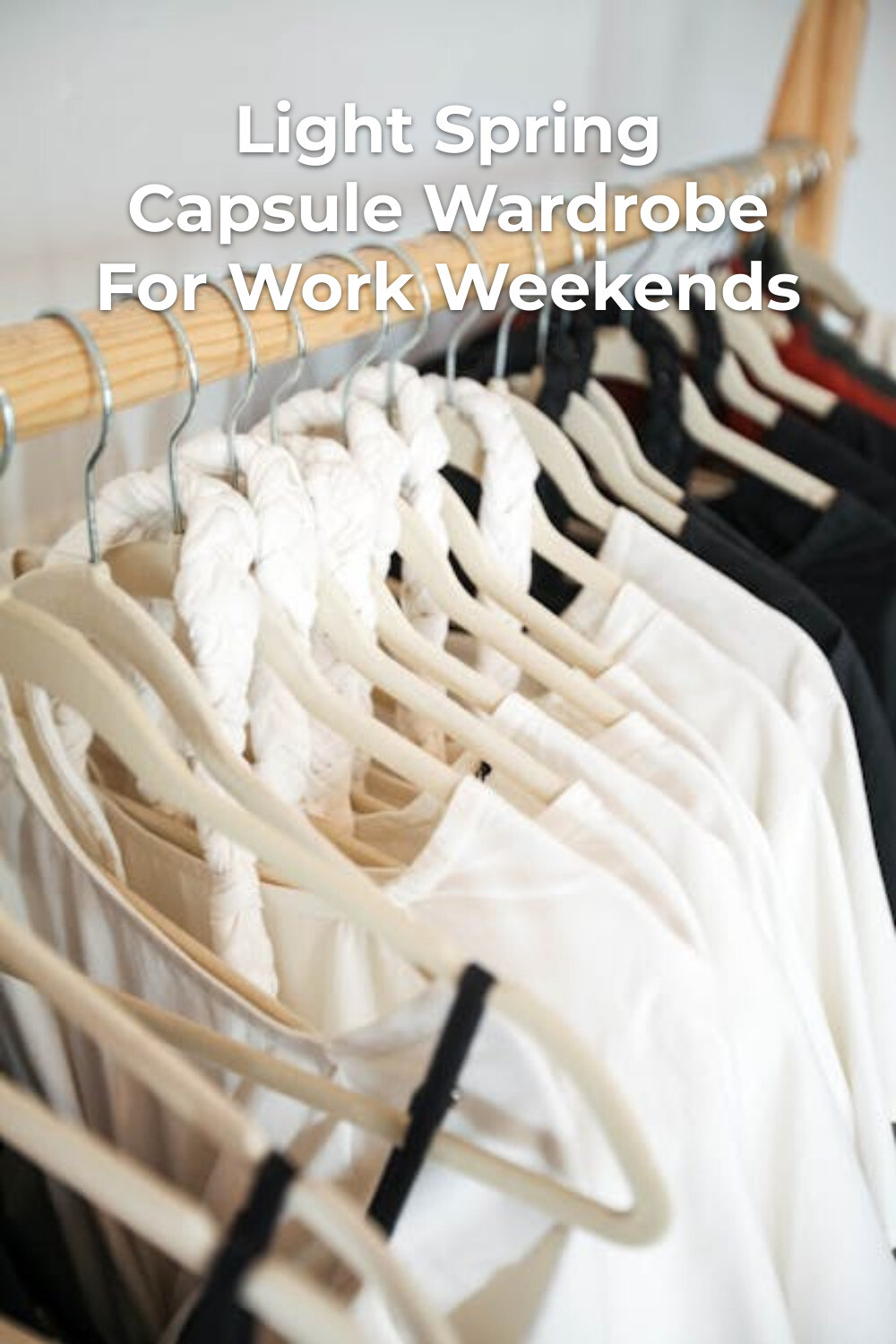
The Light Spring Palette: Neutrals, Accents, and a Cohesive Color Story
Most Light Spring capsule wardrobes succeed or fail based on color decisions. The goal is not to own every possible spring color; it’s to choose a small set of neutrals plus a few accent colors that harmonize. This creates a color-coordinated capsule that looks intentional across outfits, photos well, and reduces decision fatigue.
Core neutrals for Light Spring
Neutrals are the backbone of a capsule because they appear in your most-worn categories: pants, denim, skirts, light outerwear, and everyday shoes. For a Light Spring palette, neutrals often look best when they are light and gentle rather than stark or heavy. Cream and ivory are frequent anchors, and light taupe can help ground outfits without darkening them.
- Ivory
- Cream
- Light taupe
- Light neutrals that keep an airy look
Tip: Pick one primary neutral (often cream/ivory) and one supporting neutral (often a light taupe). Build most bottoms and outer layers around those two so your tops can rotate freely.
Accent colors that sing in spring
Accent colors are where a light spring capsule wardrobe becomes personal. Many Light Spring wardrobes lean into pastels and light colors—think gentle pinks, mint, pale blue, and soft greens—because they echo that clear, fresh spring feeling. The key is choosing 2–3 accent colors that you genuinely enjoy wearing and that combine easily with your neutrals.
- Gentle pinks
- Mint
- Pale blue
- Soft greens
Tip: If you want your capsule to mix and match smoothly, choose accent colors that can pair with each other as well as with your neutrals. That way, your “color moments” don’t feel like isolated items you rarely reach for.
Colors to avoid (and why)
In a Light Spring color story, the most common problems come from colors that feel too dark, too harsh, or too far from the warm-soft-clear mood. When an item is visually heavy, it can overpower the lighter neutrals and delicate accents, making outfits harder to balance and less cohesive.
Tip: You don’t have to purge everything outside the palette. Instead, keep “harder to blend” colors out of your core capsule categories (like everyday tops and pants) and reserve them for occasional wear, workout gear, or items you don’t rely on for daily outfit building.
Core Pieces for a Light Spring Capsule
The most useful capsule pieces are simple, repeatable, and easy to layer. Many spring capsule wardrobes organize pieces by category—tops, bottoms, outerwear, shoes, dresses/jumpsuits, and accessories—because it helps you see gaps and avoid duplicates. The specific count can vary, but the purpose stays the same: essentials that create many outfits.
Tops and spring layering essentials
Tops do much of the “style work” in a spring capsule because they sit close to the face and often carry your accent colors. Aim for a small range of silhouettes that you can rotate through the week—some structured, some relaxed—and prioritize layers that handle temperature changes. Light cardigans and similar lightweight layers are especially helpful for cool mornings and air-conditioned spaces.
- A light button-down or similar polished top for dressier moments
- Simple knit tops or shells that fit comfortably under layers
- Lightweight cardigans for spring layering
- A few accent-color tops that match your chosen palette
Tips: Keep at least one top option that works for a slightly elevated setting (like an urban office) and one that feels casual for weekends or remote work. When in doubt, choose tops that can be worn both on their own and under a layer.
Bottoms: the foundation of outfit repeatability
Bottoms carry your neutrals and determine how versatile your capsule feels. Many spring capsule guides focus on trousers, skirts, and denim because these items can anchor multiple outfits. Keeping bottoms in your core neutrals makes it easier to mix in pastel spring wardrobe colors on top without the look becoming chaotic.
- Neutral trousers that can be dressed up or down
- Denim that pairs with both neutrals and light accent colors
- A skirt option if you like variety in silhouettes
Tip: If you want a smaller capsule, reduce bottom variety first and increase top variety slightly. Many people repeat bottoms comfortably but prefer more rotation in tops.
Outerwear and shoes for a capsule-friendly spring
Spring outerwear should support layering without fighting your palette. Lightweight jackets and trench-style layers often appear in spring capsule wardrobes because they add structure and function during transitional weather. Shoes benefit from the same capsule logic: a small set that covers daily walking, casual outfits, and slightly dressier needs.
- A lightweight jacket or trench-style layer in a Light Spring-friendly neutral
- Comfortable loafers for polished-casual outfits
- Sandals for warmer days (when climate allows)
- A neutral shoe option that works with most outfits
Tip: If your capsule is getting “stuck,” shoes are often the reason. A single overly dark or heavy shoe can make light neutrals and pastels feel disconnected. Keep your most-worn shoes aligned with your light neutrals so outfits stay cohesive.
Dresses and jumpsuits: one-piece outfits that still mix and match
Dresses and jumpsuits can simplify a spring wardrobe because they create a full outfit in one step. In a capsule system, the best one-pieces also layer well—meaning you can add a cardigan or light jacket and swap shoes to change the vibe quickly. Choosing a Light Spring-friendly color helps the piece integrate with your outerwear and accessories rather than feeling like a separate “special occasion only” item.
Tip: If you’re building a smaller spring capsule wardrobe, include one reliable one-piece. It can rescue mornings when you don’t want to coordinate separates.
Accessorizing for cohesion
Accessories are where a capsule becomes cohesive without requiring a large wardrobe. Belts, bags, and scarves can echo your neutrals or repeat your accent colors to make outfits look intentional. The goal is not a huge accessory collection; it’s a small set that “connects the dots” across outfits.
- A belt that matches your primary neutral direction
- A bag that works with most outfits in your capsule
- A scarf or small accessory that repeats your accent colors
Tip: If you love color but want to keep your capsule minimal, add accent color through accessories first. It’s lower commitment, and it still delivers that spring freshness.

Body-Inclusive Capsule Planning: Fit First, Then Color
A capsule wardrobe only works when the pieces actually fit and feel good. While some Light Spring capsule guides offer body-shape suggestions, the most reliable approach is to build a repeatable system: choose silhouettes you enjoy, ensure you have comfort across your typical day, and then apply your Light Spring palette to those silhouettes.
A simple, repeatable method for body-inclusive fit
Instead of trying to force a “standard” capsule list onto your body, select capsule categories and fill them with the cuts that you reach for most. The capsule framework stays the same, but the shapes and proportions become yours. This is how you make a capsule wardrobe practical across sizes and style preferences.
- Identify your most-worn silhouette for bottoms (the cut you choose when you want to feel confident)
- Choose two top silhouettes (one casual, one more polished)
- Pick one layering piece that you will actually wear indoors and outdoors
- Confirm each piece works with at least two other items before it joins the capsule
Tip: If an item fits your palette but doesn’t fit your life, it will sit unused. Fit, comfort, and lifestyle come first; color makes the system cohesive.
Adjustable piece counts for real closets
Capsule wardrobes are often described with lists like “25 essential pieces,” but the right number depends on how often you do laundry, how formal your week is, and how much outfit variety you prefer. A good rule is to keep the core small enough to stay cohesive and large enough to avoid boredom.
Tip: If you’re new to capsules, start with fewer pieces and expand slowly. It’s easier to add a missing layer or an extra top than to edit a capsule that’s already too big and inconsistent.
How to Build Your Light Spring Capsule Wardrobe Step by Step
Building a light spring capsule wardrobe becomes straightforward when you follow an order: establish neutrals, choose accent colors, select your essentials, and then test outfits. This keeps you from buying pretty pieces that don’t integrate, and it makes your closet feel coordinated quickly.
Step 1: Define your base neutrals
Start with one main neutral and one or two supporting neutrals that you want to see in your most-used items. Cream and ivory are common anchors for Light Spring, and light taupe can add gentle depth while still staying light. Once you choose your neutrals, it becomes easier to shop, edit, and coordinate.
- Choose one primary neutral (your “default”)
- Choose one supporting neutral for balance
- Align your most-worn bottoms and shoes to these neutrals
Tip: If your existing closet contains a lot of mismatched neutrals, pick one direction for this season’s capsule. You can always evolve later, but a single season benefits from commitment.
Step 2: Add 2–3 accent colors with a clear rationale
Accent colors give your capsule its spring personality. For Light Spring, gentle pinks, mint, pale blue, and soft greens are common choices because they maintain that light, warm, fresh feel. Choose accents based on what you want to wear frequently and what integrates with your neutrals and layers.
- Pick two accent colors you can imagine wearing weekly
- Add a third accent only if it pairs with the first two
- Repeat accent colors in at least two categories (for example, a top and an accessory)
Tip: Repetition creates cohesion. If an accent color appears only once in your entire capsule, it will be harder to style and easier to ignore.
Step 3: Choose essential spring pieces by category
Now select your core items: tops, bottoms, layers, shoes, and (optional) one-piece outfits. The goal is a capsule where each item has multiple pairing options. Many spring capsule wardrobe piece lists work well as checklists, but you still want to filter every choice through your own lifestyle: office vs remote work, casual vs polished preferences, and your local climate.
Tips: Before buying anything new, do a quick closet review for “near matches” in your palette direction. A cream top you already own or a light neutral layer might be the perfect starting point, even if it’s not exactly what you would buy today.
Step 4: Create outfit formulas (then repeat them)
Outfit formulas are a capsule’s secret weapon. They reduce decision fatigue because you’re not inventing outfits daily; you’re rotating a few reliable templates. In a Light Spring capsule, formulas often look best when they combine a neutral foundation with one accent color and a light layer.
- Accent top + neutral bottoms + neutral shoe
- Neutral top + accent bottom (if you own one) + light layer
- One-piece outfit + cardigan + loafers
- Button-down + neutral trousers + lightweight jacket
- Knit top + denim + light layer
- Monochrome neutral base + accent accessory
- Soft green or mint accent + cream/ivory base pieces
- Pale blue accent + light taupe neutral grounding
Tip: Write down 8–12 formulas you’d actually wear, then test them. If a formula needs a missing piece (like the right shoe or a lightweight cardigan), you’ve just found your most strategic purchase.
Practical Shopping Guide: From Budget-Friendly to Premium
Shopping for a spring capsule can either be efficient or overwhelming. The difference is having a framework: buy only what supports your neutrals, accent colors, and outfit formulas. Many capsule guides include shopping lists, but your best results come from shopping by category and purpose rather than impulse.
Budget-friendly picks that fit Light Spring
Budget shopping works well for trend-sensitive categories and lighter seasonal items, especially when you’re still refining your palette and preferred silhouettes. Focus on flexible basics: tops that layer, simple bottoms, and an extra layer that solves daily temperature shifts.
- Lightweight layering pieces you can wear often
- Simple tops in your chosen accent colors
- Neutral basics that coordinate easily
Tip: If you’re shopping on a budget, prioritize the items you’ll wear multiple times per week. A “capsule-friendly” piece is one that earns its keep through repetition.
Mid-range favorites with longevity
Mid-range shopping is often where you can build the most durable core: pieces that look consistent across outfits and hold up through repeat wears. This tier is especially useful for your most-used categories—like a reliable pair of neutral trousers or a polished top you can wear in multiple settings.
Tip: When choosing mid-range staples, aim for timeless silhouettes that won’t compete with your Light Spring palette. The color story should be the standout, not complicated design details that limit pairing options.
Premium options for investment pieces
Premium purchases make sense when the item anchors many outfits: an outer layer you’ll wear constantly, a highly versatile shoe, or a signature piece that defines your capsule’s style. Investment items are most effective when they align perfectly with your neutrals and are compatible with your outfit formulas.
Tip: A premium item should reduce wardrobe friction. If it only works with one outfit, it’s not functioning like a capsule piece, no matter how beautiful it is.
Climate and Lifestyle Adaptations
A light spring capsule wardrobe needs to work across real U.S. conditions: different climates, different routines, and different levels of formality. This is where many capsules fall apart—people build an idealized closet that doesn’t match the weather or their schedule. A few adjustments can make your capsule feel tailored and dependable.
Urban office vs. remote work vs. casual weekends
Your lifestyle determines which categories deserve the most attention. If you dress for an office, you may want more polished tops and structured layers. If you work remotely, you may lean into comfortable knits and easy layers but still keep a few elevated options for meetings or events. Casual weekends benefit from comfortable pairings that still honor your Light Spring palette, so everything stays cohesive.
- Office-leaning capsule: more polished tops, structured outerwear, loafers
- Remote-work capsule: comfortable tops, easy layers, versatile neutrals
- Weekend capsule: casual denim outfits, light layering, simple accessories
Tip: Choose a “default uniform” formula for your most common day type. When most of your week looks similar (office days, remote days, or active weekends), a capsule becomes dramatically easier to maintain.
Seasonal layering for variable climates
Spring layering is central to capsule success. Light layers let you add warmth without introducing heavy, dark colors that fight the Light Spring mood. The most capsule-friendly layers are the ones that work across temperatures: easy to put on, easy to take off, and compatible with multiple outfits.
Tip: If your climate swings throughout the day, build outfits that look complete both with and without the layer. That way you don’t feel underdressed when you take your jacket or cardigan off.
Wardrobe Maintenance: Audit, Edit, Test, and Refine
Capsules improve with use. The point is not to create a “perfect” list on day one; it’s to build a working wardrobe, test it, and refine it. A quick closet audit can reveal what already supports your Light Spring direction and what’s missing for daily outfits.
Closet audit checklist
A closet audit helps you avoid duplicate purchases and clarifies what’s truly essential. Focus on what you actually wear in spring and what supports your chosen neutrals and accent colors. You’re looking for versatile pieces that can become capsule anchors, plus gaps that cause outfit frustration.
- Pull out items you already wear often in spring
- Identify which ones align with your Light Spring neutrals and accents
- Set aside pieces that consistently feel hard to pair
- Note missing categories (like a needed layer or a neutral shoe)
- Create a short shopping list based on those gaps
Tip: If you’re not sure whether to keep a piece in the capsule, try pairing it with at least two other items immediately. If it fails that test, it may belong outside the core capsule.
How to test outfits and refine through the season
Testing is what turns a capsule from an idea into a functional wardrobe. Wear your outfits, notice what you reach for, and identify where you get stuck. Some people find it helpful to plan outfits ahead or track which combinations felt best, then adjust the capsule accordingly.
Tips: When an outfit feels “off,” diagnose the issue: is it the color pairing, the silhouette, or the missing layer? Small changes—like swapping a shoe color to better match your light neutrals—can restore cohesion quickly without needing more clothes.
Bonus: Printable-Style Resources You Can Recreate at Home
You don’t need special tools to make a capsule work, but having a simple written checklist can keep you focused. Below are two resources you can copy into a notes app or journal: a capsule checklist and a palette reminder.
Capsule checklist (copy and personalize)
- Primary neutral: ________
- Supporting neutral: ________
- Accent color 1: ________
- Accent color 2: ________
- Accent color 3 (optional): ________
- Go-to layer: ________
- Everyday shoe: ________
- Polished shoe: ________
- One-piece outfit (optional): ________
- 8–12 outfit formulas written out: ________
Color palette reminders for shopping and outfit planning
Keep your capsule’s color direction front and center: light, warm-leaning, soft-clear colors; Light Spring-friendly neutrals like cream/ivory and light taupe; and a small set of accent colors such as gentle pinks, mint, pale blue, and soft greens. When you consistently follow that direction, your wardrobe starts to coordinate almost automatically.
FAQ
How many pieces should a light spring capsule wardrobe have?
There isn’t one correct number; many people use a small list of essential spring pieces (often around a couple dozen) and adjust based on laundry frequency, lifestyle needs, and how much outfit variety they prefer. The best size is the smallest collection that still gives you enough comfortable, repeatable outfits for your real week.
What colors are best in a Light Spring palette?
Light Spring typically centers on light, warm-leaning, fresh colors with a soft-clear feel, supported by light neutrals. Common accent directions include gentle pinks, mint, pale blue, and soft greens, paired with neutrals like cream/ivory and light taupe for an airy, cohesive spring look.
What are the best neutrals for Light Spring?
Light Spring capsules often work best with lighter neutrals that keep the overall look breezy rather than harsh or heavy. Cream and ivory are frequent anchors, and light taupe can add gentle depth while still staying within a light, spring-ready neutral range.
How do I build a spring capsule wardrobe that actually mixes and matches?
Start by committing to one primary neutral and one supporting neutral, then choose just 2–3 accent colors and repeat them across multiple items. Finish by writing a set of outfit formulas and testing them; if a piece doesn’t work with at least two others, it’s usually better outside the core capsule.
How can I make my capsule work for changing spring temperatures?
Prioritize spring layering with lightweight pieces that you can add or remove easily, and make sure outfits look complete both with and without the layer. A capsule-friendly layer is one that coordinates with your neutrals and accent colors and works across many outfits, especially for cool mornings and warm afternoons.
How do I adapt a Light Spring capsule for office vs. casual life?
Keep the same core palette and capsule structure, then shift the categories you emphasize: more polished tops, structured layers, and loafers for an office routine, or more comfortable knits and easy layers for remote work and weekends. The capsule stays cohesive when your neutrals and accent colors remain consistent across settings.
What if I love colors that don’t fit a Light Spring capsule?
You don’t have to eliminate them entirely; it often works best to keep off-palette colors out of your most-worn capsule essentials and reserve them for occasional wear or non-capsule categories. This lets your daily outfits stay coordinated while still leaving room for personal favorites.
Can I use a Light Spring capsule beyond spring?
Yes, many people extend a spring capsule by keeping the same neutral foundation and layering strategy while adjusting how they layer for temperature changes. If your core pieces are versatile and your palette is cohesive, you can often carry a significant portion of the capsule into other parts of the year.
Leave a Reply