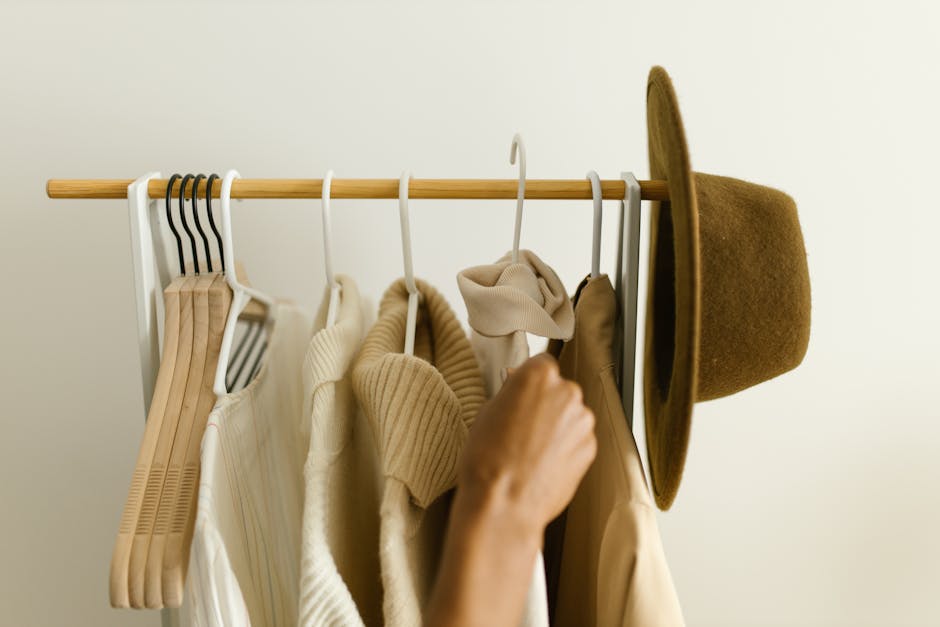
Minimalist Wardrobe Capsule: Build a Timeless, Flexible Closet for Everyday Style
A minimalist wardrobe capsule is a streamlined collection of clothing and accessories built around timeless staples, versatile silhouettes, and a cohesive (often neutral) palette. Instead of chasing dozens of one-off outfits, you rely on a small set of essentials—think crisp shirting, great denim, tailored trousers, quality knits, and a few reliable shoes—to create many combinations that work for real life.
This guide brings the most useful ideas people look for when they search “minimalist wardrobe capsule”: clear definitions, a practical list of essentials (including fall-ready classics), simple steps to build your capsule, seasonal adaptation, shopping guidance across budgets, and a maintenance approach that keeps your closet lean and usable over time.
What Is a Minimalist Capsule Wardrobe? Definitions, Goals, and Benefits
A capsule wardrobe is a curated set of clothing pieces designed to mix and match easily. A minimalist capsule wardrobe takes that concept further by emphasizing a smaller number of foundational items, repeatable outfit formulas, and an intentional focus on longevity—so you can get dressed quickly, look cohesive, and avoid buying duplicates that don’t earn their space.
The goal isn’t to own the fewest items possible; it’s to own the right items—pieces you’ll actually wear, styled in multiple ways, across the situations you face most. Many modern capsule guides center around a “basics” approach—button-downs, neutral garments, essential trousers, and dependable outerwear—because these are the backbone of outfits that look polished without feeling complicated.
When done well, a capsule closet supports everyday minimalist fashion: a consistent personal style, less decision fatigue, and fewer “nothing to wear” mornings. It can also make shopping more intentional, because you’re upgrading gaps rather than collecting random trends.
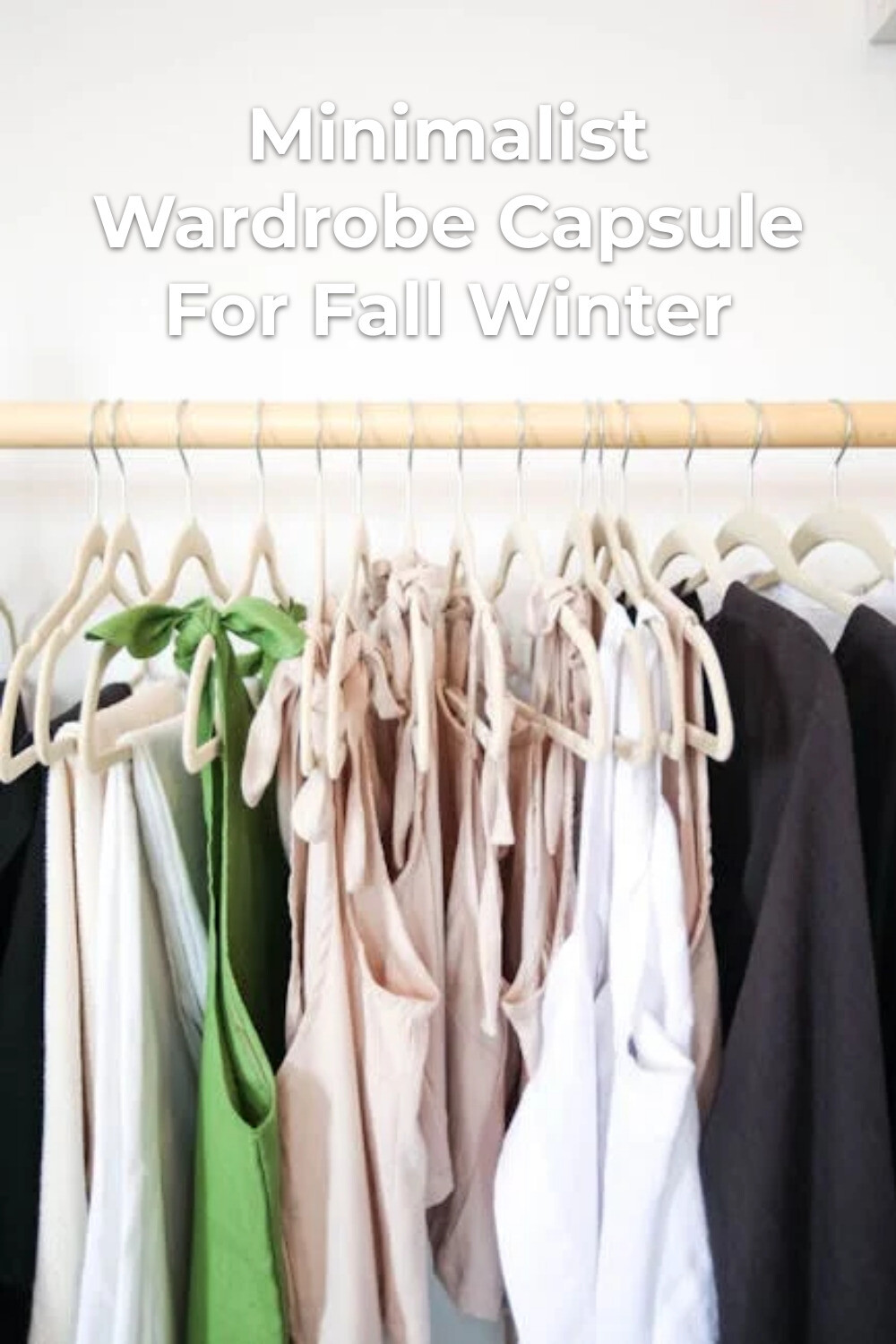
Core Principles for a Successful Capsule
Coherent color palette and fabric mix
A cohesive palette is what makes a capsule feel effortless. Many minimalist capsules lean on neutrals because they pair together naturally and make outfit planning simpler. You can still keep personality in the mix by choosing one or two accents you love—then repeating them in a controlled way so they integrate with everything else.
Fabric matters because a capsule depends on repeat wear. Prioritizing durable, comfortable materials—especially for items you’ll wear weekly like denim, shirting, trousers, and knits—helps your wardrobe look better longer. For cooler months, layering-friendly fabrics become especially important, since a fall minimalist capsule wardrobe often relies on combining shirts, knits, and outerwear in multiple ways.
Tip: If you’re unsure whether a new piece matches your palette, hold it next to your go-to bottoms (your best jeans and your most worn trousers). If it doesn’t look good with both, it may not be capsule-friendly.
Fit, silhouette, and proportion
Minimalist style works best when each piece fits well and plays nicely with the rest of your closet. Timeless silhouettes—like straight-leg jeans, tailored trousers, button-down shirts, and clean-lined coats—are popular capsule anchors because they adapt to different settings and pair with many shoe and bag choices.
Instead of buying many “almost right” options, aim for fewer pieces you genuinely love wearing. In a capsule, one well-fitting pair of trousers and one well-fitting pair of jeans can outperform a drawer full of backups you never reach for.
Tip: Choose one consistent “base silhouette” you can repeat—such as straight-leg bottoms with a tucked-in top, or a relaxed top with tailored bottoms. Repetition is a strength in a capsule because it increases outfit reliability.
Quality upgrades vs. fast-fashion traps
A minimalist wardrobe capsule is built on staples, so quality has an outsized impact. Many capsule guides highlight premium examples for a reason: a crisp shirt that holds its shape, denim that keeps its fit, and outerwear that elevates everything can define your entire closet. That doesn’t mean you must buy everything at the highest price point, but it does mean you should be careful about pieces that look good once and then lose their appeal after a few wears.
One practical approach is to build with what you already own, then upgrade strategically—starting with the items you wear most frequently (often jeans, trousers, shoes, and outerwear). This keeps your capsule functional while you improve it over time.
Tip: If you’re shopping for a capsule and feel tempted by “one special item” that doesn’t match your basics, pause and ask: will it create at least three outfits with my current capsule pieces? If not, it’s likely a distraction.
The 12–15 Essential Pieces for a Timeless Minimalist Capsule
Many capsule wardrobe ideas focus on a core list of essentials: shirts, denim, tailored trousers, knitwear, outerwear, and a tight edit of shoes and bags. The exact number can vary (some people build a 10 essential pieces kit; others prefer a 12 basics approach or a 17-piece minimalist capsule wardrobe), but the underlying logic stays the same: cover your weekly needs with pieces that can be remixed.
Below is a flexible 12–15 piece blueprint you can adapt to your lifestyle. Treat it as a starting point—if you never wear dresses, swap that slot for another layer or shoe; if you dress up often, prioritize tailoring.
- Crisp shirting (button-down)
- Versatile everyday top (simple tee or knit top)
- Polished top (for meetings or dinner)
- Great denim (straight-leg jeans)
- Tailored trousers
- Layering knit (V-neck knit or similar)
- Second knit or sweater (a different weight or shape)
- Versatile jacket (e.g., funnel-neck jacket style)
- Structured coat (cool-weather outerwear)
- One-piece option (simple dress or an equivalent “instant outfit” item)
- Everyday shoes (clean, minimal style)
- Polished shoes (loafers or an equivalent)
- Everyday bag
- Optional: belt or small accessory that ties outfits together
Crisp shirting: the anchor top
Crisp shirting shows up again and again in minimalist capsules because it can be worn buttoned-up for a tailored look, open over a top for layering, or half-tucked for casual polish. It also pairs naturally with both denim and tailored trousers, making it one of the highest-utility pieces in a capsule closet.
Tip: If you’re building a fall minimalist capsule wardrobe, try styling your button-down under knitwear or under a jacket so it works across temperature swings without needing lots of extra items.
Great denim: one pair that does the job
Great denim is a capsule cornerstone because it functions across casual errands, weekends, and even dressed-up moments depending on your shoes and outerwear. Straight-leg jeans are frequently referenced in minimalist capsule blueprints because they read timeless and pair well with a wide range of tops and layers.
Choose a wash that integrates with your palette and feels like “you.” The capsule advantage comes from consistency: you’ll know exactly how your favorite jeans work with your shirts, knits, and shoes.
Tailored trousers: the outfit-elevator
Tailored trousers bring structure to a capsule wardrobe and instantly make simple tops look intentional. They’re especially useful if you need outfits that can shift between work and off-hours. In minimalist wardrobes, trousers often act as the “polished base” that balances relaxed knits, simple tees, and clean outerwear.
Tip: If you’re debating between adding another top or upgrading trousers, choose trousers. One great pair expands how “put-together” your entire closet looks.
Knits: reliable warmth and texture
Knitwear appears in many minimalist capsule wardrobe guides because it’s comfortable, repeatable, and easy to layer. A V-neck knit is often highlighted as a versatile shape that works over a shirt or on its own. Adding a second knit in a different weight or silhouette can extend outfit variety without adding visual clutter.
In a year-round capsule, knits also function as a bridge piece: light enough to wear in transitional weather, yet layerable under outerwear when temperatures drop.
Outerwear: your capsule’s first impression
Outerwear is disproportionately important in a minimalist wardrobe capsule because it’s what people see first, and it’s what you’ll wear repeatedly in cooler seasons. Capsule blueprints often include a structured coat for classic coverage and a versatile jacket—sometimes framed as a modern staple like a funnel-neck jacket—for everyday wear.
Rather than owning multiple statement coats, focus on one or two pieces that coordinate with your entire capsule: neutral, clean-lined, and compatible with denim, trousers, and knits.
Shoes and bags: fewer, better, and more intentional
Many minimalist capsule wardrobe lists include a small, purposeful shoe lineup—an everyday pair and a polished pair—plus one dependable bag. This is where cohesion matters: shoes and a bag should complement your palette and the overall tone of your wardrobe, so outfits feel consistent without extra effort.
Tip: If you struggle to keep your capsule “minimal,” limit yourself to two primary shoe categories at first. You can expand later once you’ve proven what you truly wear.
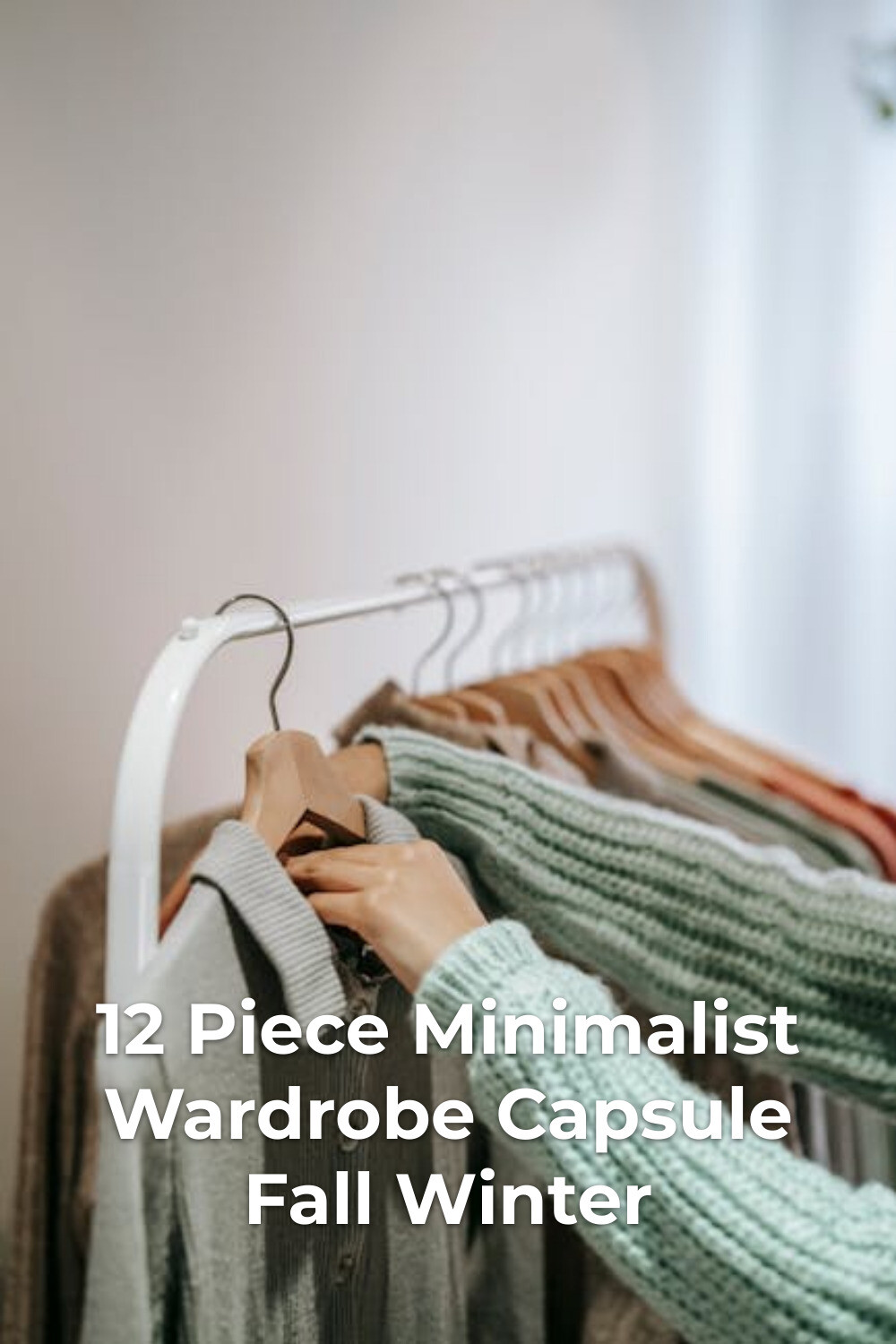
Seasonal Variations: How to Adapt Your Capsule for Climate
Many capsule wardrobes are presented as seasonal (especially fall capsules) because that’s when layering becomes most useful and staples like denim, shirting, and tailoring shine. But you can also build a year-round capsule by keeping a consistent core and swapping a small number of pieces when weather changes.
Think of your capsule as two layers: a permanent foundation (jeans, trousers, shirts, shoes, bag) and a rotating layer (outerwear, knitwear weight, and a couple of warm- or cool-weather tops).
Summer capsule adaptations
For warmer months, keep your palette consistent but lighten the feel of the capsule by reducing heavy layers and focusing on simpler outfit formulas. The same minimalist approach still applies: you want a few breathable, repeatable pieces that coordinate with your core bottoms and shoes.
- Keep the same jeans and trousers if they’re comfortable; lean on your simplest tops more often
- Swap heavy knits for lighter layers (or fewer layers overall)
- Choose a polished top that works on its own without a jacket
Tip: If summer makes you want to buy lots of “vacation-only” items, set a rule: add only pieces that still pair with your capsule basics (your core bottoms and everyday shoes).
Winter capsule adaptations
In colder months, the capsule expands through layering rather than through lots of new categories. A structured coat and a versatile jacket become daily drivers; knitwear becomes more central; and crisp shirting becomes an easy way to add dimension under sweaters.
- Prioritize outerwear that works with every outfit you wear weekly
- Use knitwear strategically: one layer-friendly knit and one warmer, cozy option
- Repeat outfit “templates” (shirt + knit + trousers; top + jacket + jeans) to simplify mornings
Tip: If your winter looks feel repetitive, don’t add more coats. Add one additional top or knit that still matches your bottoms and outerwear, so you increase combinations without breaking cohesion.
How to Build Your Minimalist Wardrobe Capsule in 4 Steps
Most people want a capsule wardrobe that’s immediately usable—not a theoretical list. The simplest method is to start with what you already own, confirm what truly works, then fill gaps carefully. These four steps keep the process grounded and help you avoid overbuying.
- Step 1: Audit your current favorites. Identify the pieces you reach for repeatedly—often your best jeans, your most comfortable trousers, your go-to top, and your most worn shoes. These are your true starting point.
- Step 2: Edit for cohesion. Pull items that fit your preferred palette and silhouettes. If a piece consistently fails to match anything else, it may not belong in the capsule.
- Step 3: Map a week of outfits. Create simple combinations that cover your life: casual days, work days, and one more polished option. If you can’t make enough outfits, that reveals your real gaps.
- Step 4: Shop carefully to fill gaps. Add only what increases mix-and-match ability: crisp shirting, great denim if yours is worn out, tailored trousers if you need polish, or outerwear that ties everything together.
Tip: When you identify a gap, write it as a function, not a product. “I need a polished layer for meetings” is better than “I need a blazer,” because it keeps you open to the best capsule-friendly solution for your style.
Outfit Ideas: Mix-and-Match Formulas That Make a Capsule Work
Capsule wardrobe outfits become easy when you rely on a few repeatable formulas. Fashion editors often emphasize staples like button-downs, neutral garments, essential trousers, and clean shoes because they’re the building blocks of outfits that look intentional without a lot of effort.
Use these as templates, then adjust proportions to your comfort level and lifestyle. The goal is not to dress the same every day; it’s to make getting dressed predictable and flexible.
Everyday casual polish
Pair great denim with a simple top and a versatile jacket. This formula relies on one strong base (your jeans) and one strong layer (your jacket), so it works even when everything else is minimal.
Effortless tailored
Wear tailored trousers with crisp shirting and polished shoes. This is a capsule classic because it looks “complete” with only a few pieces, and it adapts easily: wear the shirt tucked, half-tucked, or layered under knitwear as weather shifts.
Layered fall uniform
Combine a button-down under a V-neck knit with straight-leg jeans, then add a structured coat. This kind of outfit is why fall minimalist capsule wardrobe lists highlight shirting, knits, denim, and outerwear: each item plays a specific layering role, creating multiple variations from a small set.
Tip: If you want more outfits without more clothing, change only one element at a time (swap jeans for trousers, or swap the shirt for the polished top). This keeps the capsule coherent while still feeling fresh.
Shopping Guide: Where to Buy Quality Capsule Staples (Without Overbuying)
Many minimalist capsule wardrobe articles include shopping suggestions at a range of price points because the need is practical: people want to know what to buy and how to choose. The key is to shop with a plan—building around your capsule list—and to prioritize the categories that affect your daily outfits most.
Budget-friendly staples: build the base first
Affordable capsule wardrobes work best when you focus on versatile basics and keep the palette tight. If you’re building on a budget, start by securing your most-worn categories (a reliable top, great denim, and an everyday shoe), then add one tailored piece and one strong layer once the basics are in place.
Tip: If you’re tempted to buy several inexpensive versions of the same item, choose one best option instead. A capsule benefits more from “one you love” than “three that are fine.”
Investment staples: the pieces that carry the whole closet
Many capsules spotlight premium examples for outerwear, shirting, denim, and tailoring because these are high-impact categories. A strong coat, a crisp shirt, and well-made trousers can make the rest of your wardrobe look more elevated—even when you’re wearing simple tops and repeating the same shoes.
Tip: If you invest in only one category, choose outerwear (for fall and winter) or tailoring (if you frequently need polished outfits). These pieces show up in outfit photos, daily wear, and overall “finished” appearance.
Capsule Maintenance: How to Keep Your Closet Lean and Useful
A capsule wardrobe isn’t a one-time project; it’s a system. The most common reason capsules drift is that new purchases come in without a plan, and older pieces linger even when they no longer fit your life. A simple maintenance routine keeps your minimalist wardrobe capsule functional and prevents it from turning into a regular closet again.
Monthly mini-check: the quick reset
Once a month, scan your capsule and ask two questions: what am I wearing on repeat, and what am I skipping? The repeat-wears tell you where to consider quality upgrades; the skips reveal items that don’t fit, don’t match, or don’t align with your actual lifestyle.
Tip: When you notice an item you’re skipping, don’t immediately replace it. First, identify why it’s being skipped—fit, color, comfort, or styling difficulty—so you don’t buy the same problem again.
Seasonal swap: keep the core, rotate the edges
Seasonality is where many people overcomplicate a capsule. Instead of rebuilding from scratch, keep your core (jeans, trousers, shirts, shoes, bag) and rotate a small set of seasonal pieces (outerwear and knitwear weight). This approach aligns with the way many capsules are presented: a stable foundation with a fall/winter emphasis on layering and a warmer-month emphasis on simplicity.
One-in, one-out: a simple rule that works
If you want to maintain a truly minimalist capsule closet, adopt an easy boundary: when you add a new piece within a category, remove one that serves the same purpose. This keeps the capsule at a stable size and forces clarity about what you actually wear.
Case Studies: Real People, Real Capsules (Practical Scenarios)
Minimalist capsules are personal, but most people fall into a few common scenarios. Below are three realistic examples that show how the same capsule principles—neutrals, crisp shirting, great denim, essential trousers, and strong outerwear—can be adapted to different needs.
Case study 1: The “busy week” capsule (maximum repeatability)
This person needs fast outfits for a packed schedule, so they prioritize a small set of uniform-like combinations: straight-leg jeans, tailored trousers, two tops that always work (including a button-down), one layering knit, and a dependable jacket. The win is consistency: fewer decisions, fewer mismatched purchases, and a closet that supports mornings instead of complicating them.
Case study 2: The “polished essentials” capsule (tailoring-forward)
This person’s life demands more put-together outfits, so the capsule leans into tailored trousers, crisp shirting, and polished shoes, with denim as the relaxed counterbalance. Outerwear is chosen to match everything, so the overall look stays cohesive whether they’re in the trousers-and-shirt formula or dressing down with jeans and a knit.
Case study 3: The “affordable starter capsule” (build-then-upgrade)
This person wants a minimalist capsule wardrobe but needs to keep costs controlled. They start by selecting a tight neutral palette, building around the basics they already own, and adding only what fills the biggest gaps: one pair of great denim (or keeping their best existing pair), one essential trouser, and one versatile layer for fall. Over time, they upgrade the most-worn categories rather than buying many extras.
Tip: If you see yourself in more than one scenario, choose one “primary capsule purpose” for the next three months (busy week, polished essentials, or budget starter). Focus brings results faster.
Common Pitfalls and How to Avoid Them
Most capsule wardrobe frustration comes from a few predictable mistakes. Fixing them usually doesn’t require more shopping—it requires better alignment between your pieces, your palette, and your day-to-day needs.
- Buying too many “basics” that don’t work together: Basics only function as a capsule when they share a cohesive palette and compatible silhouettes.
- Ignoring fit and comfort: A capsule depends on repeat wear, so items that pinch, slide, or require constant adjustment won’t be used.
- Overloading on trendy add-ons: A minimalist capsule needs a strong foundation first; trends can be optional accents after the core is solid.
- Too many categories, not enough depth: If you own five types of shoes but only one pair of reliable trousers, outfits will feel limited.
- Not planning for seasonality: Without a clear fall/winter layering plan, you end up buying duplicates when the weather changes.
Tip: If your capsule feels “boring,” don’t abandon minimalism. First, check whether your capsule has enough contrast in texture or structure—often solved by a great jacket or a well-chosen knit—while keeping the palette cohesive.
Tools, Templates, and Resources to Make Your Capsule Easier
The easiest capsule wardrobes are the ones you can see clearly. Whether you use a simple checklist, a notes app, or a spreadsheet-style inventory, the purpose is the same: track what you own, identify what you wear most, and spot gaps before you shop.
The minimalist capsule checklist
Create a checklist based on the 12–15 essentials above and mark what you already own. Then circle the two categories that will make the biggest difference in your daily life—often denim, trousers, shirting, or outerwear—so you can prioritize upgrades without buying everything at once.
A simple rotation calendar (monthly and seasonal)
Set two recurring reminders: a monthly mini-check (to review what you wore and what you skipped) and a seasonal swap (to rotate outerwear and knitwear weight). This helps your capsule stay lean and prevents the slow buildup that undermines minimalist fashion goals.
A “three-outfit test” before purchasing
Before you buy, write down three outfits the item will create using pieces you already own in your capsule. If you can’t easily reach three, it’s a sign the item may not integrate well—no matter how good it looks on its own.
Final Thought: Your Personal Capsule Blueprint
The strongest minimalist wardrobe capsule is the one you’ll actually wear. Start with a coherent palette, build around crisp shirting, great denim, and tailored trousers, and add knitwear and outerwear that support your climate—especially if you’re building a fall-focused capsule. Keep the process simple: audit, edit, map outfits, then shop carefully to fill real gaps.
If you’re unsure where to begin, begin small: choose 12–15 pieces, commit to wearing them for a few weeks, and let real life show you what to refine. That feedback loop is what turns a capsule from an idea into a dependable daily system.
FAQ
How many items should a minimalist wardrobe capsule include?
There’s no single perfect number, but many capsule approaches cluster around a small set like 10 essentials, 12 basics, or a 17-piece minimalist capsule; the best number is the smallest set that still covers your weekly needs with mix-and-match outfits.
What are the most important pieces to start with?
Start with the highest-utility categories that show up across capsule guides: crisp shirting, great denim (often straight-leg jeans), tailored trousers, a layering knit, and dependable shoes, then add outerwear that works with everything you own.
Can I build a minimalist capsule wardrobe on a budget?
Yes—an affordable capsule works best when you use what you already own, stick to a neutral palette for maximum pairing, and add only gap-fillers that create multiple outfits, upgrading the most-worn pieces over time instead of buying many duplicates.
How do I adapt a capsule wardrobe for fall and winter?
Keep your core pieces consistent (jeans, trousers, shirts, shoes, bag) and adapt through layering: add a versatile jacket, a structured coat, and knitwear that works over shirting, so you can create warmth through combinations rather than extra categories.
What colors work best for a minimalist wardrobe capsule?
Minimalist capsules commonly rely on neutrals because they mix easily and keep outfits cohesive; you can still include one or two accent colors, but repeating them intentionally helps the entire capsule stay coordinated.
How do I know if an item belongs in my capsule?
A practical test is integration: if the item pairs cleanly with your core bottoms (your jeans and trousers) and works with your main layers (shirt, knit, outerwear) to form multiple outfits, it likely belongs; if it creates styling problems, it may not be capsule-friendly.
How often should I update or replace capsule pieces?
Use a simple cadence: do a quick monthly review to see what you’re wearing and what you’re skipping, and make seasonal swaps for outerwear and knitwear weight; replacements are best driven by frequent wear and clear gaps rather than impulse.
Is a minimalist capsule wardrobe only for women?
No—the capsule concept is gender-inclusive, and the core building blocks referenced in many capsule lists (shirts, denim, tailored trousers, knits, outerwear, shoes, and a bag) can be adapted to any personal style and wardrobe needs.
Leave a Reply